
Coin Encyclopedia
Search and identify coins from around the world — with country, denomination, metal, mint, history, and how to tell them apart.
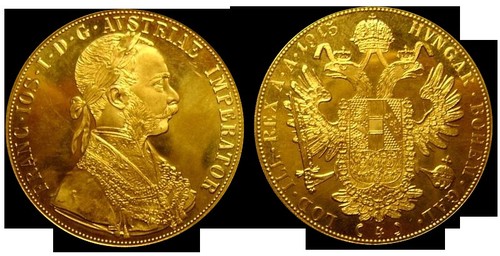
Austrian Gold Ducat
A high-purity Austrian gold ducat of the Habsburg monarchy, showing a crowned ruler in military dress on the obverse and the double-headed imperial eagle on the reverse.
Bullion/gold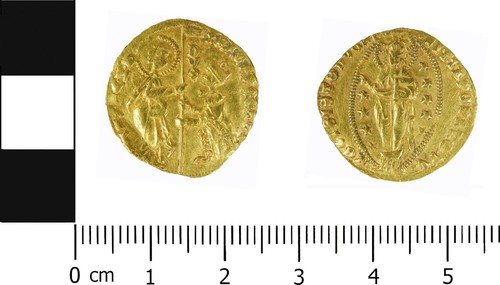
Venetian Ducat
A medieval gold ducat of the Republic of Venice, showing Saint Mark presenting a banner to the kneeling Doge on one side and Christ on the other.
Medieval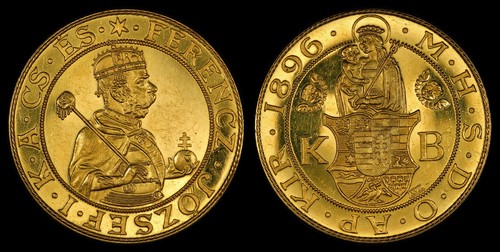
Hungarian 9 Ducats
A large gold multiple-ducat piece of Hungary dated 1896, showing a bearded crowned figure with sword and shield and the crowned Hungarian arms.
Bullion/gold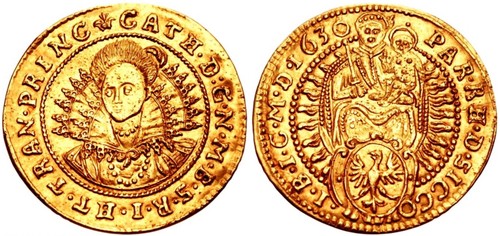
Transylvanian Ducat of Catherine of Brandenburg
Gold ducat dated 1630 of Catherine of Brandenburg, ruling Princess of Transylvania, with her portrait and a double-headed eagle and shield reverse.
Medieval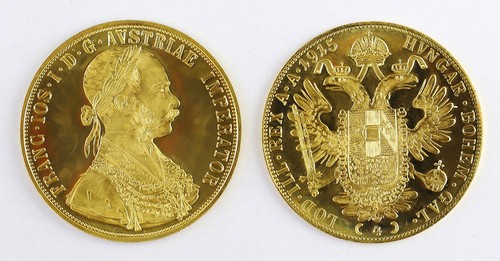
Austrian 4-fold Ducat
A large Austrian gold 4 Ducat dated 1915, showing Emperor Franz Joseph I in uniform and the crowned double-headed imperial eagle.
Bullion/gold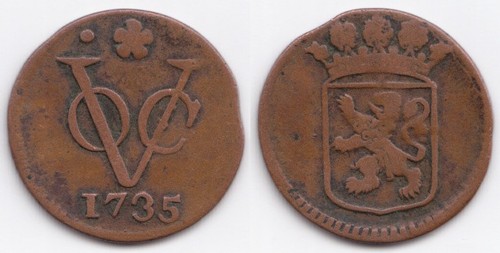
Dutch East Indies Duit
Small copper duit of the Dutch East India Company (VOC), showing the interlaced VOC monogram and a crowned provincial coat of arms, dated 1735.
Southeast Asia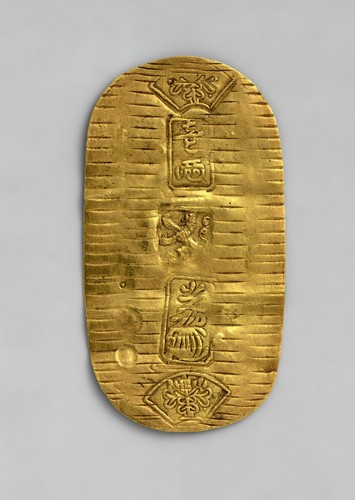
Koban with Dutch East Indies Counterstamp
An Edo-period Japanese gold koban bearing later punched marks, including a Japanese character cartouche and a Dutch coat-of-arms counterstamp.
Colonial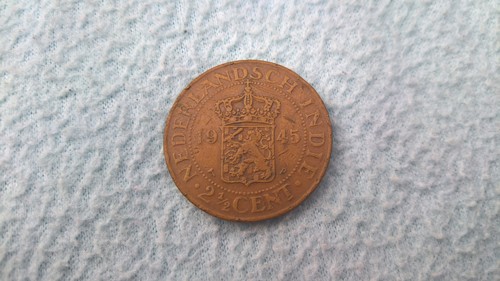
Netherlands East Indies 2 Cent
A wartime 1945 bronze 2-cent coin of the Dutch colony of the Netherlands East Indies, showing the crowned Netherlands shield and an ornate colonial reverse.
Southeast Asia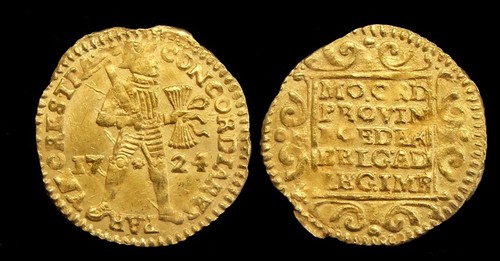
Gouden Dukaat
A Dutch gold trade ducat of the United Provinces, showing an armored standing knight and an inscribed heraldic tablet; this example is dated 1724.
Early Modern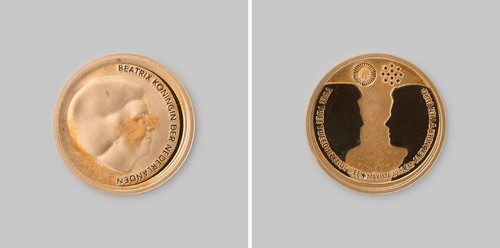
10 Euro (Royal Marriage)
A 2002 Netherlands gold 10 Euro commemorating the royal wedding, with Queen Beatrix on the obverse and the dual profiles of Willem-Alexander and Maxima on the reverse.
Commemorative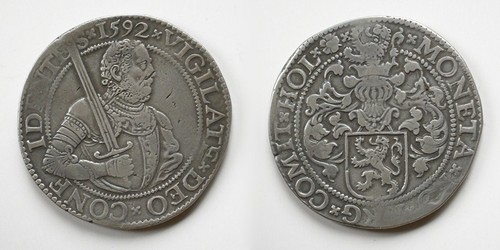
Prinsendaalder (Rijksdaalder)
A large silver rijksdaalder of the Dutch Republic showing an armored bust with sword, popularly named the Prinsendaalder after the Prince of Orange.
Early Modern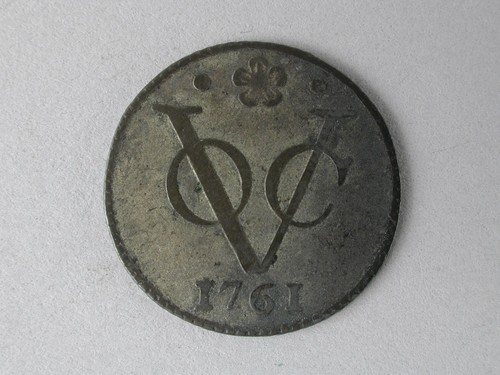
Halve Duit (VOC)
Small copper half-duit of the Dutch East India Company (VOC), bearing the crowned VOC monogram, struck in the 1700s for use in the Dutch trading world.
Early Modern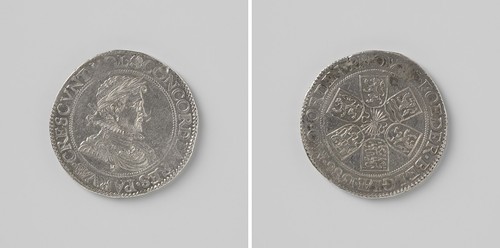
Rijksdaalder van Leicester
A large silver Dutch rijksdaalder of the Leicester type, with a helmeted armored bust and ruff on the obverse and a compartmented heraldic shield on the reverse.
Early Modern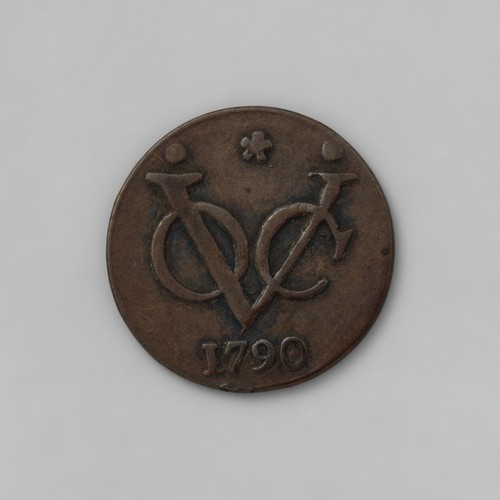
Duit (VOC)
A small copper duit struck for the Dutch East India Company (VOC), showing the crowned VOC monogram and the date 1790 on the obverse.
Early Modern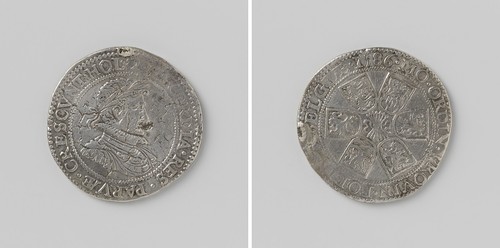
Halve Rijksdaalder van Leicester
Silver half rijksdaalder of the Leicester type, struck in the rebelling Dutch provinces, showing an armored bust and a split provincial shield.
Early Modern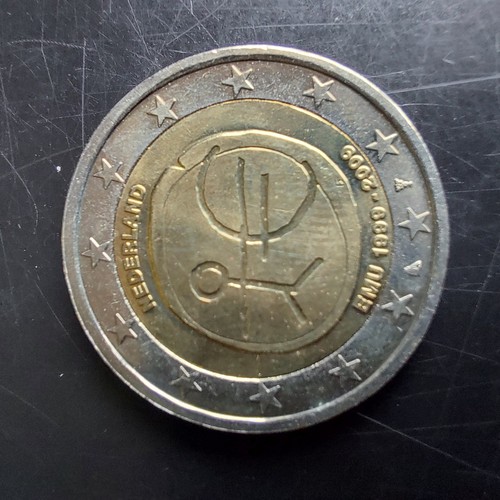
1 Euro (10 Years EMU)
Dutch bi-metallic 1 Euro marking ten years of Economic and Monetary Union, with a stylized integration design and the twin dates 1999 and 2009.
Commemorative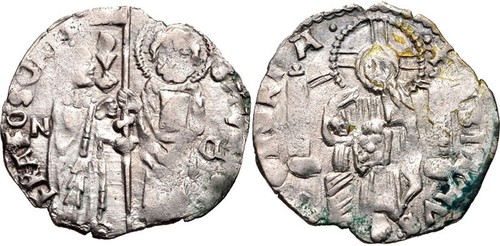
Venetian Grosso (Matapan)
High-purity silver Grosso of medieval Venice: the Doge kneeling before St. Mark on the obverse, an enthroned Christ on the reverse.
Medieval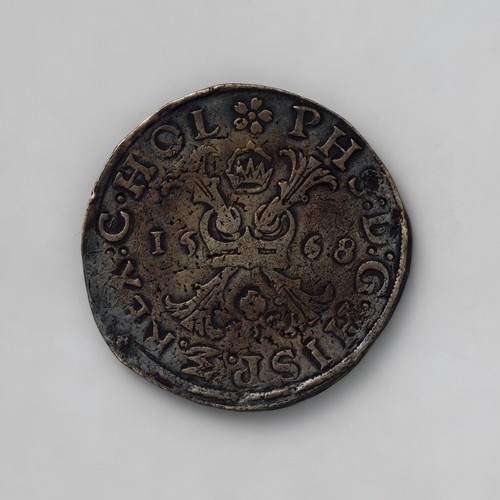
Bourgondische Rijksdaalder
A large silver rijksdaalder of the Habsburg Netherlands showing Philip II in helmeted armor, with a compartmented heraldic shield and the Golden Fleece collar.
Early Modern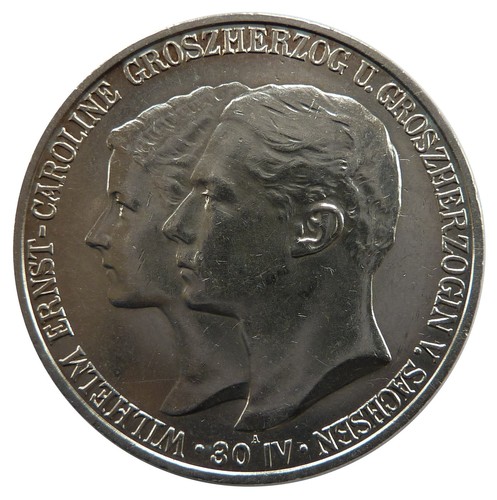
Sachsen-Weimar-Eisenach 5 Mark Wedding Commemorative
A silver German Empire 5 Mark of Sachsen-Weimar-Eisenach struck to mark a grand-ducal wedding, showing conjoined bride-and-groom profile busts.
Commemorative