
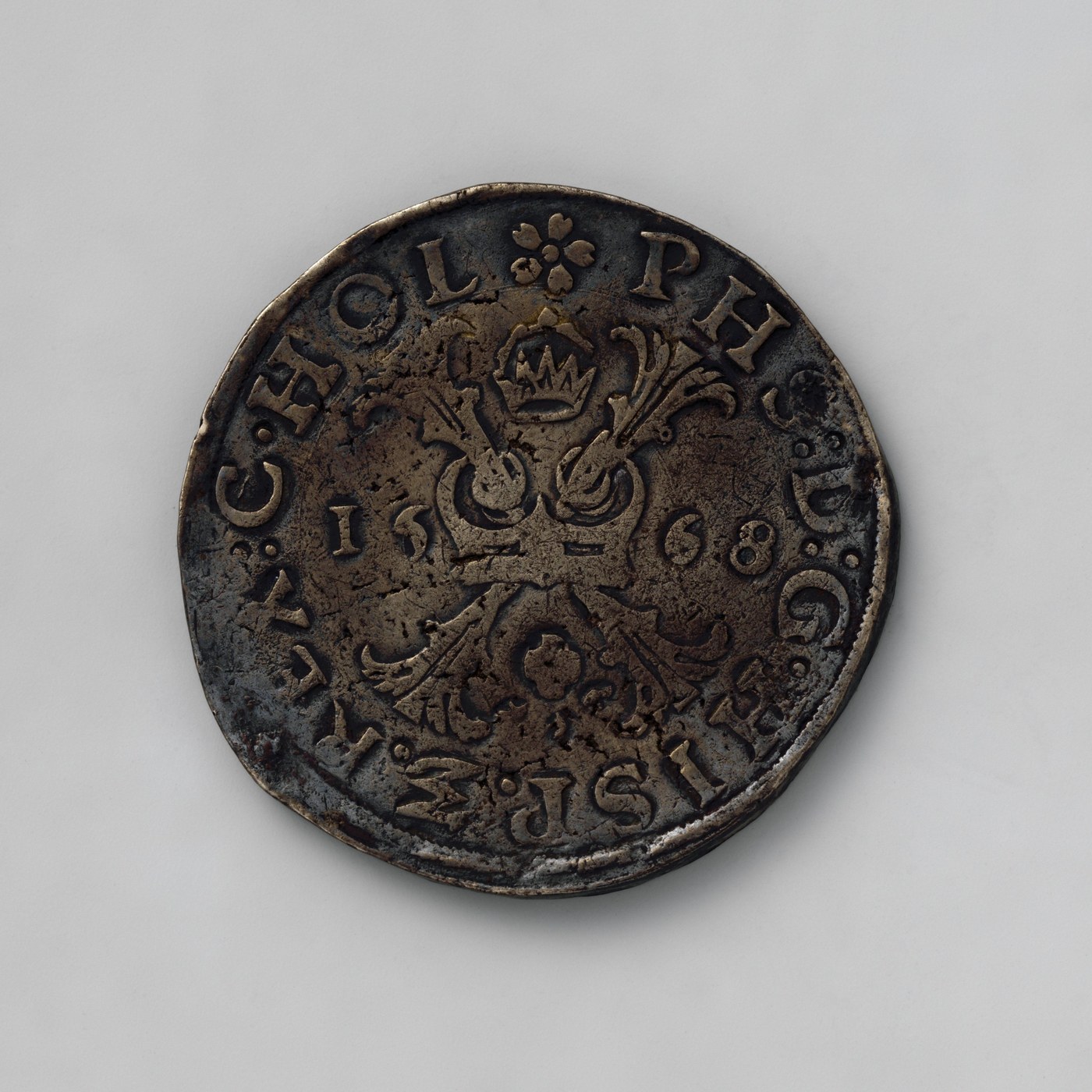
Bourgondische Rijksdaalder
A large silver rijksdaalder of the Habsburg Netherlands showing Philip II in helmeted armor, with a compartmented heraldic shield and the Golden Fleece collar.
- Country
- Netherlands
- Denomination
- Rijksdaalder
- Metal
- Silver
Got a coin like this?
Identify any coin from a photo, free.
Overview
The Bourgondische Rijksdaalder is a large silver coin of the Habsburg (Burgundian) Netherlands, struck in the name of Philip II. The example shown here is dated 1568 and displays the king's armored bust facing right, wearing an ornate cuirass and helmet, on the obverse, with a compartmented heraldic shield of many quarterings on the reverse.
As its name suggests, the coin belongs to the rijksdaalder family, the Netherlandish counterpart of the German Reichsthaler or 'imperial dollar.' It is a heavy silver piece, typically around 29 grams and roughly 40 millimeters across, sitting at the upper end of the everyday circulating silver of its day.
The reverse arms are the composite Burgundian-Habsburg coat, drawing together the many territories claimed by Philip II as lord of the Seventeen Provinces, usually encircled by the collar of the Order of the Golden Fleece. That armorial reverse, paired with the helmeted military portrait, is the coin's defining look.
History & Background
Philip II ruled the Seventeen Provinces of the Low Countries as their sovereign while also reigning as King of Spain. The Bourgondische Rijksdaalder was introduced in the late 1560s to give the Netherlands a heavy trade coin matching the widely accepted German Reichsthaler standard, and it takes its 'Burgundian' name from the Habsburg inheritance of the old Duchy of Burgundy that these provinces represented.
The 1568 date on the observed coin places it at a charged moment: it is the year traditionally marking the outbreak of the Dutch Revolt, the long struggle later known as the Eighty Years' War, in which much of the Netherlands rose against Philip II's rule. Coins of this exact type were therefore struck as royal authority in the provinces was beginning to fracture.
Production was spread across the provincial mints of the Habsburg Netherlands rather than a single central facility, so surviving pieces vary in small details, legends, and mint marks. Later, breakaway provinces and the emerging Dutch Republic would issue their own rijksdaalders and related daalders, but the Burgundian type with Philip's helmeted portrait belongs to the earlier, still-Habsburg phase of the denomination.
How to Identify
The single most telling feature is the obverse portrait: a helmeted bust of Philip II in ornate armor, facing right, rather than a bare-headed or crowned head. This military, harnessed portrait sets the Bourgondische Rijksdaalder apart from many other daalders of the period, which favor a cross or a plainer bust.
On the reverse, look for a compartmented shield packed with multiple blazons, the combined arms of Philip's many territories, commonly surrounded by the chain-like collar of the Order of the Golden Fleece with its sheep pendant. Latin legends around both faces name Philip and his titles, often heavily abbreviated, and normally include the date.
The coin is high-grade silver, large and heavy in the hand at roughly 29 grams and about 40 millimeters wide, with a grey-white tone and, on original pieces, honest wear or old cabinet toning rather than bright modern brilliance. Because it was made at several provincial mints, the small privy mark or mintmaster's symbol in the legend or field is important for placing where a given coin was struck.
Value & Collectibility
As a large, roughly 450-year-old silver coin tied to a famous historical figure and moment, the Bourgondische Rijksdaalder carries value from its silver content, its age, and its collector appeal. The silver alone gives a modest floor, but genuine period examples trade well above melt because of their history and demand among collectors of Dutch and Habsburg coinage.
Condition drives price sharply. Well-struck, clearly dated pieces with a sharp portrait and full legends command strong premiums, while worn, cleaned, holed, or damaged coins are much more affordable. The issuing mint, the completeness of the heraldic detail, and the eye appeal of the toning all matter to specialists.
Because large silver daalders of this era are sometimes faked or reproduced, value is closely tied to authentication. A coin verified by a recognized grading service or backed by credible provenance is worth considerably more than an unattributed piece of similar appearance, and any high-value example is best confirmed before purchase or sale.
Frequently asked questions
Who is the man on the Bourgondische Rijksdaalder?
The armored, helmeted bust is Philip II, King of Spain and sovereign lord of the Habsburg Netherlands. The coin was struck in his name, and the surrounding Latin legend gives his titles, usually in abbreviated form.
Why is it called 'Burgundian'?
The name refers to the Habsburg inheritance of the old Duchy of Burgundy, to which the Seventeen Provinces of the Low Countries belonged. The reverse arms and the Order of the Golden Fleece both reflect that Burgundian heritage.
What does the 1568 date signify?
1568 is traditionally regarded as the start of the Dutch Revolt, the Eighty Years' War against Philip II's rule. A rijksdaalder of that year was struck just as royal authority in the Netherlands was beginning to break down.
How big and heavy is the coin?
It is a large silver piece, typically around 29 grams and roughly 40 millimeters in diameter, on the German Reichsthaler standard. Exact figures vary slightly by mint and by wear.
Is the reverse a religious image?
No. The reverse is heraldic: a compartmented shield combining the arms of Philip's many territories, usually ringed by the collar of the Order of the Golden Fleece, not a religious scene.
Bourgondische Rijksdaalder guides
In-depth guides for identifying, valuing, and collecting Bourgondische Rijksdaalder.
Other coins you may enjoy
Scudo (Philip V)
c. 1701–1708
Rijksdaalder van Leicester
1580s-1590s
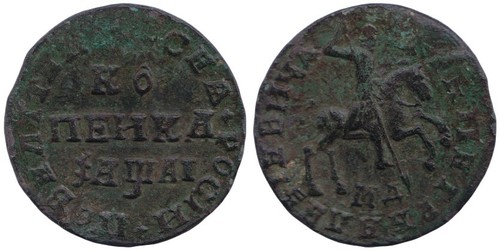
Kopek (Peter I)
c. 1704–1718 (observed 1711)
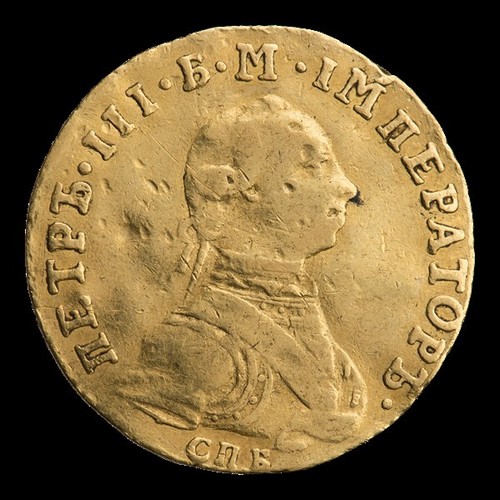
Imperial Chervonets
1762
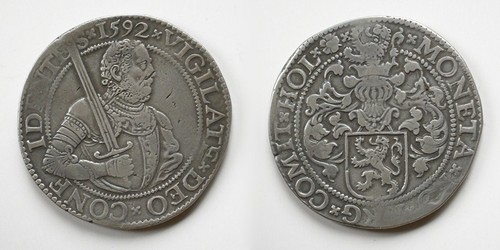
Prinsendaalder (Rijksdaalder)
1592
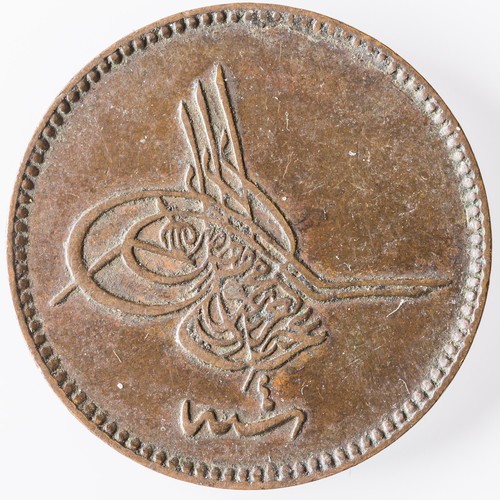
10 Para
AH 1280 (1863-1864 CE)
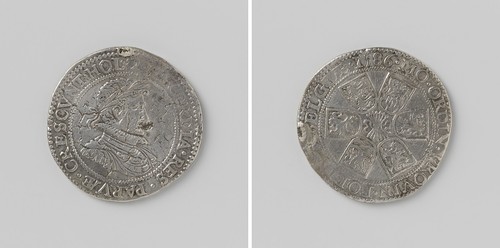
Halve Rijksdaalder van Leicester
1580s-1590s
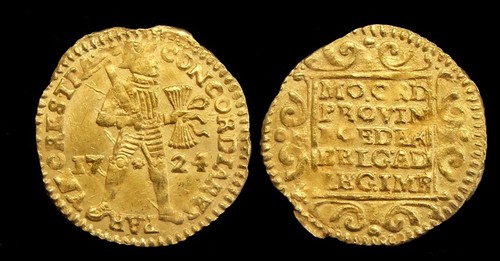
Gouden Dukaat
1724
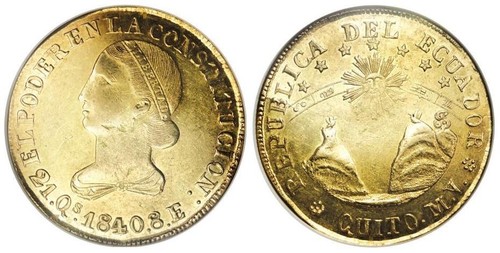
Escudo (Joanna and Charles V, contemporary copy)
1516-1558
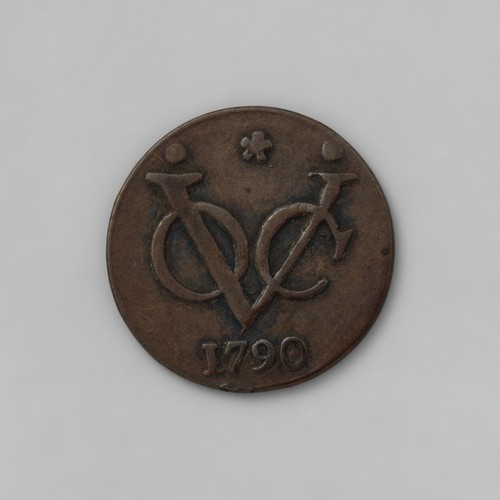
Duit (VOC)
1790
4 Escudos
1780s
Tymf
1663