
Coin Encyclopedia
Search and identify coins from around the world — with country, denomination, metal, mint, history, and how to tell them apart.
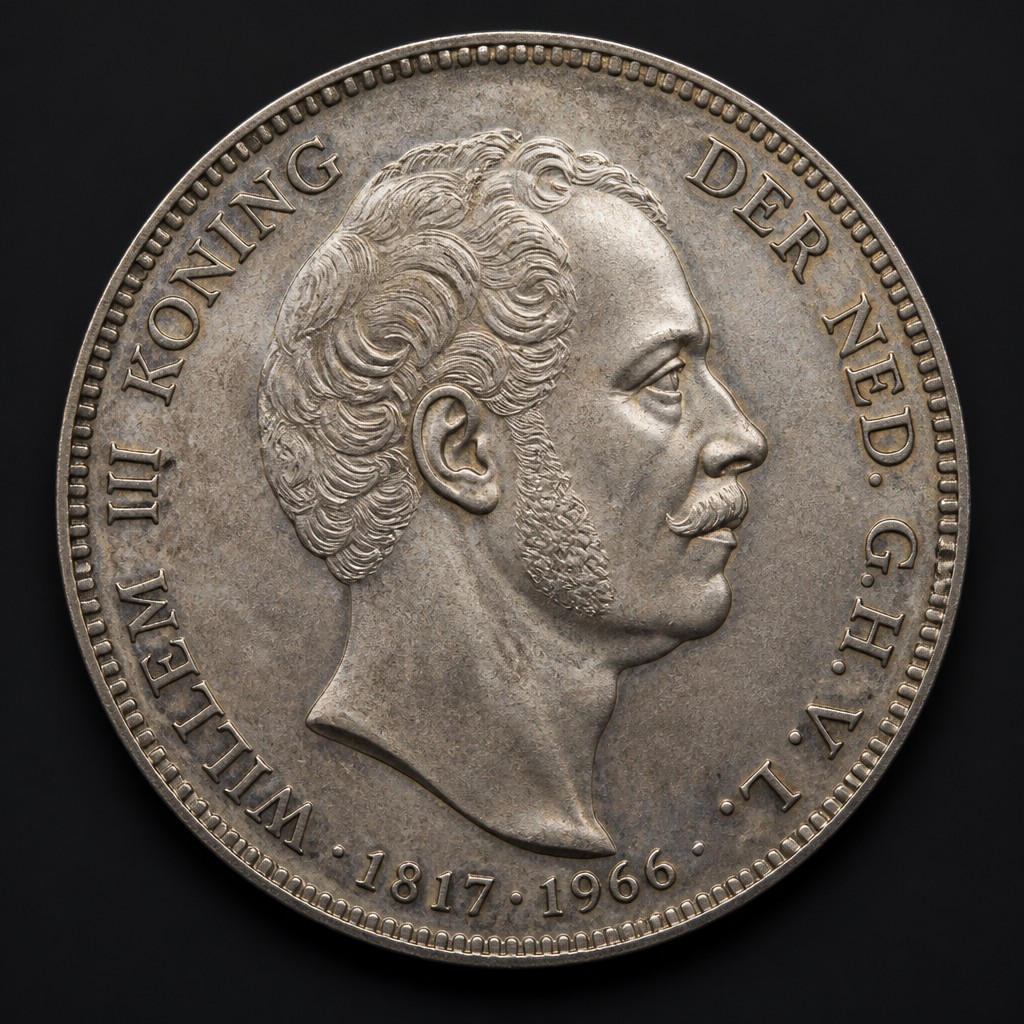
Netherlands 2½ Gulden
The largest regularly circulating silver coin of the Kingdom of the Netherlands, popularly nicknamed "rijksdaalder," featuring the reigning monarch's portrait across more than a century of Dutch coinage.
European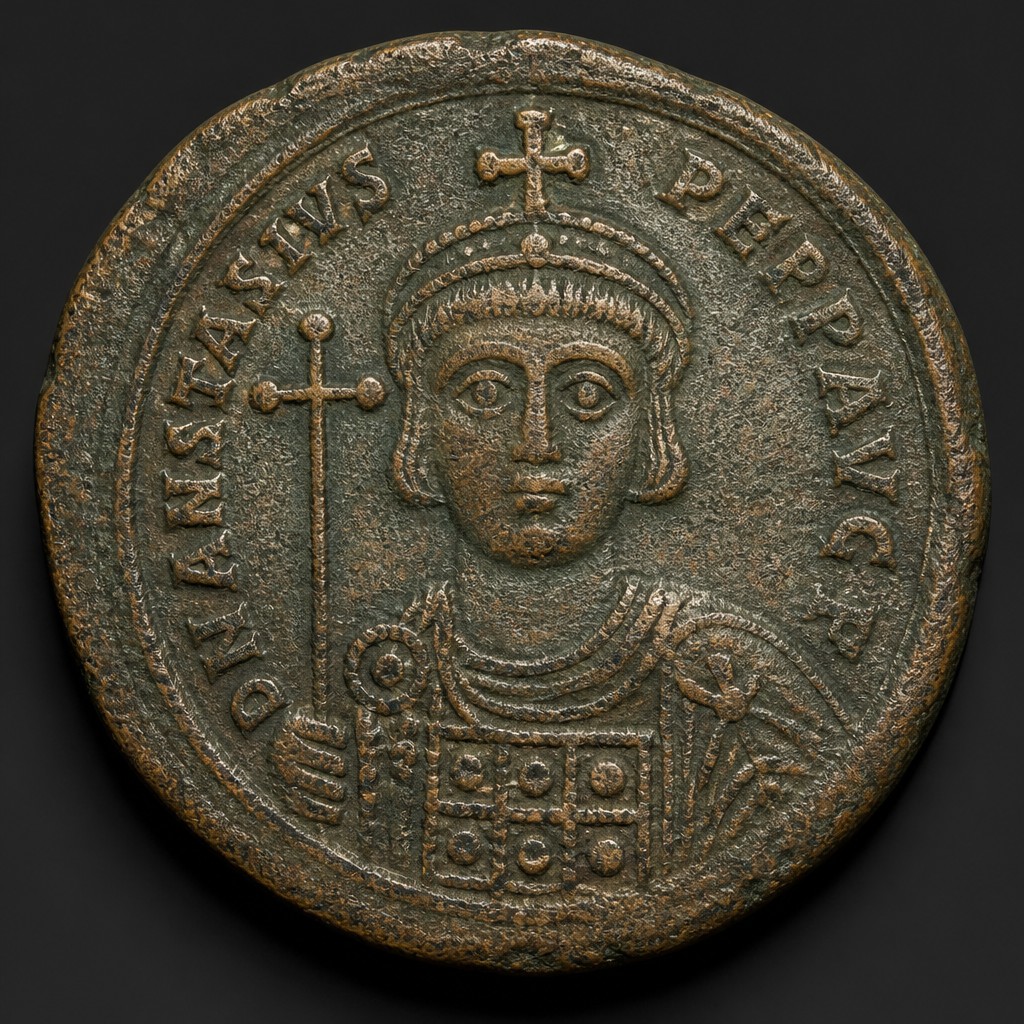
Byzantine Follis
The large bronze workhorse coin of everyday Byzantine commerce, reformed by Emperor Anastasius I in 498 AD with a prominent Greek numeral denoting its value of 40 nummi.
Ancient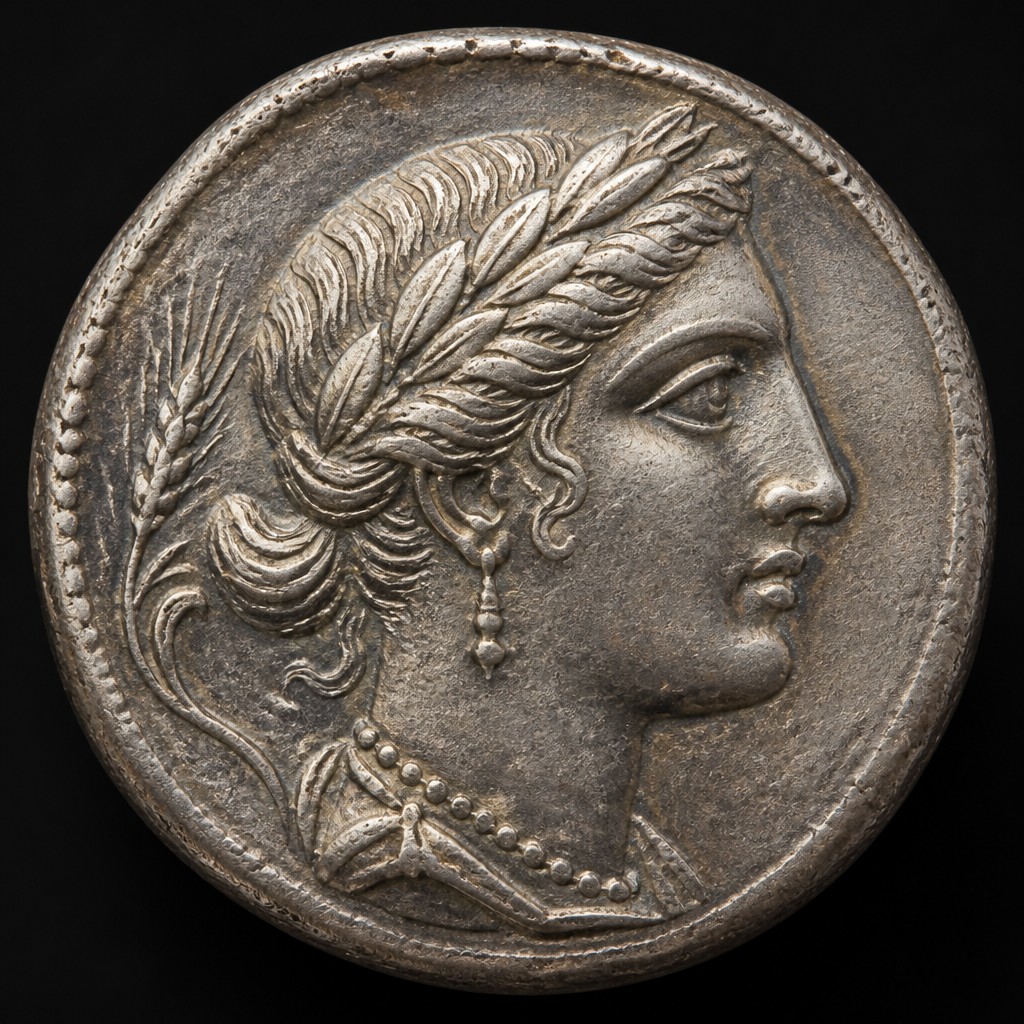
Panormus Siculo-Punic Tetradrachm
A silver tetradrachm struck at Panormus under Carthaginian control in Sicily, blending Greek artistic style with Punic legends, a hallmark of the distinctive Siculo-Punic coinage series.
Ancient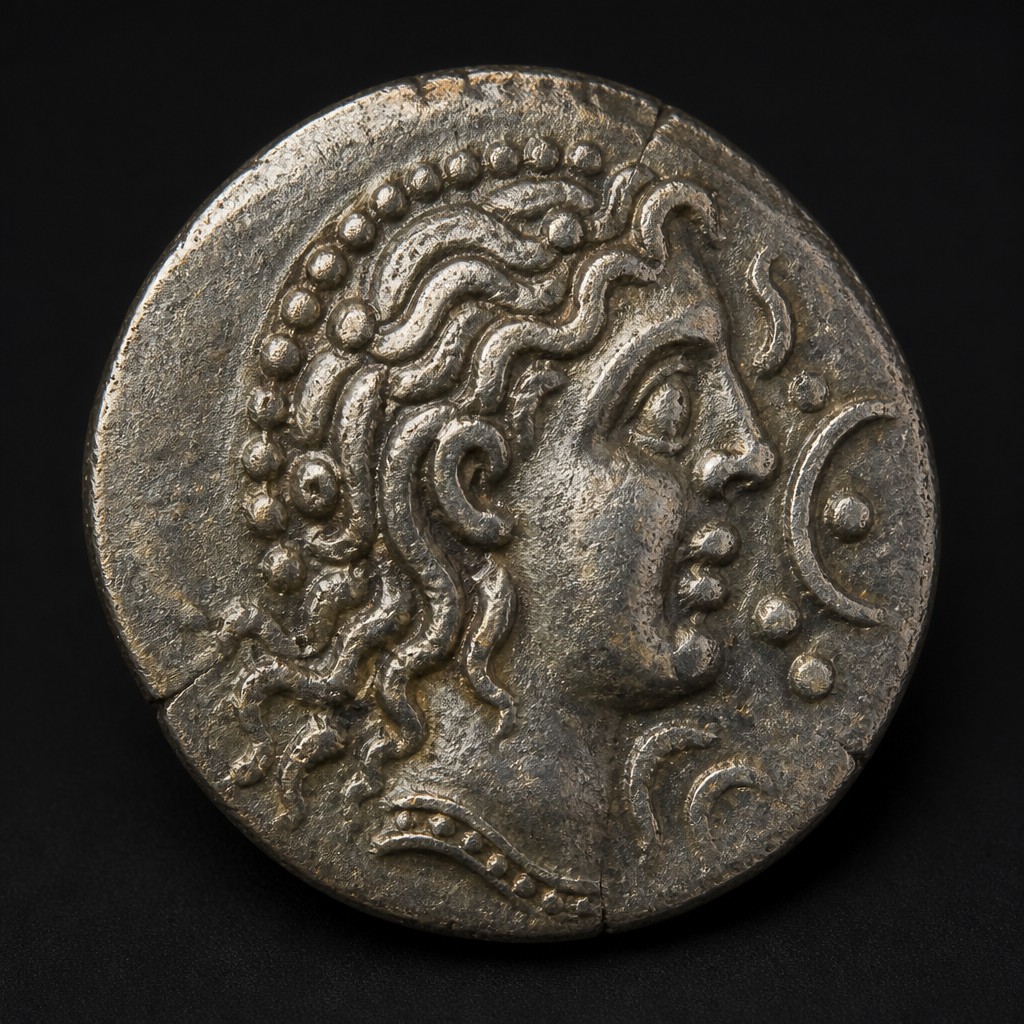
Armorican Billon Stater
A debased silver-alloy stater struck by Celtic tribes of Armorica (modern Brittany), showing wildly abstracted horse and head designs derived from Greek prototypes.
Ancient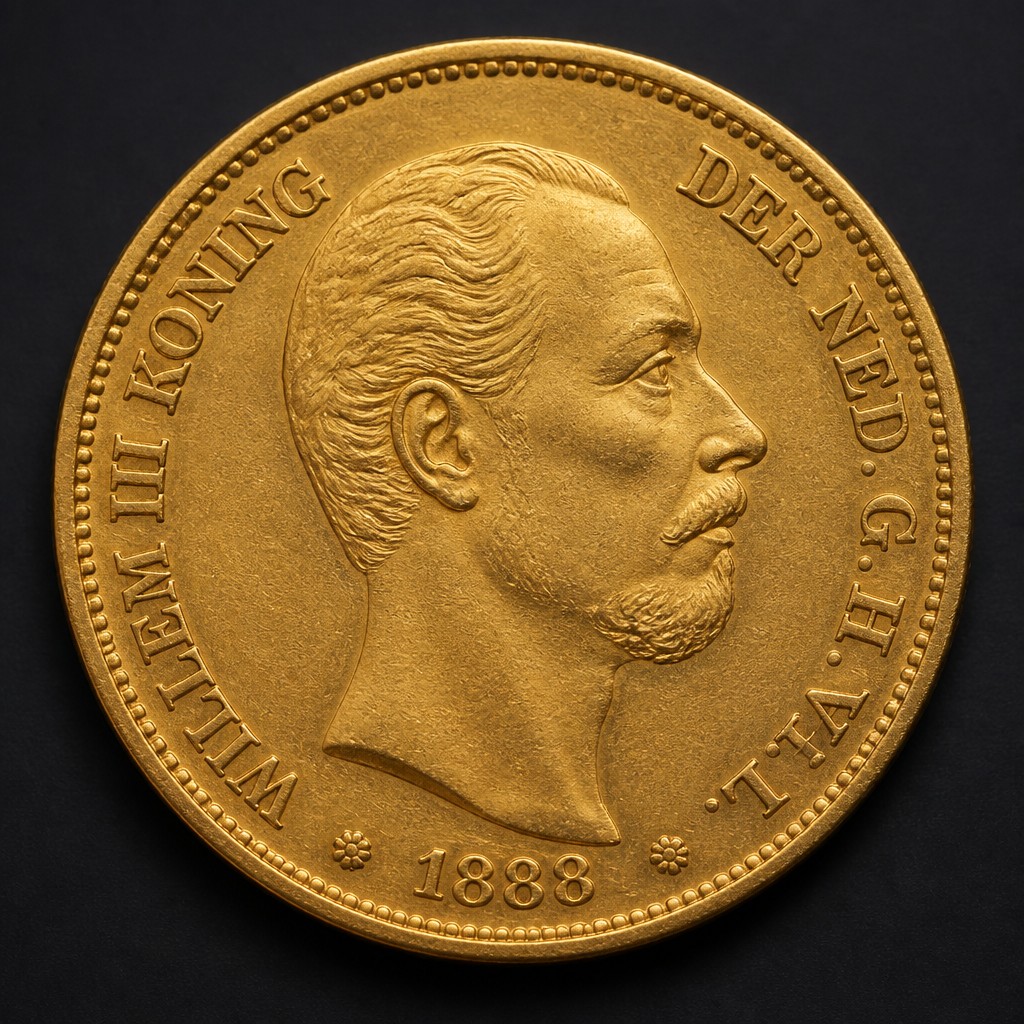
Netherlands 5 Gulden Gold
A gold 5 gulden coin struck intermittently by the Kingdom of the Netherlands, first under King William I in the 1820s and later as a rare 1912 commemorative under Queen Wilhelmina.
European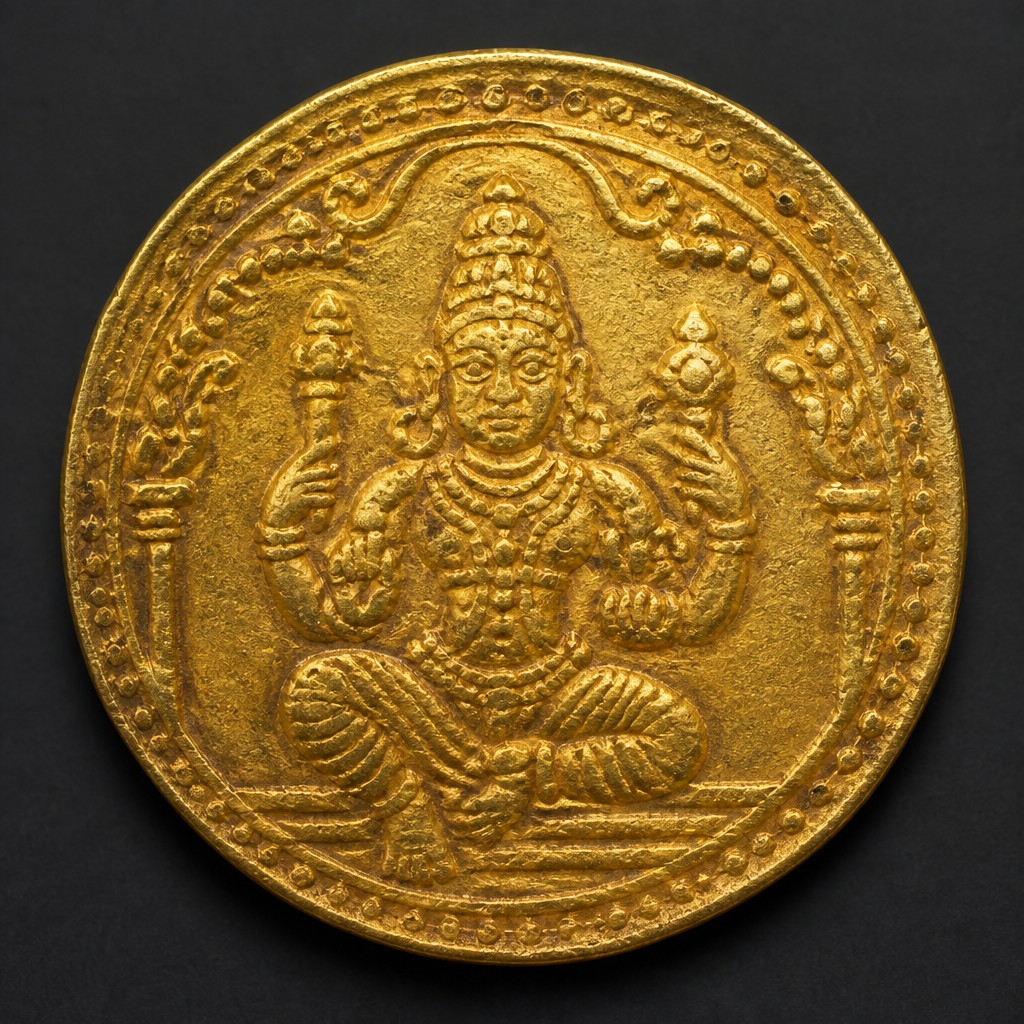
India Gold Pagoda (Madras Presidency)
Small gold coin traditionally used across South India, later adopted and standardized by the East India Company's Madras Presidency before being phased out for rupee-based currency.
Asian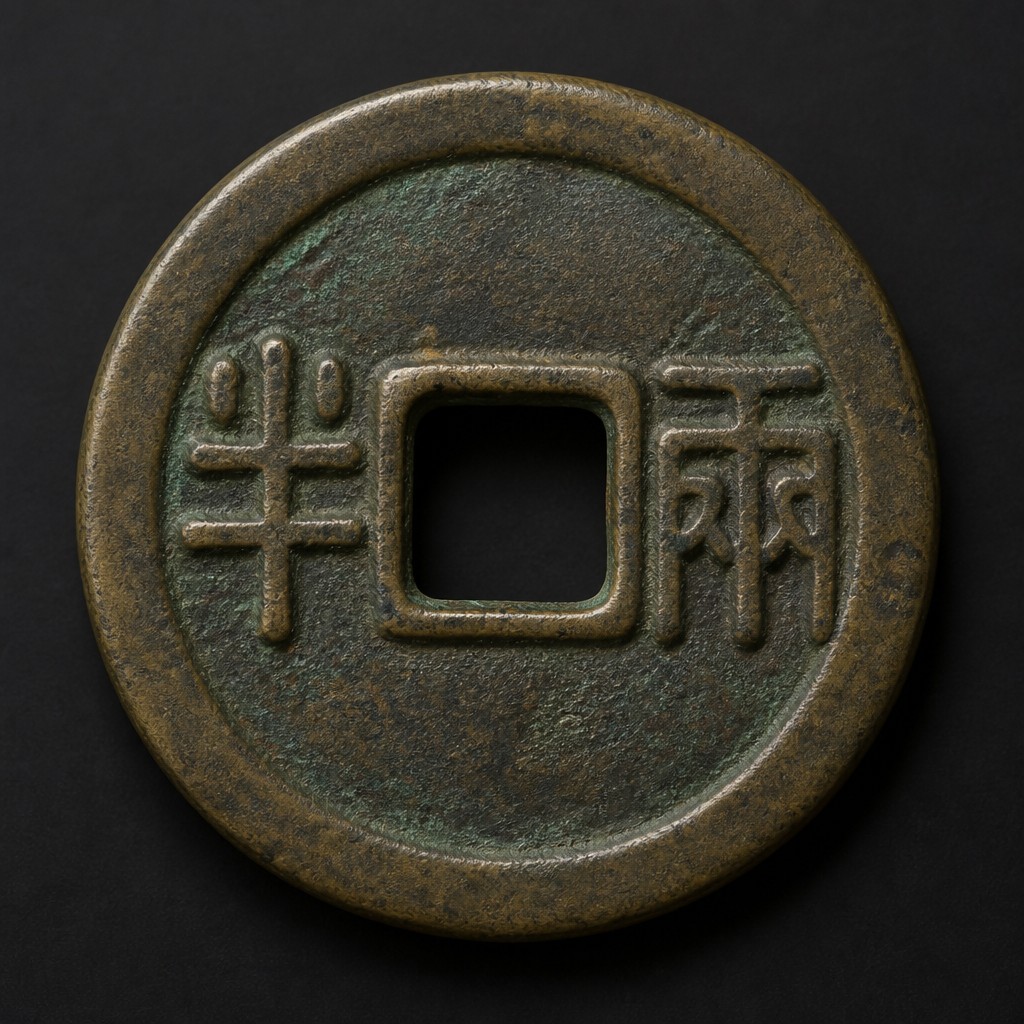
Chinese Ban Liang Cash
China's first standardized round coin with a square center hole, introduced under Qin Shi Huang to unify currency across the newly consolidated Chinese empire.
Ancient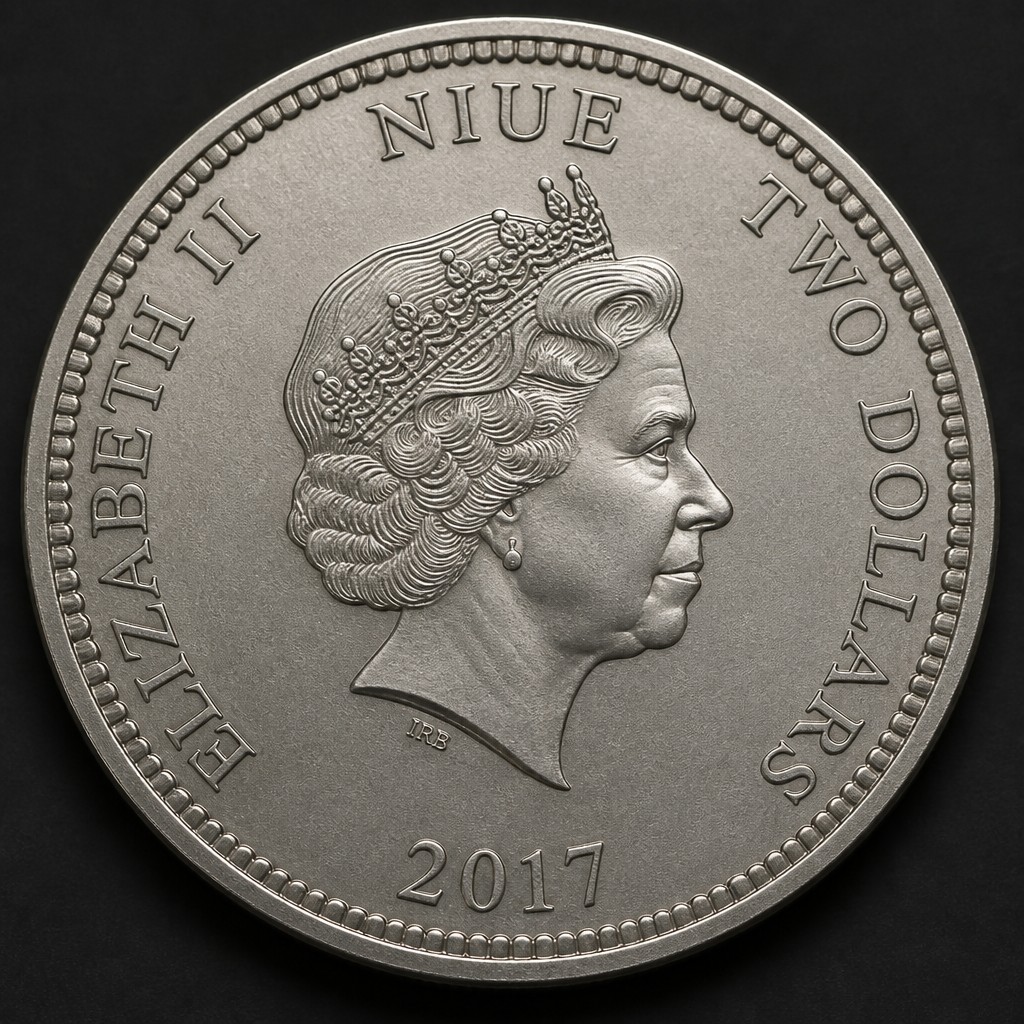
Niue Silver Owl (Athenian)
A modern silver bullion coin issued in the name of Niue, reviving the design of the ancient Athenian owl tetradrachm as a tribute to classical coinage.
Bullion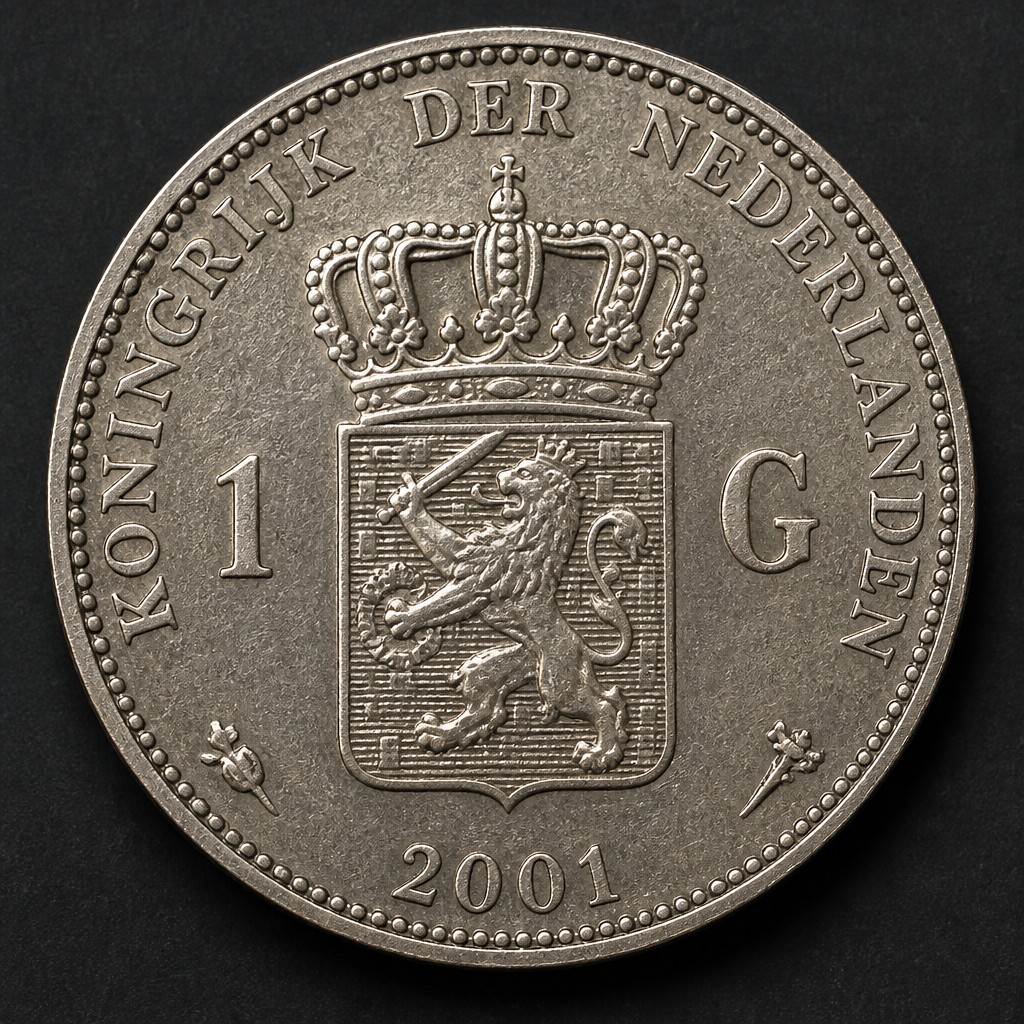
Netherlands Rijksdaalder Gulden
The 2.5 guilder coin of the Kingdom of the Netherlands, carrying forward the historic rijksdaalder name through the monarchy era until the euro's adoption.
European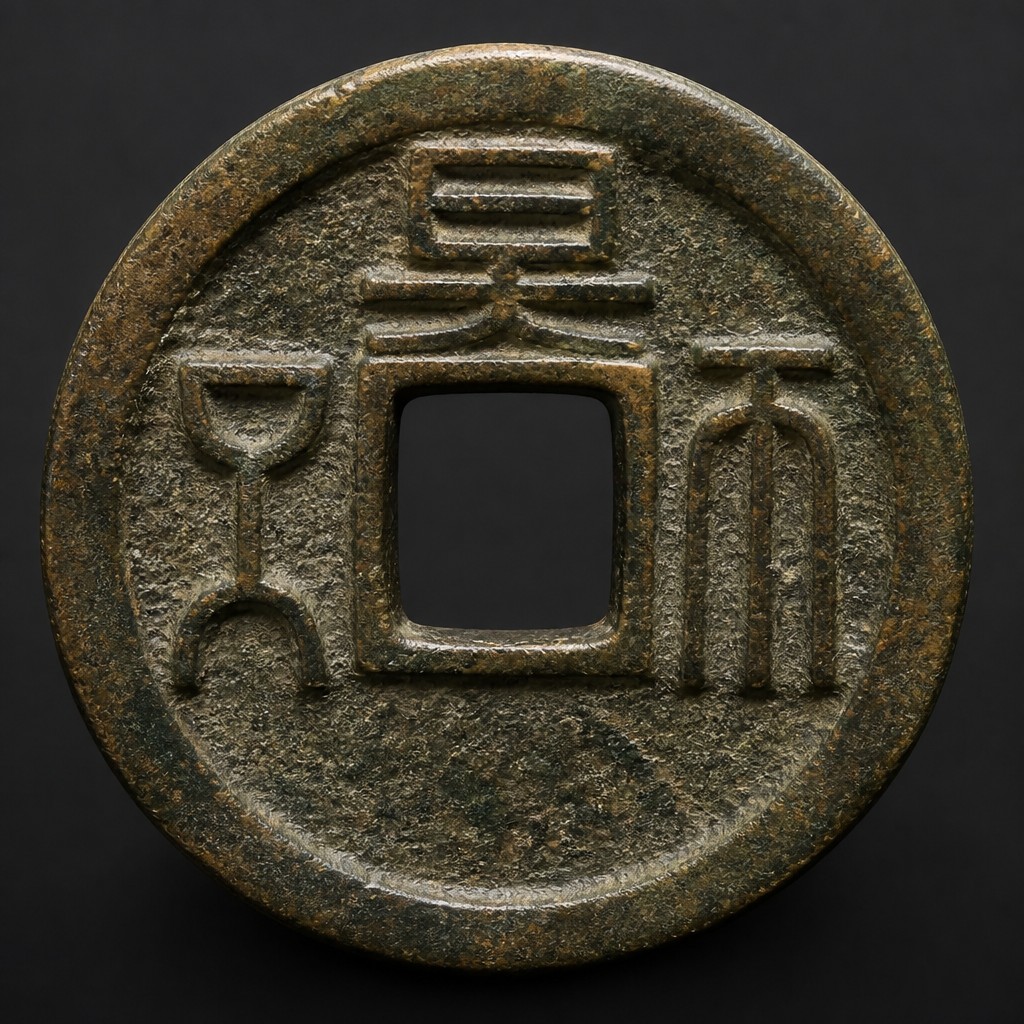
Chinese Wu Zhu Cash
One of history's longest-running coin types, cast continuously for over seven centuries across multiple Chinese dynasties after its introduction under Emperor Wu of Han.
Ancient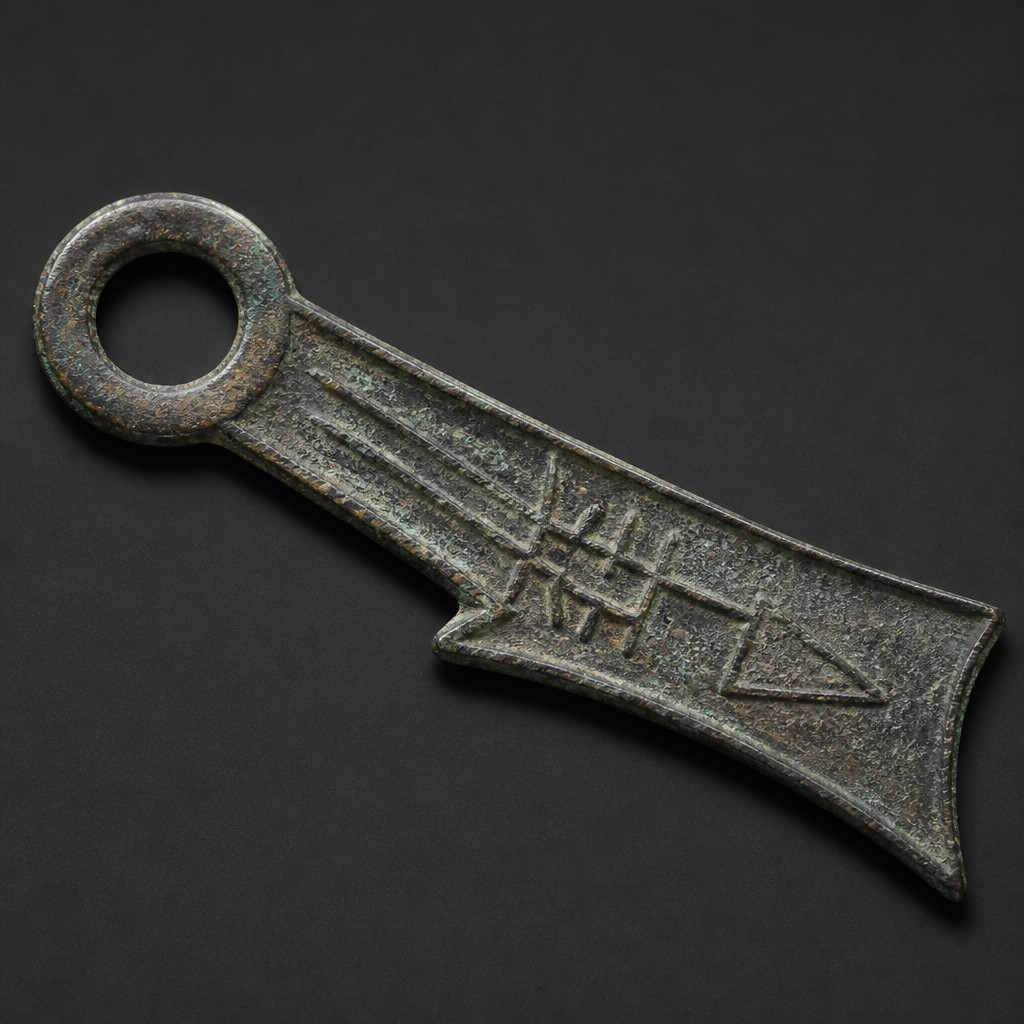
Chinese Knife Money (Ming Dao)
An ancient Chinese bronze currency cast in the shape of a knife, bearing a character often read as "Ming" on its blade, used mainly by the northern state of Yan before round coinage prevailed.
Asian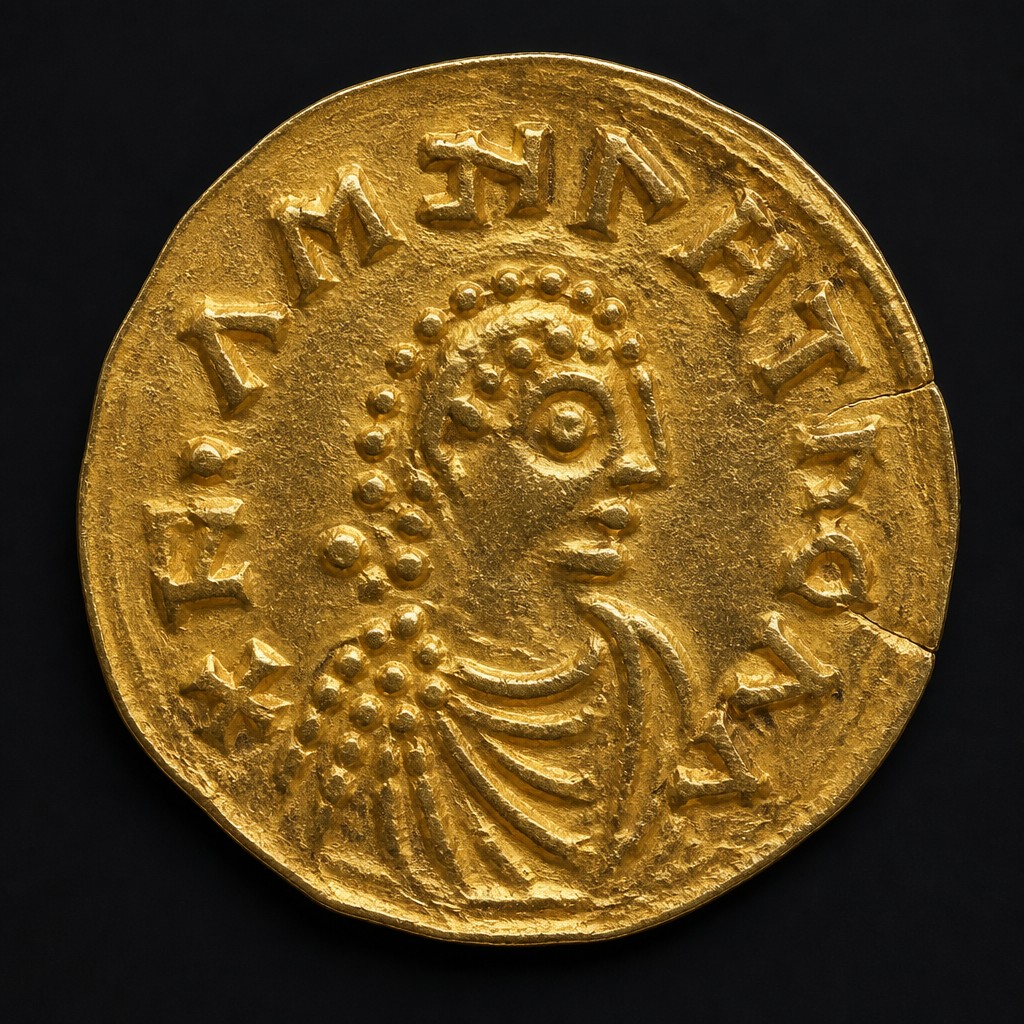
Merovingian Gold Tremissis
A small gold coin of the Merovingian Frankish kingdom, worth one-third of a solidus, often naming the local moneyer who struck it rather than the reigning king.
European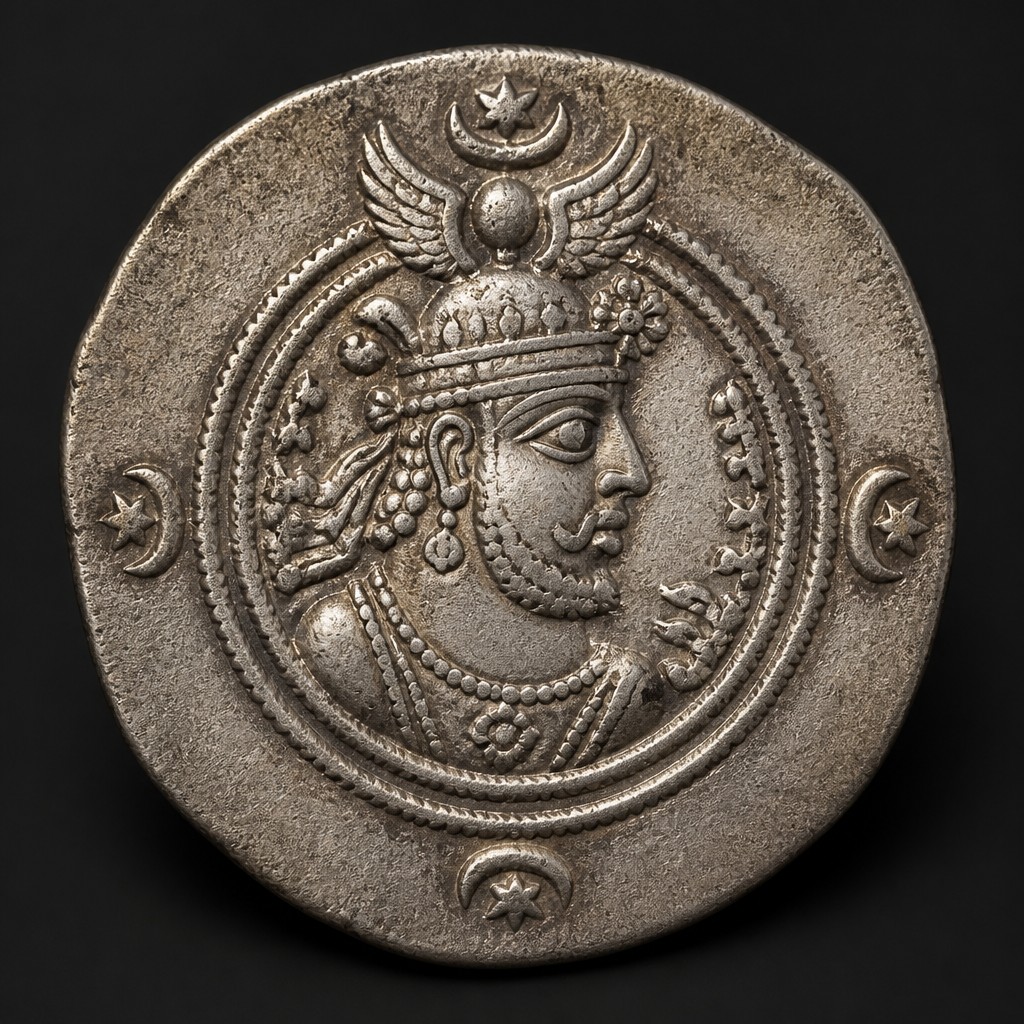
Sassanian Drachm of Khusro II
A silver coin of the long-reigning Sasanian king Khusro II, among the most commonly found ancient Persian coins, showing his ornate crowned bust and a Zoroastrian fire altar.
Ancient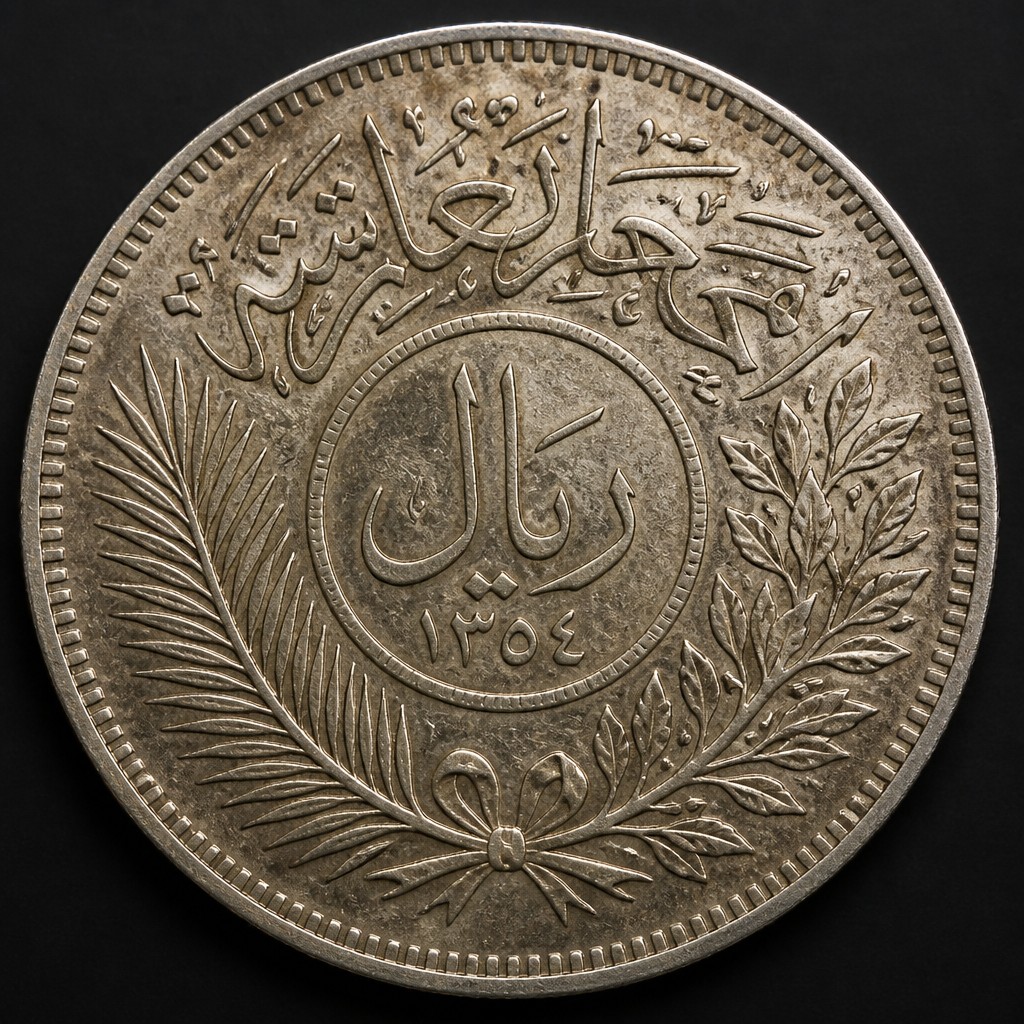
Saudi Arabian Riyal (silver)
The standardized silver riyal introduced by King Abdulaziz to unify the currency of the newly formed Kingdom of Saudi Arabia, featuring Arabic inscriptions and national emblems without a ruler's portrait.
Asian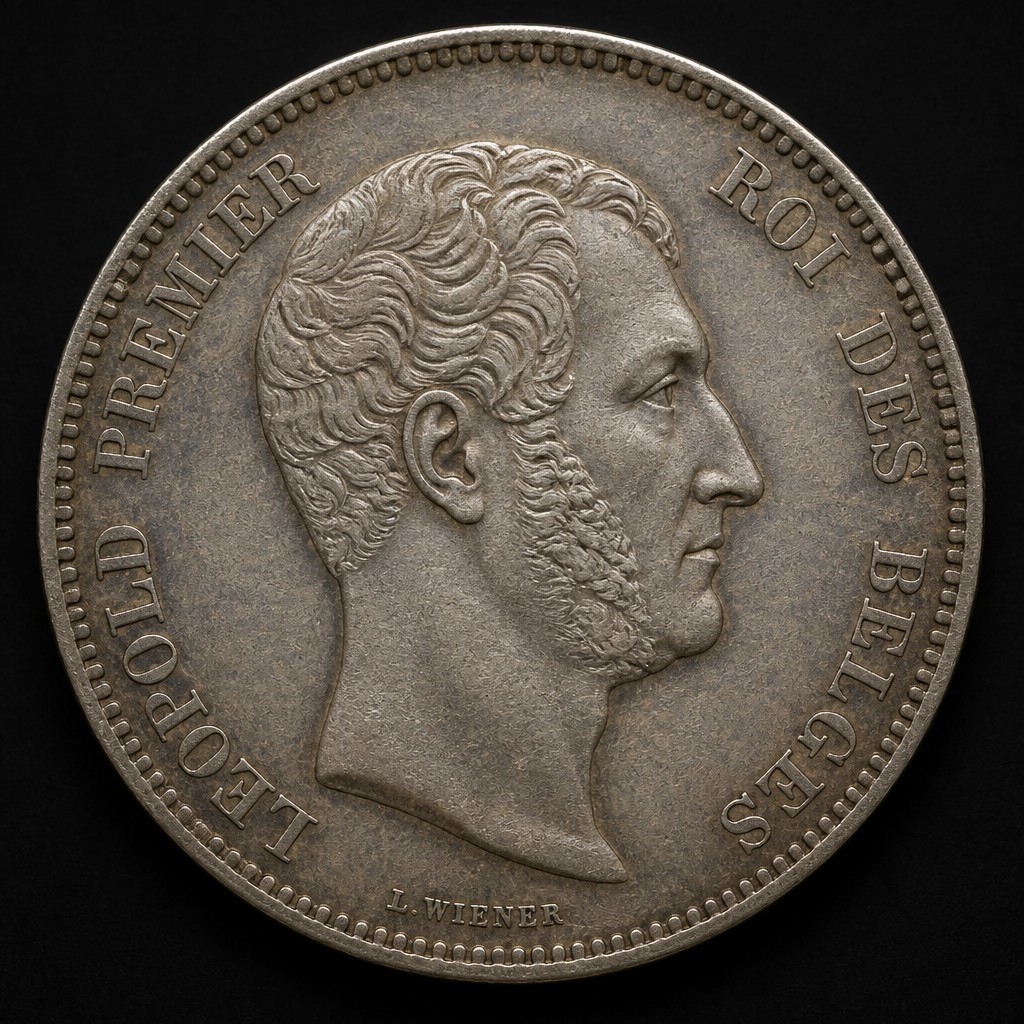
Belgian 5 Francs
A large silver crown of the newly independent Kingdom of Belgium, bearing the portrait of Leopold I or Leopold II and the national coat of arms, a flagship coin of the young nation's currency.
European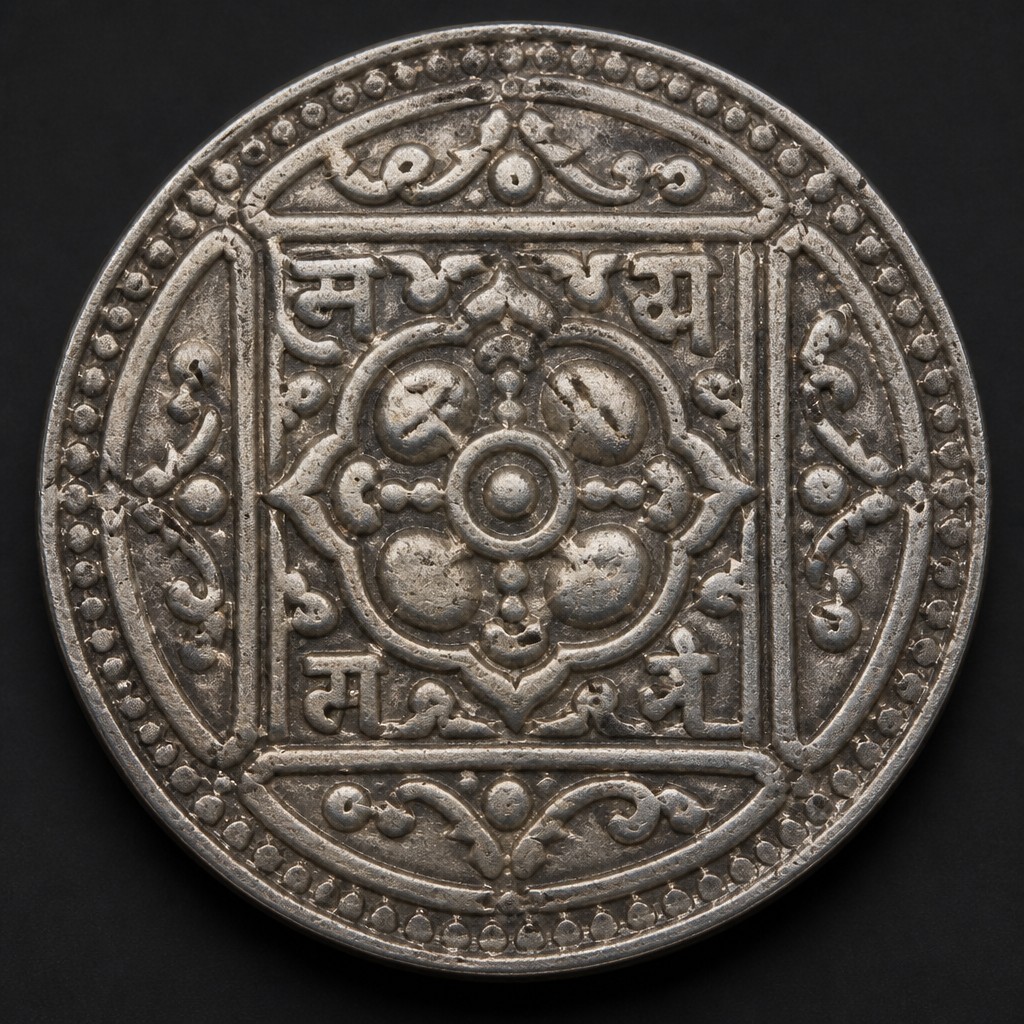
Nepal Silver Mohar
A traditional silver denomination issued by the Malla city-kingdoms and later the unifying Shah dynasty of Nepal, typically bearing Devanagari script rather than portraits.
Asian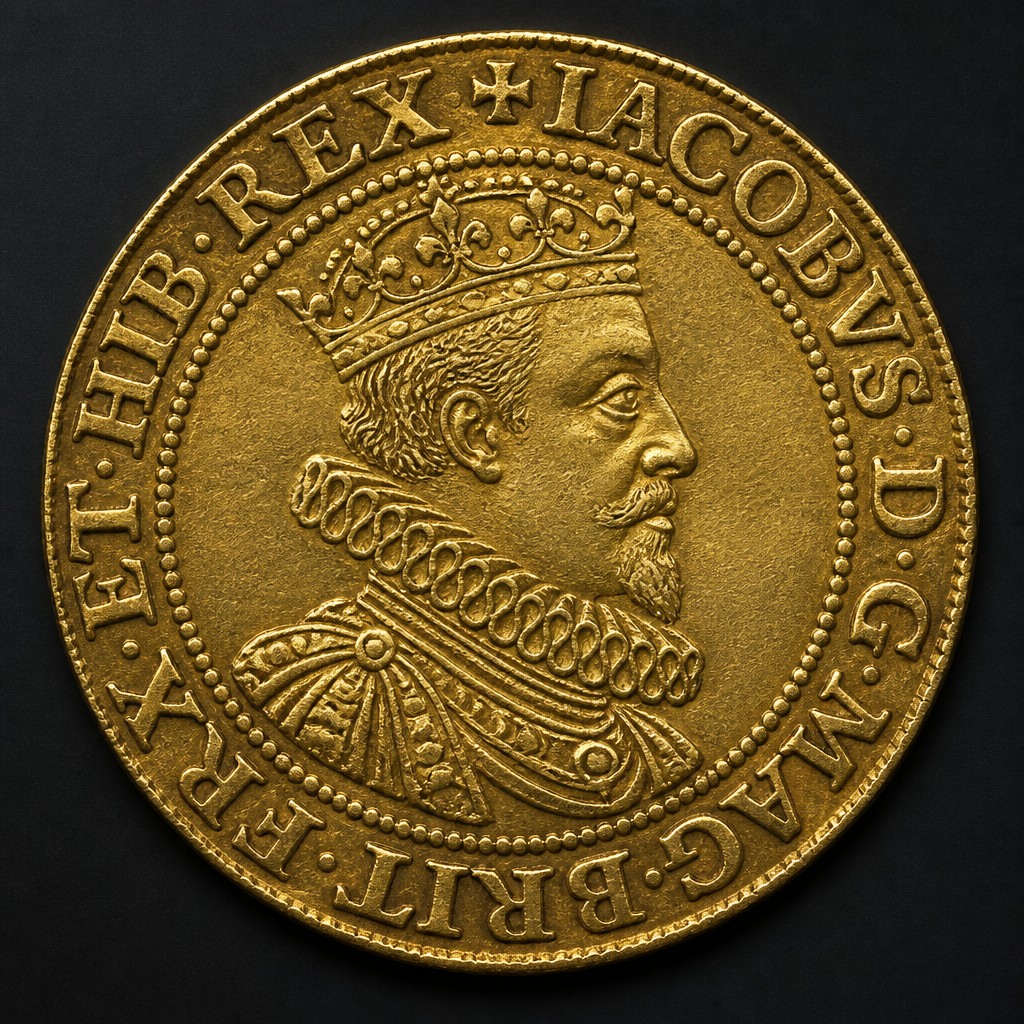
Unite
A gold twenty-shilling coin introduced by James I in 1604 to celebrate the union of the English and Scottish crowns, its name literally symbolizing the joining of the two kingdoms.
British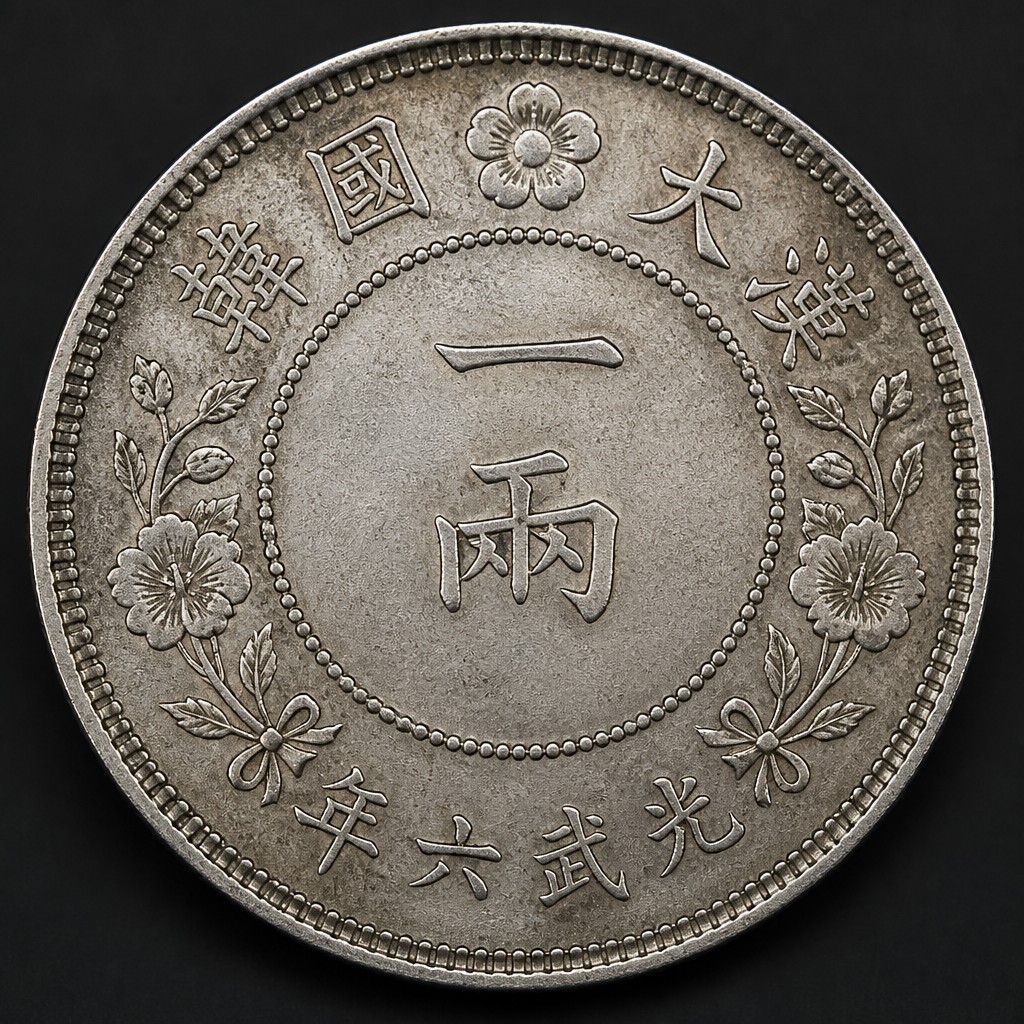
Korean 1 Yang Silver (Joseon/Great Han Empire)
Silver 1 Yang coin from Korea's late Joseon currency reform of the 1890s, part of the kingdom's first modern, machine-struck decimal coinage.
Asian