
Coin Encyclopedia
Search and identify coins from around the world — with country, denomination, metal, mint, history, and how to tell them apart.
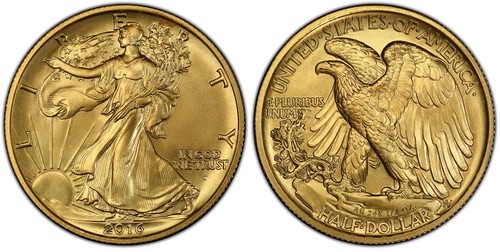
Walking Liberty Half Dollar Centennial Gold
A 2016-W gold collector coin marking the centennial of the 1916 Walking Liberty half dollar, struck in 1/2 oz of 24-karat gold at West Point.
Half Dollar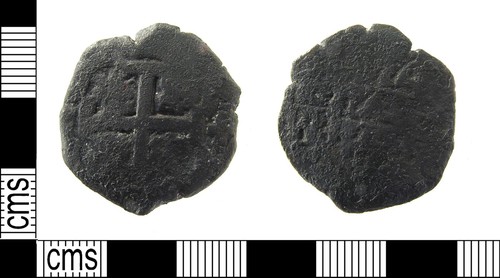
Spanish Colonial 1 Real (Bourbon)
A small silver coin of Spain's American colonies from the early Bourbon era, showing a cross with ornaments on one side and the crowned royal arms on the other.
Colonial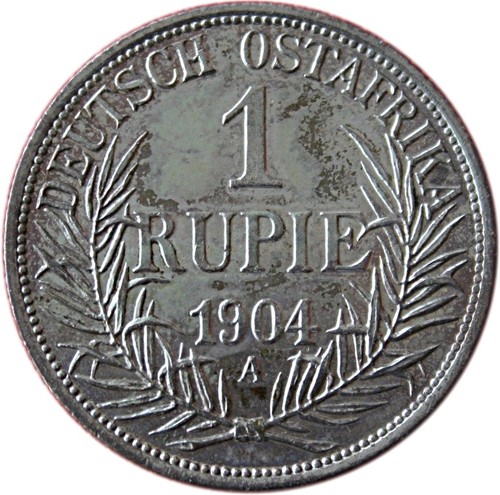
German East Africa 1 Rupie
A silver colonial rupee of German East Africa bearing the imperial eagle shield and the legend DEUTSCH OSTAFRIKA, struck for the German protectorate.
World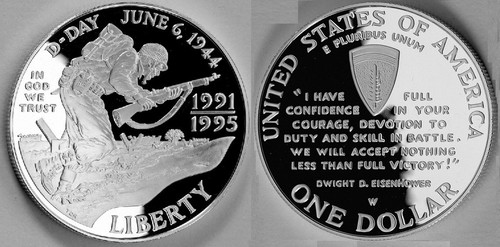
World War II 50th Anniversary Silver Dollar
A 1993 U.S. 90% silver dollar in the World War II 50th Anniversary program, showing a D-Day infantryman and a heraldic eagle with an Eisenhower quote.
Modern Commemorative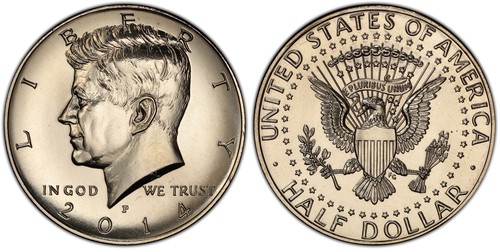
Kennedy Half Dollar 50th Anniversary High Relief
U.S. 90% silver half dollar issued in 2014 for the 50th anniversary of the Kennedy design, with a restored high-relief JFK portrait.
Half Dollar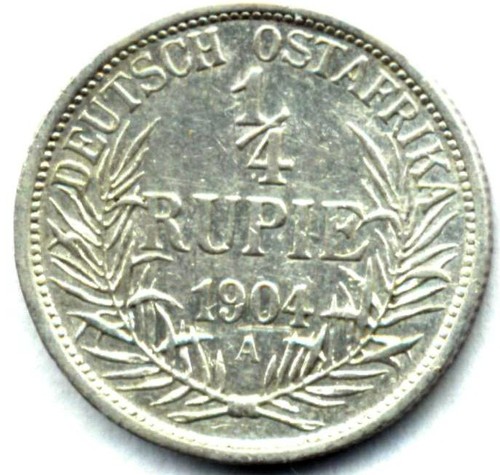
German East Africa 1/4 Rupie
A small colonial silver coin of German East Africa, inscribed DEUTSCH OSTAFRIKA and 1/4 RUPIE within a wreath, paired with the imperial eagle.
World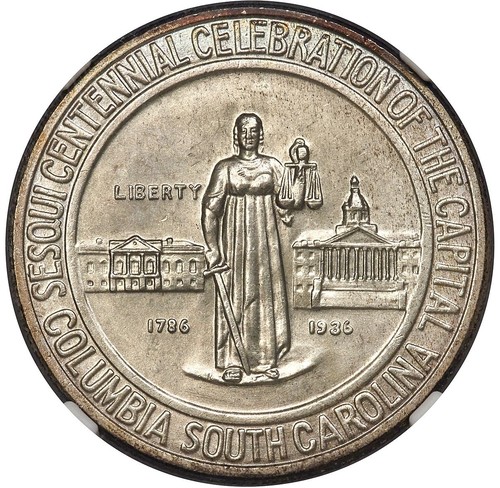
Columbia South Carolina Sesquicentennial Half Dollar
A 1936 U.S. silver half dollar marking 150 years of Columbia as South Carolina's capital; Justice with scales between two statehouses, palmetto reverse.
Classic Commemorative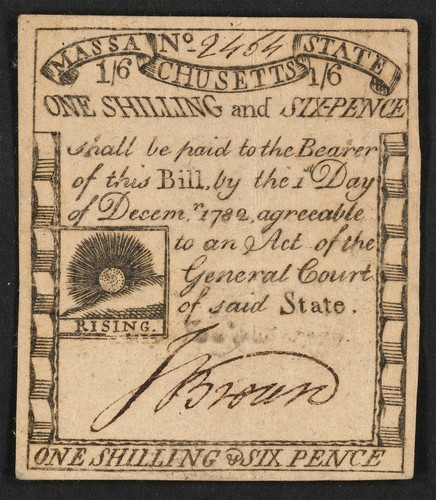
Massachusetts Shilling (1 Shilling 6 Pence)
A colonial-era Massachusetts silver piece valued at one shilling and sixpence, joining a pine-tree obverse with a rising-sun reverse and the date 1779.
Colonial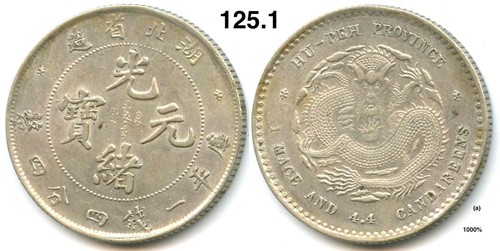
Guangxu Yuanbao 1 Mace 4.4 Candareens
A small silver dragon coin of Qing China from the Guangxu era, its face reading 1 Mace 4.4 Candareens and its back showing a coiled Chinese dragon.
Circulation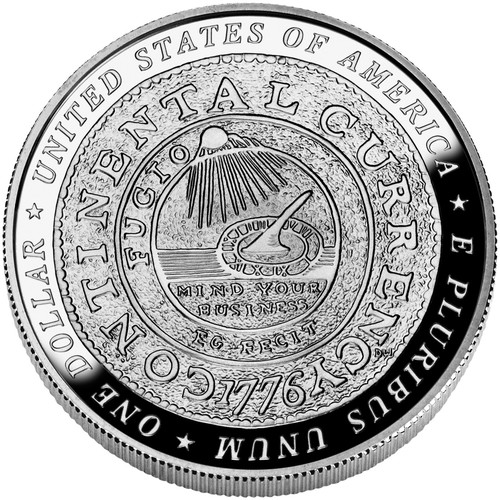
Benjamin Franklin Founding Father Commemorative Silver Dollar
A 2006 U.S. commemorative silver dollar honoring Benjamin Franklin, showing him flying his kite in the electricity experiment, with a 'MIND YOUR BUSINESS' reverse.
Dollar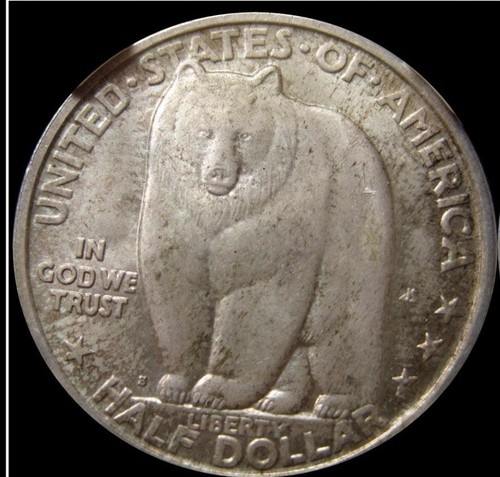
San Francisco-Oakland Bay Bridge Half Dollar
A 1936 U.S. silver commemorative half dollar celebrating the opening of the San Francisco-Oakland Bay Bridge, with a bridge span and a California grizzly bear.
Classic Commemorative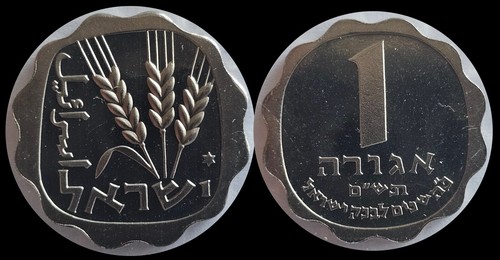
Israel 1 Agora (Bank of Israel 25th Anniversary)
A small 1980 aluminum-bronze 1 Agora of Israel, tied to the Bank of Israel's 25th anniversary, with grain ears on one face and the value 1 with Hebrew legend on the other.
World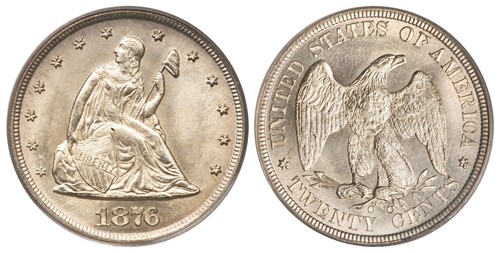
Twenty Cent Piece
A short-lived U.S. silver coin worth twenty cents, showing a seated Liberty and a soaring eagle, struck only from 1875 to 1878.
Twenty Cent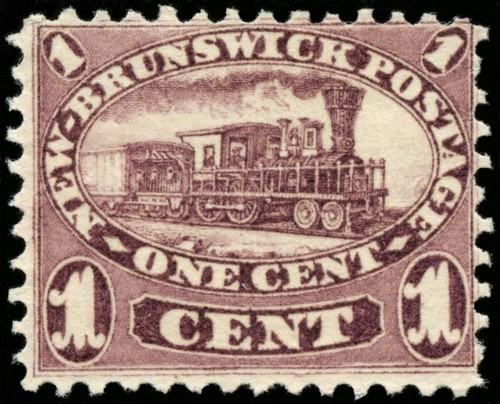
New Brunswick One Cent
A bronze one-cent piece dated 1860 showing a steam locomotive with NB and ONE CENT — a New Brunswick locomotive-type token distinct from the official 1861/1864 cent.
Canadian & Provincial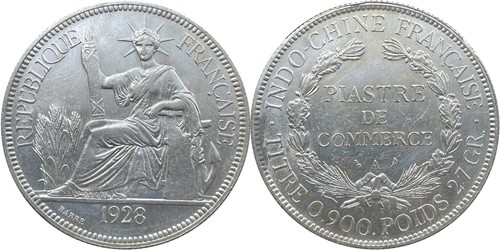
French Indochina Piastre
A 1928 silver piastre of French Indochina, its obverse showing seated Liberty with torch and laurel, its reverse reading UNION INDOCHINE FRANÇAISE in a floral wreath.
Southeast Asia
8 Reales (Portrait/Bust Type)
Large silver Spanish Empire dollar showing the bust of King Carlos III and a crowned coat of arms with lions and castles.
World Coins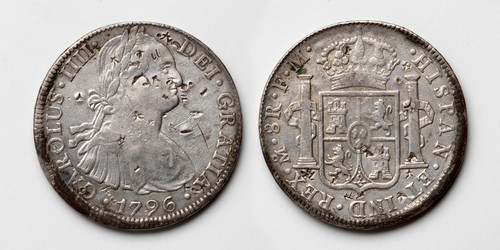
Spanish Colonial 8 Reales (Milled Bust)
The milled-bust Spanish colonial 8 reales—the classic “piece of eight,” a large silver coin bearing the Spanish king's portrait and royal arms.
Colonial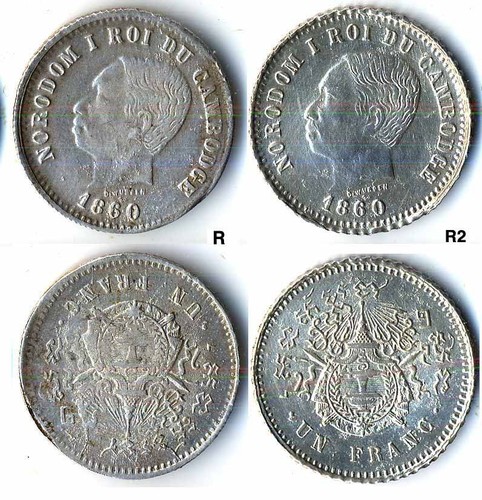
Cambodia One Franc
A mid-20th-century one-franc coin of the Kingdom of Cambodia, its obverse bearing a royal Norodom profile and its reverse a heraldic coat of arms.
Southeast Asia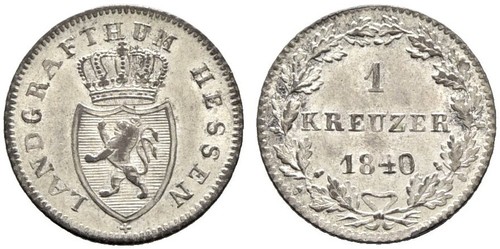
Hessen-Homburg Kreuzer
A small silver 1 Kreuzer of the Landgraviate of Hessen-Homburg, with a crowned arms shield and a dated 1 KREUZER value in a laurel wreath.
German States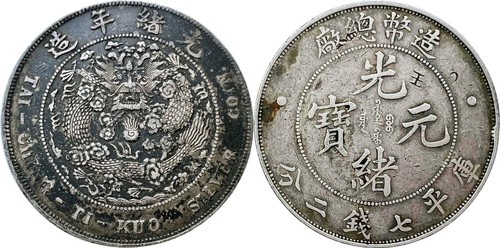
Guangxu Yuanbao 7 Mace 2 Candareens
A silver Chinese dragon dollar of the Guangxu era, marked Guangxu Yuanbao and valued at 7 Mace 2 Candareens, with a coiled dragon on one face and Chinese legends on the other.
Circulation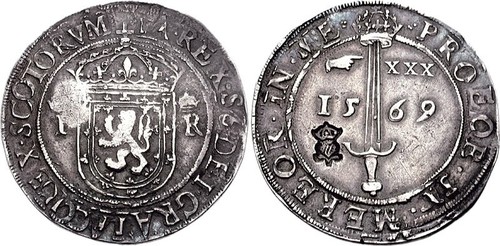
James VI Ryal
A large hammered silver Scottish ryal of James VI, showing a crowned lion-rampant shield and a mailed swordhand grasping an upright sword, dated 1569.
Hammered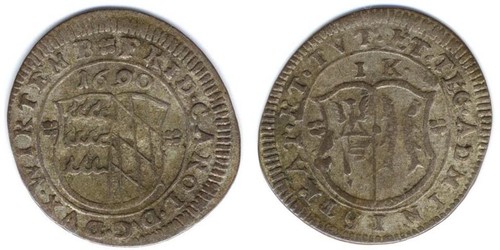
Württemberg Kreuzer
A small silver 1 Kreuzer of the Duchy of Württemberg, dated 1690, with a heraldic coat of arms and a crowned shield over scrollwork.
German States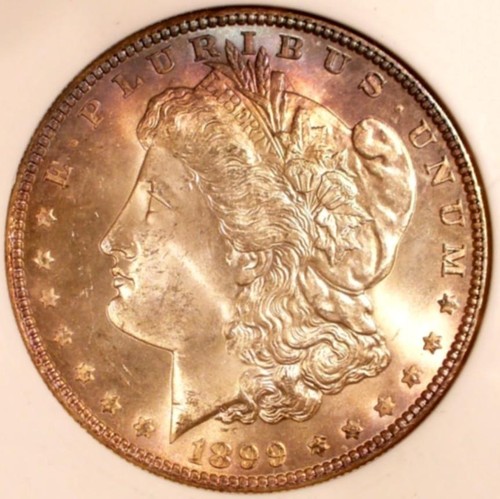
French Silver Franc
A small Third Republic silver 1-franc coin with an allegorical Marianne head and a REPUBLIQUE FRANCAISE reverse; the pictured piece is dated 1899.
World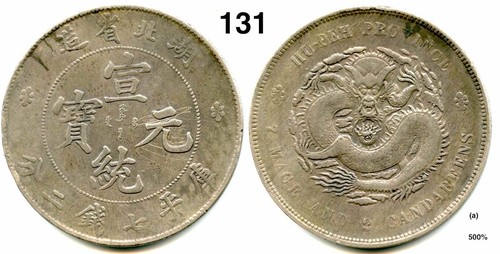
Xuantong Yuanbao 7 Mace 2 Candareens
A late Qing silver dollar-size coin of the Xuantong era (1909-1911), reading 宣統元寶 on the obverse with a Chinese dragon on the reverse.
Circulation