
Coin Encyclopedia
Search and identify coins from around the world — with country, denomination, metal, mint, history, and how to tell them apart.
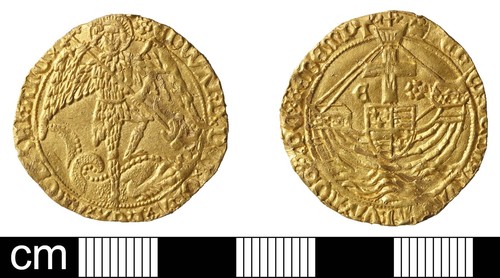
Edward IV Angel
Medieval English gold coin showing Saint Michael the Archangel slaying a dragon-demon, with a heraldic cross-and-shield reverse.
Medieval Coins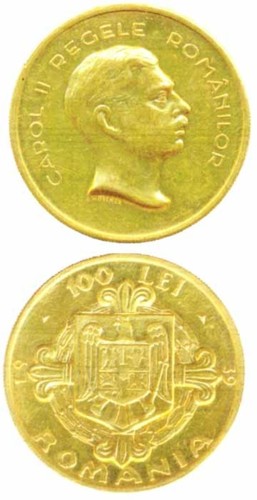
100 Lei
A scarce Kingdom of Romania gold 100 Lei of 1939, showing King Carol II in profile on the obverse and the crowned Romanian coat of arms on the reverse.
Modern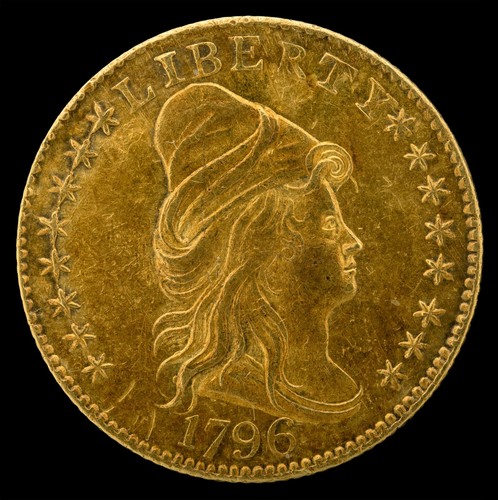
Turban Head Quarter Eagle
First U.S. $2.50 gold coin (1796), designed by Robert Scot; Liberty in a soft cap facing right with a heraldic eagle reverse. Extremely rare.
United States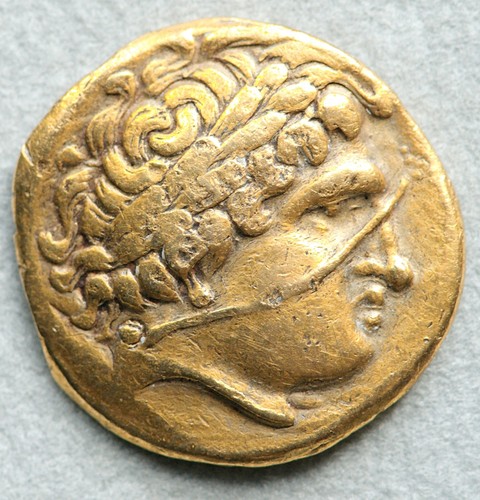
Gallic Imitation Stater
A gold stater struck by the tribes of Gaul, whose stylized head and single horse descend from Greek Macedonian prototypes reworked into abstract Celtic art.
Ancient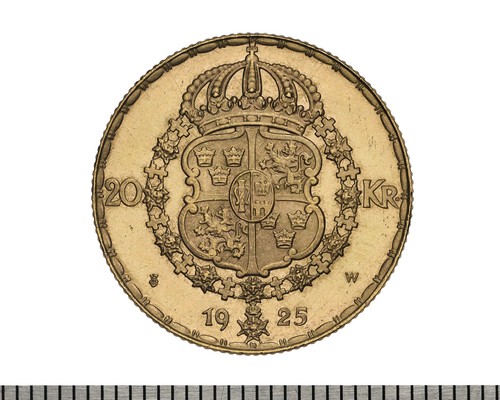
20 Kronor
Gold 20 kronor of Sweden showing the crowned national arms with three coronets, reverse marked 20 KR and dated 1925.
World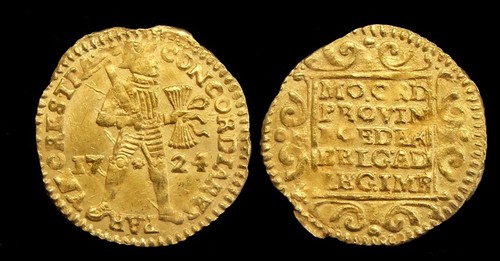
Gouden Dukaat
A Dutch gold trade ducat of the United Provinces, showing an armored standing knight and an inscribed heraldic tablet; this example is dated 1724.
Early Modern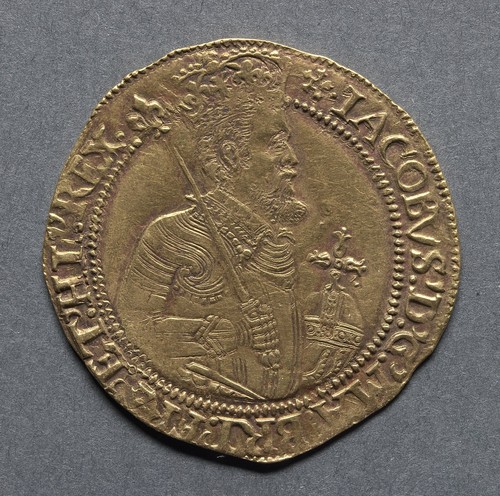
Unite of James I
A hammered gold pound coin of James I, named to celebrate the union of England and Scotland under one crown.
Hammered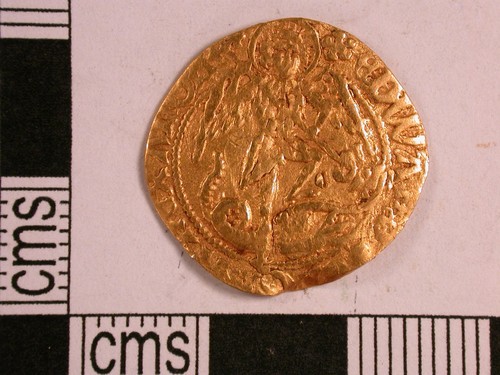
Edward IV Half Angel
Medieval English gold coin of King Edward IV, half the value of the angel, showing Saint Michael slaying a dragon with a spear and shield.
Medieval Coins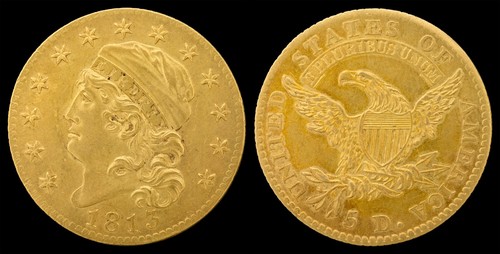
Capped Head Half Eagle
A U.S. five-dollar gold coin struck 1813–1834, showing a left-facing capped Liberty with stars and a heraldic eagle bearing a shield and E PLURIBUS UNUM.
United States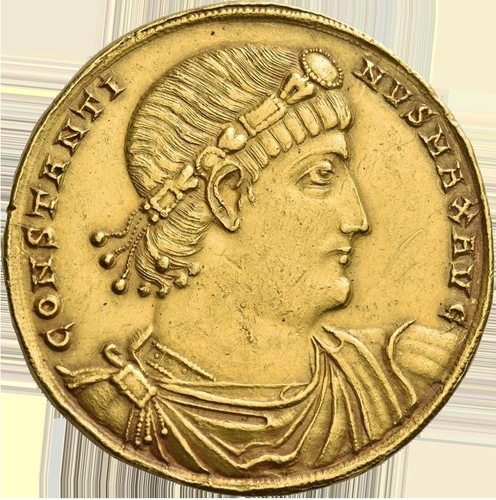
Solidus of Constantine I the Great
Constantine the Great's gold solidus, a high-purity coin struck from about AD 309 that became the standard of late Roman and Byzantine gold.
Ancient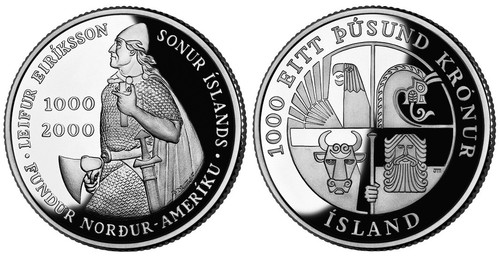
Leif Erikson Commemorative 1000 Króna
Icelandic silver commemorative dated 2000, marking the millennium of Leif Erikson's voyage and the Norse discovery of North America.
Commemorative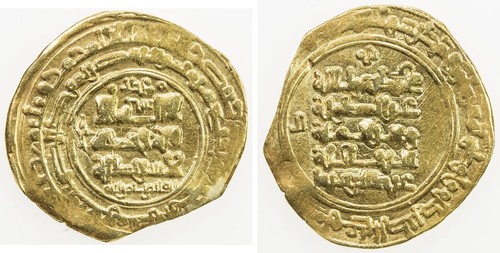
Ghaznavid Dinar
Gold dinar of the Ghaznavid dynasty (c. 10th–11th century), an epigraphic Islamic coin struck at Ghazna and allied mints in Afghanistan.
Medieval Islamic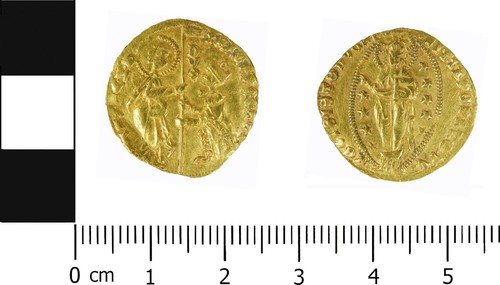
Venetian Ducat
A medieval gold ducat of the Republic of Venice, showing Saint Mark presenting a banner to the kneeling Doge on one side and Christ on the other.
Medieval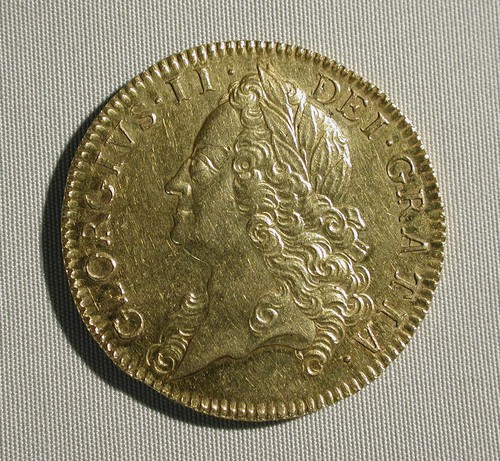
Five Guineas of George II
The largest English gold coin of George II's reign, showing his laureate profile and a crowned heraldic shield of the royal arms on the reverse.
Milled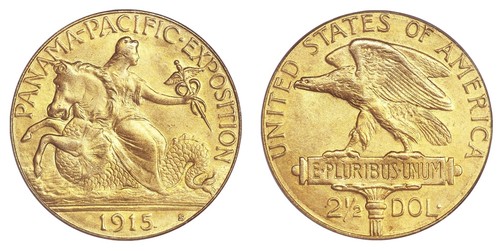
Panama-Pacific Exposition Quarter Eagle
A 1915 gold $2.50 commemorative for San Francisco's Panama-Pacific Exposition, showing Columbia astride a hippocamp and an eagle on the reverse.
Classic Commemorative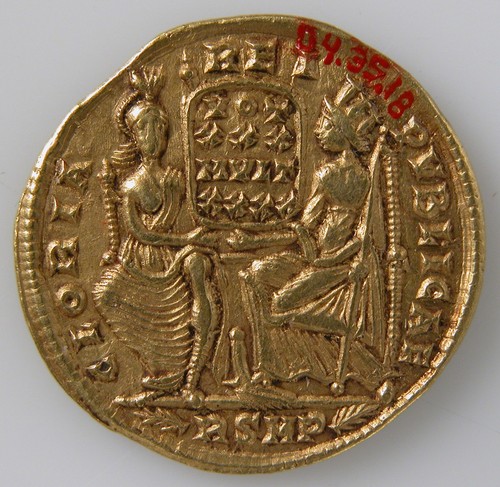
Solidus of Constantine II
Late Roman gold solidus of Constantine II, showing his ornately crowned bust and a seated figural reverse type.
Ancient Coins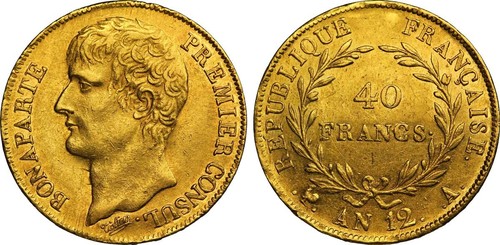
40 Francs Napoleon
A large early French gold 40 francs of Napoleon's Consulate, with the bare-headed BONAPARTE PREMIER CONSUL bust and a laurel-framed 40 FRANCS reverse dated 1804.
Bullion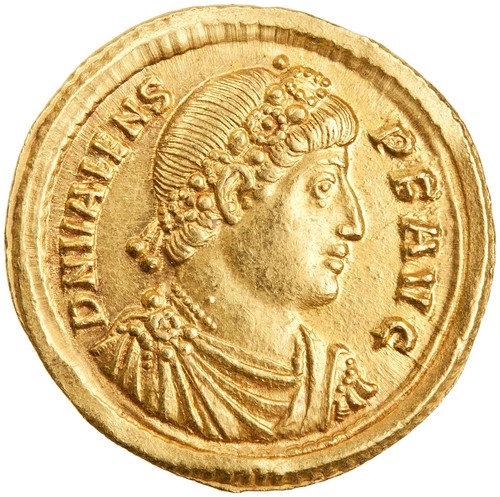
Solidus of Valens
A late Roman gold solidus struck for Valens, eastern emperor from AD 364 to 378, showing his diademed profile facing right.
Ancient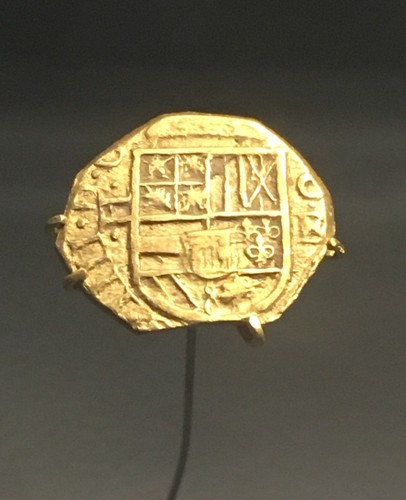
2 Escudos
A gold 2 Escudos of Habsburg Spain, the classic 'doubloon,' struck with a crowned coat of arms of castles and lions on both faces.
Early Modern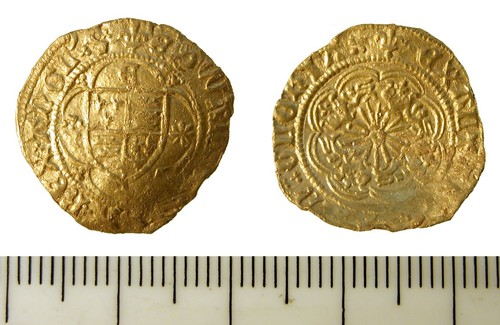
Edward IV Quarter Ryal
Small English medieval gold coin of Edward IV, bearing the crowned royal arms and an ornate radiate cross with a rose-on-sun at its center.
Medieval Coins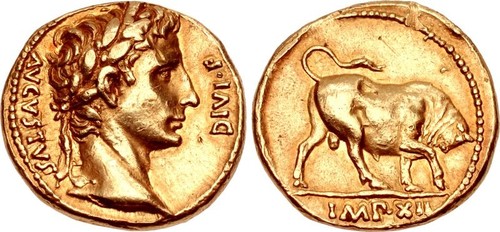
Aureus of Augustus
Roman imperial gold coin bearing the bare head of Augustus, first emperor of Rome, struck during his reign from 27 BC to 14 AD.
Ancient Coins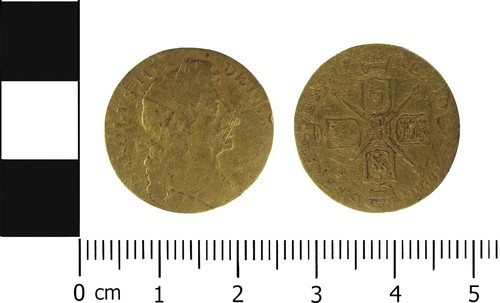
Charles II Half Guinea
A small milled gold coin of Charles II showing the king's laureate profile and a cruciform arrangement of crowned shields on the reverse.
Milled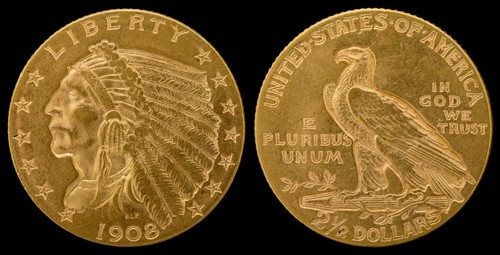
Indian Head Quarter Eagle
U.S. $2.50 gold coin of 1908–1929 with a sunken (incuse) design: an Indian in a feathered war bonnet on the obverse and a standing eagle reverse.
Quarter Eagle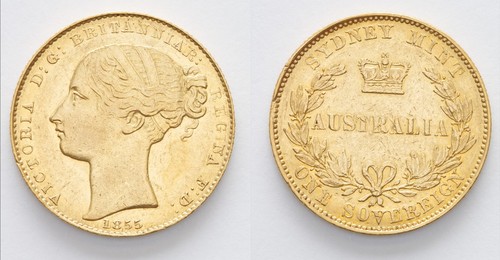
Australian Sovereign
22-carat gold sovereign struck at Australian branch mints; the 1855 Sydney Mint issue was the country's first gold coin.
Australian