
Coin Encyclopedia
Search and identify coins from around the world — with country, denomination, metal, mint, history, and how to tell them apart.
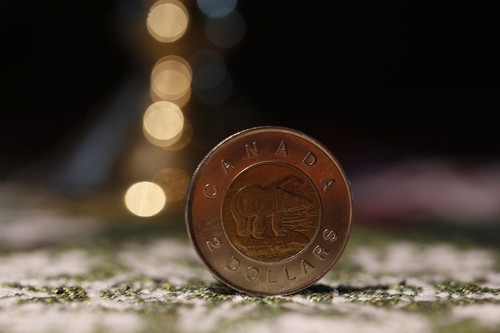
Canadian Two Dollar (Toonie)
Canada's bimetallic $2 coin, introduced in 1996 with a polar bear design; universally nicknamed the 'toonie' after the loonie dollar.
Canadian & Provincial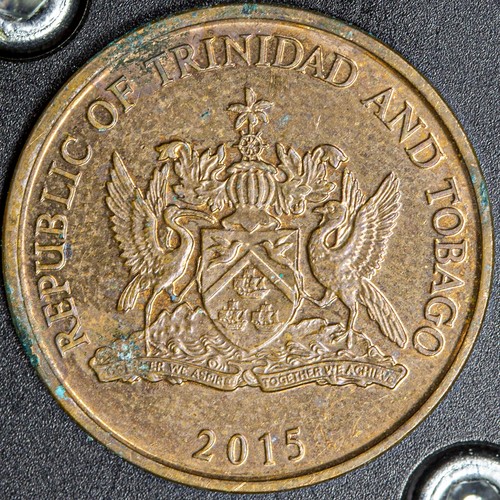
Trinidad and Tobago Dollar
A Trinidad and Tobago one-dollar circulation coin dated 2015, showing the national coat of arms on the obverse and national emblems on the reverse.
Circulation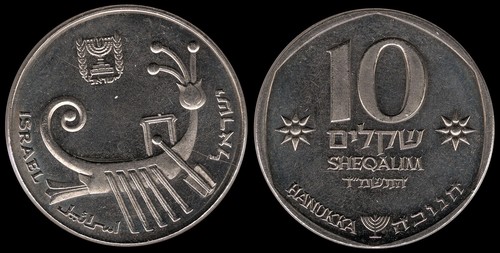
Israel 10 Sheqalim Hanukka Commemorative
A silver Bank of Israel commemorative from the annual Hanukka series, showing a historic Hanukka lamp with stars, dated 1983 and valued at 10 Sheqalim.
World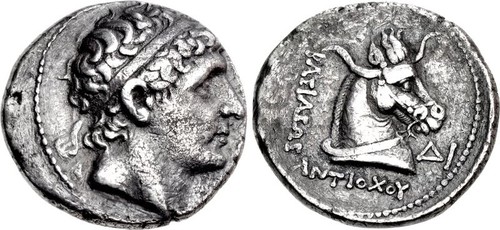
Tetradrachm of Antiochos I Soter
A large Seleucid-era silver coin of Antiochos I Soter, showing a helmeted bearded royal head and a standing elephant, a symbol of eastern military power.
Ancient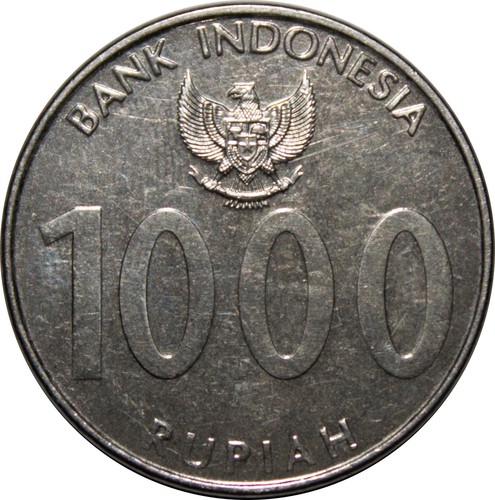
Indonesia 1000 Rupiah
A 2010 Indonesian 1000-rupiah circulation coin, its obverse bearing the Garuda Pancasila emblem and Bank Indonesia legend, its reverse a traditional monument design.
Southeast Asia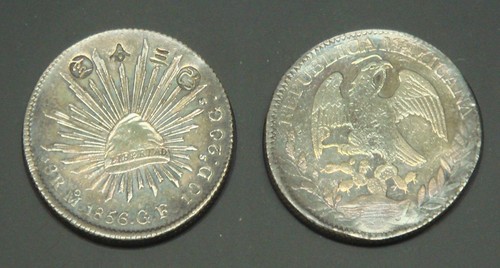
Aratame Sanbu Sadame
A round silver-colored coin with a coiled dragon and the inscription Aratame Sanbu Sadame on one face and a radiating sun on the other, dated 1859.
Historic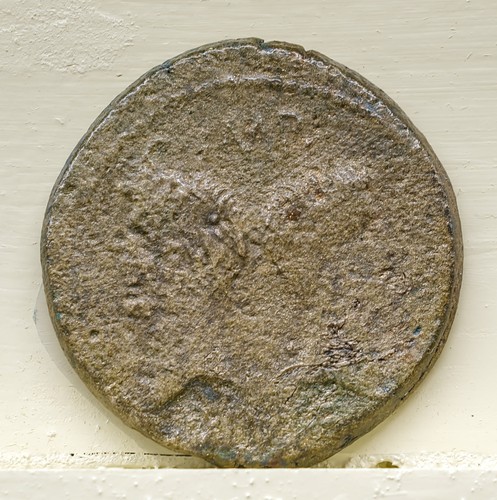
Nemausus As/Dupondius (Crocodile Type)
The famous crocodile of Nimes: a large Roman provincial bronze with paired heads of Agrippa and Augustus and a crocodile chained to a palm.
Ancient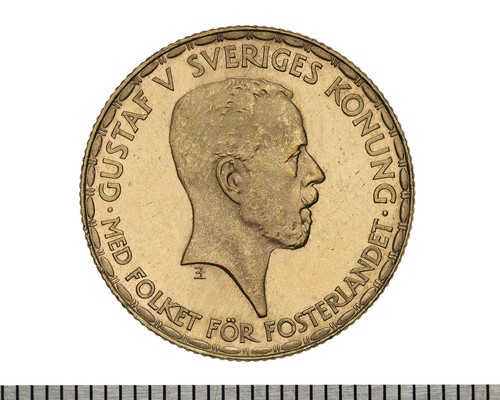
Swedish Gold Commemorative
An early-20th-century Swedish gold coin showing a right-facing royal profile with the legend SVERIGES KONUNG and the fatherland motto.
Commemorative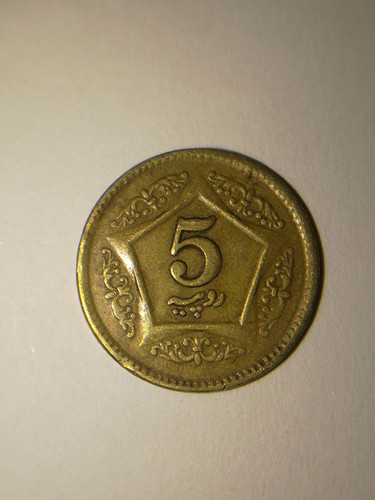
Pakistan 5 Rupees
A brass Pakistani five-rupee coin with a large numeral 5 set in an ornamental frame and Islamic-style Urdu calligraphy around both faces.
South Asia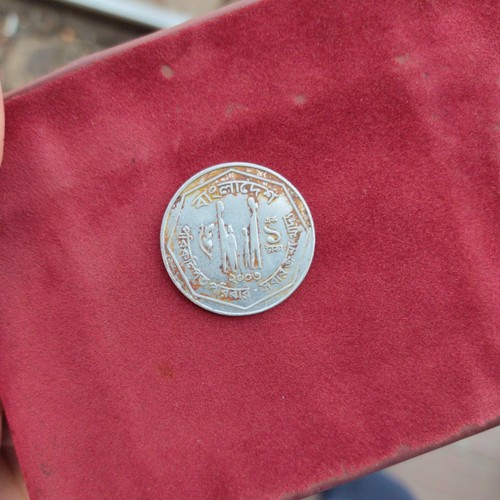
Bangladesh 5 Taka
A modern Bangladeshi circulation coin worth five Taka, struck in nickel-plated steel, with the national emblem on the obverse and the value in Bengali on the reverse.
South Asia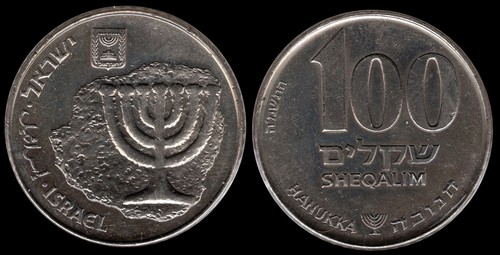
Israel 100 Sheqalim Hanukka Commemorative
A 1985 Israeli silver commemorative for the festival of Hanukka, its obverse dominated by a menorah and festive lamp motif.
World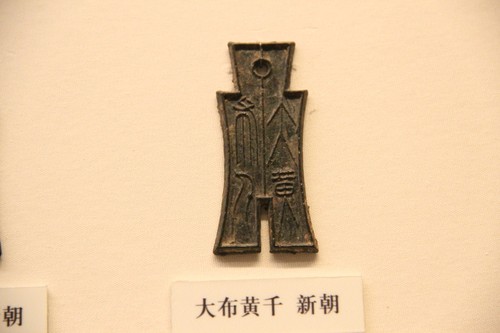
Wang Mang Spade Money
A cast bronze spade-shaped coin of the Xin Dynasty, issued under the reformer Wang Mang, its flat blade bearing raised Chinese inscriptions.
Ancient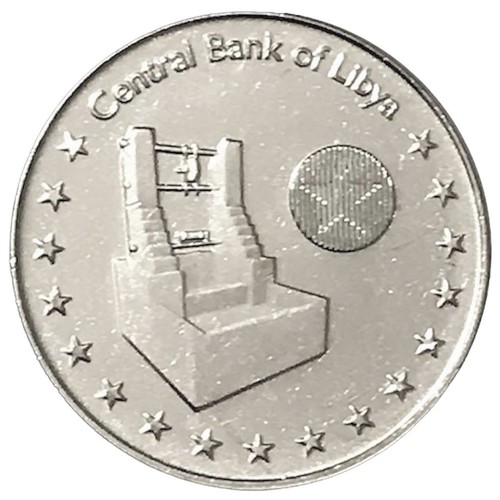
Libya 1 Dinar (Counterfeit)
A brass coin imitating Libyan 1 Dinar coinage, carrying Arabic legends and geometric ornament but identified as a counterfeit or non-official replica.
World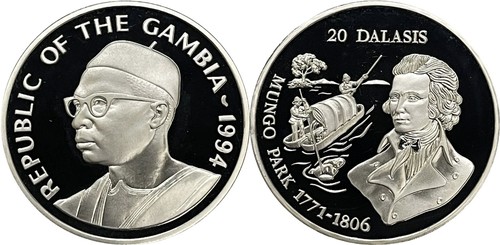
Gambia 20 Dalasis (Mungo Park Commemorative)
A 1994 silver 20 dalasis crown from The Gambia honoring Scottish explorer Mungo Park, shown with a sailing ship on the reverse.
World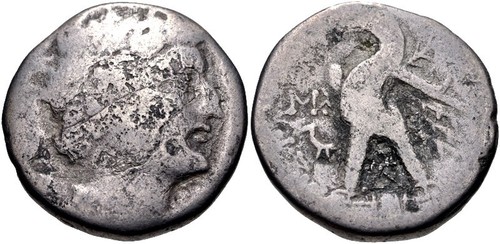
Tetradrachm of Ptolemy XII
Silver tetradrachm struck under Ptolemy XII of Egypt, father of Cleopatra VII, bearing a diademed royal Ptolemaic head and the dynasty's eagle-on-thunderbolt reverse.
Ancient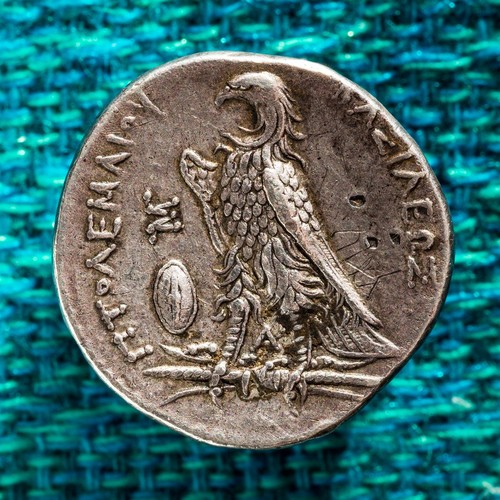
Tetradrachm of Ptolemy I
Silver tetradrachm of Ptolemy I Soter of Egypt, c. 305-283 BC, with his diademed portrait and the Ptolemaic eagle standing on a thunderbolt.
Ancient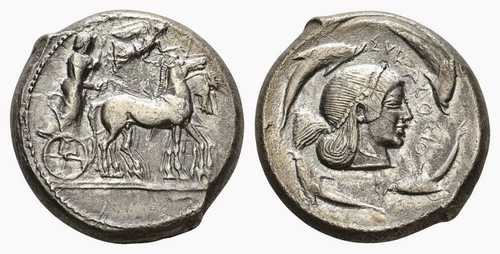
Syracuse Tetradrachm
Classical silver tetradrachm of Syracuse in Sicily, showing a racing four-horse chariot on one side and a right-facing nymph's head on the other.
Ancient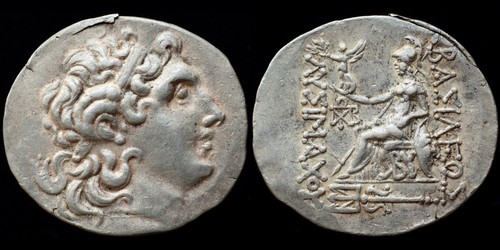
Lysimachos Gold Stater
Gold stater of Lysimachos, king in Thrace and Macedon c. 305-281 BC, with a deified head of Alexander the Great and an enthroned Athena reverse.
Ancient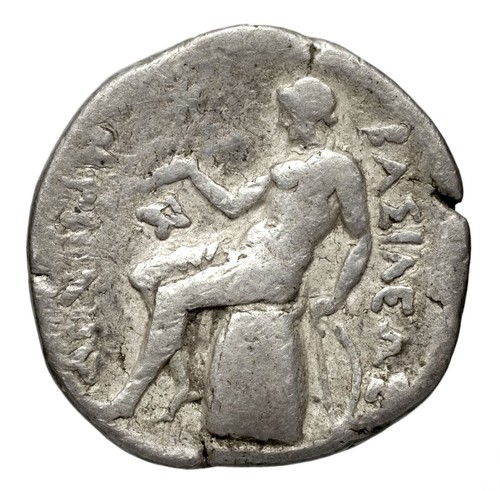
Drachm of Antiochos II Theos
Silver drachm struck under Antiochos II Theos of the Seleukid realm, showing a seated helmeted Athena and, on the reverse, Nike beside an altar.
Ancient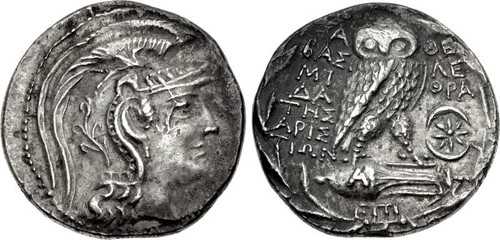
Athens New Style Tetradrachm
Athens' late silver tetradrachm on a broad thin flan: a helmeted Athena obverse and an owl perched on an amphora within an olive wreath.
Ancient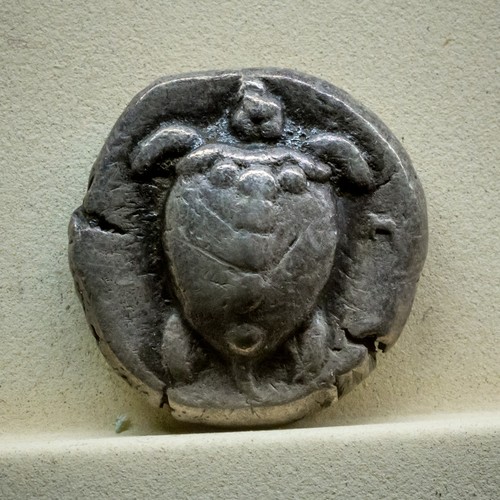
Aigina Turtle Stater
Thick silver stater of the island of Aigina, c. 480-456 BC, with a sea turtle on the obverse and a divided incuse punch on the reverse.
Ancient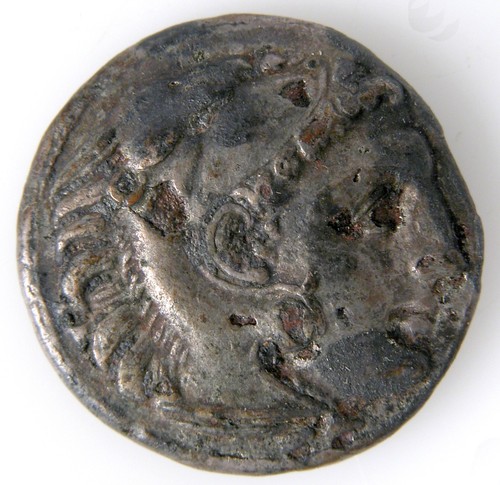
Alexander the Great Silver Drachm
Silver drachm in the name of Alexander the Great, with the head of young Herakles in a lion skin and Zeus enthroned on the reverse.
Ancient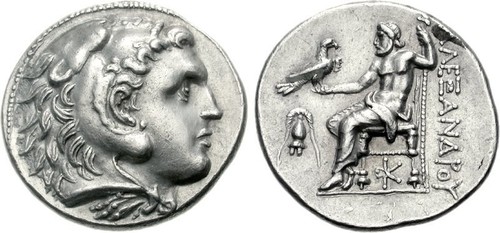
Antigonos II Gonatas Tetradrachm
Silver tetradrachm of the Macedonian king Antigonos II Gonatas, c. 275-270 BC, with a bearded royal head and a seated Nike holding a wreath.
Ancient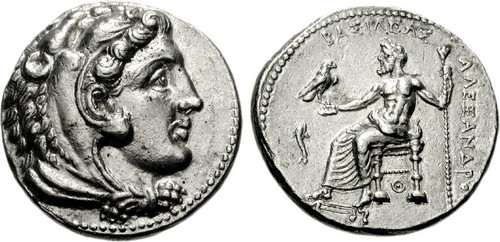
Alexander the Great Tetradrachm
Silver tetradrachm of Alexander III of Macedon with the head of Heracles in a lion skin and an enthroned deity holding an eagle on the reverse.
Ancient