
Coin Encyclopedia
Search and identify coins from around the world — with country, denomination, metal, mint, history, and how to tell them apart.
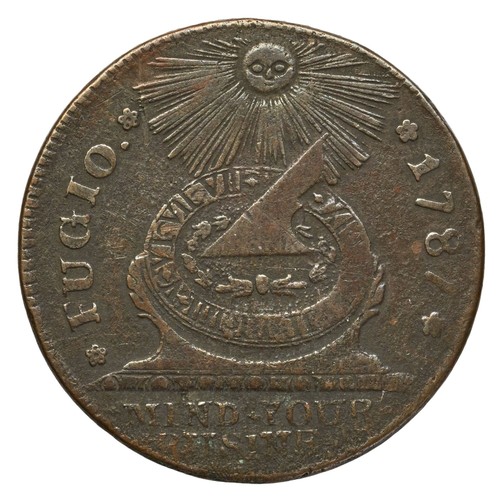
Fugio Cent
1787 copper cent, among the first coins issued under the United States, with a sundial and sun on the obverse and thirteen linked rings on the reverse.
Colonial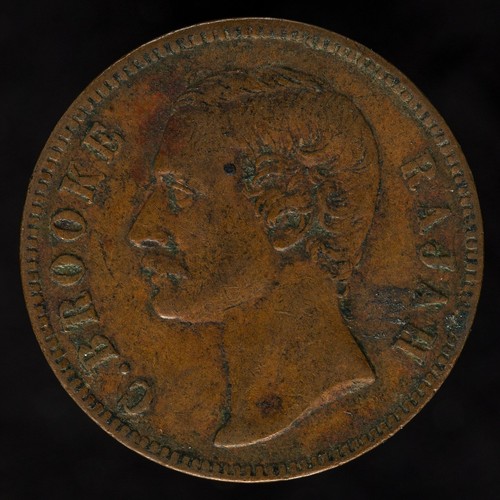
Sarawak One Cent
A large copper cent of the Brooke Rajahs of Sarawak, showing the Rajah's portrait on the obverse and SARAWAK ONE CENT with a wreath and the year 1870.
Colonial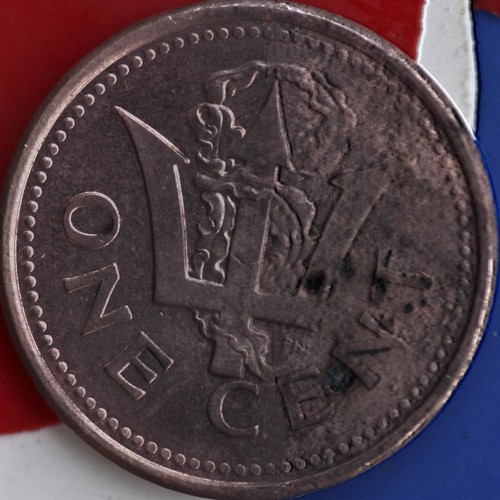
Barbados 1 Cent
A modern copper-colored Barbados one cent: the national coat of arms on the obverse and the value on the reverse, the smallest coin of the Barbadian dollar.
Circulation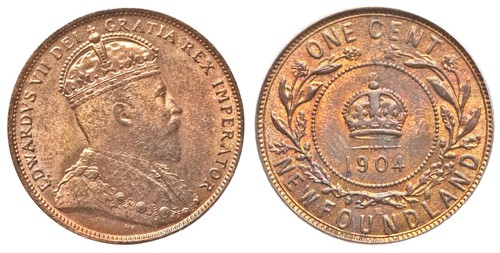
Newfoundland One Cent
Bronze large cent of the colony of Newfoundland; the example shown is a 1904 issue with Edward VII's profile and a wreath reverse.
Canadian & Provincial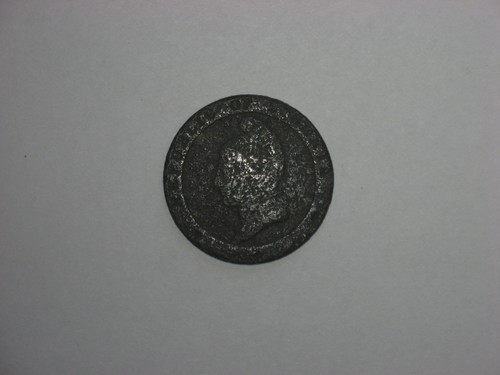
Liberia One Cent
An early copper cent tied to Liberia's founding, dated 1847, with a profile portrait obverse and warm brown patina.
World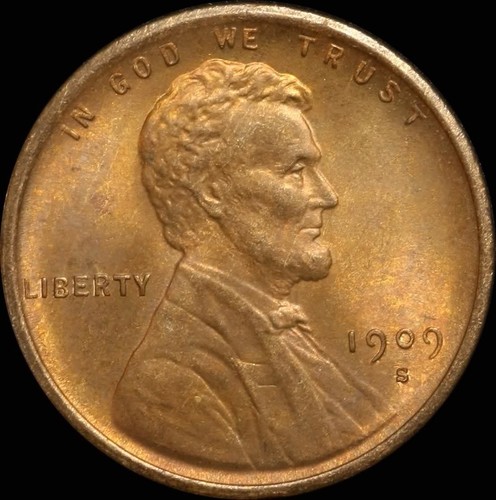
Lincoln Wheat Cent
U.S. one-cent coin struck 1909–1958 with Lincoln's profile and a pair of wheat ears framing ONE CENT; the 1909-S here is a scarce first-year San Francisco issue.
Small Cent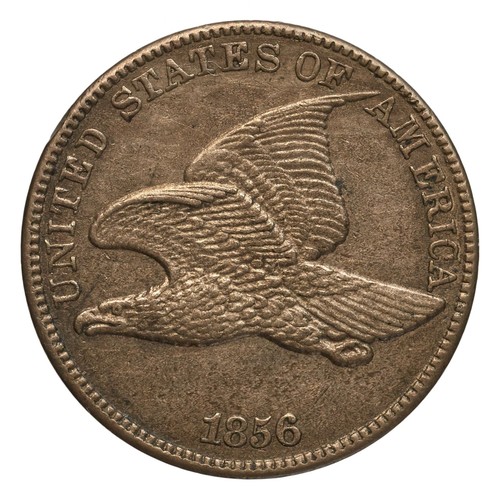
Flying Eagle Cent
America's first small cent, showing an eagle in flight on the obverse and an agricultural wreath on the reverse; struck 1856–1858 in copper-nickel.
Small Cent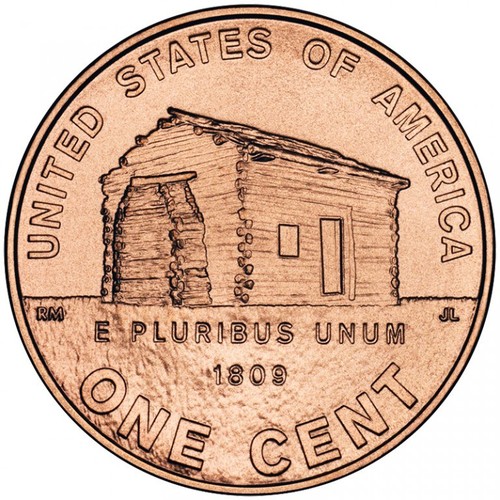
Lincoln Bicentennial Cent
A 2009 U.S. one-cent coin marking Lincoln's 200th birthday, keeping his classic profile while replacing the usual reverse with four scenes from his life.
Small Cent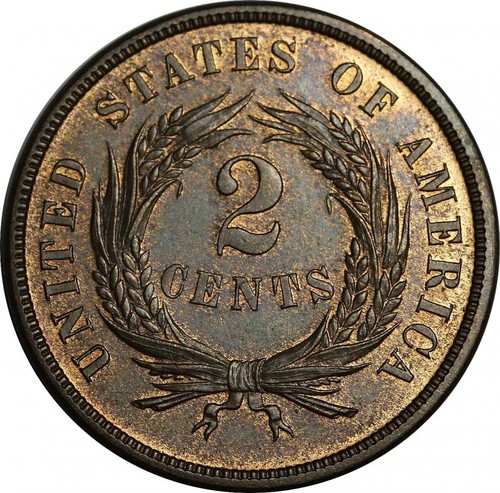
Two Cent Piece
America's only two-cent coin, struck in bronze from 1864 to 1873, and the first U.S. coin to carry the motto "IN GOD WE TRUST."
Two Cent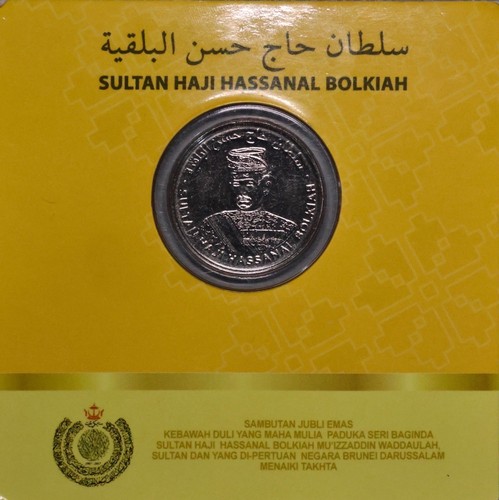
Brunei Golden Jubilee 50 Cents
A copper-nickel 50-cent coin from Brunei's 2017 Golden Jubilee, showing a palm-leaf design with Arabic text and a reverse with the value and a floral motif.
Southeast Asia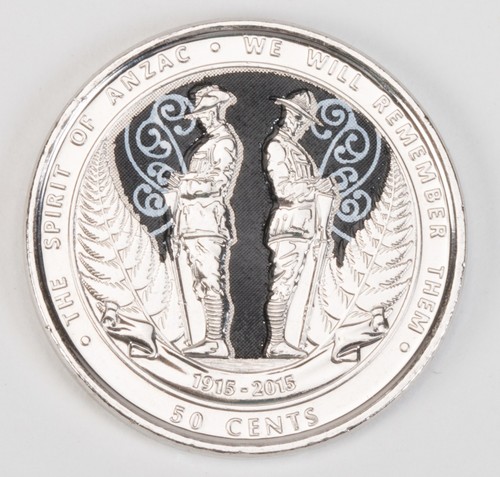
Spirit of ANZAC Commemorative 50 Cents
A 2015 Australian silver-finish 50-cent commemorative marking the centenary of ANZAC, with soldier imagery and 1915-2015 dating.
Commemoratives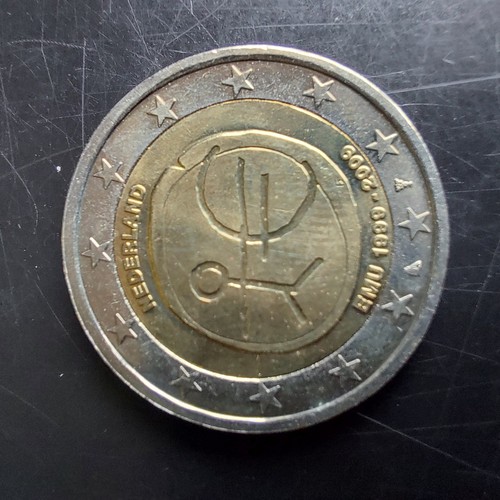
1 Euro (10 Years EMU)
Dutch bi-metallic 1 Euro marking ten years of Economic and Monetary Union, with a stylized integration design and the twin dates 1999 and 2009.
Commemorative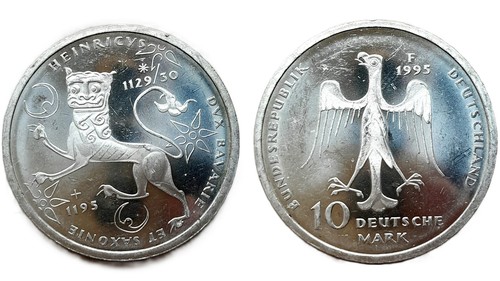
German 10 Deutsche Mark Commemorative
A West/unified German silver 10 Deutsche Mark commemorative; this 1995 issue honors Heinrich der Loewe (Henry the Lion) with the Federal Eagle reverse.
Commemorative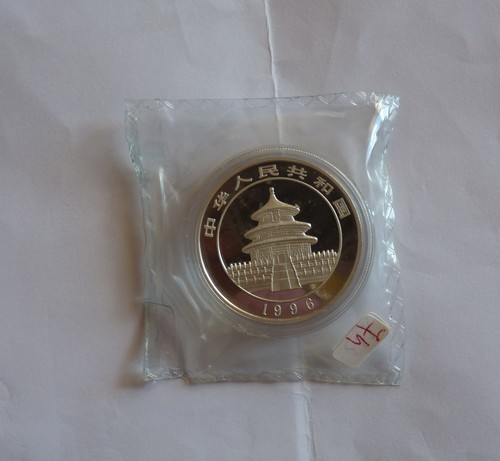
China 10 Yuan Temple of Heaven
A modern Chinese silver 10 Yuan commemorative bearing the Temple of Heaven's Hall of Prayer for Good Harvests, dated 1996.
World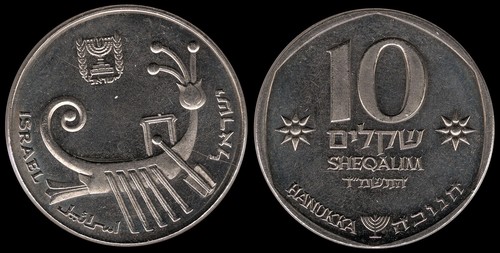
Israel 10 Sheqalim Hanukka Commemorative
A silver Bank of Israel commemorative from the annual Hanukka series, showing a historic Hanukka lamp with stars, dated 1983 and valued at 10 Sheqalim.
World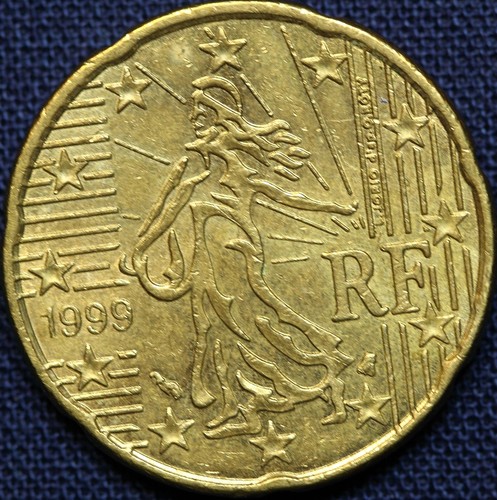
France 50 Cent Euro
France's gold-coloured 50 euro cent coin, showing the striding Sower (Marianne) among the EU stars on one side and the value 50 on the other.
Circulation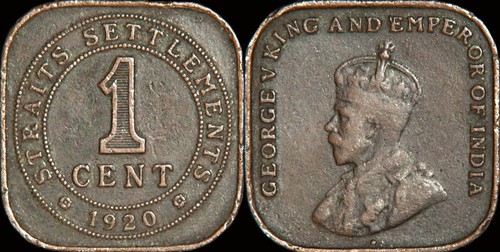
Straits Settlements One Cent
A round bronze one-cent coin of the British Straits Settlements bearing the crowned profile of King George V, dated 1920.
Colonial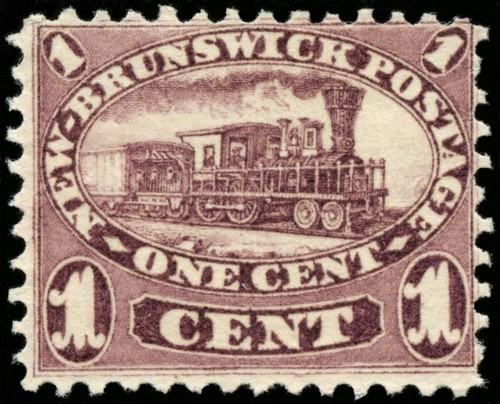
New Brunswick One Cent
A bronze one-cent piece dated 1860 showing a steam locomotive with NB and ONE CENT — a New Brunswick locomotive-type token distinct from the official 1861/1864 cent.
Canadian & Provincial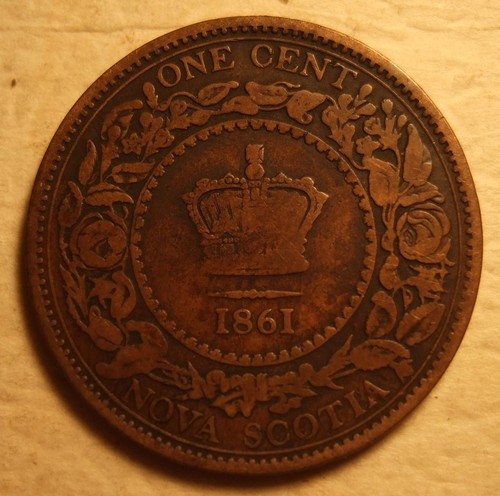
Nova Scotia One Cent
Bronze one-cent coin of the colony of Nova Scotia, with a crowned Queen Victoria obverse and a crown-and-maple-leaves reverse.
Canadian & Provincial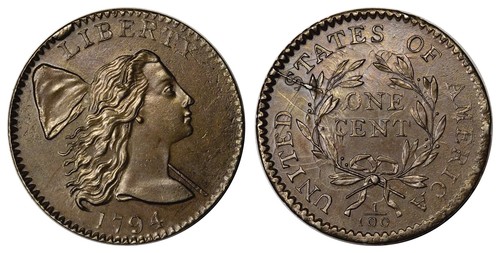
Flowing Hair Large Cent
An early U.S. copper cent showing Liberty with flowing hair and a liberty cap, ONE CENT in a wreath on the reverse; the photographed piece is dated 1794.
Large Cent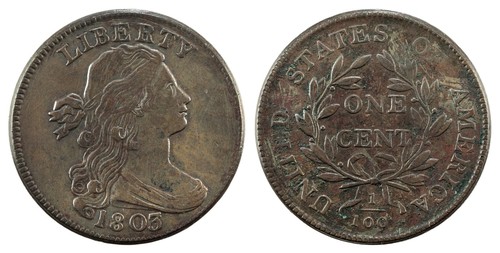
Draped Bust Large Cent
An early U.S. copper one-cent coin (1796–1807) showing a right-facing Liberty with flowing hair and drapery, larger and heavier than a modern cent.
United States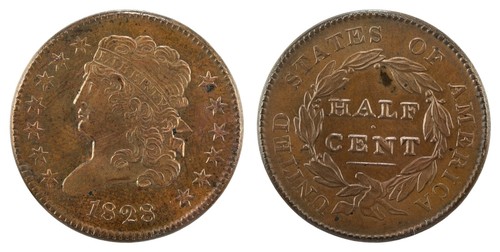
Classic Head Half Cent
A small U.S. copper half cent of 1809–1836 showing Liberty in a beaded headband ringed by stars, with a plain wreath and HALF CENT on the reverse.
Half Cent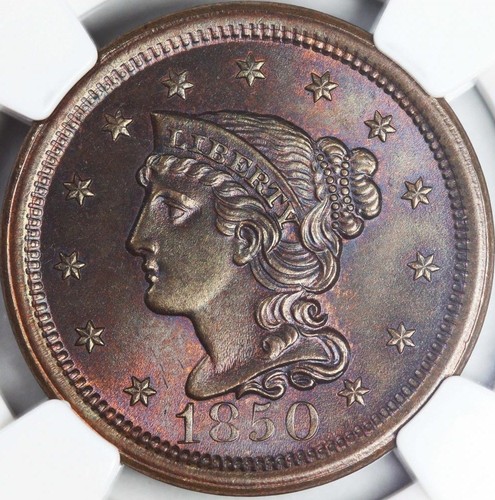
Braided Hair Large Cent
The last U.S. large copper cent: Liberty in a beaded coronet with braided hair, ringed by stars, over a laurel-wreath ONE CENT reverse.
Large Cent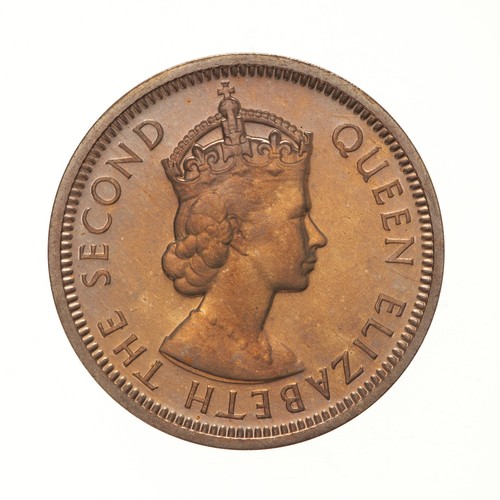
Belize 1 Cent
A small bronze one-cent coin from the Caribbean nation now called Belize, carrying a portrait of Queen Elizabeth II and dated 1954.
Circulation