
Coin Encyclopedia
Search and identify coins from around the world — with country, denomination, metal, mint, history, and how to tell them apart.
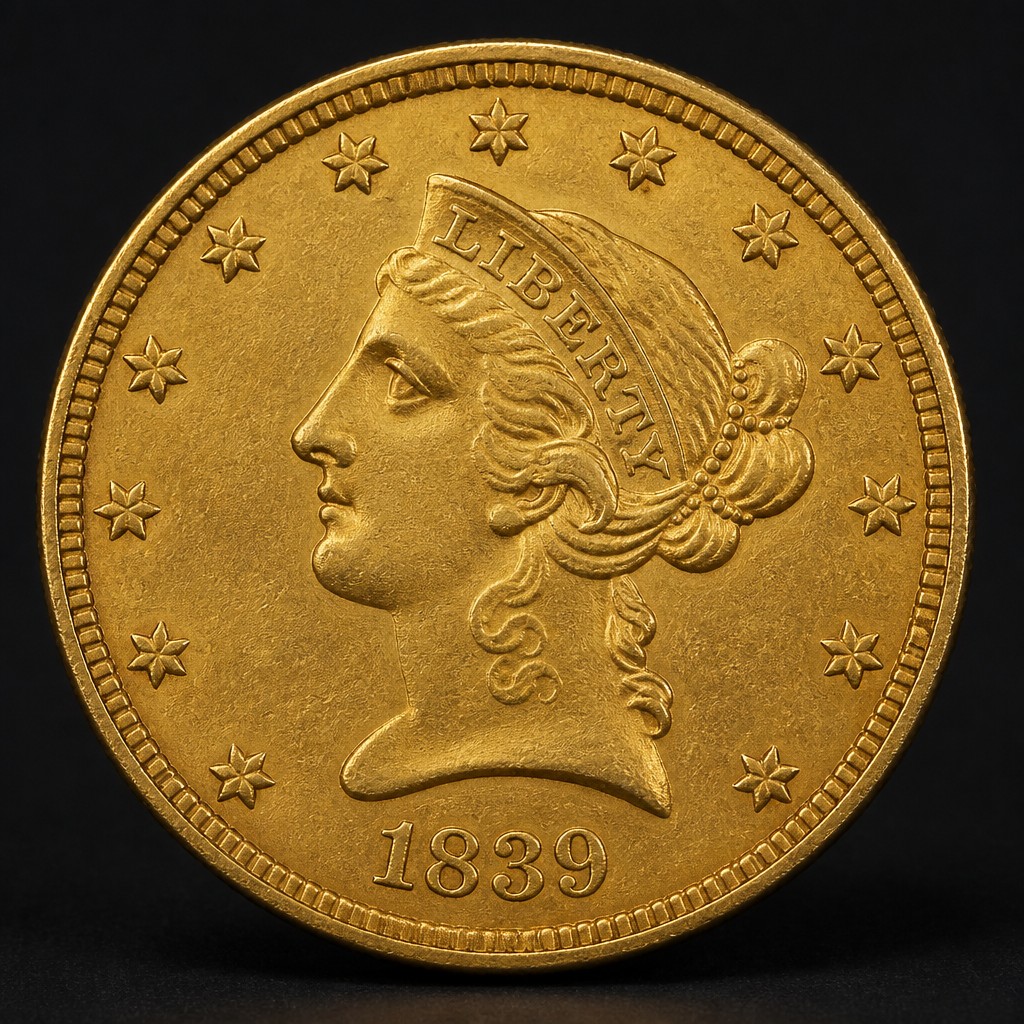
Liberty Head Half Eagle ($5)
A widely produced 19th-century gold five-dollar coin bearing Christian Gobrecht's Coronet Head design, struck across nearly every major American branch mint of the era.
United States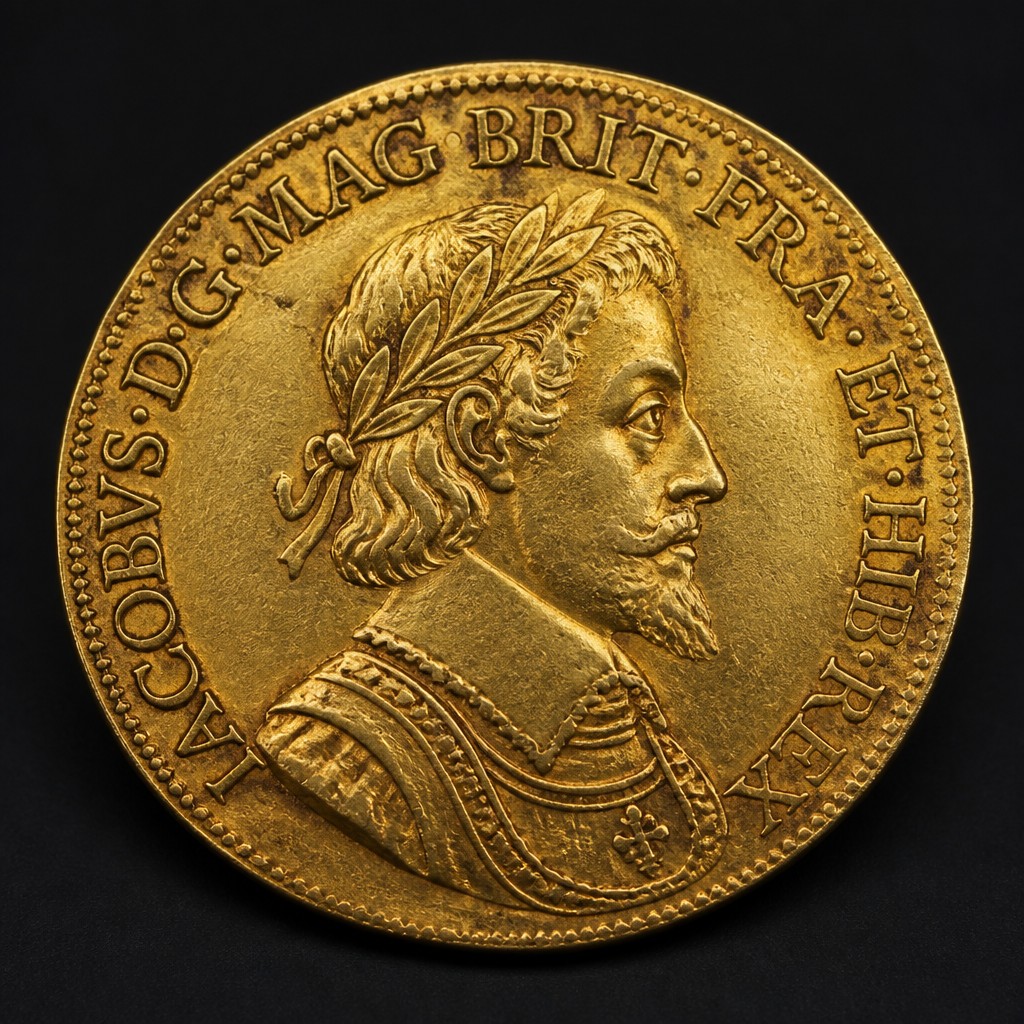
Laurel
A gold twenty-shilling coin issued from 1619, named for its laureate royal portrait styled after Roman emperors, replacing the earlier Unite as James I's principal gold denomination.
British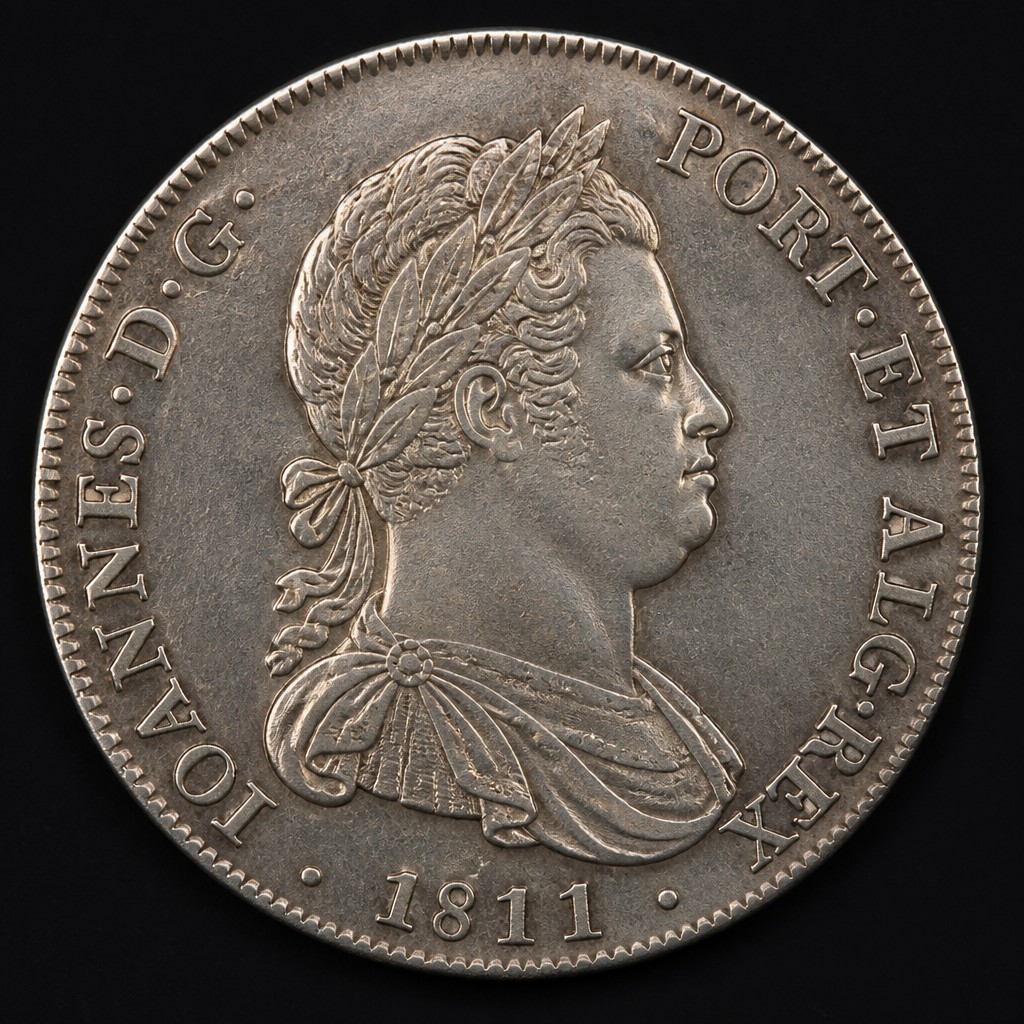
Brazilian 960 Reis Silver
A silver crown-sized coin struck in Brazil under Prince Regent João and later Pedro I, famous for often being overstruck directly on circulating Spanish colonial 8-reales pieces.
Latin American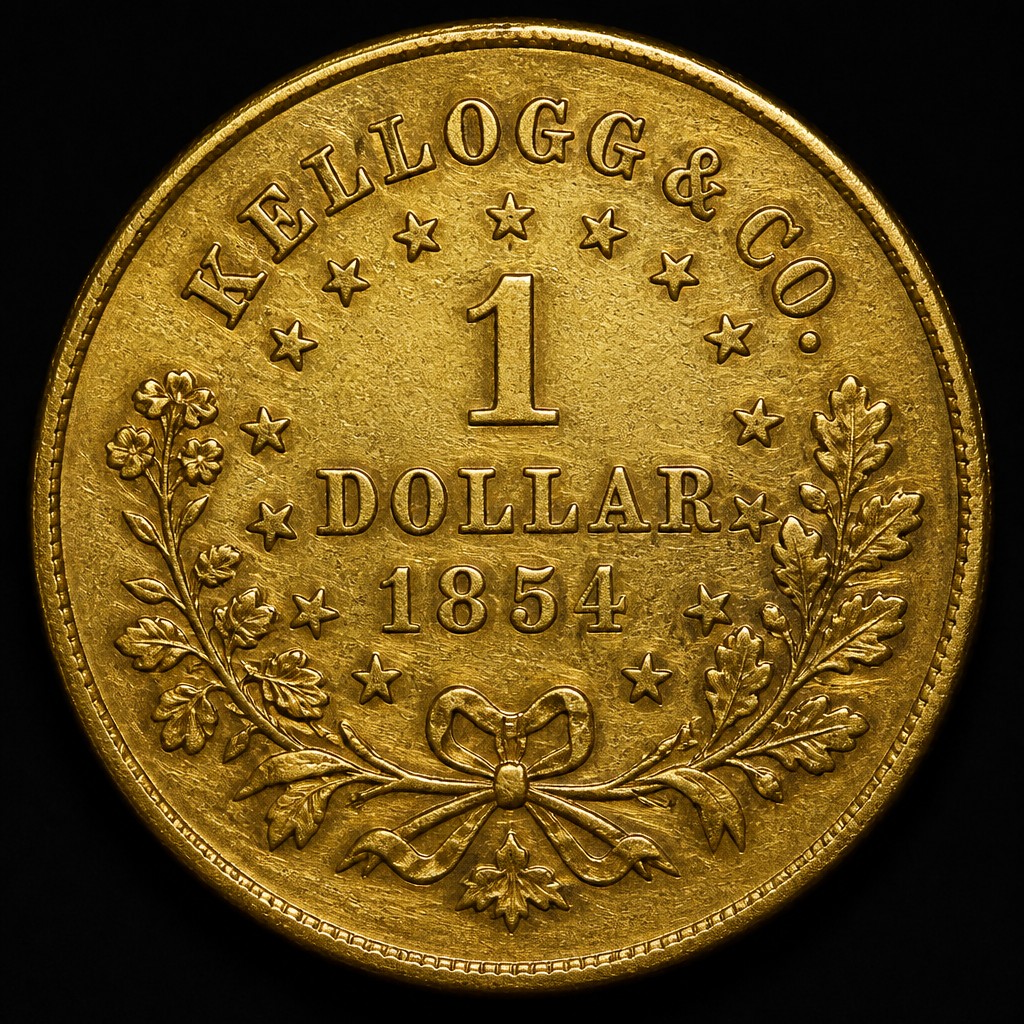
Kellogg & Co. Gold Piece
Private gold coinage struck by the San Francisco firm Kellogg & Co. during the California Gold Rush, including the famous octagonal fifty-dollar 'slug' of 1855, filling a shortage of circulating coin.
United States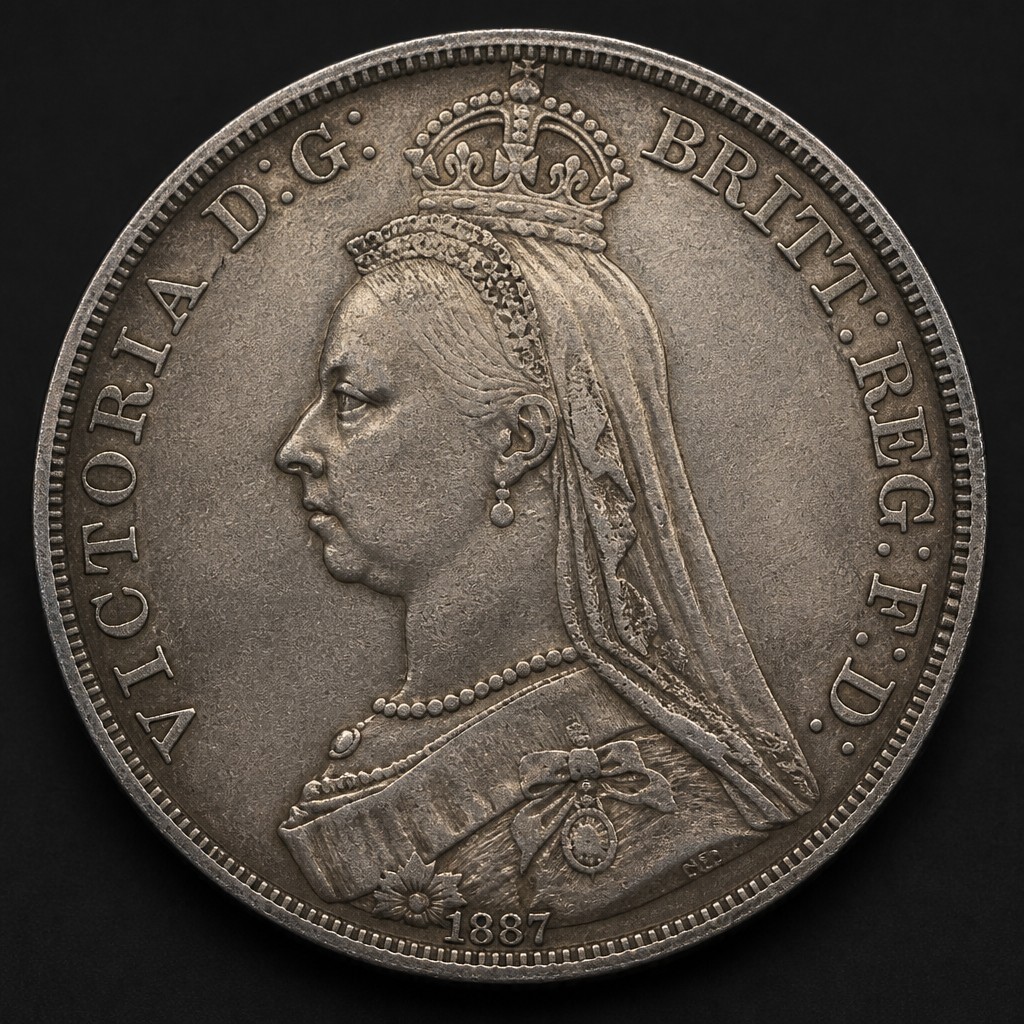
Double Florin
A large Victorian silver coin worth four shillings, struck for only four years; its close resemblance in size to the crown and half-crown caused everyday confusion and gave it a lasting nickname.
British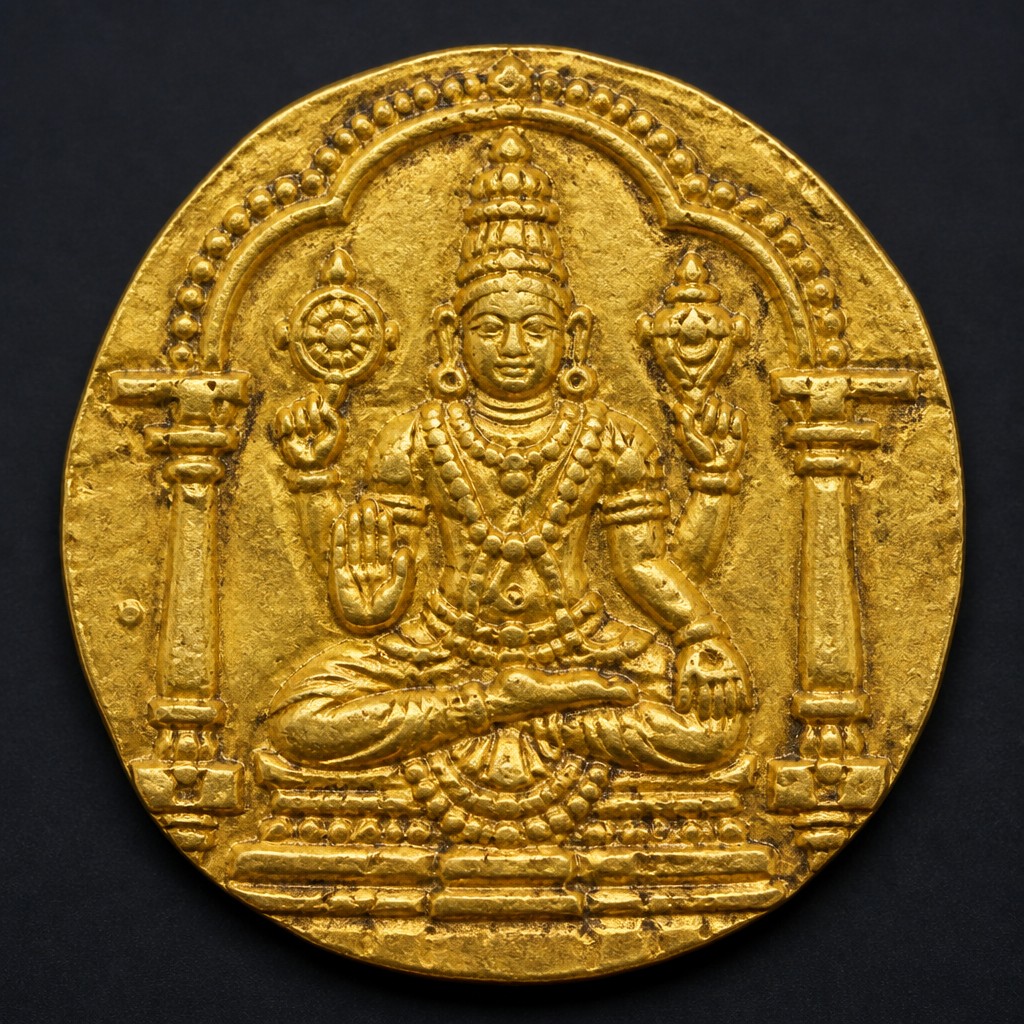
Vijayanagara Gold Pagoda
A small, thick gold coin of the South Indian Vijayanagara Empire, typically showing Hindu deities or a bull, whose type became so trusted it was widely imitated as the standard South Indian trade "pagoda."
Asian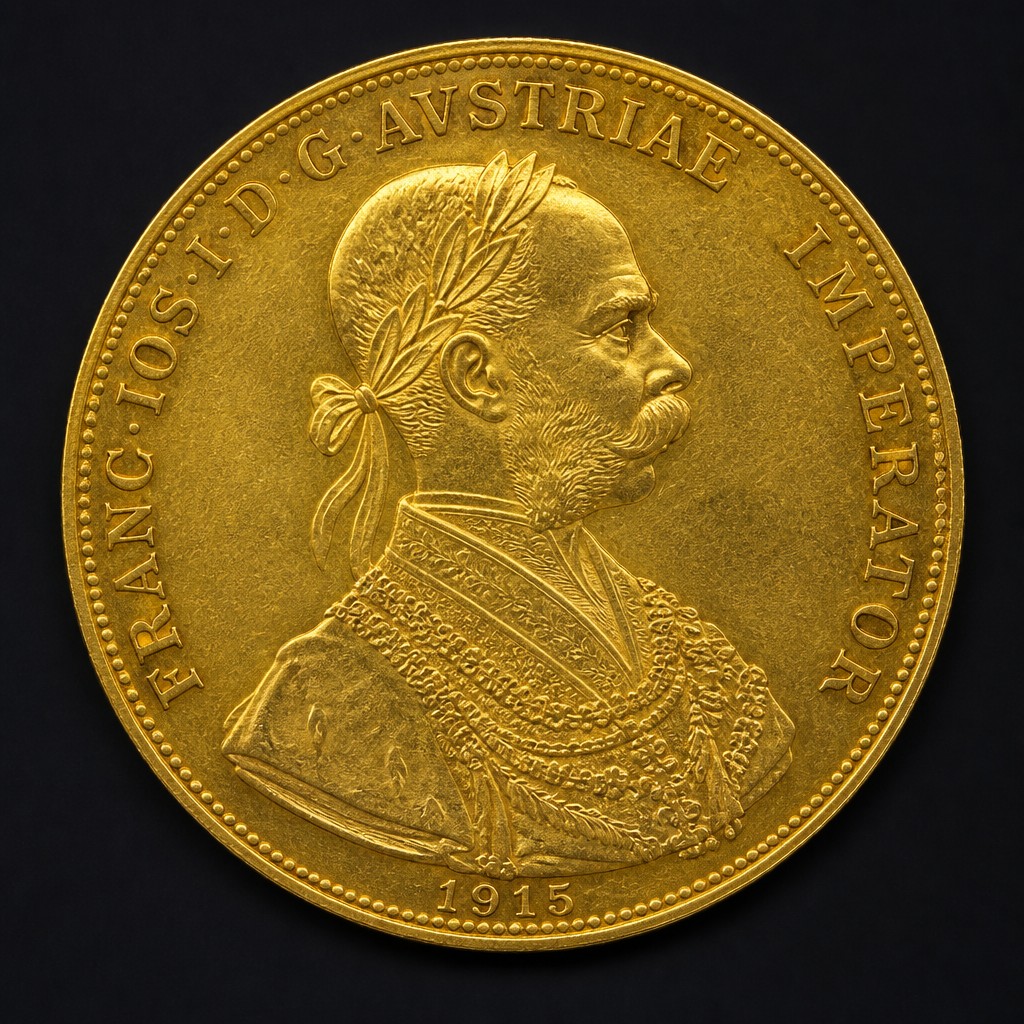
Austrian 4 Ducat Gold
The Austrian 4 Ducat is a large, high-purity gold coin historically used for trade and hoarding, best known today through the officially restruck 1915-dated pieces still produced for the bullion market.
European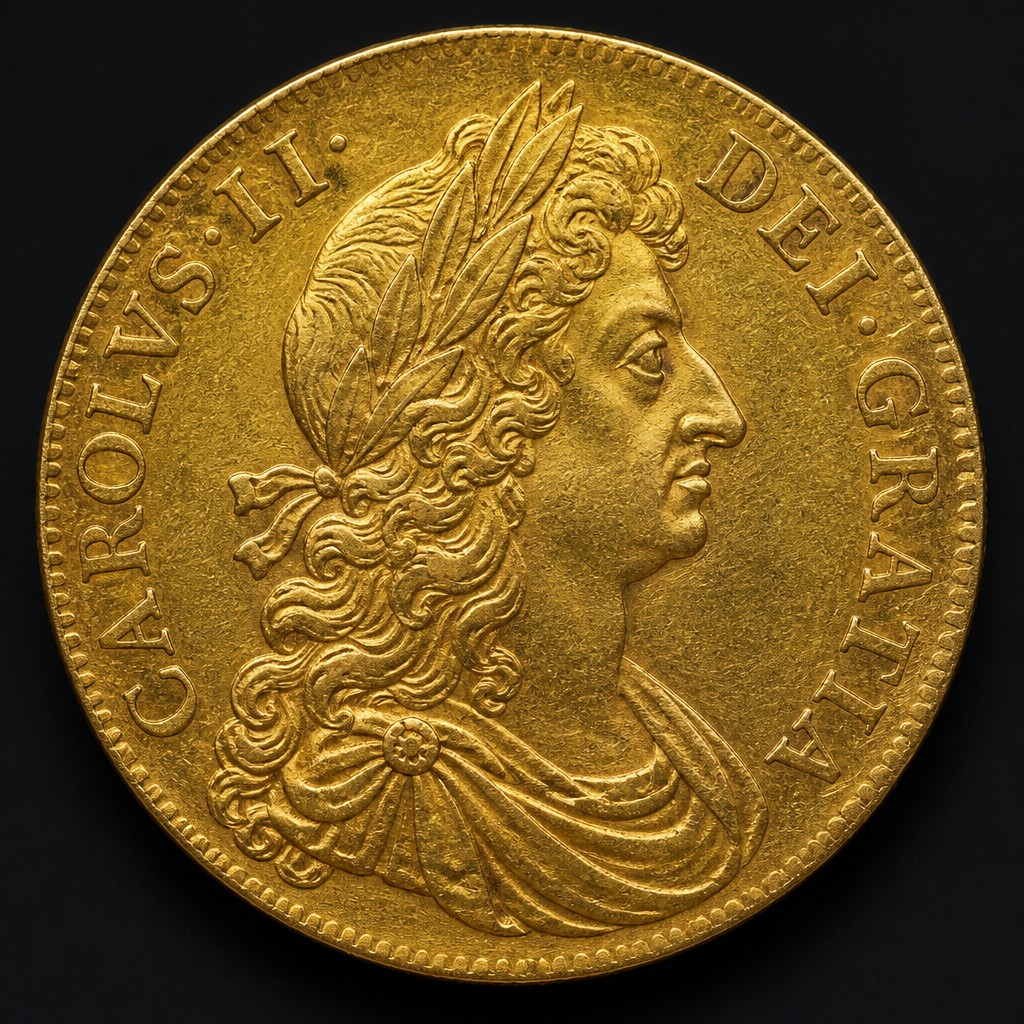
British Gold Guinea
Struck from 1663 to 1814 and named for the West African gold used in its earliest issues, the guinea was Britain's leading gold coin and gave its name to a unit of value still referenced today.
British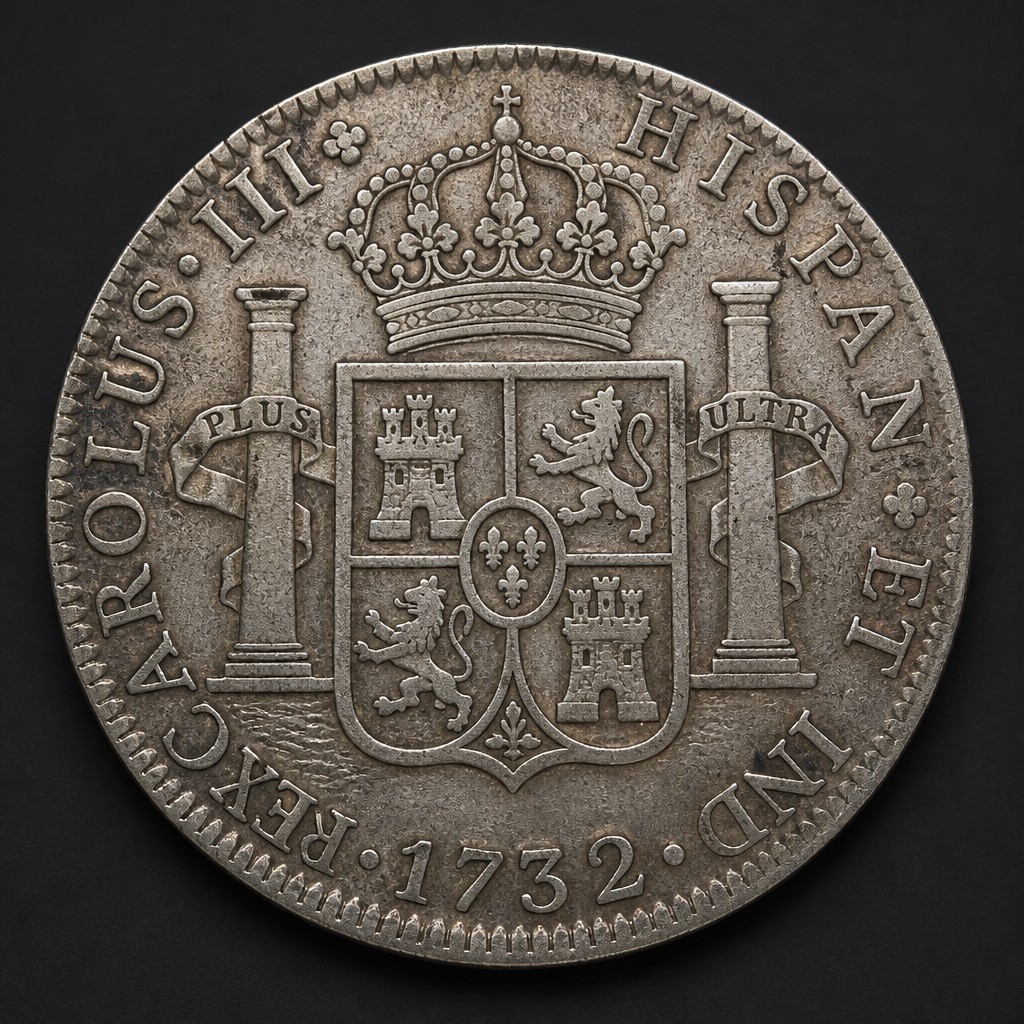
Mexican 8 Reales Pillar Dollar
Minted in colonial Mexico City from 1732 to the early 1770s, the pillar dollar's crowned globes and Pillars of Hercules design made it one of the most widely trusted silver trade coins in the world.
Latin American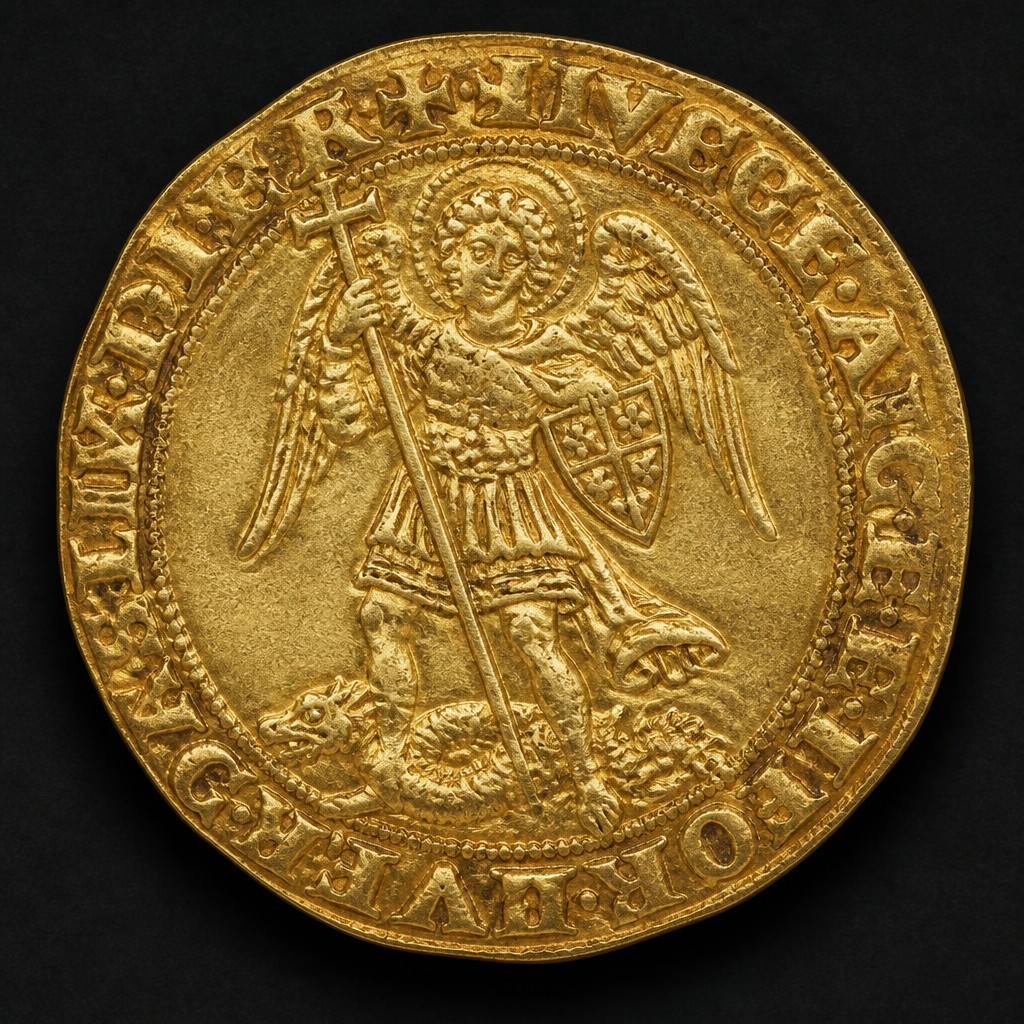
Half Angel (Angelet)
A small English gold coin worth half the value of the Angel, sharing its famous design of the Archangel Michael slaying a dragon, issued across several reigns from Edward IV to James I.
British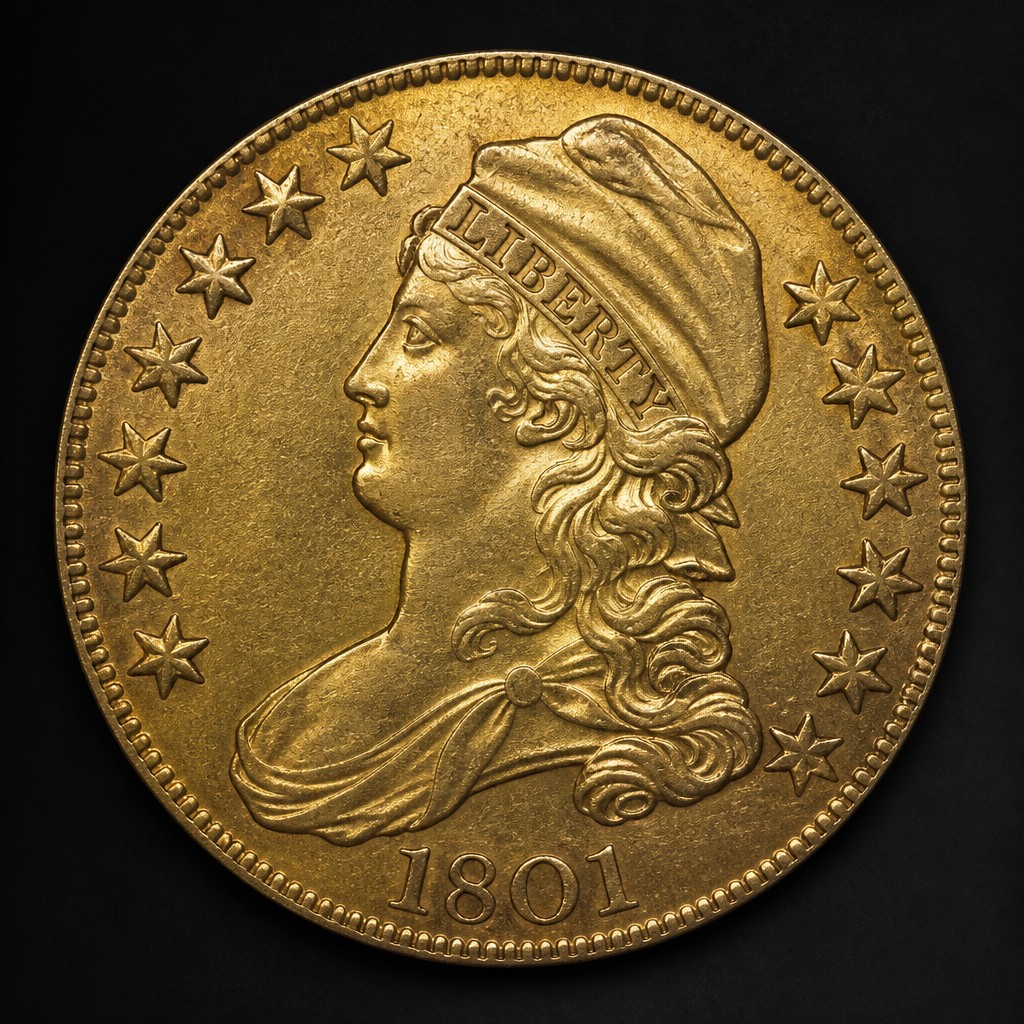
Turban Head Eagle
The first U.S. $10 gold coin, struck 1795-1804 and nicknamed 'Turban Head' for Liberty's cap-like headdress; the earliest examples pair her portrait with a small, spread-winged eagle.
United States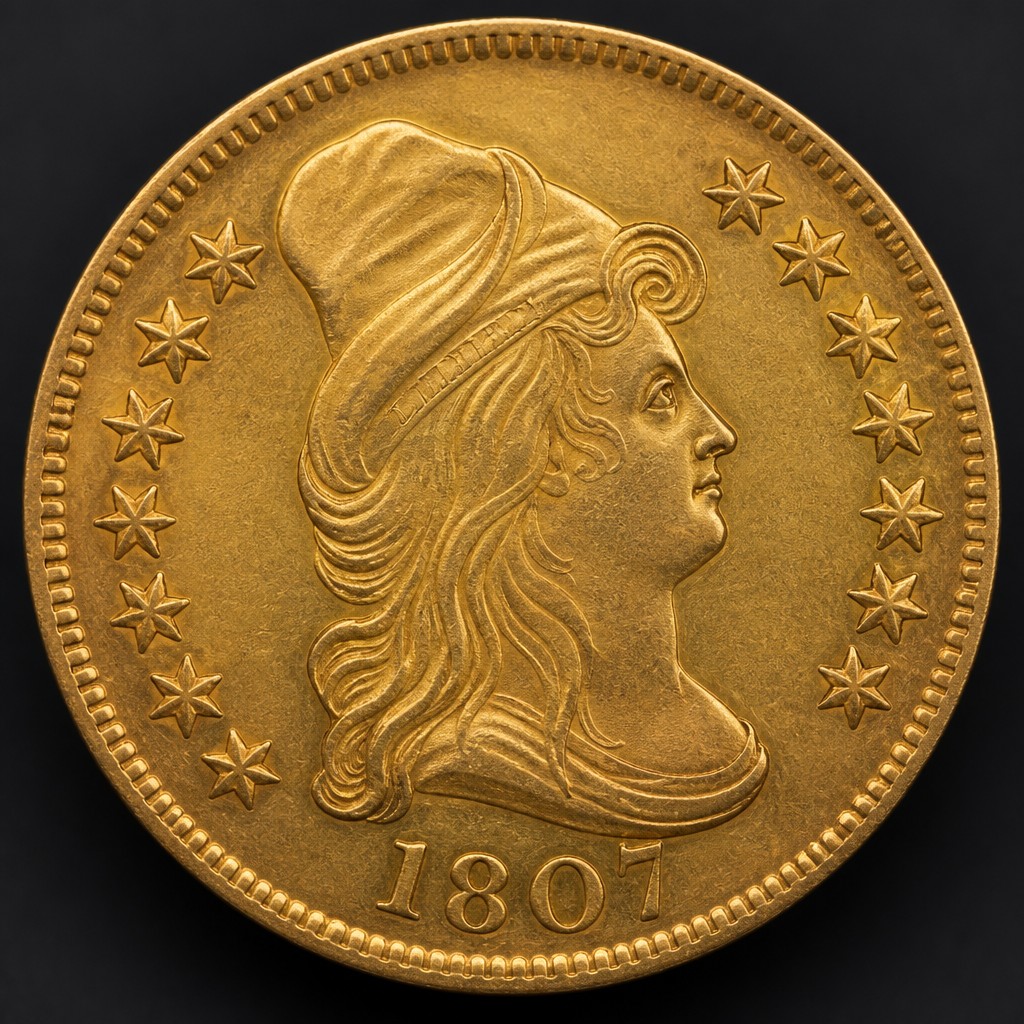
Capped Bust Right Half Eagle
America's first five-dollar gold coin, struck 1795-1807 with Liberty facing right under a soft cap, first paired with a small perched eagle reverse and later a bold heraldic eagle.
United States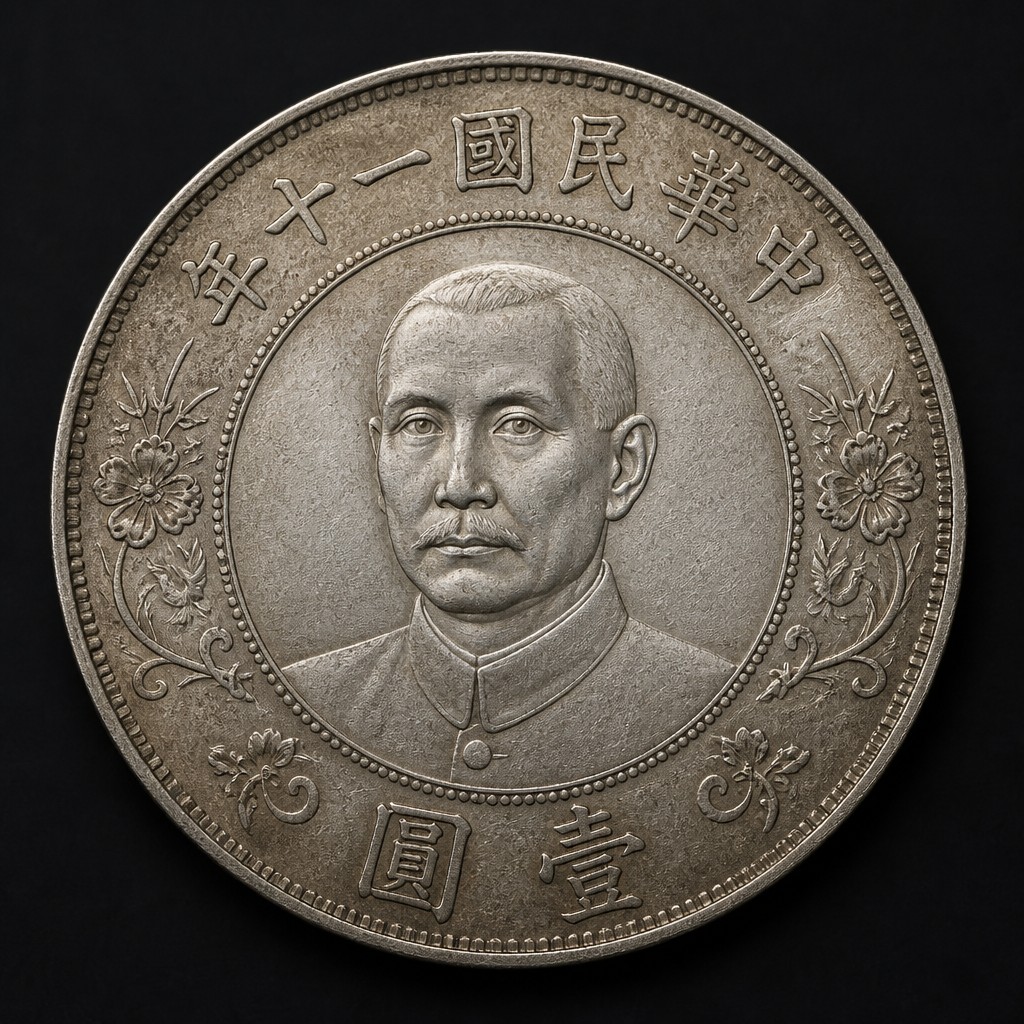
Sun Yat-sen Memorial Dollar (Junk Dollar)
A Republic of China silver dollar honoring founding father Sun Yat-sen, nicknamed the junk dollar for its reverse image of a traditional Chinese sailing ship, a widely collected 1930s Chinese coin.
Asian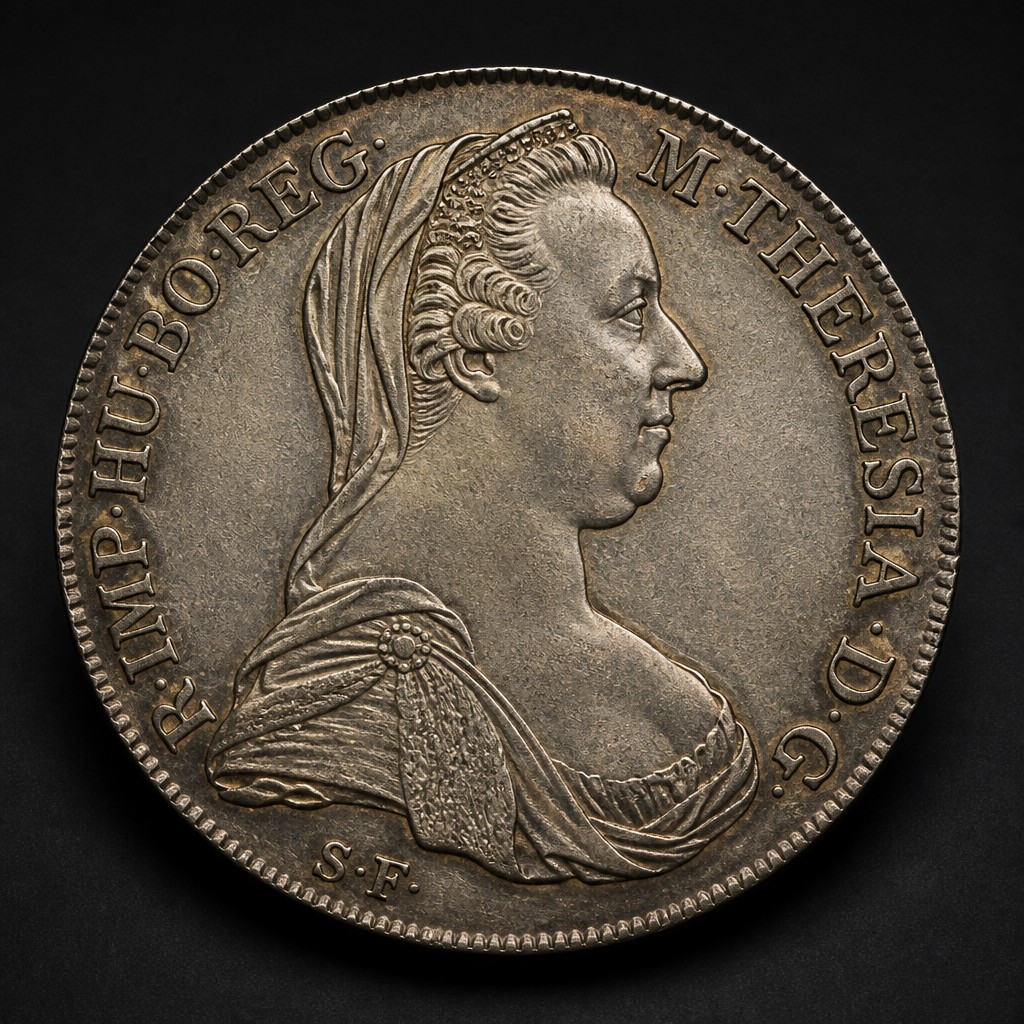
Maria Theresa Thaler
An Austrian silver trade coin dated 1780 that has been restruck continuously for over two centuries, remaining a trusted currency across parts of Africa and the Middle East long after its original issue.
European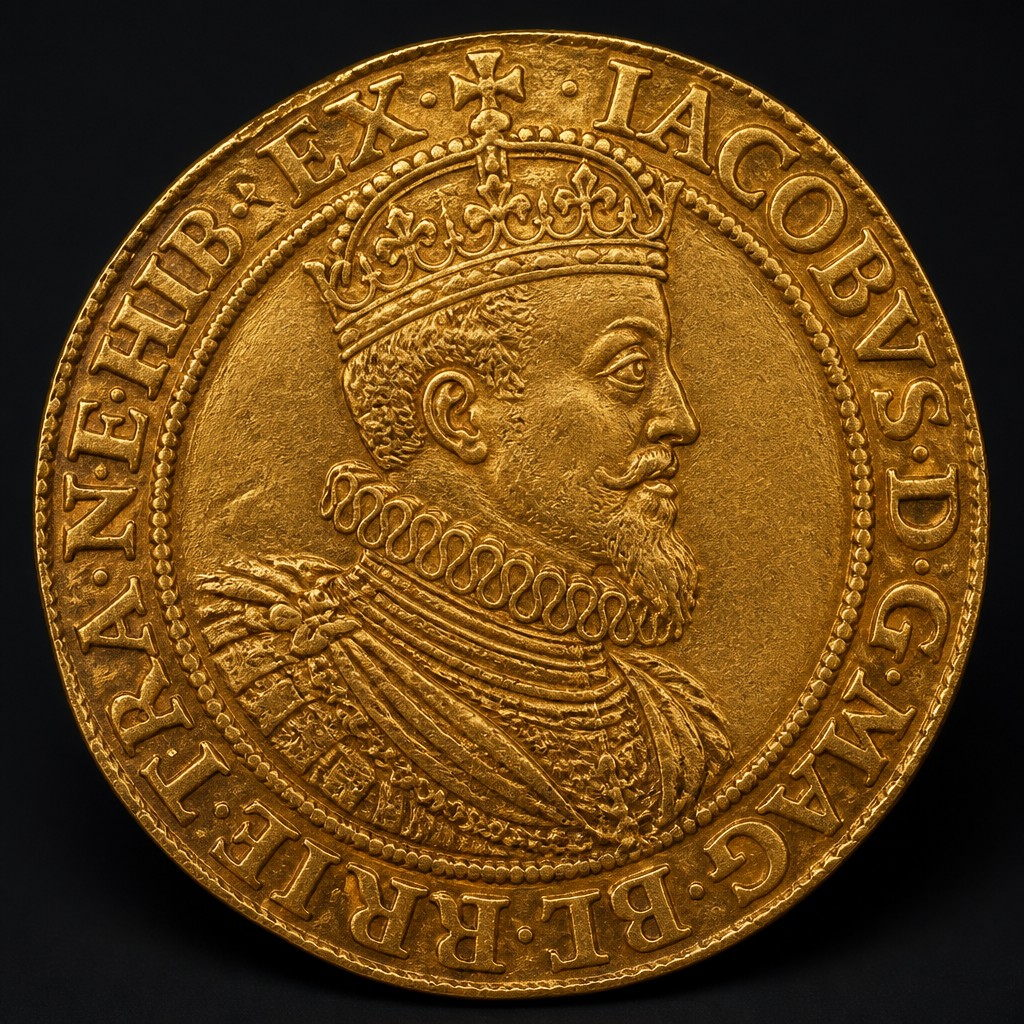
Half Crown Gold
A small gold coin worth half a gold crown, struck from the reign of Henry VIII through the English Civil War, distinct from the far more familiar silver half crown that circulated for centuries afterward.
British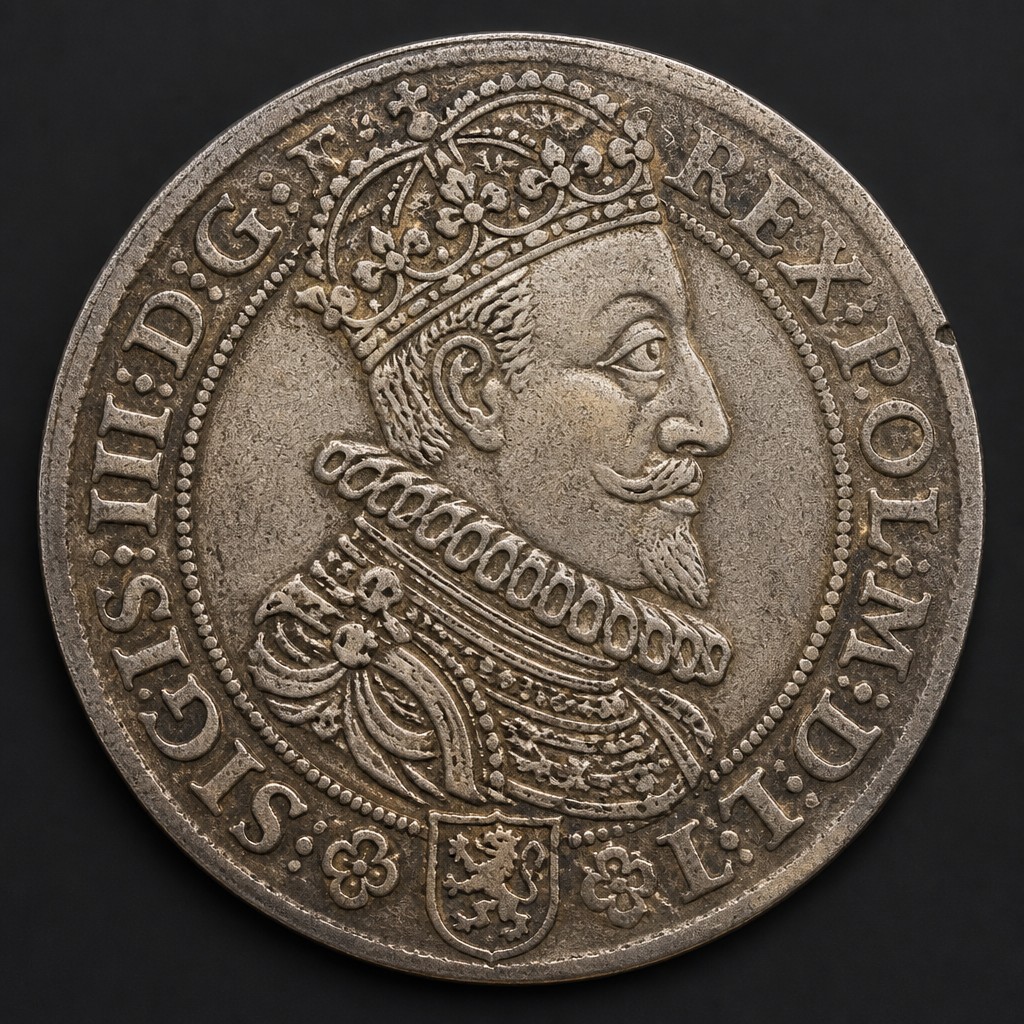
Polish-Lithuanian Thaler
The large silver trade coin of the Polish-Lithuanian Commonwealth, struck under successive kings from the 16th through 18th centuries, bearing royal portraits paired with the combined Polish eagle and Lithuanian Vytis arms.
European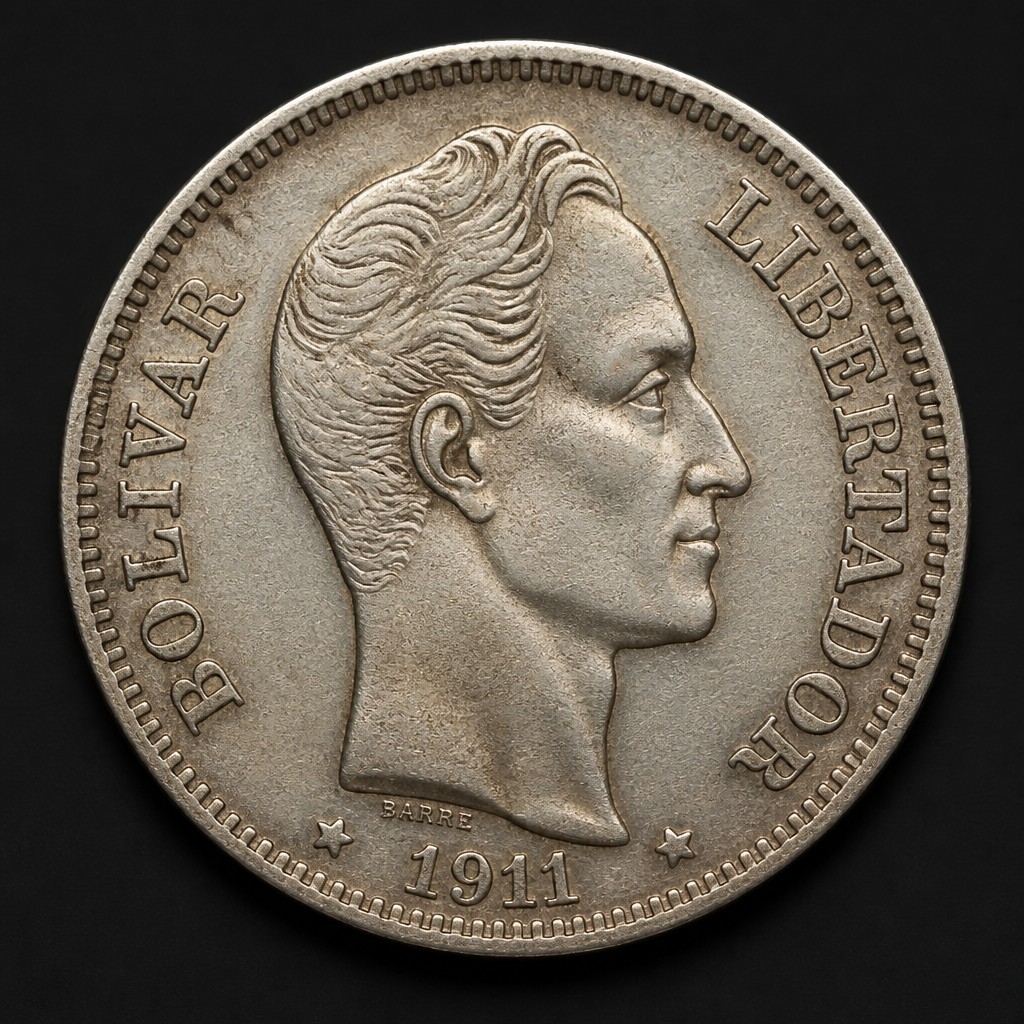
Venezuela 5 Bolivares 'Fuerte' Silver
A high-purity Venezuelan silver crown struck in 1911–1912, nicknamed the 'Fuerte' (strong) issue for restoring .900 fineness after decades of debased coinage.
Latin American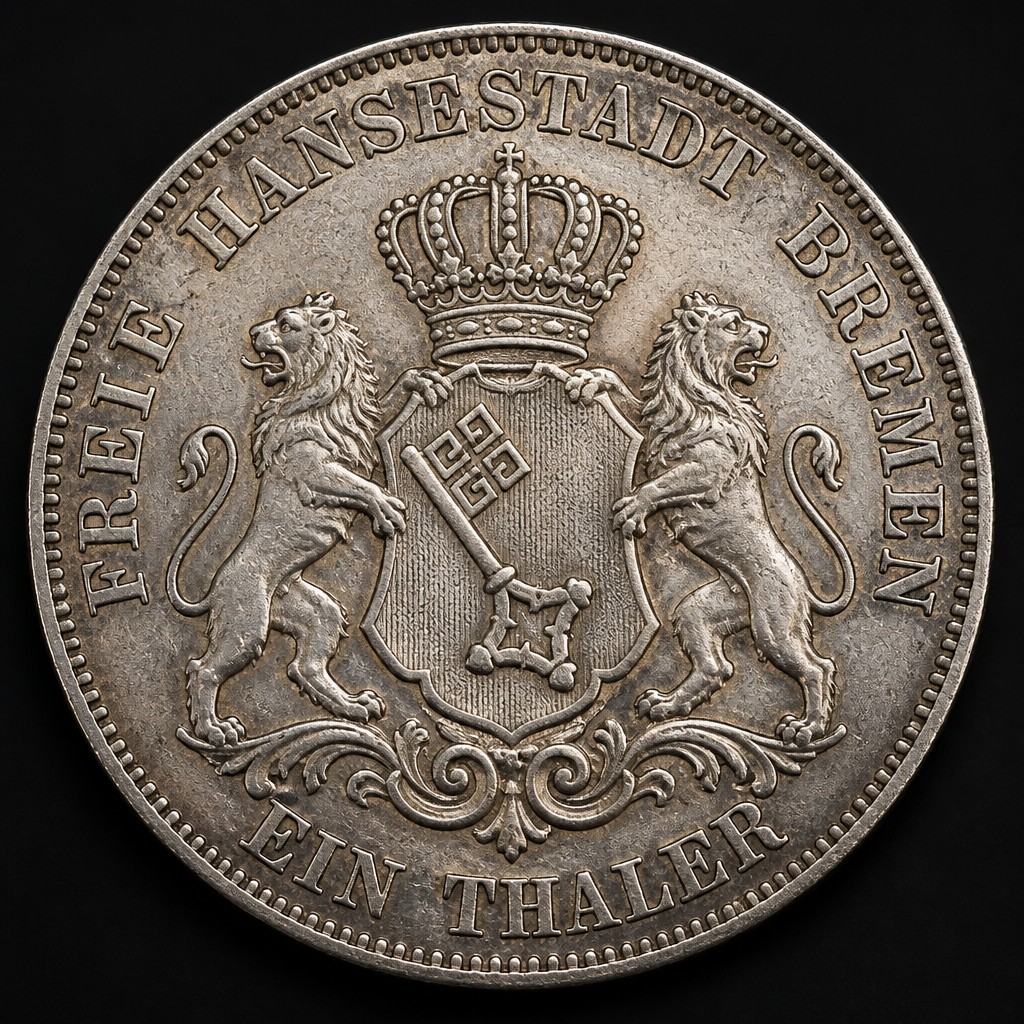
German Bremen Thaler
A silver thaler issued by the Free Hanseatic City of Bremen before German unification, featuring the city's heraldic key, part of the patchwork of pre-1871 German state and city coinages.
European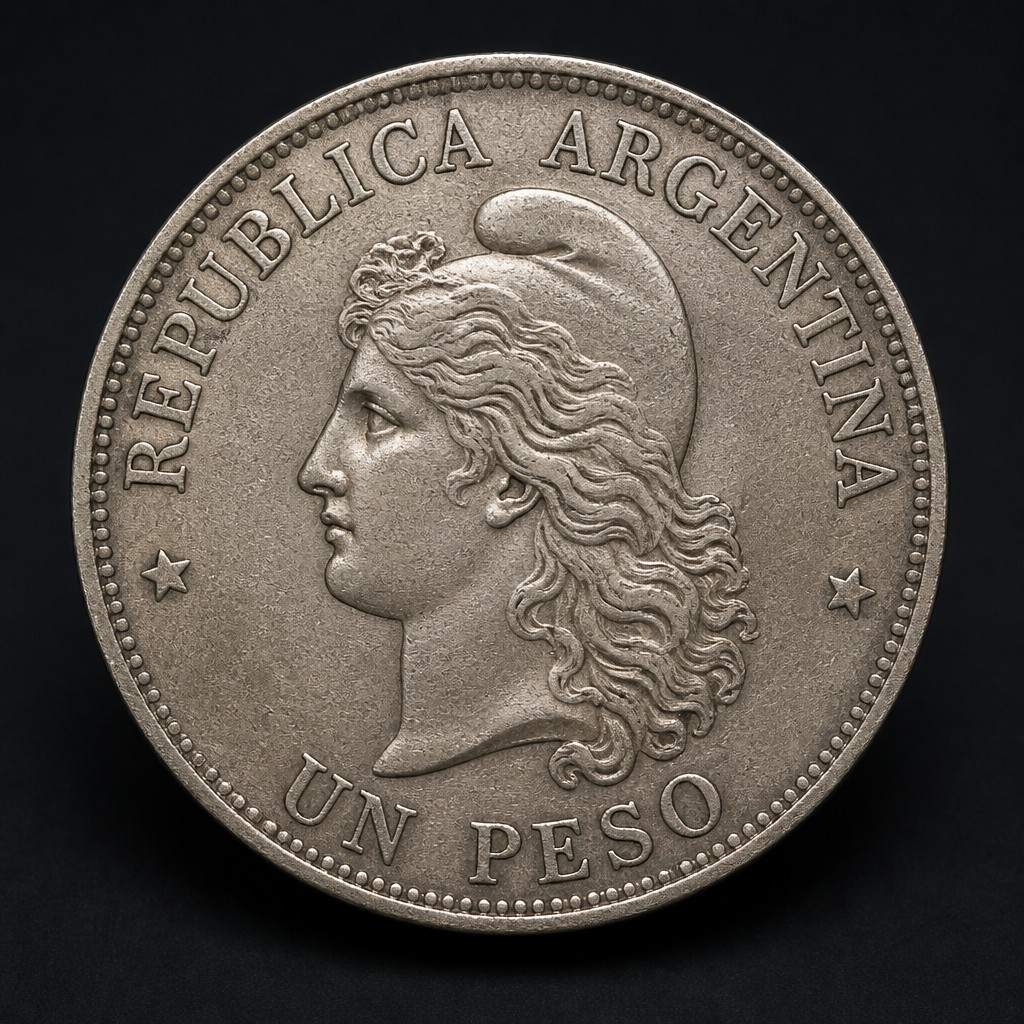
Argentine Peso Moneda Nacional (Patacón)
Argentina's long-standing peso moneda nacional coinage, informally nicknamed the patacón, formed the backbone of the country's currency from the 1880s well into the twentieth century.
Latin American