
Coin Encyclopedia
Search and identify coins from around the world — with country, denomination, metal, mint, history, and how to tell them apart.
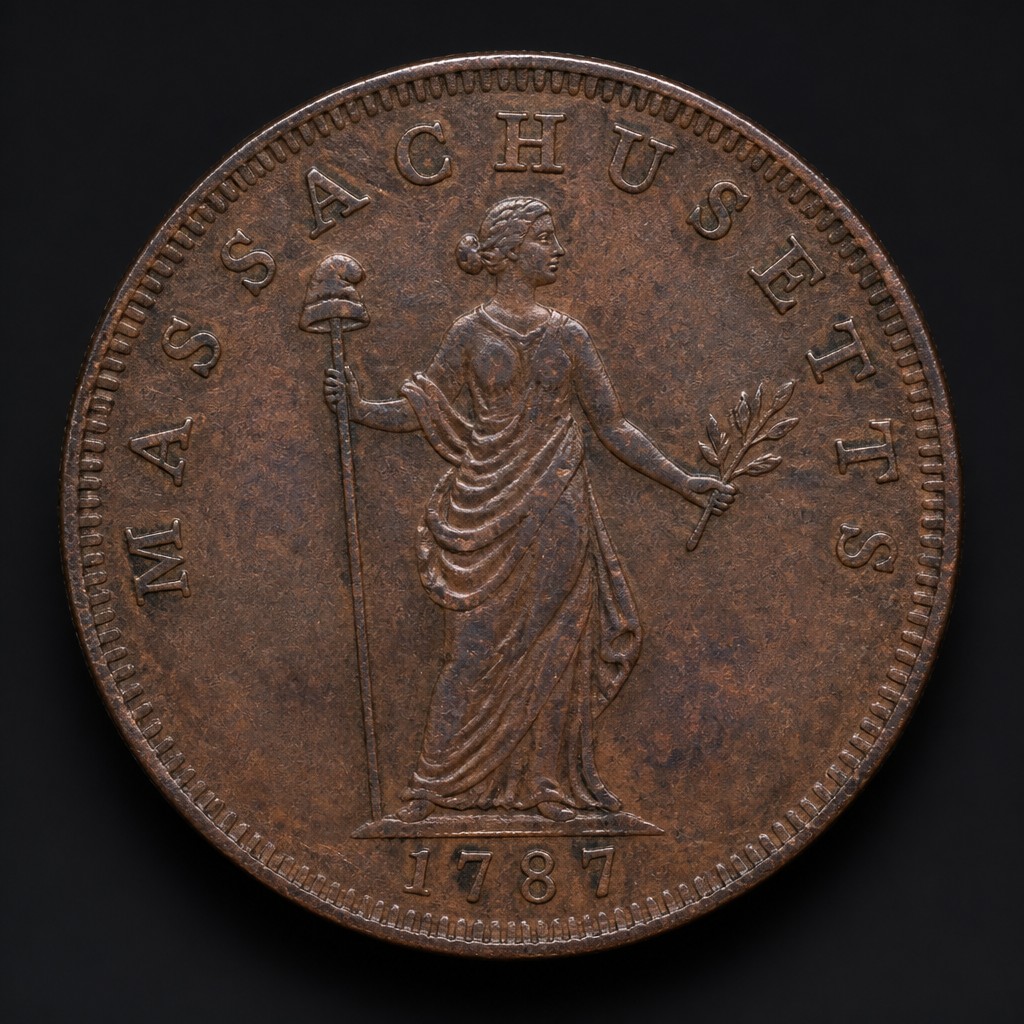
Massachusetts Cent (1787-1788)
State-issued copper coinage struck by the Commonwealth of Massachusetts in 1787 and 1788, notable as the first official U.S. coinage to use the denomination 'cent'.
United States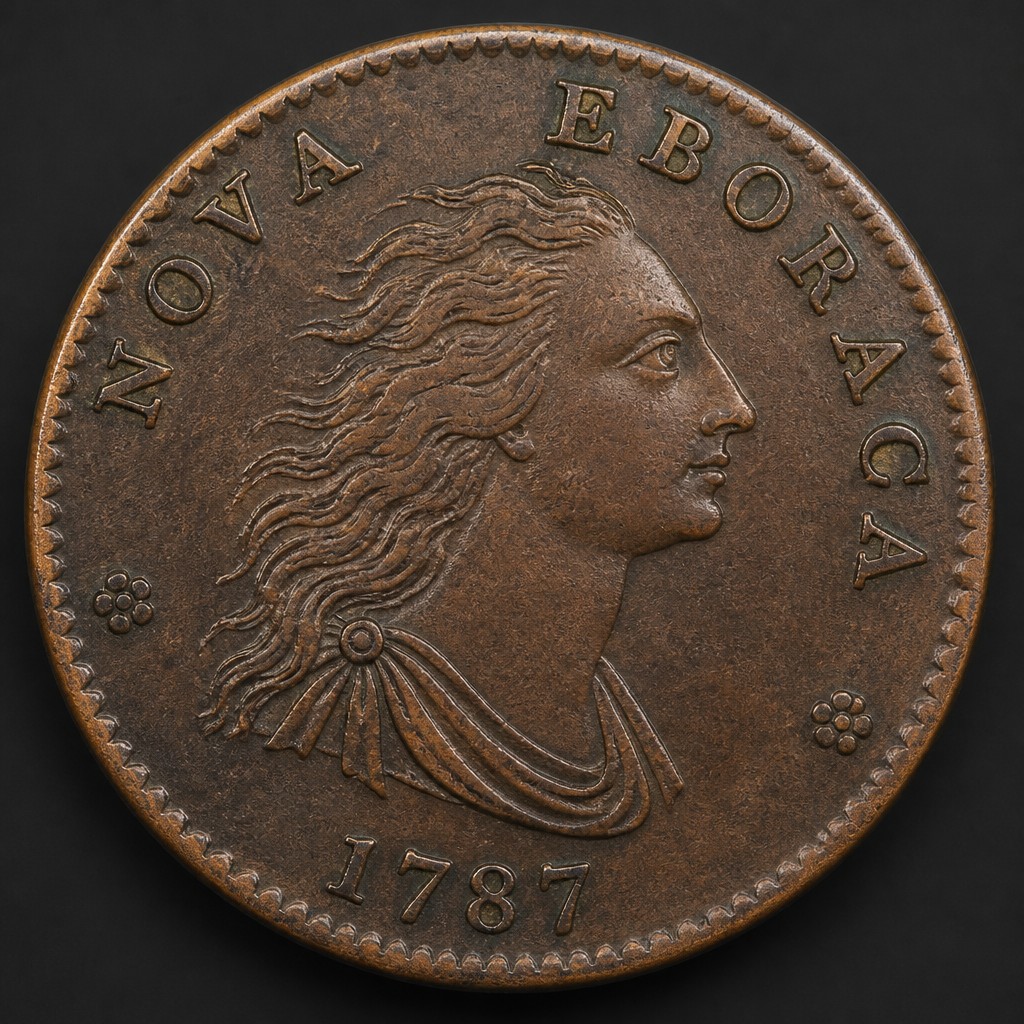
Nova Eborac Copper
A 1787-dated copper bearing the Latin name for New York, struck privately after the state failed to authorize its own copper coinage contract during the chaotic Confederation-era coin shortage.
United States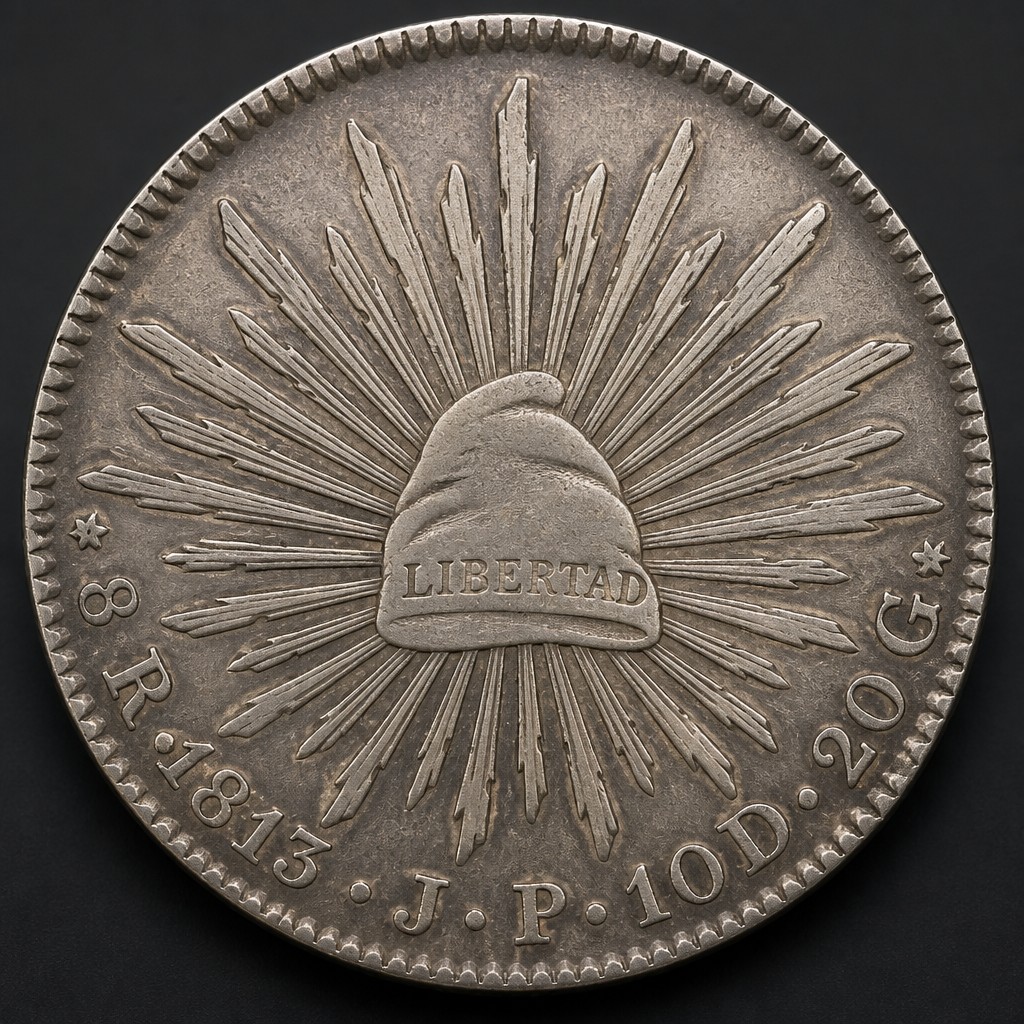
Argentina 8 Reales
Silver 8 reales struck after Argentina's 1810 independence movement, replacing the Spanish king's portrait with the revolutionary Sun of May and clasped hands design.
Latin American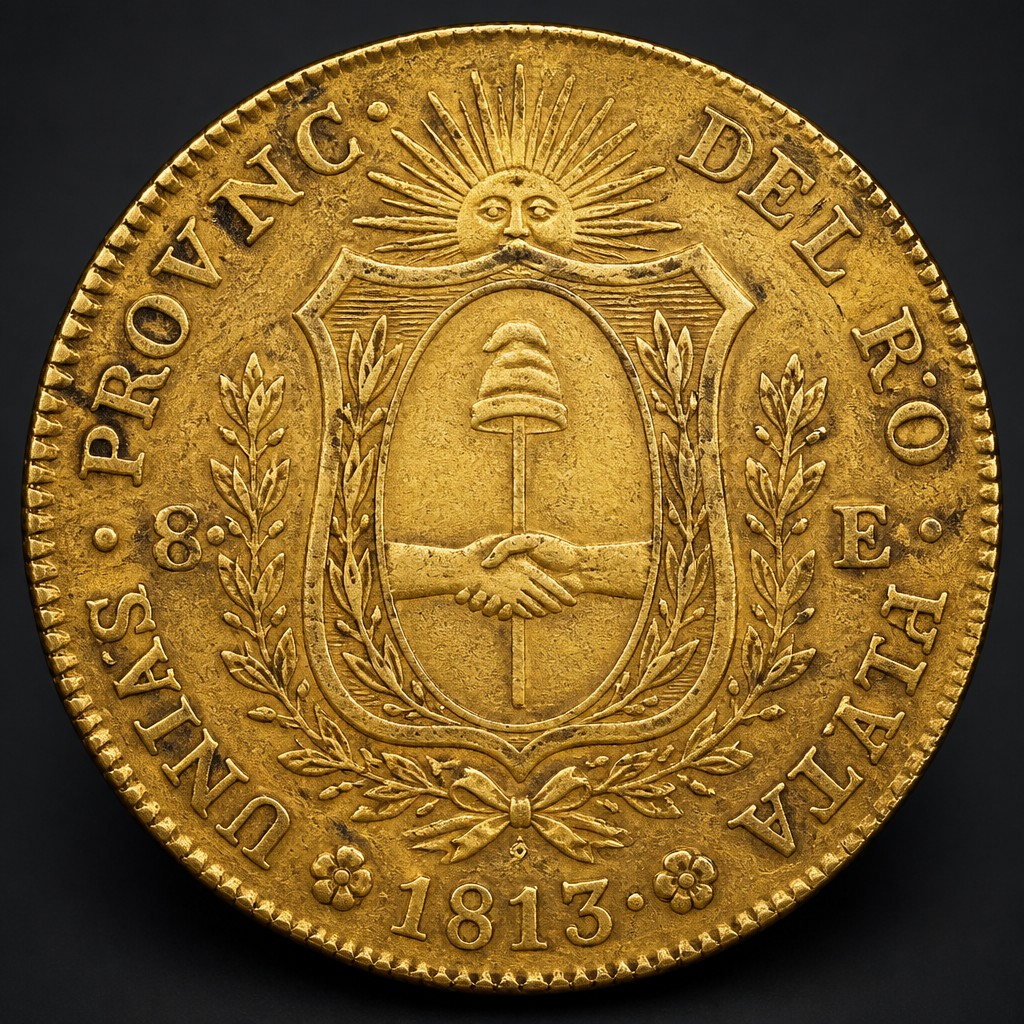
Argentine 8 Escudos Gold (1813)
An extremely rare gold coin from the earliest years of Argentine independence, struck briefly at Potosí under revolutionary authority and bearing the iconic Sun of May.
Latin American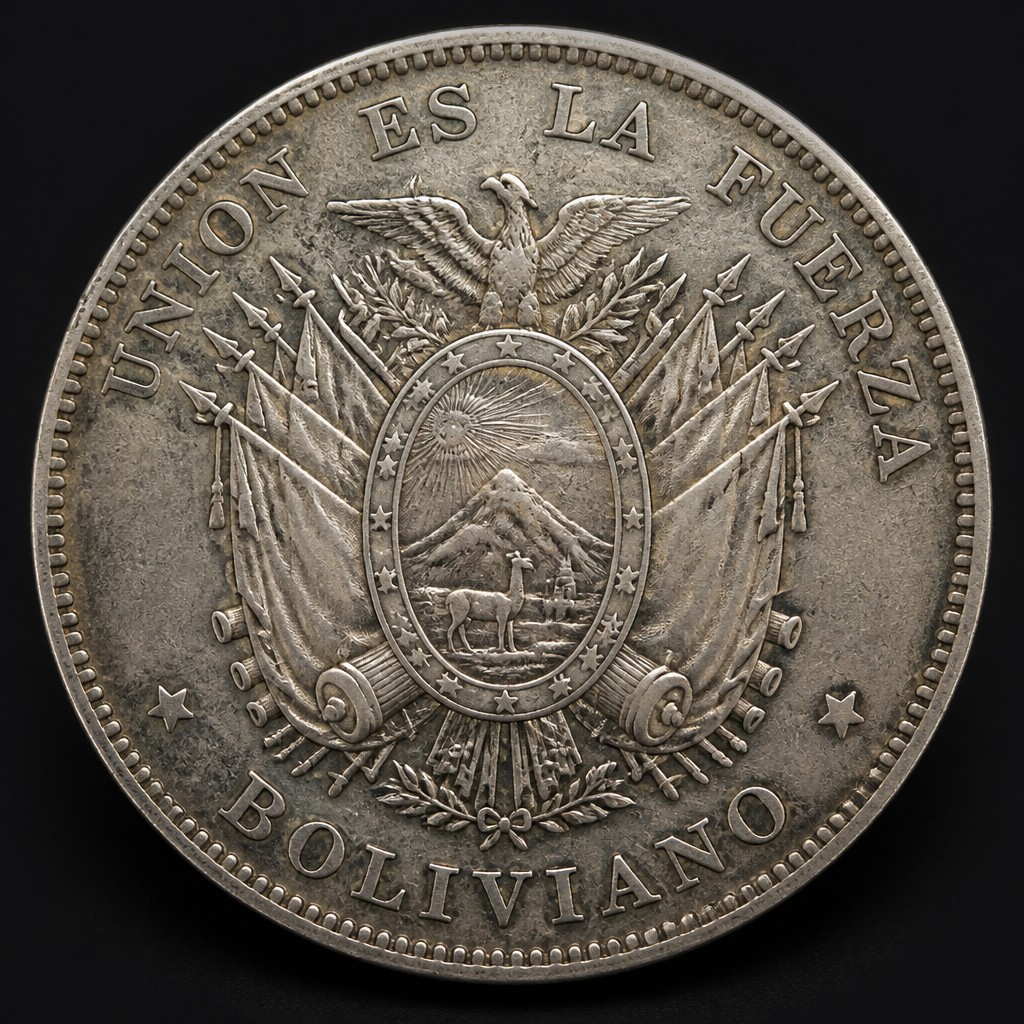
Bolivian Boliviano Silver
Bolivia's national currency unit, the boliviano, was introduced in the 1860s as a substantial silver coin and remains the country's monetary unit in modern, non-silver form.
Latin American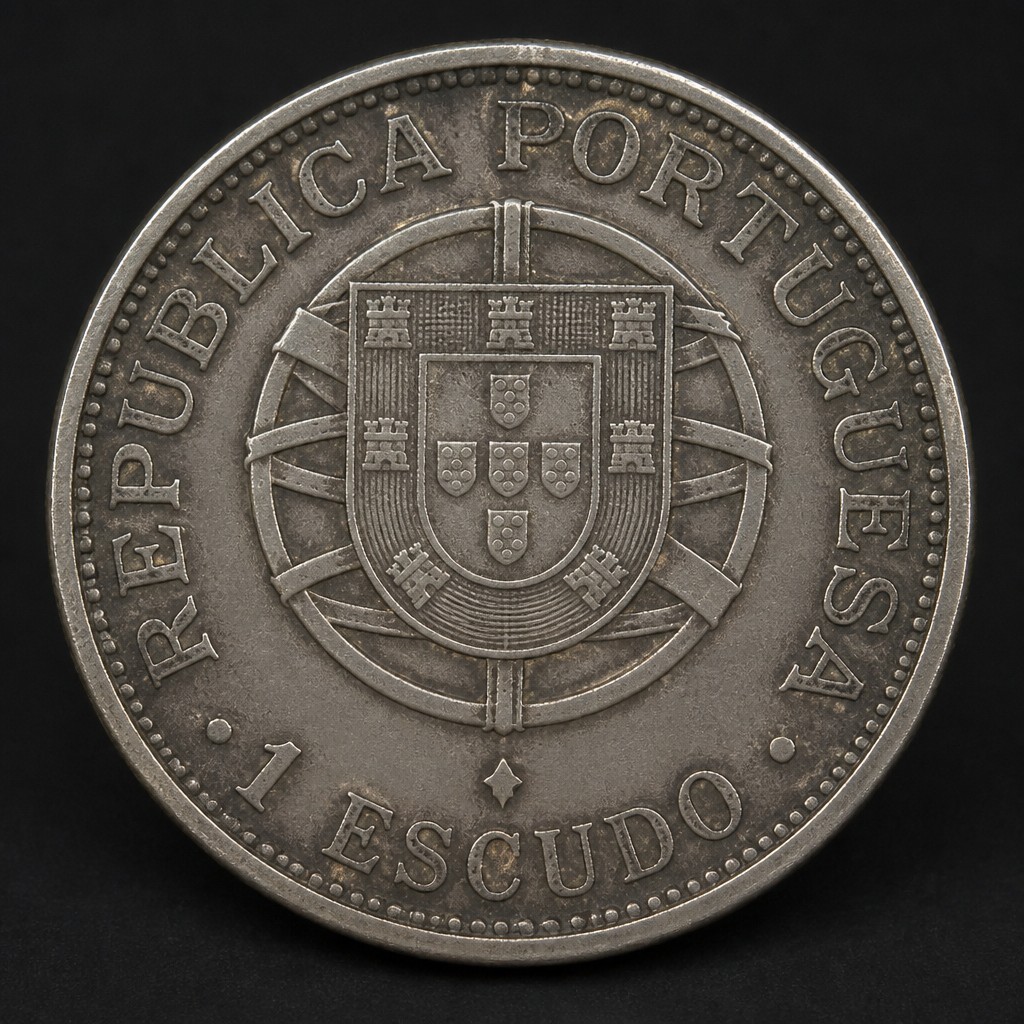
Portuguese Escudo
Portugal's national currency unit from the 1911 decimal reform, following the fall of the monarchy, until the Euro replaced it in the early 2000s.
European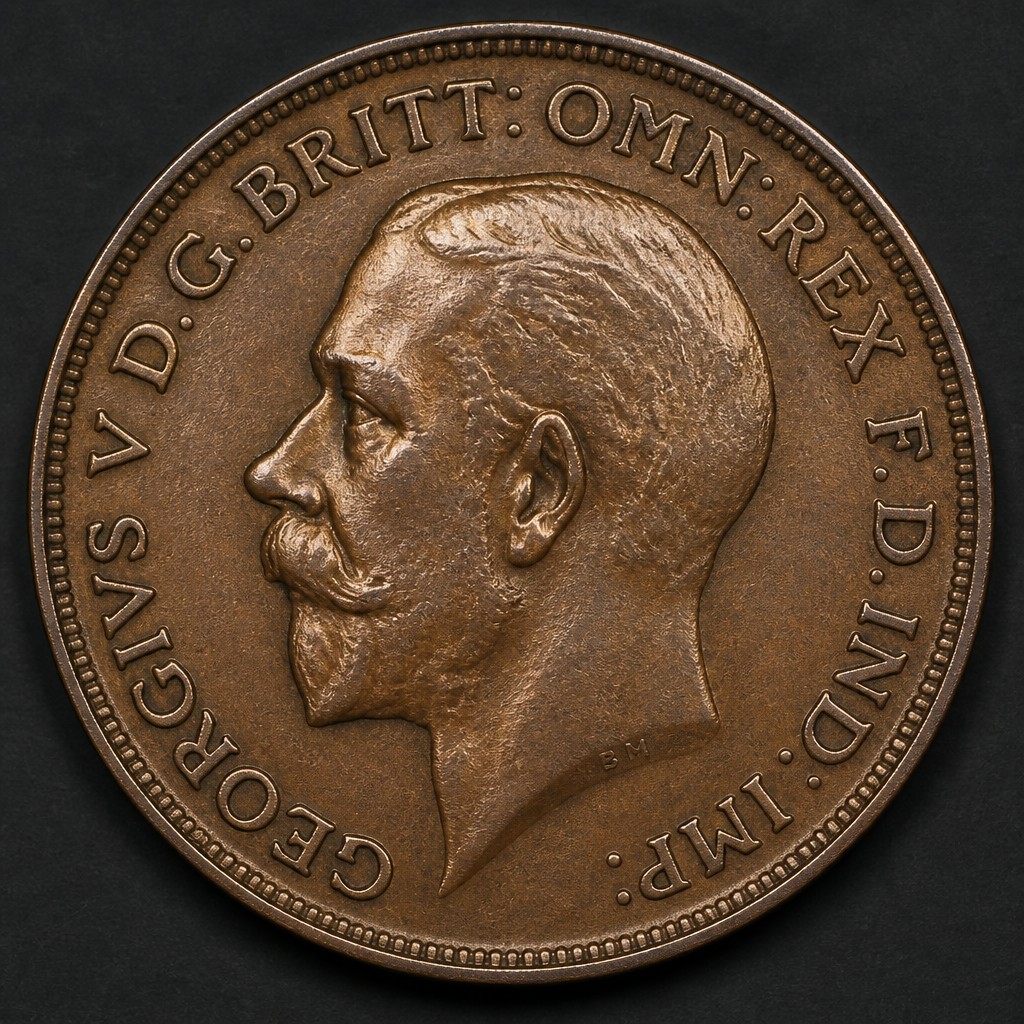
Australian Penny (1930)
Regarded as the key date of Australian pre-decimal coinage, the 1930 penny is famous for an exceptionally small mintage during the Great Depression.
Africa & Oceania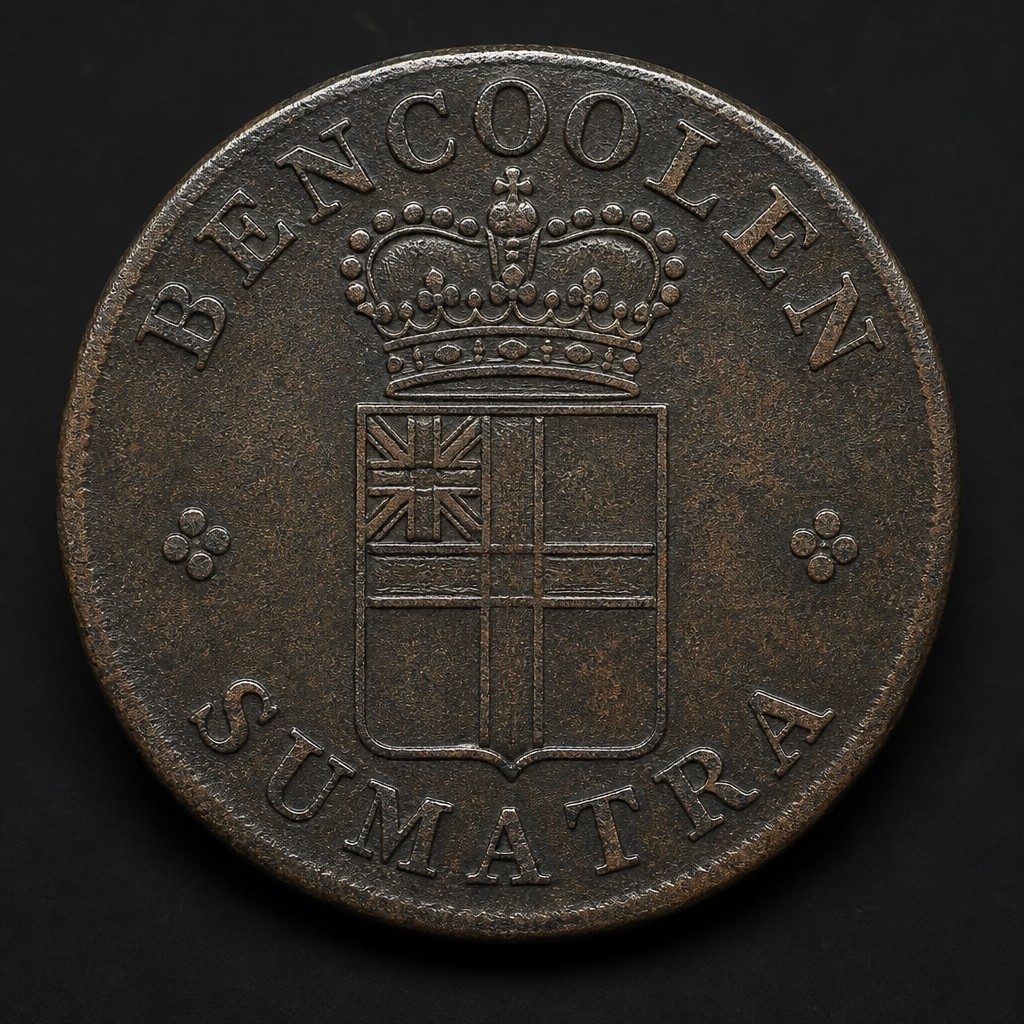
Sumatra EIC Keping (British Bencoolen)
A small tin or copper coin struck by the British East India Company for its Bencoolen settlement on Sumatra, denominated in the local unit called the keping.
Asian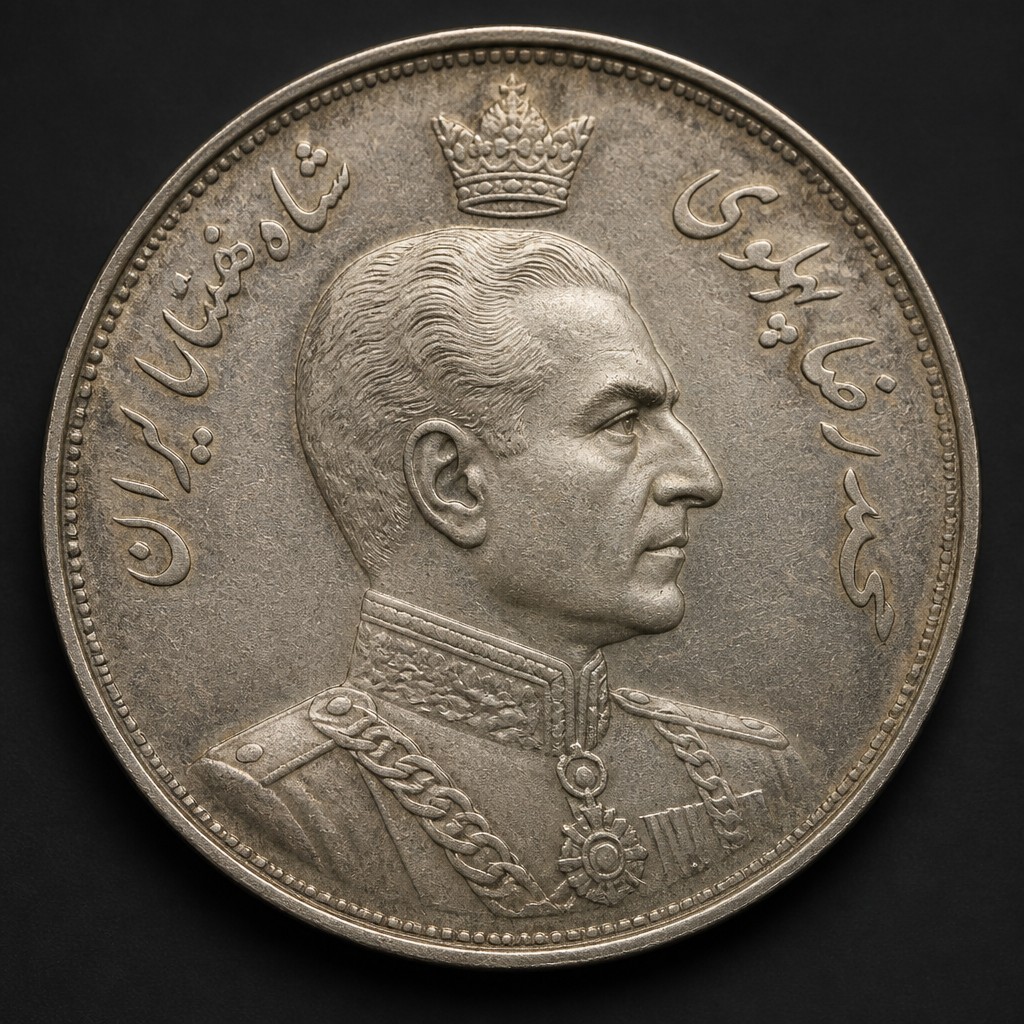
Iranian Rial
Iran's official currency unit since 1932, replacing the earlier qiran/kran, struck across the Pahlavi monarchy and the Islamic Republic in changing metals and designs.
Asian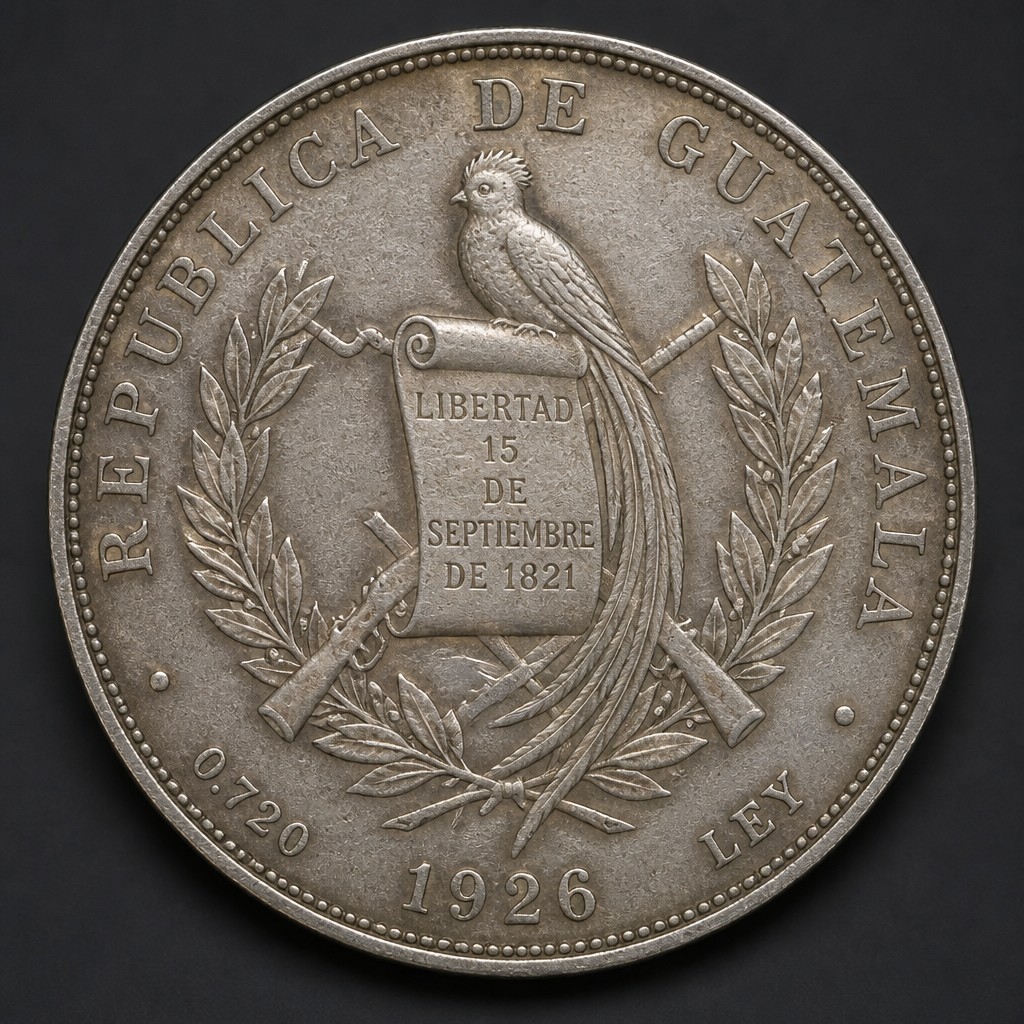
Guatemala Quetzal Silver
Guatemala's modern national currency unit, named after the resplendent quetzal bird, introduced in the 1920s with a substantial silver coin marking the country's monetary modernization.
Latin American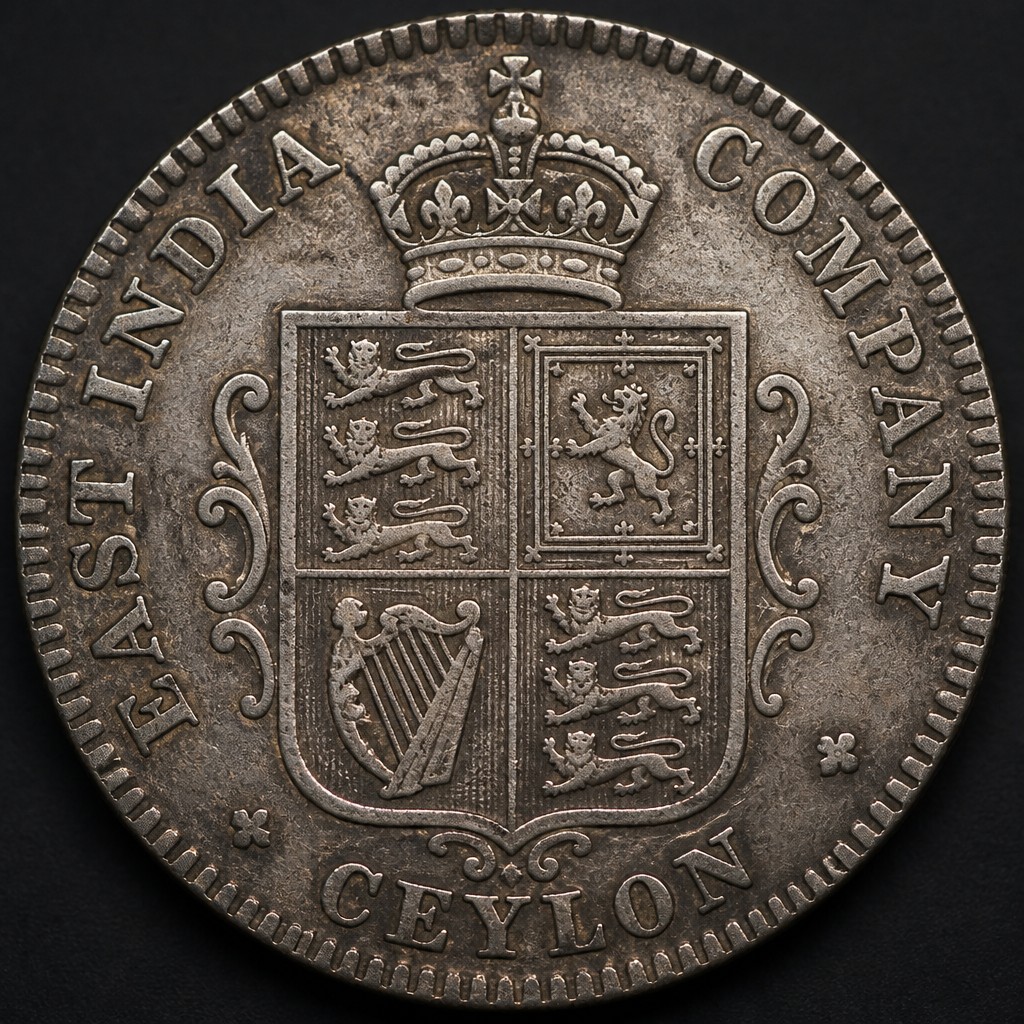
Ceylon (Sri Lanka) EIC Rixdollar
A colonial currency unit continued by the British East India Company administration in Ceylon, inherited from earlier Dutch VOC rule and featuring an elephant design.
Asian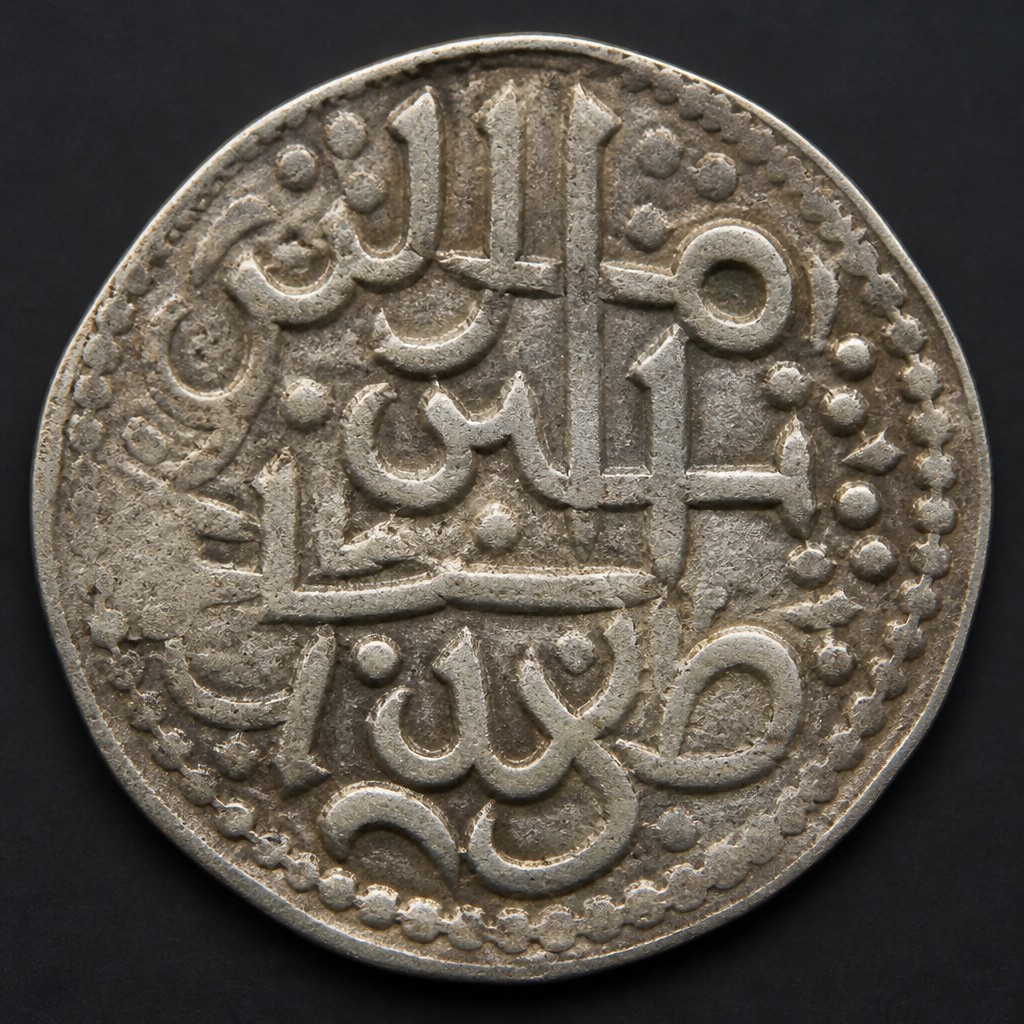
Ottoman Silver Akce
A tiny silver coin that served as the basic everyday currency unit of the Ottoman Empire for centuries, gradually shrinking in size and silver content as inflation took hold.
World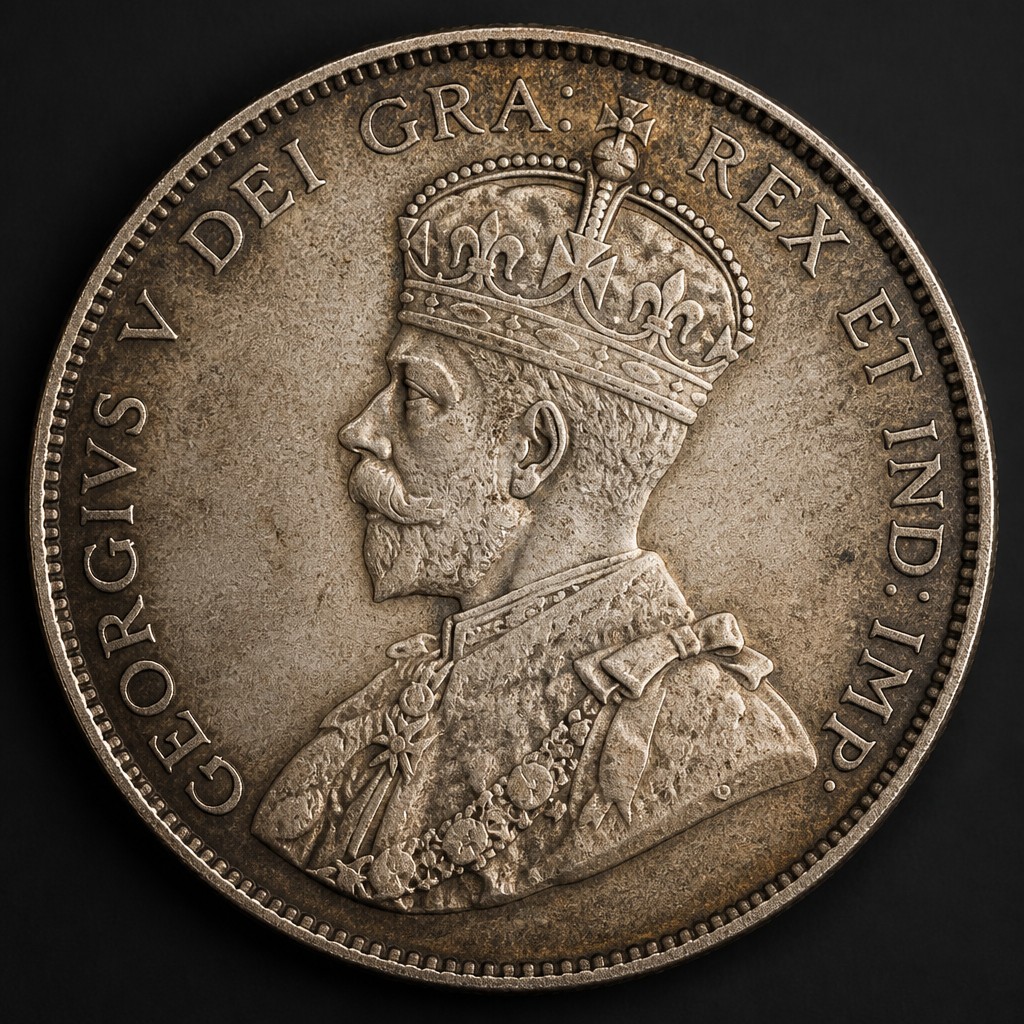
1921 Fifty Cents (King of Canadian Coins)
Canada's most famous rarity, the 1921 fifty-cent piece survives in only a small number of known examples after most of its mintage was melted, earning it the nickname King of Canadian Coins.
Canadian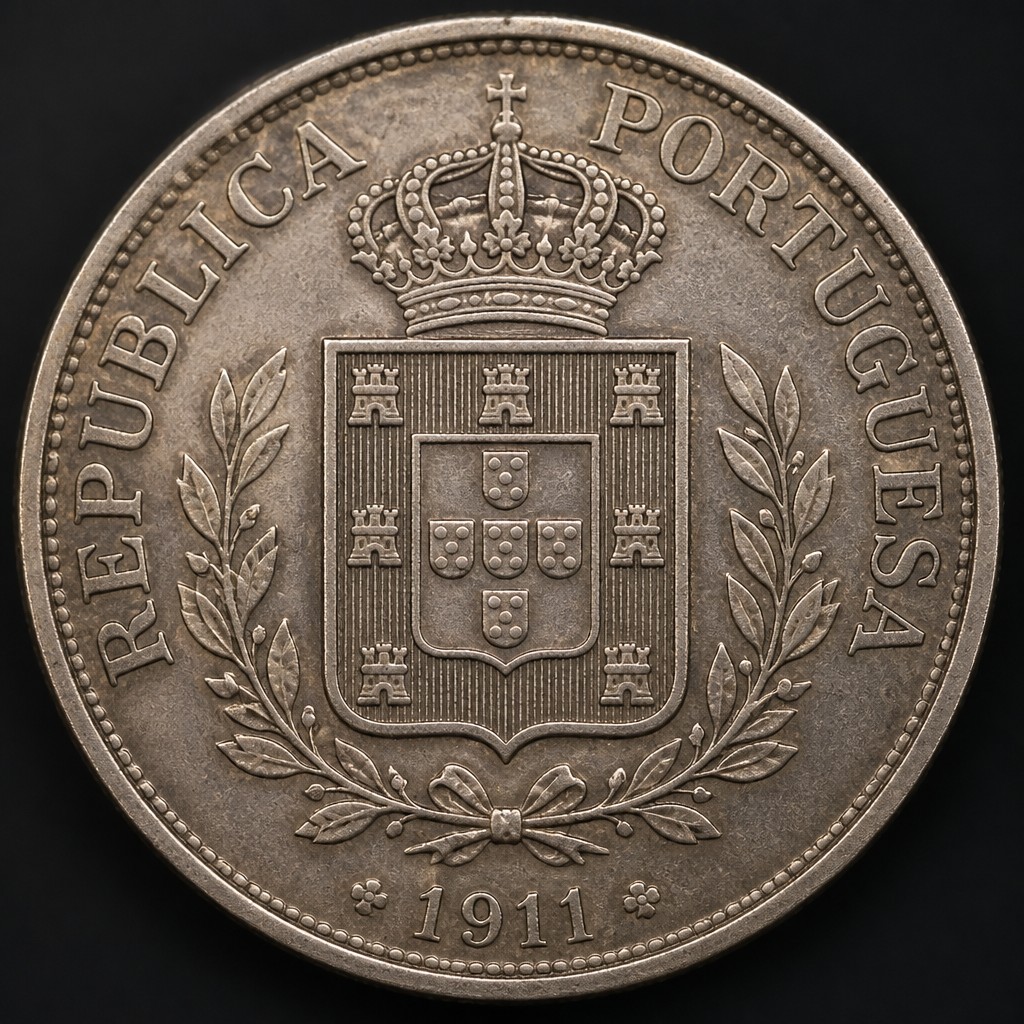
Portuguese Real
Portugal's centuries-old pre-decimal currency unit, used from the medieval era until the 1911 introduction of the escudo, also struck for Brazil and other colonies.
European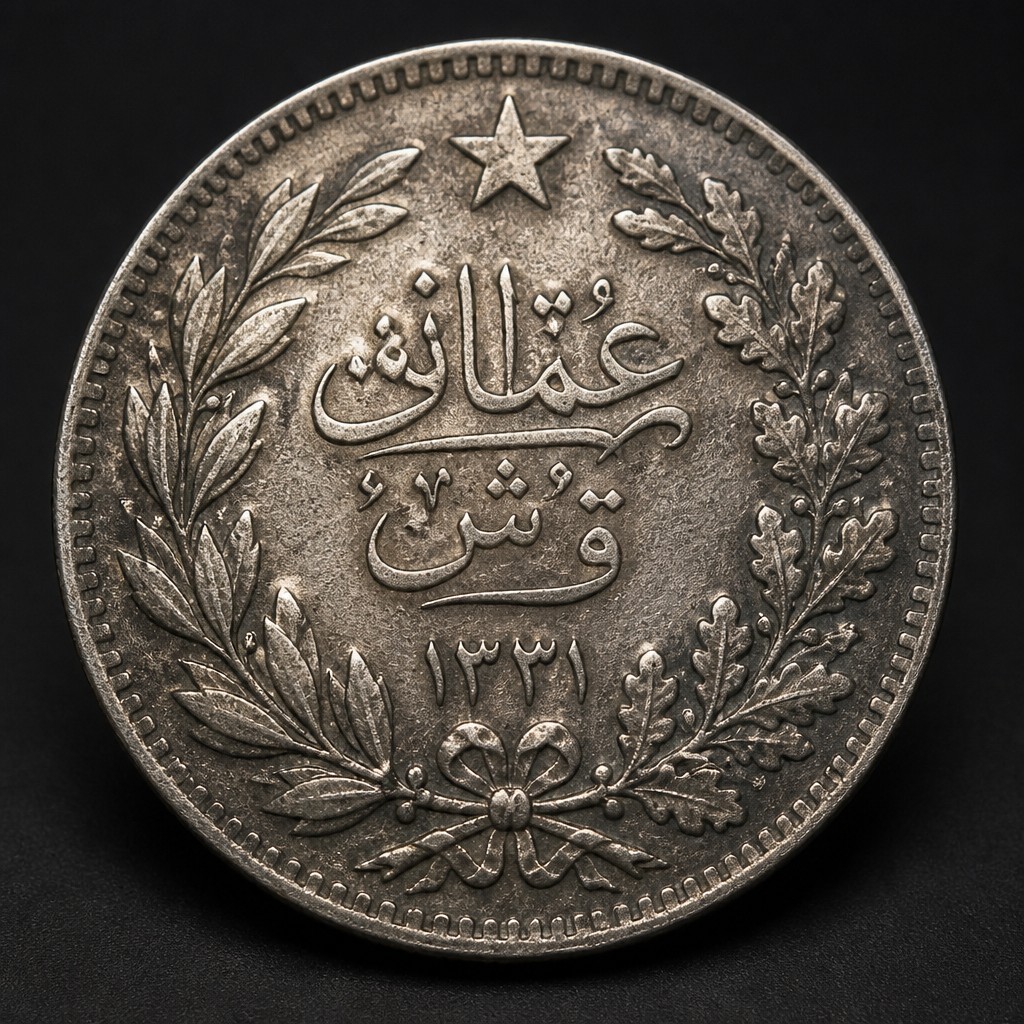
Ottoman Kurus (Piastre)
The standard Ottoman monetary unit for centuries, struck in silver or base metal bearing the sultan's tughra, later becoming a subunit of the Ottoman lira after 1844.
World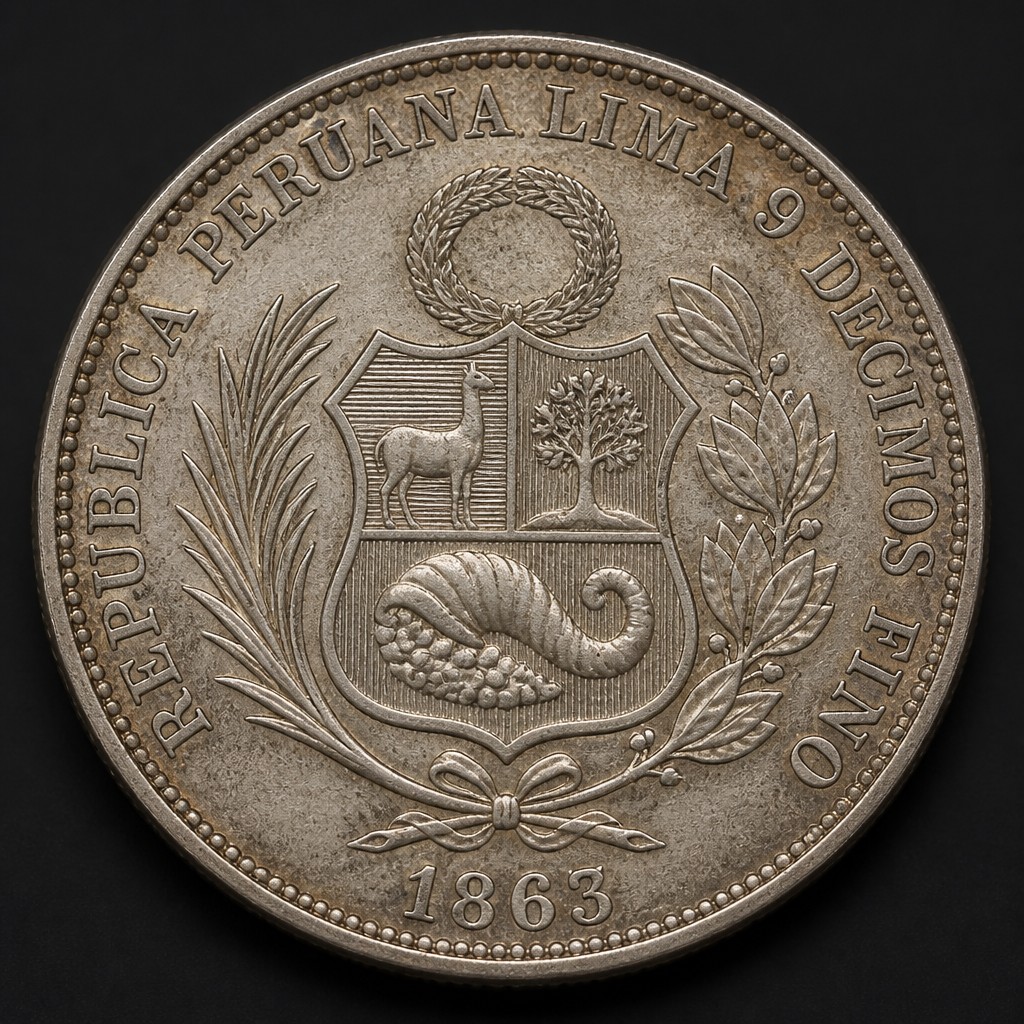
Peruvian Sol de Oro
Peru's long-running national currency unit, the Sol de Oro, was issued as coinage from the 1860s through the mid-1980s in both silver and later base-metal forms.
Latin American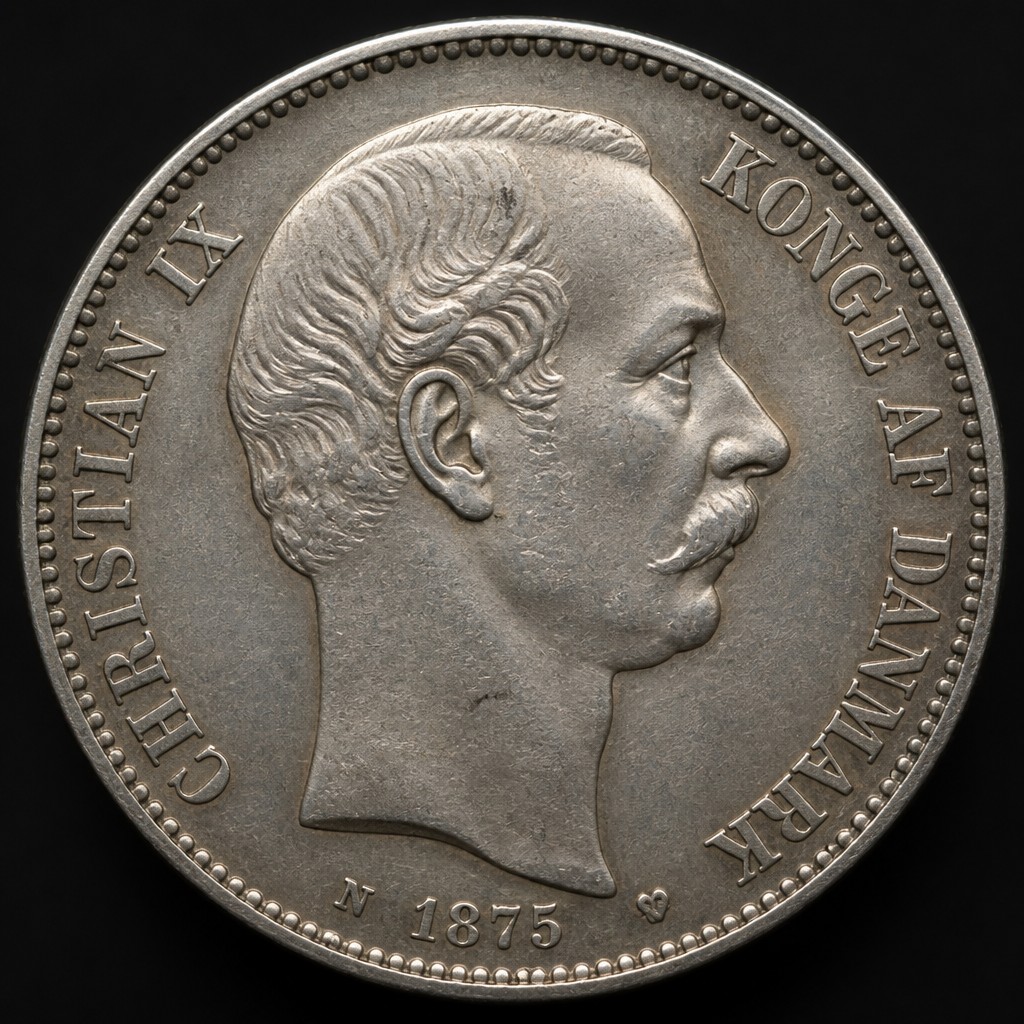
Danish Krone
The krone has been Denmark's national currency unit since 1875, issued in silver historically and base metals today, consistently featuring the reigning Danish monarch's portrait or monogram.
European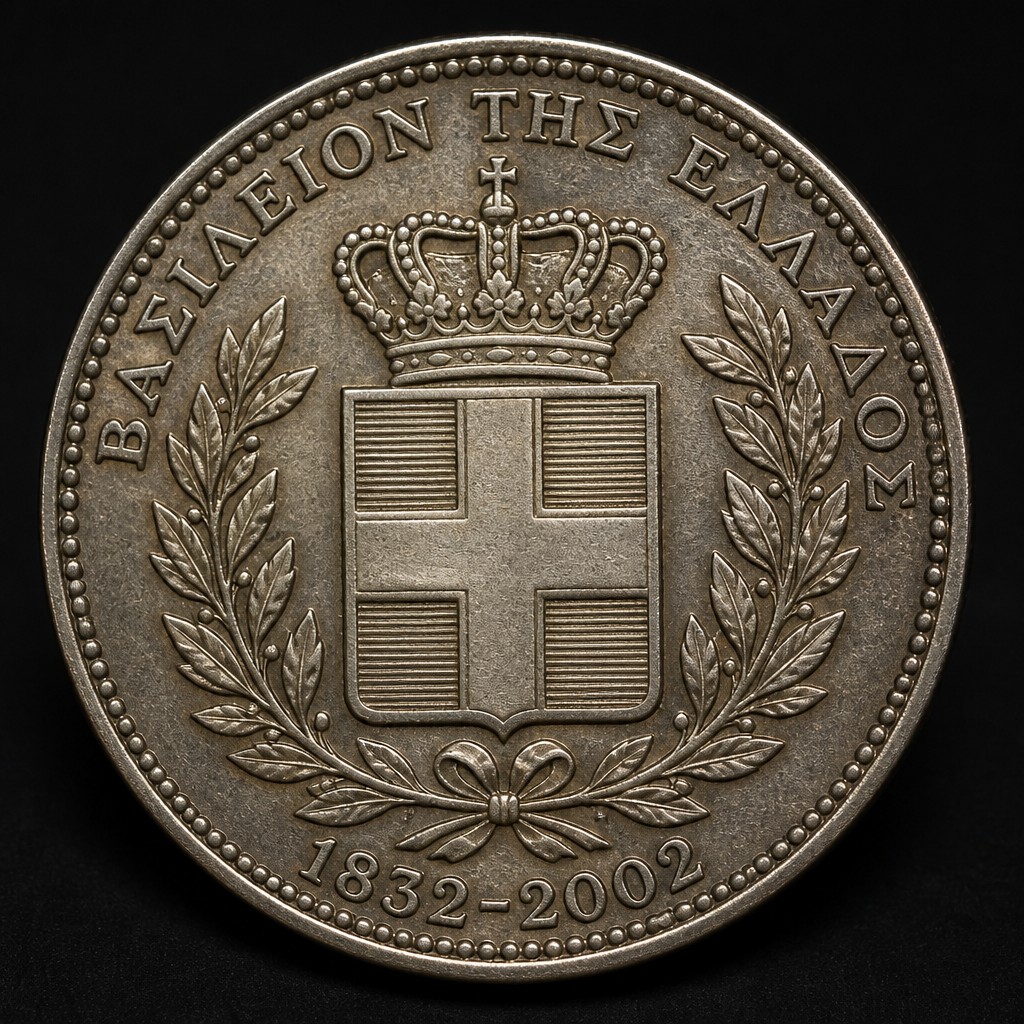
Greek Drachma
The modern national currency of Greece from shortly after independence until the adoption of the euro, reviving the name of the ancient Greek unit and featuring classical and historical imagery.
European