
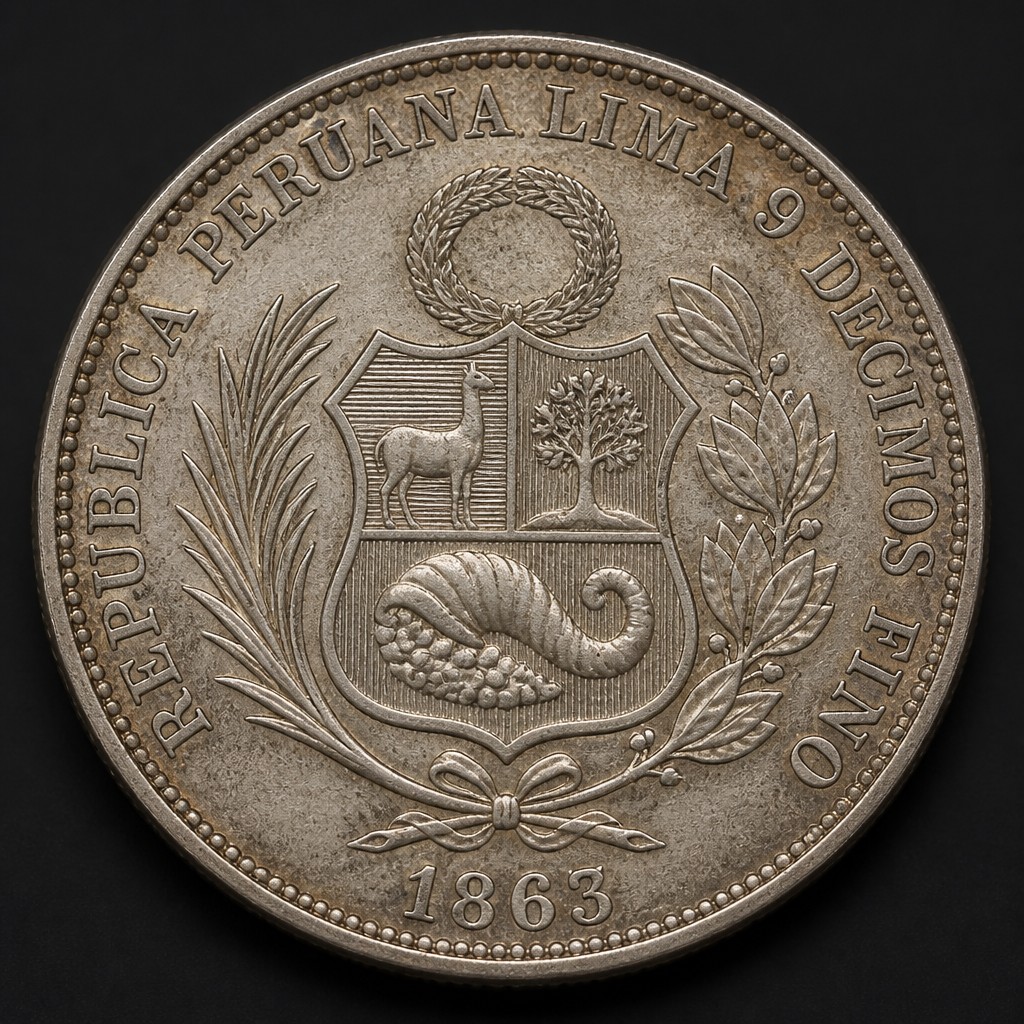
Peruvian Sol de Oro
Peru's long-running national currency unit, the Sol de Oro, was issued as coinage from the 1860s through the mid-1980s in both silver and later base-metal forms.
- Country
- Peru
- Denomination
- 1 Sol (with related fractional and multiple denominations)
- Metal
- silver in early issues, later copper-nickel and other base metals
Got a coin like this?
Identify any coin from a photo, free.
Overview
The Sol de Oro, meaning 'gold sun,' served as Peru's basic monetary unit for over a century, appearing on a wide range of coin denominations from small fractional pieces to larger silver coins. Its name reflects Peru's brief historical link to gold-standard valuation as well as the enduring sun motif found throughout Peruvian coinage and the national coat of arms.
Over its long lifespan the Sol coinage evolved considerably, starting with substantial silver coins in the nineteenth century and gradually shifting to smaller, base-metal compositions as inflation and changing monetary policy reduced the practicality of precious-metal circulating coinage. This progression mirrors patterns seen in many Latin American currencies during the same period.
The Sol de Oro was eventually replaced in 1985 by the Inti amid a period of high inflation, and later still by the modern Peruvian Sol reintroduced in 1991, making the original nineteenth- and twentieth-century Sol de Oro coins a window into Peru's long monetary history.
History & Background
Peru adopted the Sol as its currency unit in 1863, replacing earlier peso-based denominations and aligning the country's coinage with a decimal system tied conceptually to gold value, even though most circulating coins were struck in silver. The Lima mint, one of the oldest in South America, produced the bulk of Sol coinage throughout its history.
Across the late nineteenth and twentieth centuries, Peru issued Sol coins in varying metals and sizes as economic conditions changed, including periods of higher silver fineness coinage and later transitions to more durable and economical base-metal alloys. By the early 1980s, accelerating inflation eroded the currency's purchasing power, leading the government to replace the Sol de Oro with the Inti in 1985 at a substantial conversion rate.
How to Identify
Designs varied considerably across the currency's long lifespan, but many Sol coins feature Peru's national coat of arms, showing a vicuña, cinchona tree, and cornucopia within a shield, or a seated or standing Liberty figure, paired with a numeral denomination and the word SOL or SOLES on the reverse. Legends typically read REPUBLICA PERUANA or similar, with the mint's Lima origin generally not marked separately since Lima was the sole producing mint for most of the series.
Earlier Sol coins from the nineteenth century are struck in silver and are notably heavier and larger than later twentieth-century issues, which shrank in size and shifted to copper-nickel or similar base-metal compositions as the currency's value declined relative to metal costs.
Because the Sol de Oro spans such a long period with many distinct types, identification generally requires checking the specific date, size, and metal composition against a reference to pinpoint the exact subtype and denomination.
Value & Collectibility
Early silver Sol coins from the nineteenth century generally carry more collector interest and value than the later base-metal issues, which were produced in enormous quantities for everyday circulation and are typically valued only modestly above face value or as inexpensive collectibles. Condition and specific date scarcity matter more within the earlier silver series than in the common later issues.
Key dates and low-mintage types within the earlier silver Sol series can bring meaningful premiums, particularly in higher grades, while common later-date base-metal coins are widely available and inexpensive.
Overall, the broad Sol de Oro series offers an affordable way to collect a long span of Peruvian monetary history, with value concentrated mainly in the earlier precious-metal issues and well-preserved specimens.
Frequently asked questions
What does 'Sol de Oro' mean?
It translates to 'gold sun,' reflecting both Peru's historical gold-standard currency link and the sun imagery common in Peruvian national symbolism.
Was the Sol de Oro always silver?
No, early issues were struck in silver, but later twentieth-century coins shifted to copper-nickel and other base metals as the currency's value declined.
What replaced the Sol de Oro?
It was replaced by the Inti in 1985 amid high inflation, and the modern Peruvian Sol was reintroduced later in 1991.
Are Sol de Oro coins valuable today?
Earlier silver issues can carry collector premiums, but later common base-metal coins are generally inexpensive and mainly of historical or hobbyist interest.
Peruvian Sol de Oro identified by the community
Real coins identified with Coin Identifier.
Other coins you may enjoy
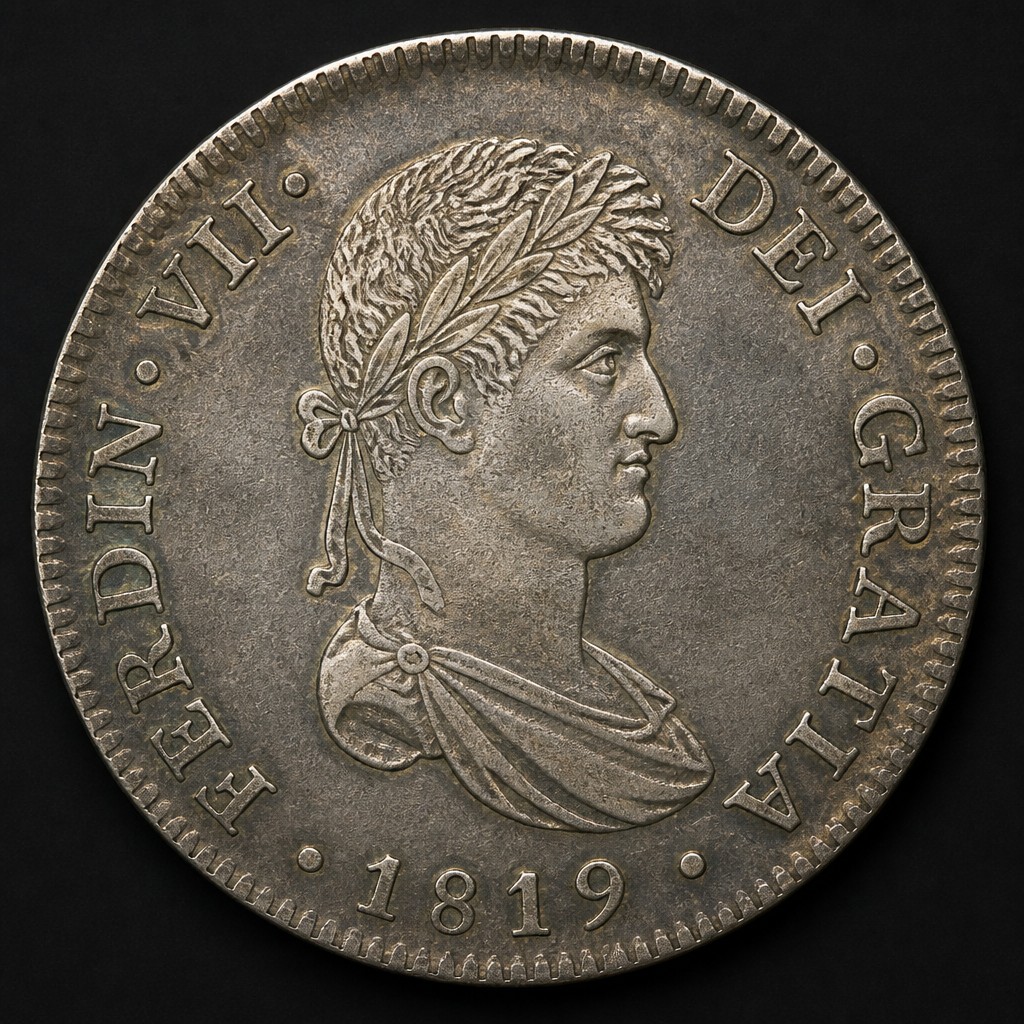
Colombia 8 Reales
Colonial issues through late 18th/early 19th century; republican issues 1820s–1830s
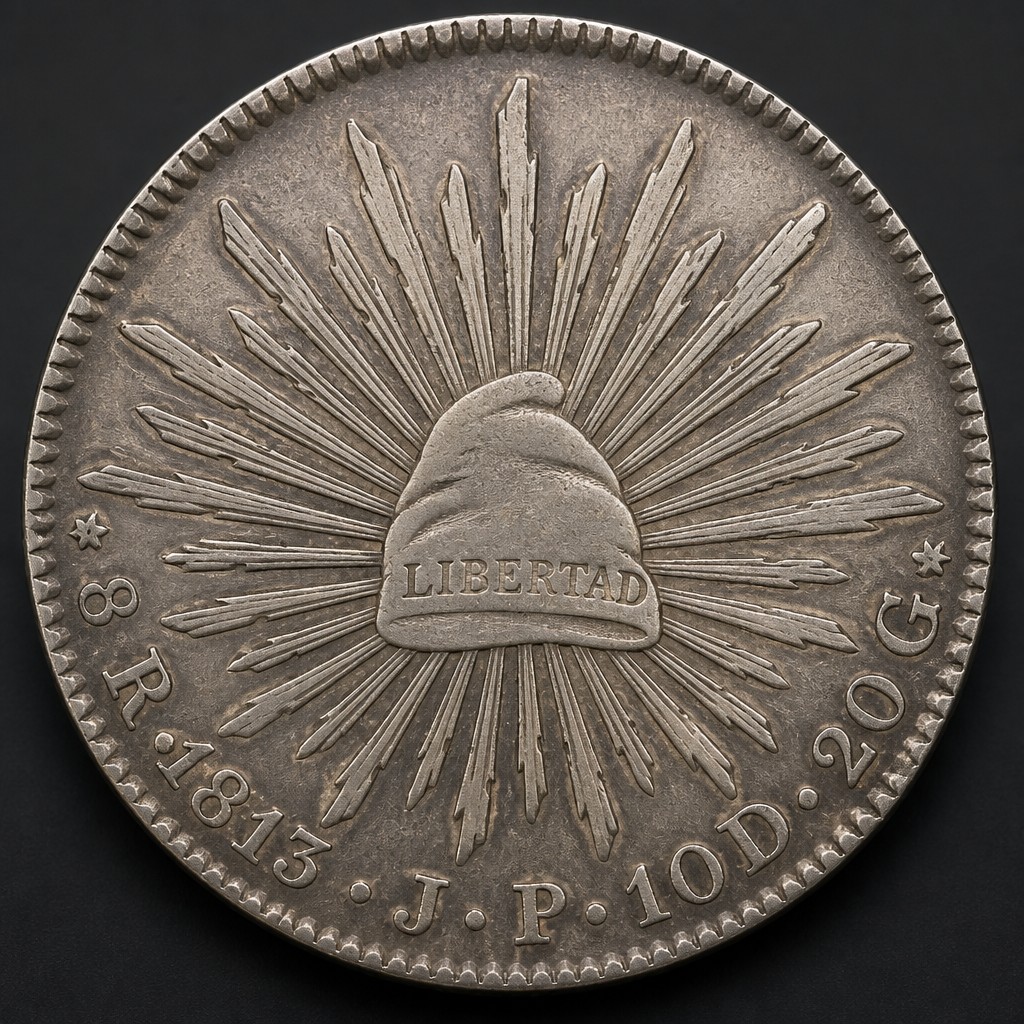
Argentina 8 Reales
c. 1813–1836
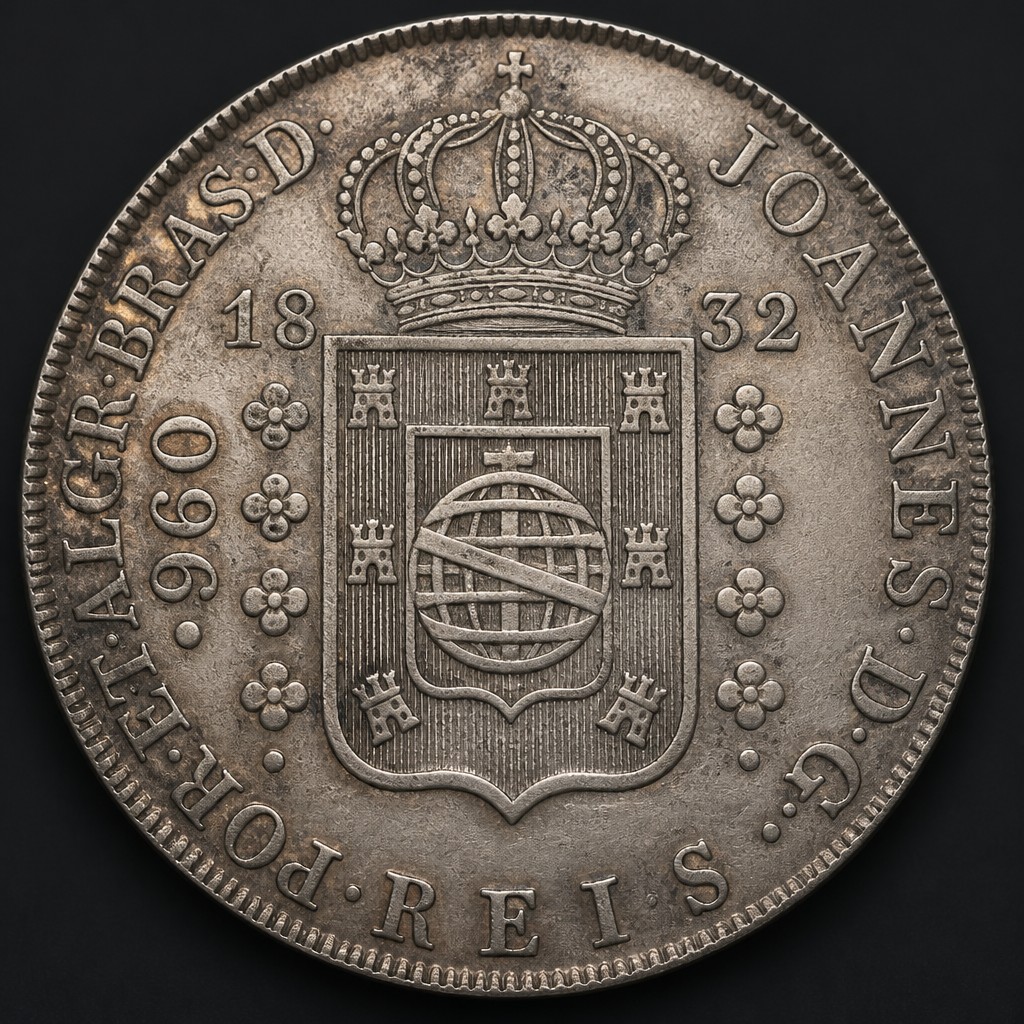
Brazil 960 Reis
1809–1832
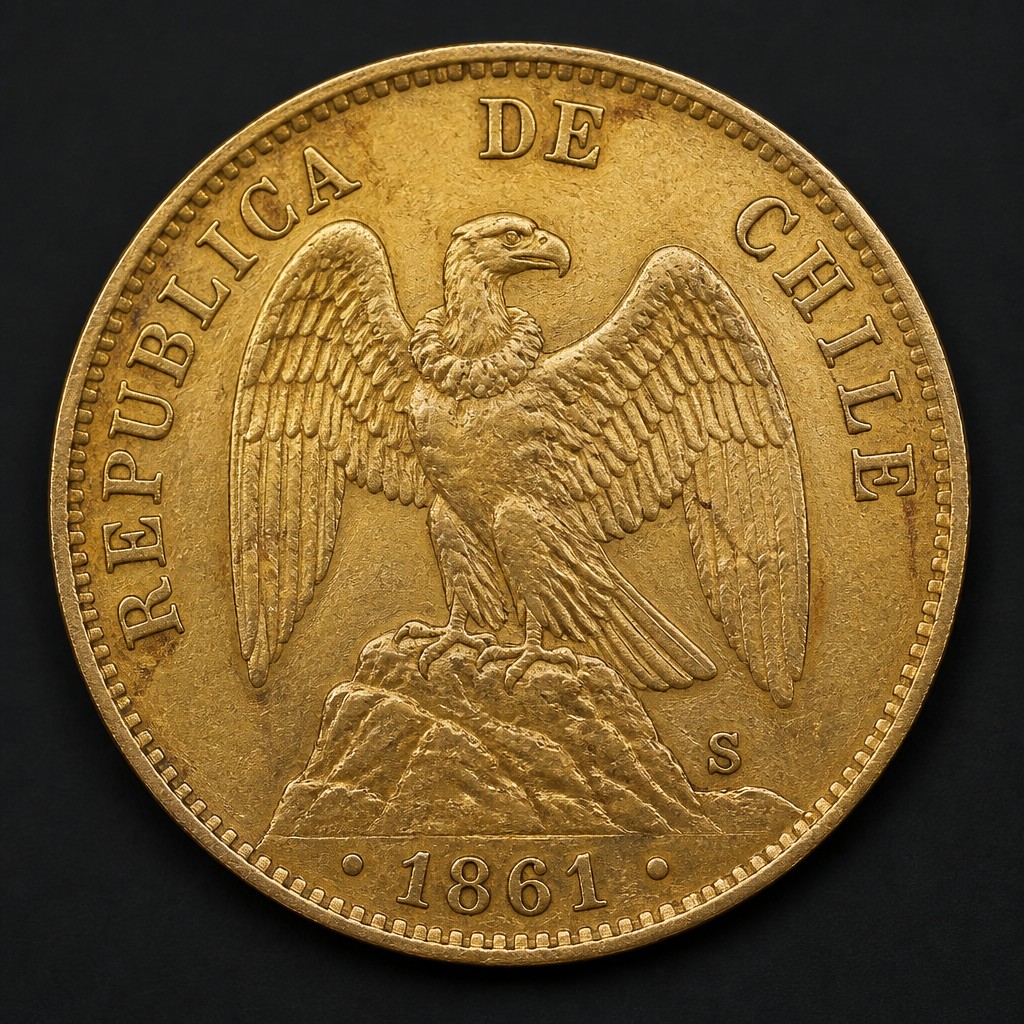
Chile Peso (Condor)
1851–1873 (gold condor series); modern base-metal peso 1990s–present
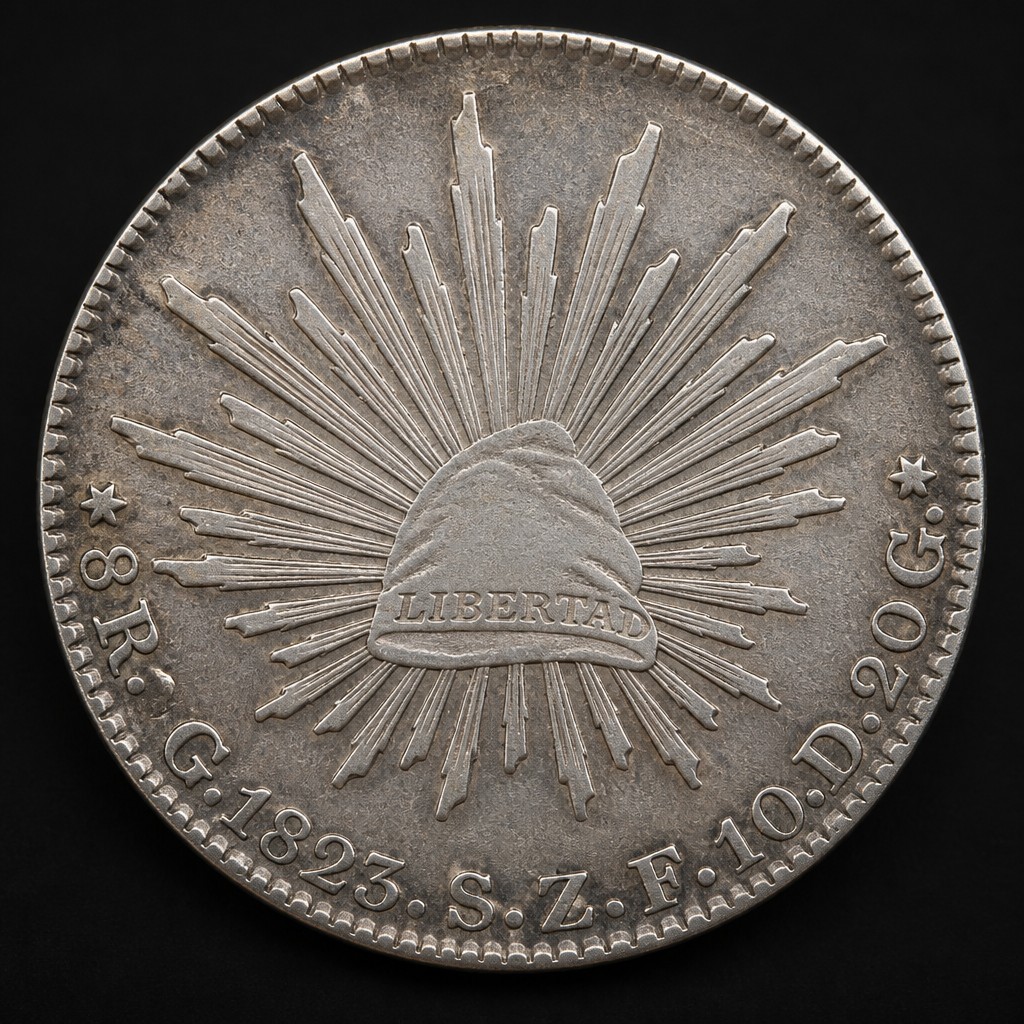
Mexican 8 Reales Cap and Rays
1823-1897
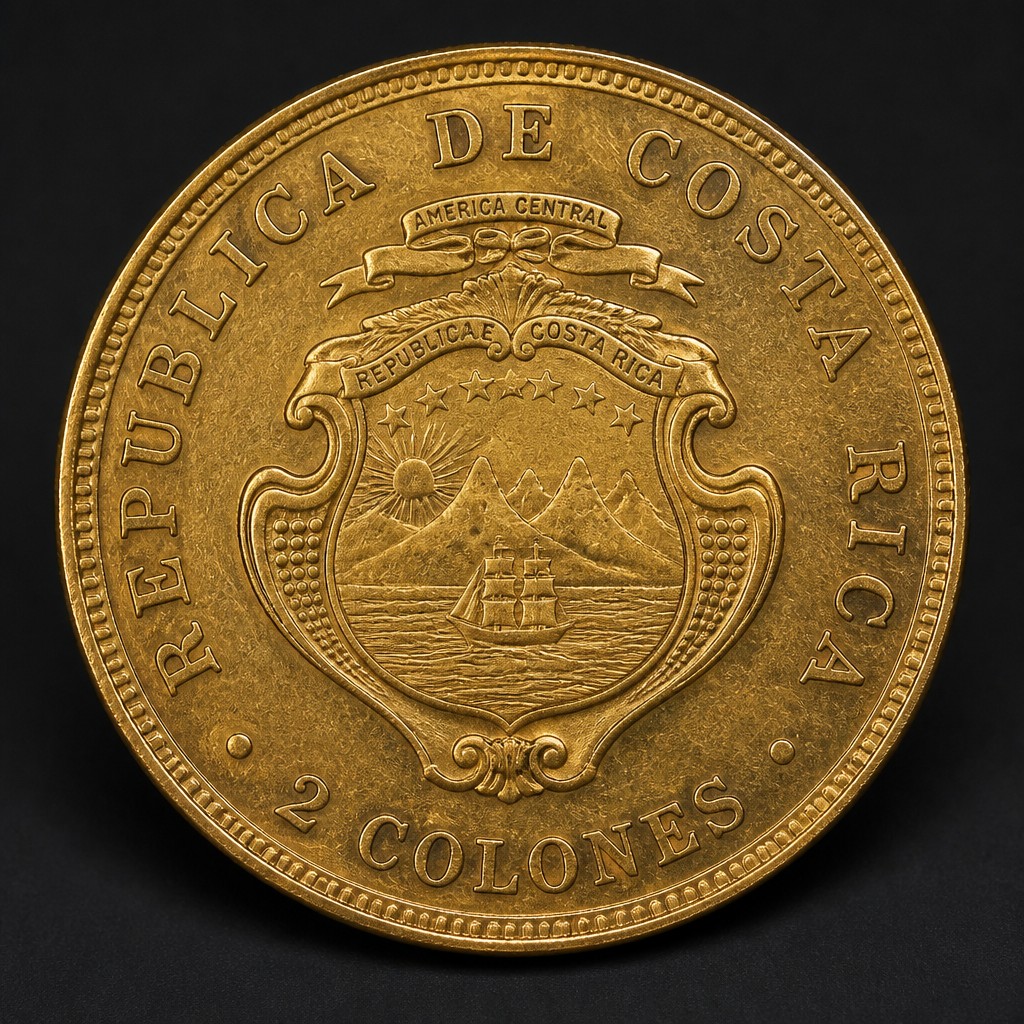
Costa Rica 2 Colones Gold
Late 1890s–early 1900s
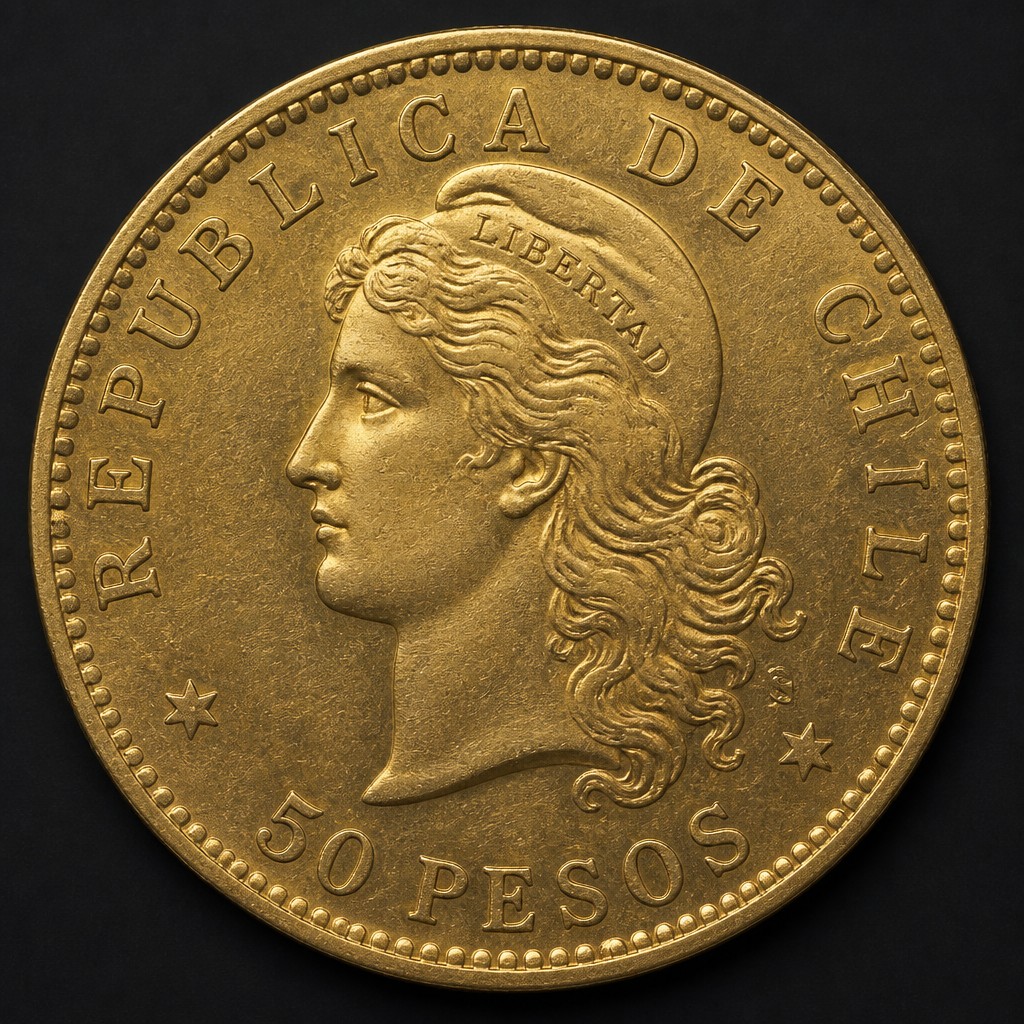
Chilean 50 Pesos Gold
1926–1980 (with interruptions)
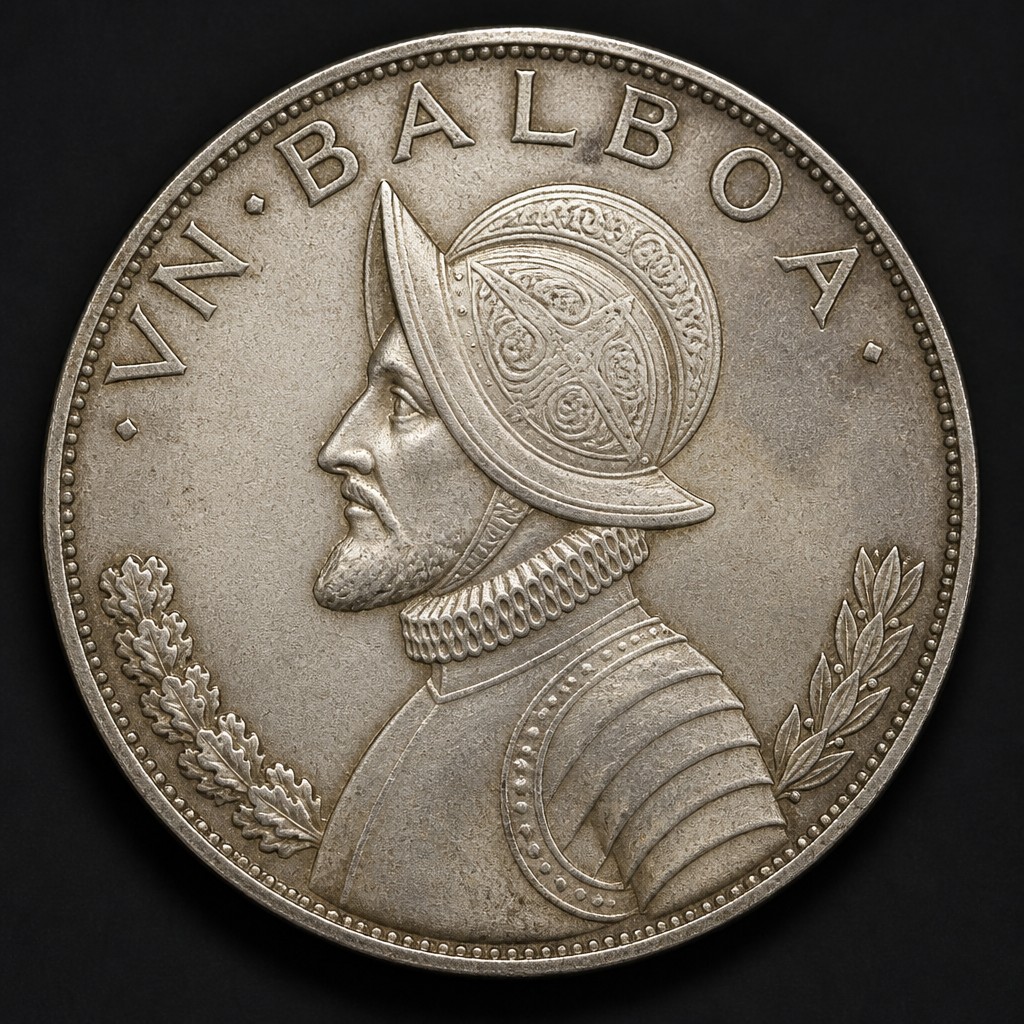
Panama Balboa Silver
1904, 1931, 1934, 1947, 1953, 1966 (various dates)
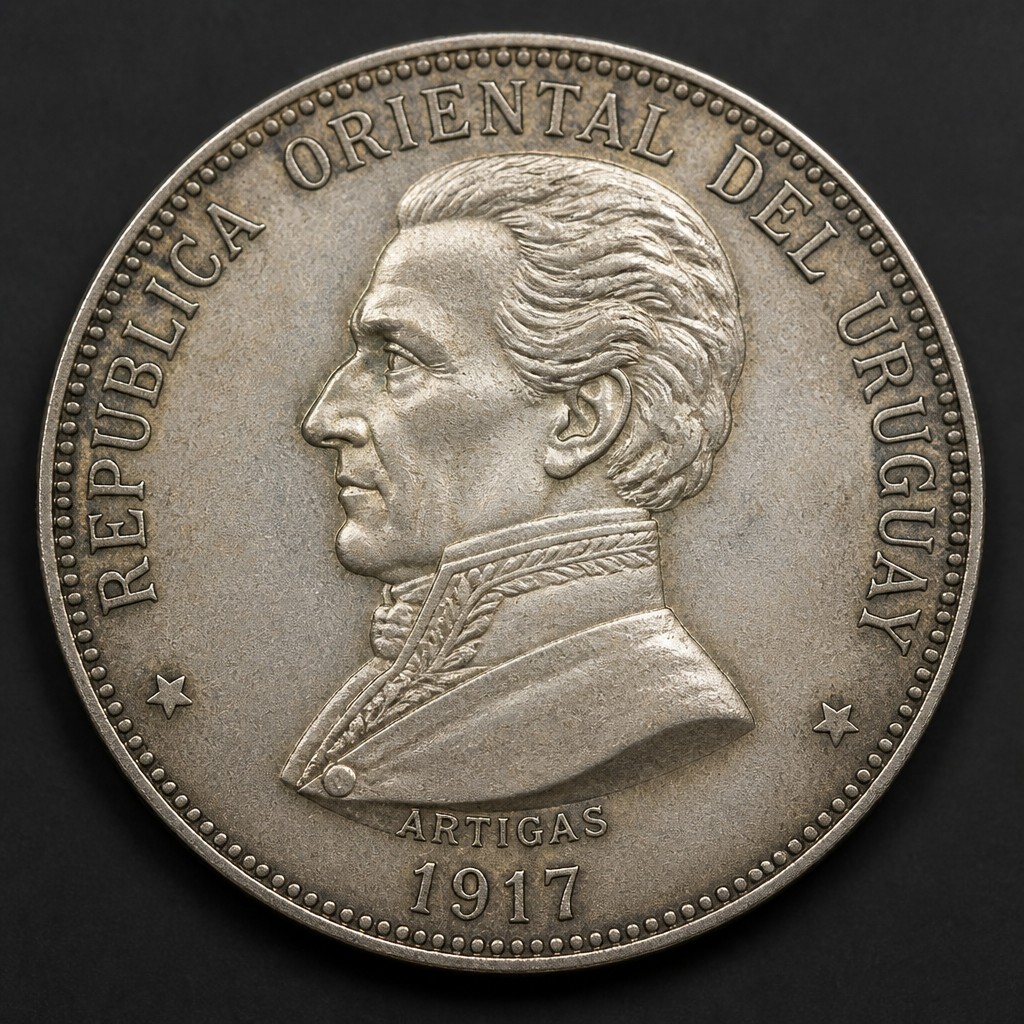
Uruguay Peso Silver 'Artigas'
1917–1920 (with related commemorative issues in later decades)
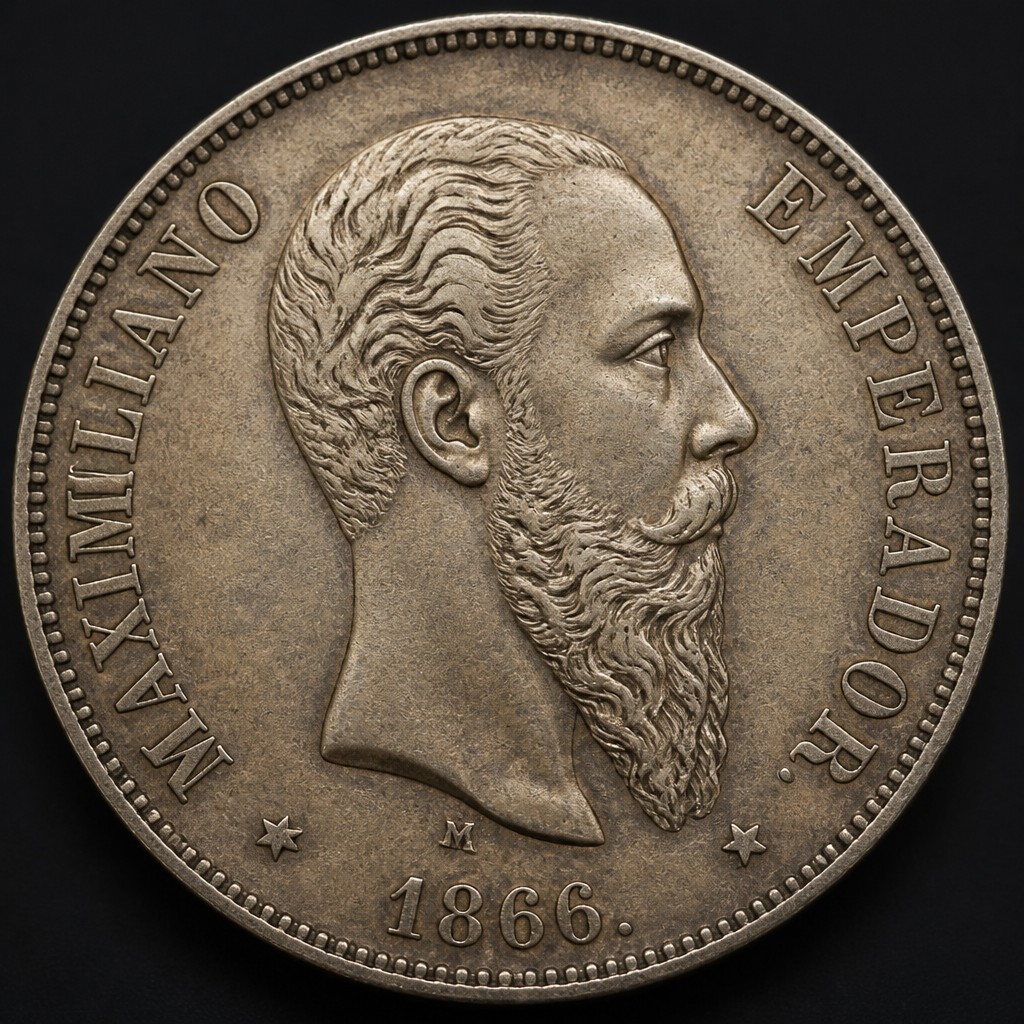
Mexican Emperor Maximilian Peso
1866–1867
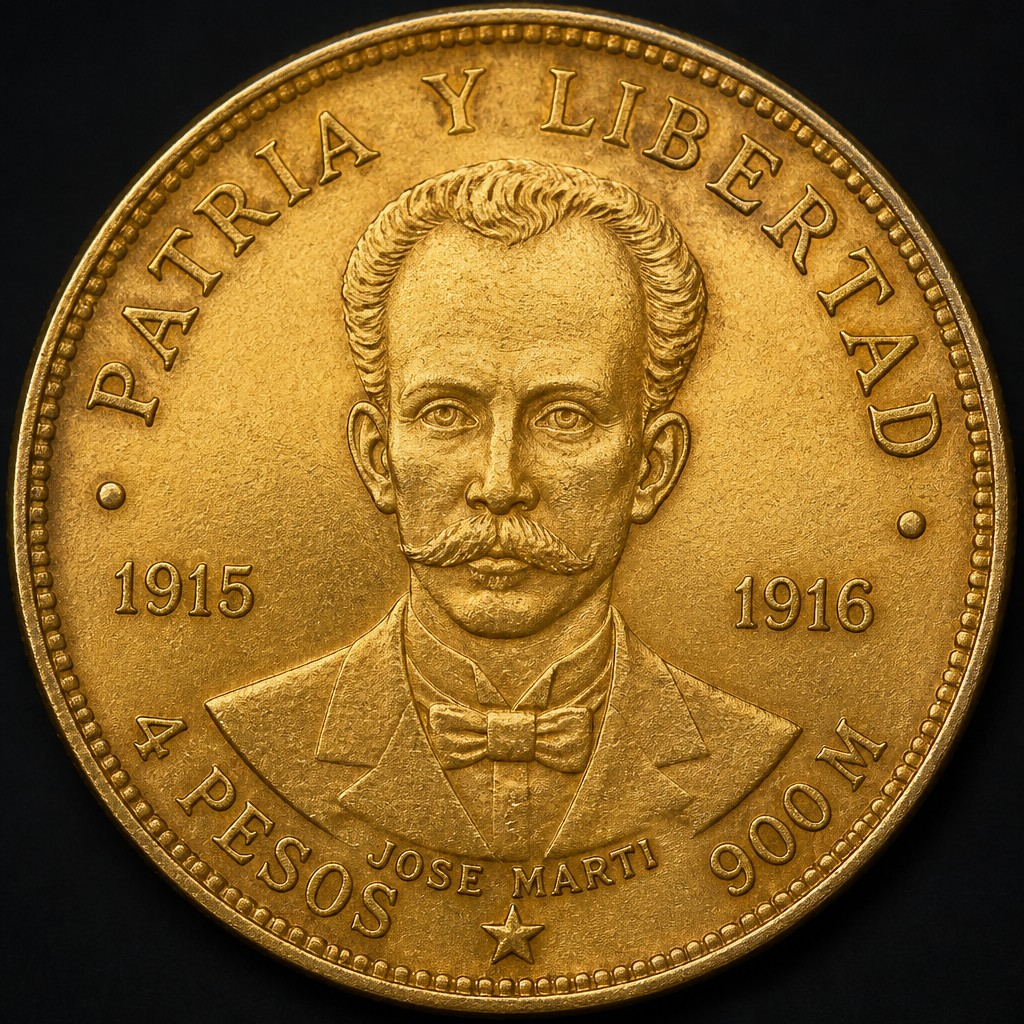
Cuba 4 Pesos Gold Jose Marti
1915–1916
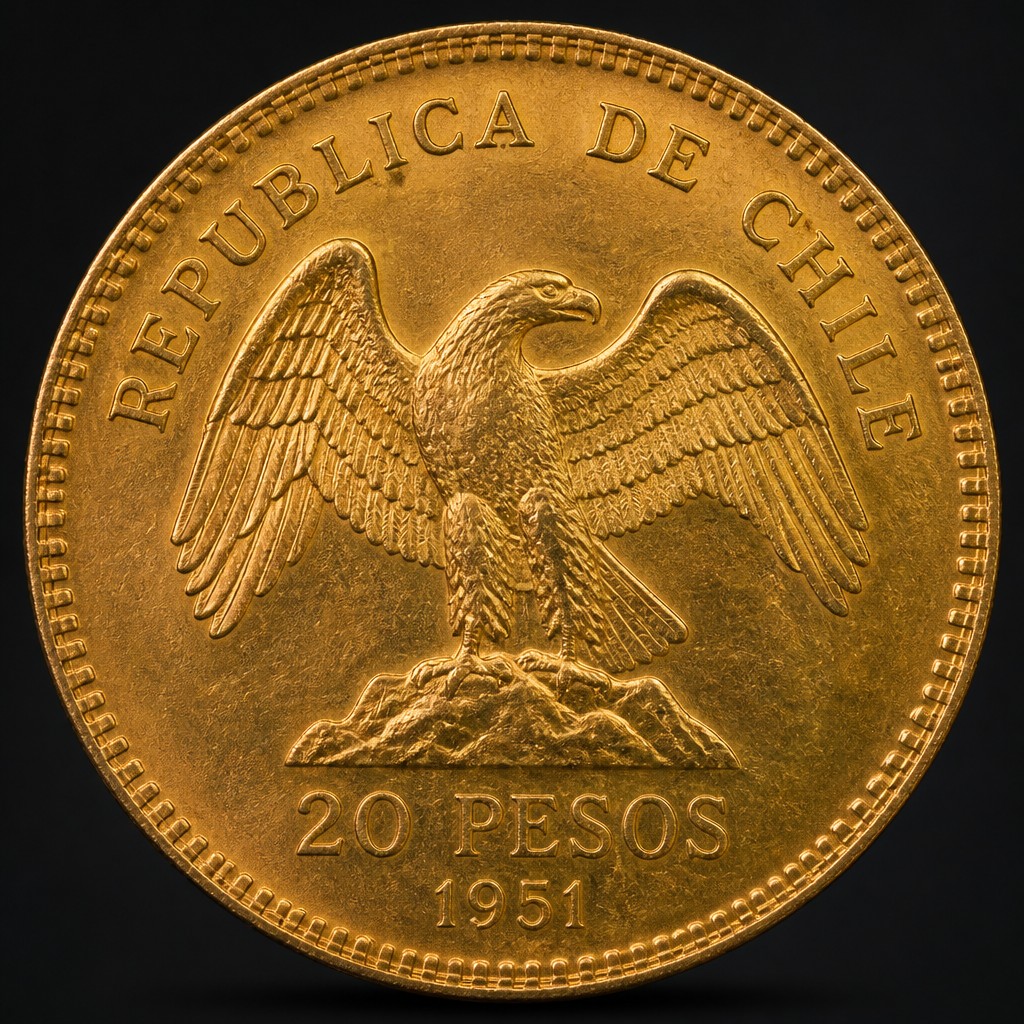
Chilean 20 Pesos Gold
19th century issues and 1926–1980 condor series