
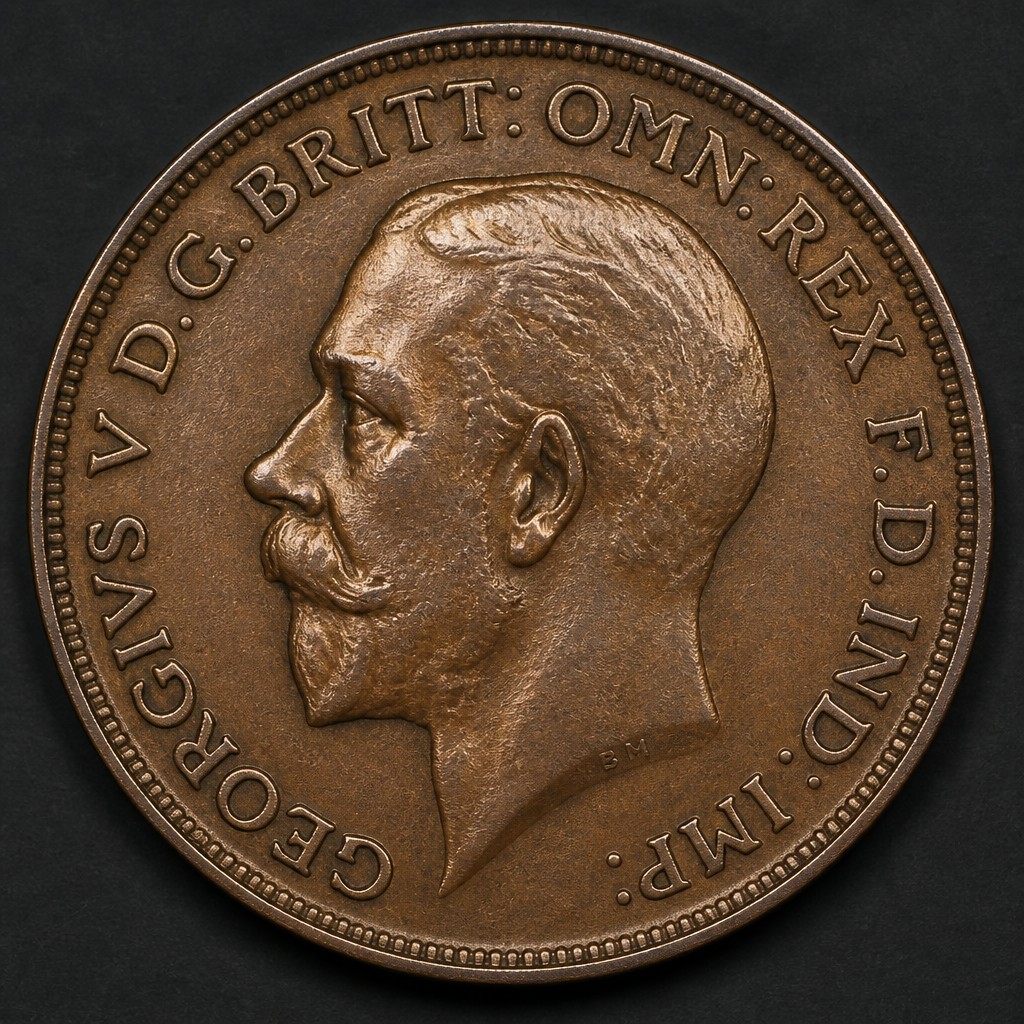
Australian Penny (1930)
Regarded as the key date of Australian pre-decimal coinage, the 1930 penny is famous for an exceptionally small mintage during the Great Depression.
- Country
- Australia
- Denomination
- One Penny
- Metal
- Bronze (copper alloy)
Got a coin like this?
Identify any coin from a photo, free.
Overview
The 1930 Australian penny is the single most celebrated rarity in Australian pre-decimal coinage, prized far beyond its modest bronze composition would suggest. It shares the standard design used throughout the series but is set apart by a mintage far smaller than any other date in the run, a result of reduced coin production during the early years of the Great Depression.
The coin's obverse carries the portrait of King George V, and the reverse depicts the hopping kangaroo design used on Australian pennies for most of the 20th century, designed by W.H.J. Blakemore.
Because genuine 1930 pennies are scarce and highly valued, the date has also attracted counterfeiters and altered coins (dates changed from more common years), making careful authentication essential for any purchase.
History & Background
Australia's bronze penny was a mainstay of everyday commerce from the early 20th century through decimalization in 1966, struck primarily at the Melbourne Mint with occasional wartime production shared with other Commonwealth mints. Coin demand and production levels varied with economic conditions, and the onset of the Great Depression around 1929-1930 sharply reduced the need for new coinage.
This economic slowdown is understood to be the primary reason so few 1930-dated pennies were struck compared to other years in the series, though exact circumstances of the mintage have been debated by researchers for decades. The scarcity was recognized by collectors relatively early, cementing the coin's reputation as Australia's premier numismatic rarity.
The broader Australian penny series, featuring George V and later George VI and Elizabeth II obverses, continued until it was retired with the 1966 introduction of decimal currency and the one and two cent coins.
How to Identify
Obverse: King George V facing left with the standard Latin titulature and the date 1930 below. Reverse: a kangaroo in mid-hop facing left, with COMMONWEALTH OF AUSTRALIA and ONE PENNY around the rim, matching the general design used across most of the 1911-1936 penny series.
The coin is struck in bronze, roughly 31mm in diameter, matching the size and weight of other pennies from the era. There is no mint mark distinguishing it, since it was produced at the Melbourne Mint like most Australian pennies of the period.
Because of its fame and value, the 1930 date is a frequent target for alteration, with digits from more common years (such as 1936 or 1929) sometimes deceptively reworked. Collectors are strongly advised to have suspected examples authenticated by a reputable grading service or experienced numismatist before purchase.
Value & Collectibility
Even in heavily worn condition, an authentic 1930 penny is valuable purely due to its recognized rarity, with values rising steeply for coins in better states of preservation. Because of its status as Australia's most famous coin, prices for verified examples have historically reached into the thousands of US dollars for higher grades, with even well-worn pieces commanding solid four-figure sums in many cases.
Authentication is the single biggest value factor: a certified genuine example from a recognized grading service is worth dramatically more than an uncertified coin of the same apparent grade, given the prevalence of altered-date fakes.
Collectors should be especially cautious buying this date outside of certified holders or without expert review, since the financial incentive for forgery is unusually high for this specific coin.
Frequently asked questions
Why is the 1930 penny so valuable?
It had an unusually small mintage, believed to be linked to reduced coin demand during the early Great Depression, making it Australia's key date rarity.
How can I tell if a 1930 penny is genuine?
Because it is a frequent counterfeit target with altered dates, genuine examples should be verified by an experienced numismatist or certification service.
What does the reverse of the coin show?
A hopping kangaroo design used on most Australian pennies through the 1911-1936 period, with the Commonwealth of Australia legend.
Does condition matter a lot for this coin?
Yes, value rises significantly with grade, but even worn genuine examples are valuable due to their rarity.
Other coins you may enjoy
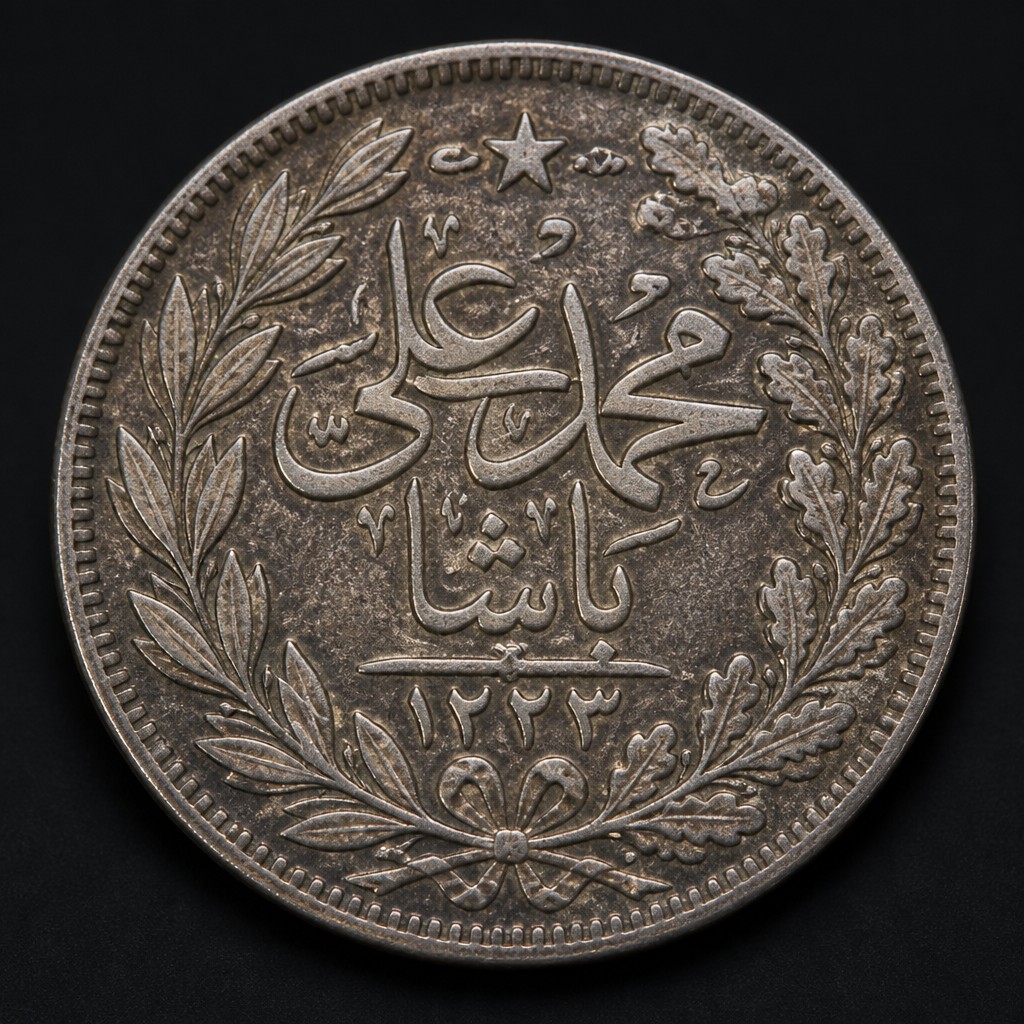
Egyptian Qirsh (Muhammad Ali Era)
Early-to-mid 19th century (c. 1805–1848)
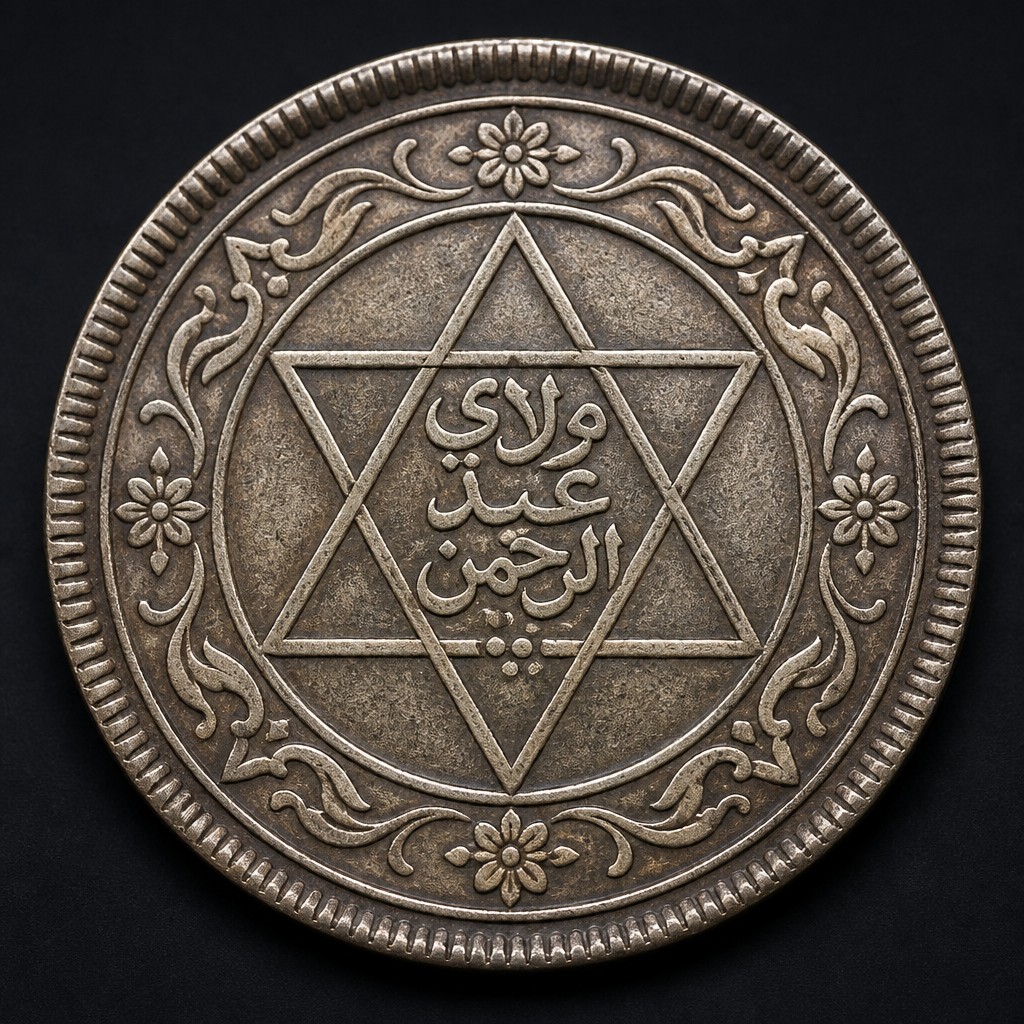
Moroccan Rial (Alawi Dynasty Coinage)
18th–19th century (pre-protectorate era)
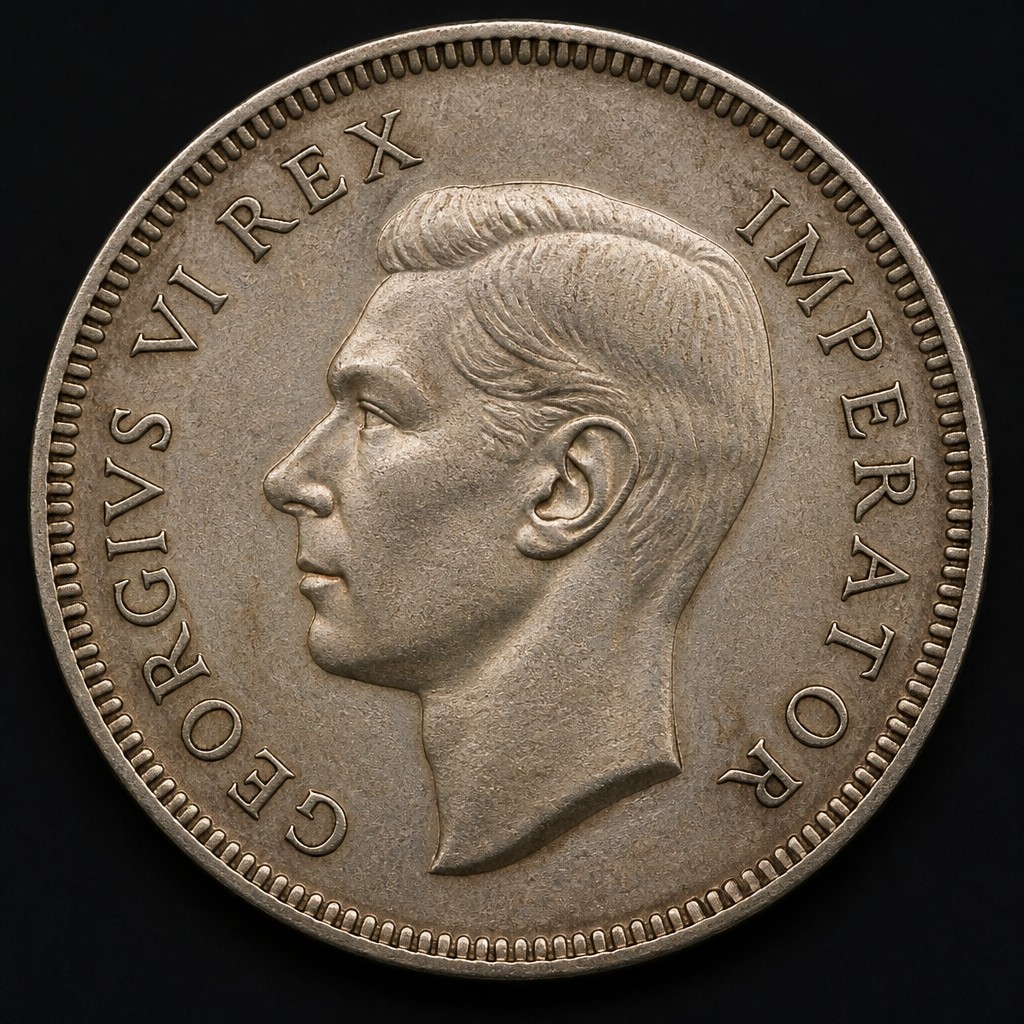
South African Sixpence (Union)
1923-1960
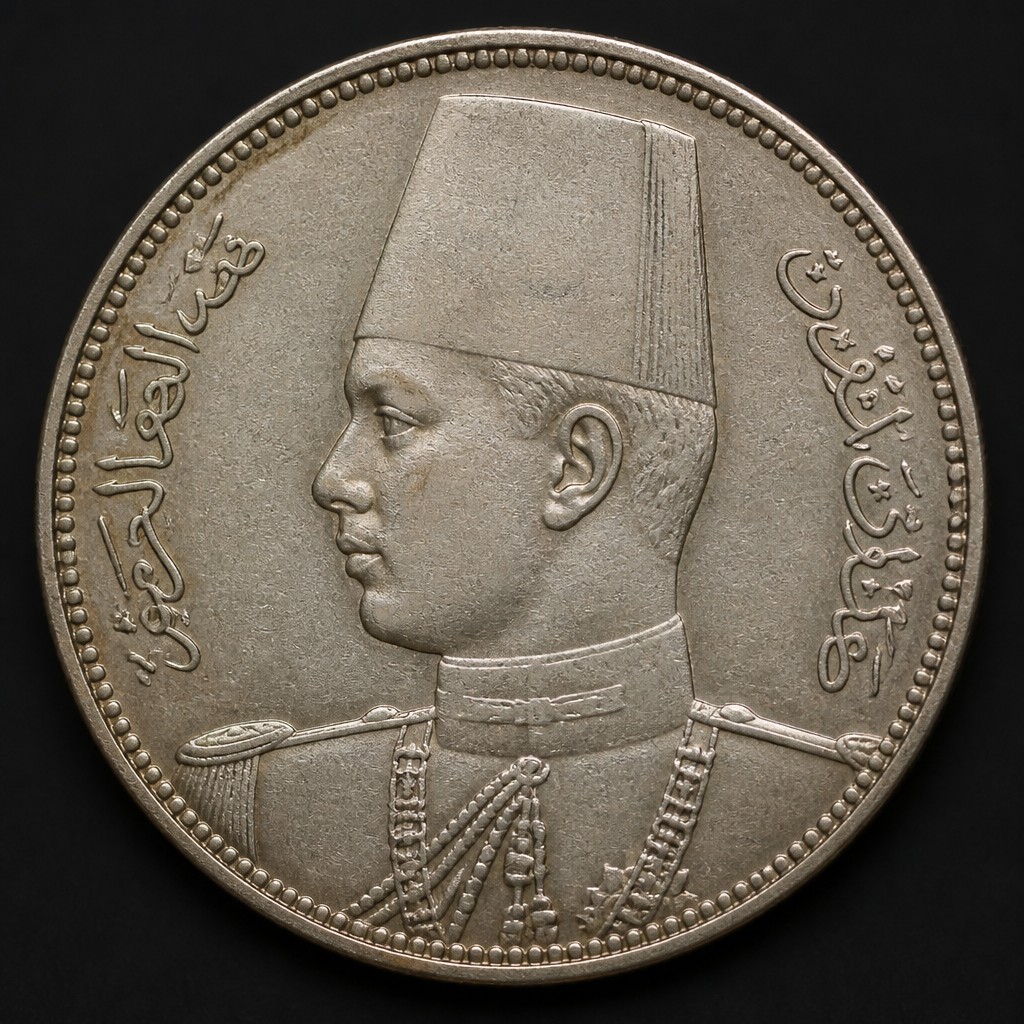
Egyptian Farouk 5 Piastres
1937-1952
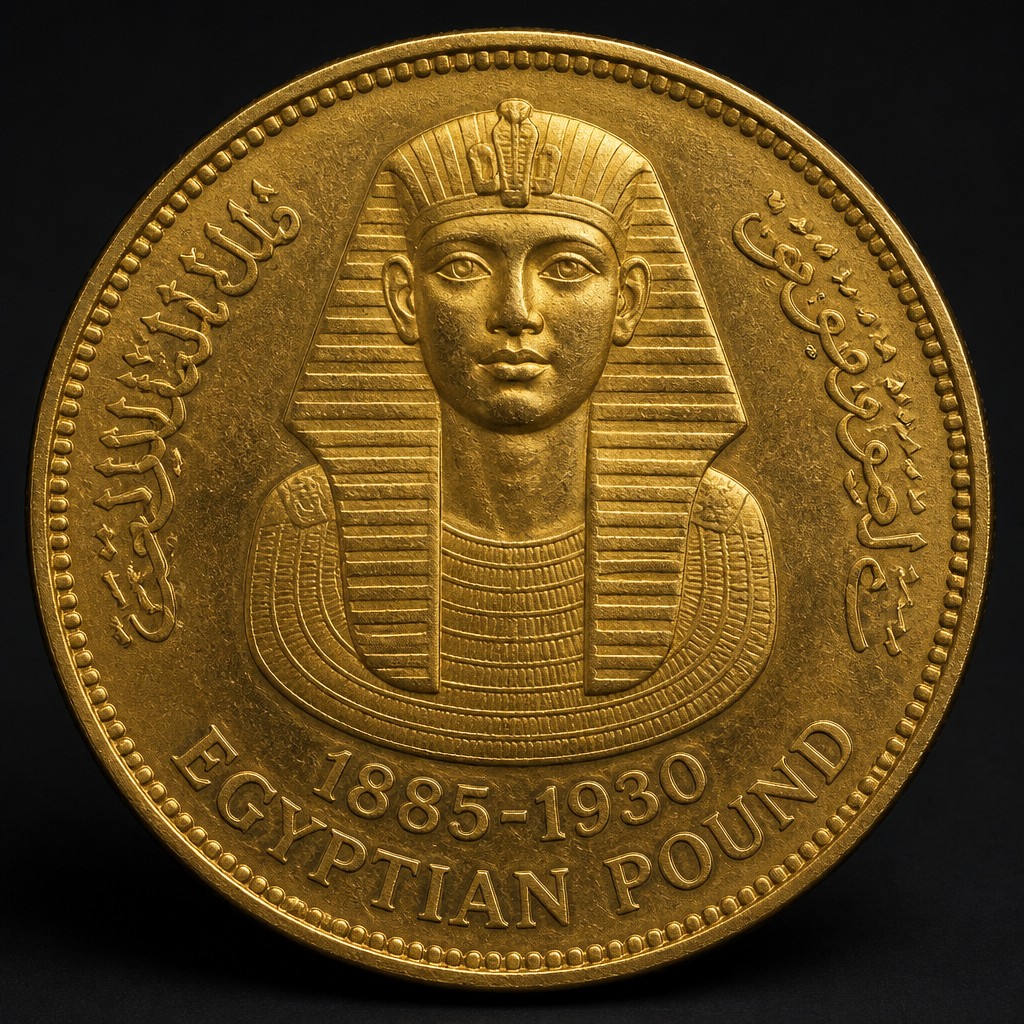
Egyptian Pound (gold)
1885–1930
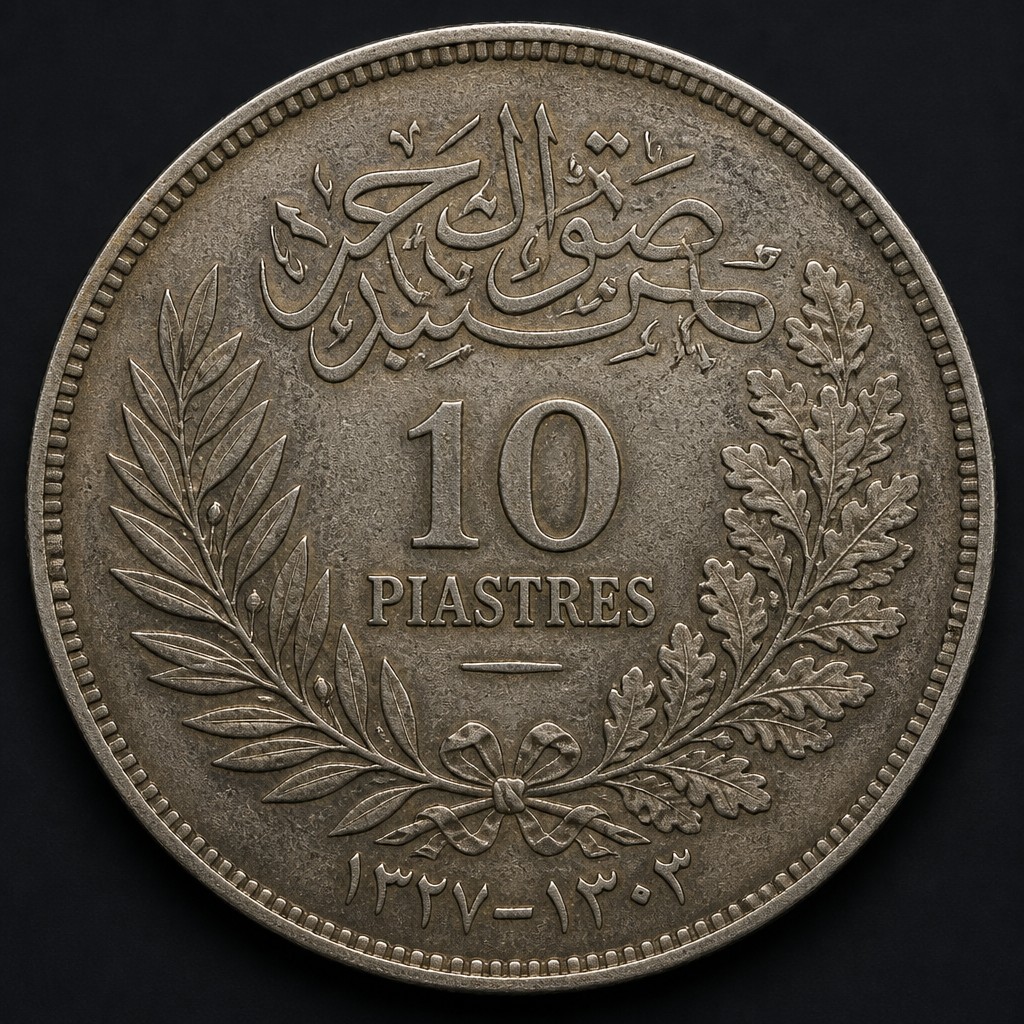
Egyptian 10 Piastres (silver)
1885–1939
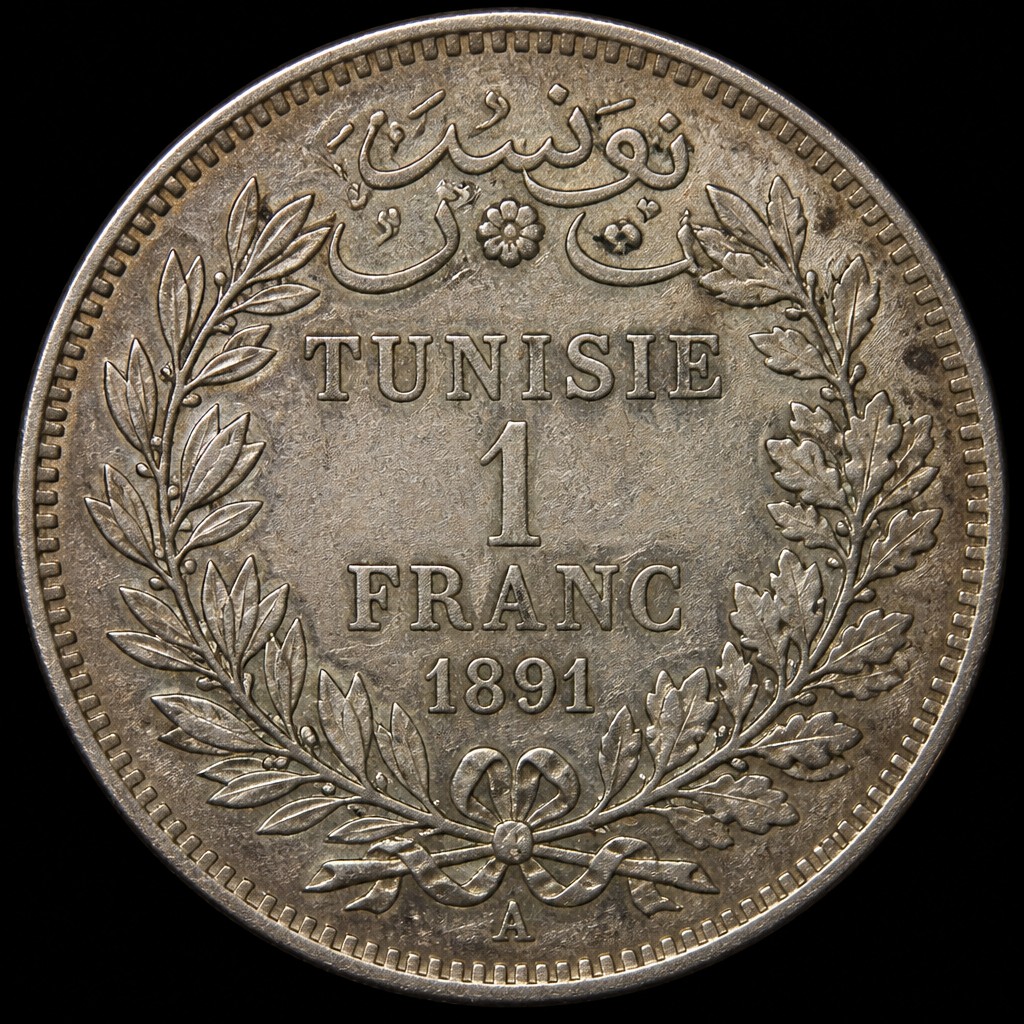
Tunisian Franc (Beylik Era)
Late 19th–early 20th century (c. 1891–1957 transition)
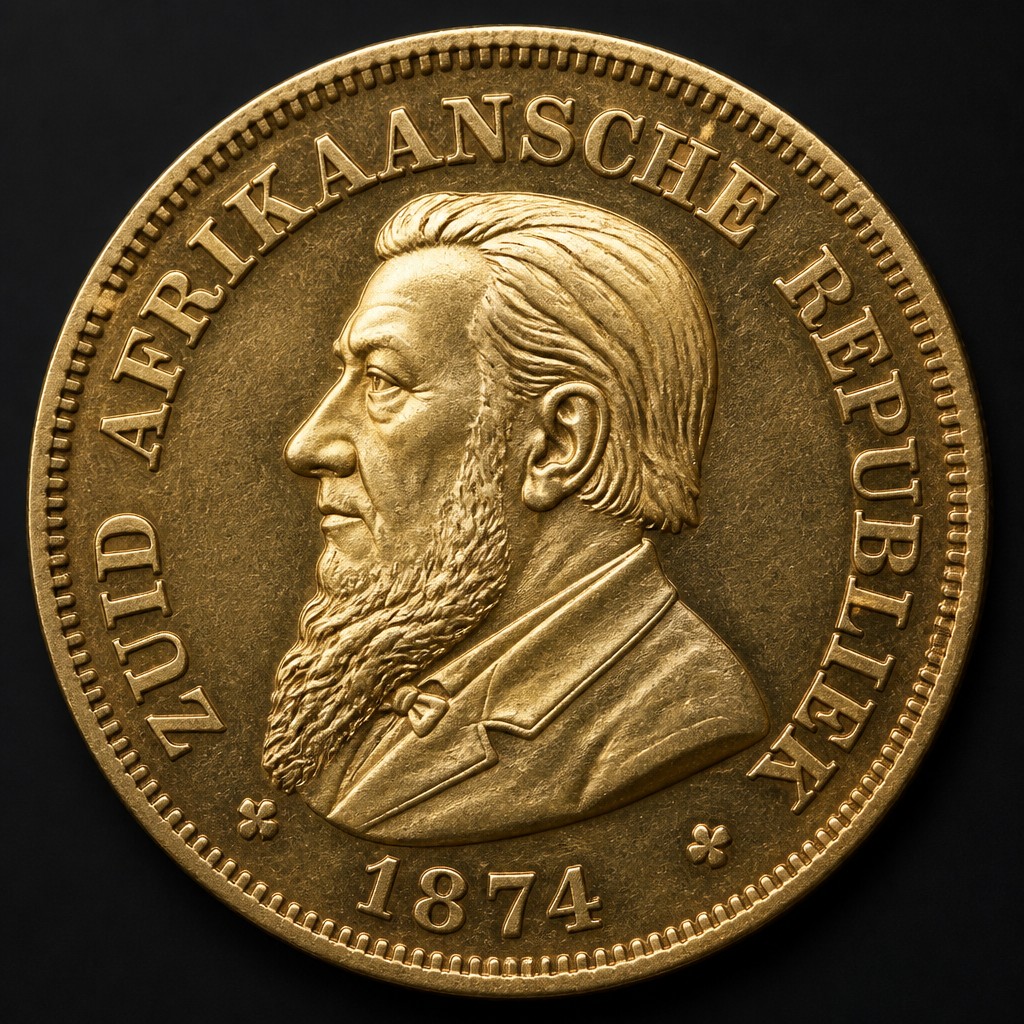
South African Republic Burgers Pond
1874
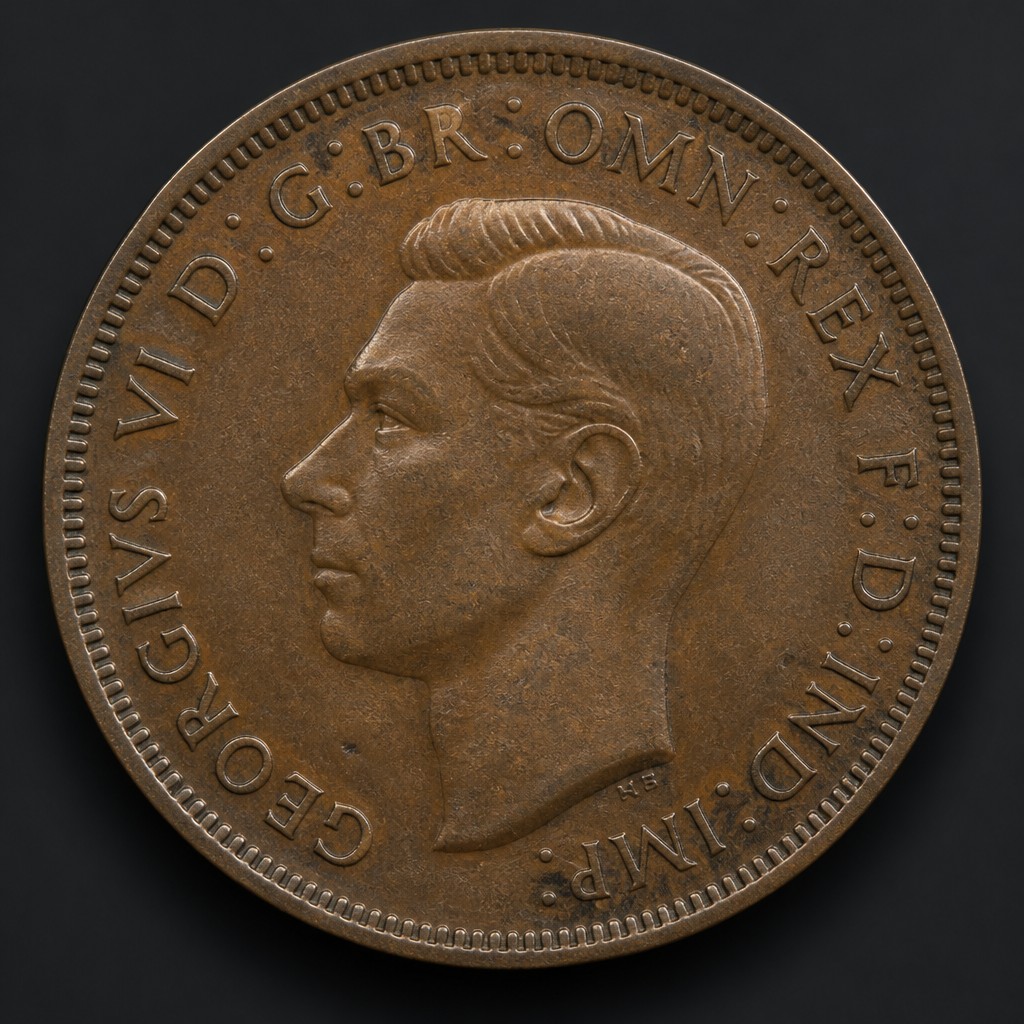
New Zealand Penny (KGVI)
1937-1952
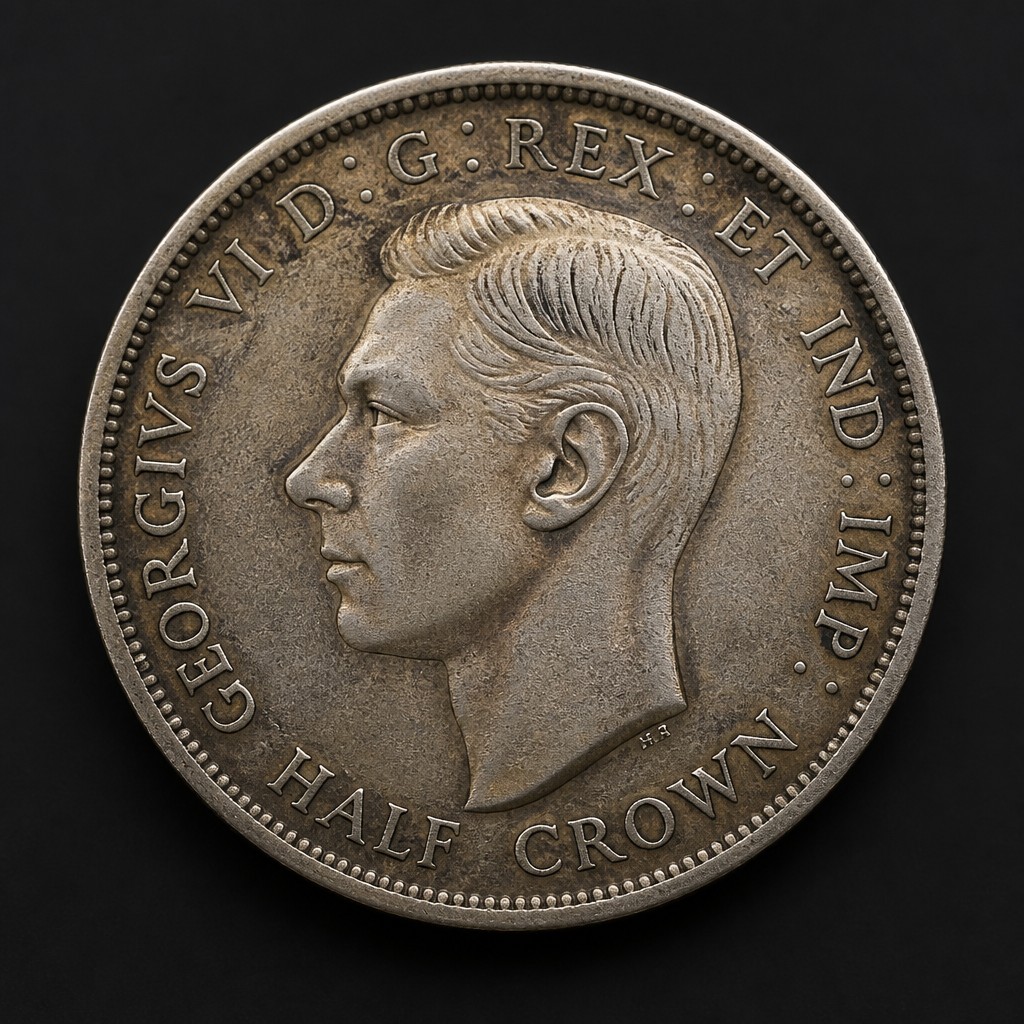
New Zealand Half Crown (pre-decimal)
1933-1965
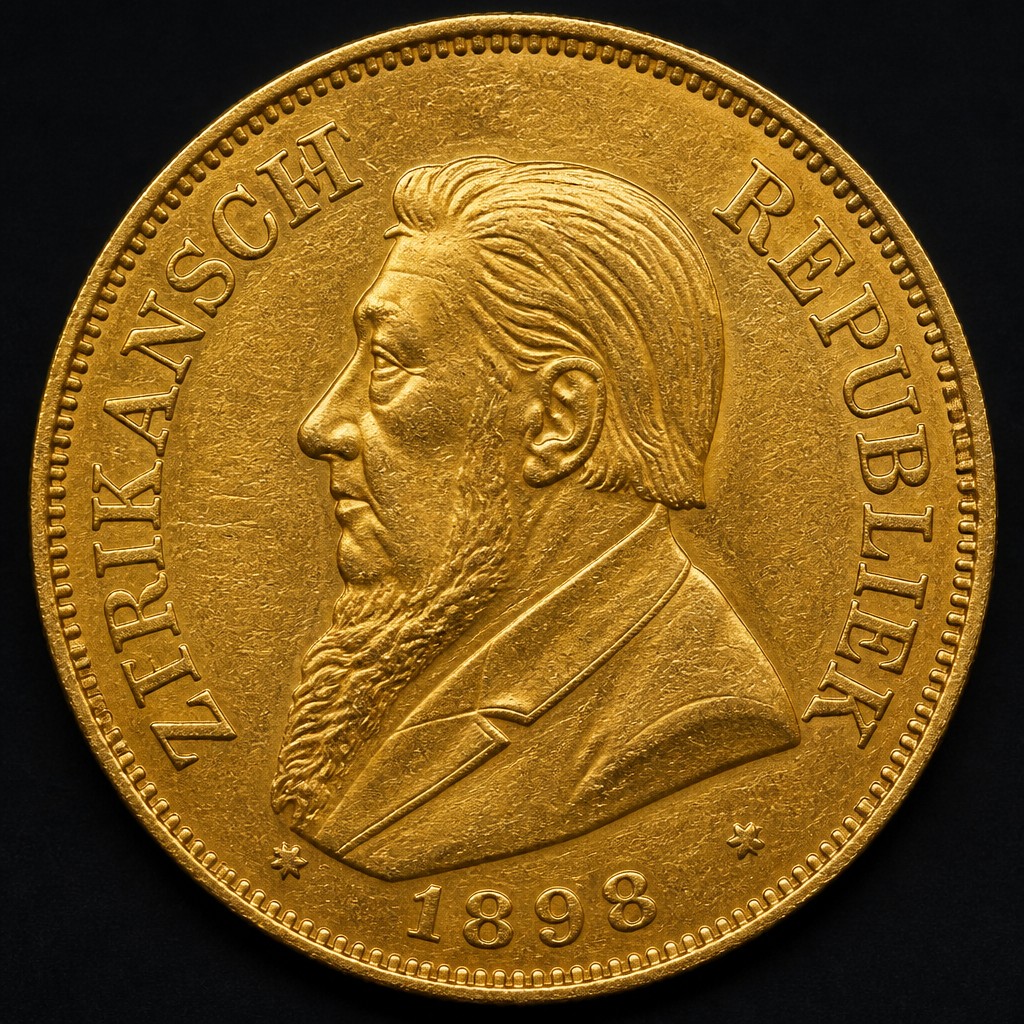
South African ZAR Kruger Pond
1892-1900
Australian Holey Dollar and Dump
1813