
Coin Encyclopedia
Search and identify coins from around the world — with country, denomination, metal, mint, history, and how to tell them apart.
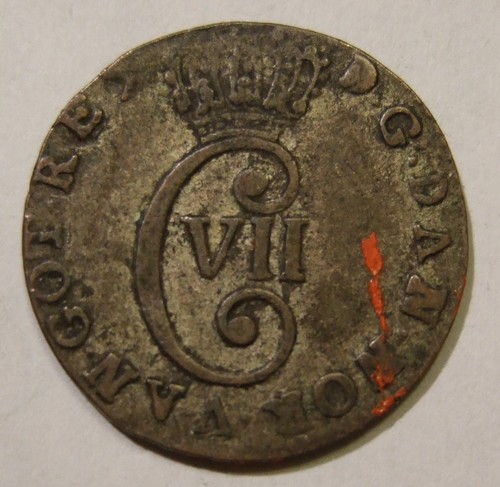
4 Skilling
A Danish copper 4 skilling of 1783, with a crown above a numeral on one face and an ornamental circular pattern framing the date on the other.
Early Modern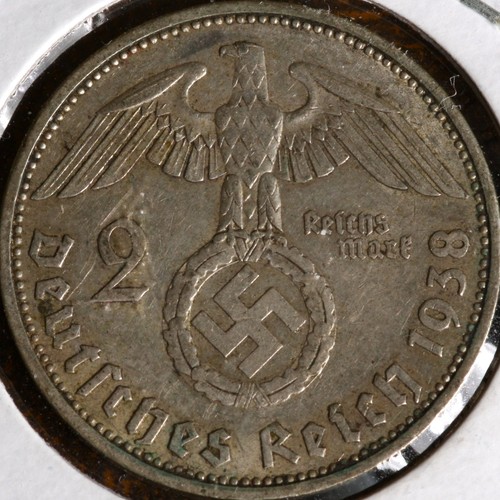
German 2 Reichsmark (Hindenburg)
Third Reich silver 2 Reichsmark showing an eagle over a swastika shield and, on the other side, Paul von Hindenburg with the value and date.
Circulation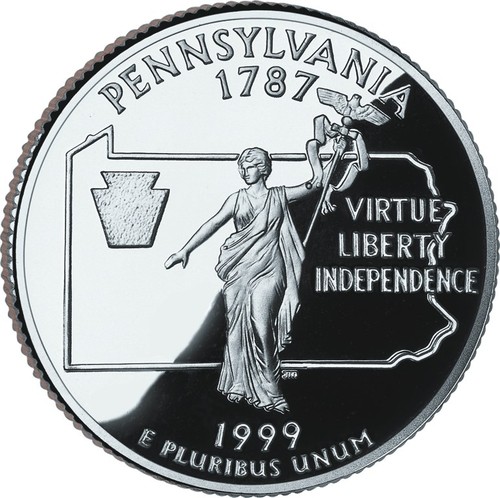
Pennsylvania State Quarter
1999 U.S. 25-cent piece, second in the 50 State Quarters series, showing the Commonwealth statue, state outline, and a keystone for Pennsylvania.
Quarter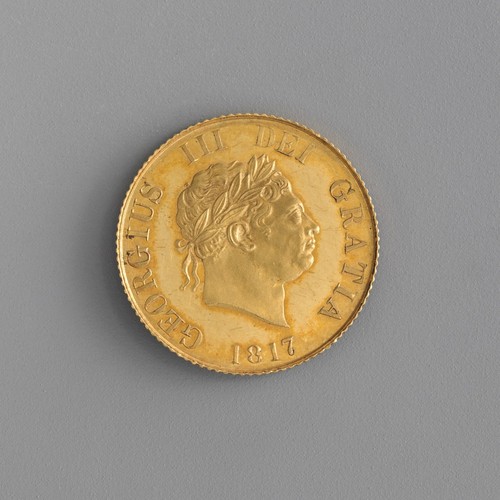
Half Sovereign of George III
British 22-carat gold half sovereign of George III, introduced in 1817 with a laureate bust and a crowned shield of arms; face value ten shillings.
Milled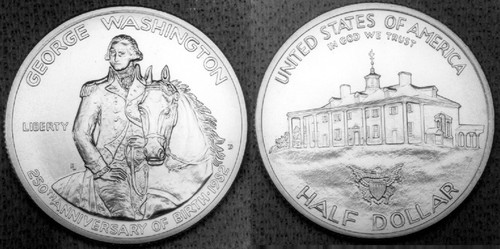
George Washington 250th Anniversary Half Dollar
A 1982 U.S. silver half dollar honoring the 250th anniversary of George Washington's birth; it revived both the commemorative program and 90% silver coinage.
Modern Commemorative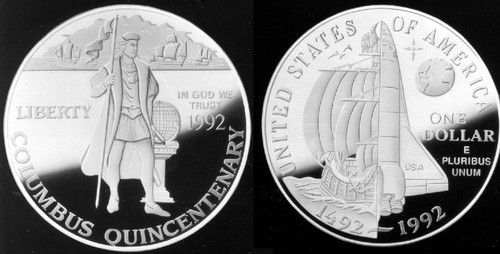
Christopher Columbus Quincentenary Silver Dollar
A 1992 U.S. 90% silver commemorative dollar marking 500 years since Columbus's 1492 voyage, with a standing Columbus obverse and a sailing-ship reverse.
Modern Commemorative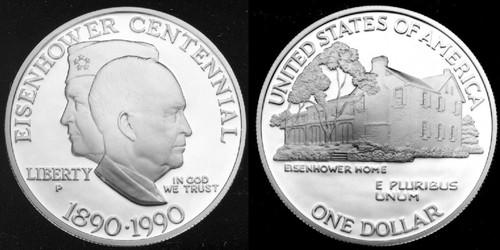
Eisenhower Centennial Dollar
A 1990 U.S. commemorative silver dollar marking 100 years since Dwight D. Eisenhower's birth, with his left-facing profile and his Gettysburg home on the reverse.
Dollar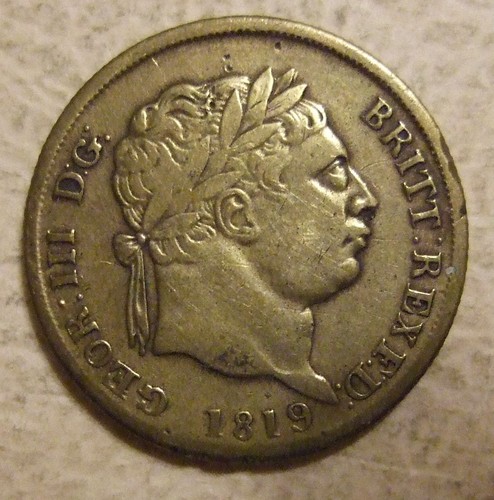
Shilling of George III
A milled silver shilling of George III from the Great Recoinage, with his laureate bust facing right and a crowned quartered royal shield within the Garter.
Milled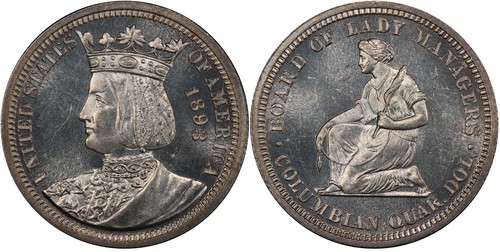
Isabella Quarter
The 1893 Isabella Quarter is the only U.S. commemorative quarter dollar, made for the Columbian Exposition's Board of Lady Managers.
Classic Commemorative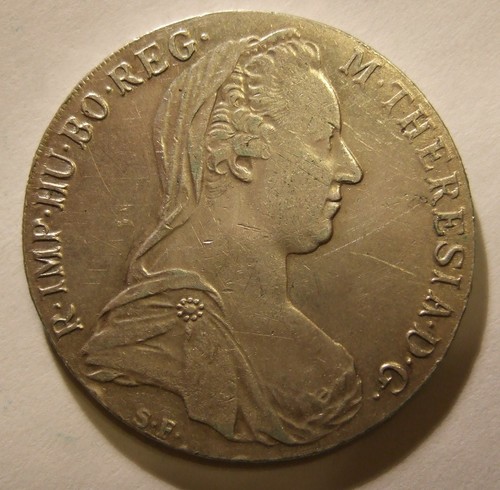
Maria Theresa Thaler
A large silver Austrian trade coin bearing the bust of Empress Maria Theresa, famously frozen at the date 1780 and restruck for centuries.
World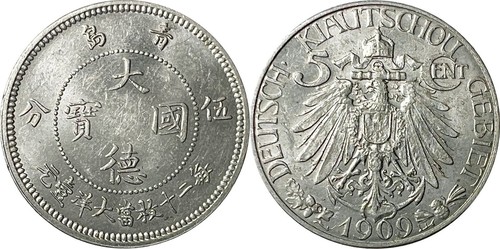
Kiautschou 5 Cents
A 1909 nickel 5 Cent coin of the German-leased Kiautschou Bay territory in China, pairing Chinese characters with the German imperial eagle.
Colonial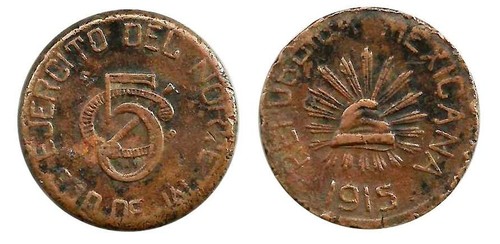
Jalisco 5 Centavos
A small copper 5-centavos coin issued by the Mexican state of Jalisco in 1915 during the Revolution, with a large numeral 5 and the national eagle.
Revolutionary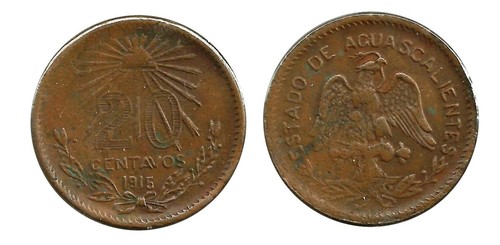
Aguascalientes 20 Centavos
A copper 20 centavos struck in Aguascalientes during the Mexican Revolution in 1915, showing the denomination on one side and a large numeral 20 with the national eagle on the other.
Revolutionary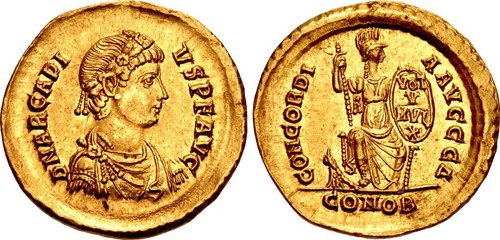
Solidus of Arcadius
A late Roman gold solidus struck for Arcadius, first emperor of the East after AD 395, showing his diademed profile facing right.
Ancient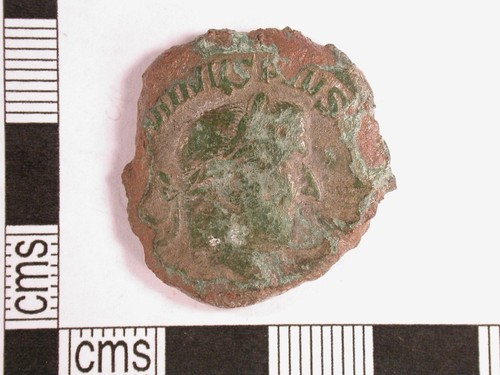
Sestertius of Maximinus Thrax
Large Roman bronze sestertius of Maximinus Thrax (235-238 AD), the first soldier-emperor, with a laureate bust facing right.
Ancient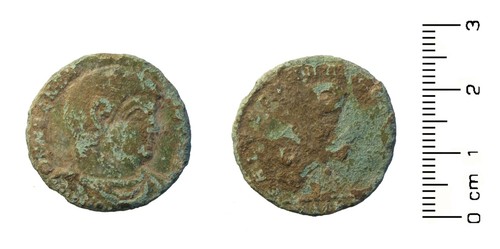
Nummus of Magnentius
A late Roman bronze struck for the usurper Magnentius (AD 350-353), noted for its bold bare-headed portrait and large Chi-Rho reverses.
Ancient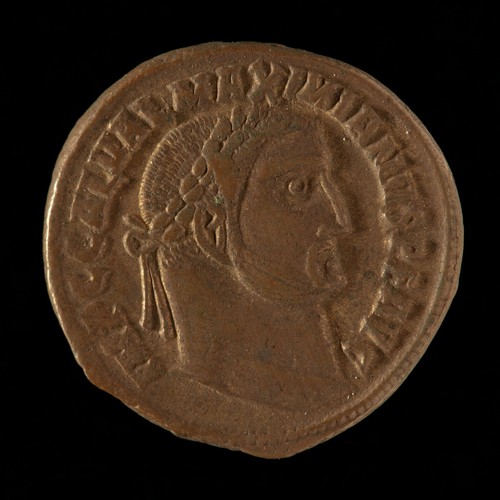
Follis of Galerius
A large silvered bronze follis of the emperor Galerius (Augustus AD 305-311), struck across the Tetrarchic mints with a laureate portrait and a standing deity reverse.
Ancient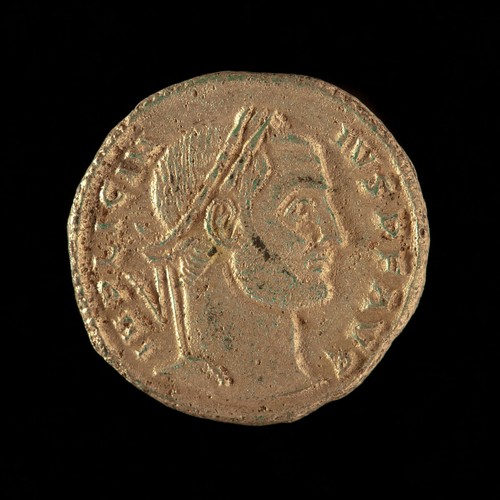
Follis of Licinius I
A small bronze follis of the emperor Licinius I (AD 308-324), showing his portrait and a standing deity reverse, struck around AD 320-321.
Ancient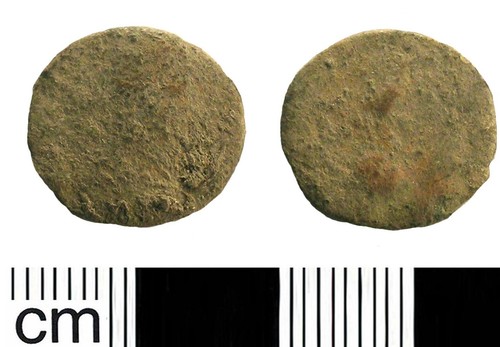
Half Centenionalis of Constans or Constantius II
A small mid-4th-century Roman bronze attributed to Constans or Constantius II, sons of Constantine the Great, worn but identifiable by its imperial portrait and era.
Ancient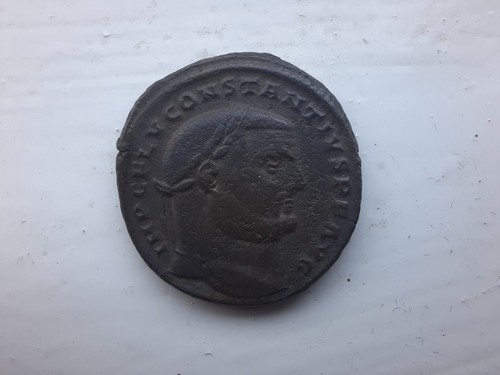
Follis of Constantius Chlorus
Large silvered-bronze follis of Constantius I (Chlorus), the Tetrarchic emperor and father of Constantine, showing his laureate portrait facing right.
Ancient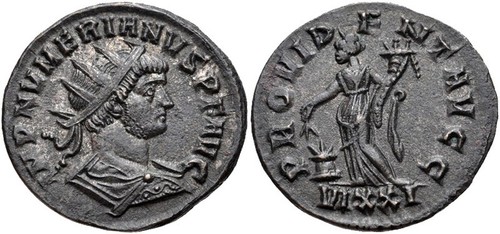
Antoninianus of Numerian
Late Roman radiate coin of the short-lived emperor Numerian (283-284 AD), showing his spiked crown and a Victory or standing deity on the reverse.
Ancient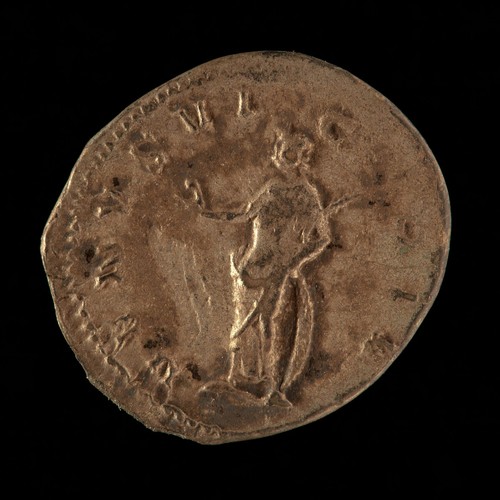
Antoninianus of Salonina
Billon antoninianus of the empress Salonina, wife of Gallienus, showing her draped bust and a standing deity on the reverse (256-257 AD).
Ancient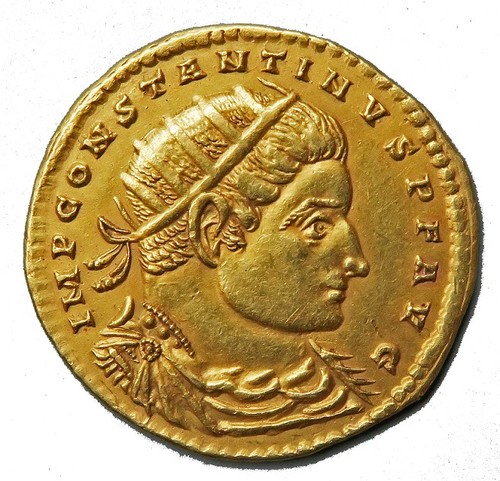
Aureus of Constantine I the Great
A Roman gold aureus struck for Constantine I the Great, showing his laureate portrait, from the era of his rise to sole power around AD 313.
Ancient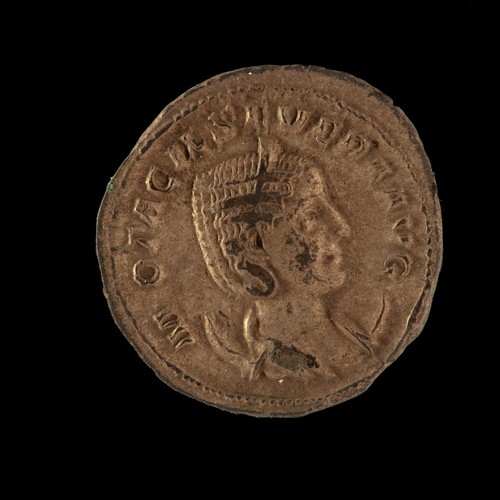
Antoninianus of Otacilia Severa
Roman double-denarius of the empress Otacilia Severa, wife of Philip I (246-248 AD), with her draped bust and a standing personification on the reverse.
Ancient