
Coin Encyclopedia
Search and identify coins from around the world — with country, denomination, metal, mint, history, and how to tell them apart.
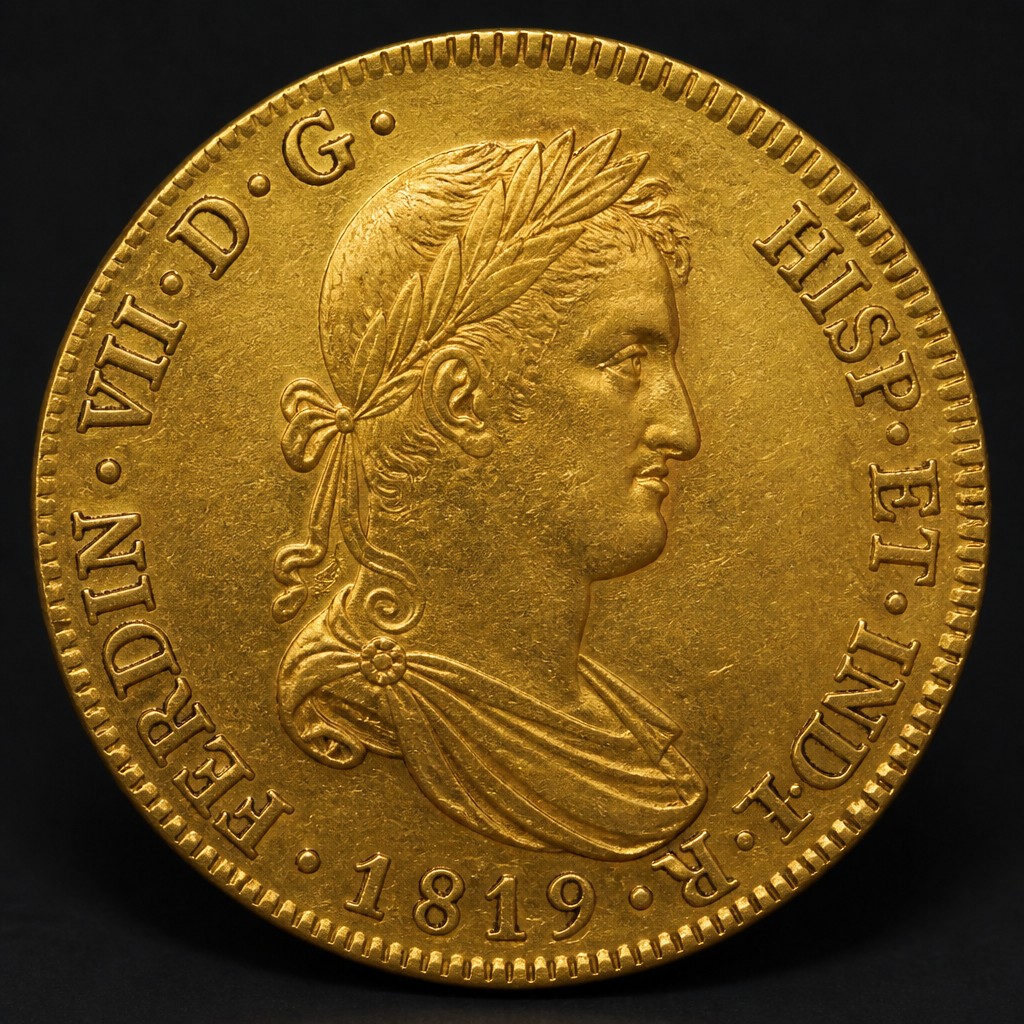
Colombian 8 Escudos Gold (Popayán)
A large colonial gold doubloon struck at the historic Popayán mint in present-day Colombia, prized by collectors as one of the classic Spanish colonial gold coins of South America.
Latin American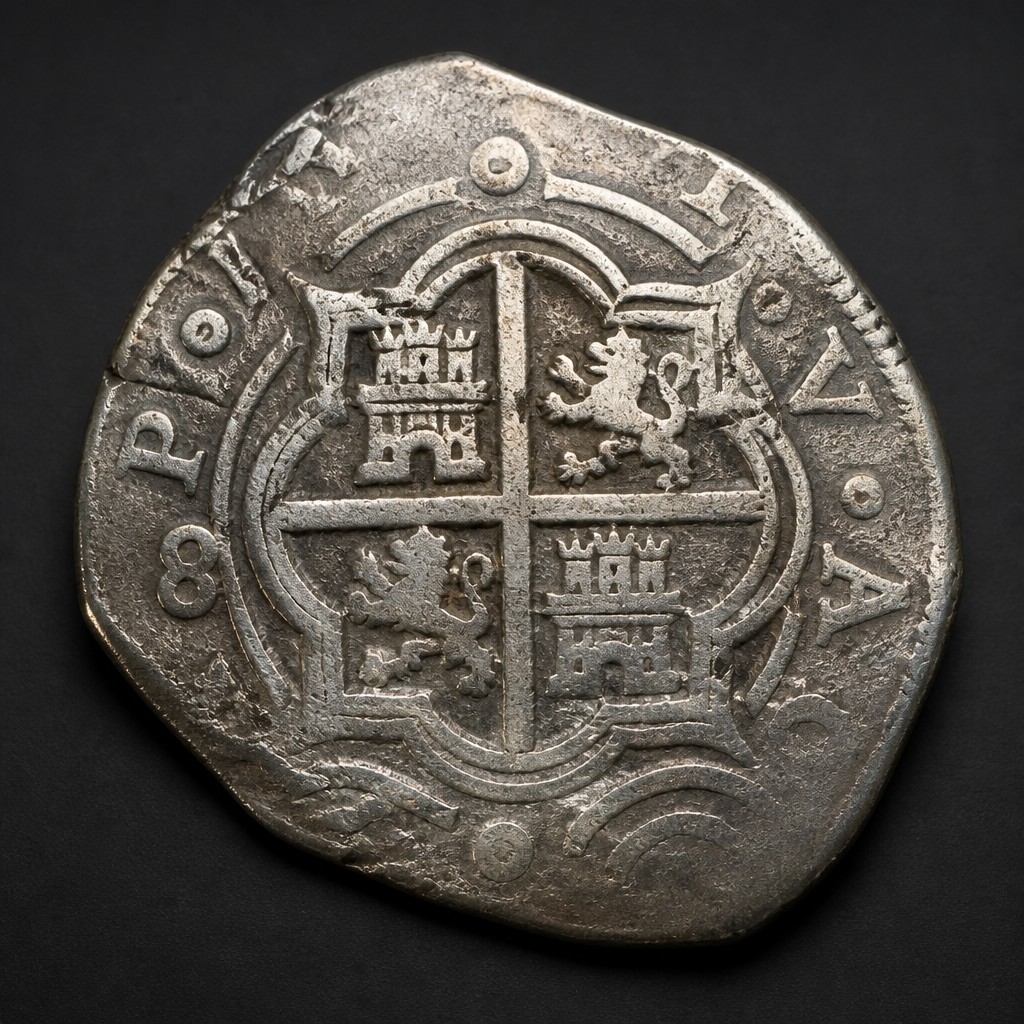
Spanish Colonial Cob (Macuquina)
Crude, irregularly shaped hand-struck coins produced at Spanish colonial mints in the Americas for over two centuries, forming the basis of the famous 'pieces of eight' that circulated worldwide.
Latin American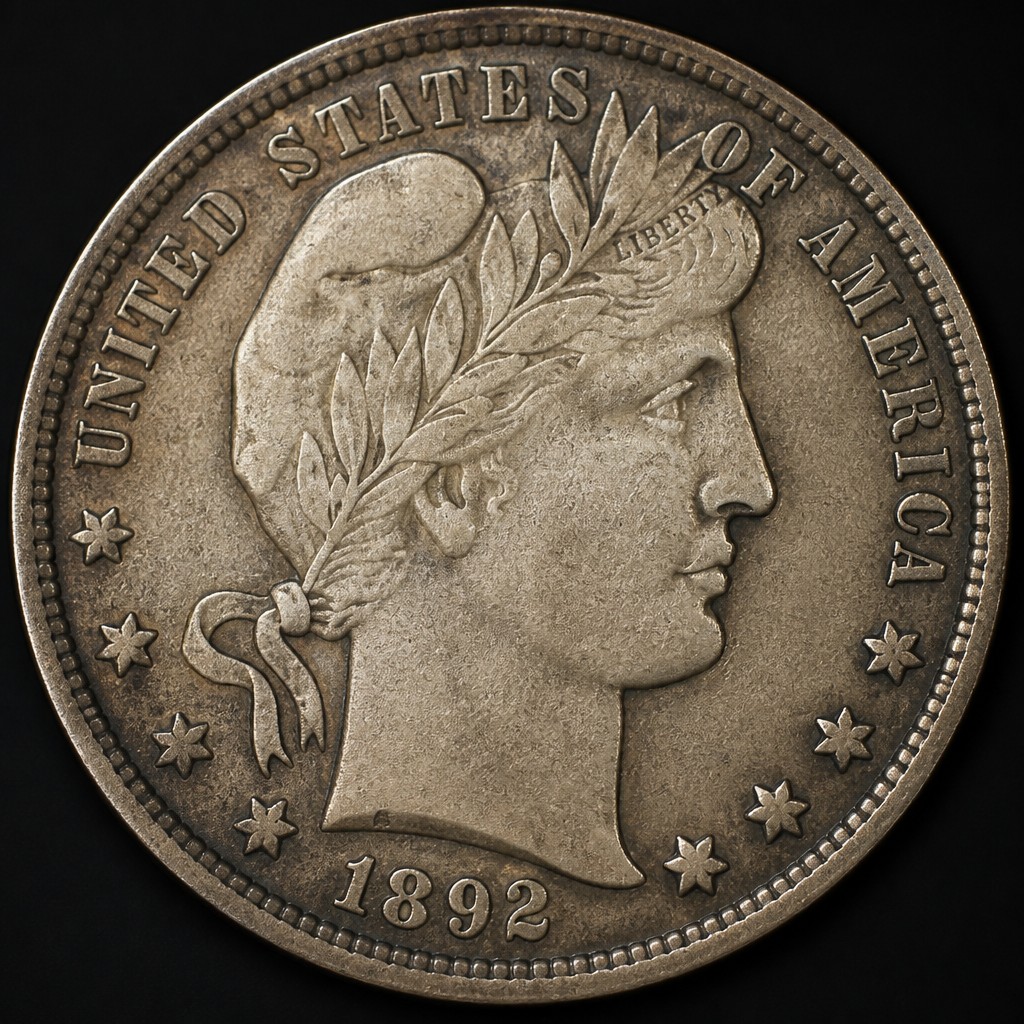
1892 Barber Half Dollar
First-year issue of Charles Barber's Liberty Head half dollar, with the 1892-O and 1892-S branch mint coins notably scarcer than the Philadelphia strike.
United States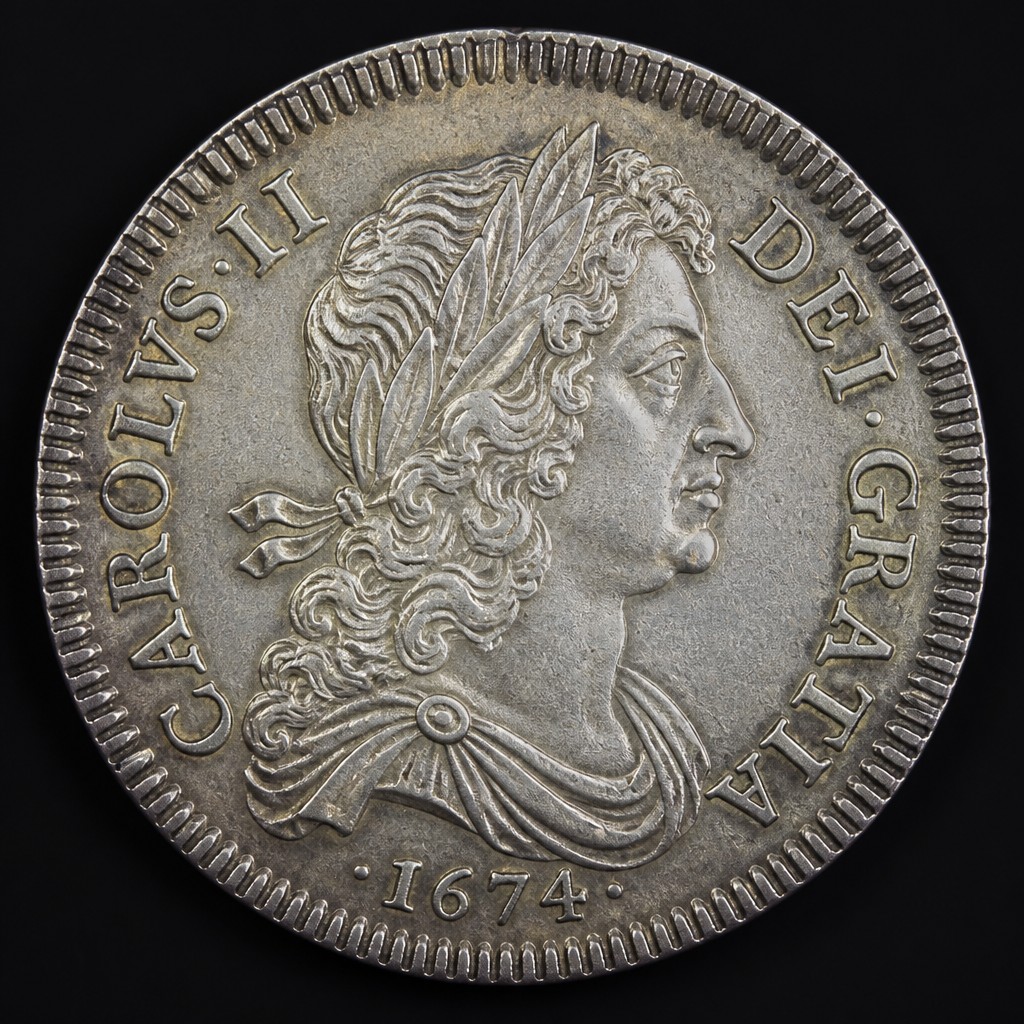
Maundy Fourpence
The largest of the four Royal Maundy coins, a small silver fourpence descended in value from the medieval groat, struck annually for the monarch's ceremonial Maundy Thursday alms distribution.
British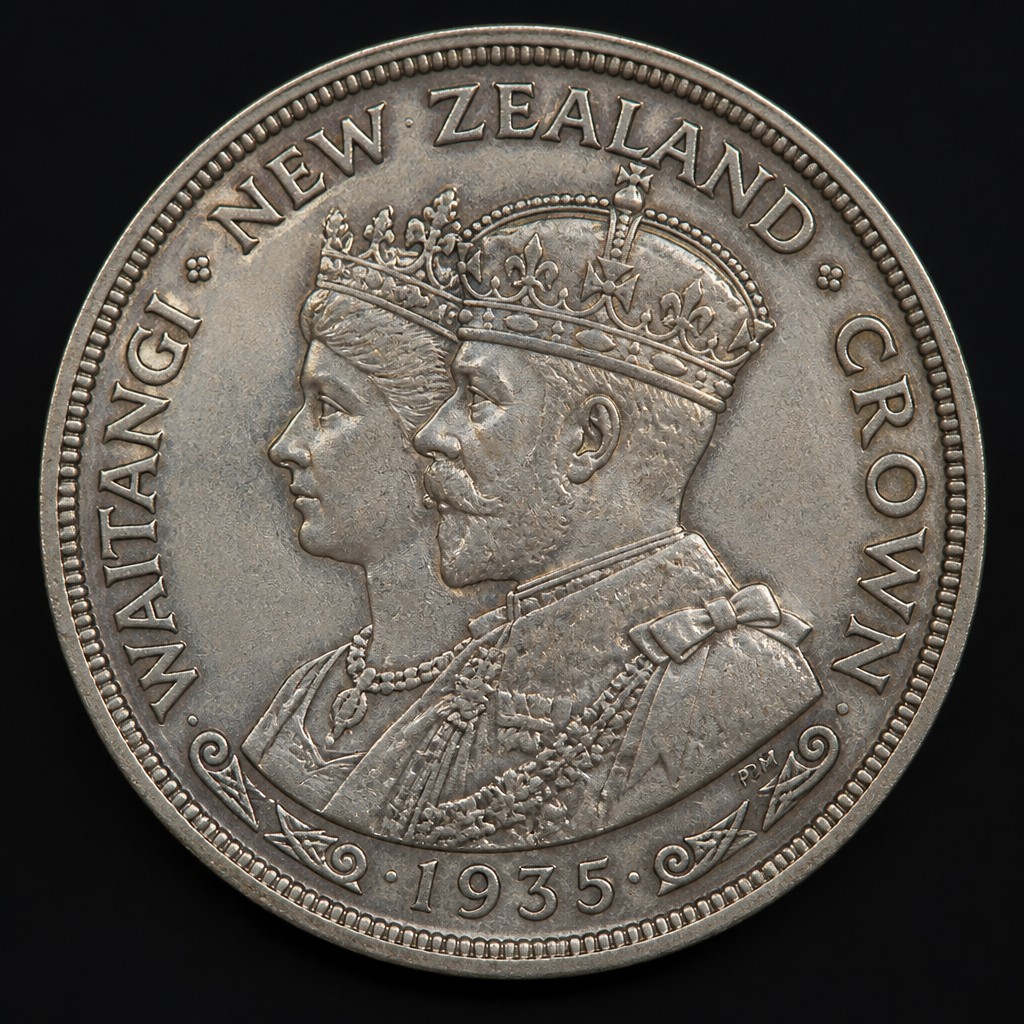
New Zealand Waitangi Crown (1935)
Rare 1935 New Zealand silver crown depicting the meeting between Governor Hobson and Maori chiefs, one of the most valuable coins in British Commonwealth crown collecting.
Africa & Oceania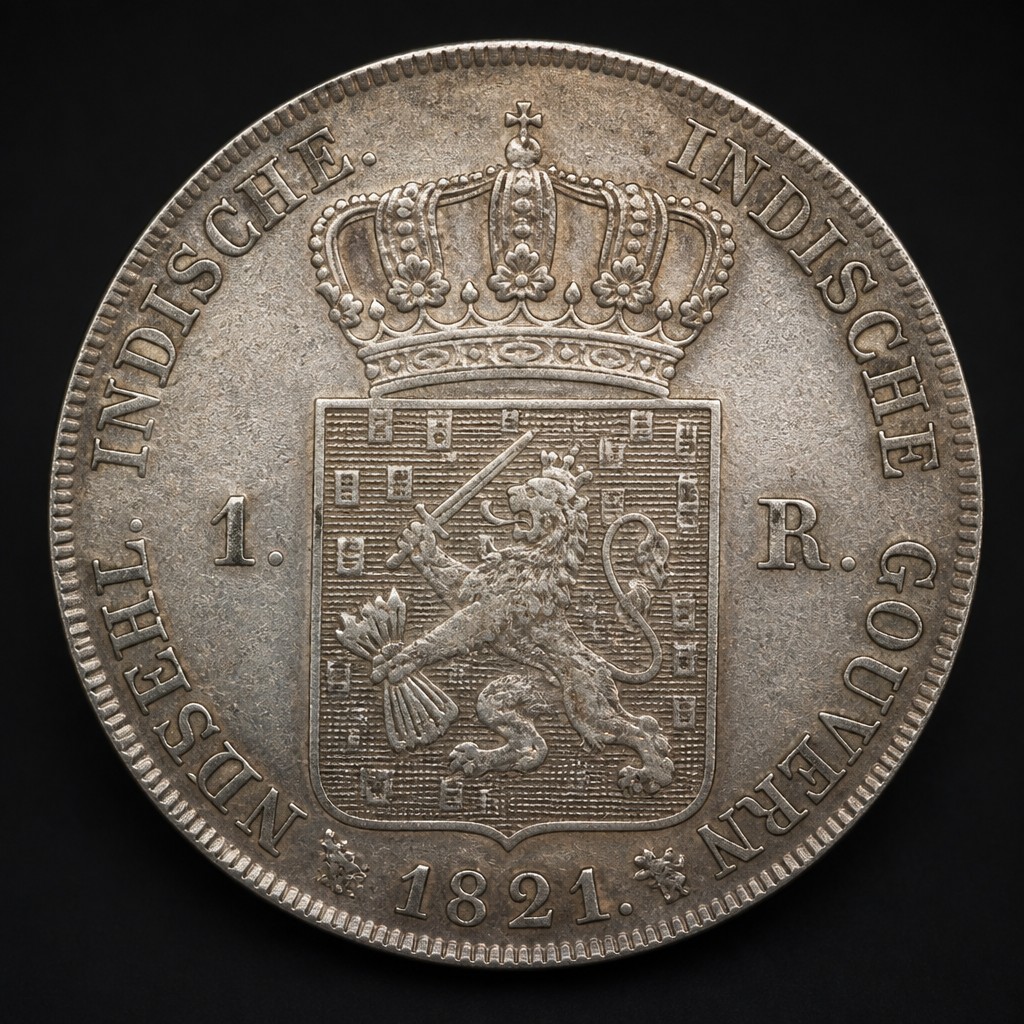
Netherlands East Indies Java Rupee
A Dutch colonial silver rupee struck specifically for the island of Java, issued to standardize local currency amid the many foreign trade coins circulating in the Dutch East Indies.
Asian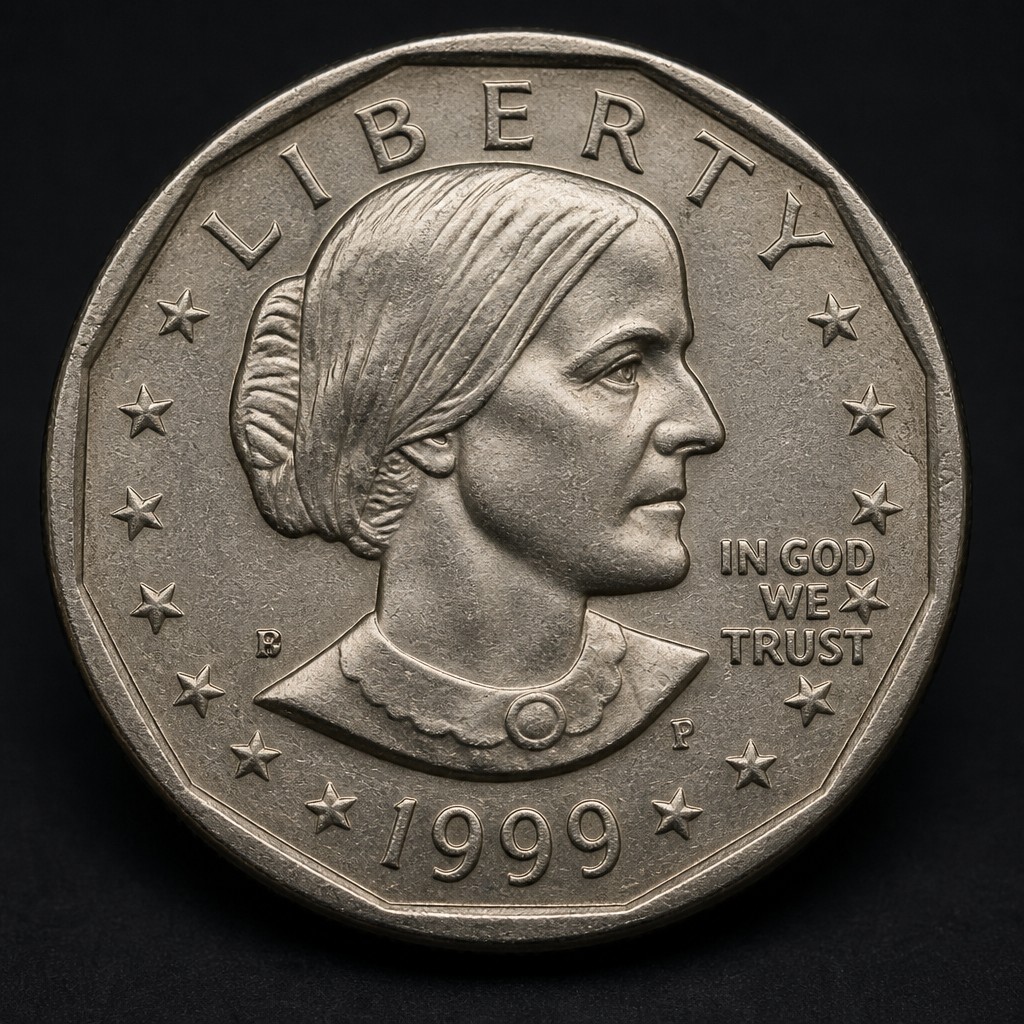
1999 Susan B. Anthony Dollar
A one-year revival of the Susan B. Anthony dollar, struck in 1999 to meet demand for dollar coins in vending and transit use before the Sacagawea dollar's launch the following year.
United States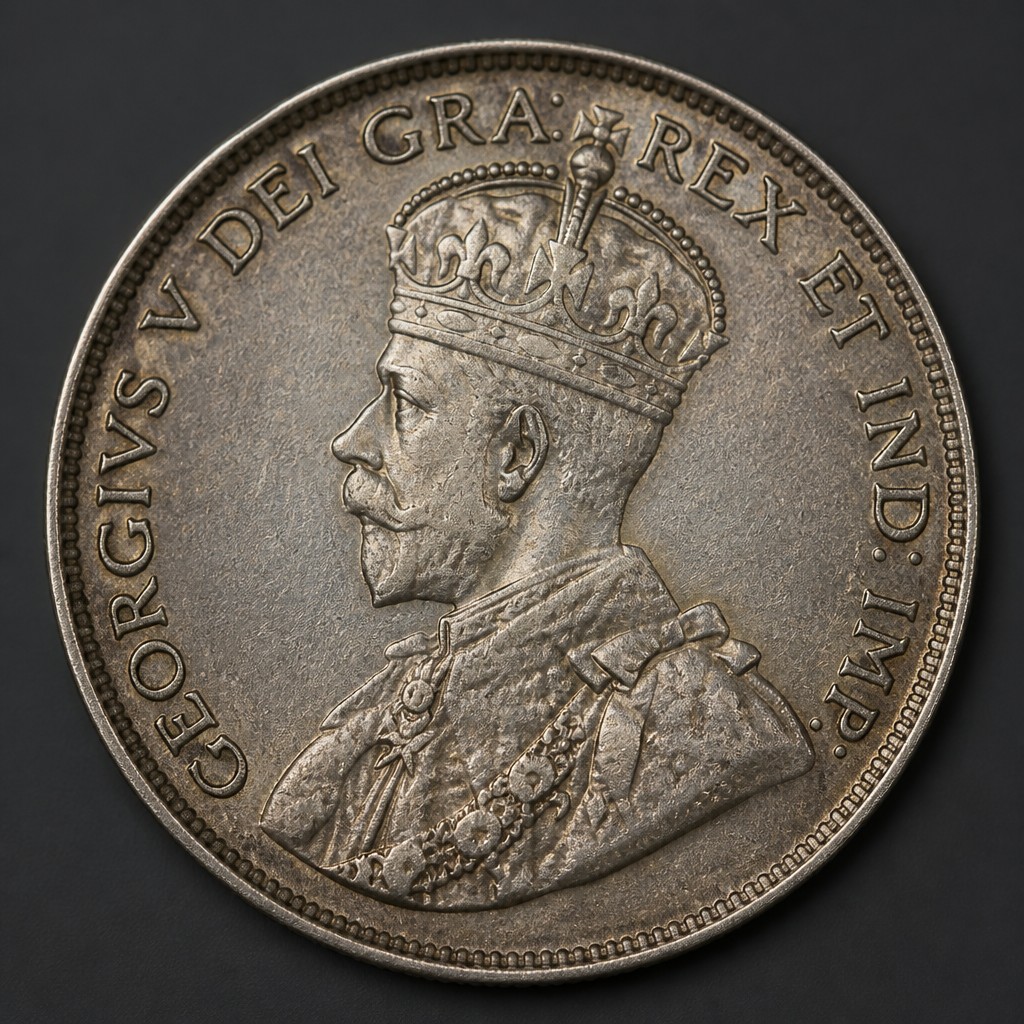
George V Five Cents (silver)
The last era of Canadian silver five-cent coins, struck under King George V until nickel replaced silver in 1922, including the legendary rarity of the 1921 date.
Canadian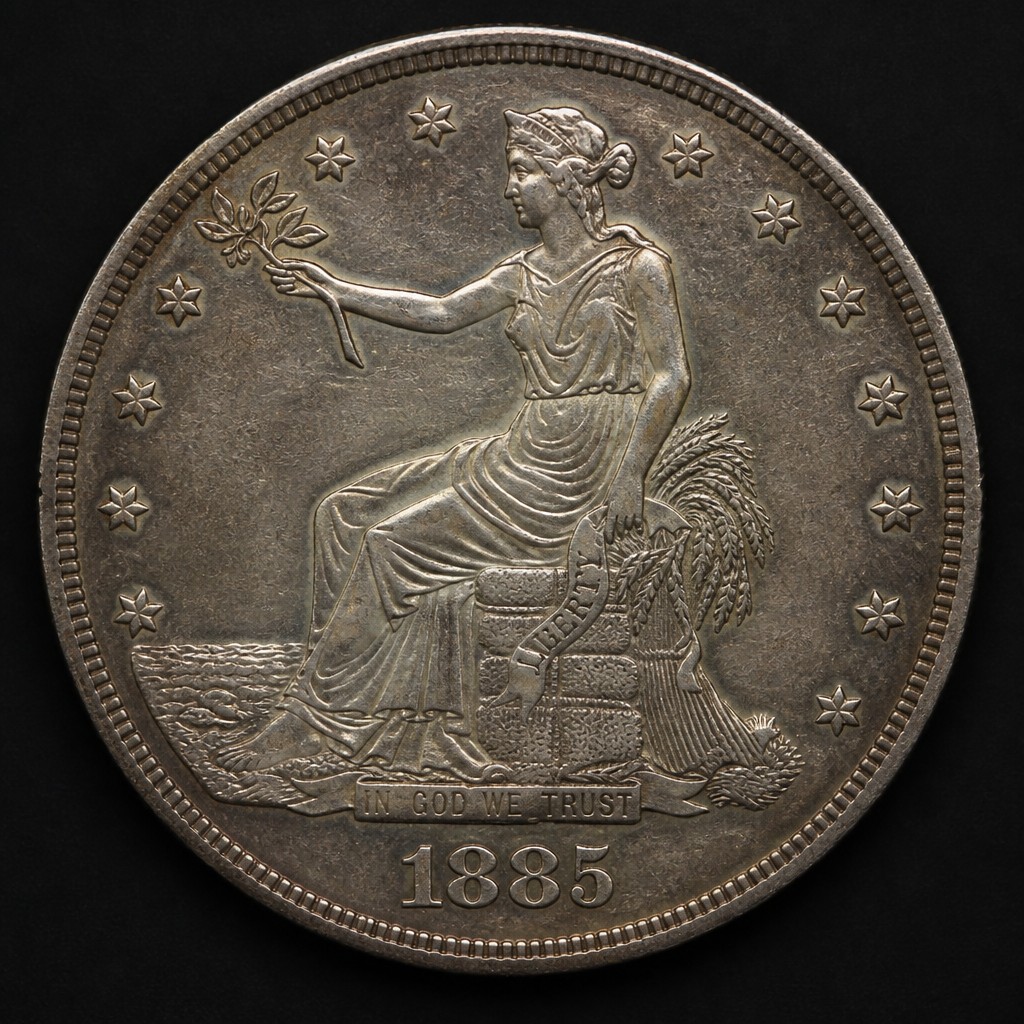
1885 Trade Dollar
One of the rarest official United States coins, a proof-only issue struck years after the Trade dollar series had officially ended, with only a handful of examples known.
United States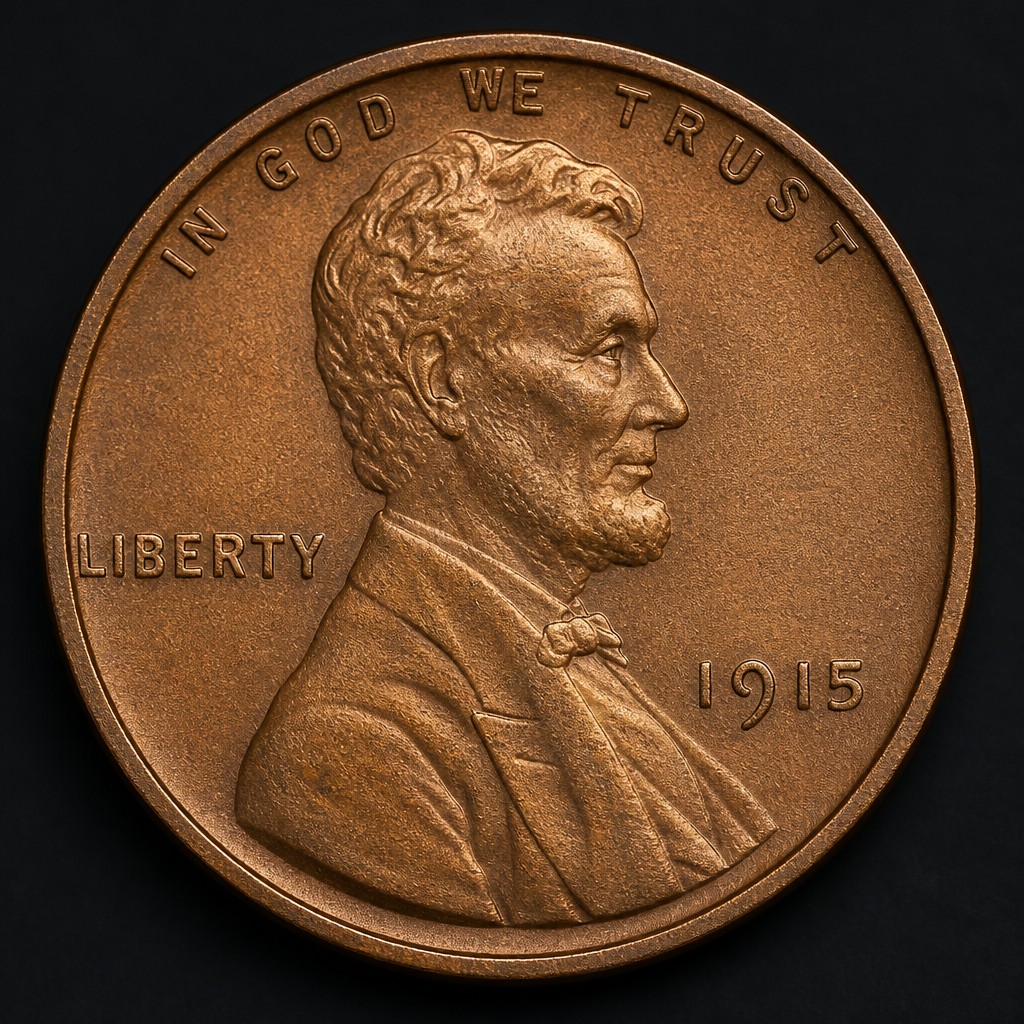
Matte Proof Lincoln Cent
A special proof finish used on Lincoln cents from 1909 to 1916, featuring a fine, sandy, non-reflective surface instead of the mirror-like brilliance of earlier proof coins.
United States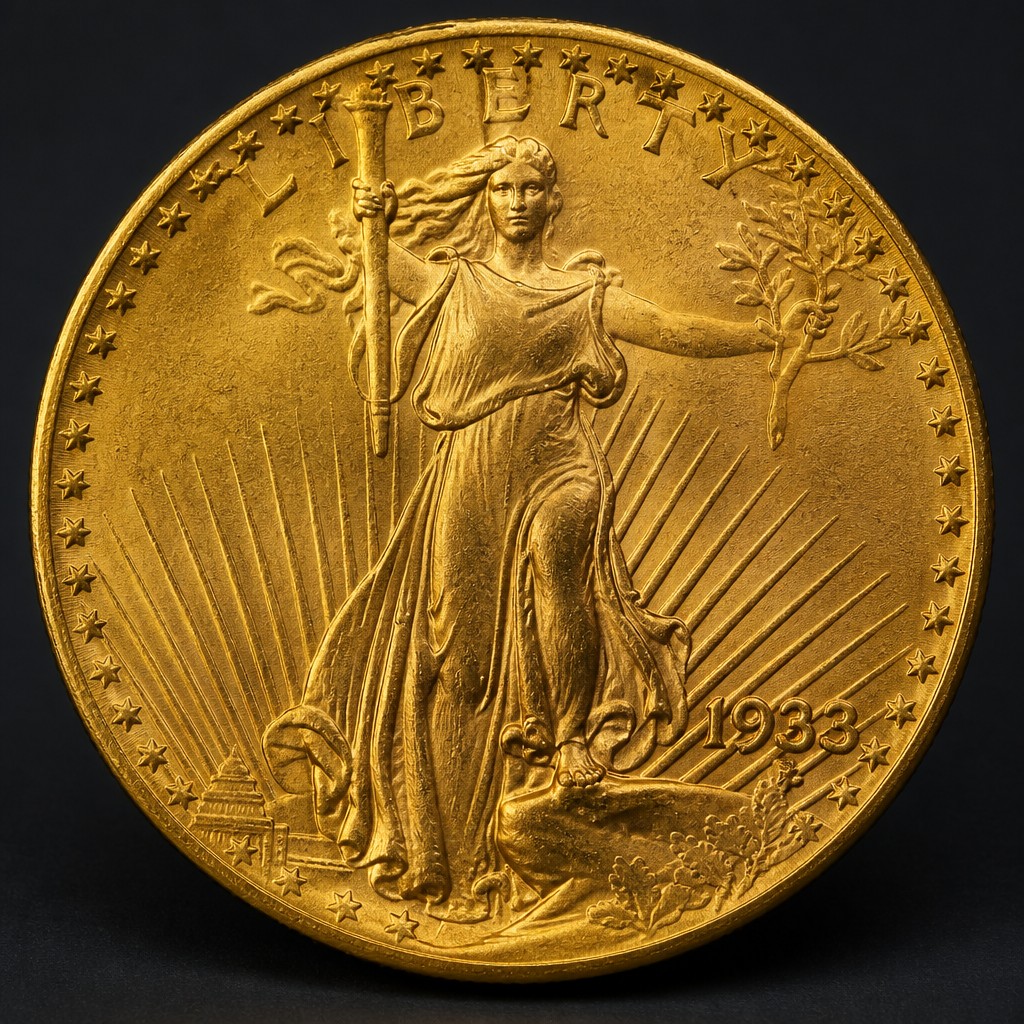
1933 Double Eagle
One of the rarest and most legally contested U.S. coins, struck but never officially released for circulation after the nation left the gold standard; a single example sold for over $18 million.
United States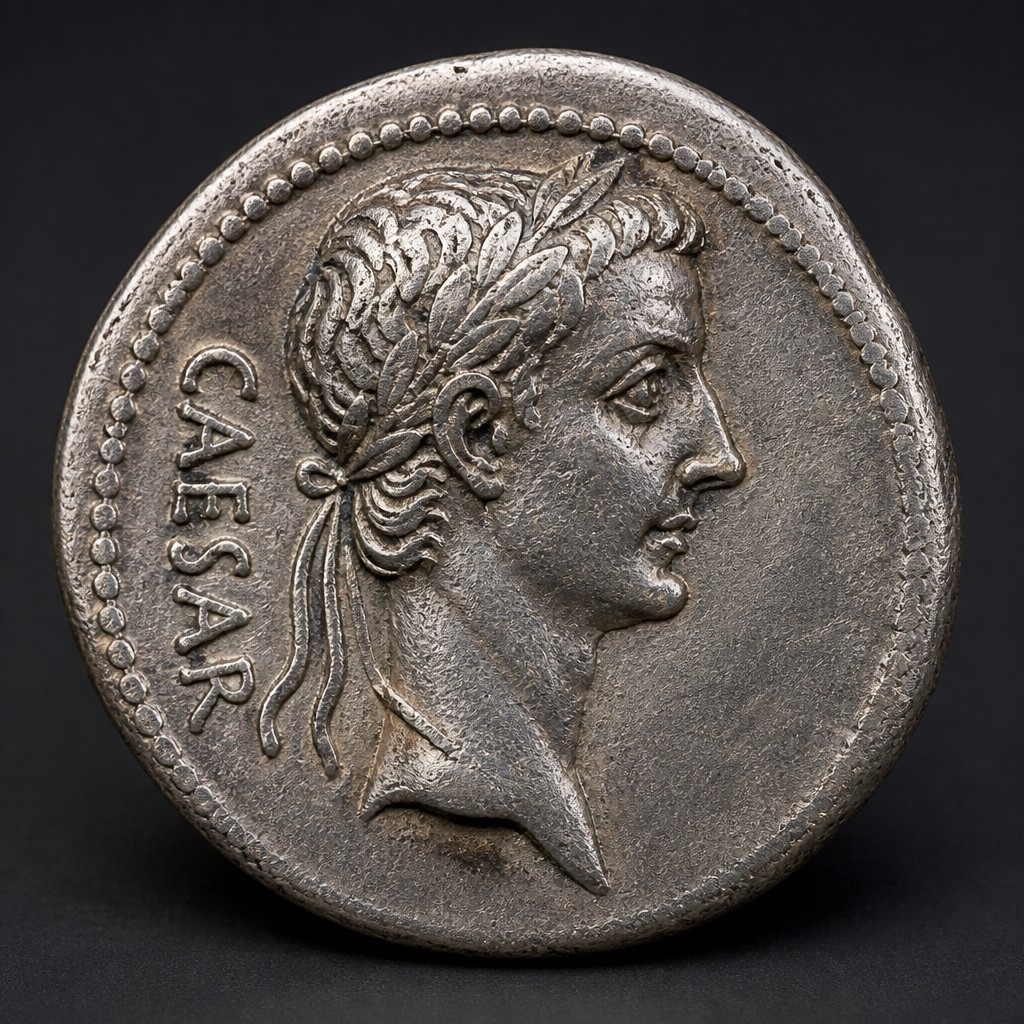
Julius Caesar Elephant Denarius
One of the most widely recognized ancient Roman coins, struck under Julius Caesar's authority and depicting an elephant trampling a serpent, likely a symbolic image tied to Caesar's political struggles.
Ancient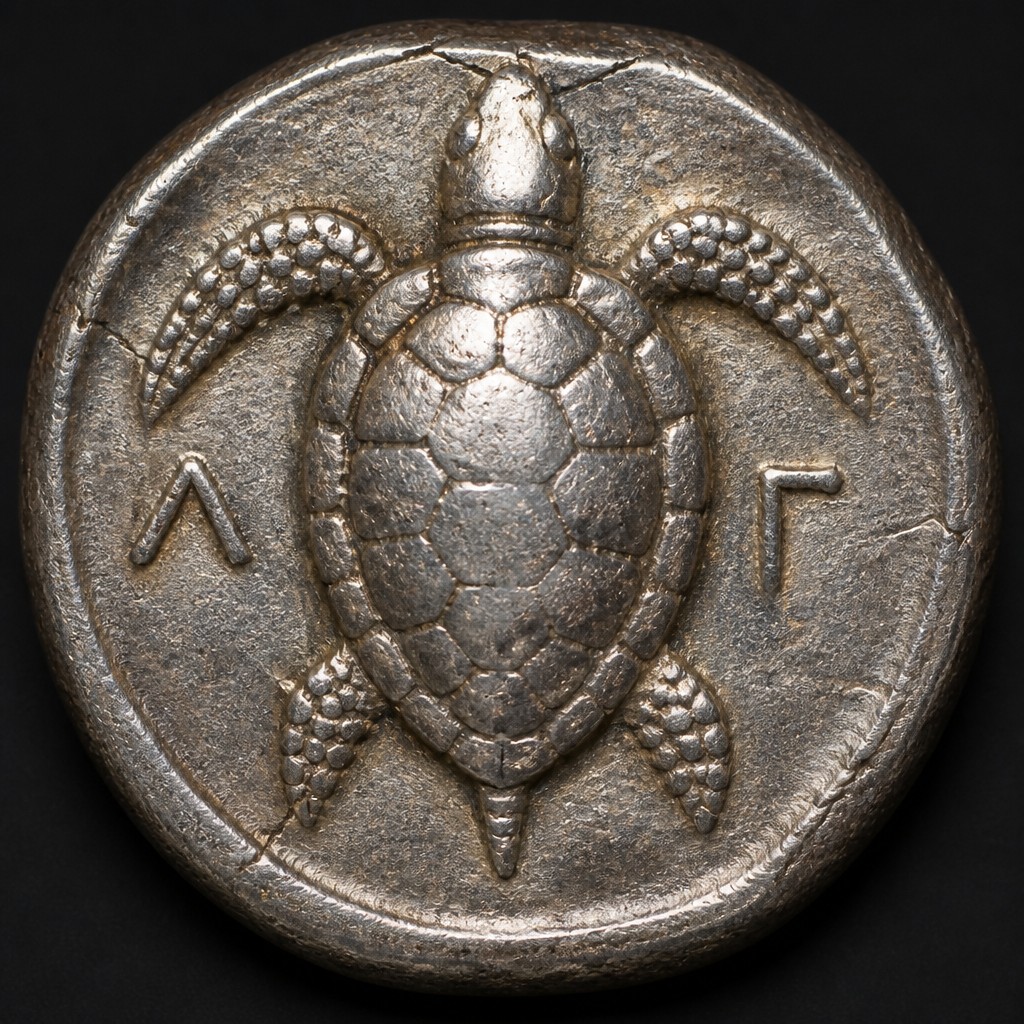
Aegina Sea Turtle Stater
One of the earliest widely circulated Greek silver coins, struck by the island city-state of Aegina, featuring a sea turtle and later a land tortoise, and nicknamed simply 'turtles' by ancient traders.
Ancient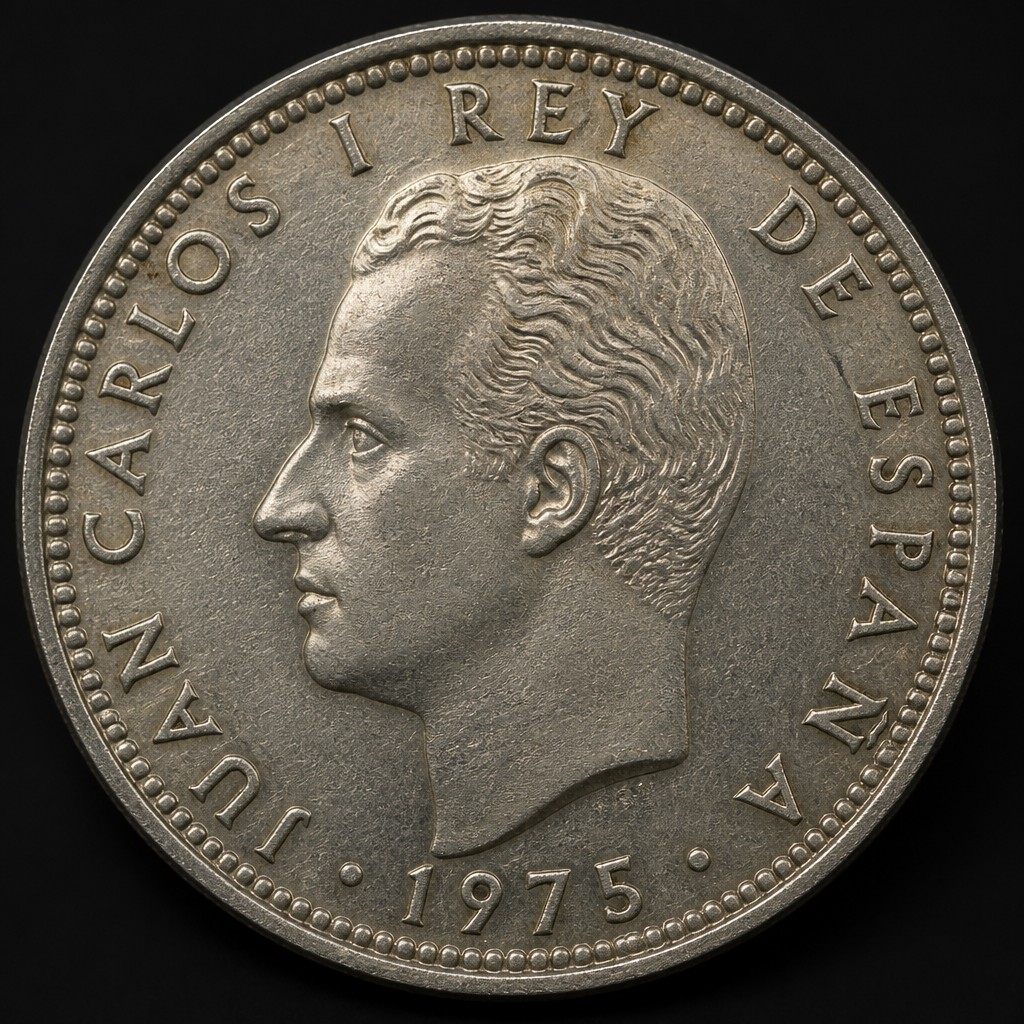
Spanish Peseta
The peseta was Spain's national currency for over 130 years, evolving from silver coinage under a provisional 19th-century government to copper-nickel coins used until the euro replaced it in 2002.
European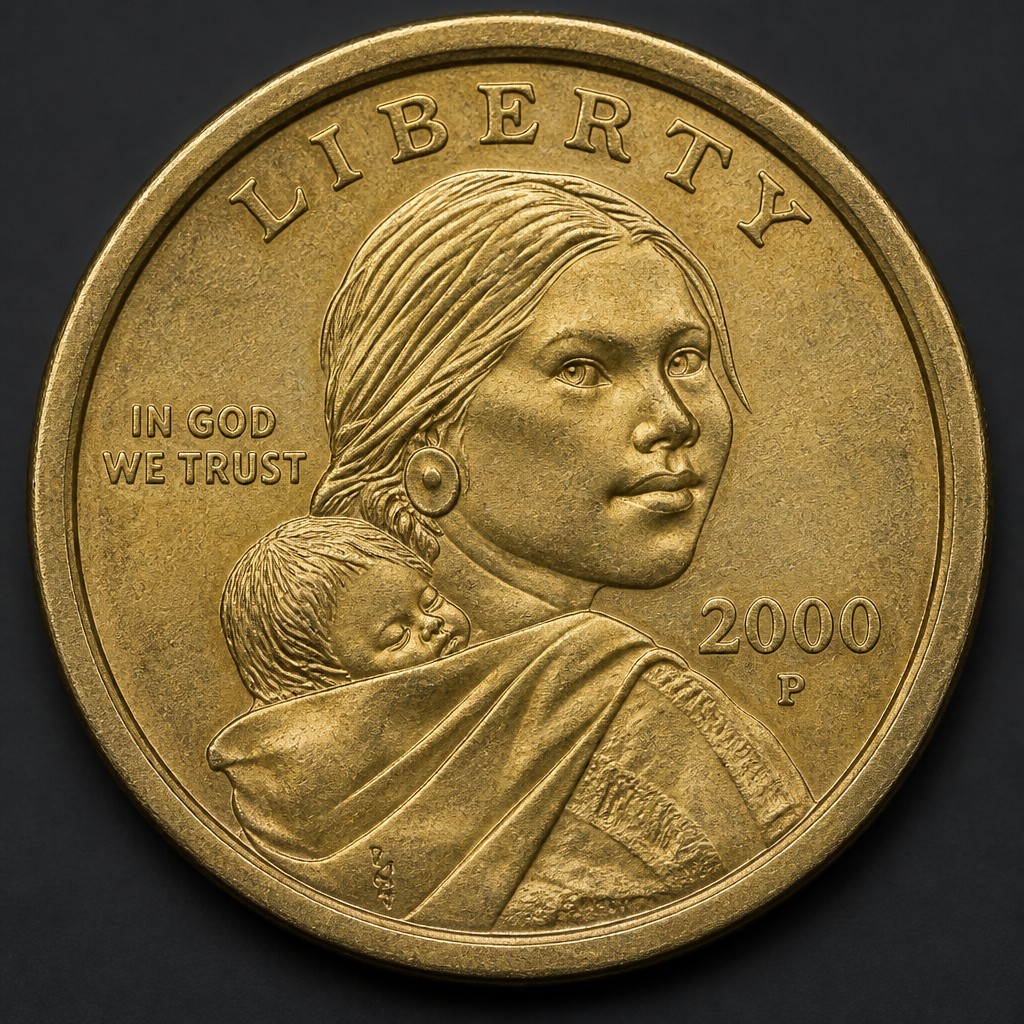
2000-P Sacagawea Cheerios Dollar
A famous modern rarity: early-production 2000-P Sacagawea dollars included in Cheerios cereal boxes as a promotion, some showing enhanced eagle tail feather detail not found on later coins.
Errors & Varieties
1965-1970 Kennedy Half Dollar (40% Silver)
Kennedy half dollars struck with a reduced 40% silver clad composition after the Coinage Act of 1965, bridging the gap between full silver coinage and today's copper-nickel clad coins.
United States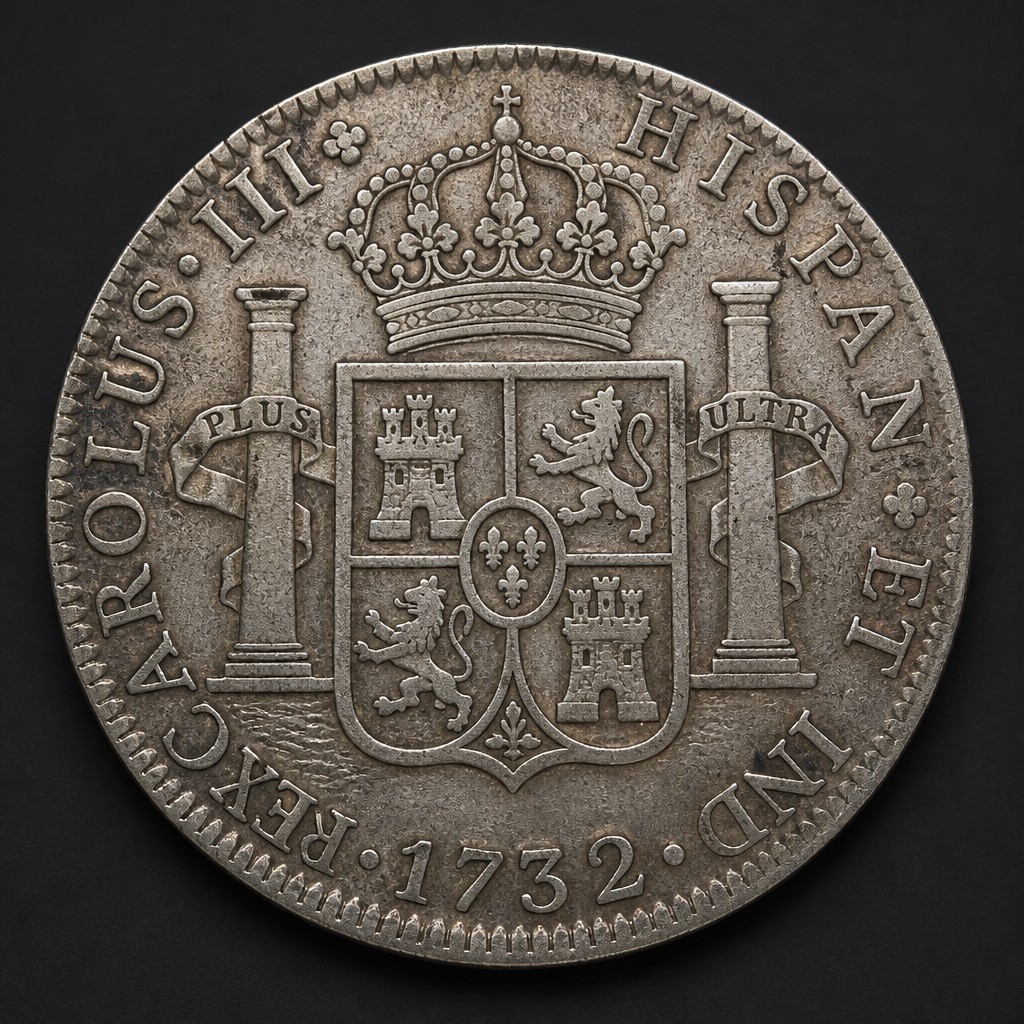
Mexican 8 Reales Pillar Dollar
Minted in colonial Mexico City from 1732 to the early 1770s, the pillar dollar's crowned globes and Pillars of Hercules design made it one of the most widely trusted silver trade coins in the world.
Latin American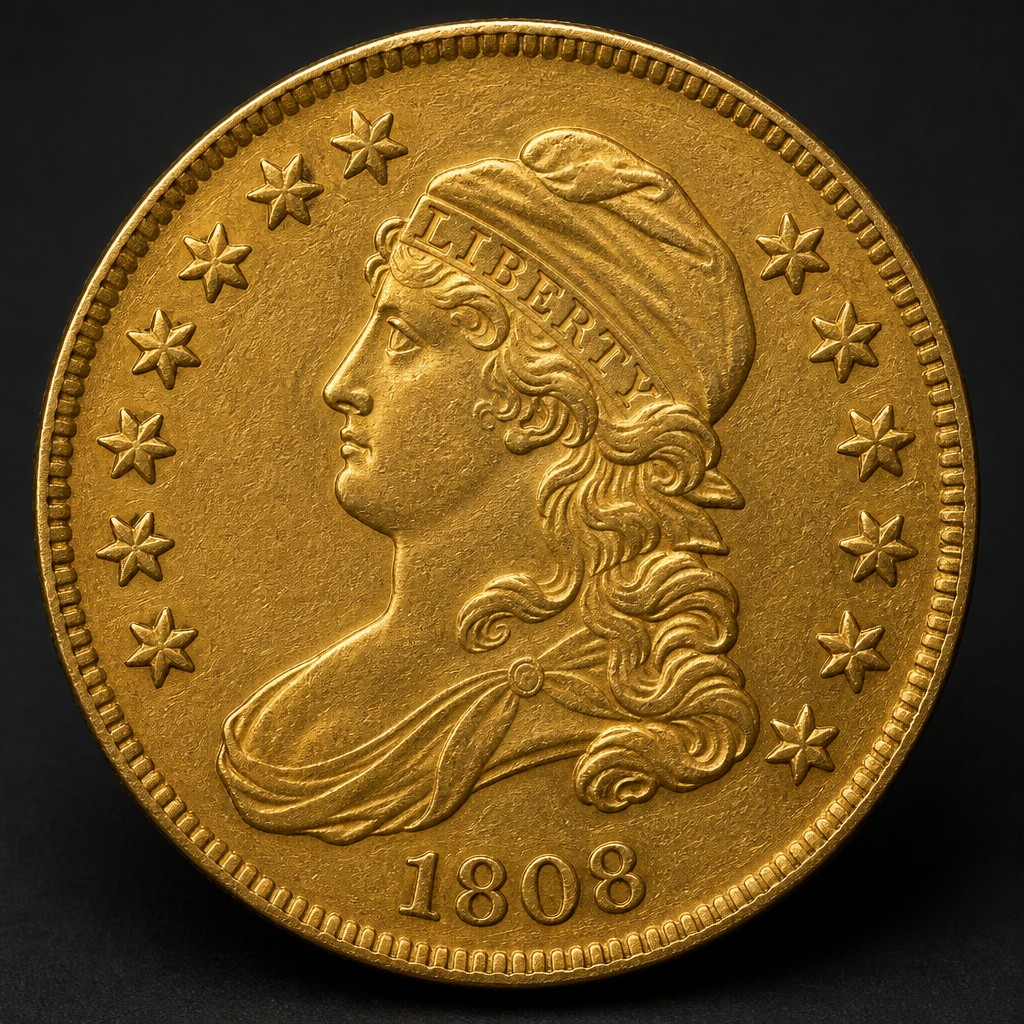
Capped Bust Quarter Eagle
An umbrella term for the earliest U.S. $2.50 gold coins (1796-1834), whose Liberty-in-a-cap portrait evolved through several sub-types, including the famous single-year 1808 issue.
United States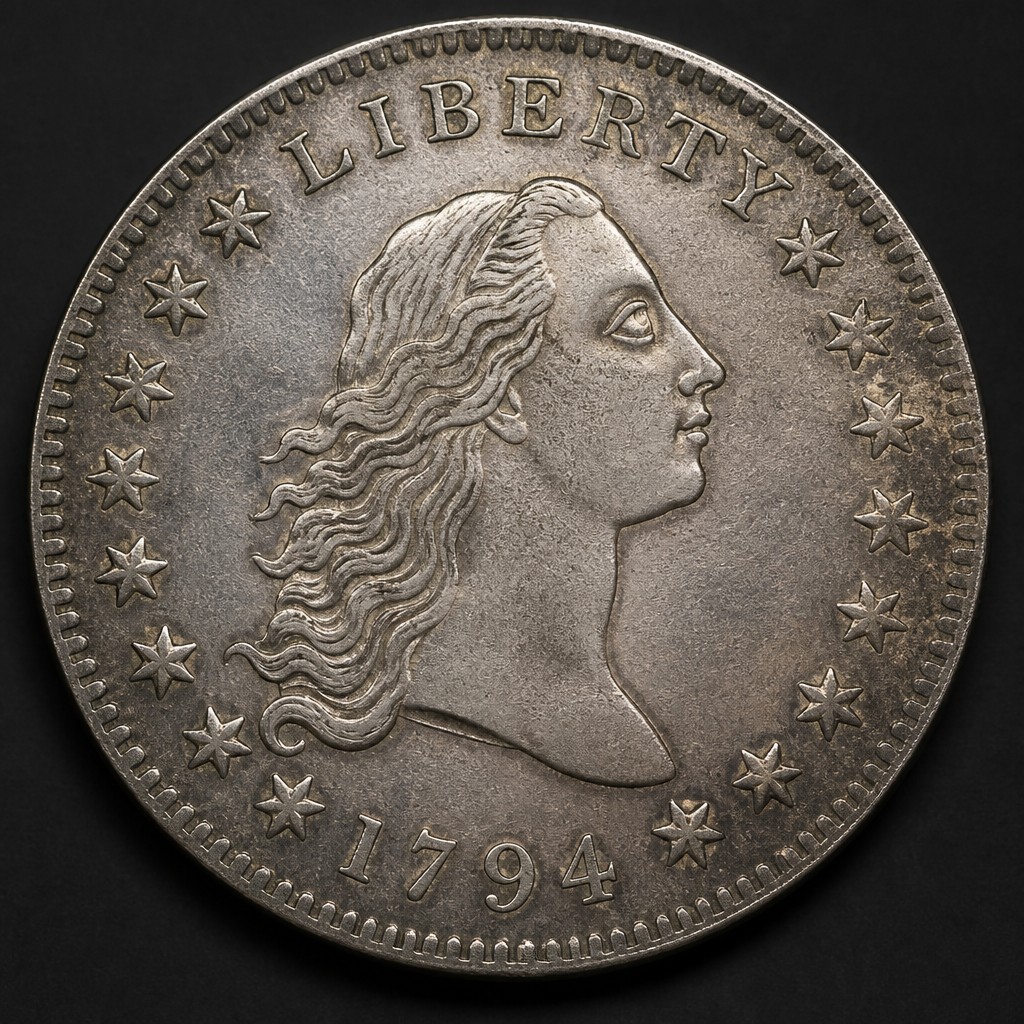
Flowing Hair Dollar
The first silver dollar struck by the United States Mint, issued in 1794-1795 with a flowing-haired Liberty and small eagle reverse; the 1794 date is among the rarest and most valuable U.S. coins.
United States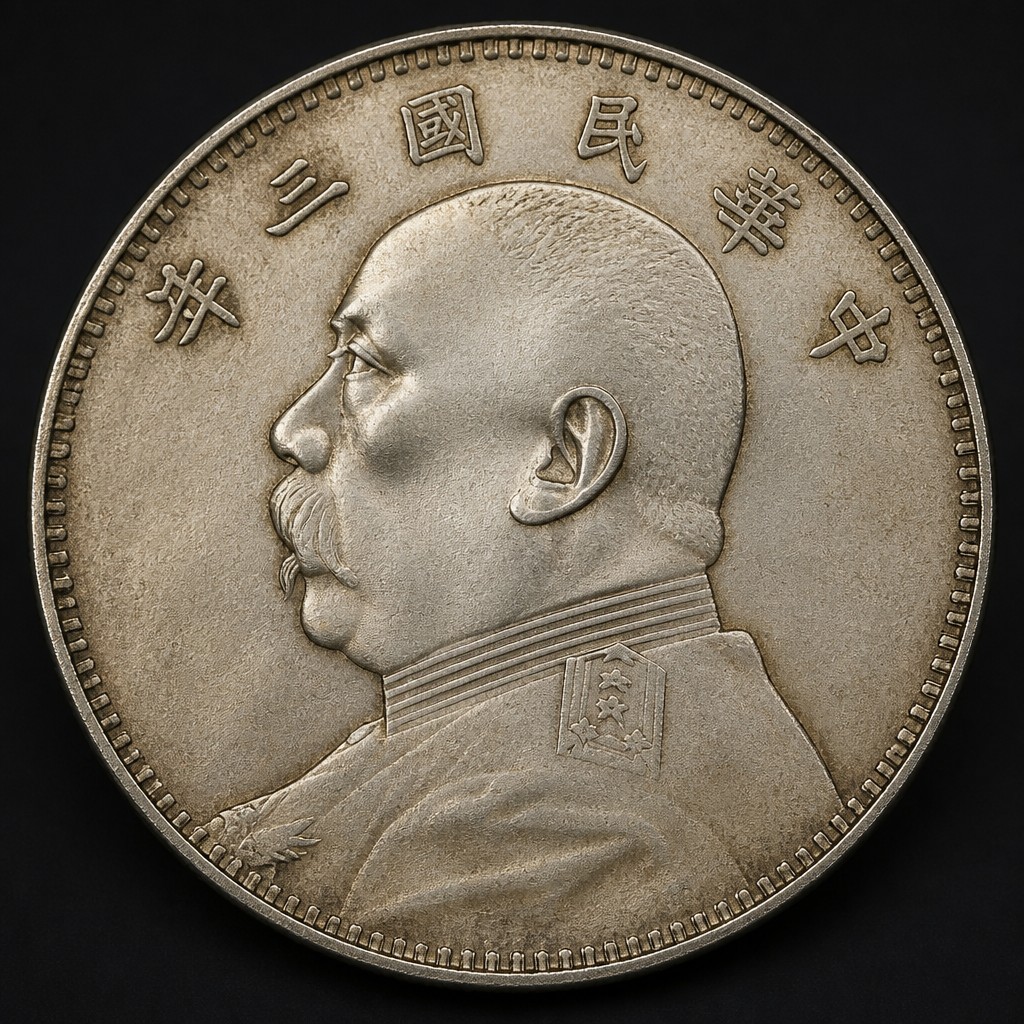
Yuan Shikai 'Fatman' Dollar (1914)
A widely produced Republic of China silver dollar bearing the portrait of President Yuan Shikai, nicknamed the fat man dollar for his portly likeness, one of the most common historic Chinese silver coins.
Asian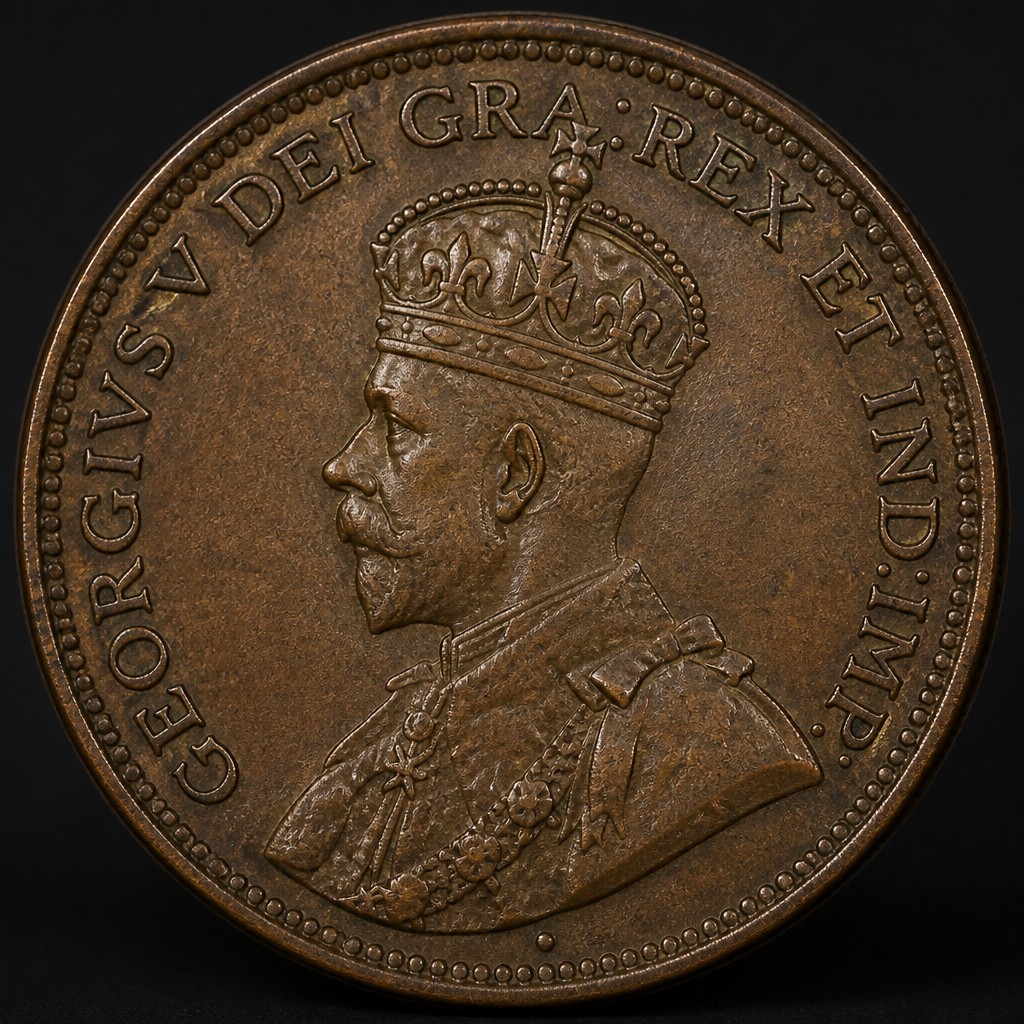
1936 Dot Cent
One of Canada's rarest coins: a 1936-dated cent quietly struck in 1937 with a tiny raised dot below the date after King Edward VIII's abdication delayed new George VI dies.
Canadian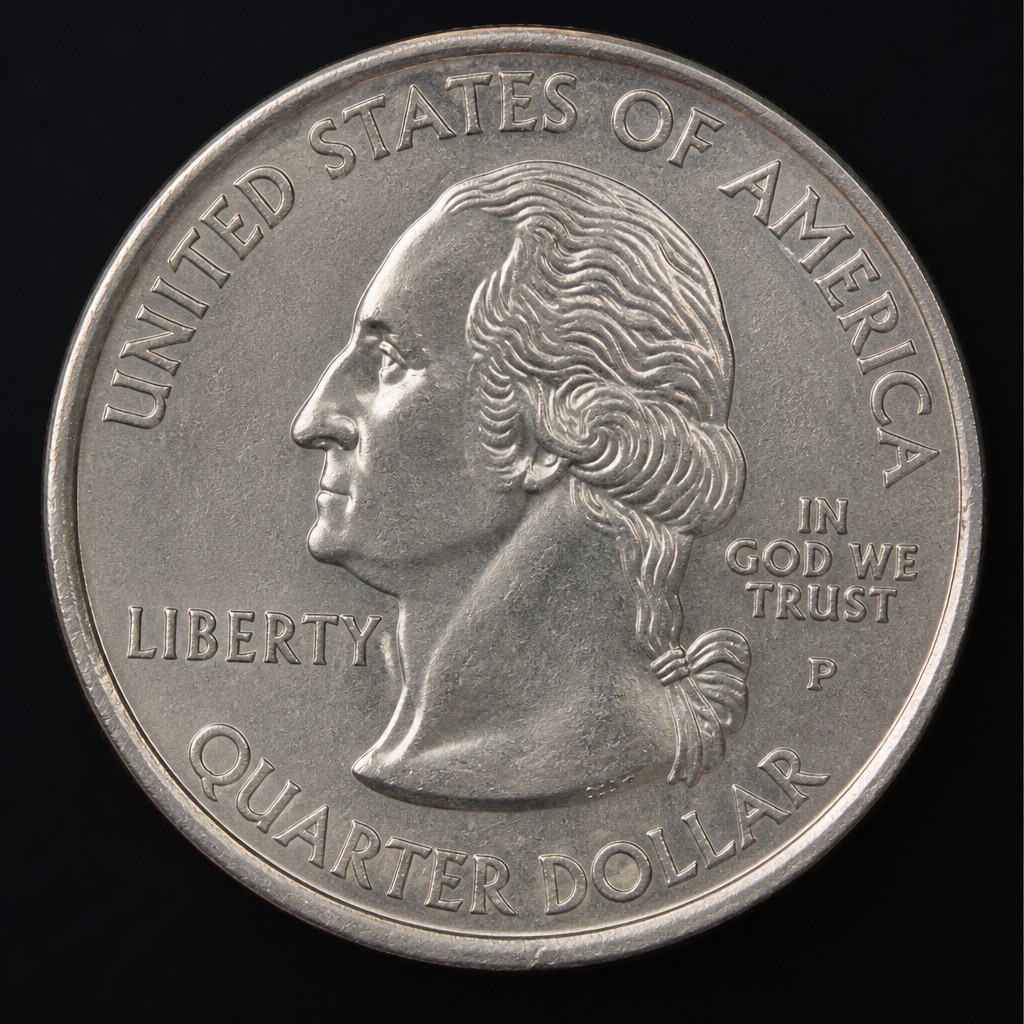
2004 Wisconsin State Quarter Extra Leaf
A famous modern variety of the 2004 Wisconsin state quarter showing an unexplained extra leaf on the corn cob, found in both 'low leaf' and 'high leaf' forms.
Errors & Varieties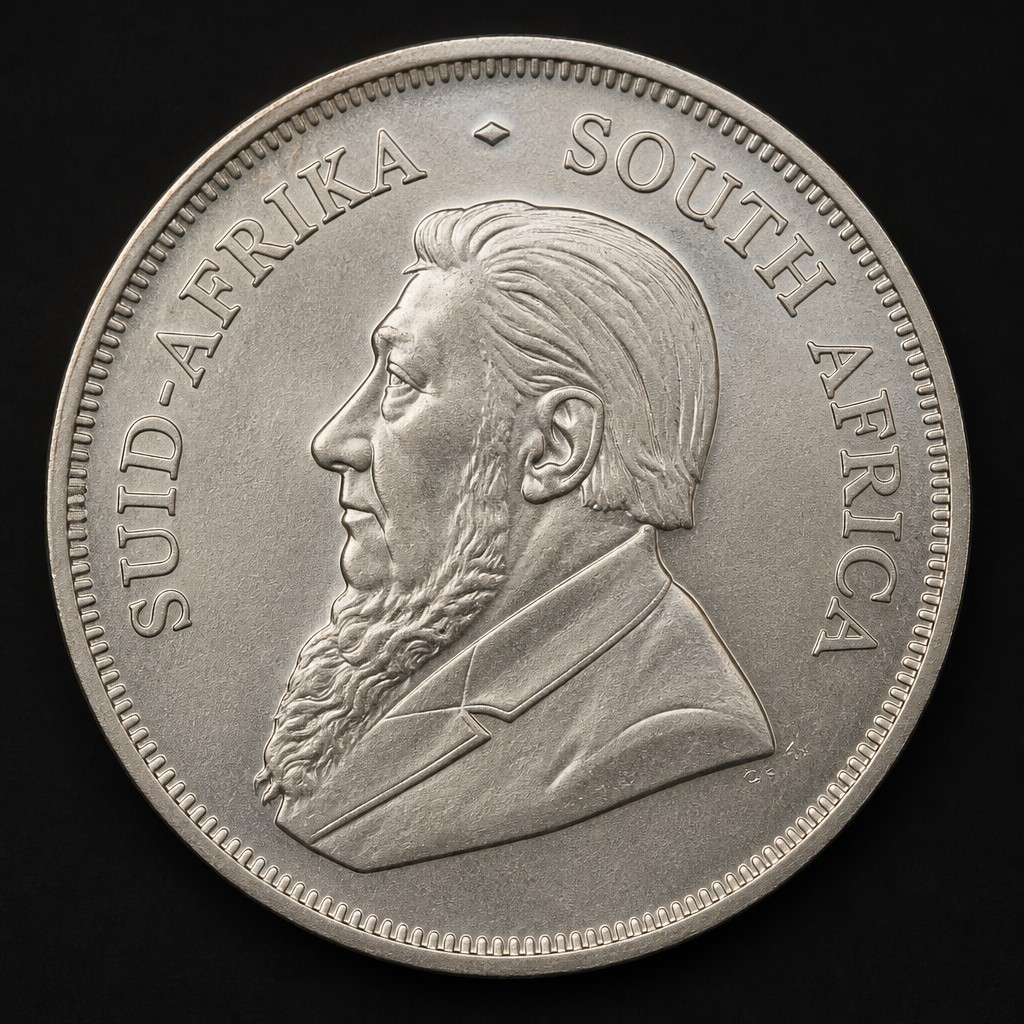
South African Silver Krugerrand
The silver version of the world-famous Krugerrand, launched in 2017 to mark the gold coin's 50th anniversary, using the same Kruger and springbok design.
Bullion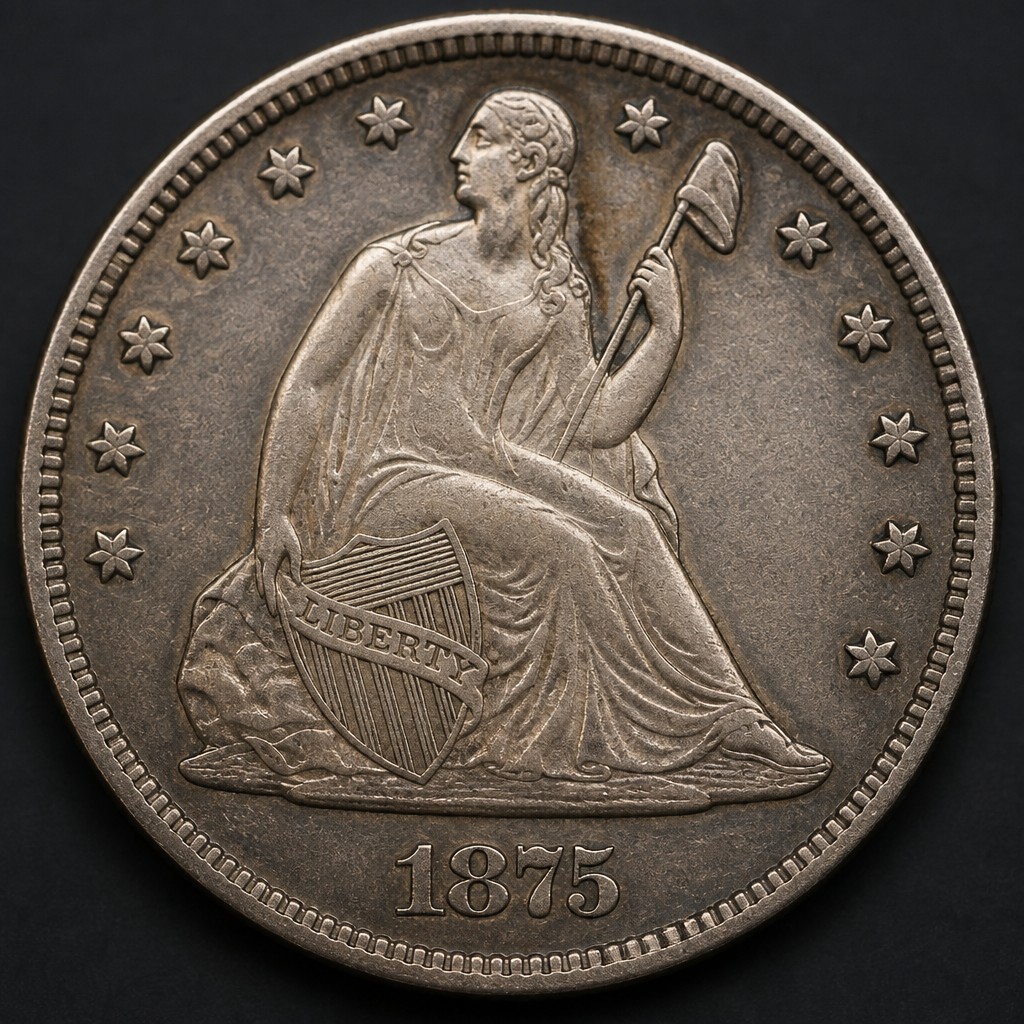
1875-S Twenty-Cent Piece
The most commonly encountered date in the short-lived US twenty-cent piece series, struck in large numbers at San Francisco in the coin's debut year.
United States