
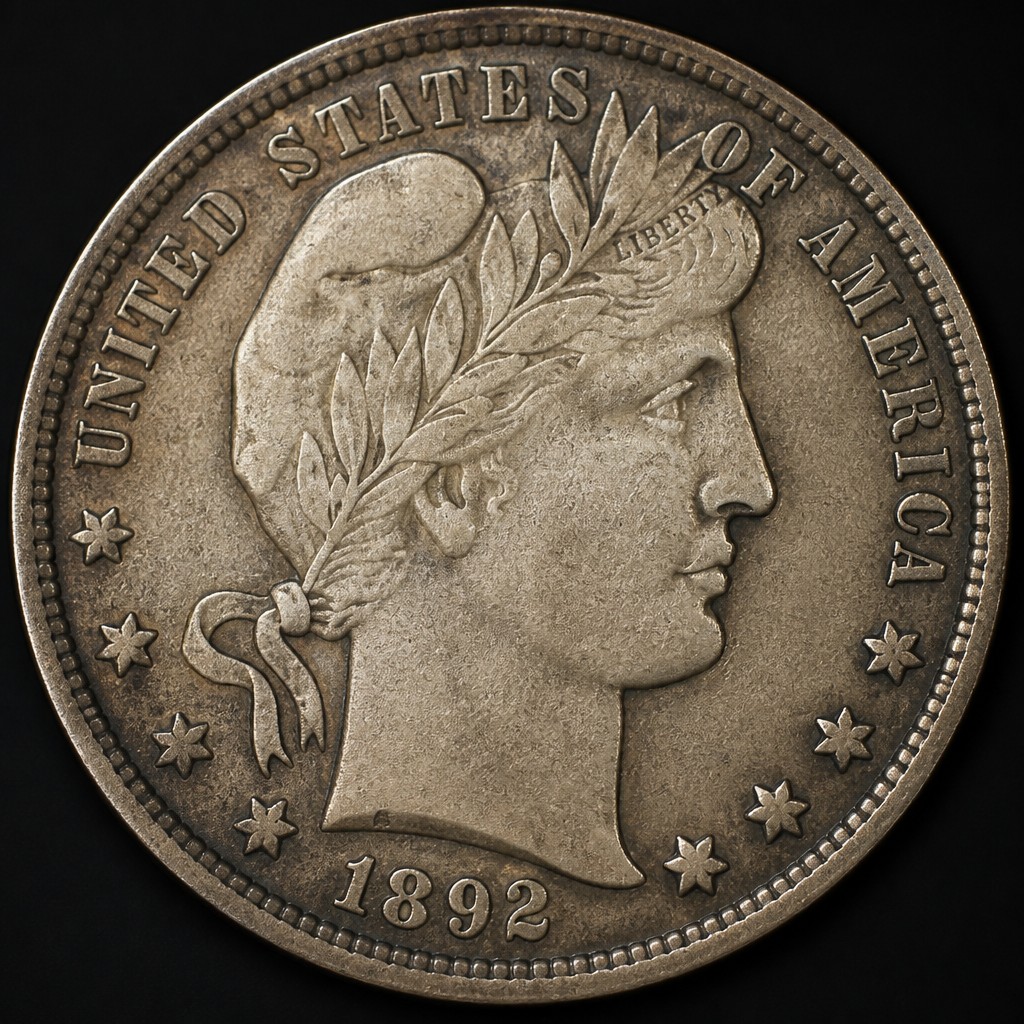
1892 Barber Half Dollar
First-year issue of Charles Barber's Liberty Head half dollar, with the 1892-O and 1892-S branch mint coins notably scarcer than the Philadelphia strike.
- Country
- United States
- Denomination
- Half Dollar
- Metal
- 90% Silver, 10% Copper
Got a coin like this?
Identify any coin from a photo, free.
Overview
The 1892 half dollar introduced the Barber, or Liberty Head, design that would serve through 1915. As a first-year coin, it draws interest from type collectors, while the lower branch-mint mintages give 1892-O and 1892-S added appeal to date collectors.
Compared to the artistically celebrated Walking Liberty design that followed it, the Barber half is more restrained and classical in style, reflecting the taste of Mint Chief Engraver Charles E. Barber.
History & Background
By the early 1890s, the Seated Liberty design had been in use for decades, and the Mint sought a fresh, modern look for its silver coinage. Charles Barber, the Mint's chief engraver, produced the new obverse and reverse used across the dime, quarter, and half dollar beginning in 1892.
The design proved serviceable but was never as beloved by the public or by later collectors as the Seated Liberty or Walking Liberty motifs that bookended it.
How to Identify
Obverse: A right-facing Liberty head wears a laurel wreath cap inscribed "LIBERTY" on the headband, with stars surrounding the portrait and the date below.
Reverse: A heraldic eagle with a shield on its breast, holding arrows and an olive branch, with "UNITED STATES OF AMERICA," "HALF DOLLAR," and "E PLURIBUS UNUM."
Mintmarks, when present, sit on the reverse below the eagle, above the "D" in "DOLLAR." A small number of 1892-O half dollars are known with a distinctively small "micro O" mintmark, a variety collectors specifically look for.
Value & Collectibility
The Philadelphia 1892 is affordable in worn grades but carries a first-year premium in better condition. The New Orleans and San Francisco issues are significantly scarcer, and the micro-O variety in particular draws strong collector interest and correspondingly higher prices; well-preserved examples of any 1892 half can be quite valuable.
Frequently asked questions
What is a 'micro O' 1892 half dollar?
It is a New Orleans variety struck with an unusually small "O" mintmark punch, considered scarcer and more valuable than the normal 1892-O.
Who designed the Barber half dollar?
Charles E. Barber, chief engraver of the US Mint, designed the coin that bears his name.
Which 1892 half dollar is hardest to find?
The San Francisco and New Orleans issues, especially the micro-O variety, are notably scarcer than the Philadelphia strike.
Other coins you may enjoy
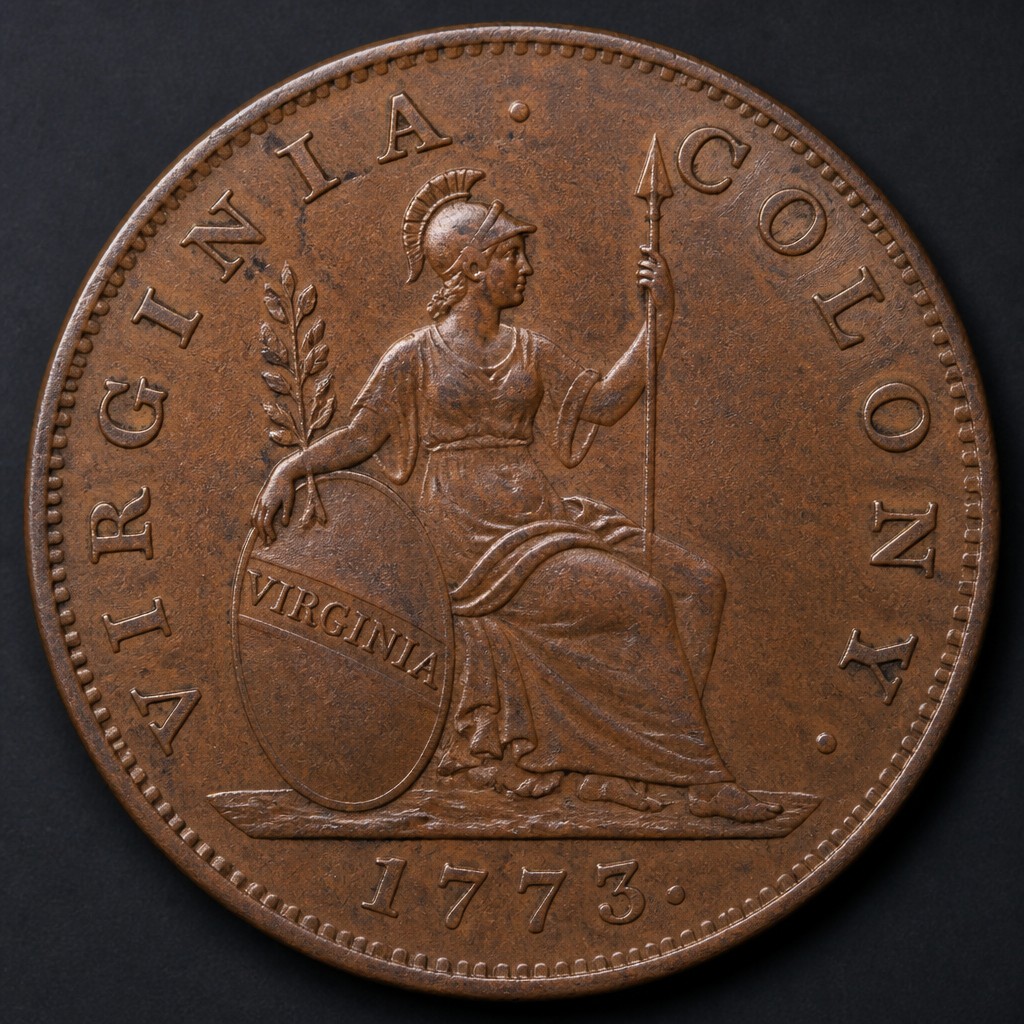
Virginia Halfpenny
1773
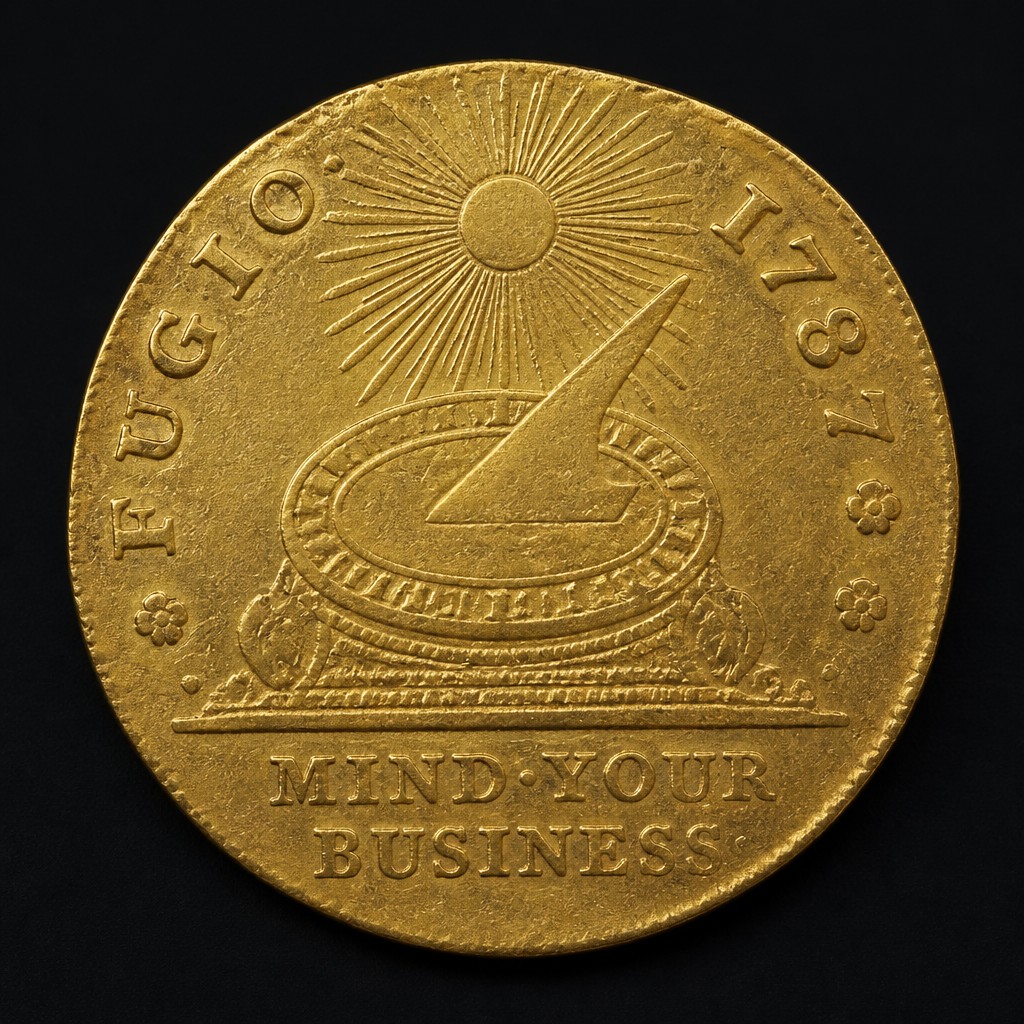
Brasher Doubloon
1787
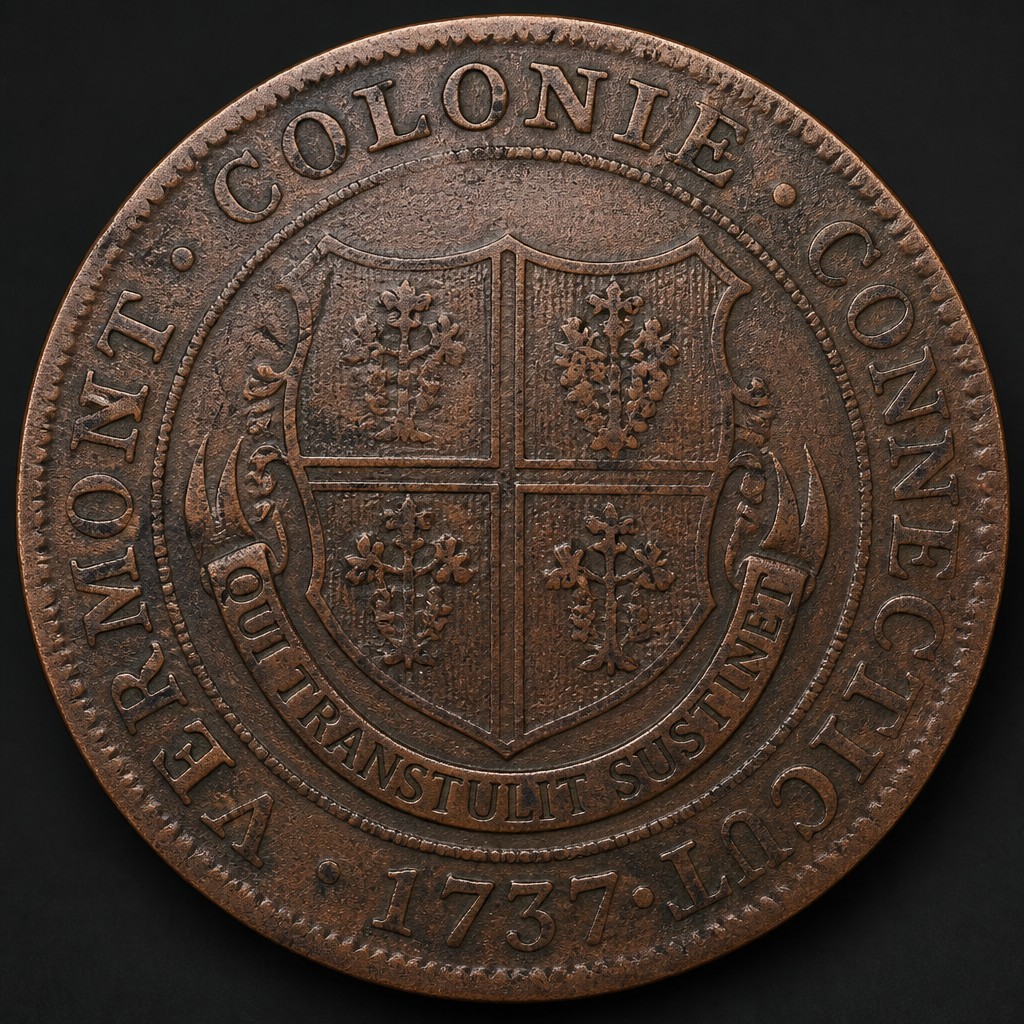
Higley Copper
1737–1739
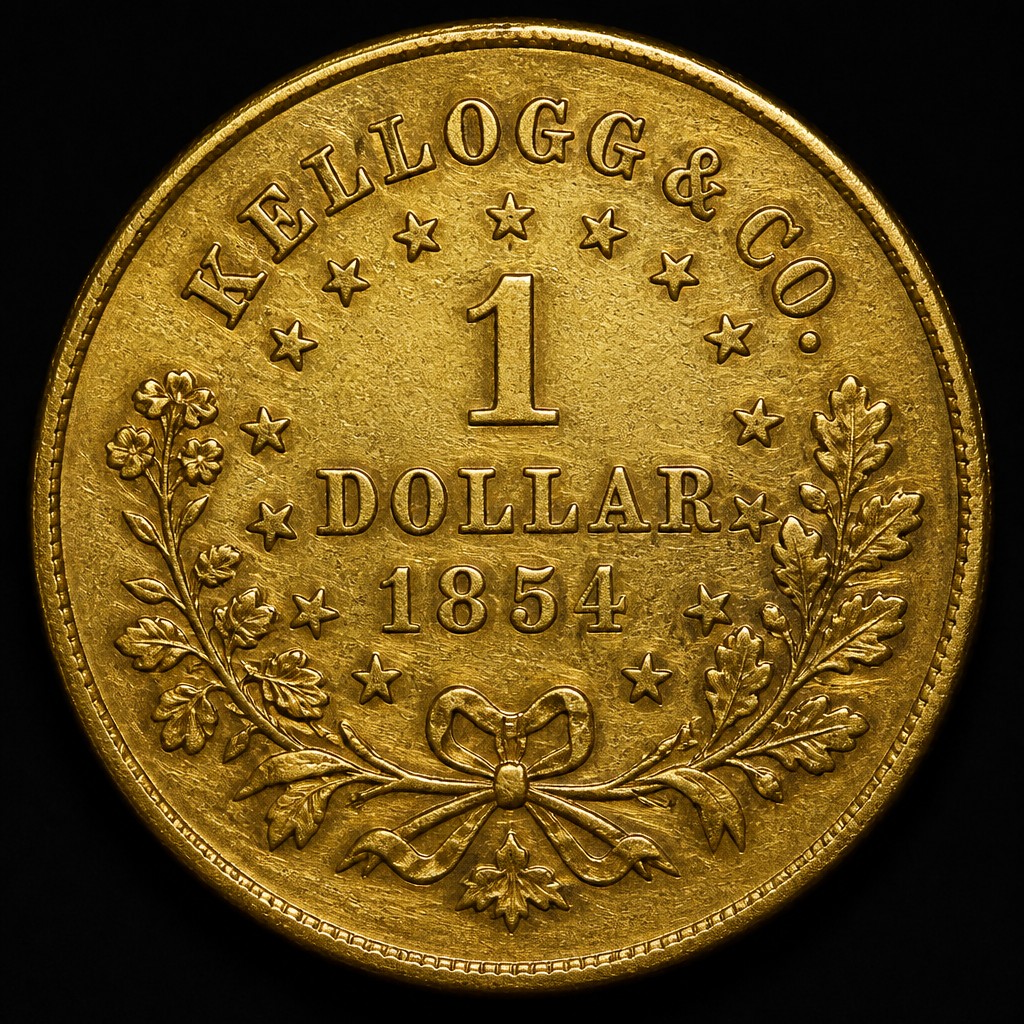
Kellogg & Co. Gold Piece
1854–1855
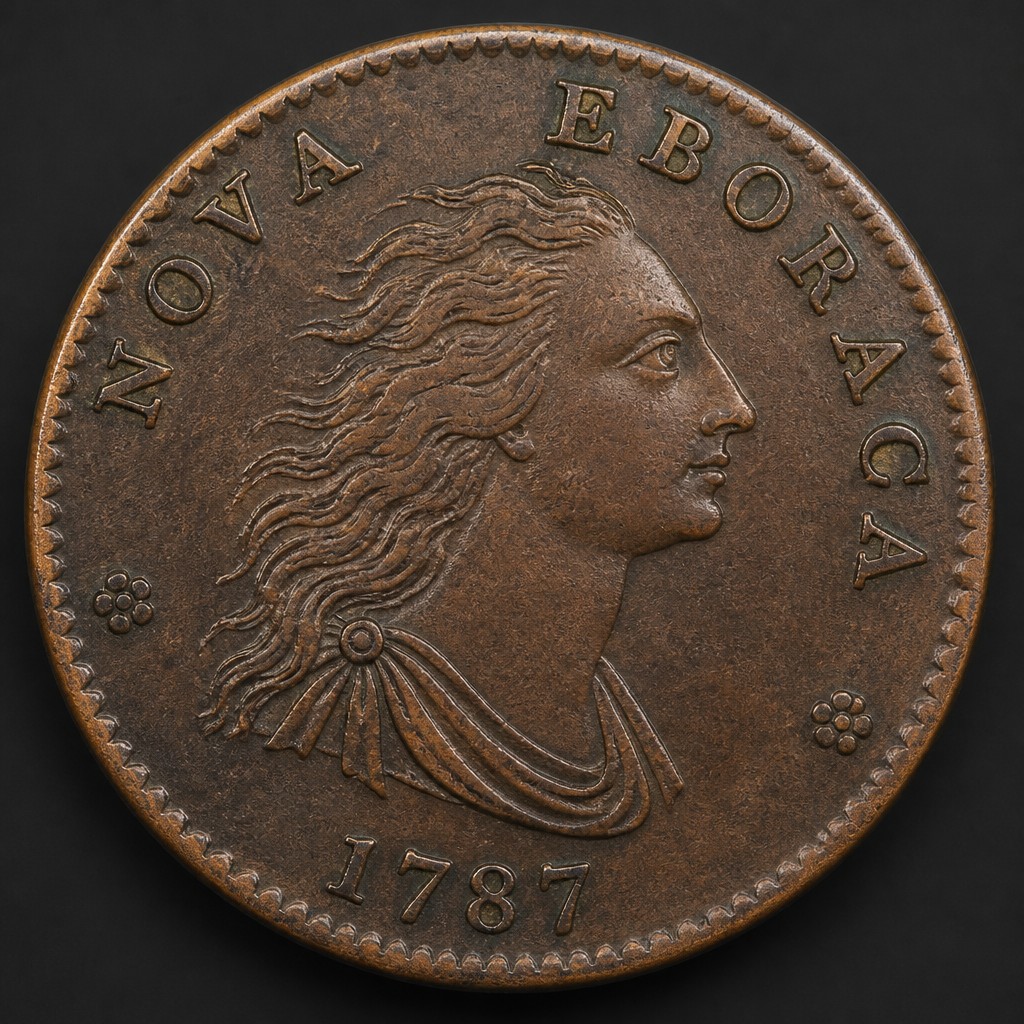
Nova Eborac Copper
1787
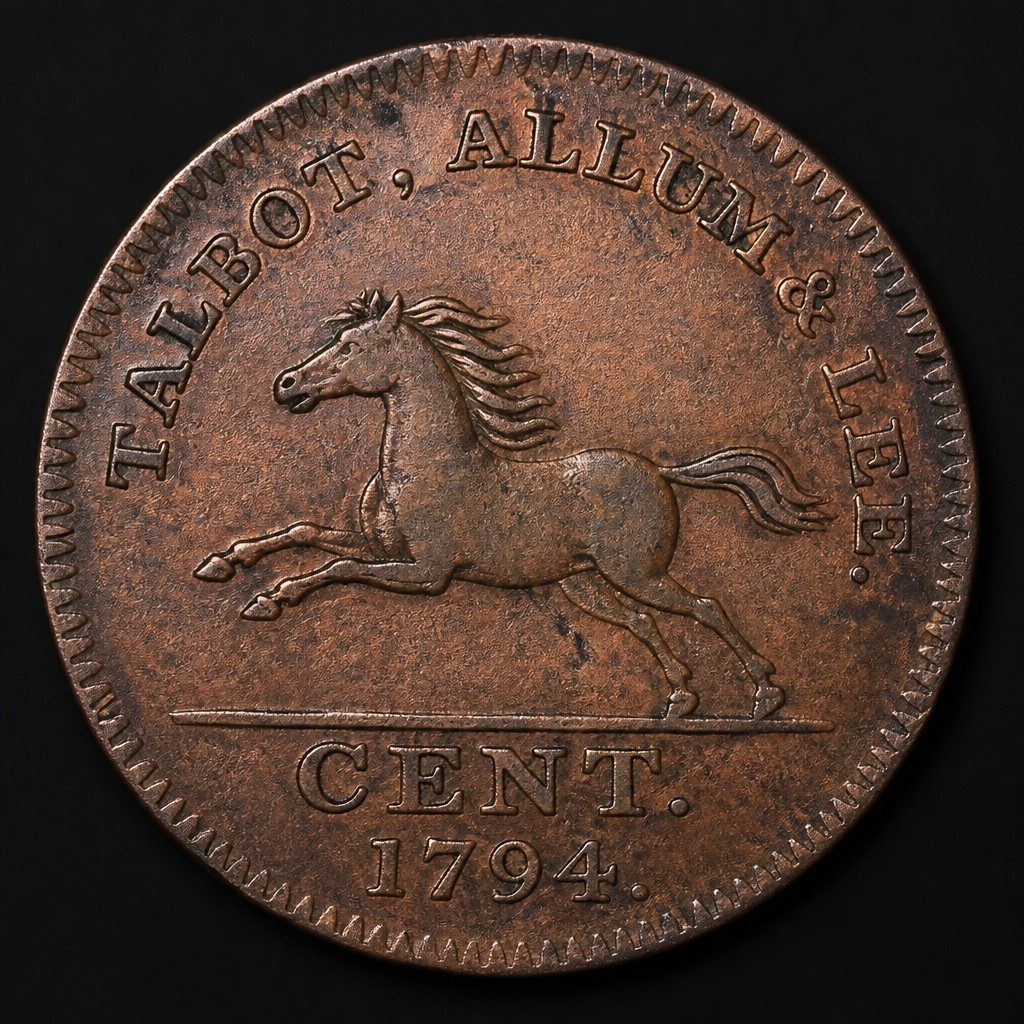
Talbot, Allum & Lee Cent
1794–1795
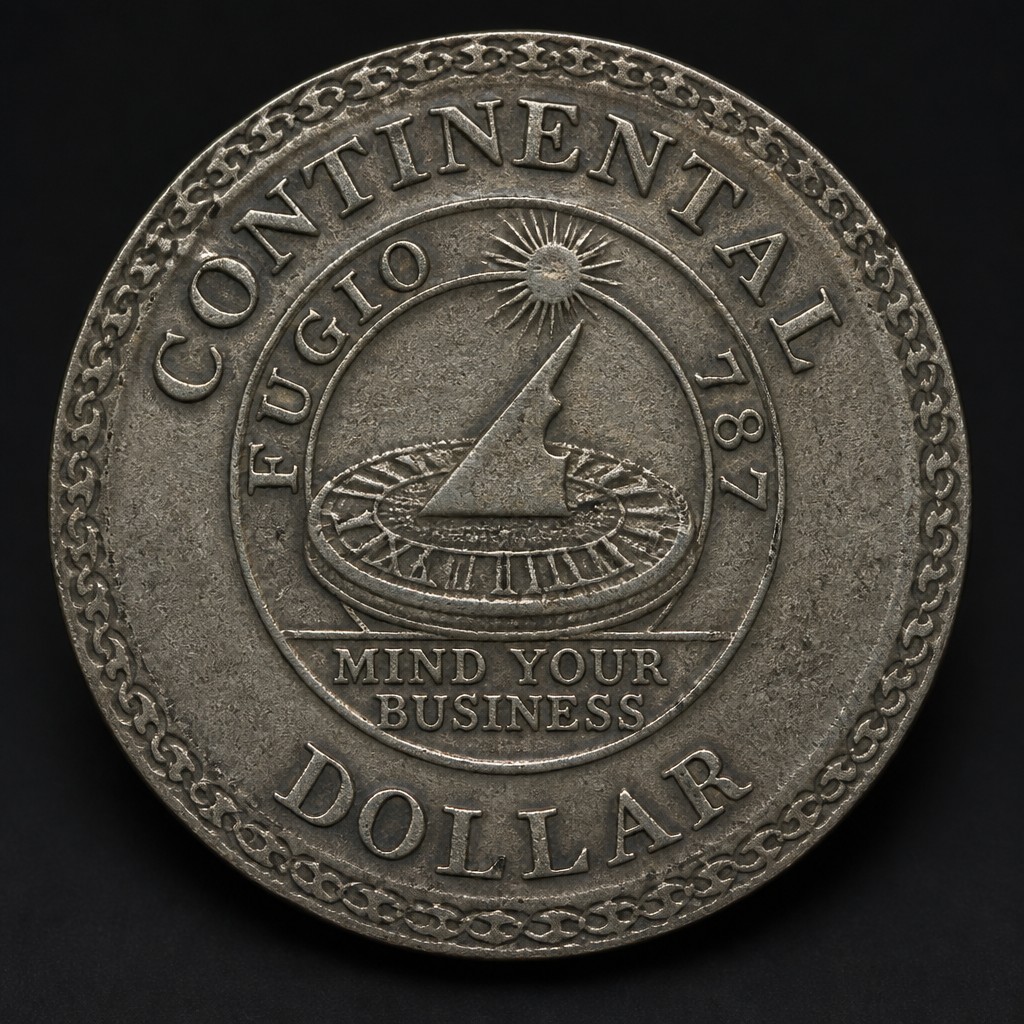
Continental Dollar
1776
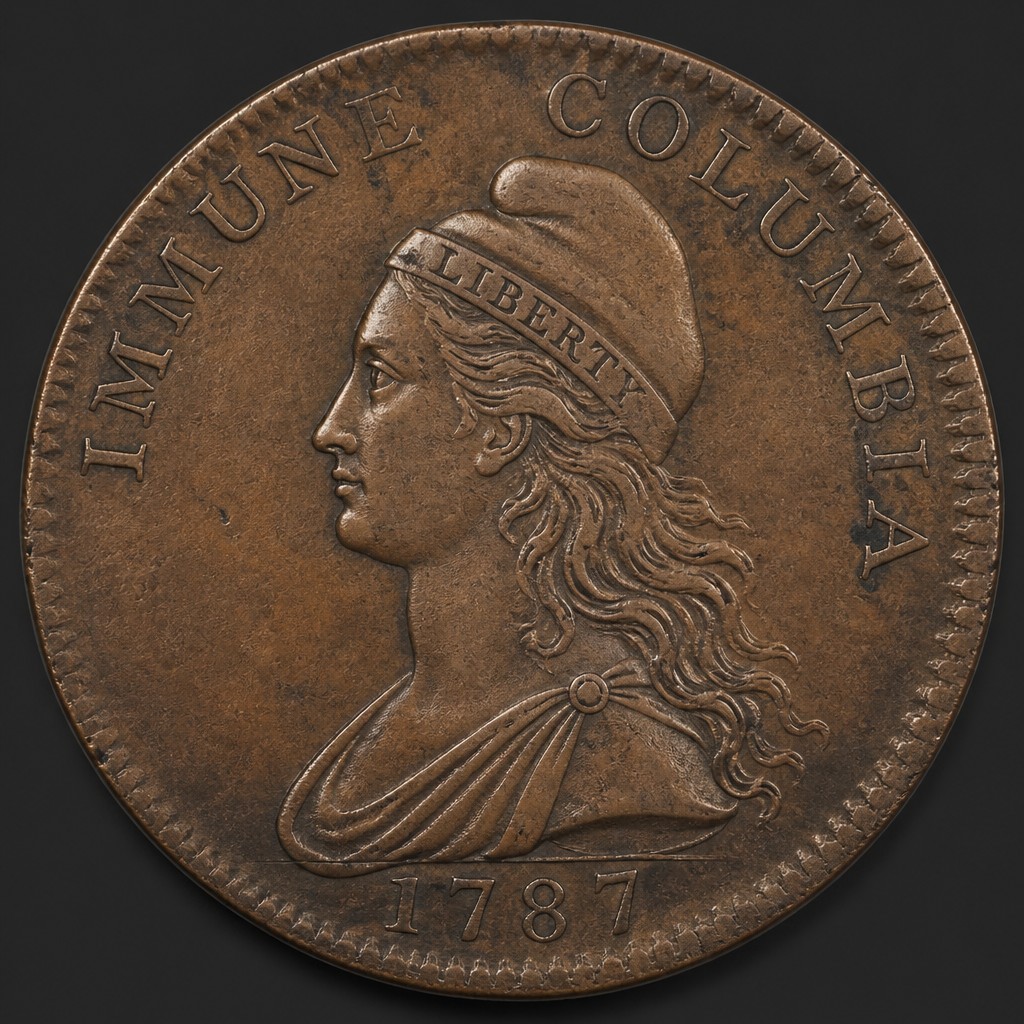
Immune Columbia Copper
circa 1785–1787
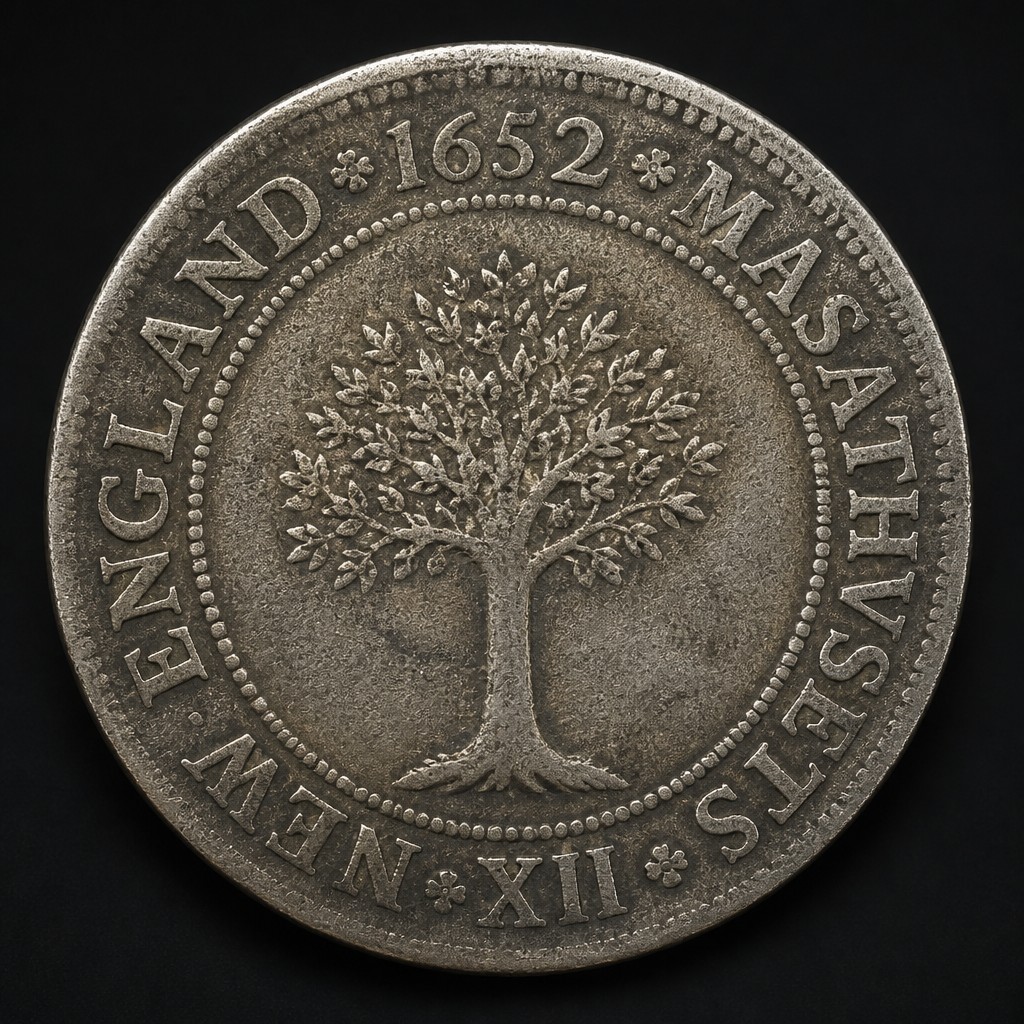
Massachusetts Oak Tree Shilling
Dated 1652, struck circa 1660–1667
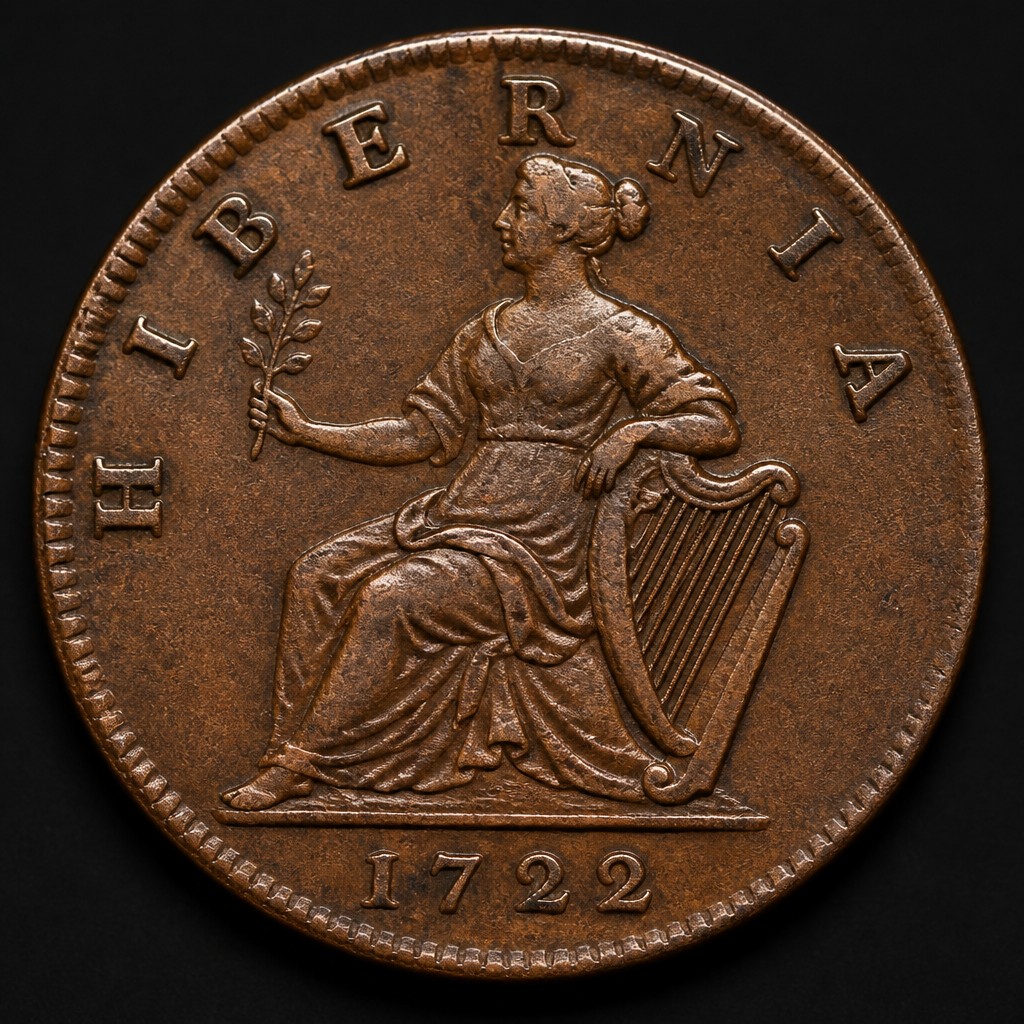
Wood's Hibernia Halfpenny
1722–1724
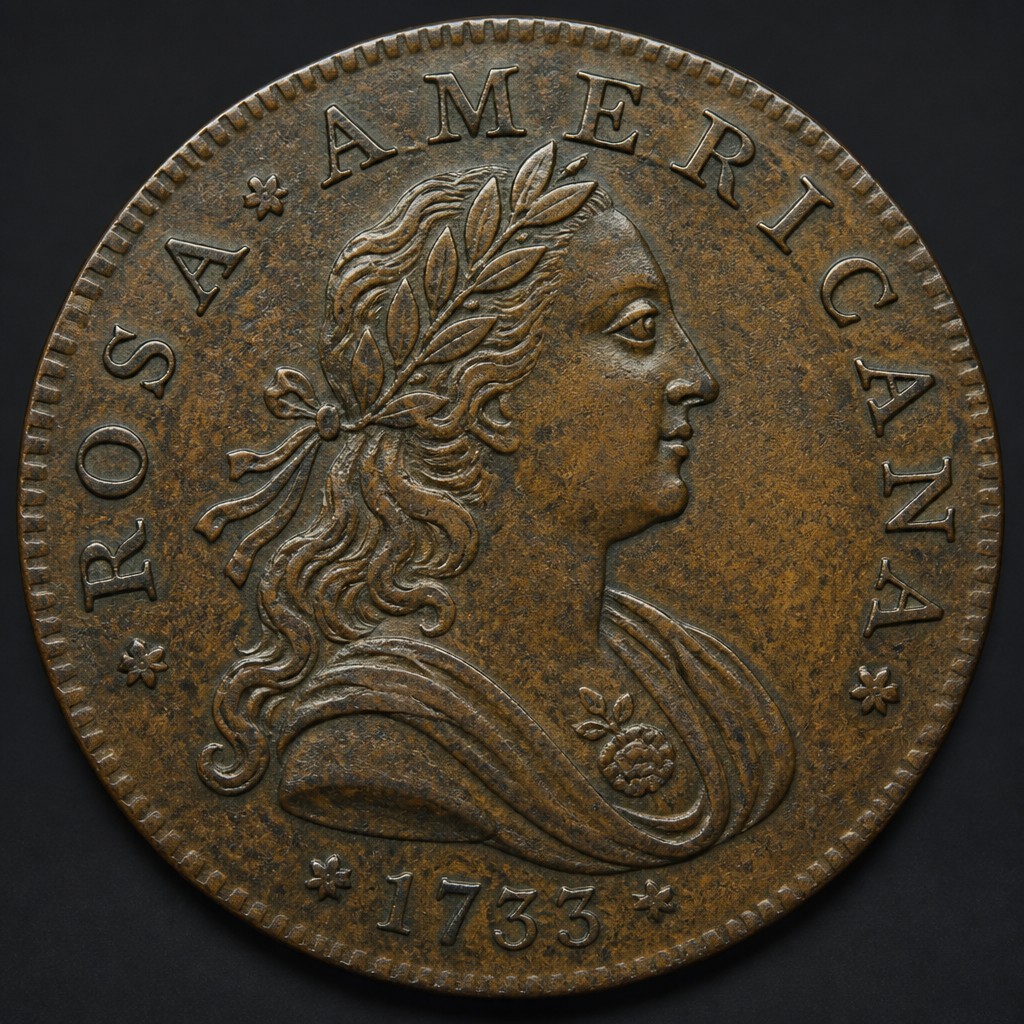
Rosa Americana Coinage
1722–1724 (with pattern issues dated 1733)
Massachusetts Willow Tree Shilling
Dated 1652, struck circa 1653–1660