
Coin Encyclopedia
Search and identify coins from around the world — with country, denomination, metal, mint, history, and how to tell them apart.
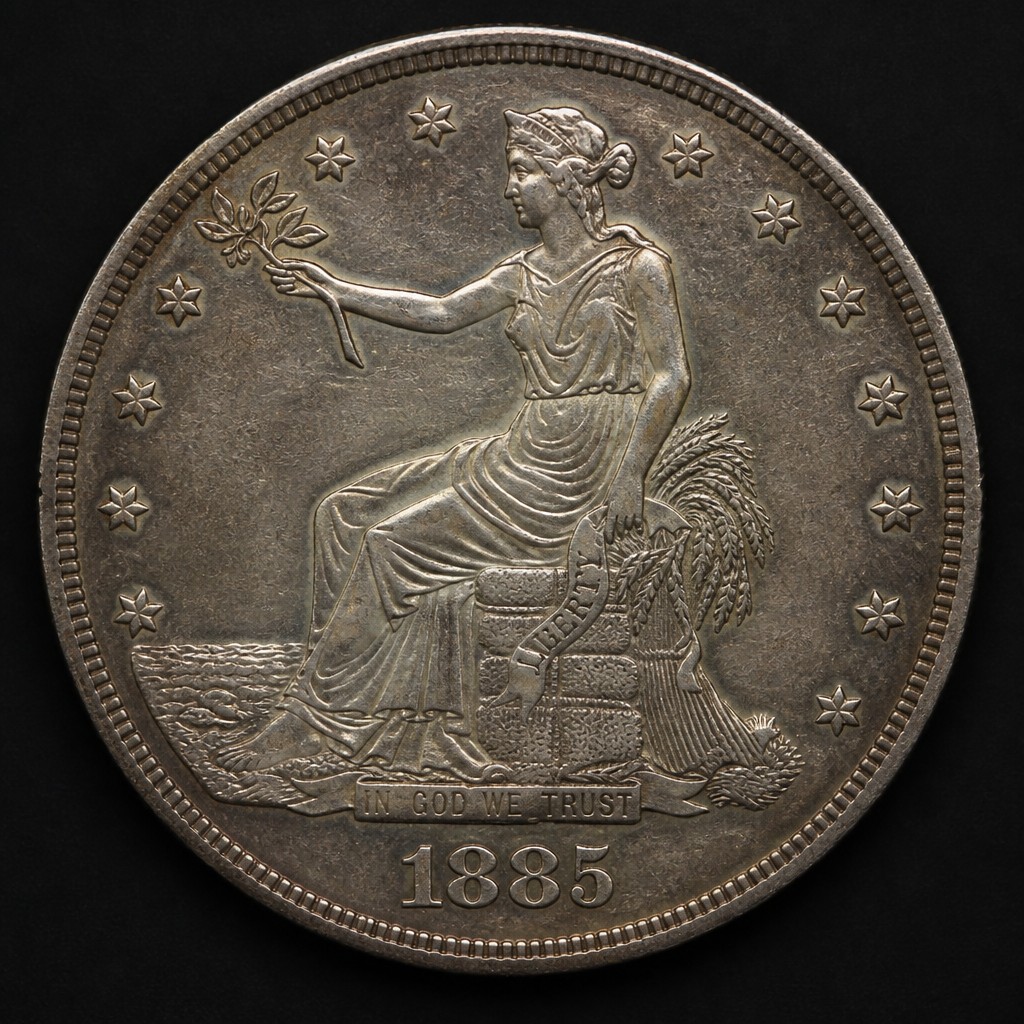
1885 Trade Dollar
One of the rarest official United States coins, a proof-only issue struck years after the Trade dollar series had officially ended, with only a handful of examples known.
United States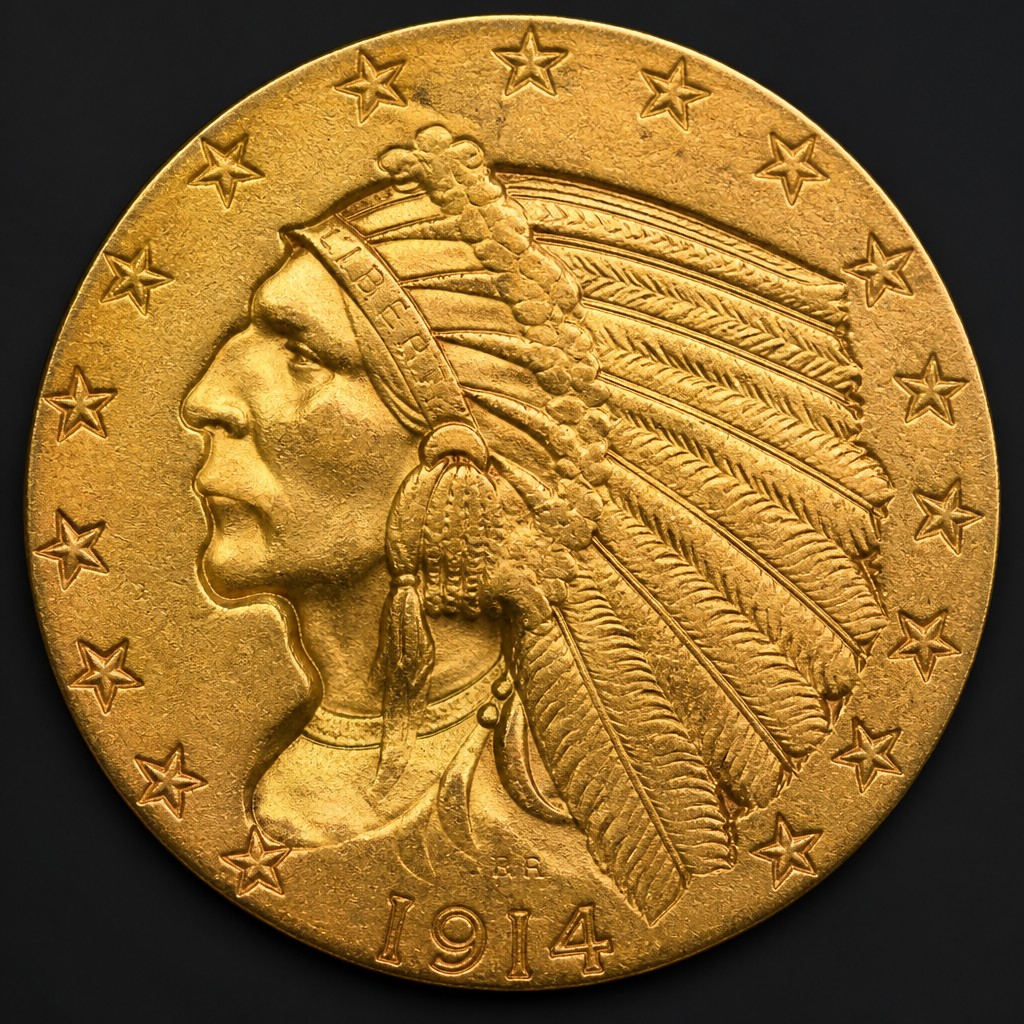
Indian Head Quarter Eagle ($2.50)
A small gold coin featuring Bela Lyon Pratt's distinctive incuse Native American design, one of only two U.S. denominations ever struck with recessed devices.
United States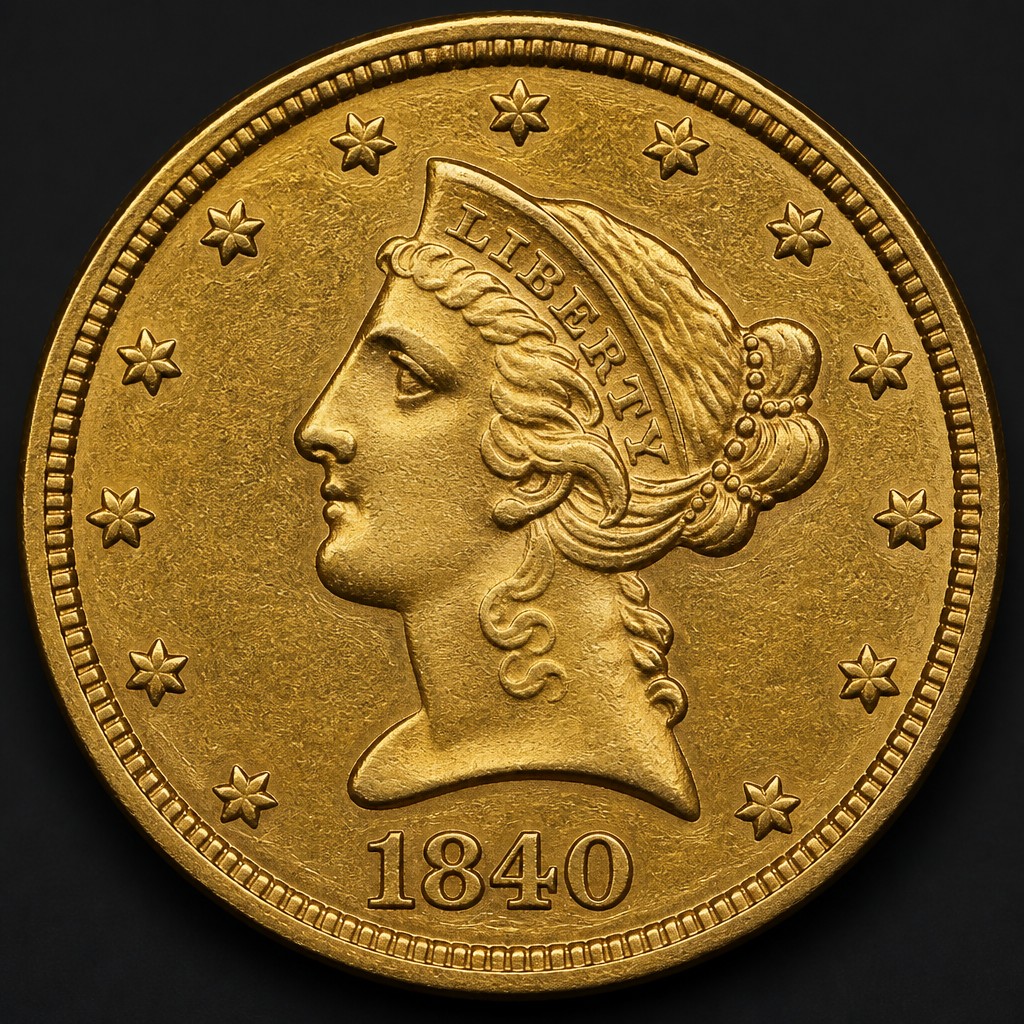
Liberty Head Quarter Eagle ($2.50)
A small 19th-century gold coin featuring Christian Gobrecht's Coronet Head design, minted across many branch facilities during America's gold rush era.
United States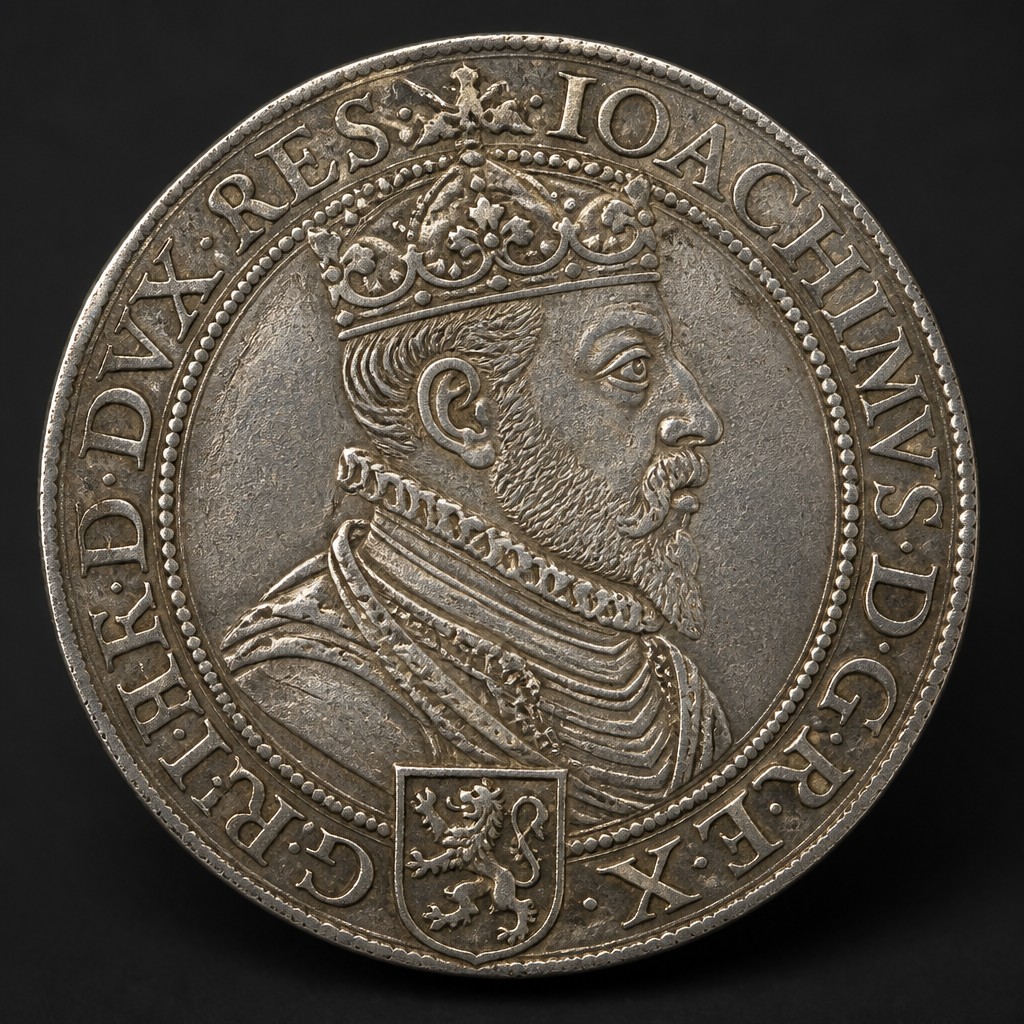
Joachimsthaler
Struck beginning in 1520 in the Bohemian silver-mining town of Joachimsthal, this large silver coin gave its name, shortened to 'thaler' and later 'dollar,' to countless currencies around the world.
European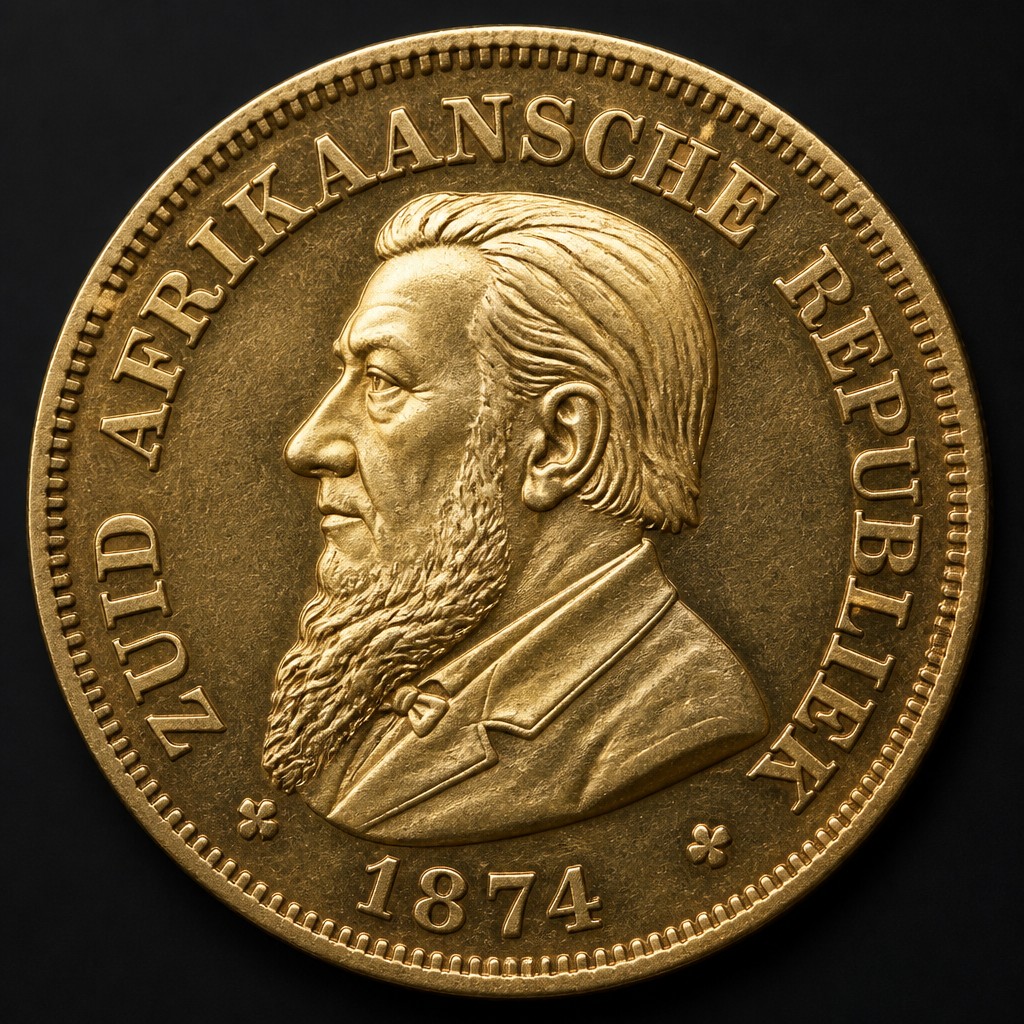
South African Republic Burgers Pond
The first coin struck for an independent South African state, issued in 1874 under President Thomas Burgers of the Transvaal, famous for its 'coarse beard' and 'fine beard' portrait varieties.
Africa & Oceania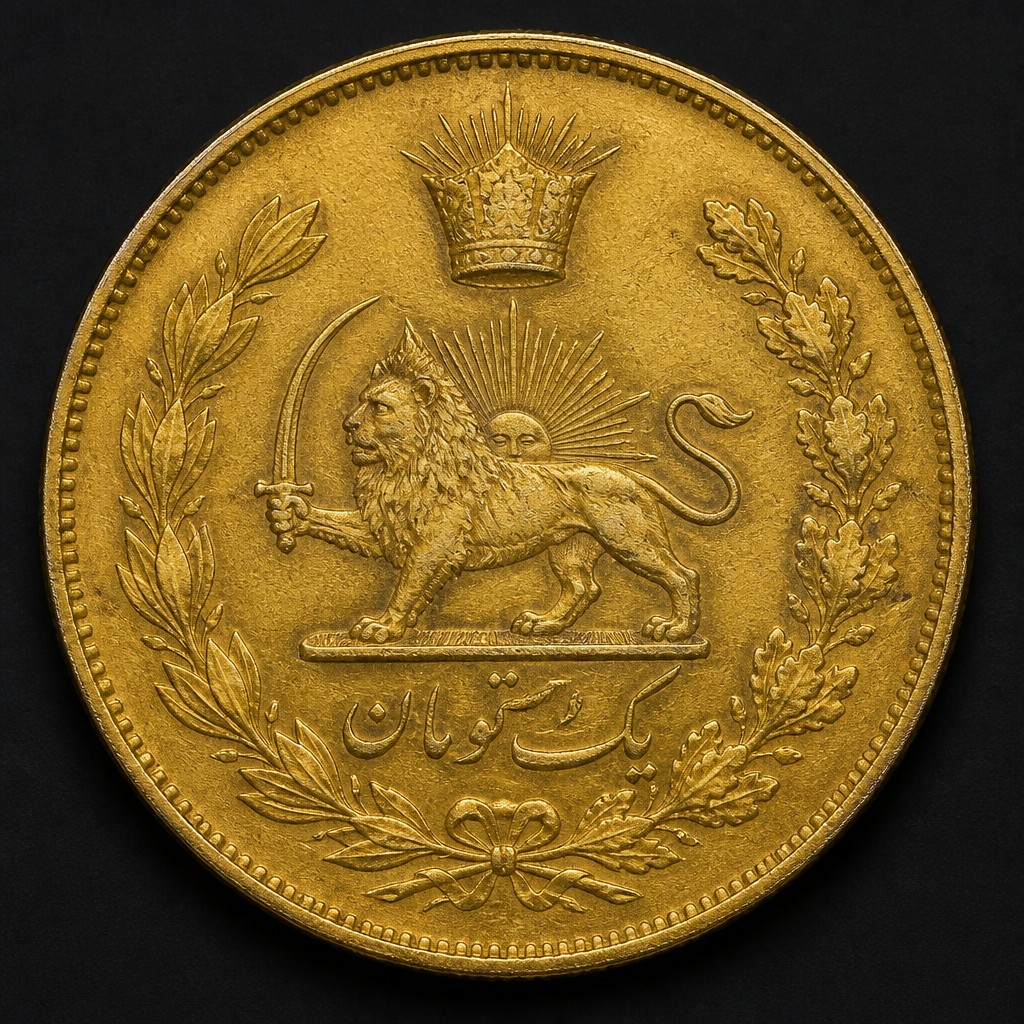
Persian Gold Toman (Qajar)
The principal gold coin of Qajar Persia, valued at ten silver kran, struck under a succession of shahs from the late 18th century until the dynasty's end in 1925.
Asian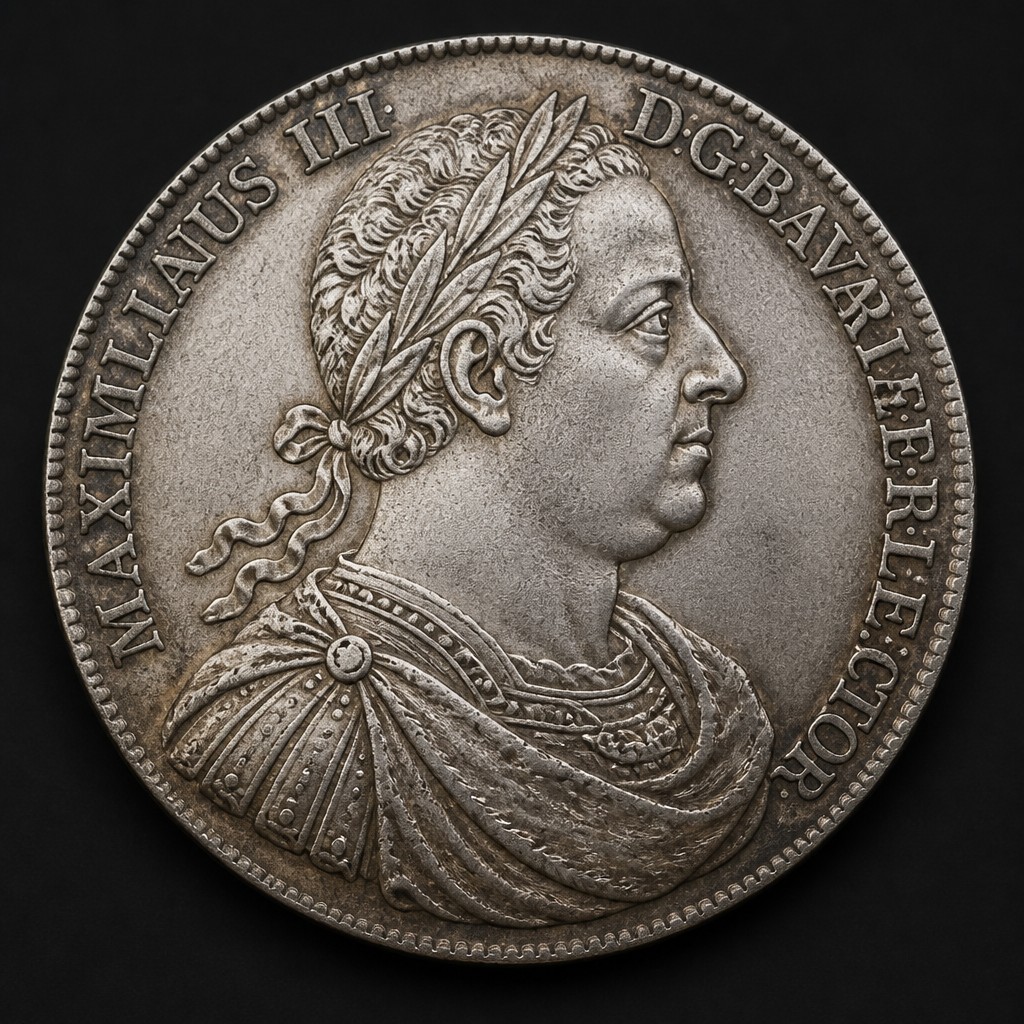
Bavaria Thaler
The historic large silver coin of Bavaria, struck across centuries by its electors and kings, capturing the state's political and artistic history until Germany's currency unification in the 1870s.
European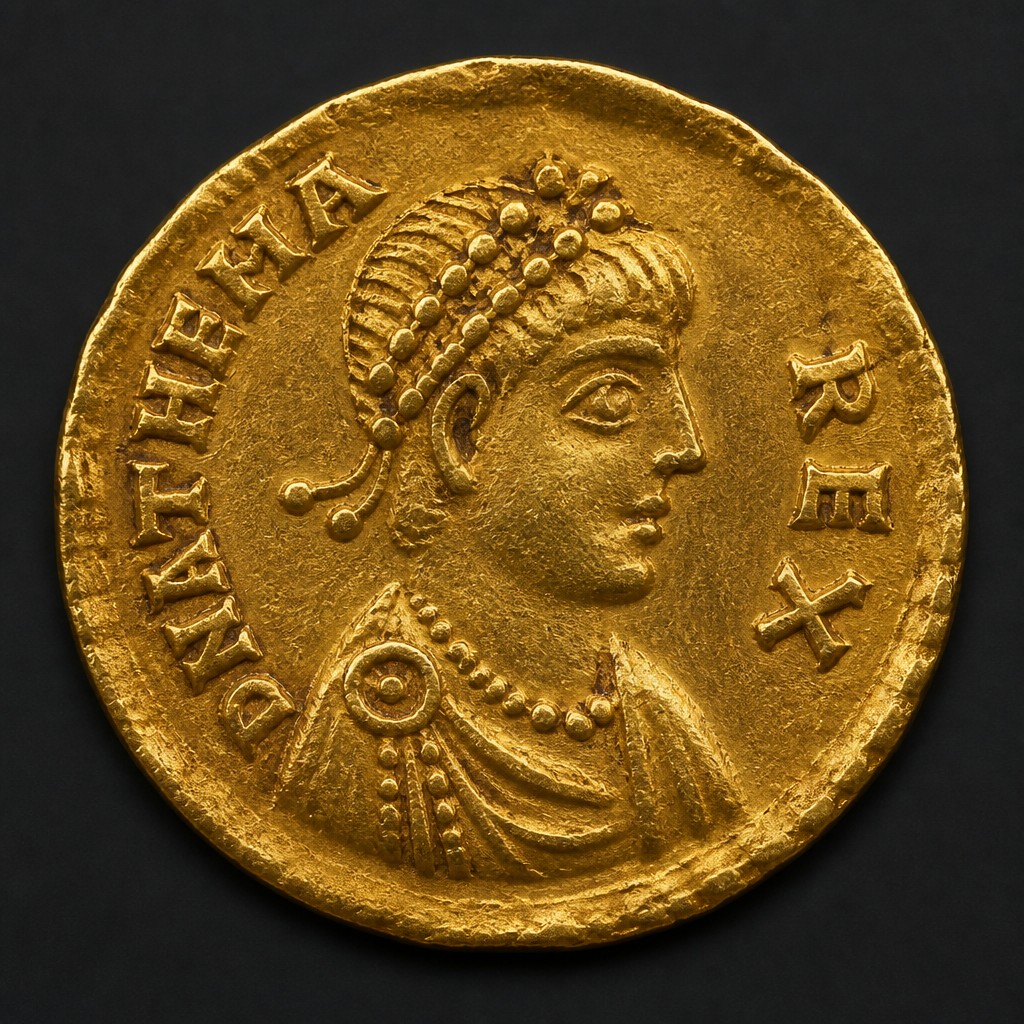
Visigothic Gold Tremissis
Small gold coin of the Visigothic kings of Spain, evolving from crude imitations of Roman/Byzantine coinage into the first distinctly national royal coinage of post-Roman Western Europe.
European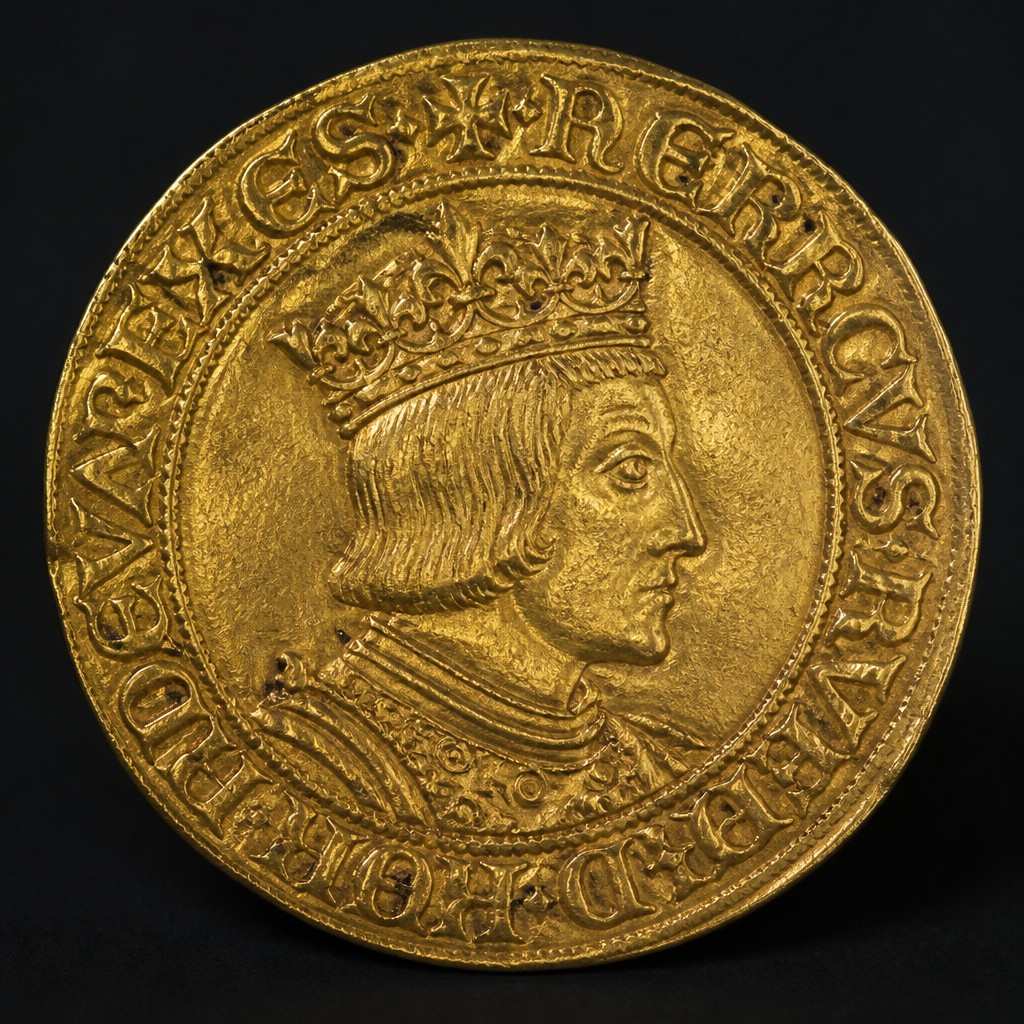
English Sovereign of Henry VII
The first English sovereign, introduced by Henry VII in 1489 as a large, prestigious gold coin showing the king enthroned in majesty, meant to project royal power after the Wars of the Roses.
British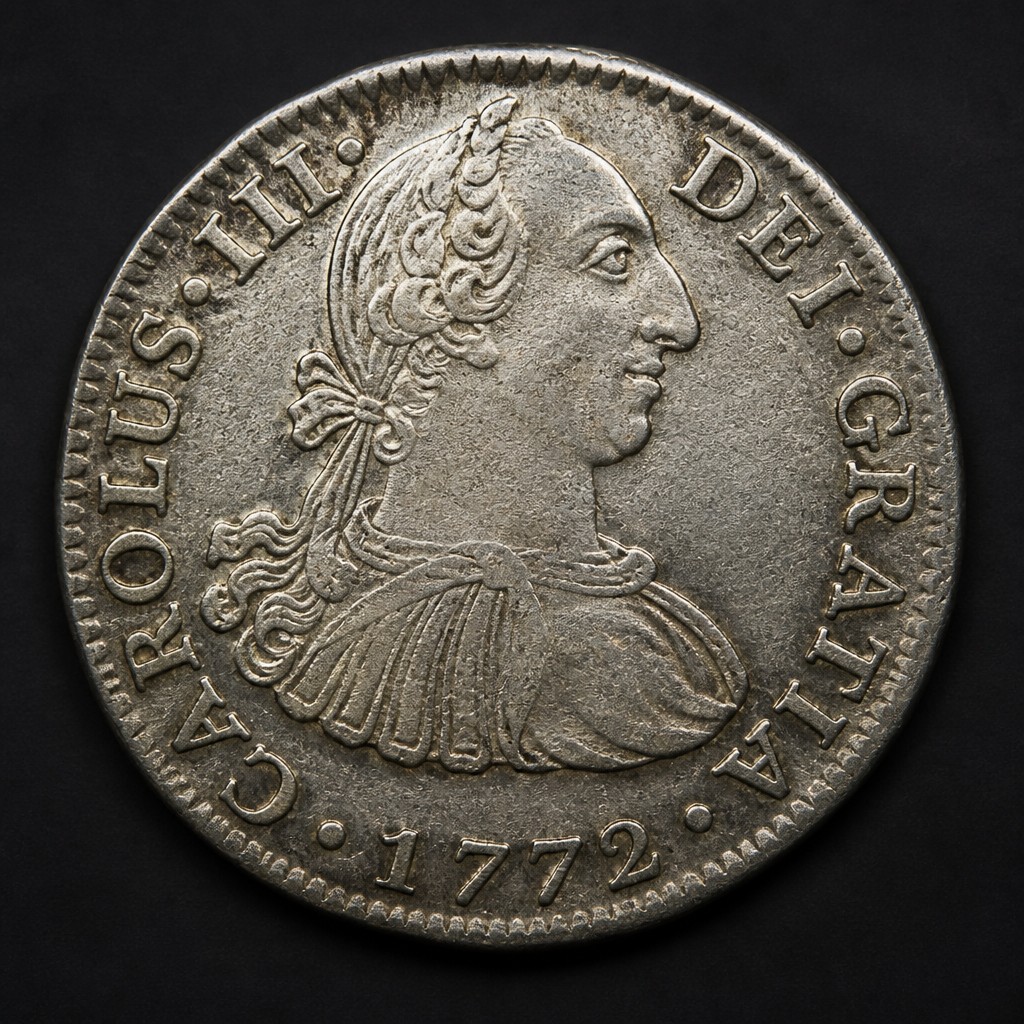
Spanish 2 Reales Pillar
The Pillar 2 Reales was a fractional Spanish colonial silver coin featuring the famous Pillars of Hercules design, struck at mints across Spanish America and widely used in international trade.
Latin American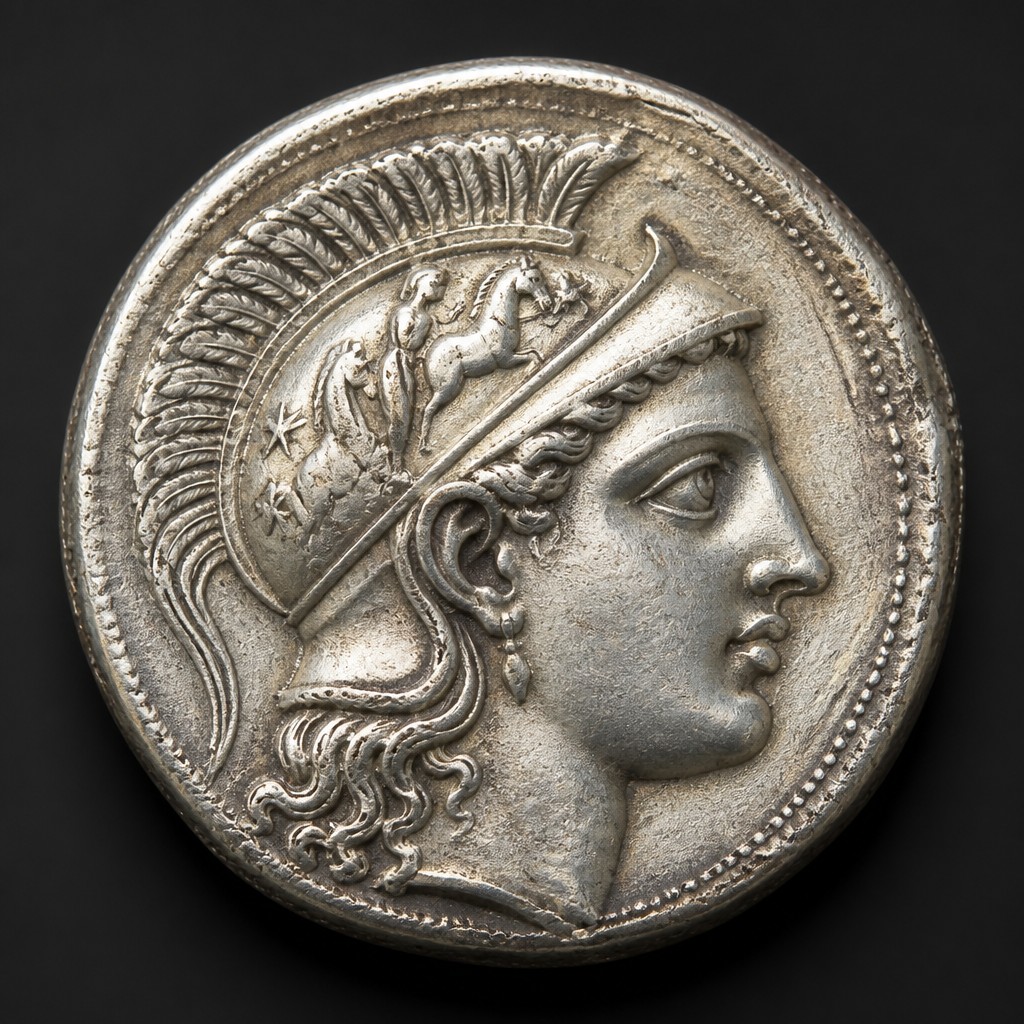
Syracuse Decadrachm
A large, exquisitely engraved silver coin from the Greek city of Syracuse, celebrated as one of the finest achievements of ancient Greek numismatic art, featuring the nymph Arethusa and a victorious chariot.
Ancient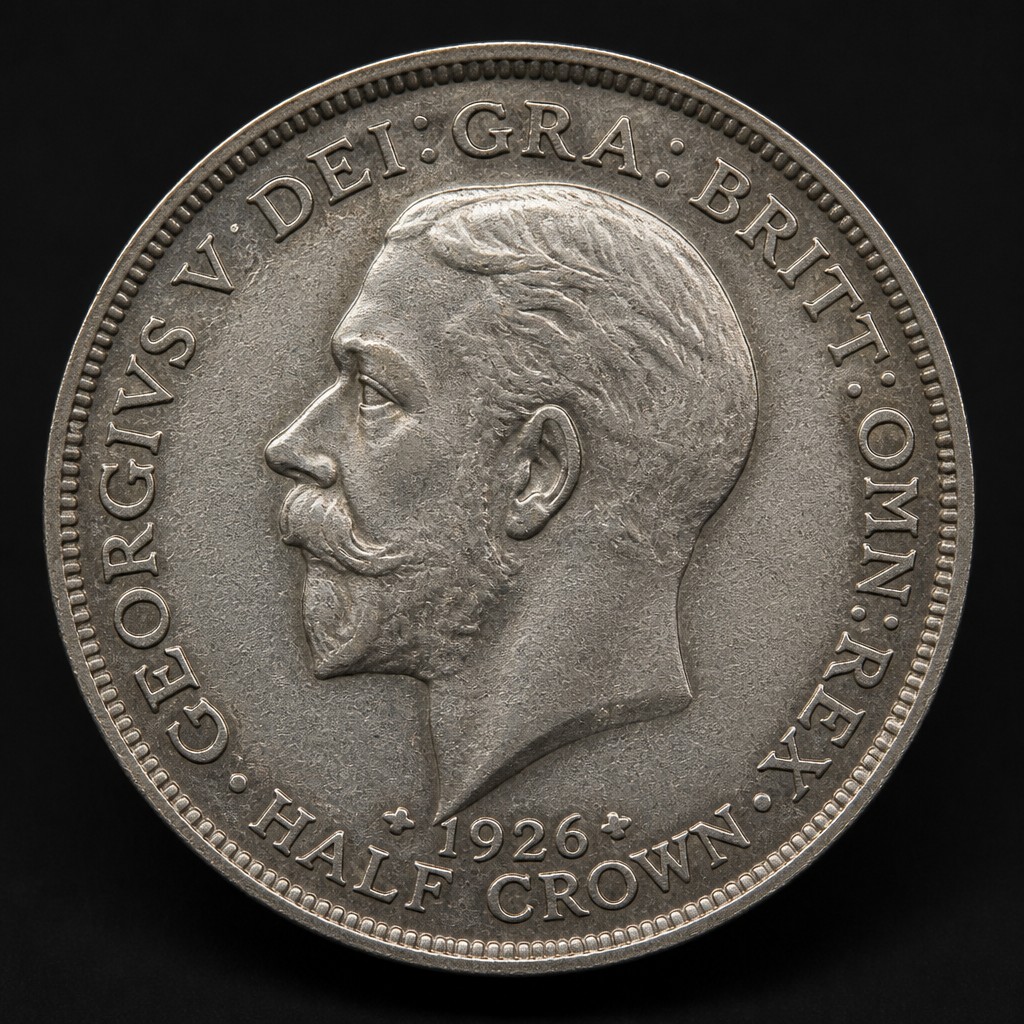
Half Crown
A long-lived British coin worth one-eighth of a pound, struck from the Tudor era until decimalisation in 1970, valued today mainly for its portraits and design variety.
British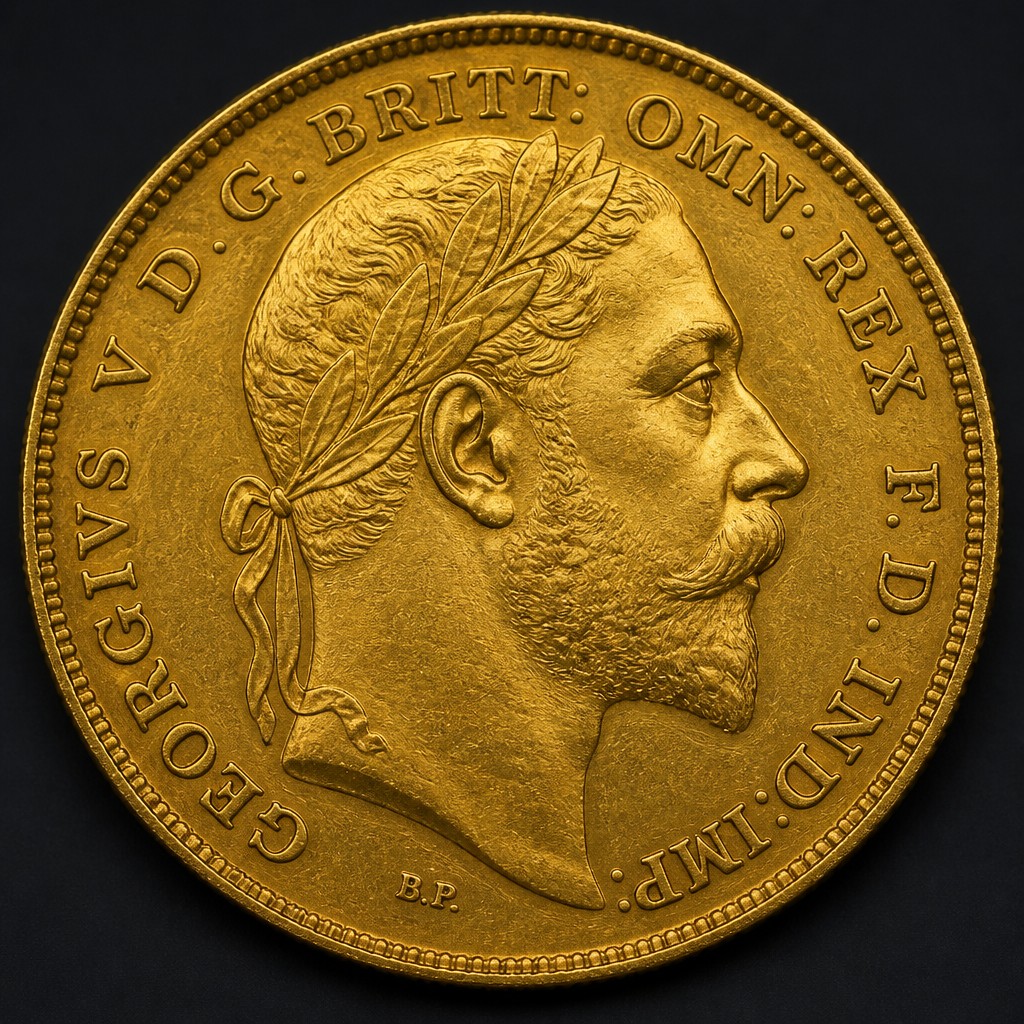
Two Pound Gold (Double Sovereign)
A gold coin worth two pounds sterling and roughly twice the weight of a sovereign, struck mainly for jubilees, coronations, and modern proof or bullion sets rather than daily circulation.
British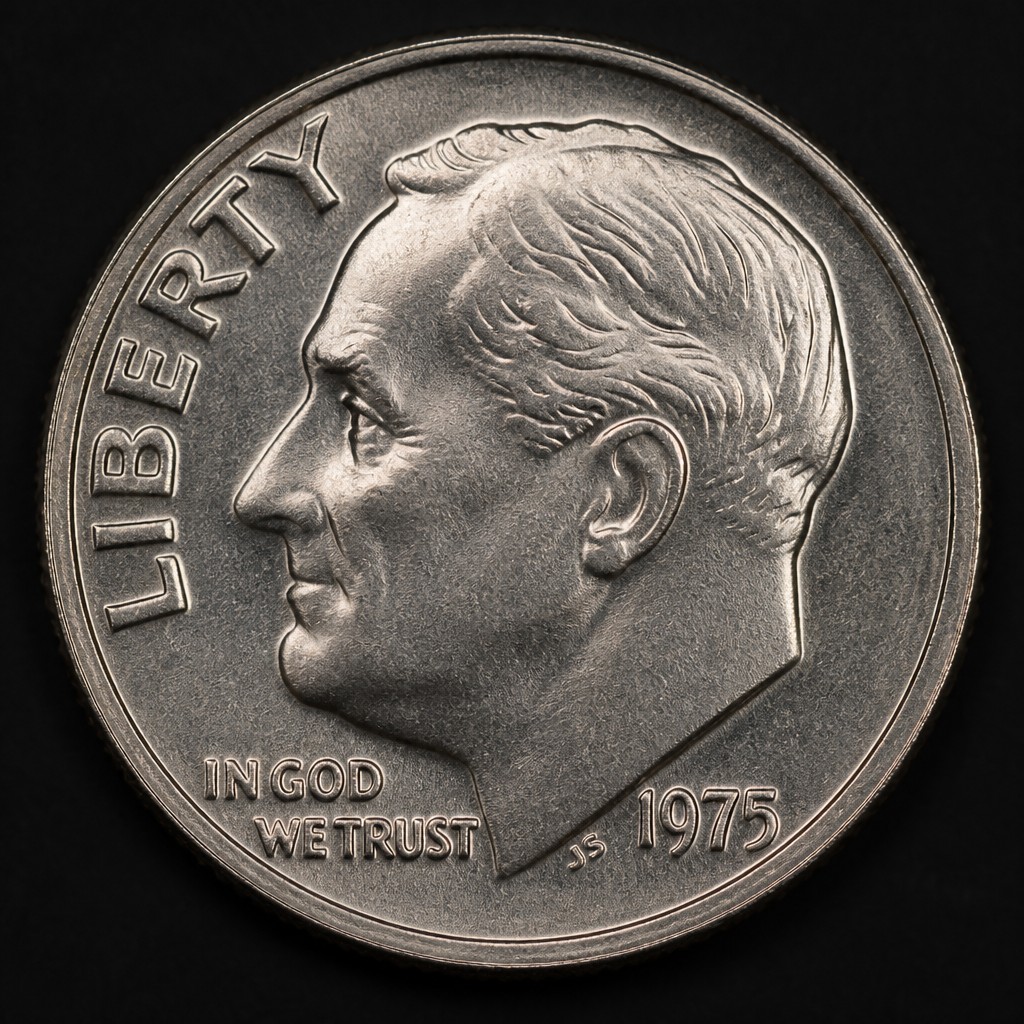
1975 No S Proof Roosevelt Dime
One of the rarest and most valuable modern US coin errors: a 1975 proof dime struck without its San Francisco 'S' mintmark, with only a handful of examples known.
Errors & Varieties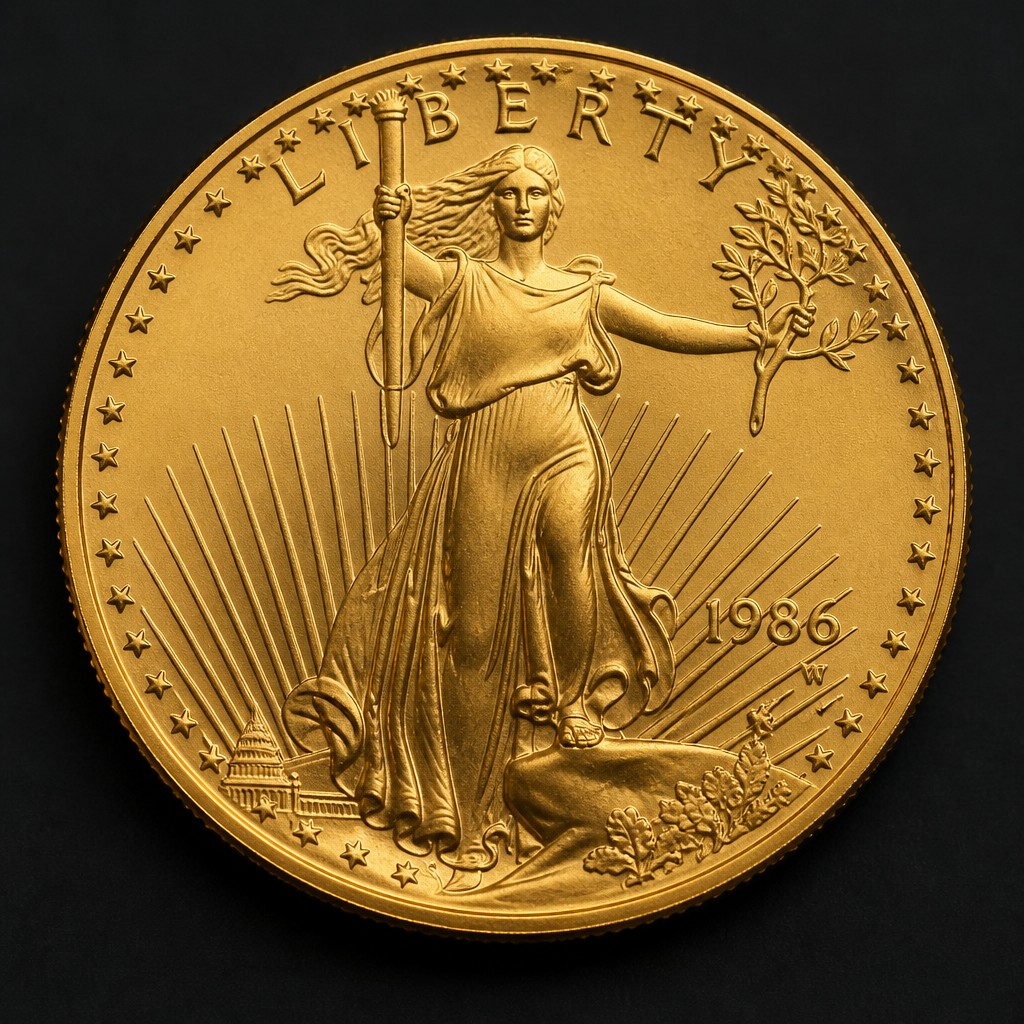
American Gold Eagle
The official U.S. gold bullion coin series since 1986, pairing Augustus Saint-Gaudens' famous Liberty design with a family-of-eagles reverse, issued in four sizes.
Bullion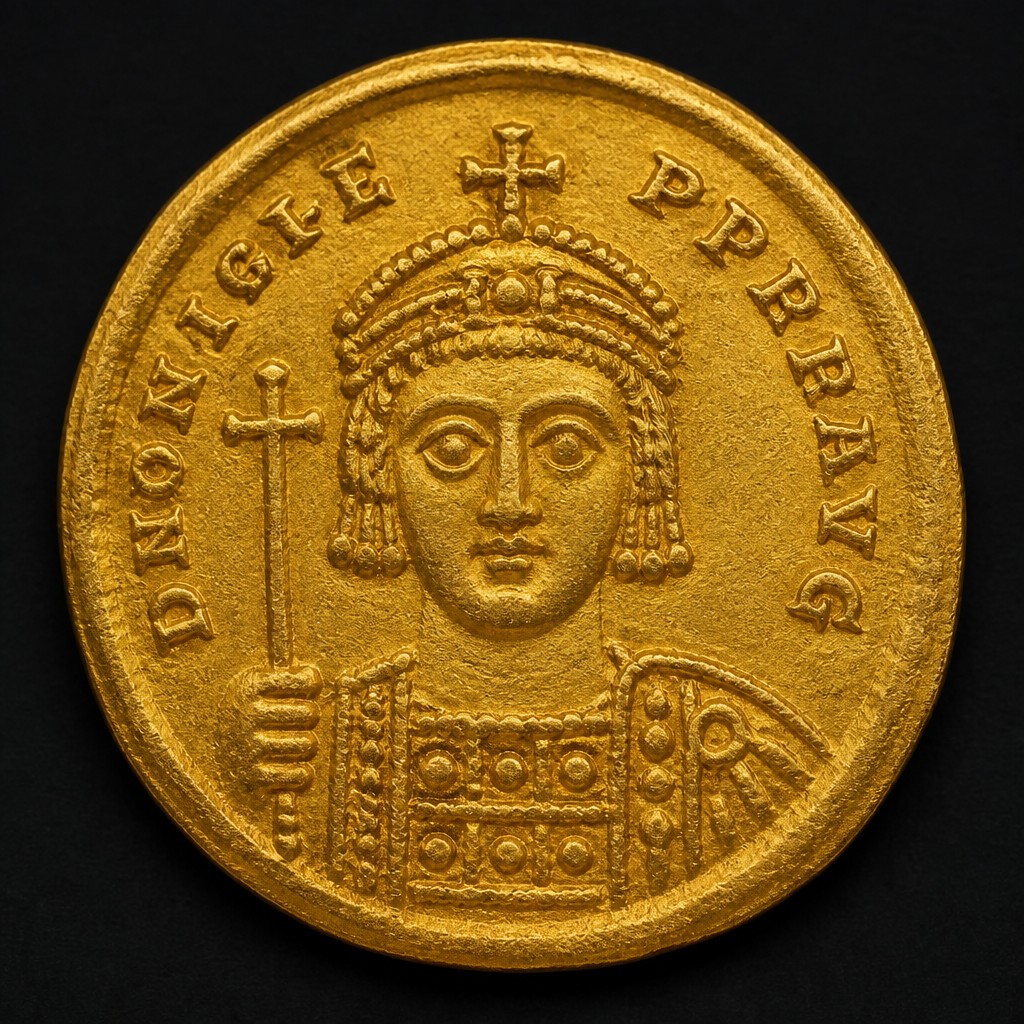
Byzantine Solidus
The gold standard coin of the Byzantine Empire for over 700 years, the solidus funded an empire, financed trade across three continents, and remained one of history's most stable currencies.
Ancient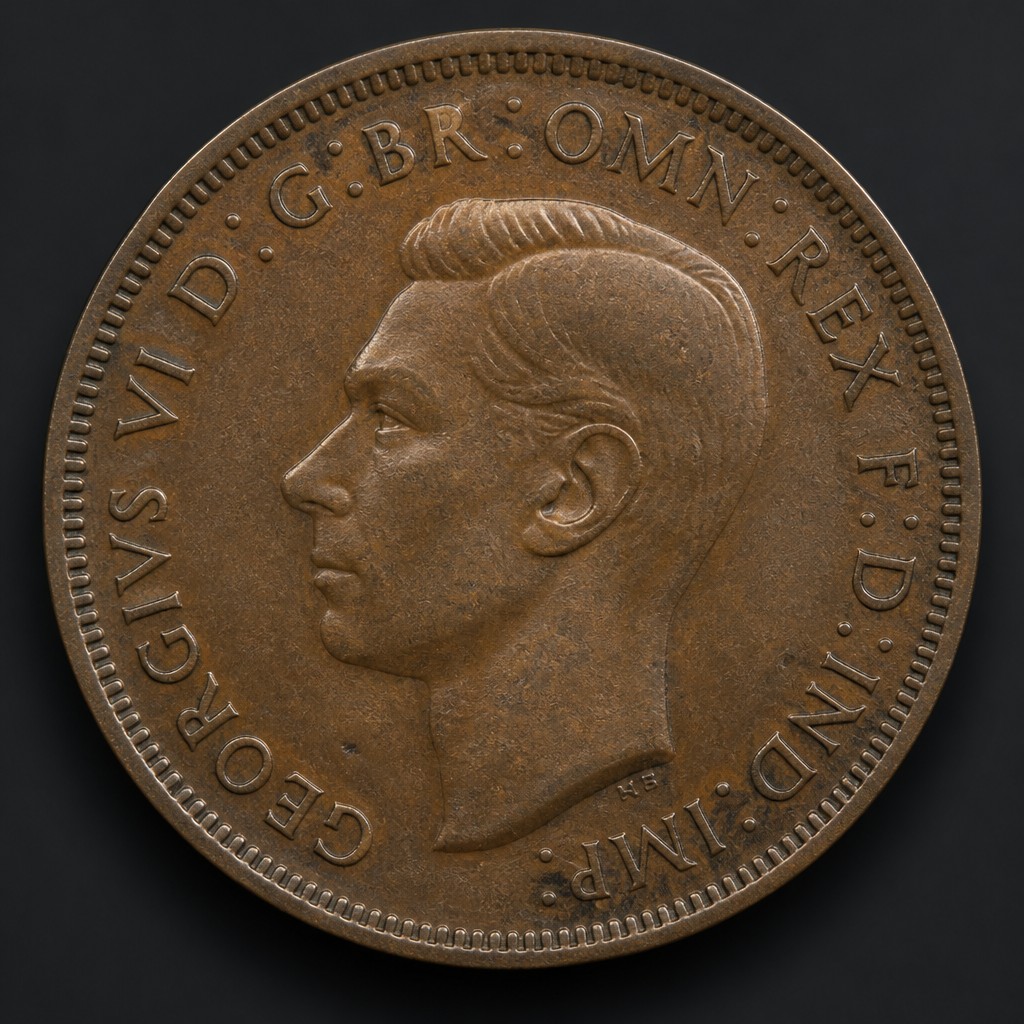
New Zealand Penny (KGVI)
New Zealand bronze penny struck under King George VI, notable for its reverse featuring the native tuatara reptile, part of the country's distinctive 1933-launched coin series.
Africa & Oceania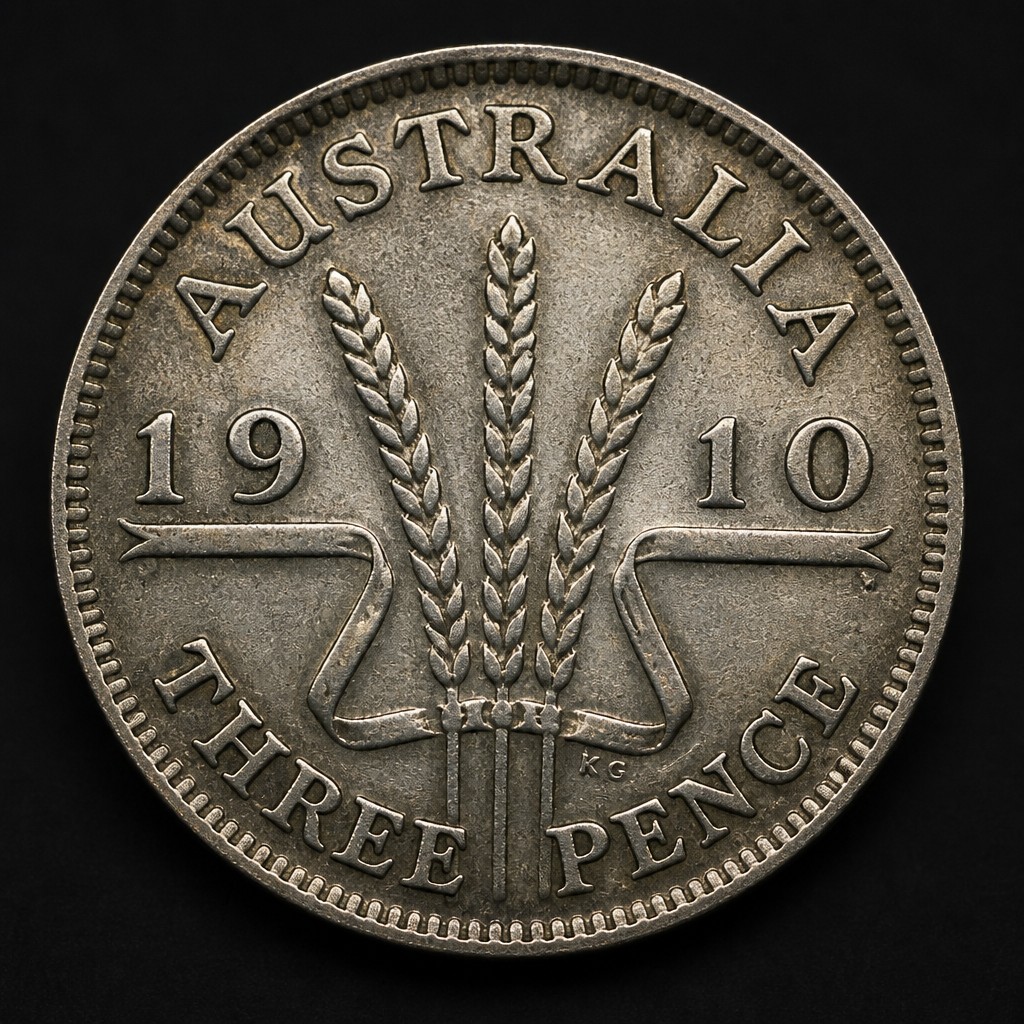
Australian Threepence (pre-decimal)
Small pre-decimal Australian silver coin worth three pence, popularly recognized for its bundled wheat-ear reverse design used across most of the 20th century.
Africa & Oceania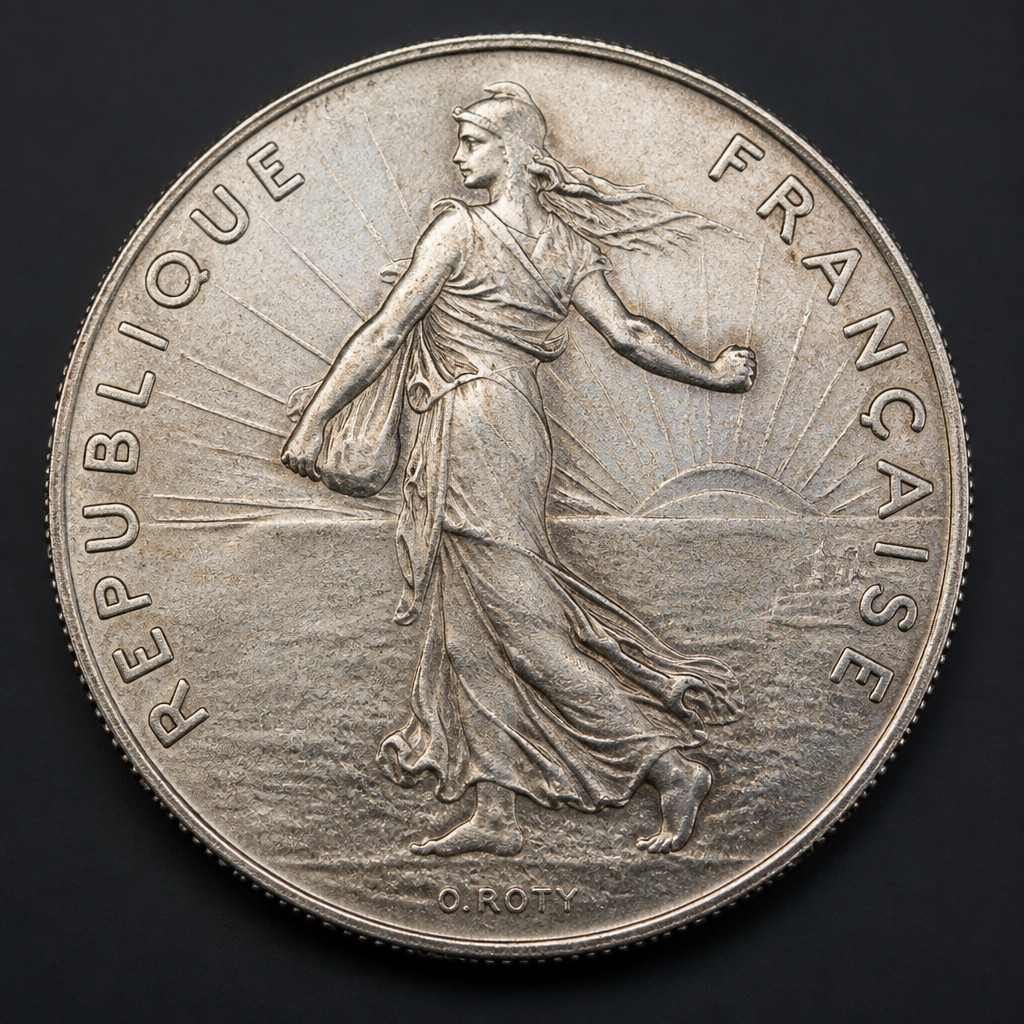
French 100 Francs Silver
France's pre-euro 100 Franc denomination included both a long-running silver Panthéon coin for collectors and numerous limited commemorative silver issues honoring people, events, and anniversaries.
European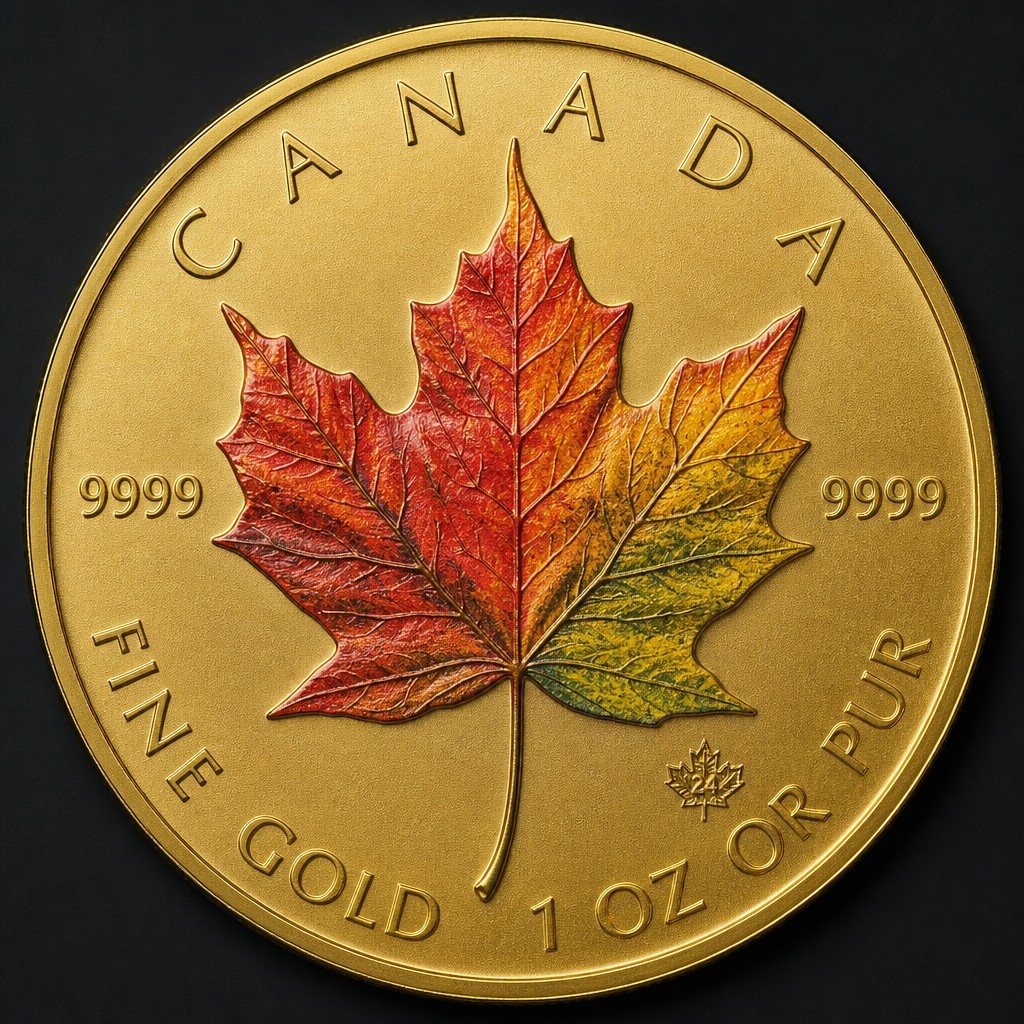
Canadian Colored Maple Leaf
A colorized variant of Canada's iconic Maple Leaf bullion coin, applying vivid printed designs over the standard maple leaf or themed reverse to create eye-catching collector editions.
Canadian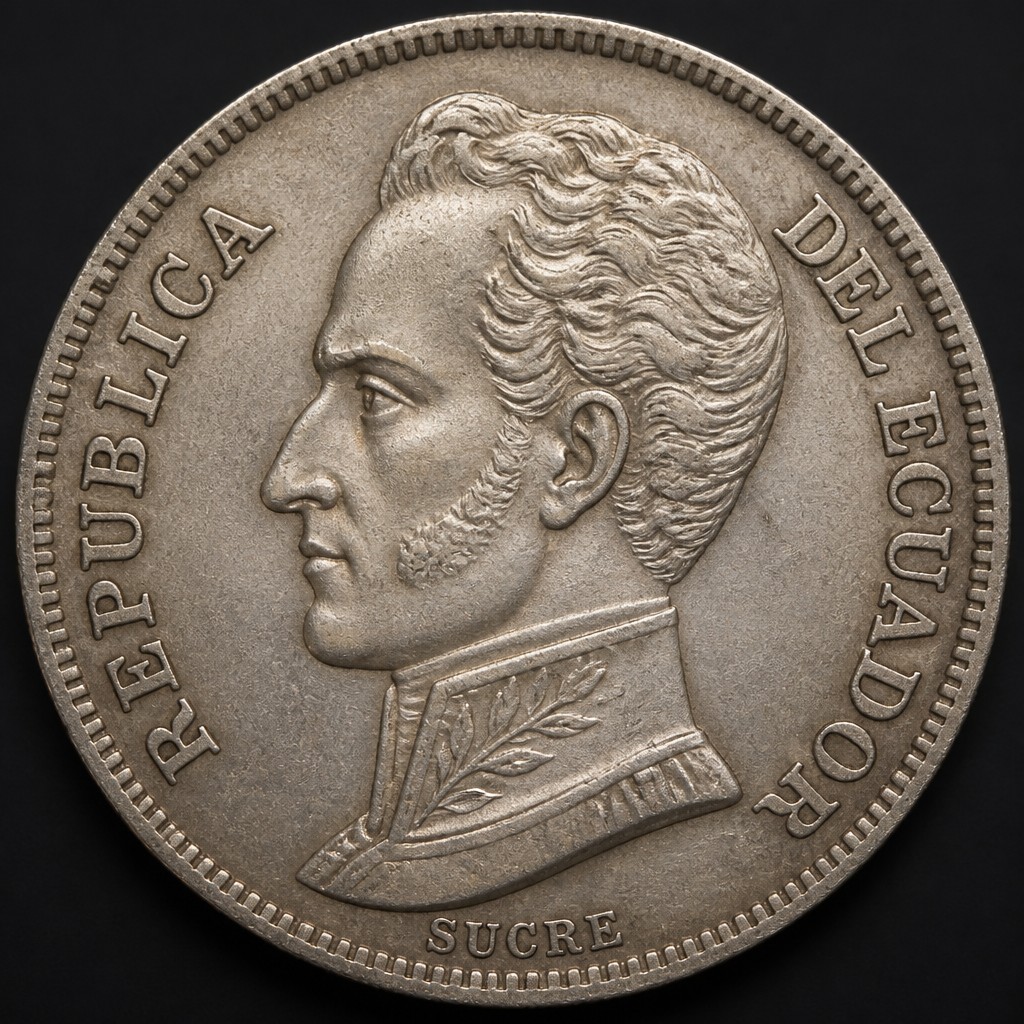
Ecuador Sucre Silver
Ecuador's historic silver one-sucre coin, named after independence hero Antonio Jose de Sucre, circulated for decades before Ecuador's currency was eventually replaced by the US dollar.
Latin American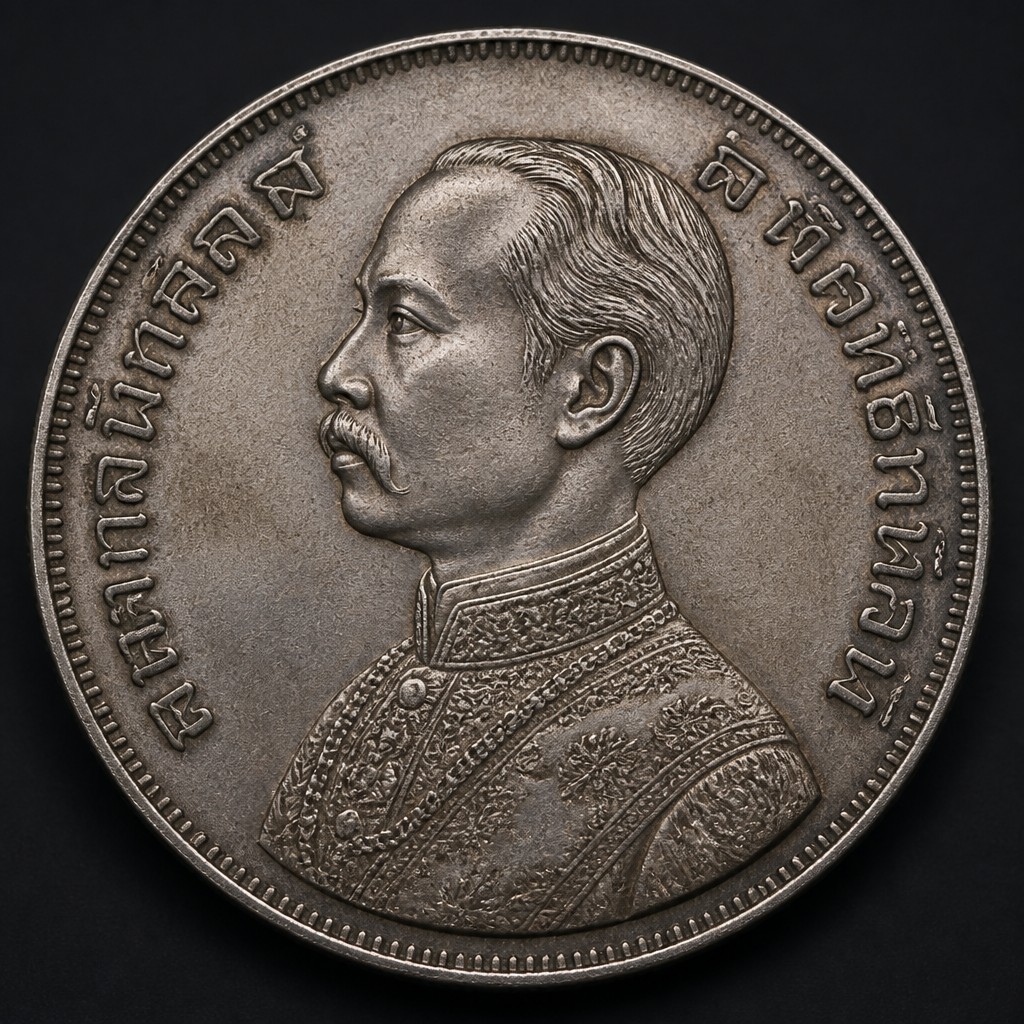
Rama IV Siamese Baht (first machine-struck)
Landmark Siamese silver coin introduced under King Mongkut (Rama IV), marking the country's shift from traditional bullet-shaped money to modern, flat, machine-struck coinage.
Asian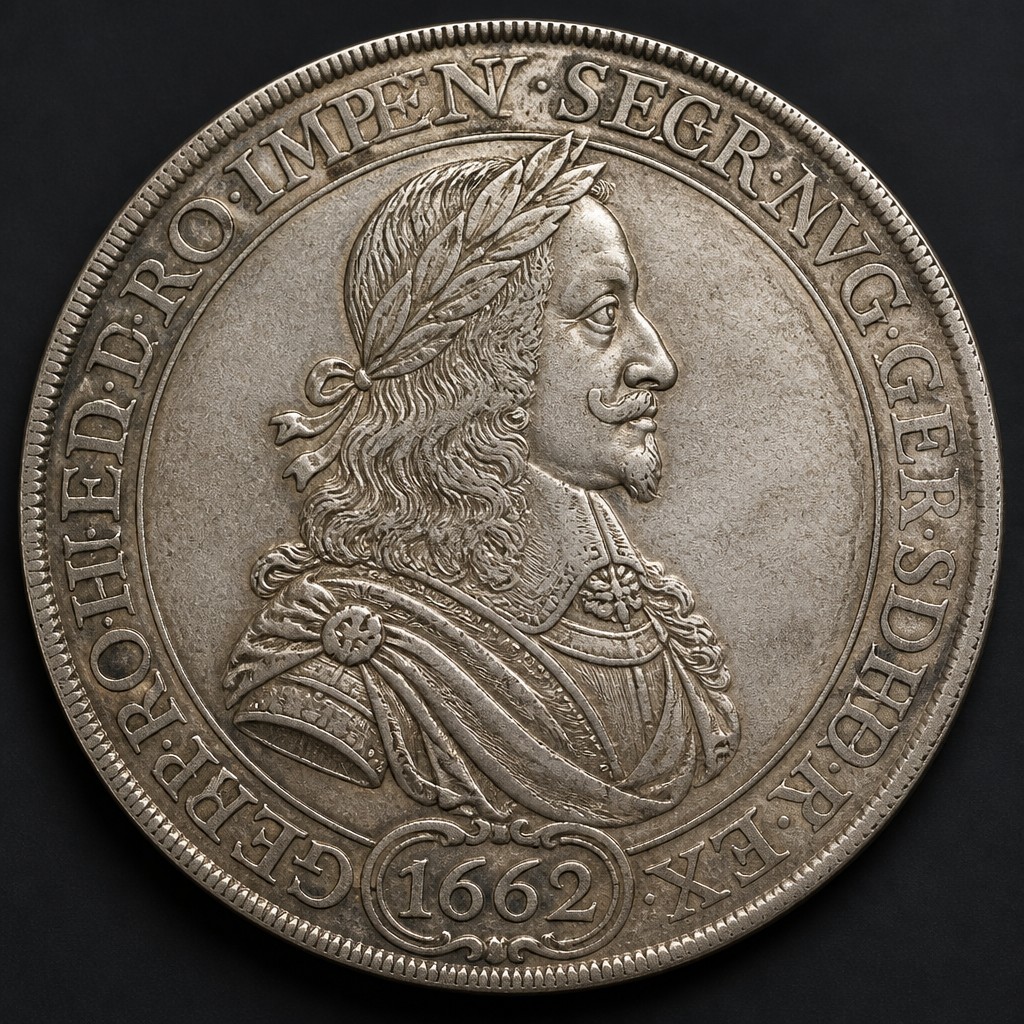
Reichsthaler
The standard large silver coin of the Holy Roman Empire and its constituent German states from the 16th century onward, whose name is the direct linguistic ancestor of the word 'dollar.'
European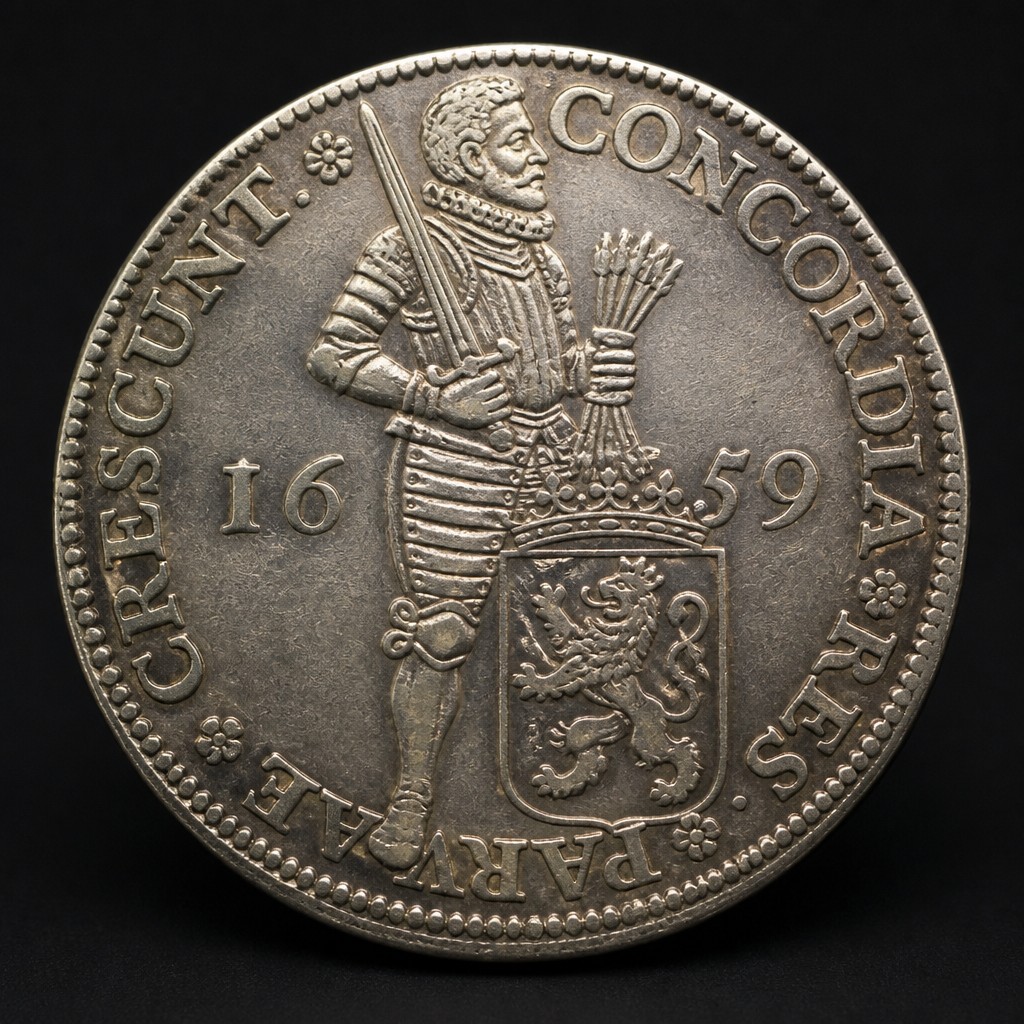
Dutch Silver Ducat
A historic Dutch trade silver coin first struck in 1659, depicting a standing knight, that has been minted continuously for centuries and remains a popular silver bullion and collector piece today.
European