
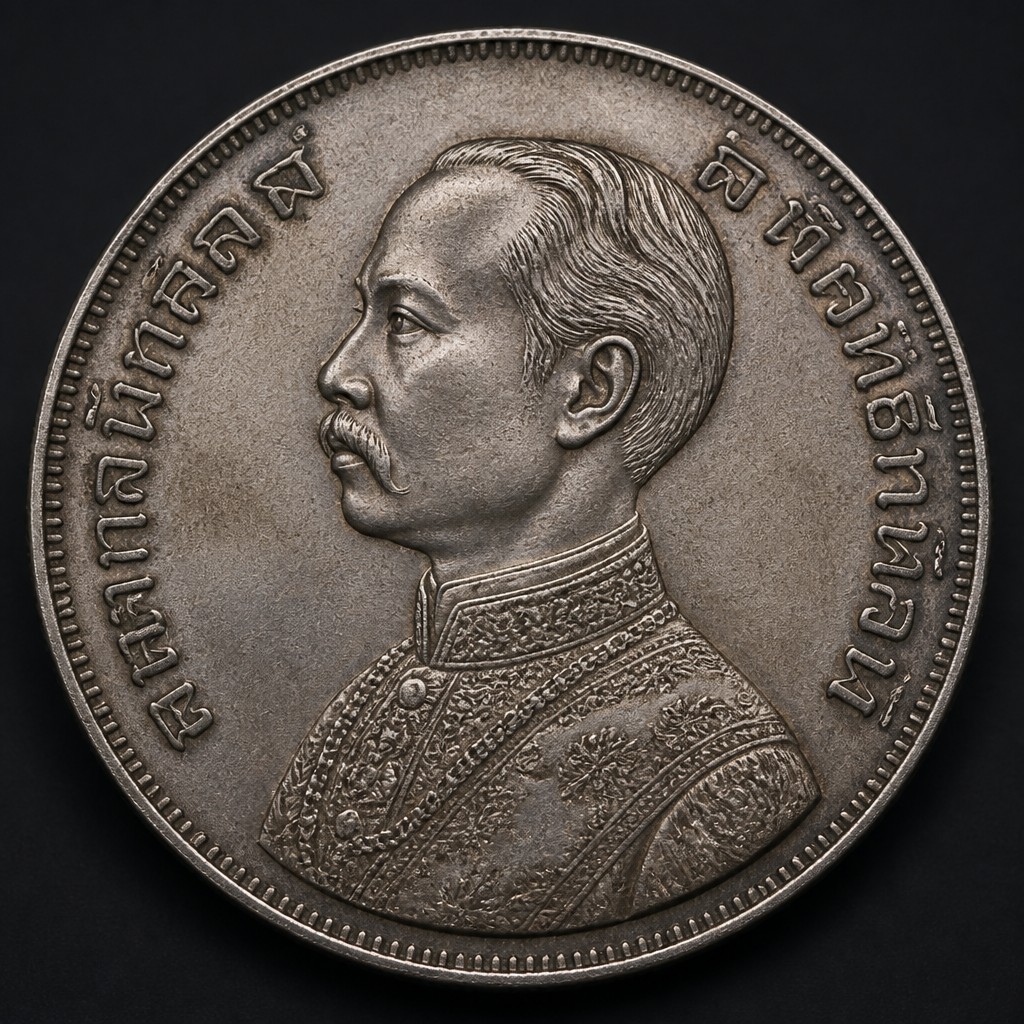
Rama IV Siamese Baht (first machine-struck)
Landmark Siamese silver coin introduced under King Mongkut (Rama IV), marking the country's shift from traditional bullet-shaped money to modern, flat, machine-struck coinage.
- Country
- Siam (Thailand)
- Denomination
- 1 Baht (Tical)
- Metal
- Silver
Got a coin like this?
Identify any coin from a photo, free.
Overview
The Rama IV Siamese Baht represents a pivotal moment in Southeast Asian numismatic history, marking Siam's transition from its centuries-old tradition of bent, bullet-shaped pot duang currency to modern, flat, machine-struck coins recognizable in the Western style. Introduced under the reign of King Mongkut, known to history as Rama IV, this coinage reform reflected Siam's broader push toward modernization amid increasing contact with Western powers in the mid-nineteenth century.
The new baht, also historically referred to in English sources as the tical, carried designs reflecting Siamese royal and religious symbolism, most famously featuring a crowned elephant, a powerful and enduring symbol of the Siamese monarchy and nation.
As the first of Siam's modern coinage, the Rama IV baht holds a special place among collectors interested in the country's numismatic and political evolution, standing at the threshold between the traditional bullet money era and the fully modernized coinage systems developed under Mongkut's successors.
History & Background
King Mongkut, who reigned as Rama IV of Siam from 1851 to 1868, is remembered as a reform-minded monarch who worked to modernize his kingdom's institutions while navigating the growing pressure of European colonial expansion in Southeast Asia. Recognizing the impracticality and inefficiency of the traditional pot duang bullet money for an economy increasingly engaged in international trade, Mongkut oversaw the introduction of flat, machine-struck coinage, acquiring minting technology and expertise, reportedly with assistance connected to Western contacts, to establish a modern mint in Bangkok.
The new coinage, denominated in baht (called tical in contemporary English usage), replaced the older bullet money system for higher-value transactions, though pot duang currency continued to circulate for a time alongside the new flat coins during the transition. The design choices, including the crowned elephant motif, drew on established symbols of Siamese royal authority to lend the modern currency reform a sense of continuity with tradition even as its physical form changed dramatically.
This reform under Rama IV set the stage for further currency modernization under his son and successor, King Chulalongkorn (Rama V), who continued to refine and standardize Siam's coinage as the kingdom pursued a broader program of modernization in the following decades.
How to Identify
The obverse of the Rama IV baht typically features a crowned elephant, standing or facing, a traditional symbol of Siamese royal power and one of the most recognizable motifs of the reform period. Some issues instead or additionally use other royal or governmental symbols specific to Mongkut's reign, and inscriptions generally appear in Thai script identifying the coin's denomination and the reigning king.
The reverse commonly carries the denomination and additional decorative or symbolic elements, with the overall design considerably simpler and more restrained than later, more elaborate Siamese coinage issued under subsequent reigns. The coin is silver, sized appropriately for its baht (tical) denomination, and its machine-struck finish, with clean, even rims and consistent design placement, is what most clearly distinguishes it from the older hand-made bullet money it replaced.
Because this was Siam's first machine-struck coinage, collectors especially value well-preserved, sharply struck examples, and should be alert to wear patterns, softness of strike, or inconsistencies in the elephant motif's details when assessing authenticity or grade.
Value & Collectibility
As a landmark first issue in Siam's coinage modernization, the Rama IV baht holds strong historical significance that supports collector demand beyond its silver content alone. Condition is a major factor in value, since coins in choice, well-struck condition are considerably scarcer than heavily worn or circulated examples that saw extensive use in commerce.
Common circulated examples are generally available at accessible prices for collectors of Southeast Asian coinage, while higher-grade or particularly well-preserved specimens can command a significant premium given their importance as Siam's first modern machine-struck coin type. As always, buyers should consider both the coin's grade and its overall eye appeal, since the crowned elephant design is especially sensitive to wear on its highest-relief details.
Frequently asked questions
Why is this coin historically important?
It represents Siam's first flat, machine-struck coinage, replacing the country's centuries-old tradition of bent, bullet-shaped pot duang currency.
What does the elephant on the coin symbolize?
The crowned elephant was a traditional and powerful symbol of Siamese royal authority, chosen to connect the new modern coinage with established national symbolism.
What is the difference between 'baht' and 'tical'?
Baht is the Thai name for the denomination, while tical was the term commonly used in contemporary English-language and foreign trade references for the same coin.
Who succeeded Rama IV in continuing coinage reform?
His son, King Chulalongkorn (Rama V), continued and further refined Siam's currency modernization efforts in the following decades.
Other coins you may enjoy
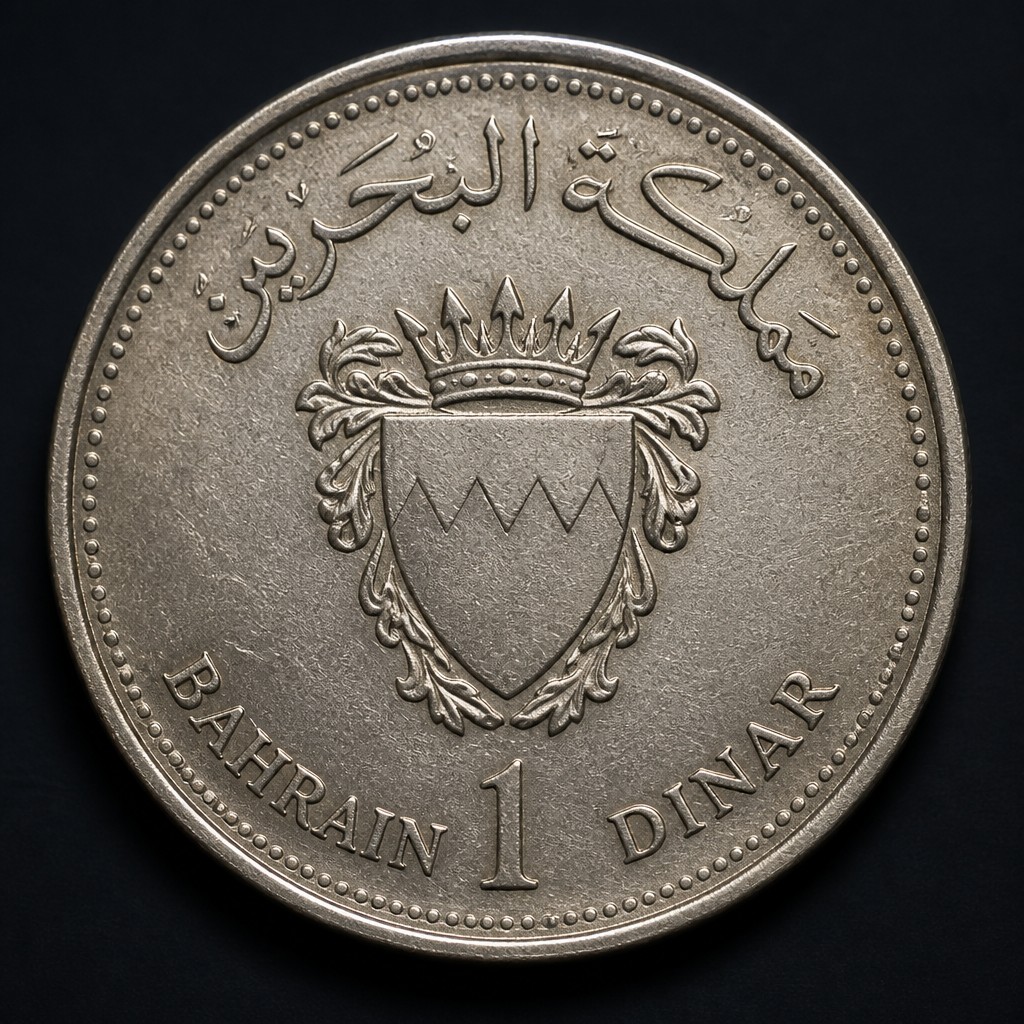
Bahraini Dinar
1965–present
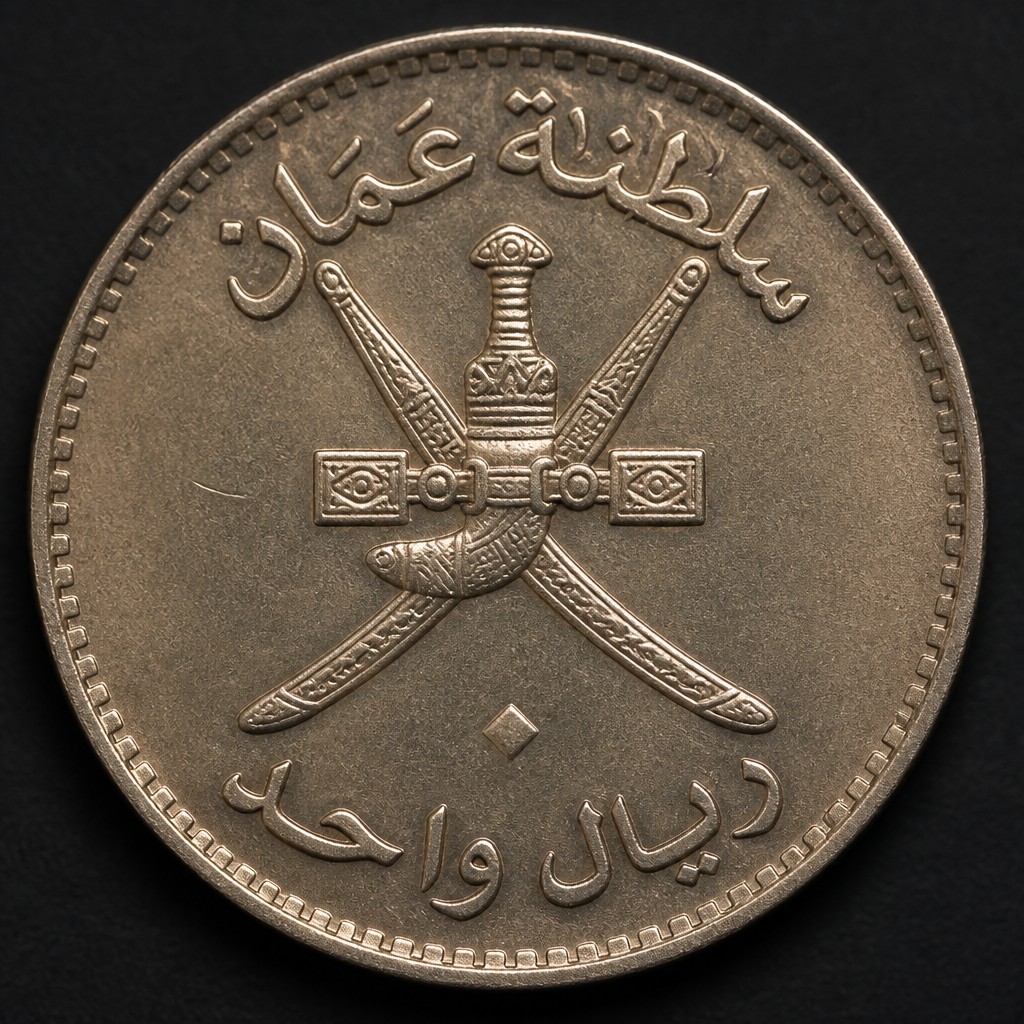
Omani Rial (Baisa Coinage)
1970–present
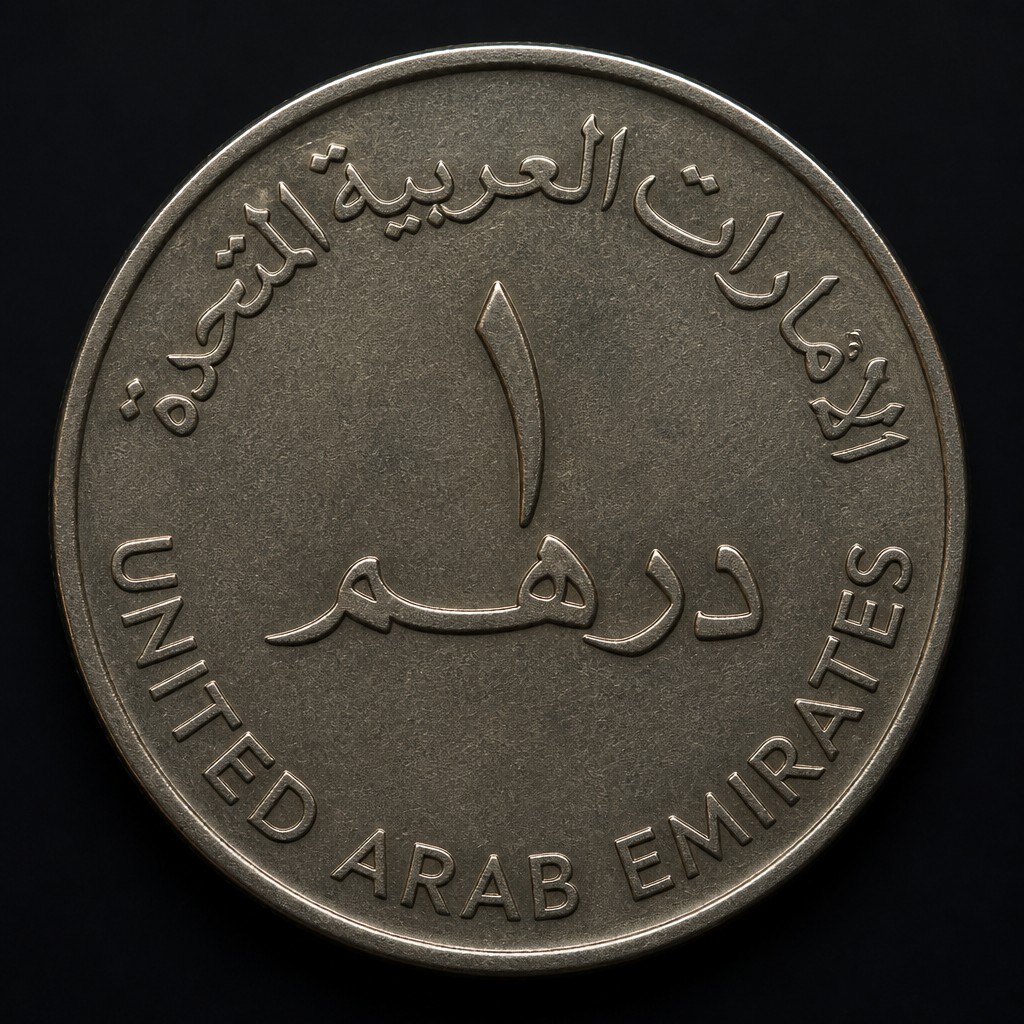
United Arab Emirates Dirham
1973–present
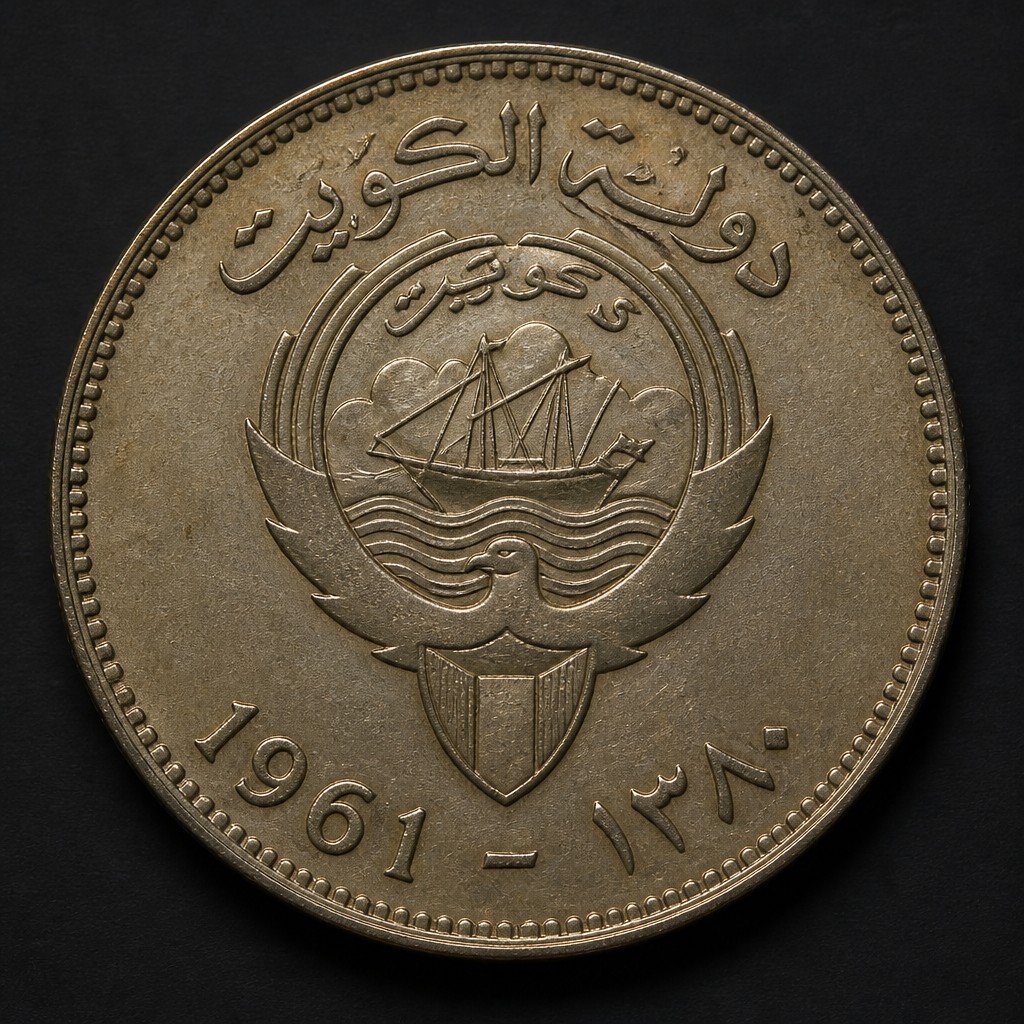
Kuwaiti Fils
1961–present
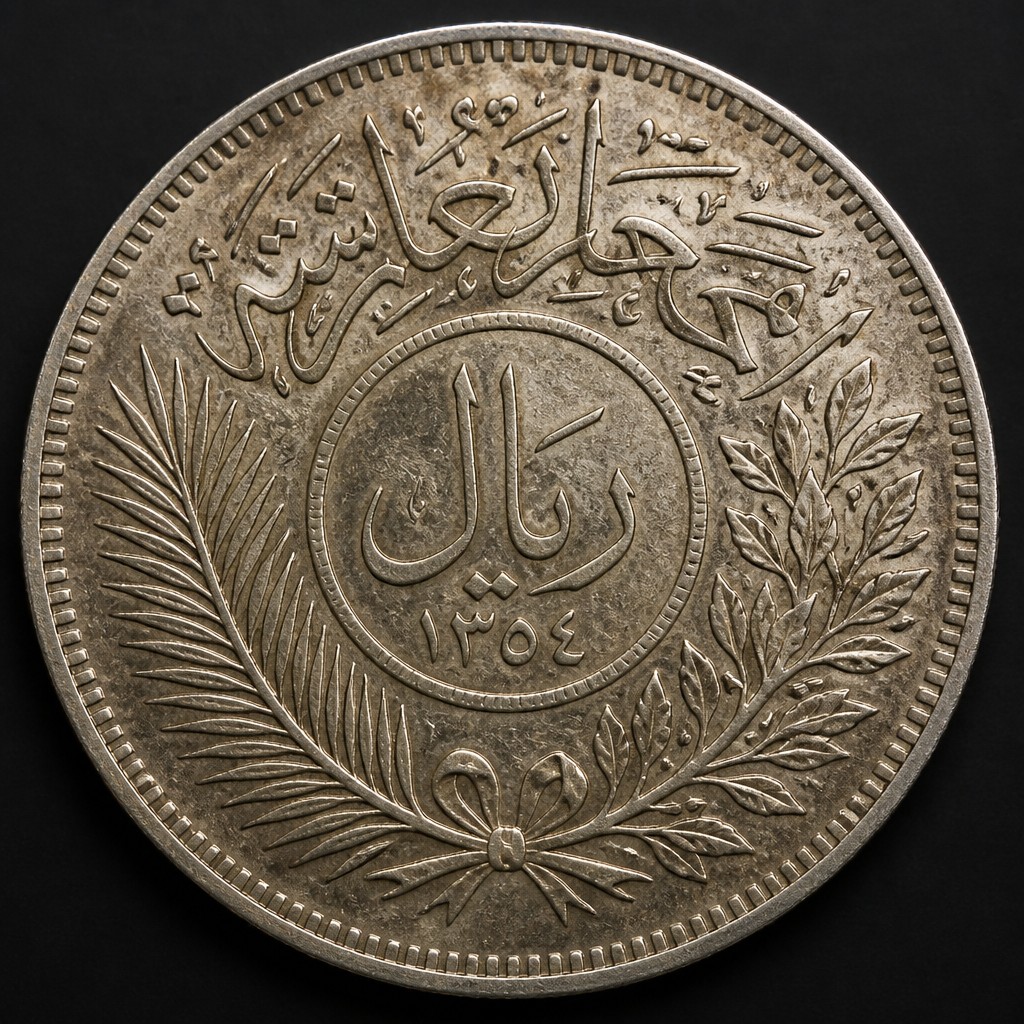
Saudi Arabian Riyal (silver)
1935 (Kingdom-wide standardization) and related issues
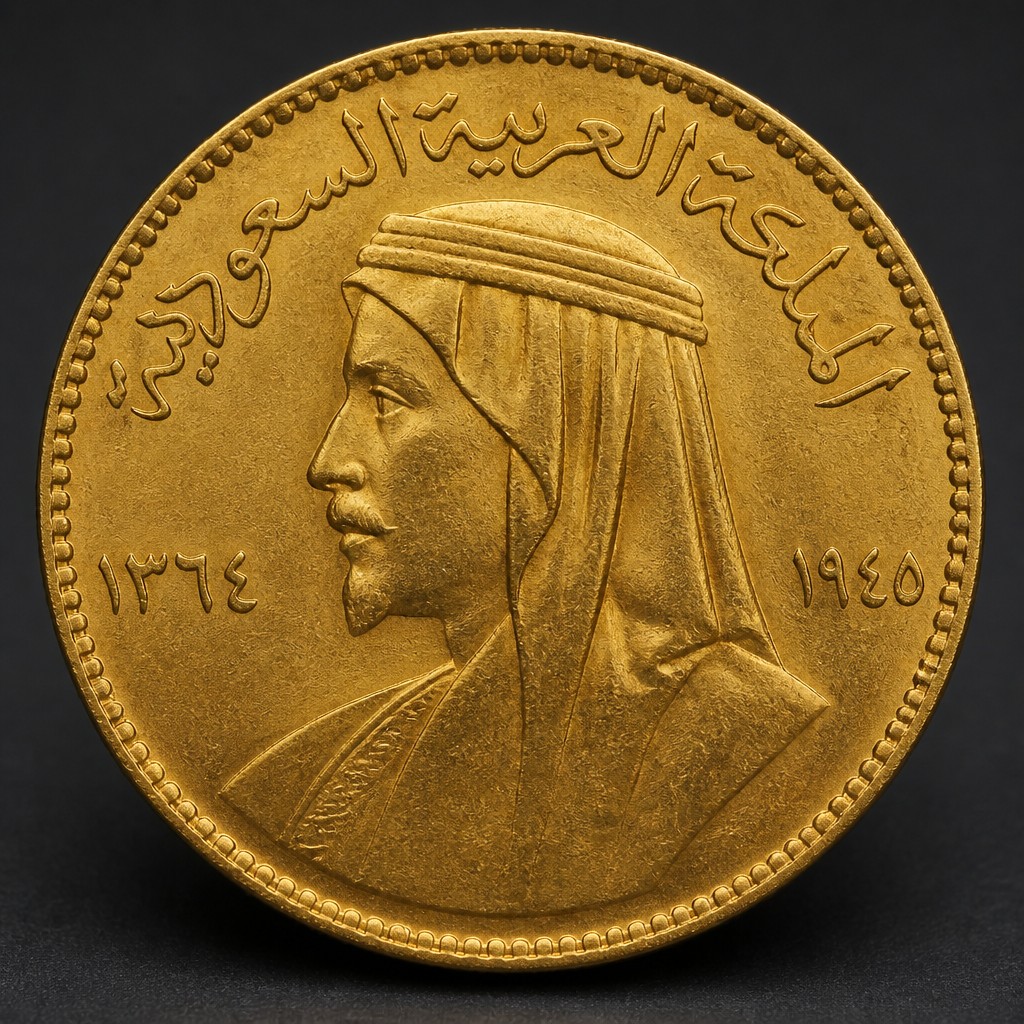
Saudi Arabian Gold Guinea (Sovereign)
1945 and later issues
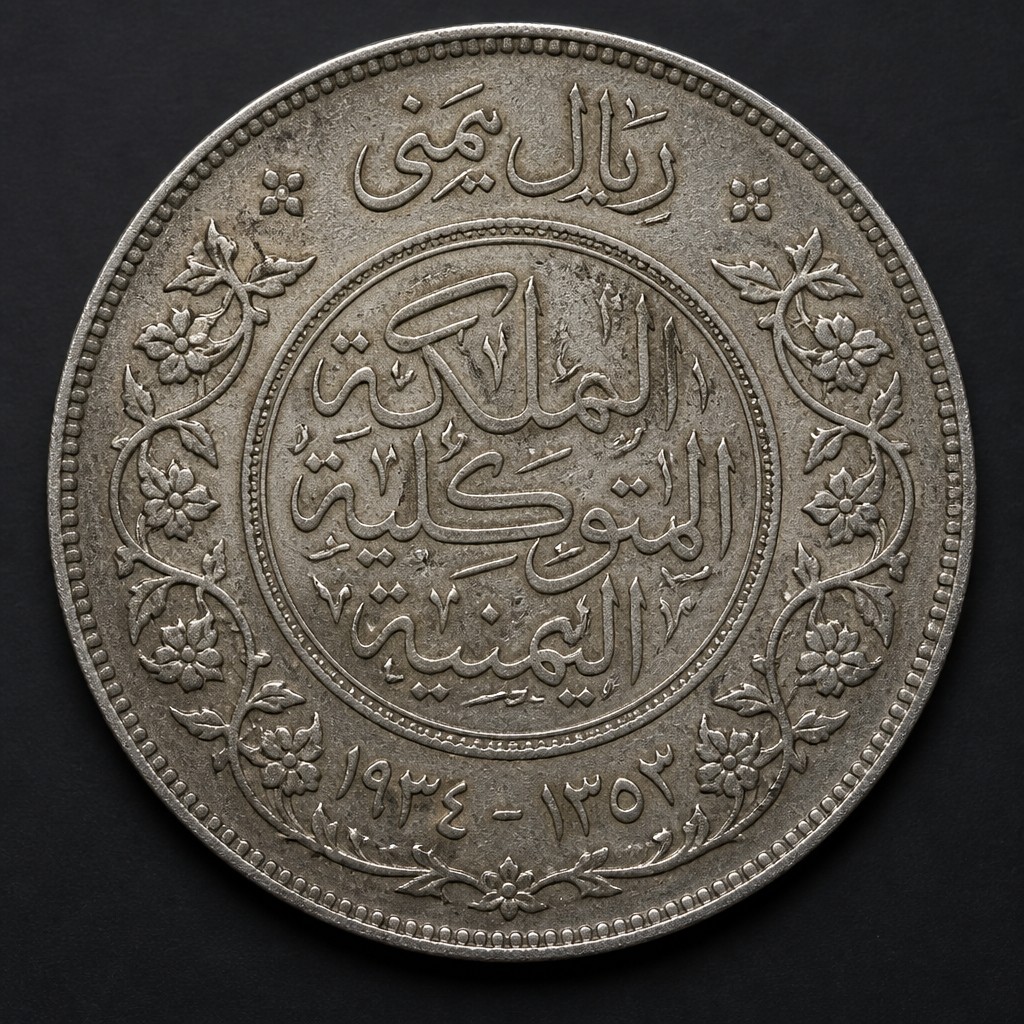
Yemeni Riyal (Ahmadi/Imadi Kingdom Coinage)
Early-to-mid 20th century
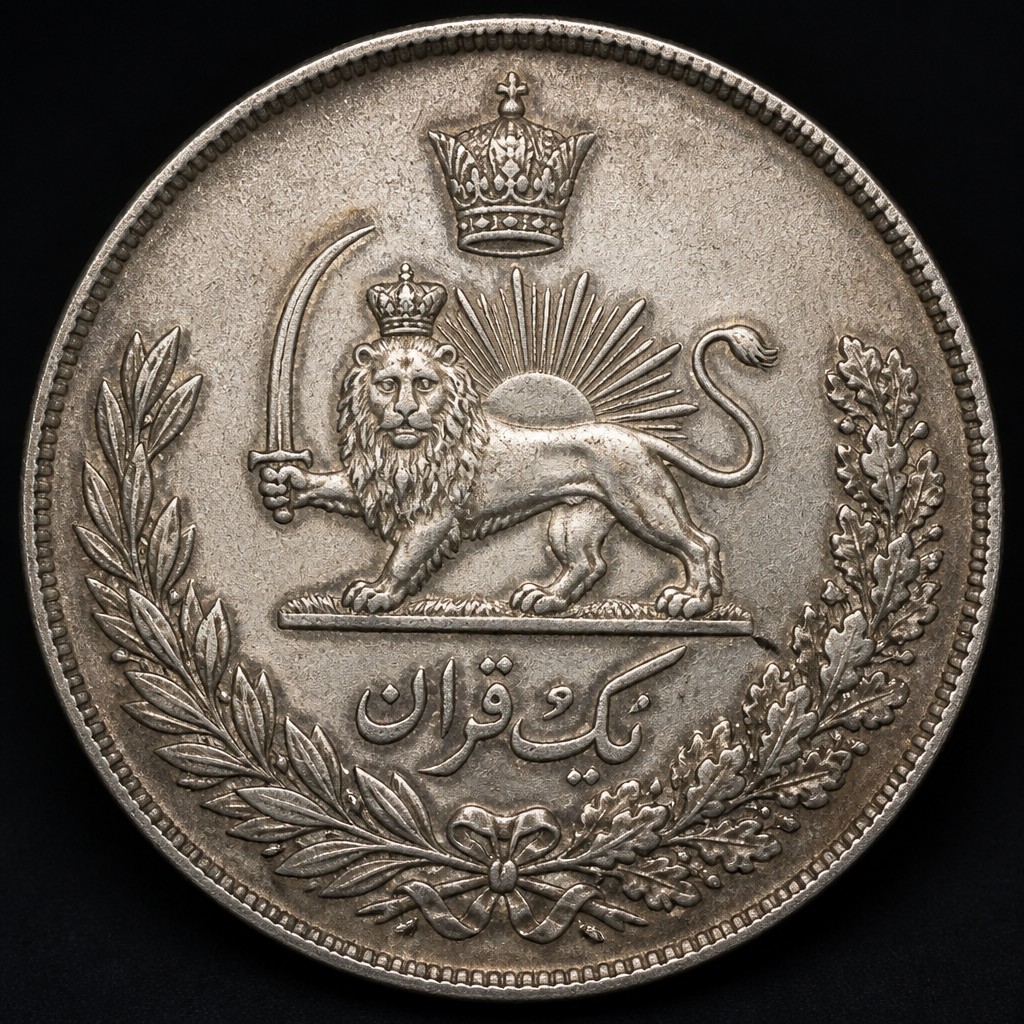
Persian Kran (Qajar silver)
Mid-19th century–1925
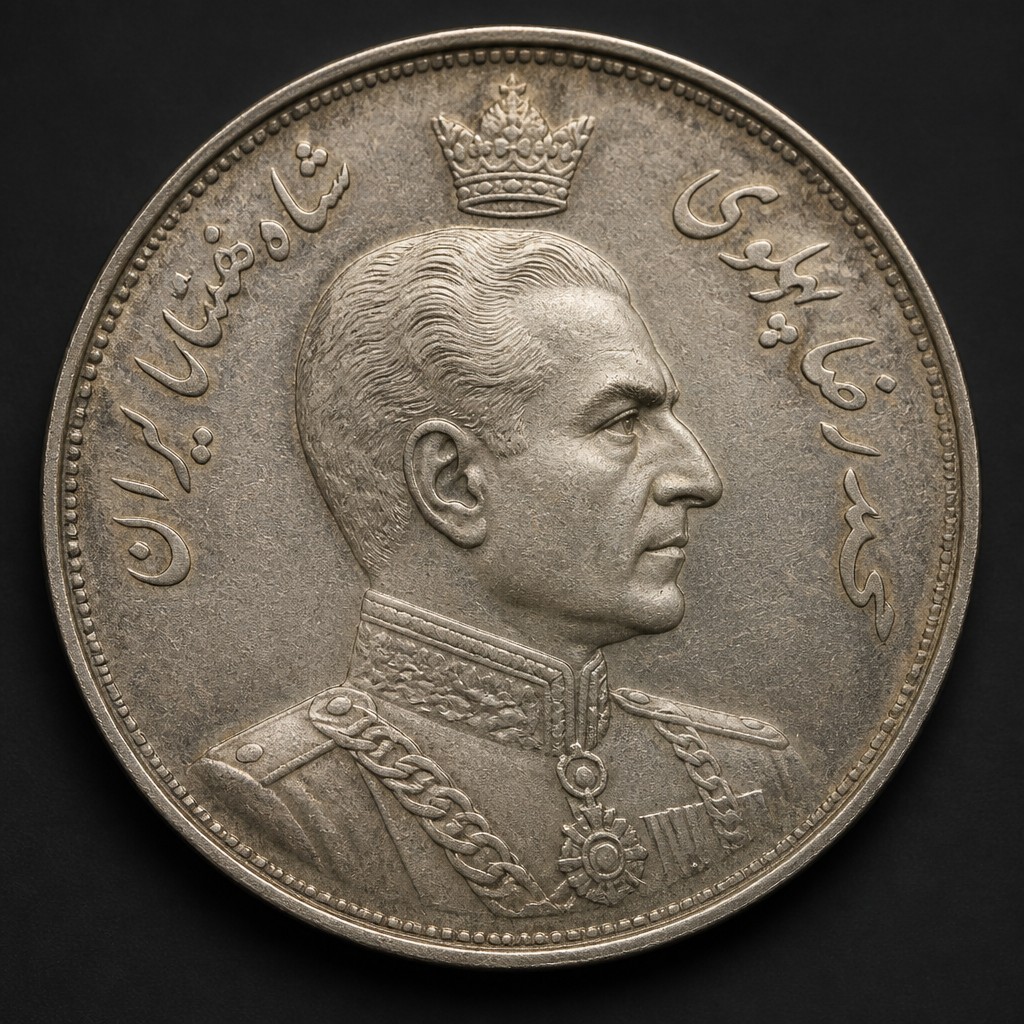
Iranian Rial
1932–present
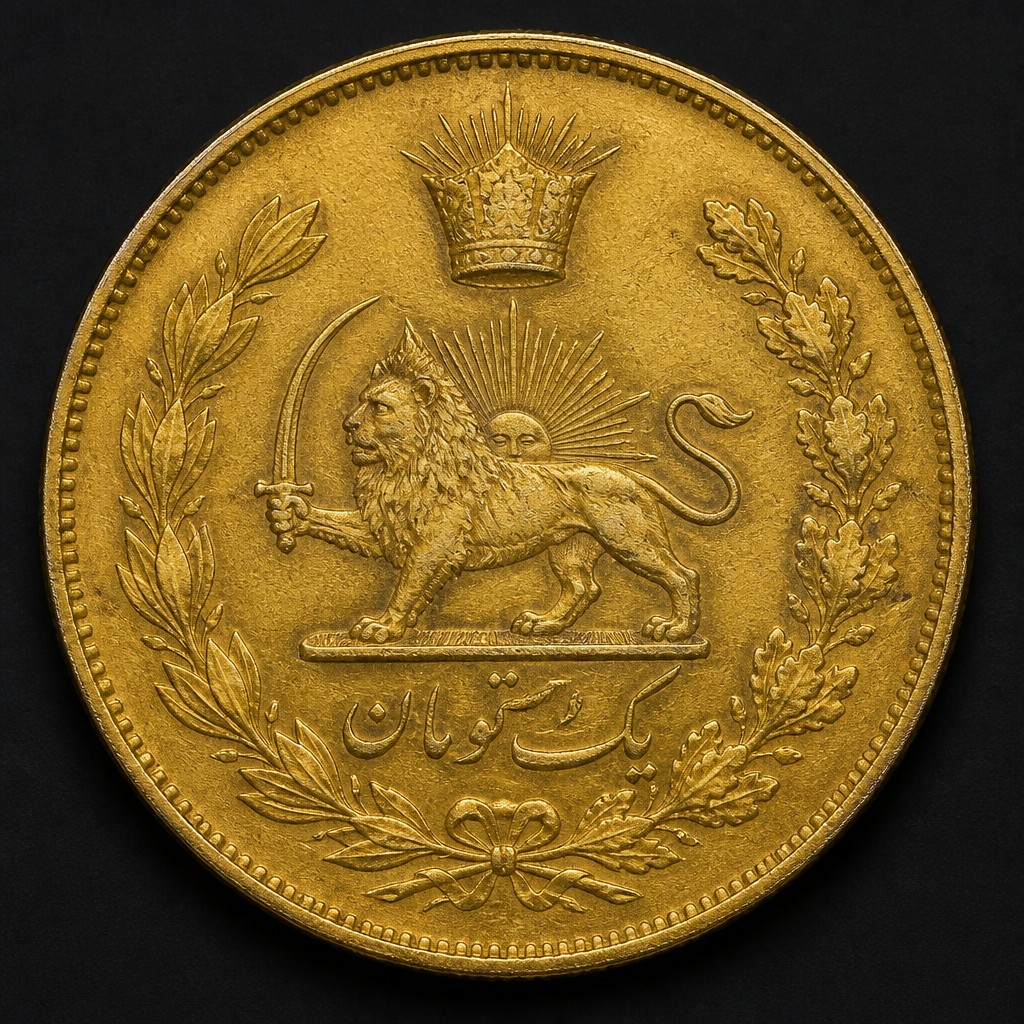
Persian Gold Toman (Qajar)
1796–1925
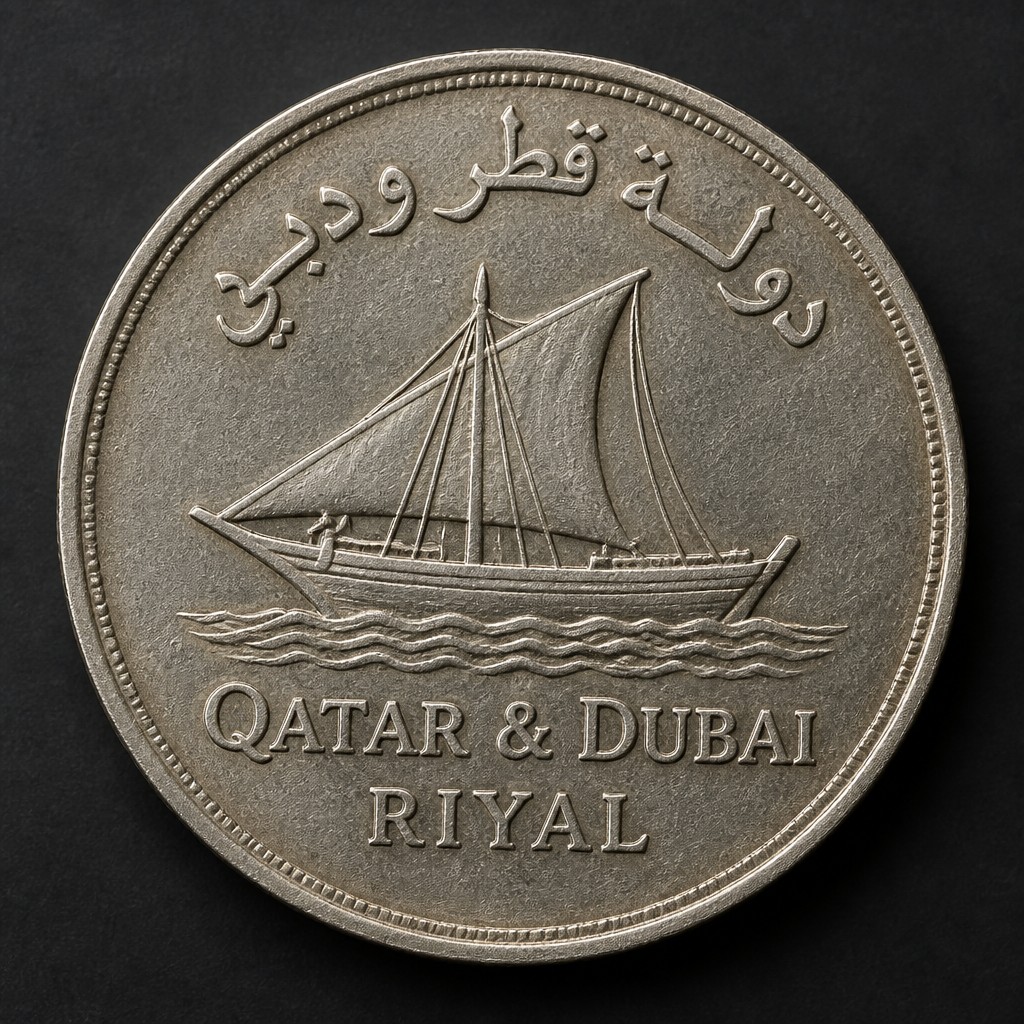
Qatar and Dubai Riyal
1966–1973
British India Rupee (Silver)
1835–1947