
Coin Encyclopedia
Search and identify coins from around the world — with country, denomination, metal, mint, history, and how to tell them apart.
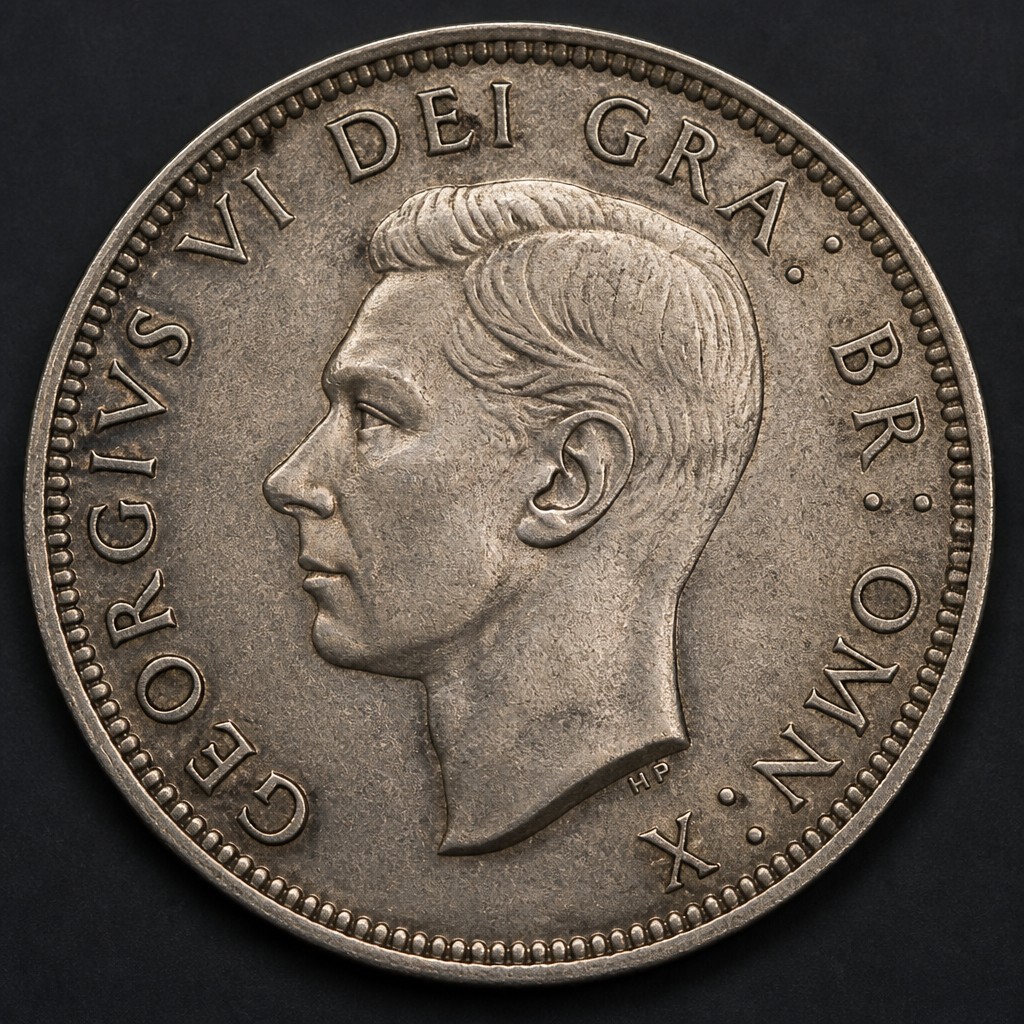
Florin (Two Shillings)
A British silver coin worth two shillings, notable for the controversial 1849 'Godless Florin' that omitted the customary religious motto, and for foreshadowing decimal coinage.
British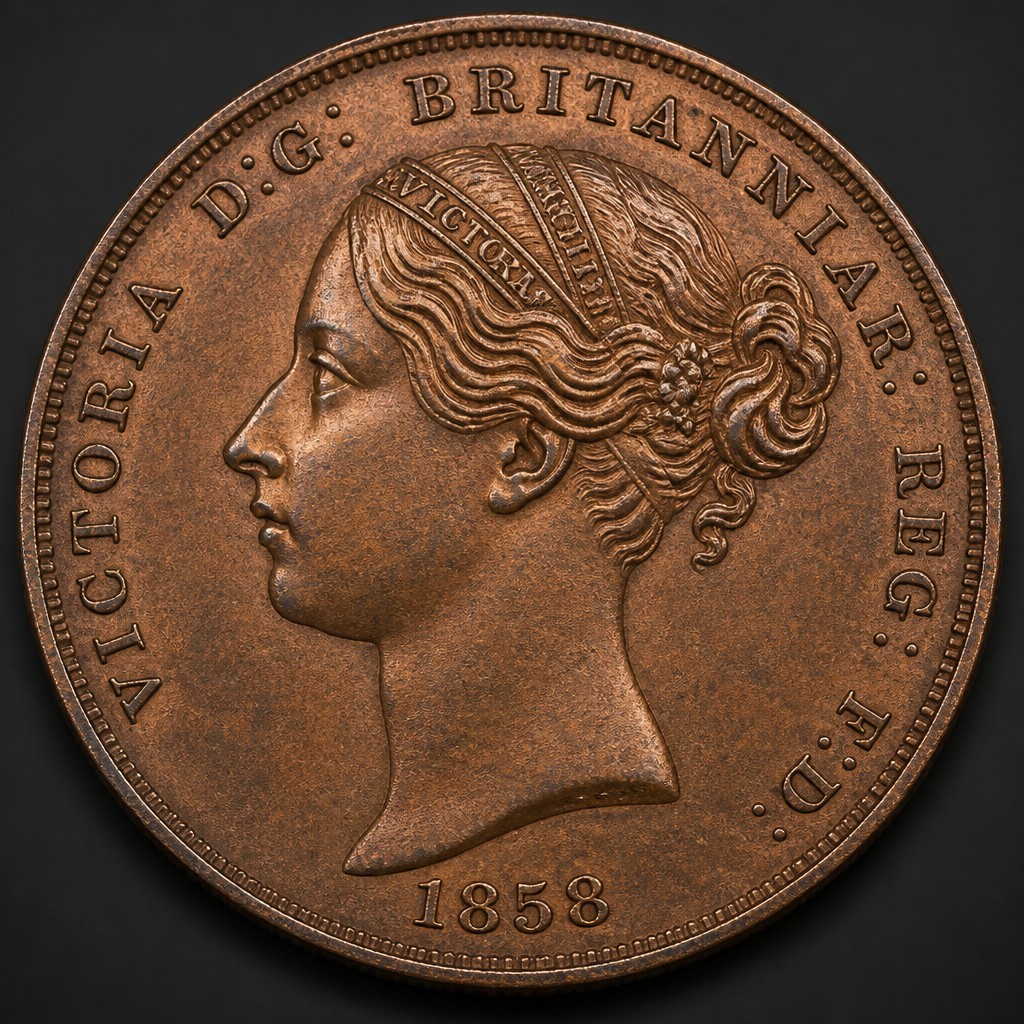
Quarter Farthing
The smallest fractional denomination in British coinage, worth one-sixteenth of a penny, struck primarily for use in colonial Ceylon during Victoria's reign.
British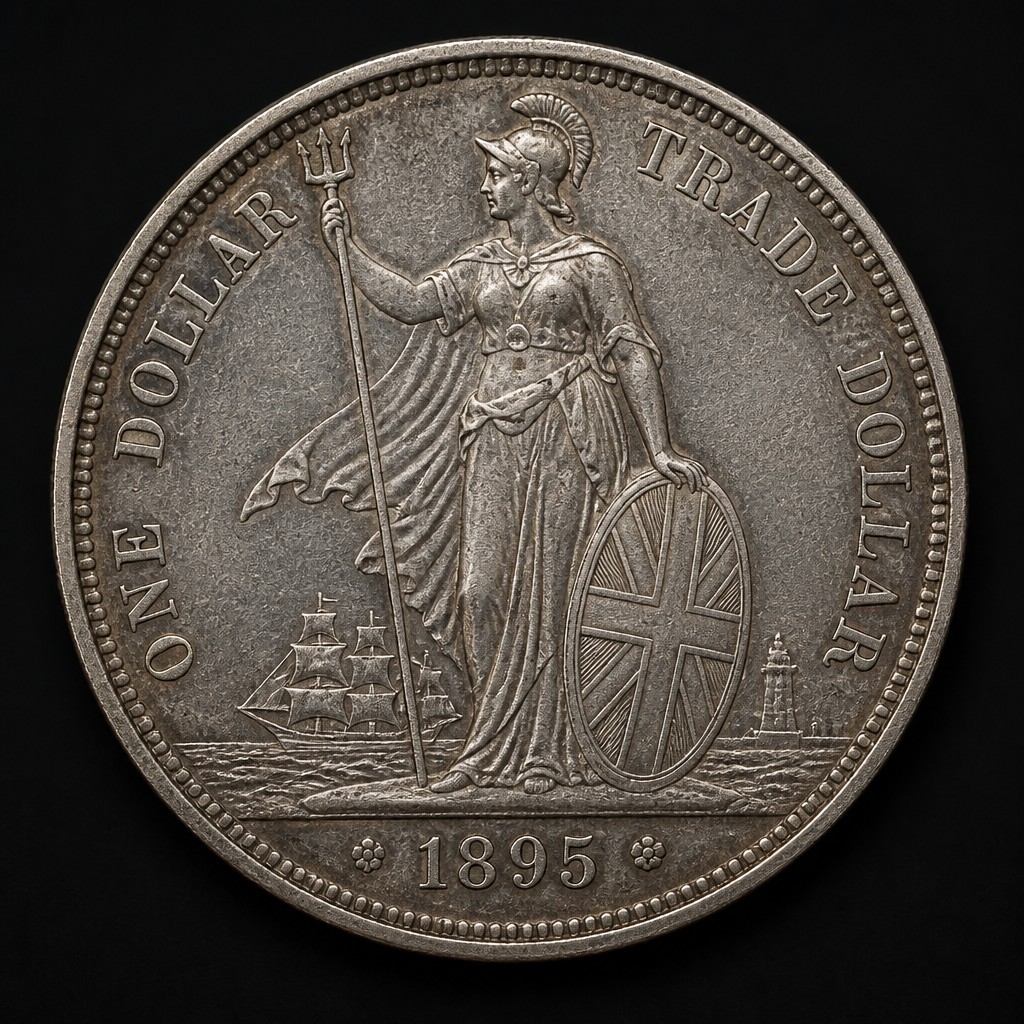
British Trade Dollar
A silver trade dollar struck by Britain to compete with the Mexican and Spanish dollars circulating across Hong Kong, China, and Southeast Asia.
Asian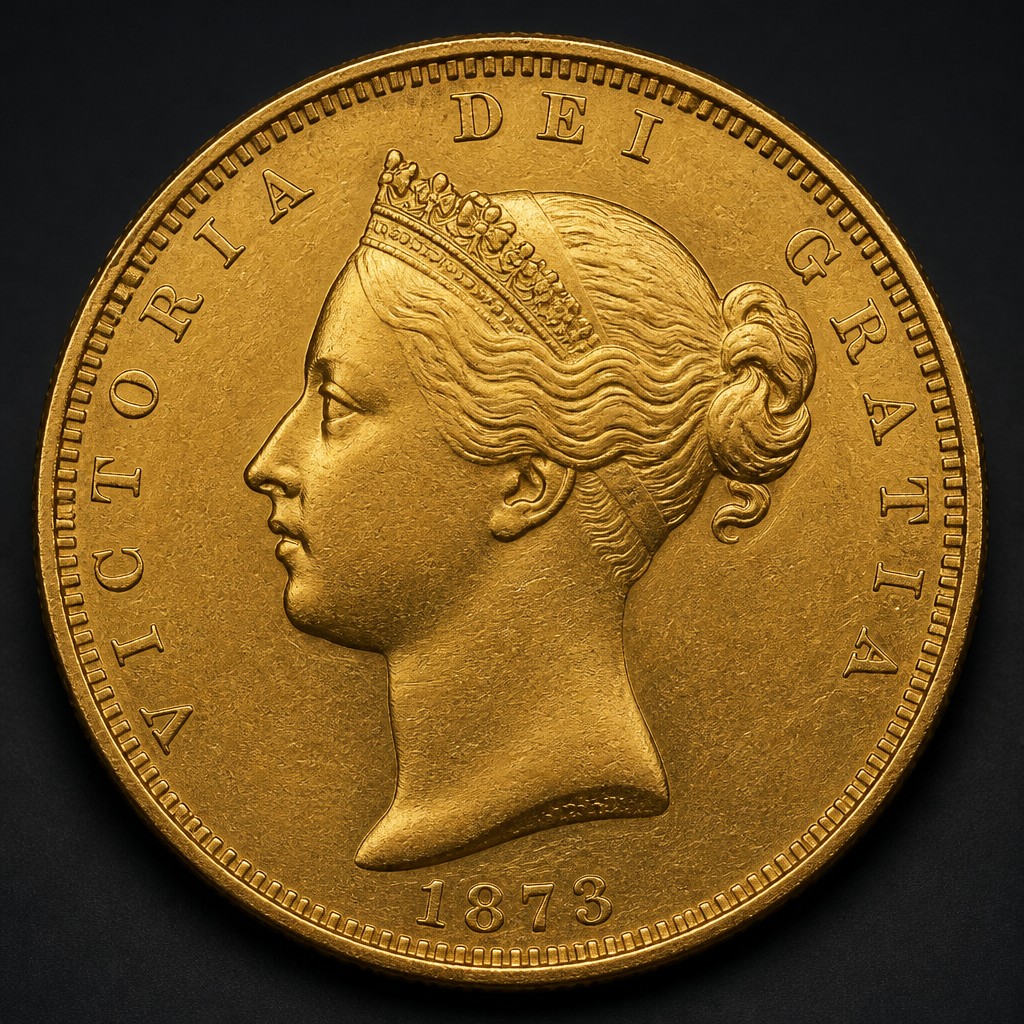
Gold Sovereign
Iconic British gold pound coin, revived in 1817 with Benedict Pistrucci's celebrated St George and the Dragon design, struck for centuries in London and branch mints worldwide.
British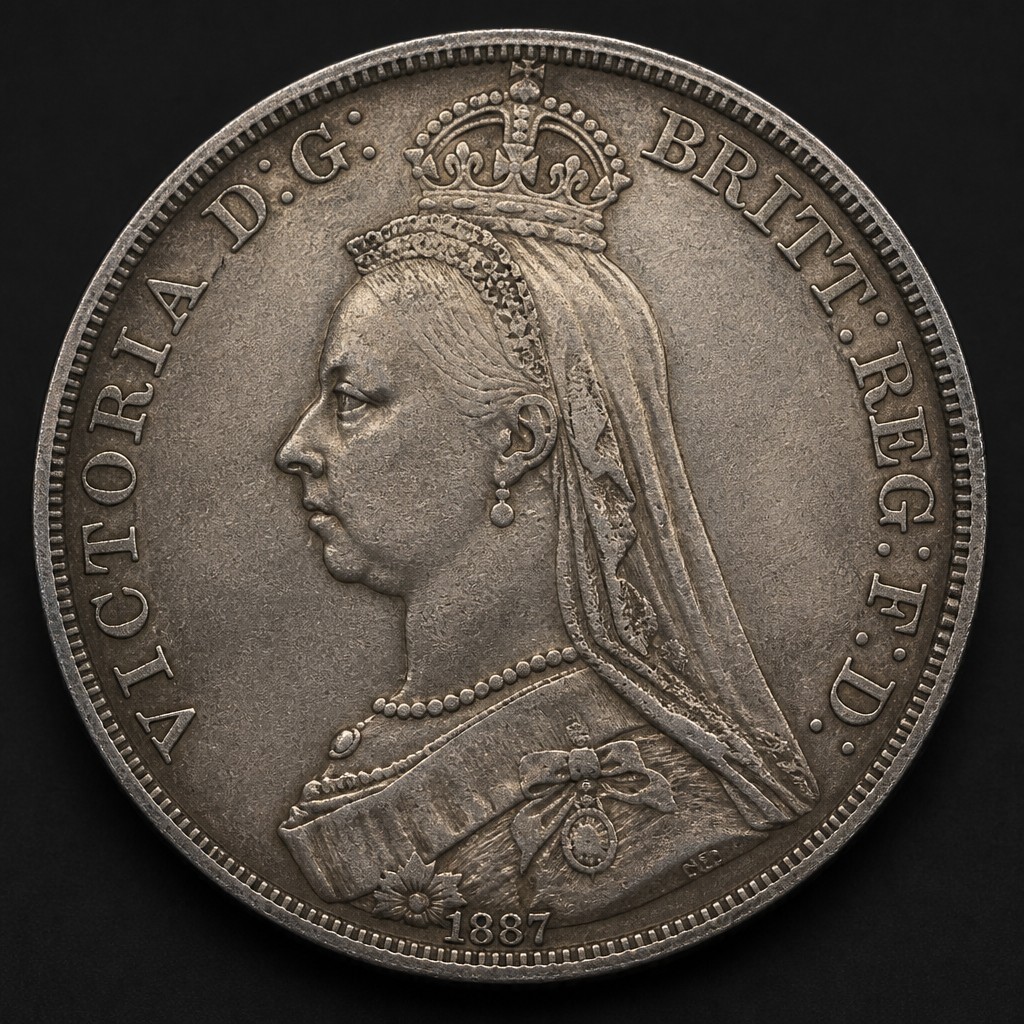
Double Florin
A large Victorian silver coin worth four shillings, struck for only four years; its close resemblance in size to the crown and half-crown caused everyday confusion and gave it a lasting nickname.
British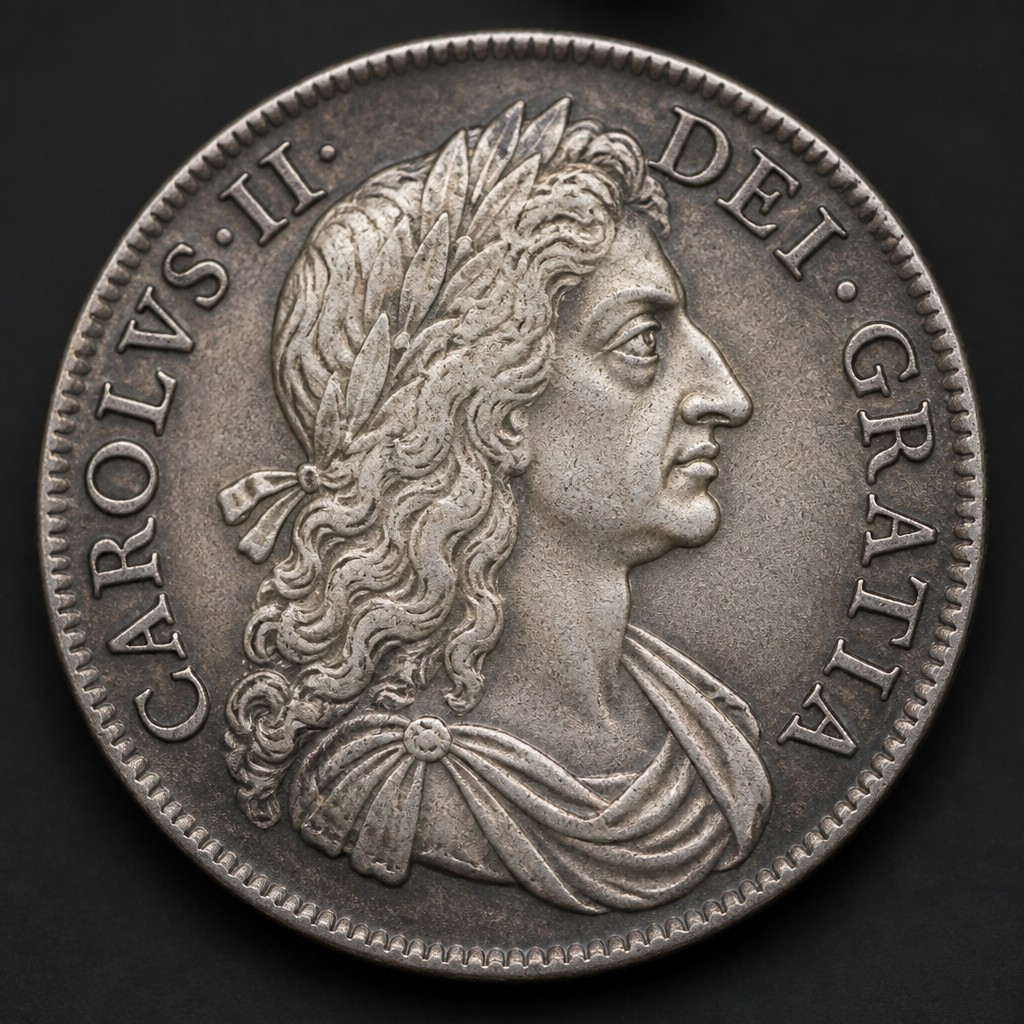
Maundy Money Set
A set of tiny sterling silver coins in four denominations, specially struck each year for the monarch to distribute personally to elderly recipients in the Royal Maundy ceremony on Maundy Thursday.
British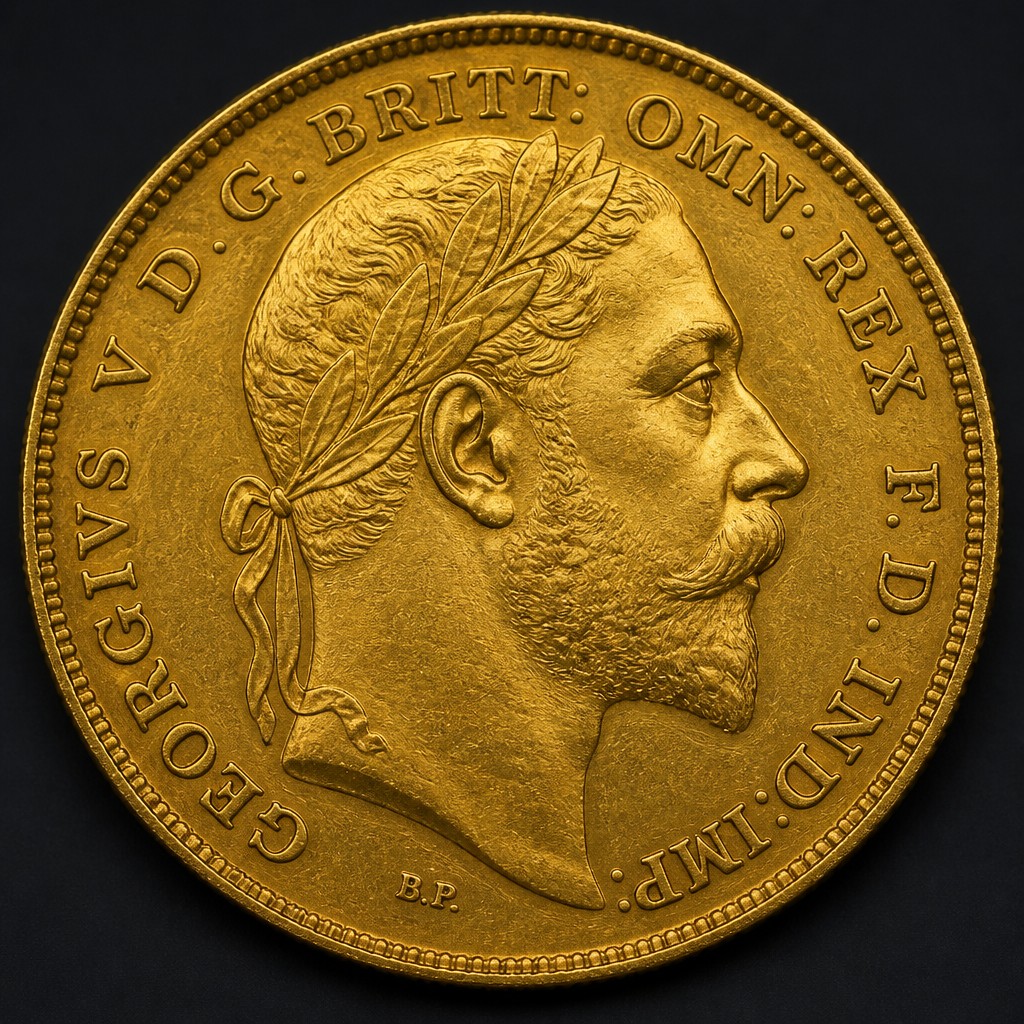
Two Pound Gold (Double Sovereign)
A gold coin worth two pounds sterling and roughly twice the weight of a sovereign, struck mainly for jubilees, coronations, and modern proof or bullion sets rather than daily circulation.
British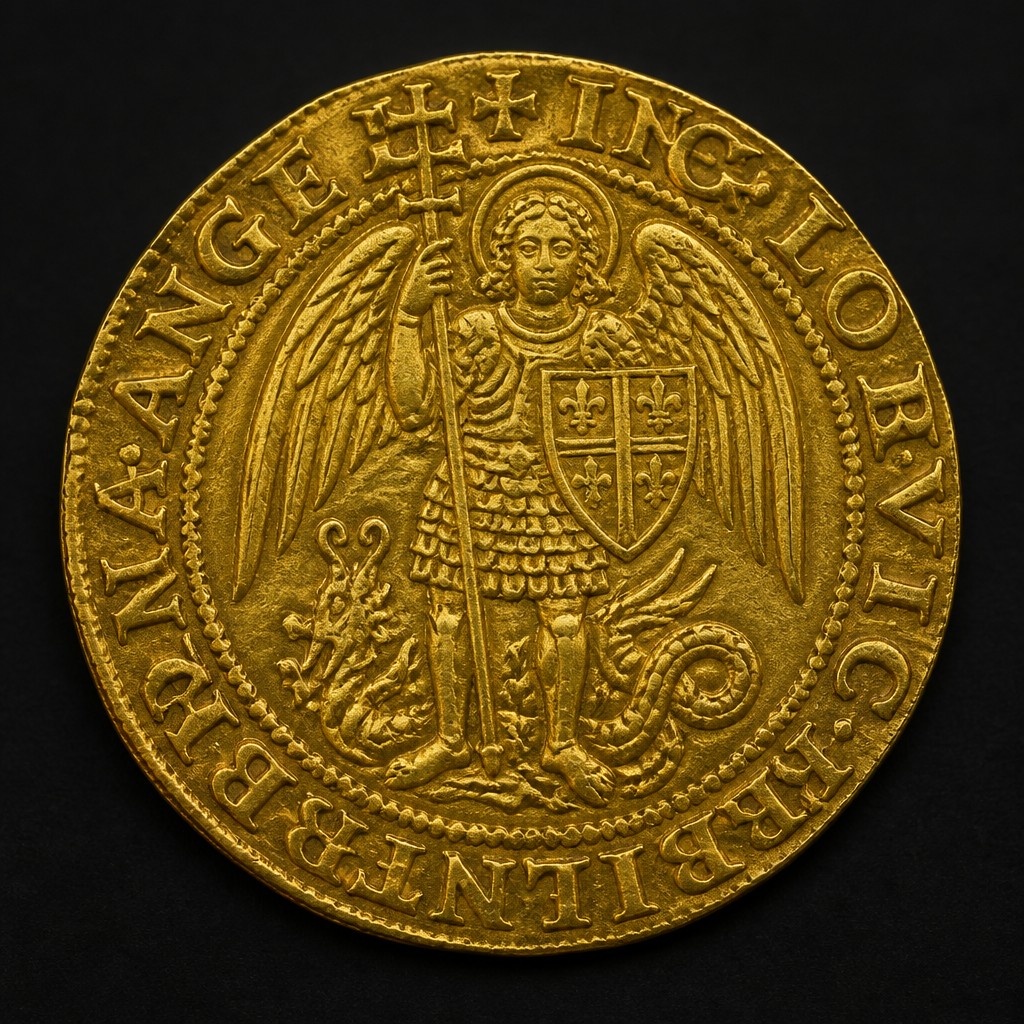
English Angel
A gold coin depicting the Archangel Michael slaying a dragon, issued for nearly two centuries and later famous for its use as a royal 'touch-piece' for the healing ceremony of the King's Evil.
British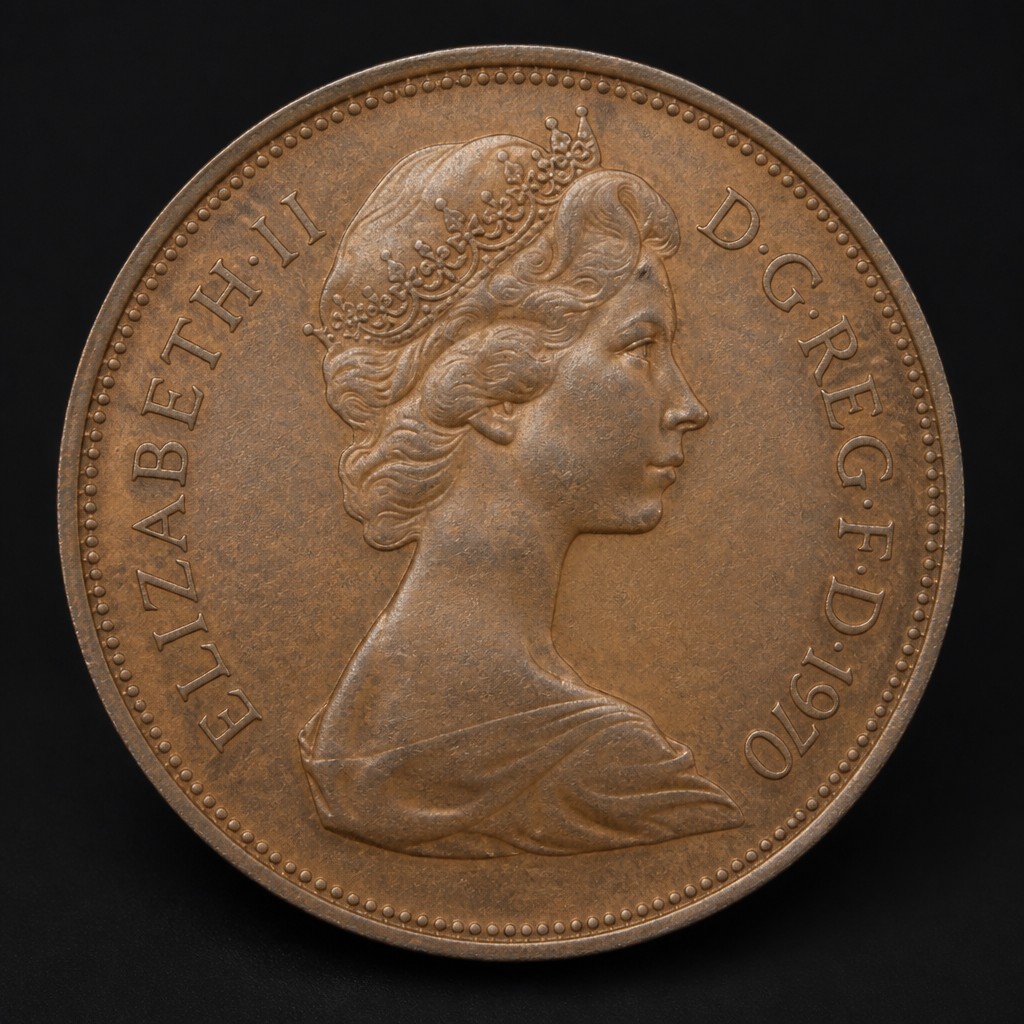
Penny
One of the oldest and most iconic British denominations, the pre-decimal penny is famous for its large bronze Britannia design and beloved key dates like the 1933 penny.
British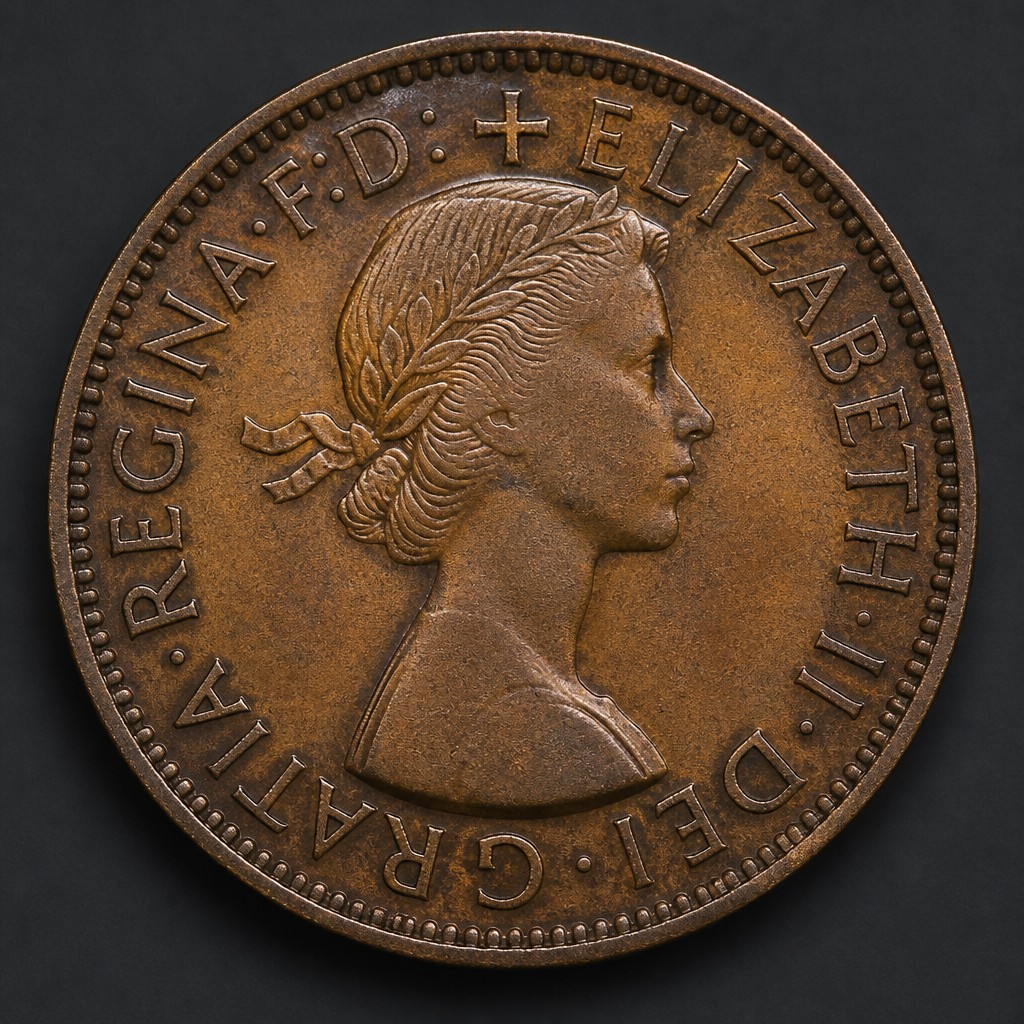
Farthing
The smallest-value British bronze coin, worth a quarter of a penny, fondly remembered for its charming wren reverse design used from 1937 until its withdrawal.
British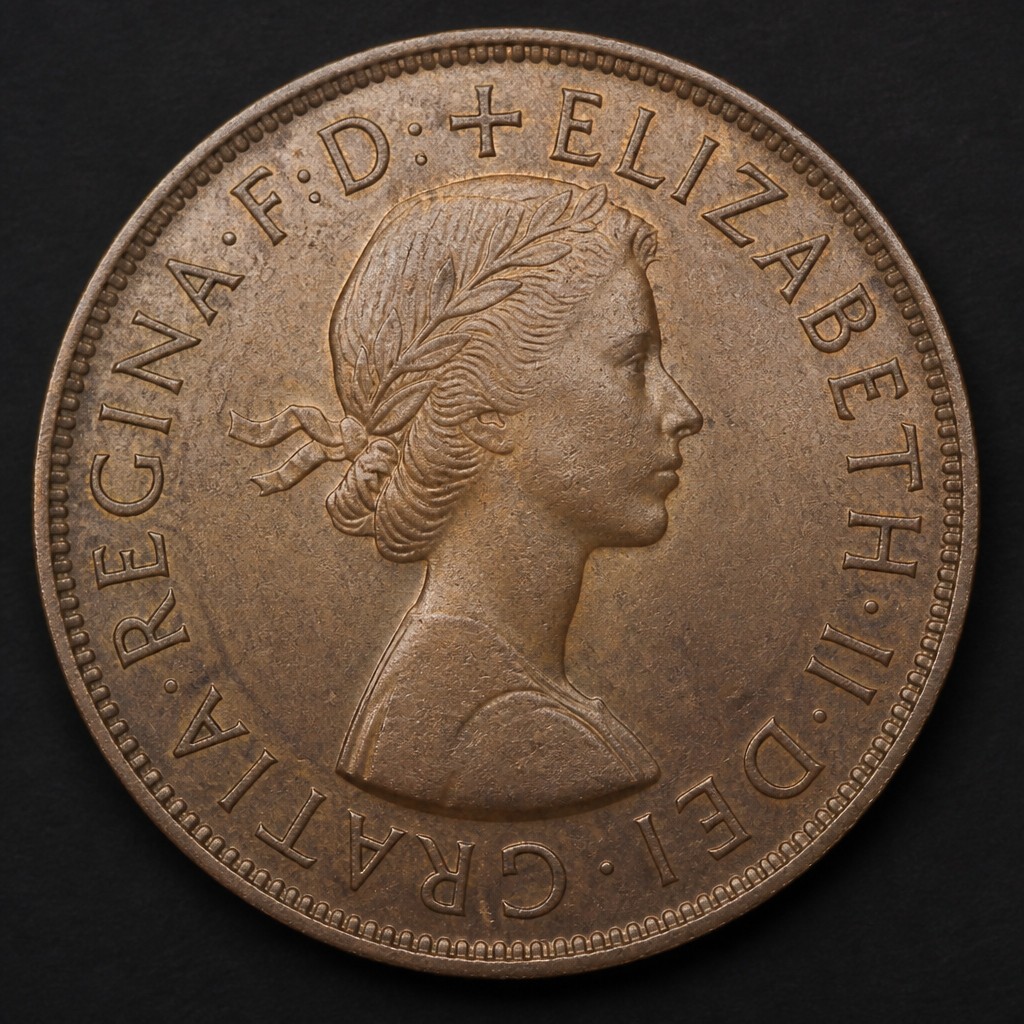
Halfpenny
A small British bronze coin worth half a penny, best known in its twentieth-century form featuring Sir Francis Drake's ship the Golden Hind on the reverse.
British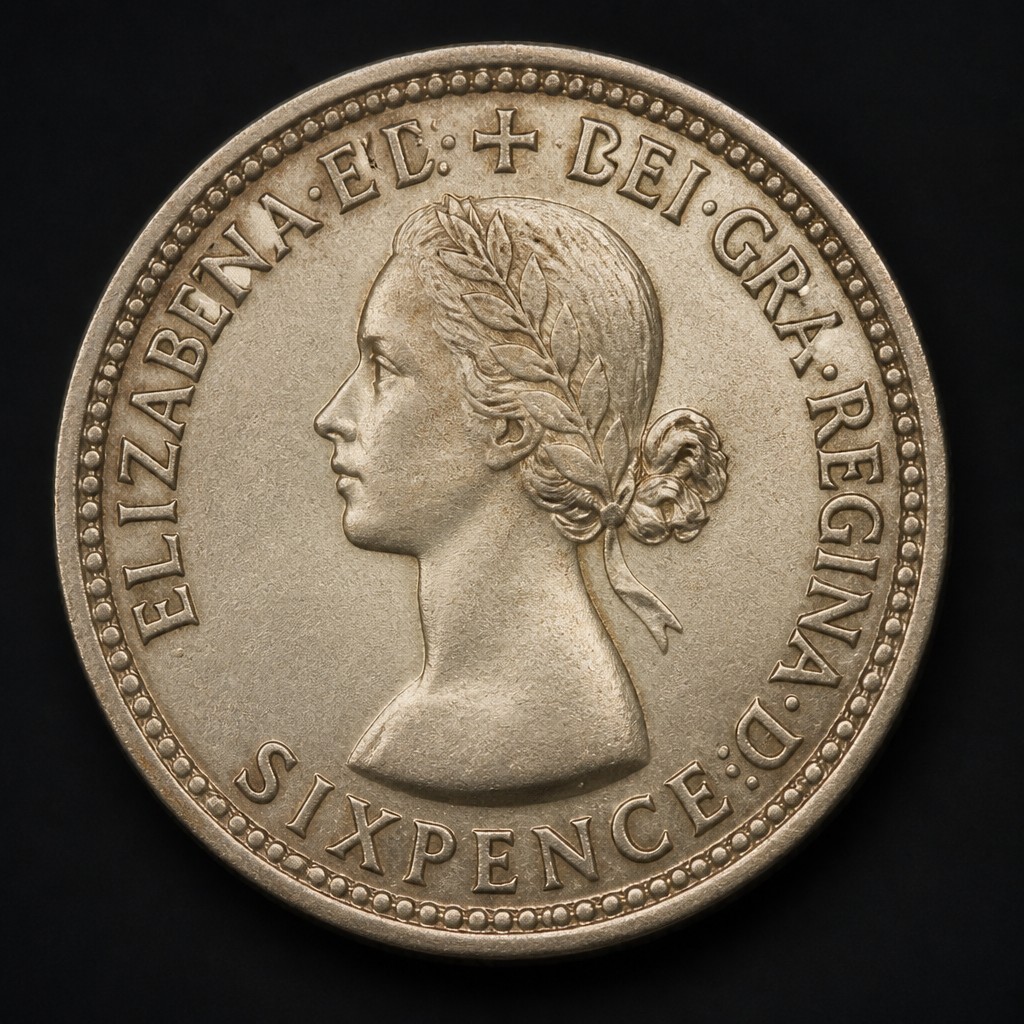
Sixpence
A small British silver coin worth half a shilling, affectionately nicknamed the 'tanner,' beloved for its traditional role tucked into Christmas puddings.
British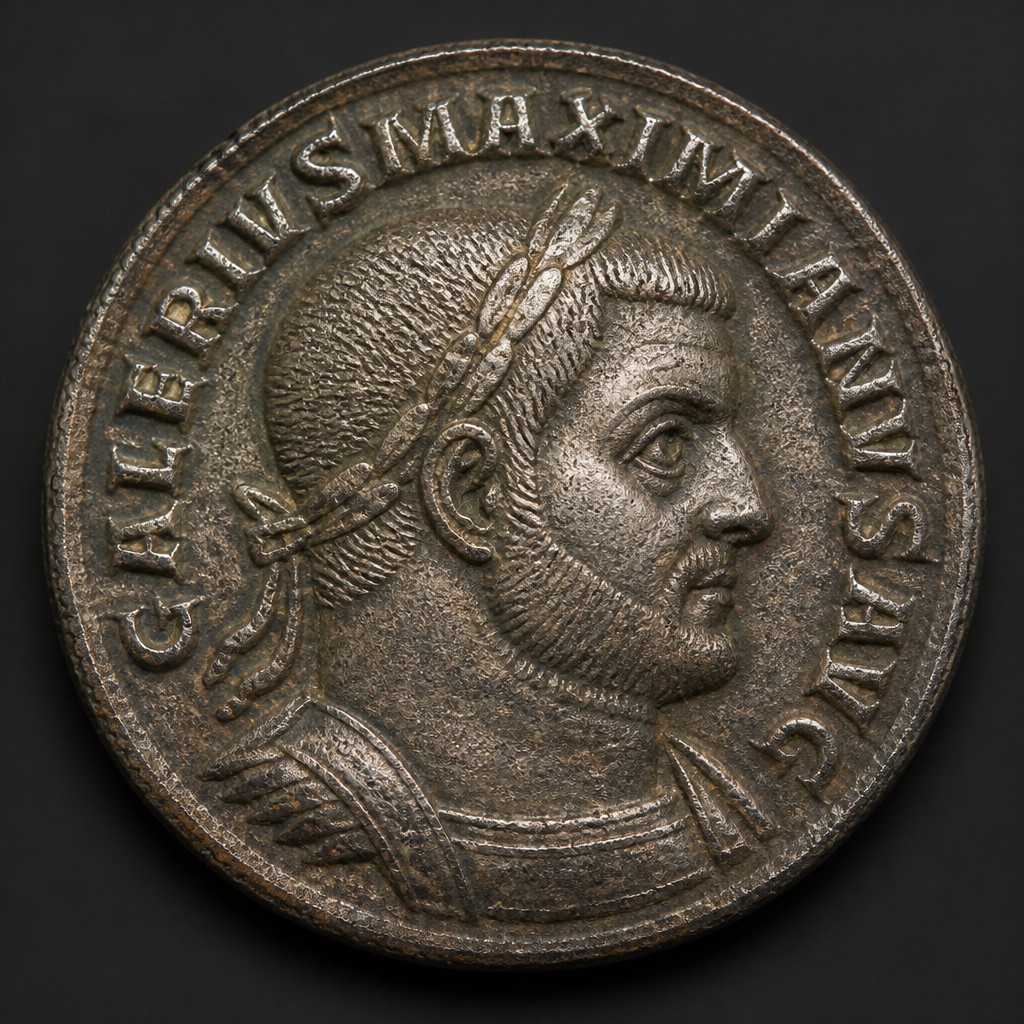
Galerius Follis
Reform-era bronze follis of Galerius, Caesar and later Augustus of the eastern Tetrarchy, remembered for early persecution of Christians and his later Edict of Toleration issued just before his death.
Ancient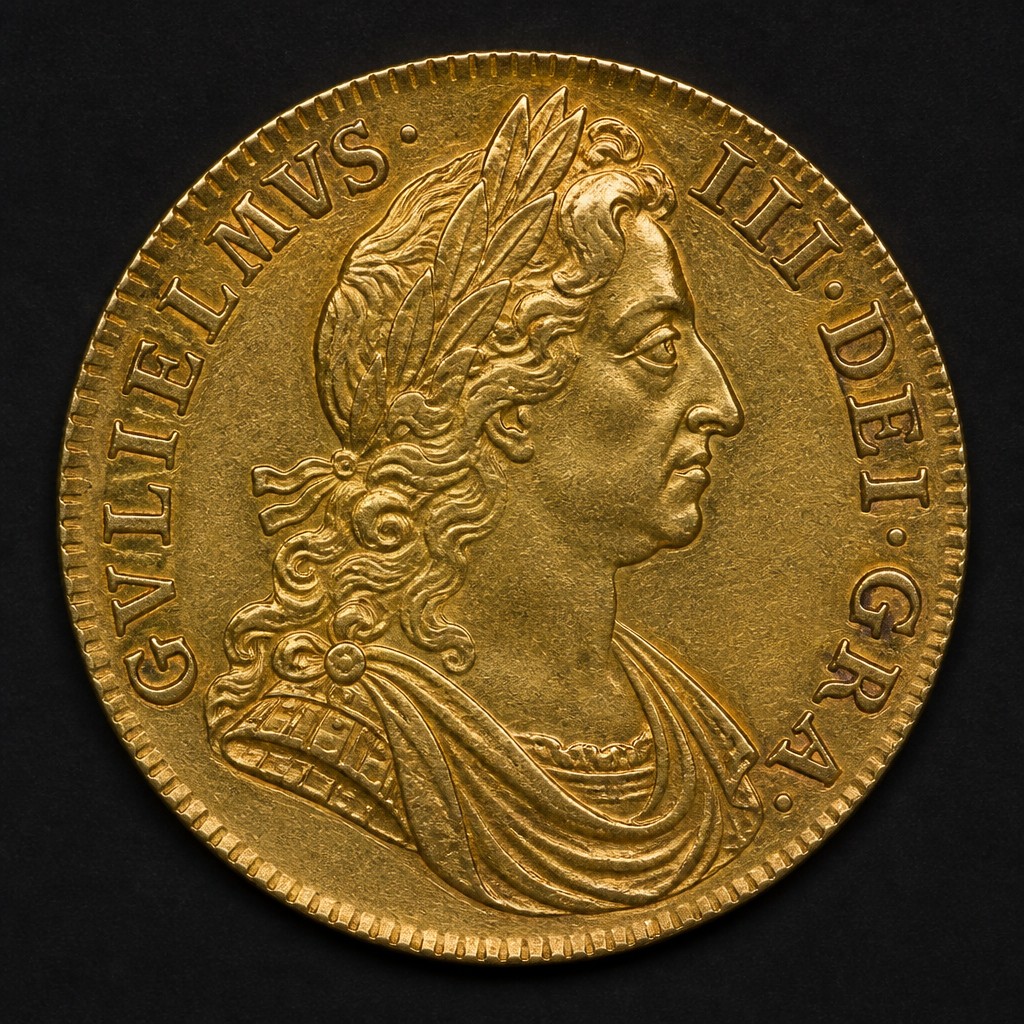
Five Guinea
The largest regularly issued gold denomination of the guinea coinage system, worth five guineas, struck from the reign of Charles II through George II for major transactions and presentation purposes.
British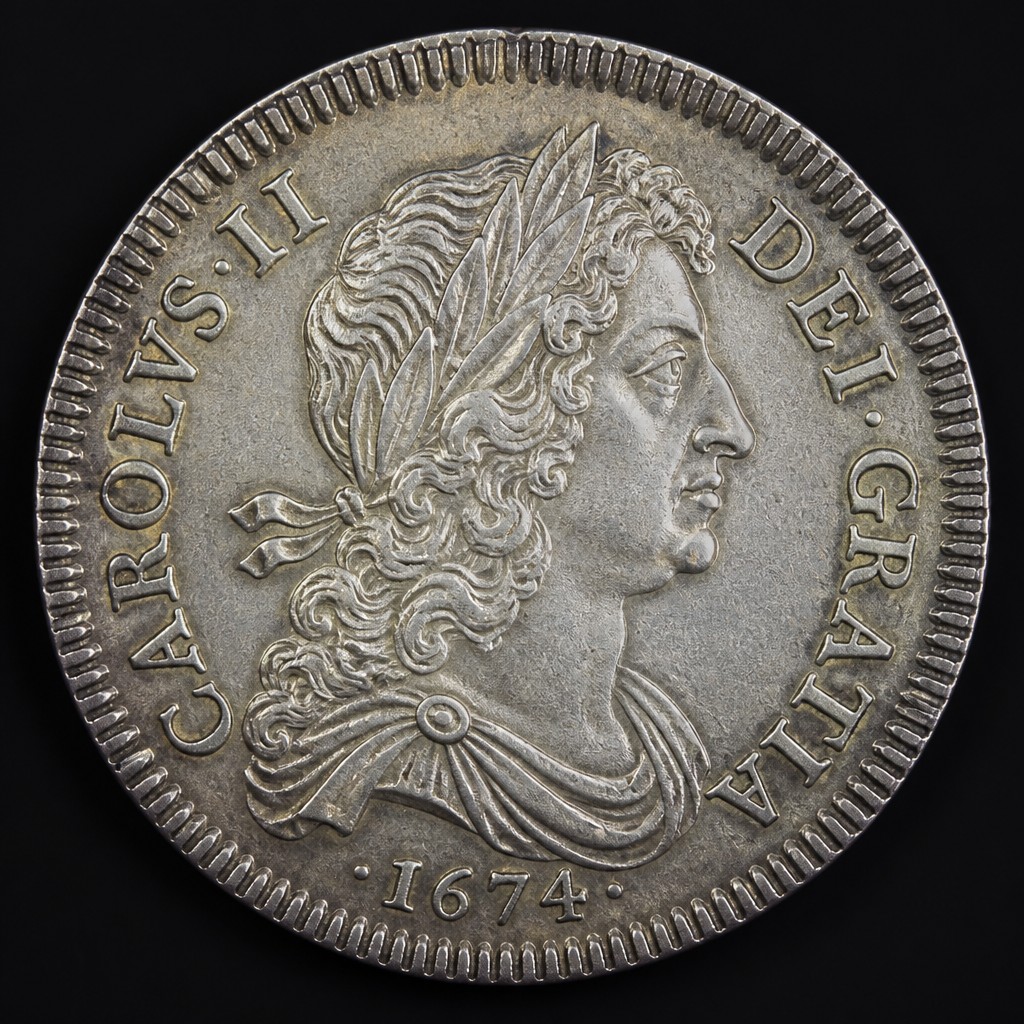
Maundy Fourpence
The largest of the four Royal Maundy coins, a small silver fourpence descended in value from the medieval groat, struck annually for the monarch's ceremonial Maundy Thursday alms distribution.
British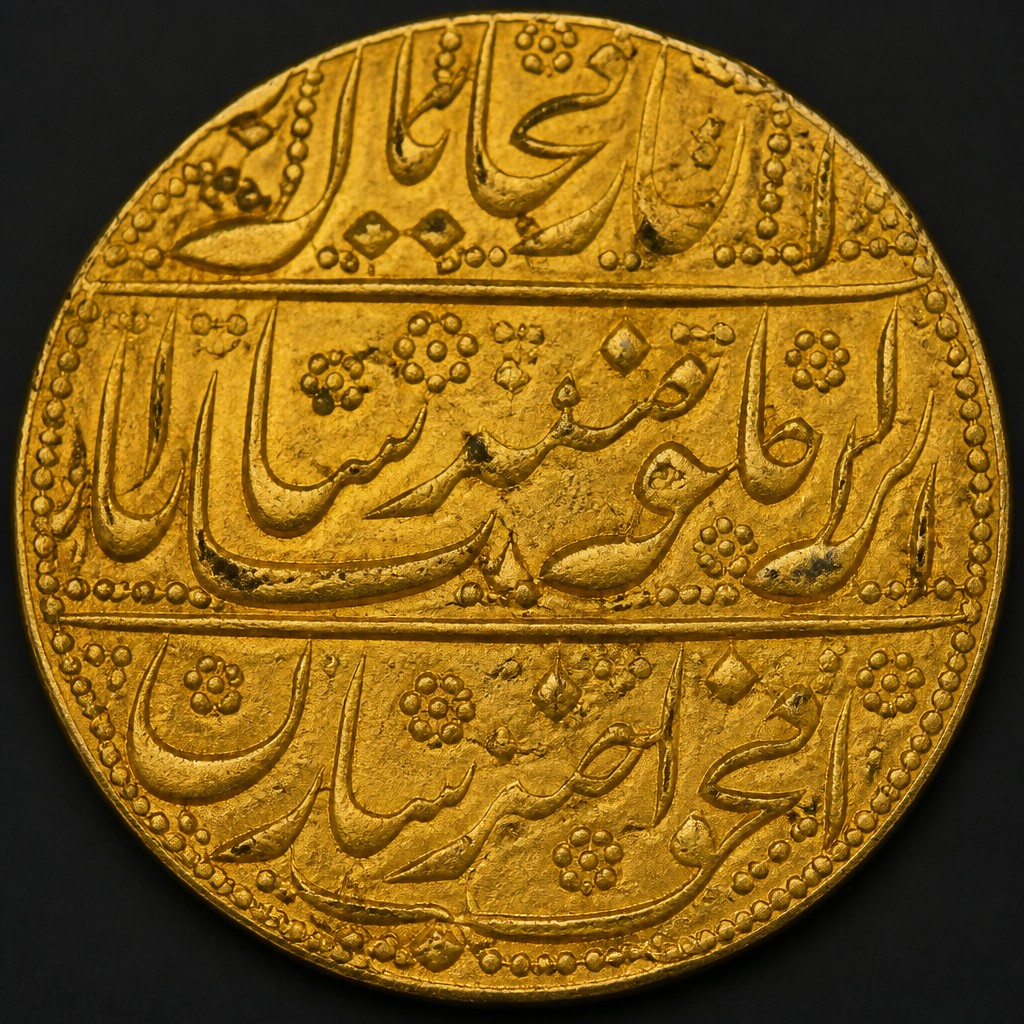
Indian Gold Mohur
The traditional high-value gold coin of the Indian subcontinent, struck for centuries by Mughal emperors, later by the British East India Company, British India, and various princely states.
Asian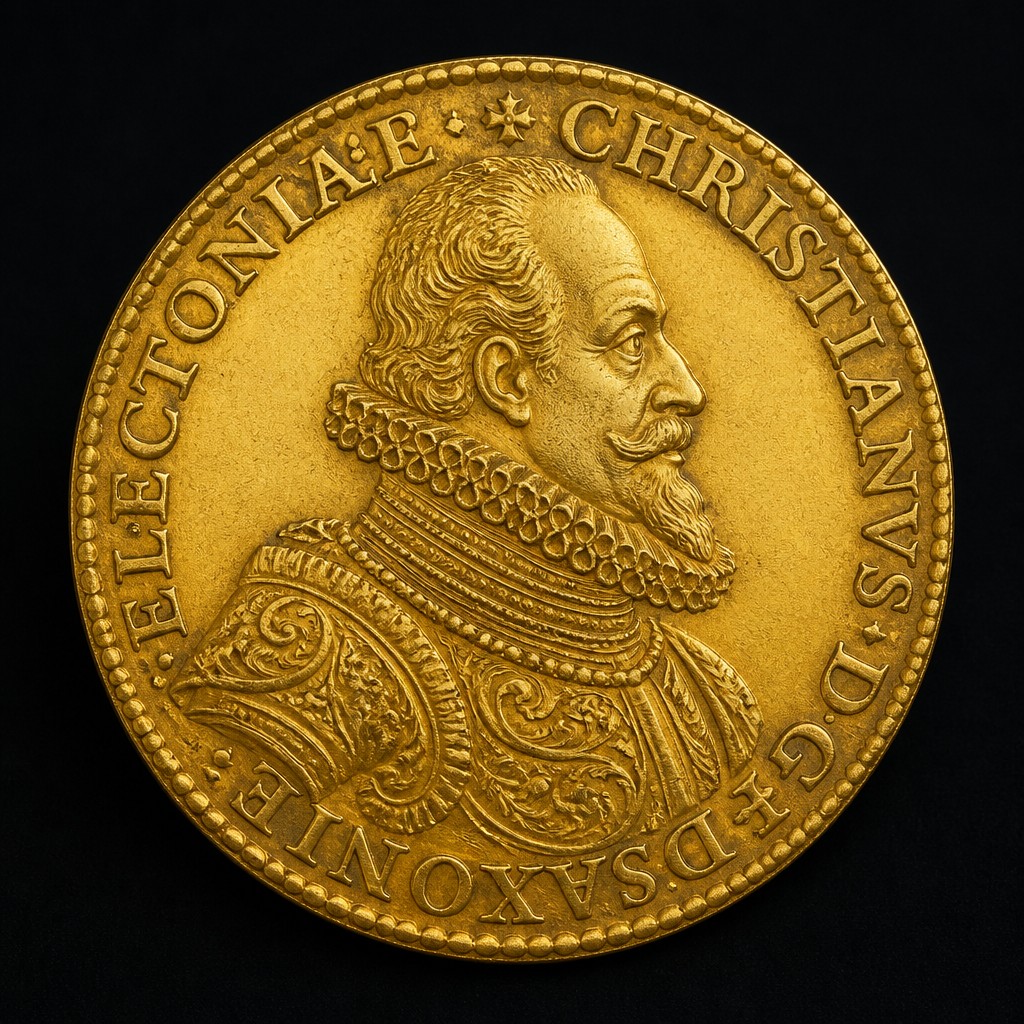
German Saxony Ducat
A high-purity gold trade coin struck for centuries by the rulers of Saxony, one of the most important German states before national unification.
European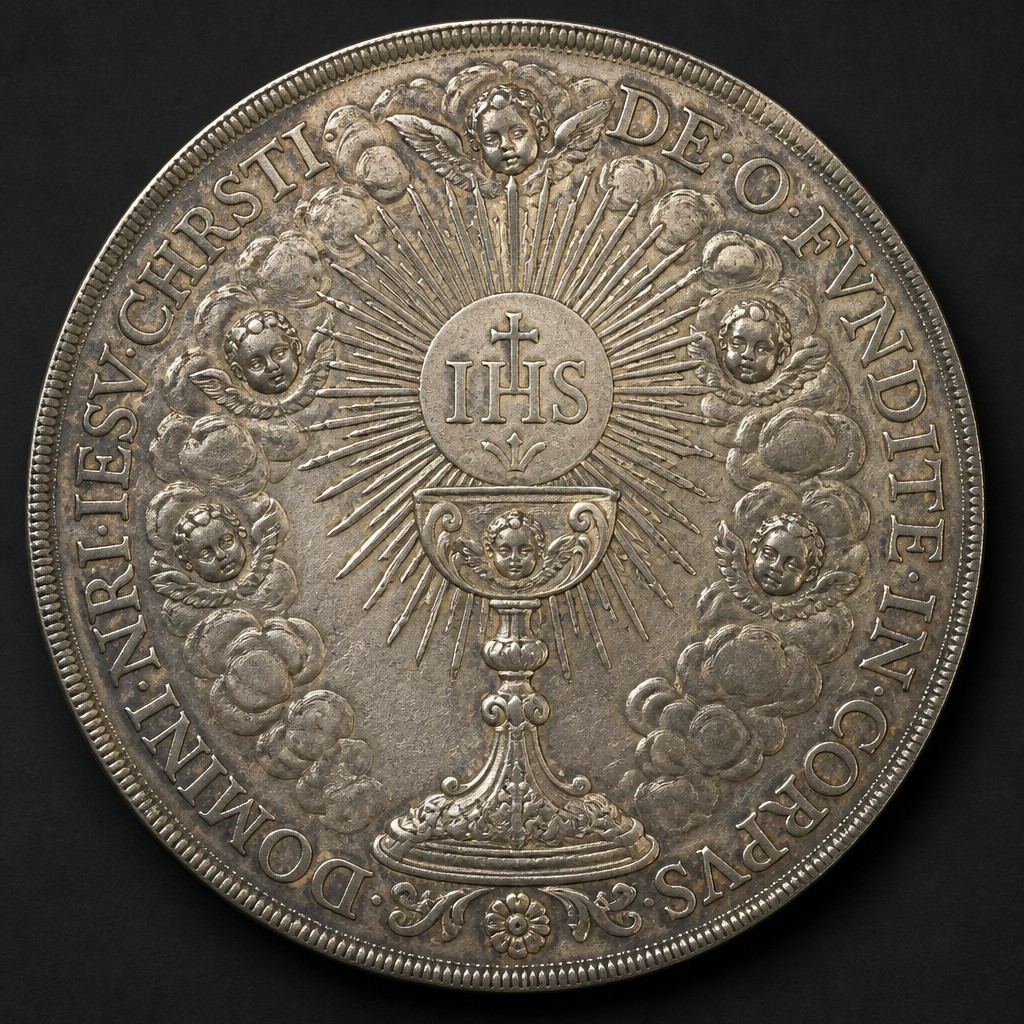
Austrian Corpus Christi Thaler
A devotional silver thaler struck by Austrian ecclesiastical authorities to mark the feast of Corpus Christi, blending religious procession imagery with the standard large-thaler format of the era.
European