
Coin Encyclopedia
Search and identify coins from around the world — with country, denomination, metal, mint, history, and how to tell them apart.
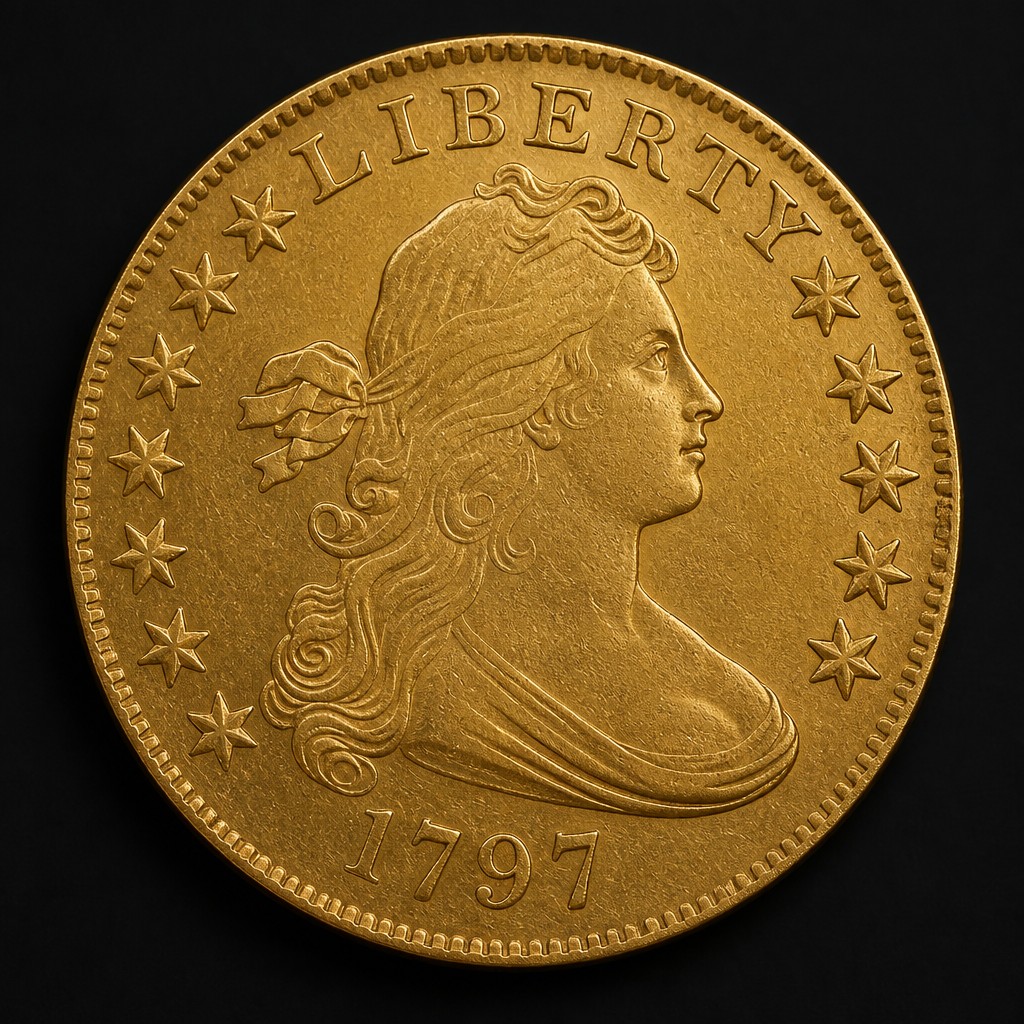
Draped Bust Eagle
The formal catalog name for the first U.S. ten-dollar gold coin once it adopted a bold heraldic eagle reverse in 1797, the same coin popularly nicknamed the 'Turban Head' eagle.
United States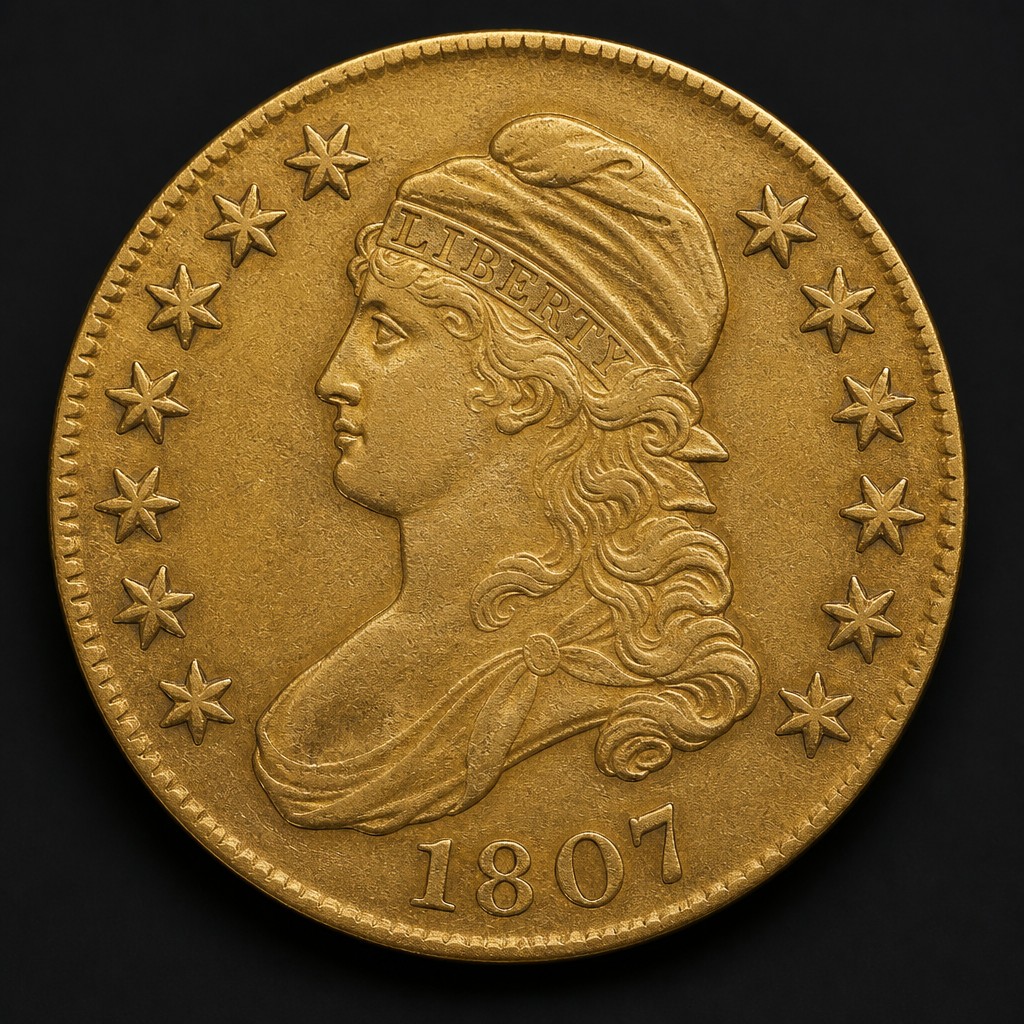
Capped Bust Half Eagle
John Reich's 1807 redesign turned Liberty to face left and added drapery to her bust, replacing the earlier Capped Bust to Right half eagle for a five-year run before the Capped Head type arrived.
United States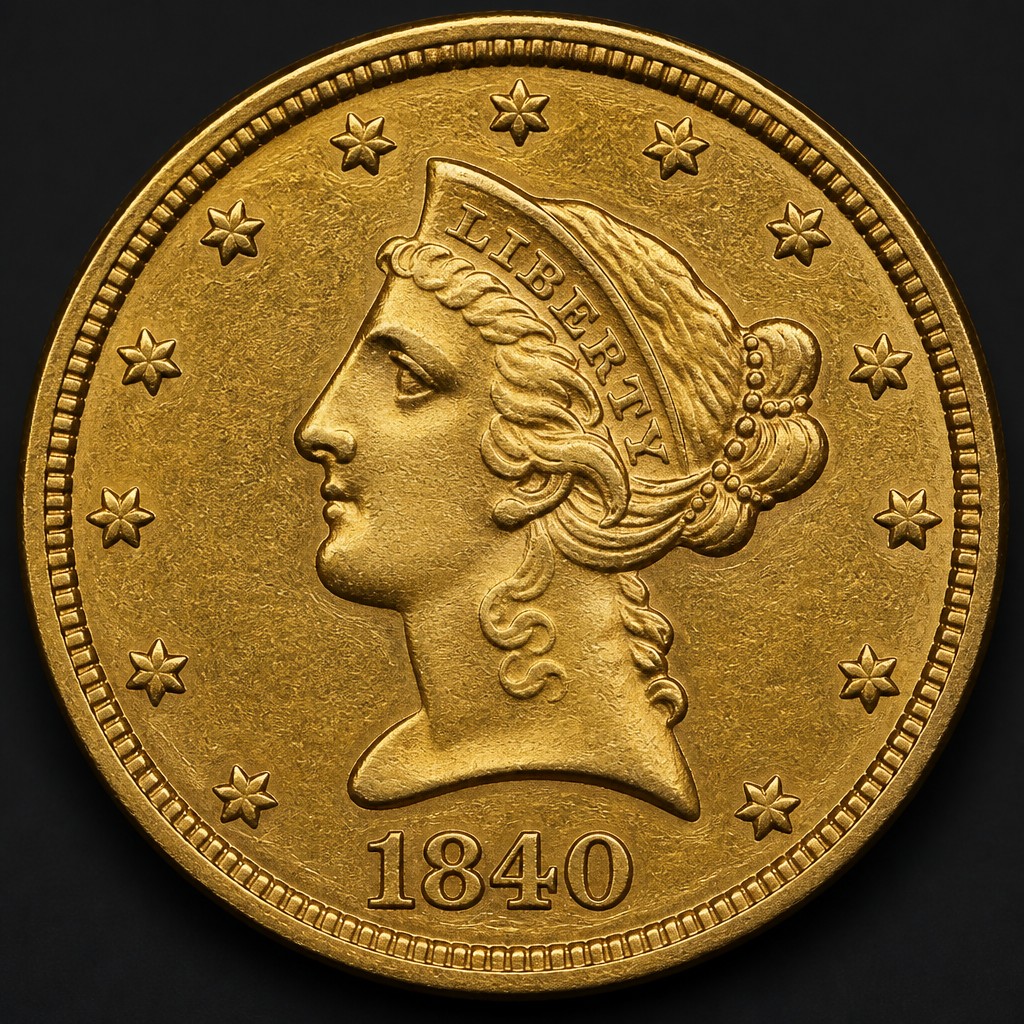
Liberty Head Quarter Eagle ($2.50)
A small 19th-century gold coin featuring Christian Gobrecht's Coronet Head design, minted across many branch facilities during America's gold rush era.
United States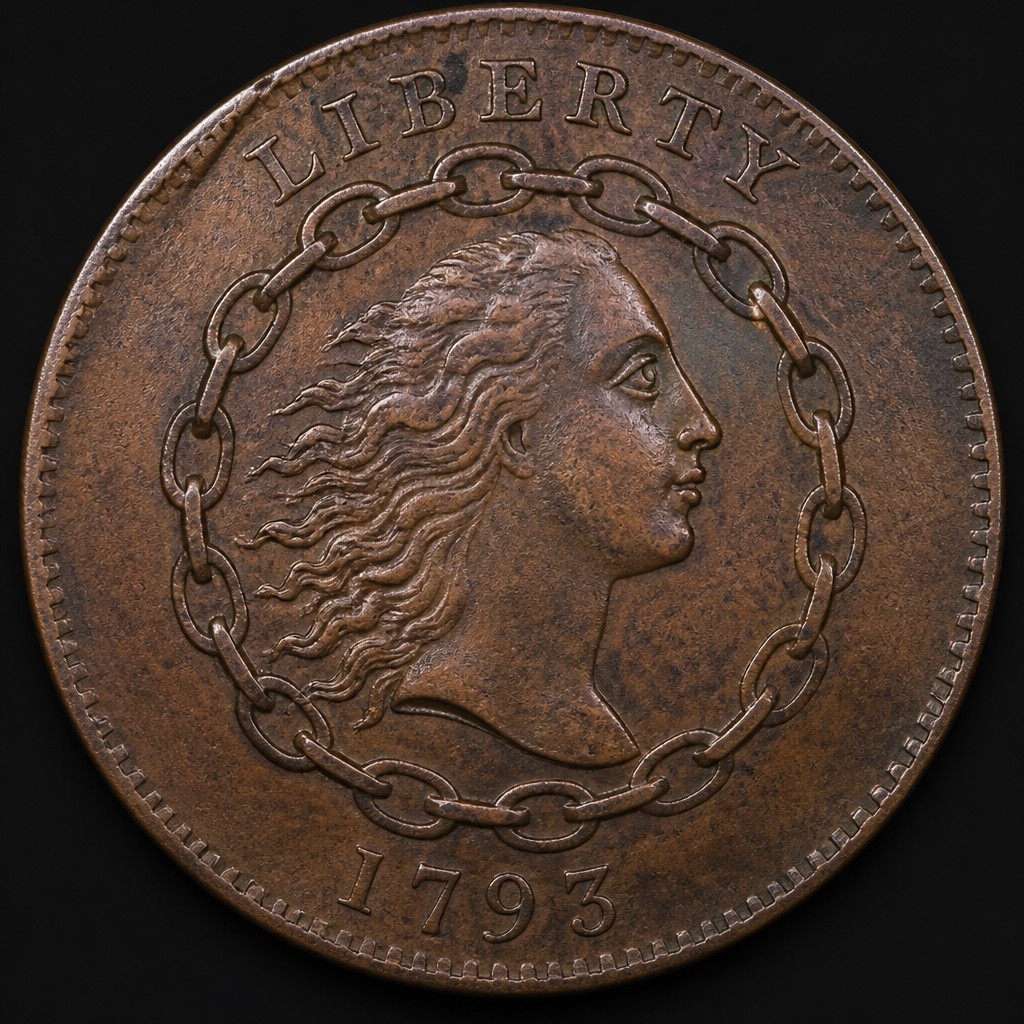
1793 Chain Cent
The very first cent struck for circulation by the U.S. Mint, dated 1793, famous for its short-lived and controversial 15-link chain reverse.
United States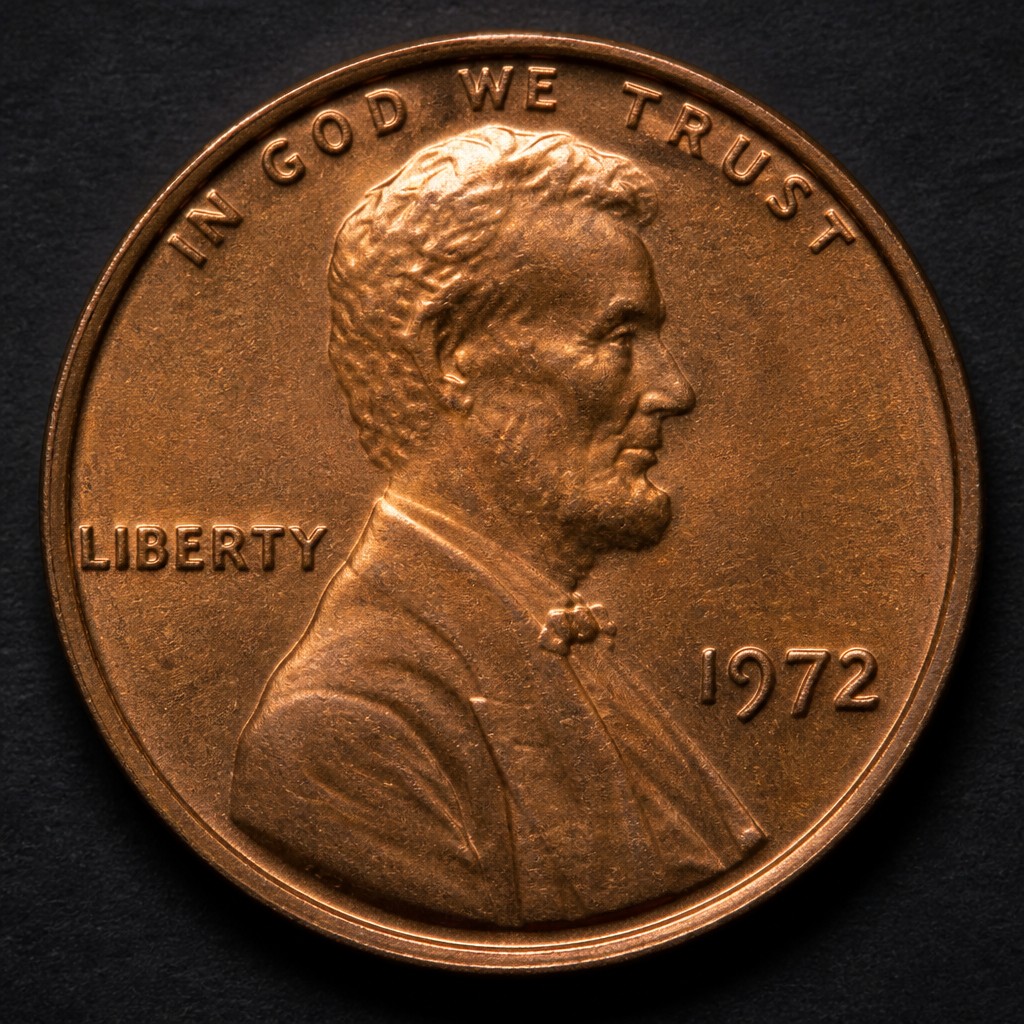
1972 Doubled Die Lincoln Cent
A famous Lincoln cent error showing strong doubling on the obverse date and lettering, caused by a misaligned die hub during production at the Philadelphia Mint.
Errors & Varieties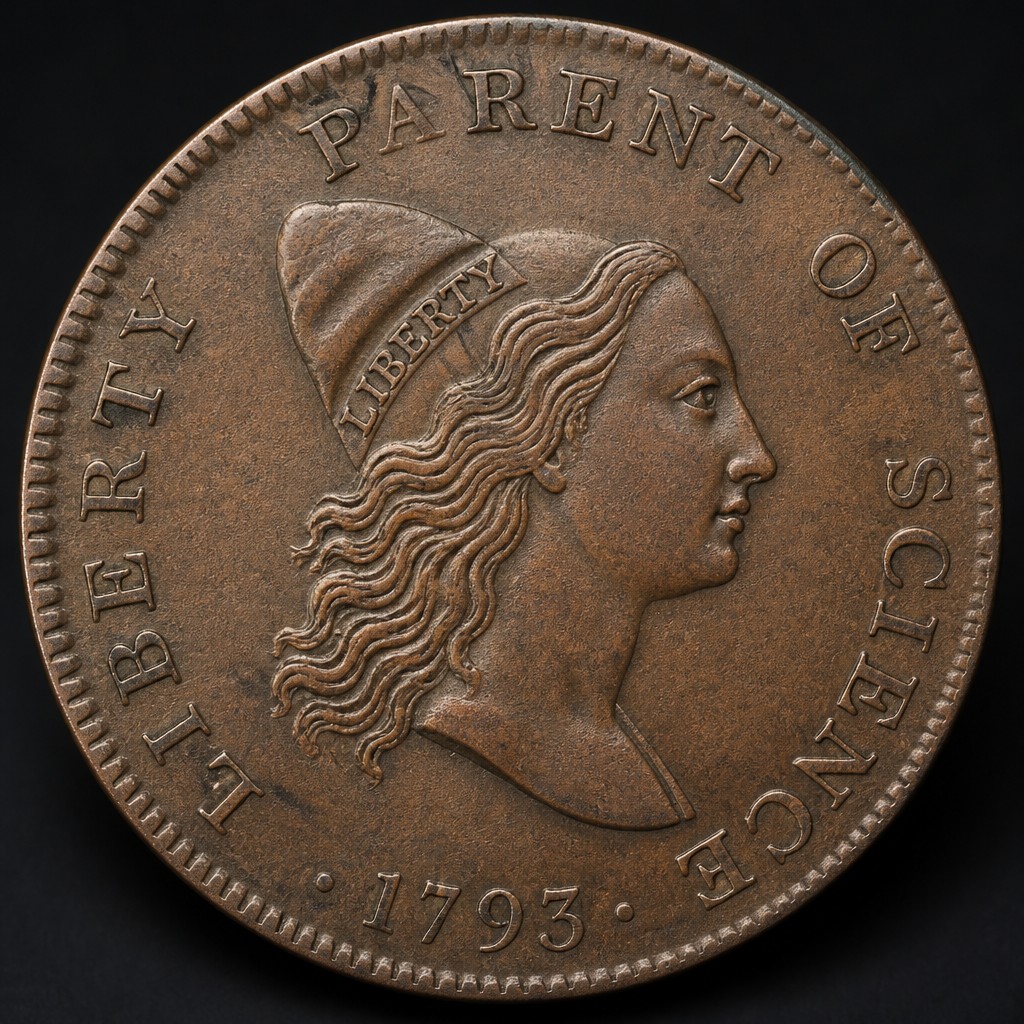
1793 Liberty Cap Half Cent
The first-year half cent, struck in 1793 with a distinctive 'Head Facing Left' Liberty Cap design used only that single year before the design was revised.
United States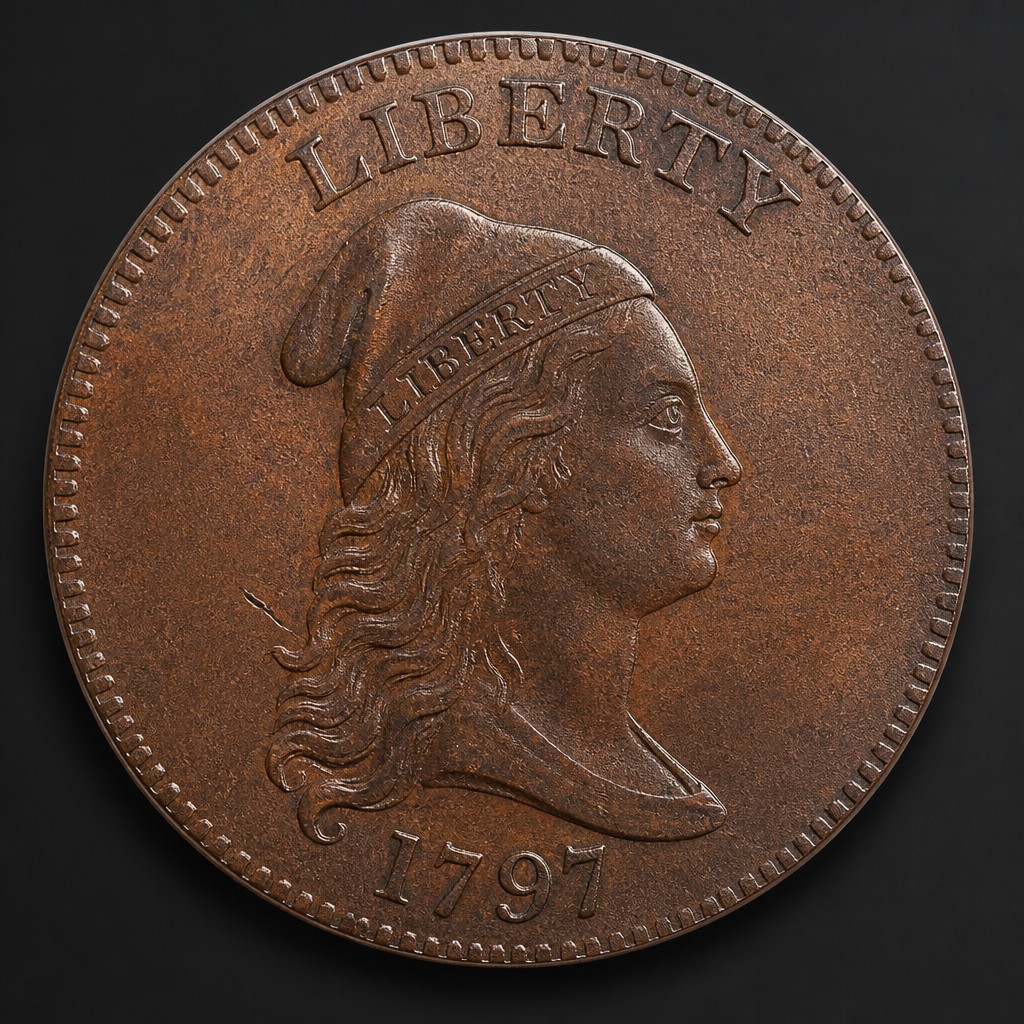
Liberty Cap Half Cent
The first design used on the U.S. half cent, struck from 1793 to 1797, showing Liberty wearing a soft cap on the obverse and a wreath on the reverse.
United States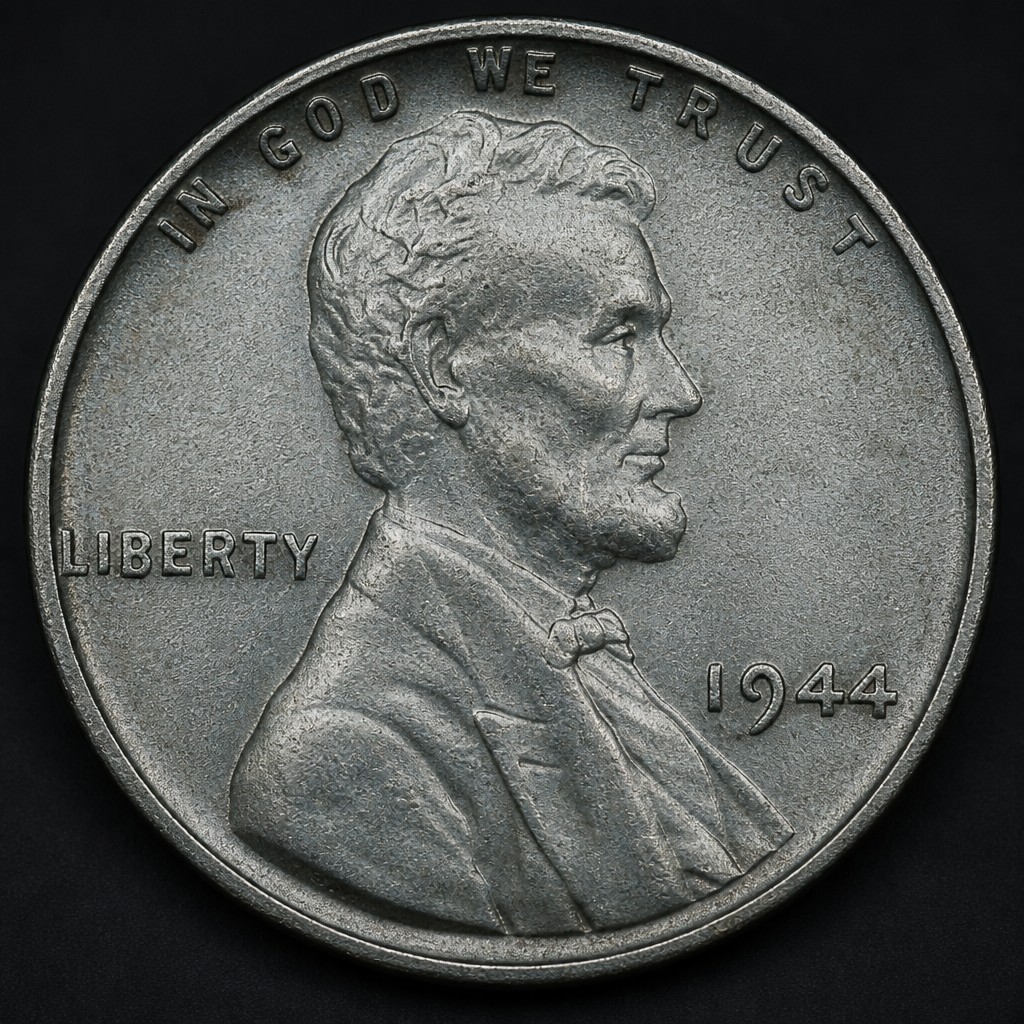
1944 Steel Cent
A rare Lincoln cent mistakenly struck on leftover steel planchets in 1944, the reverse counterpart to the famous 1943 bronze cent error.
Errors & Varieties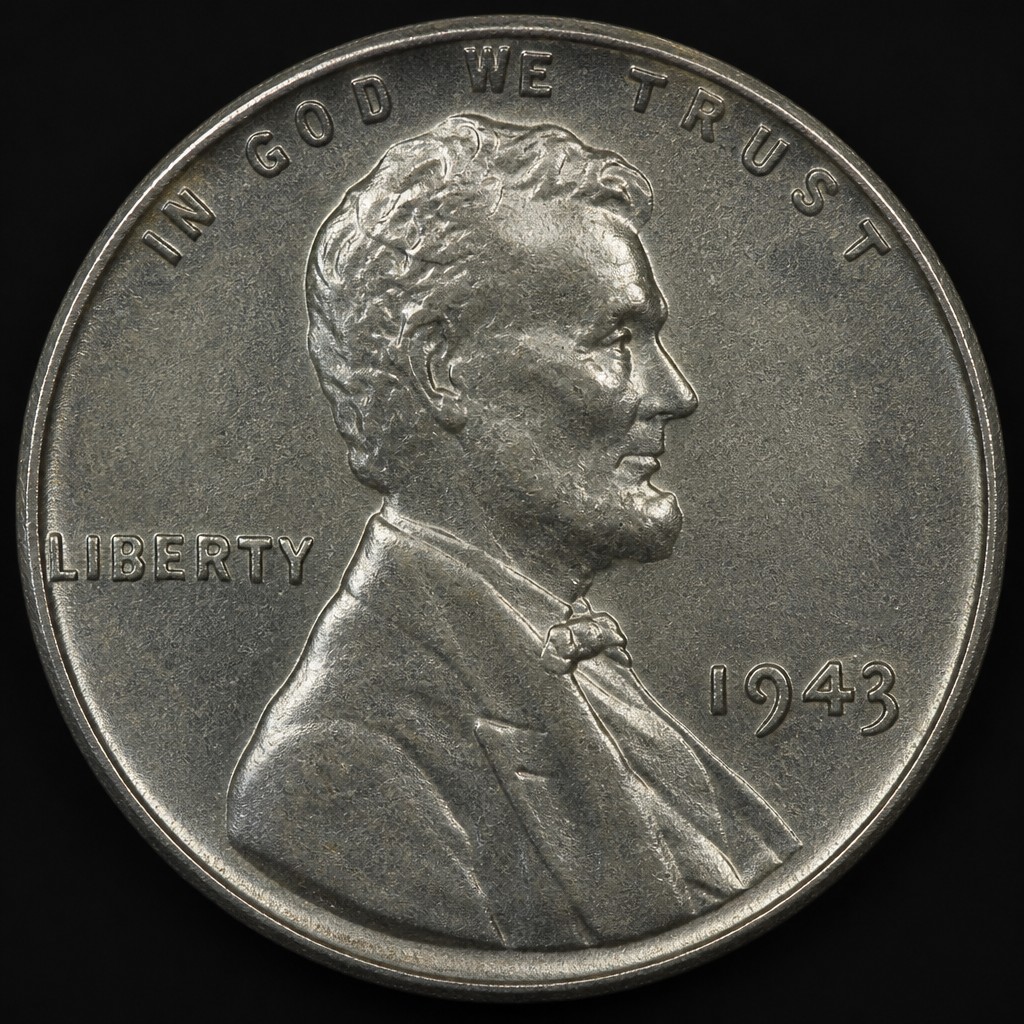
1943 Steel Cent
A one-year-only zinc-coated steel cent struck to conserve copper for World War II ammunition and equipment production, easily recognized by its silvery color.
United States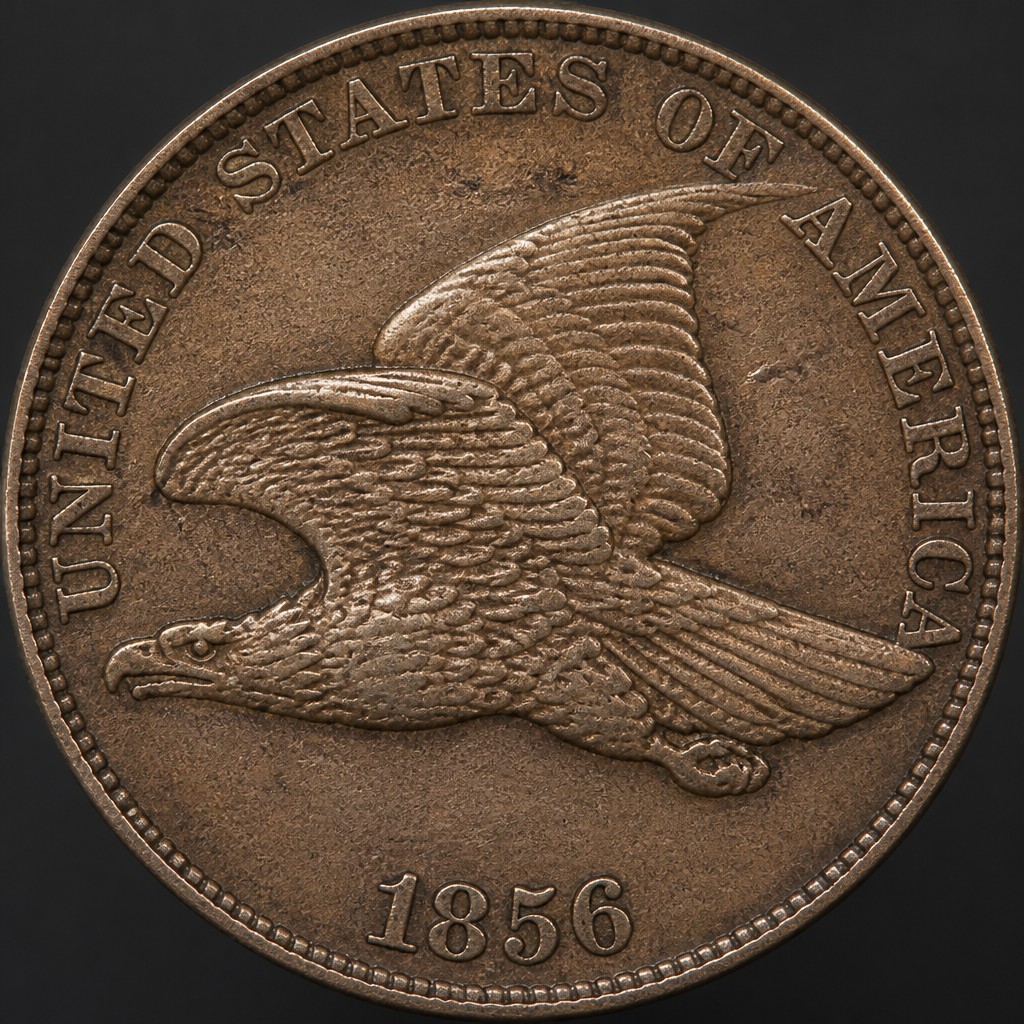
Flying Eagle Cent
The first small-size U.S. cent, introduced in 1856 to replace the large copper cent, featuring a flying eagle obverse designed by James B. Longacre.
United States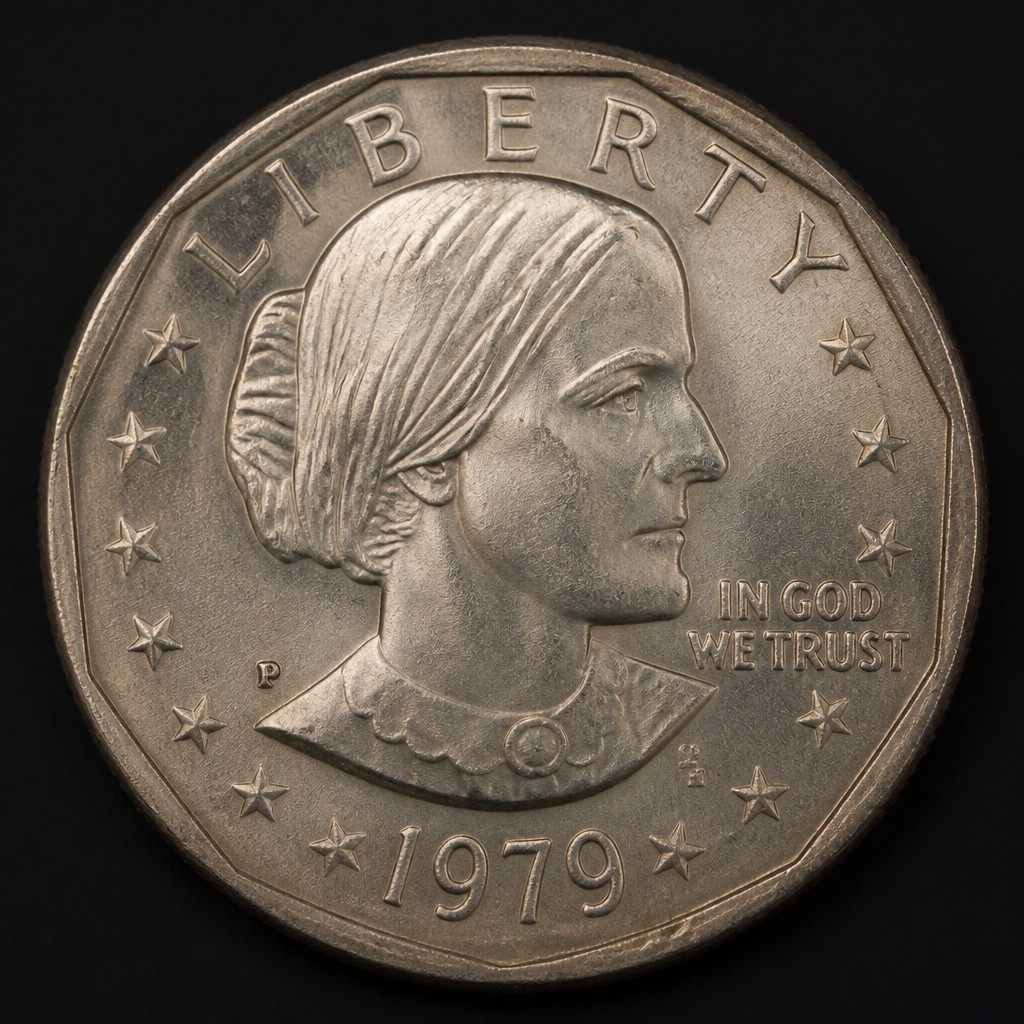
Susan B. Anthony Dollar
A small-size dollar coin honoring women's suffrage leader Susan B. Anthony, notable as the first U.S. coin to depict a specific historical American woman.
United States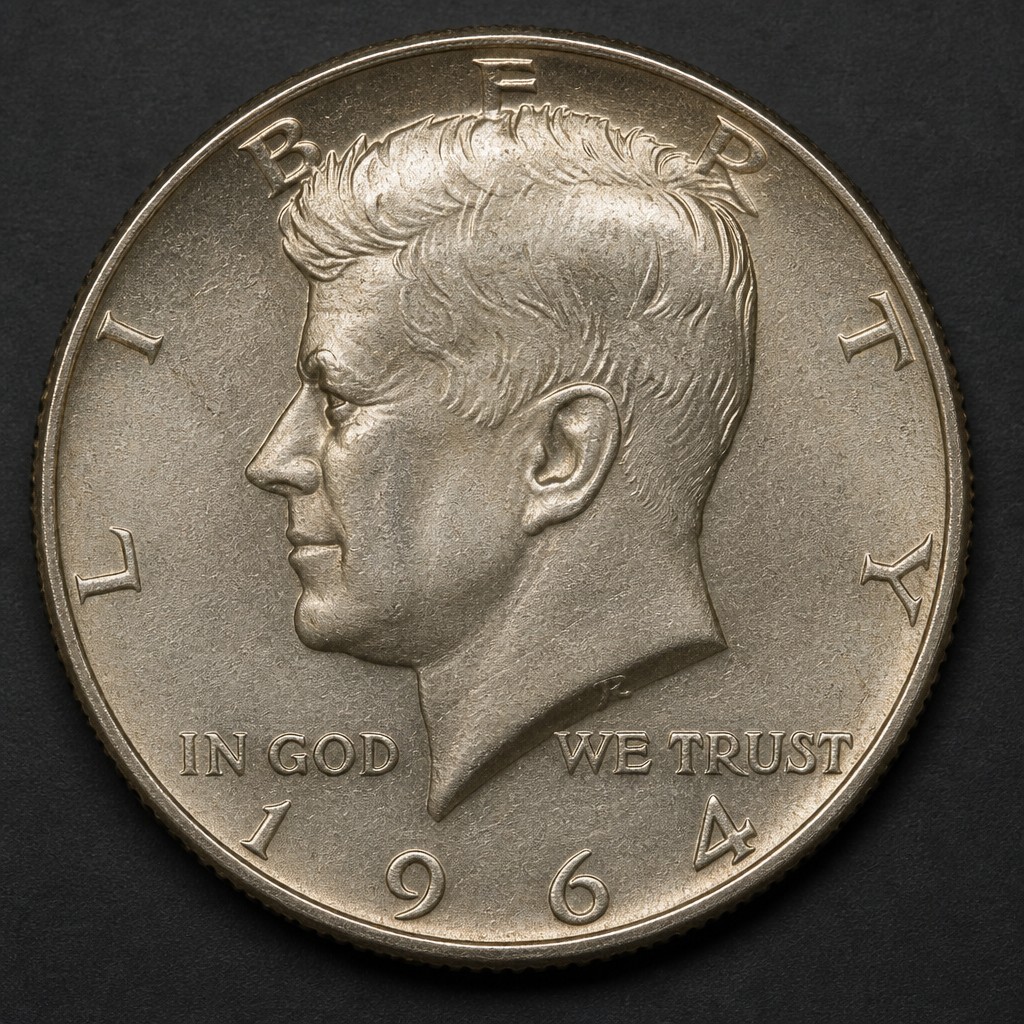
Kennedy Half Dollar
A half dollar issued starting in 1964 to honor assassinated President John F. Kennedy, quickly becoming a widely saved and collected commemorative-style circulating coin.
United States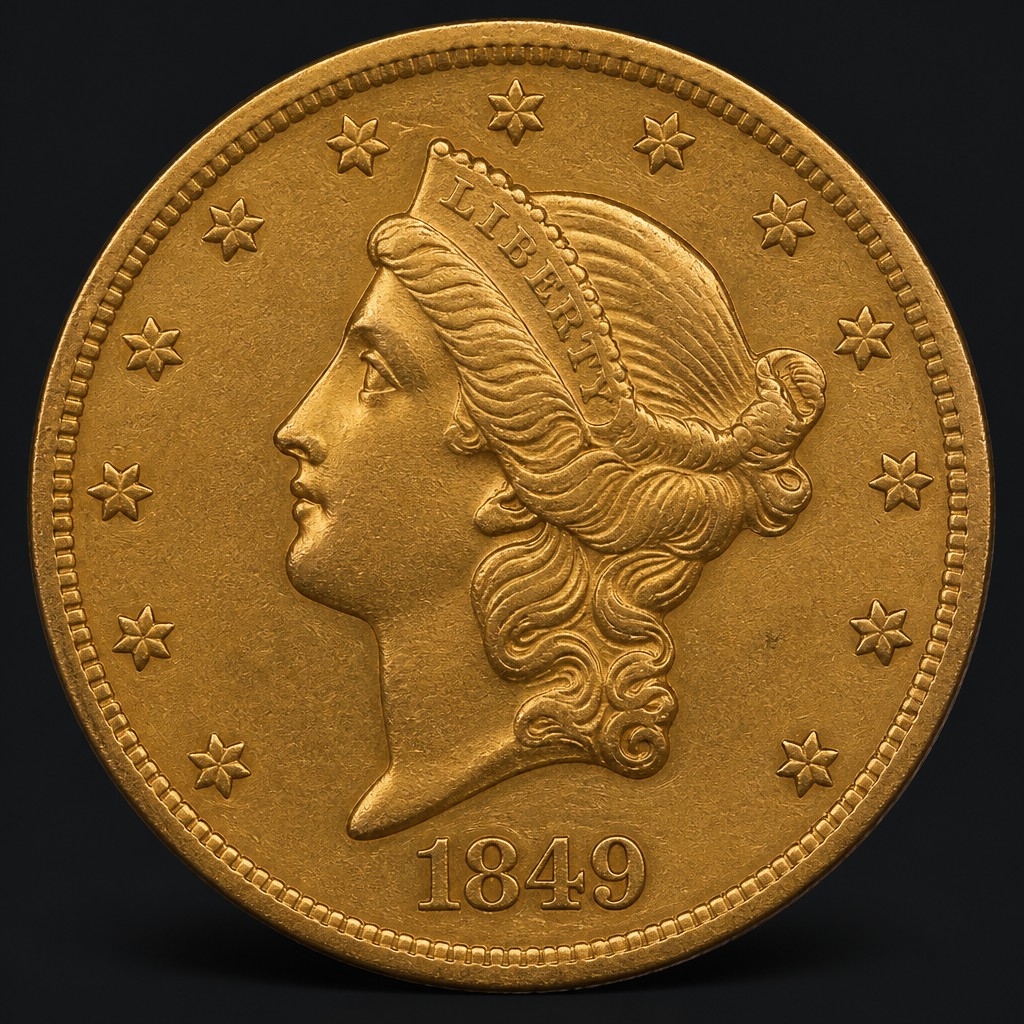
Liberty Head Double Eagle
A large gold twenty-dollar coin featuring Liberty's coronet-crowned head, struck for decades amid the California Gold Rush and westward mint expansion.
United States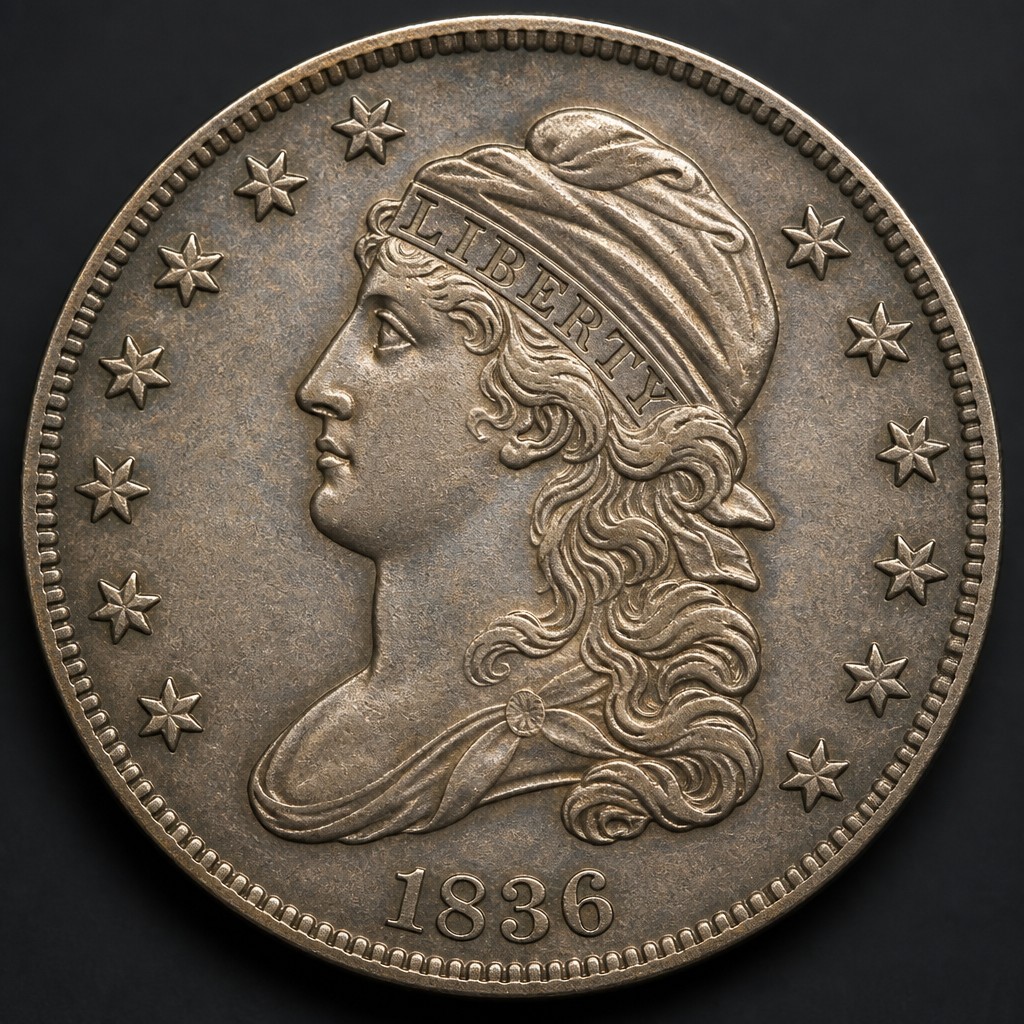
Gobrecht Dollar
A transitional silver dollar designed by Christian Gobrecht featuring a seated Liberty obverse and a flying eagle reverse, bridging older and newer designs in U.S. coinage.
United States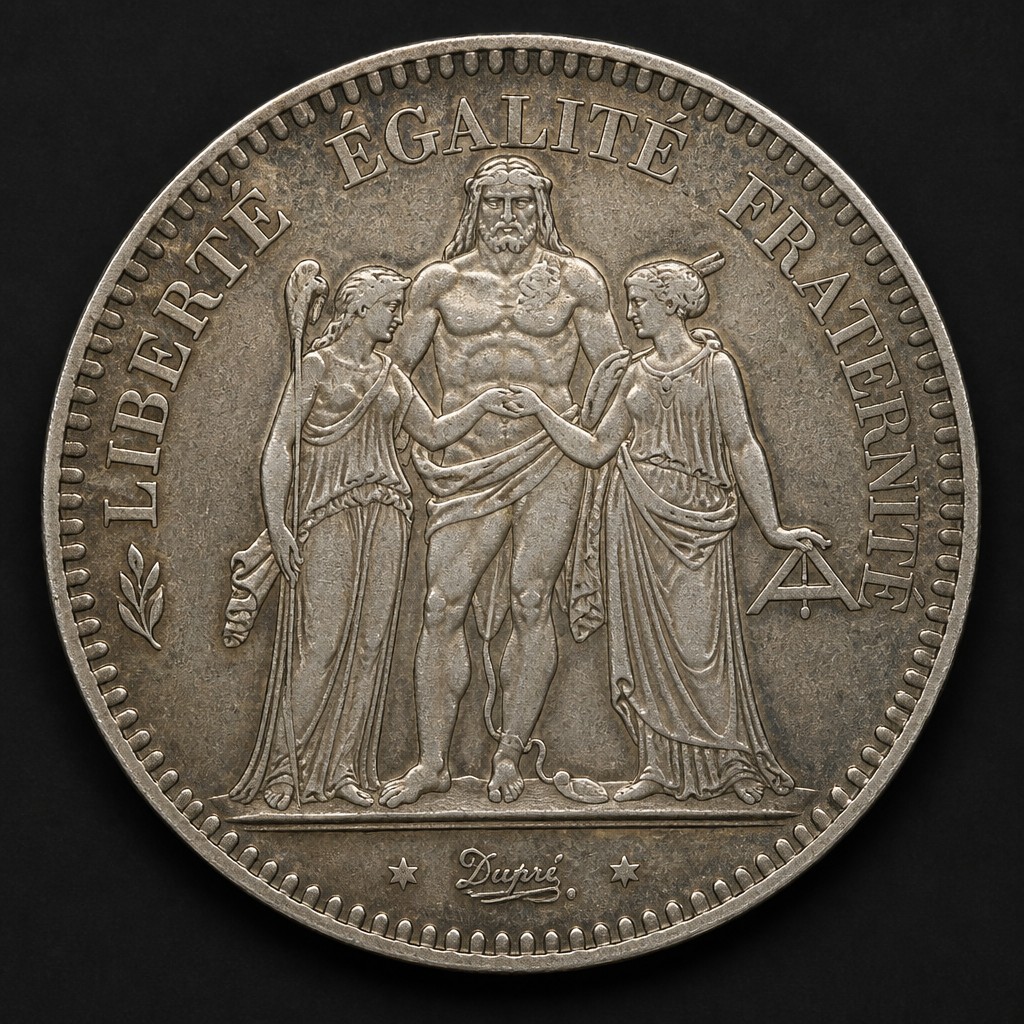
French 5 Francs Hercules
A large silver crown depicting an allegorical Hercules flanked by Liberty and Equality, struck at pivotal republican moments in French history as a statement of civic ideals.
European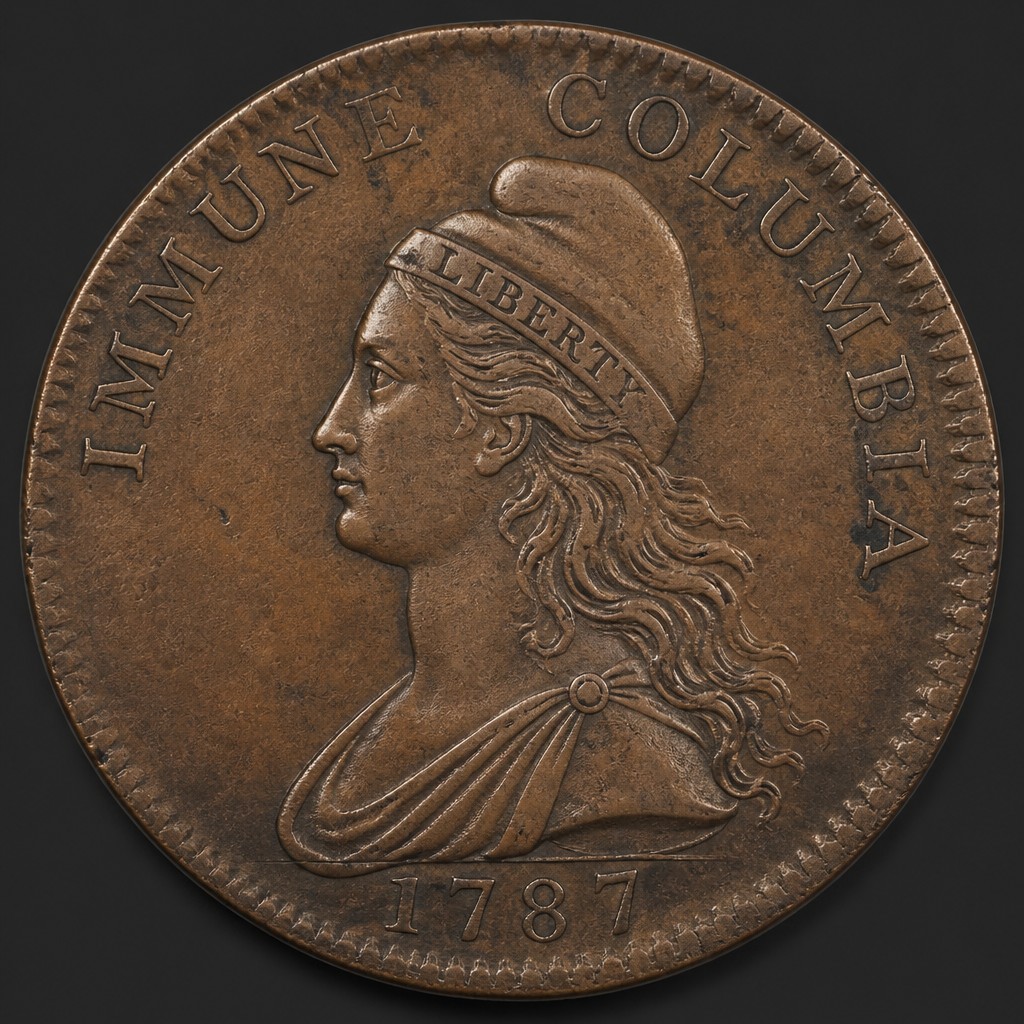
Immune Columbia Copper
An extremely rare Confederation-era copper carrying the Latin legend 'IMMUNIS COLUMBIA,' known for numerous unusual die combinations and mules with other early American and British designs.
United States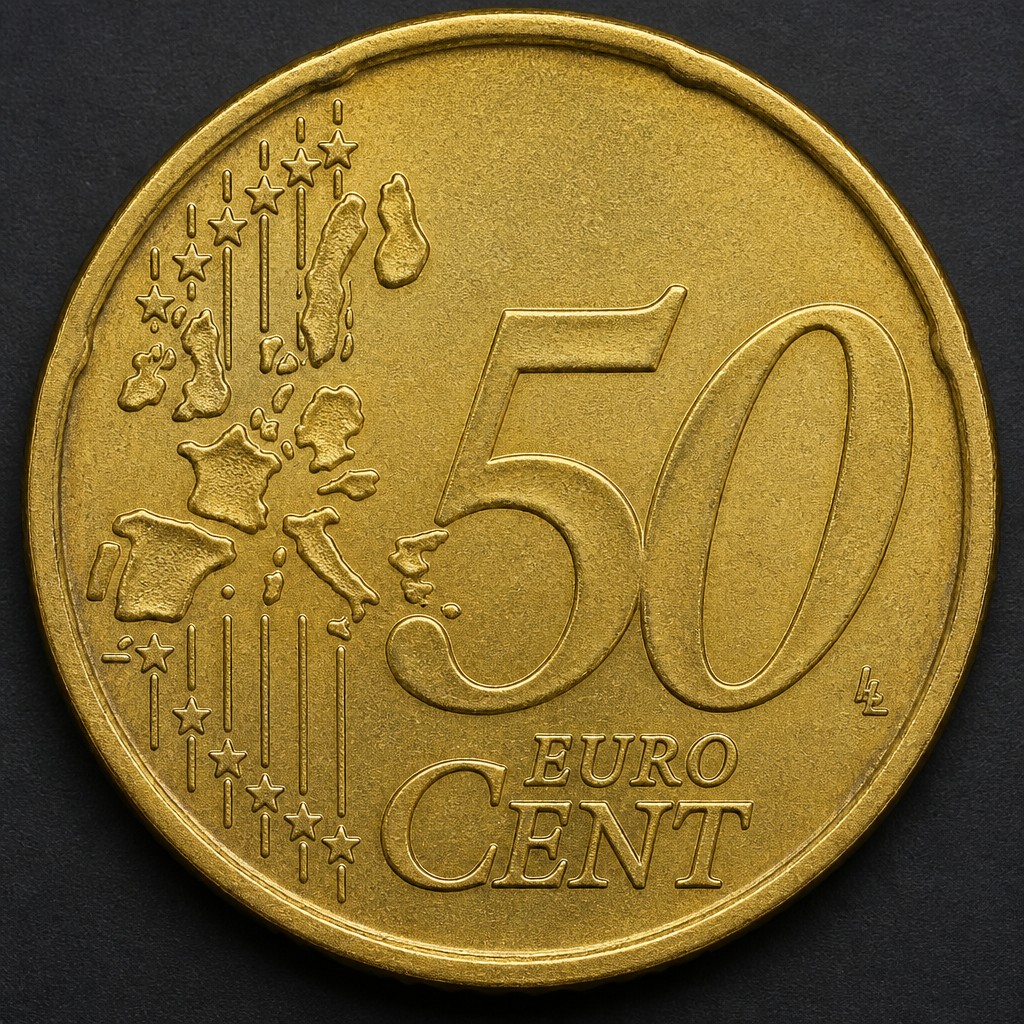
50 Euro Cent Coin
A gold-colored circulating euro coin worth half a euro, struck in a copper-based Nordic gold alloy and easily recognized by its distinctive scalloped-edge shape and national obverse design.
European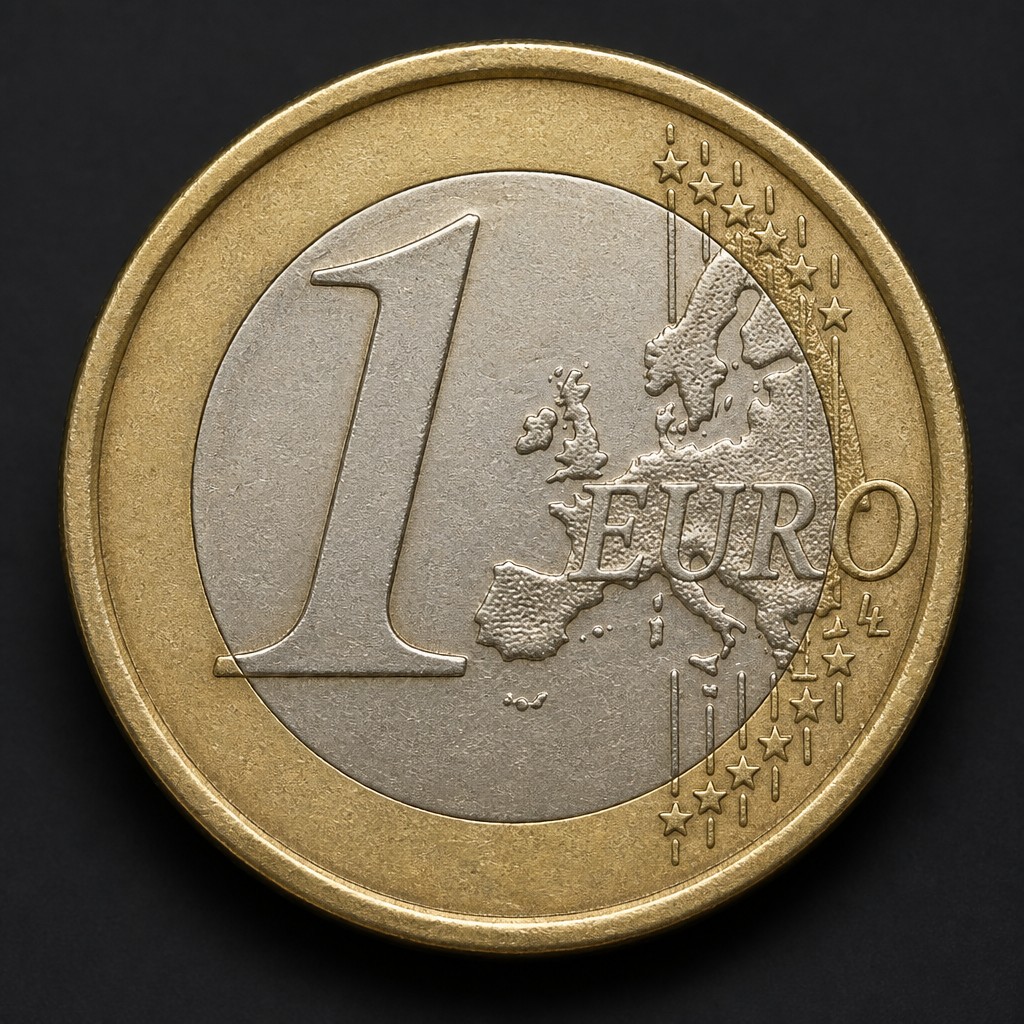
1 Euro Coin
The standard circulating one-euro coin used across the Eurozone since 2002, bimetallic with a gold-colored center and silver-colored ring, and a national obverse that varies by issuing country.
European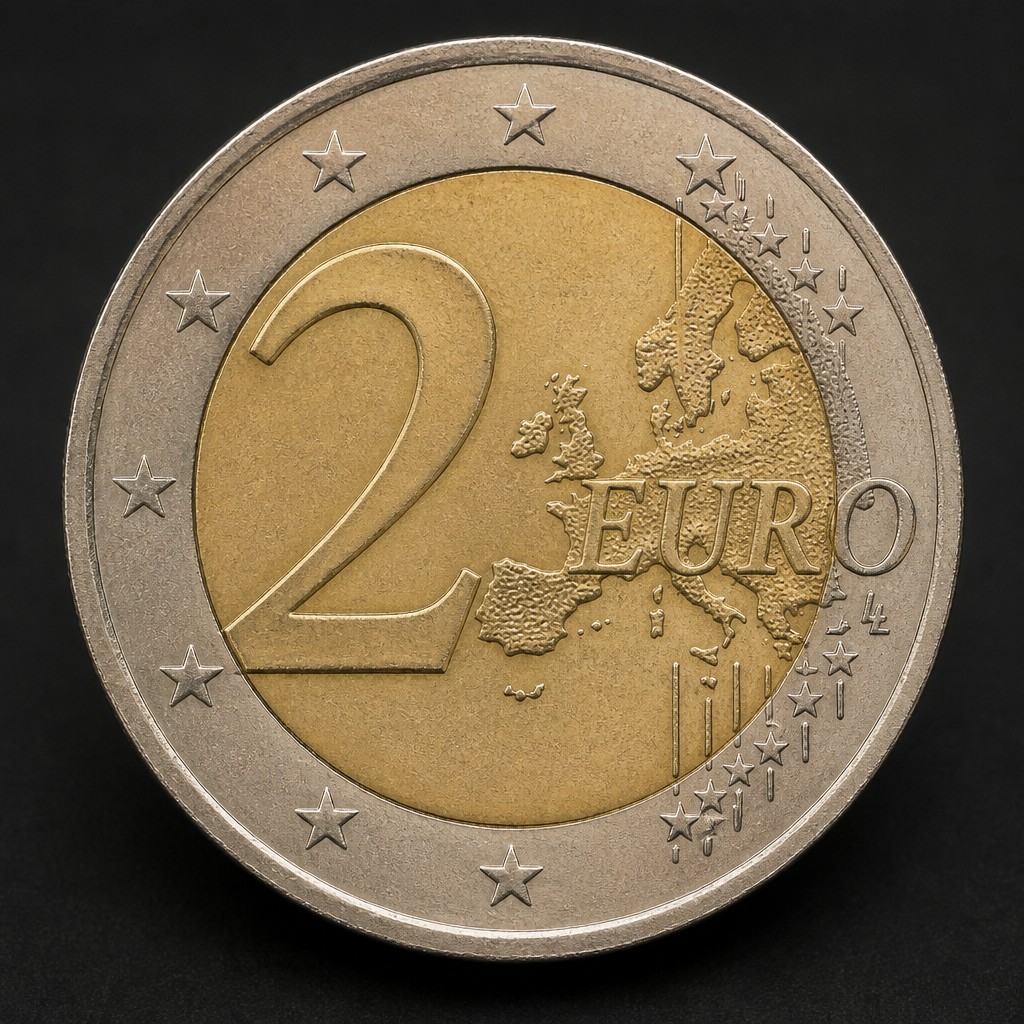
Euro €2 Commemorative Coins
Since 2004, Eurozone countries have issued special-design €2 coins commemorating anniversaries and events while keeping the coin's normal size, weight, and legal-tender status.
Commemorative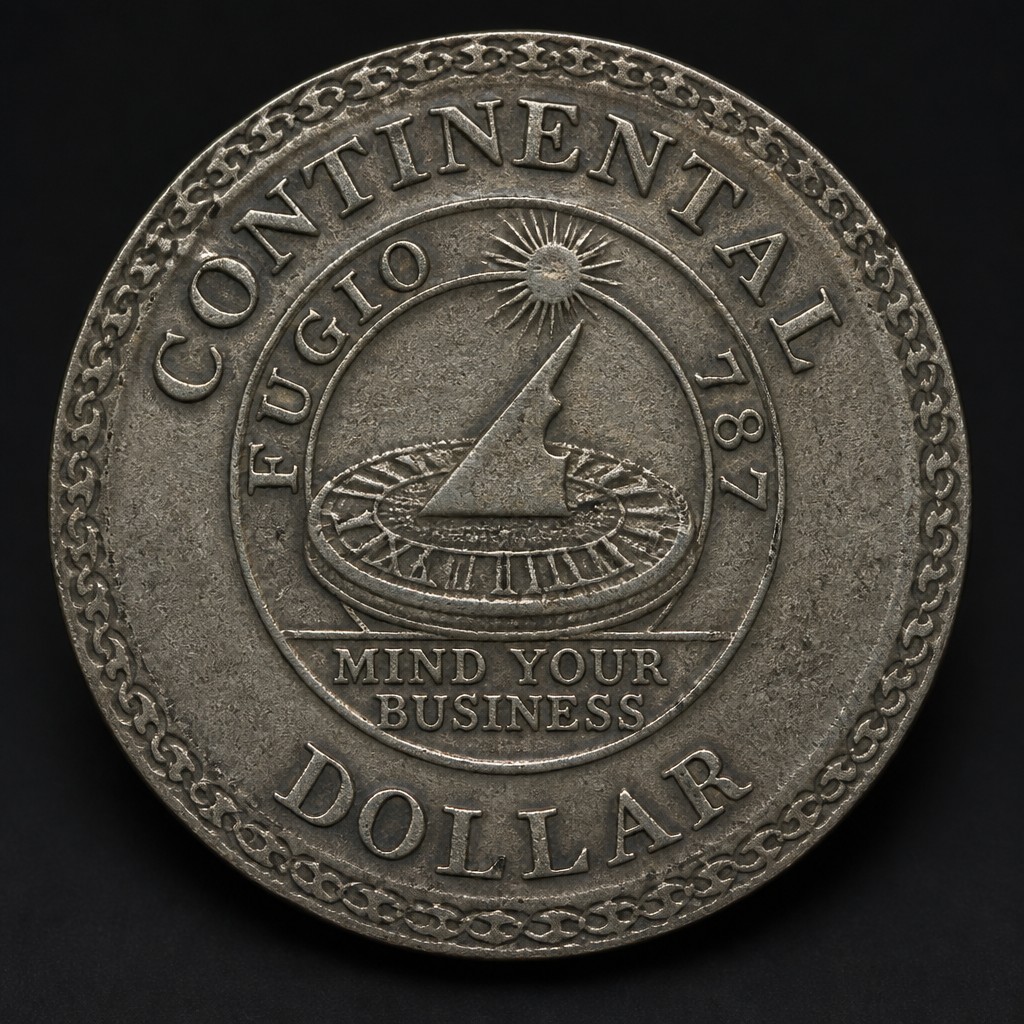
Continental Dollar
A large 1776-dated piece bearing a sundial, 'MIND YOUR BUSINESS,' and a thirteen-link chain, long debated as either an intended Continental Congress dollar or a contemporary satirical piece.
United States