
Coin Encyclopedia
Search and identify coins from around the world — with country, denomination, metal, mint, history, and how to tell them apart.
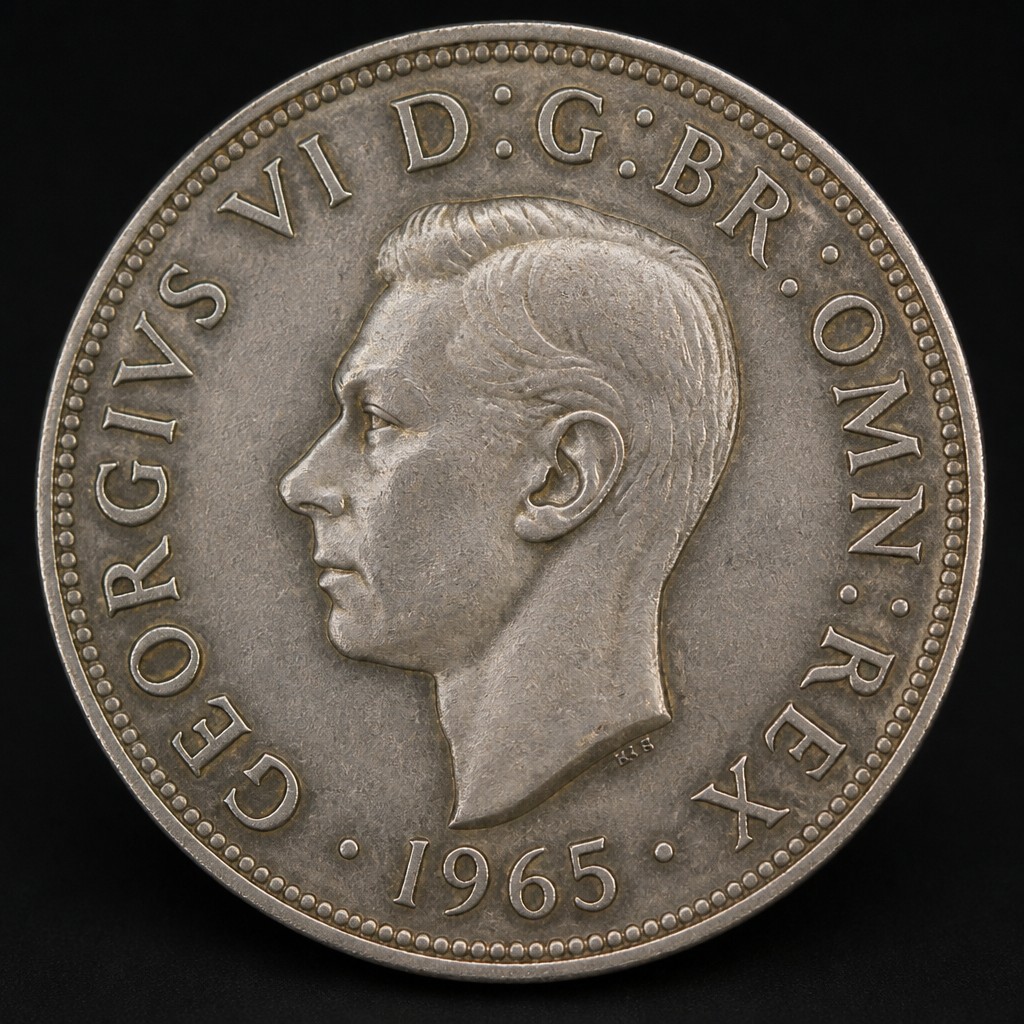
English Crown
A large English silver coin worth five shillings, first struck under Henry VIII, that became one of Britain's most artistically celebrated denominations before decimalization.
British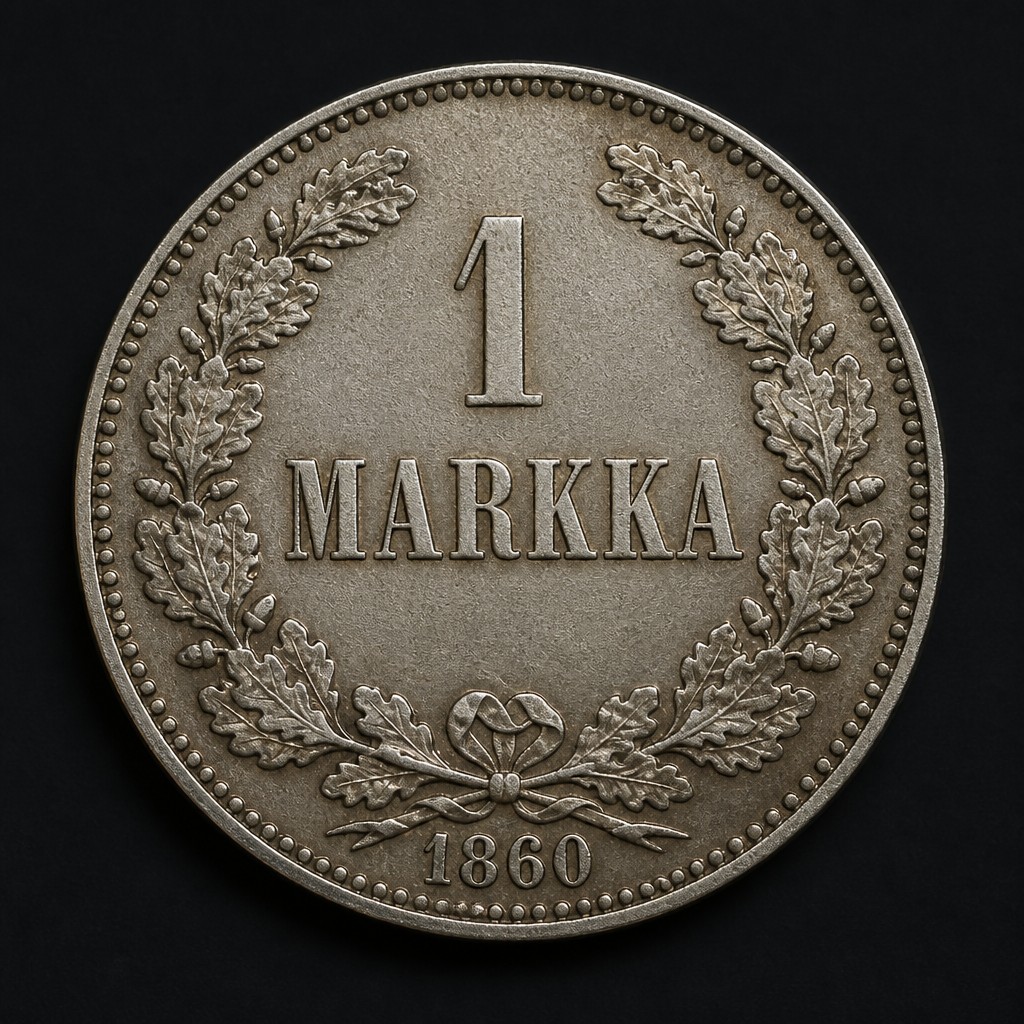
Finnish Markka
Finland's national currency from the era of Russian imperial rule until the adoption of the euro, issued in a range of coin denominations reflecting the country's changing political history.
European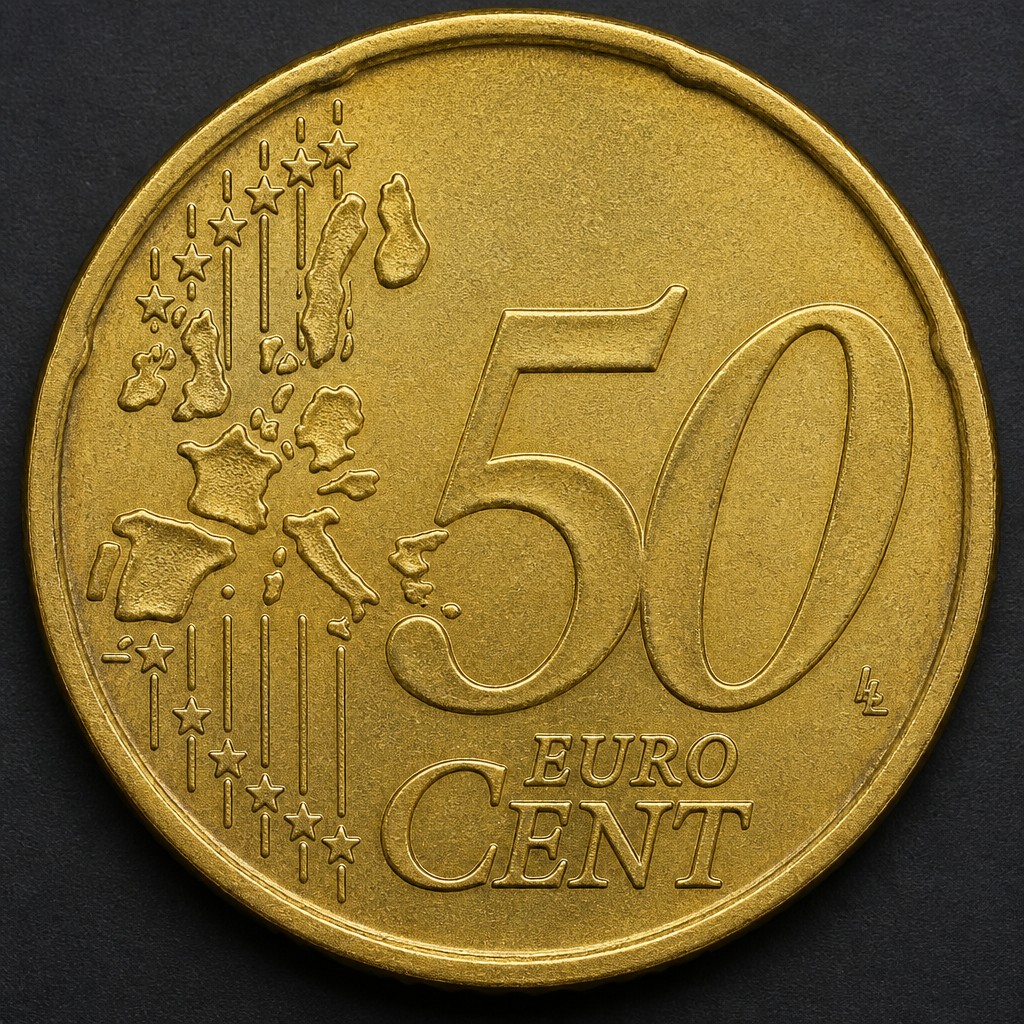
50 Euro Cent Coin
A gold-colored circulating euro coin worth half a euro, struck in a copper-based Nordic gold alloy and easily recognized by its distinctive scalloped-edge shape and national obverse design.
European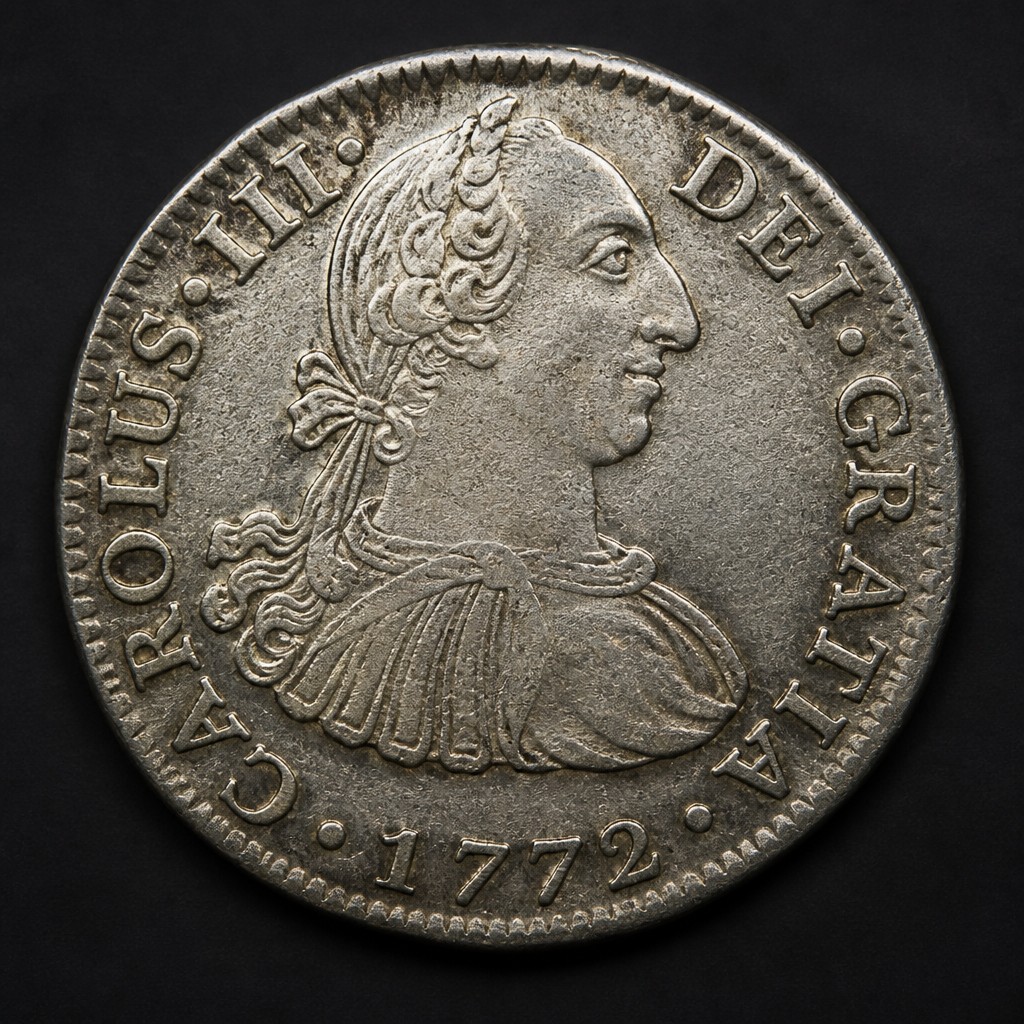
Spanish 2 Reales Pillar
The Pillar 2 Reales was a fractional Spanish colonial silver coin featuring the famous Pillars of Hercules design, struck at mints across Spanish America and widely used in international trade.
Latin American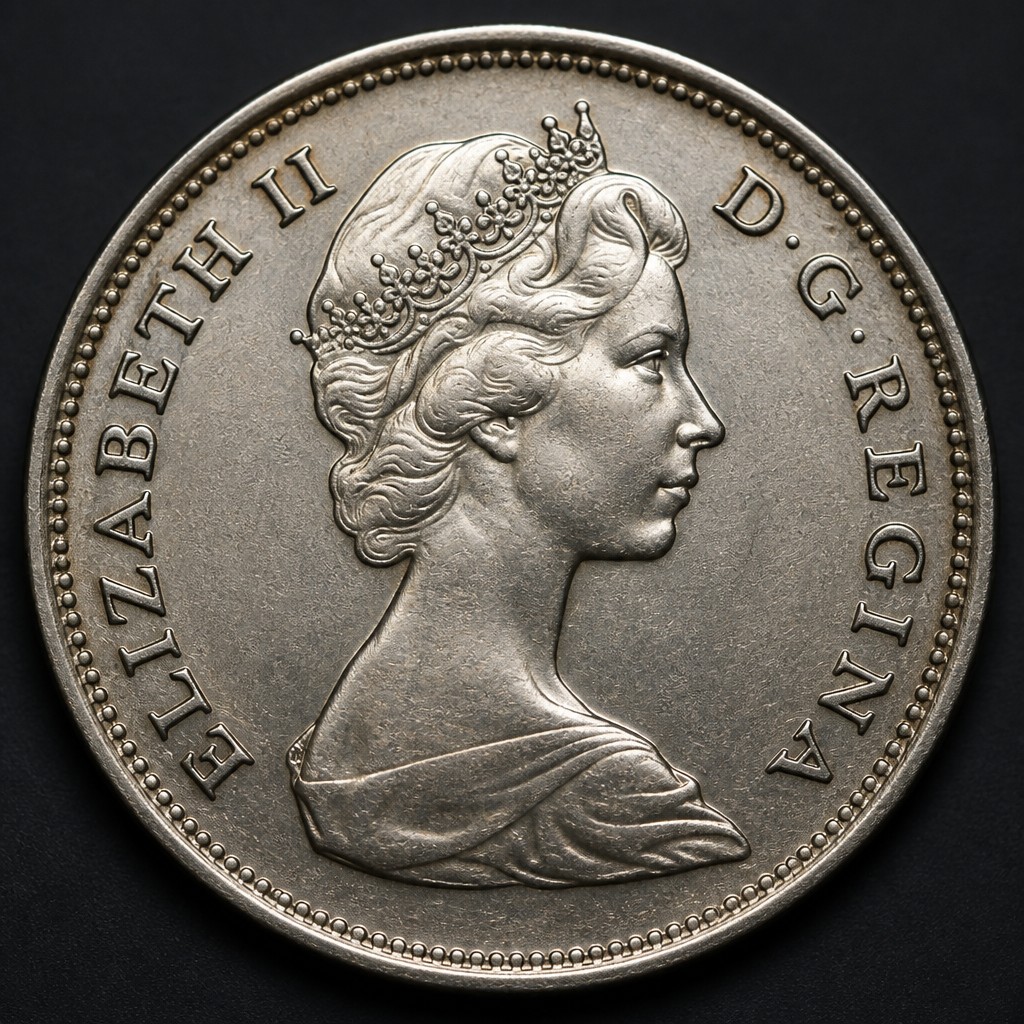
Beaver Five Cents (Elizabeth II)
The long-running Canadian five-cent coin under Queen Elizabeth II, continuing the classic beaver-on-a-rock design first introduced in 1922 across changing metal compositions.
Canadian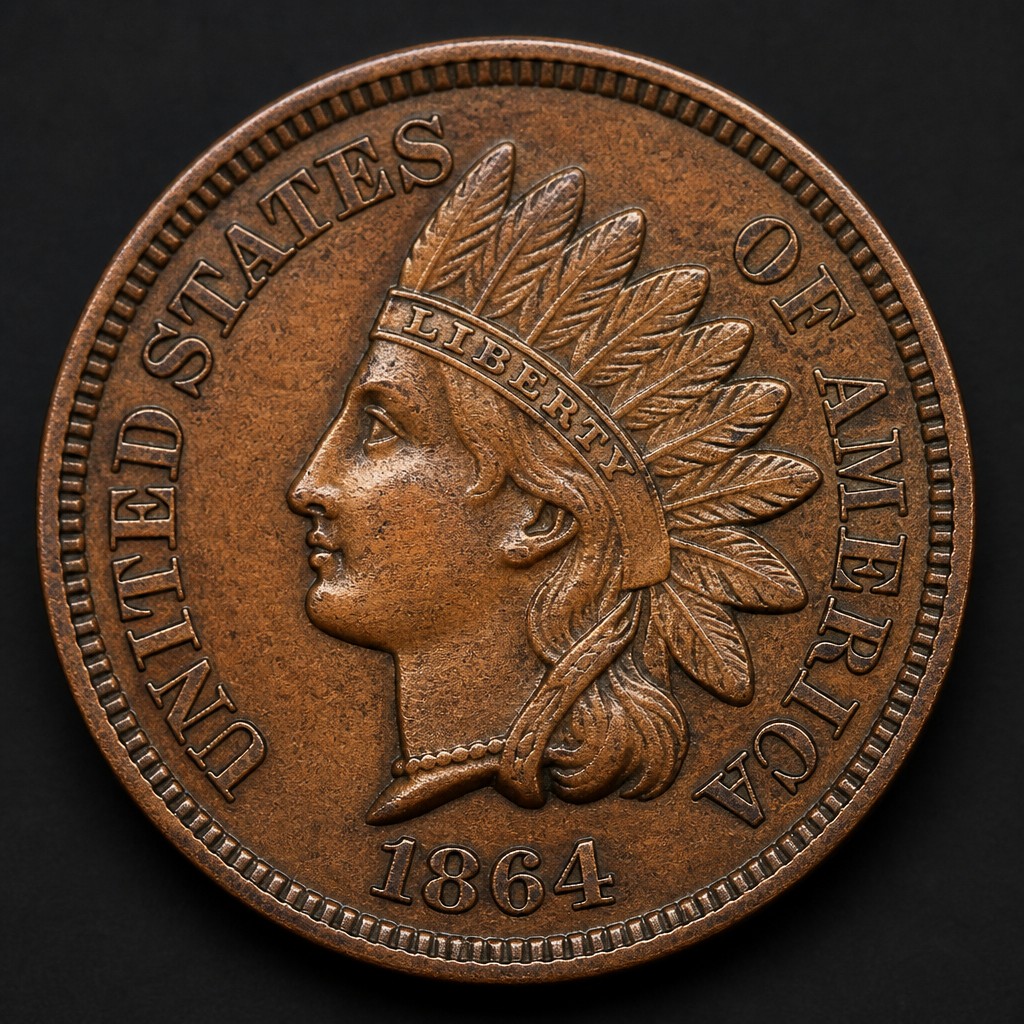
Bronze Indian Head Cent
The bronze-alloy Indian Head cent struck from 1864 through 1909, replacing the earlier copper-nickel version and serving as the last cent design before Lincoln's portrait appeared in 1909.
United States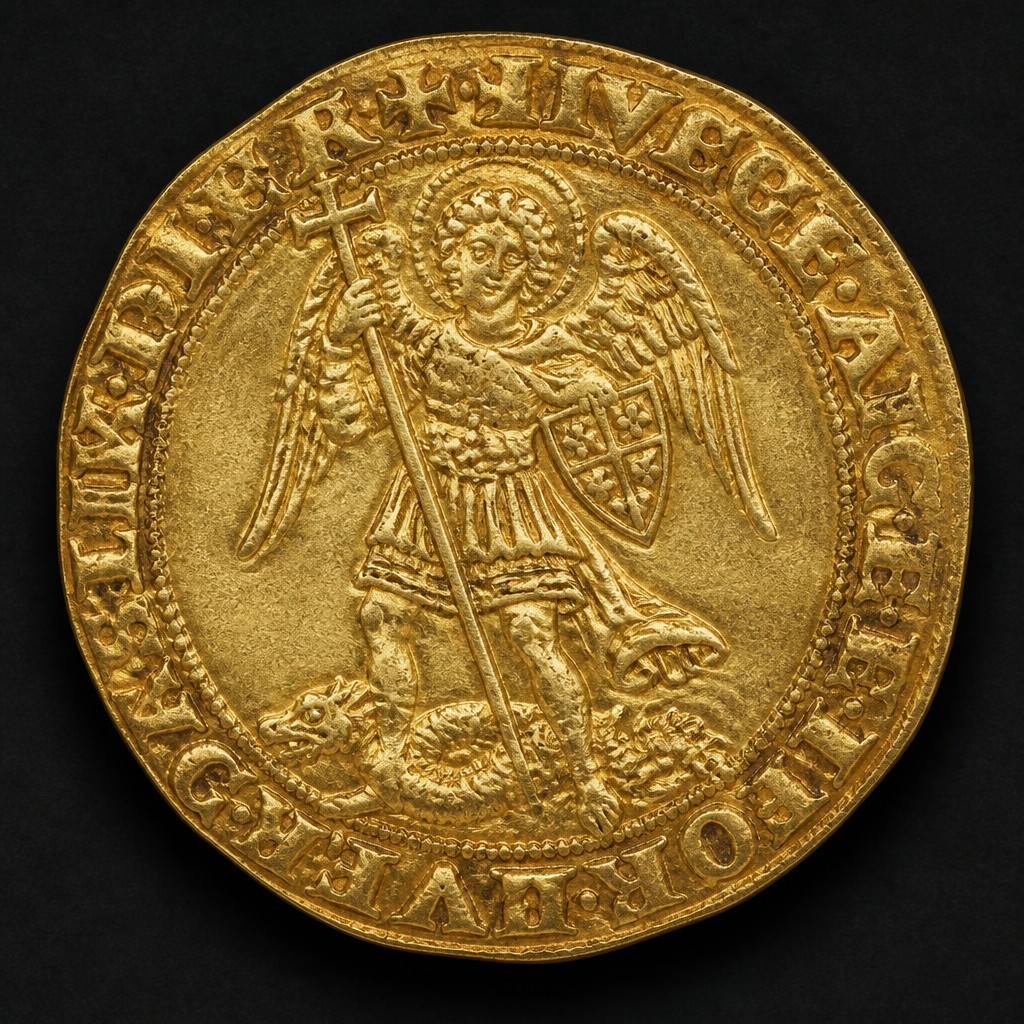
Half Angel (Angelet)
A small English gold coin worth half the value of the Angel, sharing its famous design of the Archangel Michael slaying a dragon, issued across several reigns from Edward IV to James I.
British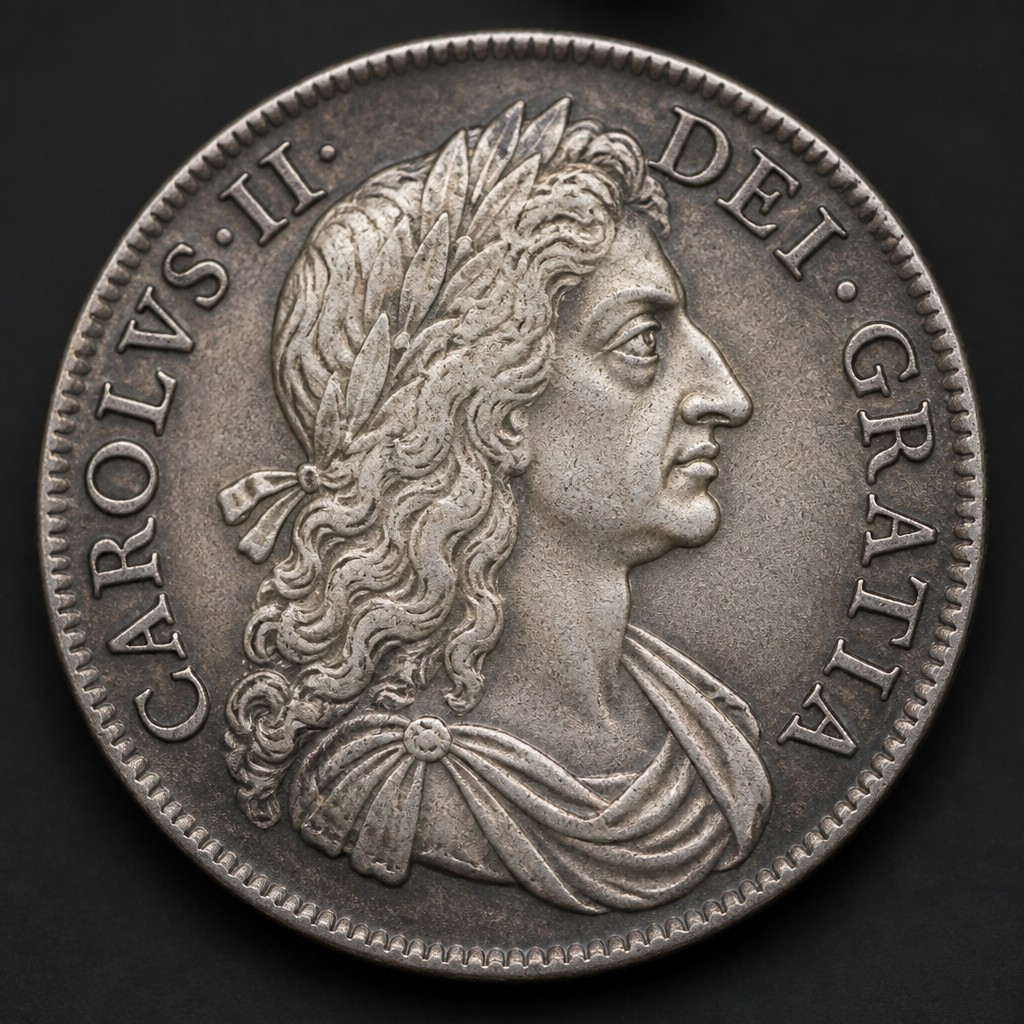
Maundy Money Set
A set of tiny sterling silver coins in four denominations, specially struck each year for the monarch to distribute personally to elderly recipients in the Royal Maundy ceremony on Maundy Thursday.
British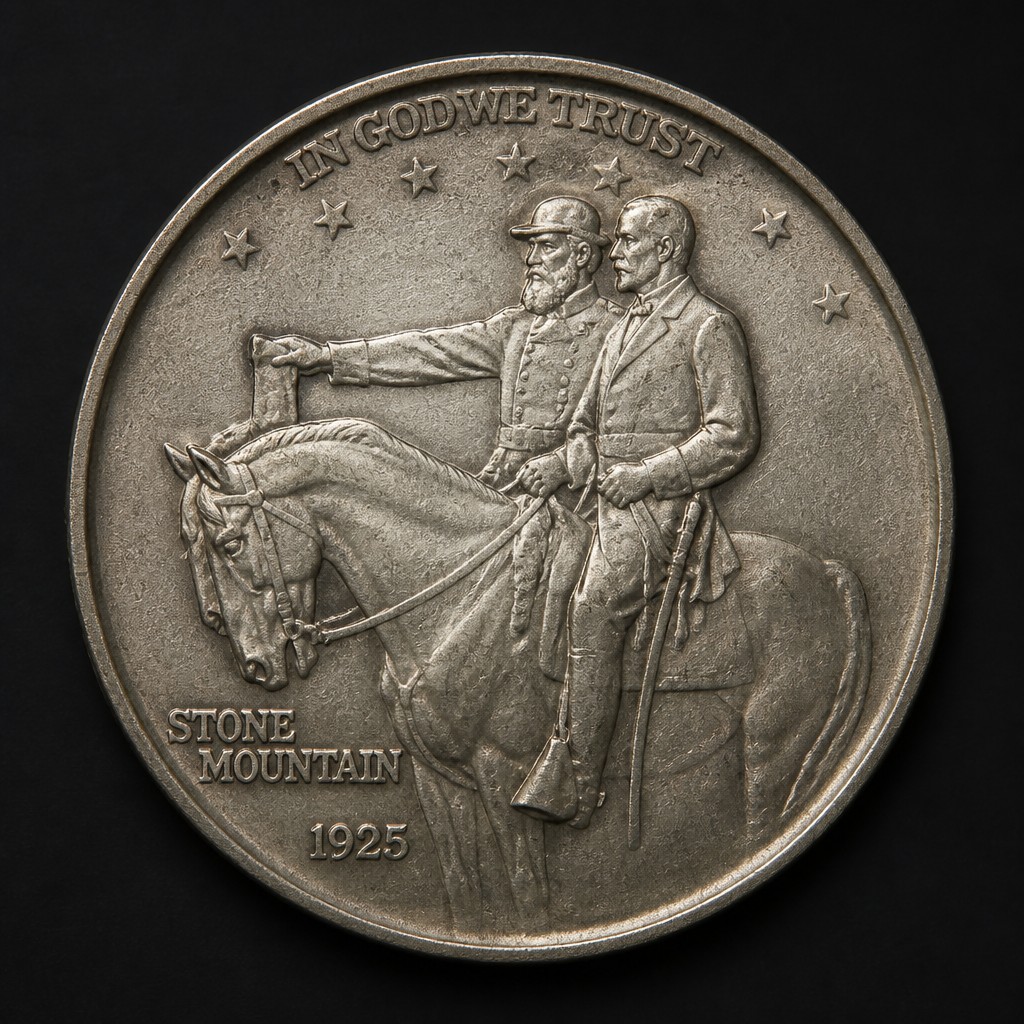
Stone Mountain Memorial Half Dollar
A 1925 commemorative half dollar depicting Confederate generals Robert E. Lee and Stonewall Jackson on horseback, issued to fund the massive Stone Mountain carving in Georgia.
Commemorative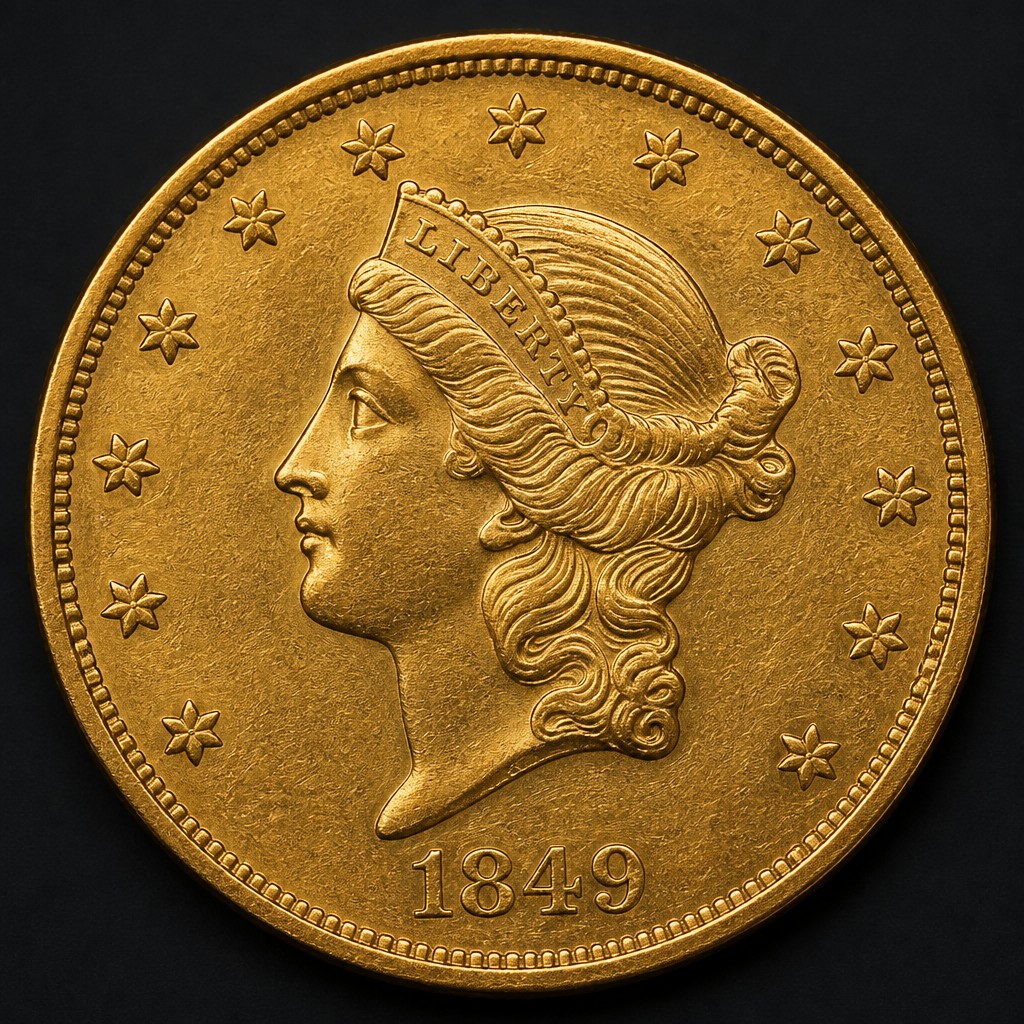
1849 Double Eagle
A unique pattern coin, the very first double eagle ever struck by the U.S. Mint, made to test the newly authorized twenty-dollar denomination; the sole surviving example is held by the Smithsonian.
United States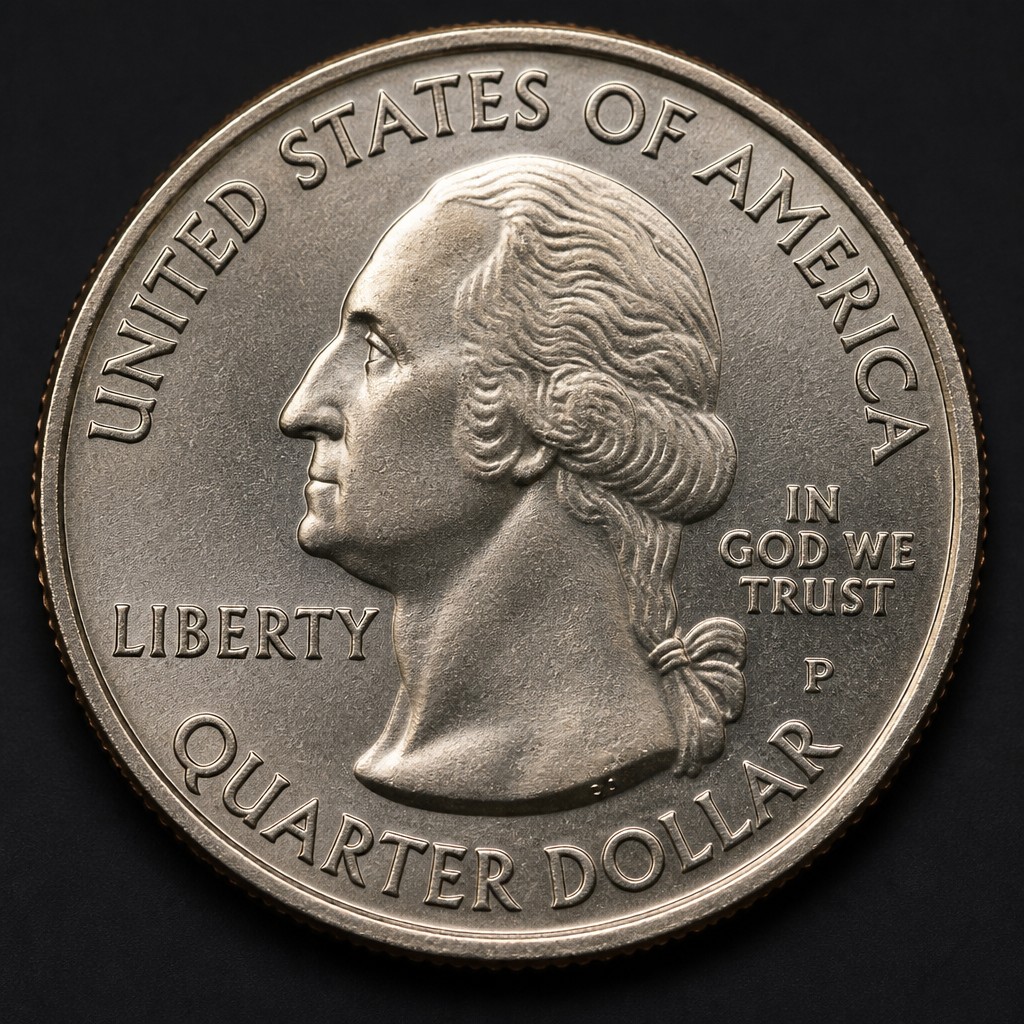
2019 Lowell America the Beautiful Quarter
A 2019 America the Beautiful Quarter honoring Lowell National Historical Park in Massachusetts, depicting a textile mill worker representing the American Industrial Revolution.
United States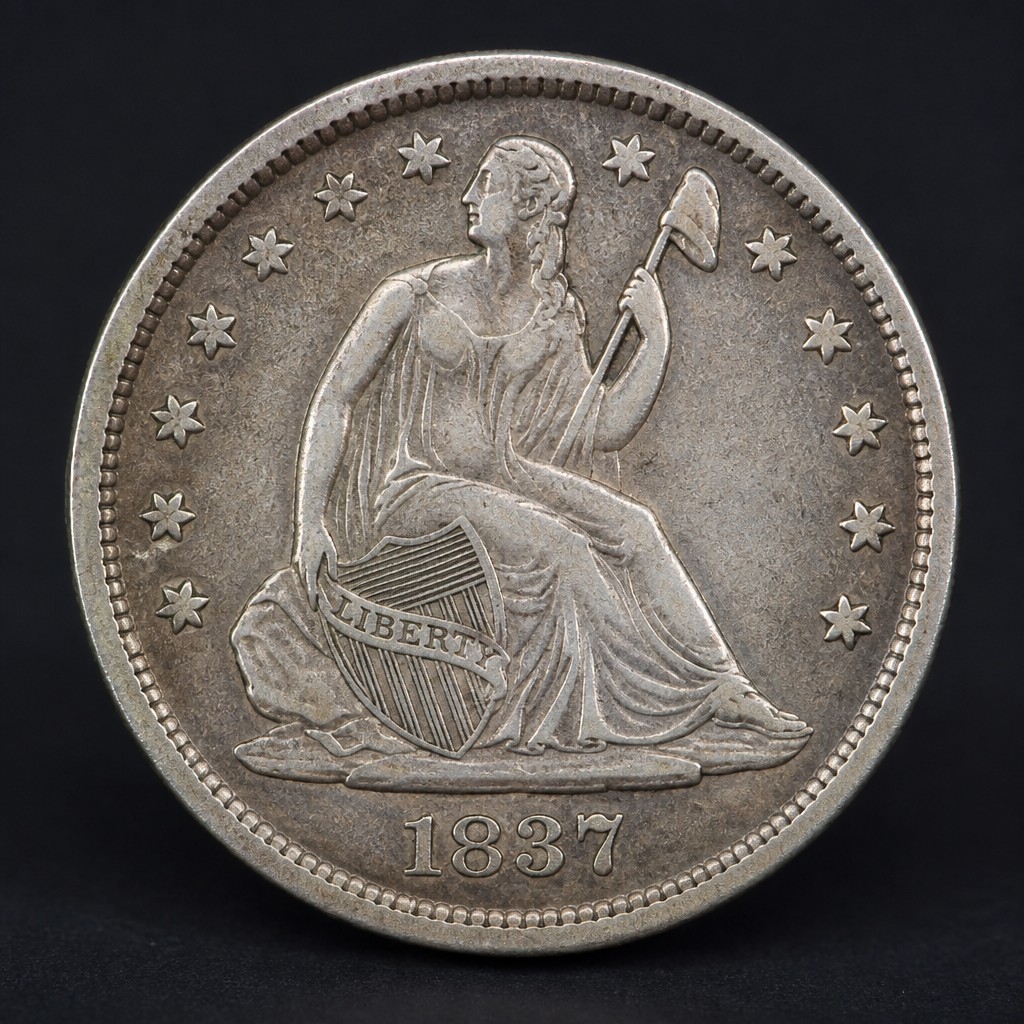
Seated Liberty Half Dime
The final United States half dime series, struck from 1837 to 1873, features Christian Gobrecht's seated Liberty design before the denomination was replaced by the copper-nickel Shield Nickel.
United States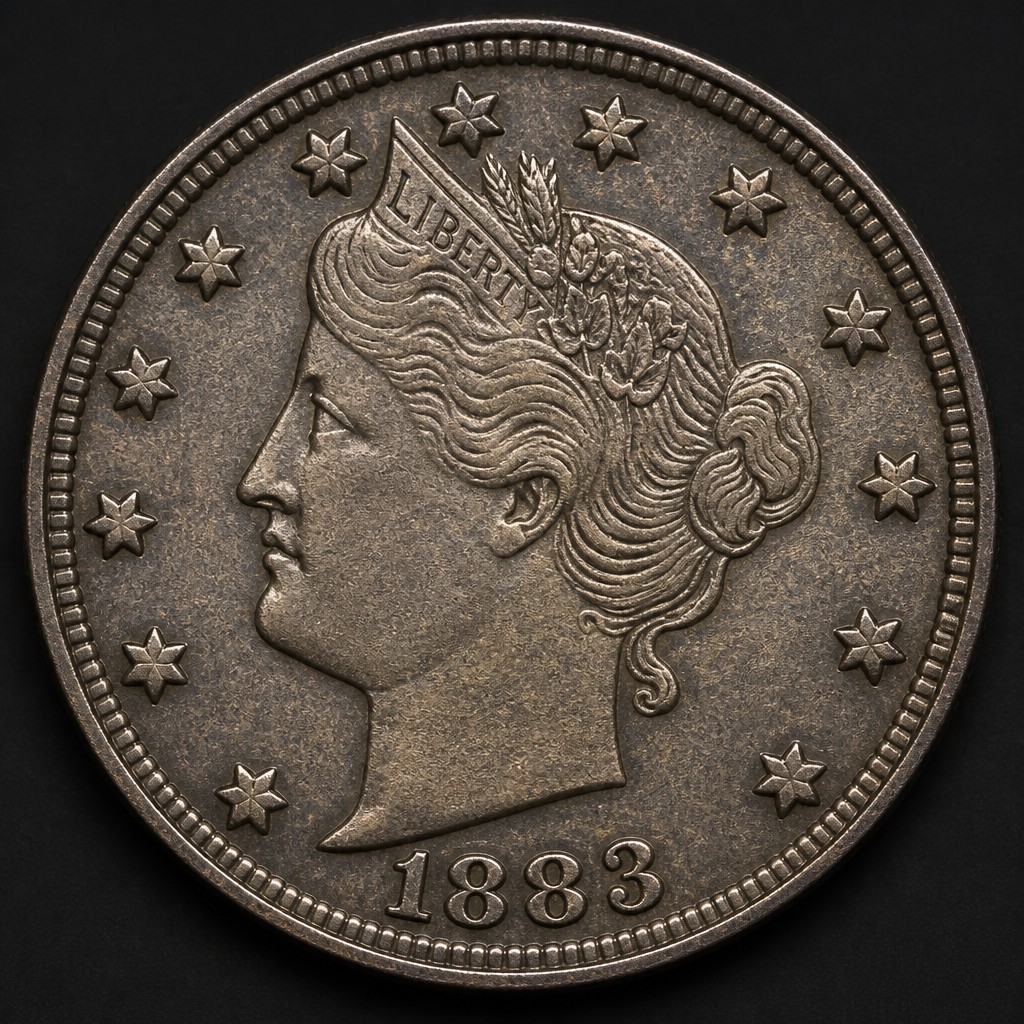
1883 With Cents Liberty Head Nickel
The corrected version of the 1883 Liberty Head Nickel with CENTS added below the wreath, issued later the same year to stop widespread gold-plating fraud tied to the earlier No Cents design.
United States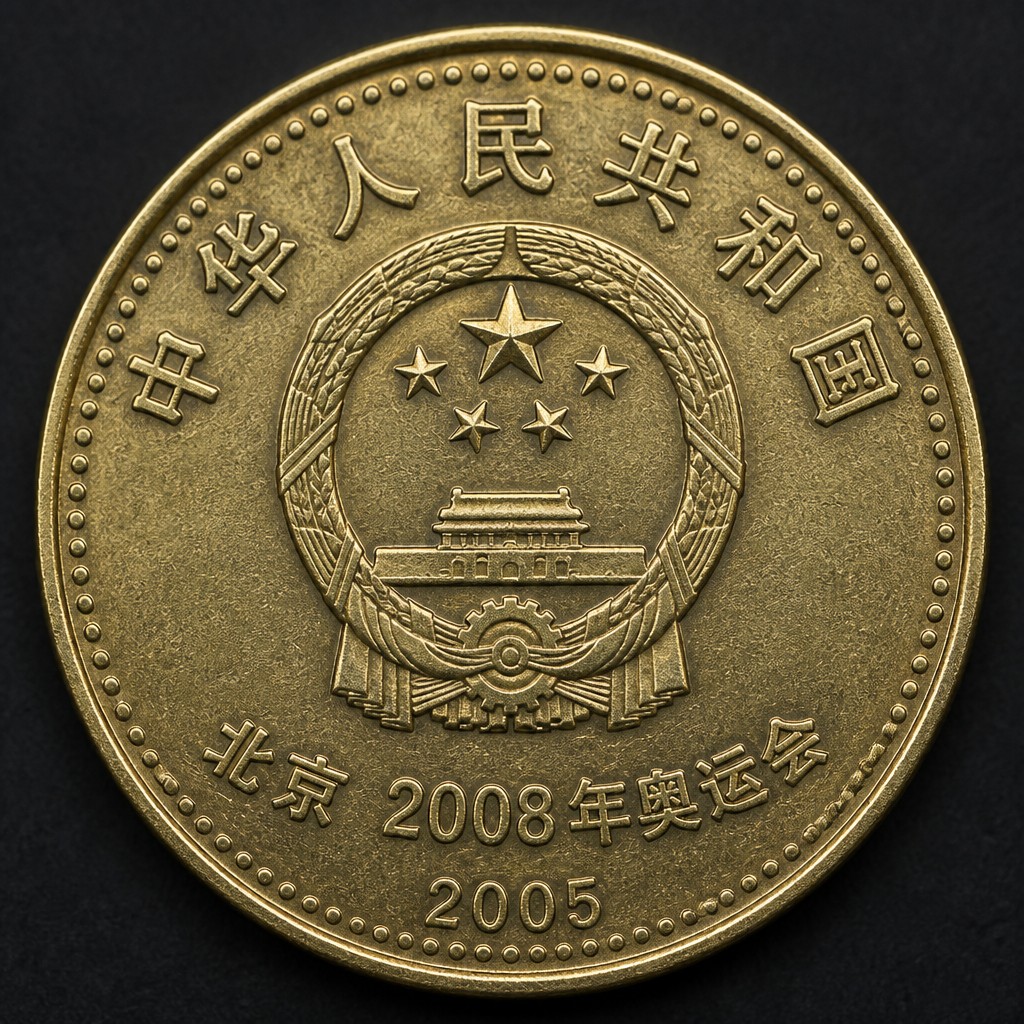
2008 Beijing Olympics Commemorative Coins
China issued a large multi-year coin program ahead of the 2008 Beijing Olympics, spanning circulating 1 Yuan pieces and extensive gold and silver proof series depicting Olympic sports and Beijing landmarks.
Commemorative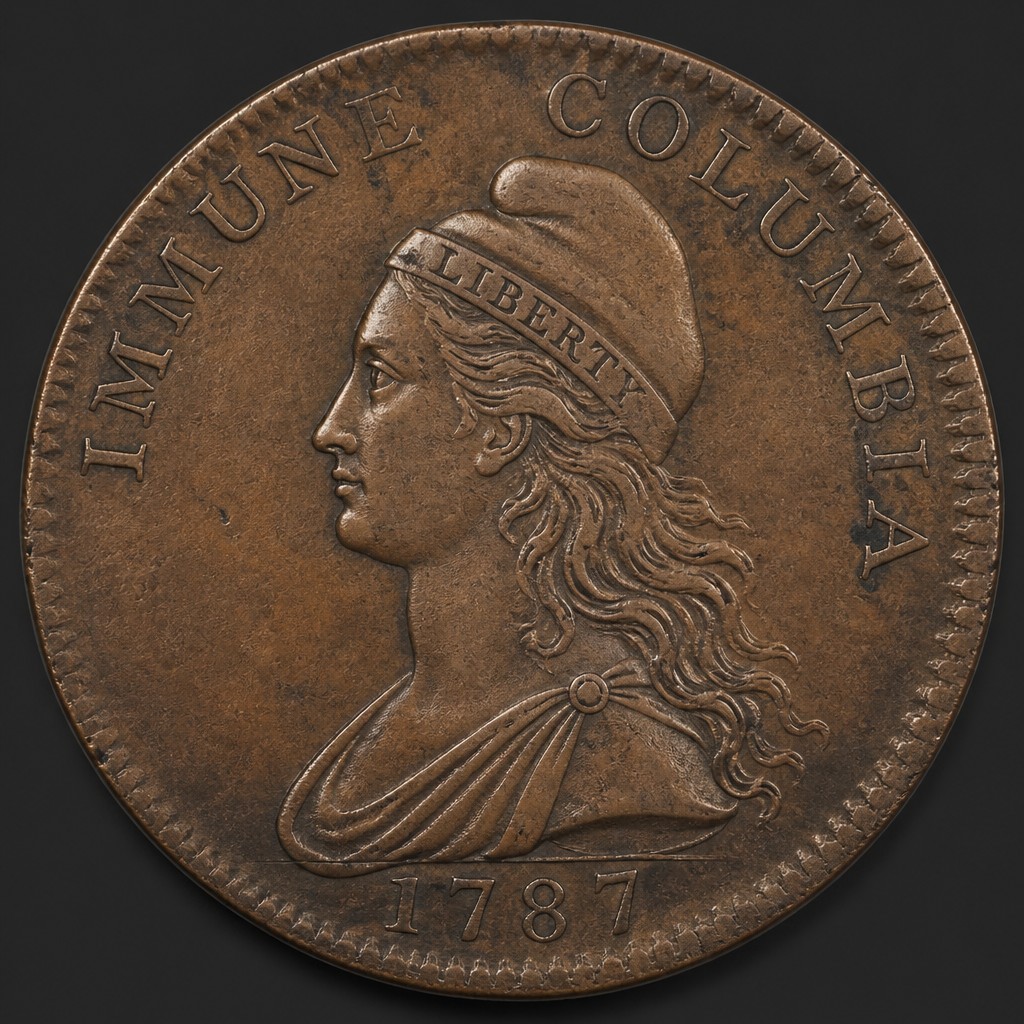
Immune Columbia Copper
An extremely rare Confederation-era copper carrying the Latin legend 'IMMUNIS COLUMBIA,' known for numerous unusual die combinations and mules with other early American and British designs.
United States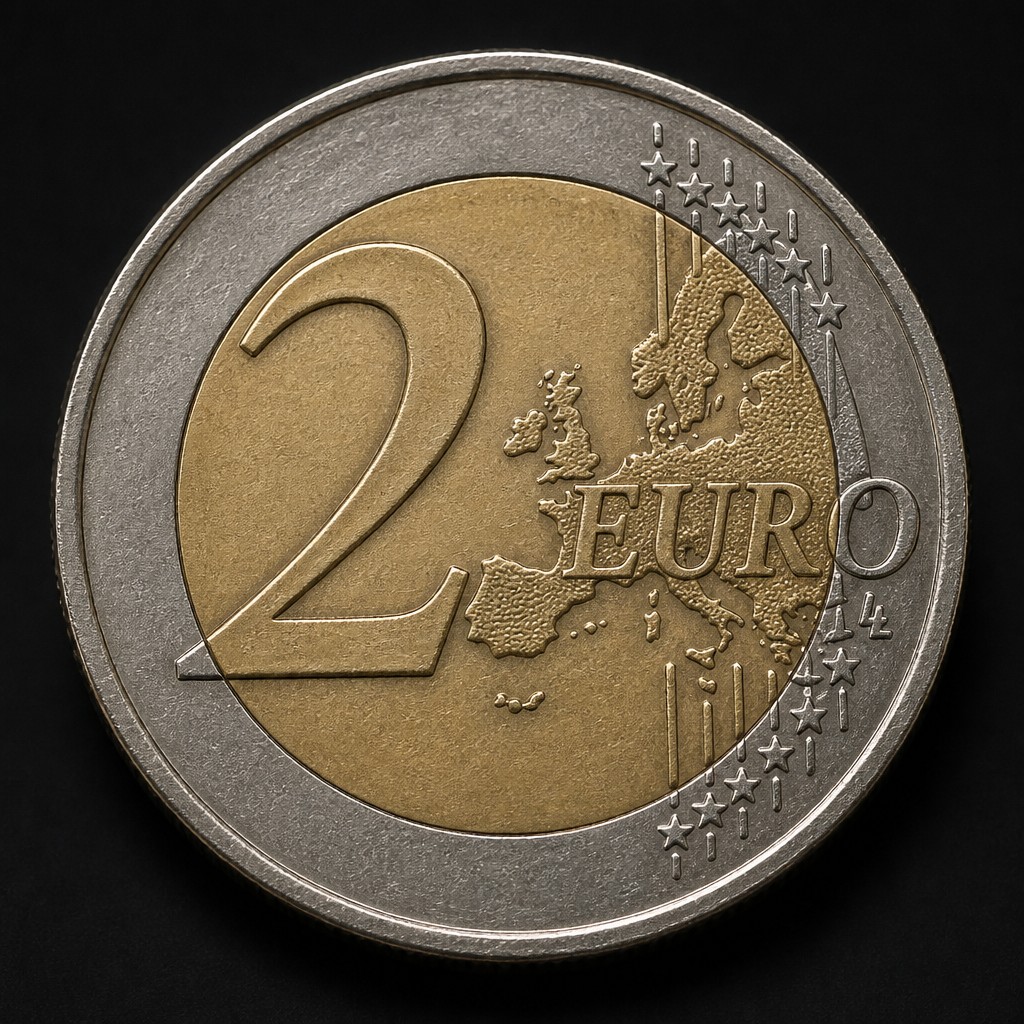
2 Euro Coin
The highest-denomination circulating euro coin, with a silver-colored center inside a gold-colored ring, widely used by member states to issue popular commemorative designs collected across Europe.
European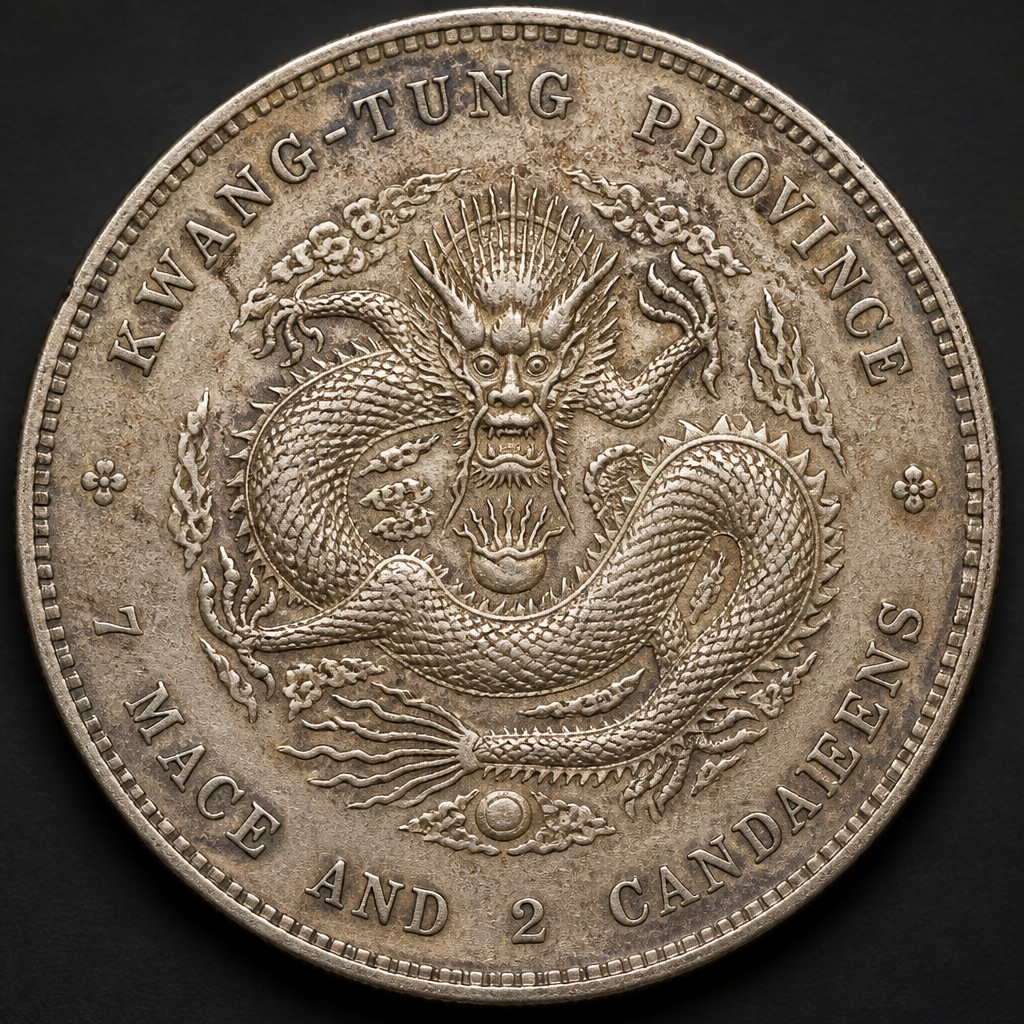
Chinese Silver Dragon Dollar (Kwangtung Province)
One of China's earliest machine-struck silver dollars, produced by Kwangtung province in the late Qing dynasty with an imperial dragon design, a pioneering issue other provinces soon imitated.
Asian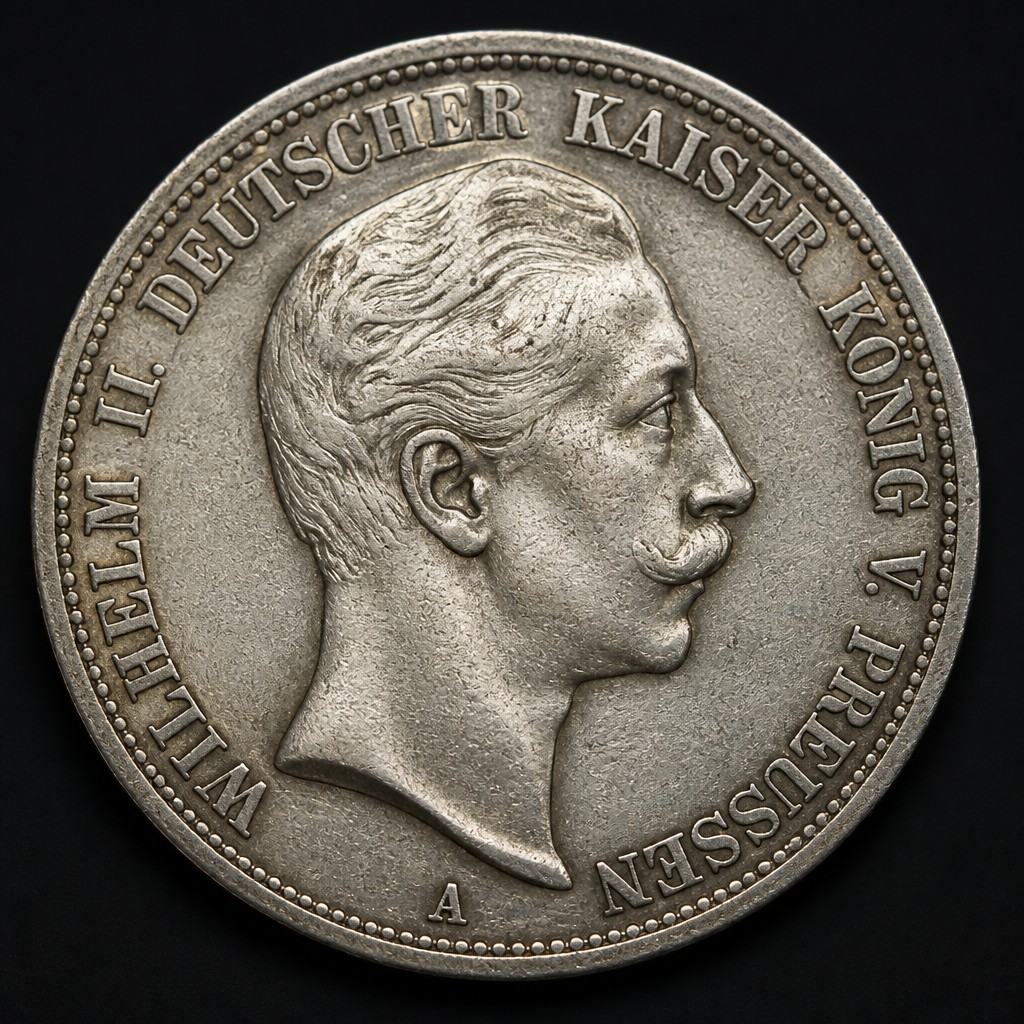
German 5 Mark Silver (Kaiserreich)
The 5 Mark was the largest circulating silver coin of the German Empire, issued by numerous constituent states and free cities, each with its own portrait or design under a common imperial system.
European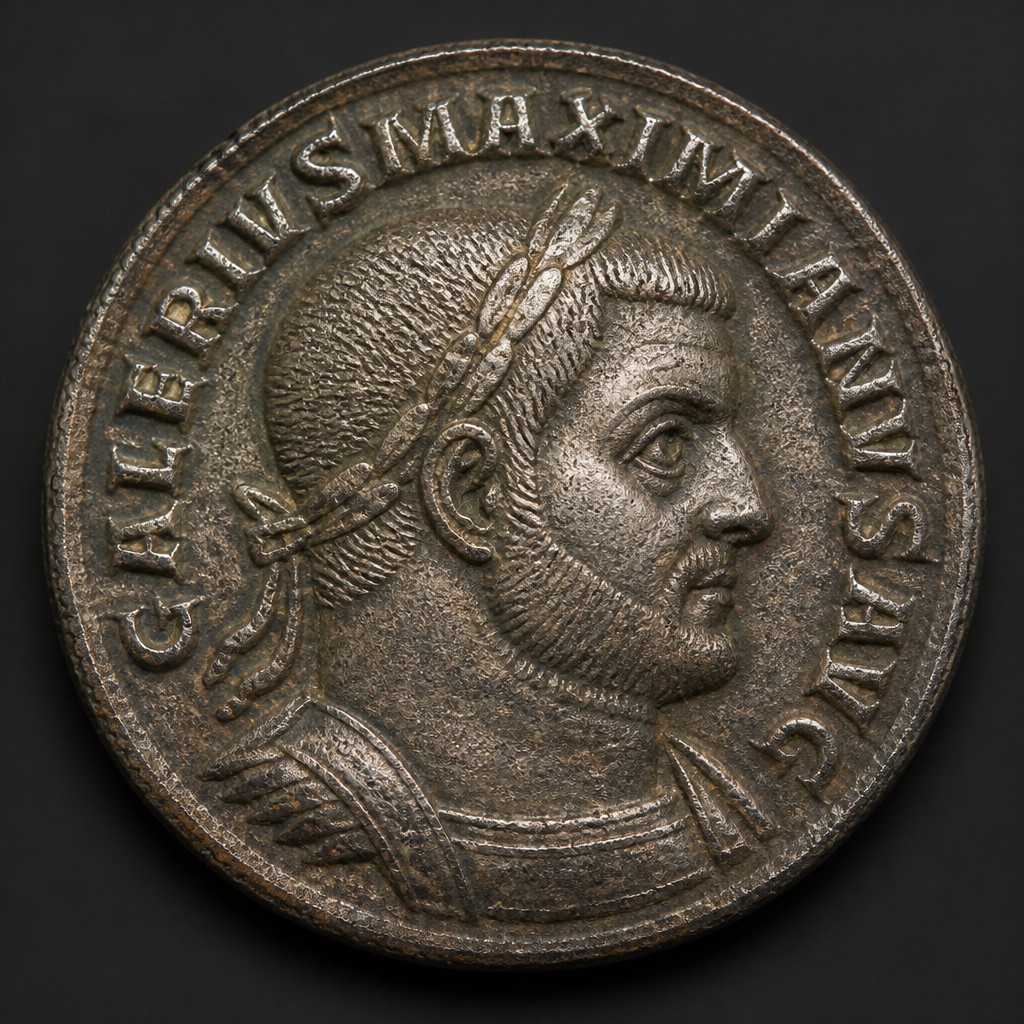
Galerius Follis
Reform-era bronze follis of Galerius, Caesar and later Augustus of the eastern Tetrarchy, remembered for early persecution of Christians and his later Edict of Toleration issued just before his death.
Ancient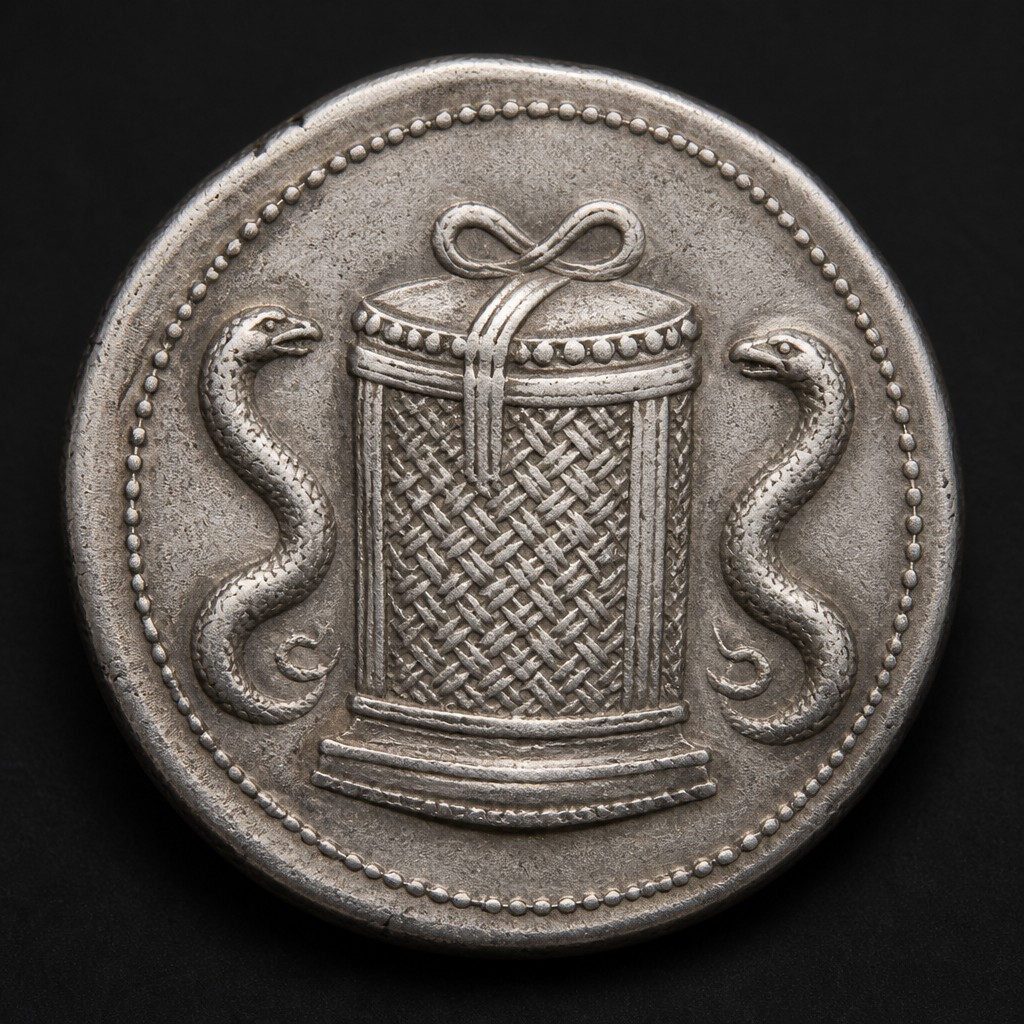
Pergamon Cistophoric Tetradrachm
A reduced-weight Hellenistic silver coin introduced by the Attalid kings of Pergamon, named for the sacred cista mystica chest depicted on the obverse and later adopted throughout Roman Asia.
Ancient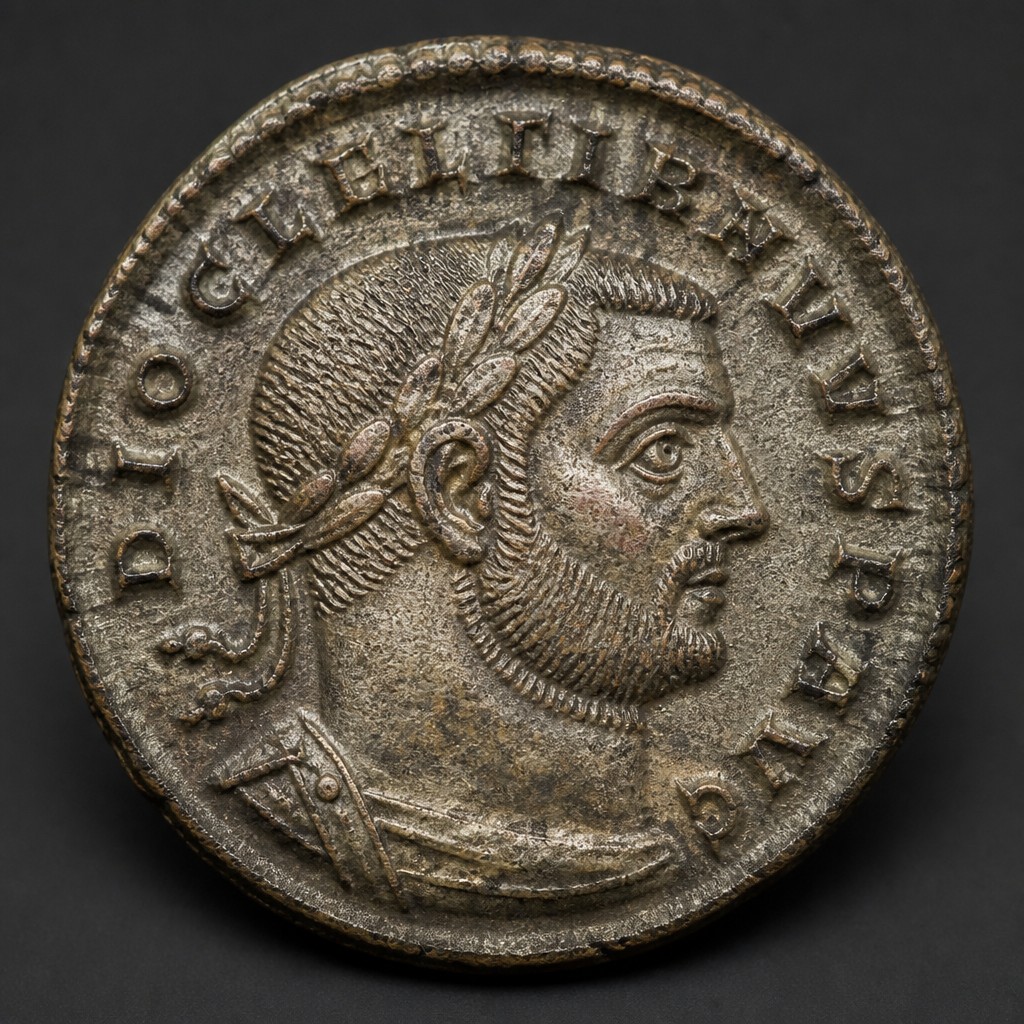
Diocletian Follis
Large bronze follis of Diocletian, whose sweeping reforms ended the Crisis of the Third Century, established the Tetrarchy, and introduced this new standardized coin denomination in 294 AD.
Ancient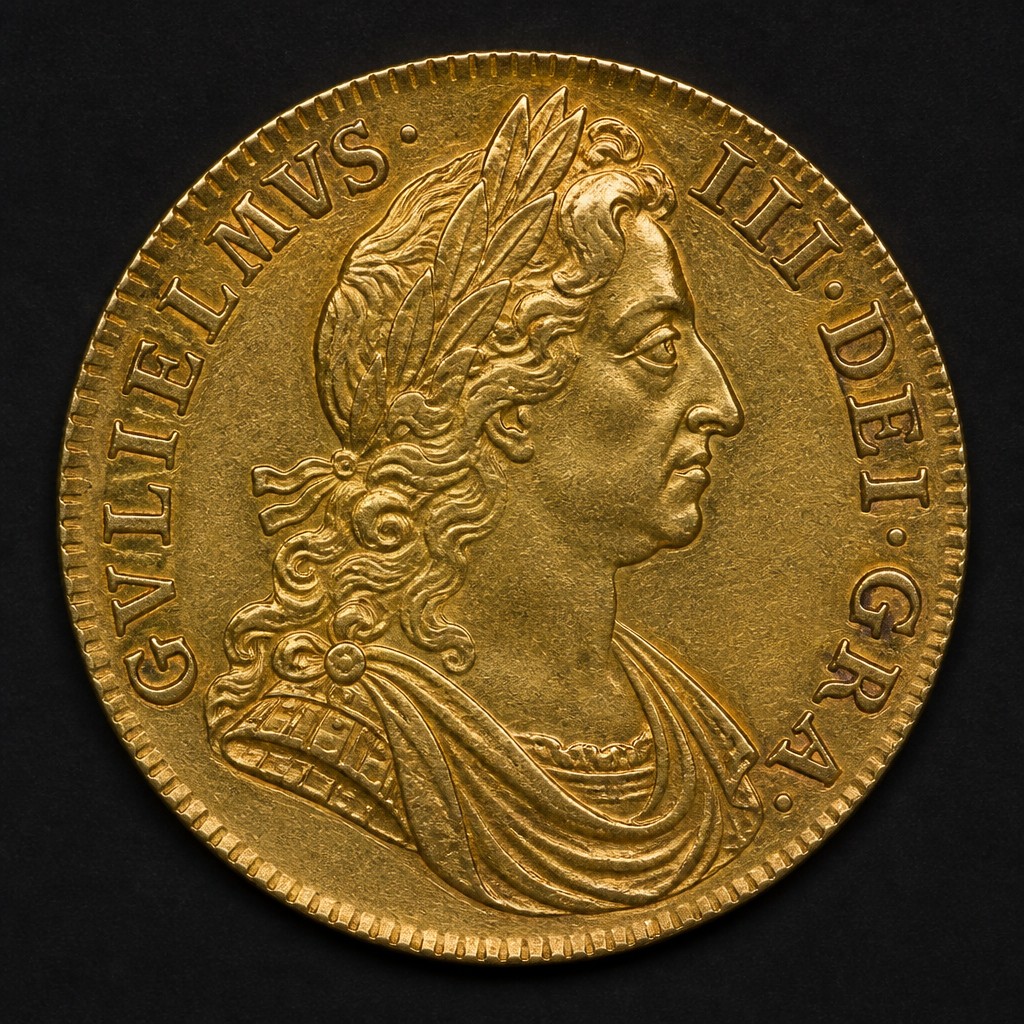
Five Guinea
The largest regularly issued gold denomination of the guinea coinage system, worth five guineas, struck from the reign of Charles II through George II for major transactions and presentation purposes.
British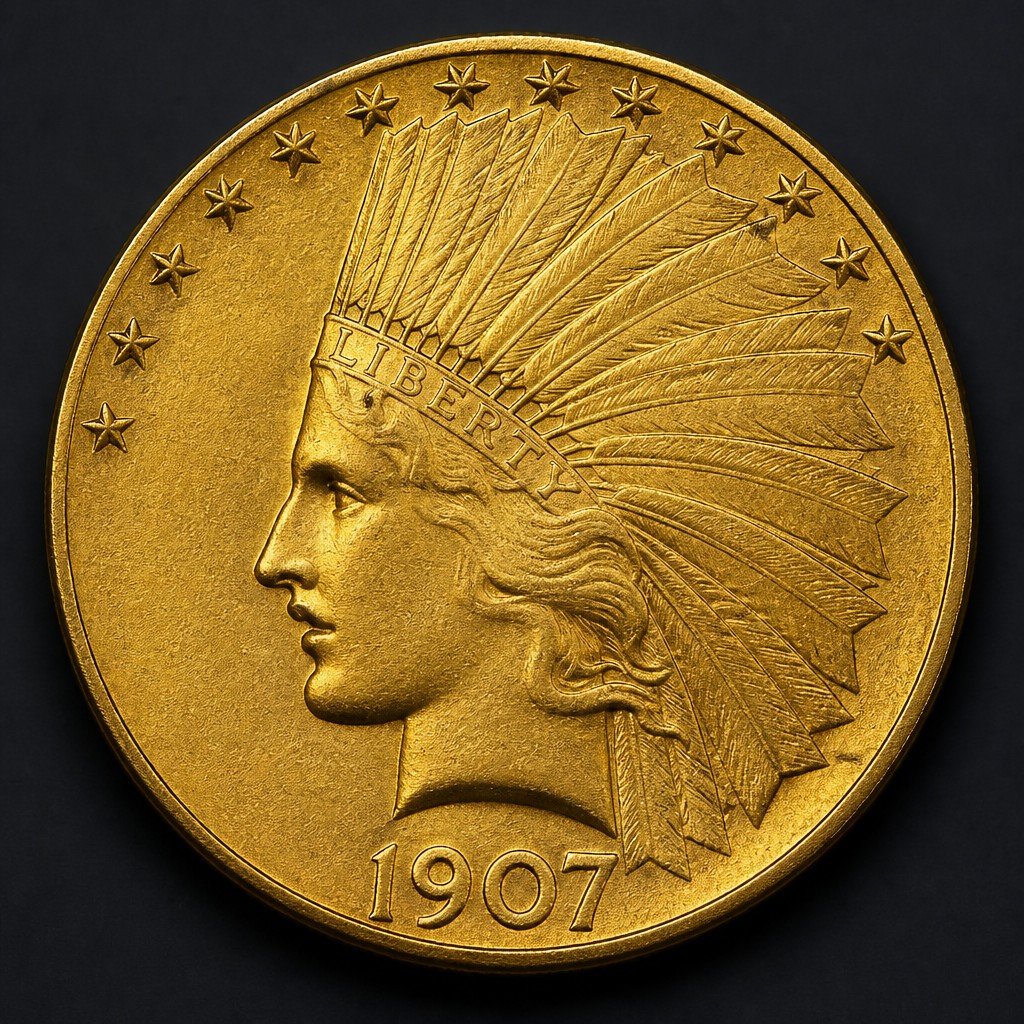
Indian Head Gold Eagle ($10)
A striking early 20th-century $10 gold coin designed under President Theodore Roosevelt's coinage renaissance, featuring an incuse (recessed) design and a Native American-style Liberty portrait.
United States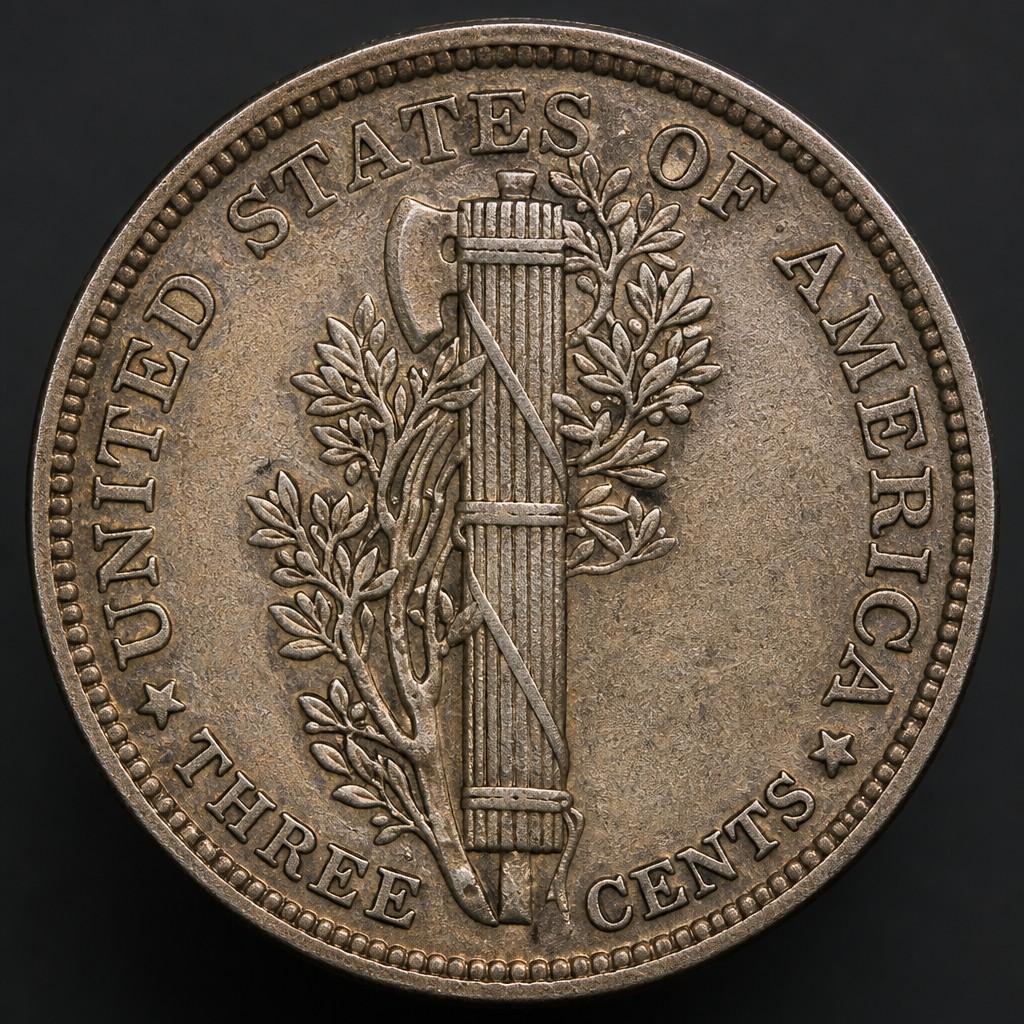
Fasces Three-Cent Nickel
A nickname sometimes applied to the copper-nickel Three-Cent Piece of 1865-1889, whose reverse wreath-and-numeral design is occasionally likened to classical fasces imagery from early pattern experiments.
United States