
Coin Encyclopedia
Search and identify coins from around the world — with country, denomination, metal, mint, history, and how to tell them apart.
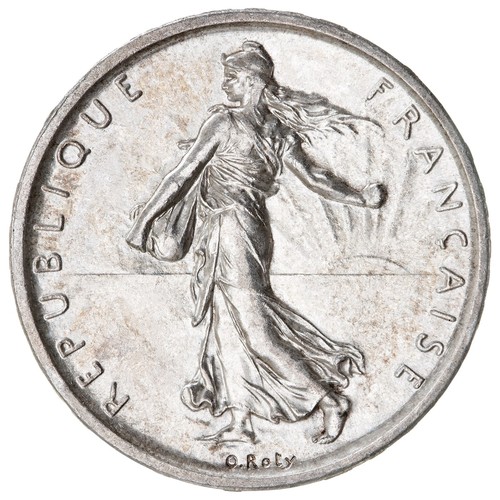
French Semeuse 5 Francs
A silver French 5-franc coin of the Fifth Republic showing the Sower (Semeuse) striding left, with a flowered wreath around the value on the reverse.
Circulation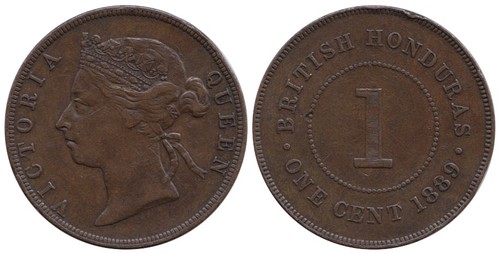
British Honduras One Cent
A colonial copper one cent of British Honduras under Queen Victoria, dated 1889, with the Queen's profile and the value and country name on the reverse.
Colonial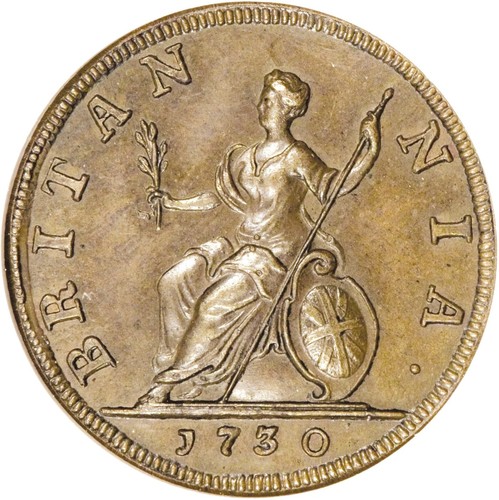
British Farthing
Small copper farthing of King George II, with his laureate bust facing left and a seated Britannia on the reverse; struck in the 1730s.
British Isles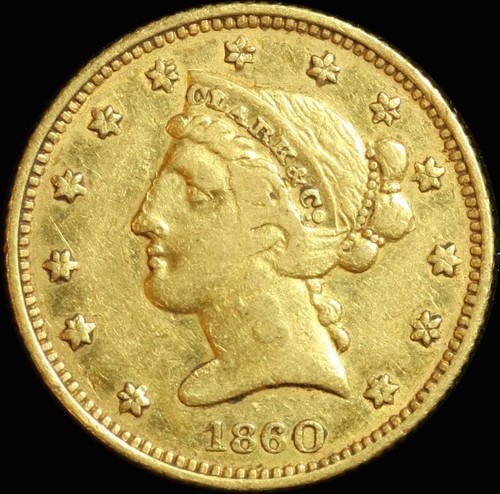
Clark & Co Territorial Gold Half Eagle
An 1860 privately struck $5 gold piece from Clark, Gruber & Co. of Denver, coined from Pikes Peak gold during the Colorado gold rush.
Half Eagle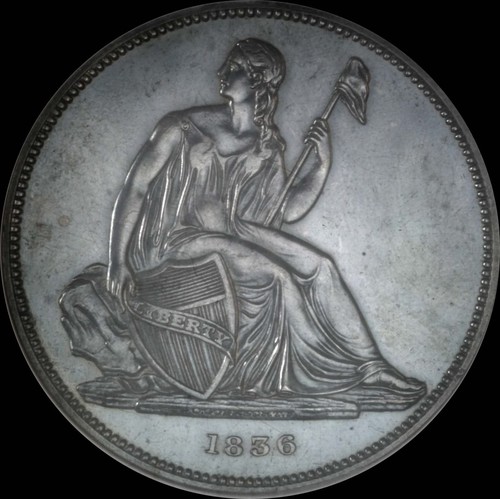
Gobrecht Dollar
U.S. silver dollar of 1836 by engraver Christian Gobrecht, pairing a Seated Liberty obverse with a flying-eagle reverse; a rare pattern-era issue.
Dollar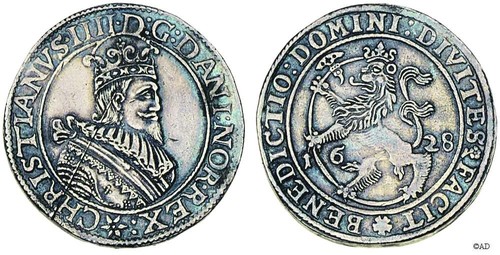
Speciedaler
Large early-modern Norwegian silver crown of the Dano-Norwegian kingdom, showing a crowned royal bust and the Norwegian lion shield, dated 1628.
Early Modern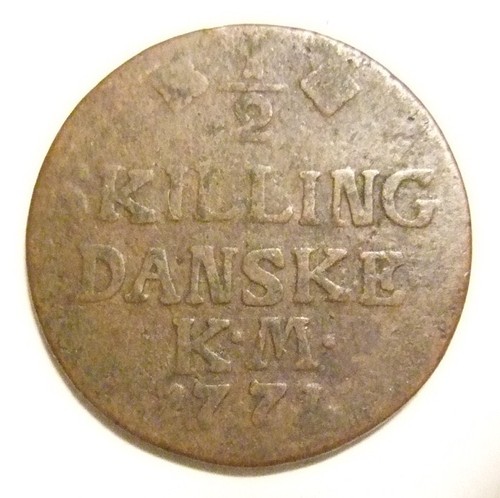
½ Skilling
A small copper Danish half skilling of 1771, showing a royal crown over the king's cipher and the value ½ SKILLING DANMARK K:M on the reverse.
Early Modern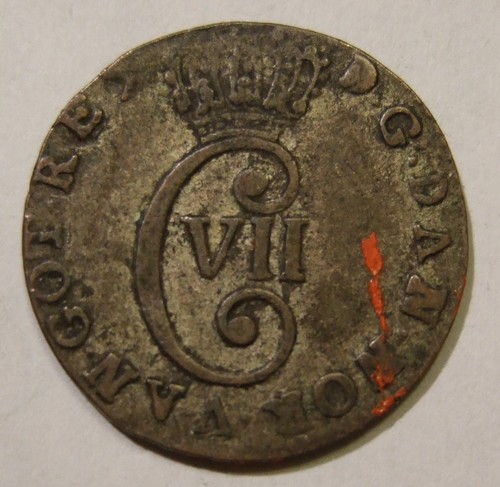
4 Skilling
A Danish copper 4 skilling of 1783, with a crown above a numeral on one face and an ornamental circular pattern framing the date on the other.
Early Modern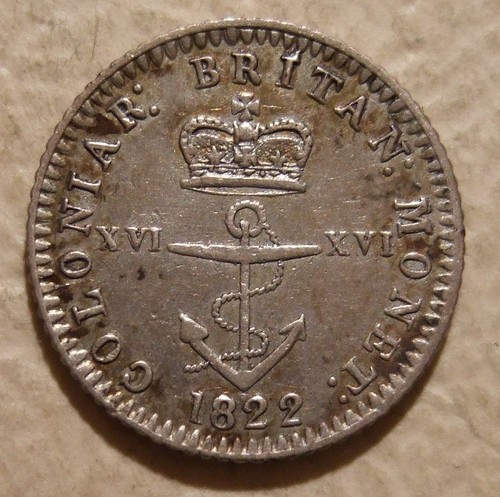
George IV One Sixteenth Spanish Dollar
A small George IV silver coin of the "Anchor Money" series, worth one-sixteenth of a Spanish dollar and marked with an anchor and Roman numeral XVI.
Colonial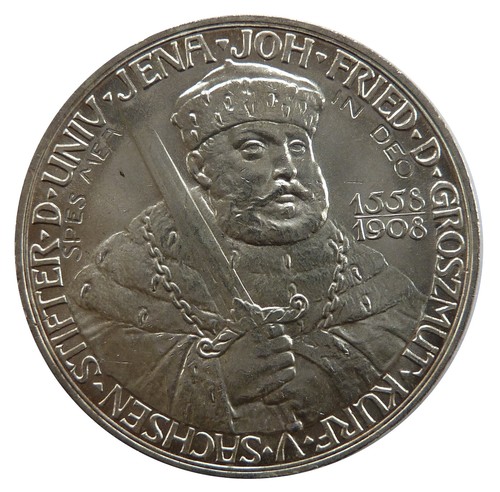
Sachsen-Weimar-Eisenach 5 Mark Commemorative
An 1908 German Empire 5 Mark silver commemorative of Saxe-Weimar-Eisenach marking the University of Jena's jubilee, with the founder's capped portrait.
Commemorative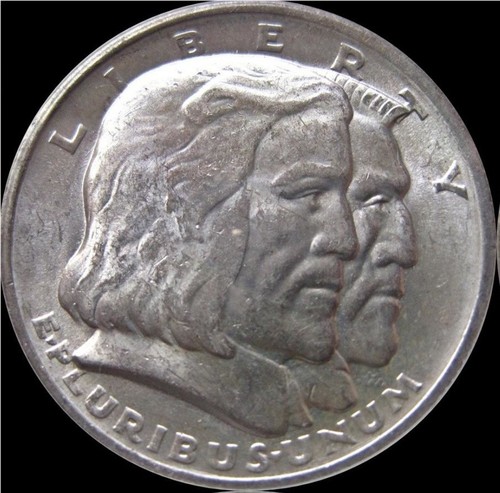
Long Island Tercentenary Half Dollar
A 1936 U.S. silver half dollar marking 300 years of settlement on Long Island, with accolated settler and Native American heads and a Dutch sailing ship.
Classic Commemorative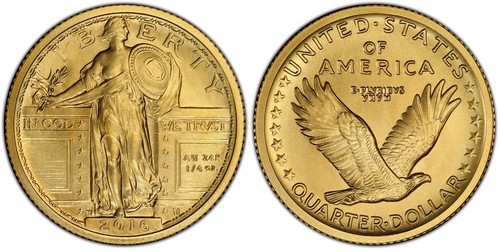
Standing Liberty Quarter Centennial Gold
A 2016 U.S. quarter-dollar struck in 1/4 oz of .9999 fine gold, reviving Hermon MacNeil's Standing Liberty design for its 100th anniversary.
Quarter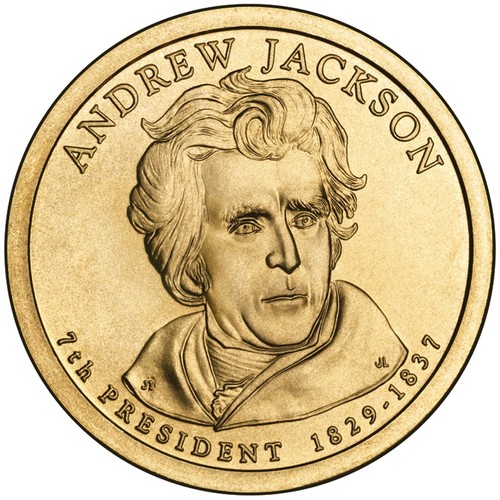
Andrew Jackson Presidential Dollar
2008 U.S. golden dollar honoring Andrew Jackson, the seventh president; part of the Presidential $1 Coin Program with edge-lettered inscriptions.
United States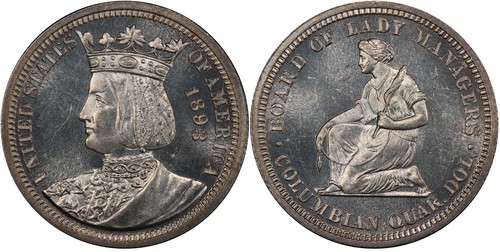
Isabella Quarter
The 1893 Isabella Quarter is the only U.S. commemorative quarter dollar, made for the Columbian Exposition's Board of Lady Managers.
Classic Commemorative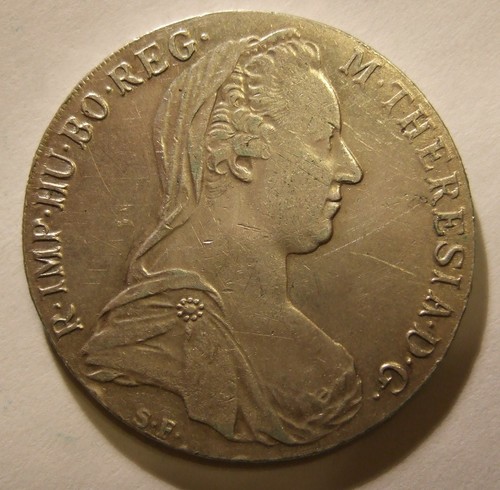
Maria Theresa Thaler
A large silver Austrian trade coin bearing the bust of Empress Maria Theresa, famously frozen at the date 1780 and restruck for centuries.
World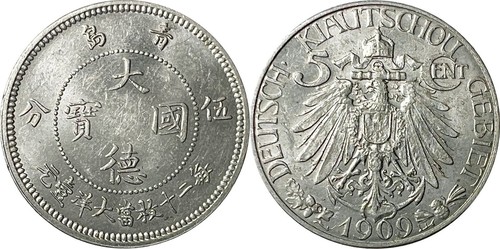
Kiautschou 5 Cents
A 1909 nickel 5 Cent coin of the German-leased Kiautschou Bay territory in China, pairing Chinese characters with the German imperial eagle.
Colonial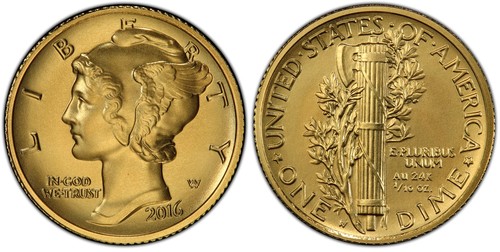
Mercury Dime Centennial Gold
A 2016-W gold collector coin marking the centennial of the 1916 Mercury dime, struck in 1/10 oz of 24-karat gold at West Point.
Dime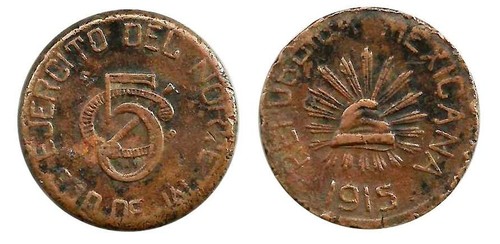
Jalisco 5 Centavos
A small copper 5-centavos coin issued by the Mexican state of Jalisco in 1915 during the Revolution, with a large numeral 5 and the national eagle.
Revolutionary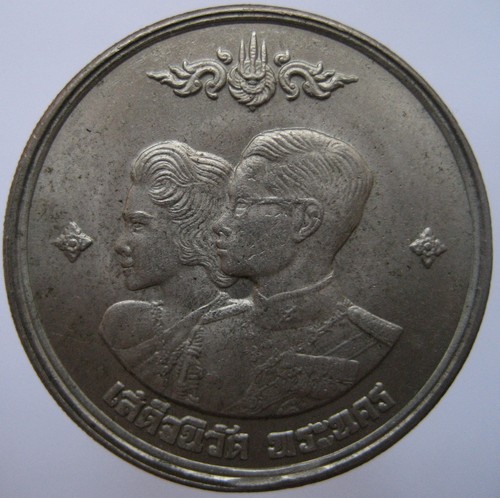
Thailand One Baht Commemorative
A 1961 Thai one-baht commemorative bearing the conjoined profiles of King Rama IX and Queen Sirikit, paired with the Thai royal arms on the reverse.
Southeast Asia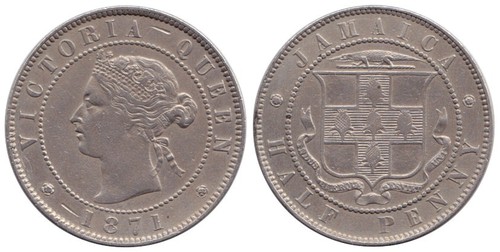
Jamaica Half Penny
An 1871 colonial Jamaica halfpenny in copper-nickel: young Queen Victoria facing left on the obverse, the crowned Jamaican shield of arms on the reverse.
Colonial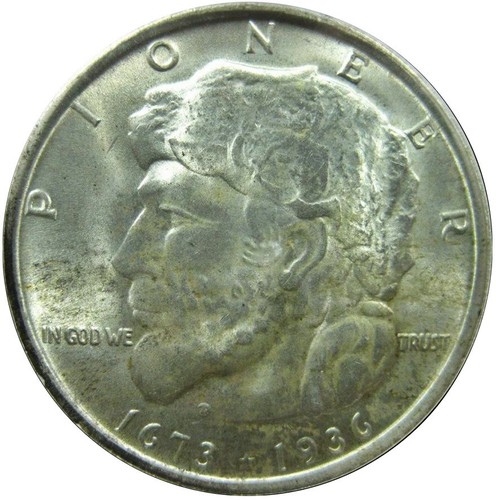
Elgin Illinois Centennial Half Dollar
A 1936 U.S. silver half dollar marking the centennial of Elgin, Illinois, with a bearded pioneer head and a pioneer-family memorial group on the reverse.
Classic Commemorative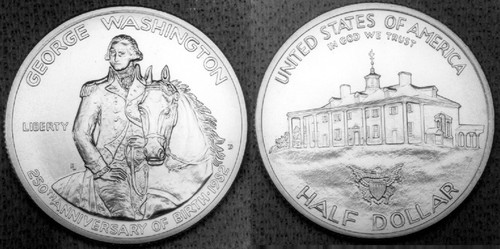
George Washington 250th Anniversary Half Dollar
A 1982 U.S. silver half dollar honoring the 250th anniversary of George Washington's birth; it revived both the commemorative program and 90% silver coinage.
Modern Commemorative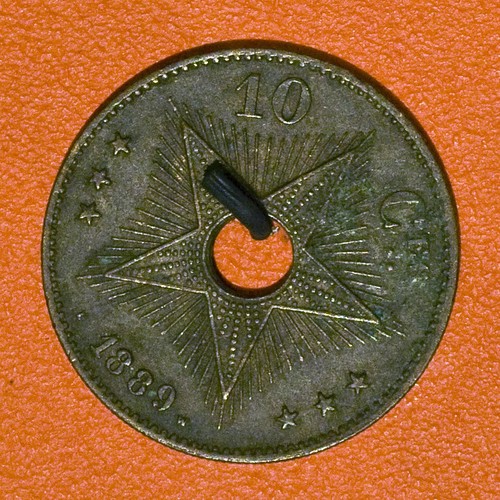
Congolese Commemorative Coin
An 1889 holed copper 10-centime coin of the Congo Free State, with a radiant five-pointed star, the value 10 C, and a ring of small stars.
World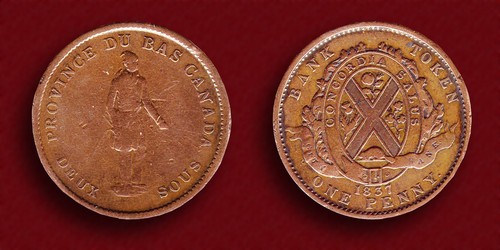
Lower Canada Bank Penny Token
Copper 1837 penny token of Lower Canada with a standing habitant and PROVINCE DU BAS CANADA obverse and a crowned heraldic-arms reverse.
Canadian & Provincial