
Coin Encyclopedia
Search and identify coins from around the world — with country, denomination, metal, mint, history, and how to tell them apart.
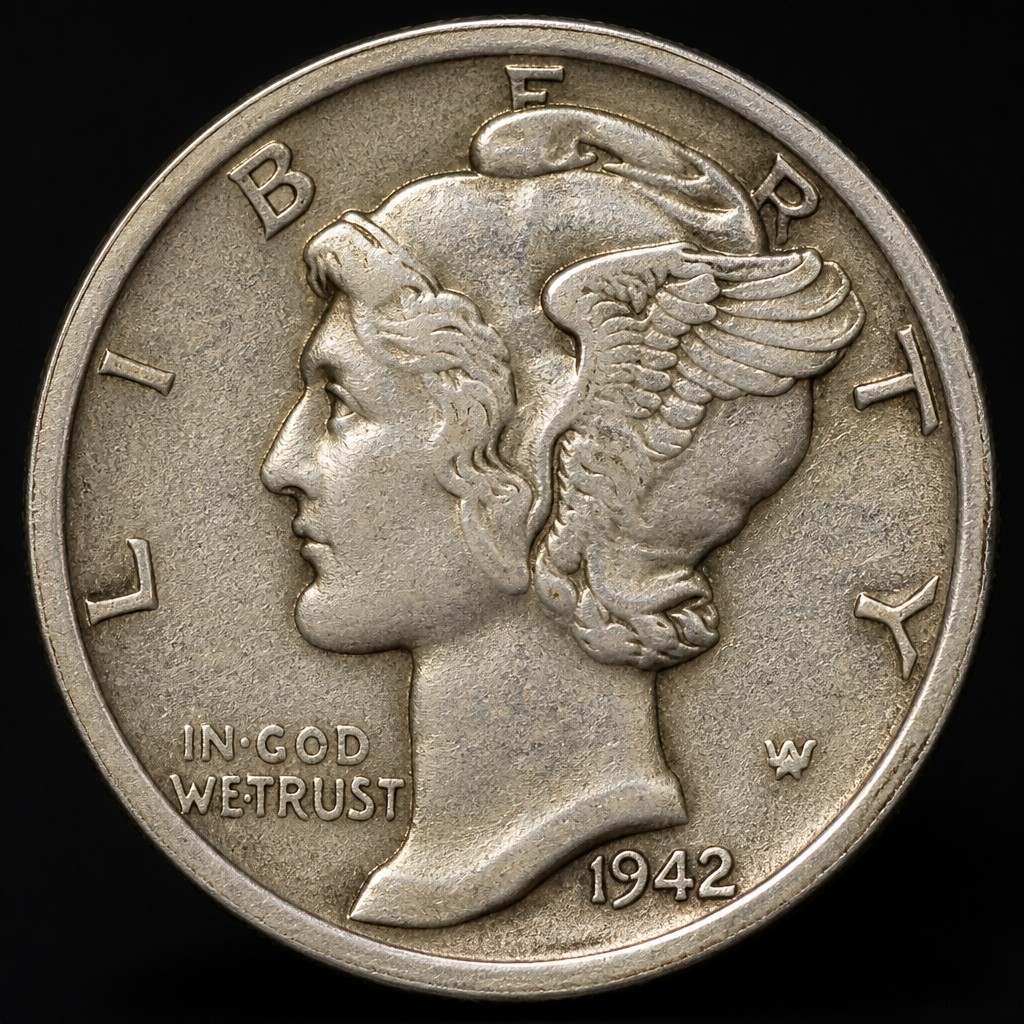
1942/1 Mercury Dime Overdate
A famous overdate error, this Philadelphia Mercury Dime shows remnants of a 1941 digit beneath the 1942 date, created when an old die hub was reused by mistake.
Errors & Varieties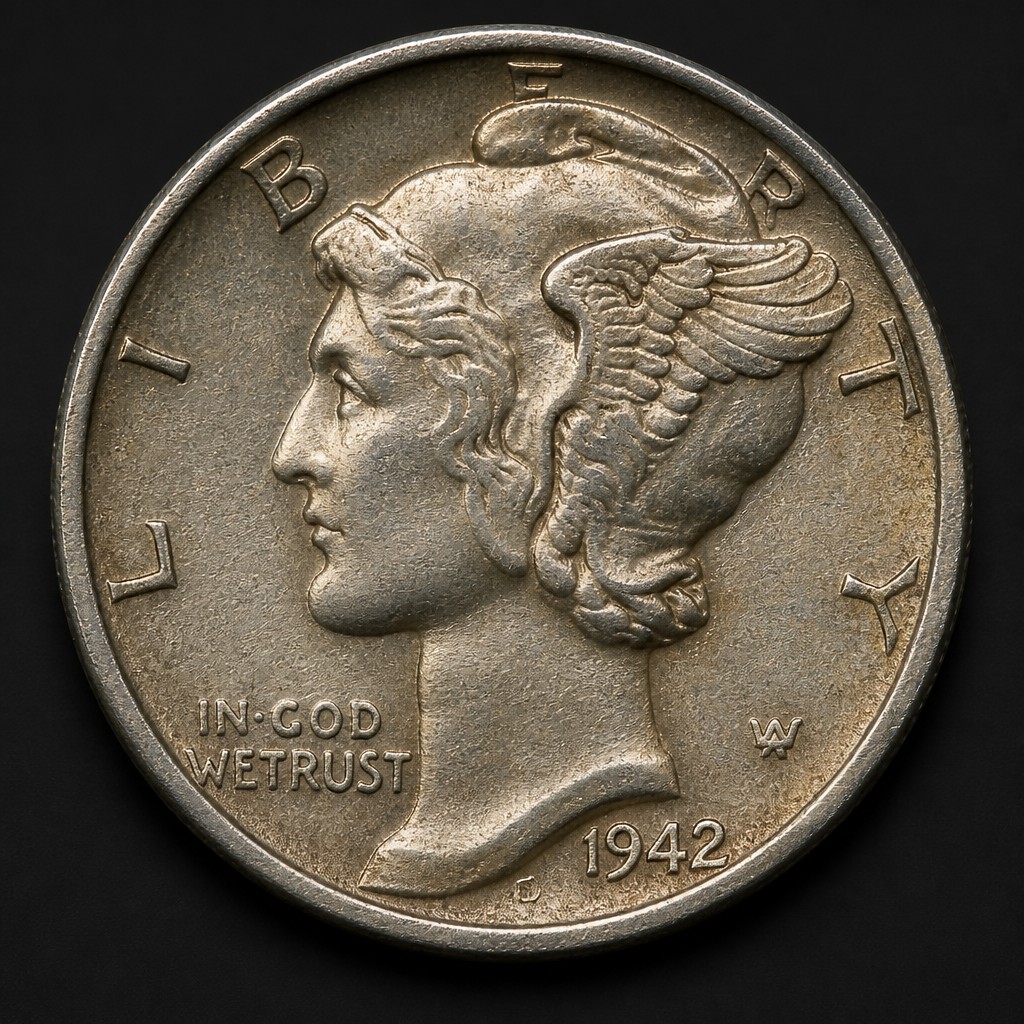
1942/1-D Mercury Dime Overdate
The Denver counterpart to the famous 1942/1 overdate, this Mercury Dime shows a doubled date from reused 1941 die-making equipment and is scarcer than the Philadelphia version.
Errors & Varieties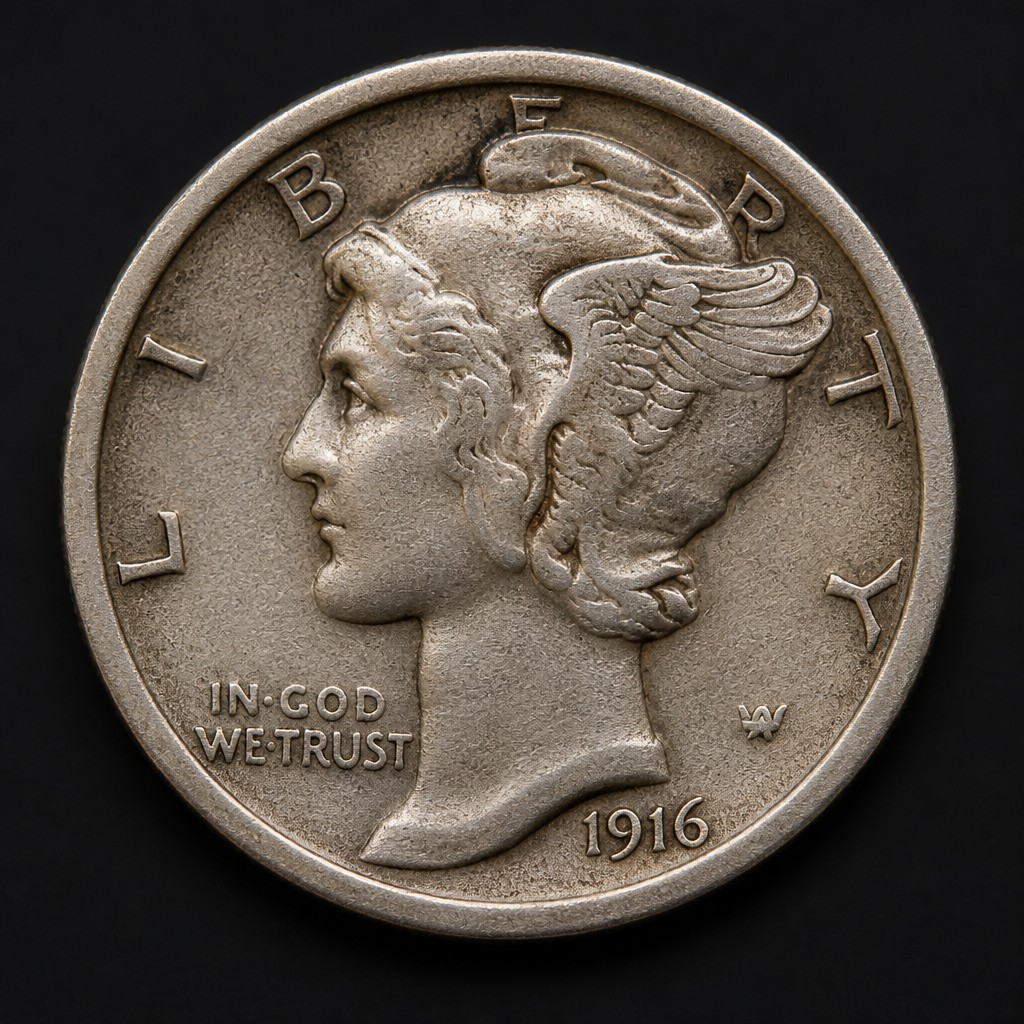
1916-D Mercury Dime
The key date of the Mercury Dime series, the 1916-D was struck at Denver in a very low quantity, making genuine examples scarce and highly sought after by collectors.
United States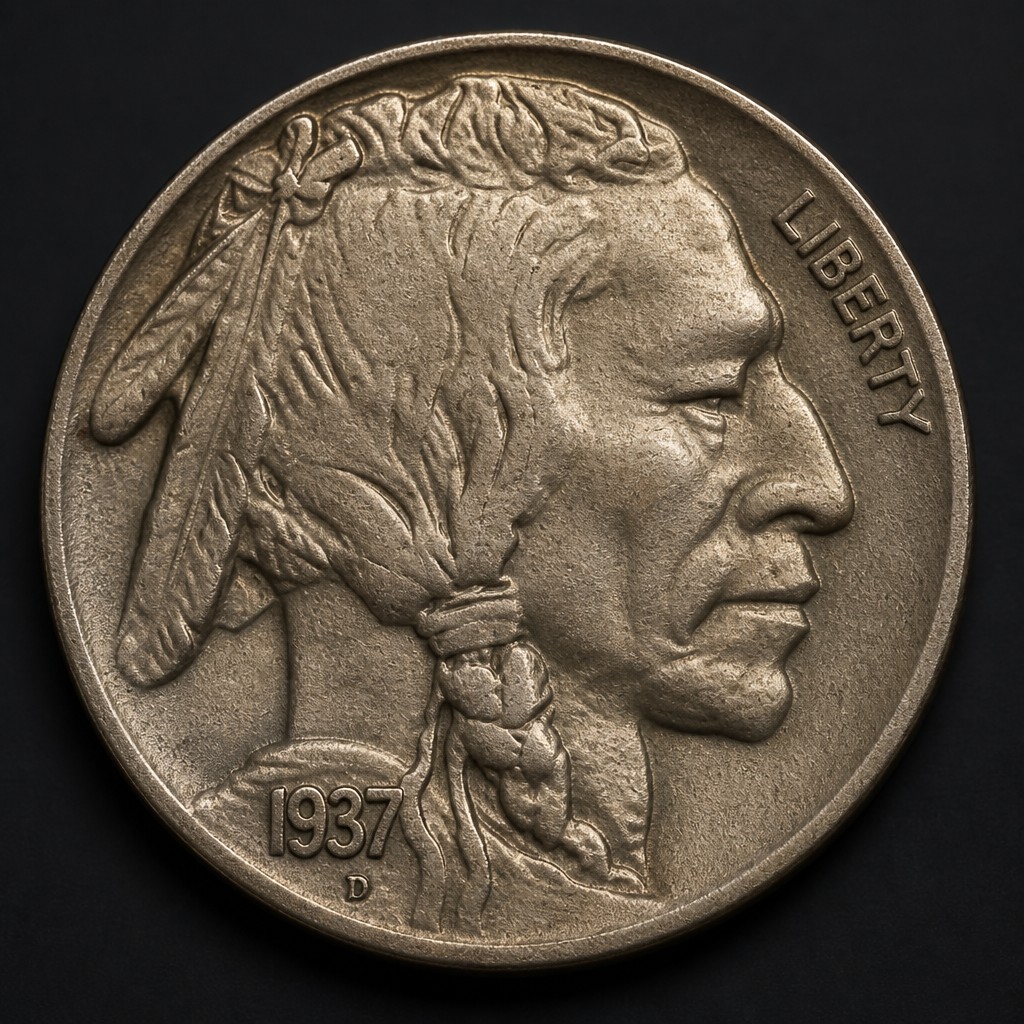
1937-D Three-Legged Buffalo Nickel
One of the most famous U.S. mint errors, this Denver-struck Buffalo Nickel variety shows the bison missing its front leg after a Mint worker over-polished a damaged die.
Errors & Varieties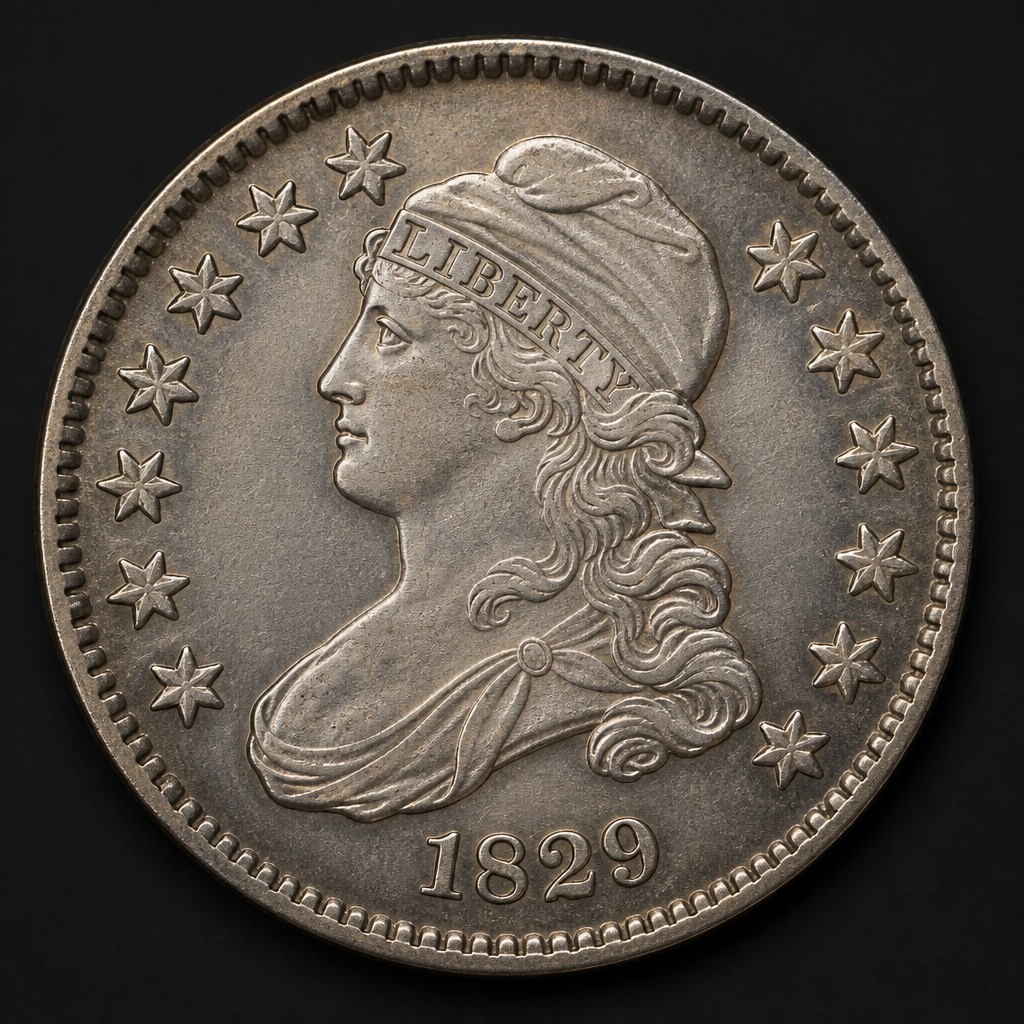
Capped Bust Half Dime
Struck between 1829 and 1837, the Capped Bust Half Dime brought a smaller, mechanically consistent version of the Capped Bust design to America's smallest silver coin.
United States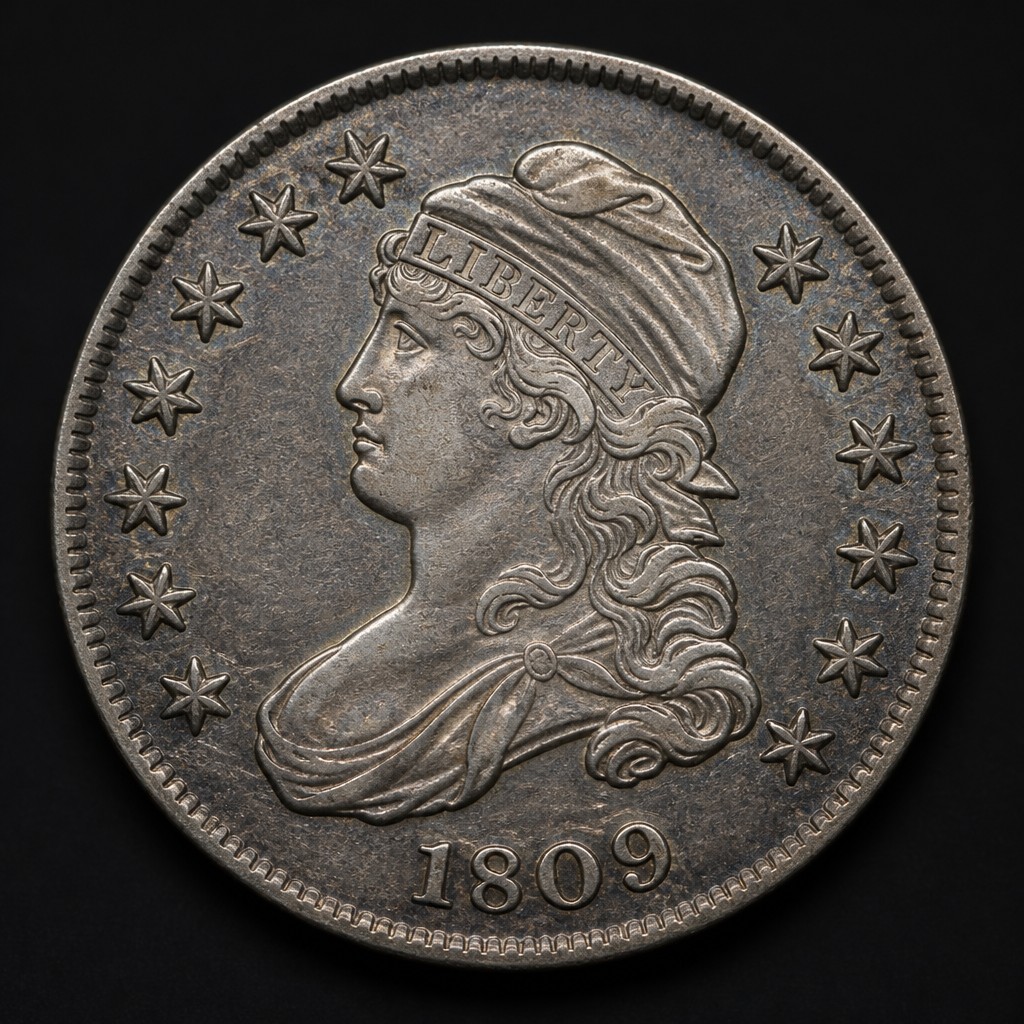
Capped Bust Dime
Struck from 1809 to 1837, the Capped Bust Dime features John Reich's Liberty in a mob cap and comes in a larger early size and a later, reduced-diameter version.
United States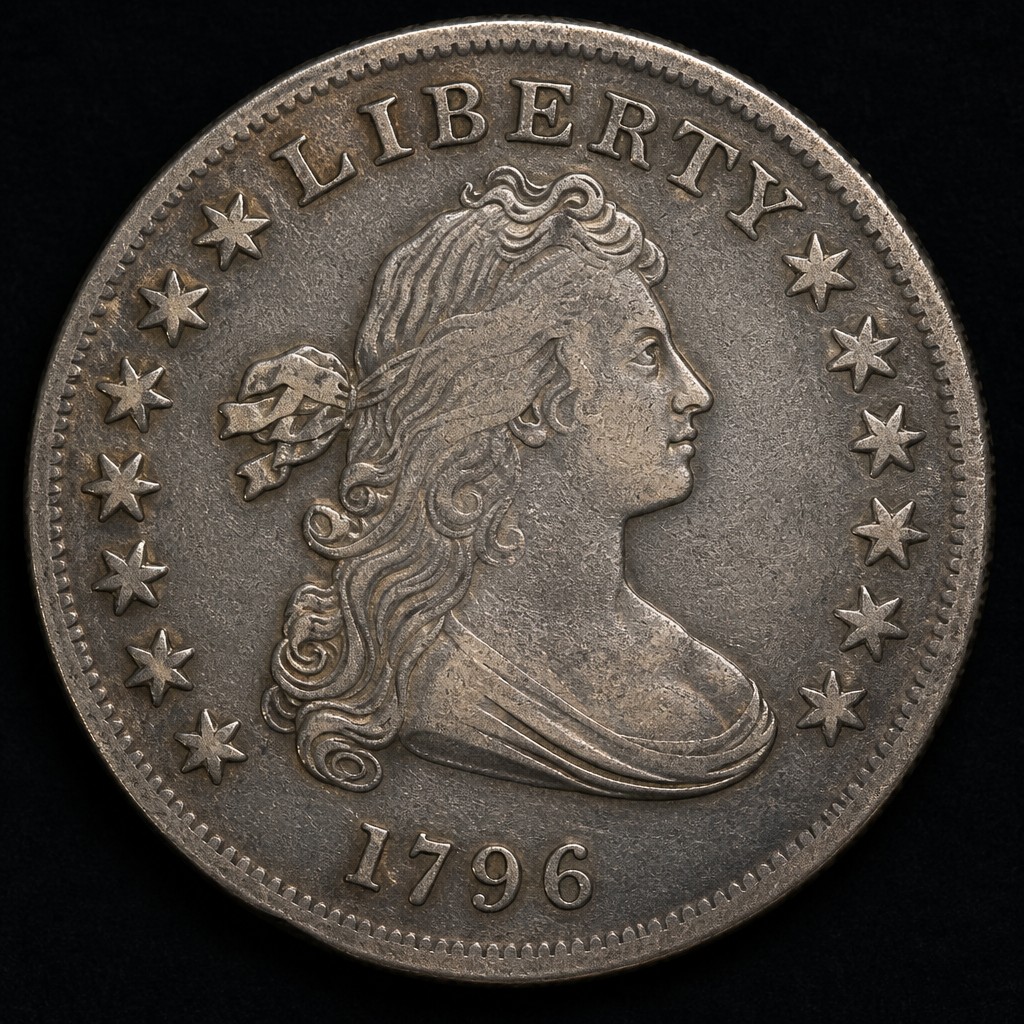
Draped Bust Half Dime
Struck in small numbers from 1796 to 1805, the Draped Bust Half Dime is an early U.S. silver rarity featuring Robert Scot's Draped Bust Liberty portrait and small or heraldic eagle reverses.
United States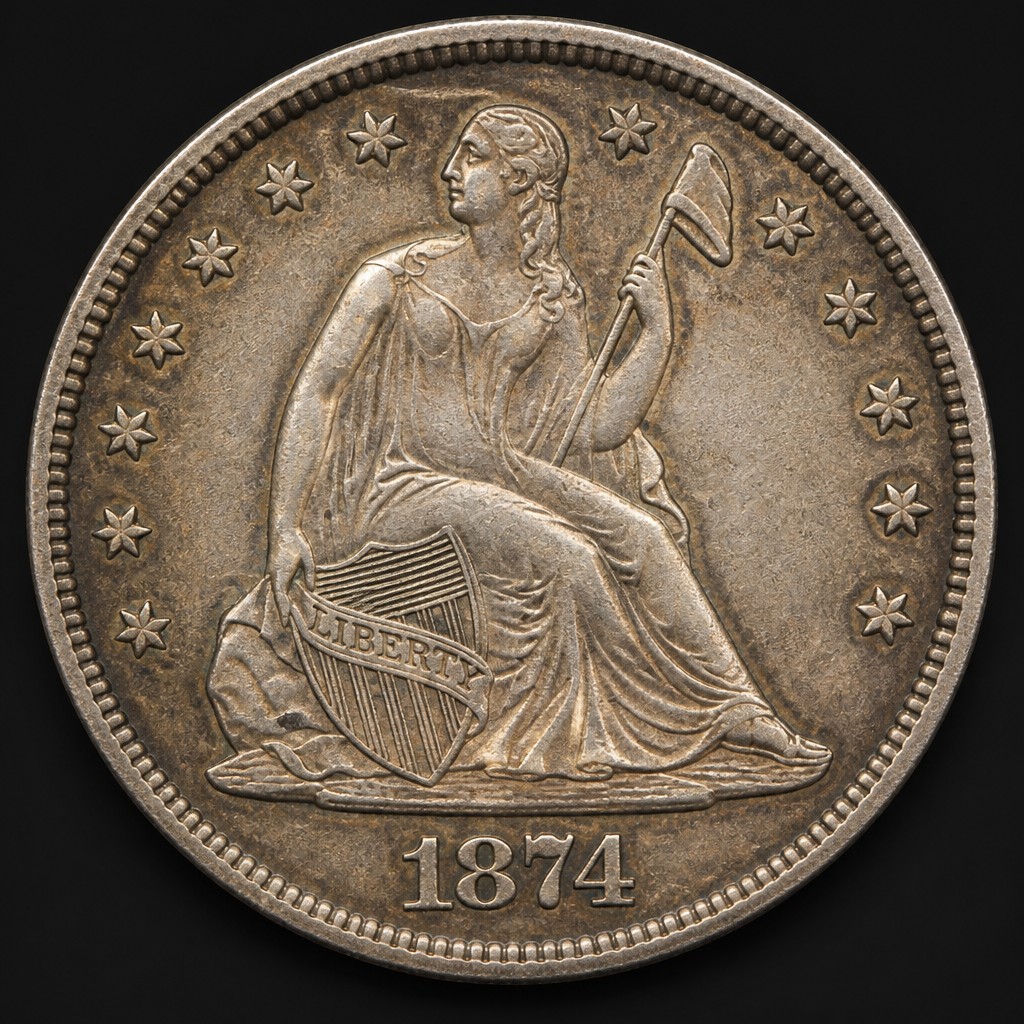
1874-CC Seated Liberty Dime
A rare Carson City dime with arrows at the date, struck in small numbers and highly prized as one of the great condition rarities among CC-mint dimes.
United States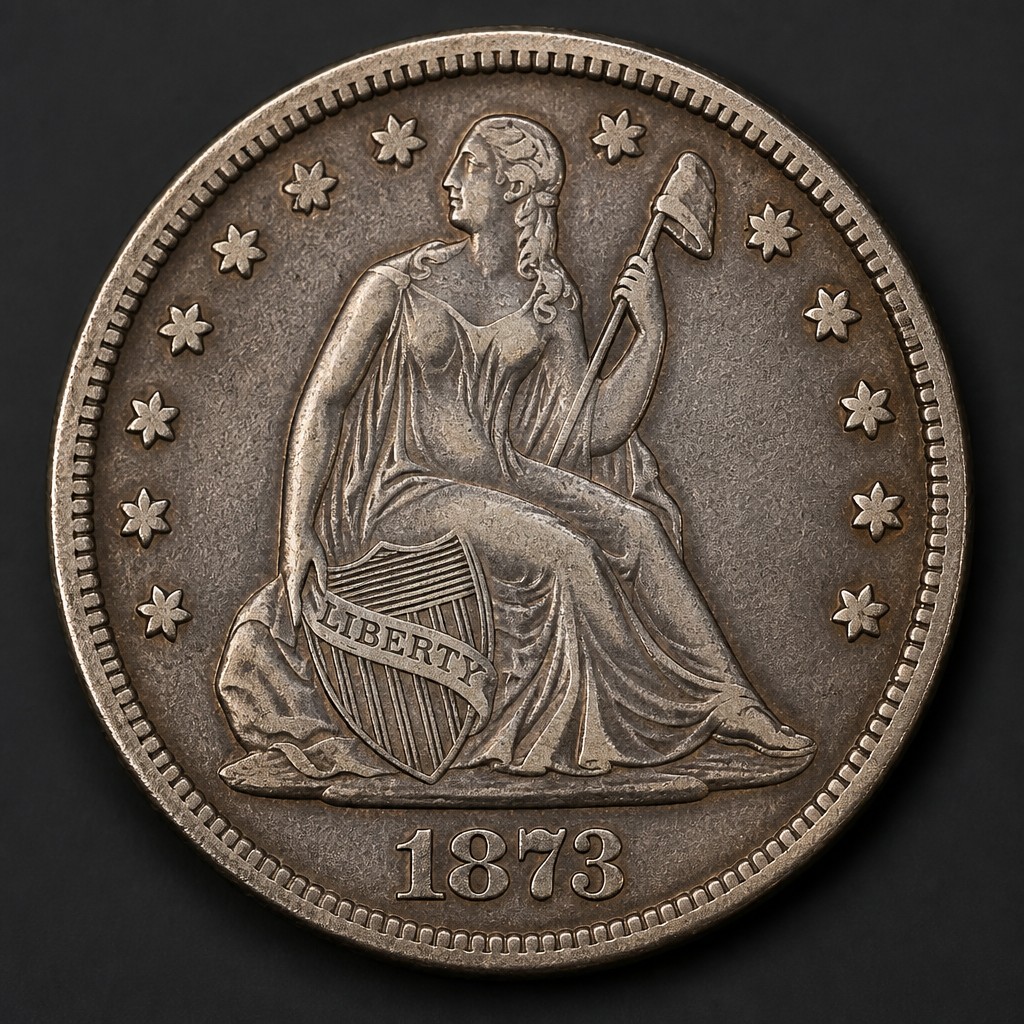
1873-CC Seated Liberty Dime (No Arrows)
An extraordinarily rare Carson City dime struck without the arrows-at-date design used later in 1873, famously known by a single surviving example.
United States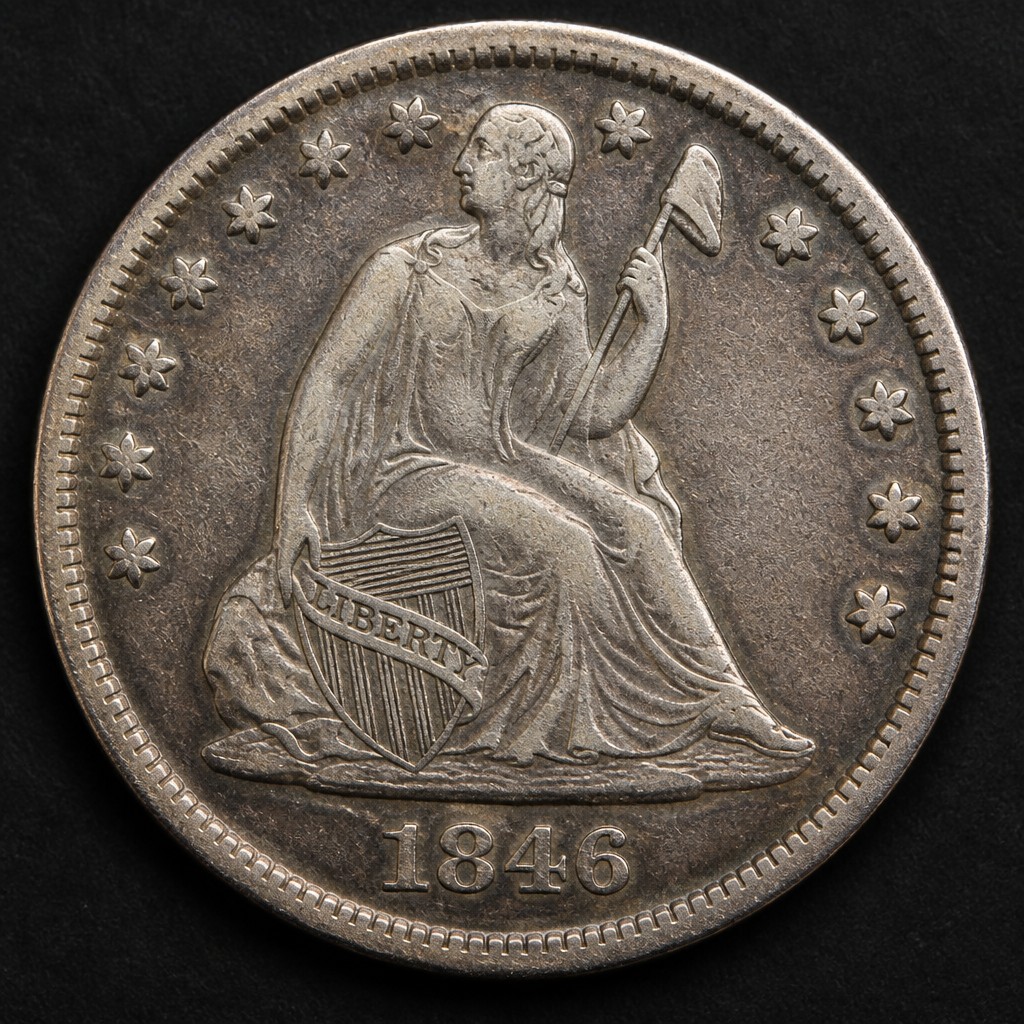
1846 Seated Liberty Dime
A famously low-mintage Seated Liberty dime, considered one of the key dates of the entire series and scarce in any collectible grade.
United States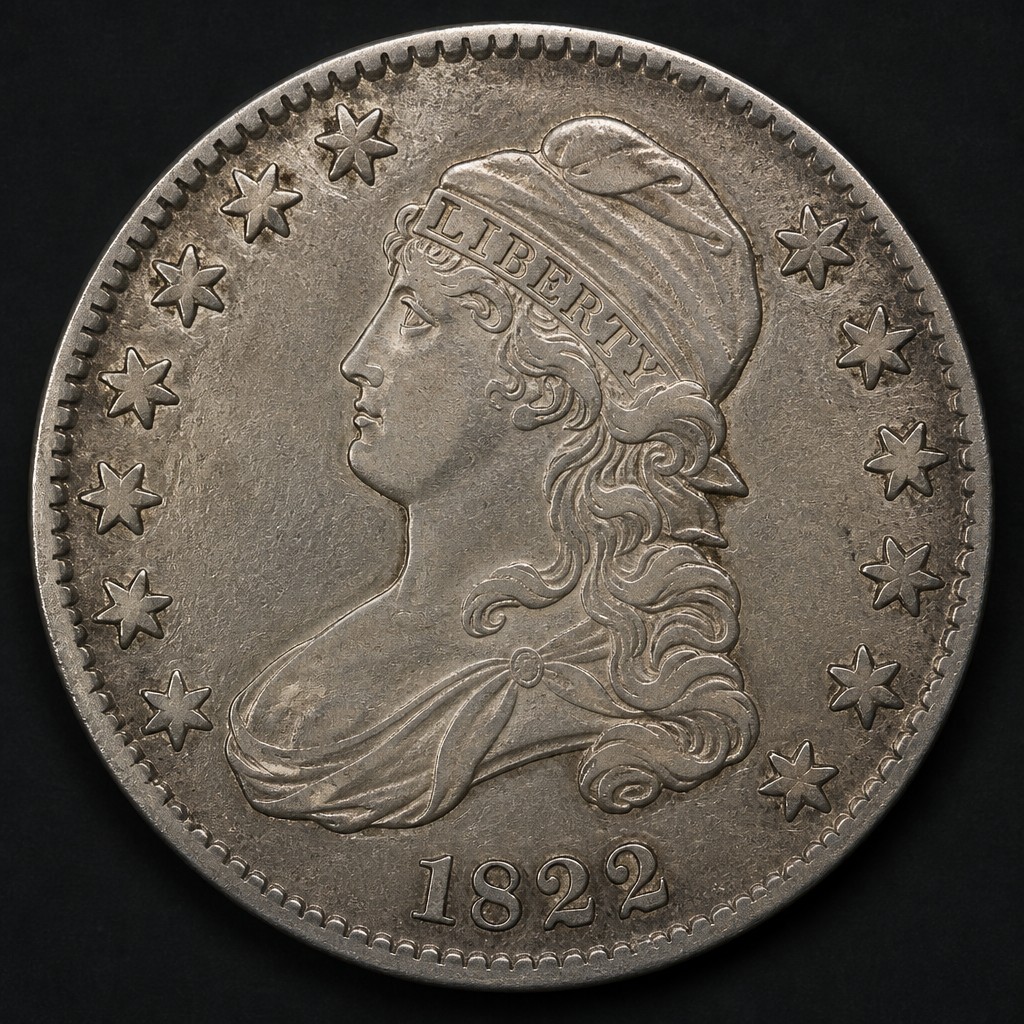
1822 Capped Bust Dime
A scarce, low-mintage date within the Capped Bust dime series, considered a key date for collectors assembling this early 19th-century type.
United States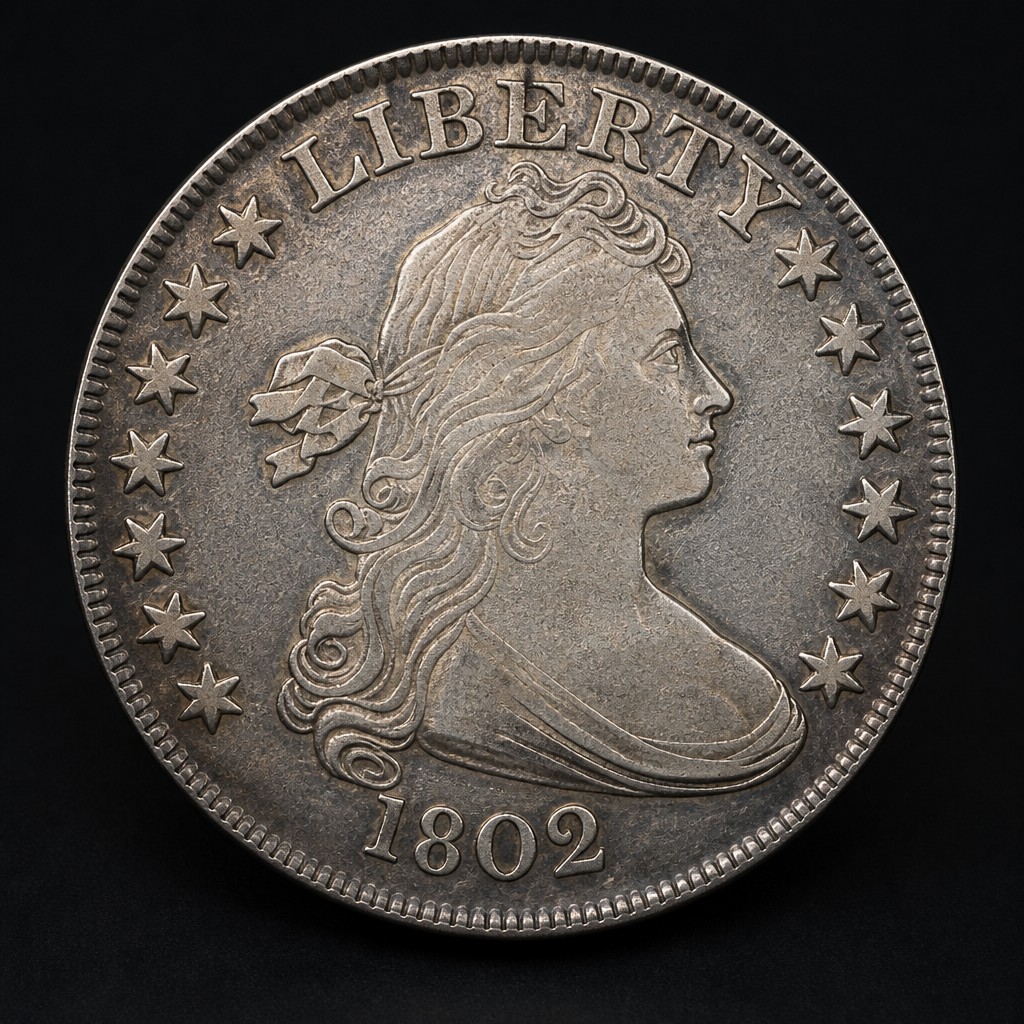
1802 Draped Bust Half Dime
One of the great rarities of early U.S. coinage, with an extremely small original mintage and only a handful of genuine survivors known today.
United States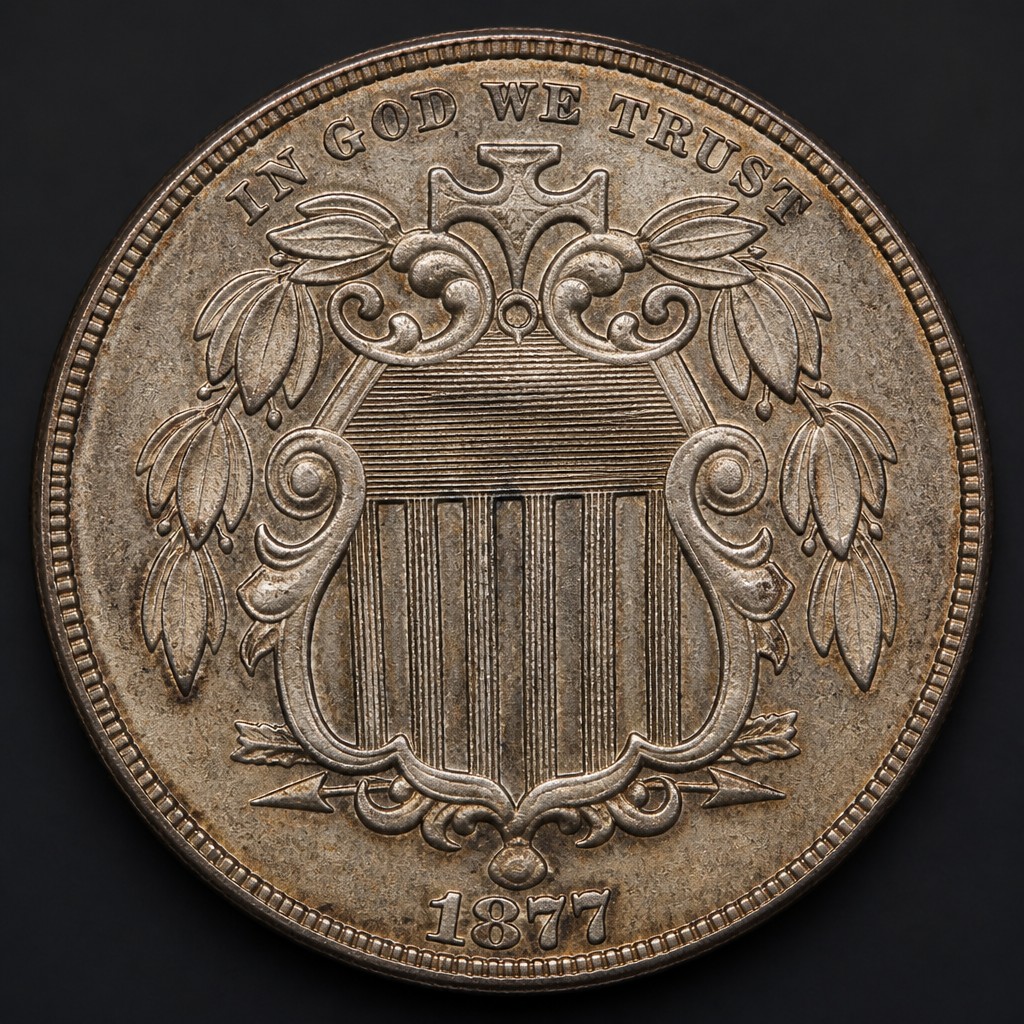
1877 Shield Nickel (Proof Only)
A major Shield Nickel rarity struck exclusively as proof coinage for collectors, with no business strikes produced for circulation that year.
United States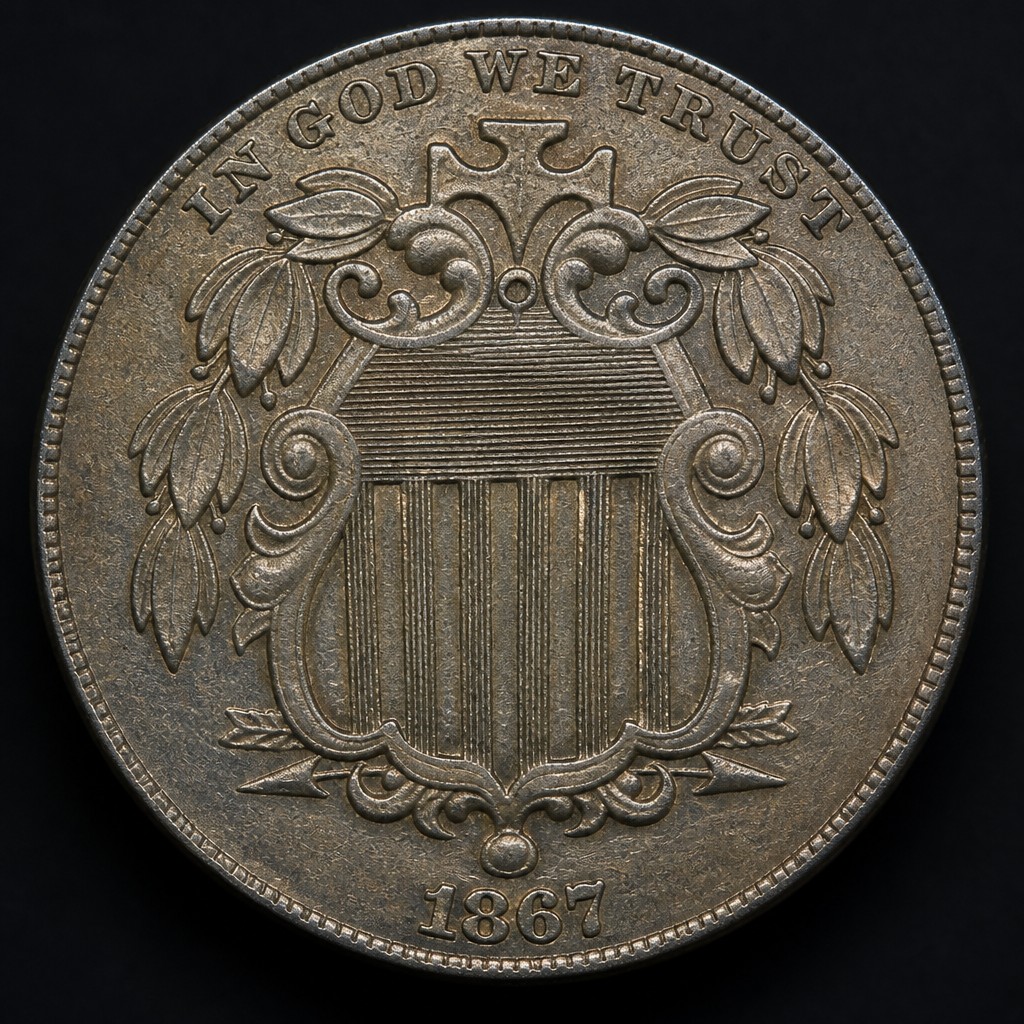
1867 Shield Nickel No Rays
The revised Shield Nickel design with the rays removed from between the reverse stars, introduced to solve die-breakage problems experienced with the original 1866 design.
United States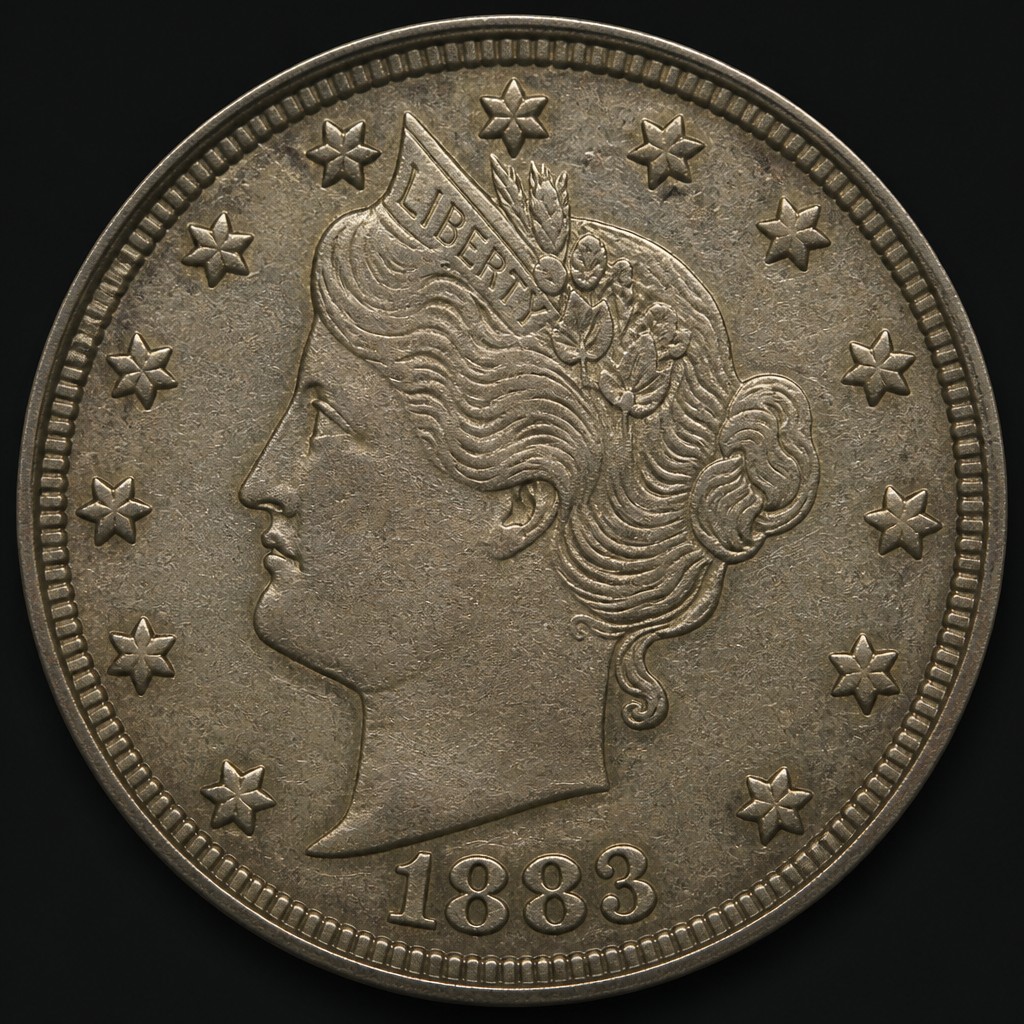
1883 No Cents Liberty Head Nickel
The first-year Liberty Head Nickel design that omitted the word CENTS from the reverse, later infamous as the 'Racketeer Nickel' after being gold-plated and passed off as a five-dollar coin.
United States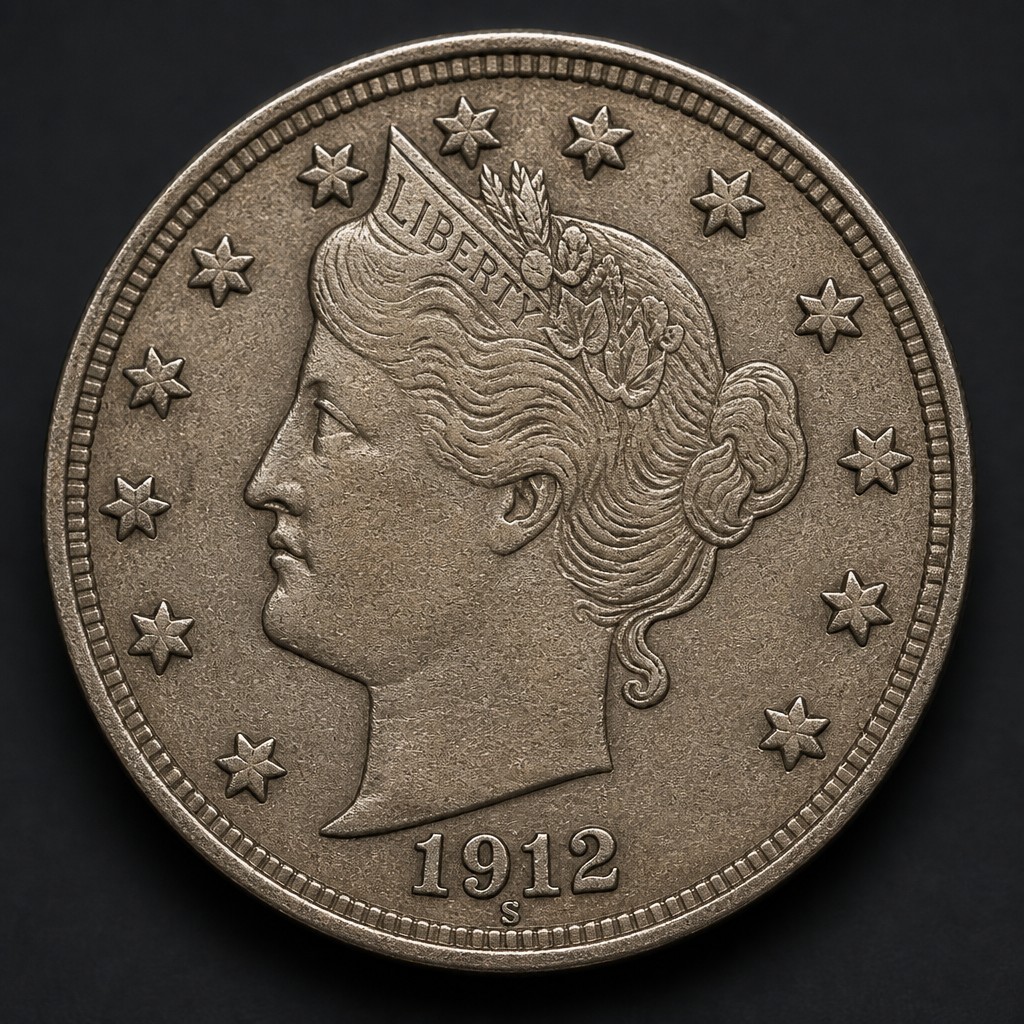
1912-S Liberty Head Nickel
The only Liberty Head V Nickel struck at the San Francisco Mint and the lowest-mintage business strike of the entire series, making it a major key date.
United States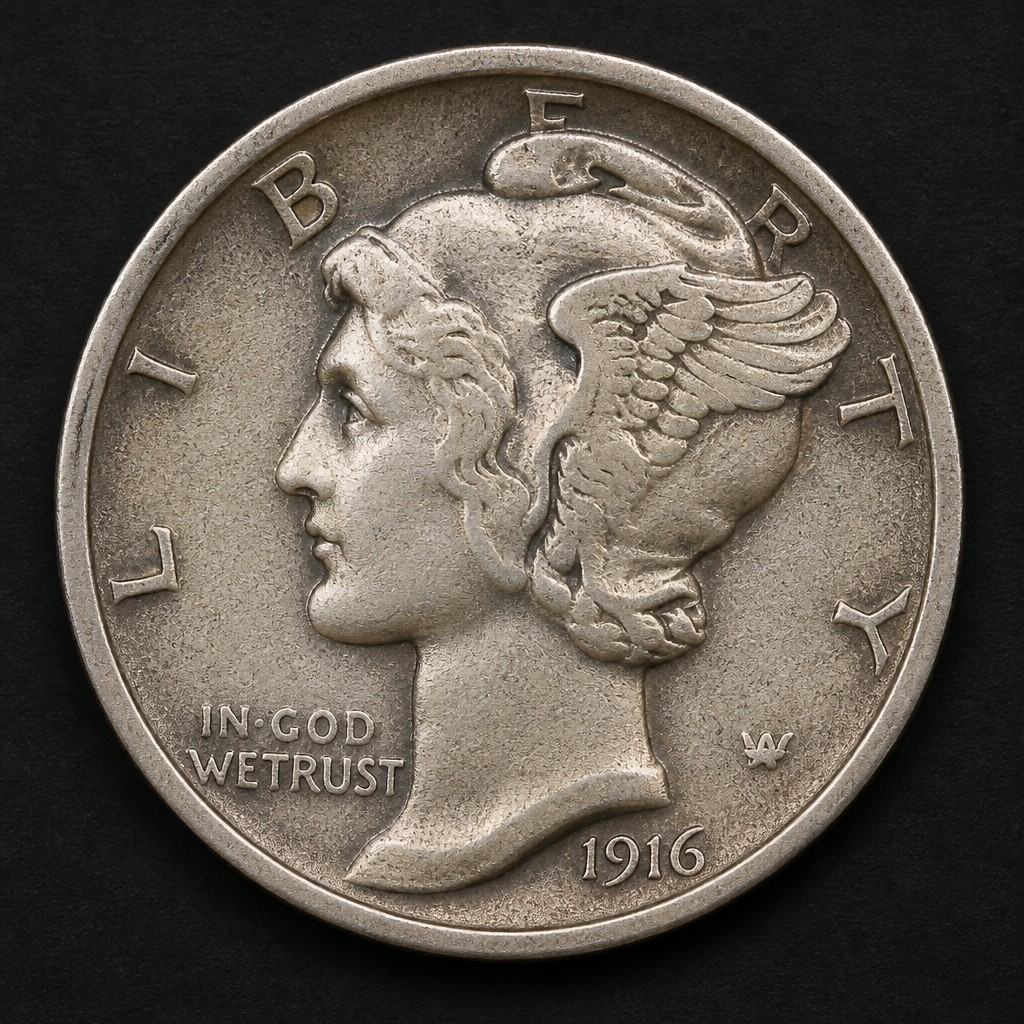
Mercury Dime
Popular U.S. dime nicknamed for its winged Liberty head, mistaken by many for the Roman god Mercury, designed by Adolph A. Weinman and struck from 1916 to 1945.
United States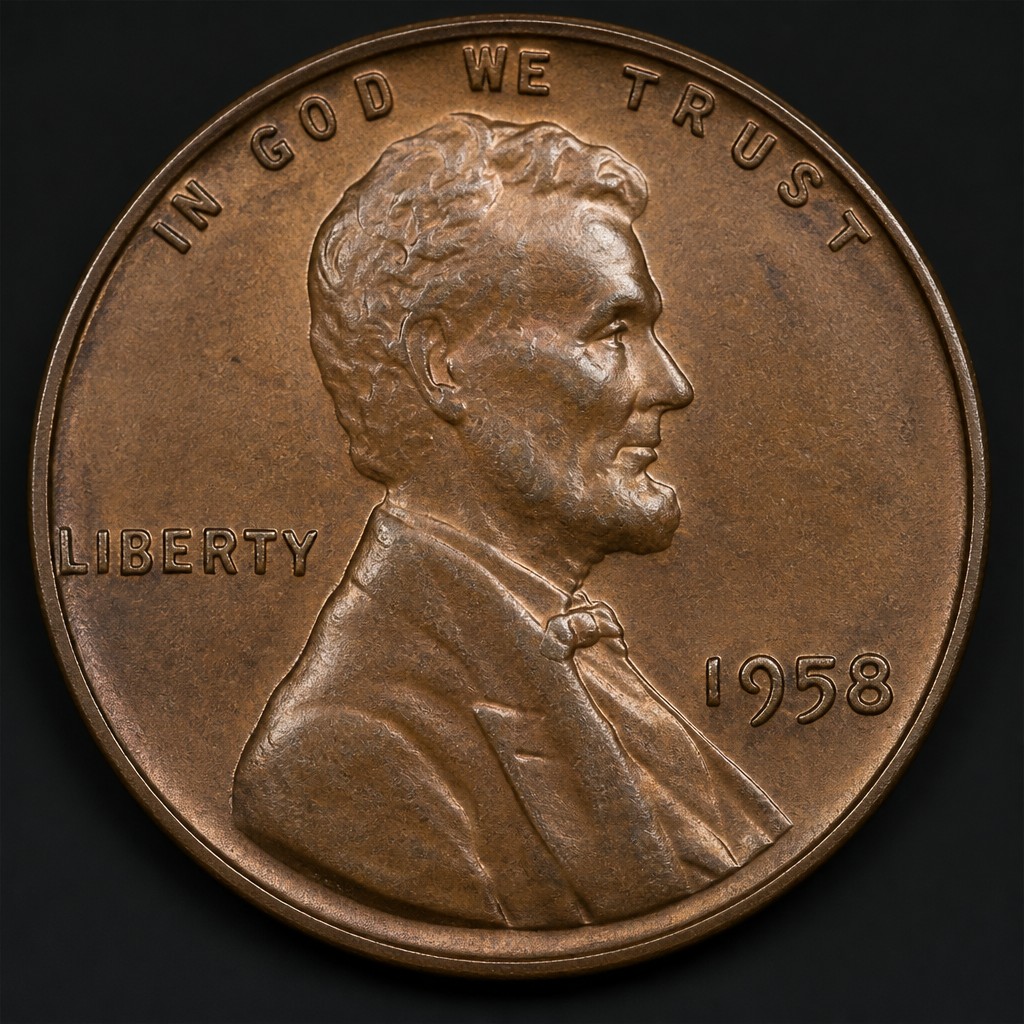
Lincoln Wheat Cent
The first widely circulated U.S. coin to feature a real historical figure, Abraham Lincoln, with two stylized wheat stalks on the reverse; one of the most collected coins in America.
United States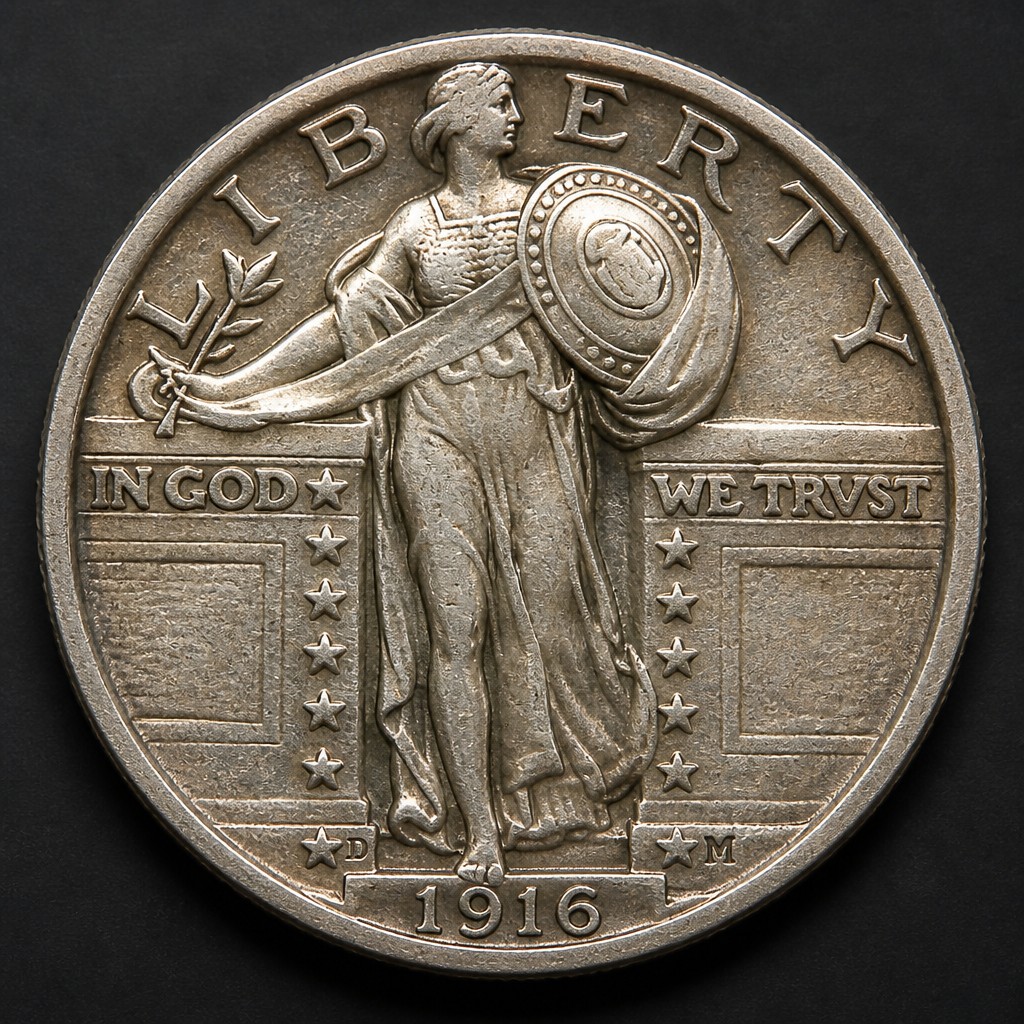
Standing Liberty Quarter
An early 20th-century silver quarter featuring a striding figure of Liberty, prized for its artistic Type I 'bare breast' design and later modified Type II version.
United States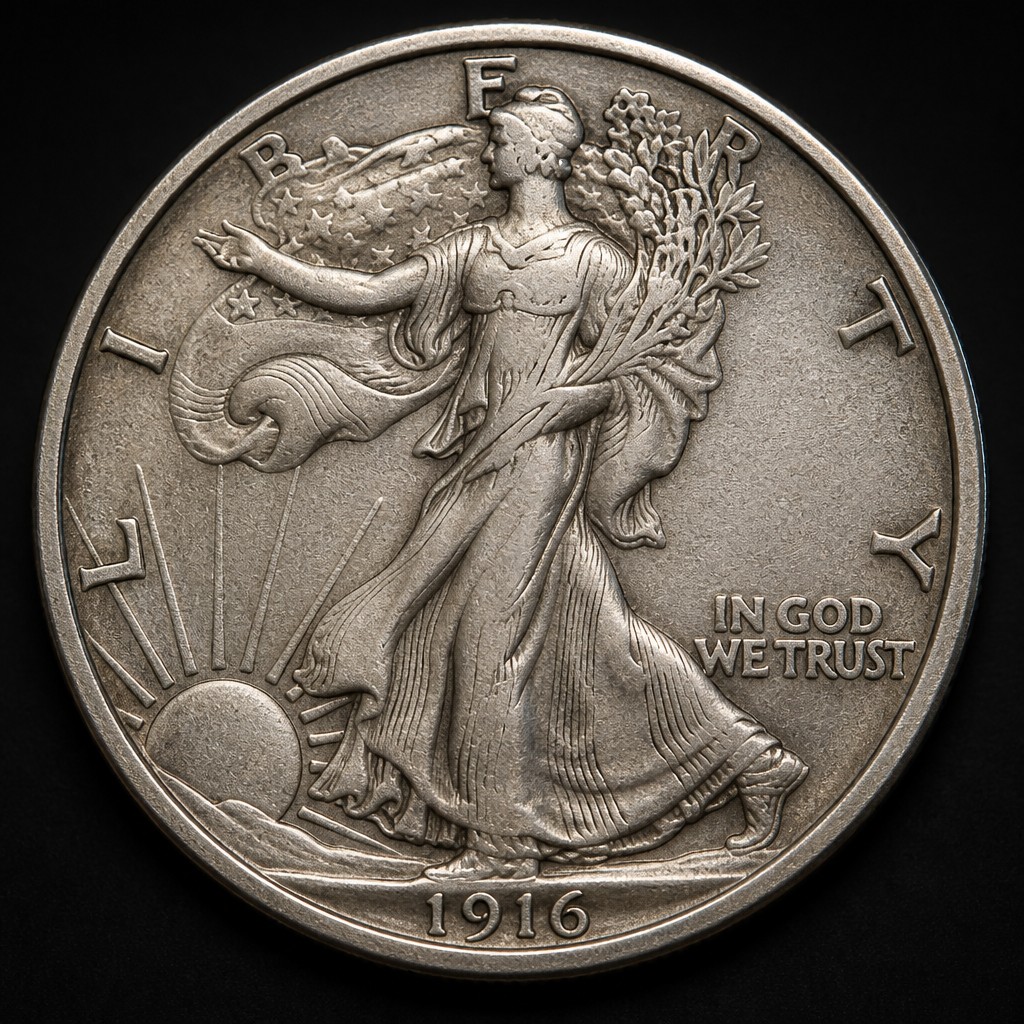
Walking Liberty Half Dollar
Widely admired U.S. half dollar designed by Adolph A. Weinman, depicting Liberty striding toward the sun and a bold eagle on the reverse; its obverse design was later revived for the Silver Eagle.
United States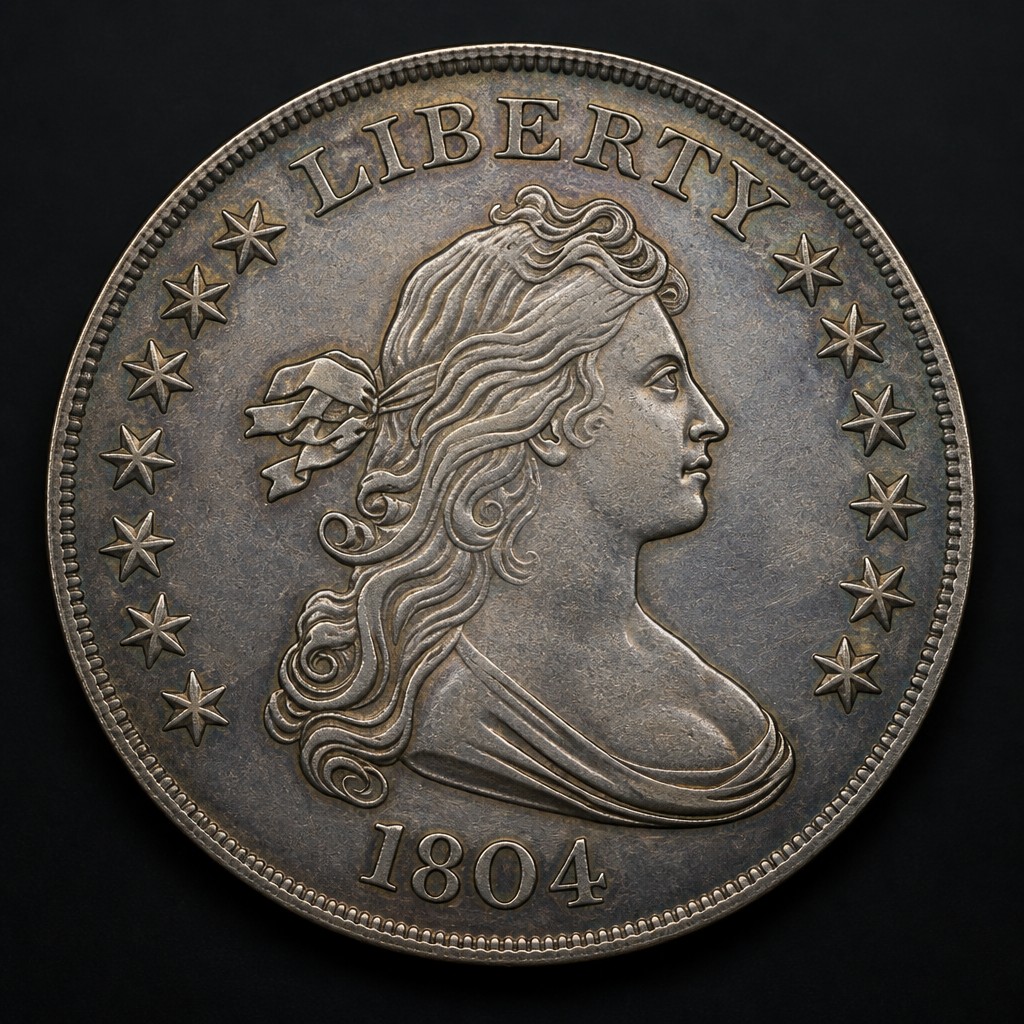
1804 Draped Bust Silver Dollar
Extraordinarily rare U.S. dollar known as "The King of American Coins," actually struck decades after its 1804 date for diplomatic gift sets and later collectors, with only 15 known examples.
United States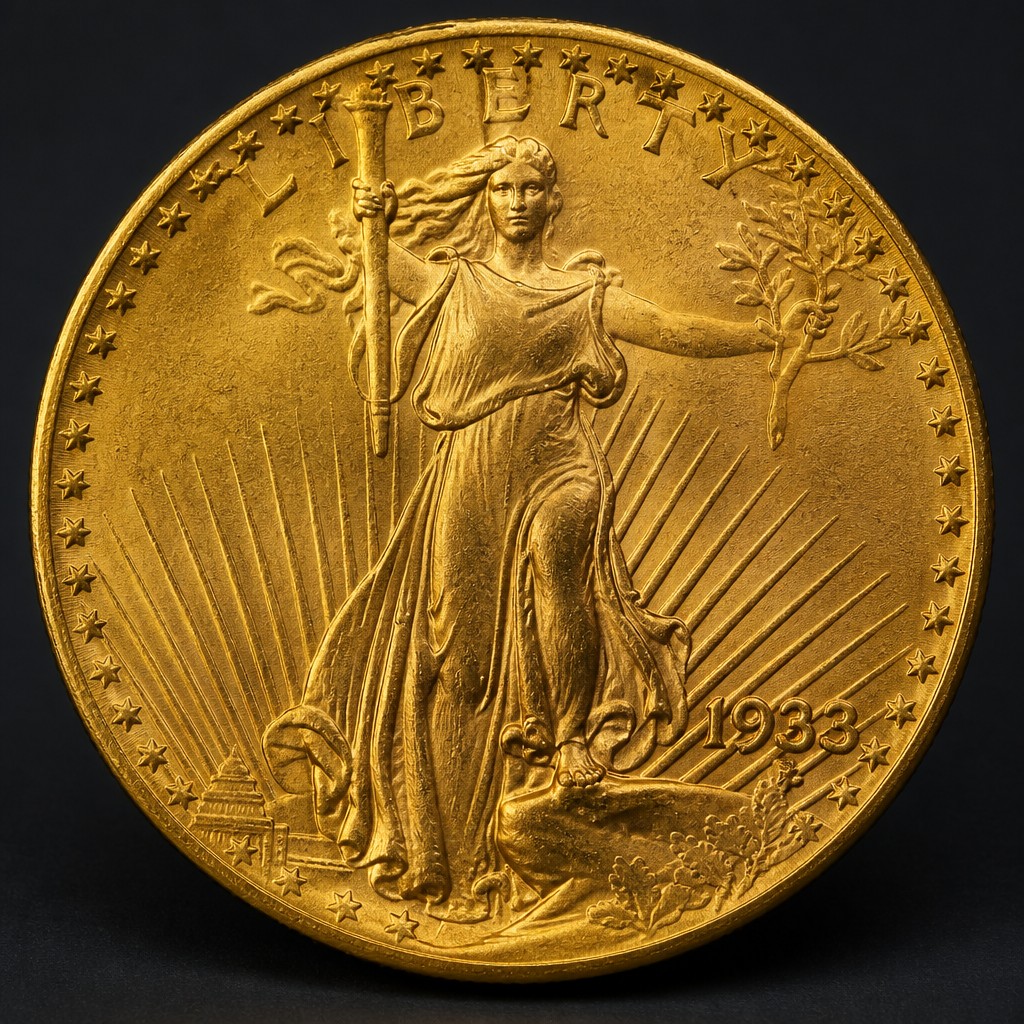
1933 Double Eagle
One of the rarest and most legally contested U.S. coins, struck but never officially released for circulation after the nation left the gold standard; a single example sold for over $18 million.
United States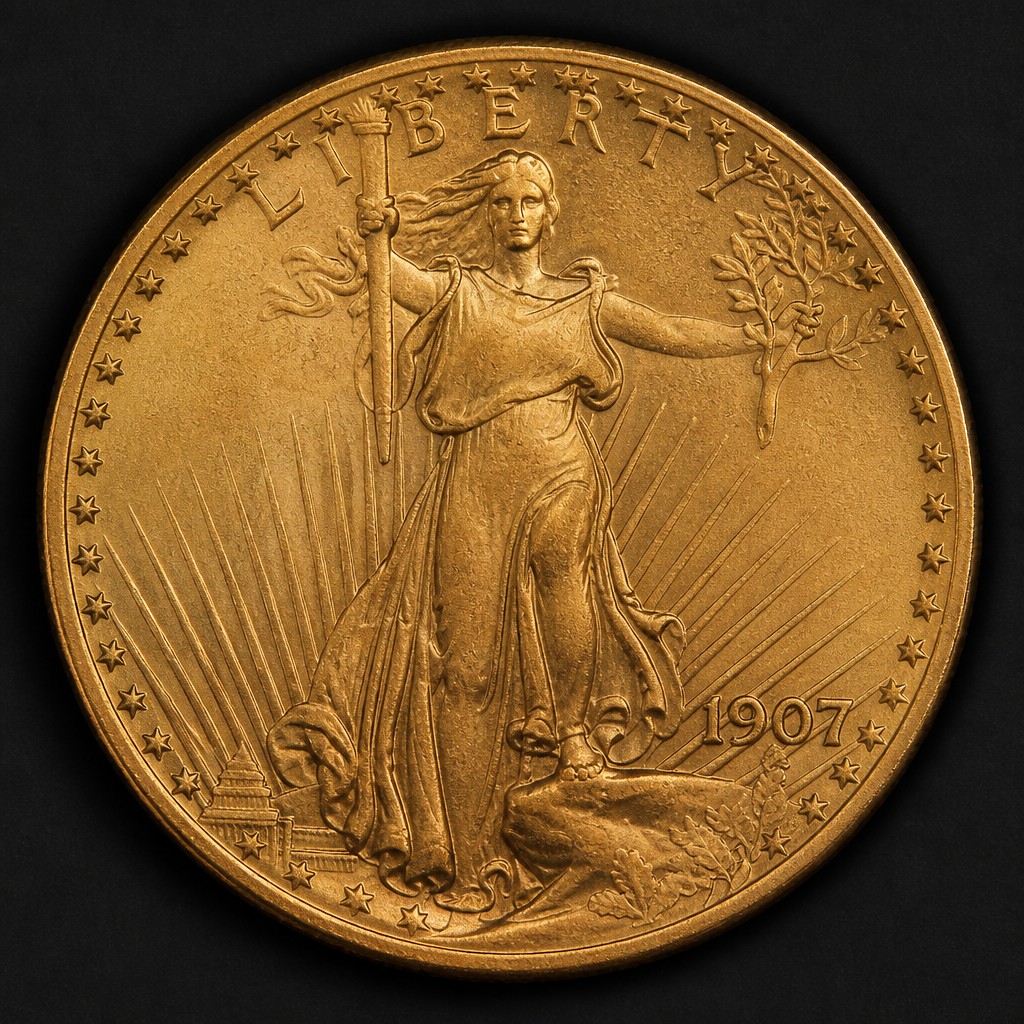
Saint-Gaudens Double Eagle
Widely regarded as one of the most beautiful U.S. coins ever produced, designed by sculptor Augustus Saint-Gaudens at the urging of President Theodore Roosevelt.
United States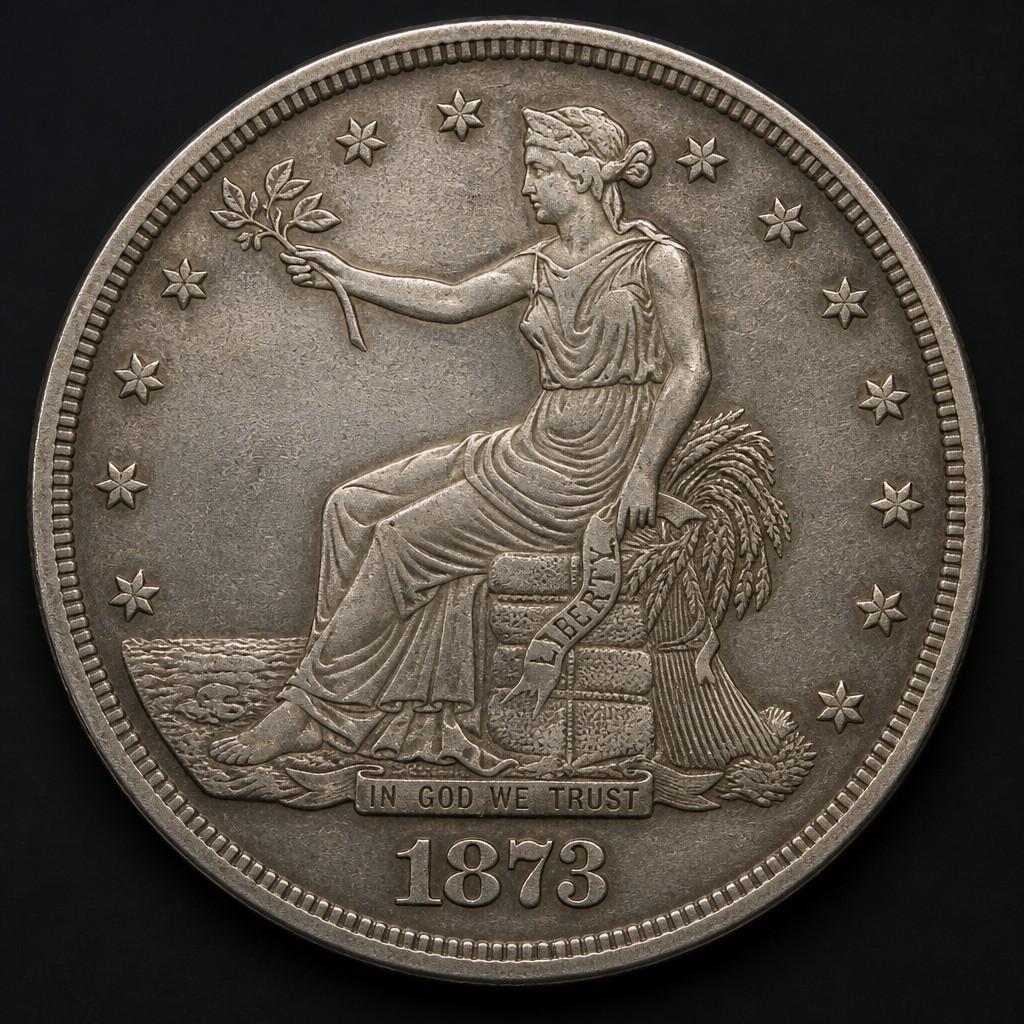
Trade Dollar
A heavier U.S. silver dollar struck specifically for trade with China and East Asia, later demonetized domestically and known for its distinctive weight-and-fineness inscription.
United States