
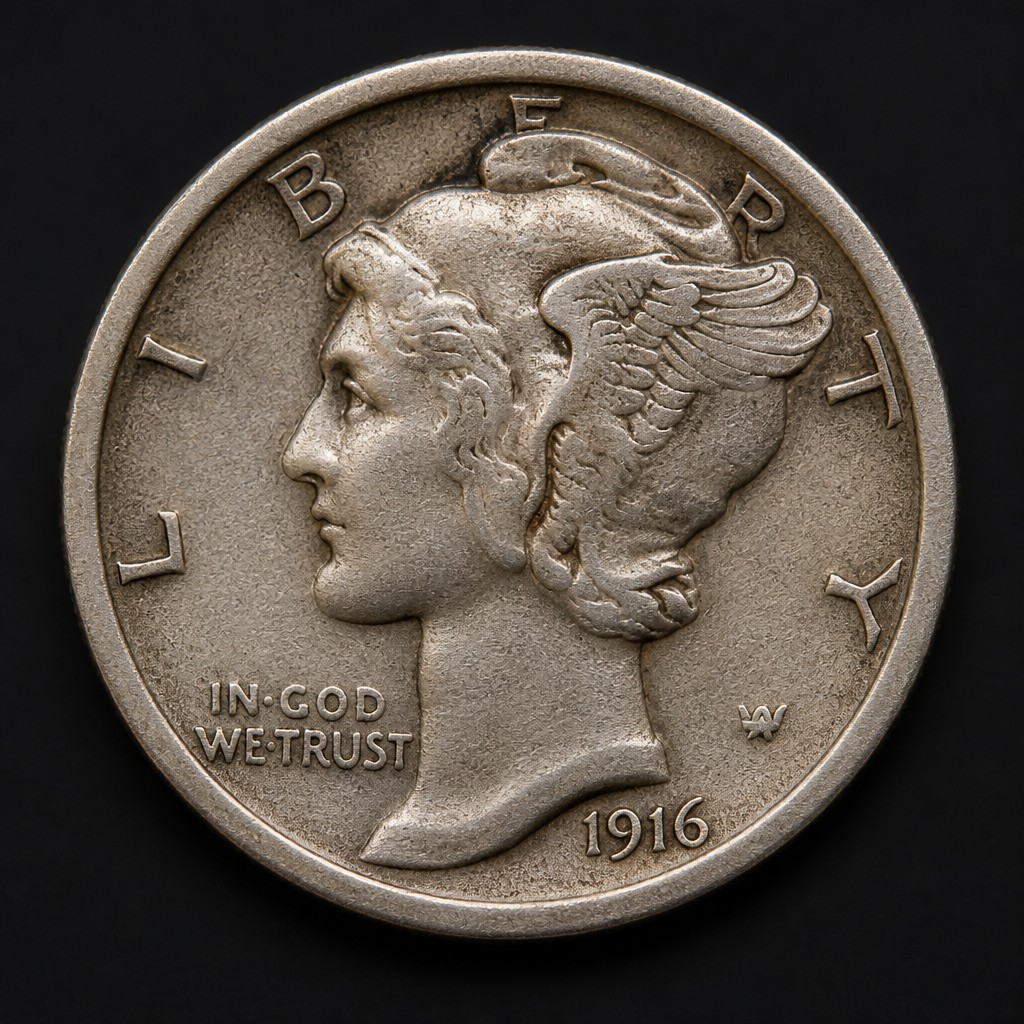
1916-D Mercury Dime
The key date of the Mercury Dime series, the 1916-D was struck at Denver in a very low quantity, making genuine examples scarce and highly sought after by collectors.
- Country
- United States
- Denomination
- Ten Cents
- Metal
- 90% Silver
Got a coin like this?
Identify any coin from a photo, free.
Overview
The 1916-D Mercury Dime is widely regarded as the king of the Mercury Dime series and one of the most famous key dates in 20th-century United States coinage. Its low original mintage compared to other dates in the series makes it a benchmark rarity that many collectors aspire to add to a complete set.
Because it is the very first year of the Mercury Dime design and the scarcest Denver issue in the series, the coin holds a special place in the hobby, often serving as the single most expensive coin needed to complete an otherwise achievable date-and-mint set.
The coin's fame has unfortunately also made it a frequent target for counterfeiting and alteration, so careful attention to the mint mark and overall coin details is especially important for this particular date.
History & Background
The Mercury Dime, officially the Winged Liberty Head Dime, was designed by sculptor Adolph A. Weinman and introduced in 1916, replacing the Barber Dime. In its debut year, the Denver Mint struck a comparatively small number of these dimes relative to Philadelphia and San Francisco output for the same year, creating an immediate scarcity within the new series.
At the time of issue, the low Denver mintage was not immediately recognized as significant, but as the series matured and collectors began assembling complete date-and-mint sets, the 1916-D quickly stood out as by far the hardest date to acquire, especially in higher grades.
The Mercury Dime series continued until 1945, when it was replaced by the Roosevelt Dime, but the 1916-D issue has remained the series' defining rarity throughout the decades since.
How to Identify
The obverse features a left-facing winged Liberty head, often mistakenly called "Mercury" due to the wings on her cap resembling the Roman god, with "LIBERTY" around the rim and the date below. The reverse depicts a fasces (a bundle of rods symbolizing unity and strength) bound with an olive branch, along with "UNITED STATES OF AMERICA," "E PLURIBUS UNUM," and "ONE DIME."
The coin is struck in 90% silver with a reeded edge and standard dime diameter. The critical identifying feature for this date is the small "D" mint mark on the reverse to the left of the fasces base; genuine 1916-D dimes show this mint mark with specific characteristics that collectors and grading services check closely.
Because the 1916-D is so valuable, it has frequently been counterfeited by adding a fake "D" to a common 1916 Philadelphia dime; collectors should look for a mint mark that matches the correct size, shape, and position, and strongly consider professional authentication before paying a premium price for this date.
Value & Collectibility
The 1916-D Mercury Dime is valuable in every grade, with even heavily worn, well-worn examples commanding prices far above typical circulated Mercury Dimes due to the coin's low original mintage and strong collector demand. Mid-range circulated grades can reach into the low thousands of dollars, while mint-state examples bring substantially more.
Because counterfeits and altered mint marks are common for this date, professionally graded and authenticated examples (from major third-party grading services) typically command more buyer confidence and often sell at stronger prices than raw, ungraded coins.
As the key date of a widely collected series, the 1916-D remains one of the most consistently in-demand 20th-century U.S. coins, with its value driven heavily by scarcity relative to the number of collectors seeking to complete a full Mercury Dime set.
Frequently asked questions
Why is the 1916-D Mercury Dime so valuable?
The Denver Mint struck a comparatively small quantity of dimes in 1916, the series' first year, making it the scarcest date collectors need for a complete set.
How can I tell if my 1916-D dime is genuine?
Check the mint mark on the reverse carefully for correct size, shape, and position, and consider professional authentication, since this date is frequently counterfeited by adding a fake mint mark.
What does 'Mercury' mean on this dime?
The nickname comes from the winged Liberty head design being mistaken for the Roman god Mercury, though the coin officially depicts Liberty wearing a winged cap.
Is the 1916-D dime rare even in worn condition?
Yes, it commands a significant premium over common Mercury Dimes even in heavily circulated, low grades due to its low original mintage.
Other coins you may enjoy
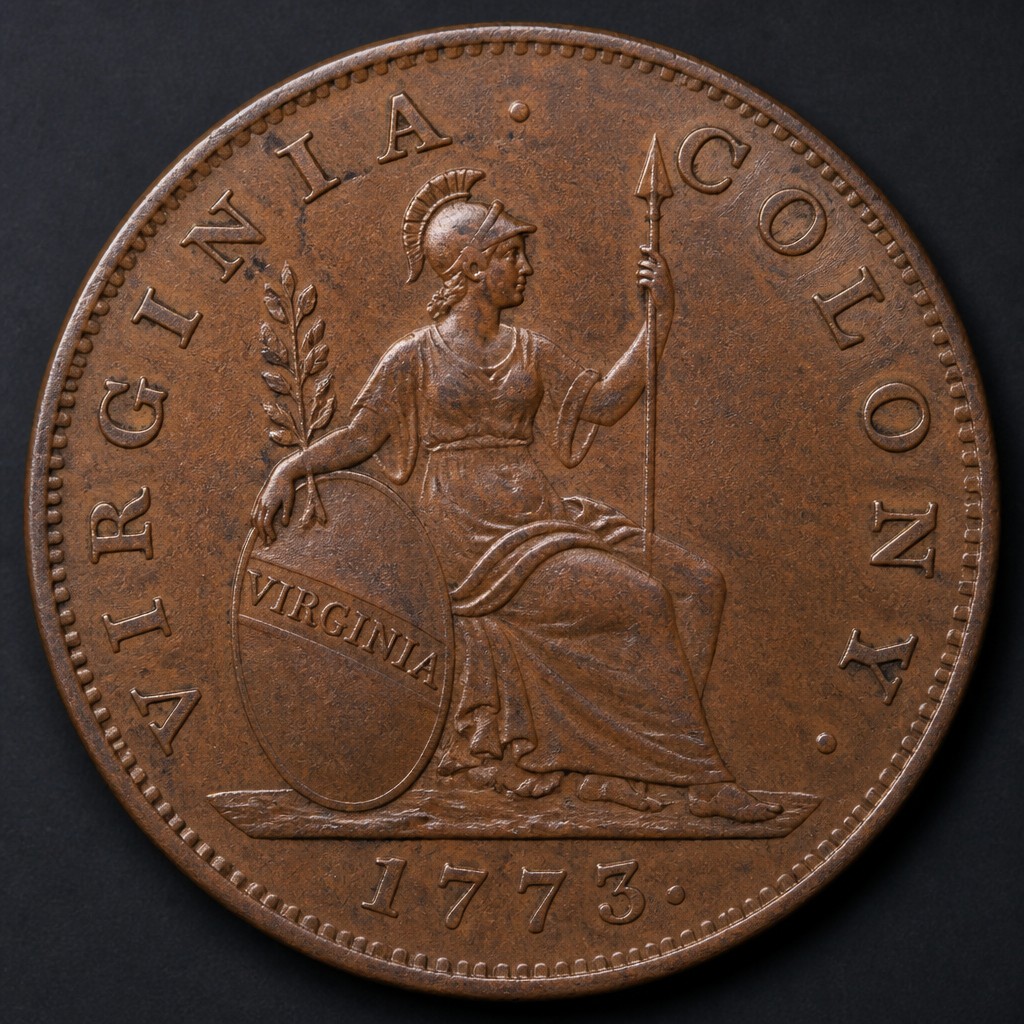
Virginia Halfpenny
1773
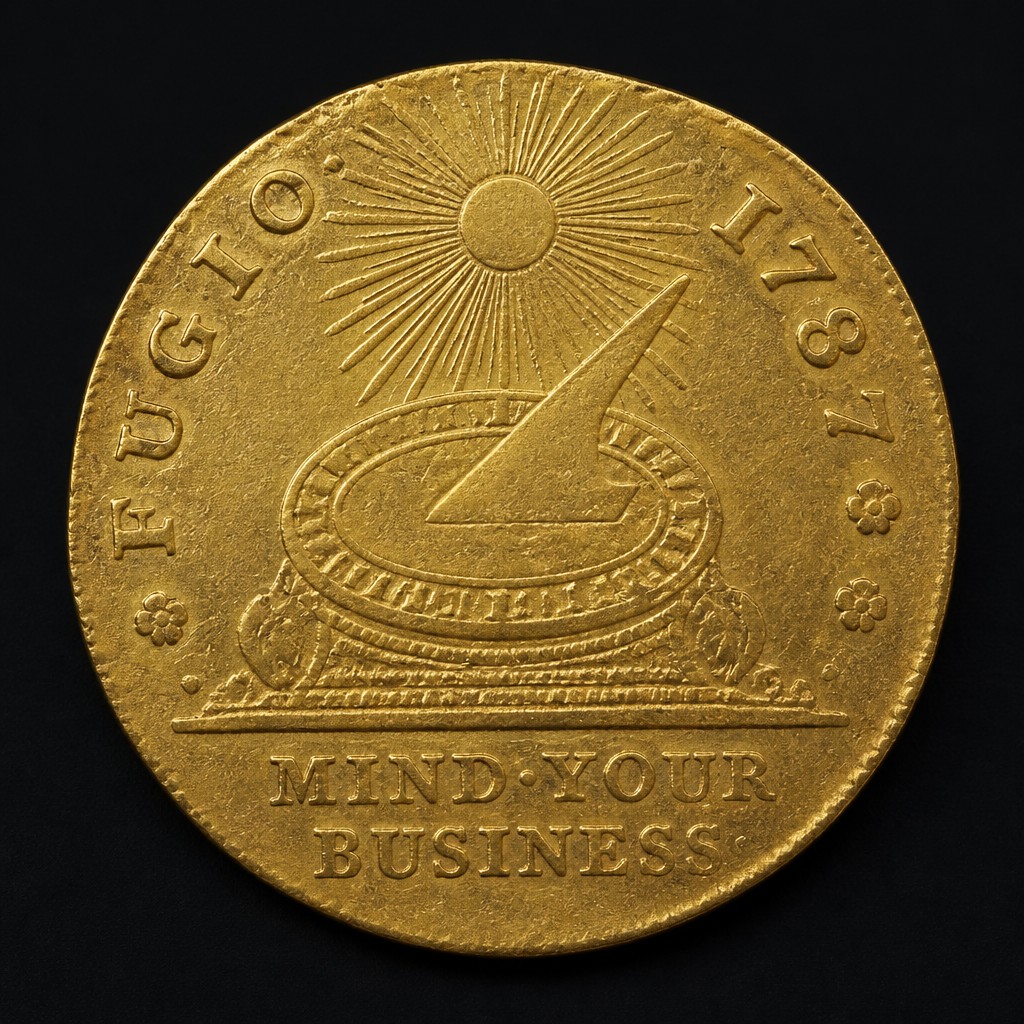
Brasher Doubloon
1787
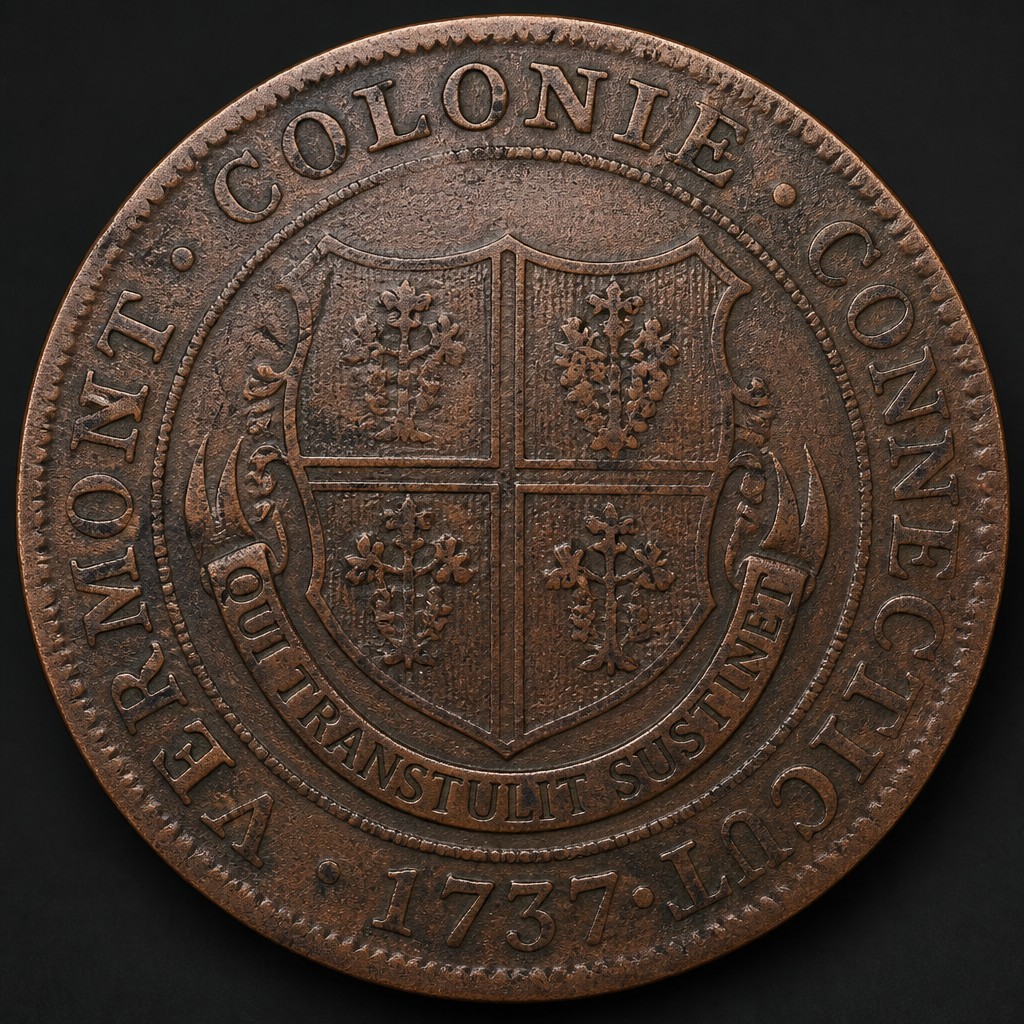
Higley Copper
1737–1739
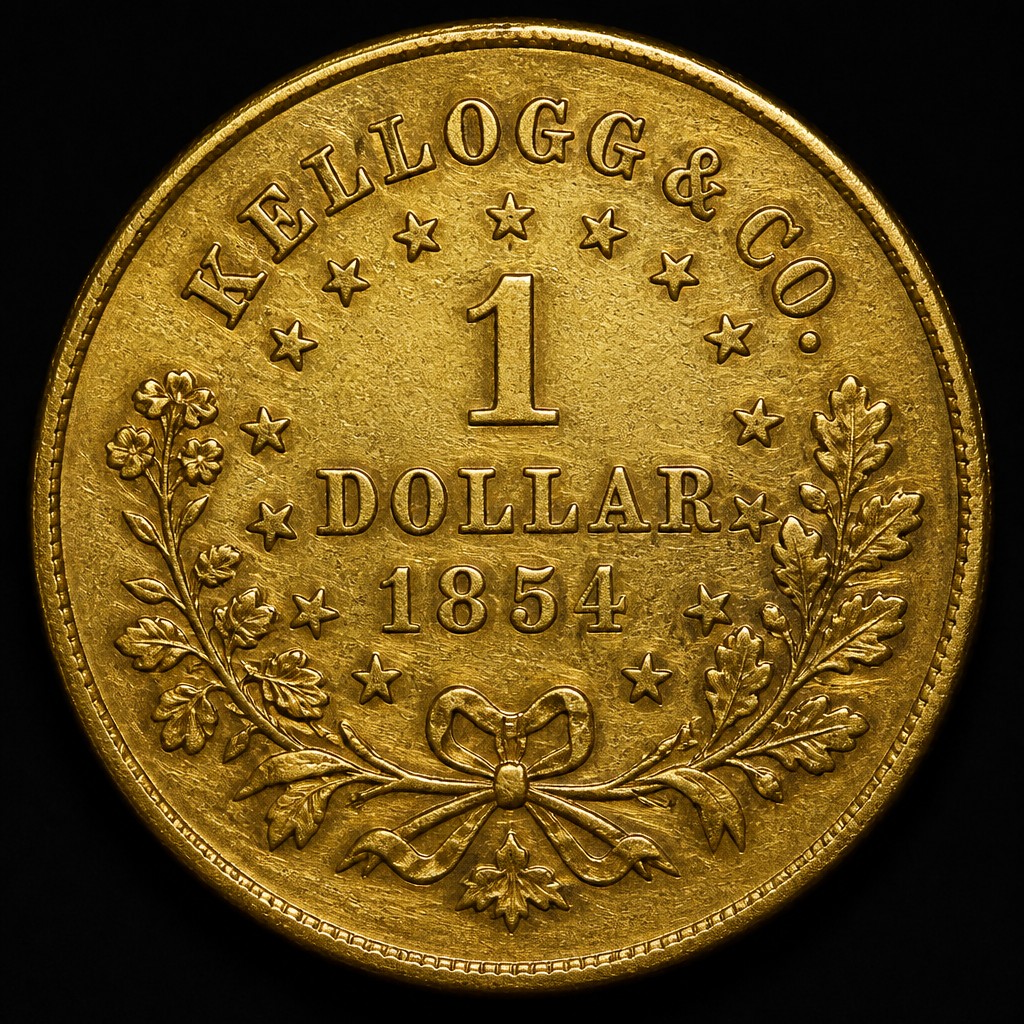
Kellogg & Co. Gold Piece
1854–1855
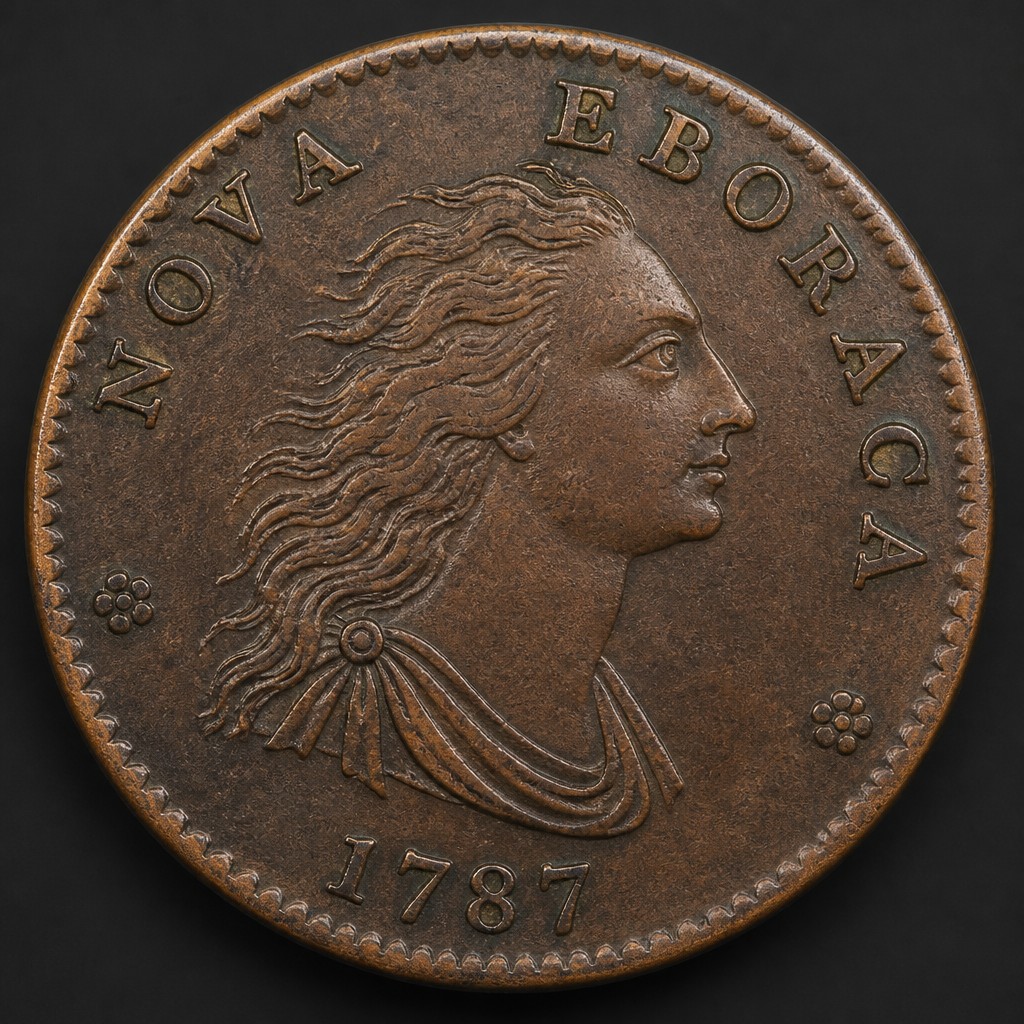
Nova Eborac Copper
1787
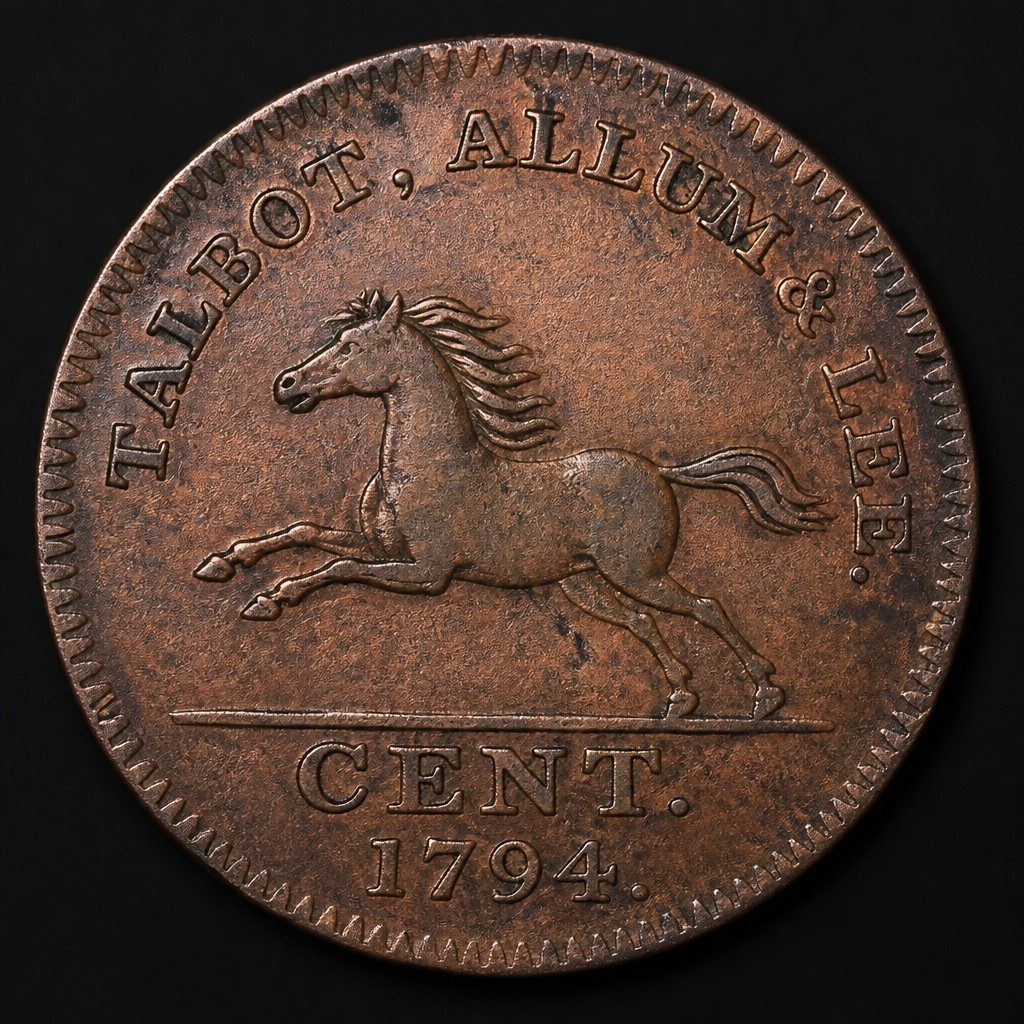
Talbot, Allum & Lee Cent
1794–1795
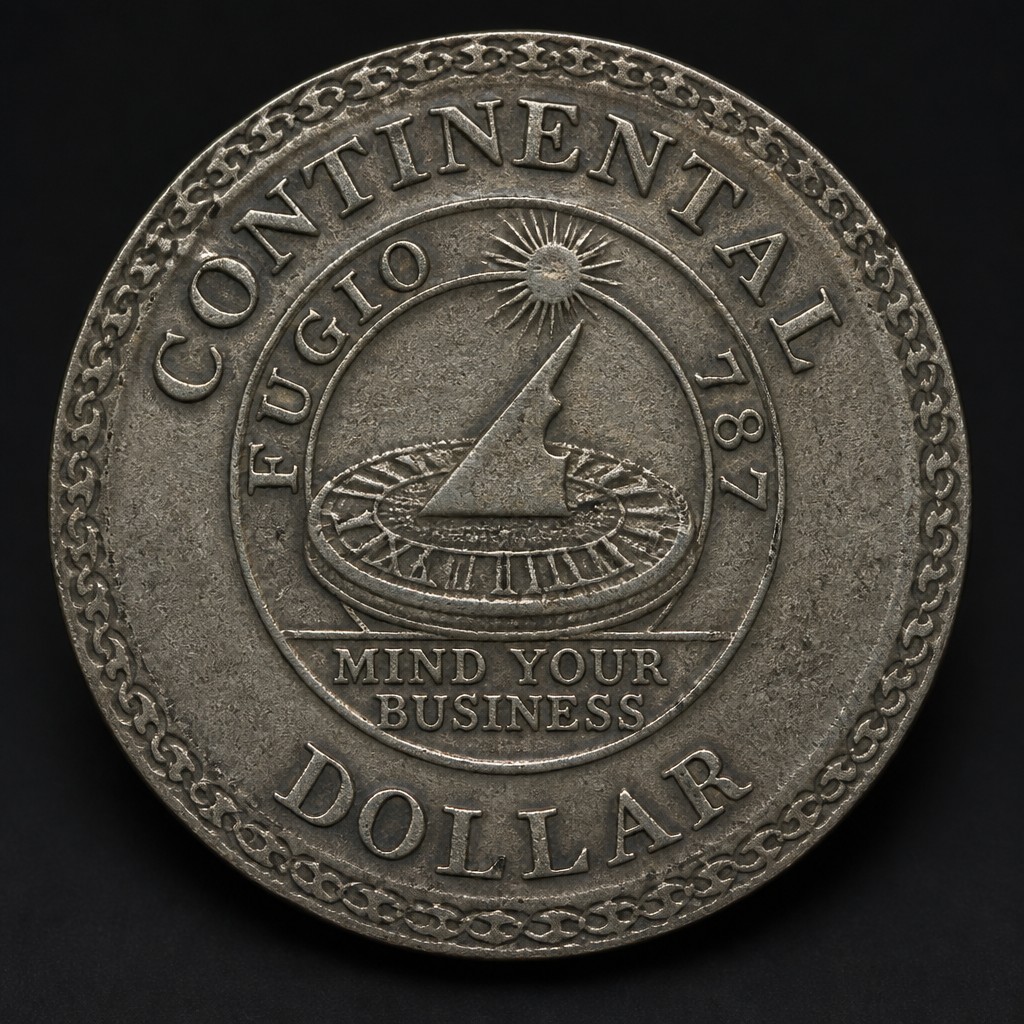
Continental Dollar
1776
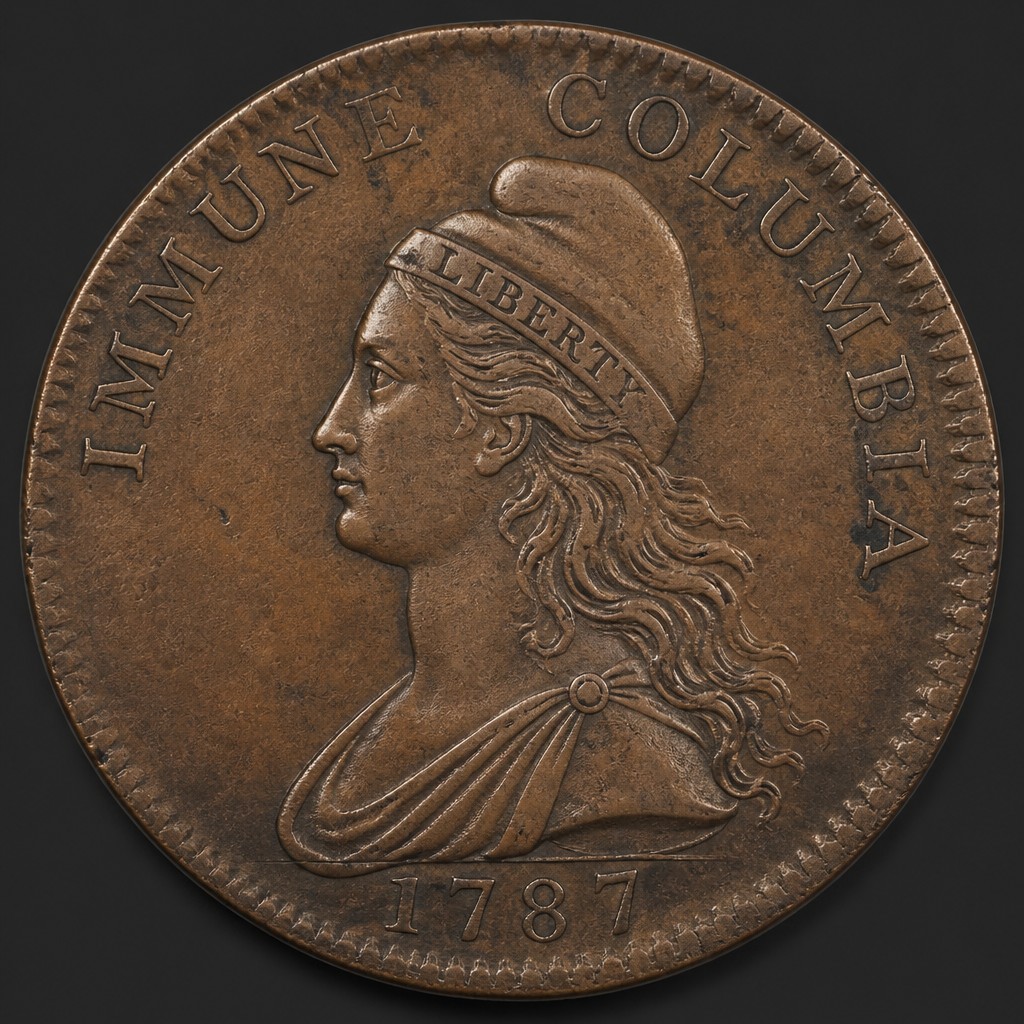
Immune Columbia Copper
circa 1785–1787
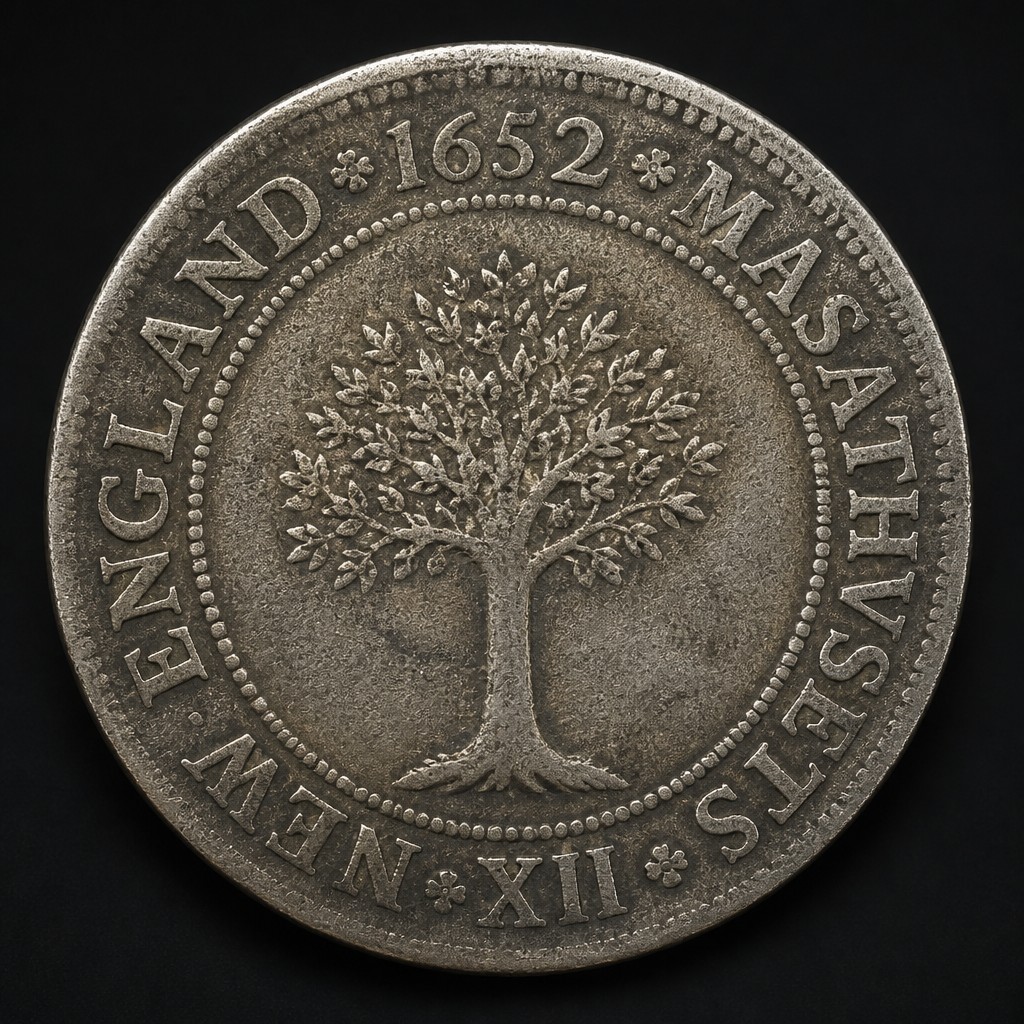
Massachusetts Oak Tree Shilling
Dated 1652, struck circa 1660–1667
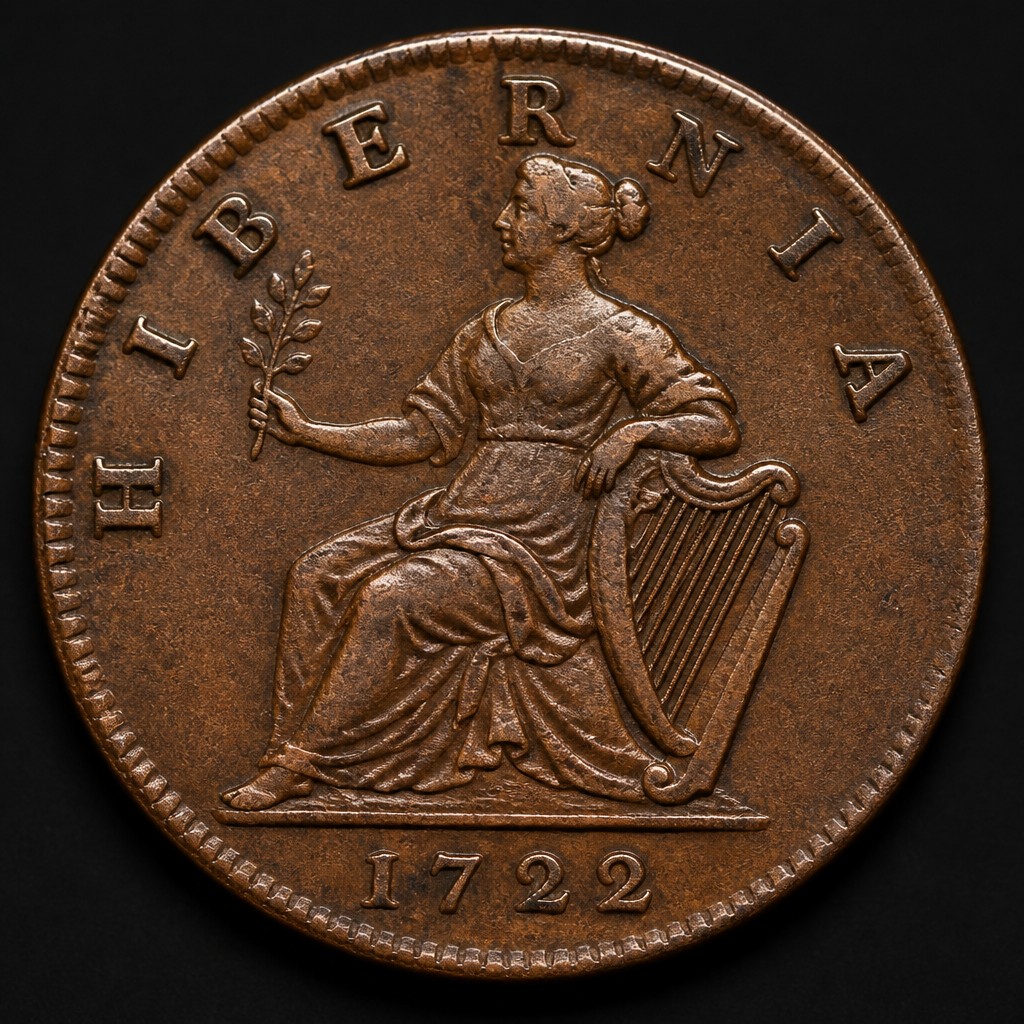
Wood's Hibernia Halfpenny
1722–1724
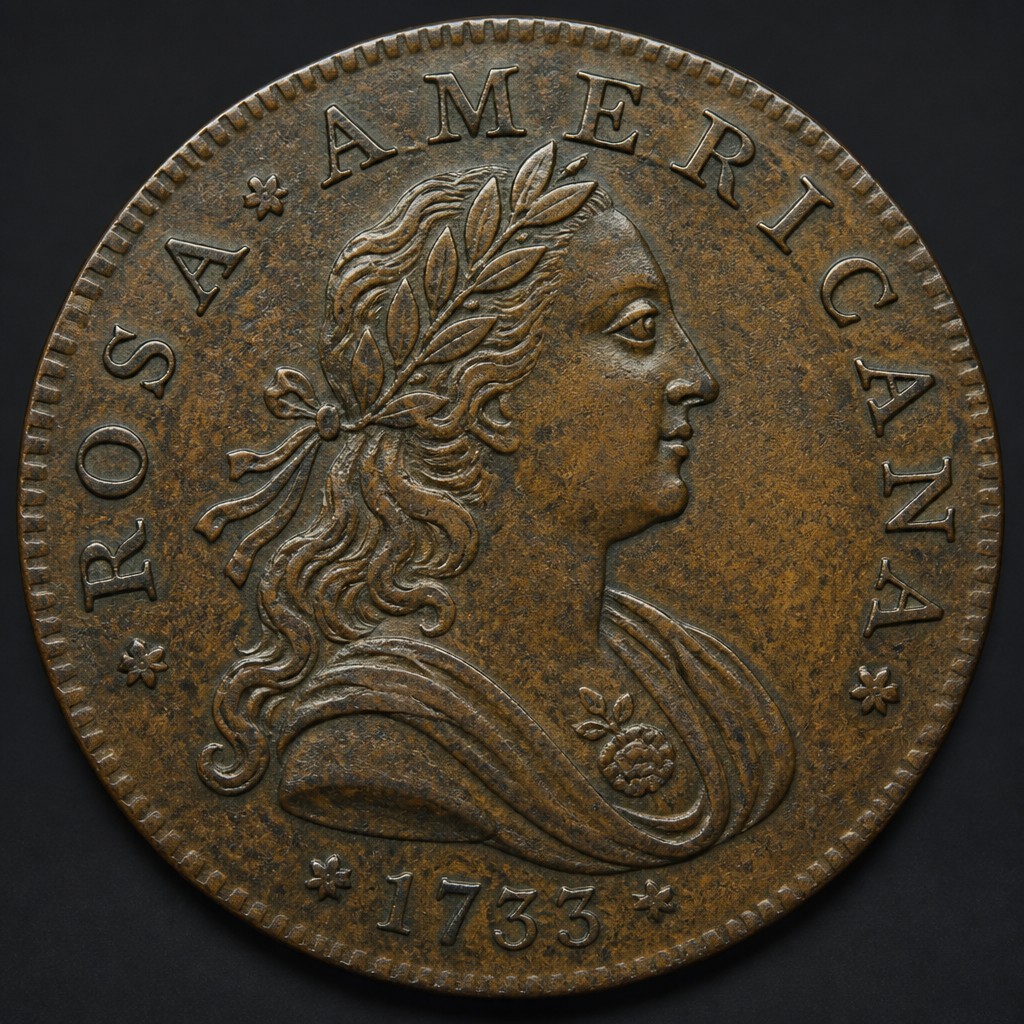
Rosa Americana Coinage
1722–1724 (with pattern issues dated 1733)
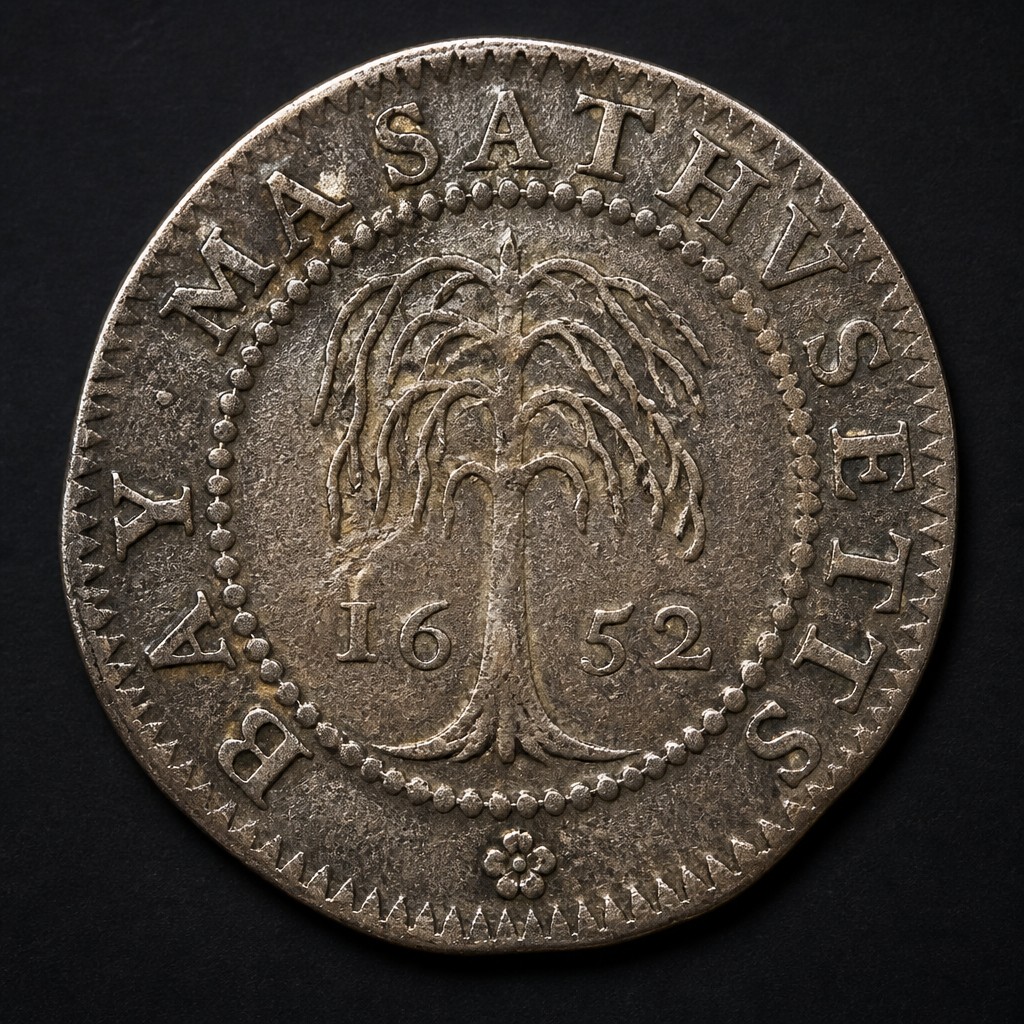
Massachusetts Willow Tree Shilling
Dated 1652, struck circa 1653–1660