
Coin Encyclopedia
Search and identify coins from around the world — with country, denomination, metal, mint, history, and how to tell them apart.
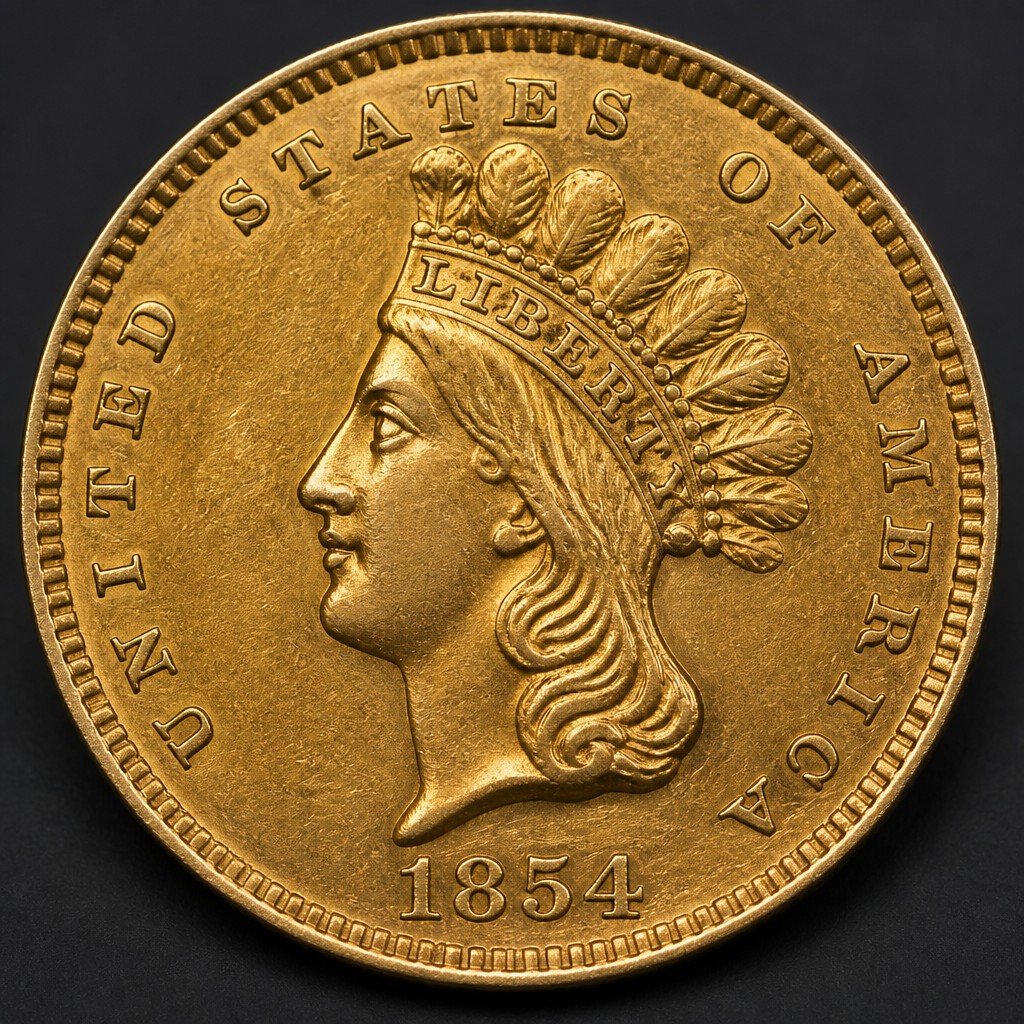
Type 2 Indian Princess Gold Dollar
A short-lived, notoriously weakly struck redesign of the U.S. gold dollar, prized today for its brief production window and the striking difficulties that led to its quick replacement.
United States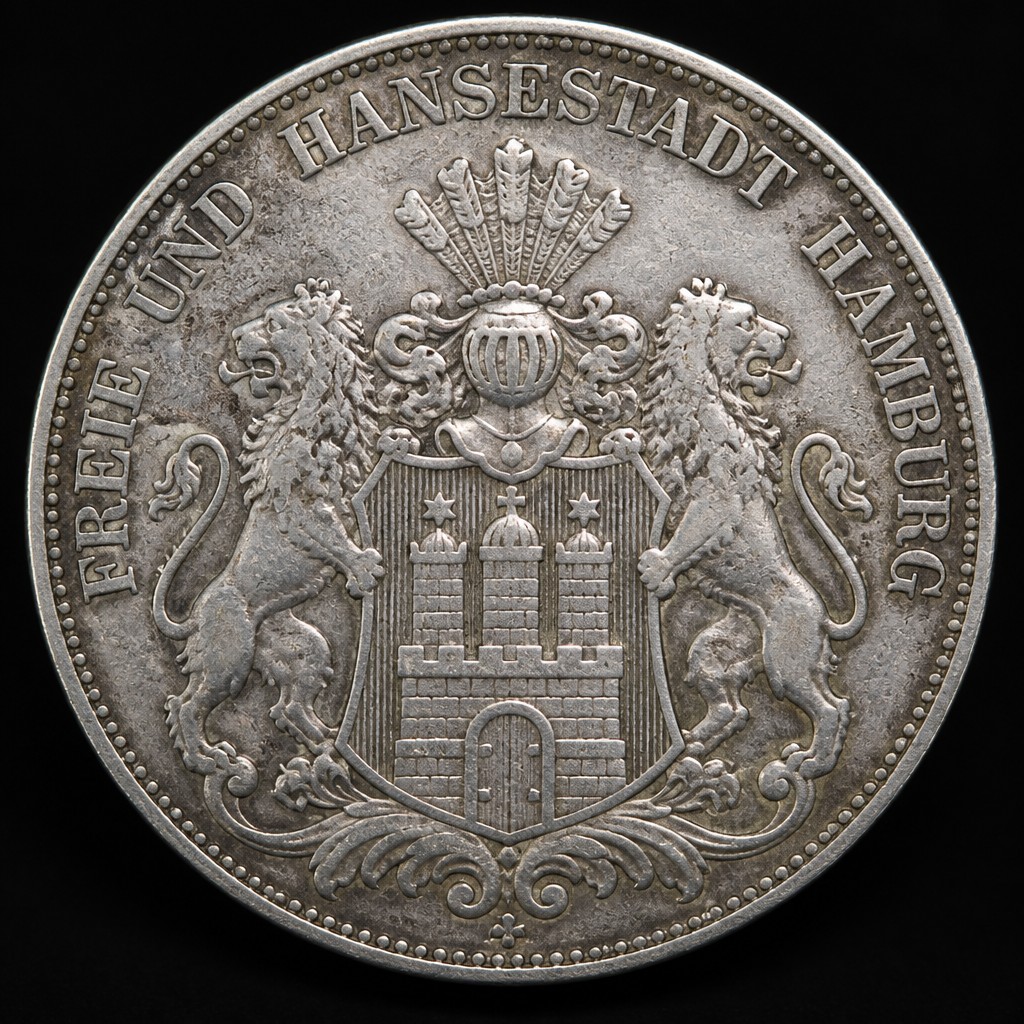
Hamburg Thaler
A silver thaler struck by the free city-state of Hamburg, bearing the city's iconic castle-and-towers coat of arms, reflecting Hamburg's status as a leading Hanseatic trading center.
European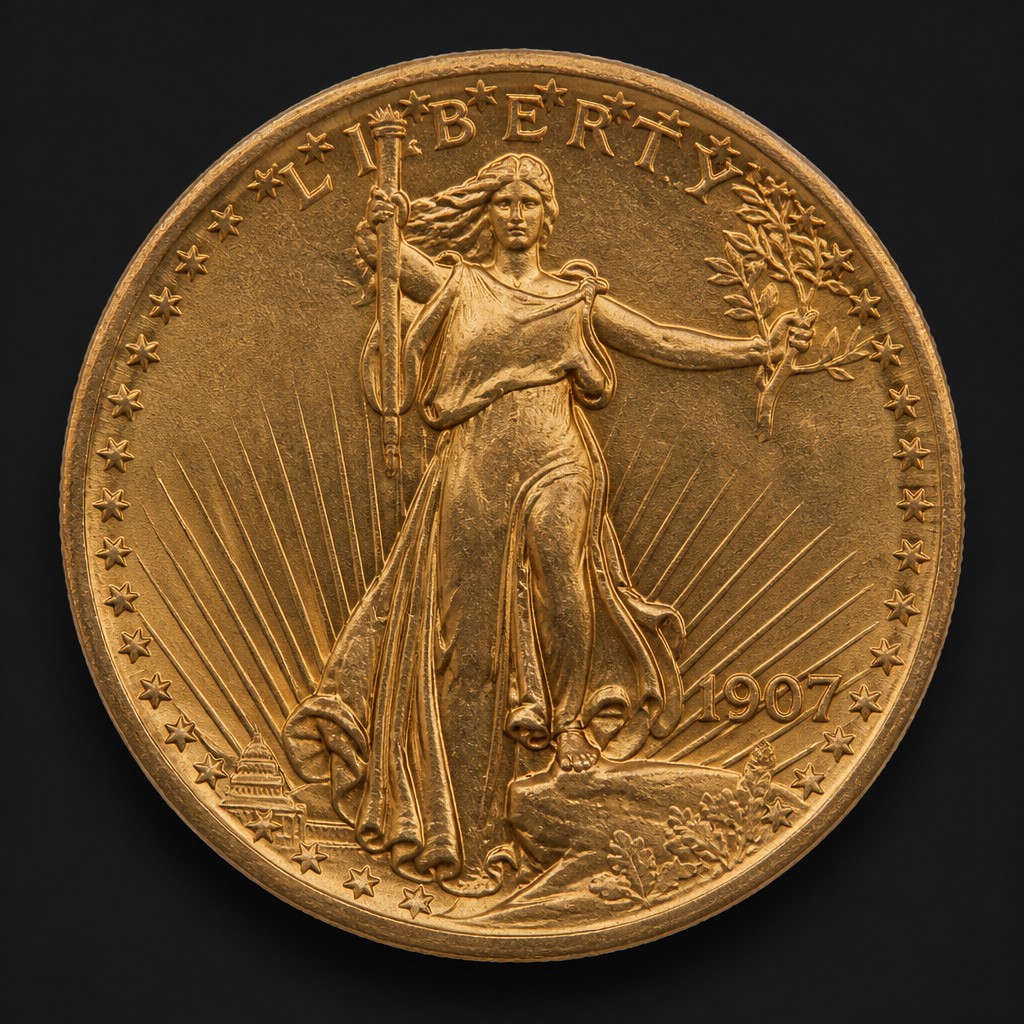
1907 High Relief Double Eagle
Sculptor Augustus Saint-Gaudens' original, dramatically high-relief double eagle design, struck in limited numbers in 1907 before being flattened for mass production; widely called America's most beautiful coin.
United States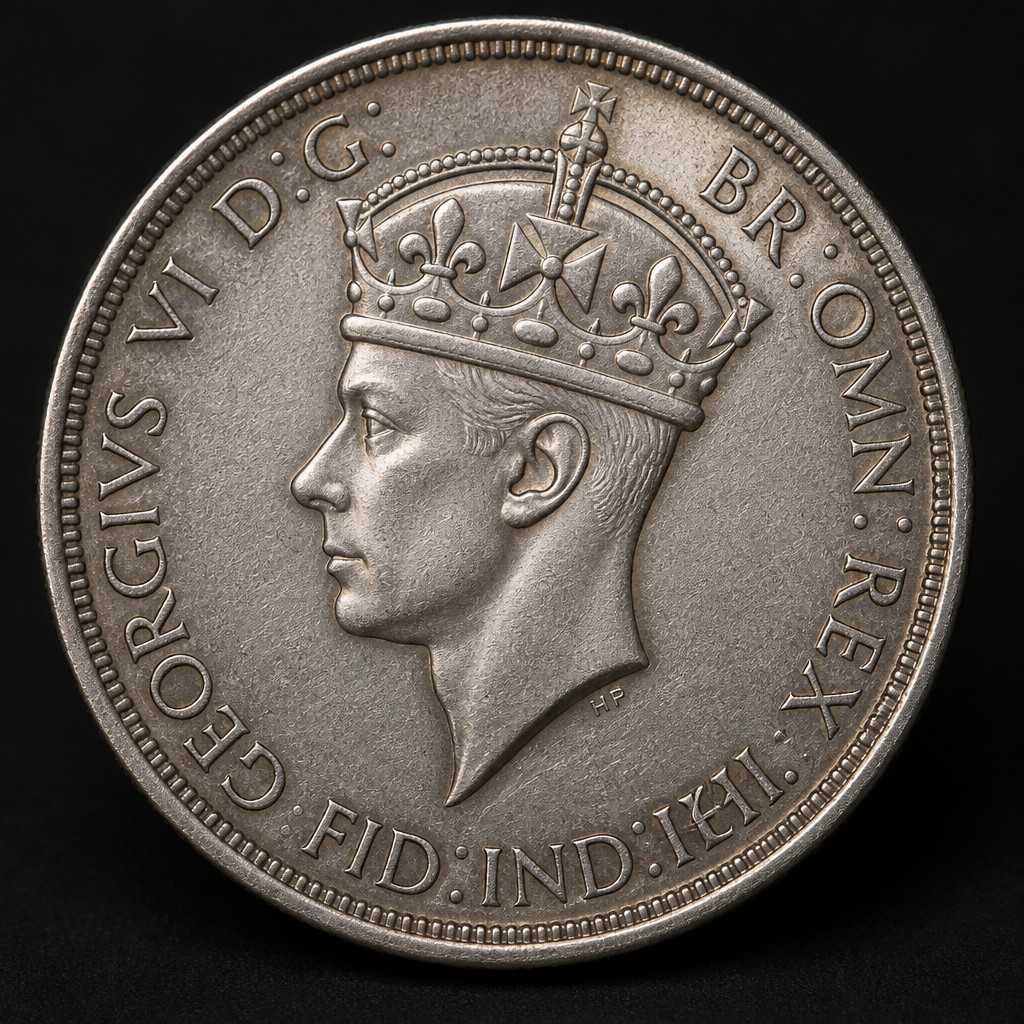
British Crown
Valued at five shillings, the British crown is a large silver (and later cupro-nickel) coin with a production history stretching from Tudor England to modern commemorative issues.
British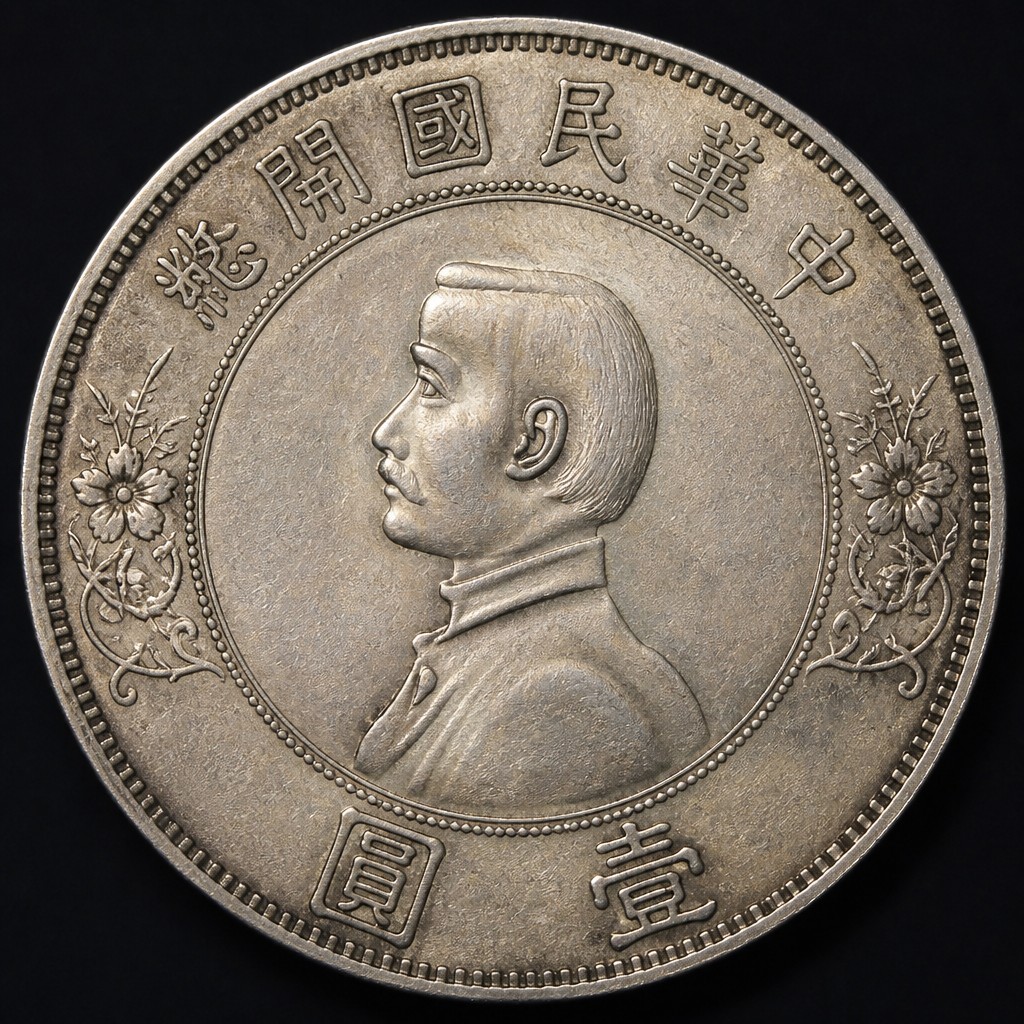
Sun Yat-sen 'Memento' 1 Dollar (1927)
Silver dollar bearing the portrait of Sun Yat-sen, struck to commemorate the founding of the Republic of China and widely circulated under the Nationalist government.
Asian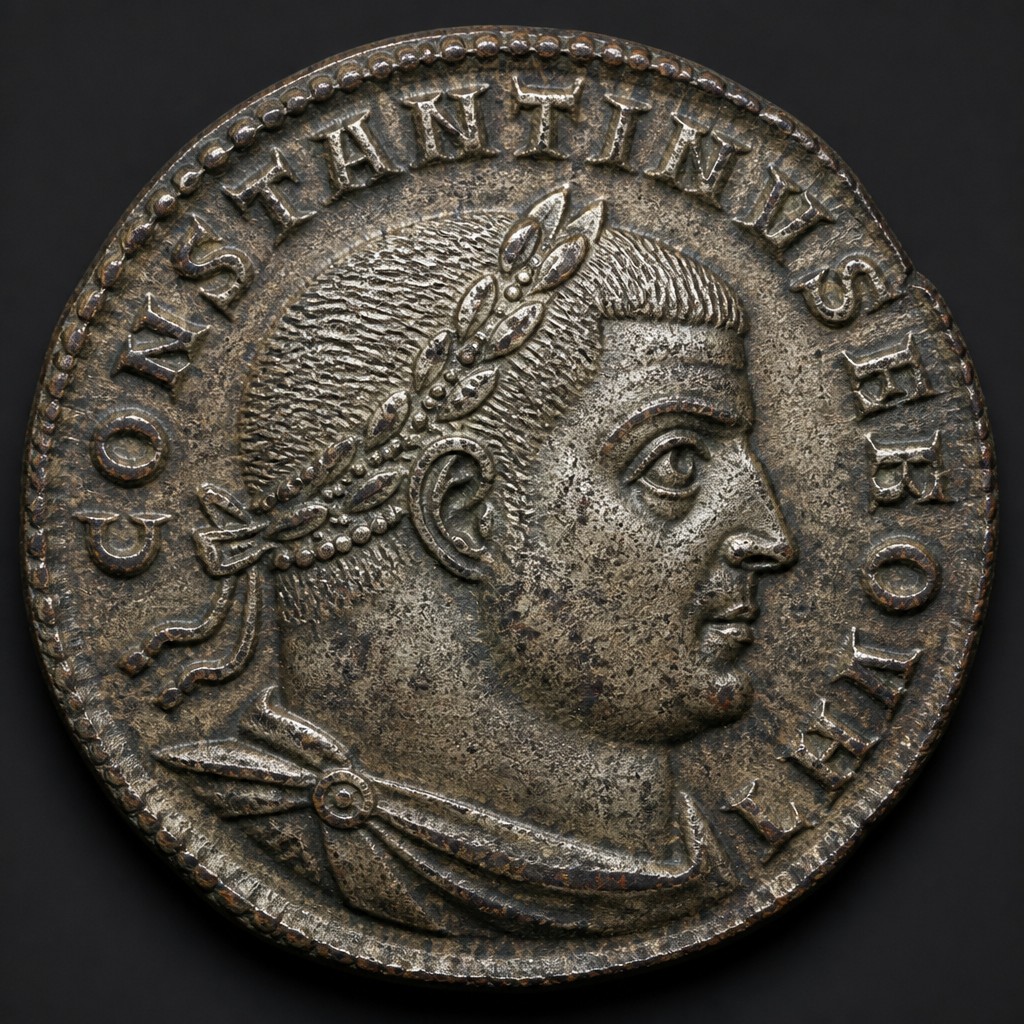
Constantine Sol Invictus Follis
A common bronze follis of Constantine the Great honoring Sol Invictus, the radiate sun god, struck empire-wide before his turn toward Christianity.
Ancient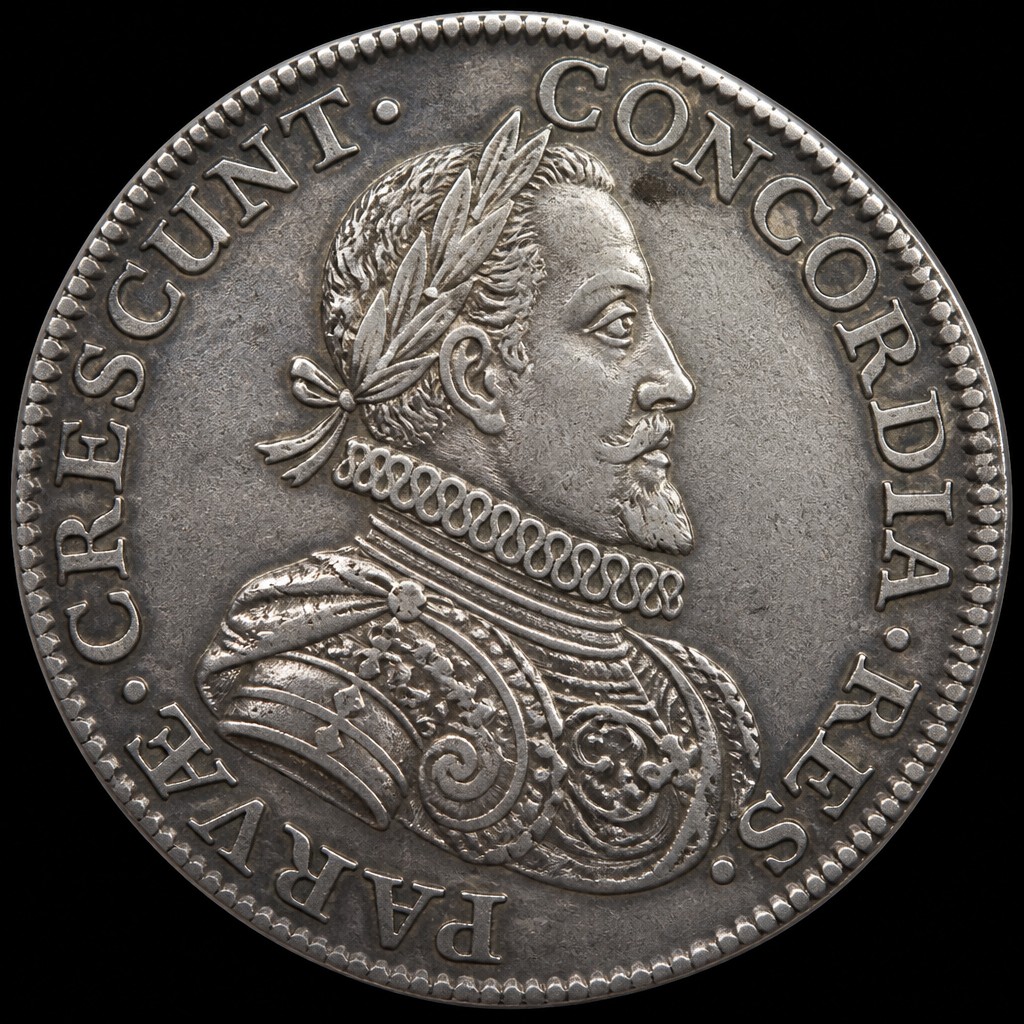
Netherlands Rijksdaalder
A historic large silver crown-sized coin of the Low Countries, the rijksdaalder became a trusted trade coin across Europe for centuries and lent its name to the modern Dutch 2½-guilder piece.
European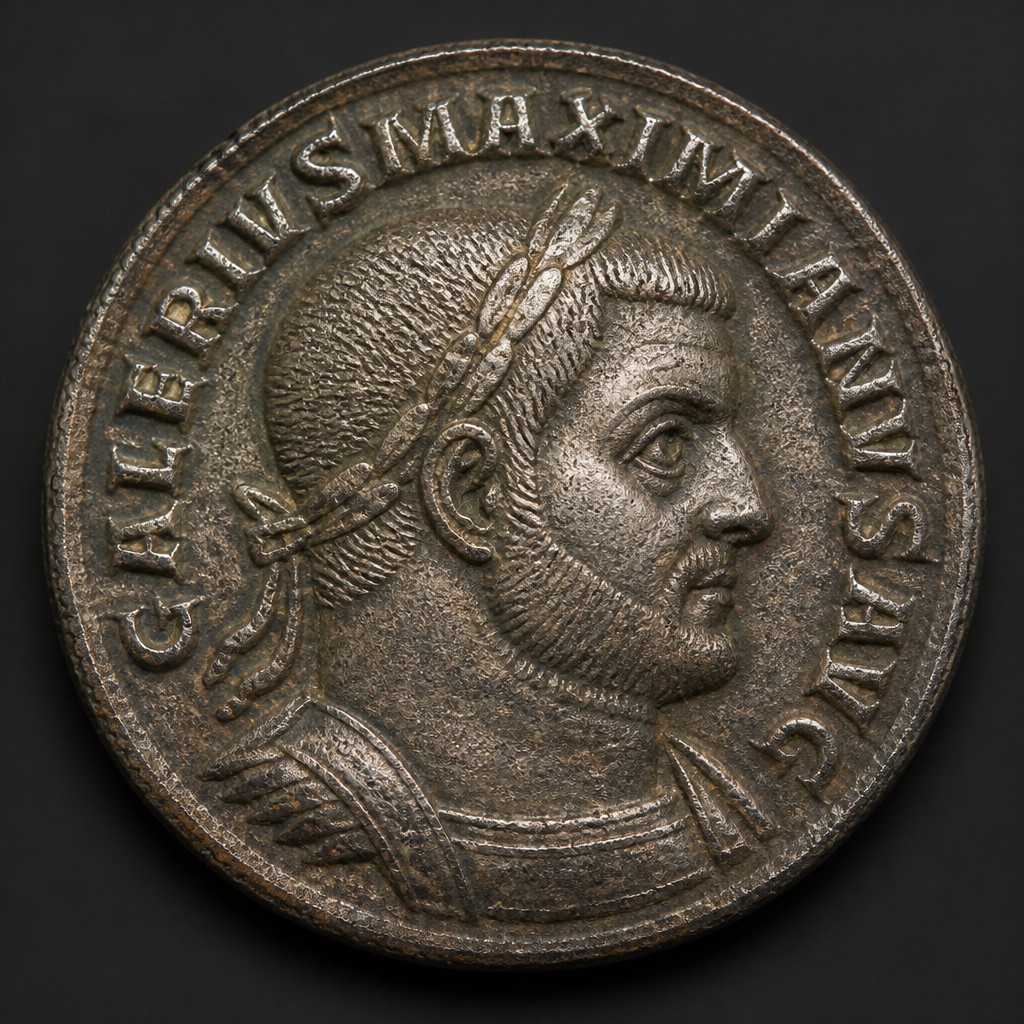
Galerius Follis
Reform-era bronze follis of Galerius, Caesar and later Augustus of the eastern Tetrarchy, remembered for early persecution of Christians and his later Edict of Toleration issued just before his death.
Ancient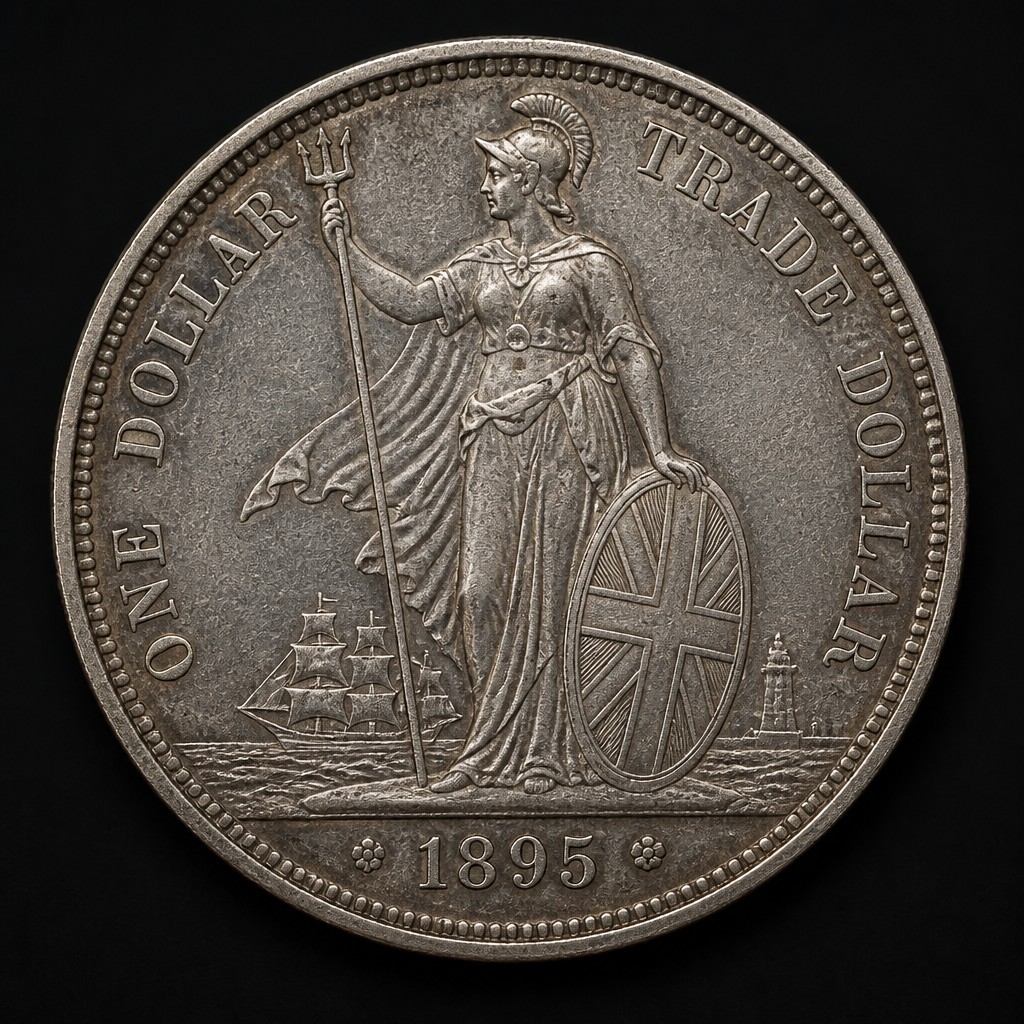
British Trade Dollar
A silver trade dollar struck by Britain to compete with the Mexican and Spanish dollars circulating across Hong Kong, China, and Southeast Asia.
Asian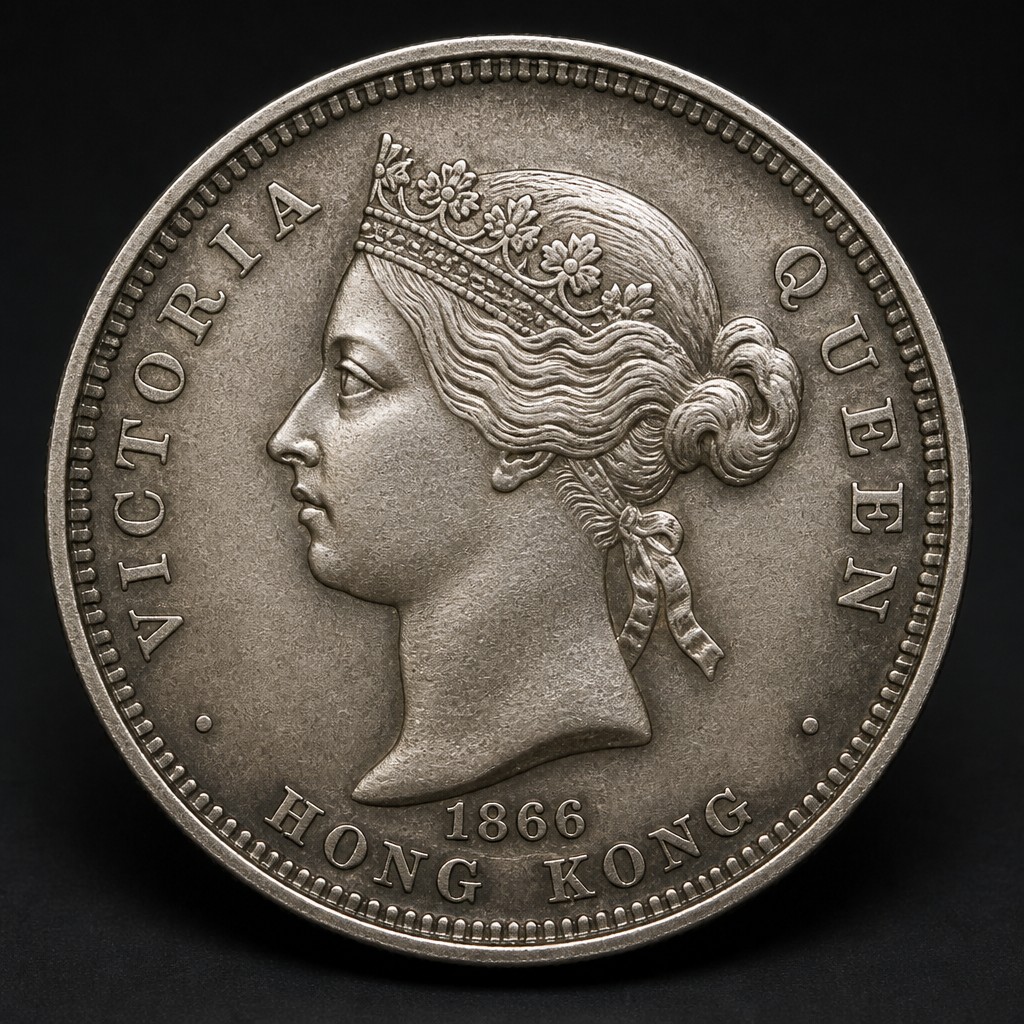
Hong Kong Dollar (1866–1868 Silver Dollar)
A short-lived silver dollar struck at Britain's ill-fated Hong Kong Mint, bearing Queen Victoria's portrait and intended to compete with Mexican and Chinese silver in Asian trade.
Asian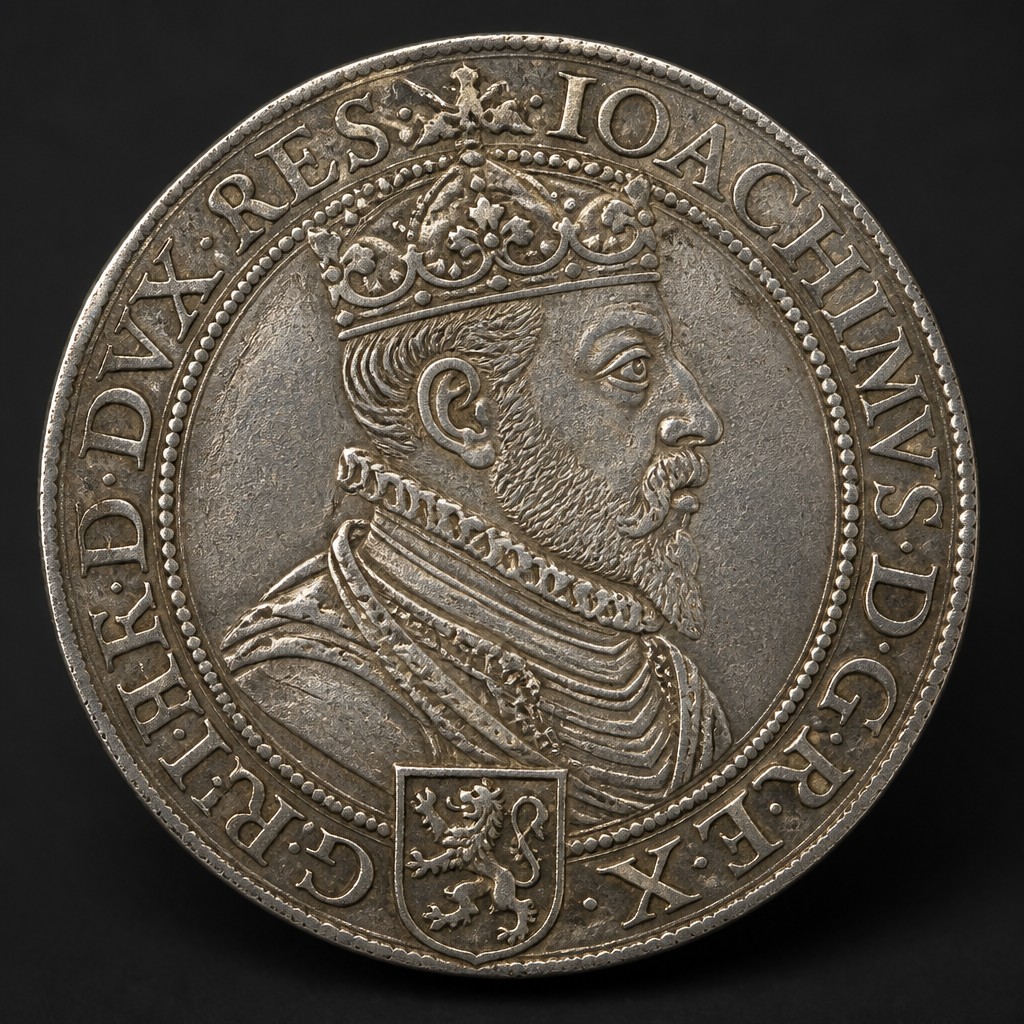
Joachimsthaler
Struck beginning in 1520 in the Bohemian silver-mining town of Joachimsthal, this large silver coin gave its name, shortened to 'thaler' and later 'dollar,' to countless currencies around the world.
European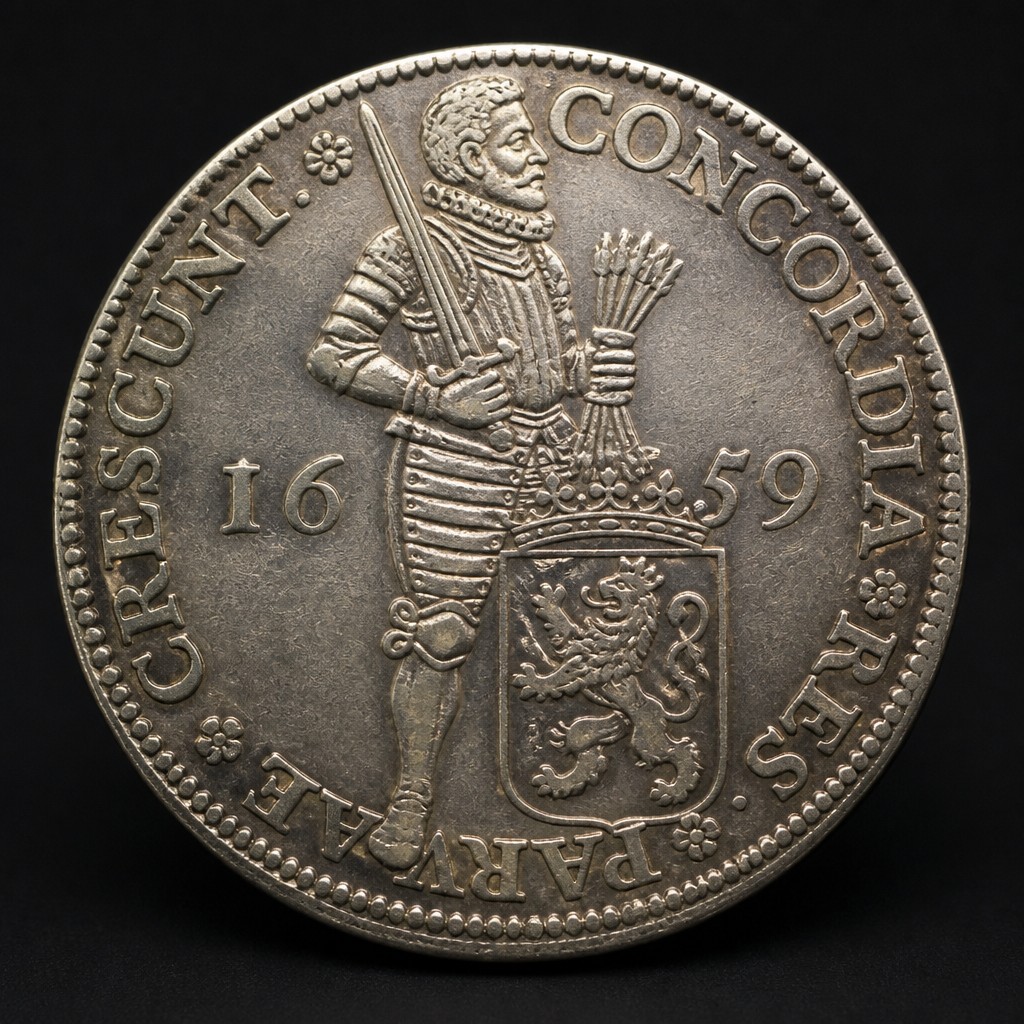
Dutch Silver Ducat
A historic Dutch trade silver coin first struck in 1659, depicting a standing knight, that has been minted continuously for centuries and remains a popular silver bullion and collector piece today.
European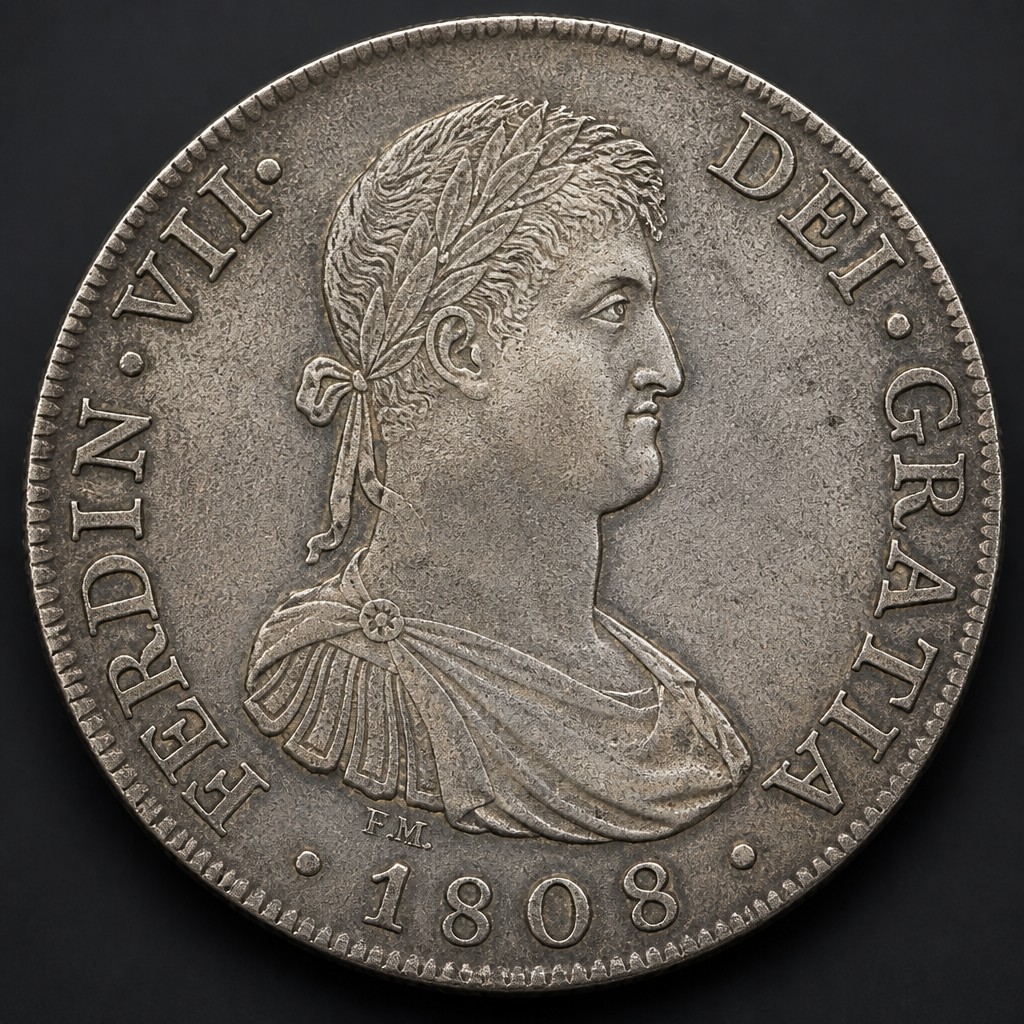
Spanish Colonial 8 Reales Ferdinand VII
A large silver 8 reales coin struck across Spain's American colonies bearing the portrait of King Ferdinand VII, widely circulated internationally and historically linked to the origin of the US dollar sign.
World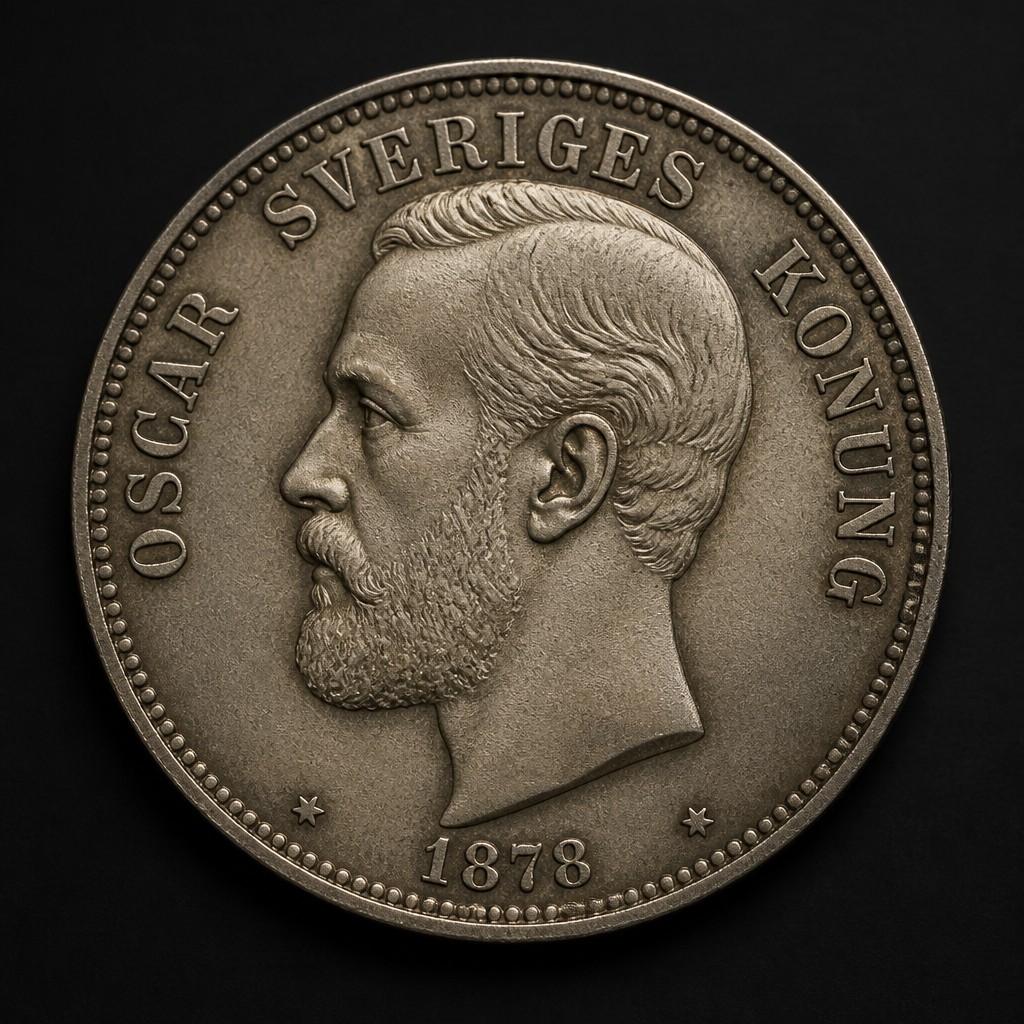
Swedish Krona
The krona has been Sweden's national currency since 1873, originally struck in silver as part of the Scandinavian Monetary Union and today issued in base metals bearing the reigning monarch's portrait.
European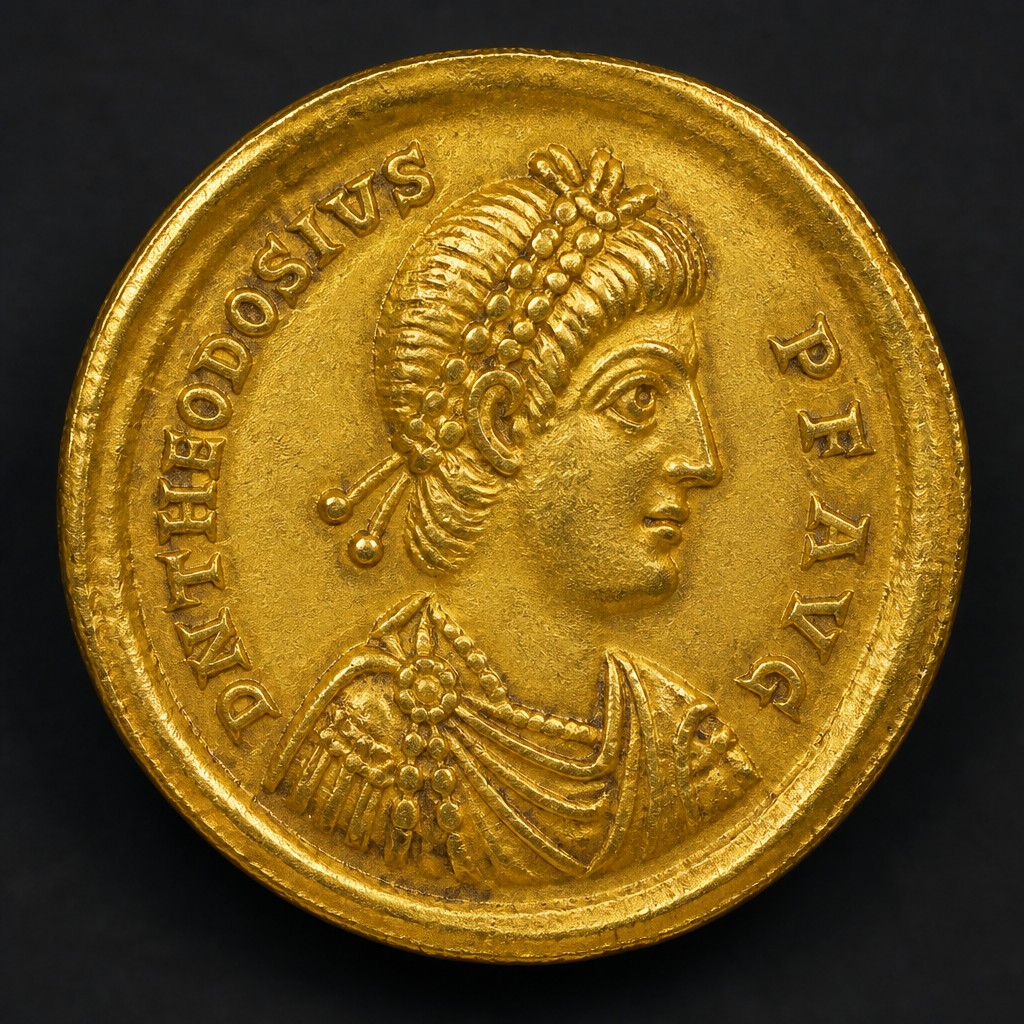
Theodosius I Solidus
A gold solidus of Theodosius I, the last emperor to rule a united Roman Empire and the ruler who made Nicene Christianity the state religion.
Ancient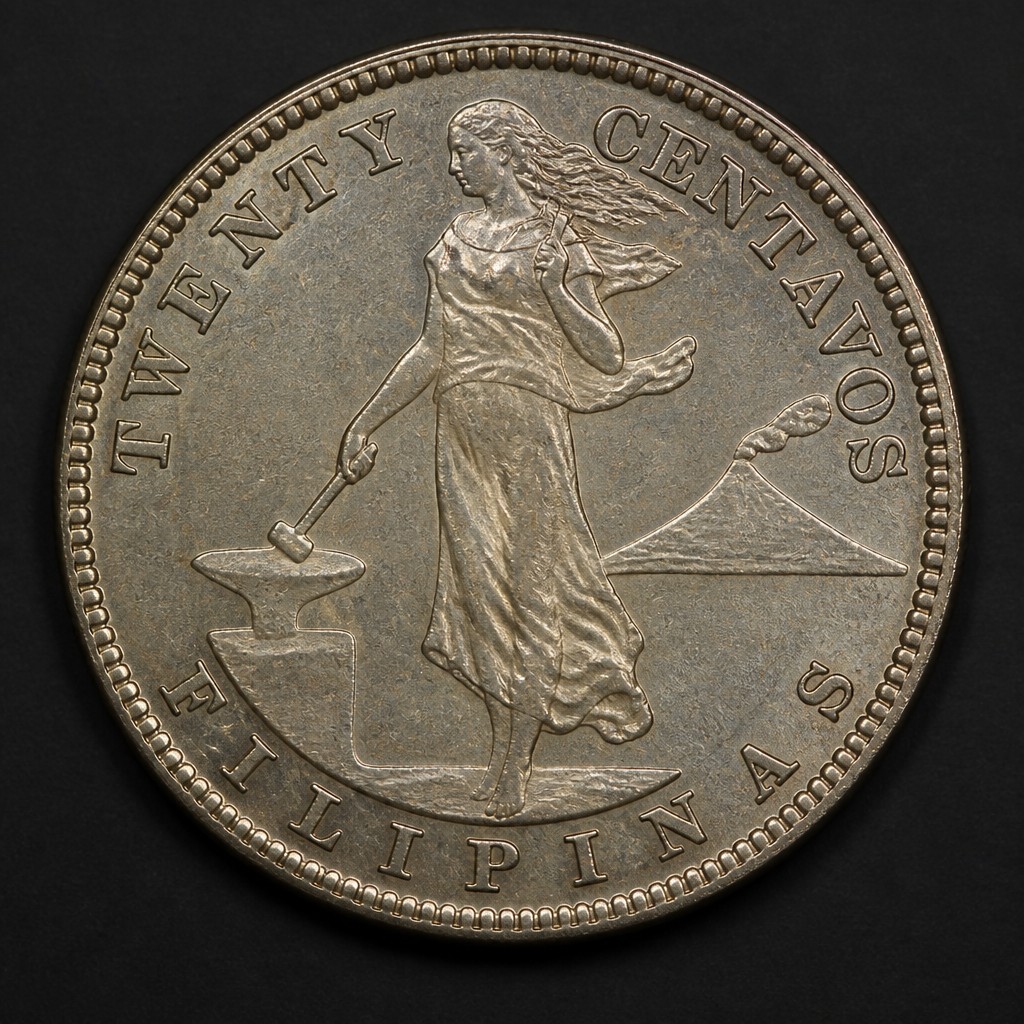
Philippine 20 Centavos (US-Philippines)
A small silver coin from the US administration of the Philippines, showing Liberty striking an anvil before Mount Mayon on the obverse and a heraldic eagle on the reverse.
Asian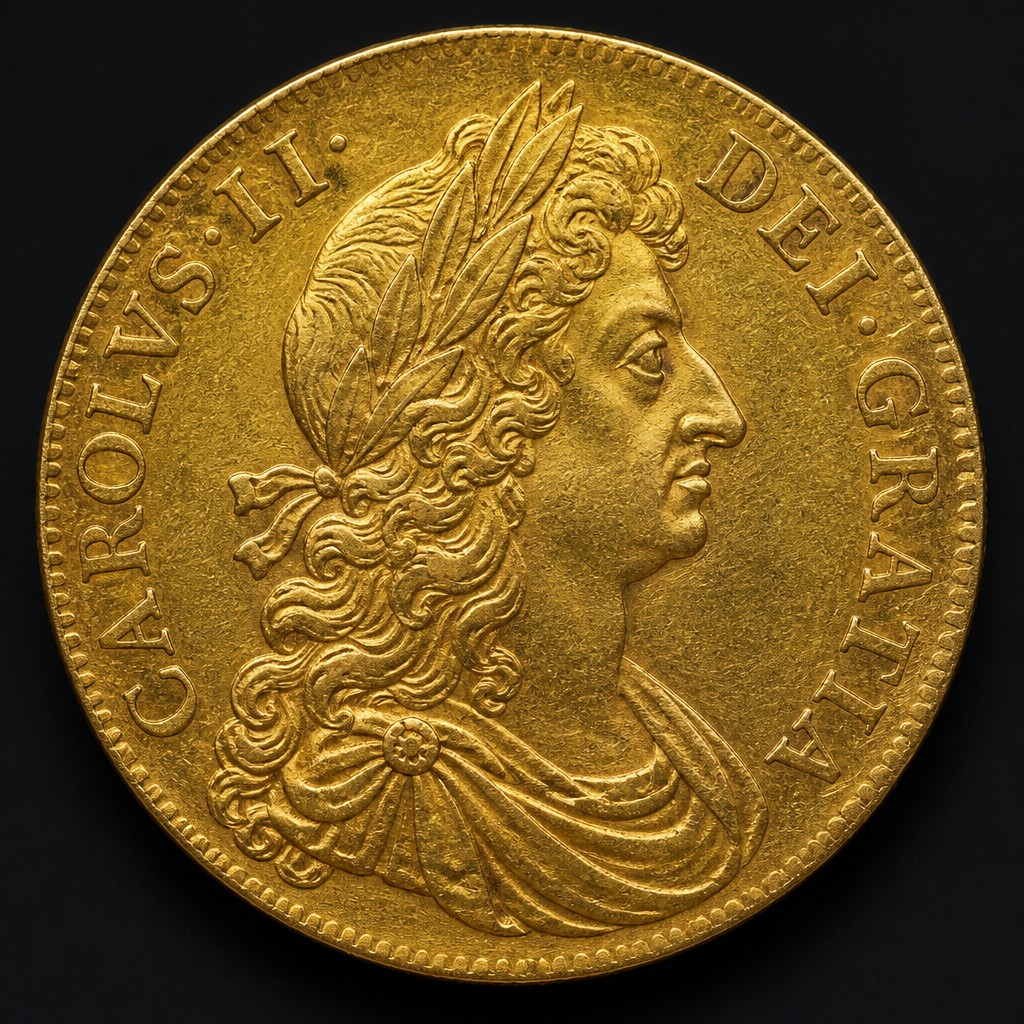
British Gold Guinea
Struck from 1663 to 1814 and named for the West African gold used in its earliest issues, the guinea was Britain's leading gold coin and gave its name to a unit of value still referenced today.
British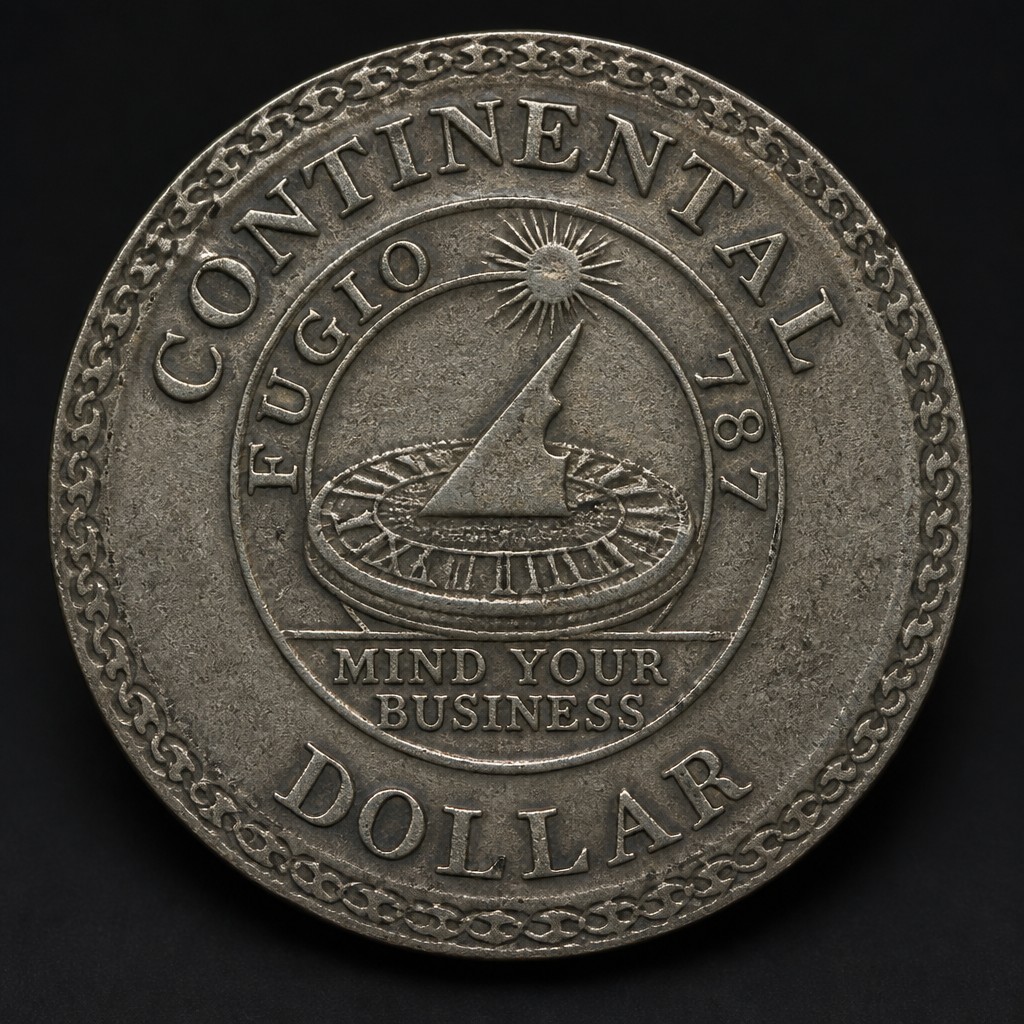
Continental Dollar
A large 1776-dated piece bearing a sundial, 'MIND YOUR BUSINESS,' and a thirteen-link chain, long debated as either an intended Continental Congress dollar or a contemporary satirical piece.
United States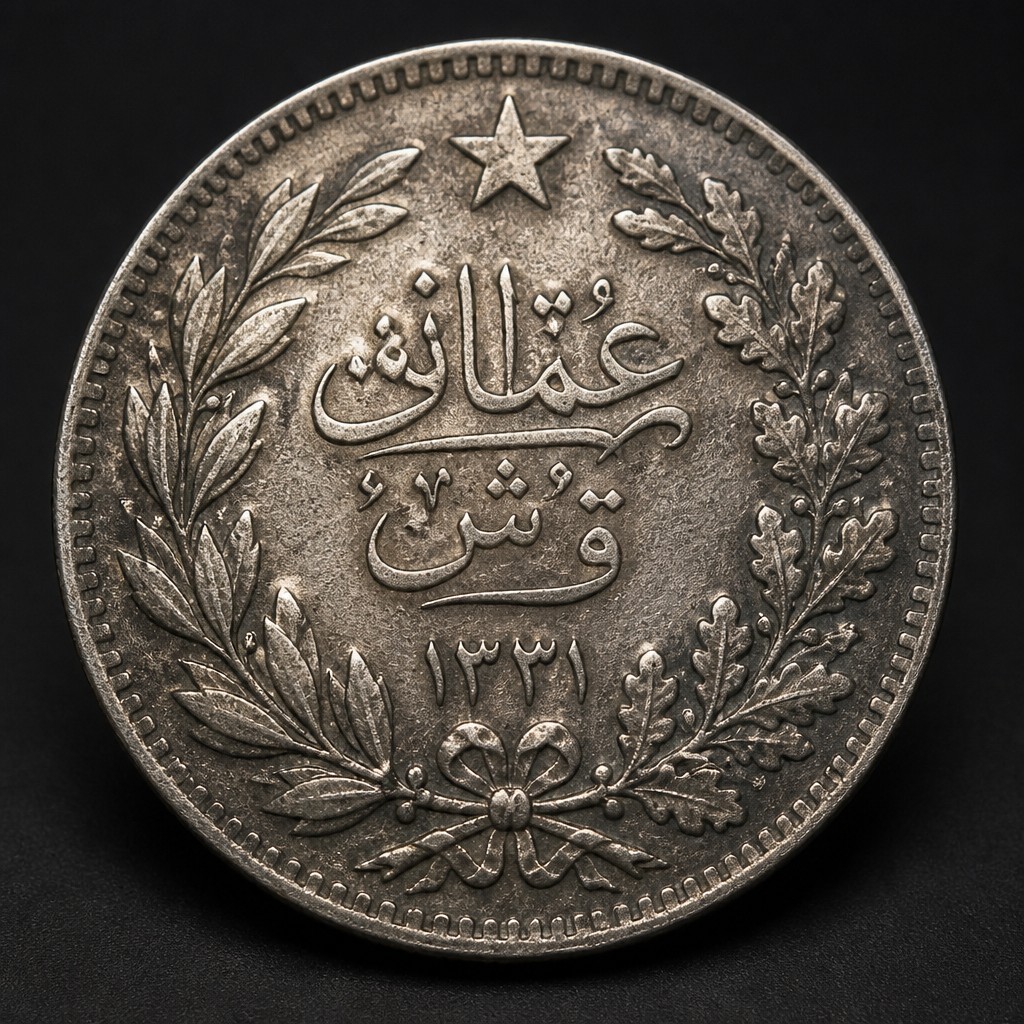
Ottoman Kurus (Piastre)
The standard Ottoman monetary unit for centuries, struck in silver or base metal bearing the sultan's tughra, later becoming a subunit of the Ottoman lira after 1844.
World