
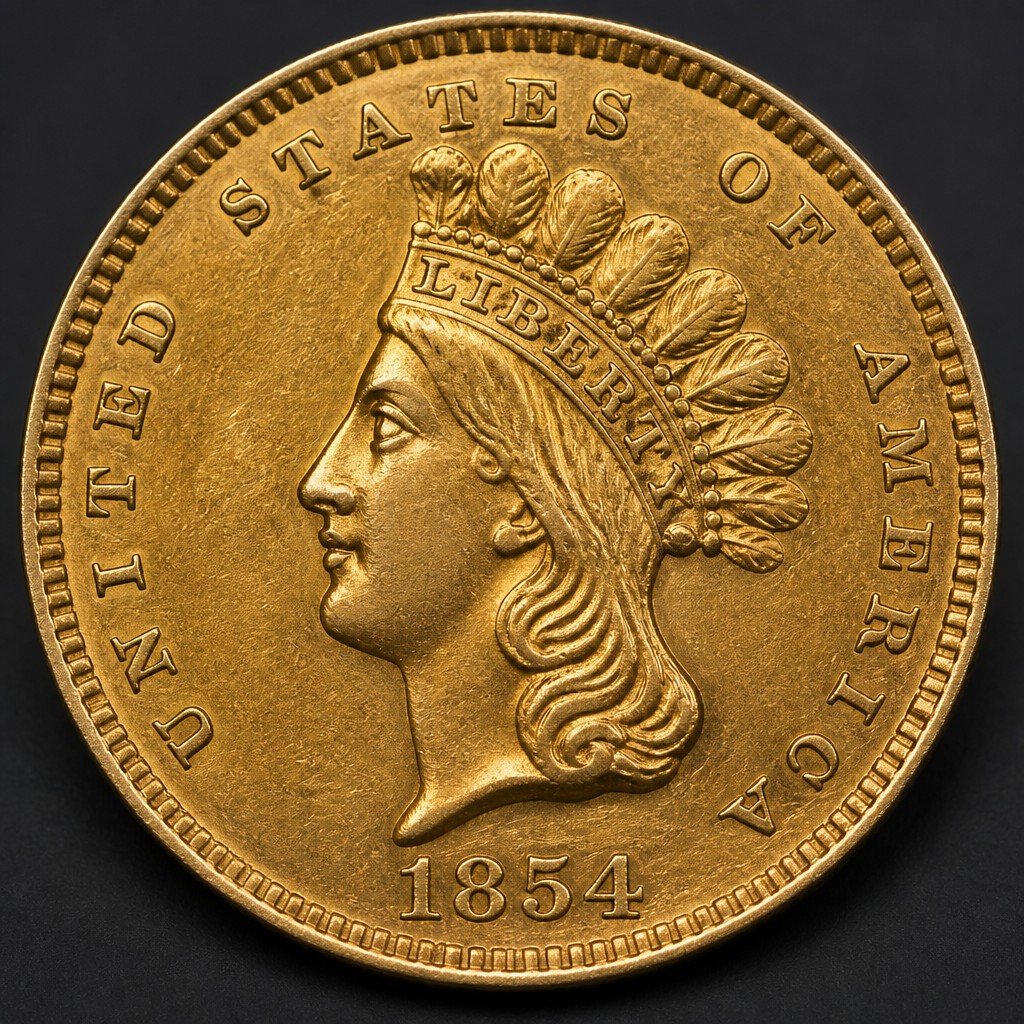
Type 2 Indian Princess Gold Dollar
A short-lived, notoriously weakly struck redesign of the U.S. gold dollar, prized today for its brief production window and the striking difficulties that led to its quick replacement.
- Country
- United States
- Denomination
- One Dollar
- Metal
- Gold (.900 fine)
Got a coin like this?
Identify any coin from a photo, free.
Overview
The Type 2 Indian Princess Gold Dollar was produced for only a brief period as an intermediate design between the original Type 1 Liberty Head dollar and the longer-lived Type 3 design. Its larger diameter and thinner planchet, combined with a high-relief portrait, made it notoriously difficult to strike sharply, and it is often found with soft, incomplete details even in otherwise high grades.
Because of its short production span and well-known striking problems, the Type 2 series is a favorite among specialists who enjoy tracking down well-struck examples that overcome the design's inherent limitations.
History & Background
Introduced in 1854, the Type 2 gold dollar was James B. Longacre's first attempt to enlarge the diameter of the too-small Type 1 coin while keeping the required gold weight, resulting in a wider but thinner planchet. The new design featured a Native American princess-style head in relatively high relief, which proved incompatible with the Mint's coining presses of the era for consistently sharp strikes.
Complaints about weak strikes and quick wear led the Mint to revise the design again within just a few years, resulting in the enlarged, lower-relief Type 3 design introduced in 1856. As a result, the Type 2 design was used only from 1854 to 1856, making it the shortest-lived of the three gold dollar types.
Production occurred at Philadelphia, the Dahlonega branch mint, and briefly at New Orleans, giving the short series a modest range of mintmarked issues alongside the more common Philadelphia strikes.
How to Identify
The obverse shows a Native American princess head facing left in relatively high relief, wearing a feathered headdress, with UNITED STATES OF AMERICA around the border and the date below. The reverse displays the denomination 1 DOLLAR within an agricultural wreath of wheat, cotton, corn, and tobacco.
Mintmarks appear on the reverse below the wreath: D for Dahlonega and O for New Orleans, with Philadelphia coins unmarked. Compared to the later Type 3 design, the Type 2 portrait is smaller and set in higher relief, often showing weakness at the top of the headdress and the corresponding area on the reverse directly opposite it on the coin.
Given the coin's tiny diameter and inherent striking issues, collectors should expect softness in some design elements even on coins that otherwise show little wear, and should be cautious not to mistake weak strike for actual circulation wear when assessing grade.
Value & Collectibility
Because of its brief mintage window and notorious striking problems, the Type 2 gold dollar generally commands higher premiums over bullion value than the more common Type 1 and Type 3 designs, even in circulated grades. Well-struck examples with full details are scarce and bring notable premiums among specialists who focus on strike quality.
Branch-mint issues from Dahlonega and New Orleans are especially desirable given their historical connection to Southern gold mining just before the Civil War, and overall, the short three-year series is considered a challenging but rewarding target for type collectors.
Frequently asked questions
Why was the Type 2 gold dollar replaced so quickly?
Its high-relief design proved difficult to strike sharply and consistently, prompting a redesign to the lower-relief Type 3 within just a couple of years.
How can I tell Type 2 from Type 3?
Type 2 has a smaller portrait in higher relief, while Type 3 features a noticeably larger, lower-relief head that struck up more completely.
Which mints struck the Type 2 gold dollar?
Philadelphia, Dahlonega, and New Orleans all struck the design during its short 1854 to 1856 run.
Is weak strike the same as wear?
No, many Type 2 dollars show inherent striking weakness even in uncirculated condition, which should not be mistaken for actual circulation wear.
Other coins you may enjoy
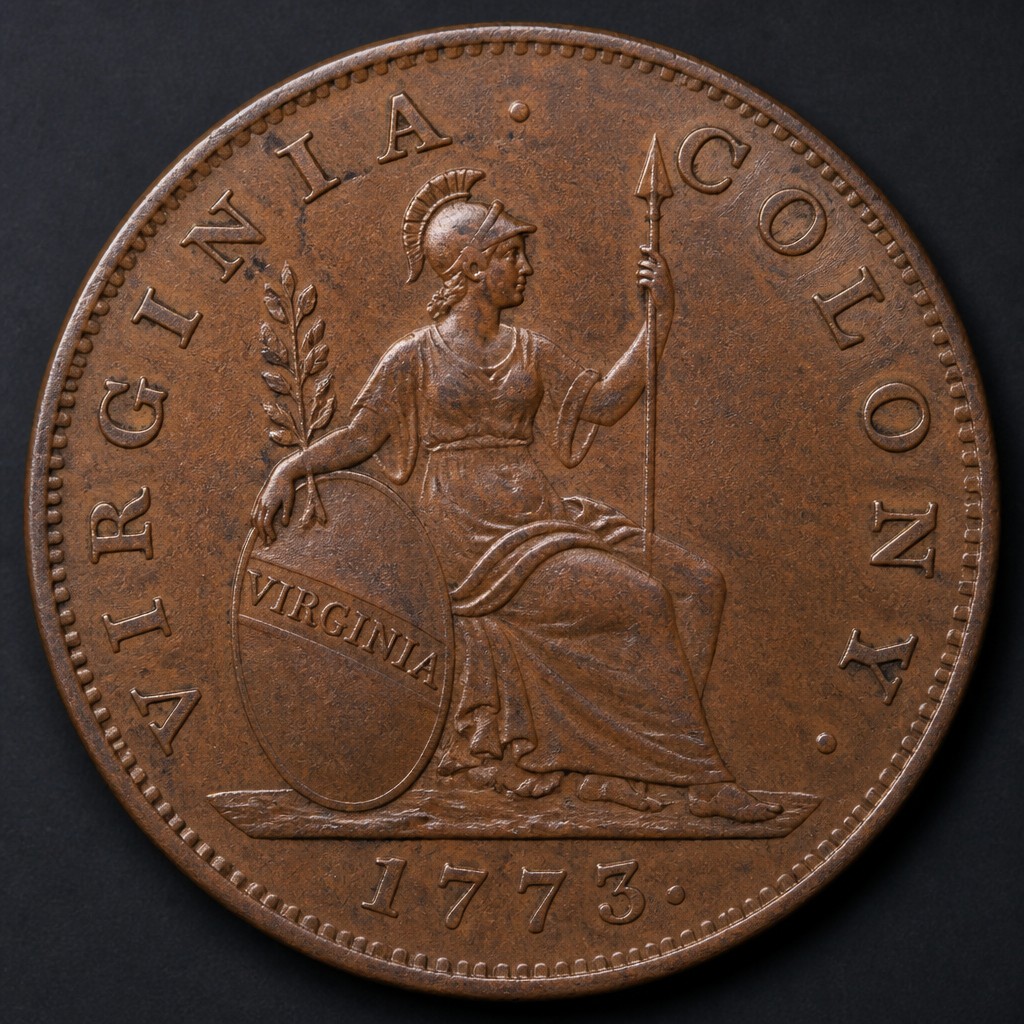
Virginia Halfpenny
1773
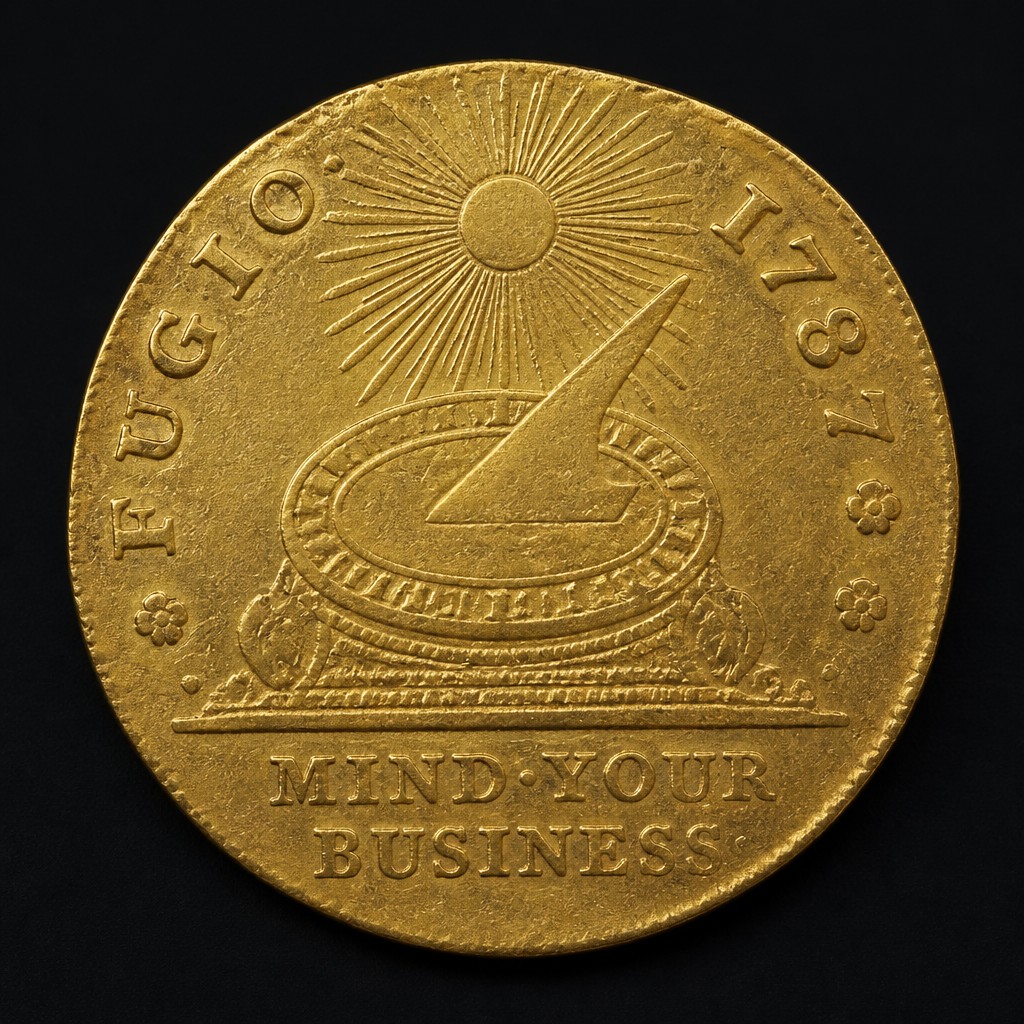
Brasher Doubloon
1787
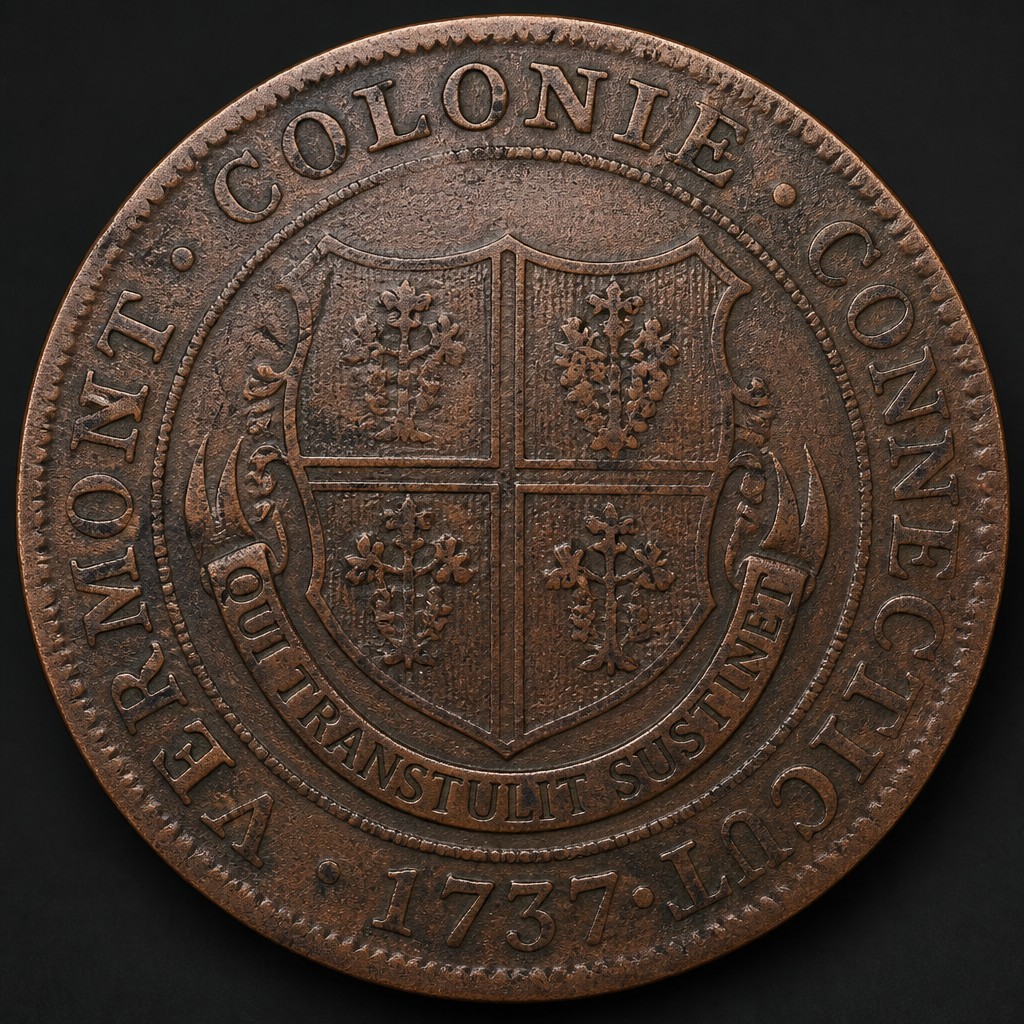
Higley Copper
1737–1739
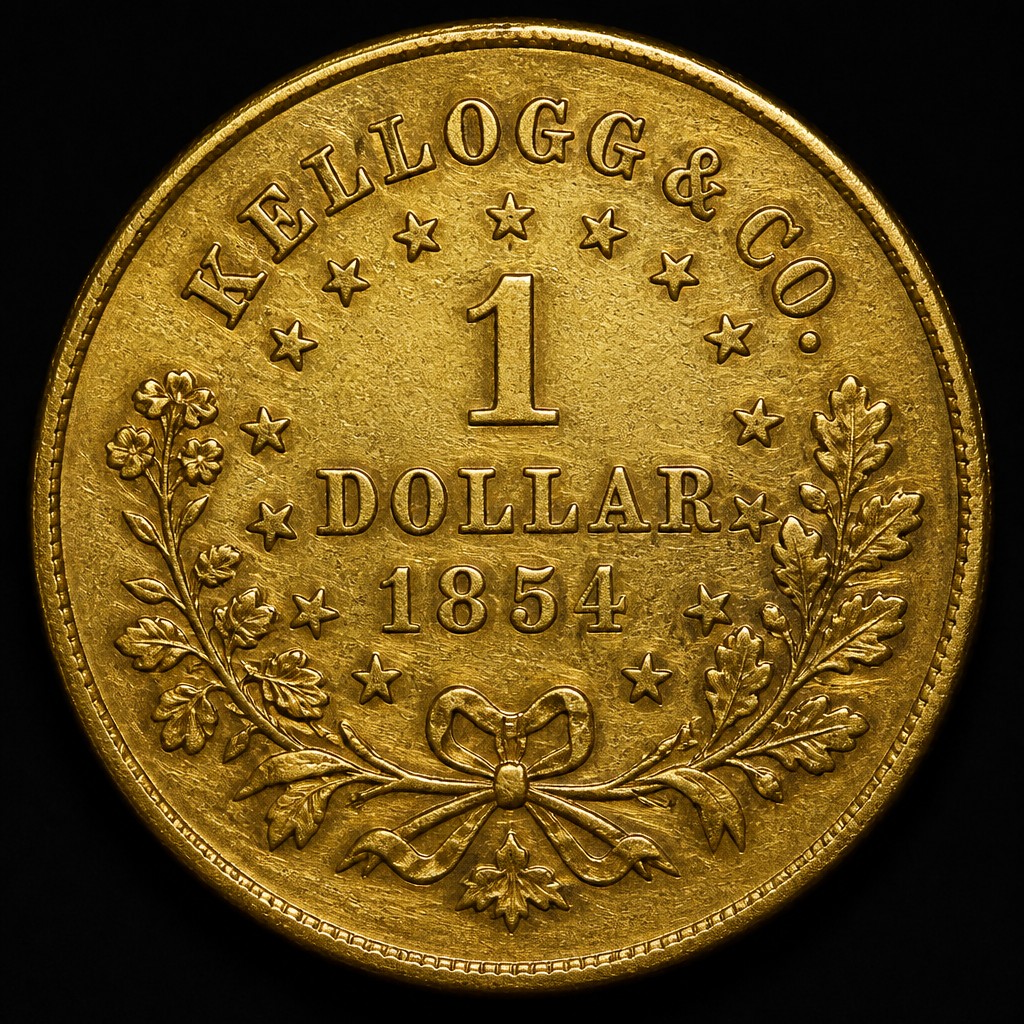
Kellogg & Co. Gold Piece
1854–1855
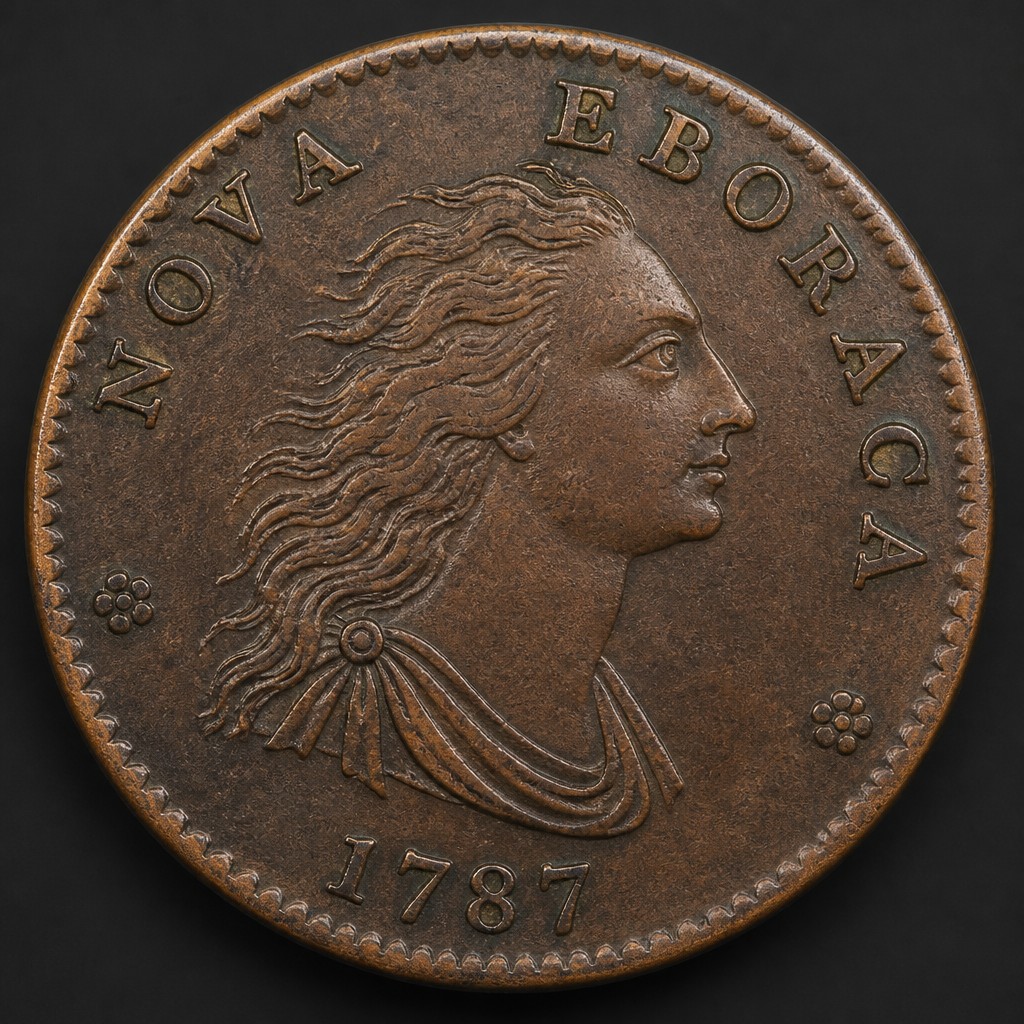
Nova Eborac Copper
1787
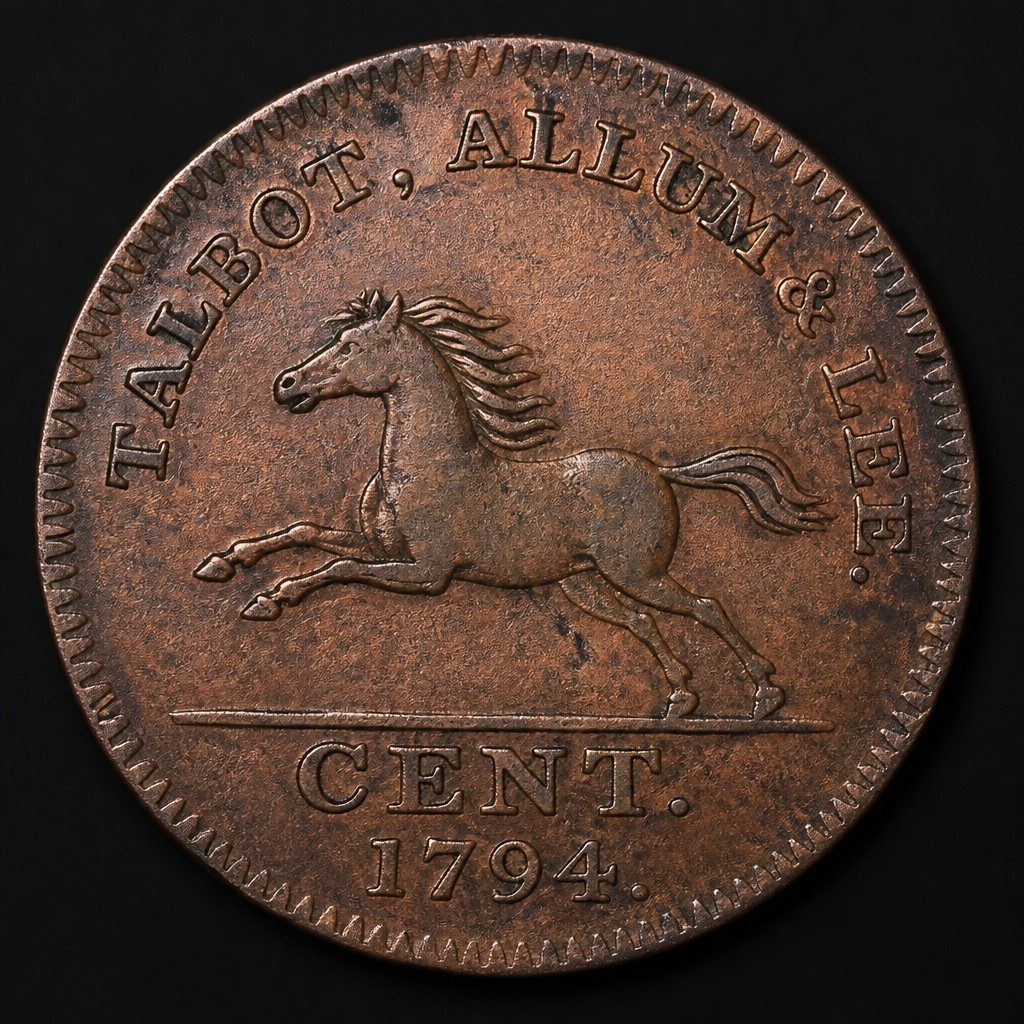
Talbot, Allum & Lee Cent
1794–1795
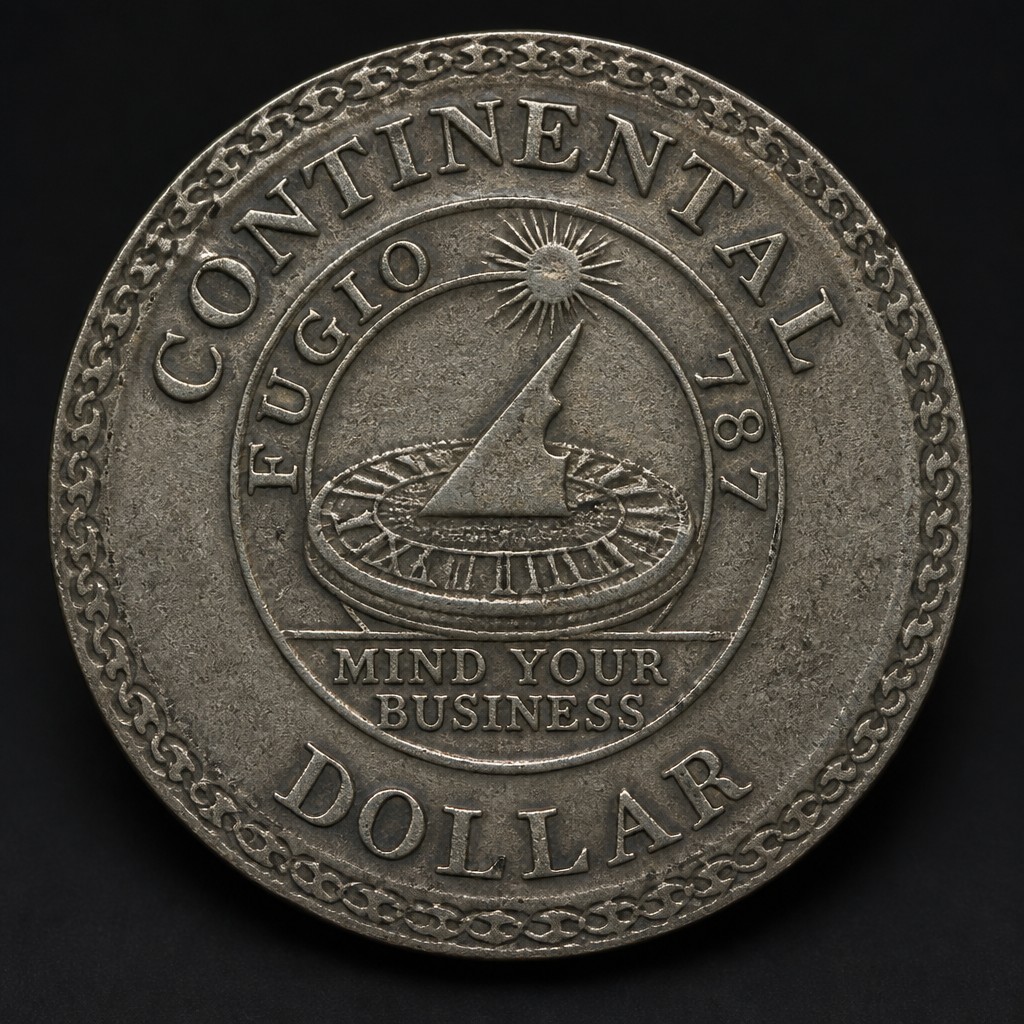
Continental Dollar
1776
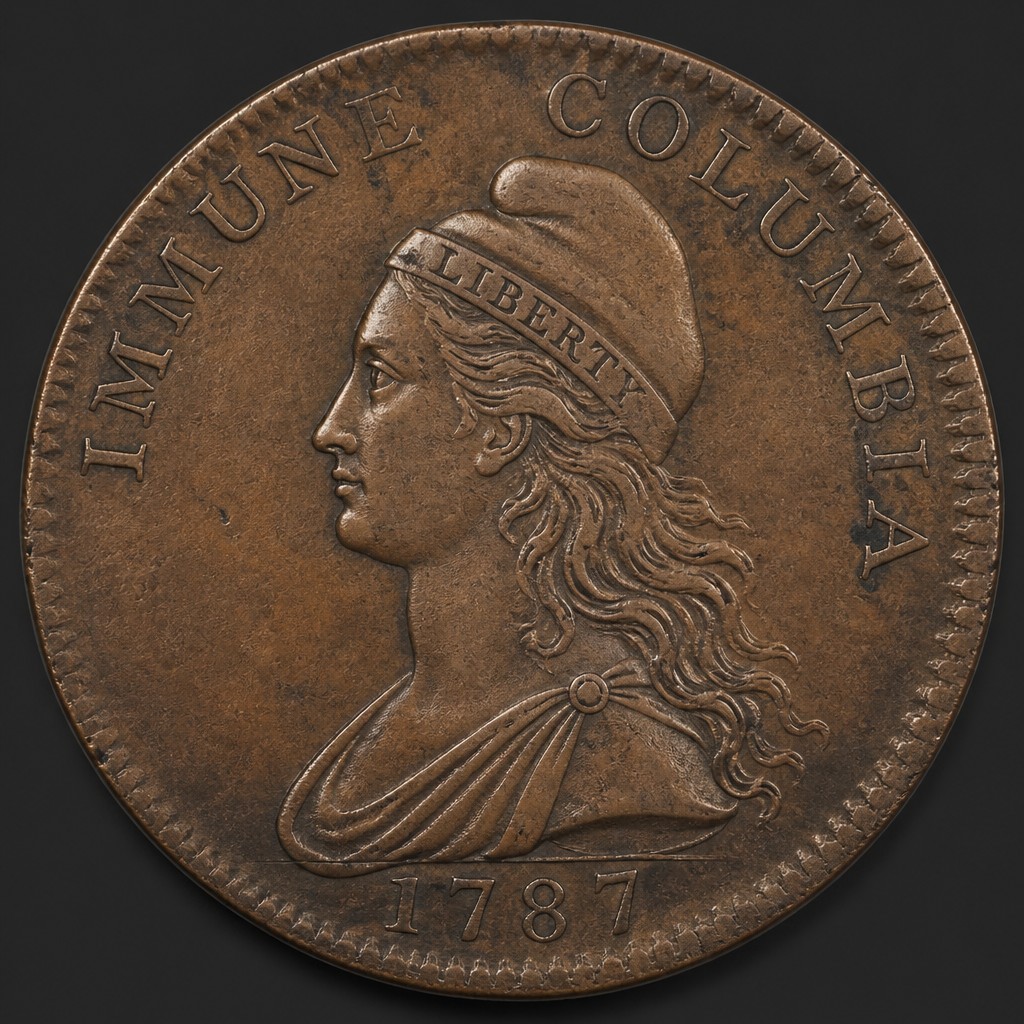
Immune Columbia Copper
circa 1785–1787
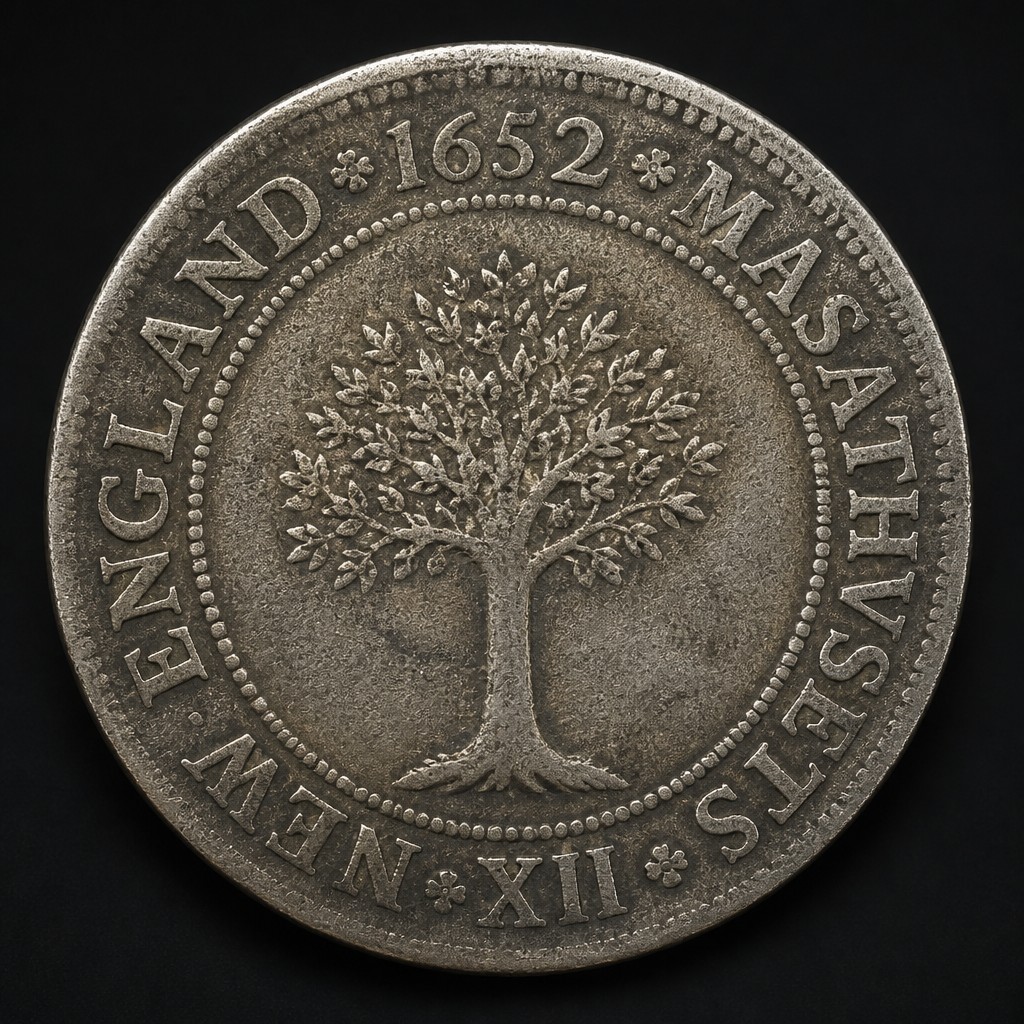
Massachusetts Oak Tree Shilling
Dated 1652, struck circa 1660–1667
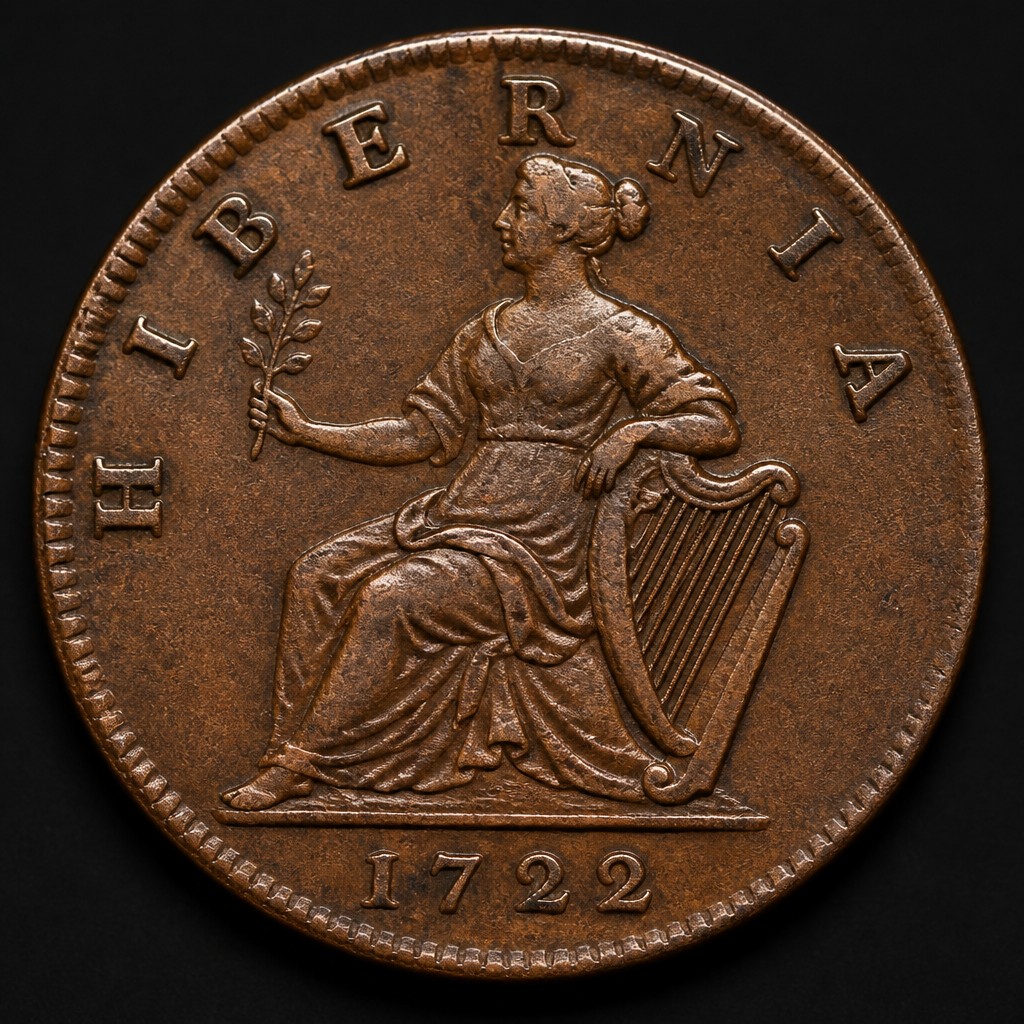
Wood's Hibernia Halfpenny
1722–1724
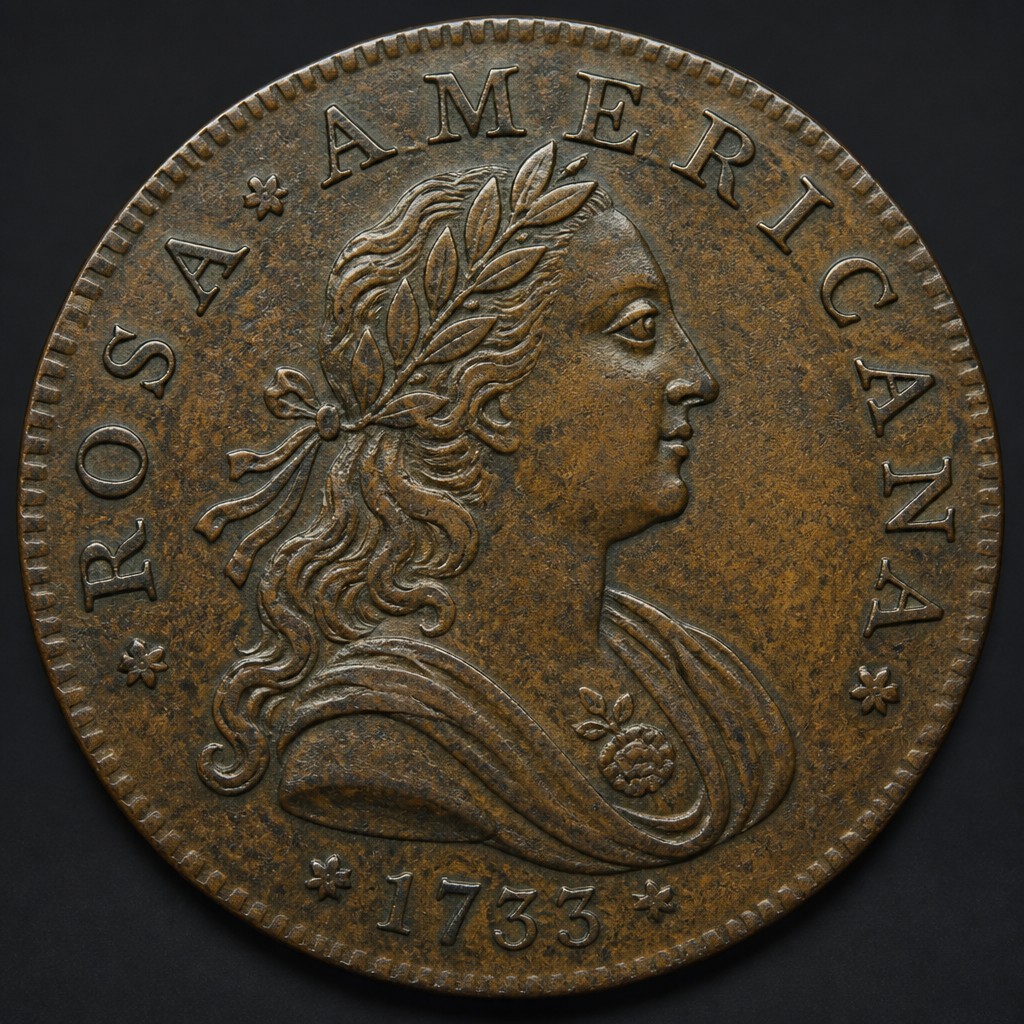
Rosa Americana Coinage
1722–1724 (with pattern issues dated 1733)
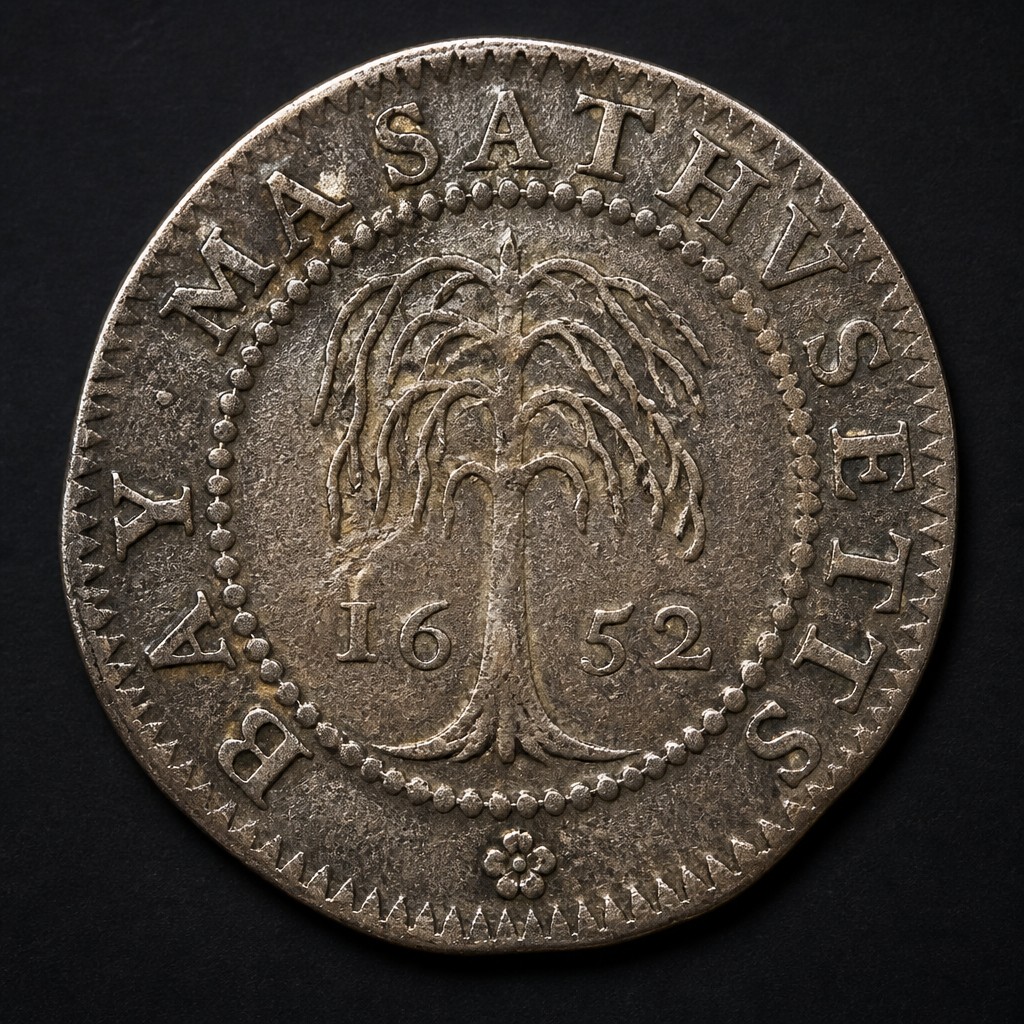
Massachusetts Willow Tree Shilling
Dated 1652, struck circa 1653–1660