
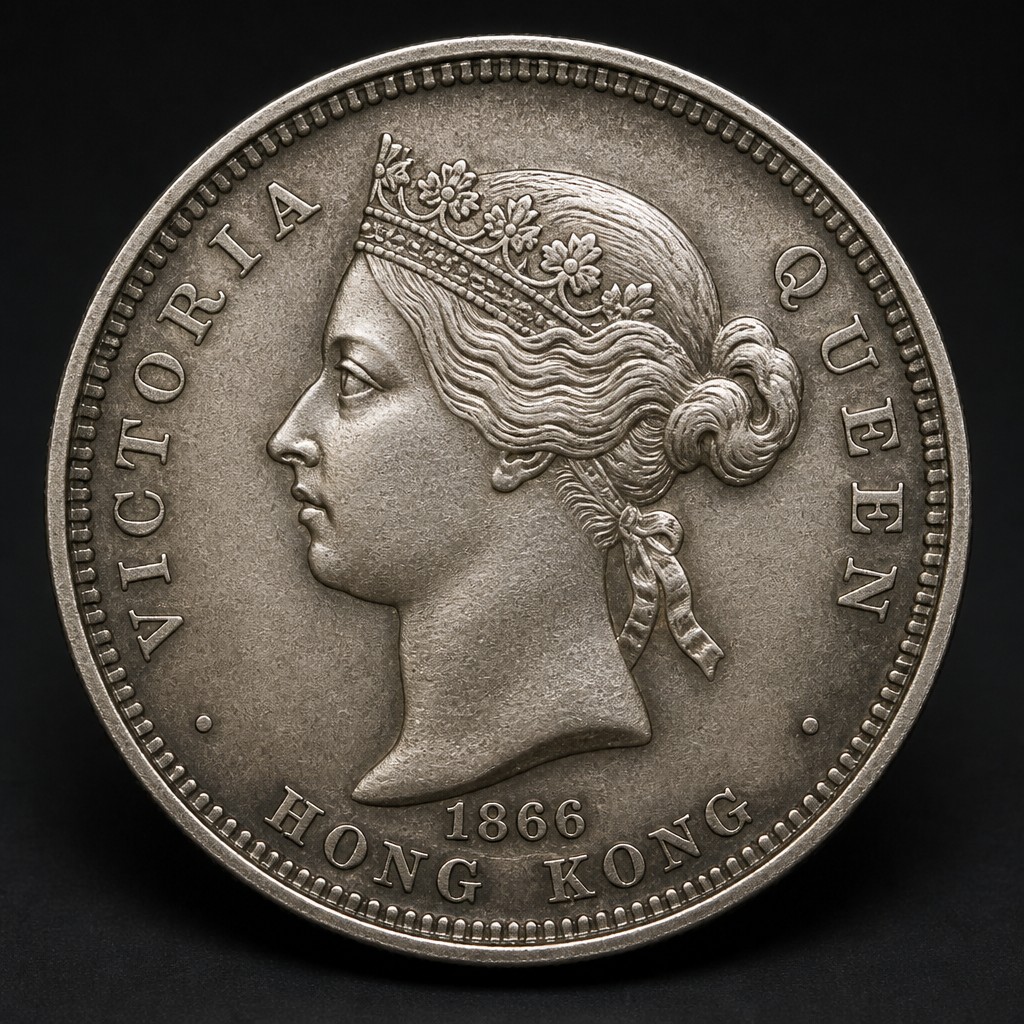
Hong Kong Dollar (1866–1868 Silver Dollar)
A short-lived silver dollar struck at Britain's ill-fated Hong Kong Mint, bearing Queen Victoria's portrait and intended to compete with Mexican and Chinese silver in Asian trade.
- Country
- Hong Kong (British colony)
- Denomination
- 1 Dollar
- Metal
- Silver, .900 fine
Got a coin like this?
Identify any coin from a photo, free.
Overview
The Hong Kong Dollar was a silver trade coin struck for only a few years at the newly established Hong Kong Mint, an ambitious British effort to provide a British-made silver dollar for East Asian commerce. It was designed to compete directly with the widely trusted Mexican silver dollar and various Chinese silver ingots that dominated regional trade at the time.
Despite technical quality, the mint struggled commercially because local merchants and banks continued to prefer the already-familiar Mexican dollar, and the operation proved unprofitable for the colonial government. The mint's machinery was eventually sold to Japan, where it helped establish Japan's own modern coinage, giving the Hong Kong Dollar an outsized historical footnote relative to its brief production run.
History & Background
In the 1860s, the British colonial government in Hong Kong sought to establish a local mint to strike silver dollar coins that could compete with the Mexican silver dollar, which then dominated trade throughout China and Southeast Asia. The Hong Kong Mint opened in 1866 and began striking silver dollars, half dollars, and smaller denominations bearing the portrait of Queen Victoria.
The venture proved commercially unsuccessful: local traders and banks were reluctant to abandon the trusted Mexican dollar for a new, unfamiliar coin, and the mint operated at a loss. By 1868 the Hong Kong government closed the mint and sold its coining equipment to the Japanese government, which used it to help launch modern Meiji-era Japanese coinage. As a result, genuine Hong Kong Mint dollars were struck for only a very brief window and never achieved wide circulation success.
How to Identify
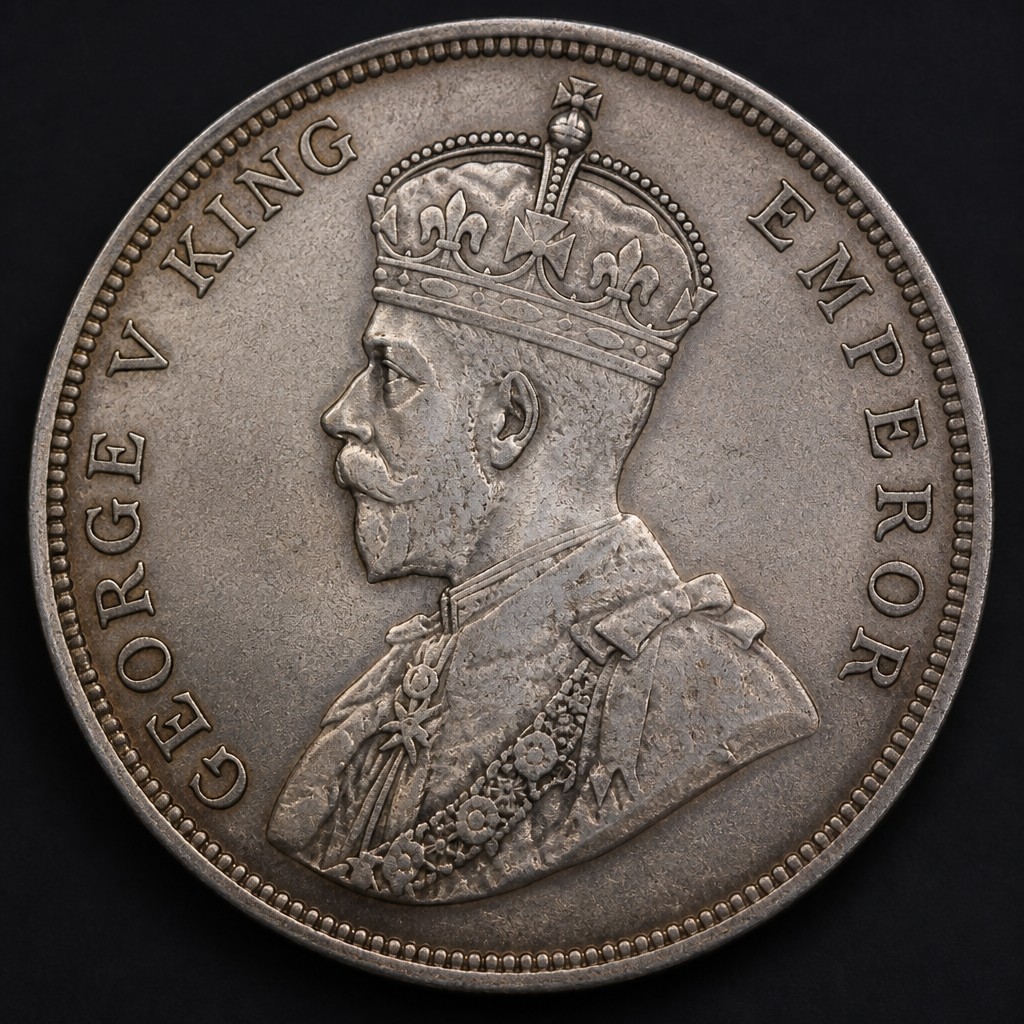
The obverse shows a young, diademed left-facing (or right-facing depending on denomination) bust of Queen Victoria with a surrounding Latin legend naming her as queen.
The reverse presents the denomination in English along with Chinese characters, typically within a wreath or decorative border, following the bilingual convention common to British Asian trade coinage of the period.
The coin is a substantial silver piece roughly comparable in size to a Mexican or U.S. trade dollar, struck in .900 fine silver. Because genuine mint output was small and short-lived, collectors should be alert to counterfeits and later fantasy pieces; authentication by an experienced dealer or grading service is strongly advised for any example offered as an original 1866–1868 Hong Kong Mint dollar.
Value & Collectibility
Because the Hong Kong Mint operated only briefly, genuine dollars from this series are scarce and command significant premiums compared to more common contemporaneous trade dollars, with well-preserved examples reaching into the thousands of dollars depending on date and condition.
Condition, strike quality, and originality of surfaces all significantly affect value, and because the series is a known target for counterfeiting given its rarity and historical cachet, provenance and expert authentication carry outsized importance in this series compared to more common coins.
Given the scarcity and value concentration in top grades, casual collectors are encouraged to consult specialist auction records and reputable graders rather than relying on general price guides for this particular issue.
Frequently asked questions
Why did the Hong Kong Mint fail so quickly?
Local merchants and banks preferred the already-trusted Mexican silver dollar, making the new British coin commercially unsuccessful.
What happened to the mint's equipment after it closed?
It was sold to the Japanese government and used to help establish modern Meiji-era Japanese coinage.
How long was the Hong Kong Dollar actually produced?
Only from 1866 to 1868, making genuine examples relatively scarce today.
Whose portrait is on the coin?
Queen Victoria, reflecting Hong Kong's status as a British colony at the time.
Should I worry about counterfeits of this coin?
Yes, given its rarity and value, authentication by a reputable expert or grading service is strongly recommended.
Other coins you may enjoy
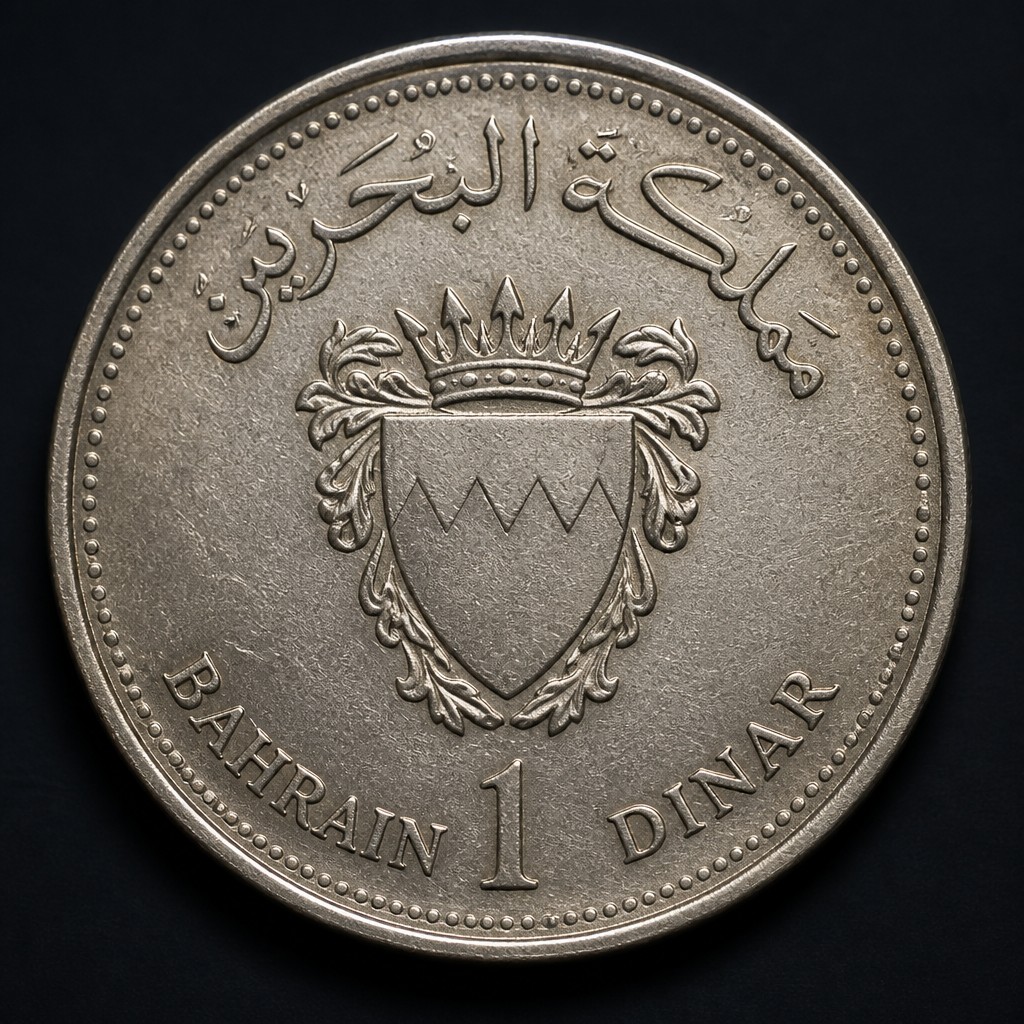
Bahraini Dinar
1965–present
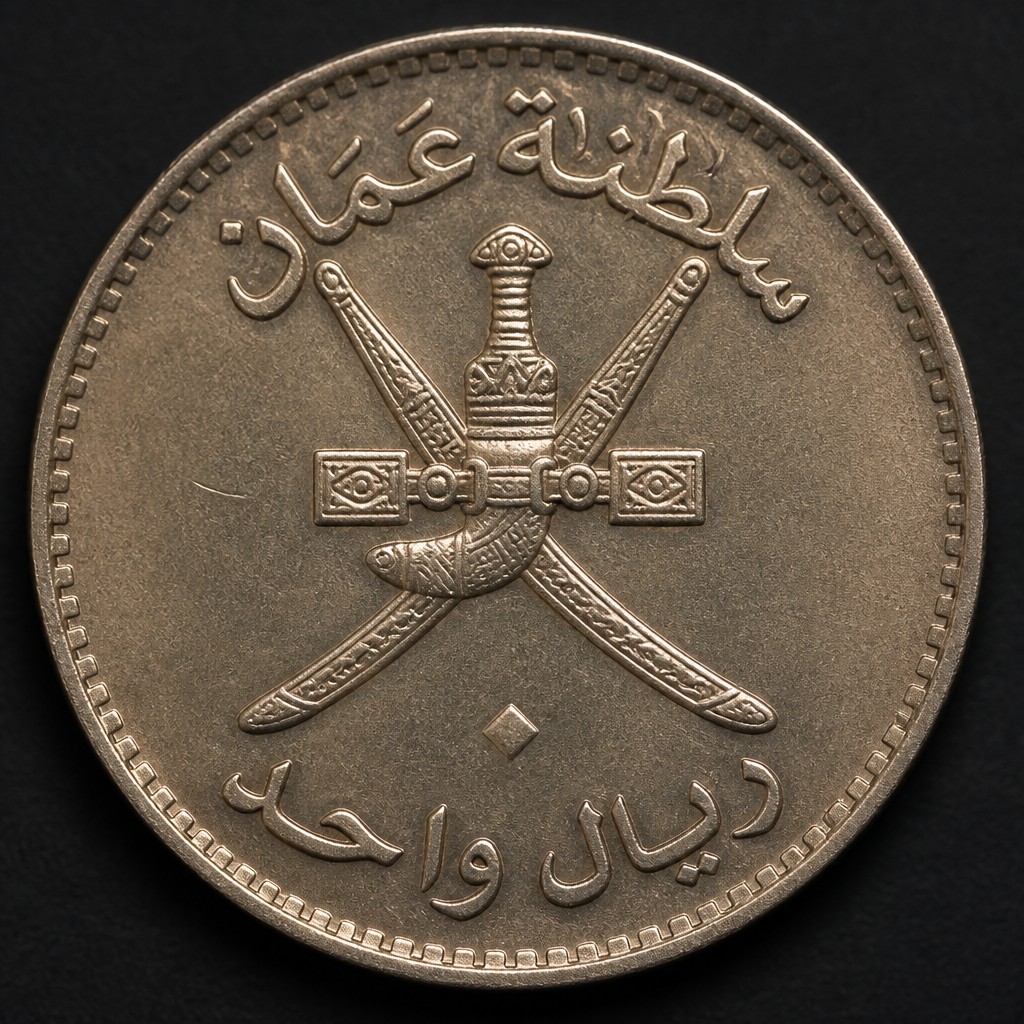
Omani Rial (Baisa Coinage)
1970–present
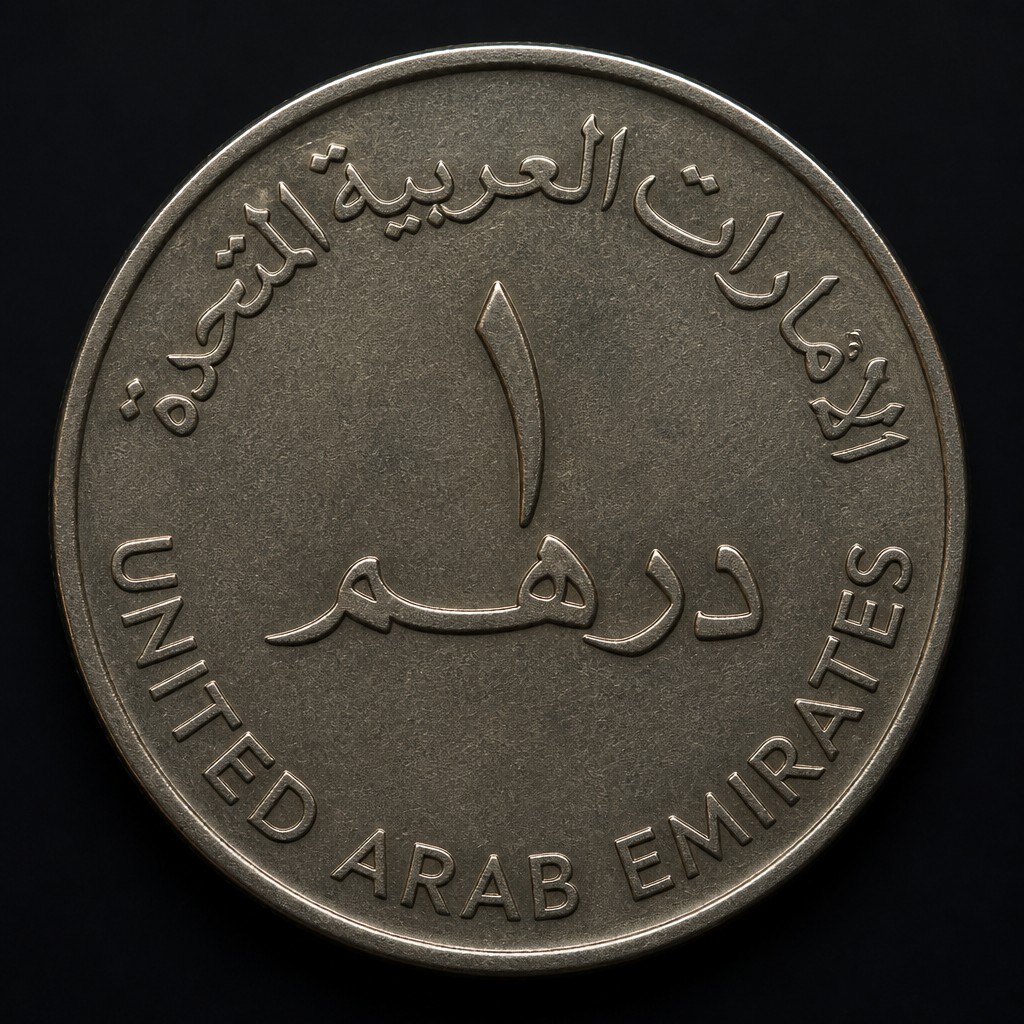
United Arab Emirates Dirham
1973–present
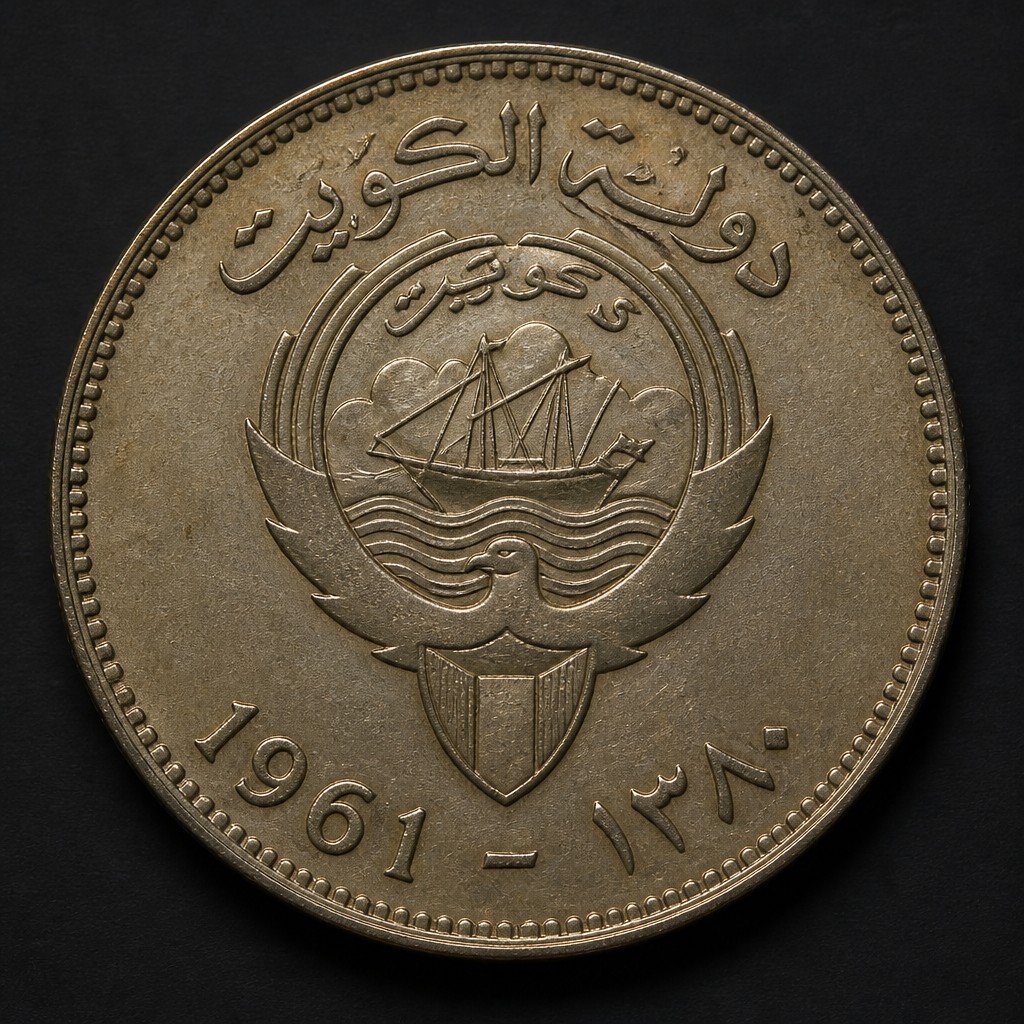
Kuwaiti Fils
1961–present
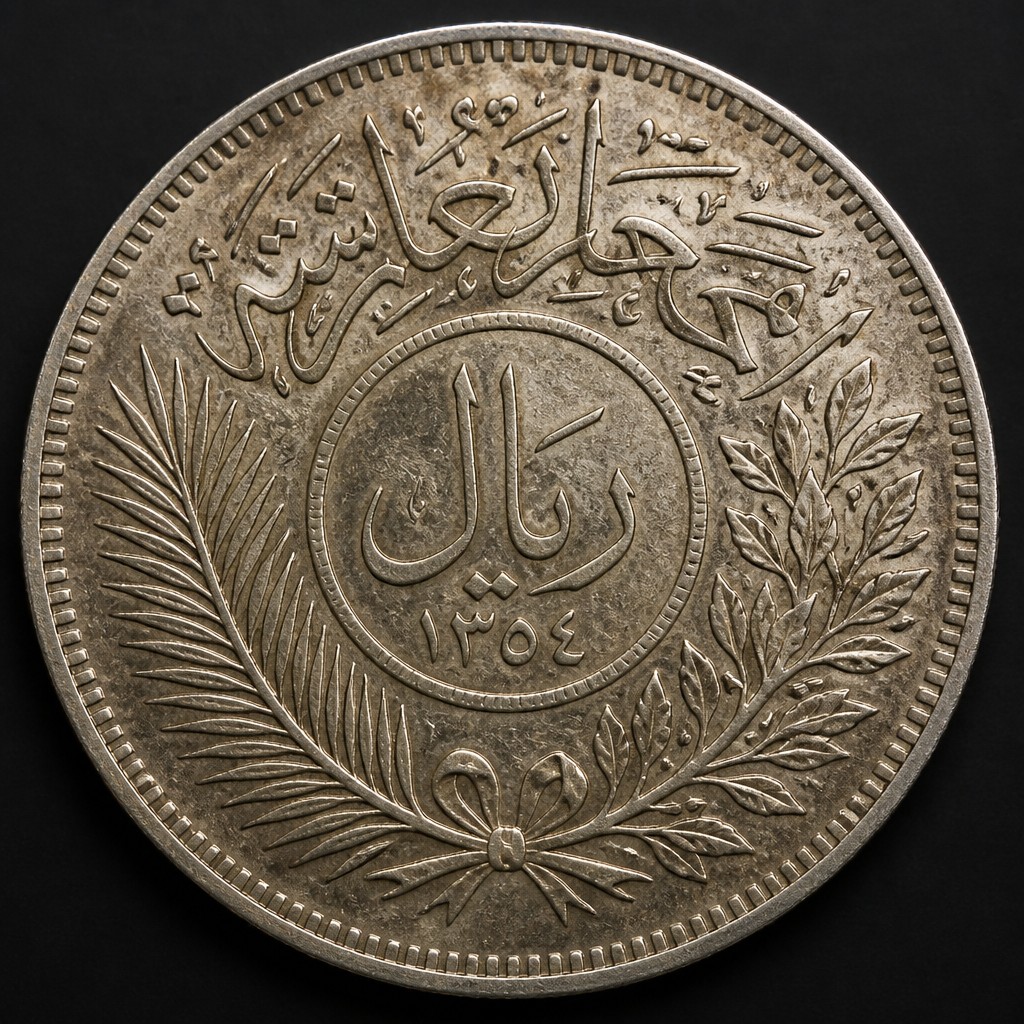
Saudi Arabian Riyal (silver)
1935 (Kingdom-wide standardization) and related issues
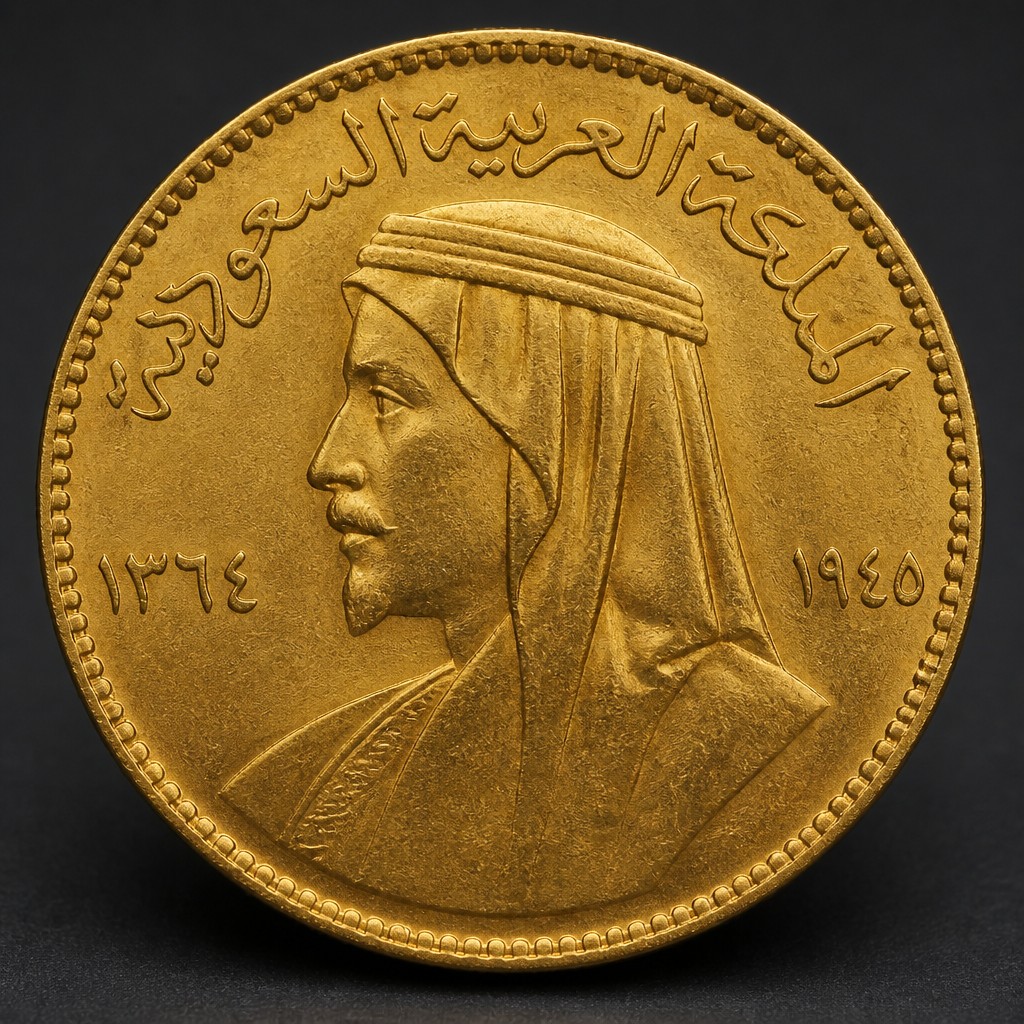
Saudi Arabian Gold Guinea (Sovereign)
1945 and later issues
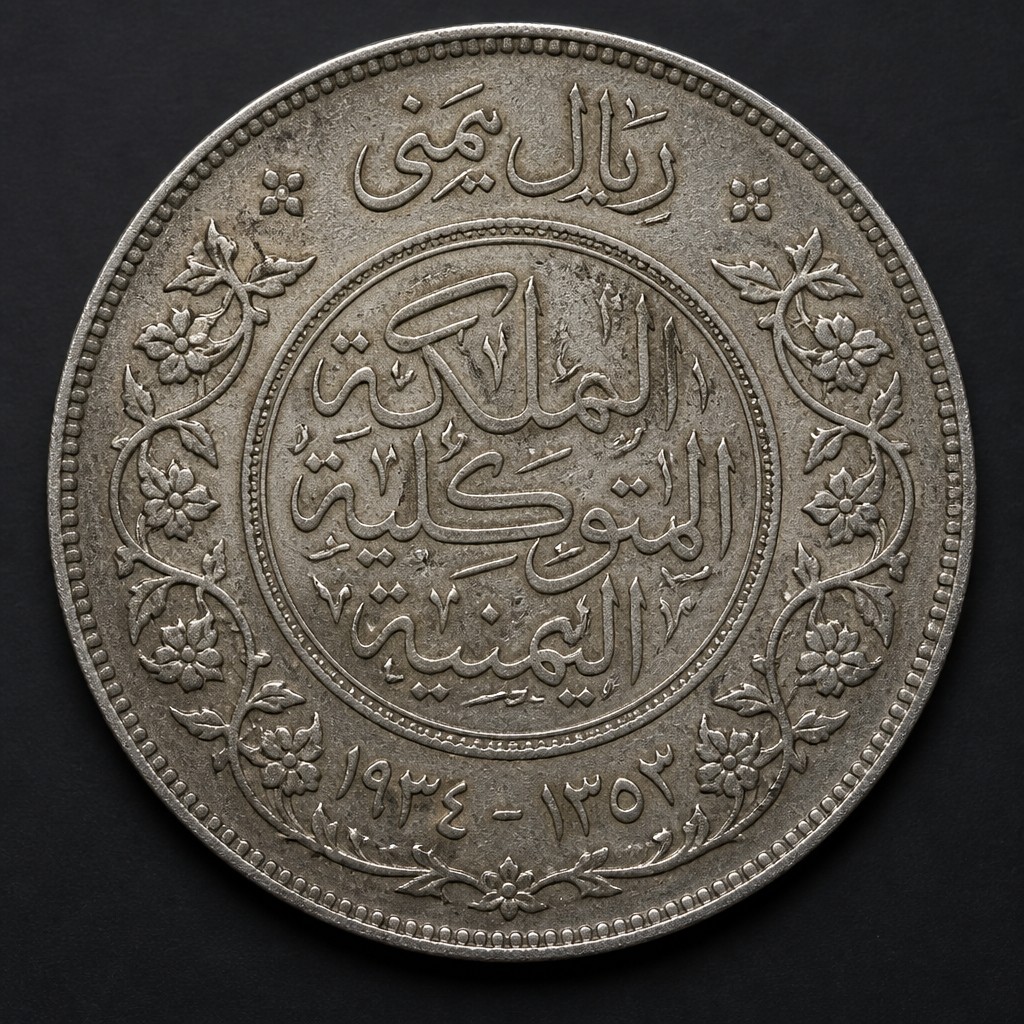
Yemeni Riyal (Ahmadi/Imadi Kingdom Coinage)
Early-to-mid 20th century
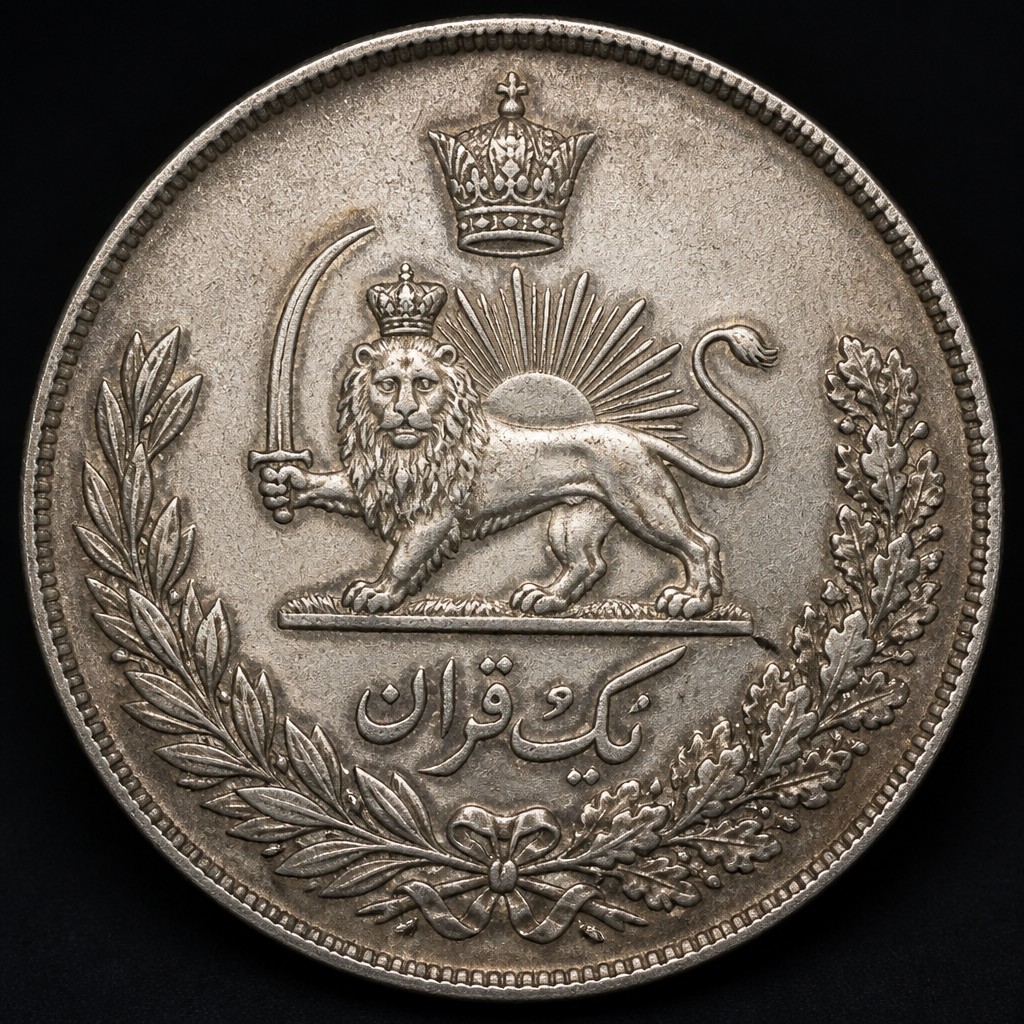
Persian Kran (Qajar silver)
Mid-19th century–1925
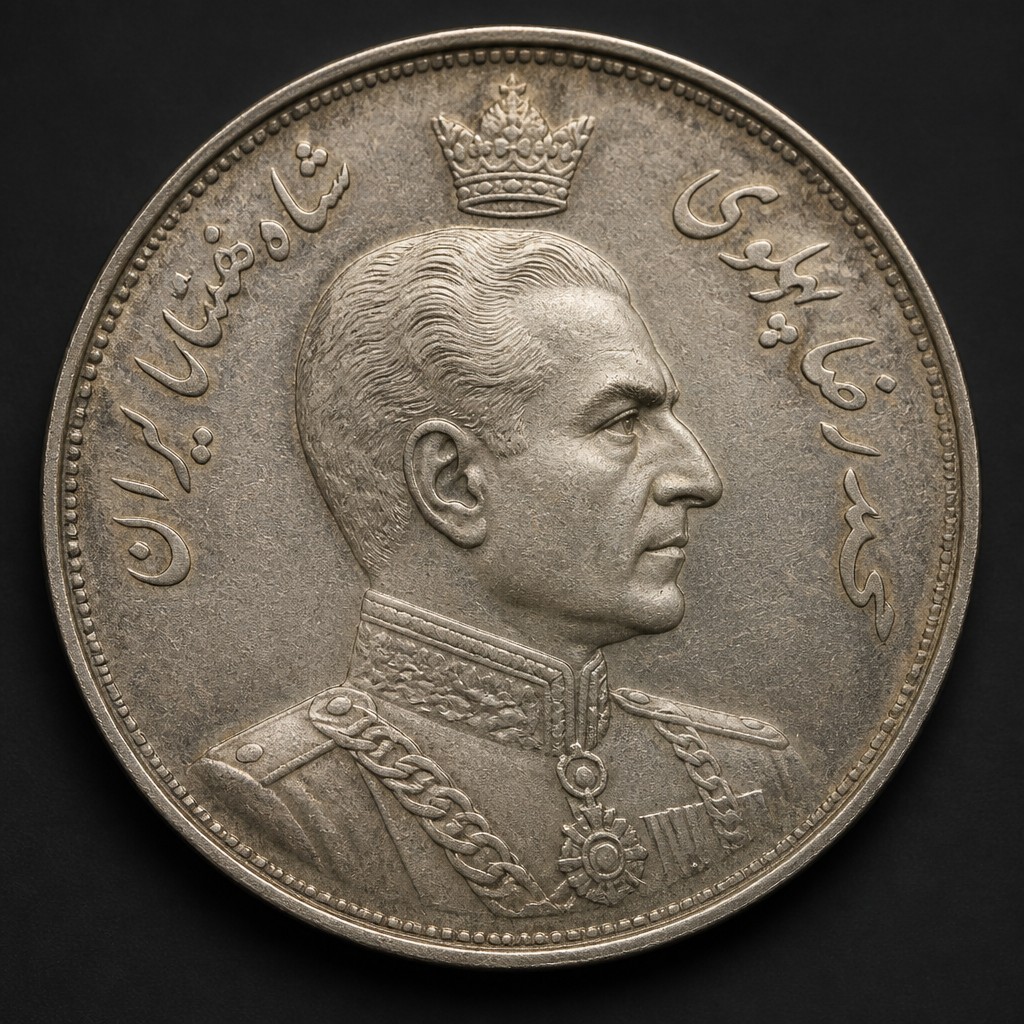
Iranian Rial
1932–present
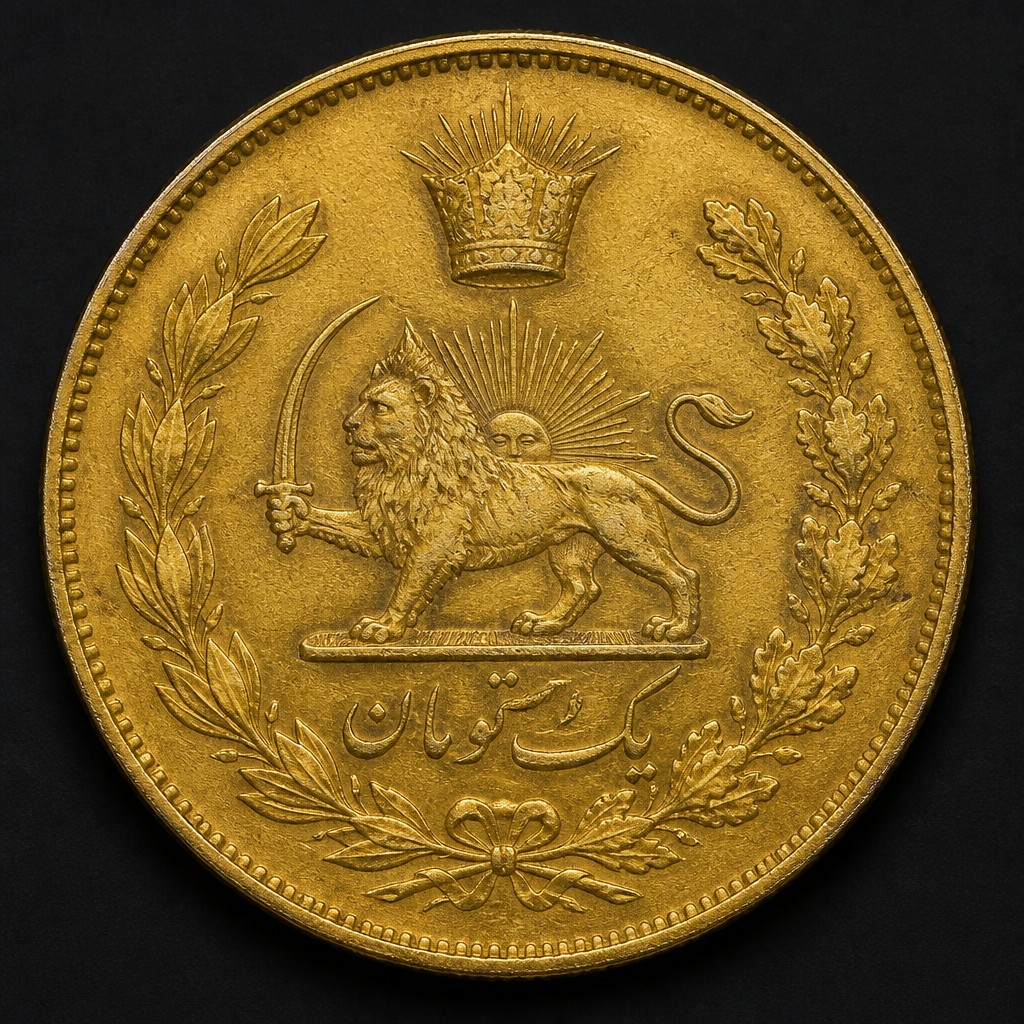
Persian Gold Toman (Qajar)
1796–1925
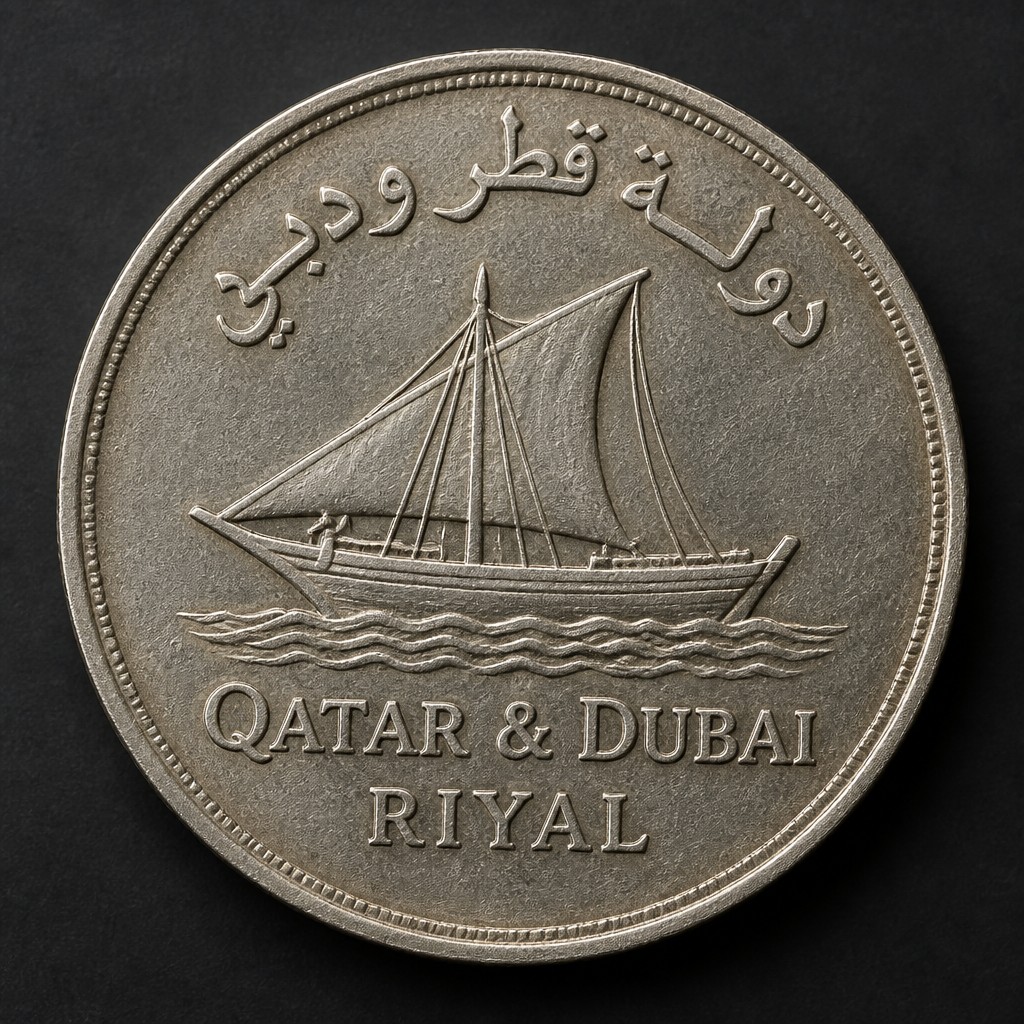
Qatar and Dubai Riyal
1966–1973
British India Rupee (Silver)
1835–1947