
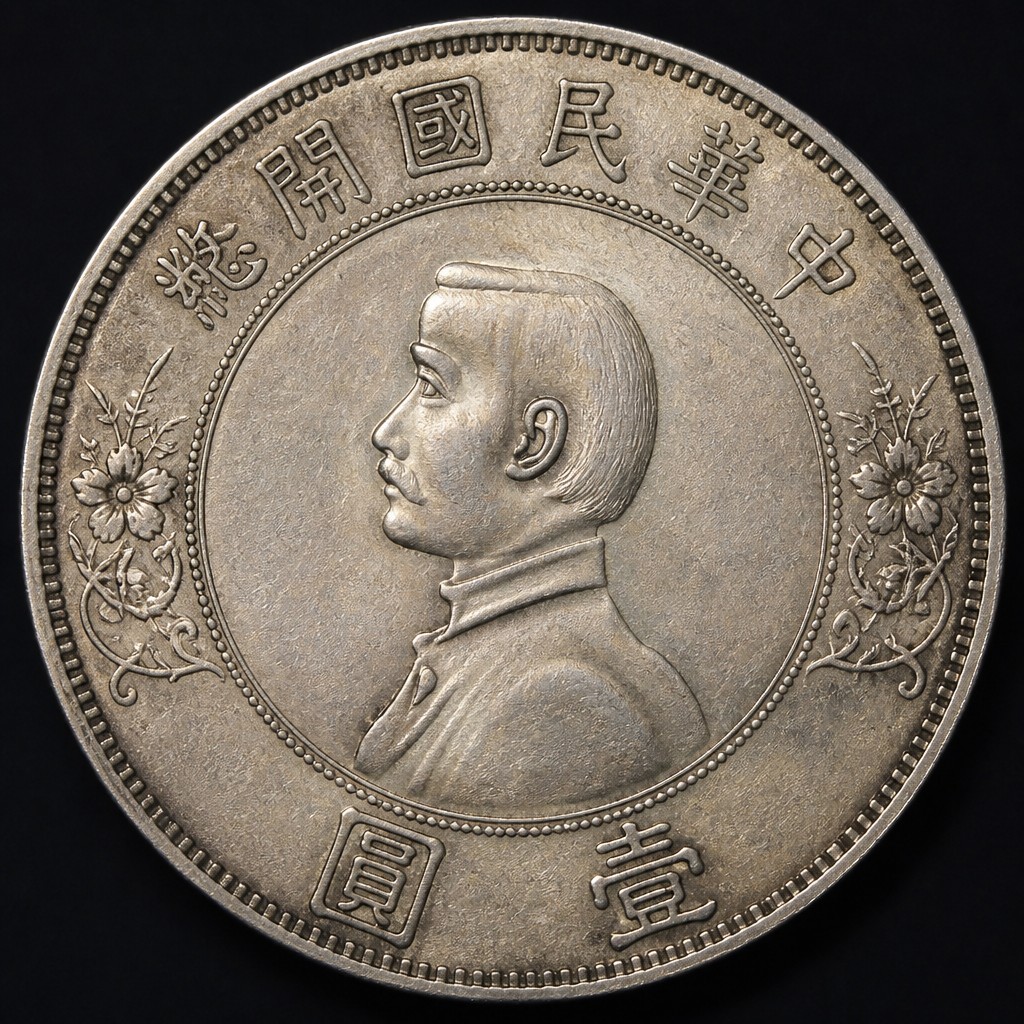
Sun Yat-sen 'Memento' 1 Dollar (1927)
Silver dollar bearing the portrait of Sun Yat-sen, struck to commemorate the founding of the Republic of China and widely circulated under the Nationalist government.
- Country
- Republic of China
- Denomination
- 1 Dollar (Yuan)
- Metal
- Silver
Got a coin like this?
Identify any coin from a photo, free.
Overview
The Sun Yat-sen 'Memento' Dollar is one of the most recognizable coins of Republican China, featuring the portrait of revolutionary leader Sun Yat-sen on its obverse. Struck without a specific year in most cases, it is generally associated with the late 1920s following the consolidation of Nationalist authority, and it continued to be produced for years afterward as a workhorse silver dollar.
The reverse carries a Chinese inscription commemorating the founding of the Republic, framed by a wreath, and the coin exists in several minor die varieties that specialists have catalogued in detail. It served as a widely circulated unit of currency across much of China through the 1930s.
Because of its historical significance and long production, the Memento dollar remains one of the most commonly encountered and collected Chinese silver dollars, appealing both to beginning collectors and to specialists chasing scarce die varieties.
History & Background
Sun Yat-sen, revered as the father of modern China for his role in the 1911 revolution that ended imperial rule, died in 1925, and his image was subsequently adopted for coinage as a way of honoring his legacy and lending legitimacy to the Nationalist (Kuomintang) government led by Chiang Kai-shek. The dollar commemorating the "founding of the Republic" entered production in the late 1920s and continued to be struck, largely undated, into the following decade.
The coin's widespread circulation reflected the Nationalist government's effort to unify China's fragmented currency, which had previously relied heavily on provincial dragon dollars and imported silver coin. Because it was produced over an extended period at multiple facilities, the design underwent small modifications, giving rise to numerous recognized die varieties, including types with or without a small mint mark or with differing wreath and star details.
The Memento dollar remained in use until China's silver-based currency system was replaced by paper fabi currency in 1935, after which surviving coins were largely withdrawn from active circulation, though many stayed in private hands.
How to Identify
The obverse depicts a left-facing bust of Sun Yat-sen in Western-style dress, with his name in Chinese characters above and around the portrait. The reverse bears the four-character Chinese phrase meaning "Memento of the Founding of the Republic" arranged around a central design, usually a stylized junk, torch, or simply a numeral within a wreath, depending on the specific variety.
The coin is a silver crown roughly the size and weight of other contemporary Chinese dollars, with a reeded edge. Collectors distinguish varieties by details such as the presence or absence of small dots, stars, or dashes flanking the central design, as well as by subtle differences in Sun Yat-sen's collar and the wreath's leaf count, which numismatists have organized into a standard variety-numbering system.
Because this is one of the most widely counterfeited Chinese coin types, buyers should compare suspect examples carefully against known genuine specimens for correct weight, strike sharpness, and surface texture, particularly for the rarer recognized varieties.
Value & Collectibility
As one of the most commonly produced Chinese silver dollars, the ordinary Sun Yat-sen Memento dollar is generally affordable in circulated grades, making it a popular entry point into Chinese numismatics. However, a number of specific die varieties are considerably scarcer and can command substantially higher prices, particularly in higher mint-state grades.
Typical worn examples often trade for modest sums, commonly in the tens of dollars, while choice uncirculated coins or recognized rare varieties can range from several hundred to well over a thousand dollars depending on rarity and certification. As with most widely faked Chinese silver dollars, authentication and variety attribution by a specialist can significantly affect a coin's realized value.
Frequently asked questions
Why is it called a 'Memento' dollar?
The reverse inscription translates roughly to "memento" or "commemoration" of the founding of the Republic of China, giving the coin its common English nickname.
Is the coin dated?
Most examples do not carry a Western or reign-year date, though numismatists generally date the type's introduction to the late 1920s.
Why do prices vary so widely for what looks like the same coin?
Small design differences define distinct die varieties, some very common and others quite scarce, which strongly affects collector value.
Was this coin used in everyday commerce?
Yes, it circulated widely across China as a standard silver dollar until China moved to a paper currency system in 1935.
Sun Yat-sen 'Memento' 1 Dollar (1927) identified by the community
Real coins identified with Coin Identifier.
Other coins you may enjoy
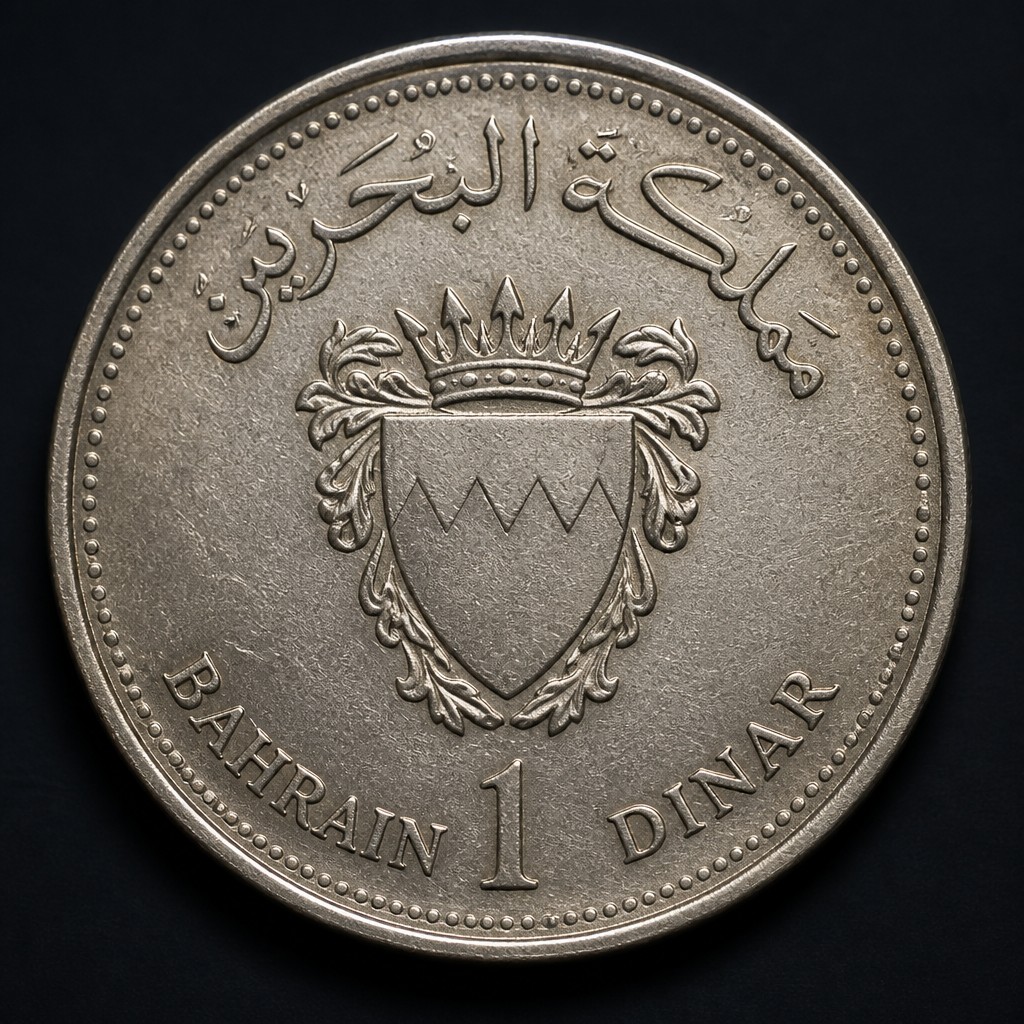
Bahraini Dinar
1965–present
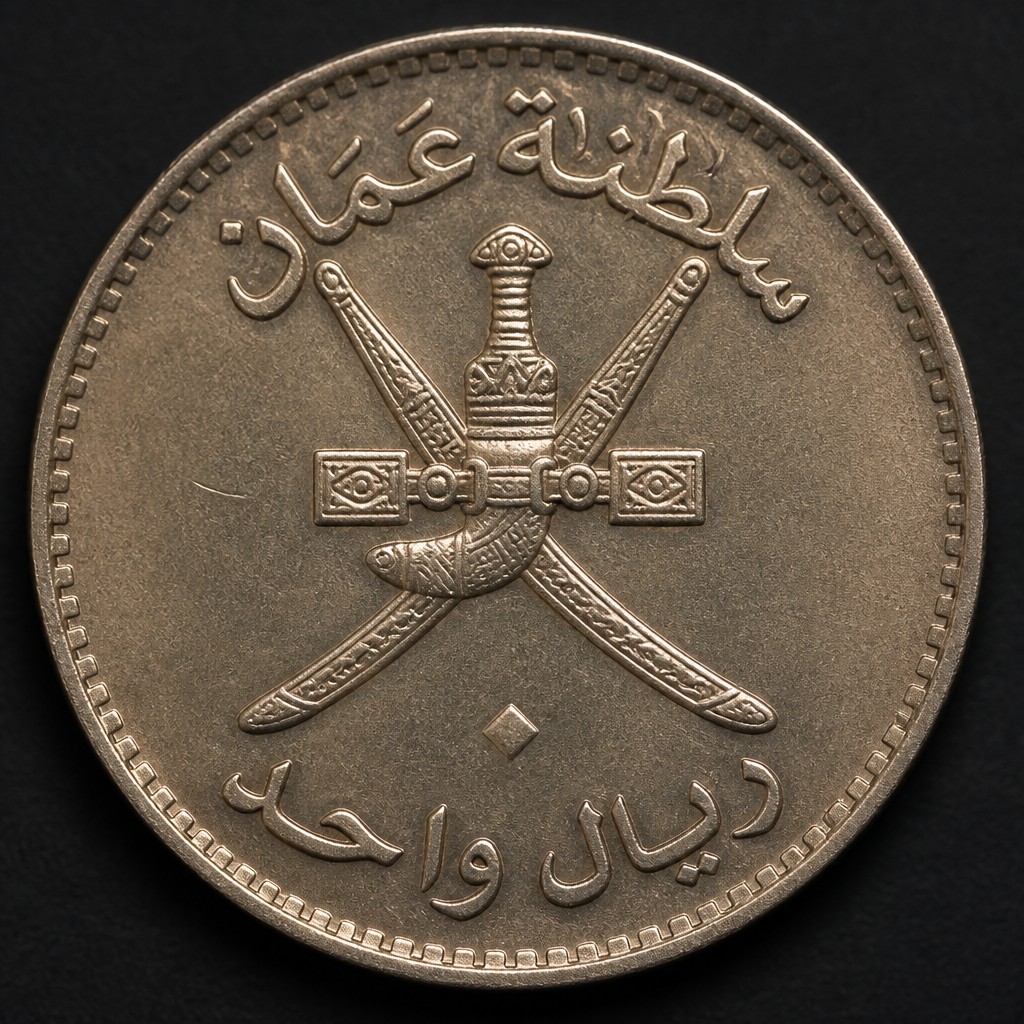
Omani Rial (Baisa Coinage)
1970–present
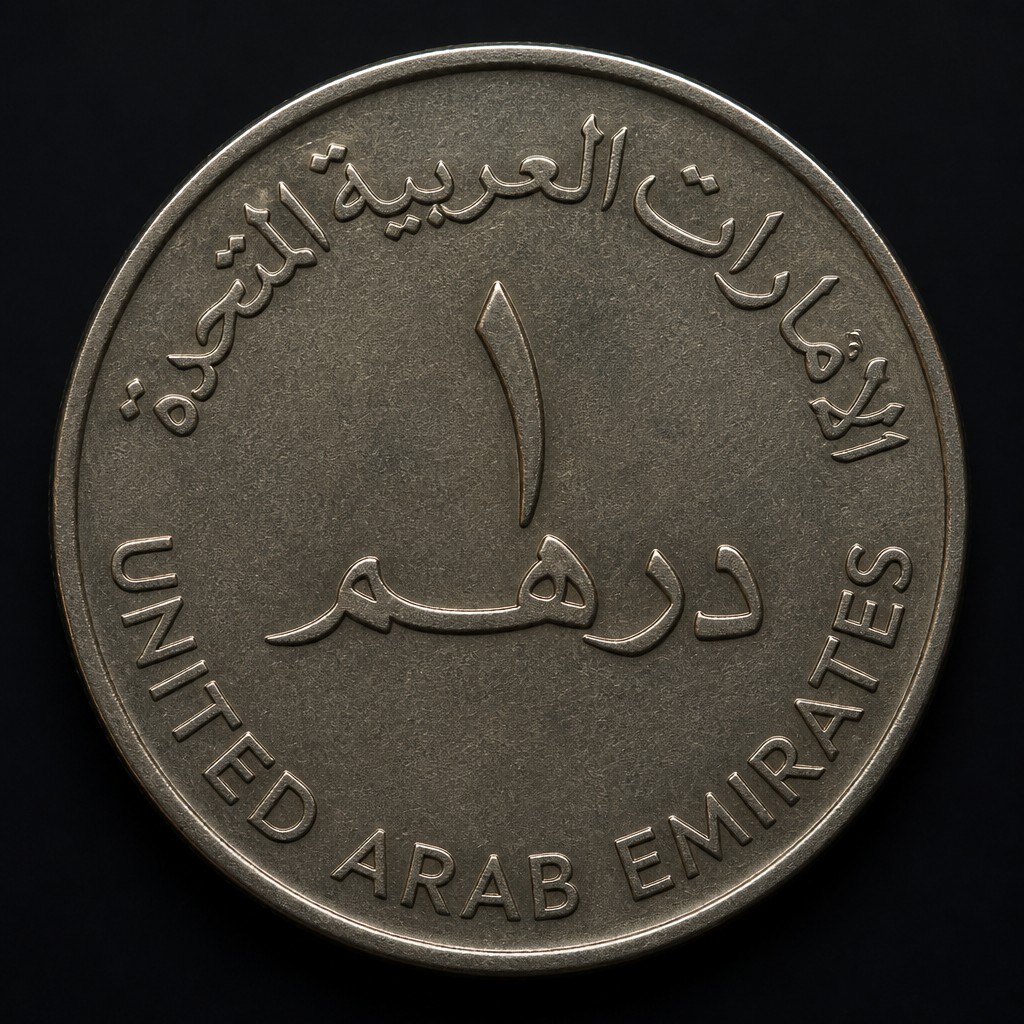
United Arab Emirates Dirham
1973–present
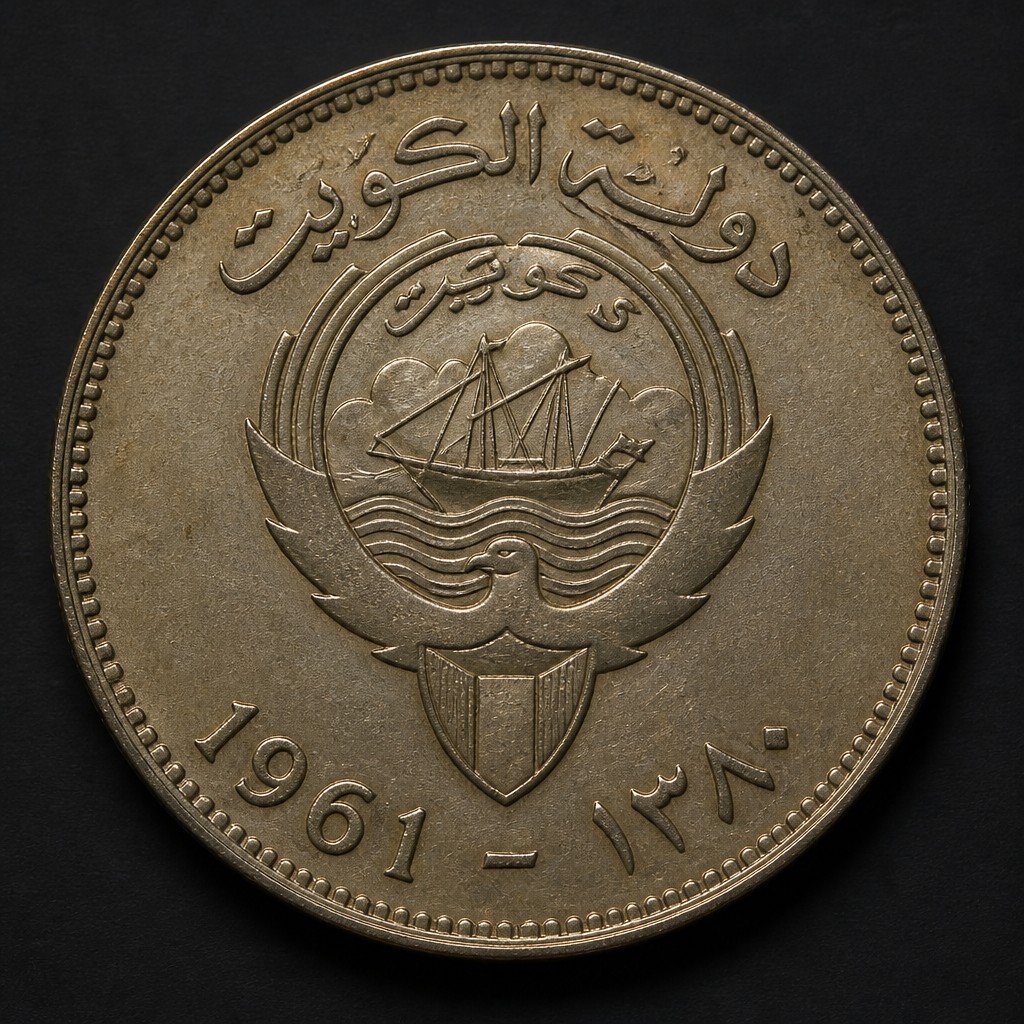
Kuwaiti Fils
1961–present
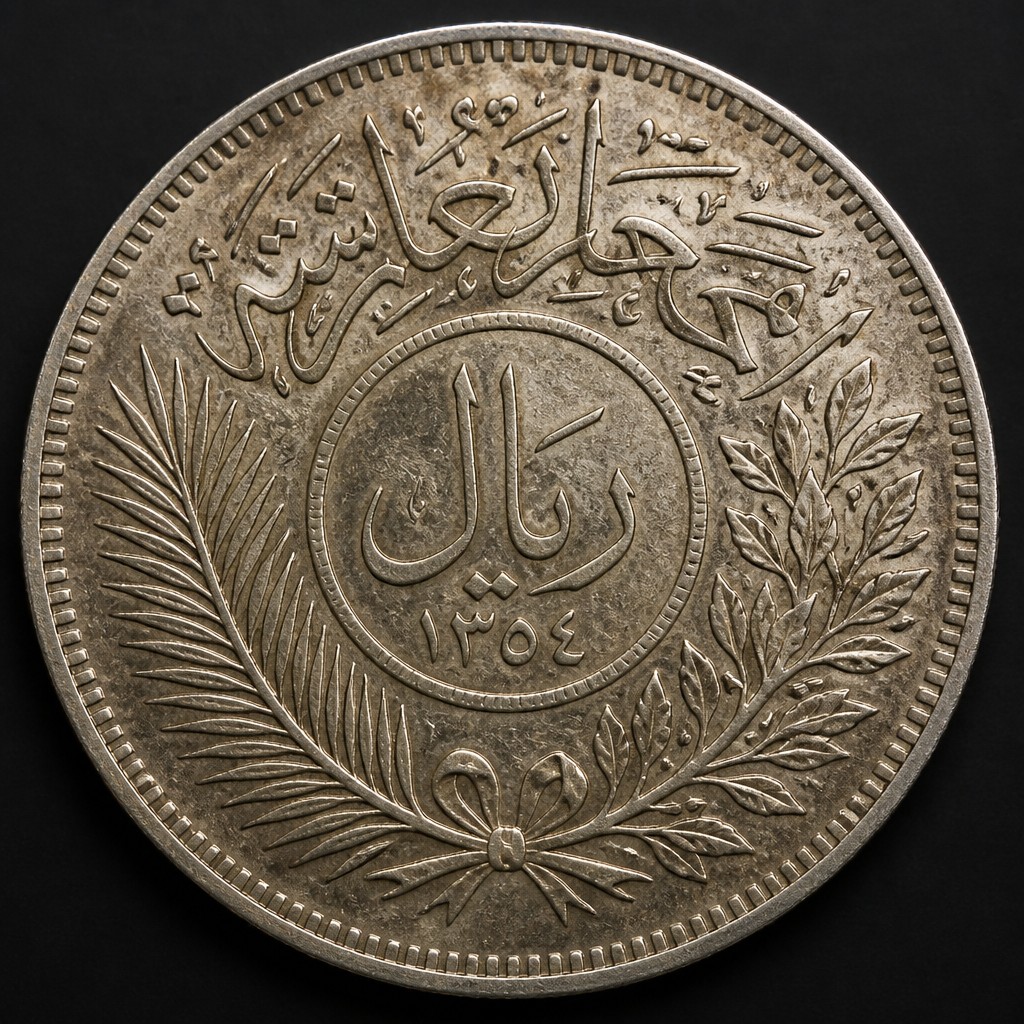
Saudi Arabian Riyal (silver)
1935 (Kingdom-wide standardization) and related issues
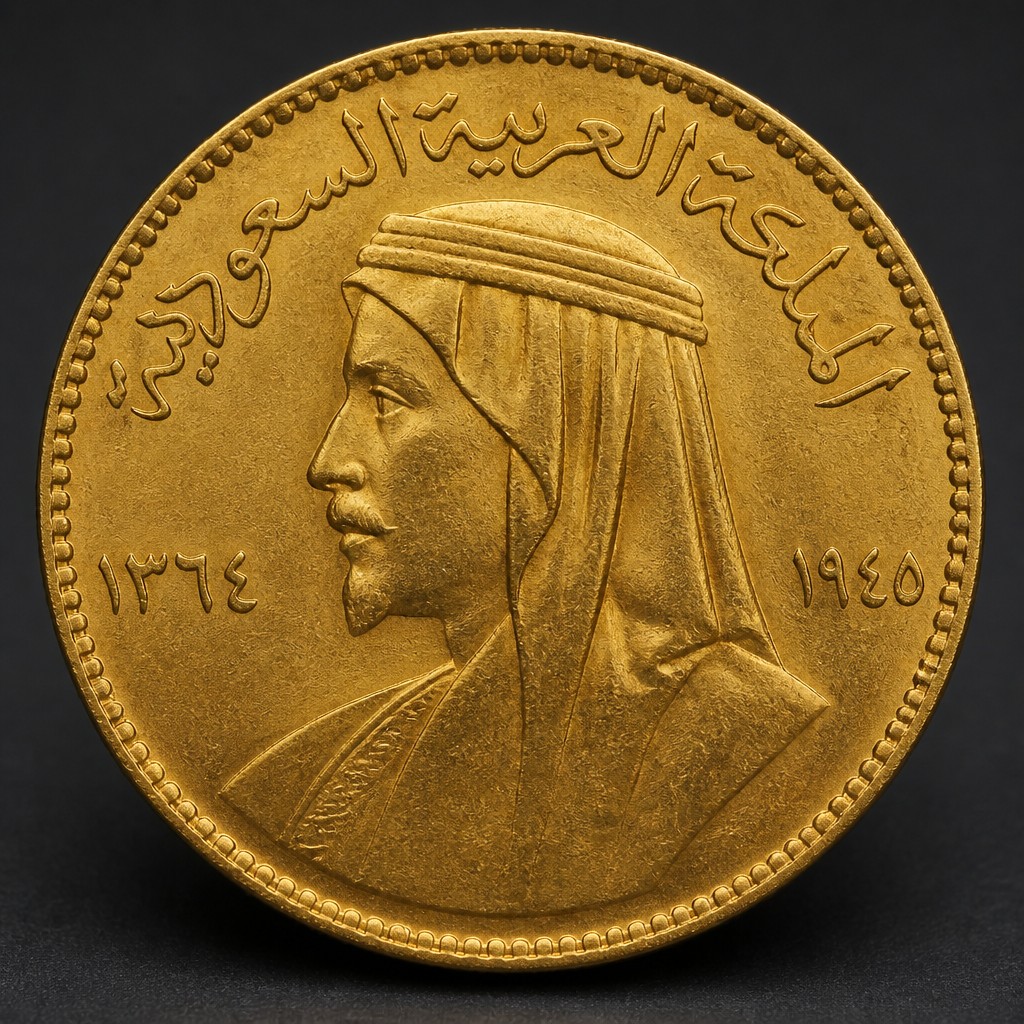
Saudi Arabian Gold Guinea (Sovereign)
1945 and later issues
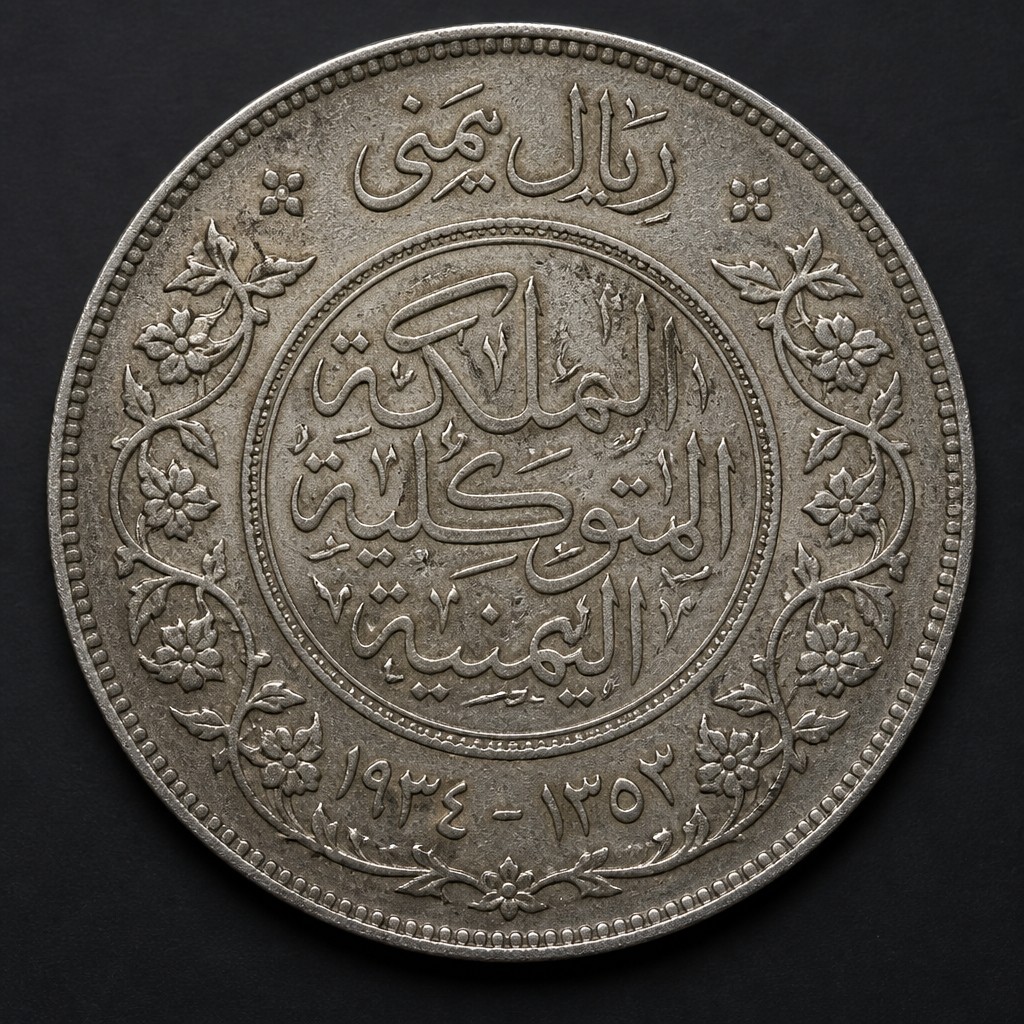
Yemeni Riyal (Ahmadi/Imadi Kingdom Coinage)
Early-to-mid 20th century
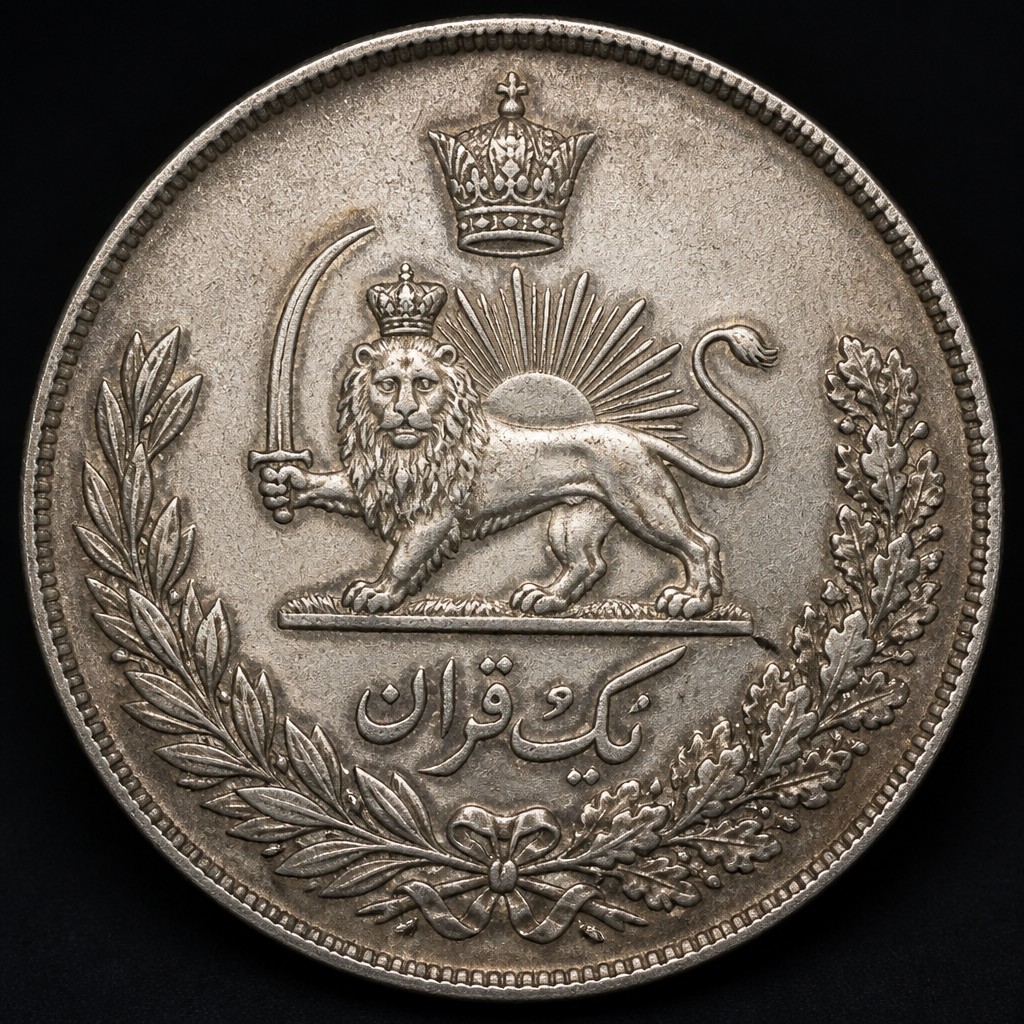
Persian Kran (Qajar silver)
Mid-19th century–1925
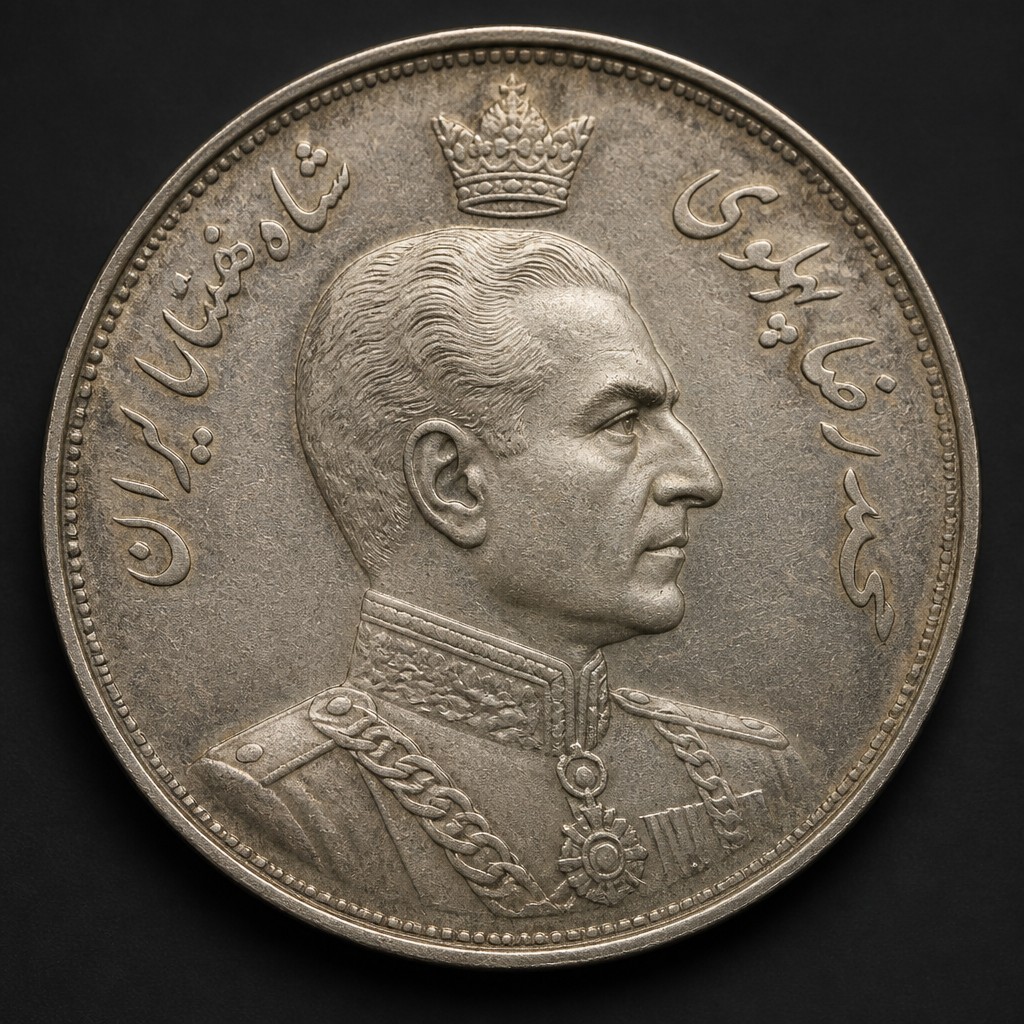
Iranian Rial
1932–present
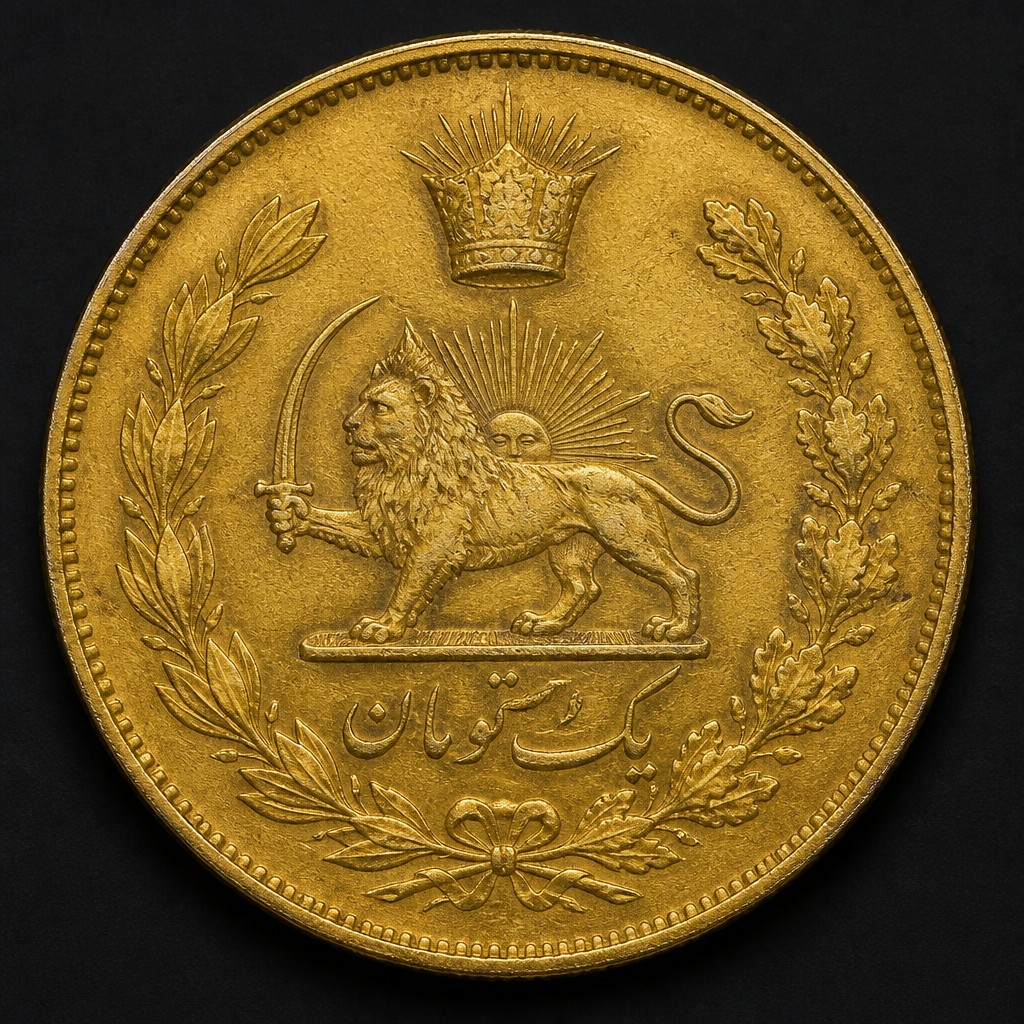
Persian Gold Toman (Qajar)
1796–1925
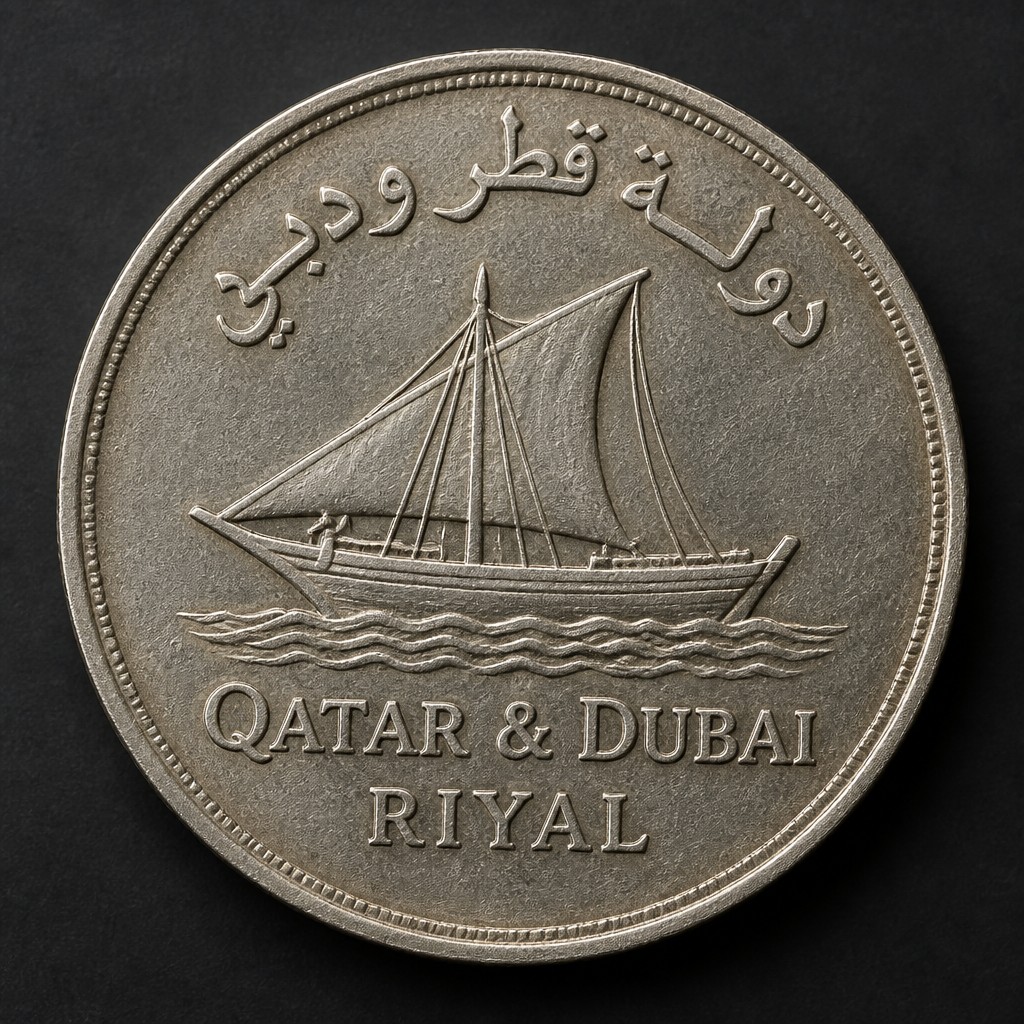
Qatar and Dubai Riyal
1966–1973
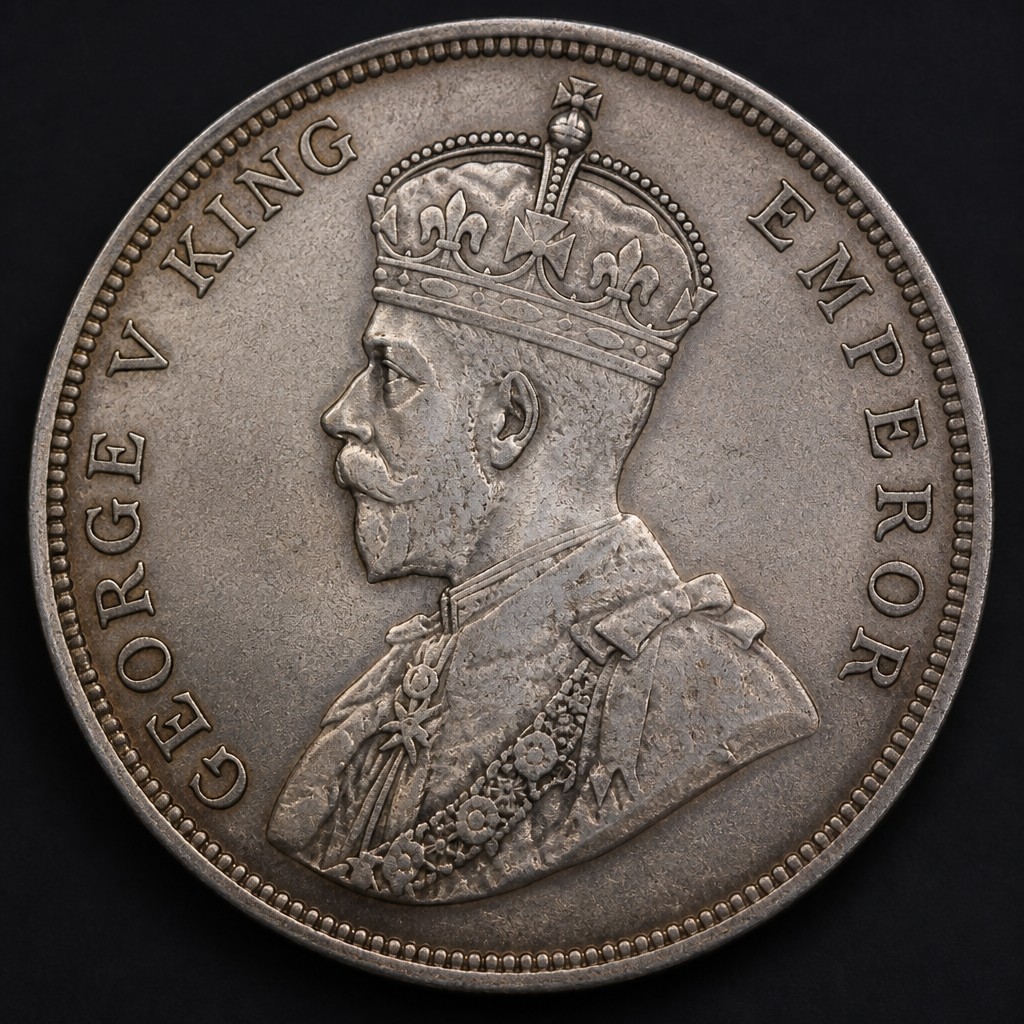
British India Rupee (Silver)
1835–1947