
Coin Encyclopedia
Search and identify coins from around the world — with country, denomination, metal, mint, history, and how to tell them apart.
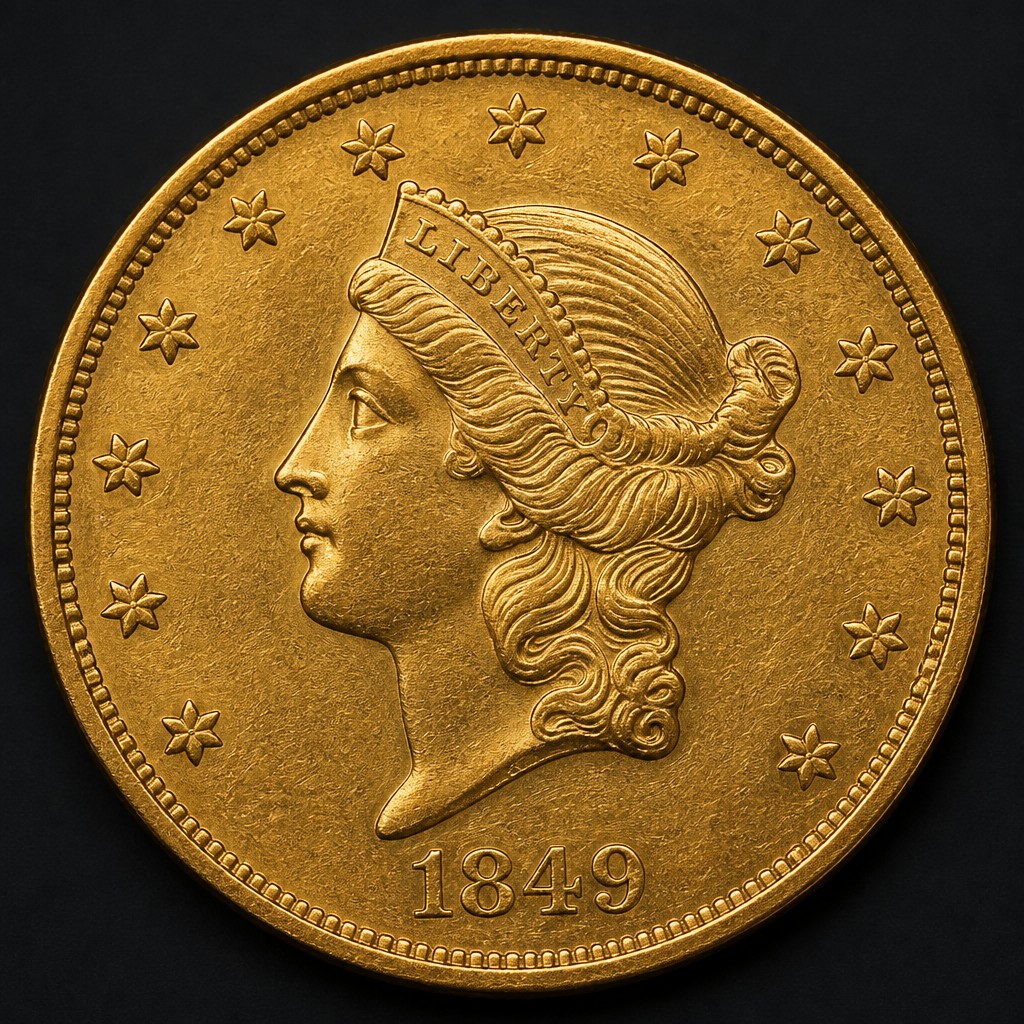
1849 Double Eagle
A unique pattern coin, the very first double eagle ever struck by the U.S. Mint, made to test the newly authorized twenty-dollar denomination; the sole surviving example is held by the Smithsonian.
United States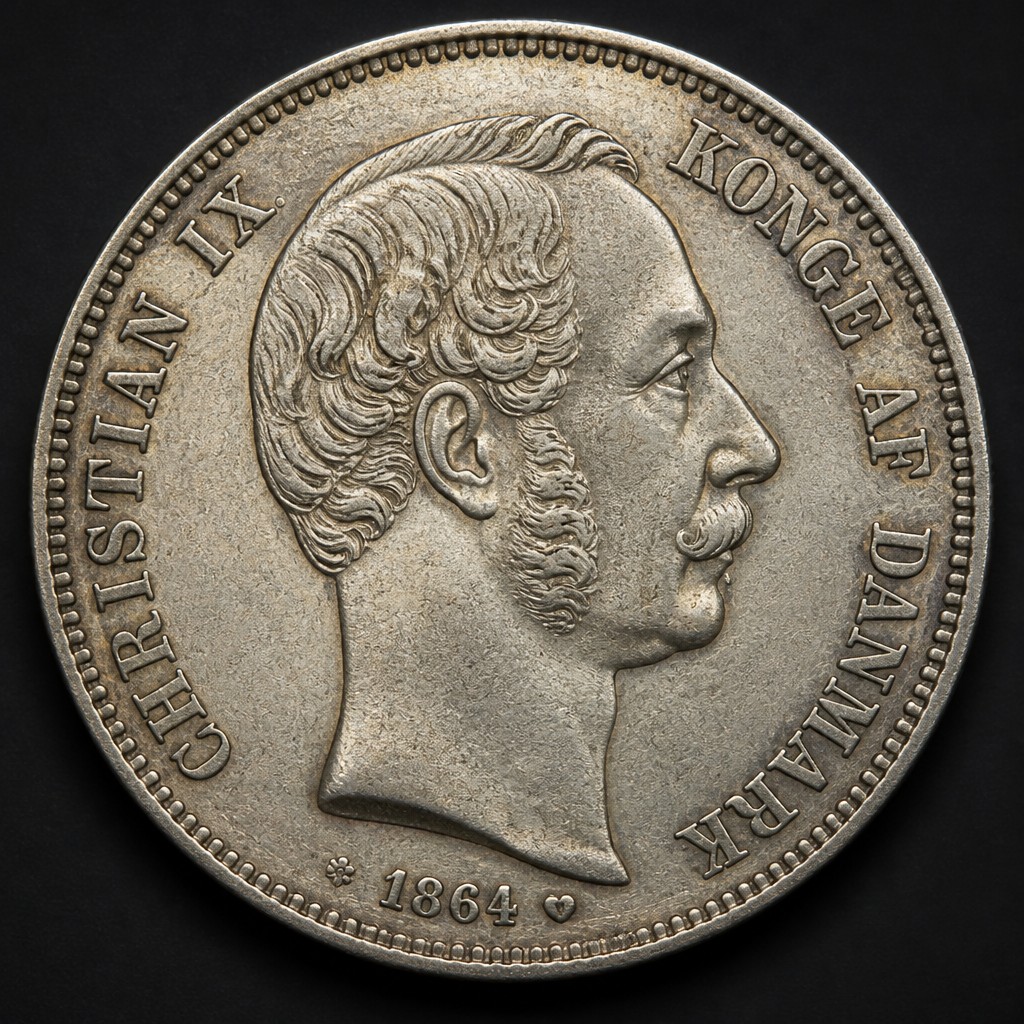
Danish Speciedaler
Denmark's large silver 'species dollar,' the principal high-value coin of the Danish monetary system before the krone replaced it in 1873–75.
European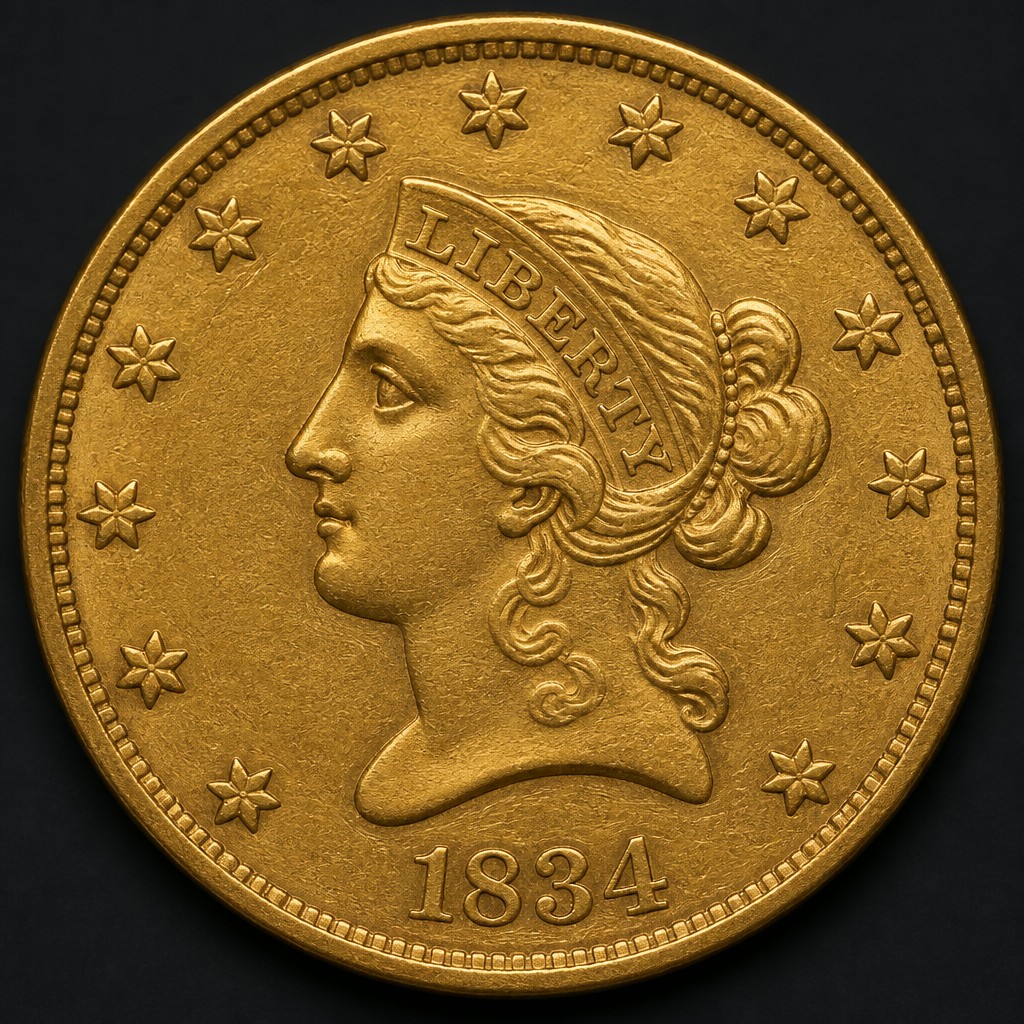
Classic Head Half Eagle ($5)
A short-lived early American gold five-dollar coin created after the Coinage Act of 1834 reduced gold coin weight to keep coins in circulation rather than being melted.
United States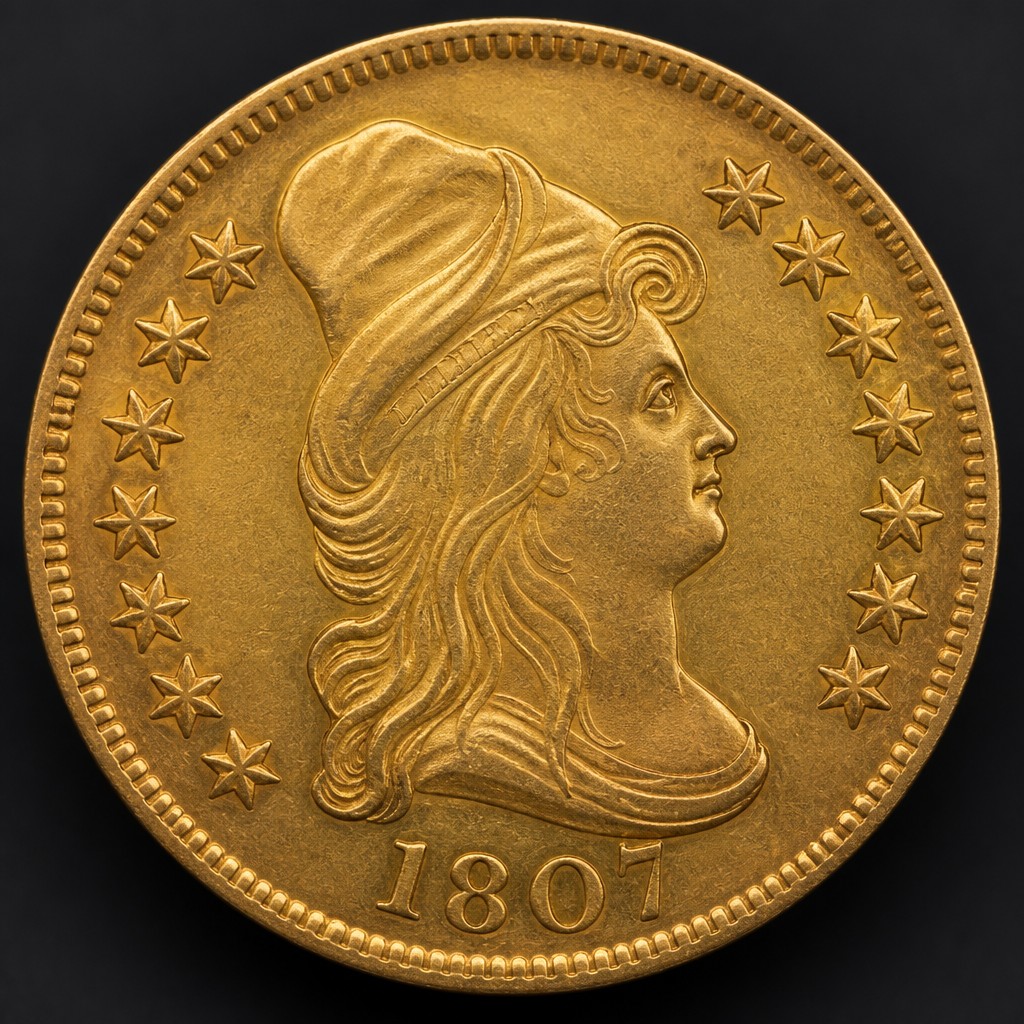
Capped Bust Right Half Eagle
America's first five-dollar gold coin, struck 1795-1807 with Liberty facing right under a soft cap, first paired with a small perched eagle reverse and later a bold heraldic eagle.
United States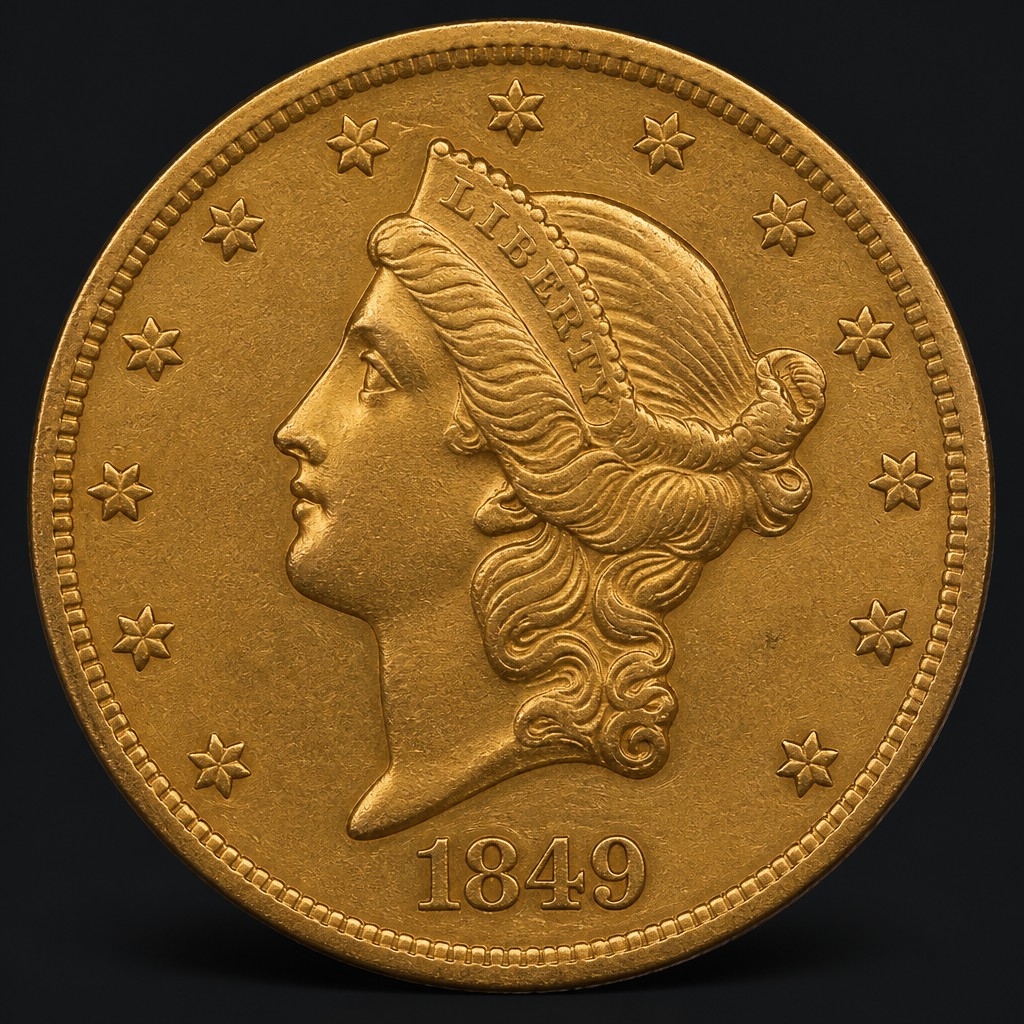
Liberty Head Double Eagle
A large gold twenty-dollar coin featuring Liberty's coronet-crowned head, struck for decades amid the California Gold Rush and westward mint expansion.
United States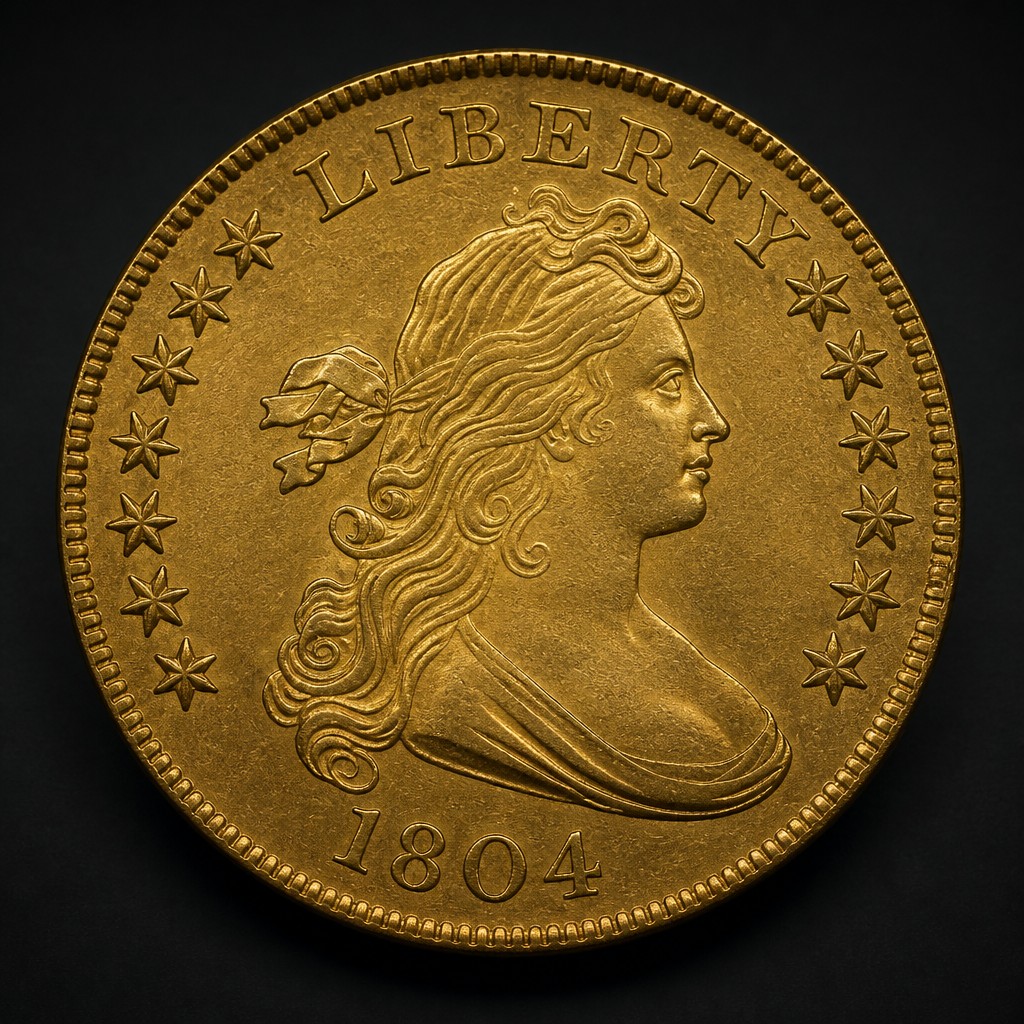
1804 Draped Bust Eagle
The final date of the original ten-dollar gold eagle series before a 33-year production halt, later followed by a small number of 1834 diplomatic-gift restrikes made using a similarly dated die.
United States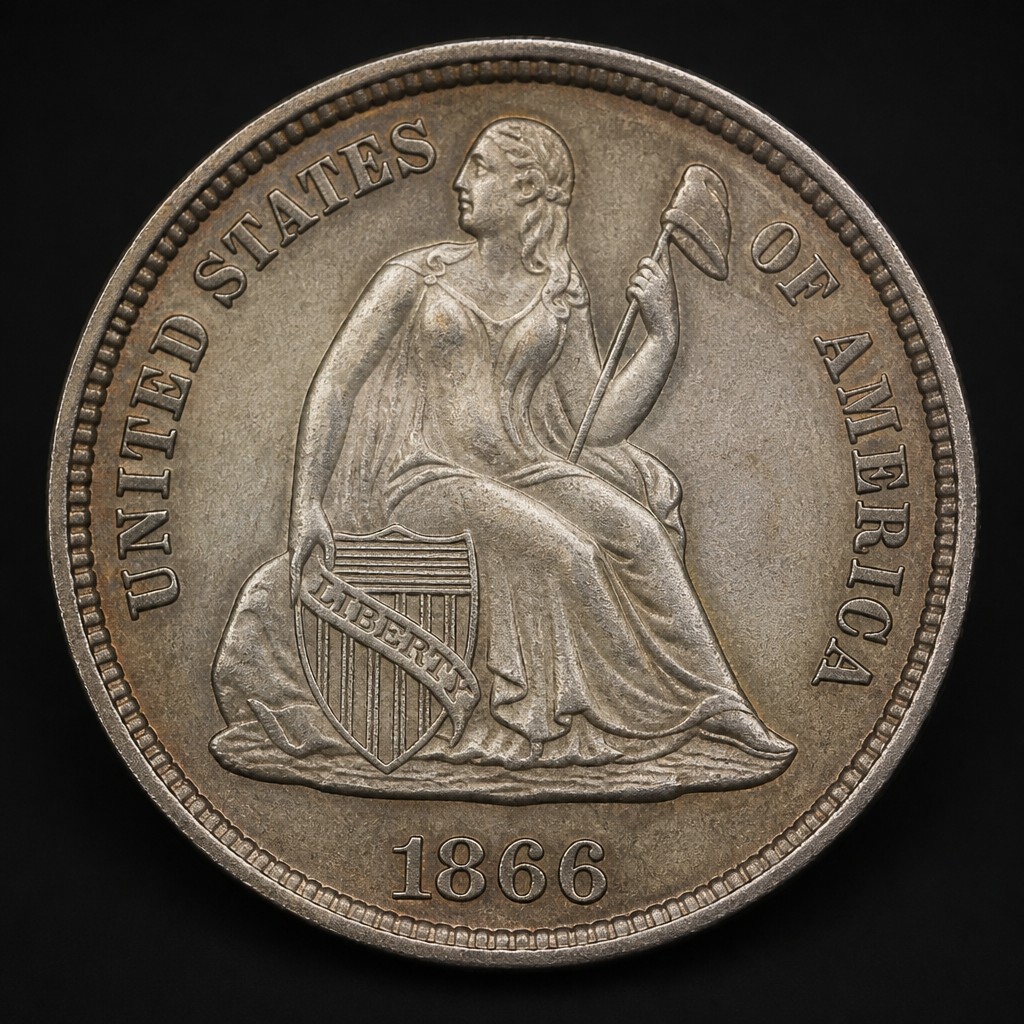
1866 Seated Liberty Quarter (Motto)
The first year the motto IN GOD WE TRUST appeared on the quarter dollar, the low-mintage 1866 Philadelphia issue is a genuine key date of the Seated Liberty series.
United States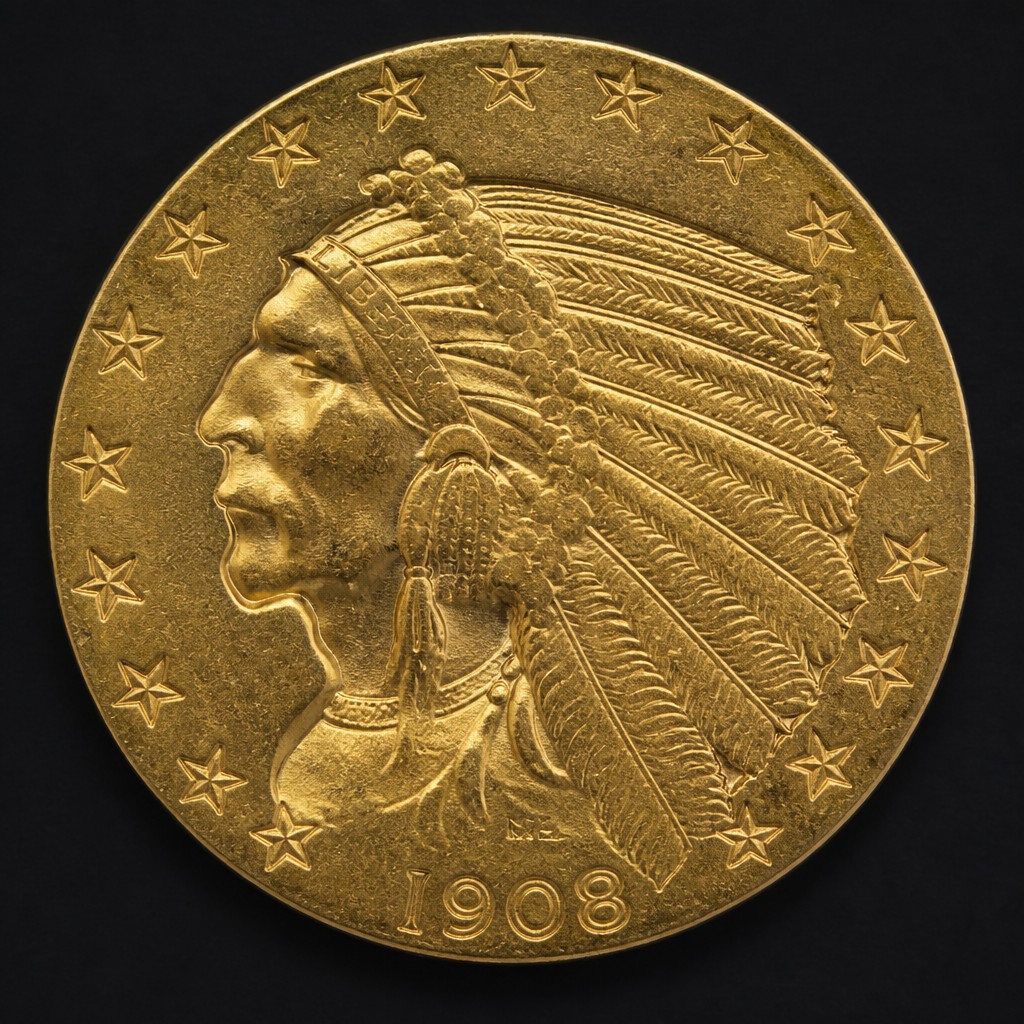
Indian Head Half Eagle ($5)
A uniquely designed gold five-dollar coin featuring an incuse (recessed) design by Bela Lyon Pratt, the only U.S. circulating coin ever struck this way.
United States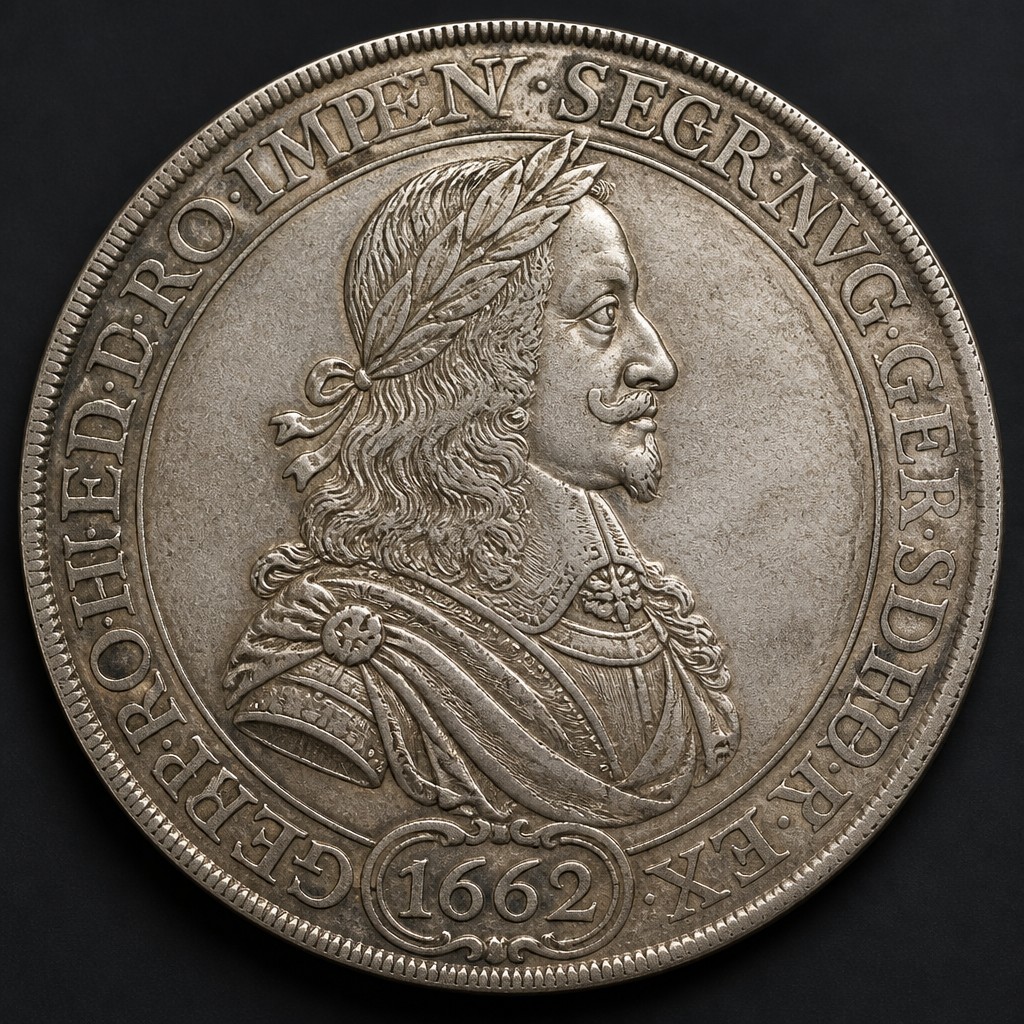
Reichsthaler
The standard large silver coin of the Holy Roman Empire and its constituent German states from the 16th century onward, whose name is the direct linguistic ancestor of the word 'dollar.'
European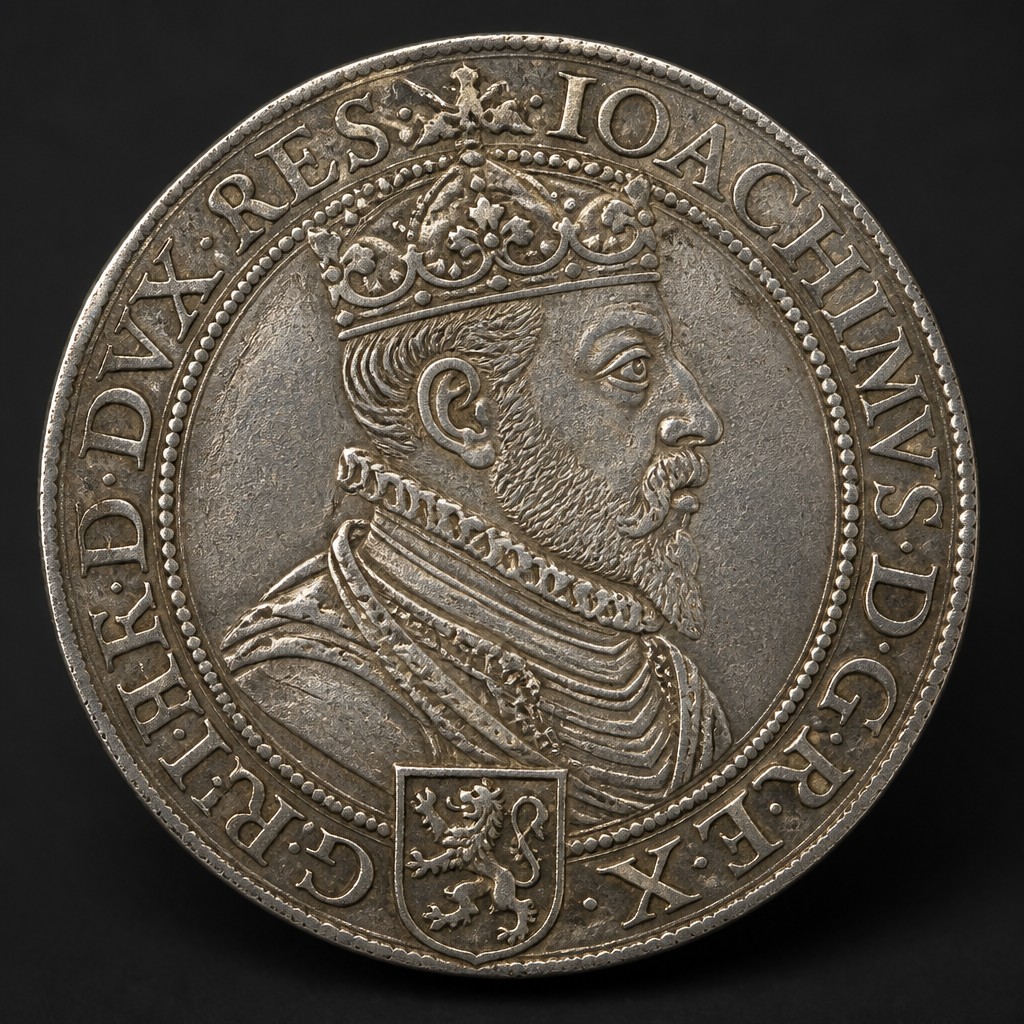
Joachimsthaler
Struck beginning in 1520 in the Bohemian silver-mining town of Joachimsthal, this large silver coin gave its name, shortened to 'thaler' and later 'dollar,' to countless currencies around the world.
European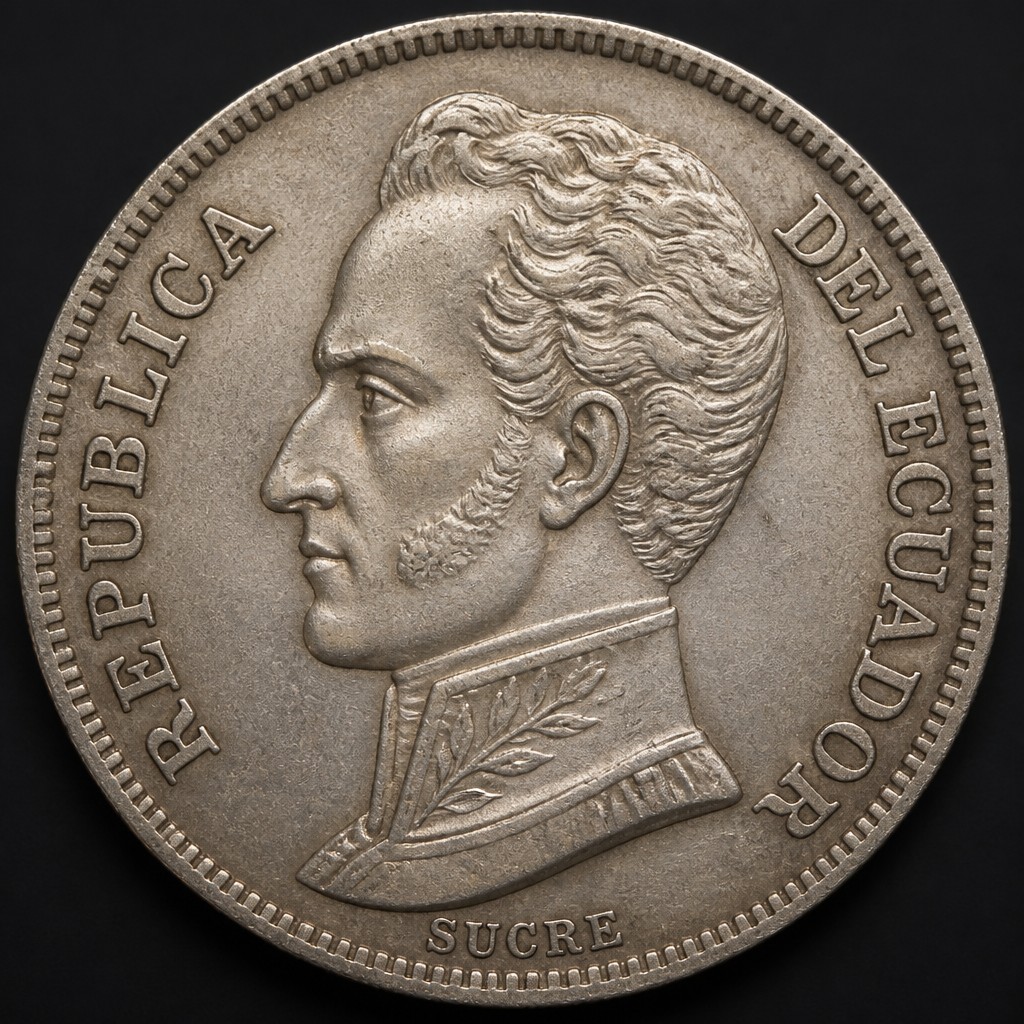
Ecuador Sucre Silver
Ecuador's historic silver one-sucre coin, named after independence hero Antonio Jose de Sucre, circulated for decades before Ecuador's currency was eventually replaced by the US dollar.
Latin American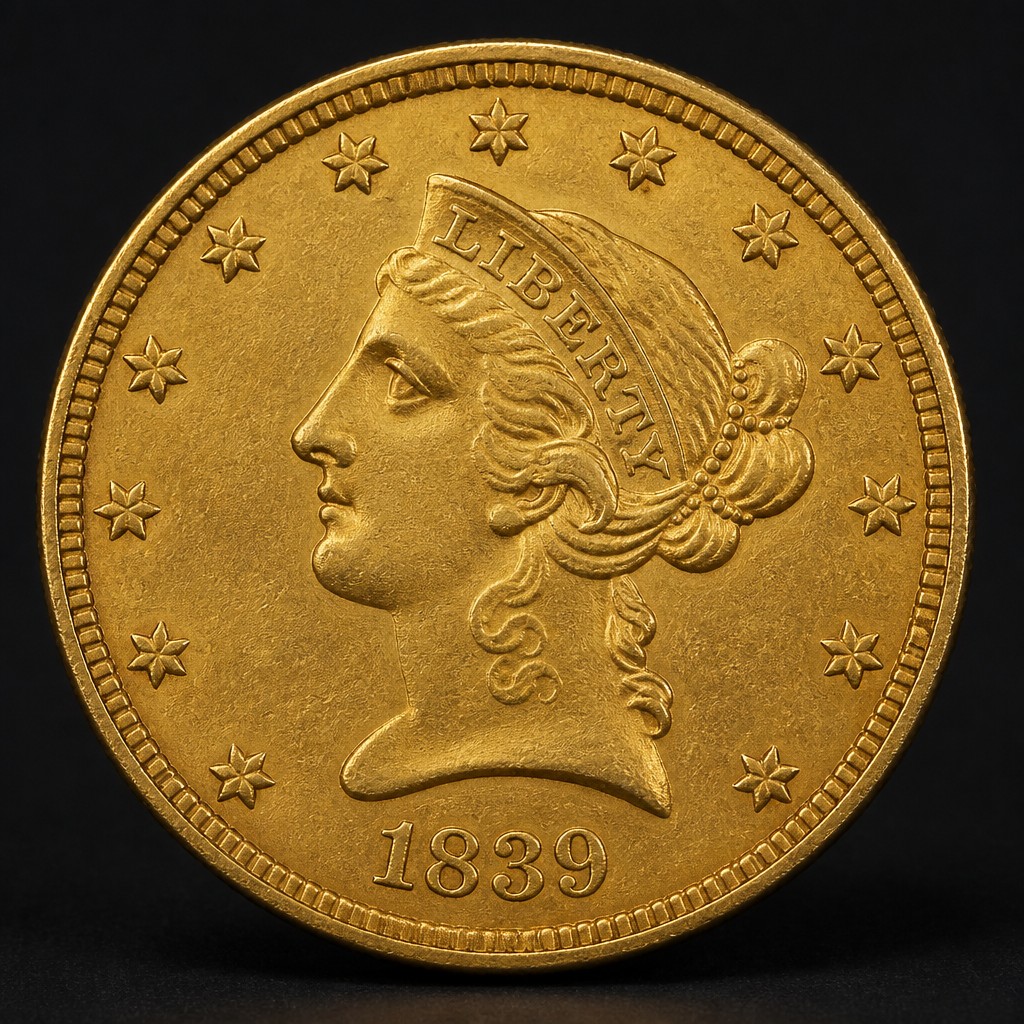
Liberty Head Half Eagle ($5)
A widely produced 19th-century gold five-dollar coin bearing Christian Gobrecht's Coronet Head design, struck across nearly every major American branch mint of the era.
United States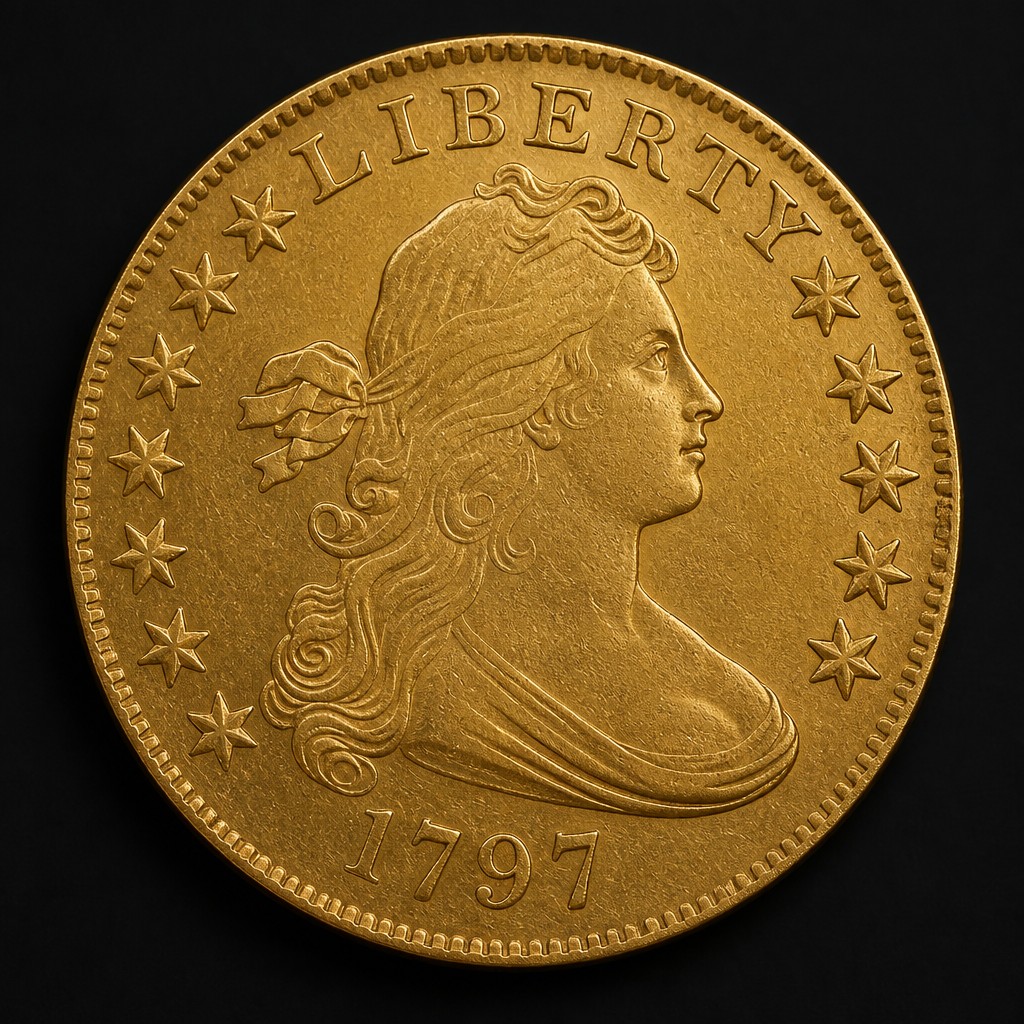
Draped Bust Eagle
The formal catalog name for the first U.S. ten-dollar gold coin once it adopted a bold heraldic eagle reverse in 1797, the same coin popularly nicknamed the 'Turban Head' eagle.
United States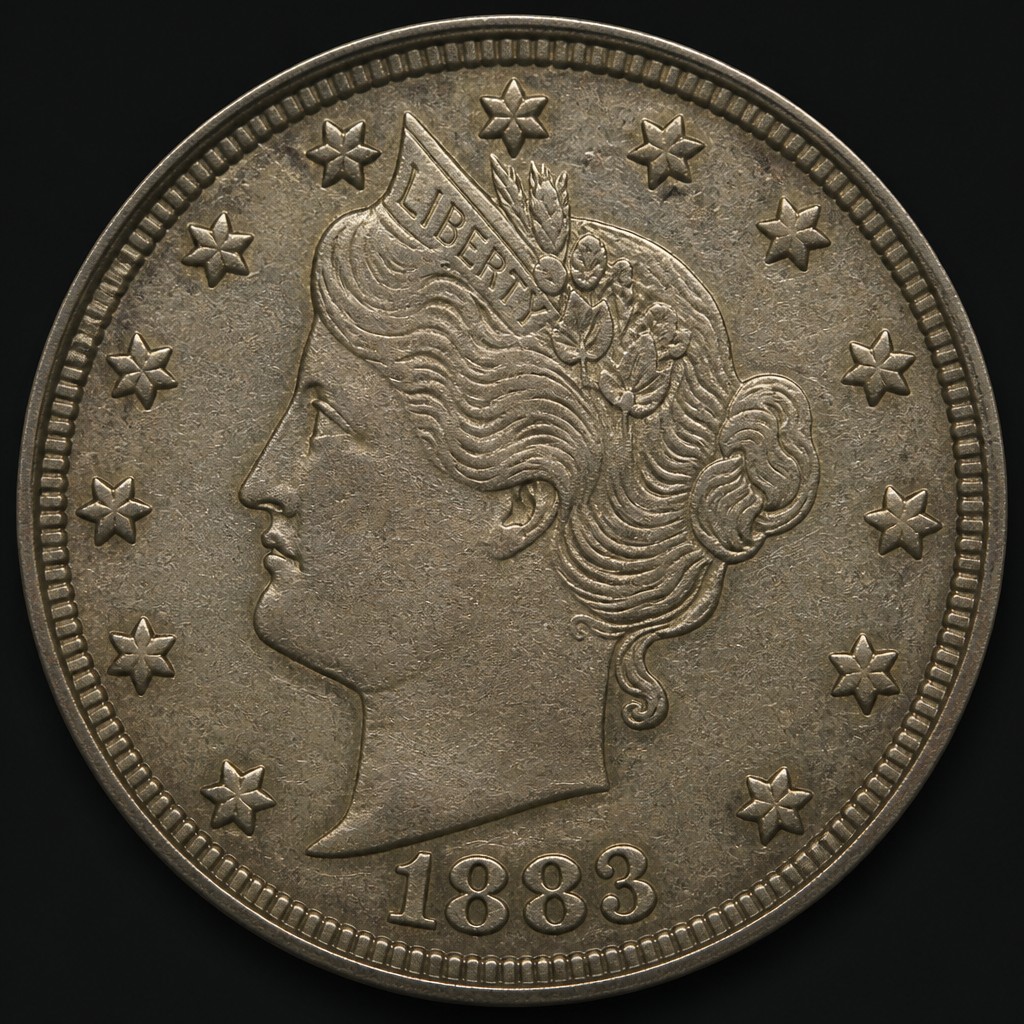
1883 No Cents Liberty Head Nickel
The first-year Liberty Head Nickel design that omitted the word CENTS from the reverse, later infamous as the 'Racketeer Nickel' after being gold-plated and passed off as a five-dollar coin.
United States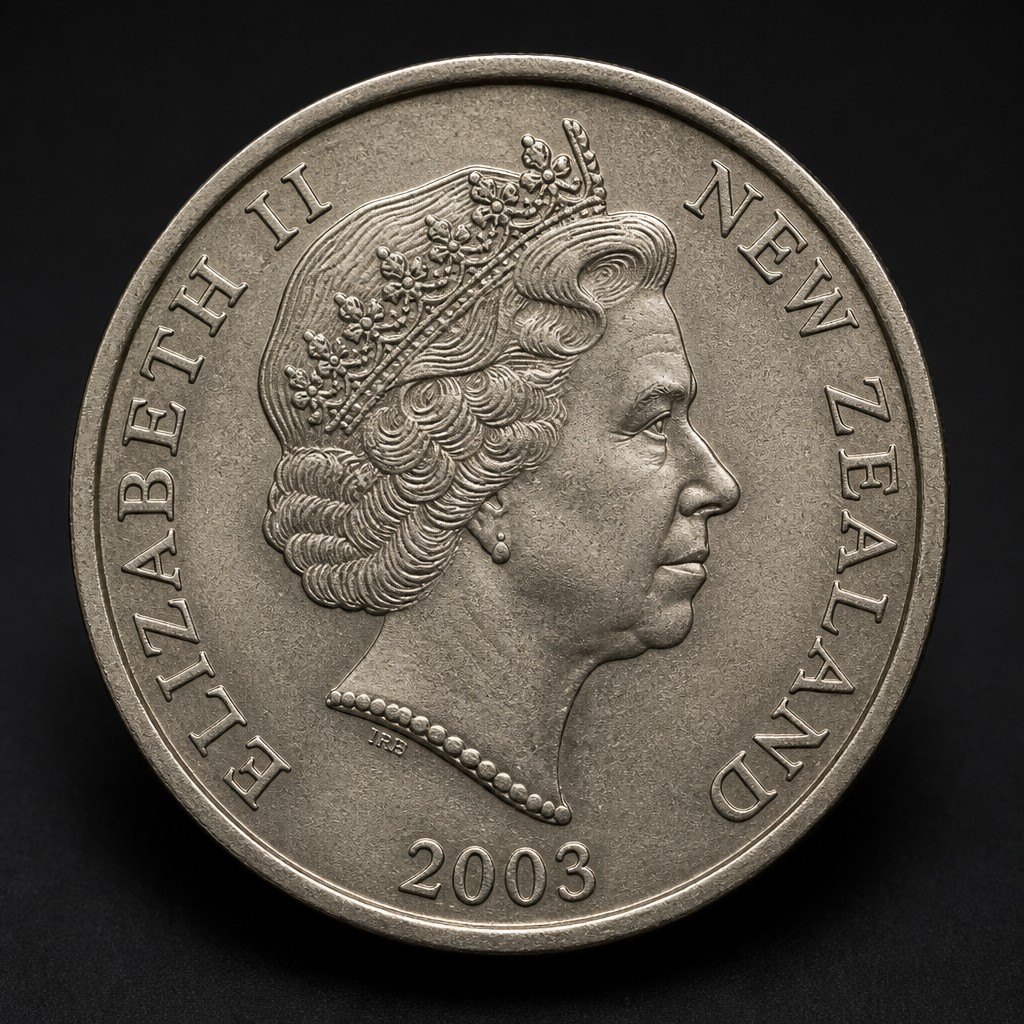
New Zealand Lord of the Rings Coins (2003)
New Zealand issued legal-tender coins featuring characters and scenes from Peter Jackson's Lord of the Rings film trilogy, celebrating the films' production in the country with both a circulating dollar and premium collector coins.
Commemorative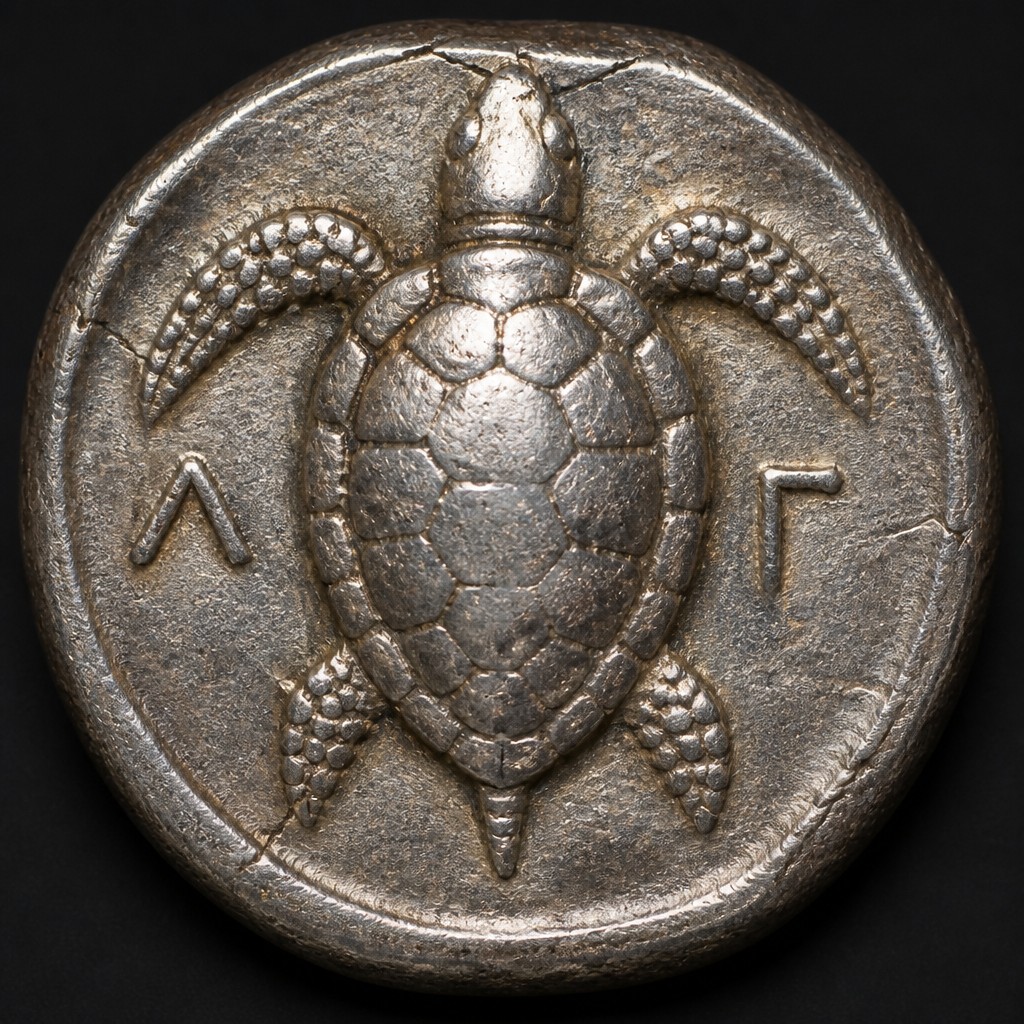
Aegina Sea Turtle Stater
One of the earliest widely circulated Greek silver coins, struck by the island city-state of Aegina, featuring a sea turtle and later a land tortoise, and nicknamed simply 'turtles' by ancient traders.
Ancient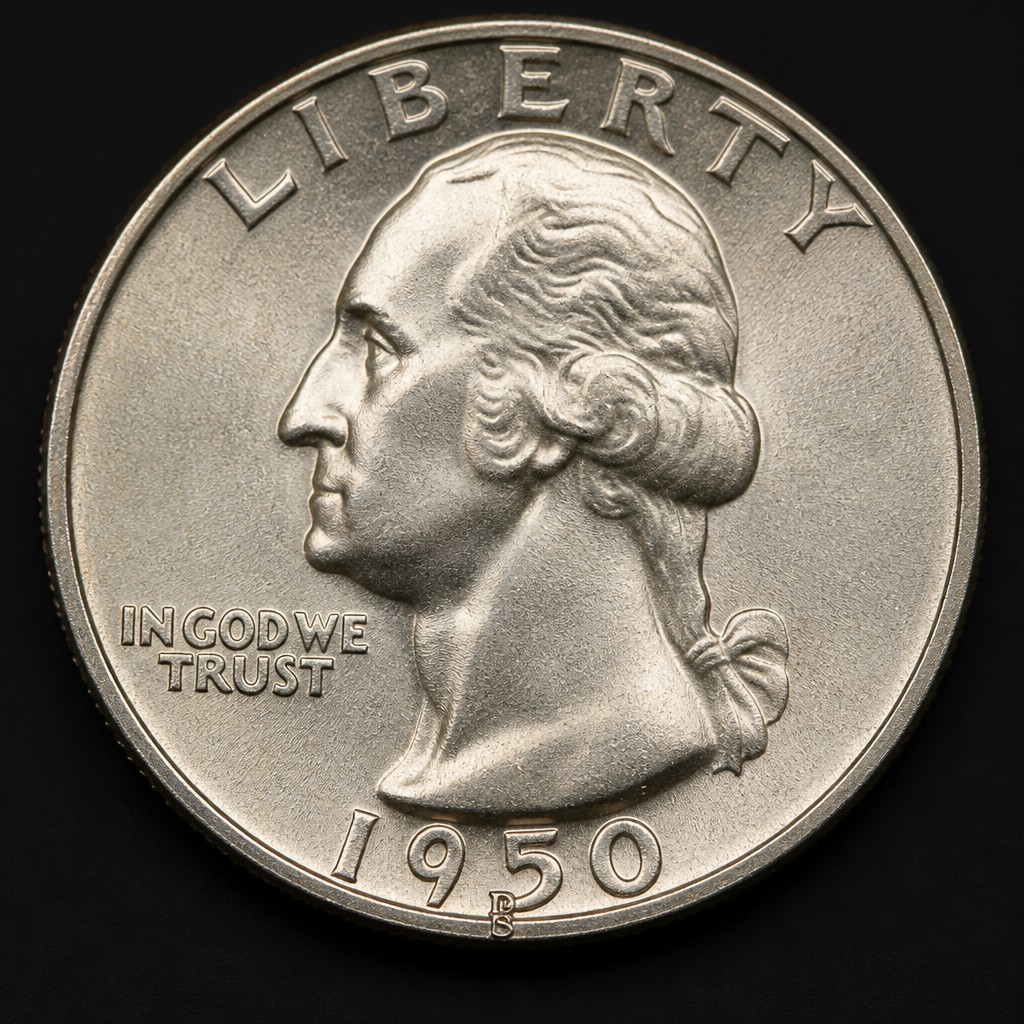
1950-D/S Washington Quarter Overmintmark
A famous mid-century mintmark error where a Denver quarter die was first punched with an S mintmark and then re-punched with a D, leaving traces of both letters visible.
Errors & Varieties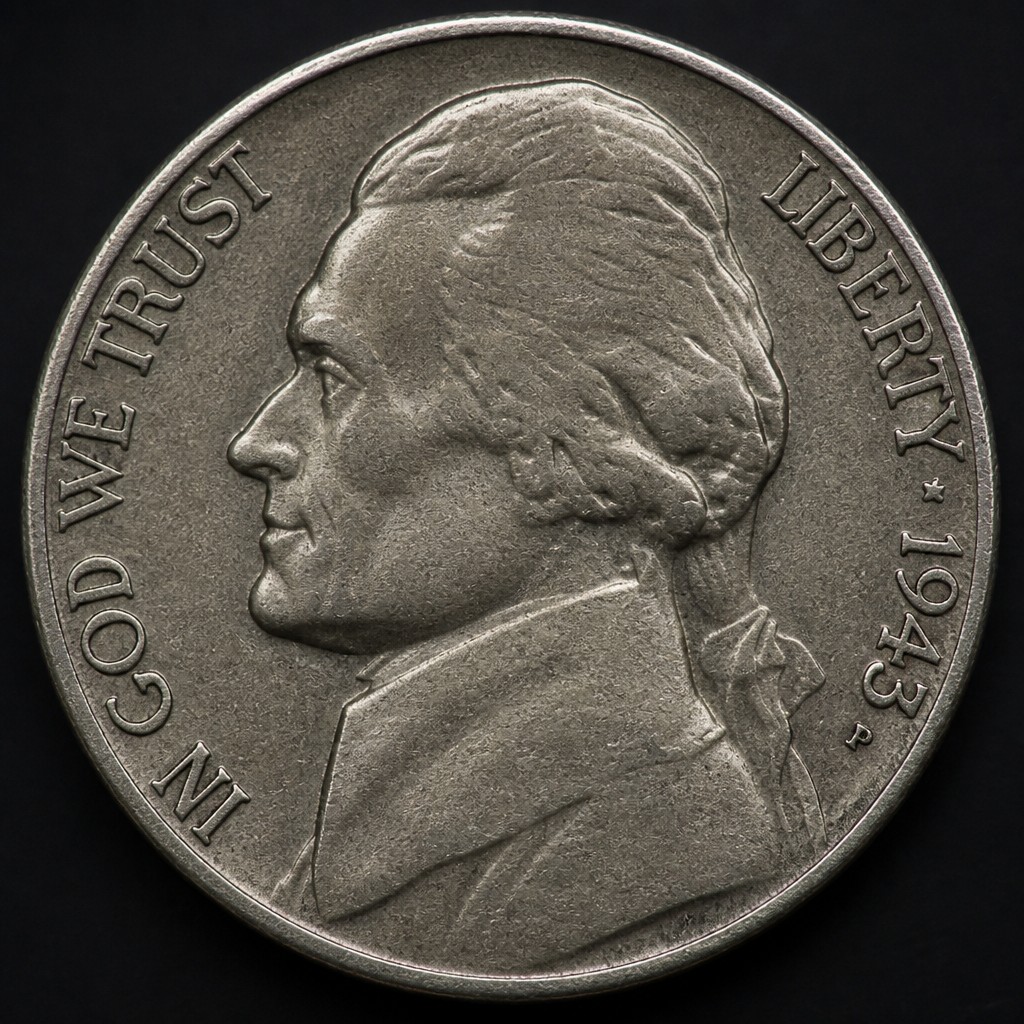
1943-P/D Jefferson Nickel Doubled Mintmark
A wartime Jefferson nickel variety showing evidence of a doubled or repunched mint mark, with traces suggesting a D was punched before being corrected to a P, or vice versa, above Monticello on the reverse.
Errors & Varieties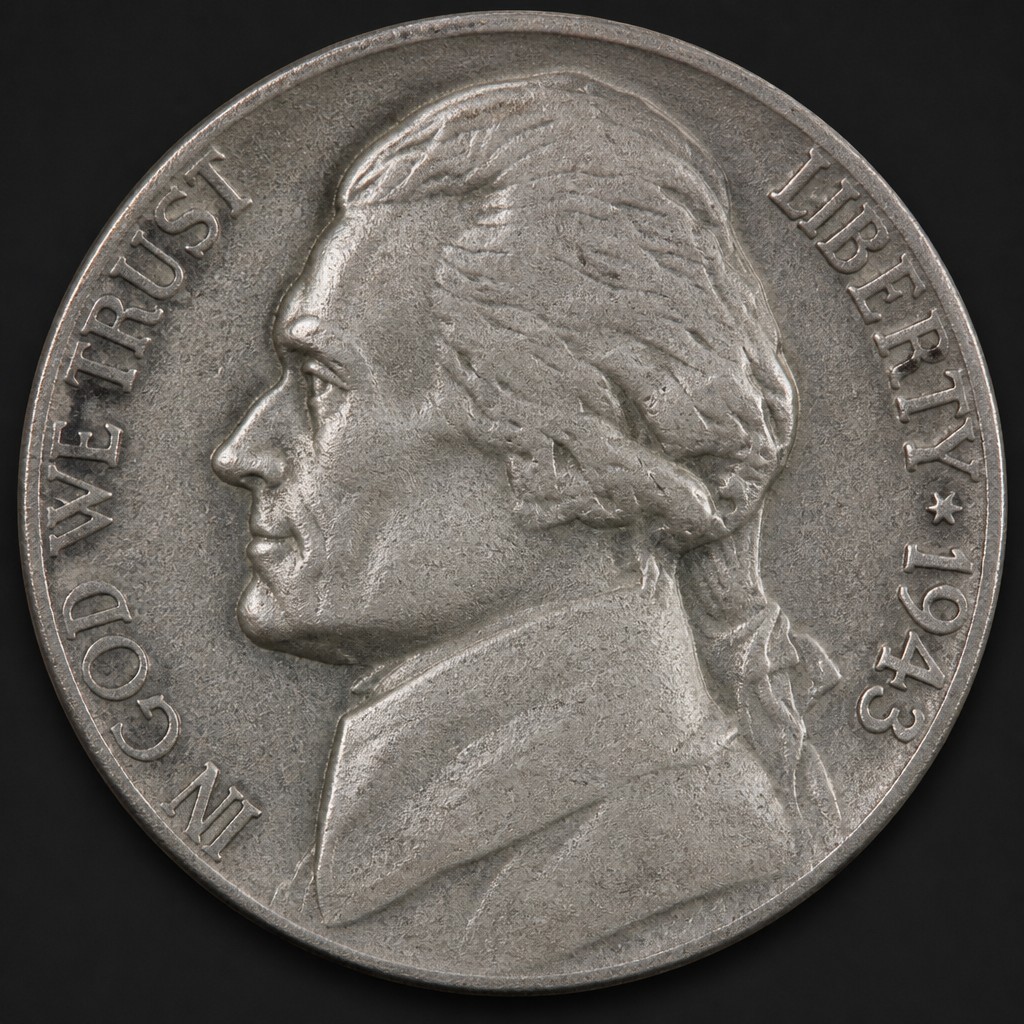
1943/2-P Jefferson Nickel Overdate
A wartime Jefferson nickel overdate variety in which traces of an underlying 2 can be seen beneath the 3 in the date, created when a working die was re-hubbed with a different year's date.
Errors & Varieties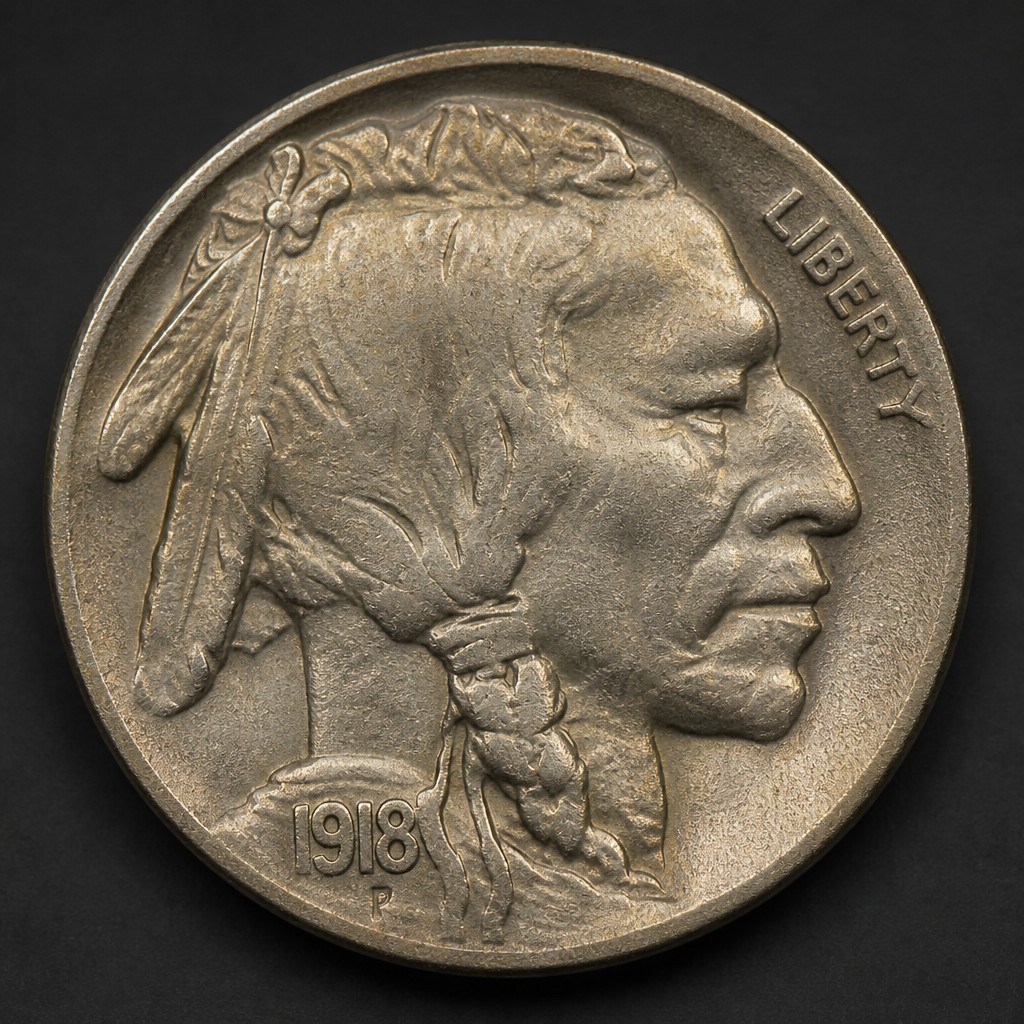
1918/7-D Buffalo Nickel Overdate
A famous overdate error on the Buffalo Nickel where a leftover 1917 working die was hand-repunched with an 1918 date, leaving traces of the underlying 7 visible beneath the 8.
Errors & Varieties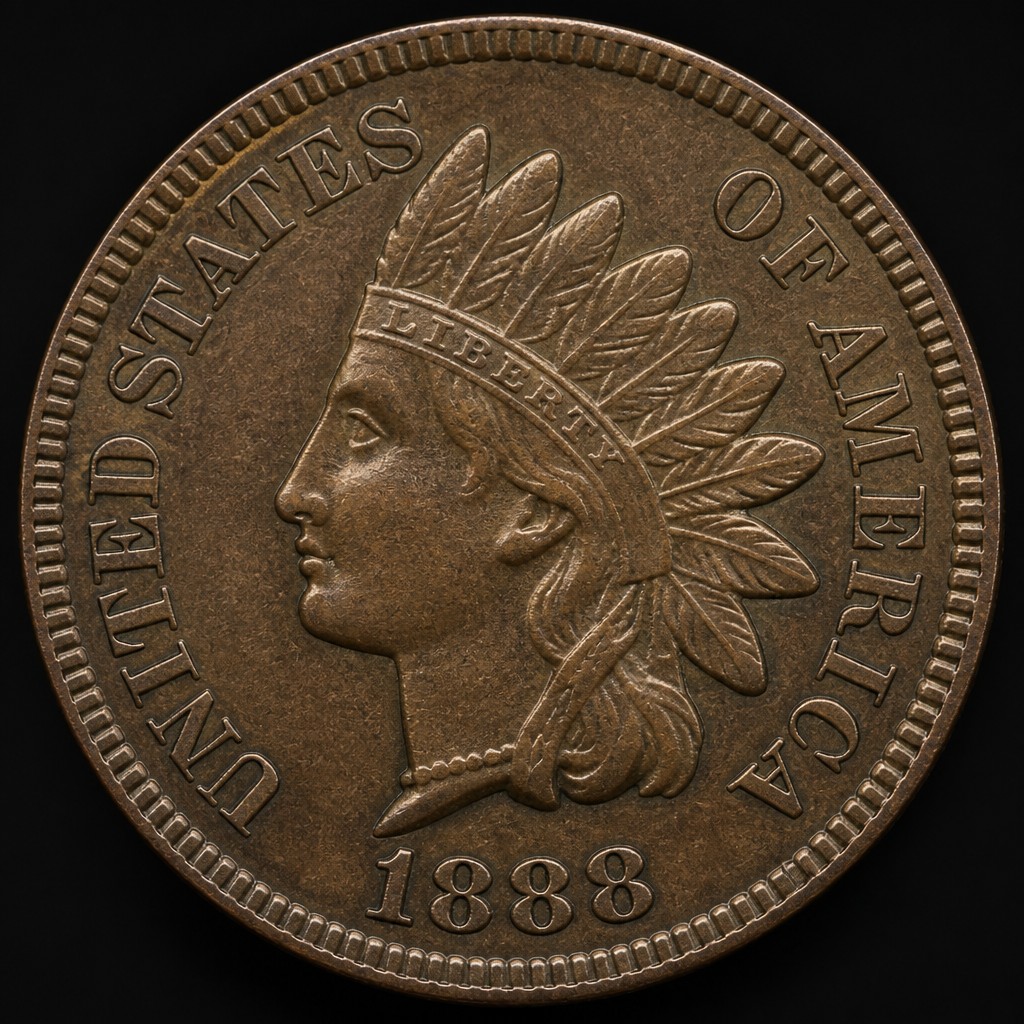
1888/7 Indian Head Cent Overdate
A scarce overdate variety of the Indian Head cent in which traces of an underlying 7 are visible beneath the final 8 in the 1888 date, from a working die repunched with a new year.
Errors & Varieties