
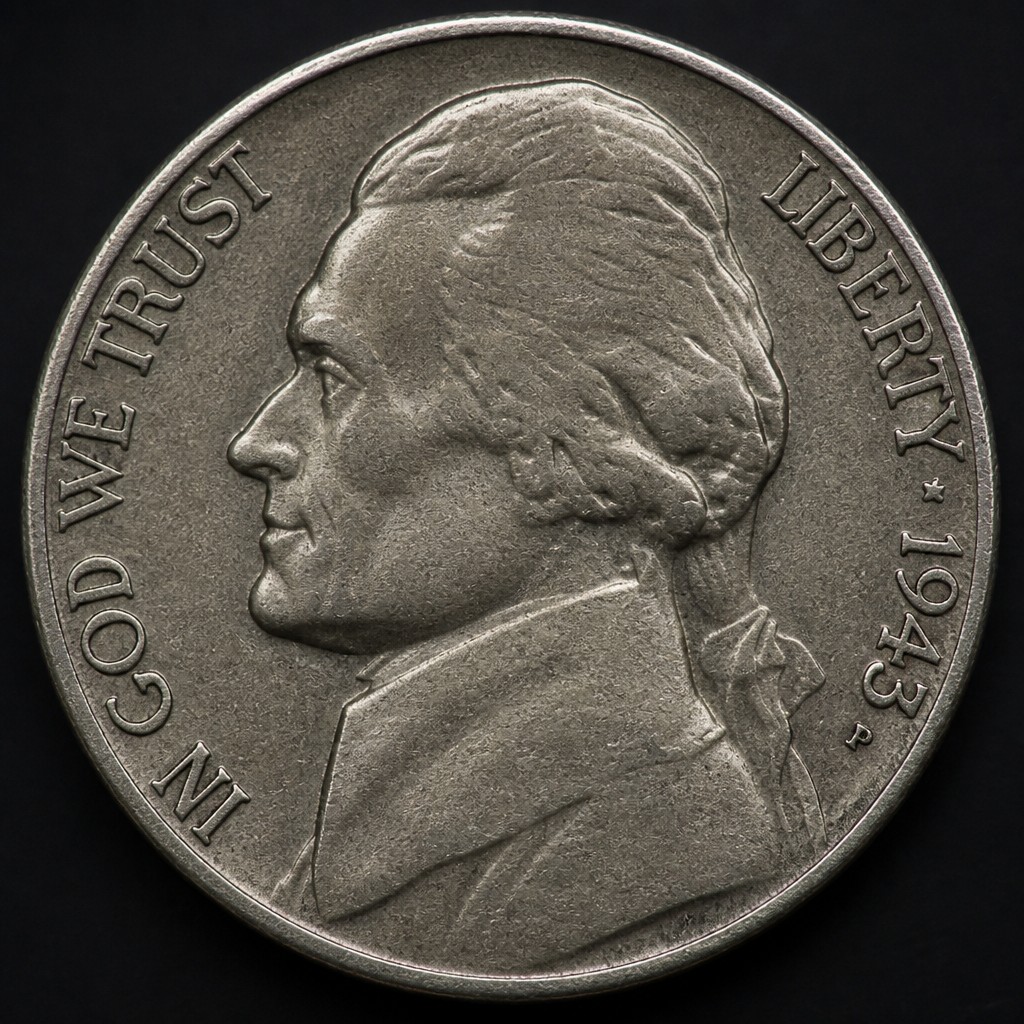
1943-P/D Jefferson Nickel Doubled Mintmark
A wartime Jefferson nickel variety showing evidence of a doubled or repunched mint mark, with traces suggesting a D was punched before being corrected to a P, or vice versa, above Monticello on the reverse.
- Country
- United States
- Denomination
- 5 cents
- Metal
- Copper-silver-manganese (wartime alloy)
Got a coin like this?
Identify any coin from a photo, free.
Overview
During the wartime silver nickel era from 1942 to 1945, the US Mint added a large mint mark above Monticello on the reverse of Jefferson nickels, including, for the first time, a P mark for coins struck at Philadelphia. Because mint marks in this period were still individually hand-punched into working dies, occasional errors occurred where a punch was applied more than once or with the wrong letter before being corrected.
The 1943-P/D variety refers to examples where remnants of an underlying D mint mark can be detected beneath or alongside the final P, suggesting a punching mistake was made and then corrected during die preparation. This type of mint mark variety is part of a broader category of repunched or over mint mark errors found across several years of wartime nickel production.
Collectors of wartime nickels value this variety both for its connection to the unusual large mint mark feature unique to this short series and for the added rarity and story behind a corrected minting mistake.
History & Background
Wartime Jefferson nickels used a copper-silver-manganese alloy to conserve nickel for military production, and the Mint marked these coins distinctly with an oversized mint mark above Monticello, including P for Philadelphia for the first time in US coinage. Mint mark punches during this era were applied by hand to individual working dies, a process prone to occasional errors when a die intended for one mint received a punch for another before being corrected.
In the case of the 1943-P/D variety, evidence points to an initial D punch being applied and then overpunched or corrected with a P, leaving faint traces of the original letter visible on close inspection of coins struck from that die. Similar repunched or overpunched mint mark varieties are known from other wartime nickel dates as well, reflecting the manual nature of mint mark application at the time.
Once identified by variety specialists studying wartime nickels closely, the 1943-P/D became a documented and collected variety, adding another layer of interest to the already historically notable wartime nickel series.
How to Identify
The obverse features Thomas Jefferson's portrait with LIBERTY and IN GOD WE TRUST, while the reverse shows Monticello with the large wartime mint mark positioned prominently above the building, a feature unique to nickels from 1942 through 1945.
On this variety, careful examination of the mint mark under magnification reveals traces of an underlying D shape near or beneath the visible P, indicating the punch was corrected during die preparation. Strong, angled lighting and a loupe are recommended to see the subtler remnants of the underlying letter clearly.
Collectors should compare the mint mark closely to published attribution photographs, since the visibility of the doubled or corrected mint mark can vary between individual coins depending on how the correcting punch was applied to the original die.
Value & Collectibility
The 1943-P/D doubled mint mark variety carries a solid premium over a standard 1943 wartime nickel, with values for clearly identifiable examples generally ranging from modest sums in circulated grades up to higher amounts for well-preserved, sharply detailed mint state coins.
Because the visibility of the underlying mint mark can vary significantly, price is closely tied to how clearly the doubled feature can be seen, with well-defined examples commanding notably stronger prices than those with only faint or ambiguous evidence of the error.
Frequently asked questions
What does the doubled mint mark look like?
Under magnification, traces of an underlying D can be seen beneath or beside the final P mint mark above Monticello on the reverse.
Why did wartime nickels have such a large mint mark?
The Mint used an oversized mint mark, including P for Philadelphia for the first time, to clearly identify the temporary wartime silver alloy used from 1942 to 1945.
How common are mint mark errors like this?
They are relatively scarce, since hand-punching mint marks occasionally led to mistakes that were corrected, leaving detectable traces on a limited number of dies.
How do I verify this variety on my coin?
Examine the mint mark closely under magnification and strong lighting, comparing it to published reference photos showing the known doubled mint mark feature.
1943-P/D Jefferson Nickel Doubled Mintmark identified by the community
Real coins identified with Coin Identifier.
Other coins you may enjoy
1900-O/CC Morgan Dollar
1900
1970-S Small Date Lincoln Cent
1970
1918/7-D Buffalo Nickel
1918
1969-S Doubled Die Obverse Lincoln Cent
1969
1971 Doubled Die Obverse Lincoln Cent
1971
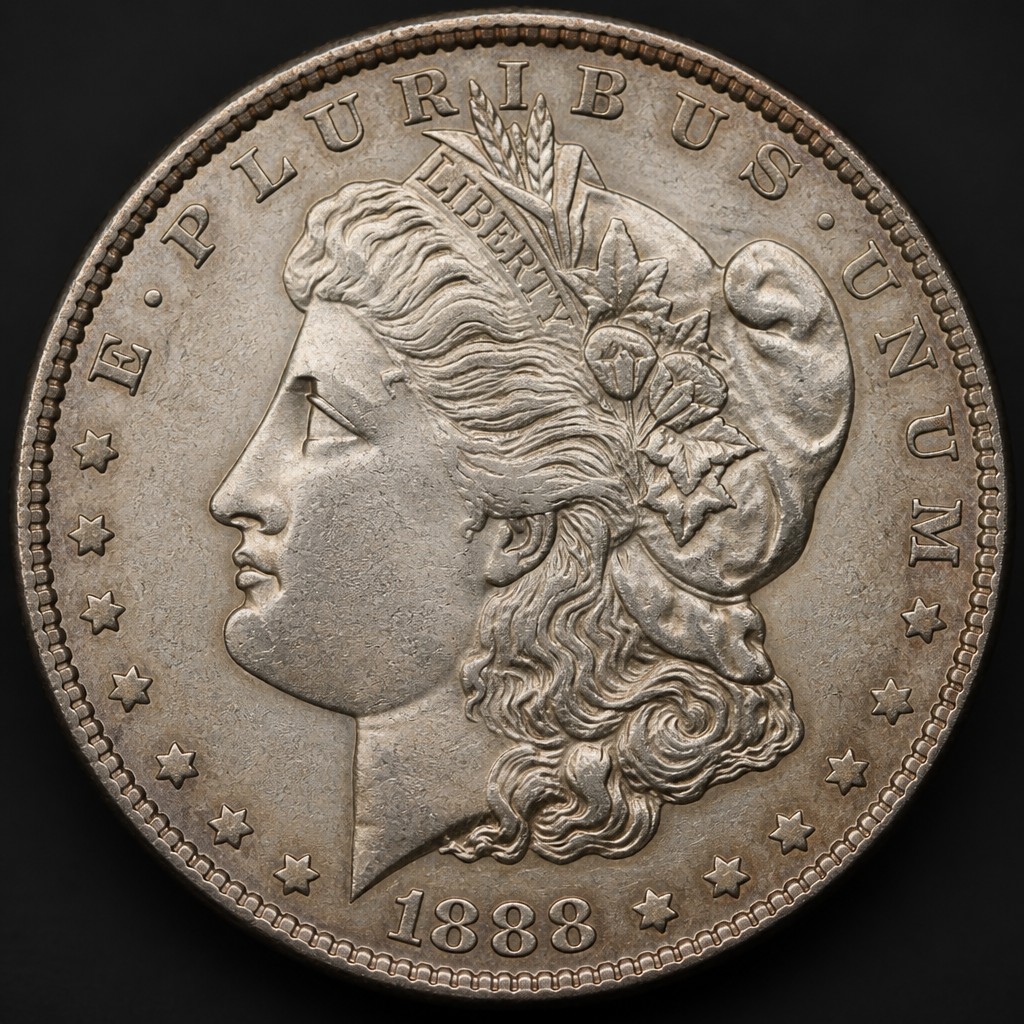
1888/7 Morgan Dollar Overdate
1888
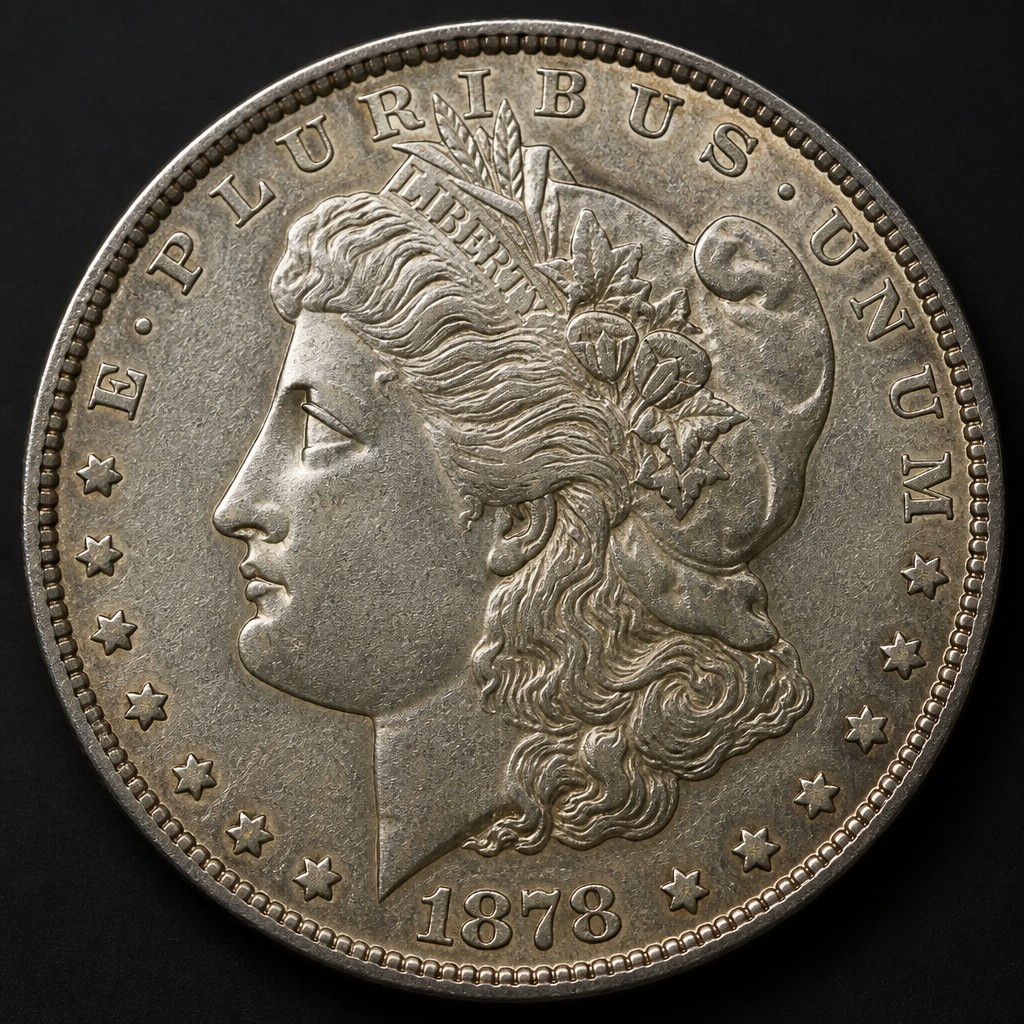
1878 7/8 Tail Feathers Morgan Dollar
1878
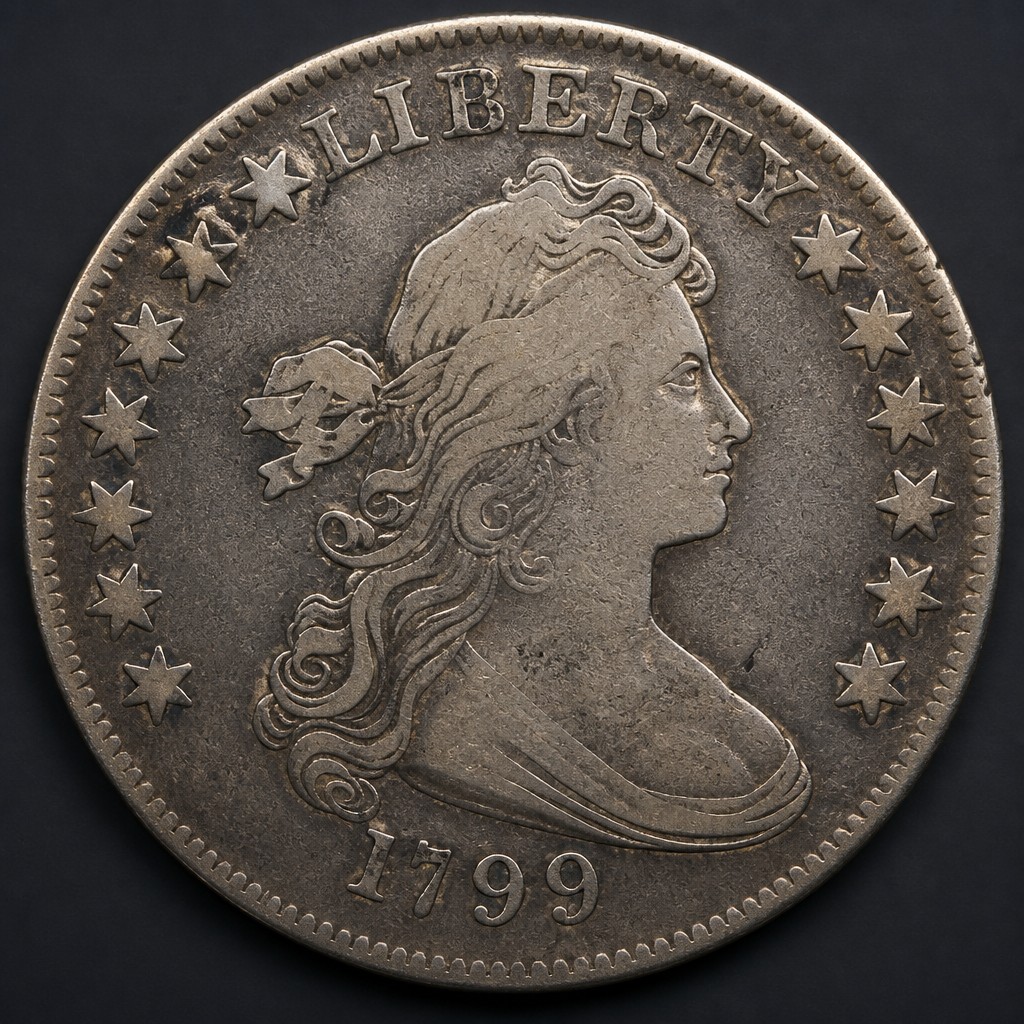
1799/8 Draped Bust Silver Dollar Overdate
1799 (die dated over 1798)
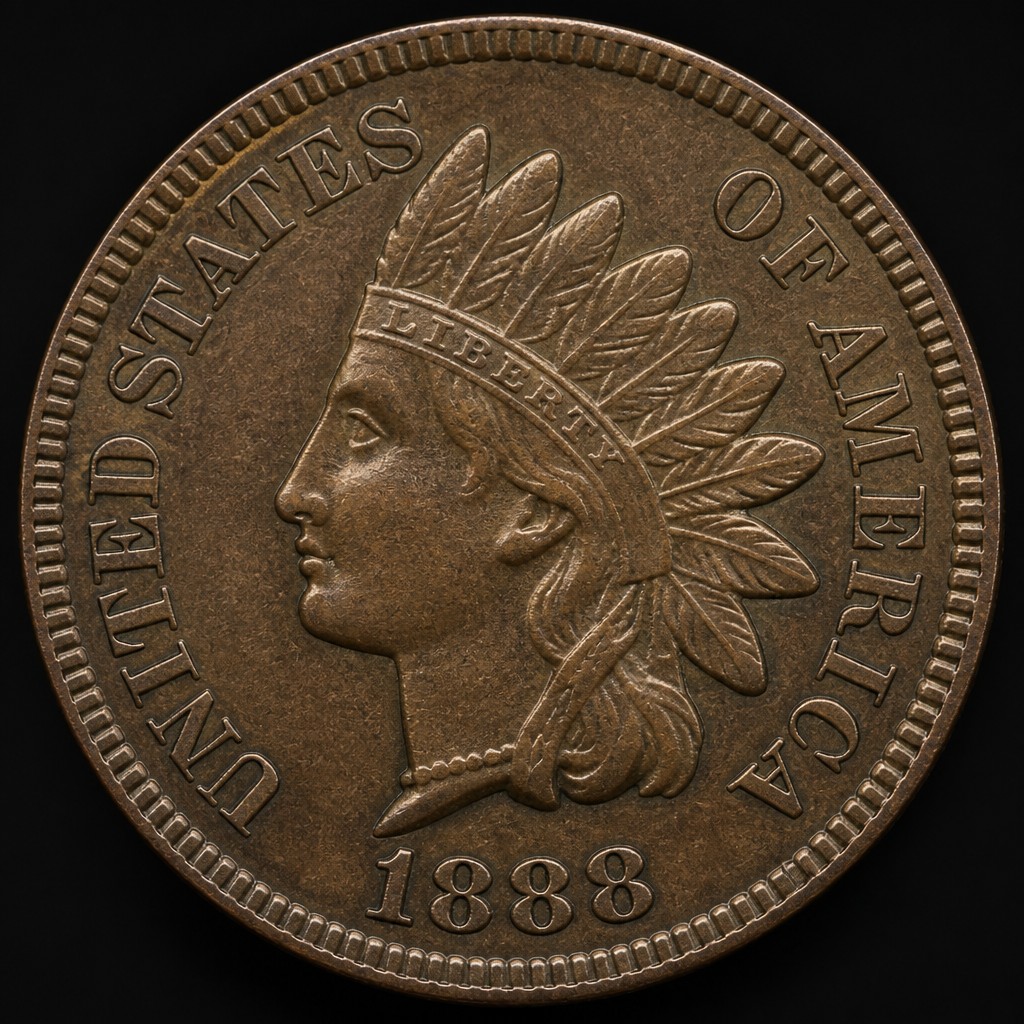
1888/7 Indian Head Cent Overdate
1888
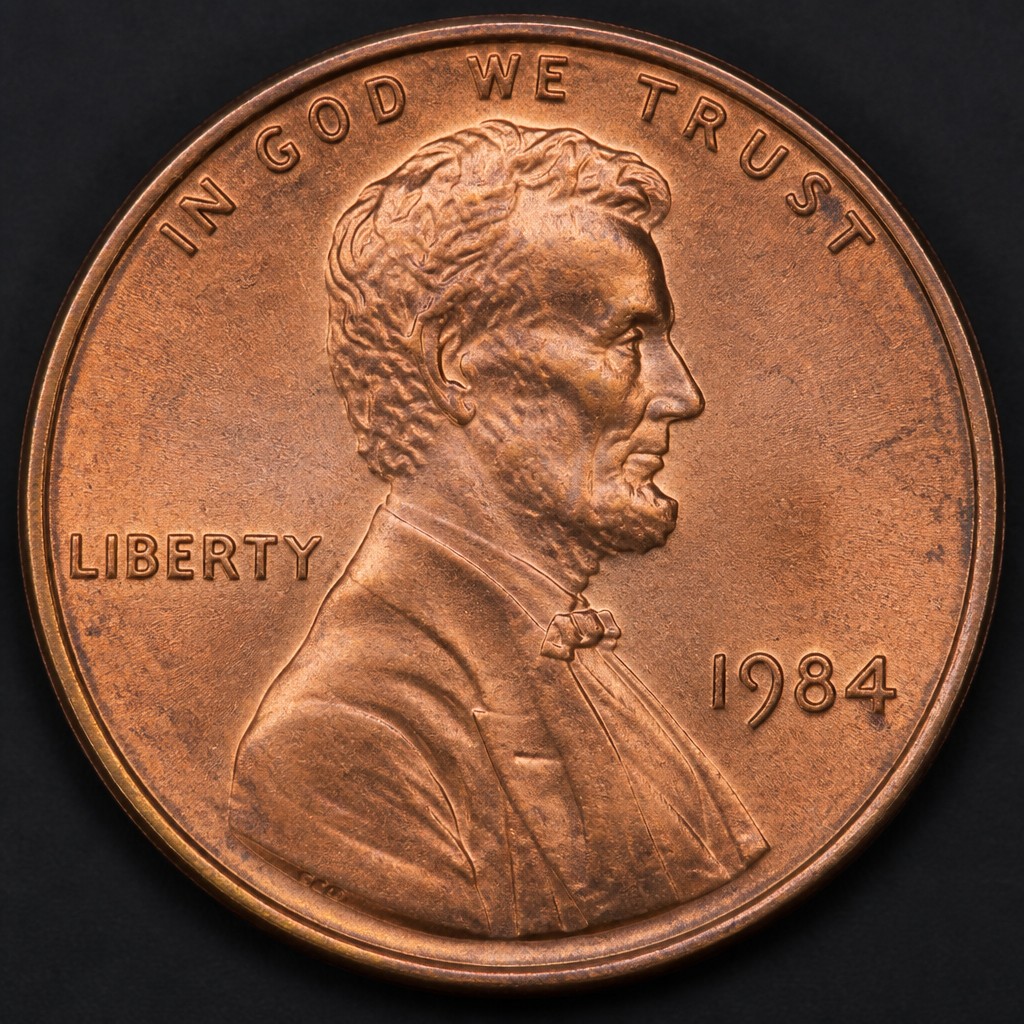
1984 Doubled Ear Lincoln Cent
1984
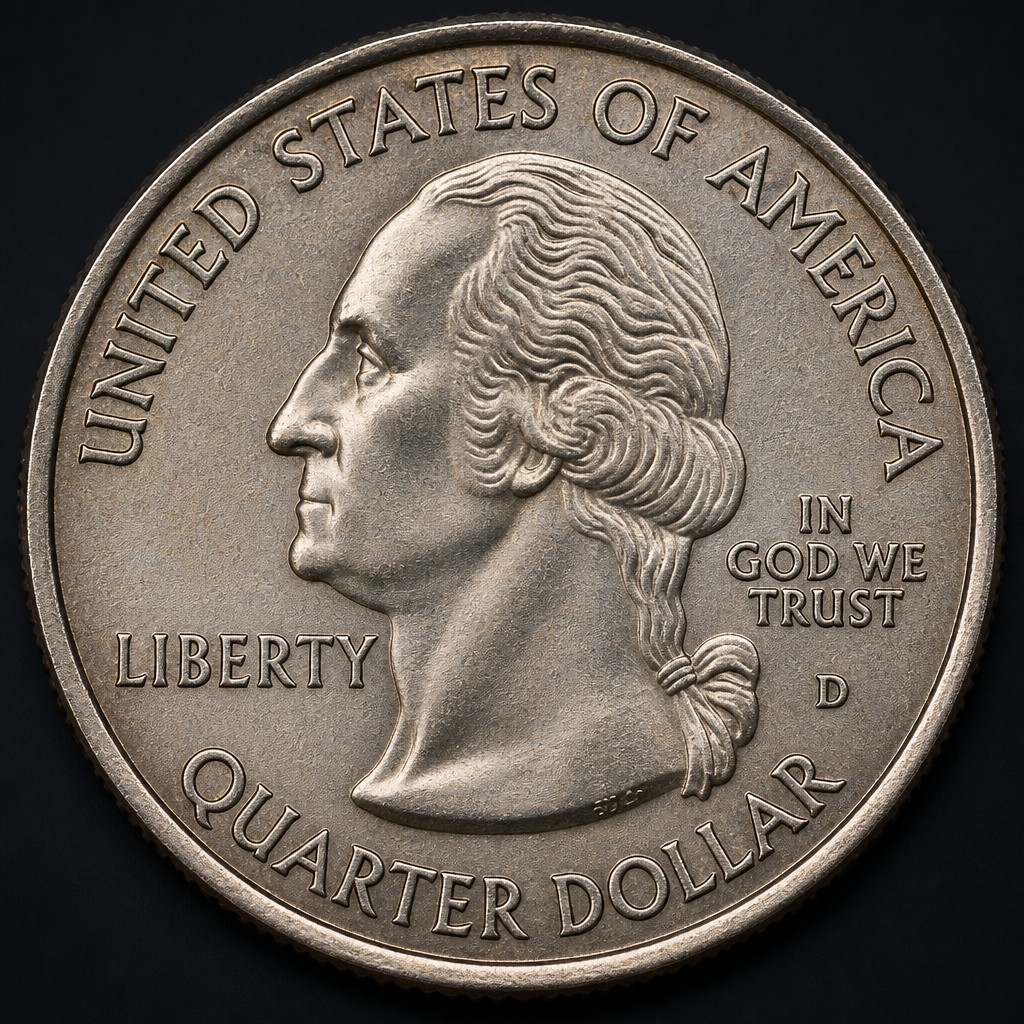
2004-D Wisconsin State Quarter Extra Leaf
2004
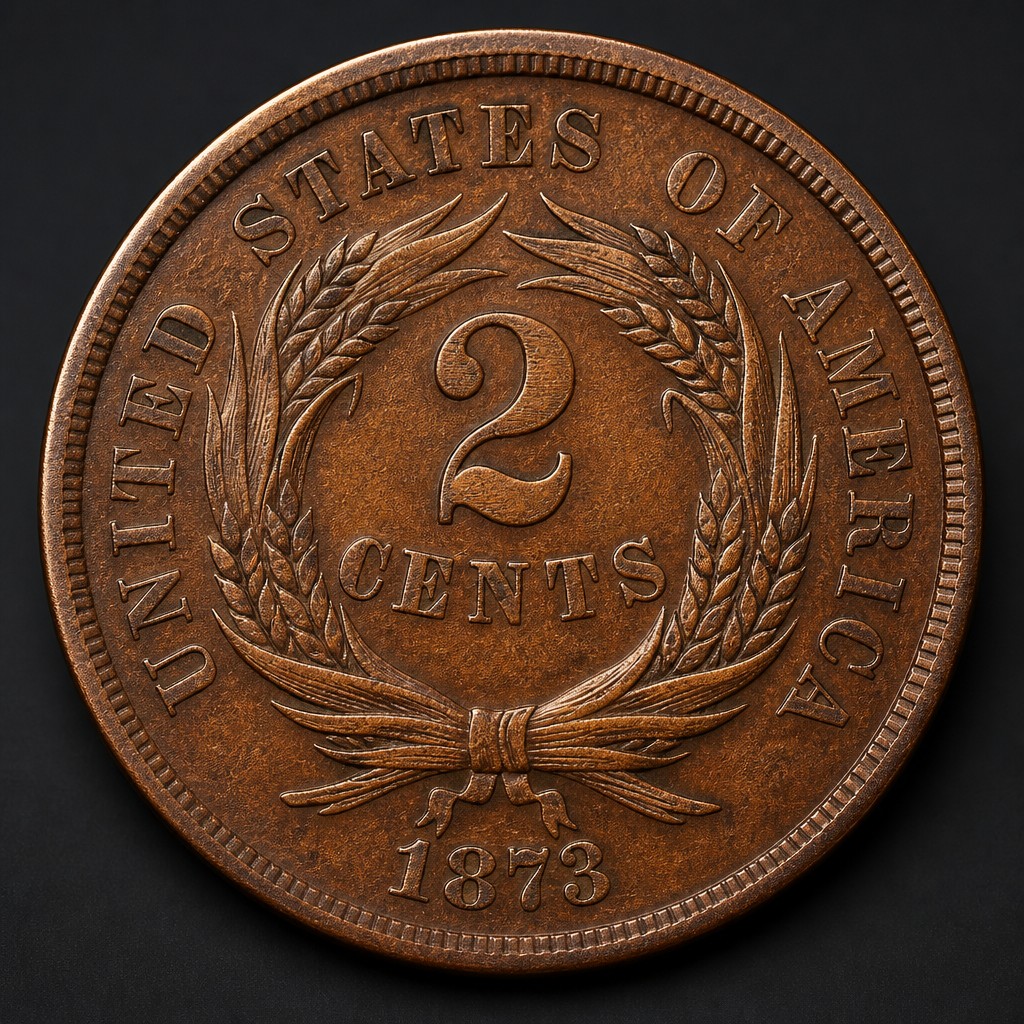
1873 Doubled Die Two-Cent Piece
1873