
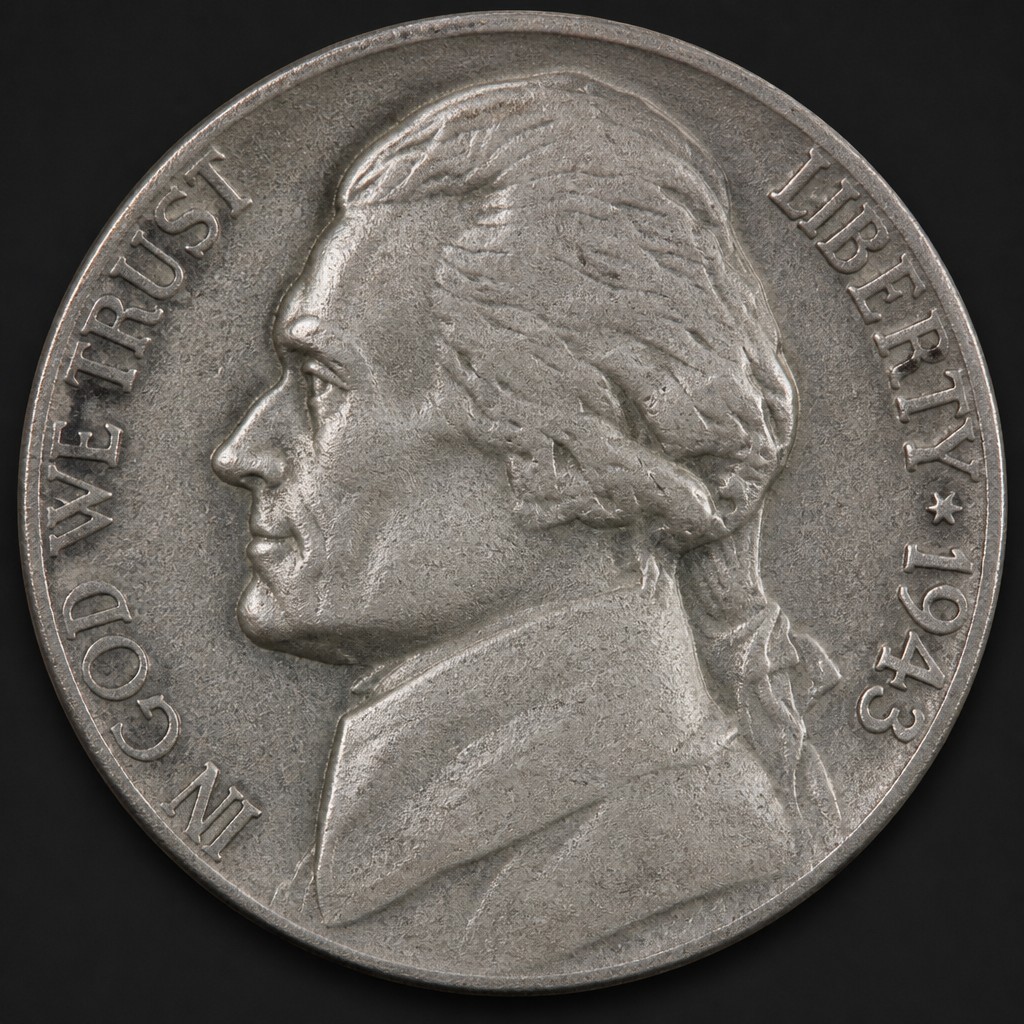
1943/2-P Jefferson Nickel Overdate
A wartime Jefferson nickel overdate variety in which traces of an underlying 2 can be seen beneath the 3 in the date, created when a working die was re-hubbed with a different year's date.
- Country
- United States
- Denomination
- 5 cents
- Metal
- Copper-silver-manganese (wartime alloy)
Got a coin like this?
Identify any coin from a photo, free.
Overview
The 1943/2-P Jefferson nickel is an overdate variety from the wartime silver nickel era, when the US Mint used a copper-silver-manganese alloy for five-cent pieces to conserve nickel for military production. The overdate shows remnants of a 2 beneath the final 3 in the date, evidence that a die originally prepared with a 1942 date was later re-worked with 1943 numerals.
This type of error, where digits from a different intended year remain faintly visible beneath the final date, is a recognized category of variety across many US coin series, and the wartime nickel example is one of the more actively collected instances within 20th-century US coinage.
Collectors of Jefferson nickels and wartime coinage in particular seek this variety both for its overdate novelty and for its connection to the unusual wartime alloy used only from 1942 to 1945.
History & Background
Beginning in late 1942, the Mint changed the nickel's composition to a copper-silver-manganese alloy to free up nickel metal for wartime industrial uses, marking these coins with a large mint mark above Monticello on the reverse, including a P for Philadelphia for the first time in US coinage history. During this period of adjusted die production, a working obverse die intended for one year's date evidently had its date re-punched or re-hubbed for use in 1943, leaving faint traces of the earlier 2 beneath the 3.
Overdate errors like this typically arise from mint practices of reusing dies or die components across year changes when production schedules or material shortages made new dies harder to prepare quickly, a practical measure during the disruptions of wartime production.
Once identified by variety collectors examining wartime nickels closely, the 1943/2 overdate became a recognized and documented variety within Jefferson nickel references, valued for its connection to the historically significant wartime alloy period.
How to Identify
The obverse features Thomas Jefferson's portrait with LIBERTY and IN GOD WE TRUST, and the large mint mark above Monticello on the reverse identifies the wartime alloy issue, with P denoting Philadelphia. The overdate itself is found in the final digit of the date, where careful examination under magnification reveals the outline of a 2 peeking out from beneath or beside the 3.
Because the underlying digit can be subtle, a loupe and strong, angled lighting are recommended to see the doubled numeral clearly, and comparing the coin to published close-up photographs of the attributed overdate is the most reliable way to confirm the variety.
Collectors should also verify the coin is a genuine wartime alloy piece by checking for the large mint mark over Monticello, which distinguishes these nickels from both earlier and later standard copper-nickel Jefferson nickels.
Value & Collectibility
The 1943/2-P overdate commands a solid premium over a standard 1943 wartime nickel, with values for clearly visible, well-preserved examples typically ranging from modest amounts in circulated grades up to considerably more for choice or gem uncirculated pieces showing strong overdate detail.
Value is closely tied to how clearly the underlying 2 can be seen, with sharper, more obvious overdates commanding stronger prices than examples where the doubling is faint or ambiguous.
Frequently asked questions
What does the overdate feature look like?
Under magnification, a faint outline of a 2 can be seen beneath or alongside the final 3 in the date, indicating the die was originally prepared for a different year.
How do I identify a wartime Jefferson nickel?
Wartime nickels from 1942 to 1945 show a large mint mark above Monticello on the reverse, including a P for Philadelphia, unlike standard nickels of other years.
Why did the Mint use a different alloy during the war?
Nickel metal was needed for military applications, so the Mint substituted a copper-silver-manganese alloy for five-cent pieces from 1942 to 1945.
Is the overdate always easy to see?
No, the underlying digit can be subtle and often requires magnification and good lighting to confirm clearly.
Other coins you may enjoy
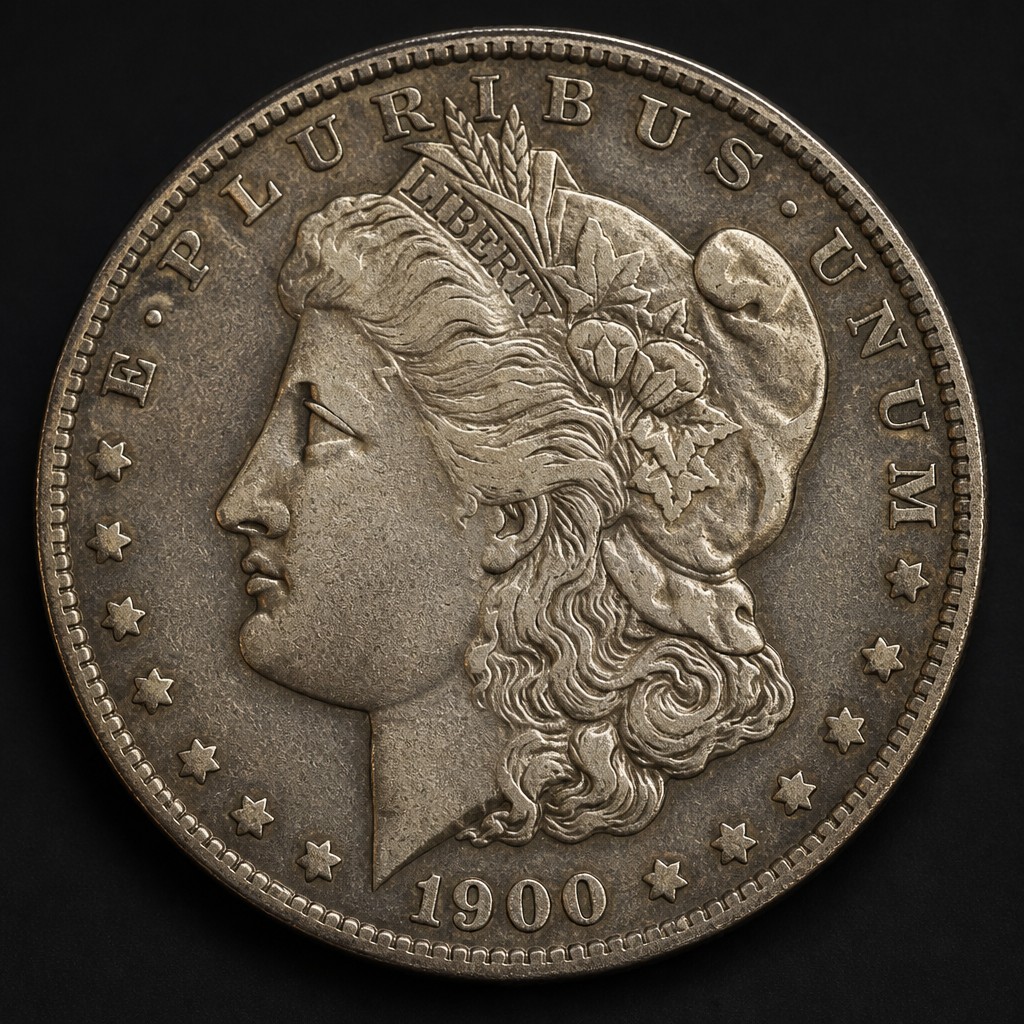
1900-O/CC Morgan Dollar
1900
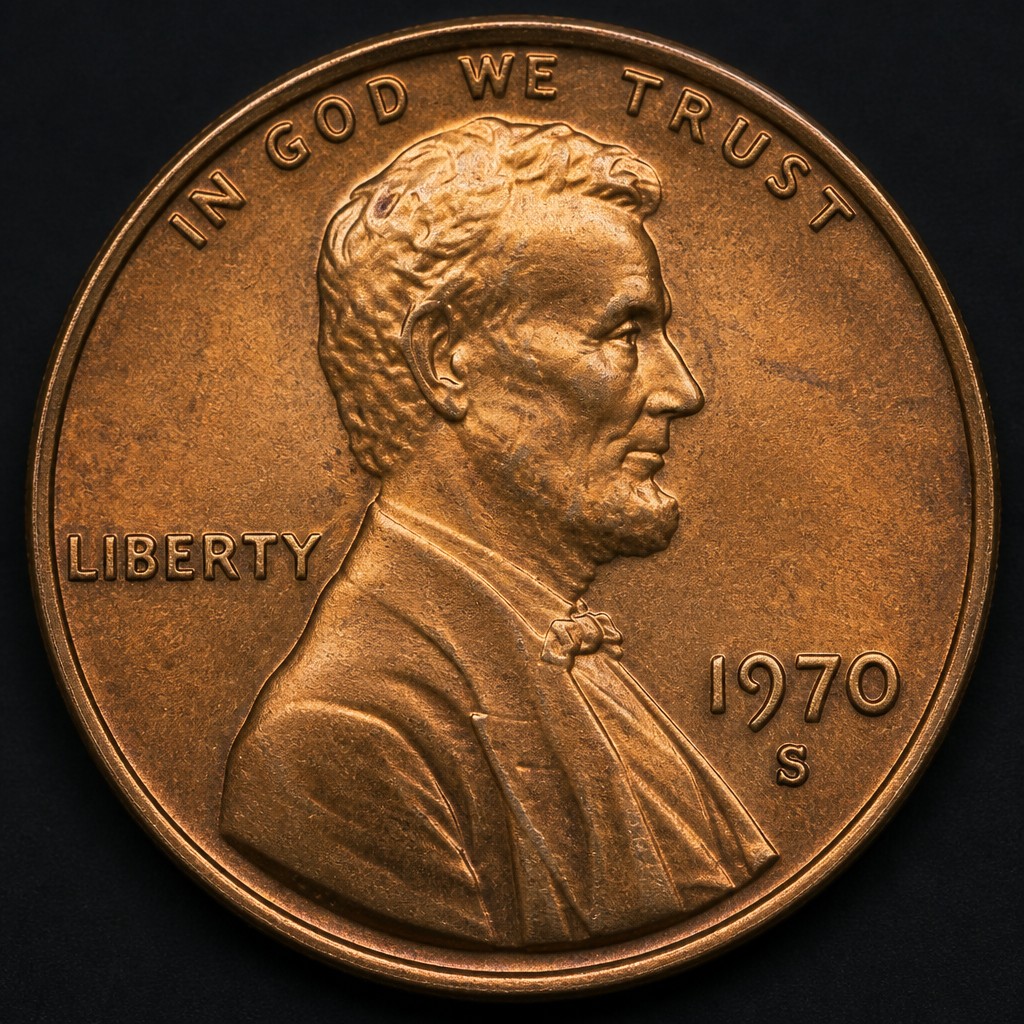
1970-S Small Date Lincoln Cent
1970
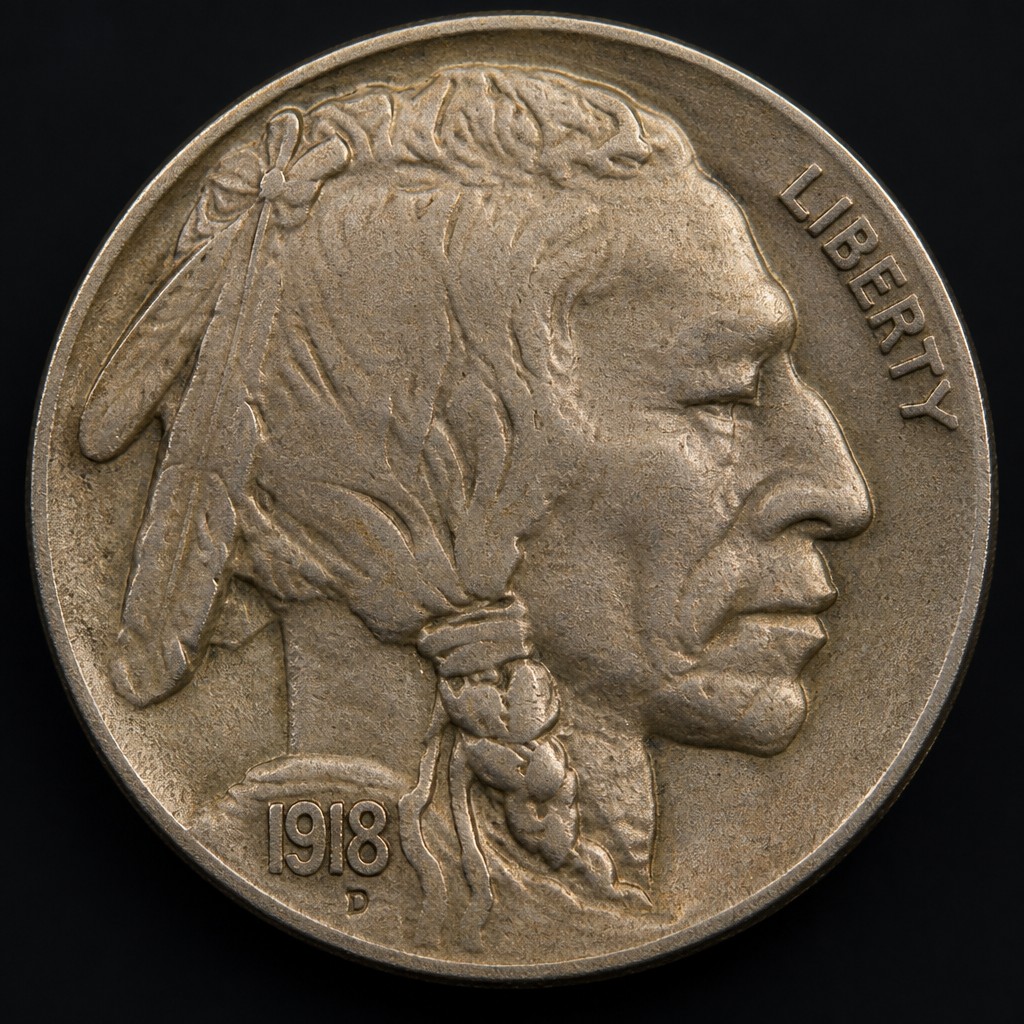
1918/7-D Buffalo Nickel
1918
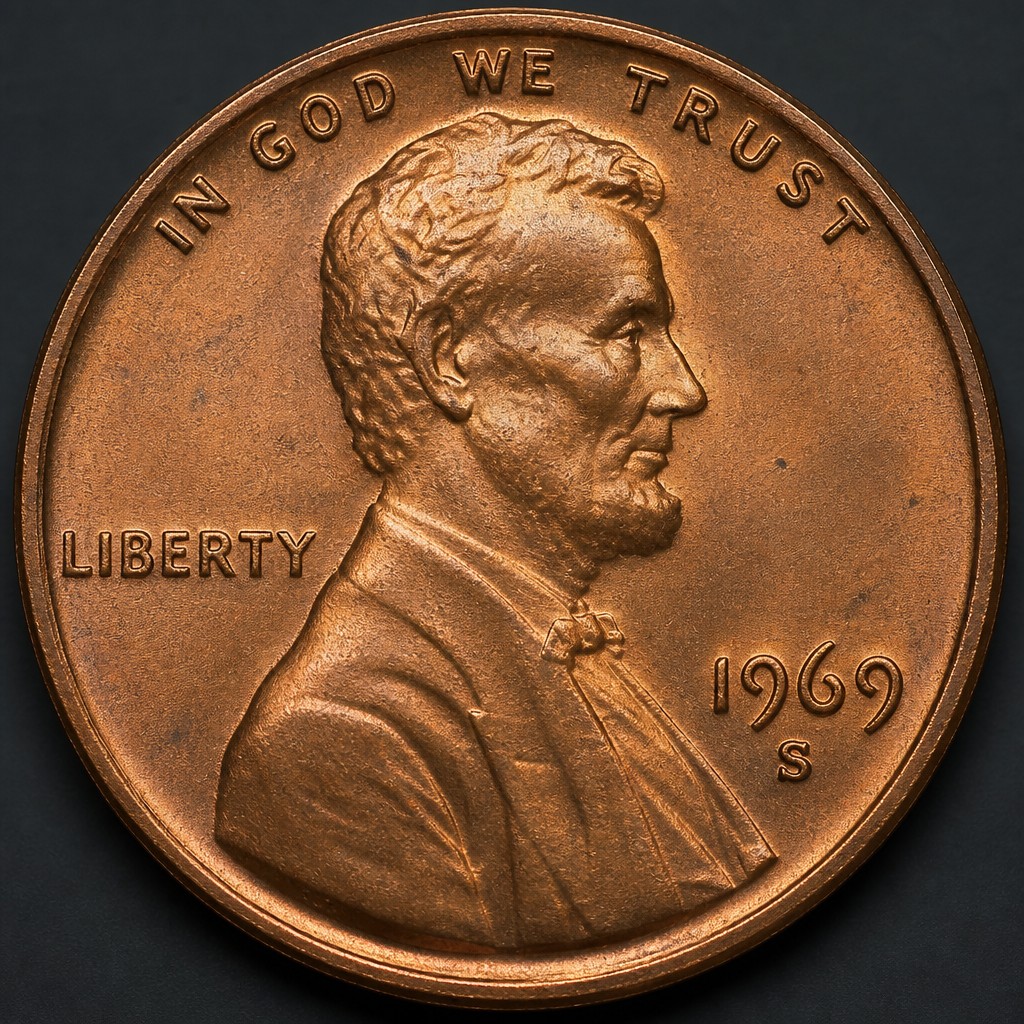
1969-S Doubled Die Obverse Lincoln Cent
1969
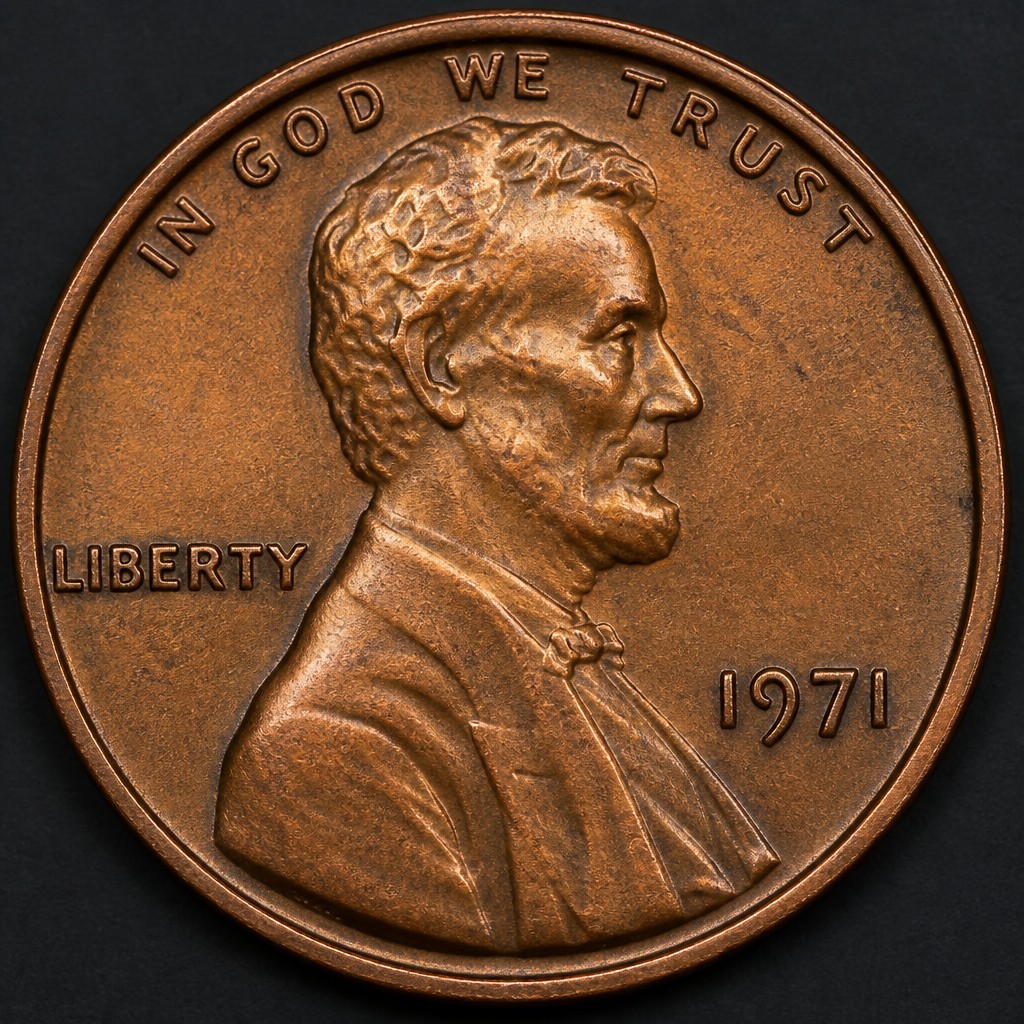
1971 Doubled Die Obverse Lincoln Cent
1971
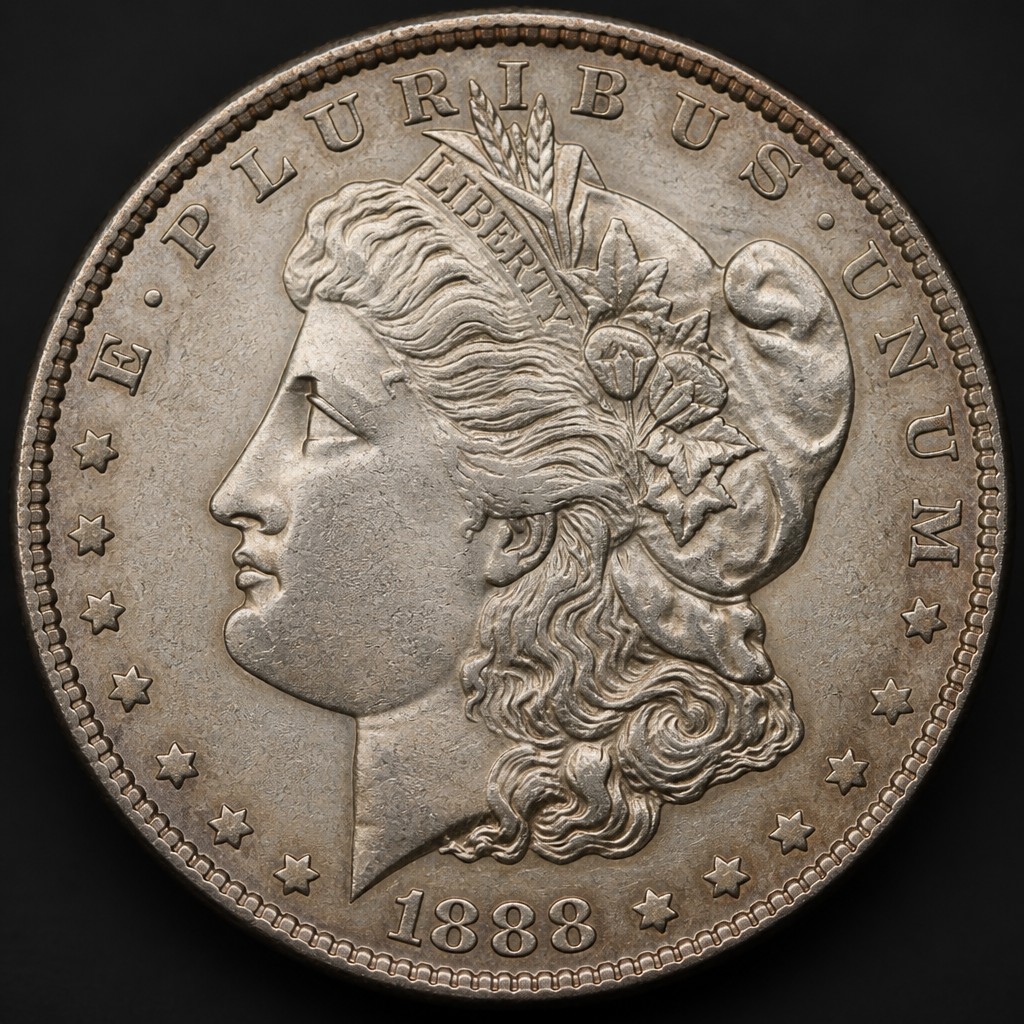
1888/7 Morgan Dollar Overdate
1888
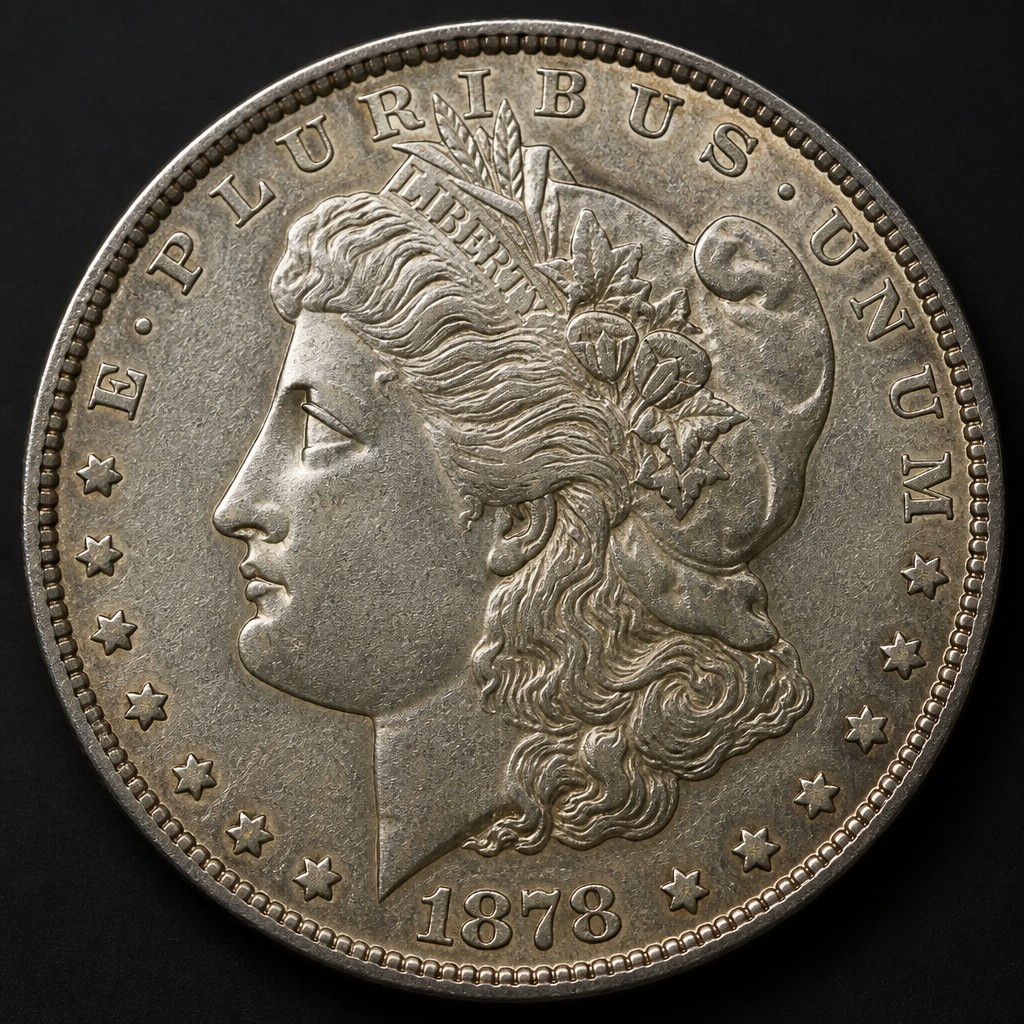
1878 7/8 Tail Feathers Morgan Dollar
1878
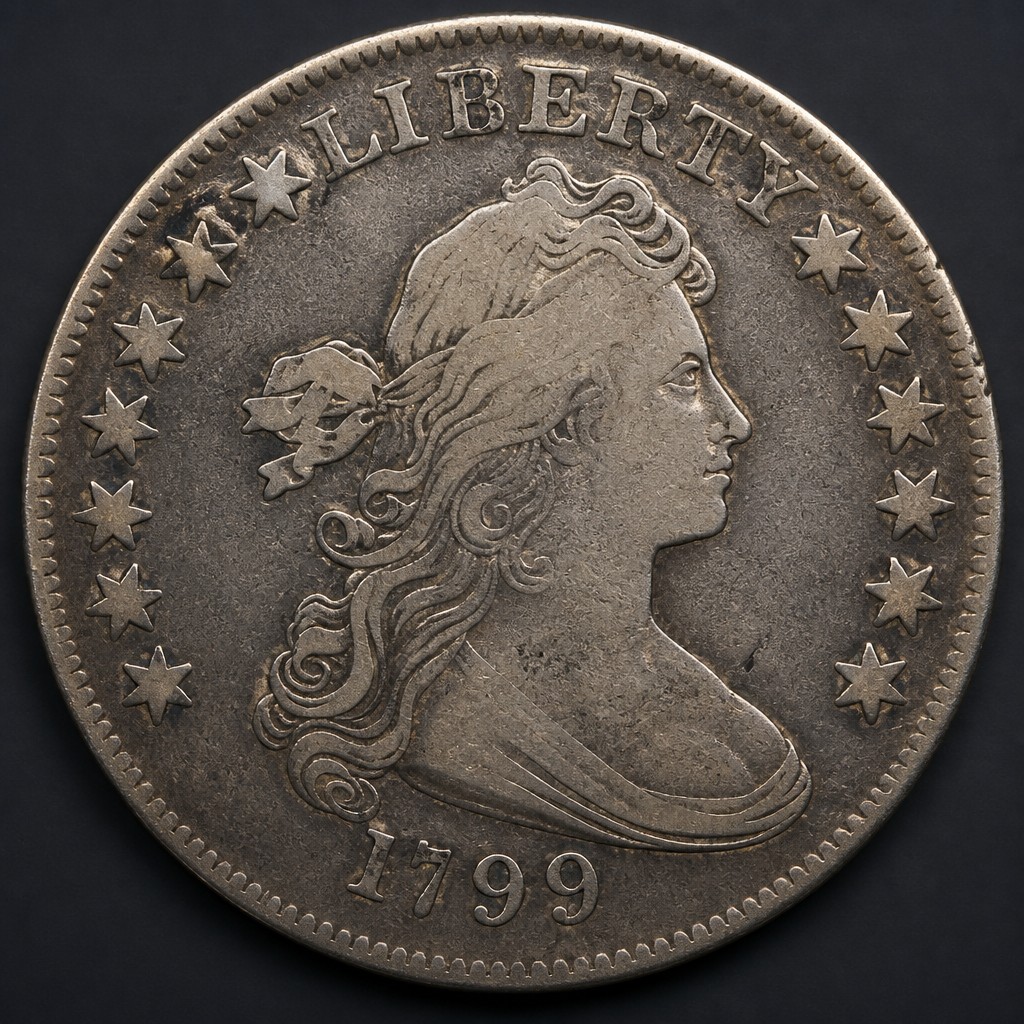
1799/8 Draped Bust Silver Dollar Overdate
1799 (die dated over 1798)
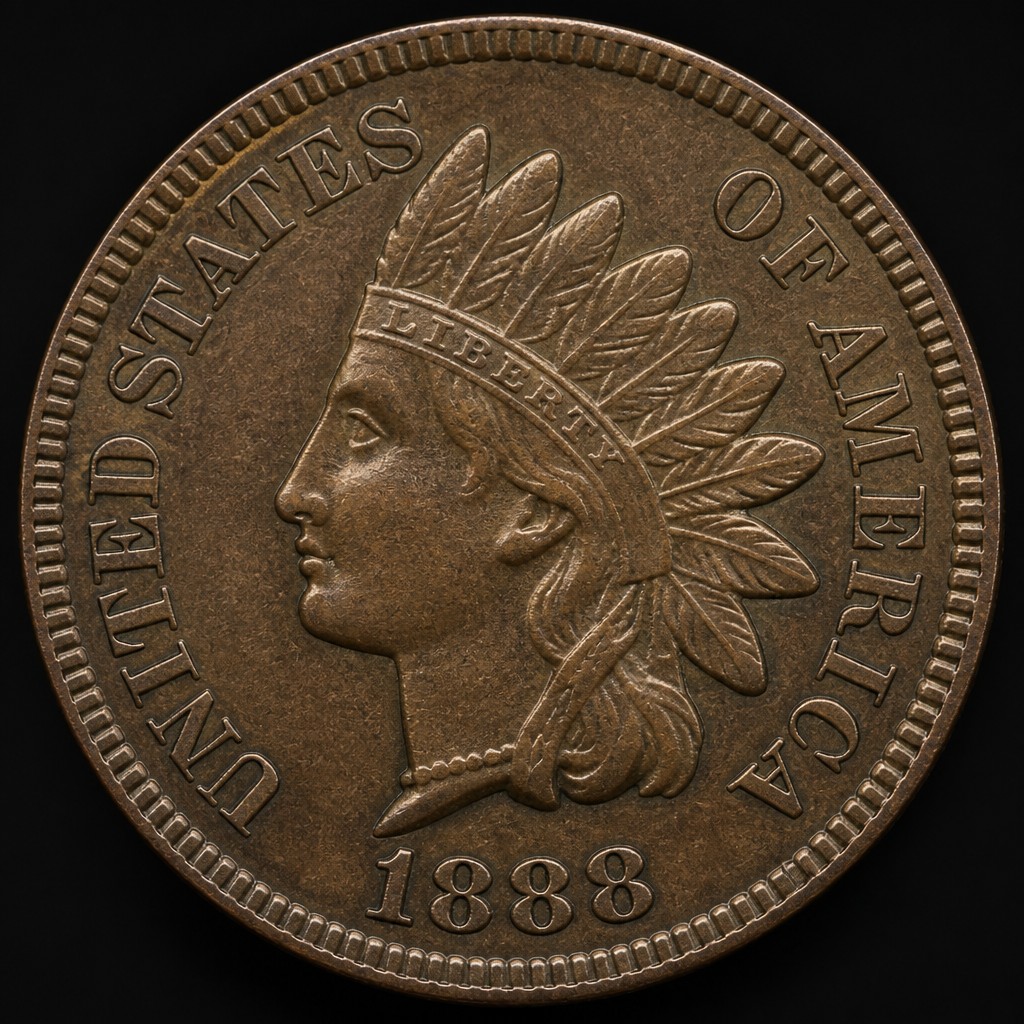
1888/7 Indian Head Cent Overdate
1888
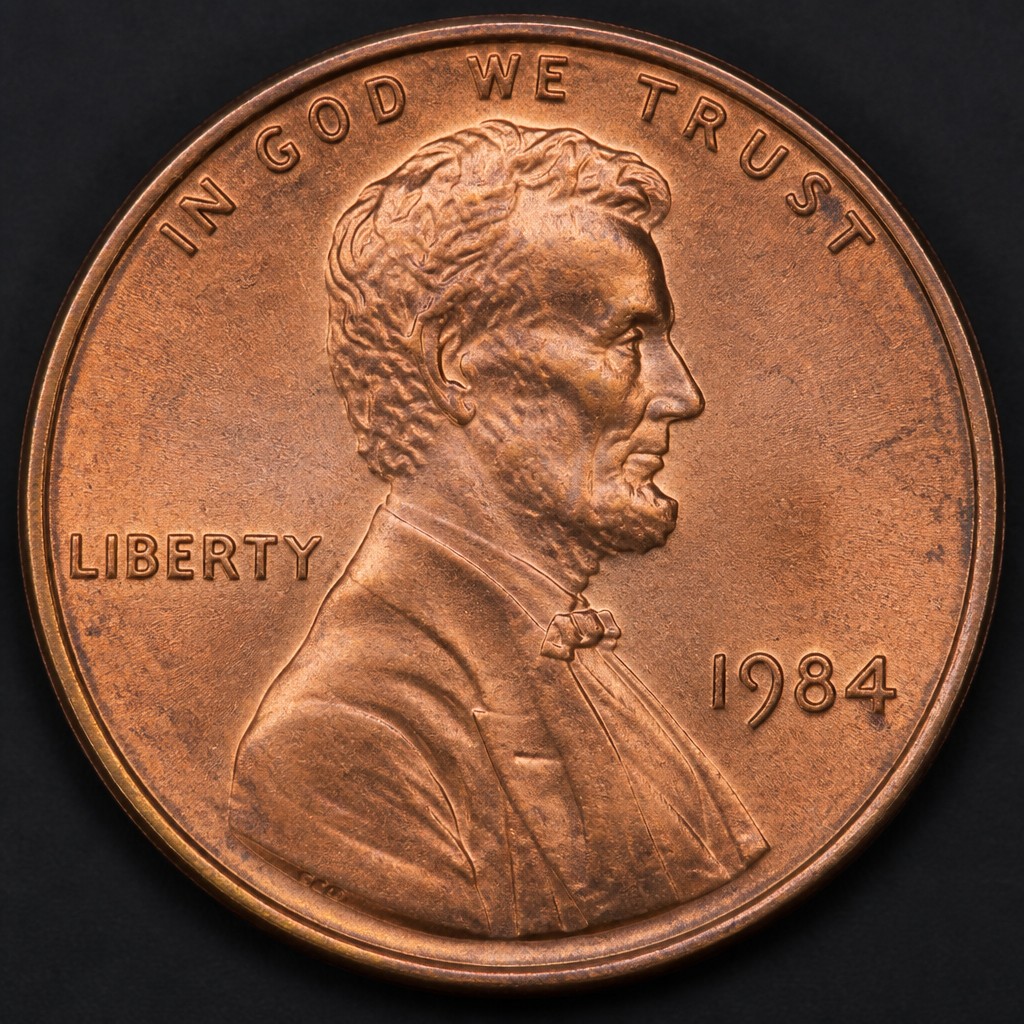
1984 Doubled Ear Lincoln Cent
1984
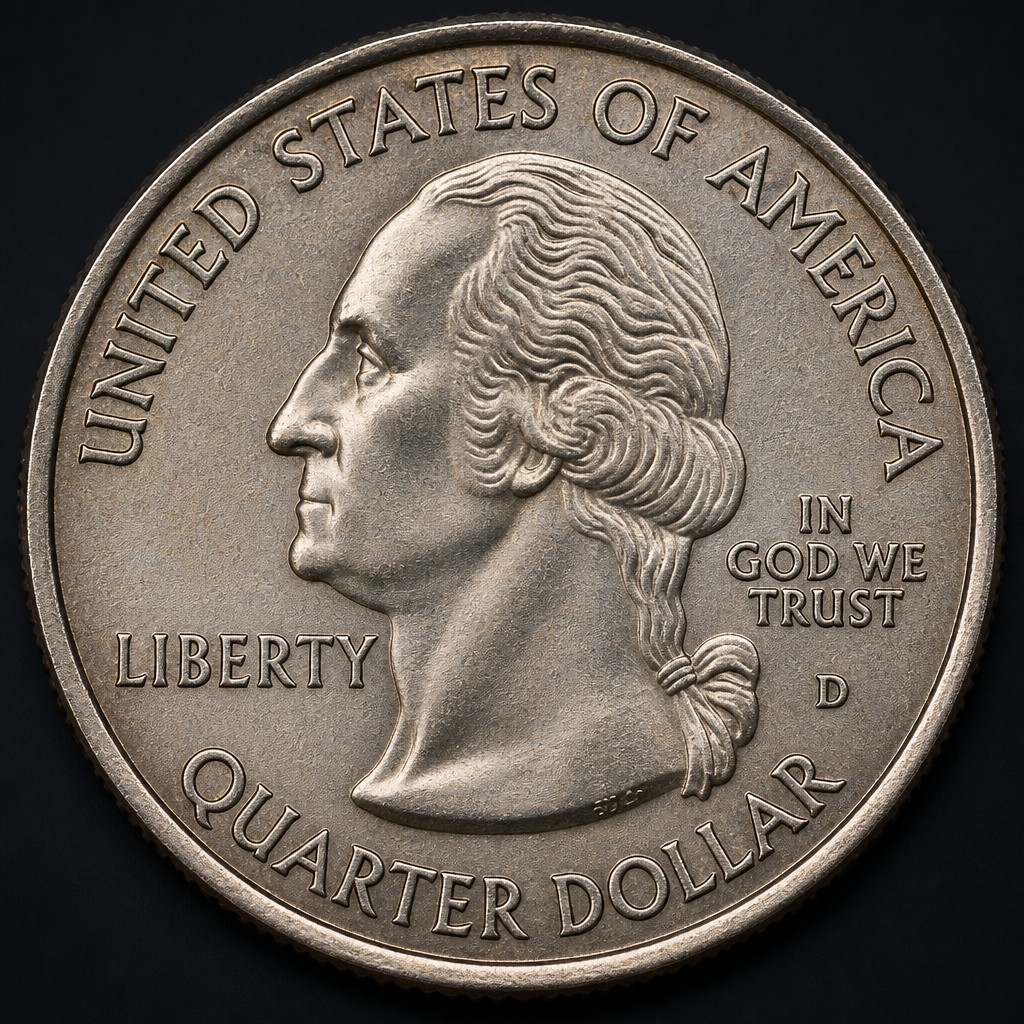
2004-D Wisconsin State Quarter Extra Leaf
2004
1873 Doubled Die Two-Cent Piece
1873