
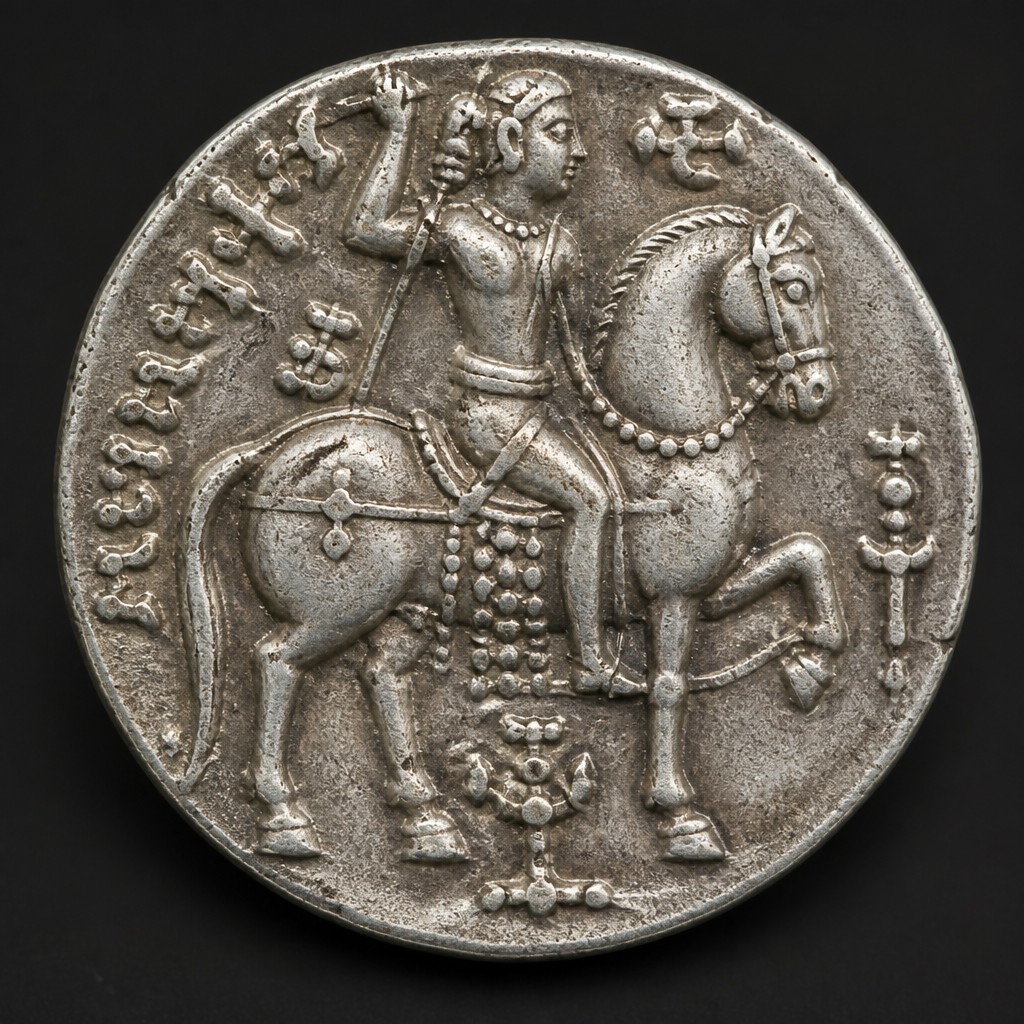
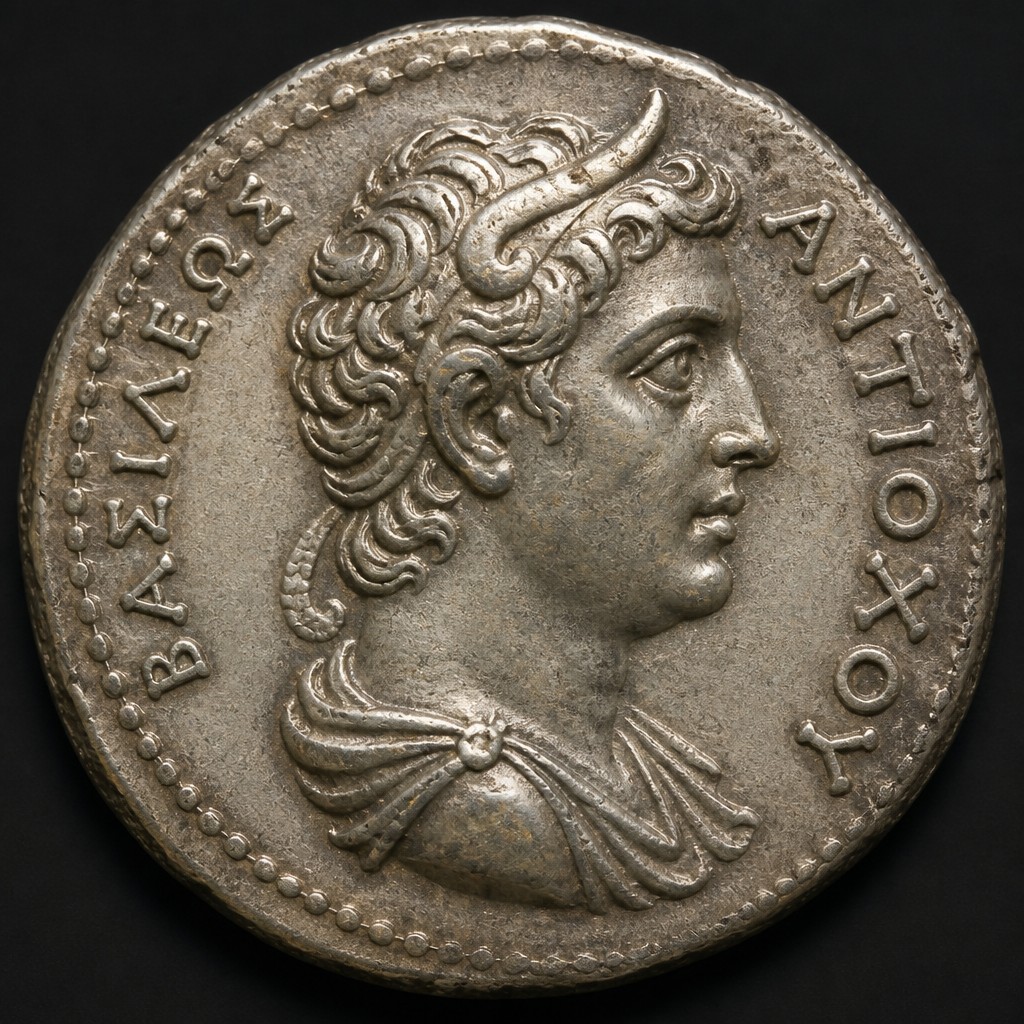
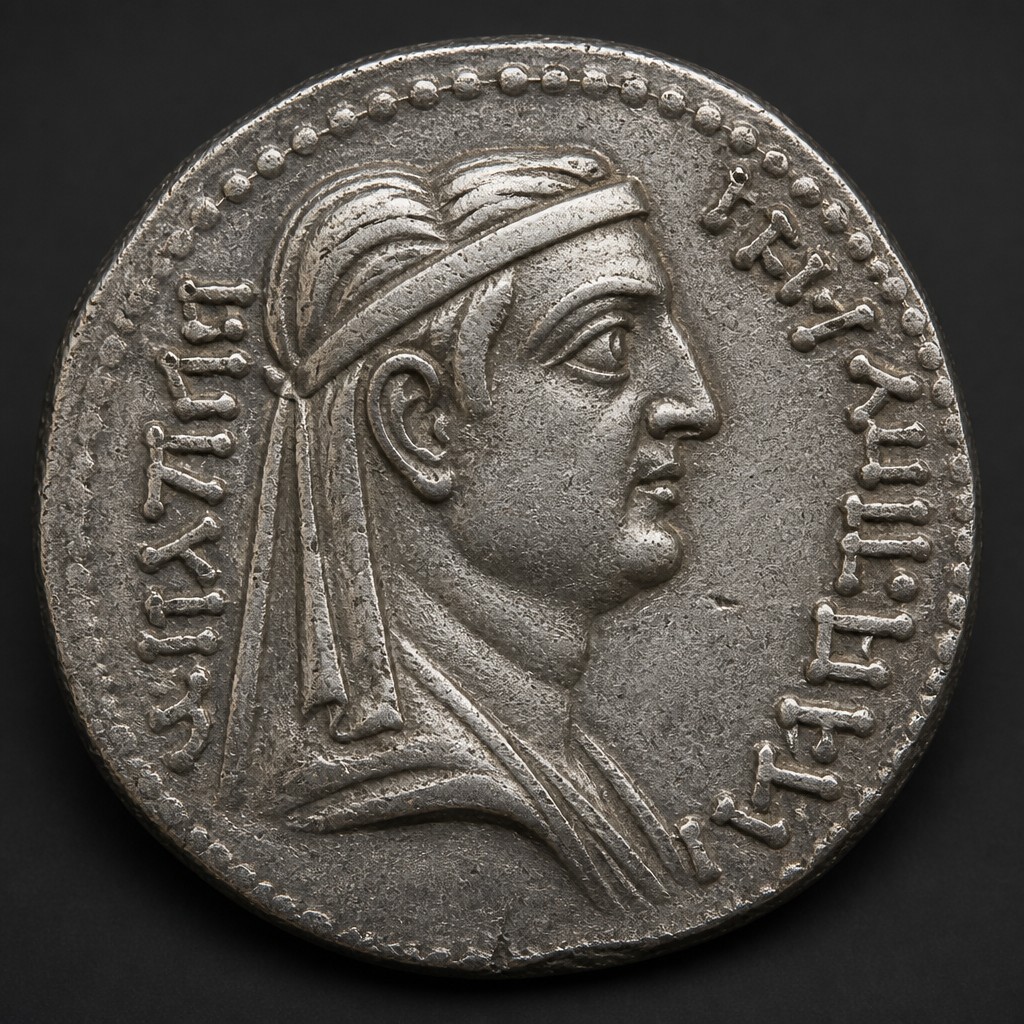
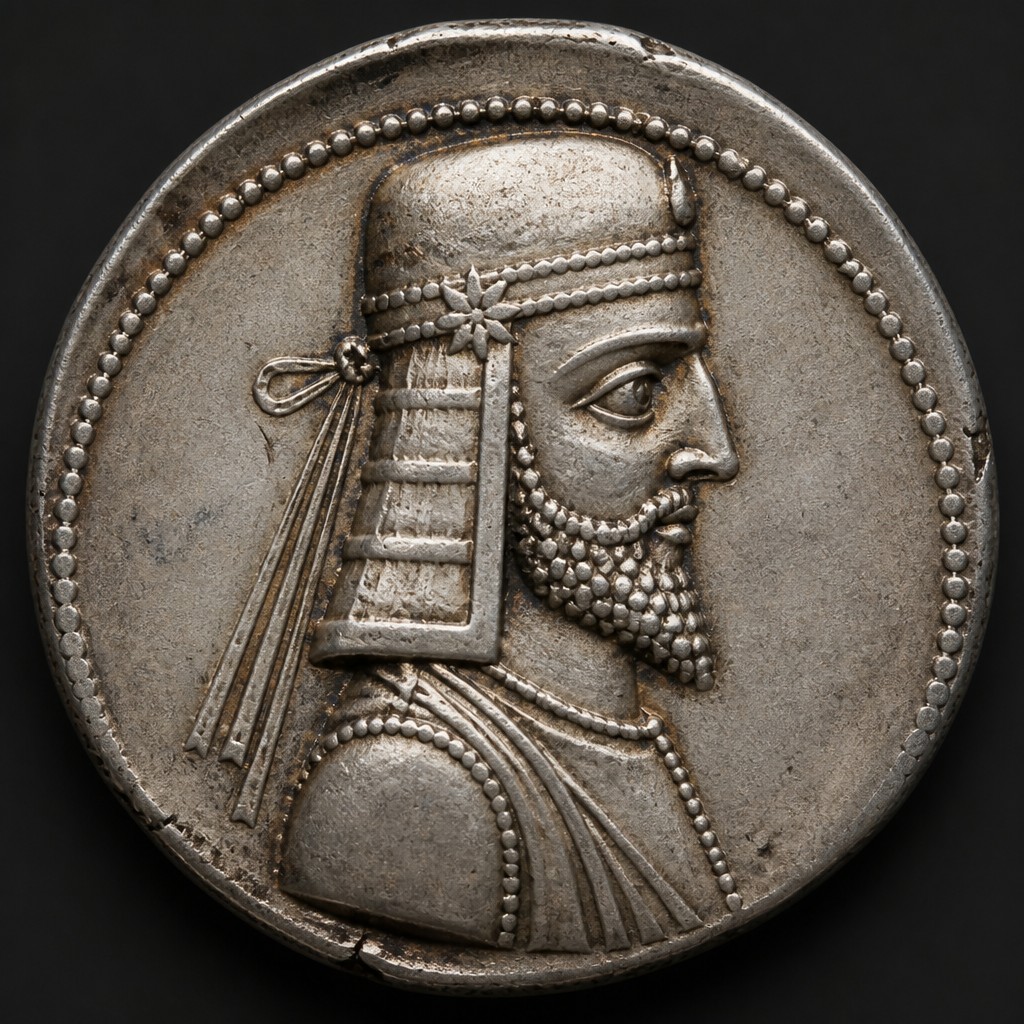
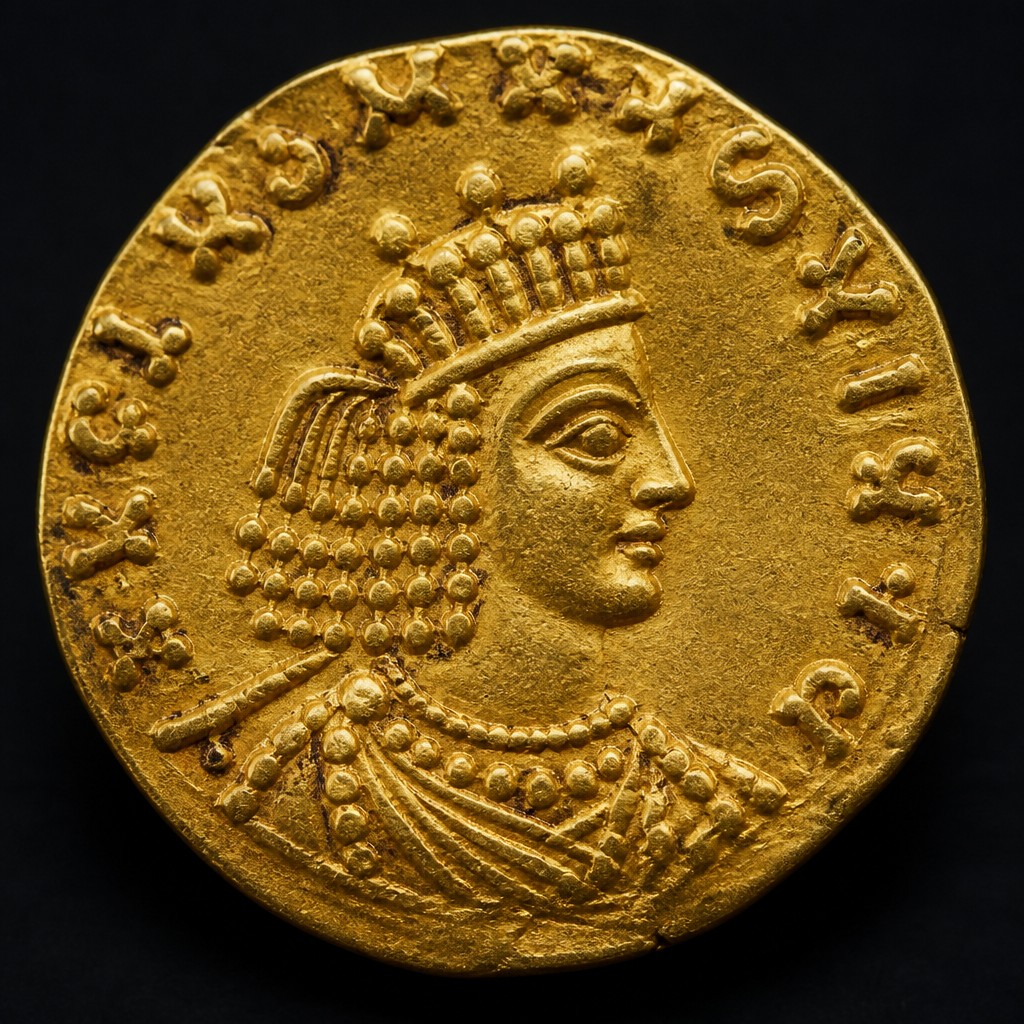
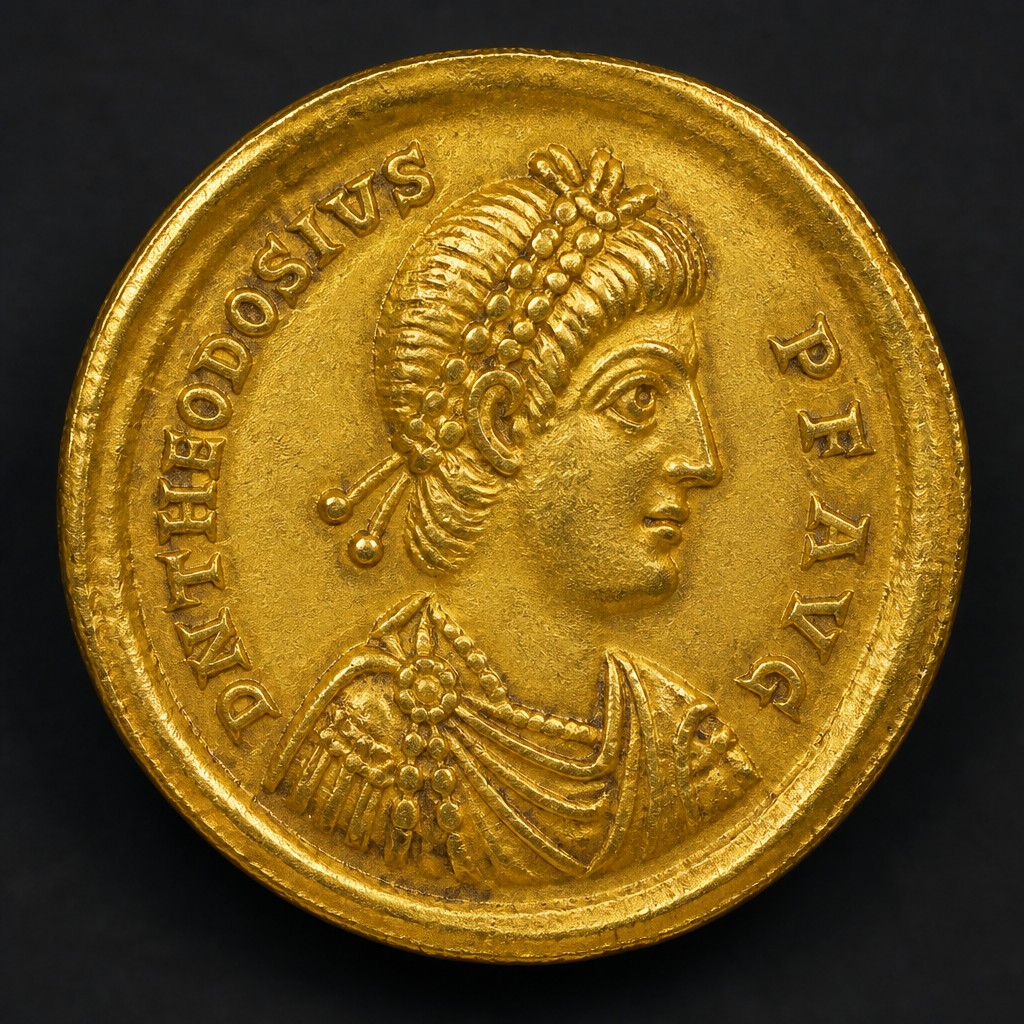
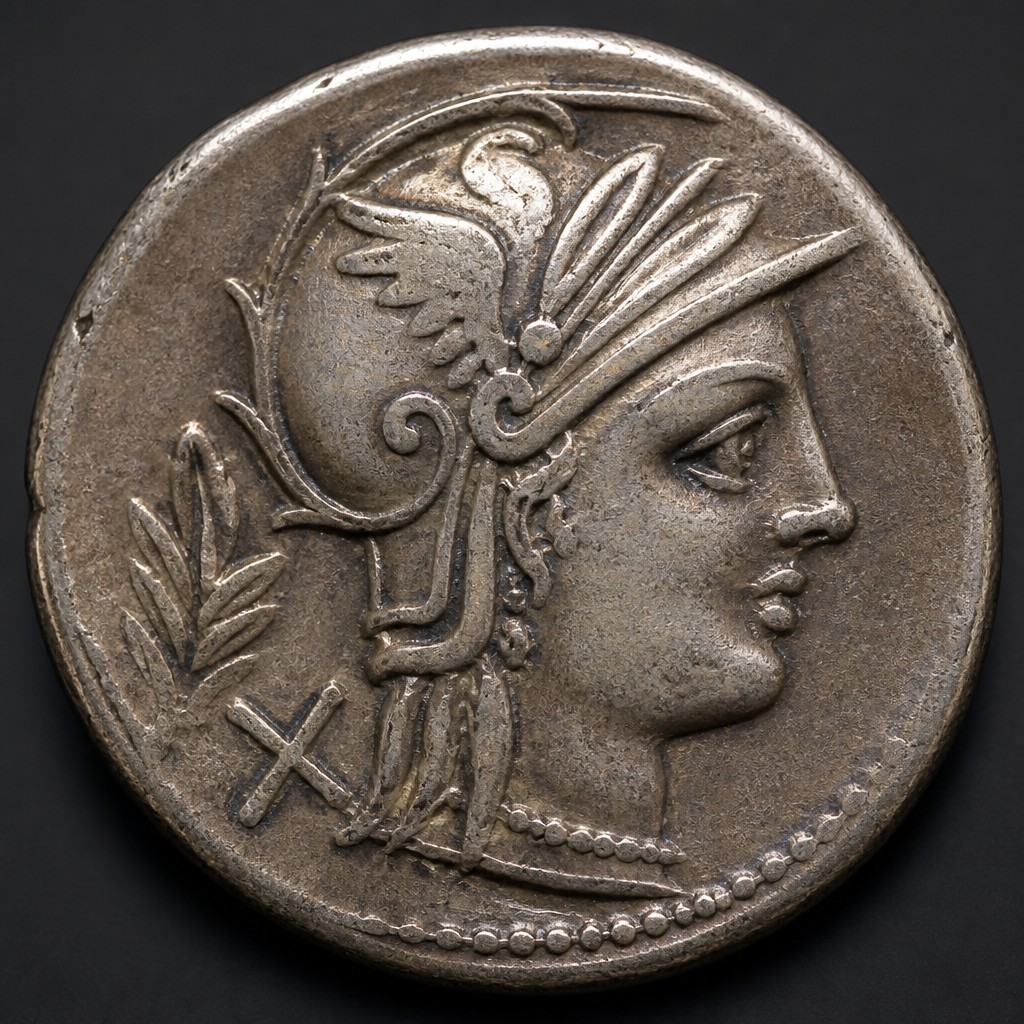
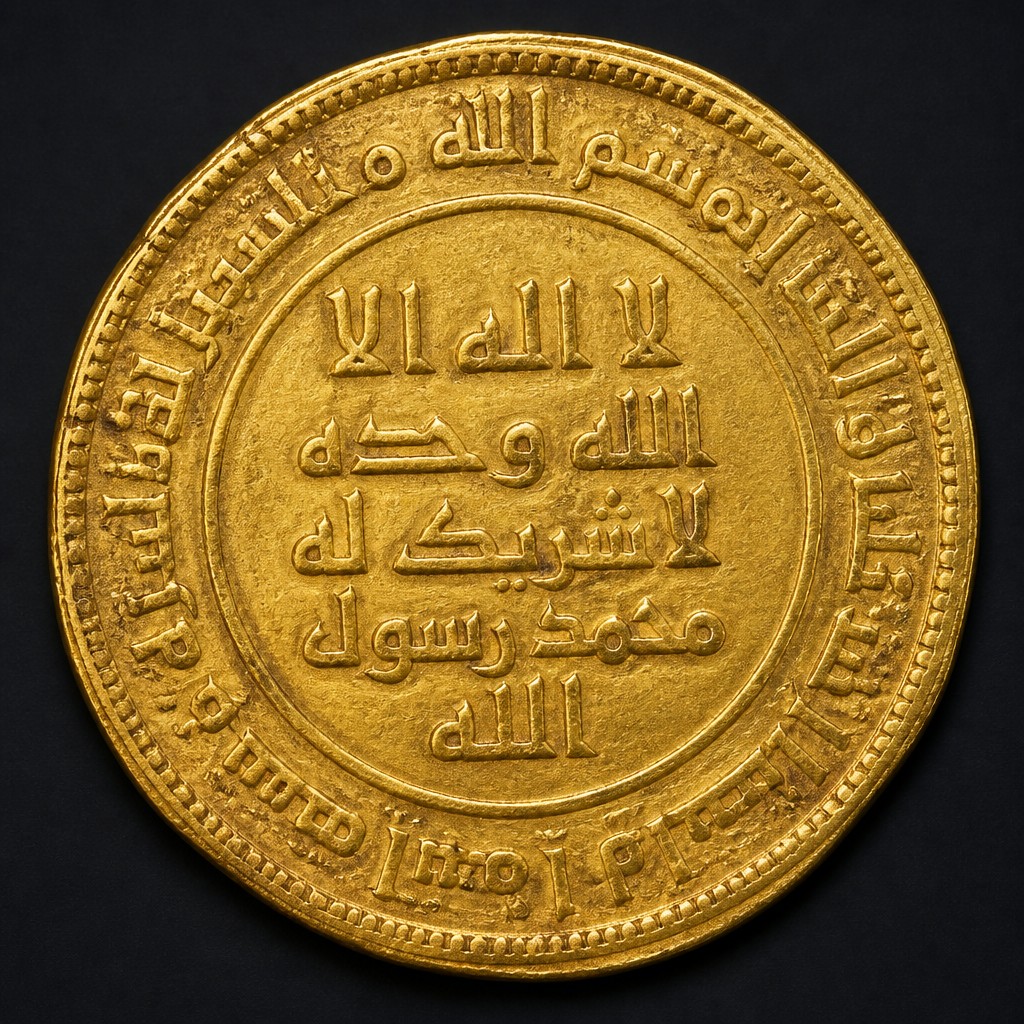
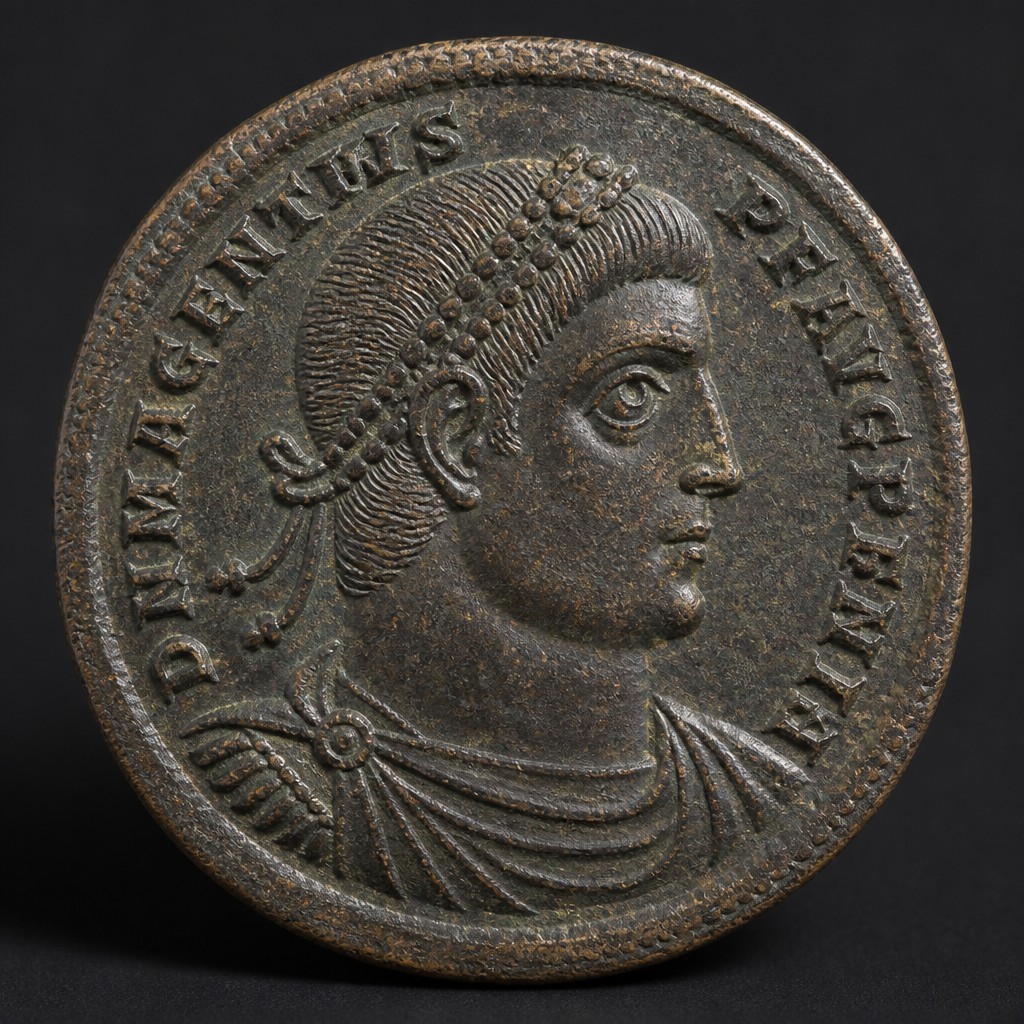
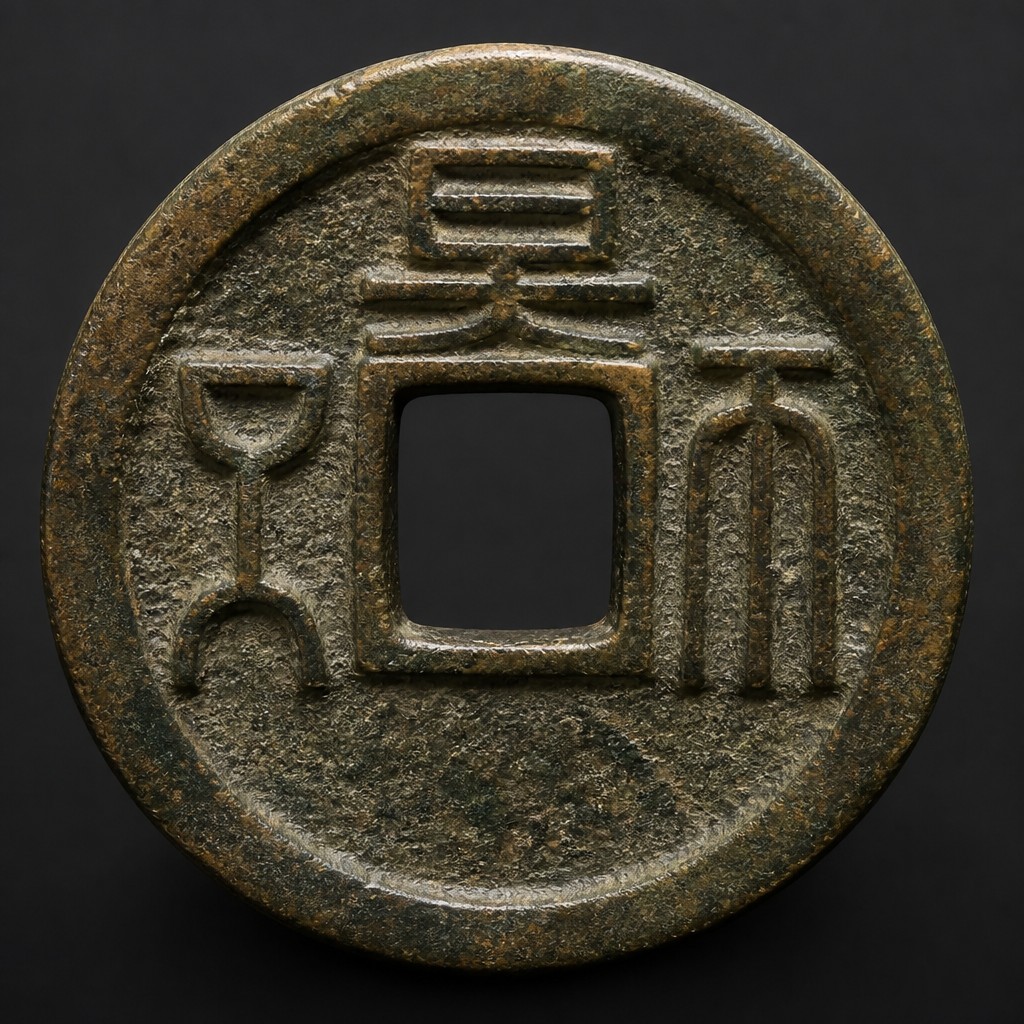
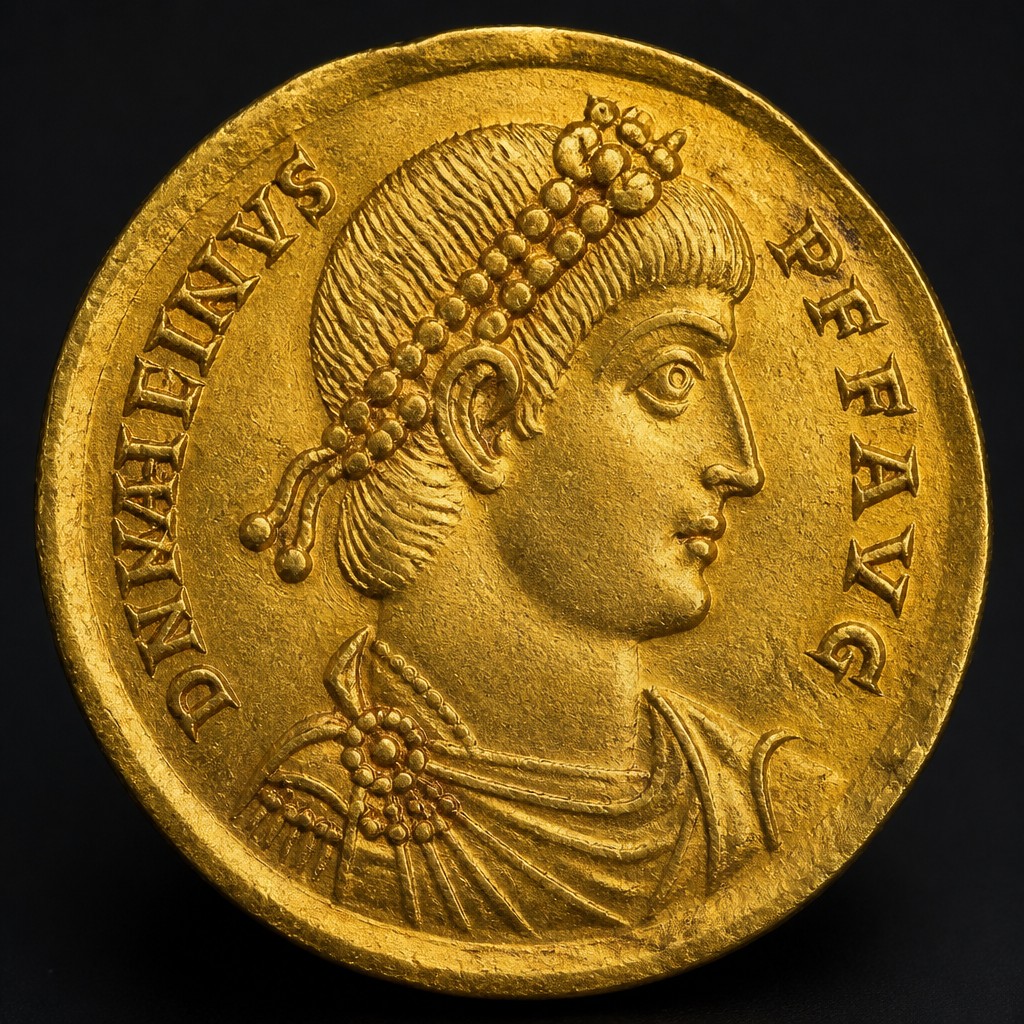
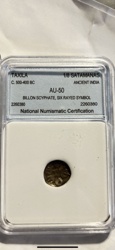
Taxila 1/8 Satamanas "Six Rayed Symbol"
Ancient India · C. 500-400 BC
1/8 Satamanas
Category
Browse ancient coins identified by the Coin Identifier community.
Taxila 1/8 Satamanas "Six Rayed Symbol"
Ancient India · C. 500-400 BC
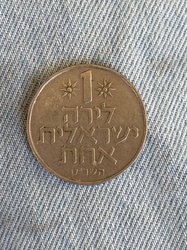
Israel 1 Lira
Israel · 1959 (Hebrew year 5719 / תש״יט)
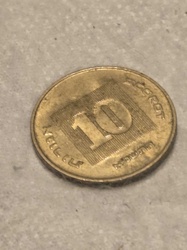
10 Agorot
Israel · 1985 - Present
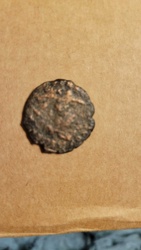
Widow's Mite (Lepton)
Judea (Hasmonean Dynasty) · c. 103-76 BC
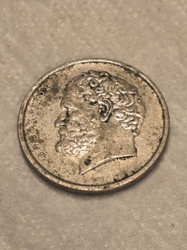
Democritus 10 Drachmai
Greece · 1976-1980
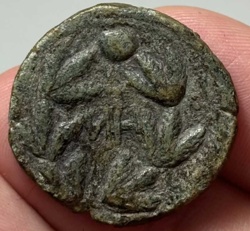
Ancient Roman Bronze Coin
Roman Empire · Circa 4th Century AD (Late Roman Empire)
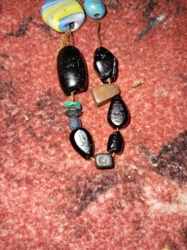
Not a Coin (Ancient/Vintage Beads)
Unknown (Likely Middle Eastern or African origin) · N/A (Ancient or Proto-currency era)
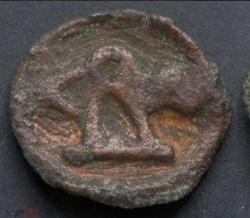
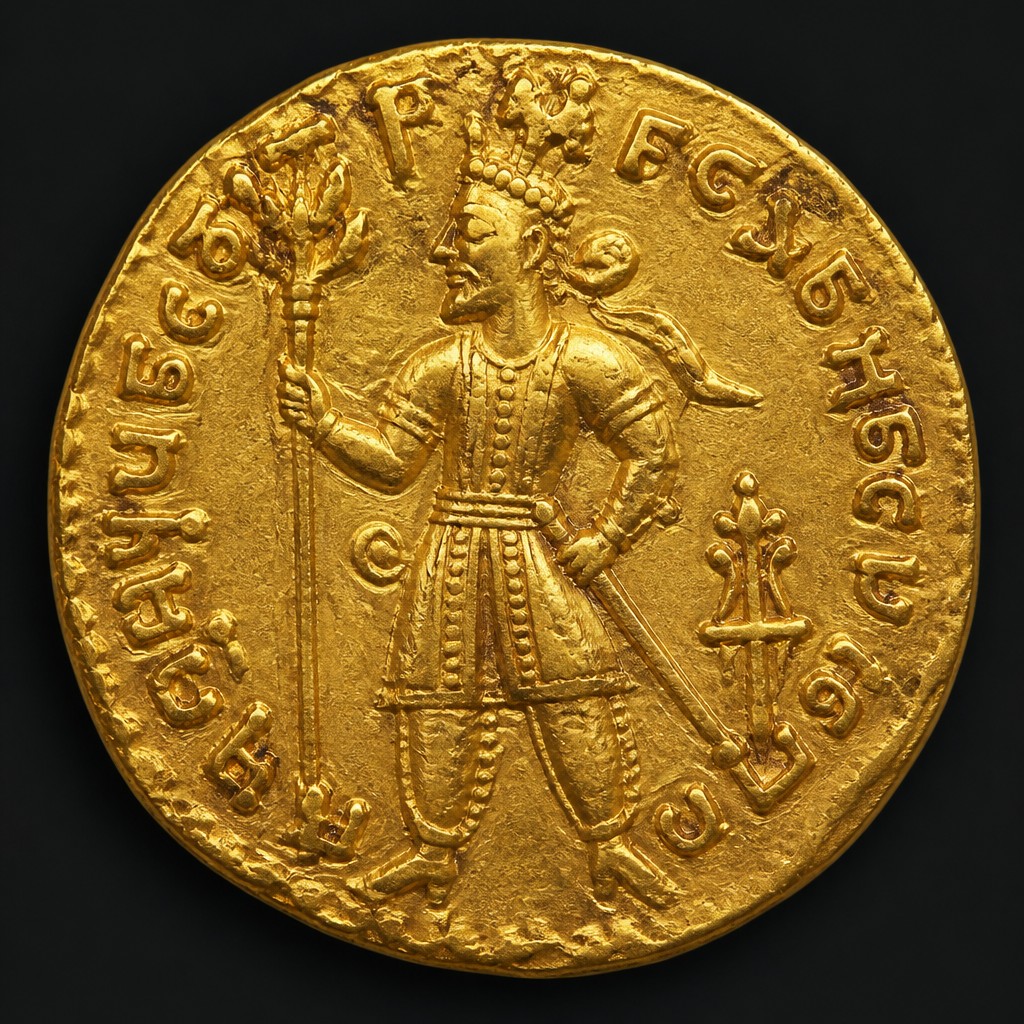
Kushan Empire Tetradrachm of Kujula Kadphises
Kushan Empire (Modern-day Afghanistan/India/Pakistan) · Circa 30-80 AD
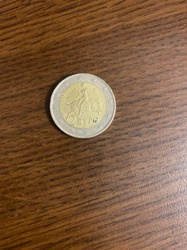
Greek 2 Euro Coin (Europa and Zeus)
Greece · 2002

Shatamana
Ancient India (Taxila) · Circa 500-400 BC
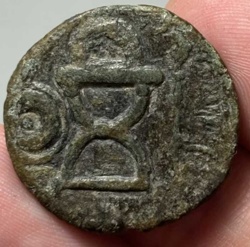
Copper Lepton (The Widow's Mite)
Judea (Ancient Israel) · Circa 103-76 BC
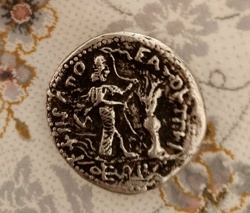
Denarius, Marcus Aurelius or Commodus
Roman Empire · Circa 161-192 AD (based on similar examples of common reverses for these emperors)
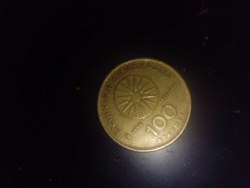
100 Drachmes (Alexander the Great)
Greece · 1990
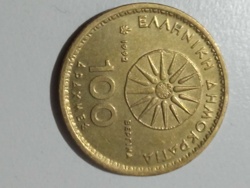
100 Drachmes (Alexander the Great / Star of Vergina)
Greece · 1992
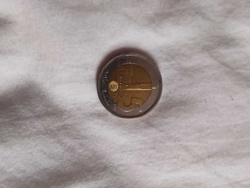
Algerian 5 Dinar Coin
Algeria · 1992-2012 (this specific bi-metallic design series)
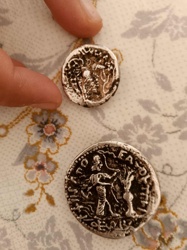
Ancient Greek Tetradrachm, Late Classical Period
Ancient Greece (likely Attica, Athens) · Circa 440-404 BCE
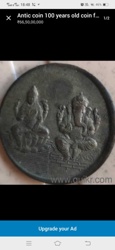
Ganesha and Lakshmi Temple Token
India · Unknown, likely 19th or 20th century
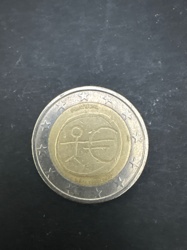
2 Euro Coin - Ancient Horseman (Portugal)
Portugal · 2002

2 Euro Commemorative Coin (Athens 2004 Olympic Games)
Greece · 2004
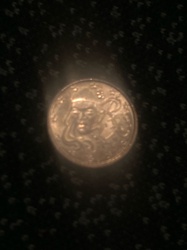
Greek Drachma
Greece · 1973-2000 (specific year not clearly visible, but falls within this range for this design)
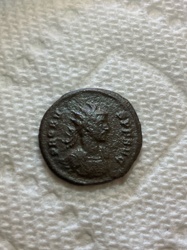
Roman Imperial Antoninianus
Roman Empire · Circa 3rd century AD
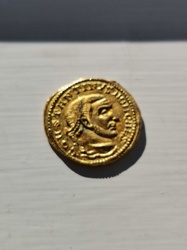
Aureus of Diocletian
Roman Empire · c. 284-305 AD
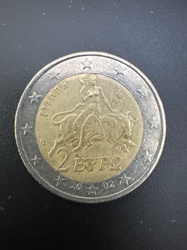
2 Euro (Greece - The Abduction of Europa)
Greece · 2002

Tetradrachm of Alexander the Great
Macedonian Kingdom (Ancient Greece) · Circa 336-323 BCE (posthumous issues continued after his death)
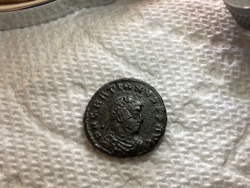
Roman Imperial Coin (likely an Antoninianus)
Roman Empire · Circa 3rd Century CE (specific year difficult to determine without clearer legends)
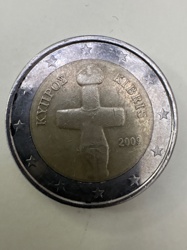
Cyprus 2 Euro Coin (Cruciform Idol)
Cyprus · 2009
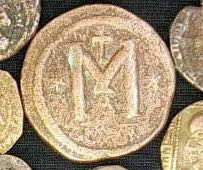
Follis (large module)
Byzantine Empire · Circa 498-668 AD (specifically, the image likely shows a follis from the reigns of Justinian I, Justin II, or Maurice Tiberius, given the clear 'M' design)
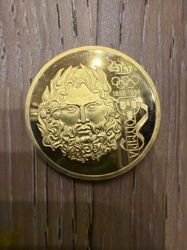
Olympic Games Centennial Commemorative Medal (Zeus/Olympia)
Greece · 1996
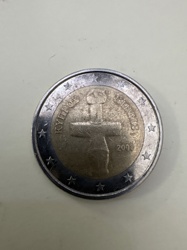
Cyprus 2 Euro Coin (Pomos Idol)
Cyprus · 2008
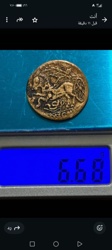
Ancient Greek Tetradrachm (Philip II of Macedon Reverse Style)
Kingdom of Macedonia (Ancient Greece) · Circa 359-336 BC (Original) / Modern Replica (Likely)
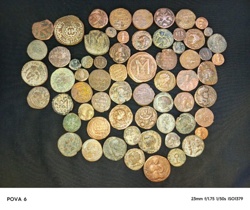
Ancient/Medieval Bronze/Copper Coin (various types)
Likely various regions, potentially Roman, Byzantine, Islamic, or other ancient/medieval empires in the Mediterranean/Middle East. · Highly variable, likely spanning a broad period from the Roman Imperial era (e.g., 3rd-6th centuries AD) through the Byzantine and early Islamic periods (e.g., 7th-10th centuries AD), possibly even later medieval periods. Precise dating requires individual identification of each coin.
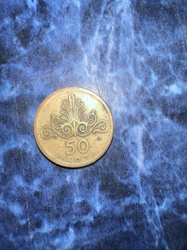
50 Lepta Coin
Greece · 1973-2000 (likely 1973, given the common design seen in the image)
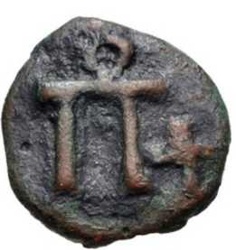
Widow's Mite (Lepton of Herod the Great)
Judea (Ancient Israel) · Circa 37 - 4 BCE
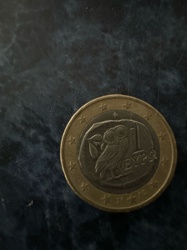
Greek 1 Euro Coin (Owl of Athena)
Greece · 2002
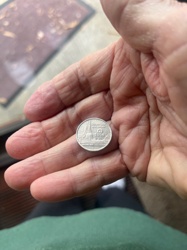
Satang Coin
Thailand · 2523 (1980 AD) (Based on Buddhist calendar year 2523, the Gregorian year is 1980, assuming it's a 1980 50 Satang coin.)
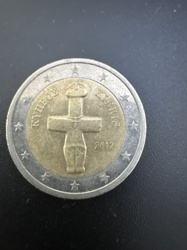
2 Euro Cyprus
Cyprus · 2012

Two Pound Coin (Technology Series)
United Kingdom · 2007
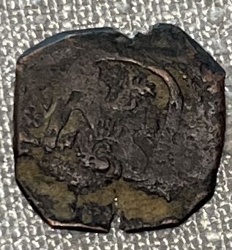
Maravedí
Spain (likely Castile or Aragon) · Late 15th to early 17th century (difficult to determine exact year from image)
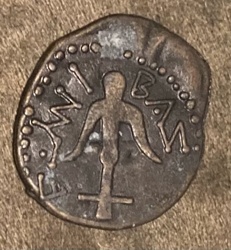
Byzantine Follis (possibly Anonymous Follis)
Byzantine Empire · Circa 10th-11th century AD (specifically, likely Class A2 or A3, c. 976-1081 AD)

2 Euro Commemorative Coin (10th Anniversary of EMU)
France (indicated by 'RF' on the other side, or by mint marks if visible) · 2009
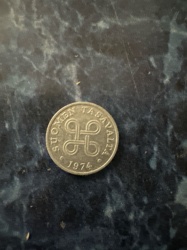
1 Penni
Finland · 1974
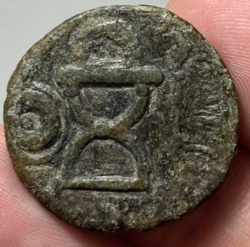
Anchor and Wheel Prutah of Alexander Jannaeus
Hasmonean Kingdom (Ancient Judea) · 103 BC to 76 BC