
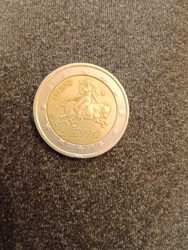
Greece 2 Euro (Europa and the Bull)
Greece (Hellenic Republic) · 2003
2 Euro
Category
Browse ancient greece (macedonian kingdom) coins identified by the Coin Identifier community.
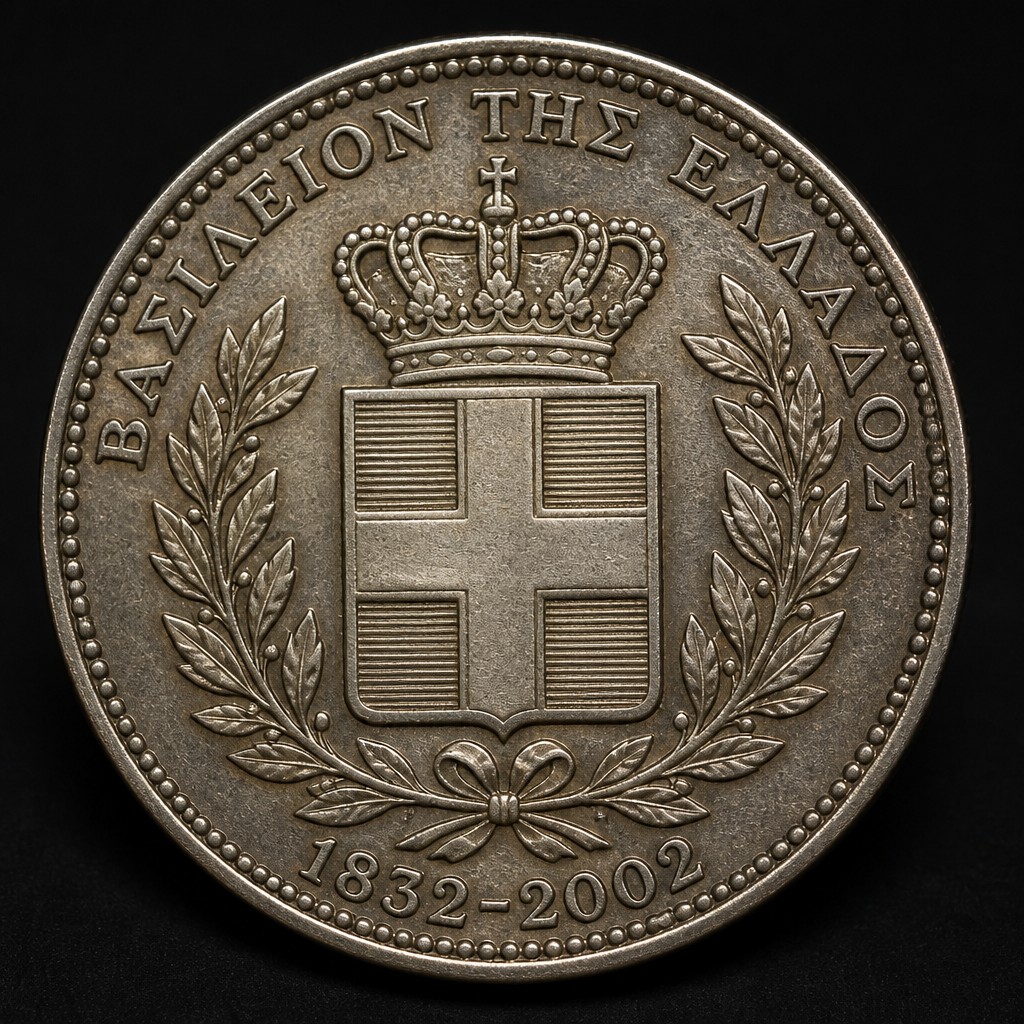
Greek Drachma
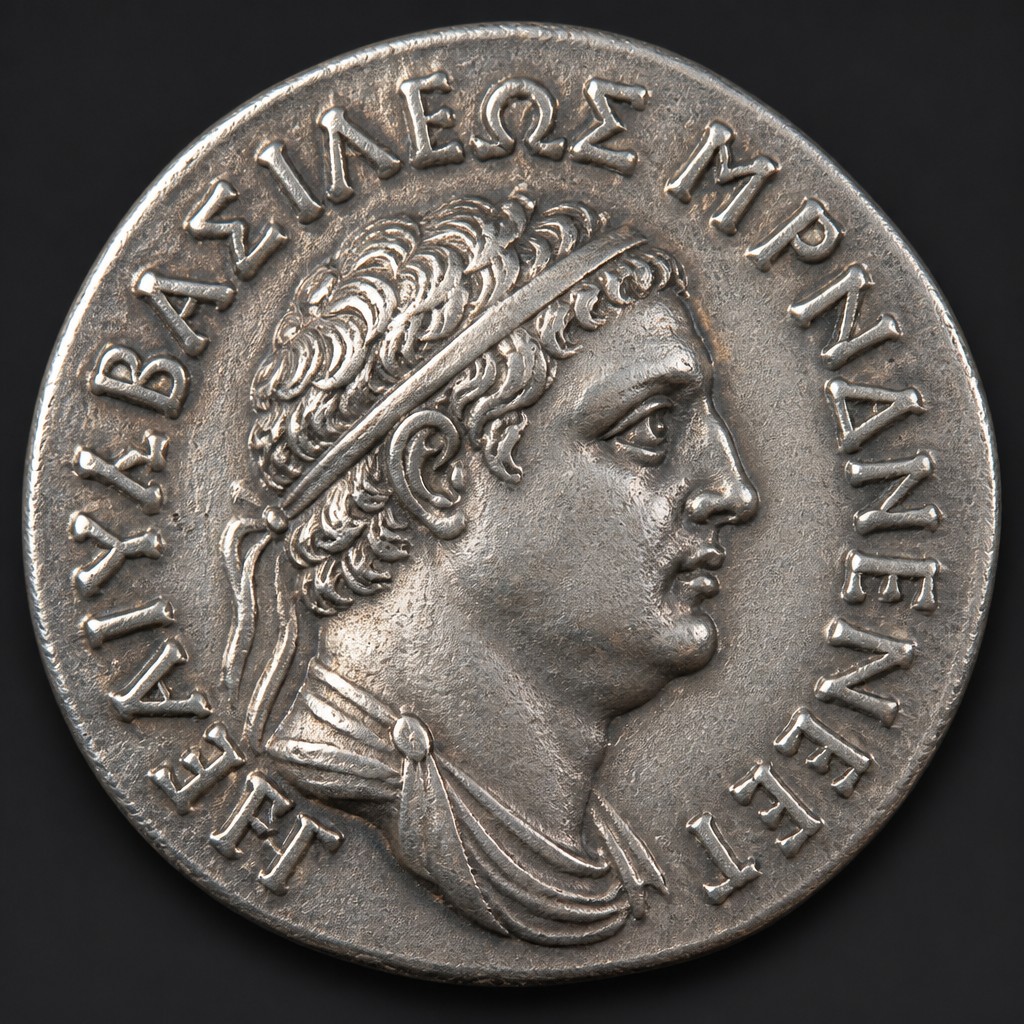
Indo-Greek Silver Drachm (Menander)
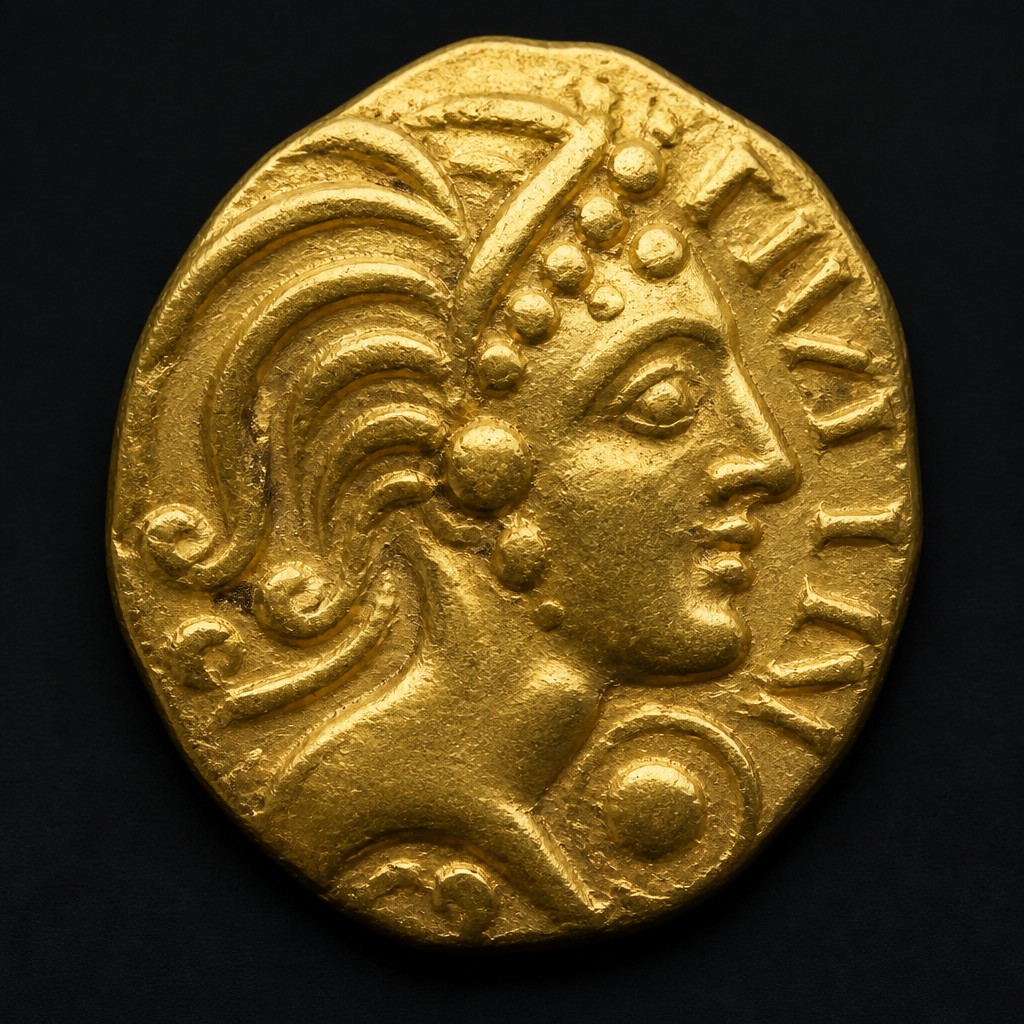
Ancient British Gold Stater (Cunobelin)
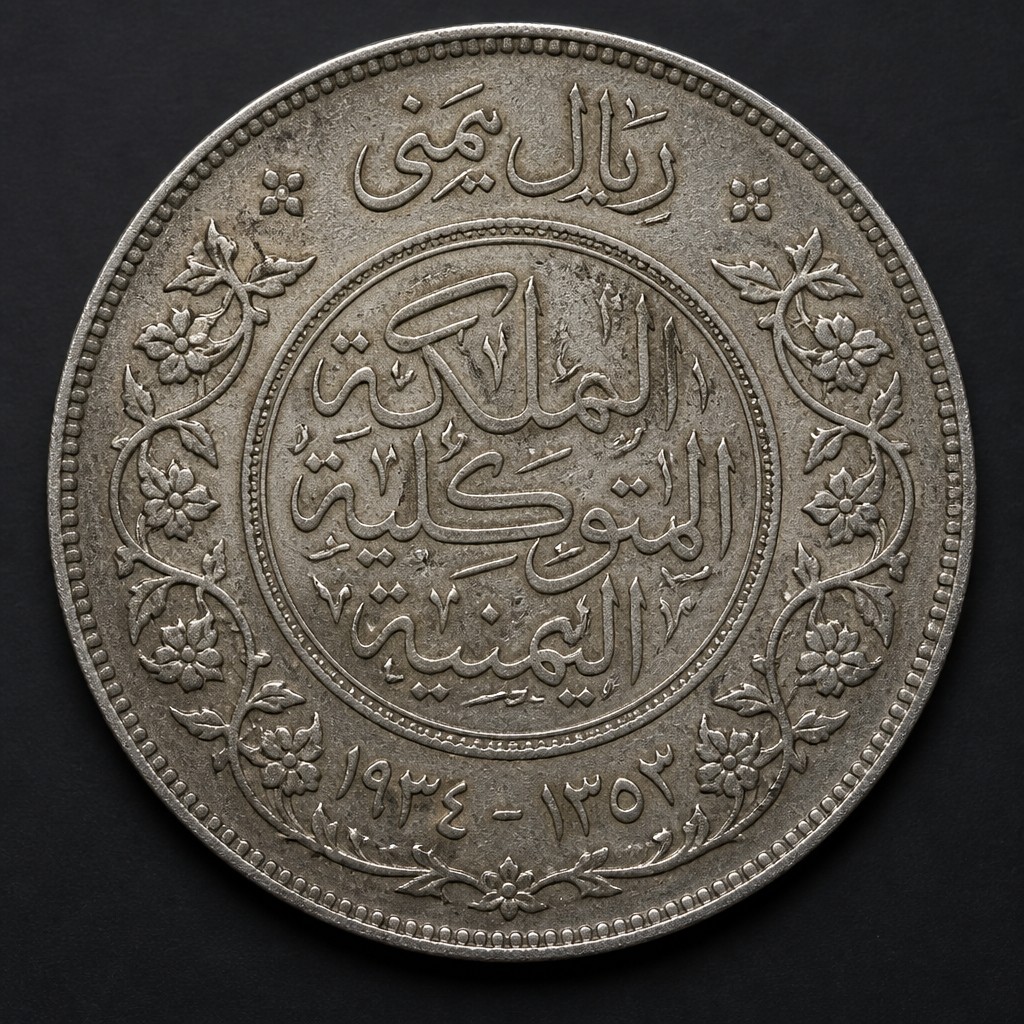
Yemeni Riyal (Ahmadi/Imadi Kingdom Coinage)
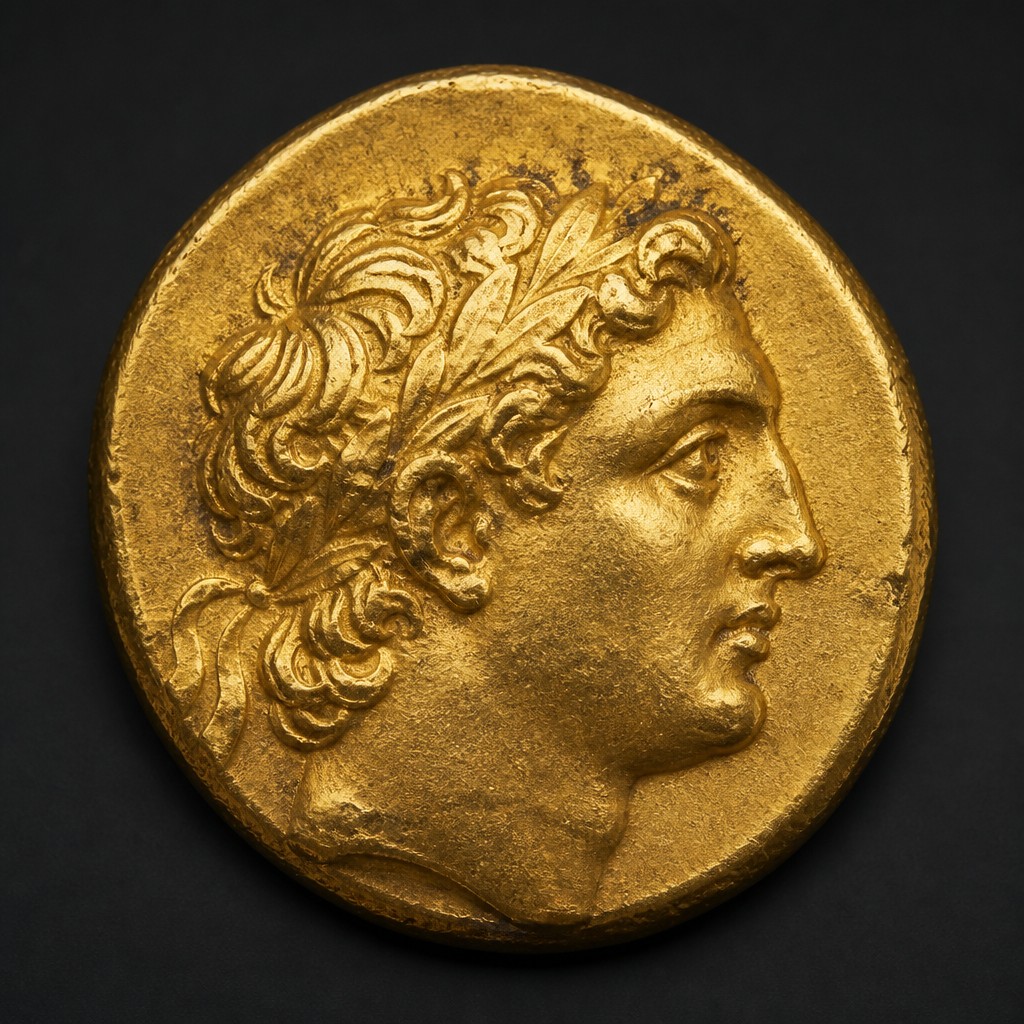
Philip II of Macedon Gold Stater
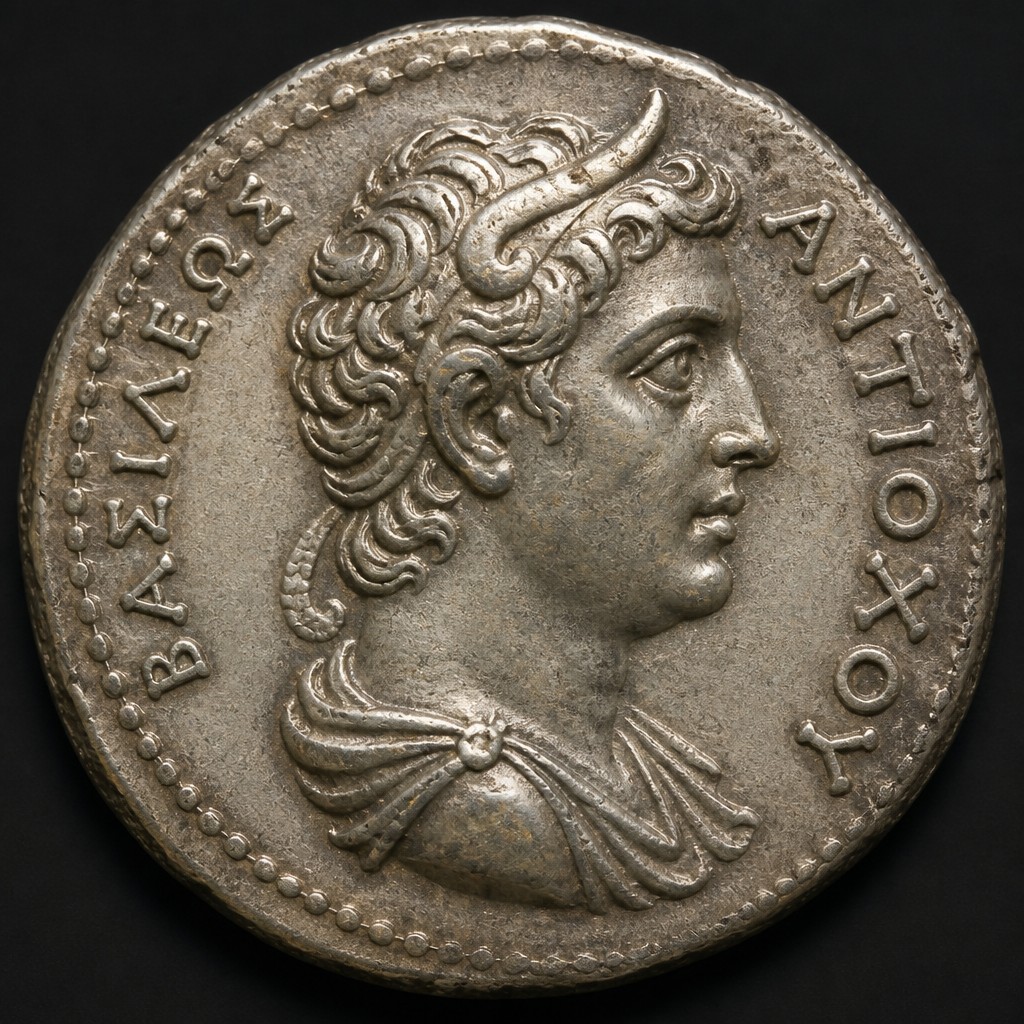
Bactrian Silver Tetradrachm
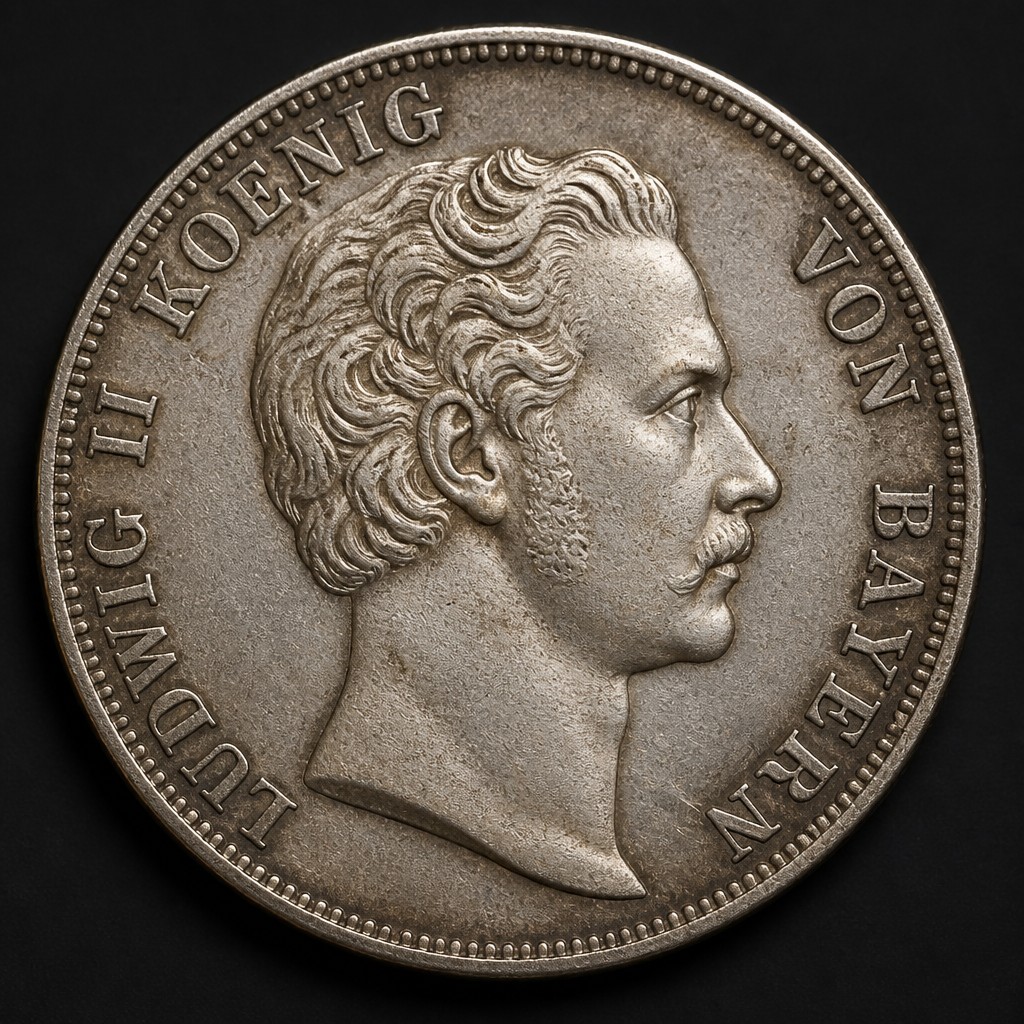
German Bavaria Thaler
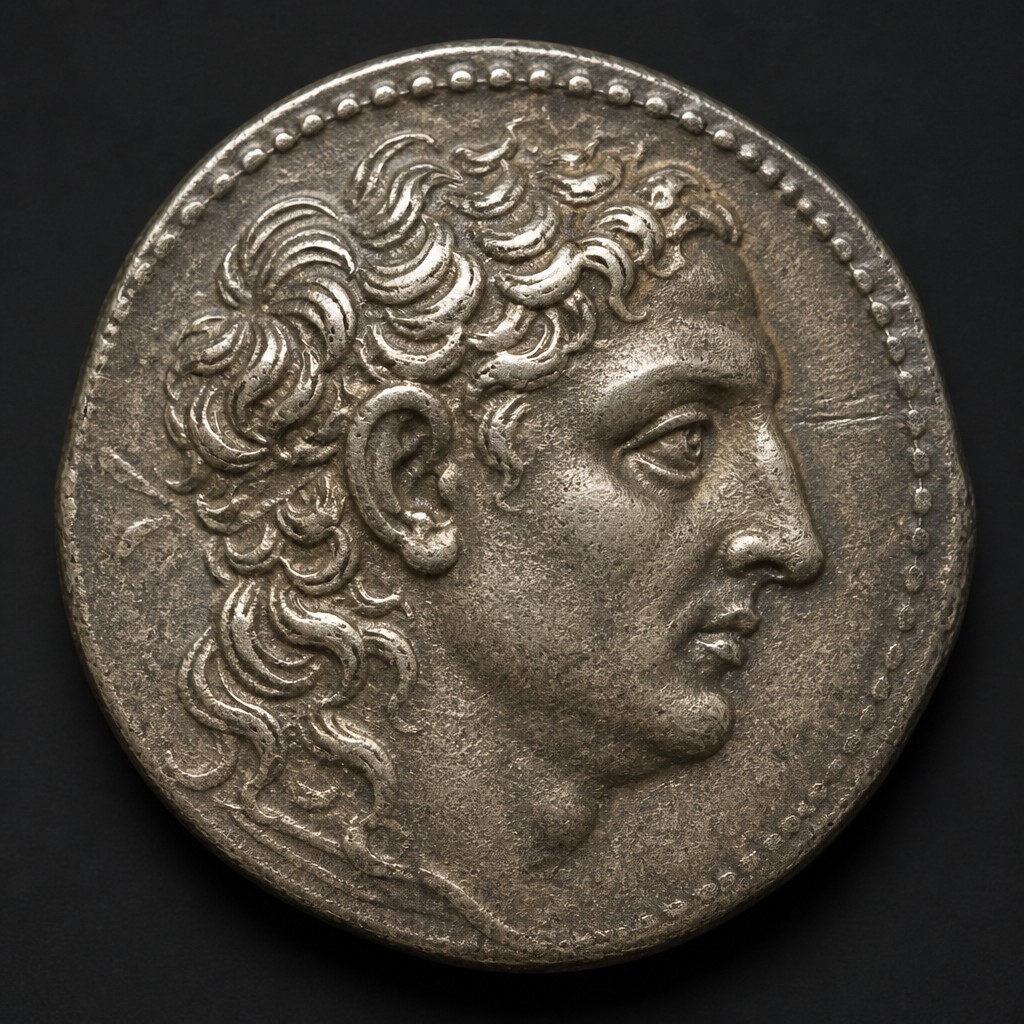
Mithradates VI Pontos Tetradrachm
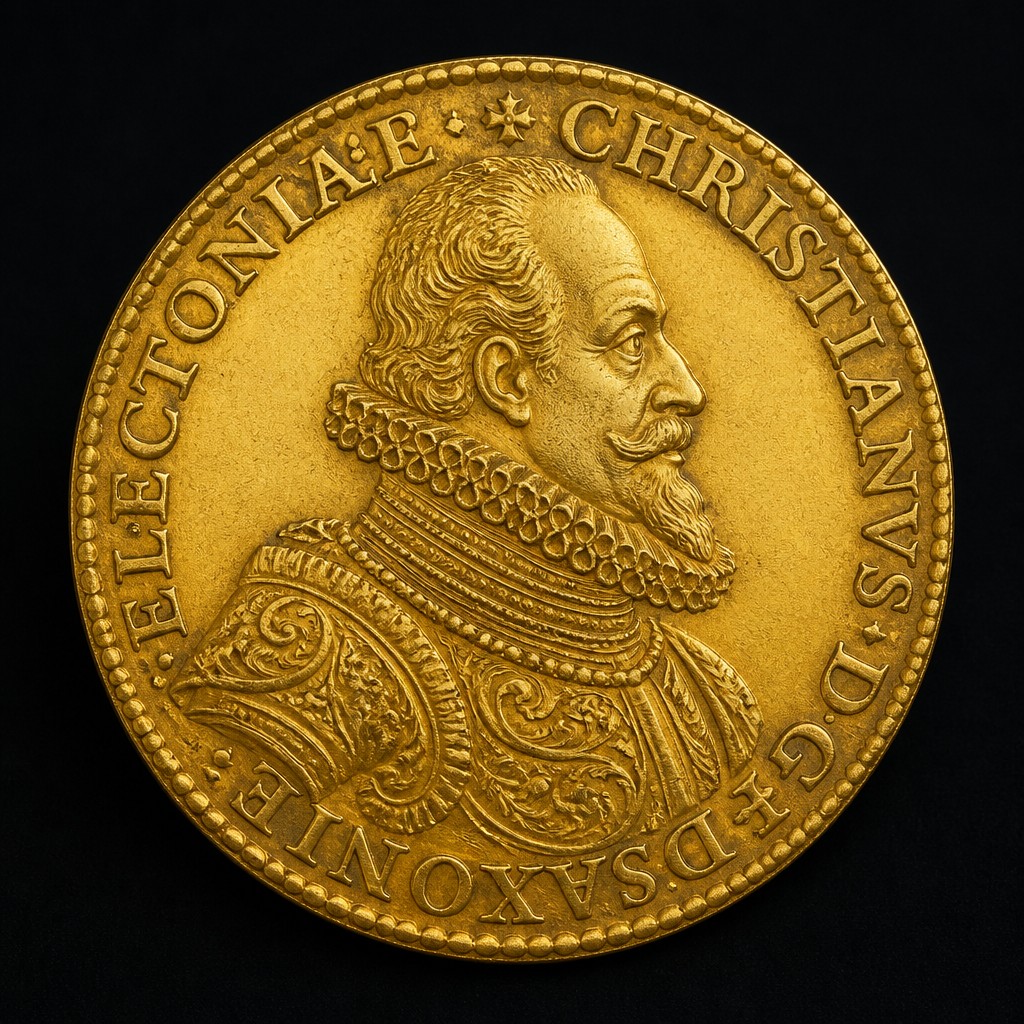
German Saxony Ducat
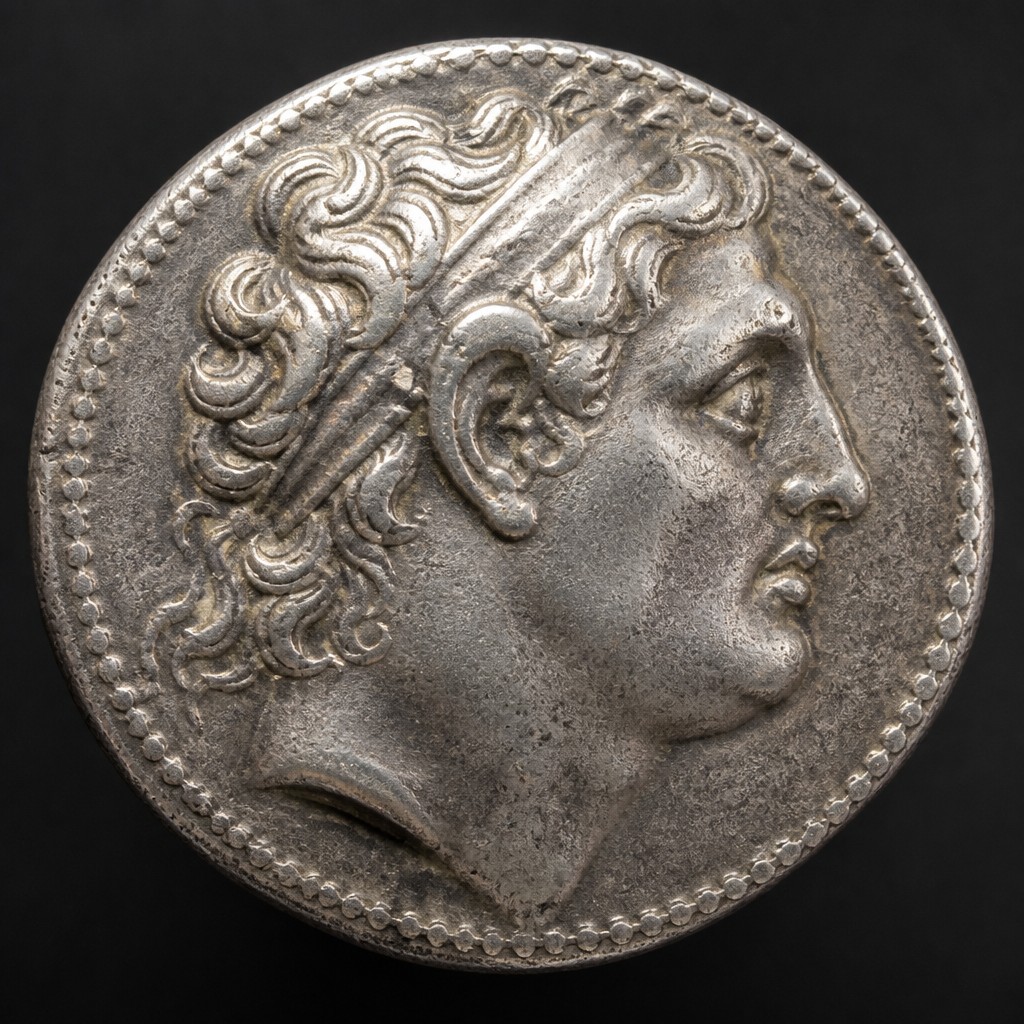
Lysimachos Tetradrachm (Alexander/Athena)
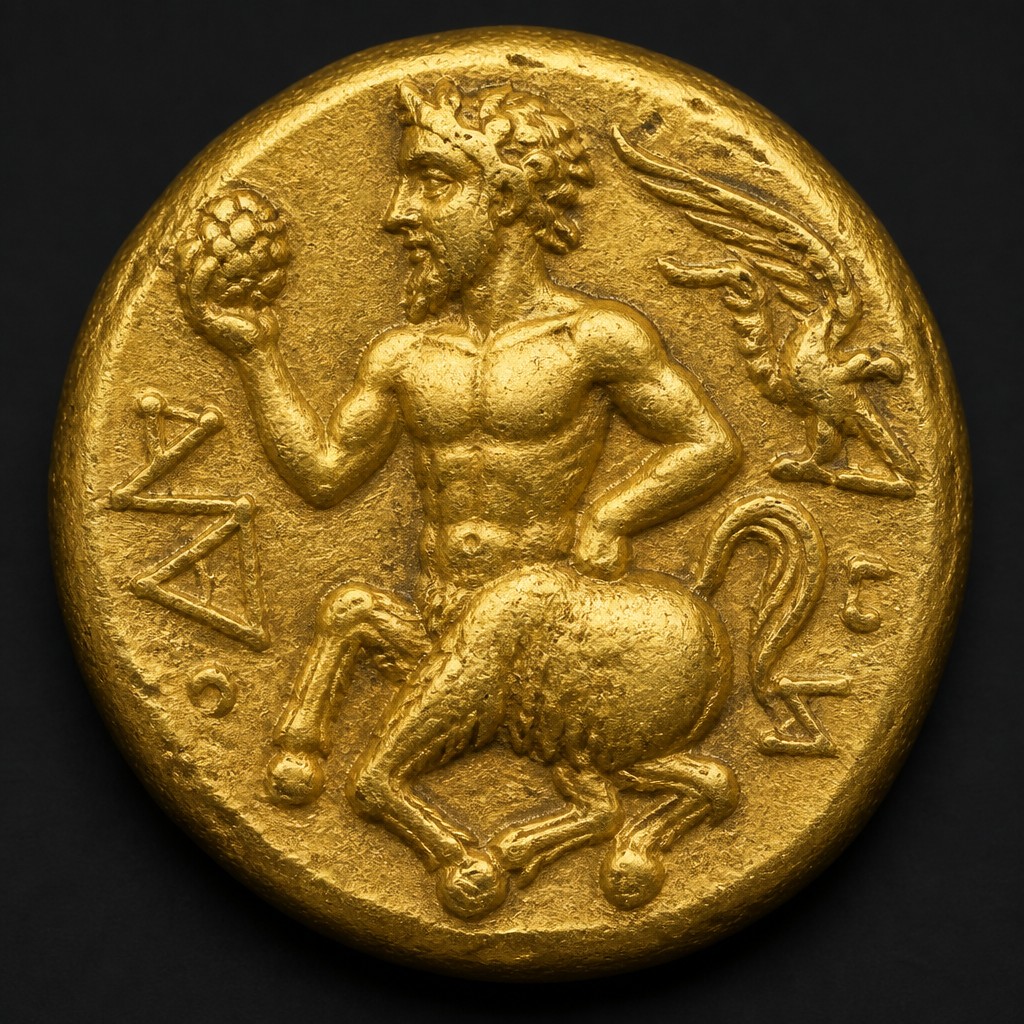
Panticapaeum Gold Stater (Pan/Griffin)
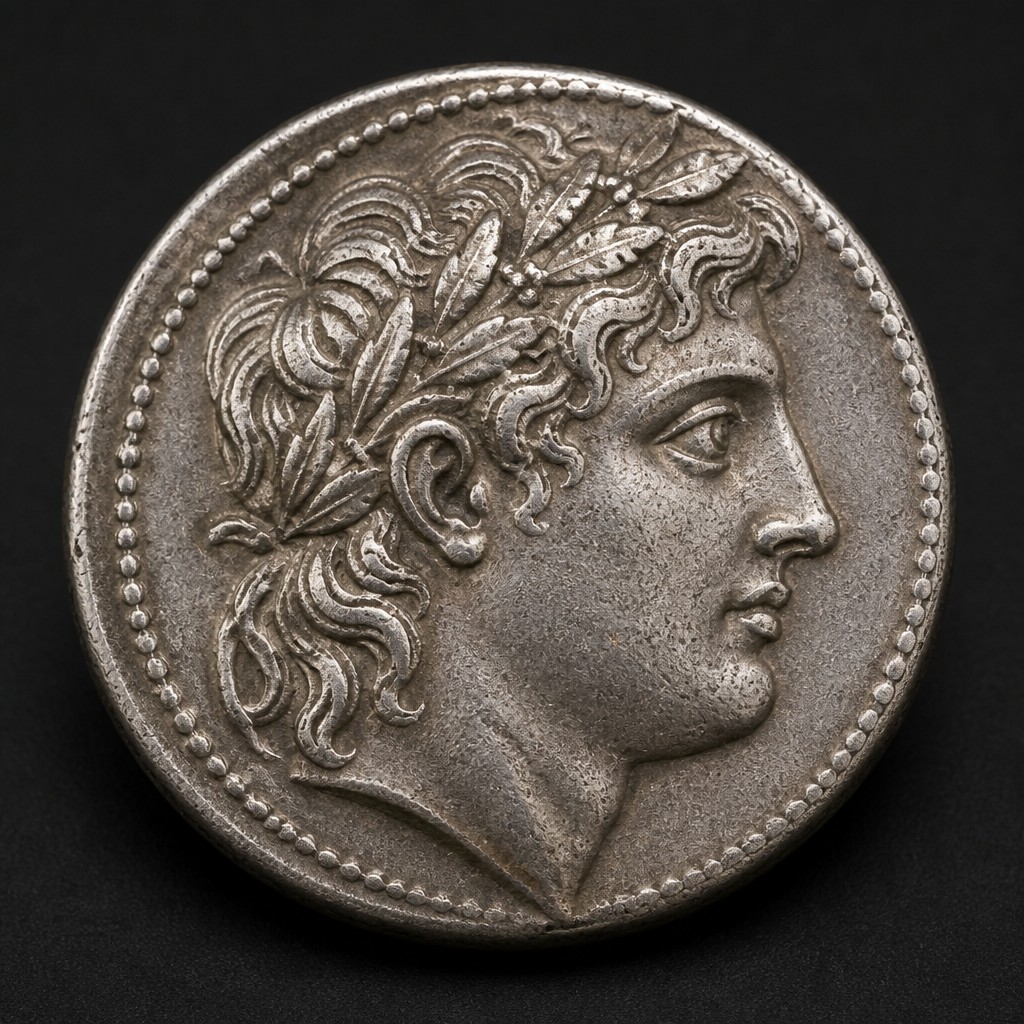
Amphipolis Apollo Tetradrachm
Greece 2 Euro (Europa and the Bull)
Greece (Hellenic Republic) · 2003
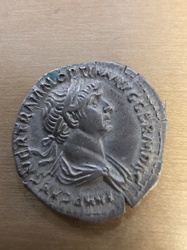
Trajan Denarius (Fortuna Redux type)
Roman Empire · 114-117 AD
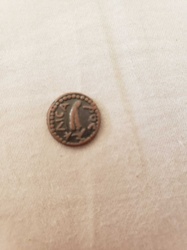
Inca Token (Promotional/Novelty)
Unknown (Likely USA or Peru) · Late 20th Century (Modern Reproduction)
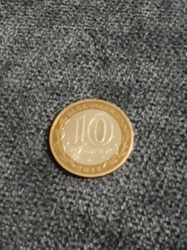
10 Rubles - commemorative (Ancient Towns of Russia or Regions of the Russian Federation)
Russia · 2014
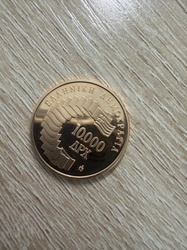
XI Mediterranean Games Commemorative Gold Coin
Greece (Hellenic Republic) · 1991
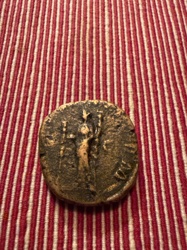
Roman Imperial Coin of Antoninus Pius
Roman Empire · 138-161 AD
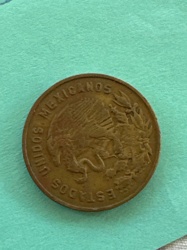
Mexico 20 Centavos (Teotihuacán Pyramid type)
Mexico · Circulated between 1943 and 1974 (Specific date on reverse)
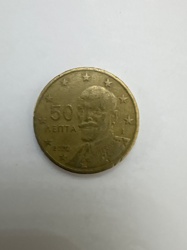
50 Lepta Coin (Euro Greek Version)
Greece (Eurozone) · 2002
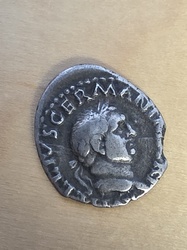
Denarius of Vitellius
Roman Empire, Rome Mint · 69 AD (Year of the Four Emperors)
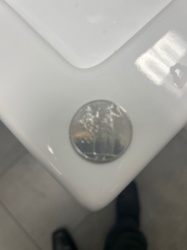
New Israeli Shekel (Agora or Shekel)
Israel · Unclear from the image (appears to be a modern Israeli coin)
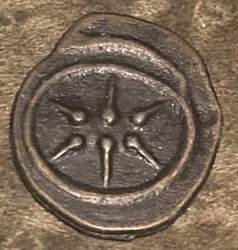
Ancient Roman or Byzantine Seal/Amulet (likely not a coin)
Roman Empire or Byzantine Empire (approximation) · Unknown (likely Ancient to Medieval period)
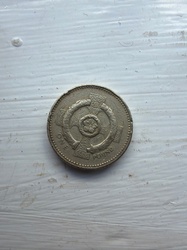
United Kingdom 'Northern Ireland' Celtic Cross 1 Pound
United Kingdom (Royal Mint) · 2001
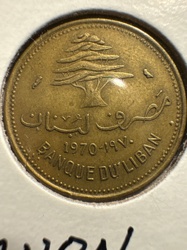
Lebanon 1 Piastre
Lebanon · 1970
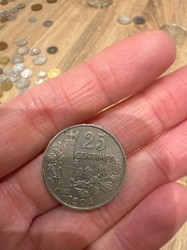
25 Centimes (Fasces and Oak Branch)
France · 1904
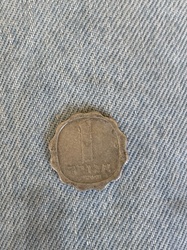
1 Agora (Scalloped Edge)
Israel · 1960–1980 (The date on this specific coin appears to be 1965 or Hebrew year 5725)
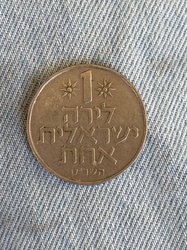
Israel 1 Lira
Israel · 1959 (Hebrew year 5719 / תש״יט)
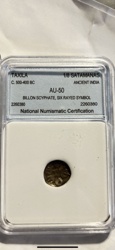
Taxila 1/8 Satamanas "Six Rayed Symbol"
Ancient India · C. 500-400 BC
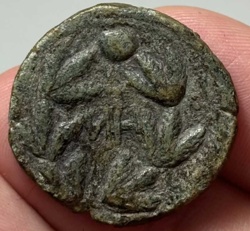
Ancient Roman Bronze Coin
Roman Empire · Circa 4th Century AD (Late Roman Empire)
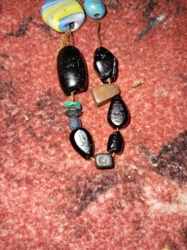
Not a Coin (Ancient/Vintage Beads)
Unknown (Likely Middle Eastern or African origin) · N/A (Ancient or Proto-currency era)
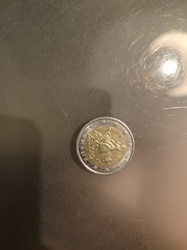
Greece 2 Euro (Europa and the Bull)
Greece / Hellenic Republic · 2002
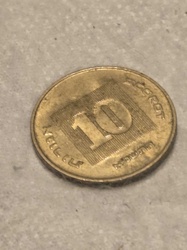
10 Agorot
Israel · 1985 - Present

Shatamana
Ancient India (Taxila) · Circa 500-400 BC
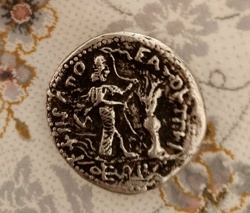
Denarius, Marcus Aurelius or Commodus
Roman Empire · Circa 161-192 AD (based on similar examples of common reverses for these emperors)
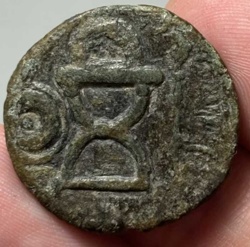
Copper Lepton (The Widow's Mite)
Judea (Ancient Israel) · Circa 103-76 BC
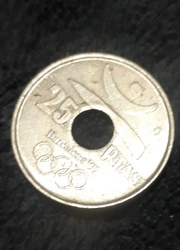
Spain 25 Pesetas - 1992 Barcelona Olympics Series
Spain (Kingdom of Spain) · 1990
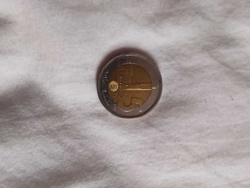
Algerian 5 Dinar Coin
Algeria · 1992-2012 (this specific bi-metallic design series)
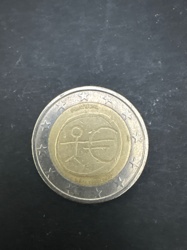
2 Euro Coin - Ancient Horseman (Portugal)
Portugal · 2002
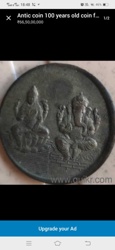
Ganesha and Lakshmi Temple Token
India · Unknown, likely 19th or 20th century
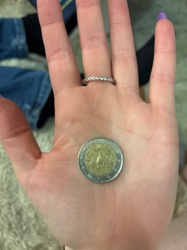
2008 Cyprus 2 Euro Coin
Cyprus · 2008
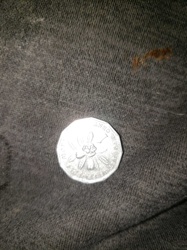
Cyprus 5 Cents (Archangelos)
Cyprus · 1991-2004
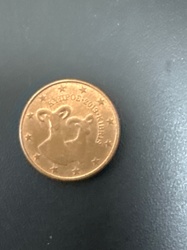
Cypriot 5 Euro Cent
Cyprus · 2019
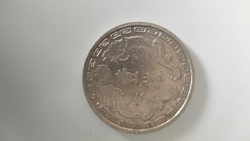
Twin Dragon Silver Dollar
China / Japan (Medallic Coinage) · c. 1870 (Meiji Year 3)
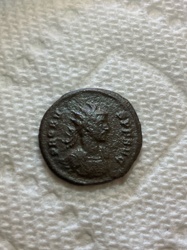
Roman Imperial Antoninianus
Roman Empire · Circa 3rd century AD
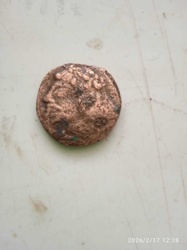
Kushan Tetradrachm of Kanishka I
Kushan Empire (Central Asia / India) · c. 127–150 CE
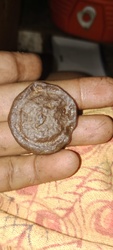
Byzantine Follis (Likely Anonymous Type)
Byzantine Empire · Approximately 9th - 11th Century AD
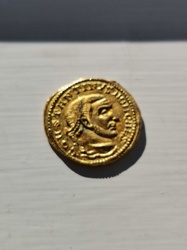
Aureus of Diocletian
Roman Empire · c. 284-305 AD
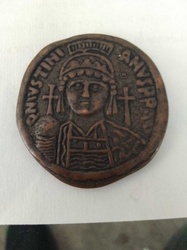
Justinian I Follis (Large Bronze 40 Nummi)
Byzantine Empire (Eastern Roman Empire) · 538-539 AD (Regnal Year 12)
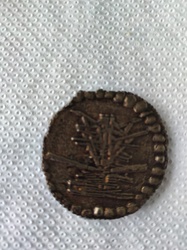
Widow's Mite (Lepton of Alexander Jannaeus) Replica
Hasmonean Kingdom of Judea (Modern Israel) · Original: 103-76 BC; This item: Modern Era
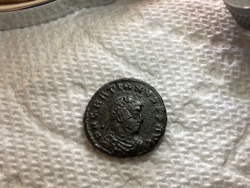
Roman Imperial Coin (likely an Antoninianus)
Roman Empire · Circa 3rd Century CE (specific year difficult to determine without clearer legends)
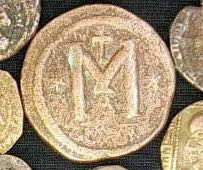
Follis (large module)
Byzantine Empire · Circa 498-668 AD (specifically, the image likely shows a follis from the reigns of Justinian I, Justin II, or Maurice Tiberius, given the clear 'M' design)
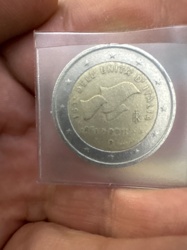
Italian 2 Euro Commemorative Coin - 150th Anniversary of Italian Unification
Italy · 2011
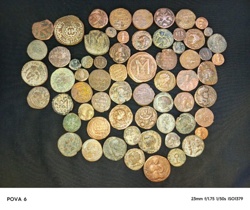
Ancient/Medieval Bronze/Copper Coin (various types)
Likely various regions, potentially Roman, Byzantine, Islamic, or other ancient/medieval empires in the Mediterranean/Middle East. · Highly variable, likely spanning a broad period from the Roman Imperial era (e.g., 3rd-6th centuries AD) through the Byzantine and early Islamic periods (e.g., 7th-10th centuries AD), possibly even later medieval periods. Precise dating requires individual identification of each coin.