
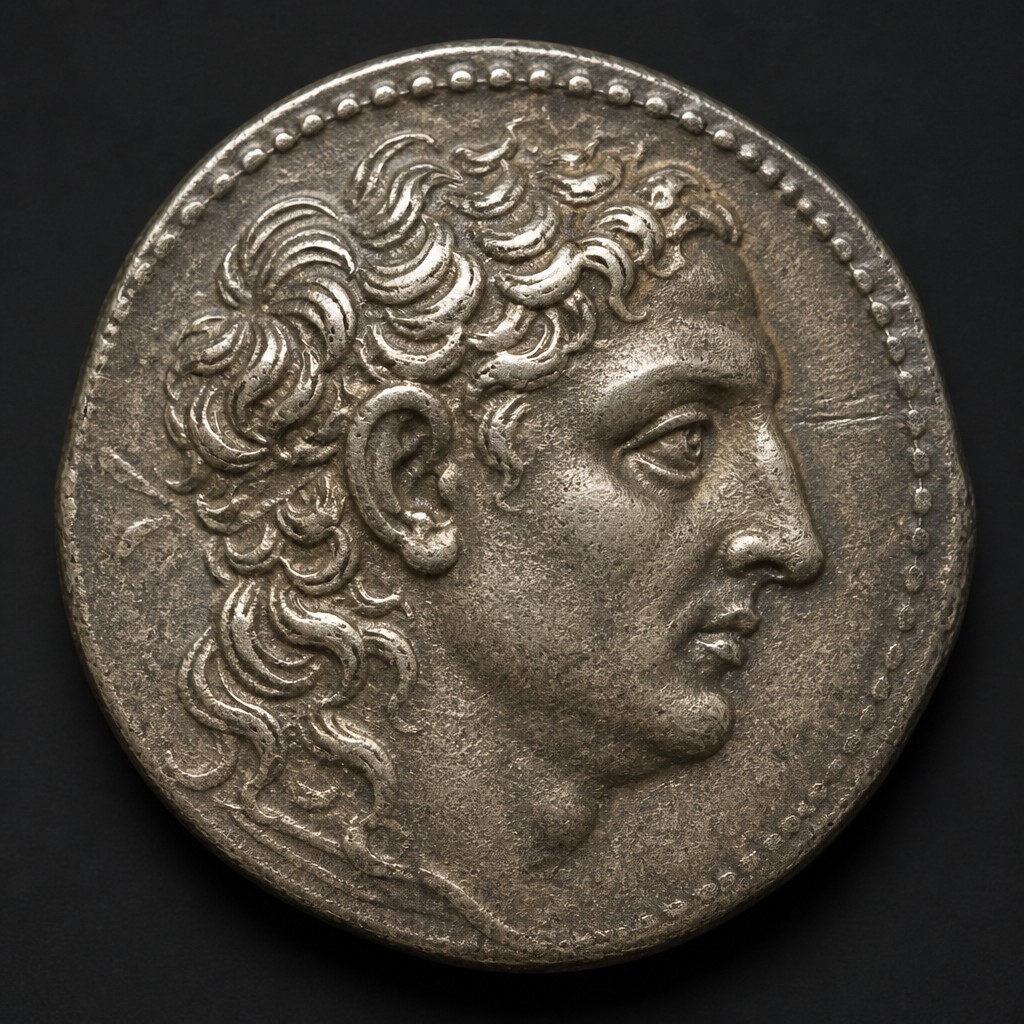
Mithradates VI Pontos Tetradrachm
A Hellenistic silver tetradrachm portraying Mithradates VI Eupator of Pontos, Rome's fiercest eastern rival, with his distinctive wind-swept diademed portrait and a grazing stag reverse.
- Country
- Kingdom of Pontos
- Denomination
- Tetradrachm
- Metal
- Silver
Got a coin like this?
Identify any coin from a photo, free.
Overview
Mithradates VI of Pontos, one of the most formidable and enduring opponents Rome faced in the ancient Mediterranean, issued tetradrachms bearing an unusually vivid and individualized royal portrait, his hair swept back dramatically from his forehead in a style deliberately recalling Alexander the Great. The reverse pairs a grazing stag with the royal Pontic emblem of a star and crescent, tying the coinage to both dynastic identity and the king's cultivated image as a new Alexander.
The series holds strong appeal for collectors of Hellenistic royal portraiture and for those interested in the history of Rome's wars in the East, since Mithradates fought three major wars against the Roman Republic before his eventual defeat and death in 63 BC.
History & Background
Mithradates VI Eupator ruled the Kingdom of Pontos, on the southern shore of the Black Sea, from around 120 to 63 BC, building it into a major regional power through conquest and alliance-building across Anatolia and the Black Sea coast. He became Rome's most persistent and dangerous eastern adversary, fighting the First, Second, and Third Mithridatic Wars against a series of Roman commanders including Sulla, Lucullus, and finally Pompey the Great.
His coinage, dated according to the Pontic royal era and often bearing precise month and year indications, is unusually well documented for a Hellenistic ruler, allowing scholars to trace his reign and territorial control with real precision. After a long and costly struggle, Mithradates was ultimately defeated and, according to tradition, took his own life (or had a soldier do so) in 63 BC after his own son turned against him, bringing an end to one of Rome's longest and most stubborn conflicts with a single ruler.
How to Identify
The obverse shows the diademed portrait of Mithradates VI facing right, with long, flowing hair swept back from the forehead in a manner deliberately evocative of portraits of Alexander the Great, aiming to project heroic, quasi-divine kingship. The reverse depicts a stag grazing to the left beneath a star and crescent moon, the dynastic emblem of the Pontic royal house, with a wreath of ivy or laurel bordering the design and the king's name and titles inscribed alongside a specific dated era numeral.
Collectors use the era date, when legible, to pinpoint the exact regnal year of a given tetradrachm, since Mithradates's mints (including one operating at Pergamon during his occupation of that city) issued coinage over several decades. The portrait style, along with mint monograms and the specific date, allows fairly precise attribution among the many issues produced during his long and eventful reign.
Value & Collectibility
Mithradates VI tetradrachms are popular among collectors of Hellenistic royal portraiture and of Roman-era Eastern history, given his fame as Rome's great nemesis. Prices for legible, moderately worn examples generally start in the low thousands of dollars, while sharply struck portraits with full dated legends and strong eye appeal can command significantly higher prices at auction.
As with other individualized Hellenistic royal portraits, the vividness and sharpness of the king's distinctive hairstyle and facial features strongly influence desirability, along with the legibility of the dated era numeral, which adds historical specificity that many collectors find especially appealing.
Frequently asked questions
Why does Mithradates's hair look like Alexander the Great's?
He deliberately styled his royal portraiture to evoke Alexander, projecting an image of heroic, larger-than-life kingship and continuity with Alexander's legacy.
Why did Rome fight Mithradates three times?
He repeatedly challenged Roman power and territory in Anatolia and the Black Sea region across a series of conflicts spanning from the 80s to 60s BC, proving to be an unusually resilient and resourceful opponent.
What is the star and crescent on the reverse?
It was the traditional dynastic emblem of the kings of Pontos, appearing consistently on royal Pontic coinage alongside other reverse types like the grazing stag.
How did Mithradates die?
After his final defeat by Pompey and betrayal by his own son, ancient sources report he attempted suicide by poison and, when that reportedly failed due to his lifelong practice of taking antidotes, had a soldier kill him in 63 BC.
Other coins you may enjoy
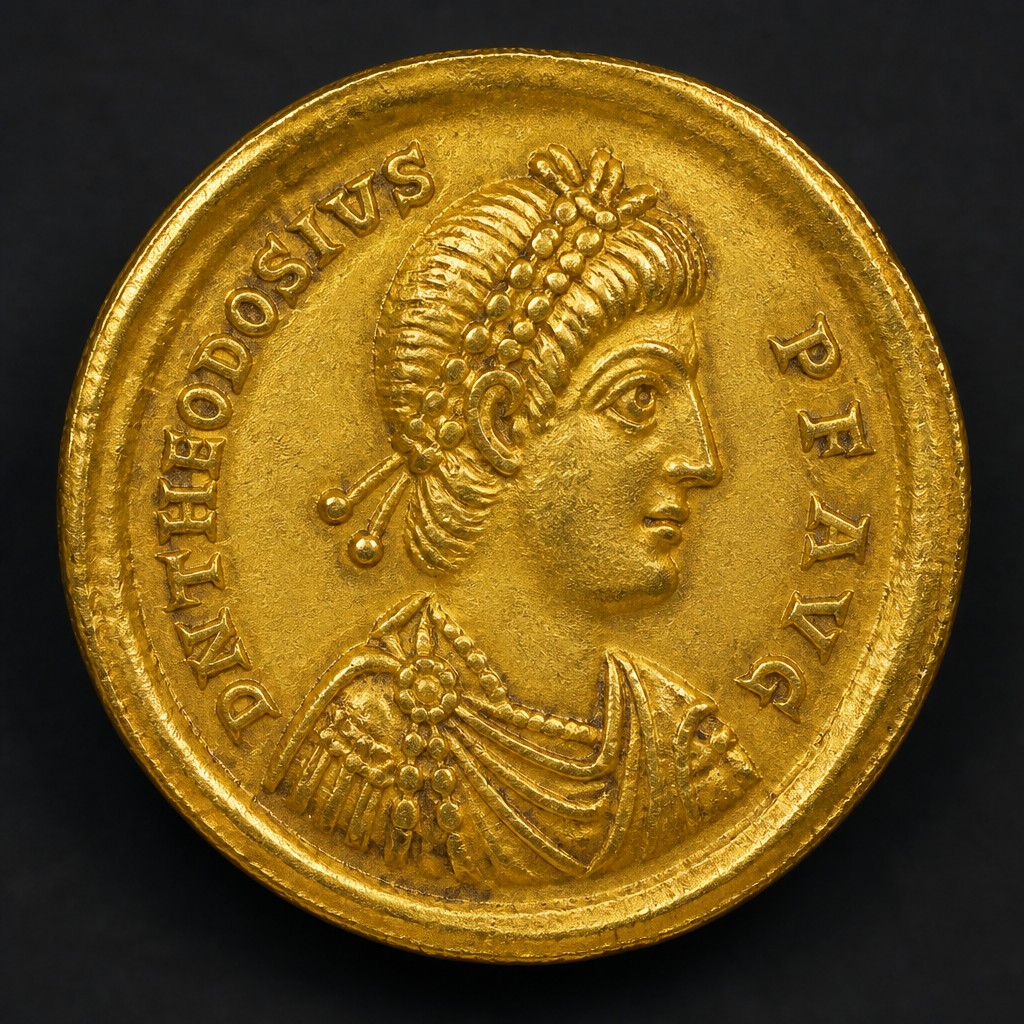
Theodosius I Solidus
379–395 AD
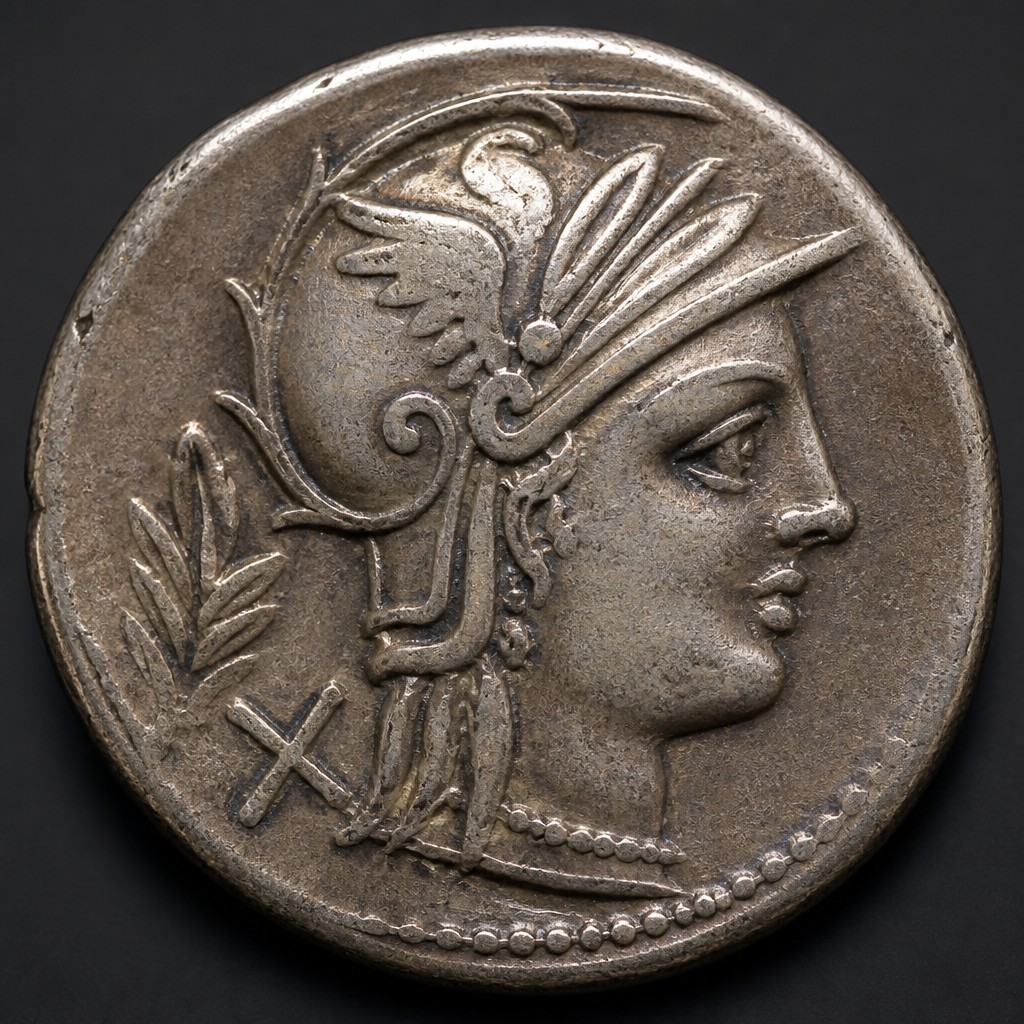
Republican Victoriatus
c. 211–170 BC
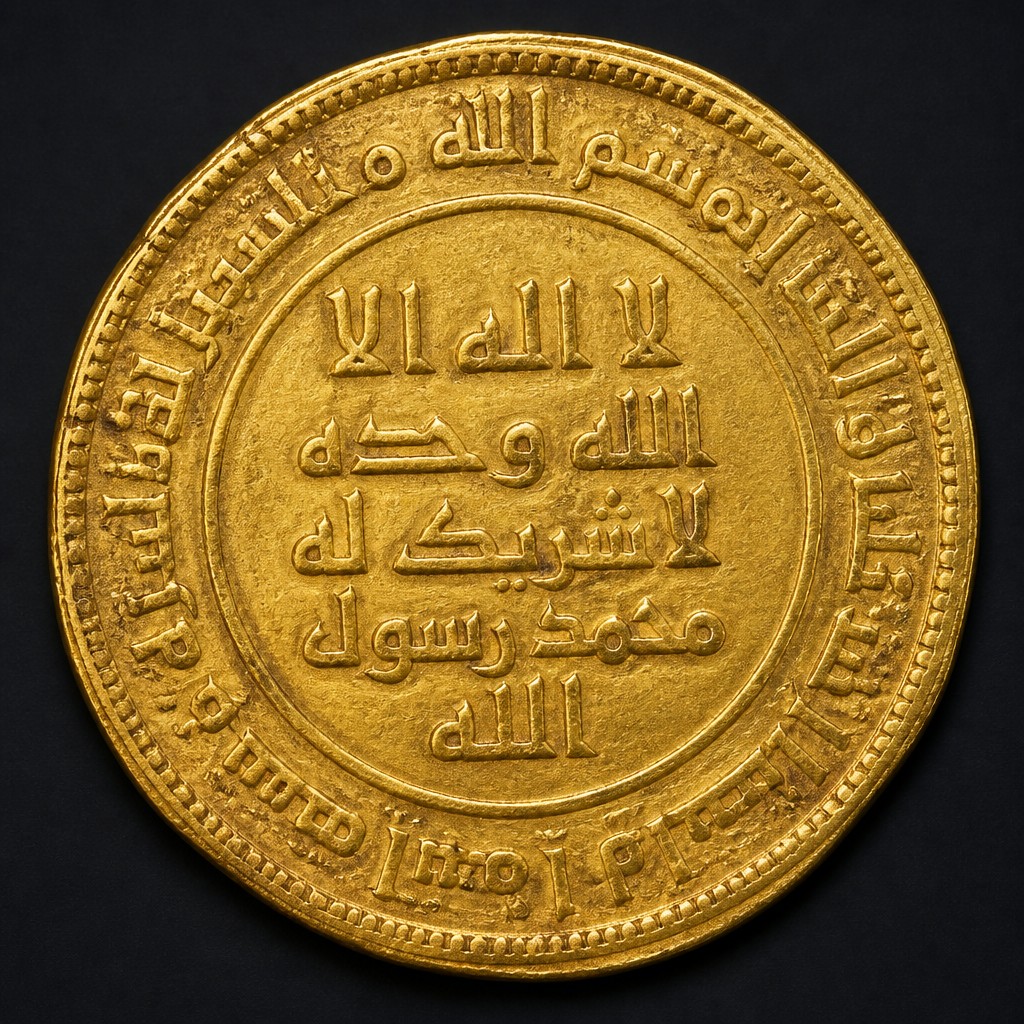
Islamic Gold Dinar (Umayyad)
c. 696–750 AD
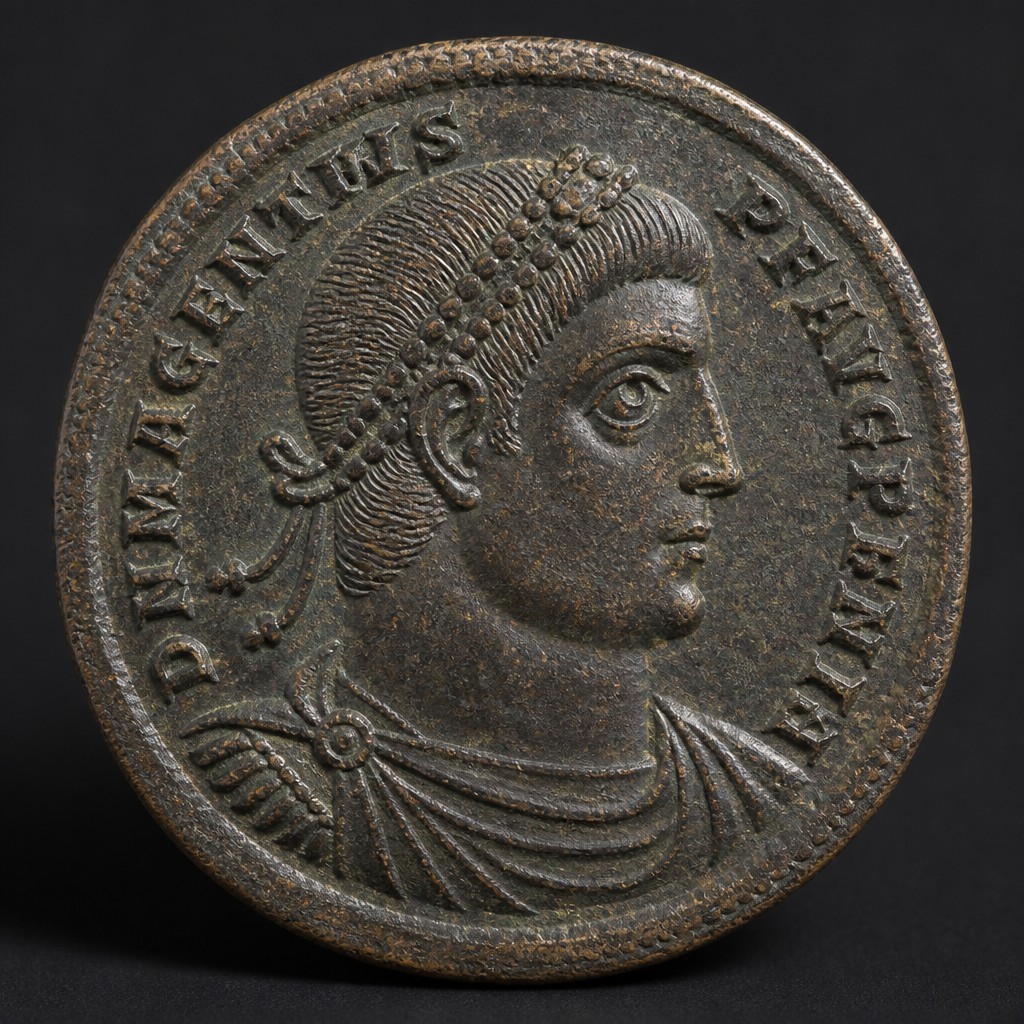
Magnentius Double Centenionalis
350–353 AD
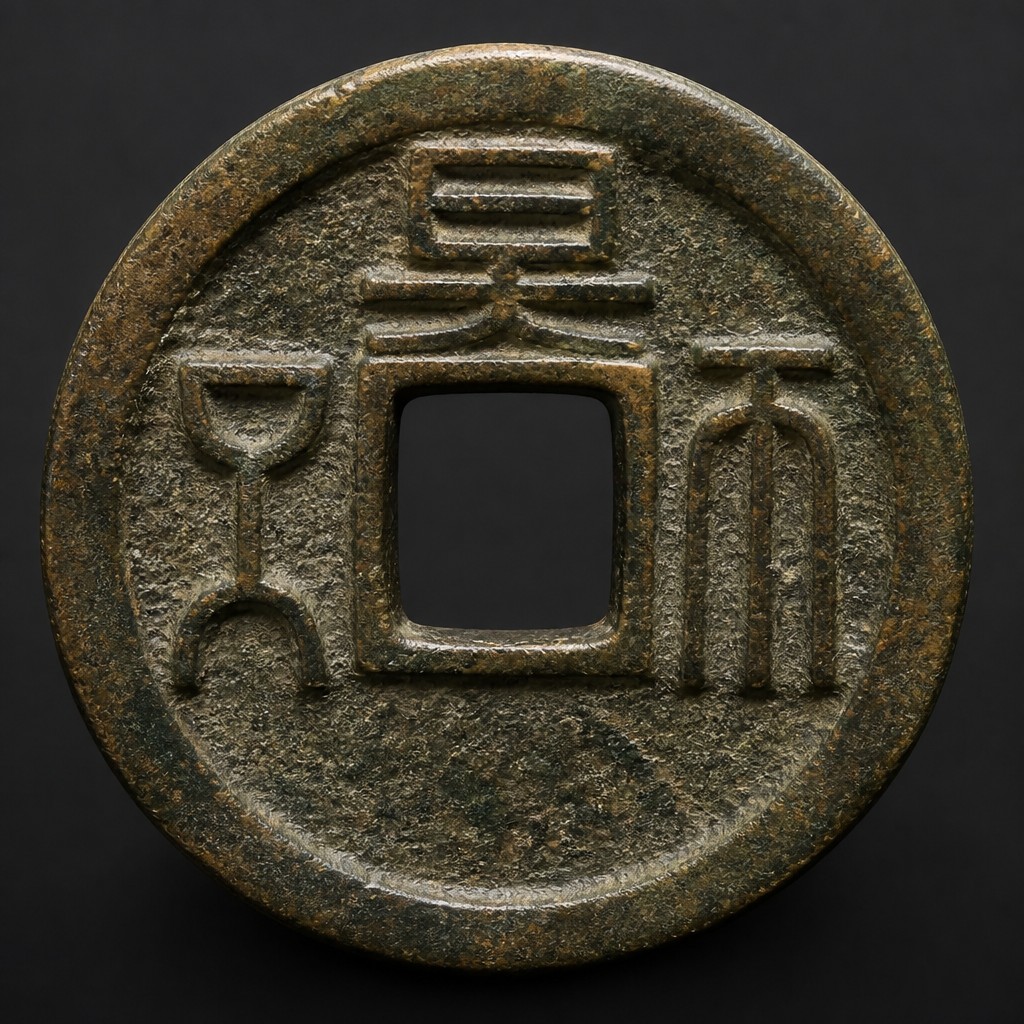
Chinese Wu Zhu Cash
118 BC – 618 AD
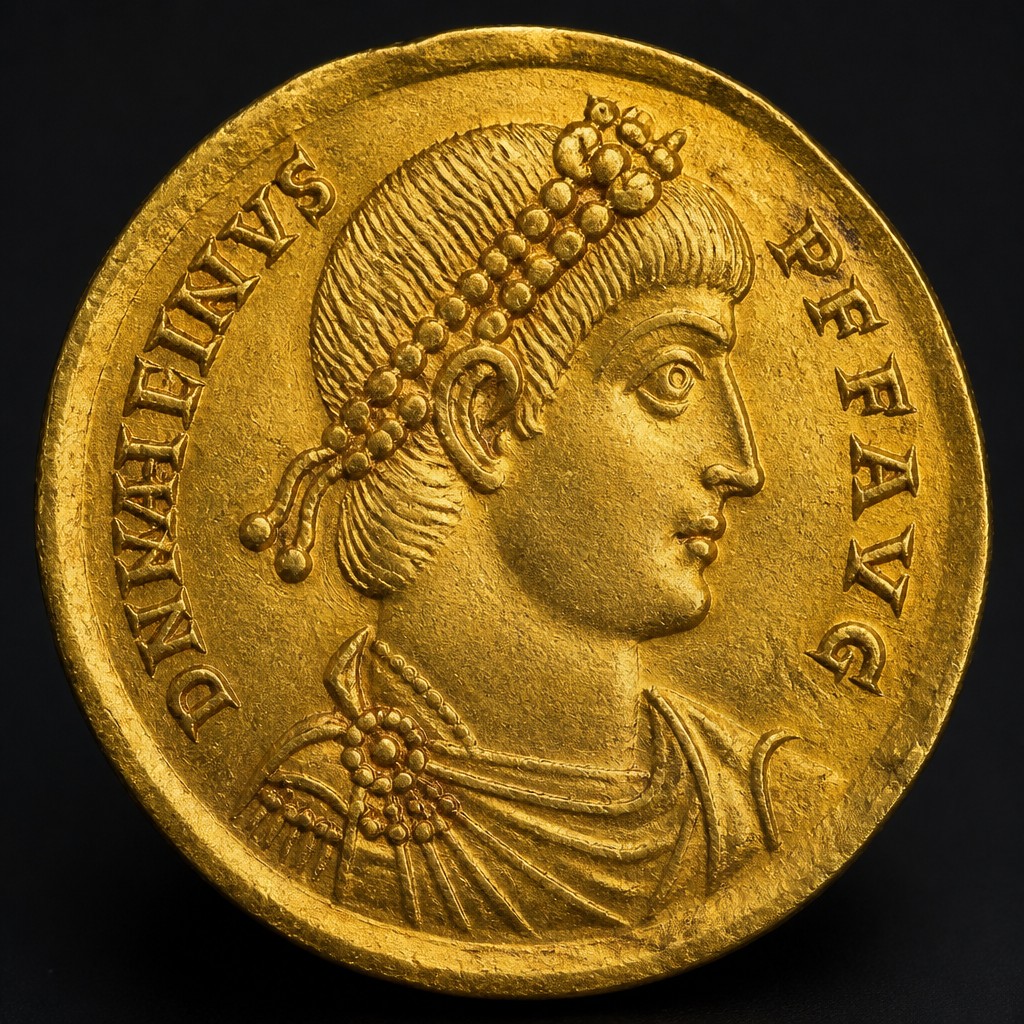
Valentinian I Solidus
364–375 AD
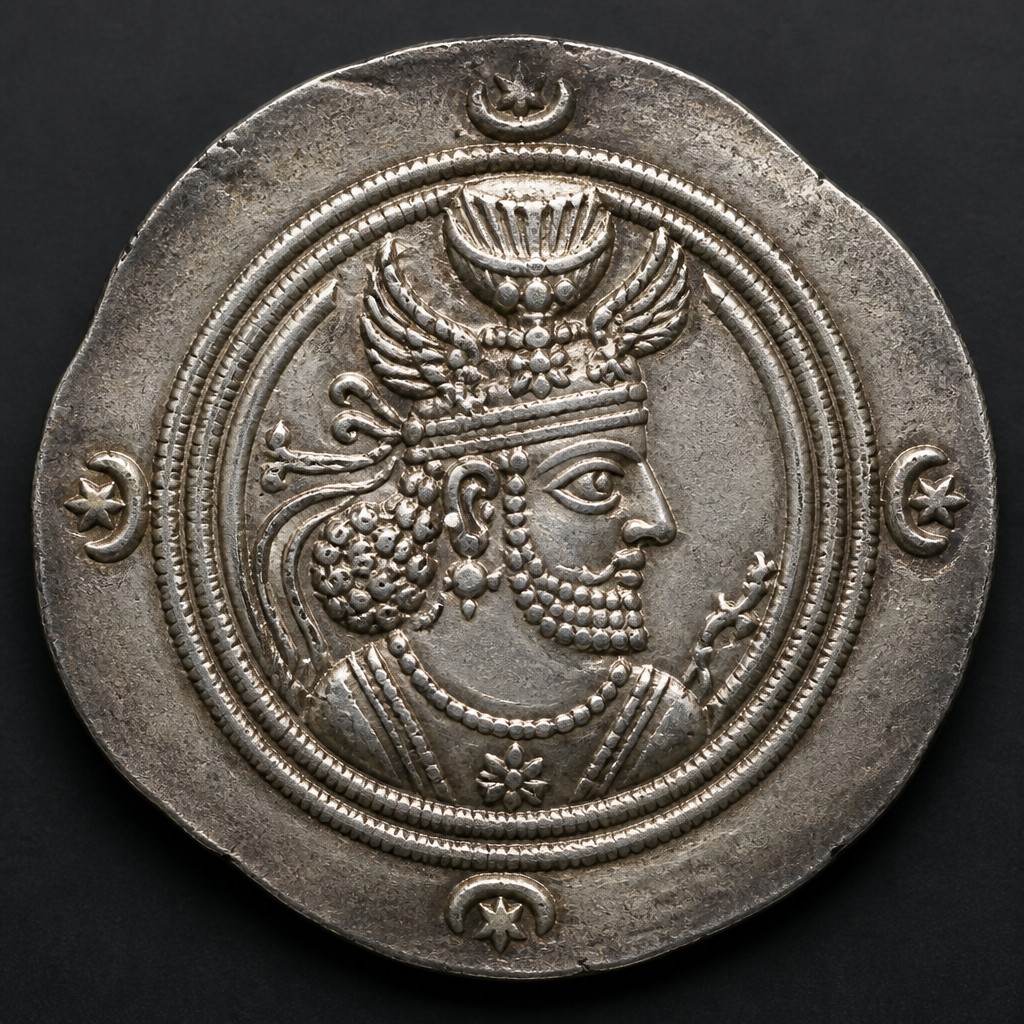
Sassanian Silver Drachm
c. 224–651 AD
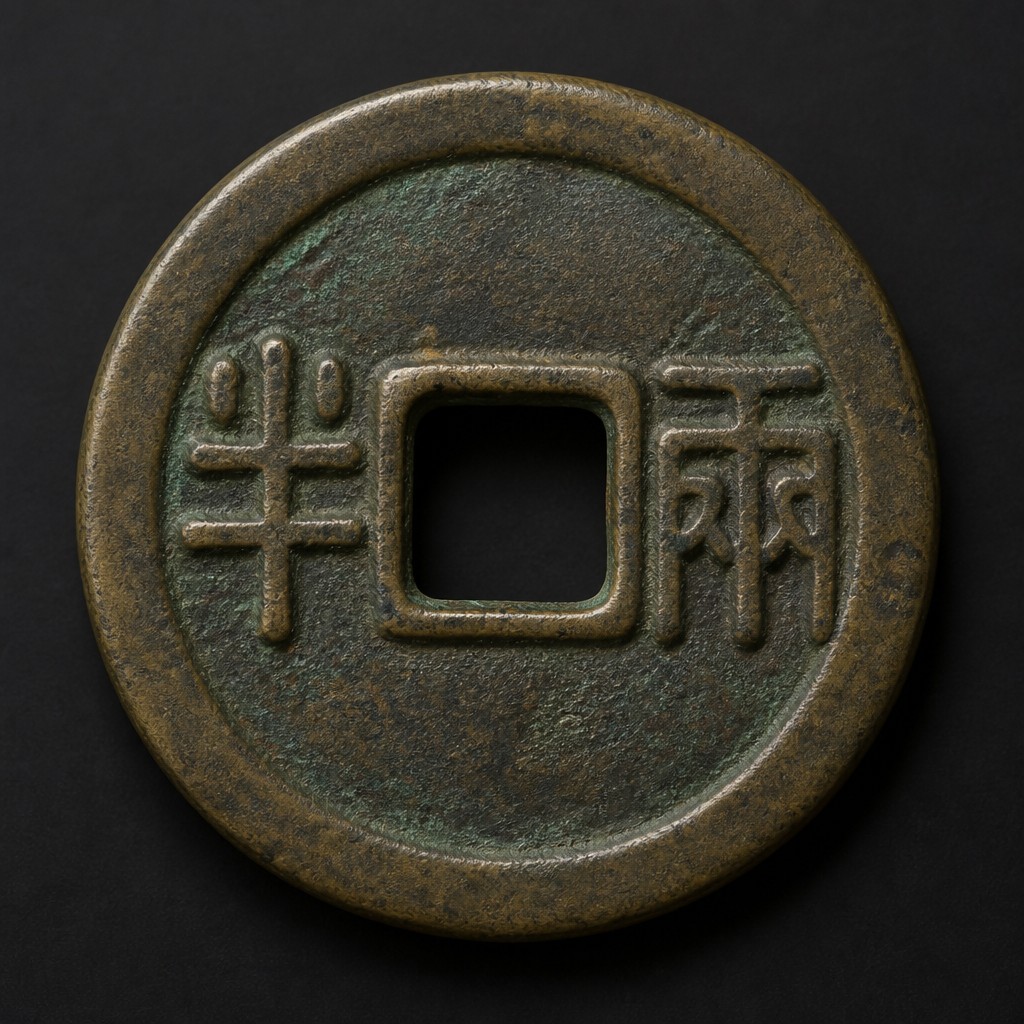
Chinese Ban Liang Cash
c. 221–118 BC
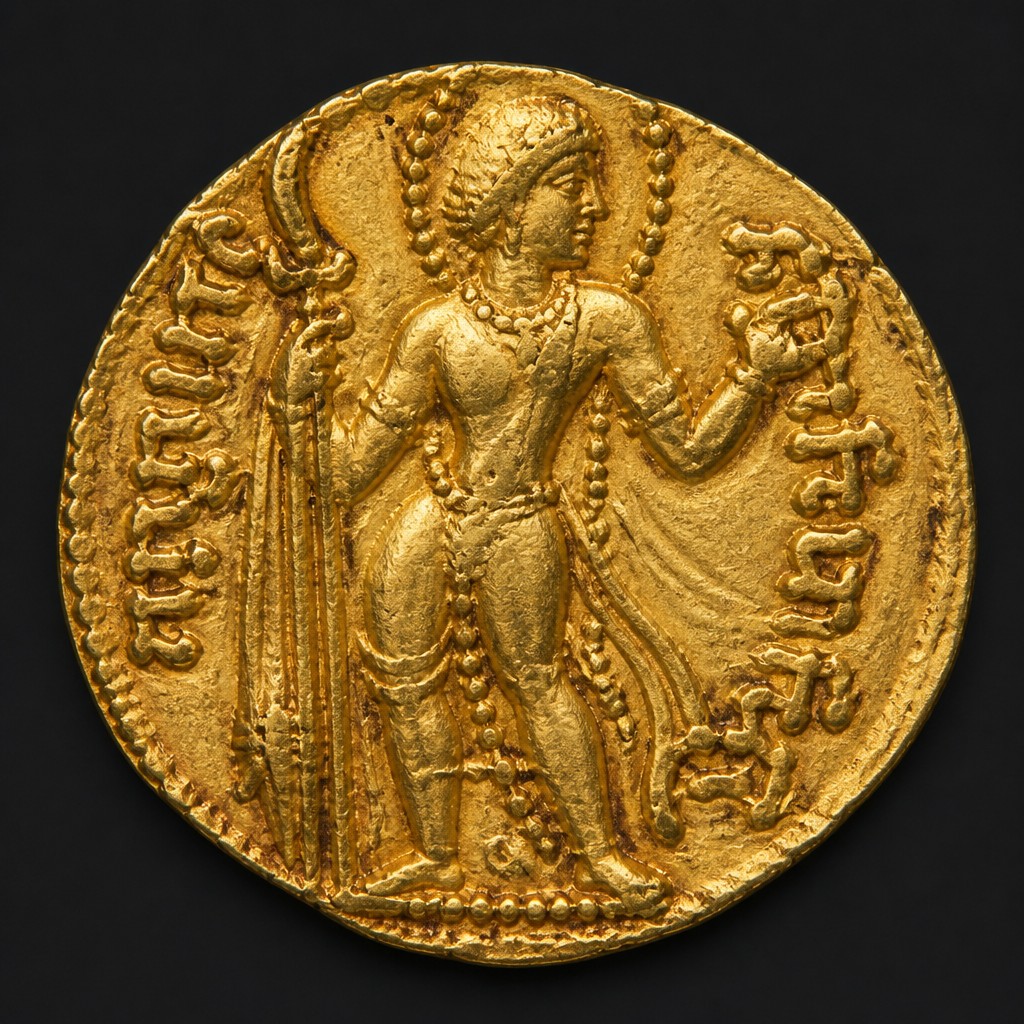
Gupta Empire Gold Dinar
c. 320–550 AD
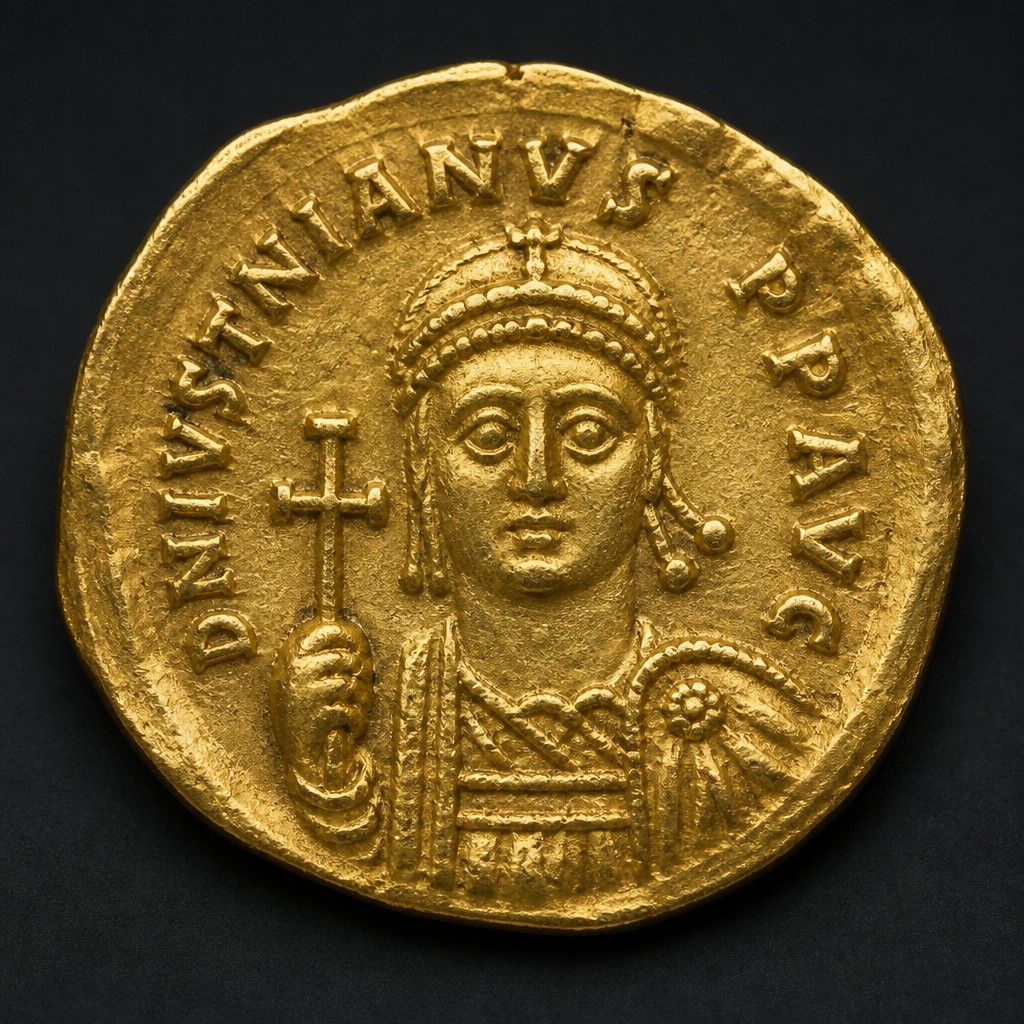
Byzantine Gold Tremissis
c. 4th–7th century AD
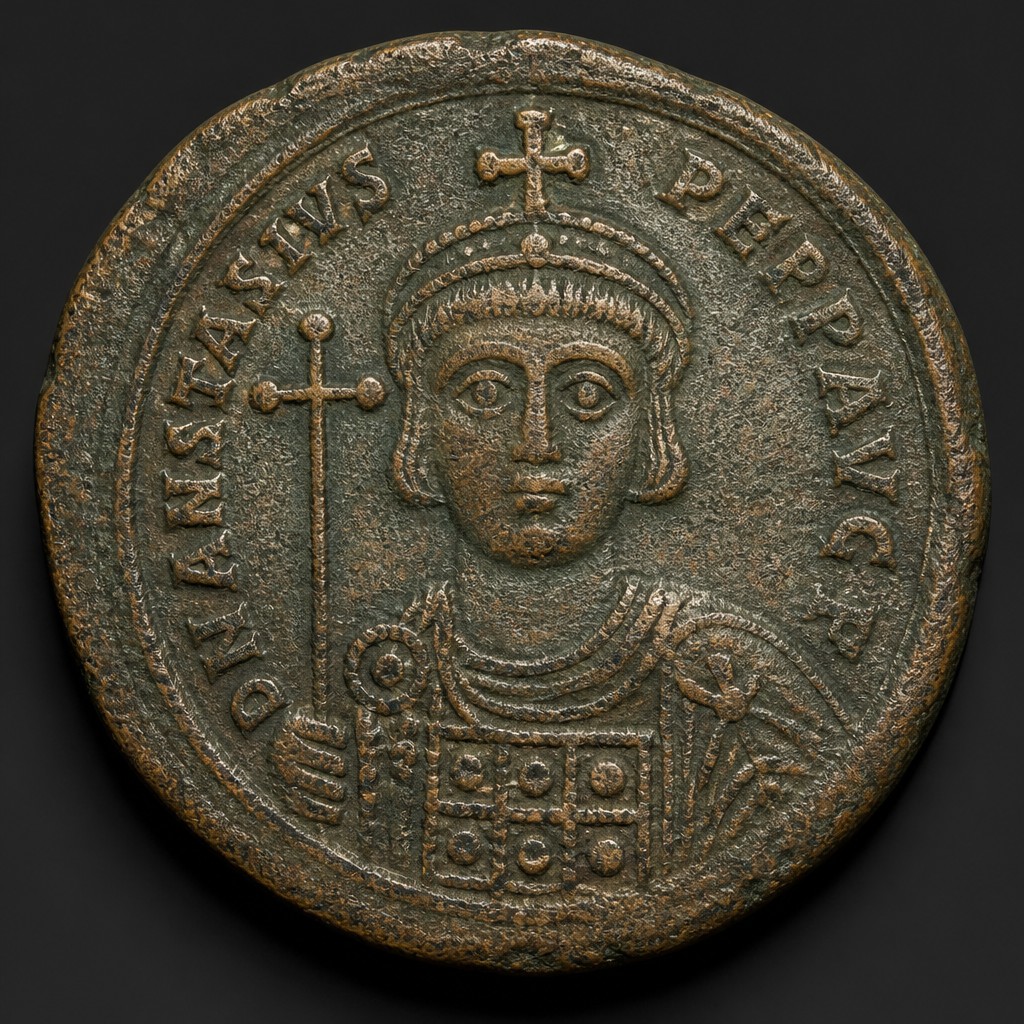
Byzantine Follis
498–c. 11th century AD
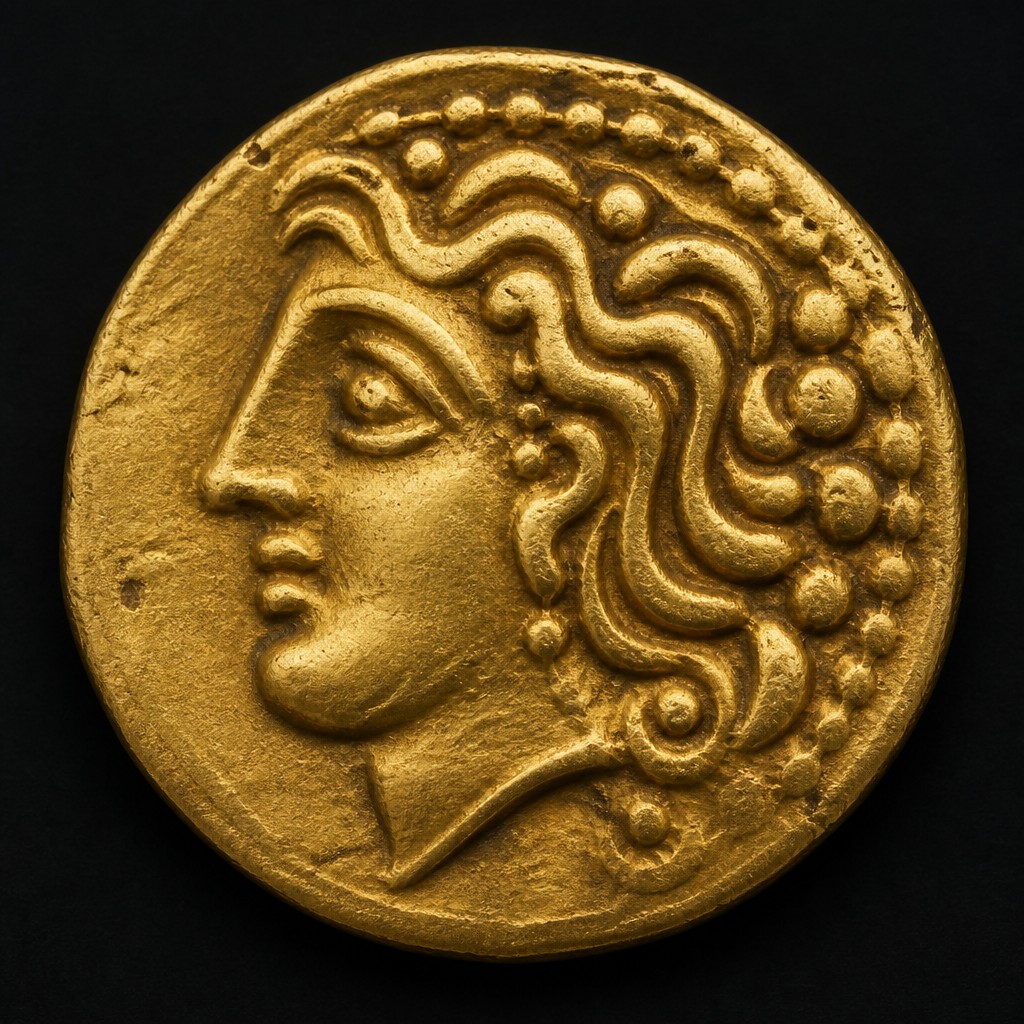
Celtic Gold Stater
c. 3rd century BC – 1st century AD