
Coin Encyclopedia
Search and identify coins from around the world — with country, denomination, metal, mint, history, and how to tell them apart.
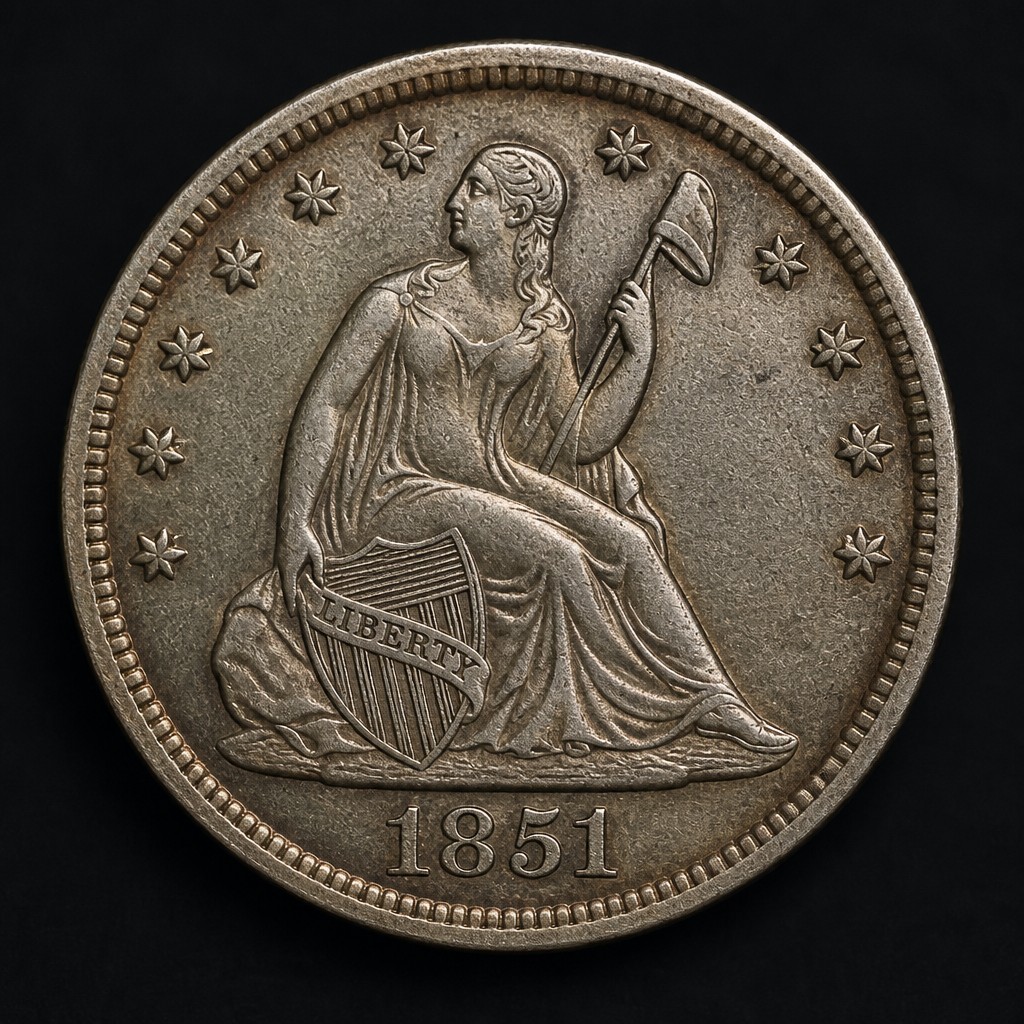
1851 Silver Three-Cent Piece
The first-year issue of the tiny Type I silver three-cent piece, nicknamed the trime, created to ease a national shortage of small change and postage-stamp coinage.
United States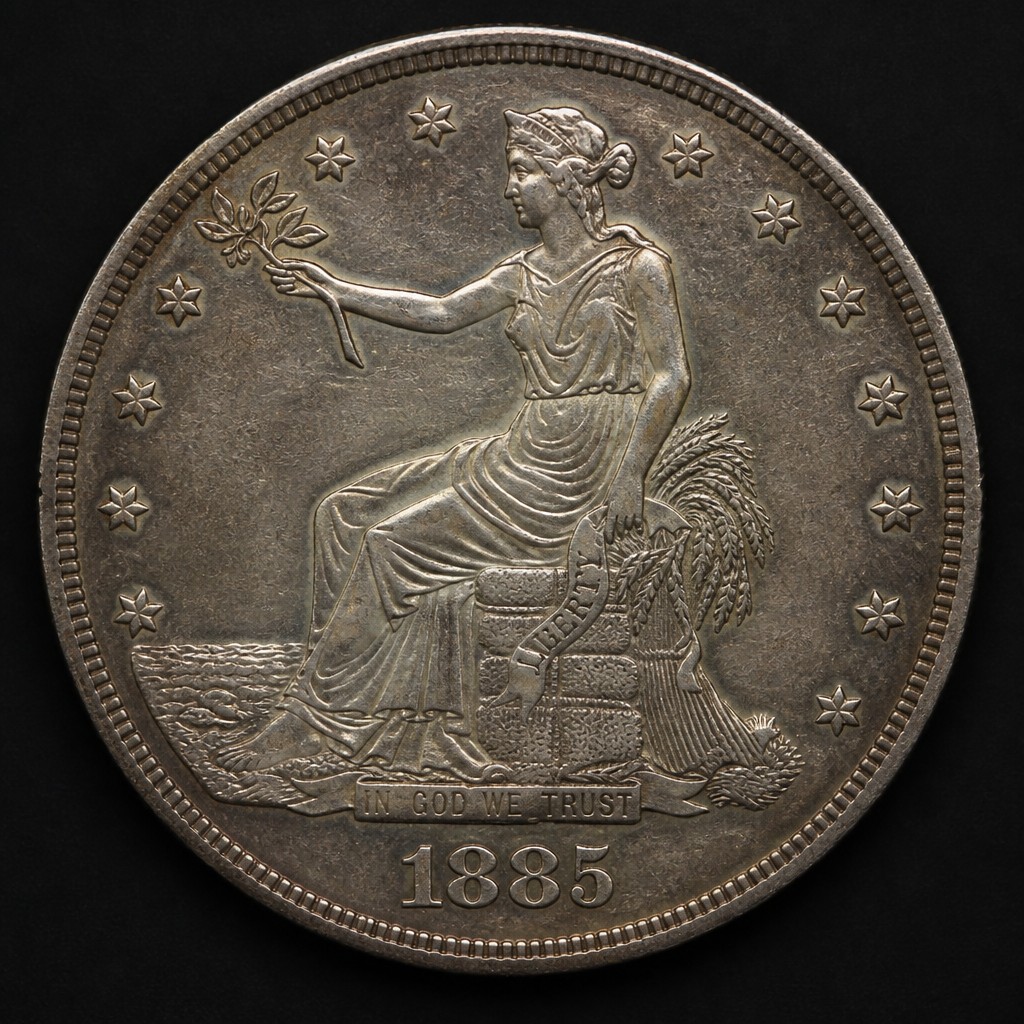
1885 Trade Dollar
One of the rarest official United States coins, a proof-only issue struck years after the Trade dollar series had officially ended, with only a handful of examples known.
United States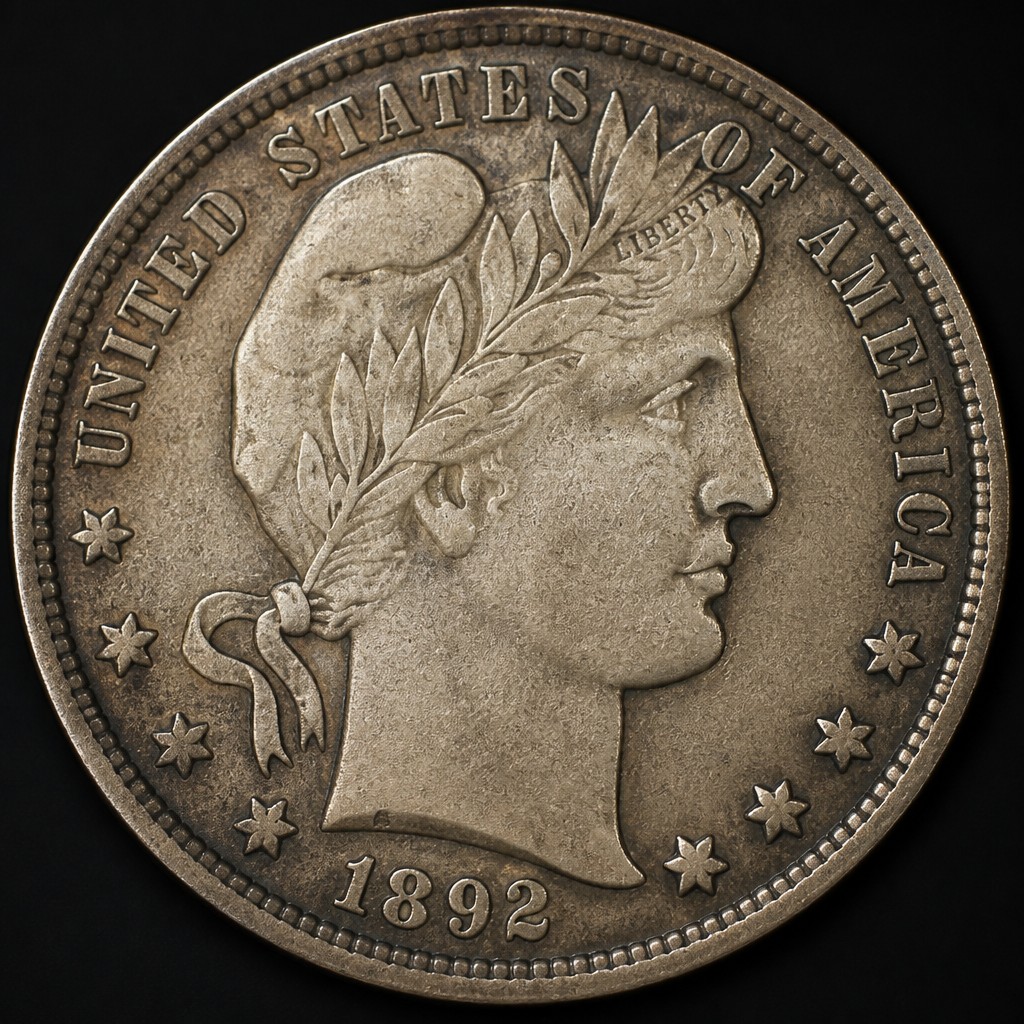
1892 Barber Half Dollar
First-year issue of Charles Barber's Liberty Head half dollar, with the 1892-O and 1892-S branch mint coins notably scarcer than the Philadelphia strike.
United States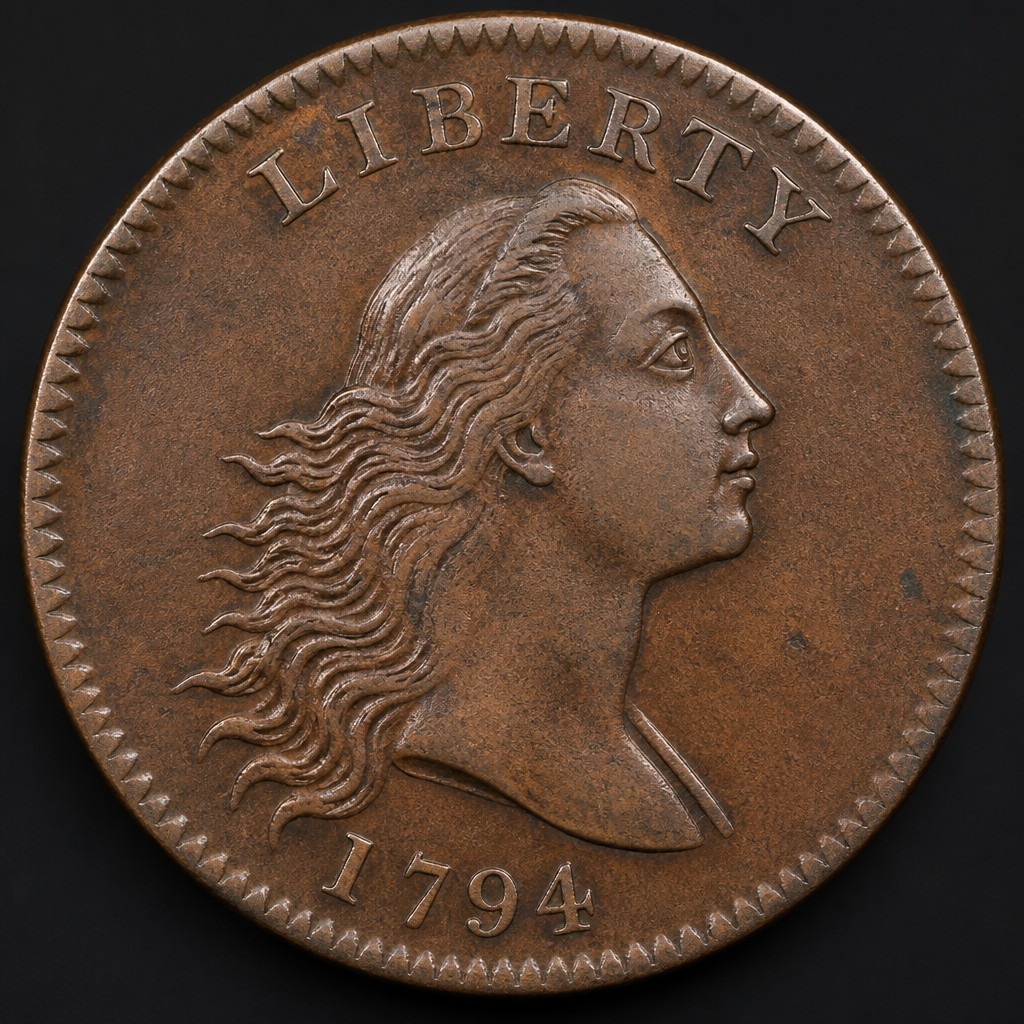
1794 Flowing Hair Cent
An early United States large copper cent from the first years of the Mint, associated with the Flowing Hair Liberty portrait used on the nation's earliest coinage.
United States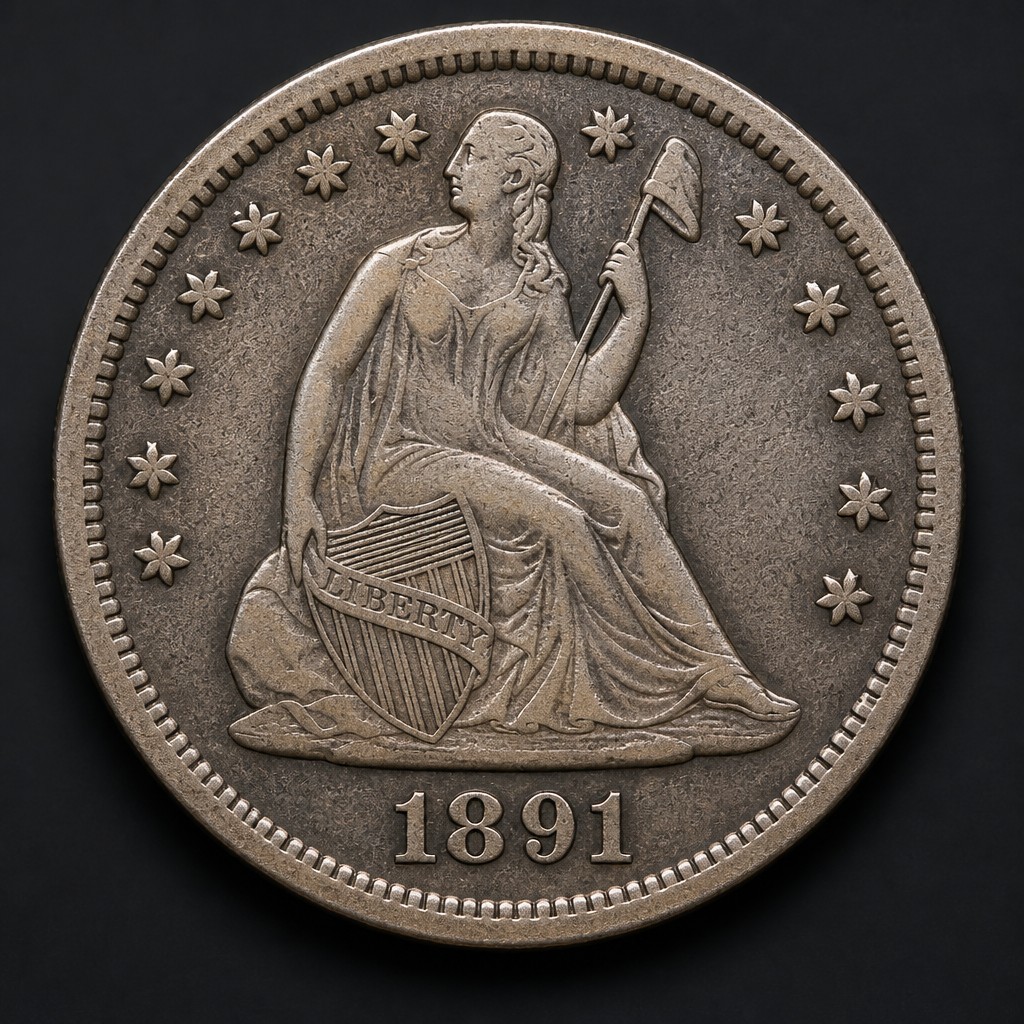
1891 Seated Liberty Quarter
The final year of the long-running Seated Liberty quarter design before it was replaced by the Barber quarter in 1892, popular as an affordable closing-date type coin.
United States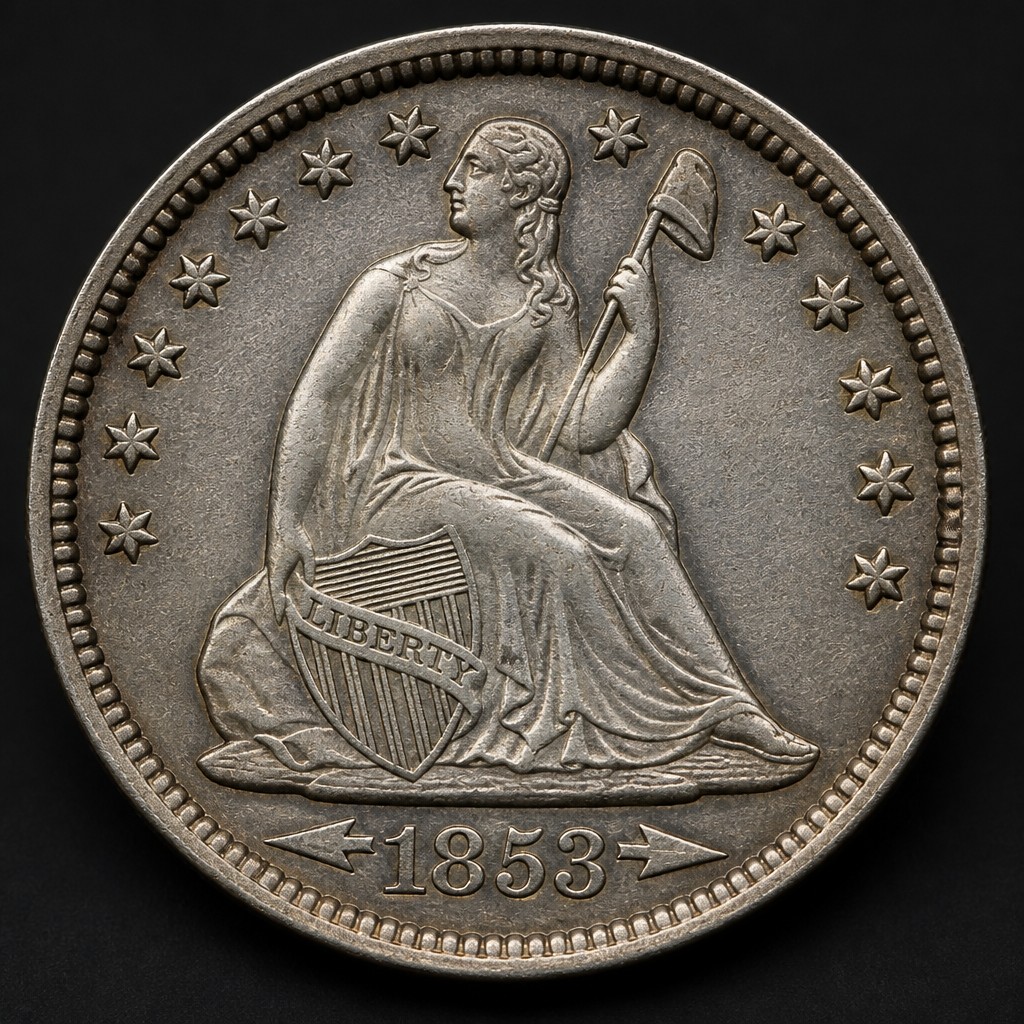
1853 Seated Liberty Quarter (Arrows and Rays)
A popular one-year Seated Liberty type marked by arrows at the date and rays around the eagle, signaling a reduction in the coin's silver weight mandated by the Coinage Act of 1853.
United States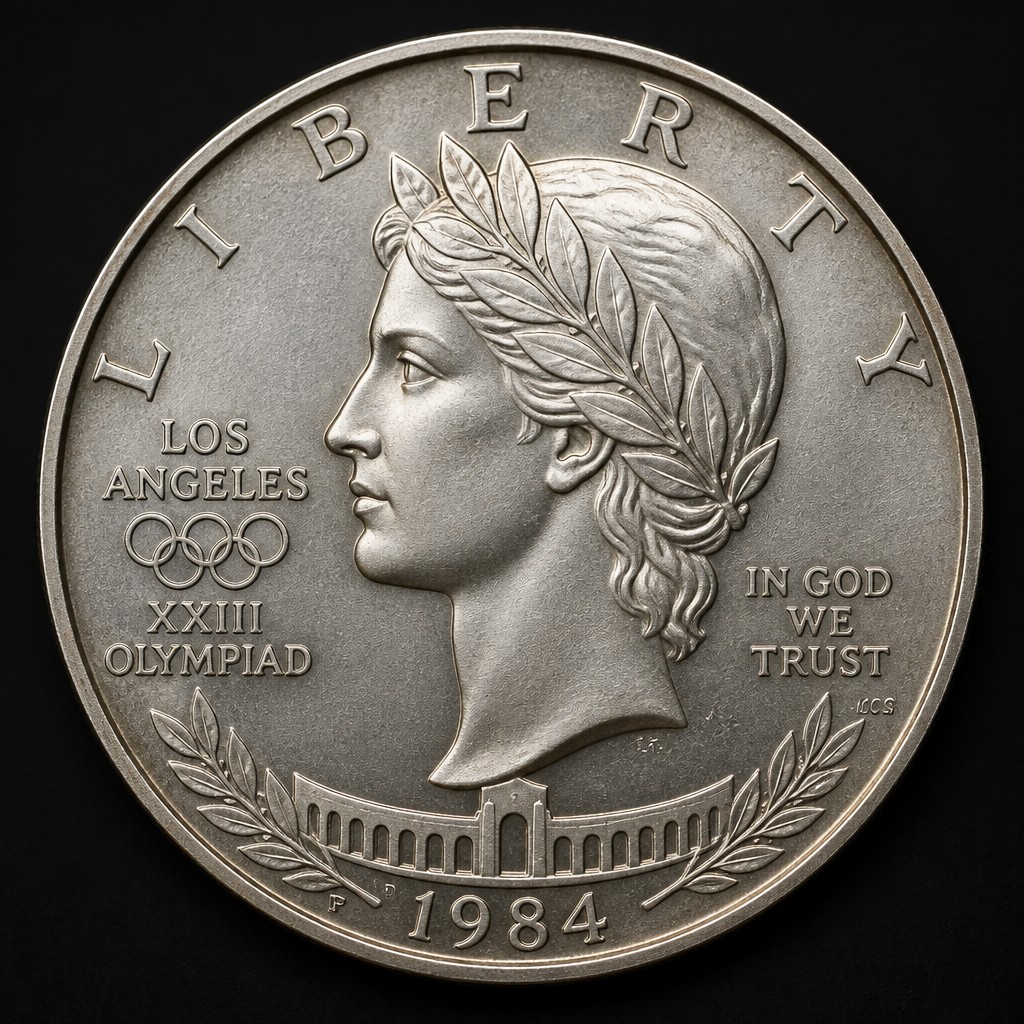
1984 Los Angeles Olympics Commemorative Dollar
The second year of a two-year US commemorative coin program, this 1984-dated silver dollar helped fund the Los Angeles Olympic Games and featured Olympic-themed artwork struck at three US mints.
Commemorative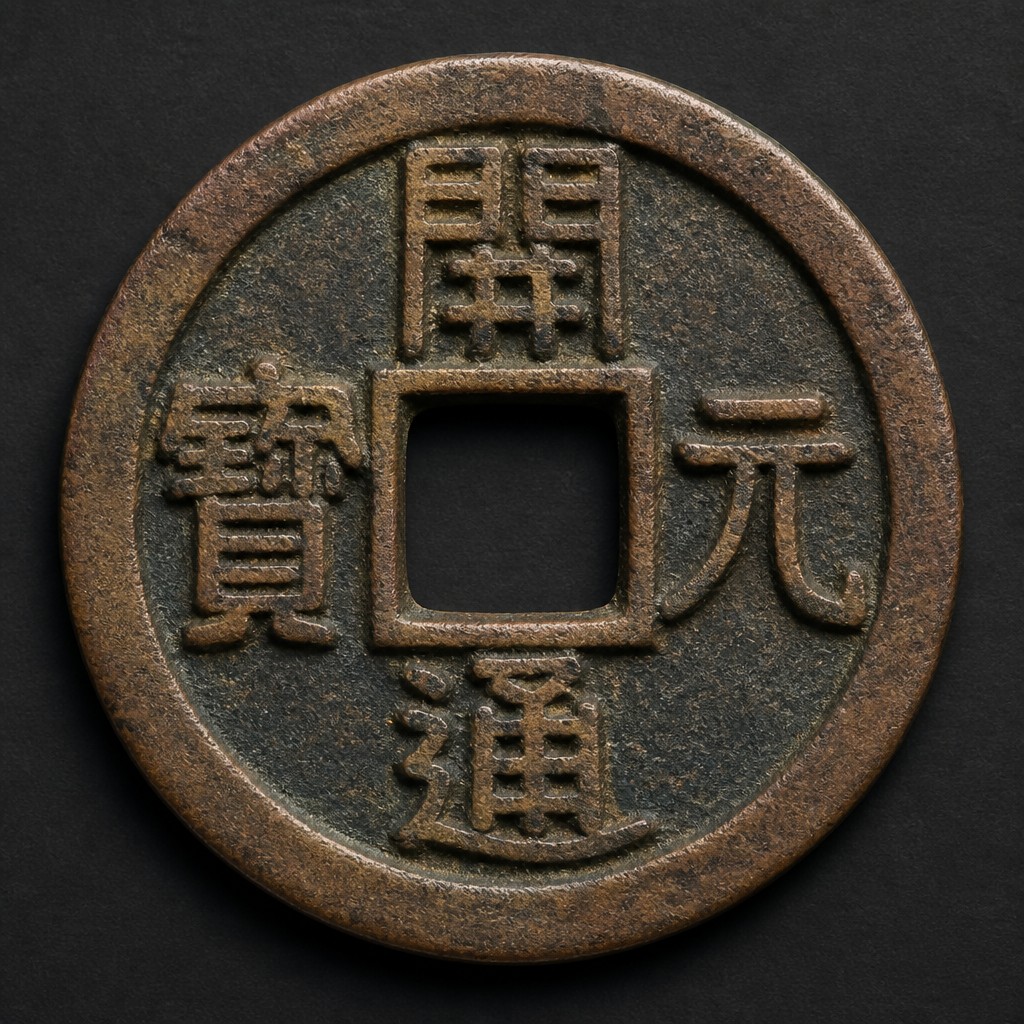
Kai Yuan Tong Bao Cash
A landmark Tang dynasty cash coin whose four-character reign-title inscription became the standard template for Chinese, and much of East Asian, coinage for the next 1,300 years.
Ancient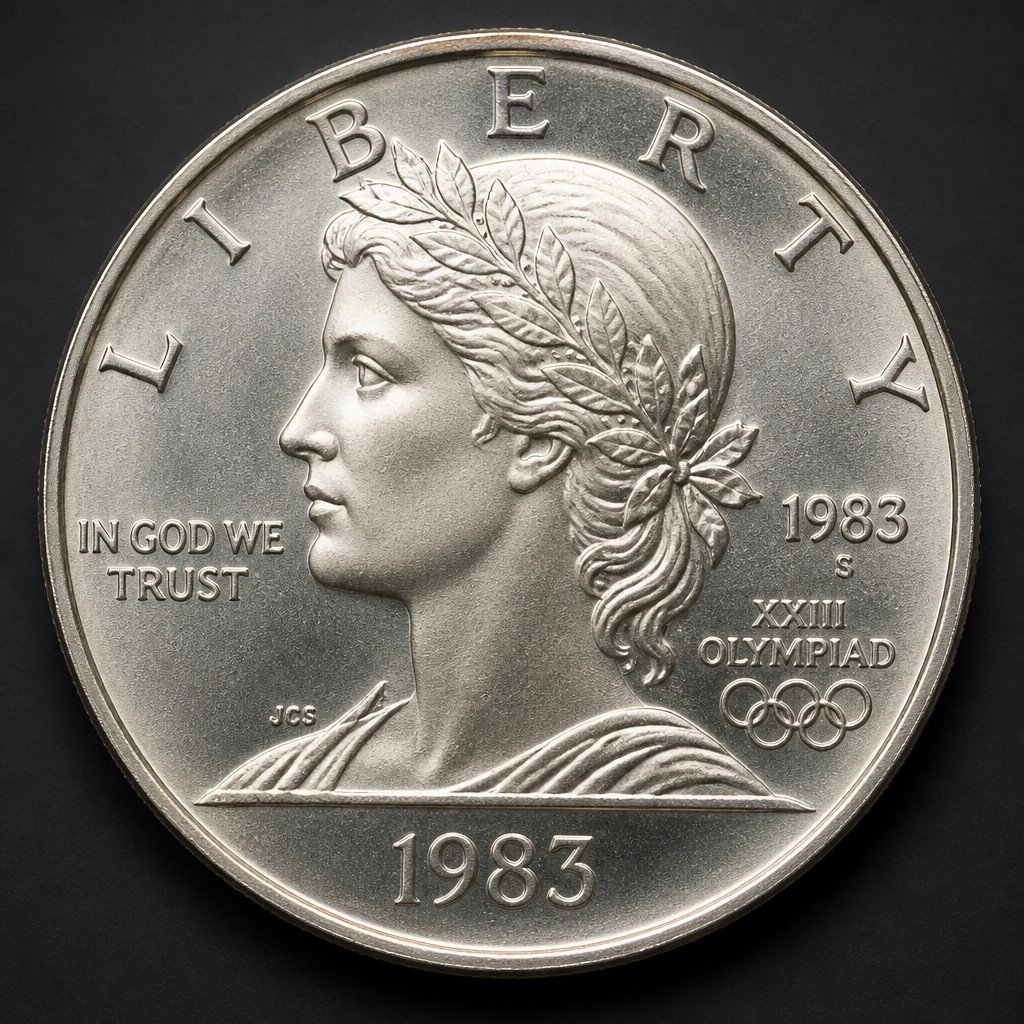
US Olympic Commemorative Dollar (1983)
The first coin in a two-year US commemorative program supporting the 1984 Los Angeles Olympics, the 1983 silver dollar features a discus-thrower design and marked a revival of American commemorative coinage.
Commemorative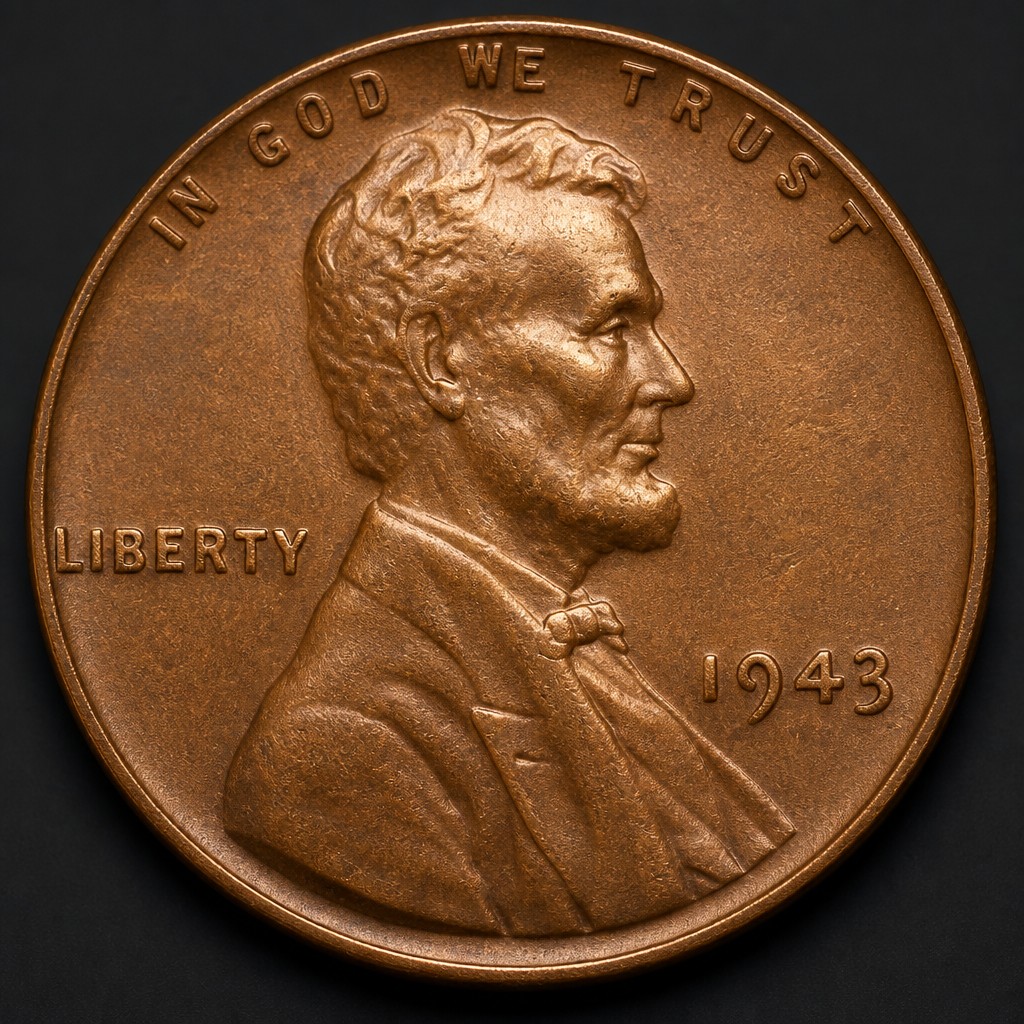
1943 Copper Lincoln Cent
An extremely rare mint error where a handful of 1943 cents were struck on leftover bronze planchets instead of the wartime steel used that year, making it one of the most famous US coin errors.
Errors & Varieties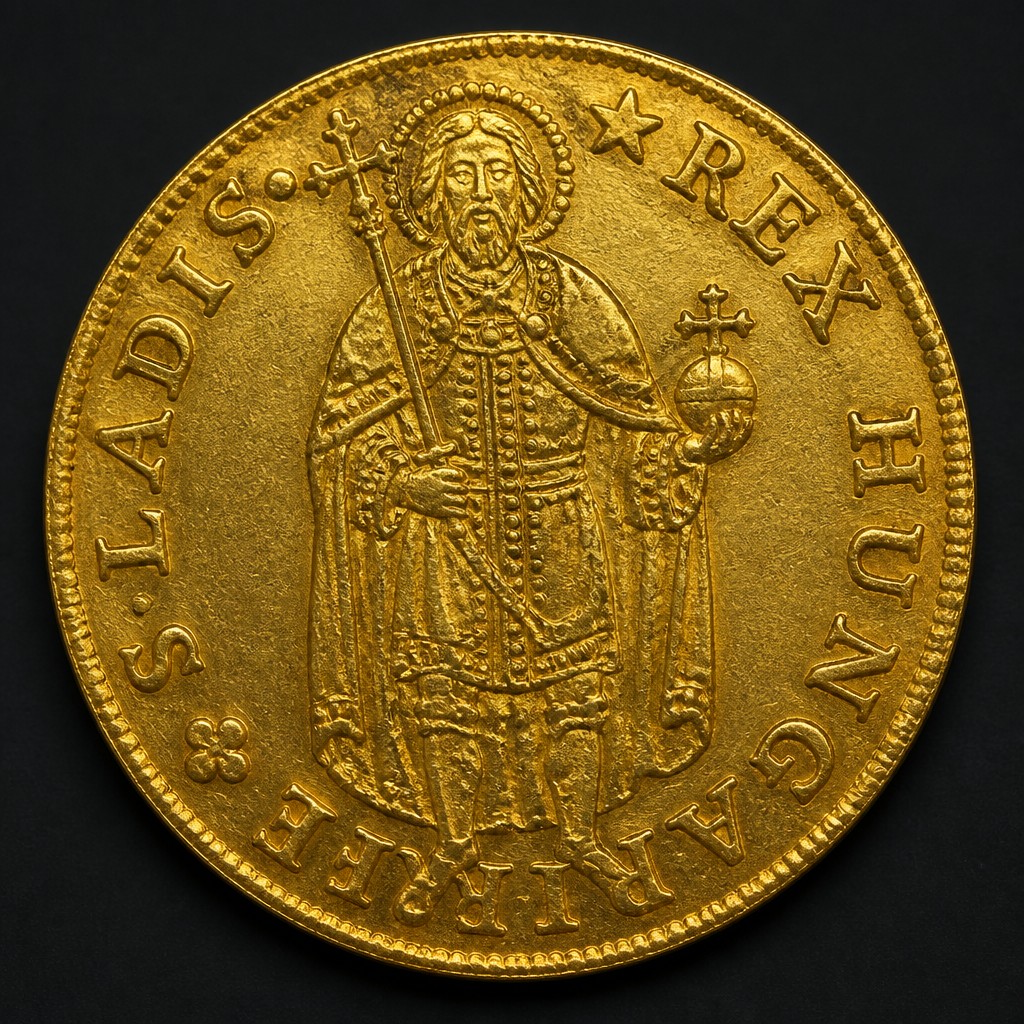
Hungarian Ducat
A remarkably long-lived gold coin of the Kingdom of Hungary, showing St. Ladislaus and the Madonna and Child, prized for centuries as one of Europe's most trusted trade coins.
European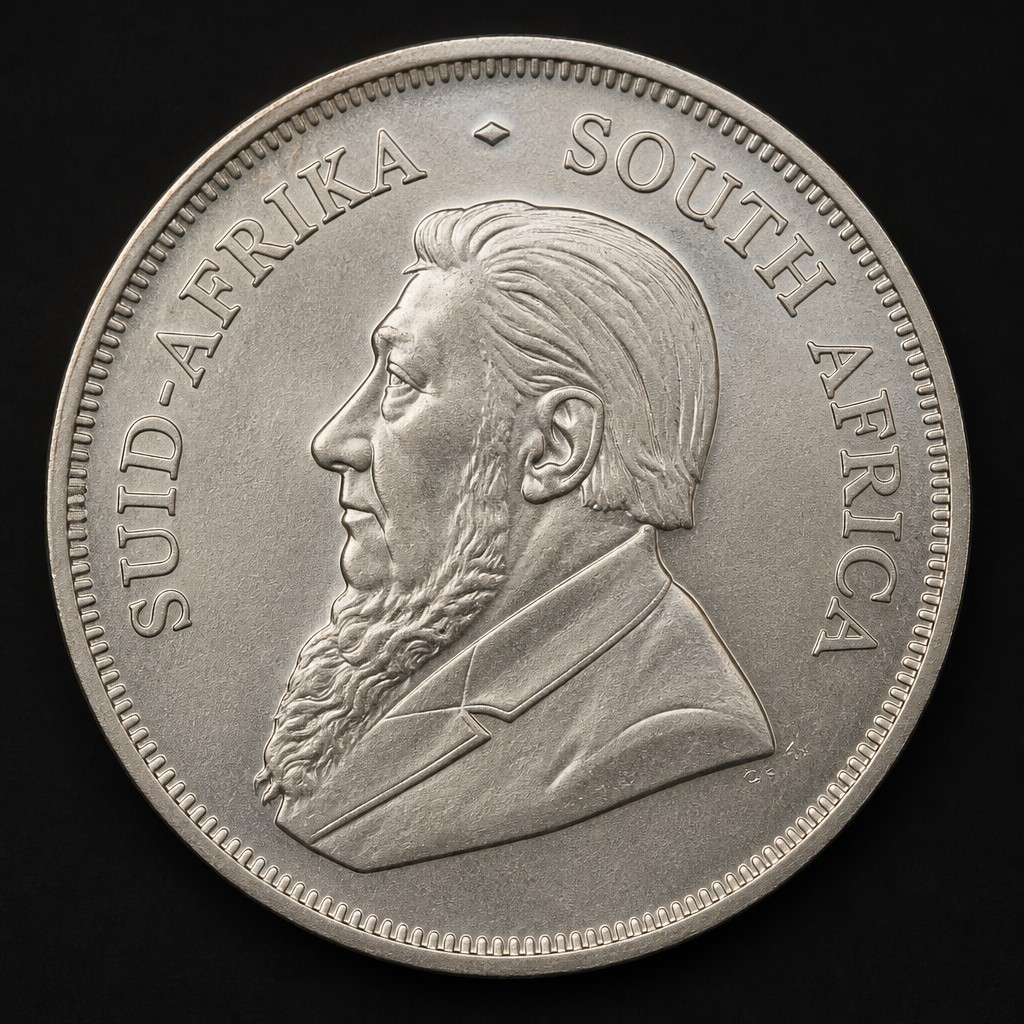
South African Silver Krugerrand
The silver version of the world-famous Krugerrand, launched in 2017 to mark the gold coin's 50th anniversary, using the same Kruger and springbok design.
Bullion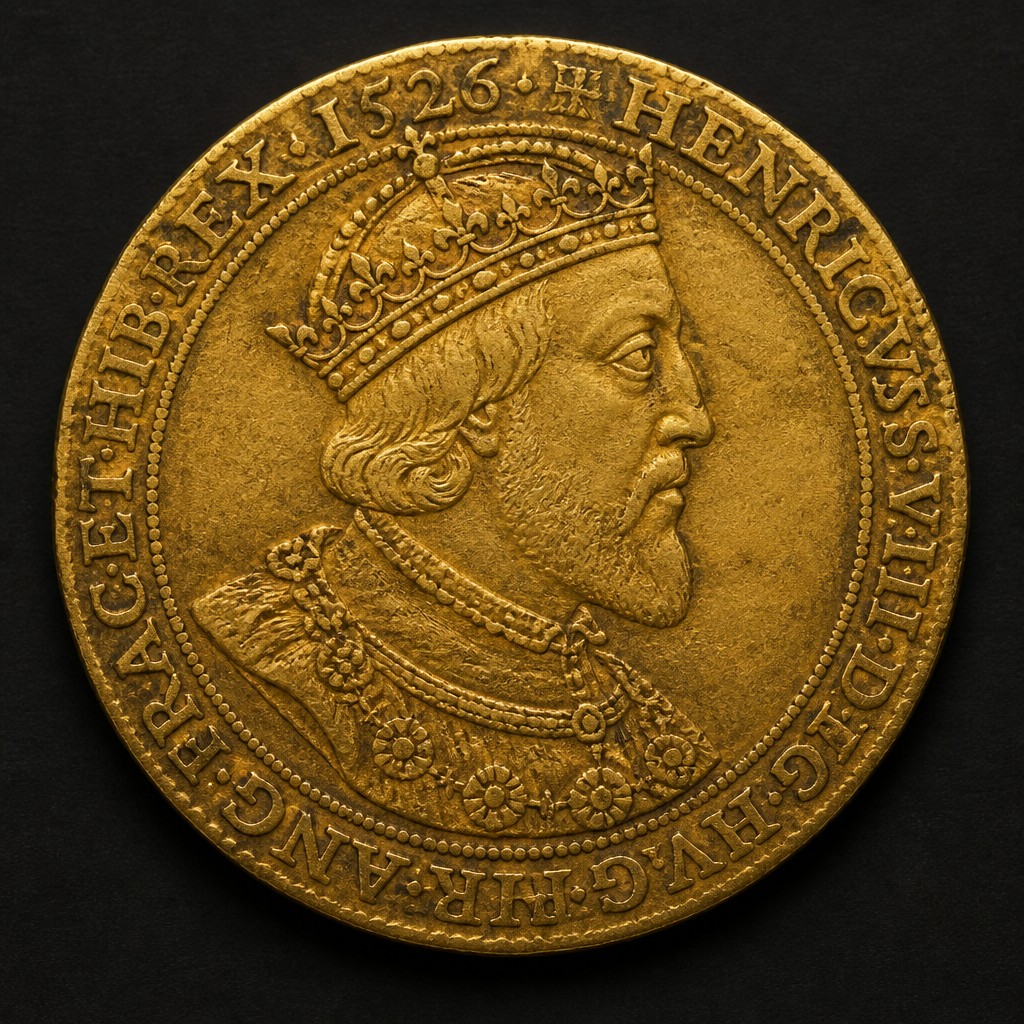
George Noble
A short-lived English gold coin of 1526 depicting St. George slaying the dragon, among the rarest coins of Henry VIII's reign.
British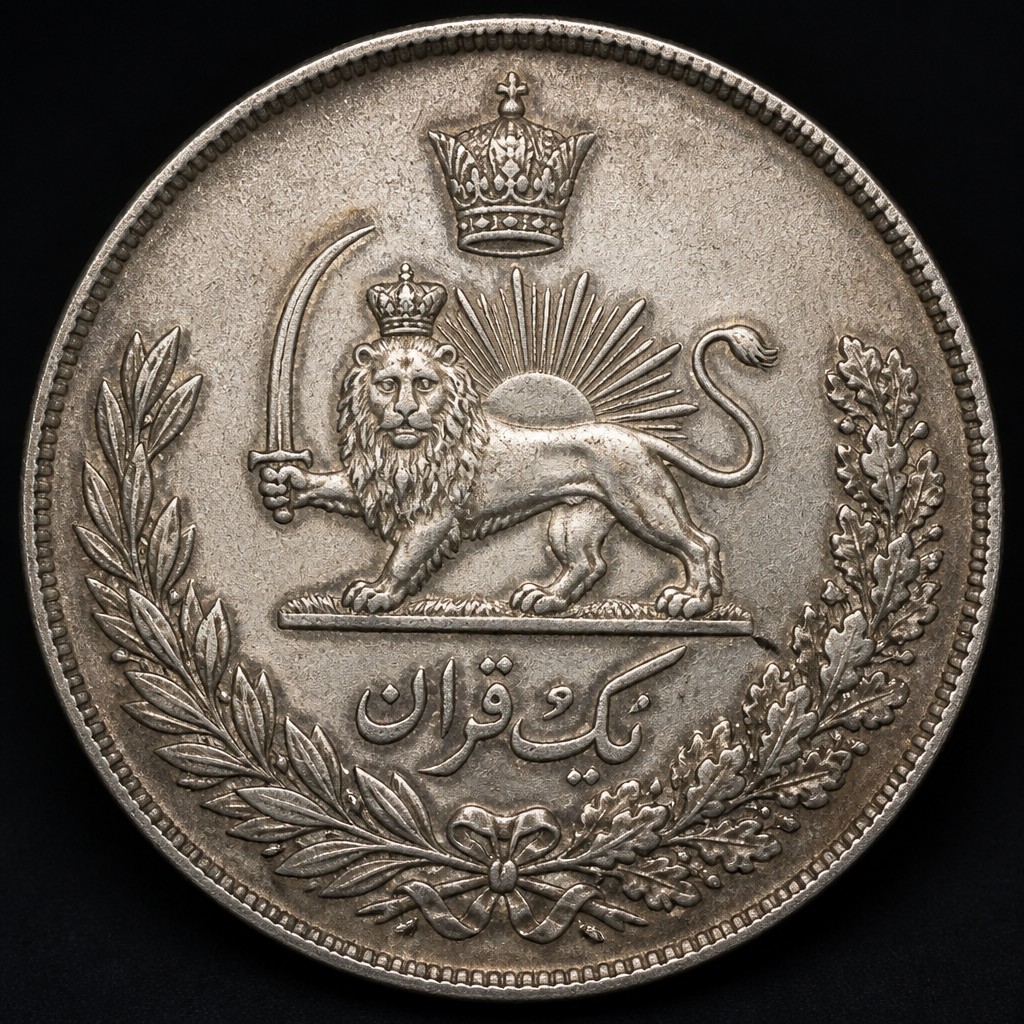
Persian Kran (Qajar silver)
The standard silver coin of Qajar Persia, worth one-tenth of a gold toman, widely struck under Naser al-Din Shah and later rulers and commonly seen with the lion-and-sun emblem.
Asian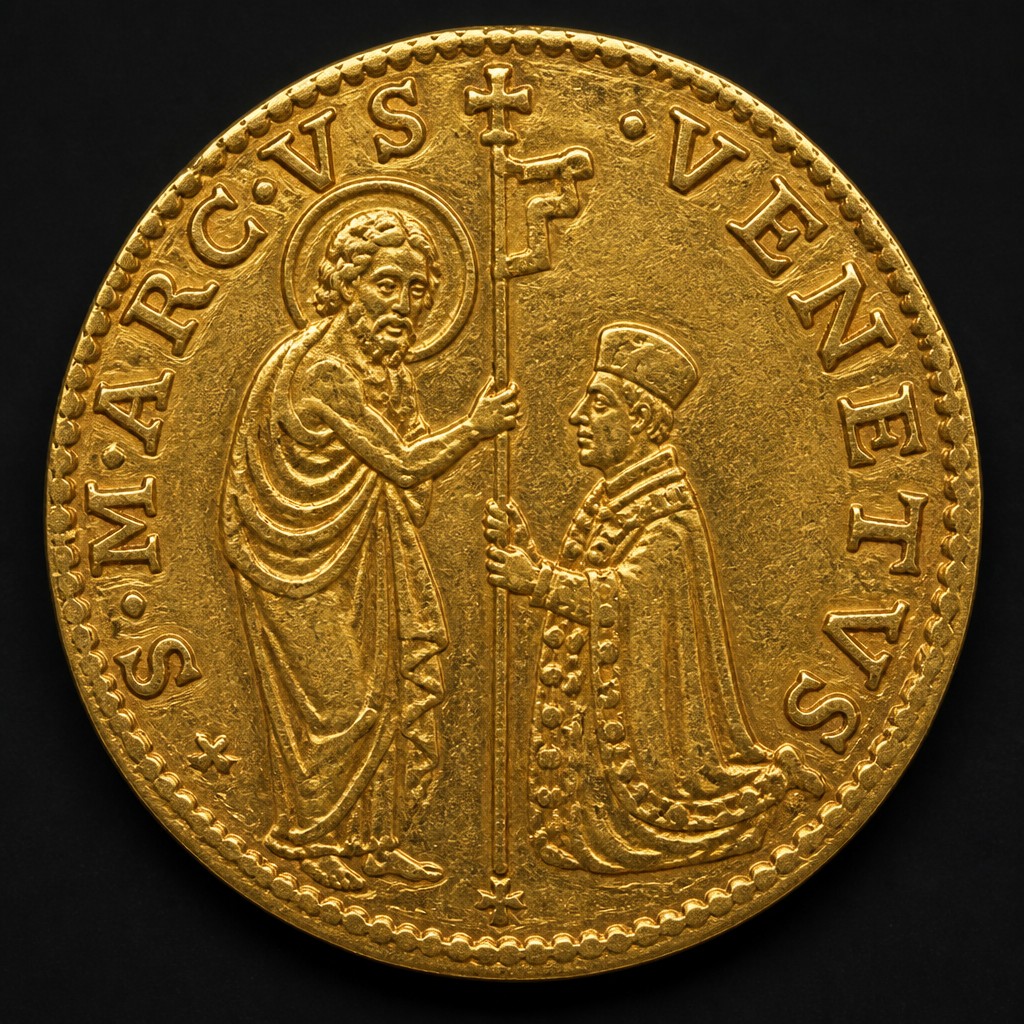
Venetian Ducat
Gold coin first struck by the Republic of Venice in 1284, prized for its remarkably consistent weight and purity, which made it a dominant trade coin across medieval and Renaissance Europe.
European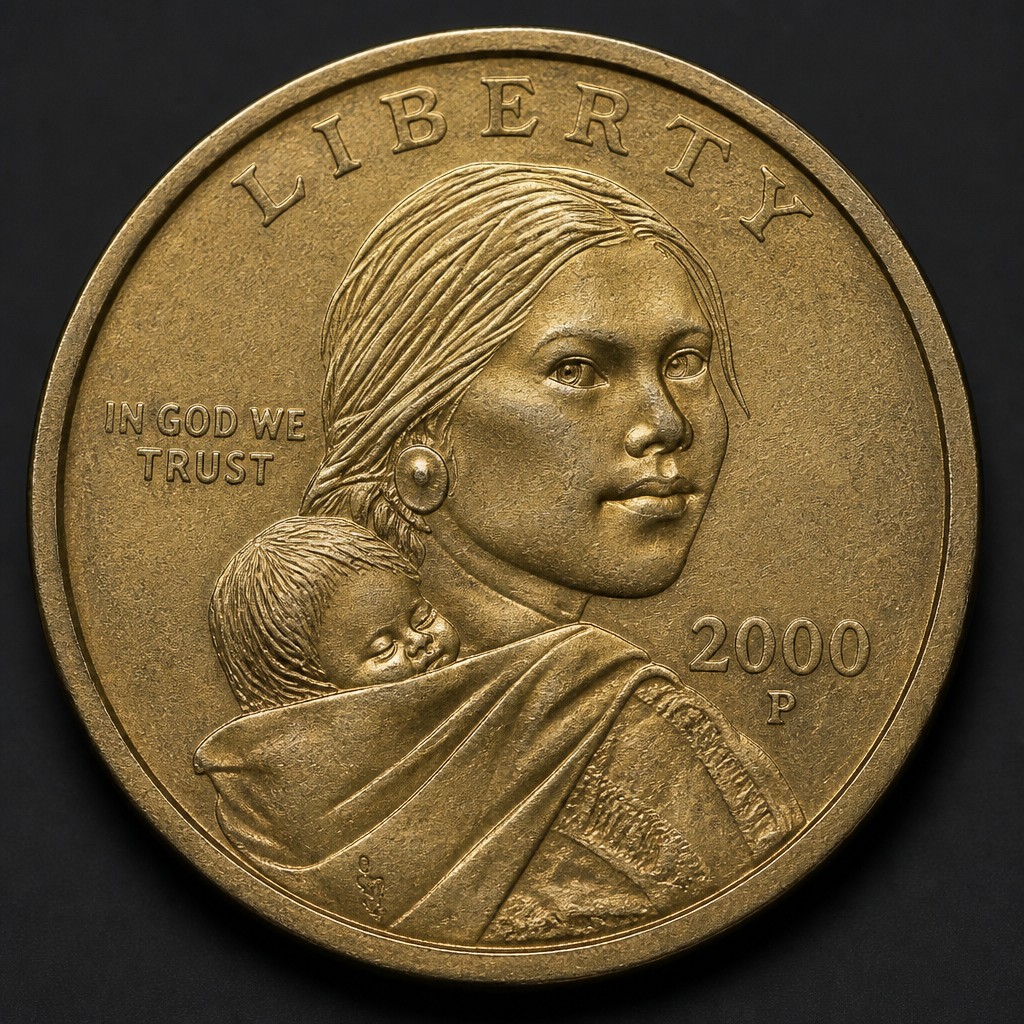
2000-P Sacagawea/Washington Quarter Mule
An extraordinarily rare mint error pairing the golden Sacagawea dollar obverse with a Washington quarter reverse die, one of the most famous modern mule errors in U.S. coinage.
Errors & Varieties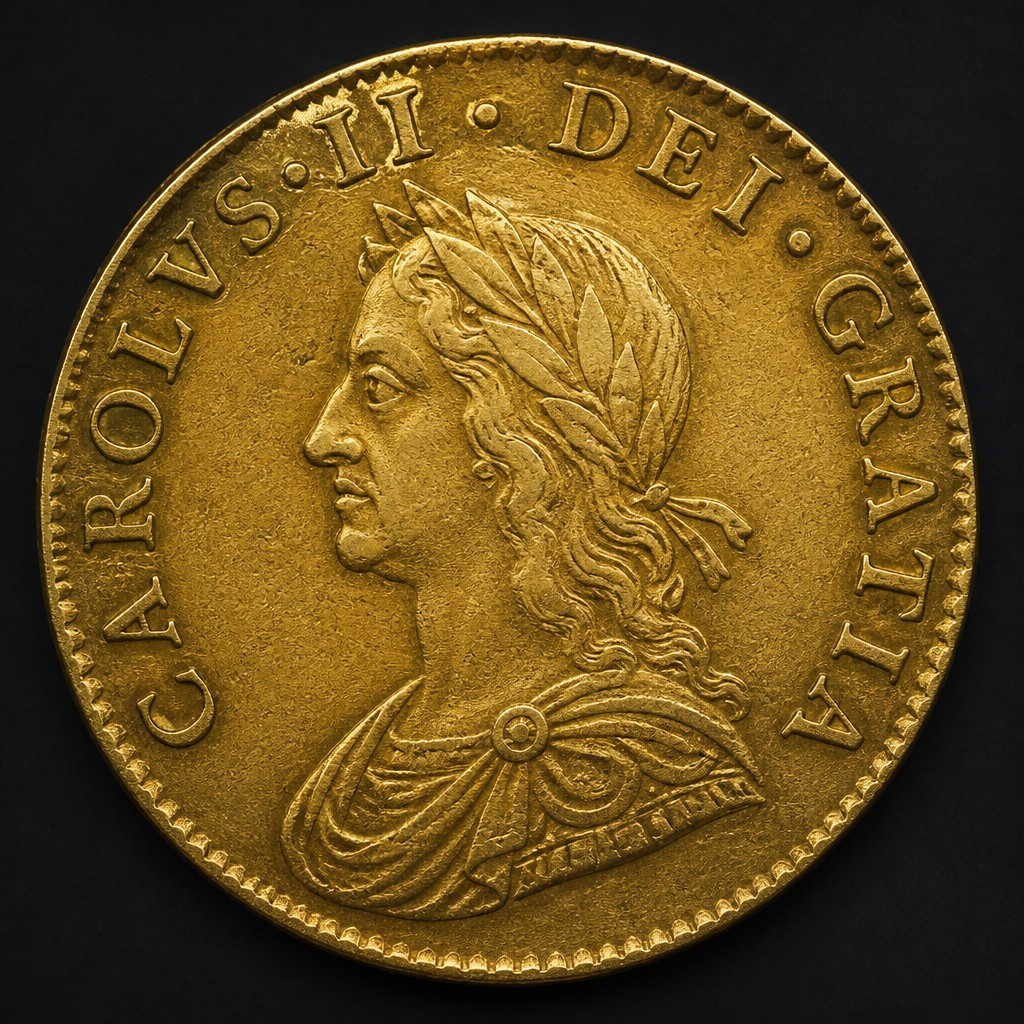
Broad
A gold twenty-shilling coin nicknamed the 'Broad' for its wide, thin flan, struck under the Commonwealth and Oliver Cromwell and continued briefly into the early reign of Charles II.
British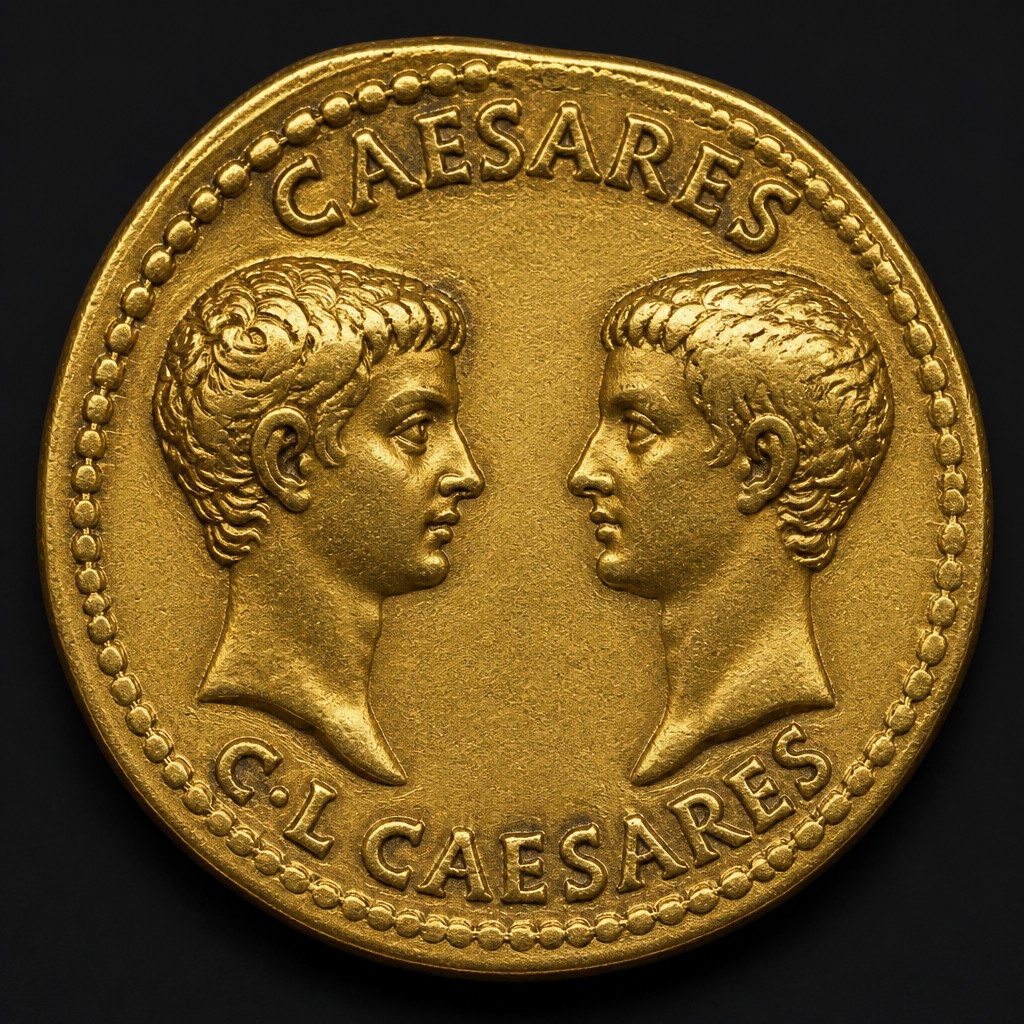
Augustus Aureus Gaius and Lucius Caesar
One of the most common ancient gold coins, an Augustus aureus honoring his grandsons and intended heirs Gaius and Lucius Caesar, both of whom died young.
Ancient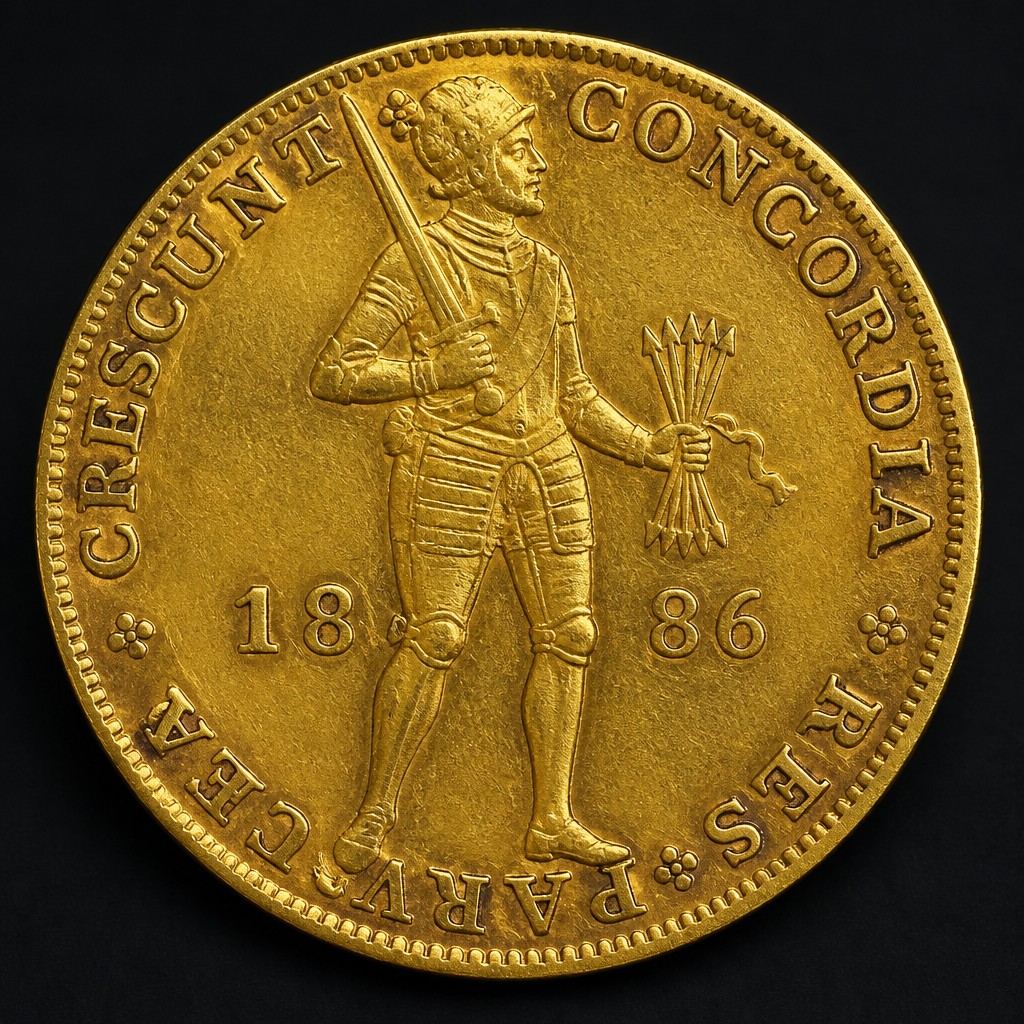
Dutch Ducat
A small, nearly pure gold coin showing an armored knight, minted for centuries by the Dutch provinces and later the Kingdom of the Netherlands as a trusted international trade coin.
European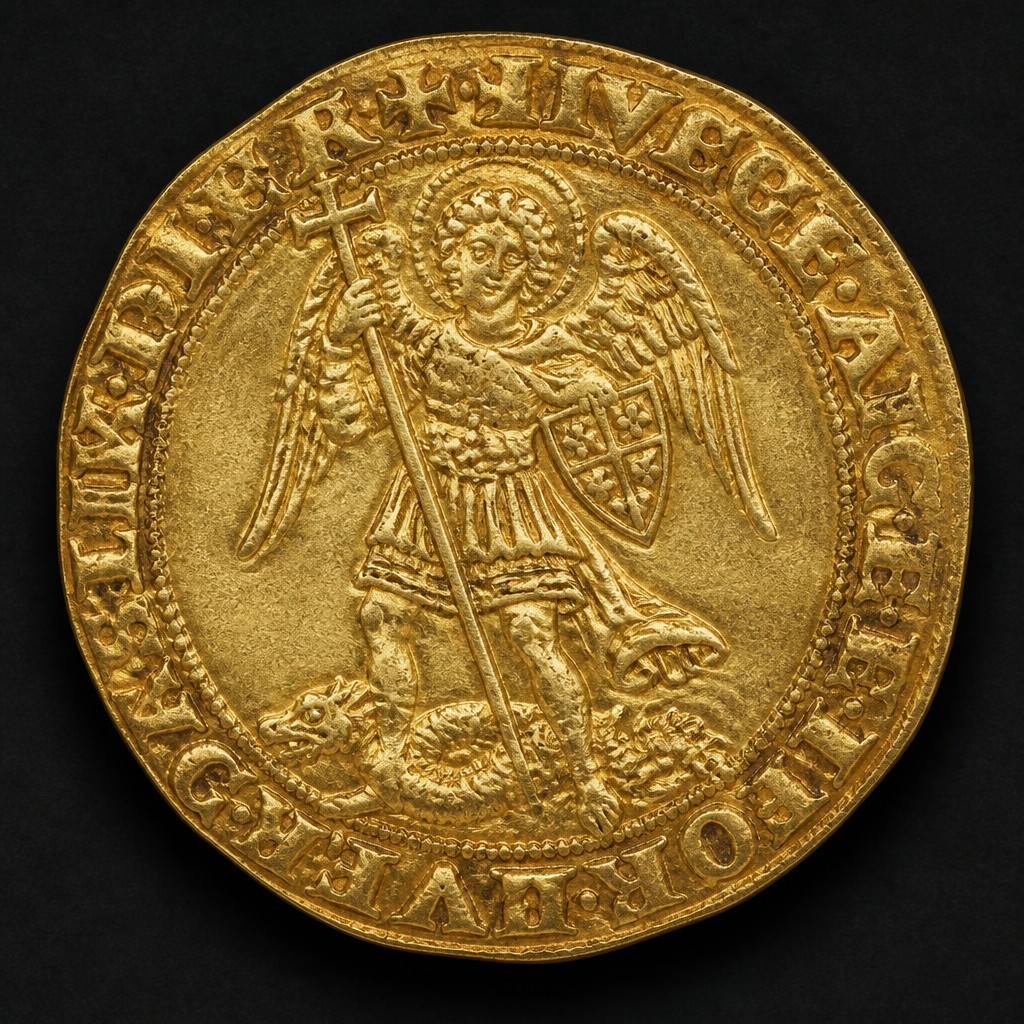
Half Angel (Angelet)
A small English gold coin worth half the value of the Angel, sharing its famous design of the Archangel Michael slaying a dragon, issued across several reigns from Edward IV to James I.
British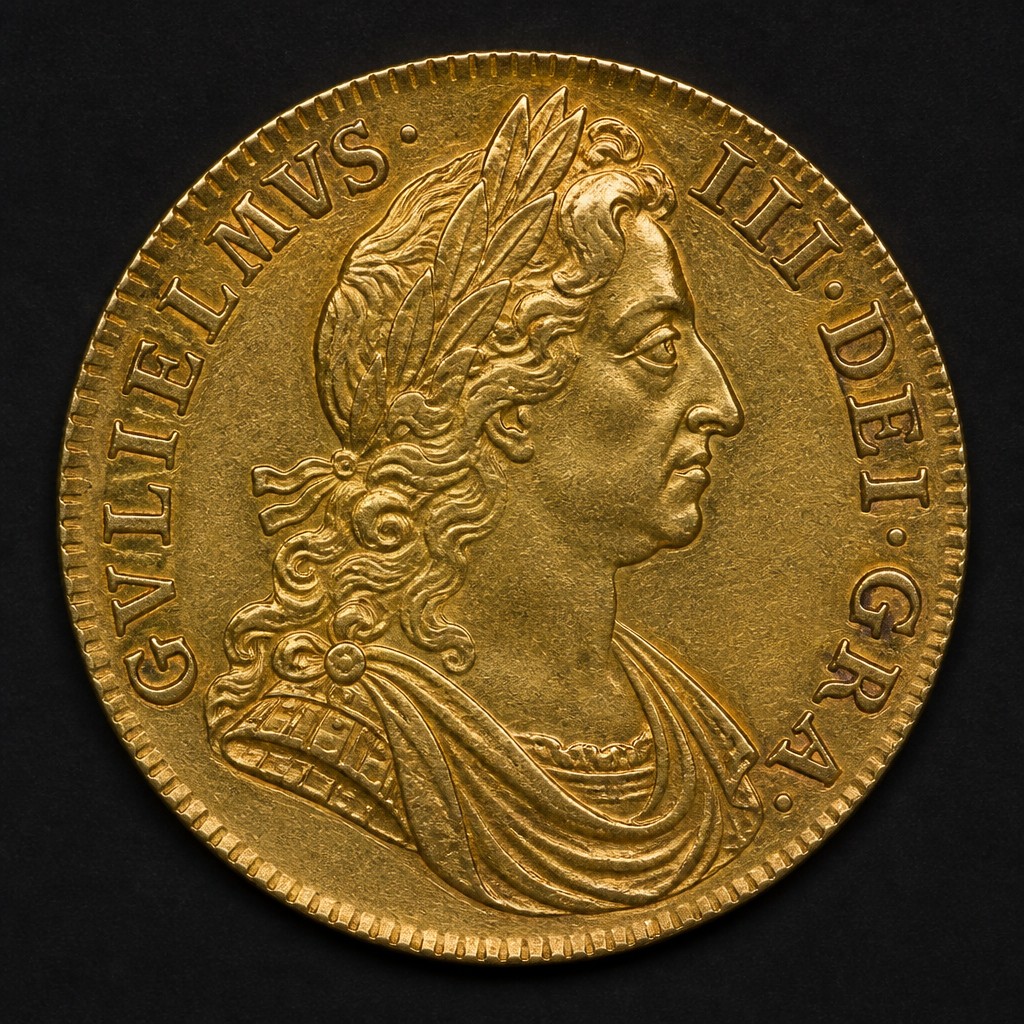
Five Guinea
The largest regularly issued gold denomination of the guinea coinage system, worth five guineas, struck from the reign of Charles II through George II for major transactions and presentation purposes.
British