
Coin Encyclopedia
Search and identify coins from around the world — with country, denomination, metal, mint, history, and how to tell them apart.
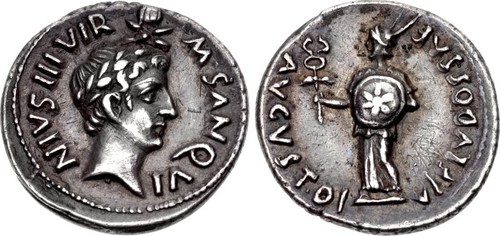
Denarius of M. Sanquinius
A silver denarius struck at Rome in 17 BC by the moneyer M. Sanquinius under Augustus, tied to the Secular Games, with a male portrait and a standing herald.
Ancient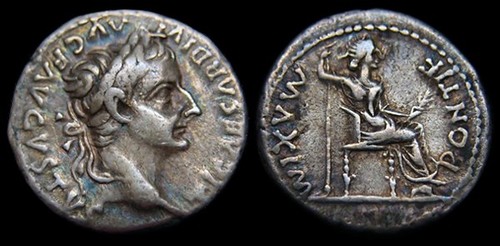
Denarius of Tiberius (Tribute Penny)
Silver denarius of Emperor Tiberius (14–37 AD), obverse his laureate head, reverse a seated female figure — the famous "Tribute Penny" of the Gospels.
Ancient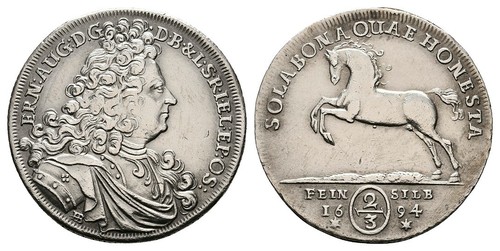
Hanover 2/3 Thaler
A large German States silver 2/3 Thaler of Brunswick-Luneburg (Hanover) dated 1694, with an ornate coat of arms and the leaping Saxon horse reverse.
German States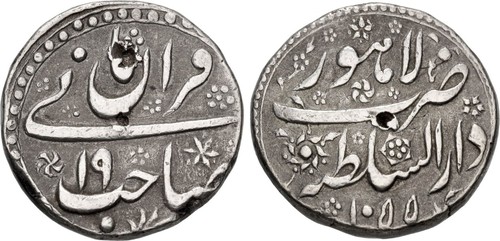
Shah Jahan Half Rupee
Silver half rupee of Mughal emperor Shah Jahan, dated AH 1055, carrying Persian-script inscriptions and ornamental borders instead of any portrait.
Mughal India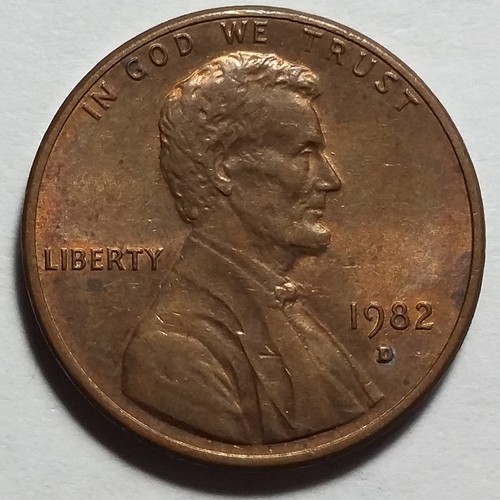
Lincoln Memorial Cent
U.S. one-cent piece struck 1959–2008 with Lincoln's profile and a Memorial reverse; 1982 is the split year between bronze and copper-plated zinc.
Small Cent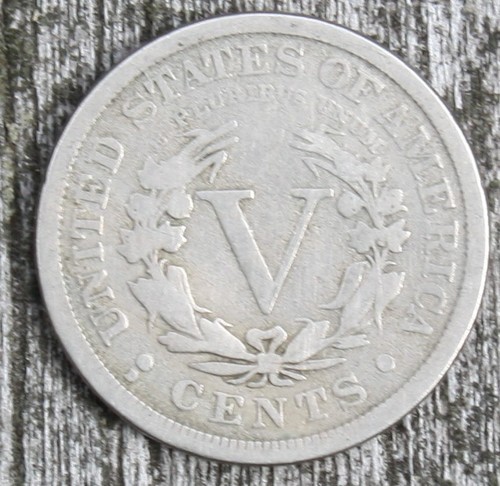
Liberty Head Nickel
U.S. five-cent piece struck 1883–1912, showing a left-facing Liberty head ringed by stars, with a Roman-numeral "V" reverse; the 1913 issue is a legendary rarity.
Nickel Five Cent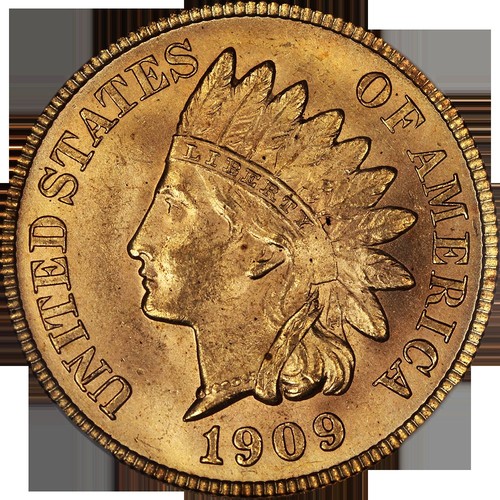
Indian Head Cent
Classic U.S. one-cent piece struck 1859–1909, showing Liberty in a feathered headdress; later dates like 1909 are bronze with an oak-wreath-and-shield reverse.
Small Cent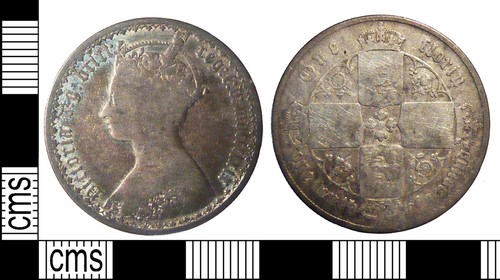
Gothic Florin
A silver two-shilling florin of Queen Victoria in the medieval-revival Gothic style, with an ornate crowned cruciform shield reverse dated 1869.
Milled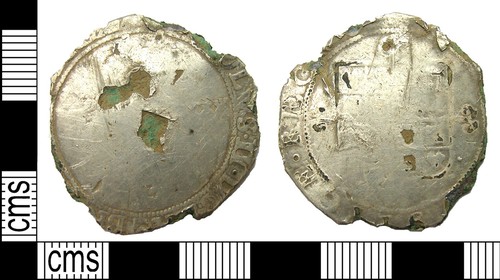
Charles II Crown
Milled English silver crown of Charles II (reigned 1660-1685), a large machine-struck five-shilling piece with a laureate bust and cruciform shields.
Milled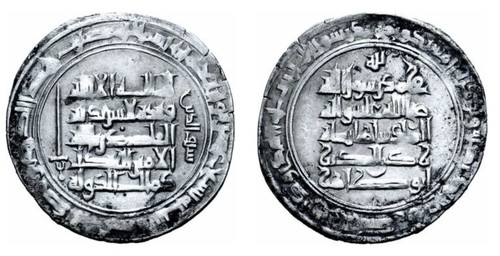
Dirham of Kamal al-Dawla Gharib
Silver dirham from 10th-century Iraq/Mesopotamia naming the ruler Gharib with the honorific Kamal al-Dawla, struck with Kufic Arabic legends.
Medieval Islamic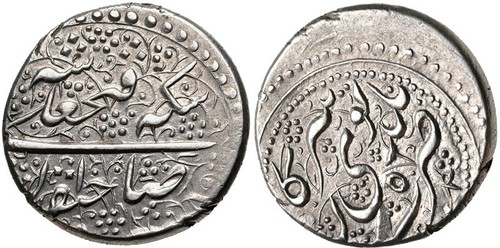
Gold Toman of Fath-Ali Shah Qajar
A hand-struck Qajar gold toman of Fath-Ali Shah dated AH 1226–1227 (1811–1812), covered in ornate Persian calligraphy with no portrait or figural imagery.
Persia / Iran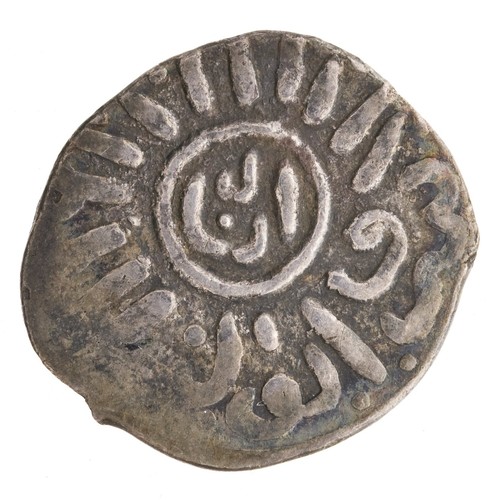
Silver Dirham of Sayf ad-Din Inal
A thin Mamluk silver dirham of Sultan al-Ashraf Sayf ad-Din Inal (r. 1453–1461), covered on both faces with Arabic inscriptions naming the sultan and his titles.
Islamic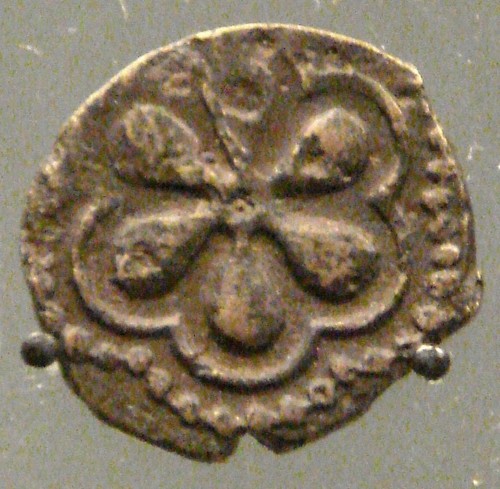
Copper Fals of Muhammad ibn Qalawun
A hand-struck Mamluk copper fals of Sultan al-Nasir Muhammad ibn Qalawun, covered in geometric ornament and Arabic inscriptions, struck about 1310–1341 CE.
Islamic (Medieval)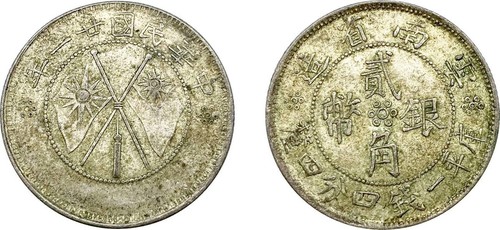
Yunnan 20 Cents
A 1932 provincial silver 20 Cents from Yunnan, China, with a radiant sun and rays on one face and central Chinese value characters framed by ornament on the other.
Circulation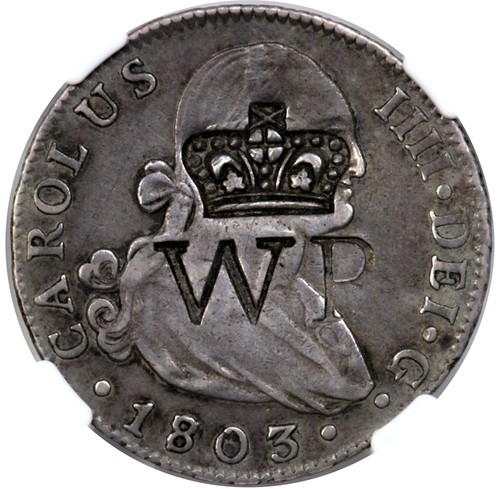
Counterstamped 2 Reales
A Spanish silver 2 reales dated 1803 that was later punched with a WR-and-crown counterstamp, giving it a second, borrowed life as legal tender.
Colonial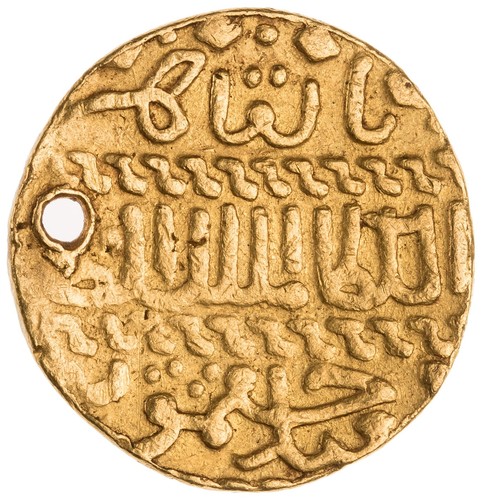
Gold Dinar of Jaqmaq
A hand-struck Mamluk gold dinar of Sultan al-Zahir Jaqmaq (r. 1438-1453 CE), covered in Arabic calligraphy with no figural imagery; this example is pierced.
Islamic (Medieval)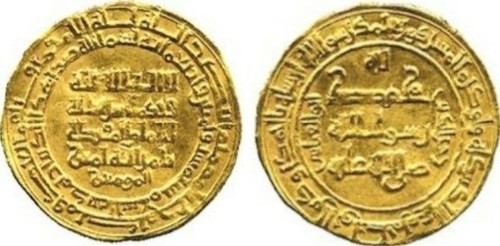
Gold Dinar of al-Muqtadi
An aniconic Abbasid gold dinar of Caliph al-Muqtadi, covered on both faces with Arabic calligraphy and ornamental borders, struck in the later 11th century.
Islamic (Medieval)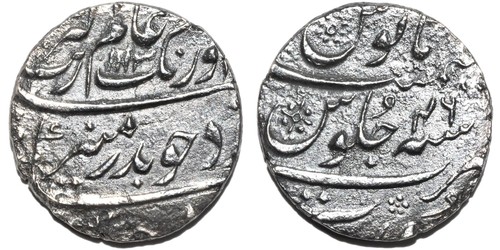
Mughal Rupee (Akbar)
A hand-struck Mughal silver rupee of Emperor Akbar dated AH 1003 (AD 1594), covered on both faces with flowing Persian calligraphy and ornamental borders.
Historic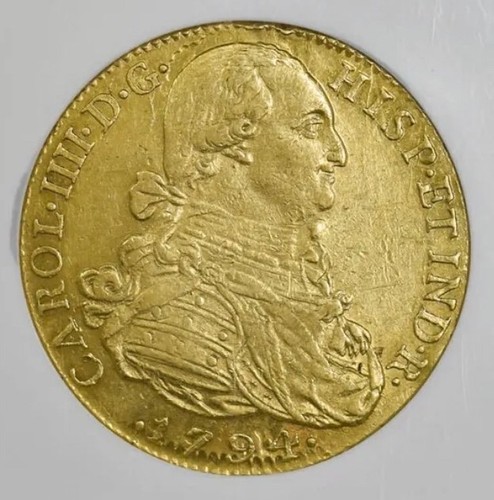
Colombia 8 Escudos (Base Metal)
A base-metal (copper-alloy) piece styled after the colonial Colombian 8 escudos gold onza, with a Charles III profile and crowned heraldic arms dated 1760.
Colonial