
Coin Encyclopedia
Search and identify coins from around the world — with country, denomination, metal, mint, history, and how to tell them apart.
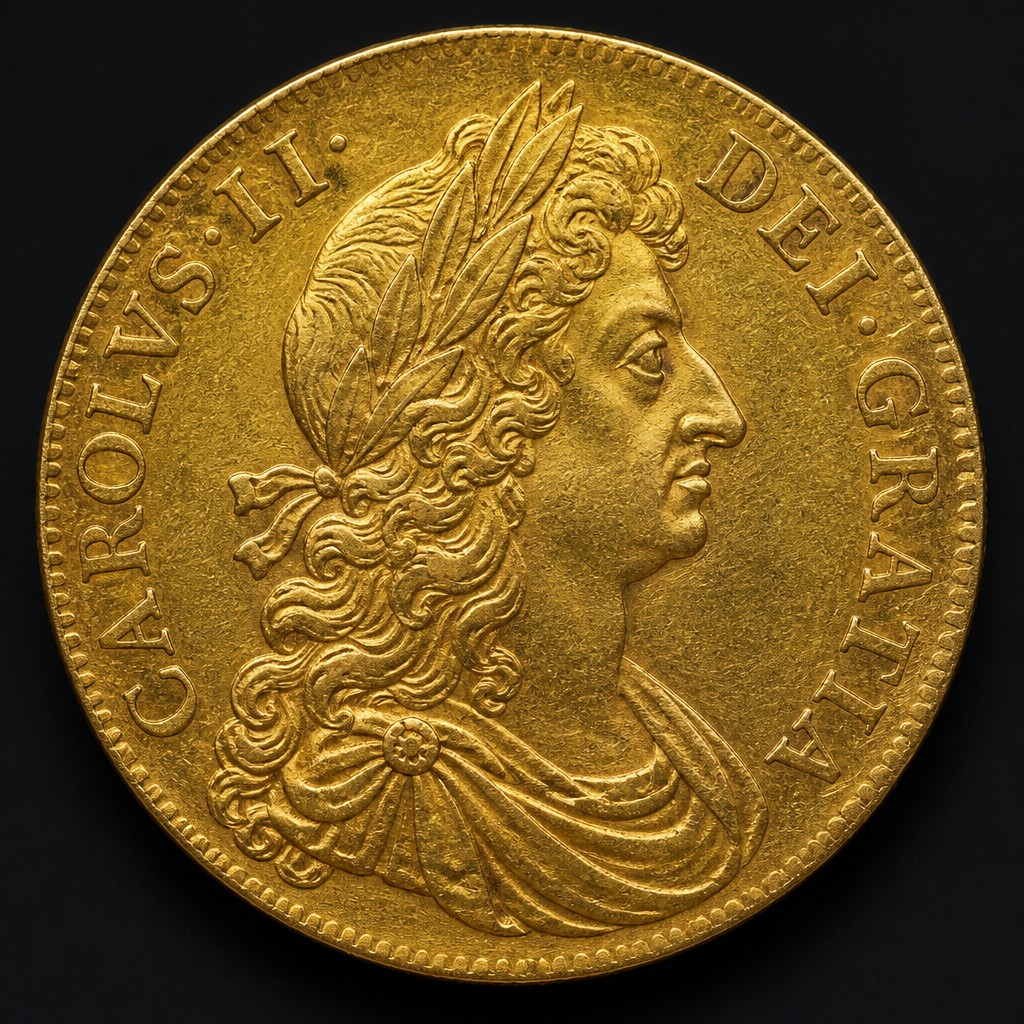
British Gold Guinea
Struck from 1663 to 1814 and named for the West African gold used in its earliest issues, the guinea was Britain's leading gold coin and gave its name to a unit of value still referenced today.
British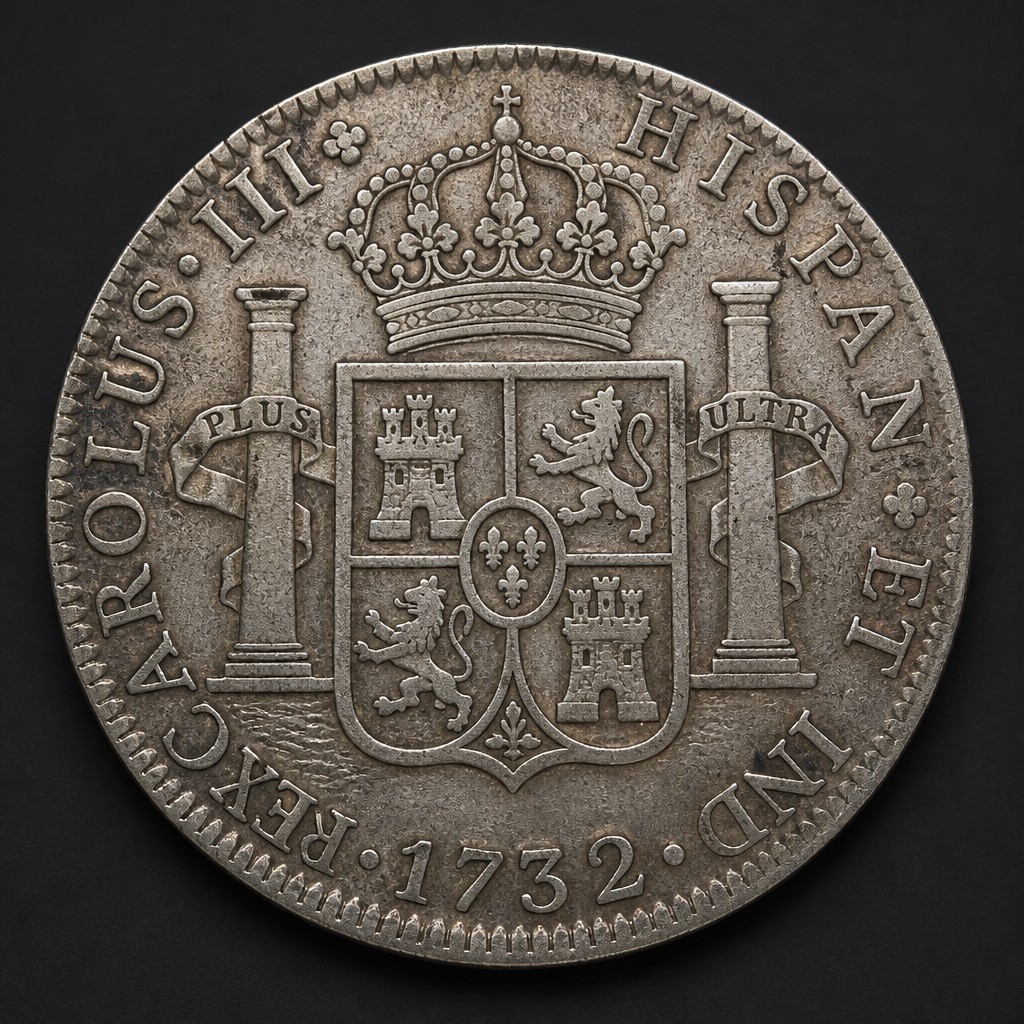
Mexican 8 Reales Pillar Dollar
Minted in colonial Mexico City from 1732 to the early 1770s, the pillar dollar's crowned globes and Pillars of Hercules design made it one of the most widely trusted silver trade coins in the world.
Latin American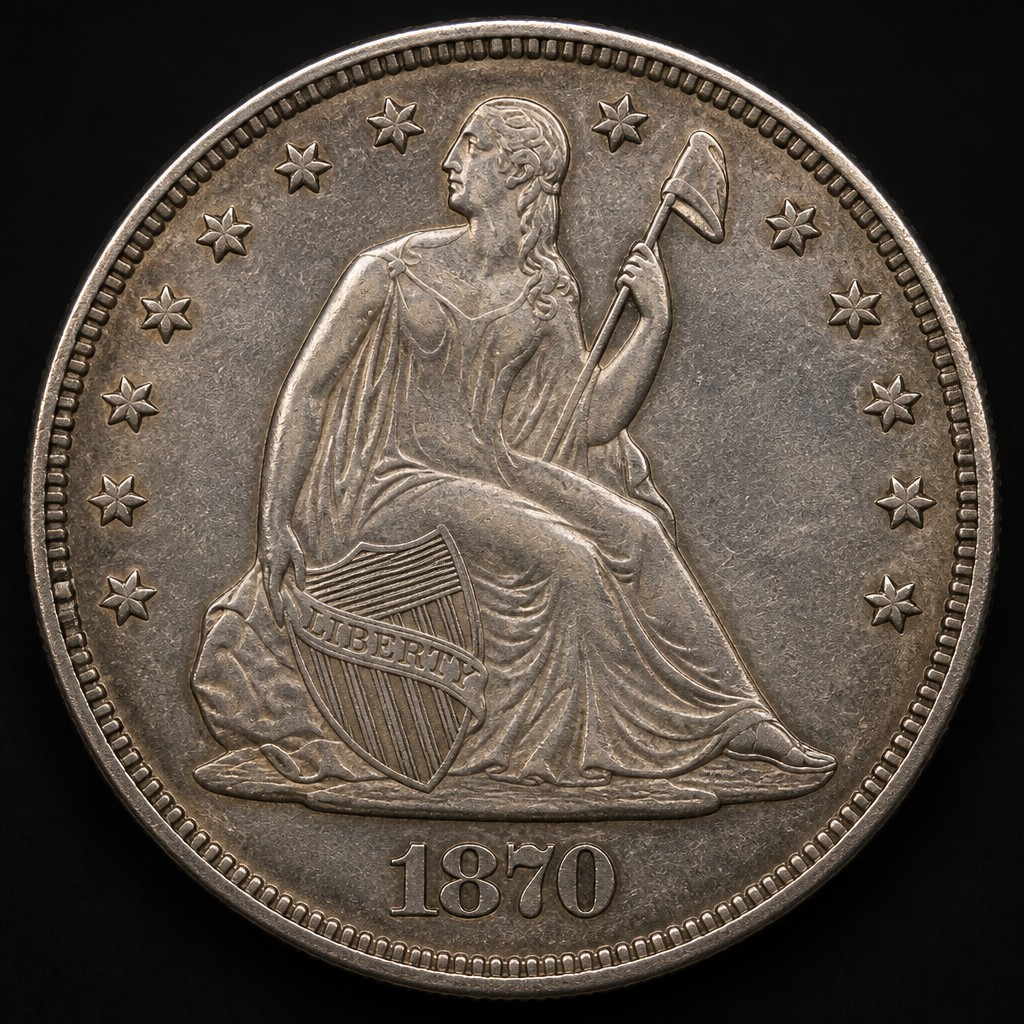
US Seated Liberty Dollar
Mid-19th century American silver dollar showing Liberty seated on a rock, produced from 1840 until being replaced by the Trade Dollar in 1873.
United States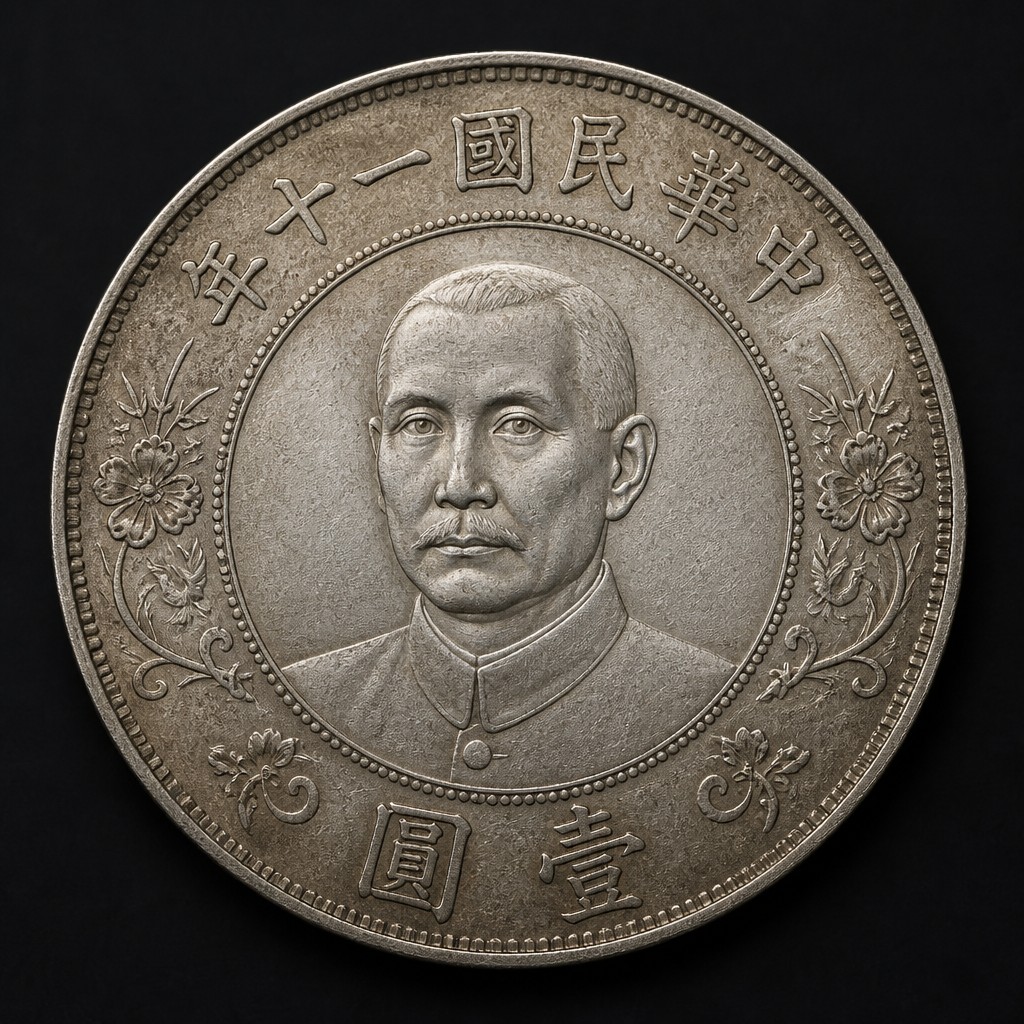
Sun Yat-sen Memorial Dollar (Junk Dollar)
A Republic of China silver dollar honoring founding father Sun Yat-sen, nicknamed the junk dollar for its reverse image of a traditional Chinese sailing ship, a widely collected 1930s Chinese coin.
Asian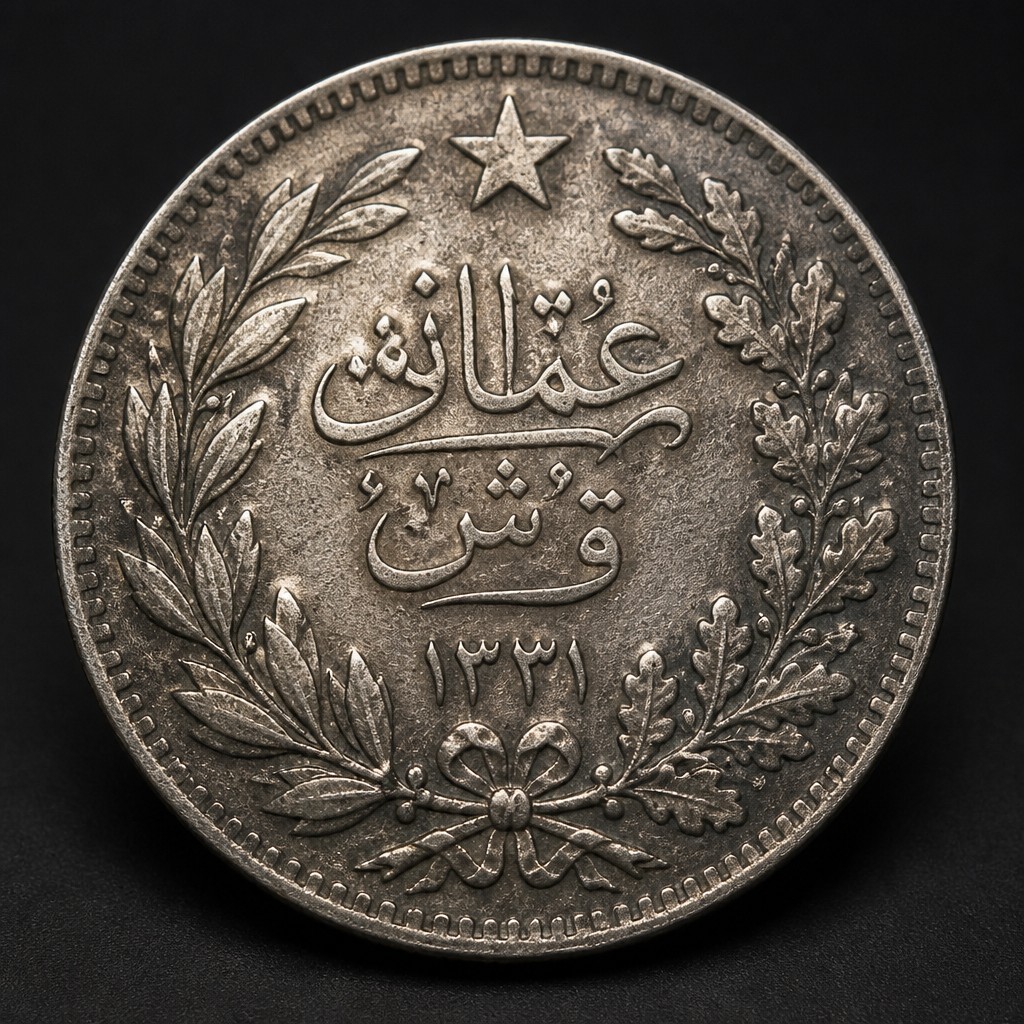
Ottoman Kurus (Piastre)
The standard Ottoman monetary unit for centuries, struck in silver or base metal bearing the sultan's tughra, later becoming a subunit of the Ottoman lira after 1844.
World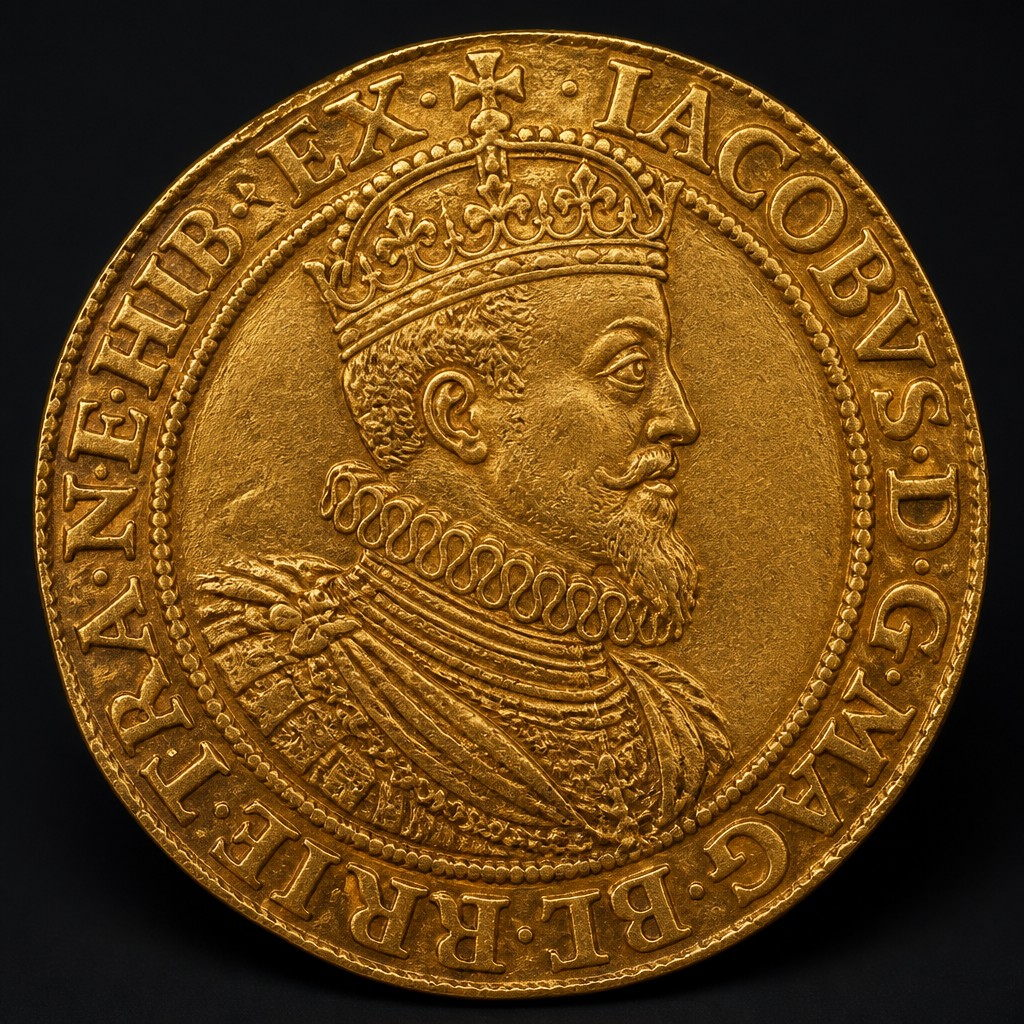
Half Crown Gold
A small gold coin worth half a gold crown, struck from the reign of Henry VIII through the English Civil War, distinct from the far more familiar silver half crown that circulated for centuries afterward.
British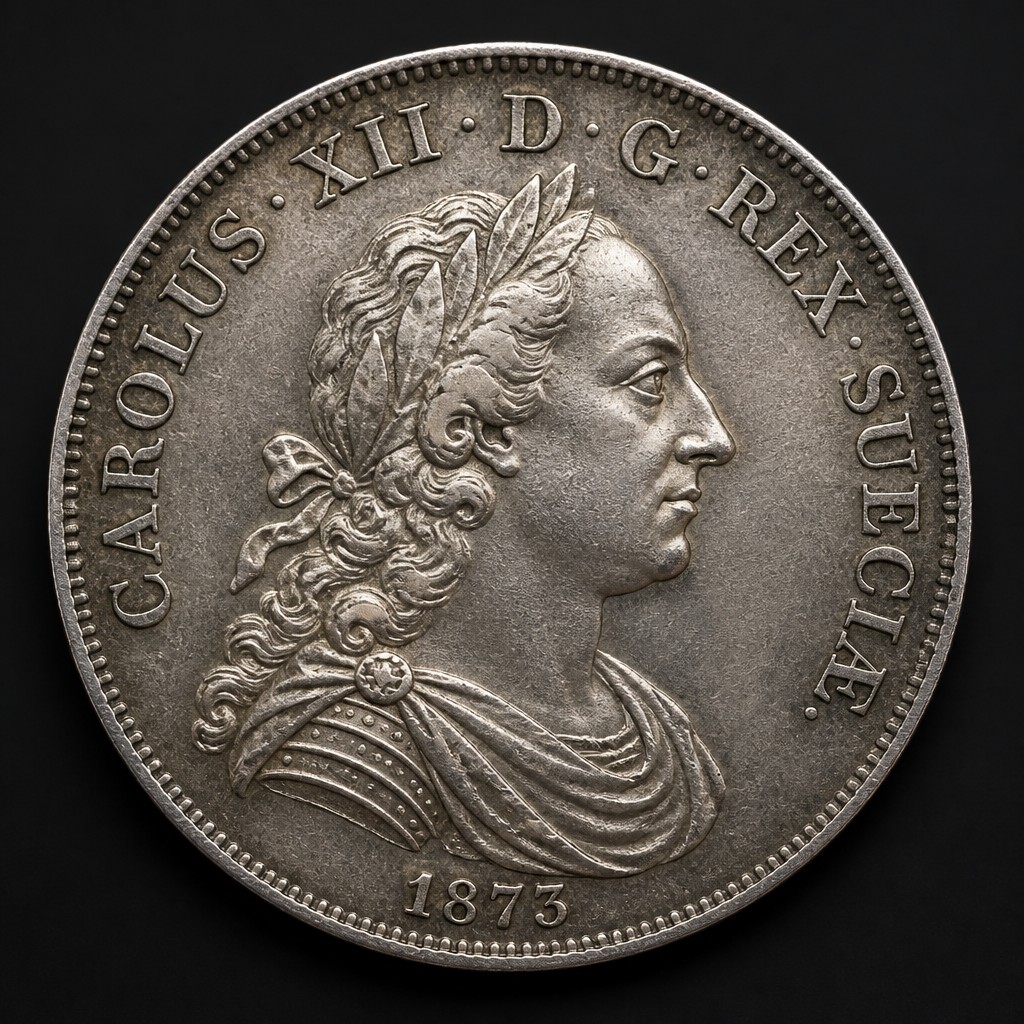
Swedish Riksdaler
Sweden's traditional silver dollar denomination, used for roughly two centuries before being replaced by the krona in the 1870s currency reform.
European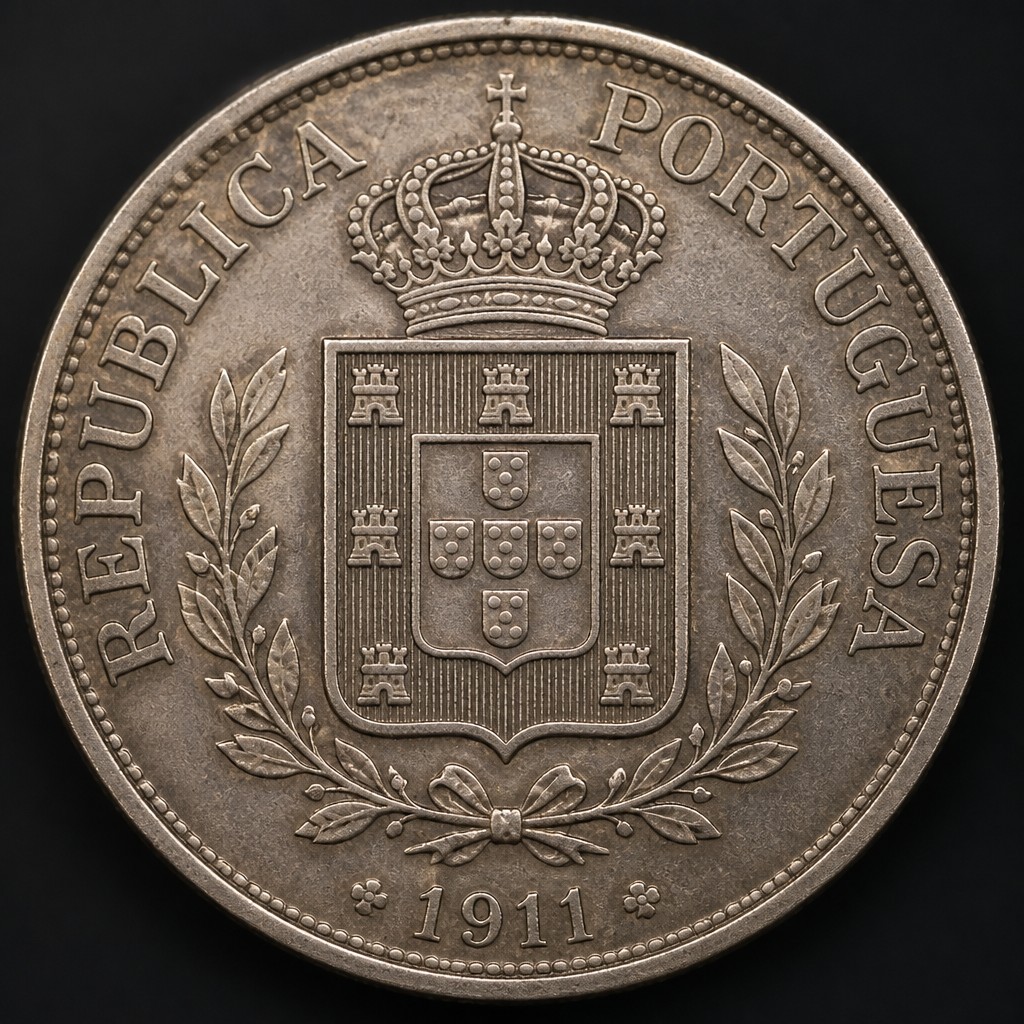
Portuguese Real
Portugal's centuries-old pre-decimal currency unit, used from the medieval era until the 1911 introduction of the escudo, also struck for Brazil and other colonies.
European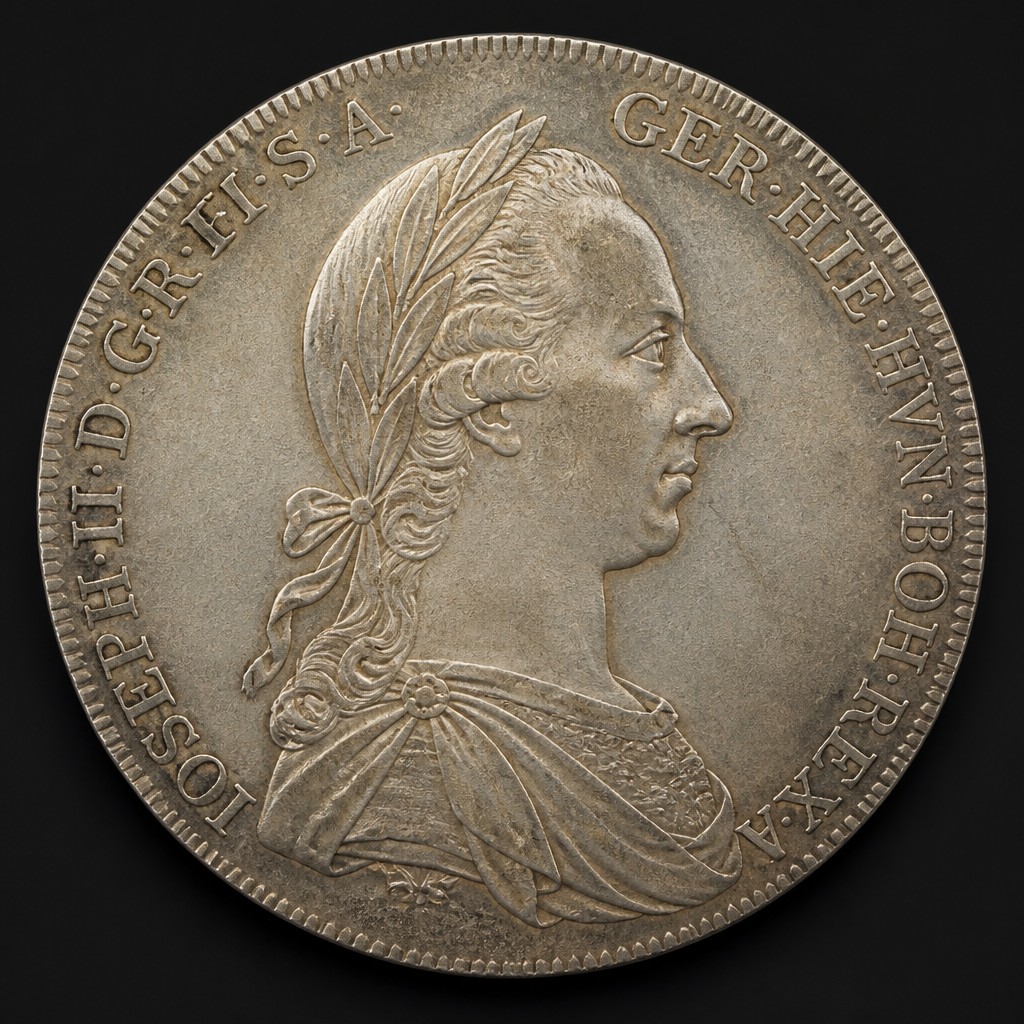
Austrian Thaler (Joseph II)
A silver thaler bearing the portrait of Holy Roman Emperor Joseph II, struck in the late 18th century and, like the more famous Maria Theresa thaler, later restruck for use in Levant and African trade.
European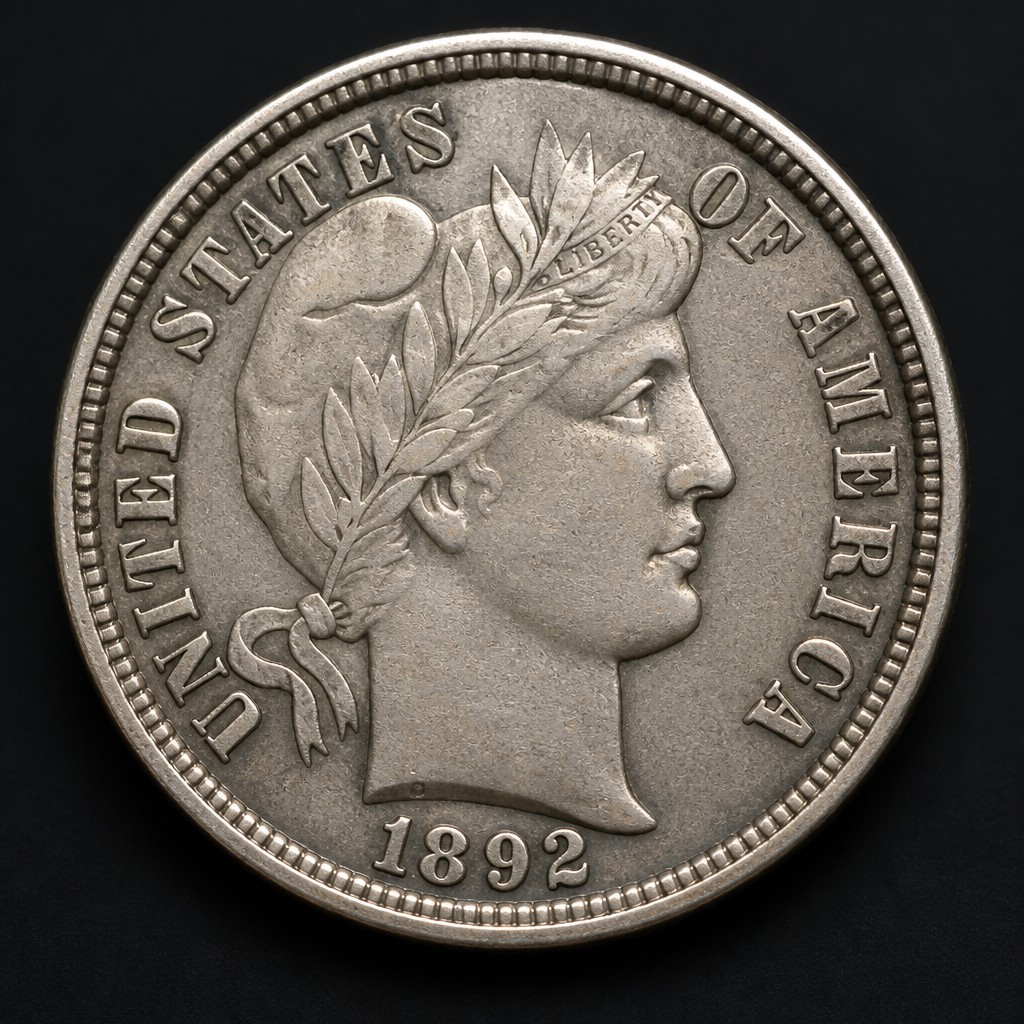
Barber Dime
A late-19th and early-20th century silver dime designed by Charles E. Barber, featuring a classical Liberty head, part of a matching set with the Barber quarter and half dollar.
United States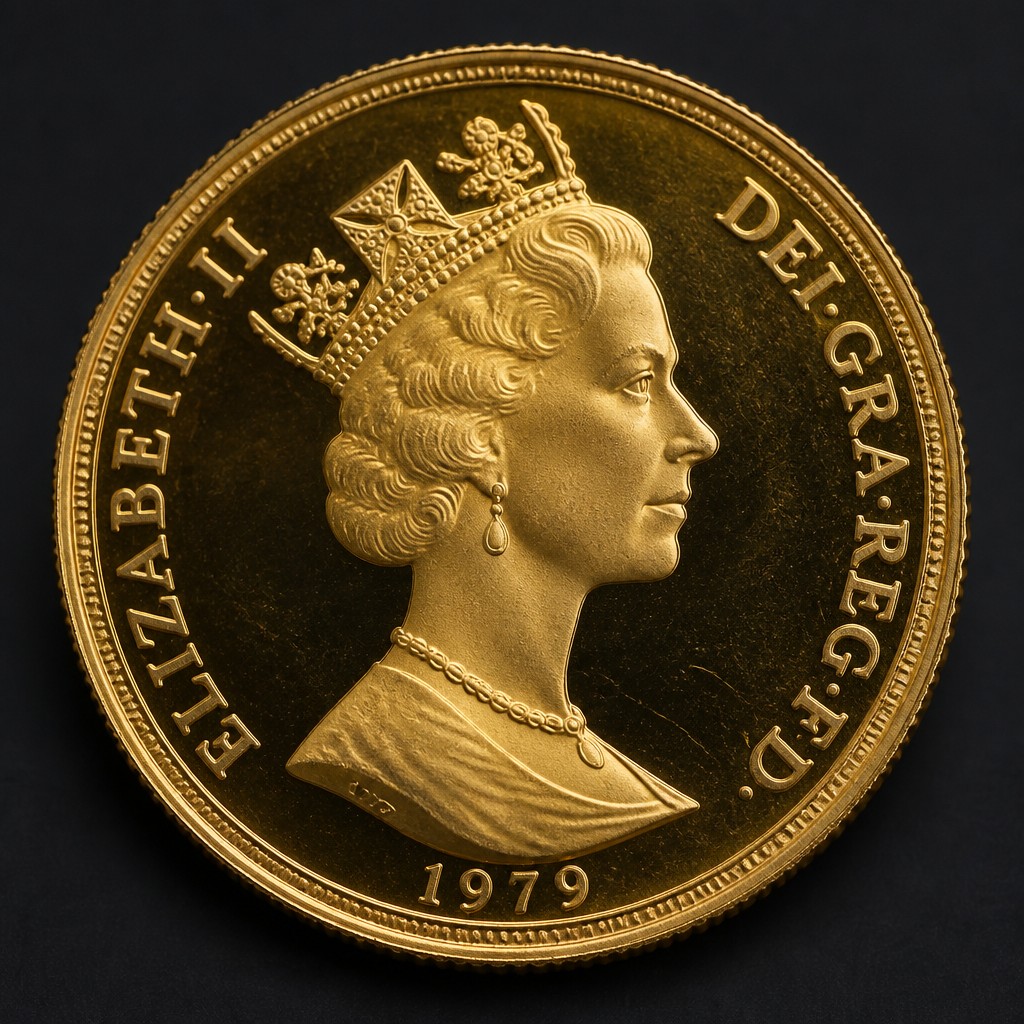
British Sovereign (modern proof)
Contemporary proof-quality gold sovereign struck by the Royal Mint, continuing Benedetto Pistrucci's St George and the dragon reverse design used since the early 19th century.
British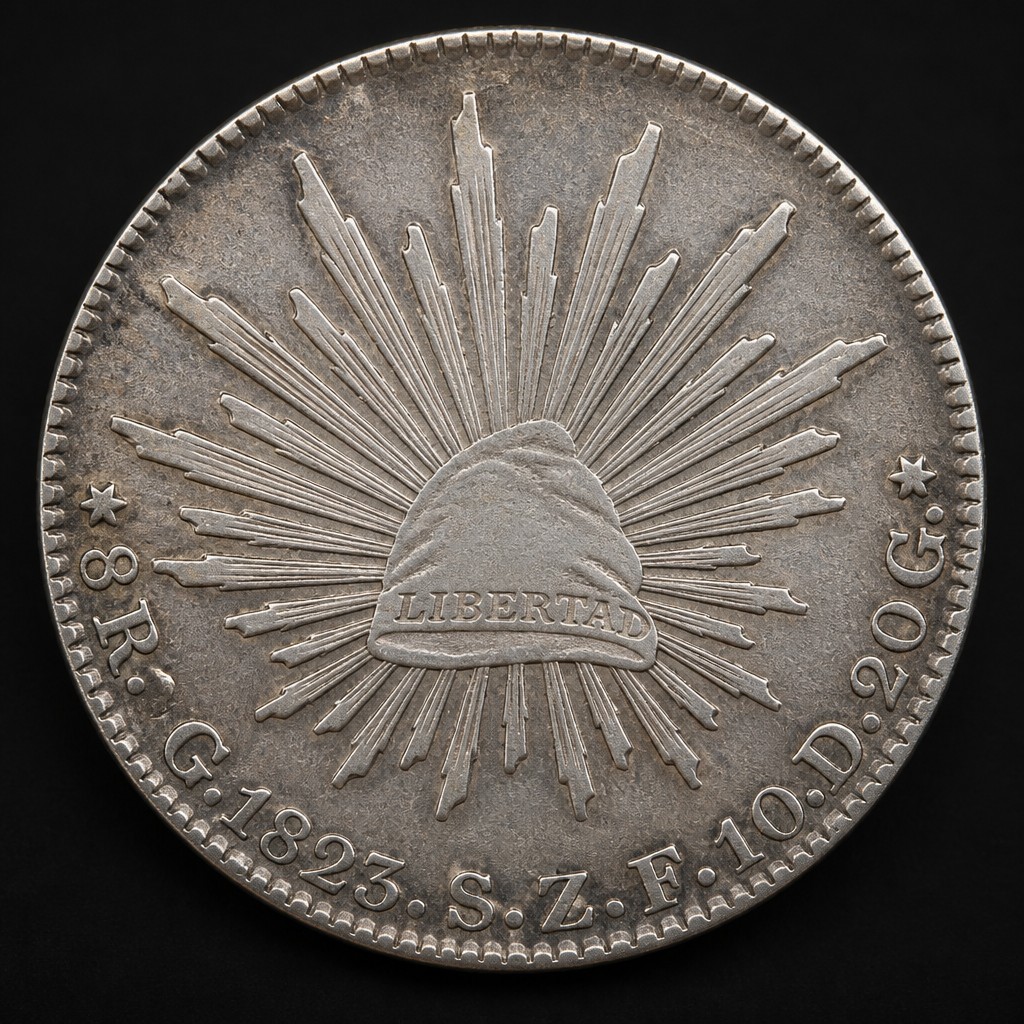
Mexican 8 Reales Cap and Rays
The classic silver dollar of independent Mexico, showing a radiant Phrygian liberty cap over mountains, widely trusted and traded across the Americas and Asia for most of the 19th century.
Latin American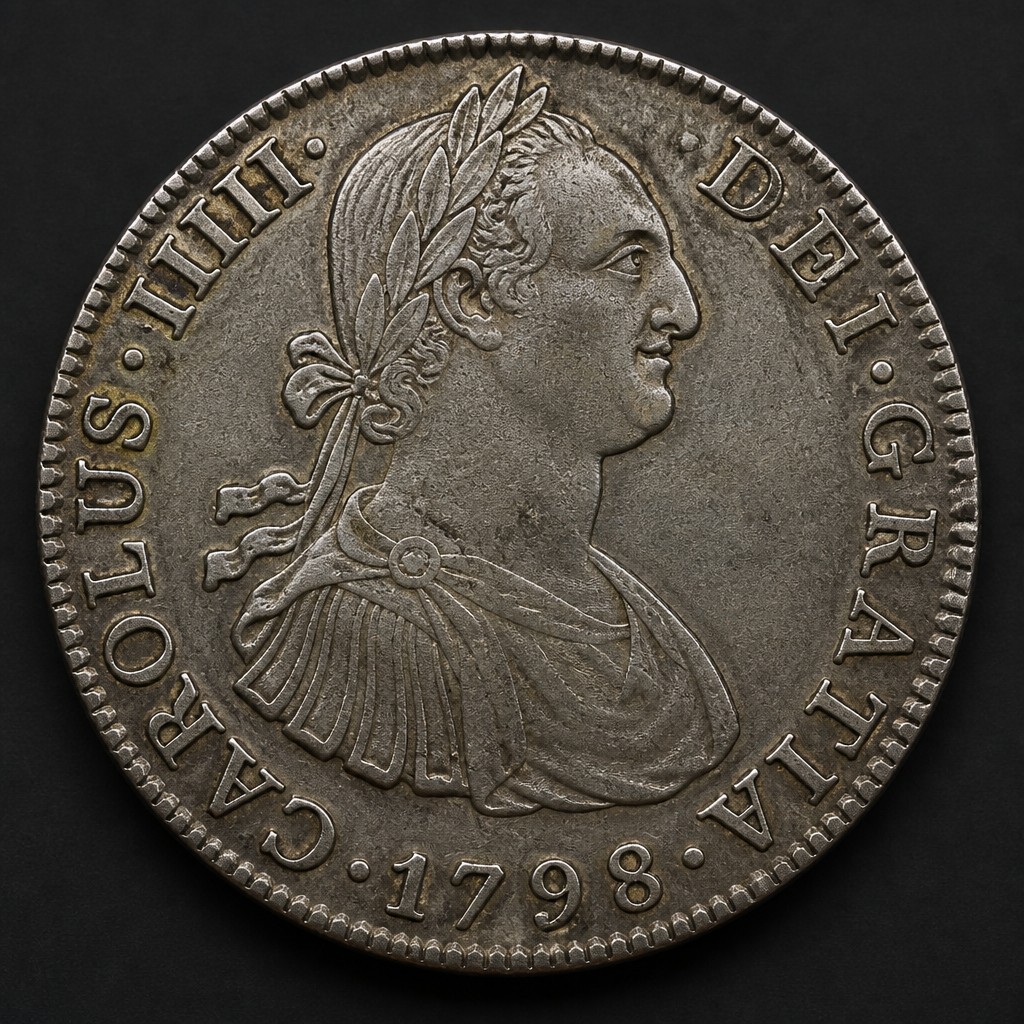
Spanish 4 Reales
A mid-value denomination of Spain's traditional real-based coinage, struck for centuries in both Spain and its American colonies.
European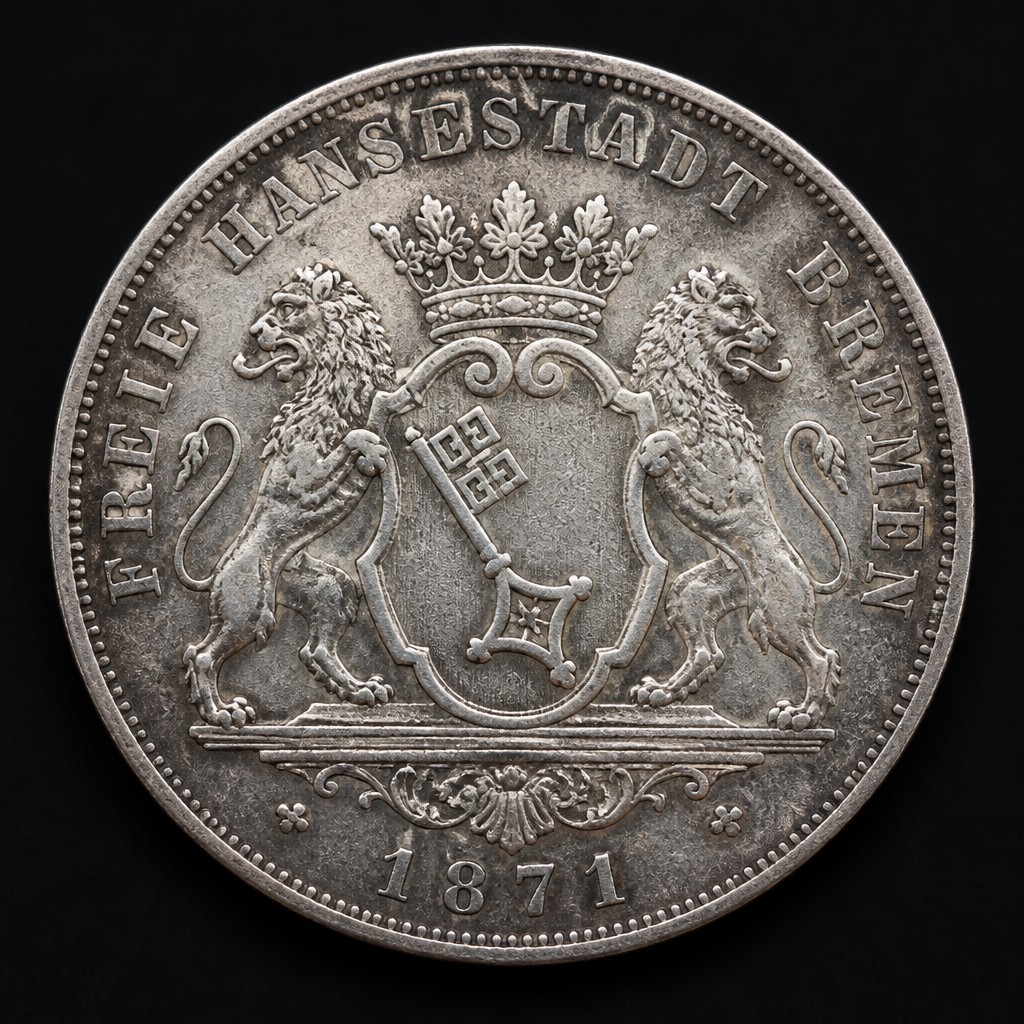
Bremen Thaler
A silver thaler of the free Hanseatic city of Bremen, typically featuring the city's key emblem, issued for centuries as an independent trading city's own coinage.
European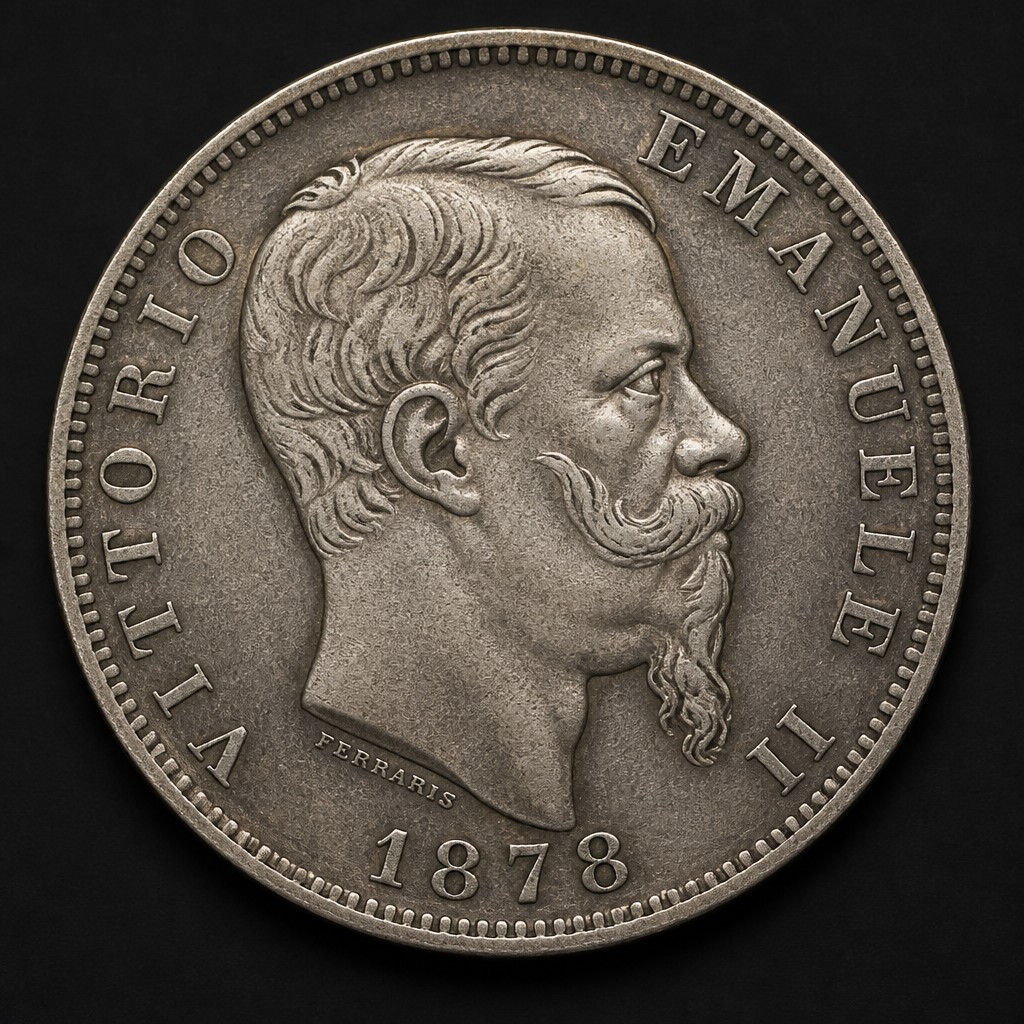
Italian 5 Lire
A large silver crown of the newly unified Kingdom of Italy, bearing the portrait of the reigning king and marking Italy's emergence as a single national currency after centuries of regional coinages.
European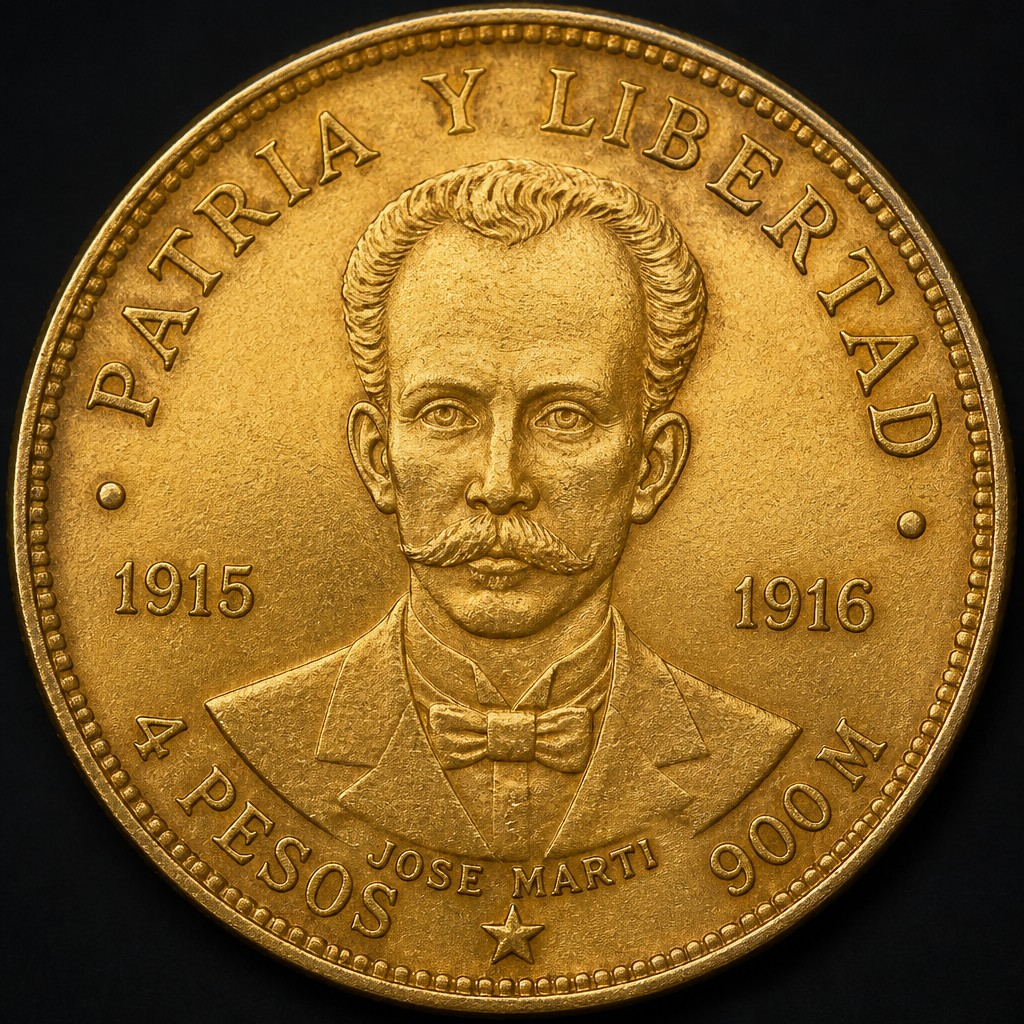
Cuba 4 Pesos Gold Jose Marti
A small gold denomination from Cuba's early republican-era gold coinage, part of a 1915–1916 series (1 through 20 pesos) struck to circulate on par with US gold currency.
Latin American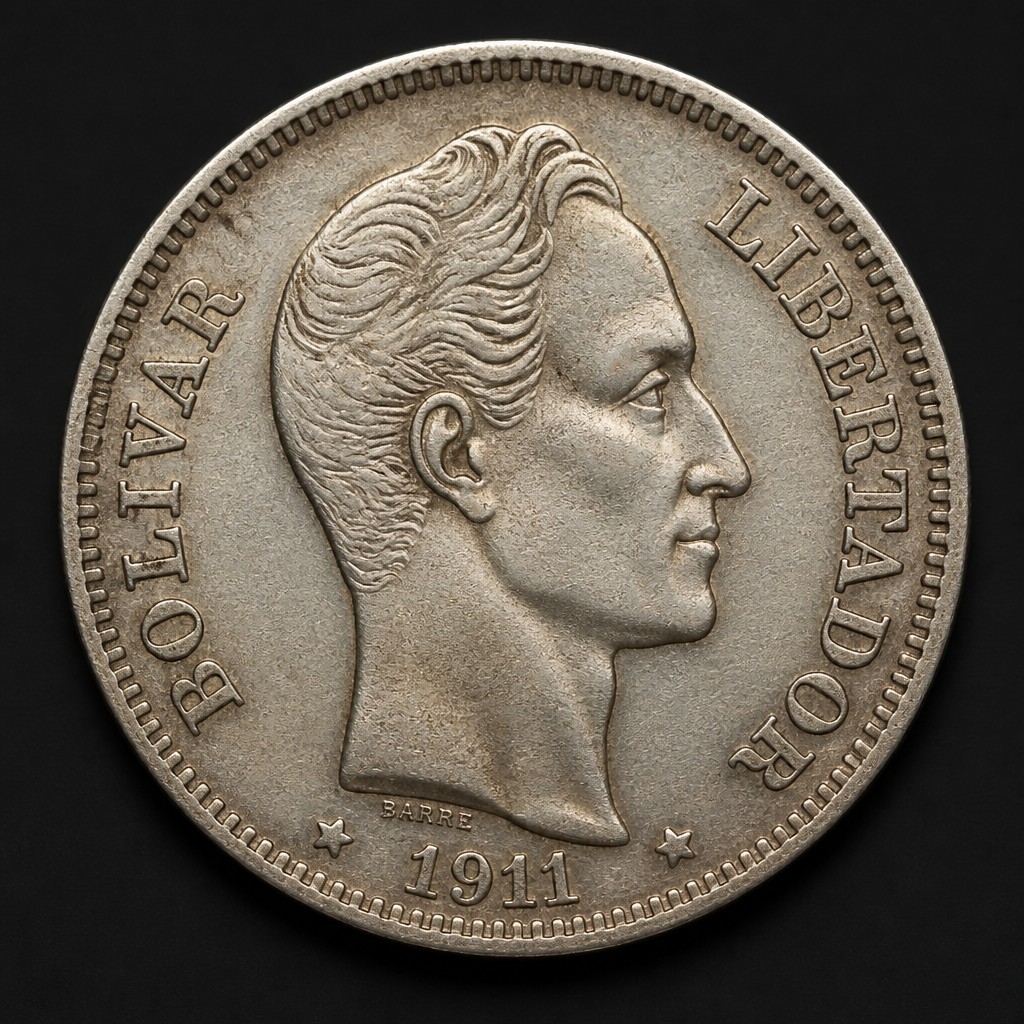
Venezuela 5 Bolivares 'Fuerte' Silver
A high-purity Venezuelan silver crown struck in 1911–1912, nicknamed the 'Fuerte' (strong) issue for restoring .900 fineness after decades of debased coinage.
Latin American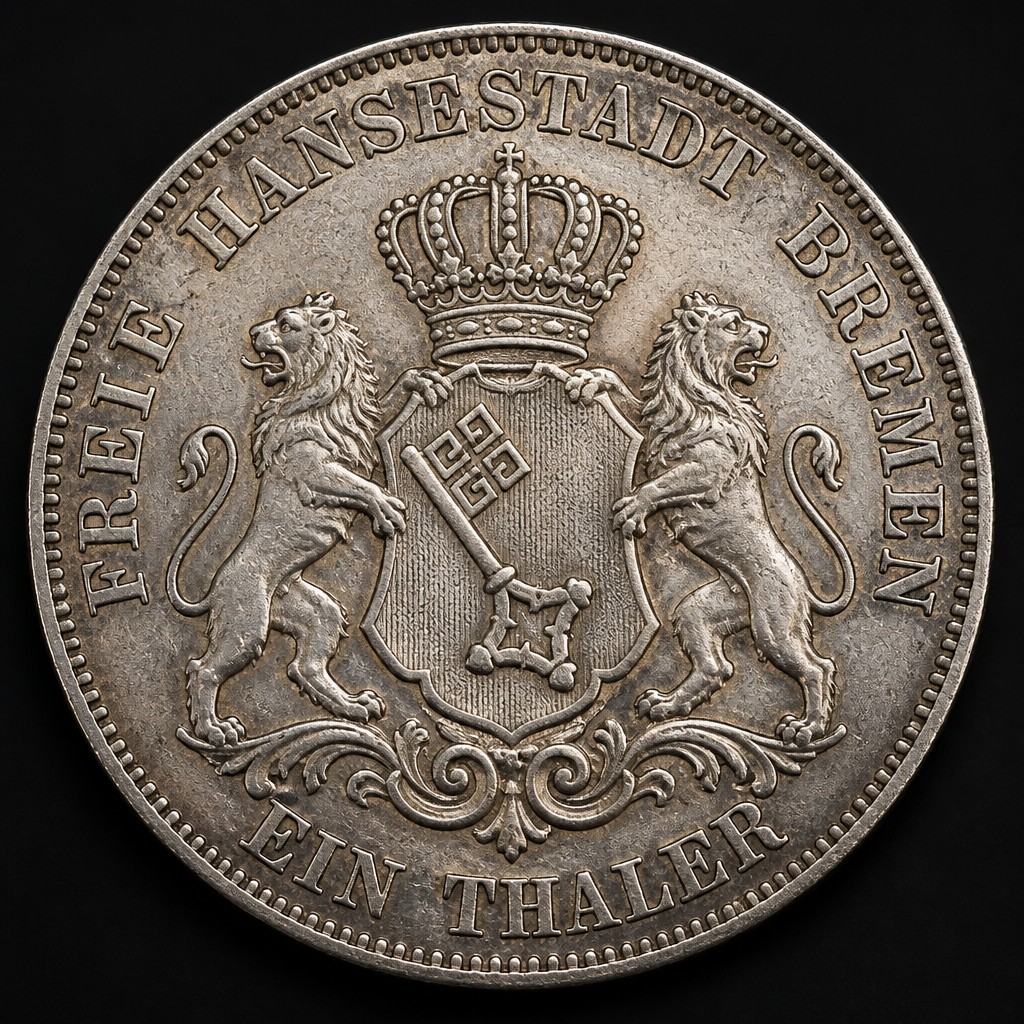
German Bremen Thaler
A silver thaler issued by the Free Hanseatic City of Bremen before German unification, featuring the city's heraldic key, part of the patchwork of pre-1871 German state and city coinages.
European