
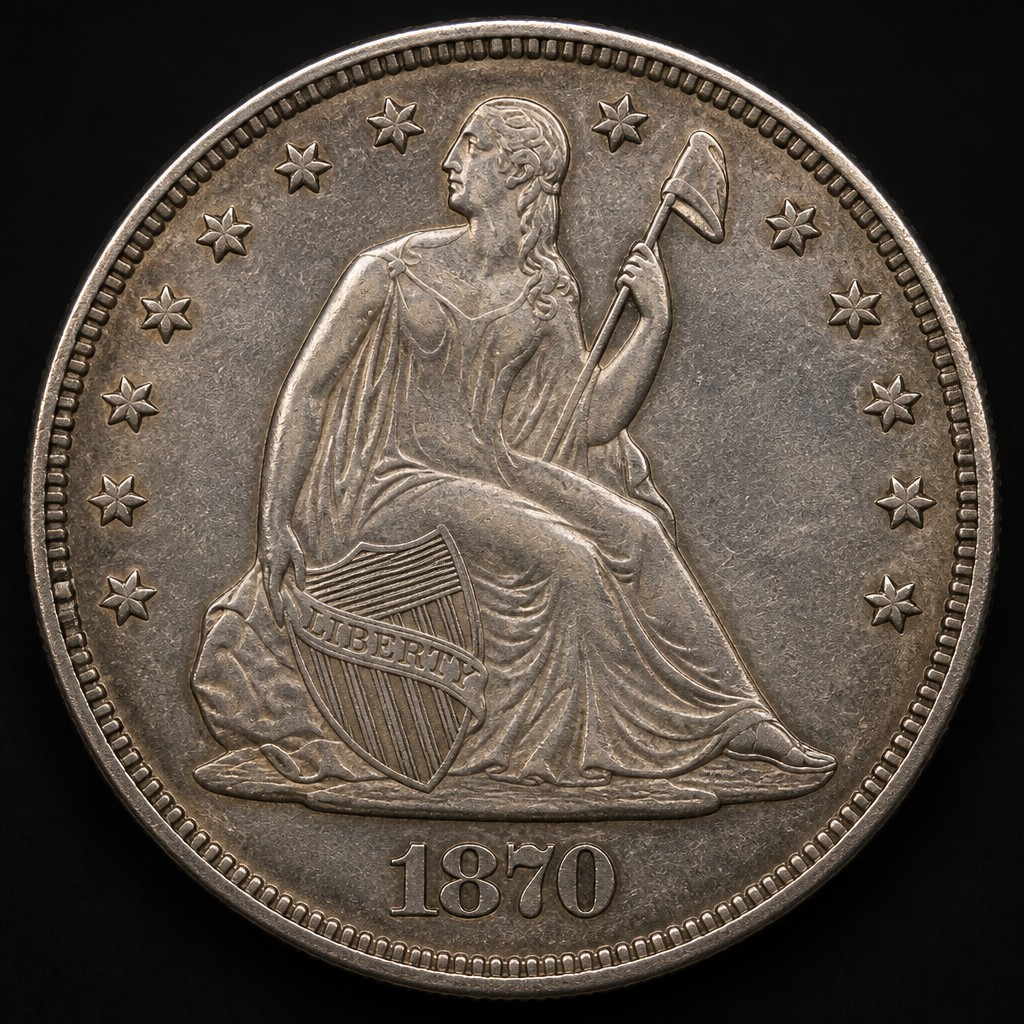
US Seated Liberty Dollar
Mid-19th century American silver dollar showing Liberty seated on a rock, produced from 1840 until being replaced by the Trade Dollar in 1873.
- Country
- United States
- Denomination
- One Dollar
- Metal
- 90% Silver, 10% Copper
Got a coin like this?
Identify any coin from a photo, free.
Overview
The Seated Liberty Dollar was the standard large silver dollar of the United States for over three decades in the mid-1800s, part of a broader family of Seated Liberty coinage that also included the dime, quarter, and half dollar. It reflects a period of significant change in American coinage law, including bullion weight adjustments and evolving mottos.
History & Background
The design was created by U.S. Mint engraver Christian Gobrecht, based on a composition sketched by artist Thomas Sully and an eagle rendered by naturalist artist Titian Peale, first tested on pattern "Gobrecht dollars" in the late 1830s before full production began in 1840. It replaced the earlier Draped Bust and Capped Bust dollar designs.
Over its run, the coin underwent notable changes: arrows were added beside the date in 1853 to signal a temporary weight reduction, and again briefly in 1873 under the Coinage Act of that year, while the motto "IN GOD WE TRUST" was added above the eagle beginning in 1866. Production ended in 1873 when the same Coinage Act that caused controversy for demonetizing silver dollars replaced the denomination with the Trade Dollar for use in international commerce.
How to Identify
The obverse shows Liberty seated on a rock, holding a shield inscribed "LIBERTY" in one hand and a liberty cap on a pole in the other, surrounded by thirteen stars and the date below. The reverse depicts an eagle with wings spread, encircled by "UNITED STATES OF AMERICA" and "ONE DOLLAR"; coins from 1866 onward add "IN GOD WE TRUST" on a ribbon above the eagle.
The coin is 38.1 mm in diameter with a reeded edge, and mint marks (O, S, or CC) appear below the eagle on the reverse; Philadelphia coins have no mint mark. Key varieties to note include the "with arrows" dates (1853 and 1873) marking weight changes, and "with motto" versus "without motto" types dividing before and after 1866; collectors distinguish this series from the later Morgan and Trade Dollars by the seated (rather than standing bust) Liberty figure.
Value & Collectibility
Because total mintages were far smaller than later Morgan Dollars, Seated Liberty Dollars are generally scarcer and command higher prices even in worn condition, with well-preserved or key-date examples reaching significant premiums. The 1870-S is an extremely rare and valuable branch mint issue, and various low-mintage Carson City and San Francisco dates are also notable rarities.
Condition, strike quality, and originality of surfaces matter greatly given the coin's age, and cleaned or artificially toned examples are typically discounted by knowledgeable buyers. As with other 19th-century silver dollars, professional grading is strongly recommended before assuming a high value based on date alone.
Frequently asked questions
Who designed the Seated Liberty Dollar?
Christian Gobrecht engraved the design, based on artwork by Thomas Sully and Titian Peale.
What do 'arrows at date' varieties mean?
Arrows beside the date in 1853 and 1873 indicate a temporary reduction in the coin's silver weight mandated by Congress.
When was 'IN GOD WE TRUST' added?
The motto was added above the eagle on the reverse starting in 1866.
Why did the series end in 1873?
The Coinage Act of 1873 discontinued the standard silver dollar in favor of the new Trade Dollar, intended for use in international, especially Asian, trade.
Other coins you may enjoy
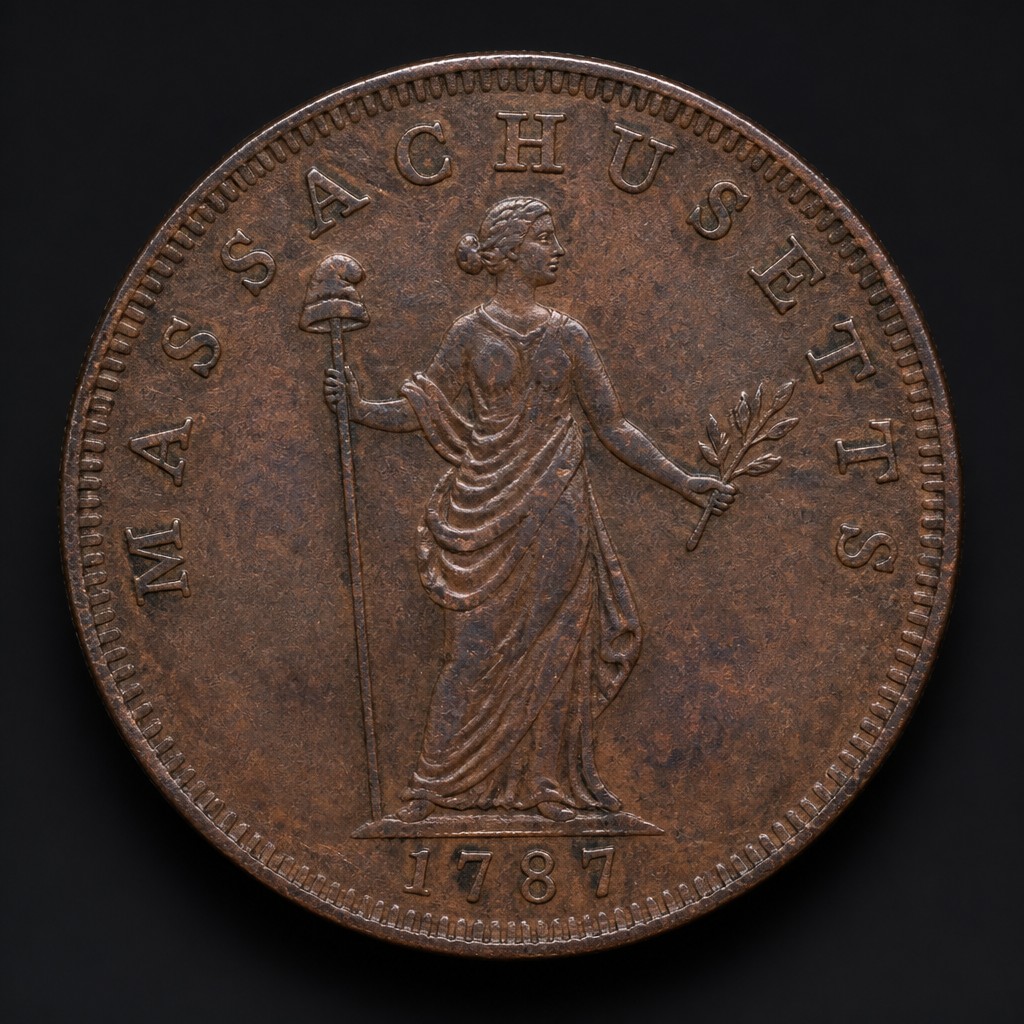
Massachusetts Cent (1787-1788)
1787–1788
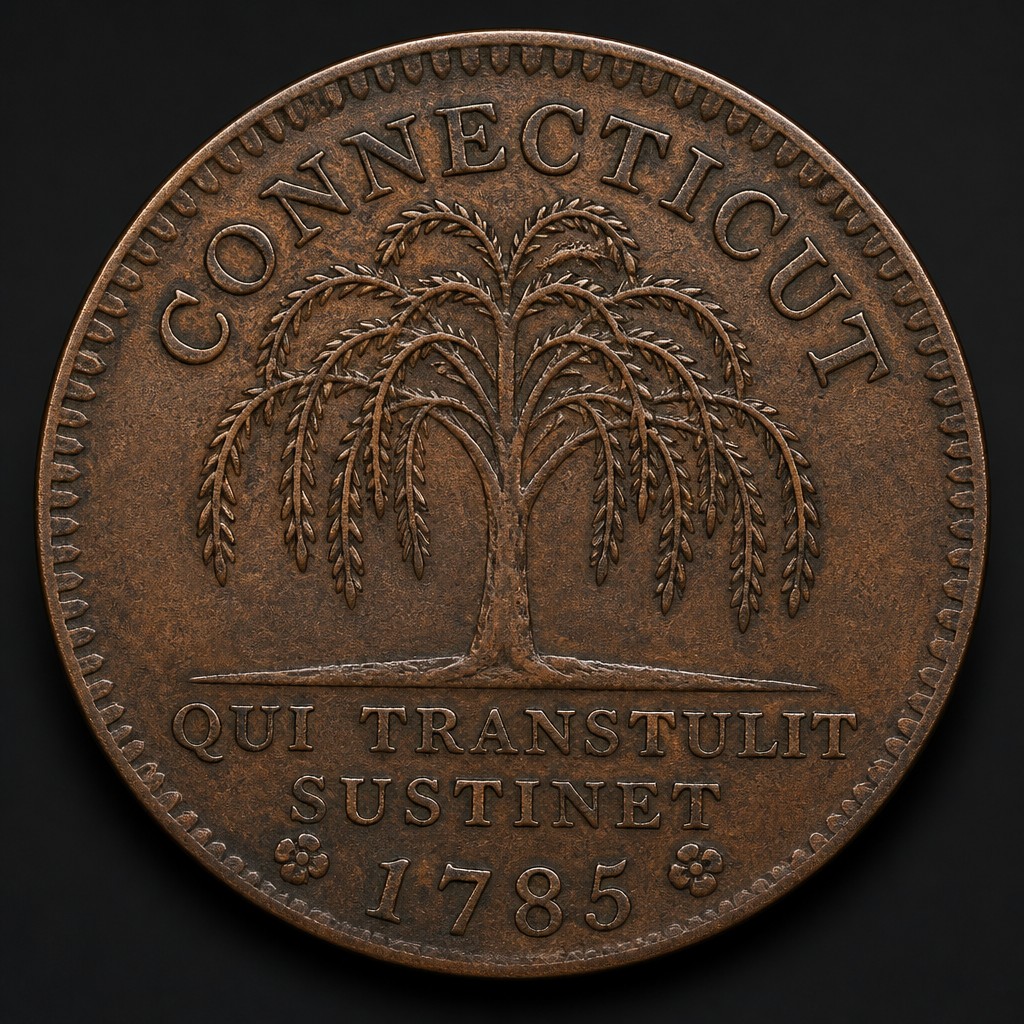
Connecticut Copper
1785–1788
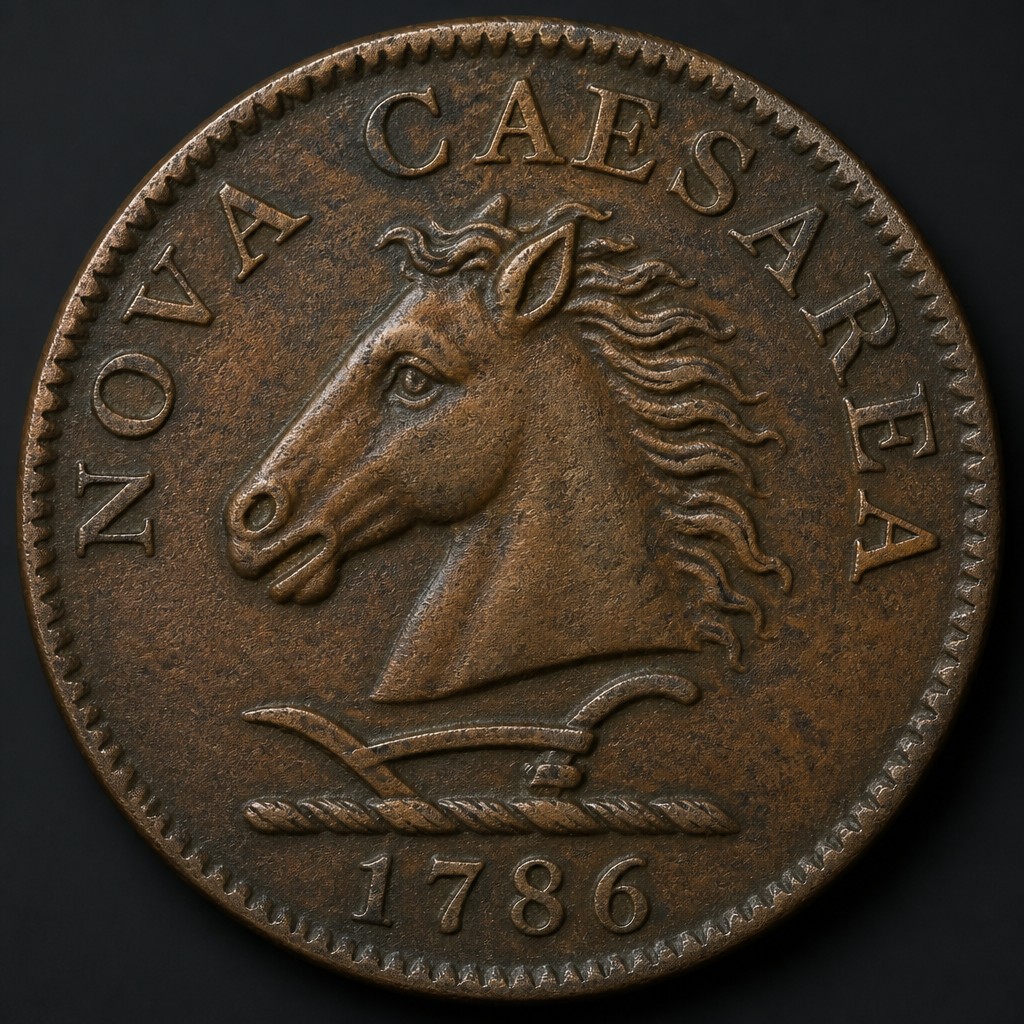
New Jersey Copper
1786–1788
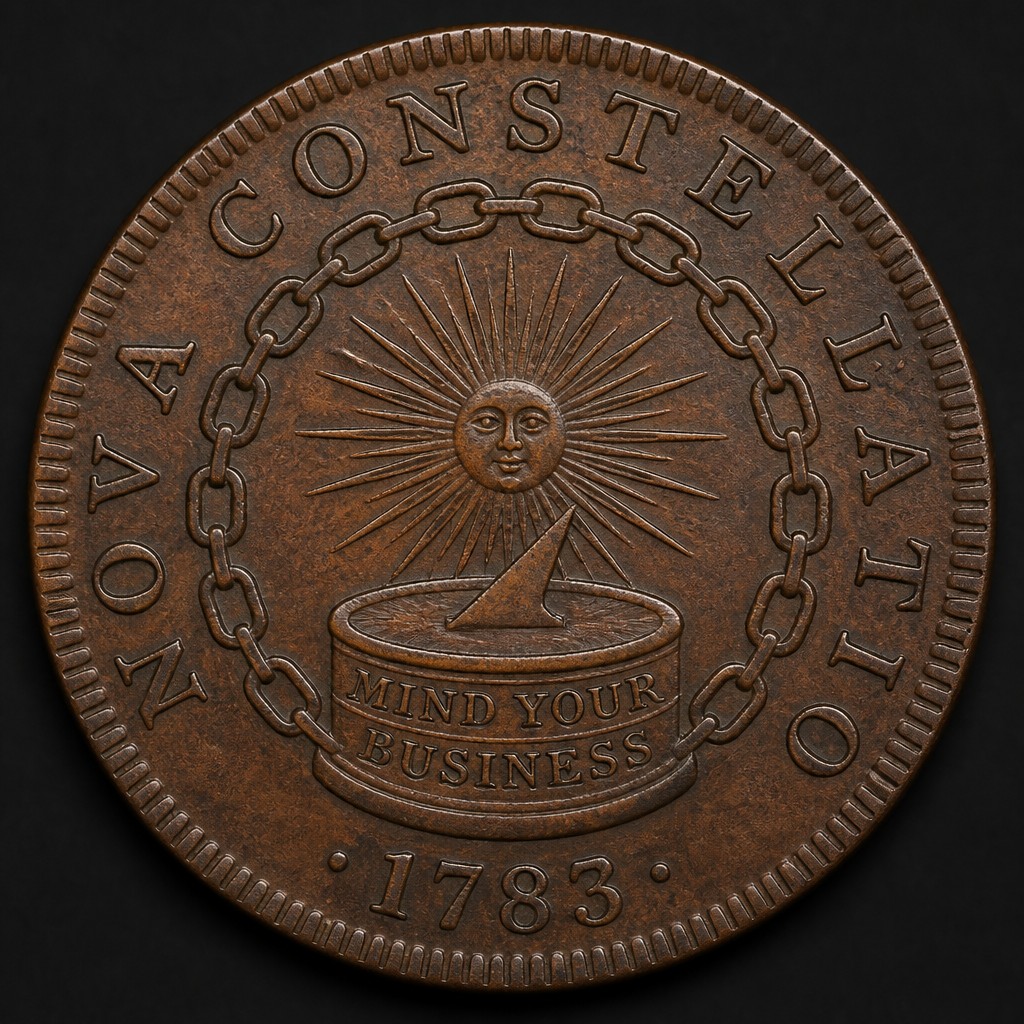
Nova Constellatio Copper
1783–1785
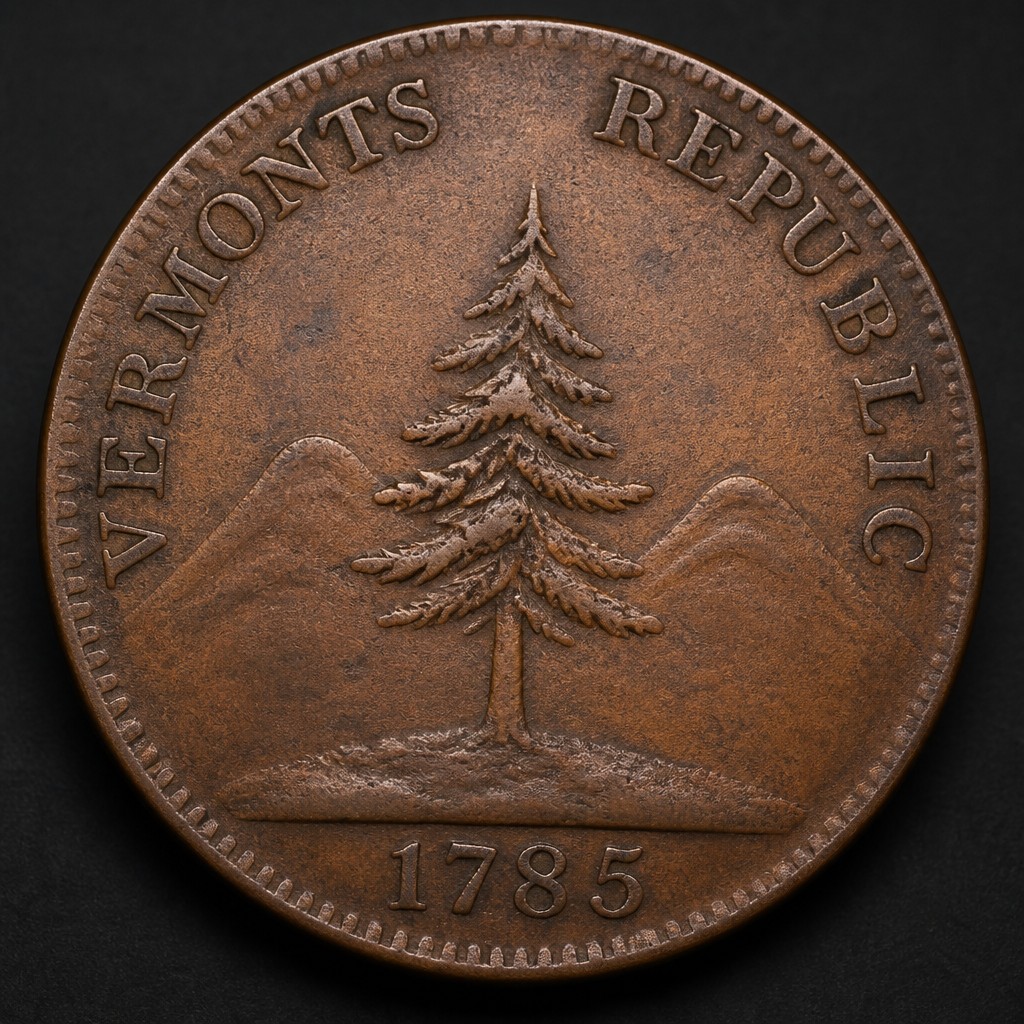
Vermont Copper
1785–1788
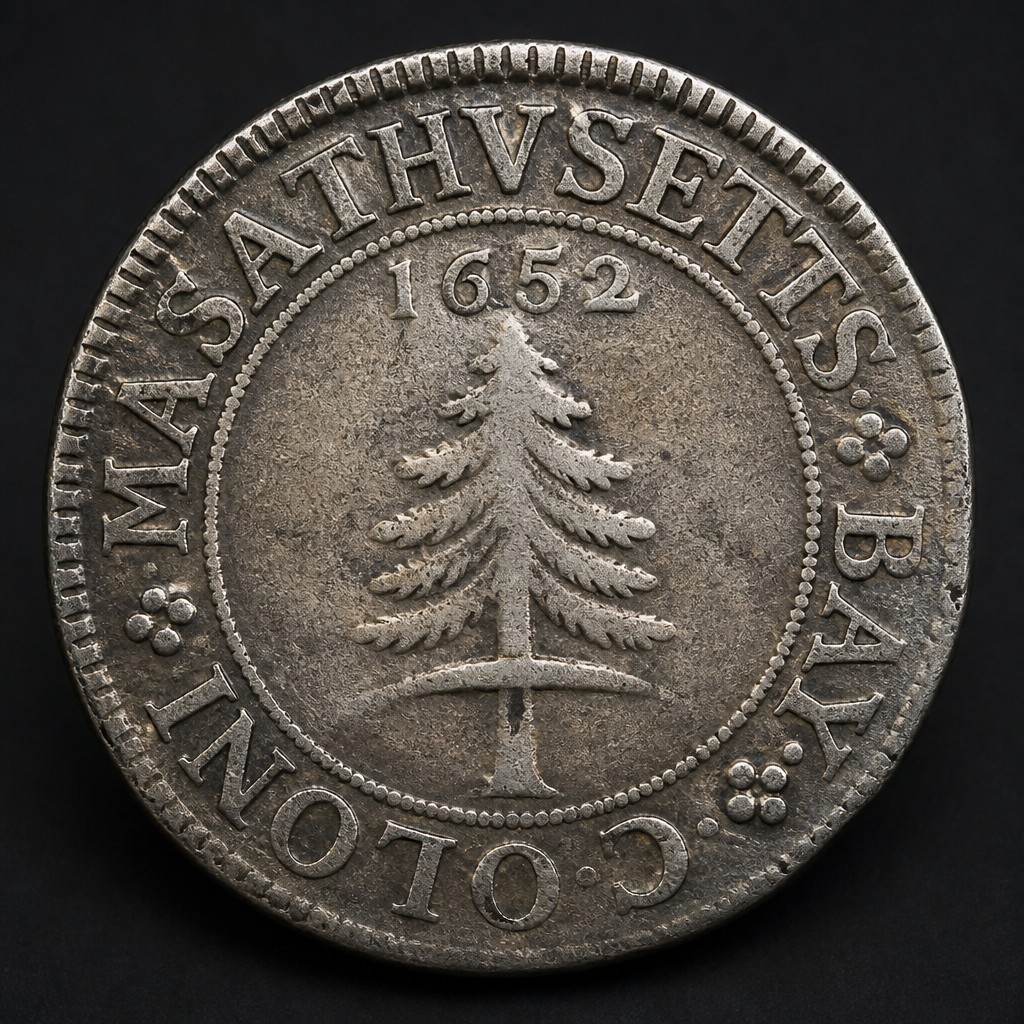
Pine Tree Shilling
Dated 1652, struck circa 1652–1682
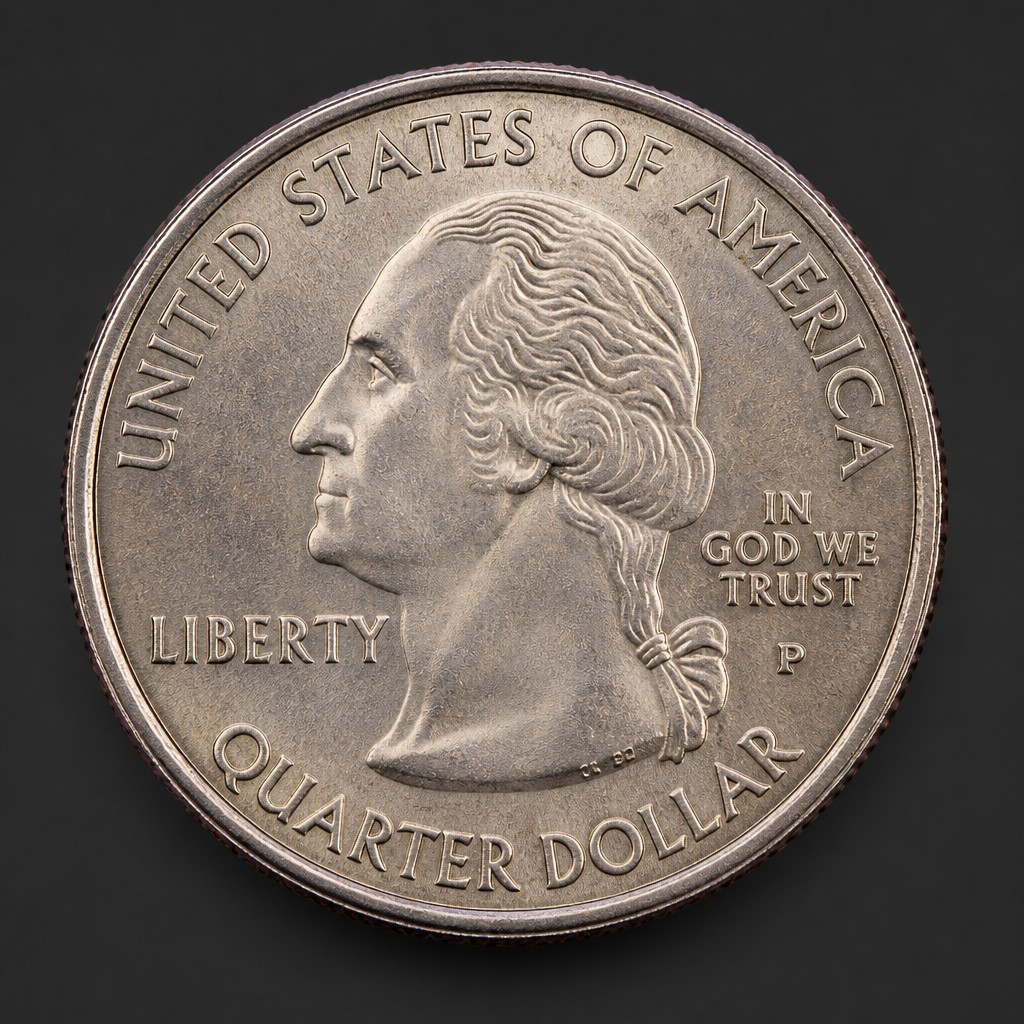
US State Quarters Series
1999-2008 (plus 2009 territories)
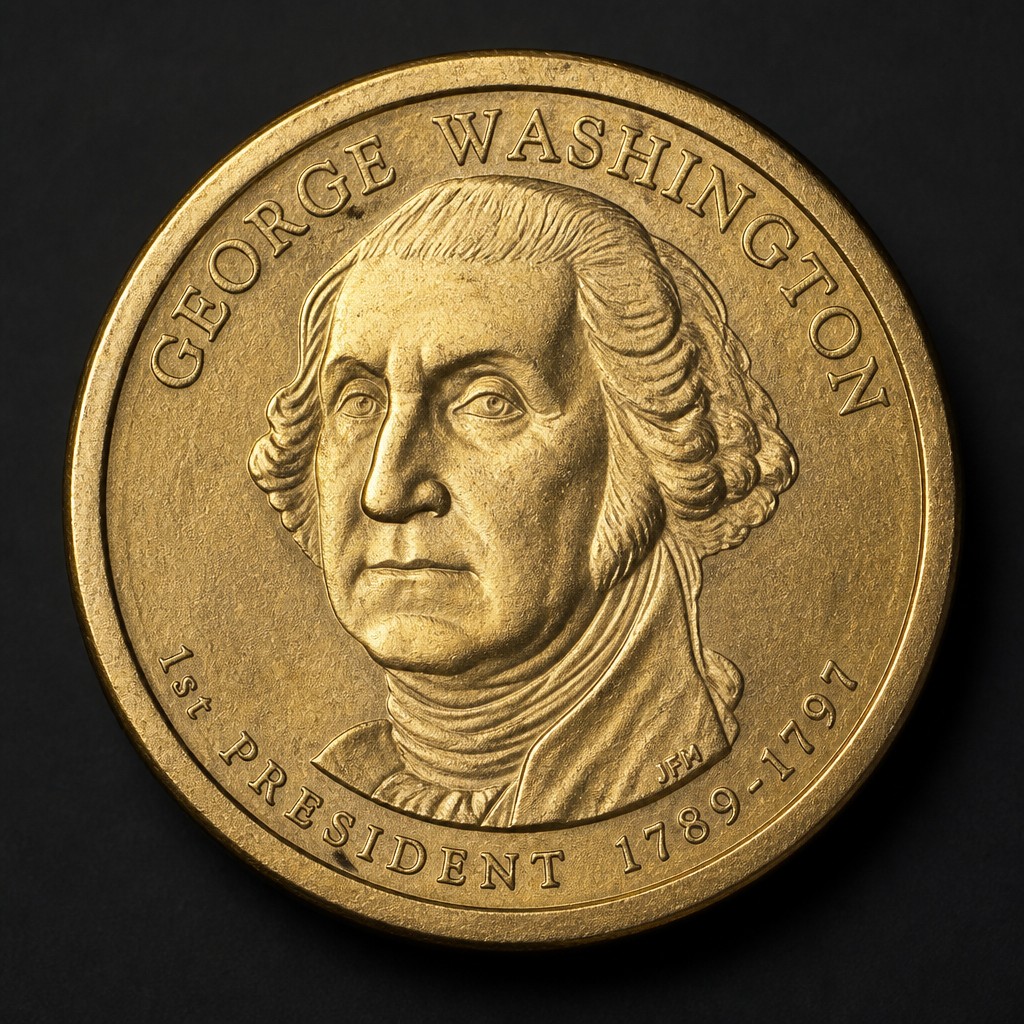
Presidential Dollar Series
2007-2016 (later special issues through 2020)
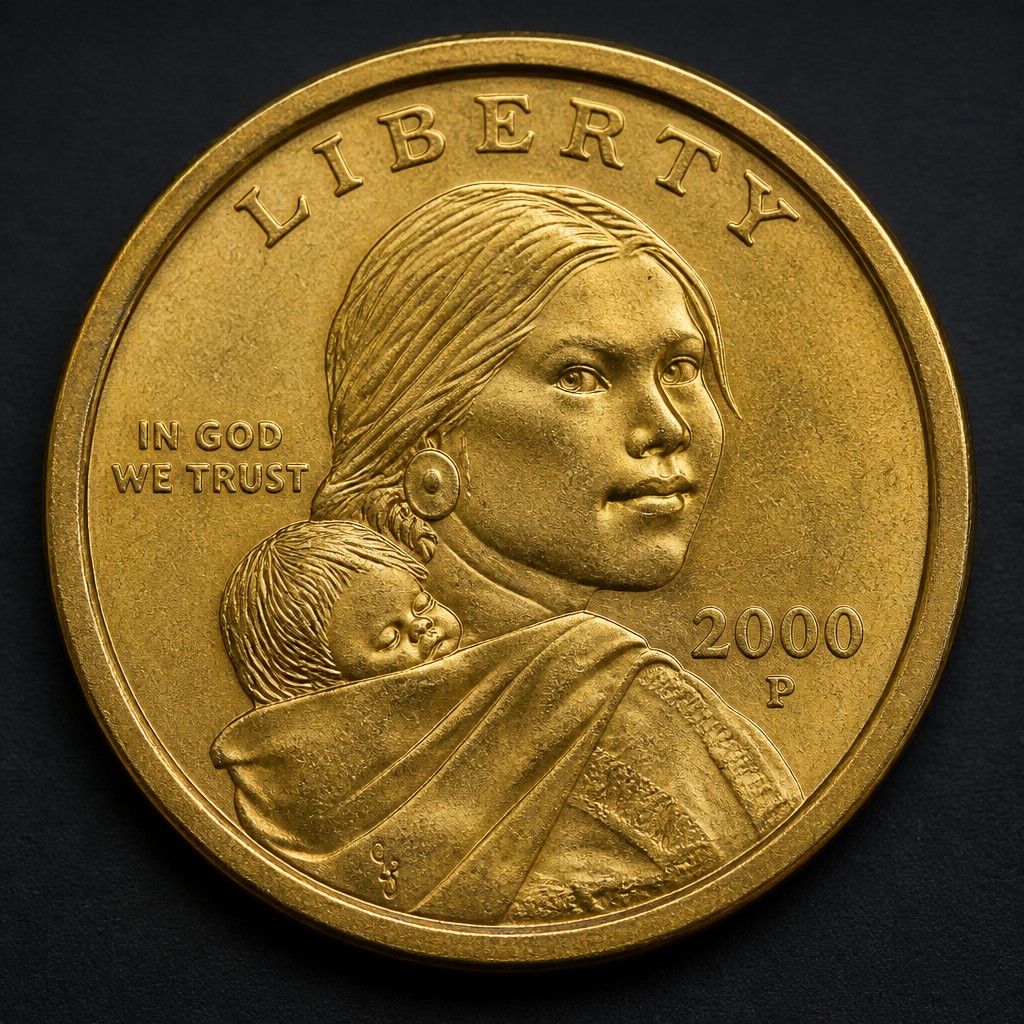
Sacagawea Golden Dollar
2000-present (reverse changed to Native American series in 2009)
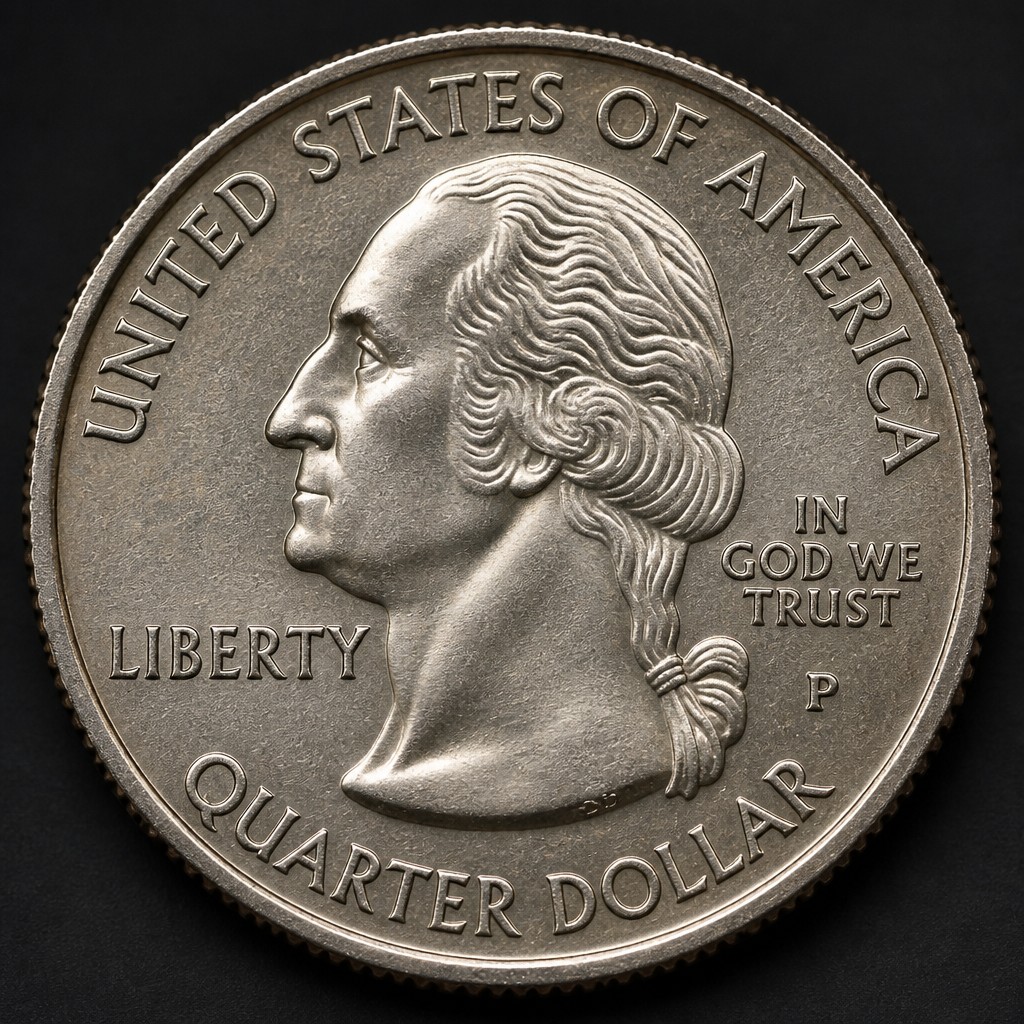
US America the Beautiful Quarters
2010-2021
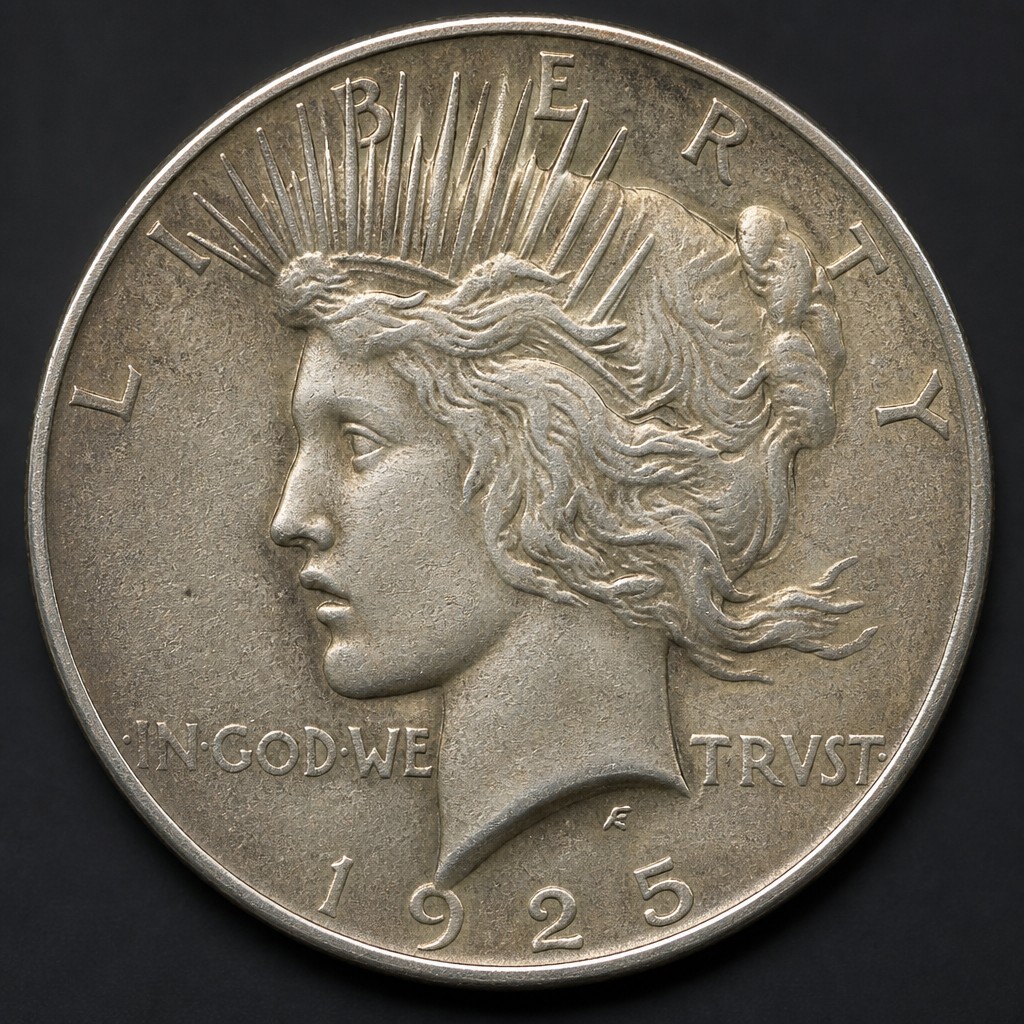
US Peace Dollar
1921–1928, 1934–1935
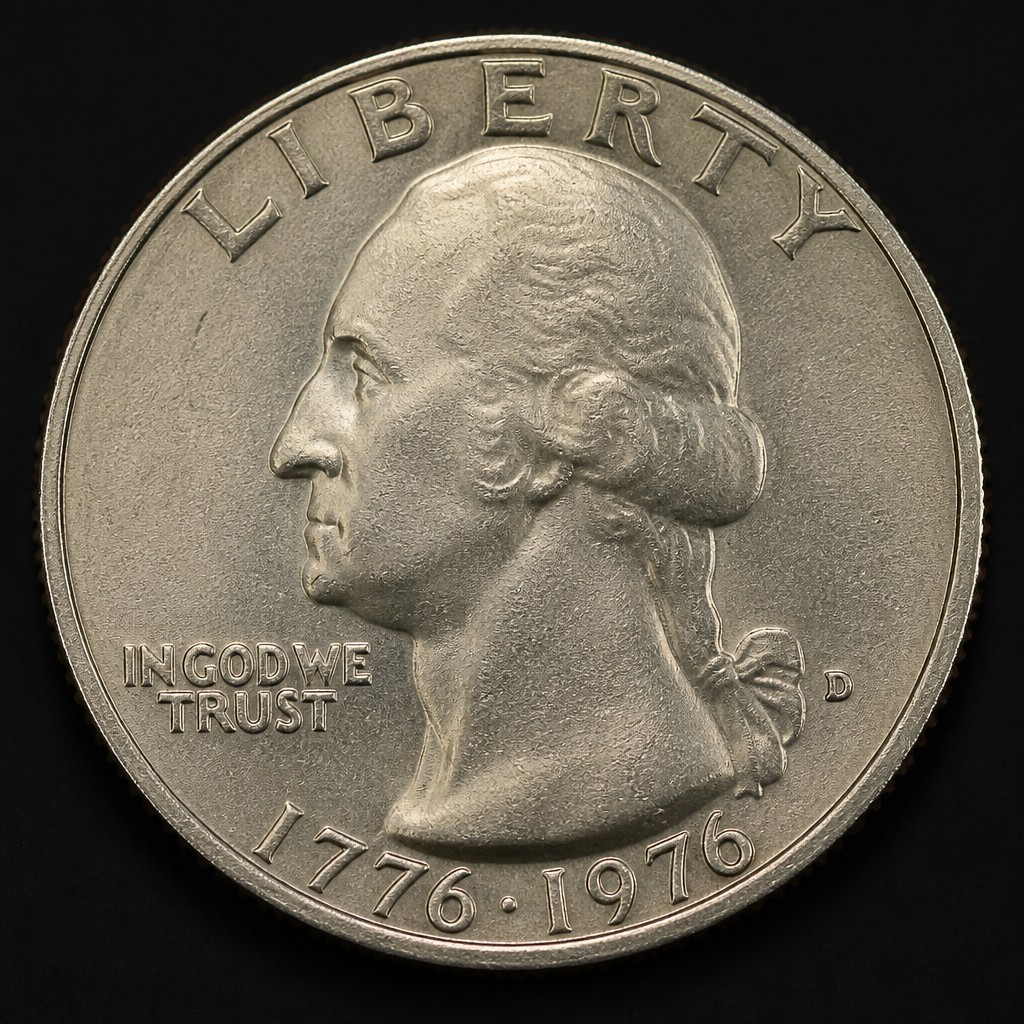
US Bicentennial Quarter (1976)
1976 (dated 1776-1976)