
Coin Encyclopedia
Search and identify coins from around the world — with country, denomination, metal, mint, history, and how to tell them apart.
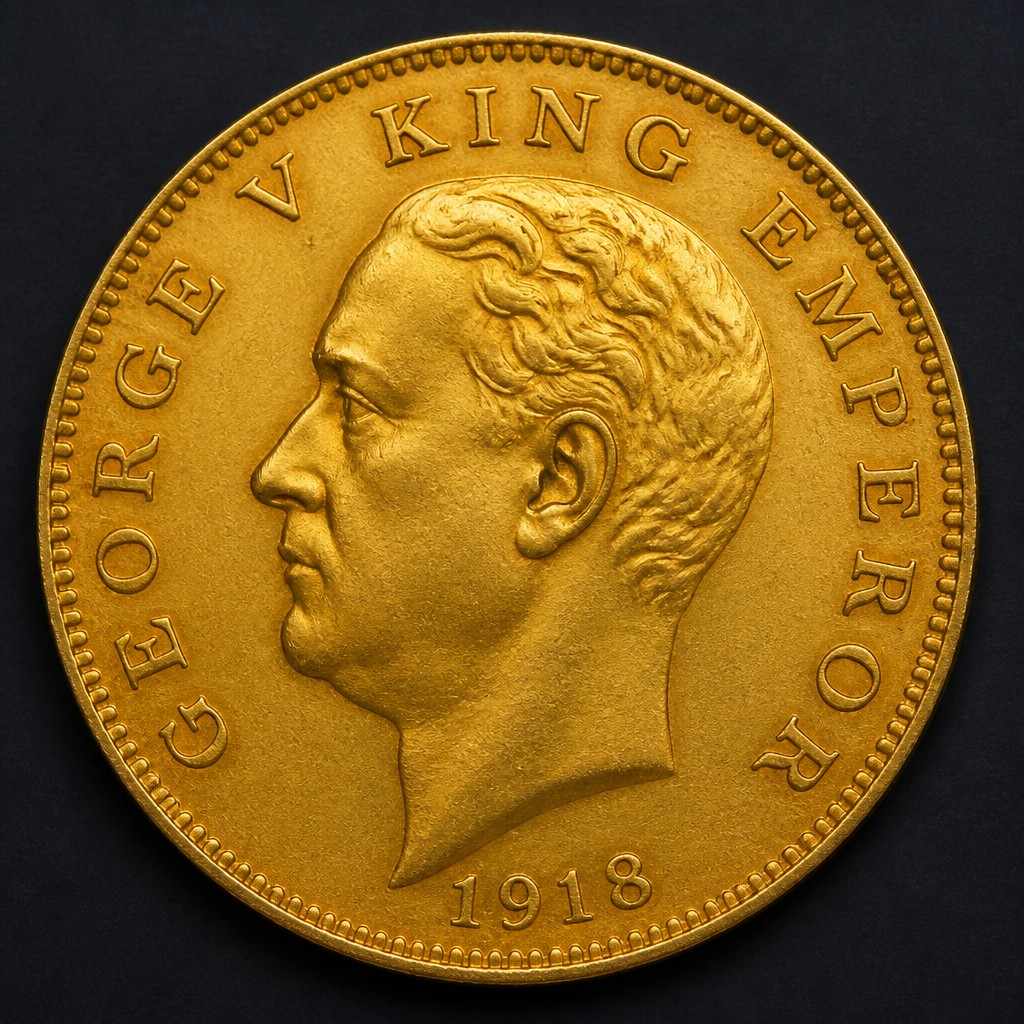
British India Gold Mohur (East India Company)
High-value gold coin issued by the East India Company and later the British Crown in India, used for major transactions and prized today for its gold content and classic portraiture.
Asian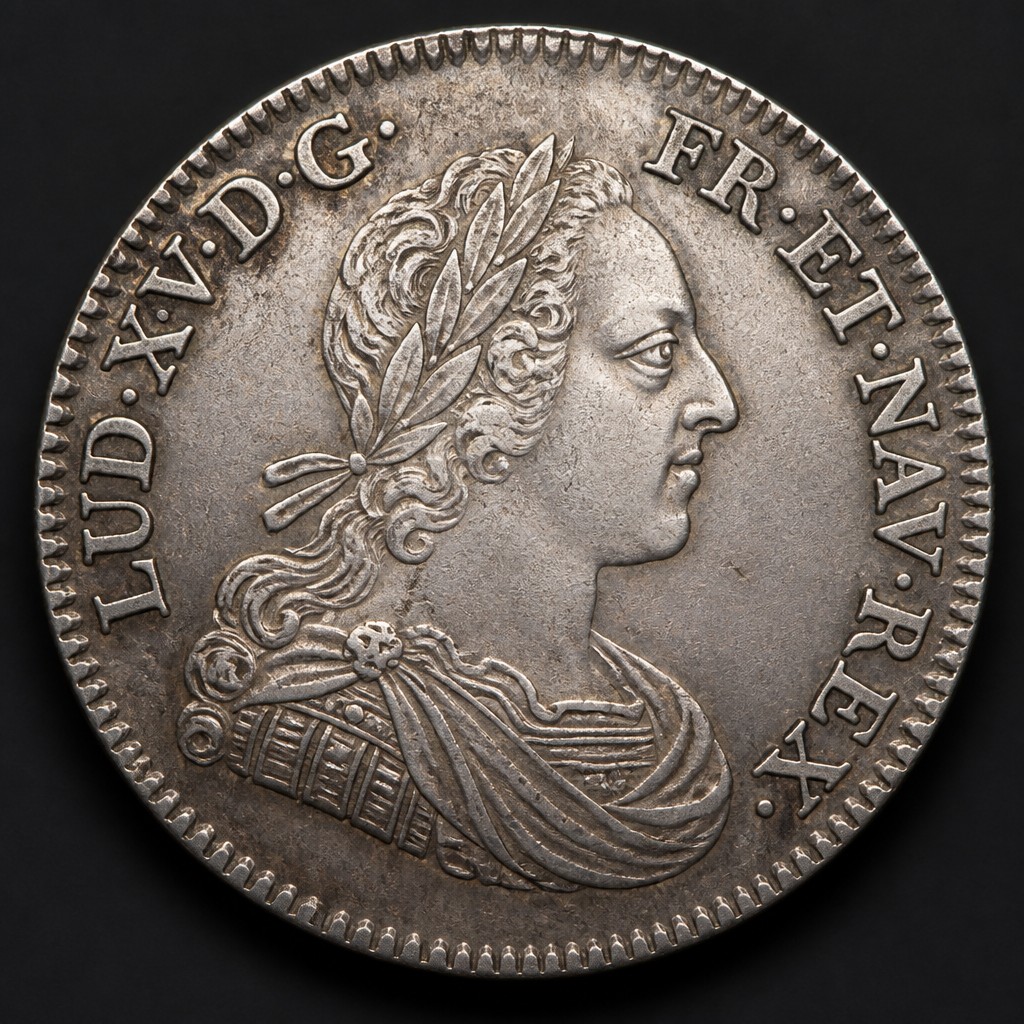
French Ecu (Louis d'Argent)
France's principal large silver coin of the pre-revolutionary era, bearing the reigning king's portrait, used as the standard silver crown-sized coin for over a century before decimalization.
European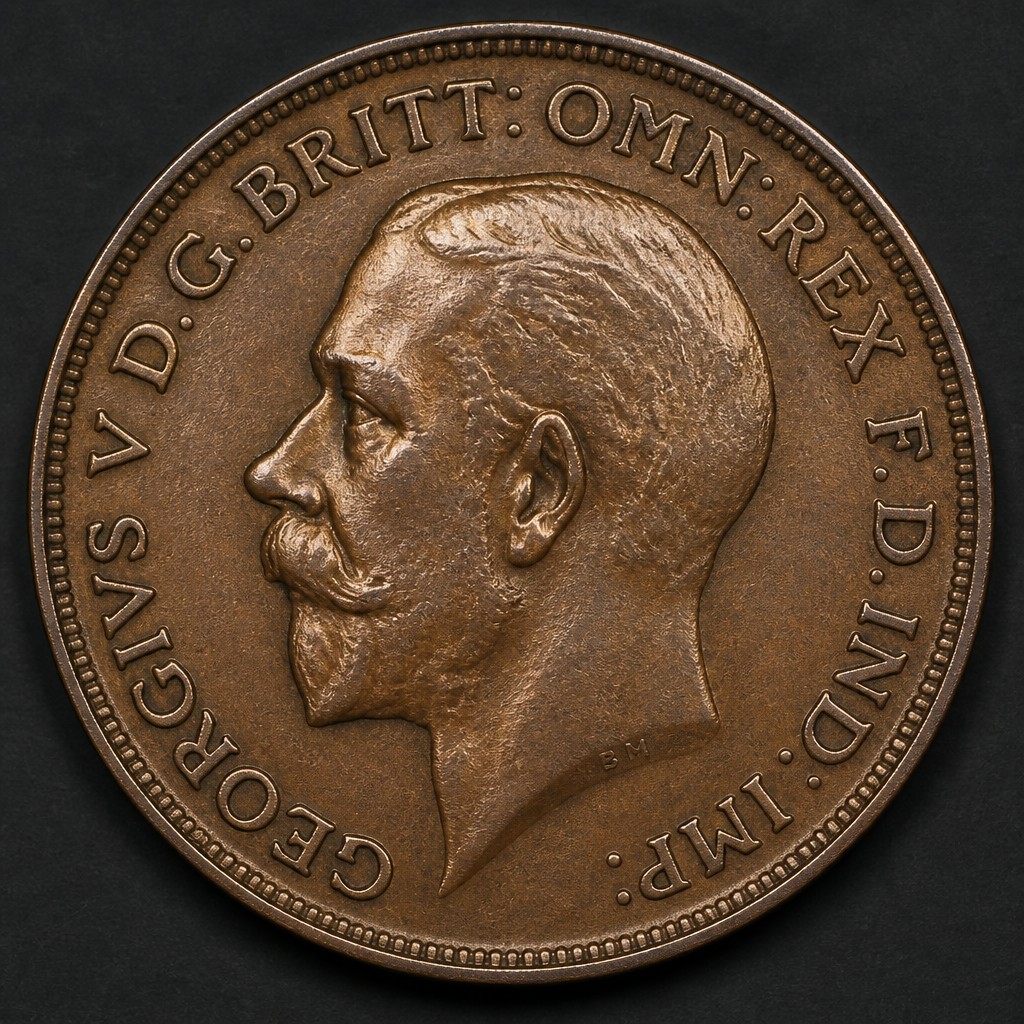
Australian Penny (1930)
Regarded as the key date of Australian pre-decimal coinage, the 1930 penny is famous for an exceptionally small mintage during the Great Depression.
Africa & Oceania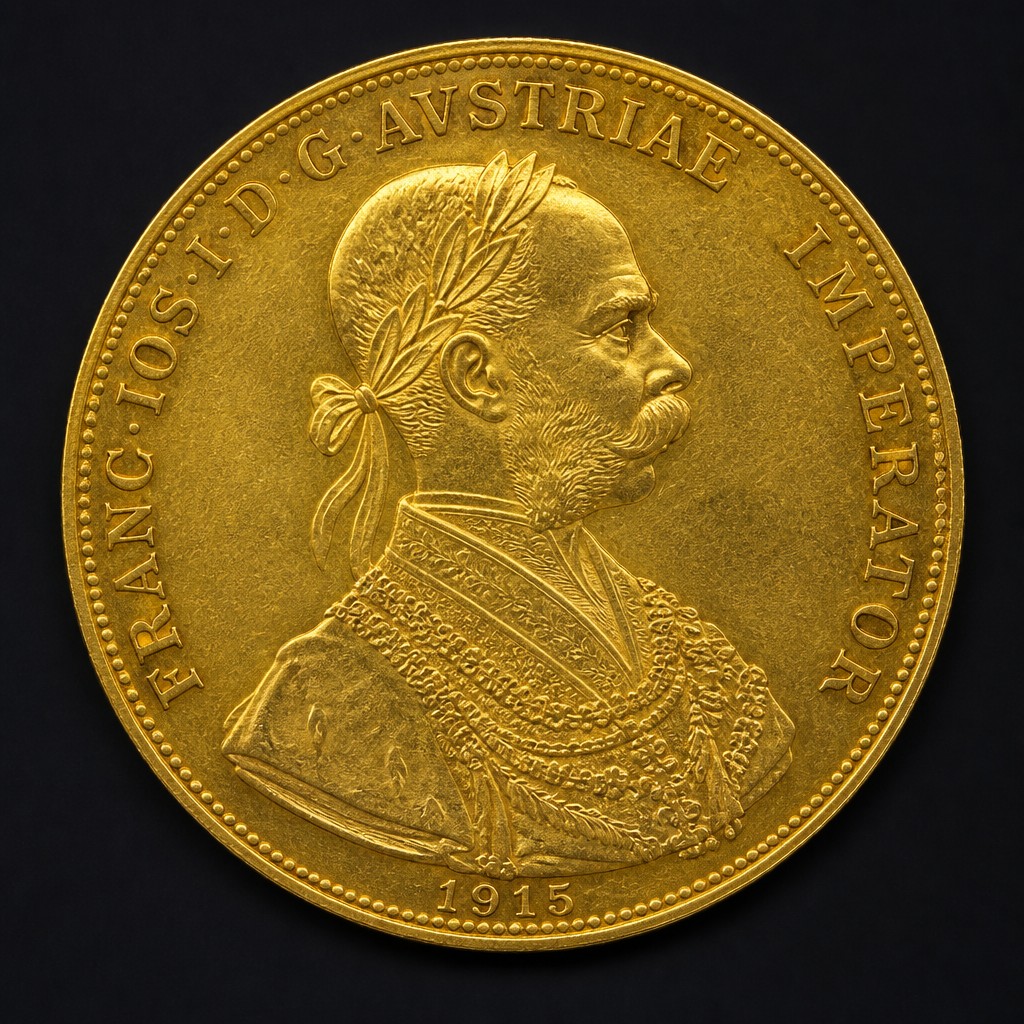
Austrian 4 Ducat Gold
The Austrian 4 Ducat is a large, high-purity gold coin historically used for trade and hoarding, best known today through the officially restruck 1915-dated pieces still produced for the bullion market.
European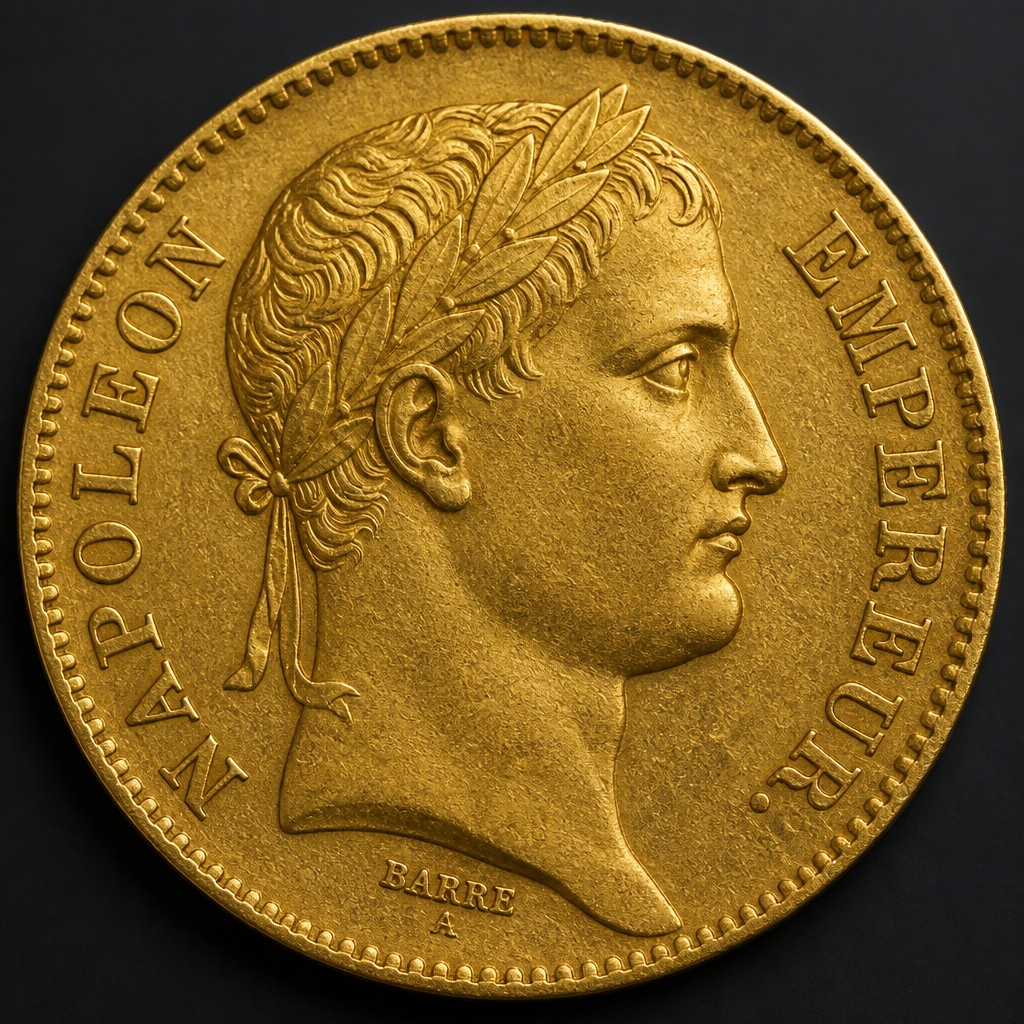
Napoleon 20 Franc Gold Coin
A historic French gold coin first struck under Napoleon Bonaparte in 1803, later issued under successive French governments and long used as a benchmark gold coin across Europe.
European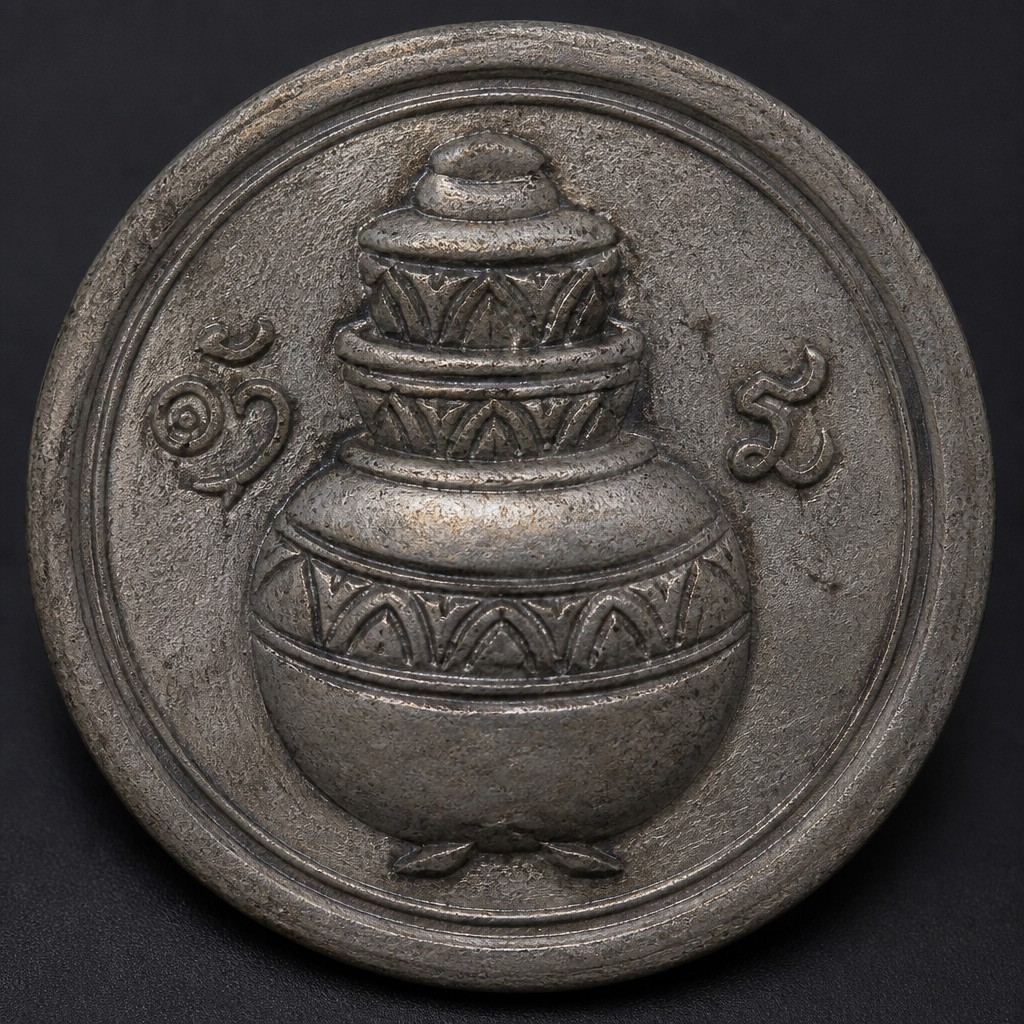
Siam Tin Pot Duang / Porcelain Gambling Token
Two related forms of traditional Siamese small change: tin versions of the bent bullet-shaped pot duang currency, and porcelain gambling tokens used informally as local currency in Chinese-run gaming houses.
Asian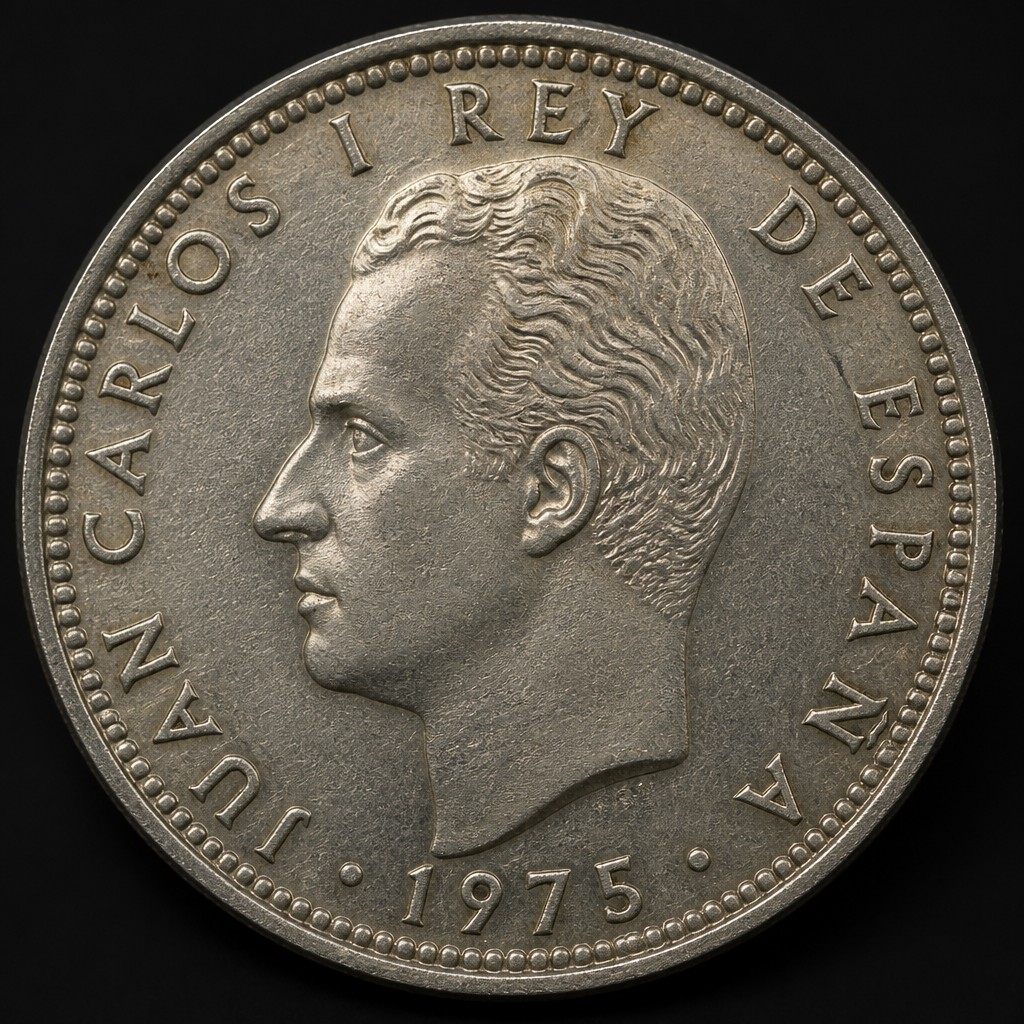
Spanish Peseta
The peseta was Spain's national currency for over 130 years, evolving from silver coinage under a provisional 19th-century government to copper-nickel coins used until the euro replaced it in 2002.
European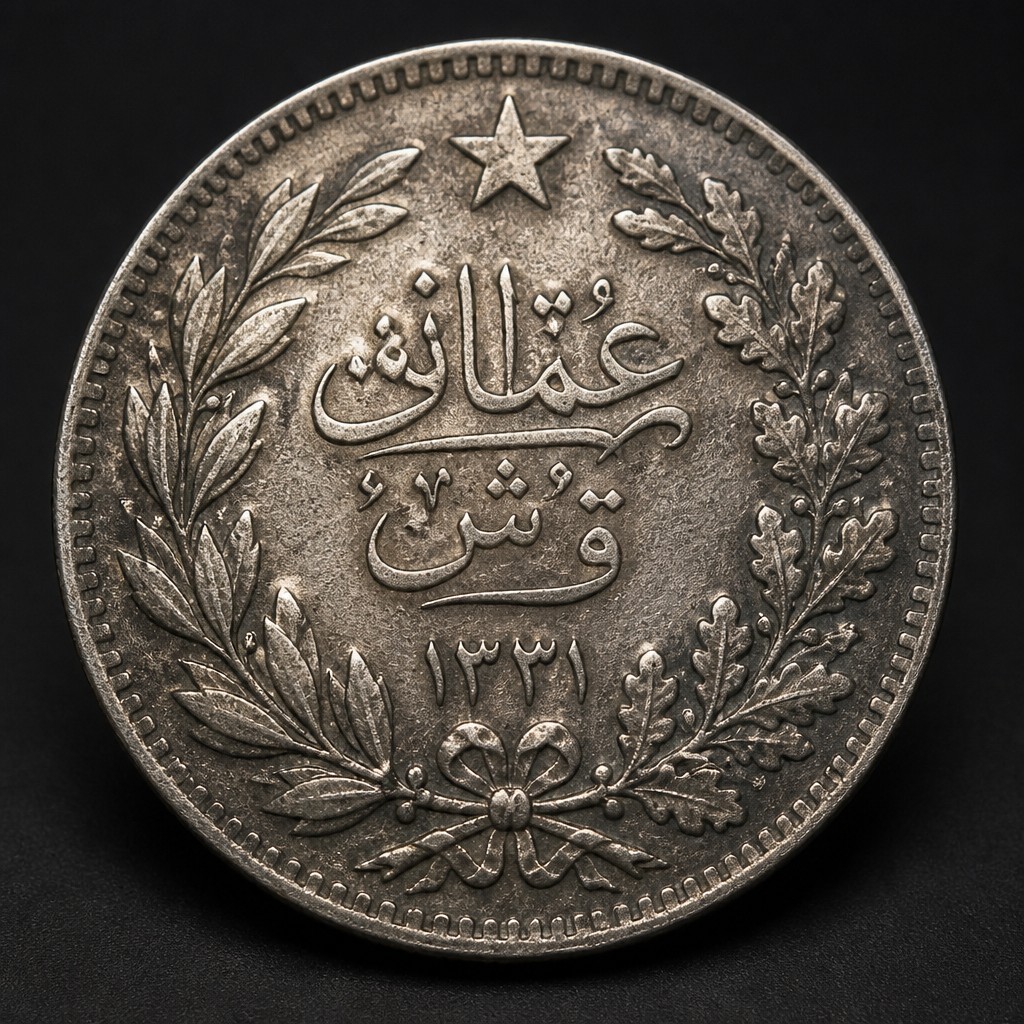
Ottoman Kurus (Piastre)
The standard Ottoman monetary unit for centuries, struck in silver or base metal bearing the sultan's tughra, later becoming a subunit of the Ottoman lira after 1844.
World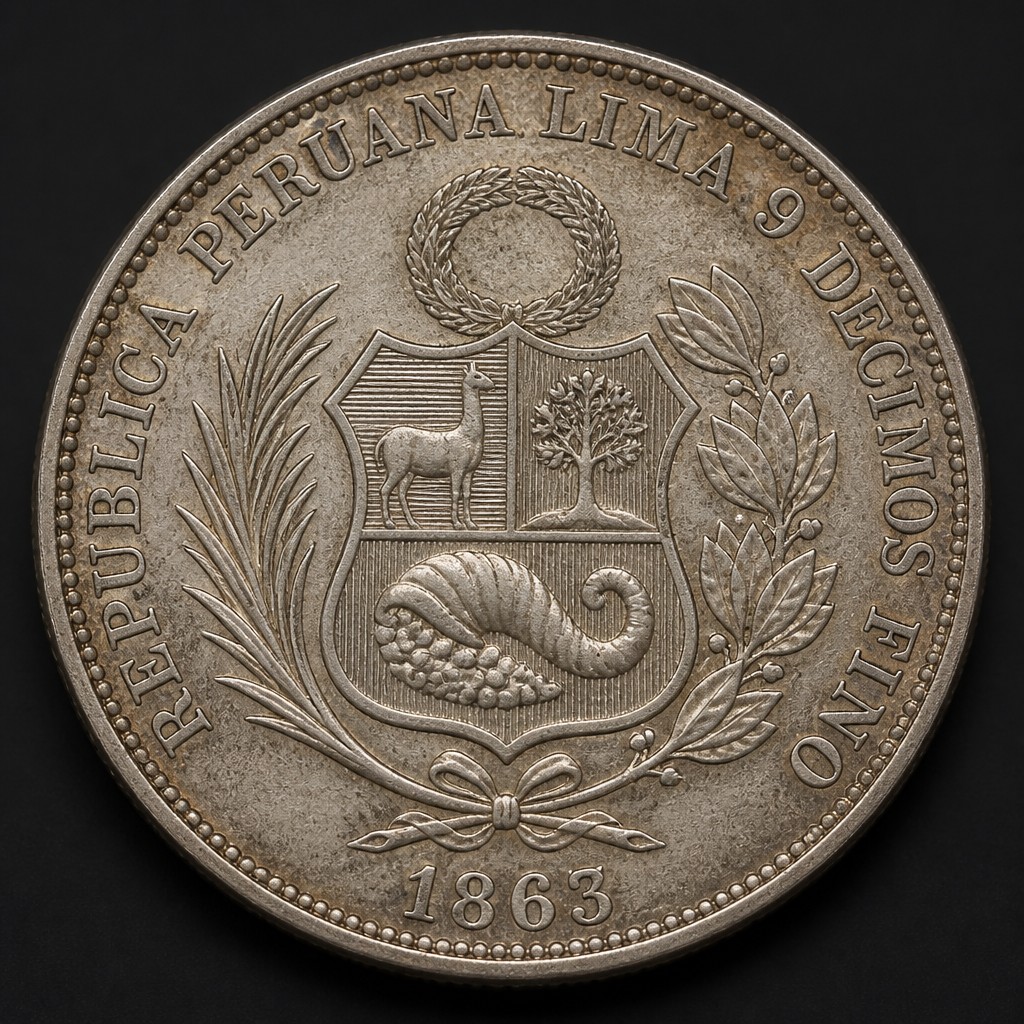
Peruvian Sol de Oro
Peru's long-running national currency unit, the Sol de Oro, was issued as coinage from the 1860s through the mid-1980s in both silver and later base-metal forms.
Latin American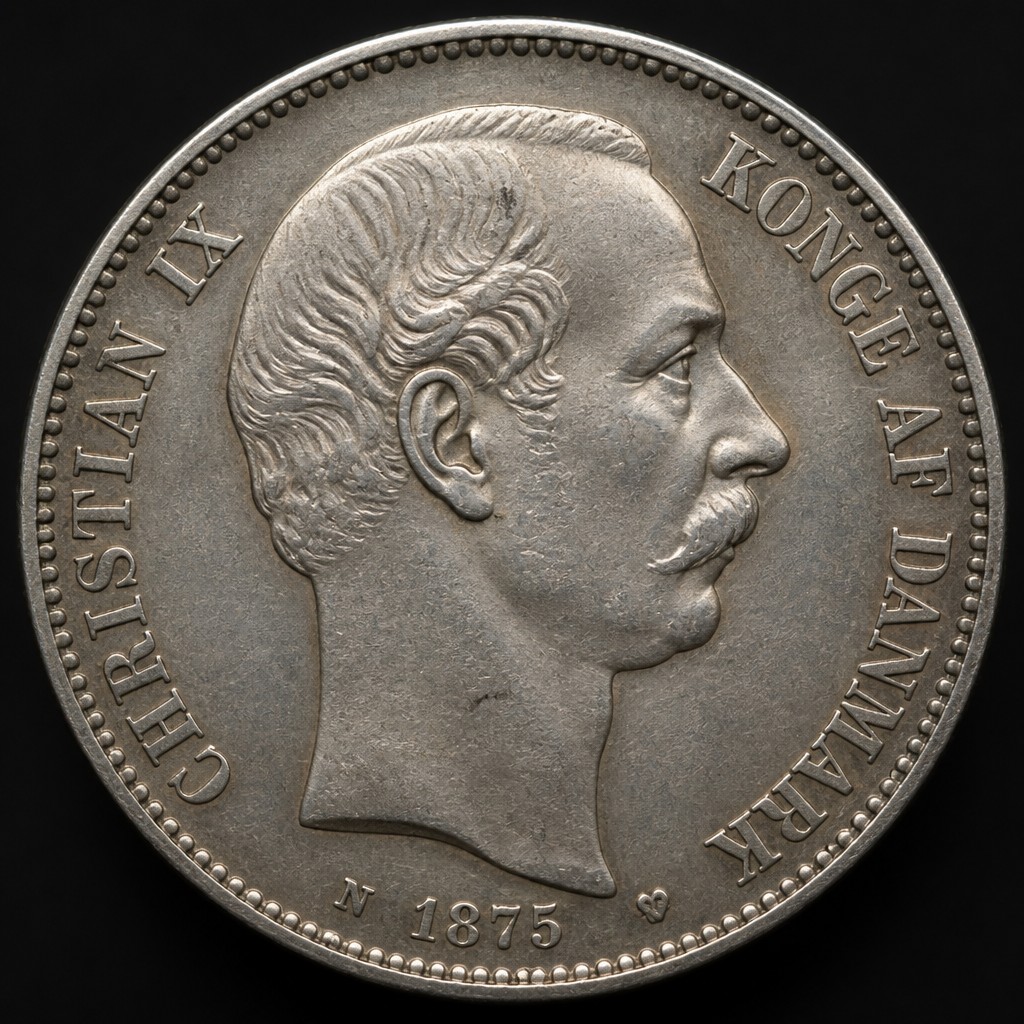
Danish Krone
The krone has been Denmark's national currency unit since 1875, issued in silver historically and base metals today, consistently featuring the reigning Danish monarch's portrait or monogram.
European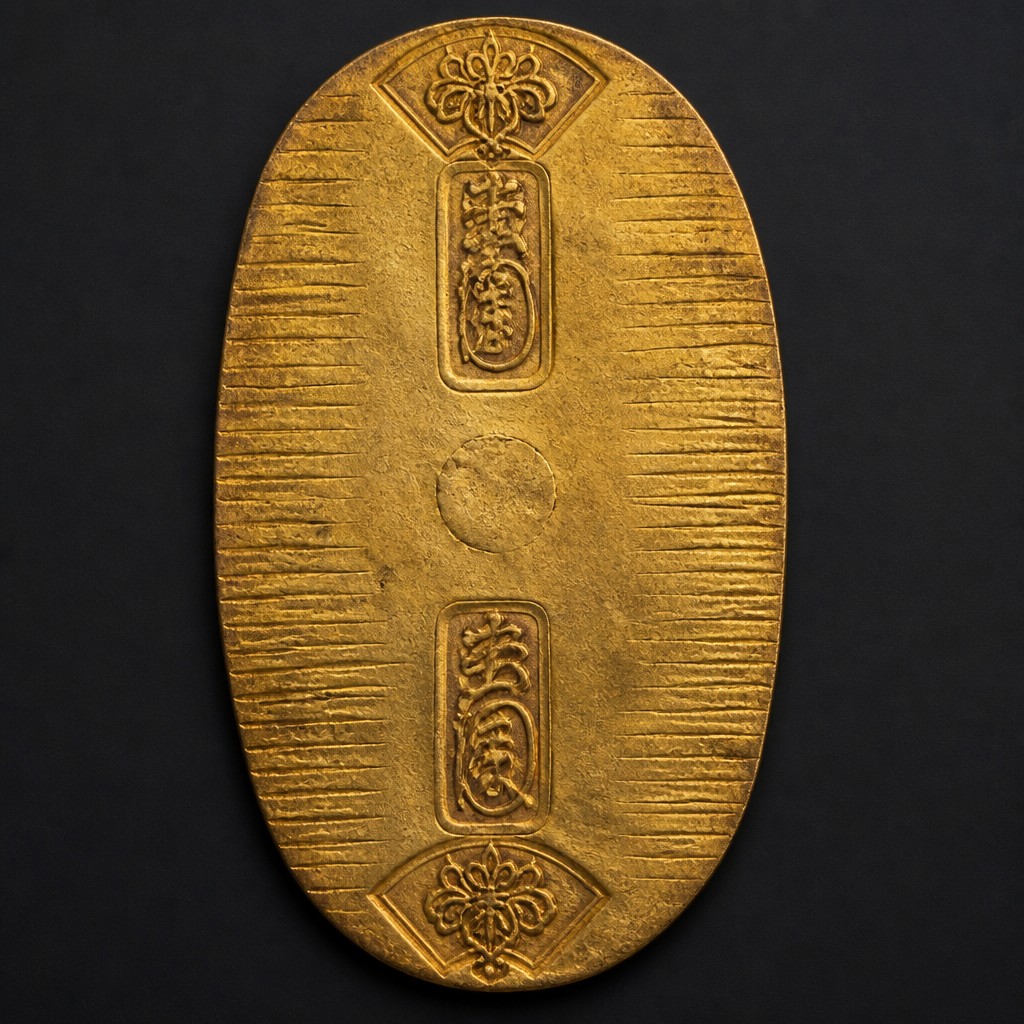
Japanese Oban
A large, oval, hand-hammered gold plate coin of feudal Japan, used mainly as a gift, reward, or ceremonial item rather than everyday currency, among the largest gold coins ever issued.
Asian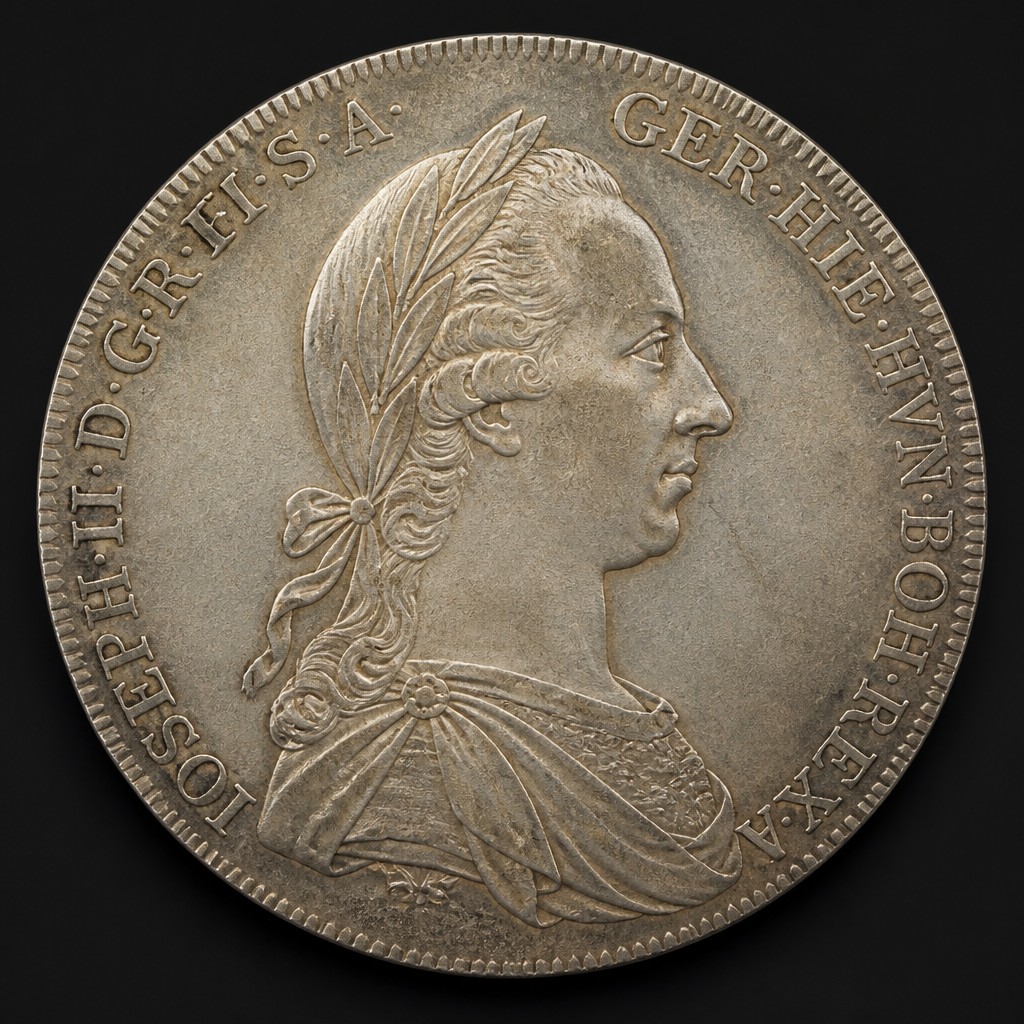
Austrian Thaler (Joseph II)
A silver thaler bearing the portrait of Holy Roman Emperor Joseph II, struck in the late 18th century and, like the more famous Maria Theresa thaler, later restruck for use in Levant and African trade.
European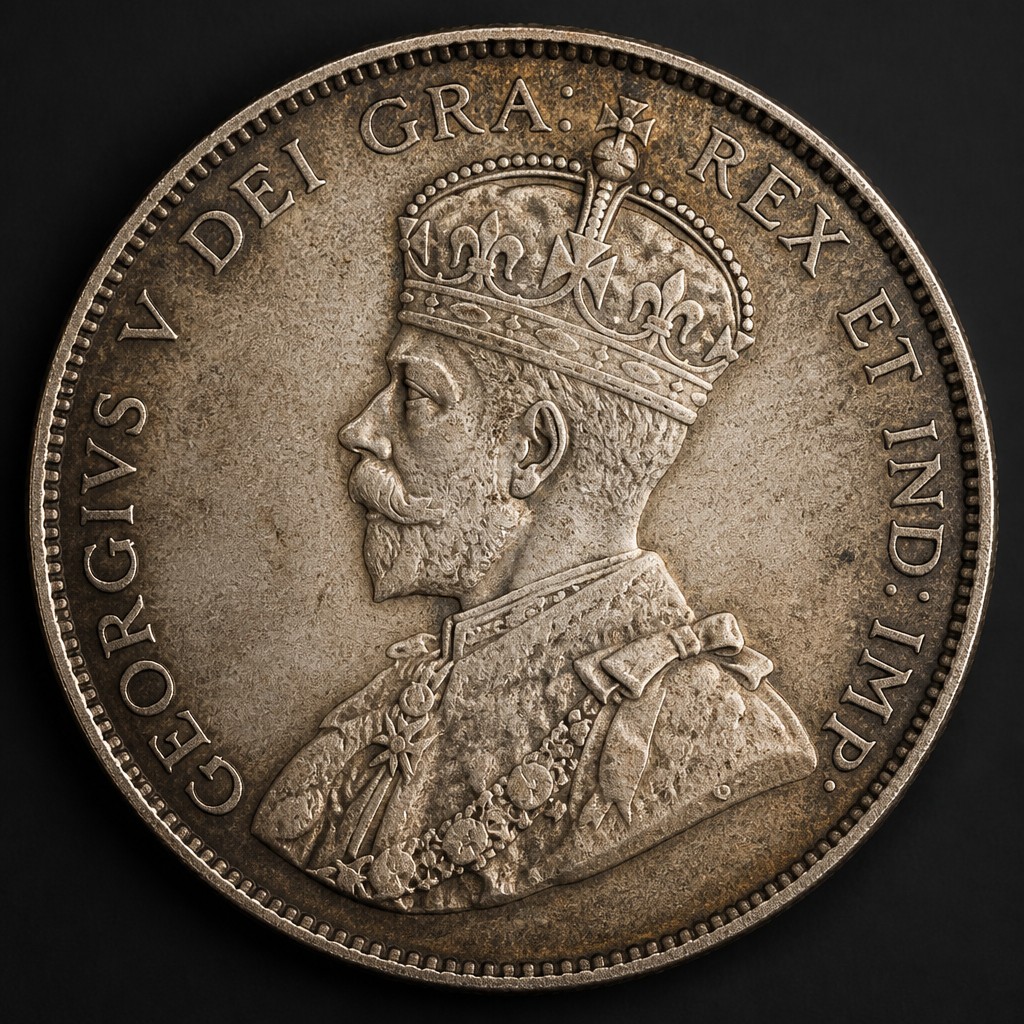
1921 Fifty Cents (King of Canadian Coins)
Canada's most famous rarity, the 1921 fifty-cent piece survives in only a small number of known examples after most of its mintage was melted, earning it the nickname King of Canadian Coins.
Canadian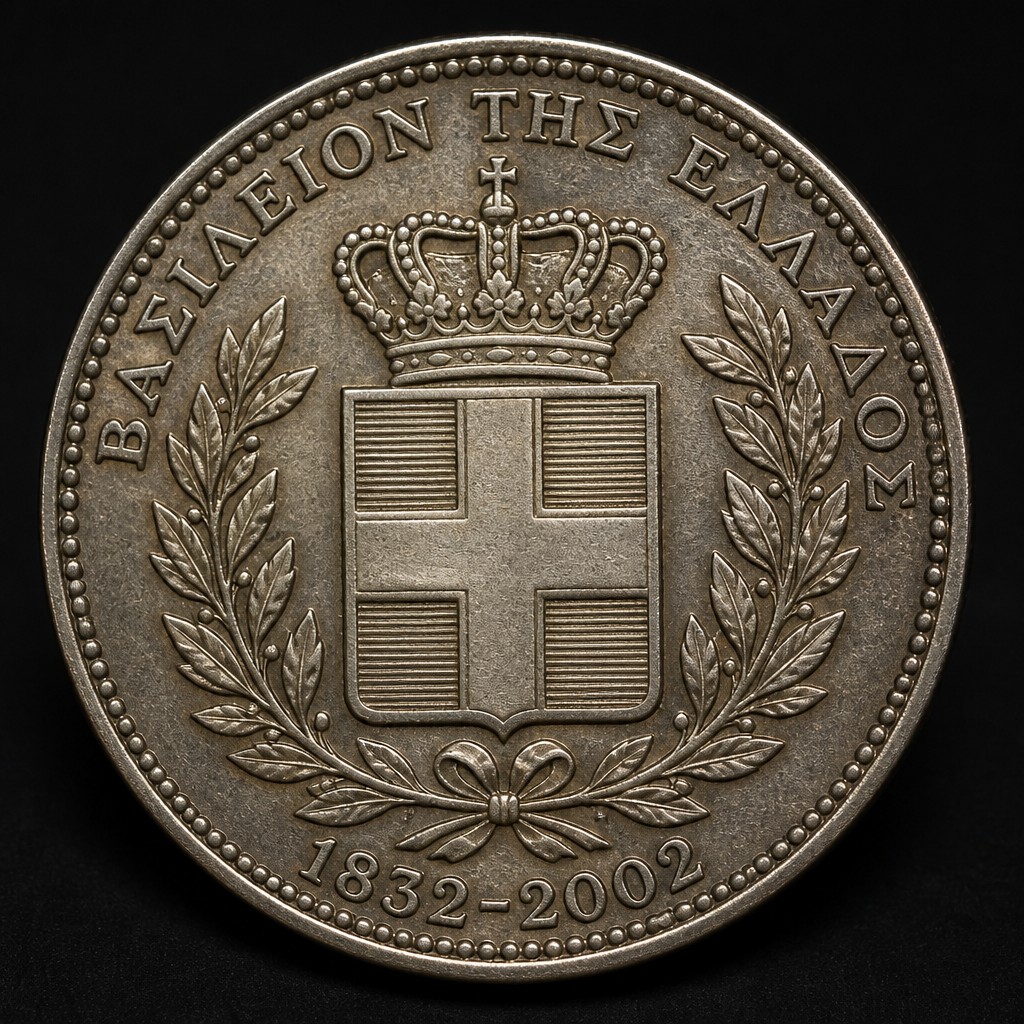
Greek Drachma
The modern national currency of Greece from shortly after independence until the adoption of the euro, reviving the name of the ancient Greek unit and featuring classical and historical imagery.
European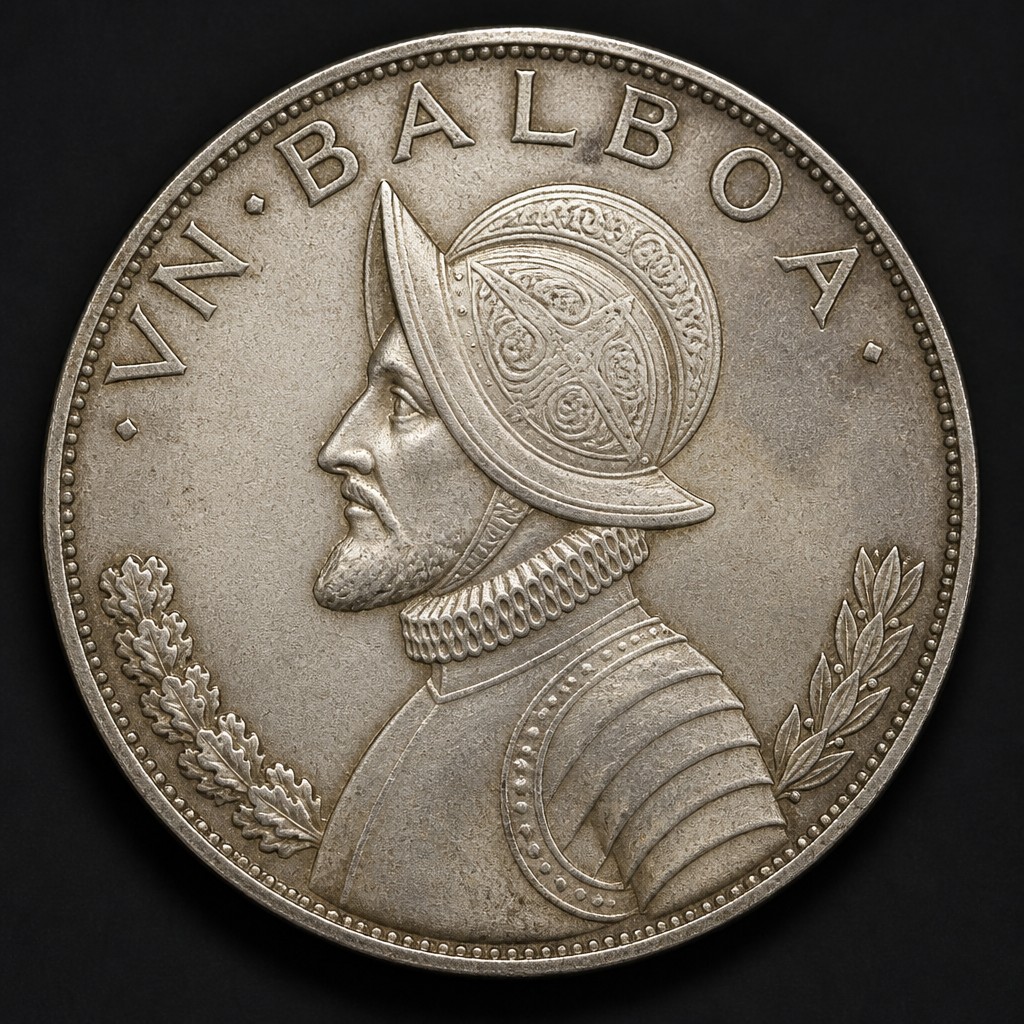
Panama Balboa Silver
Panama's dollar-sized silver crown, named for explorer Vasco Nunez de Balboa and pegged 1:1 to the US dollar throughout its history.
Latin American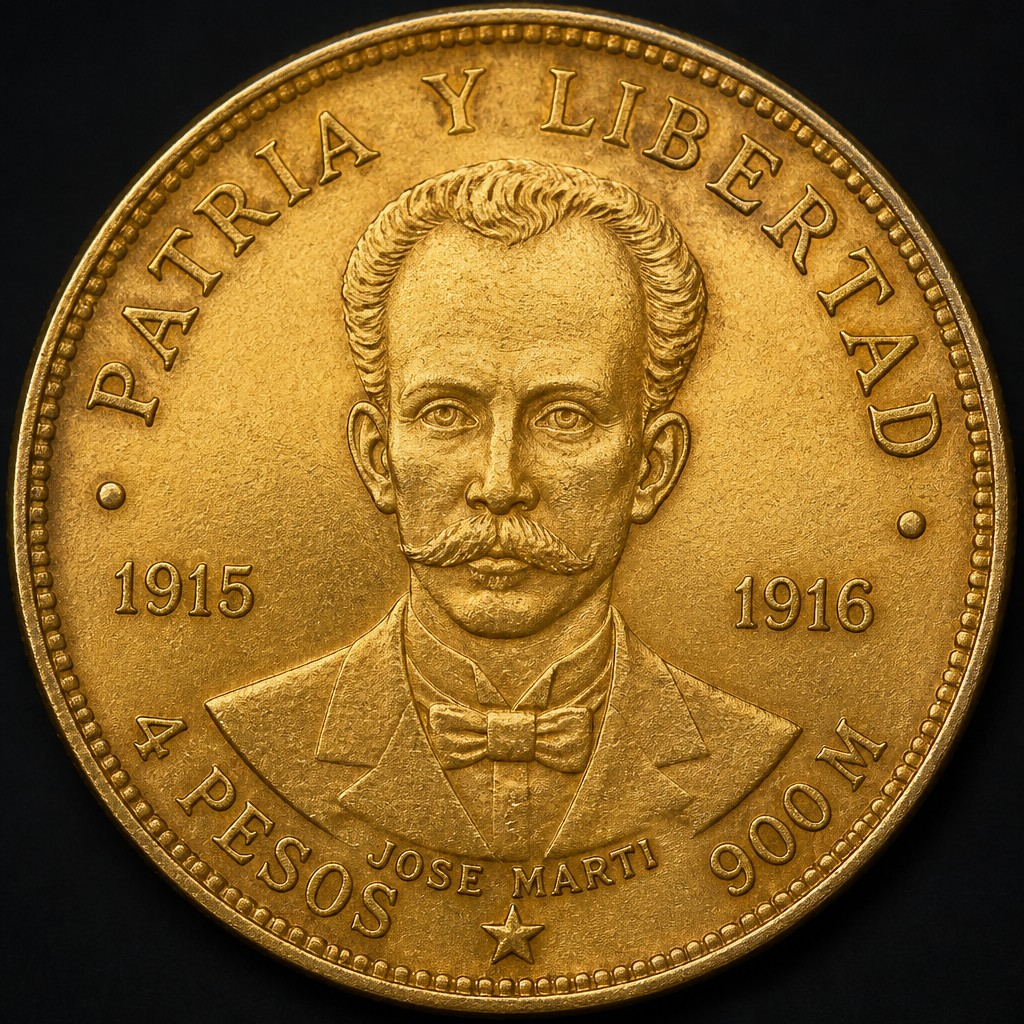
Cuba 4 Pesos Gold Jose Marti
A small gold denomination from Cuba's early republican-era gold coinage, part of a 1915–1916 series (1 through 20 pesos) struck to circulate on par with US gold currency.
Latin American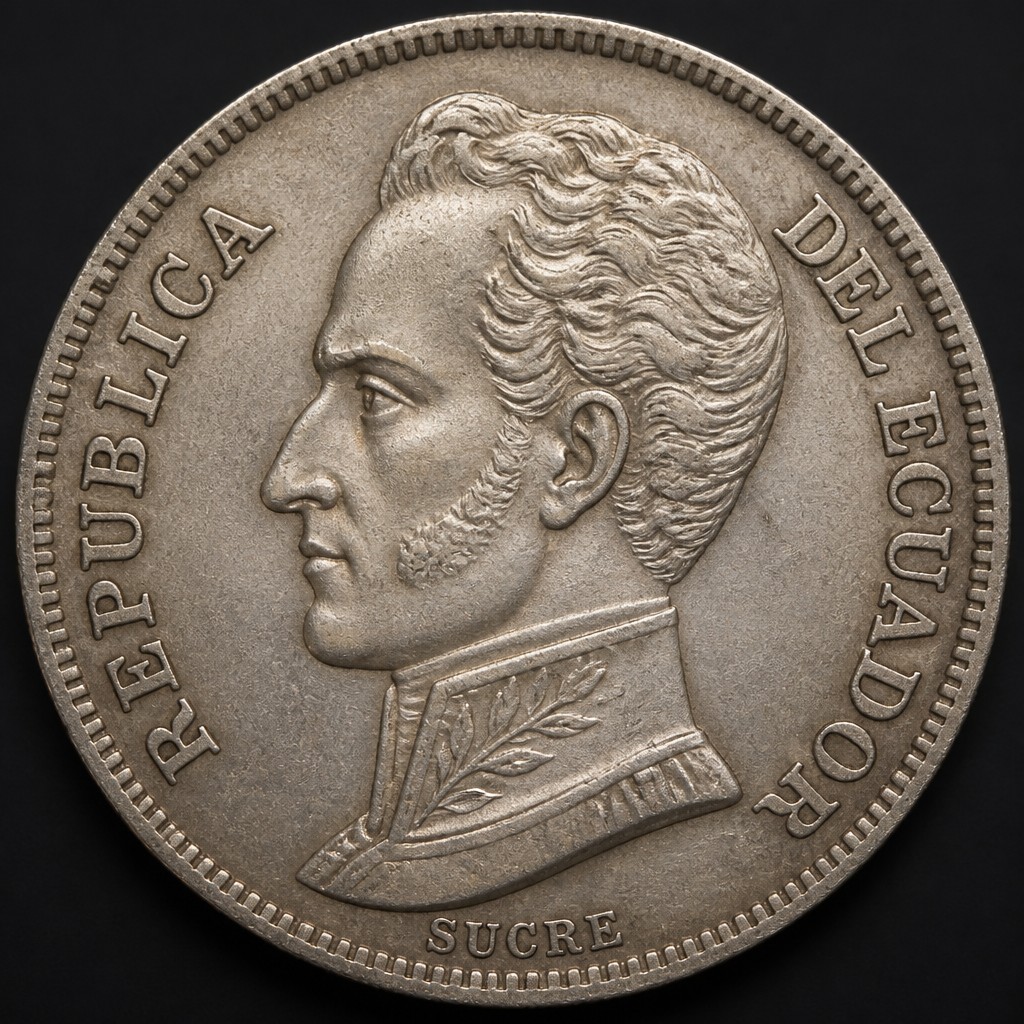
Ecuador Sucre Silver
Ecuador's historic silver one-sucre coin, named after independence hero Antonio Jose de Sucre, circulated for decades before Ecuador's currency was eventually replaced by the US dollar.
Latin American