
Coin Encyclopedia
Search and identify coins from around the world — with country, denomination, metal, mint, history, and how to tell them apart.
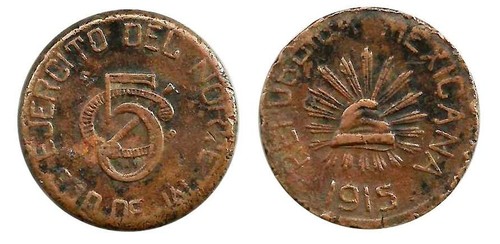
Jalisco 5 Centavos
A small copper 5-centavos coin issued by the Mexican state of Jalisco in 1915 during the Revolution, with a large numeral 5 and the national eagle.
Revolutionary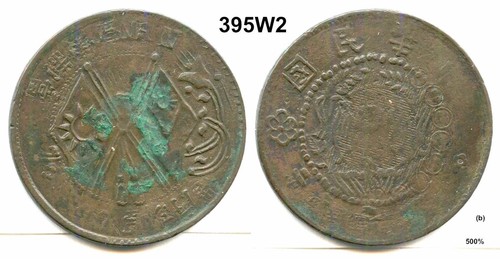
Ho-Nan 100 Cash
A large struck bronze 100-cash coin of Henan Province from Republican China, with ornate Chinese characters on one face and a decorative pattern on the other.
Cash Coin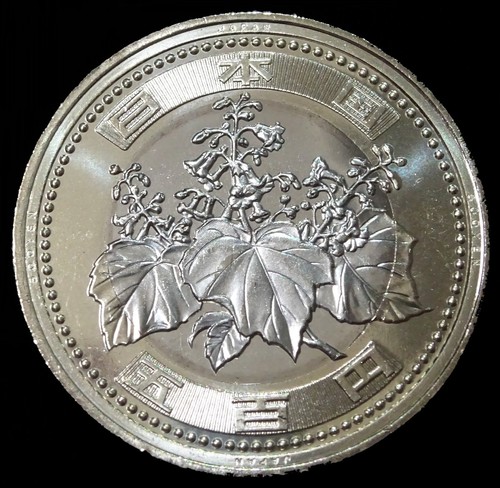
500 Yen Bicolor Clad
Japan's large two-tone 500 yen circulation coin, with a floral blossom design and pearl-like beading on one face and bold value numerals on the other.
Circulation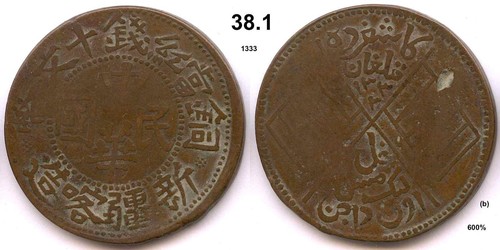
Aksu Mint 10 Cash
A struck copper 10 cash coin from the Aksu mint in Xinjiang, with Chinese characters and a denomination mark in a circular layout, without a central hole.
Cash Coin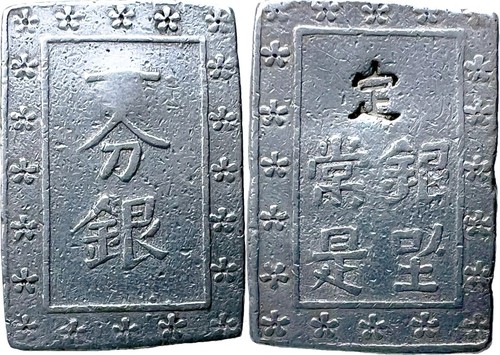
1 Bu Gin
A small rectangular Japanese silver coin, the ichibu gin, worth one bu (a quarter ryo), bearing beaded borders, paulownia crests and Ginza inscriptions.
Historic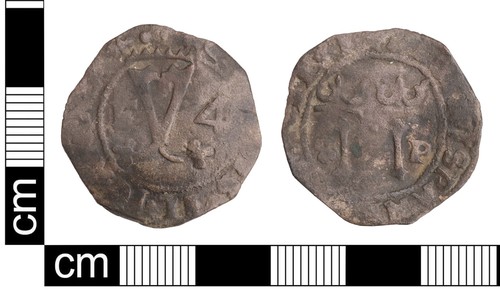
4 Maravedis
A copper Spanish coin struck in the names of Carlos and Joanna, worth four maravedis (one cuarto), carrying the crowned royal arms and Pillars of Hercules.
Circulation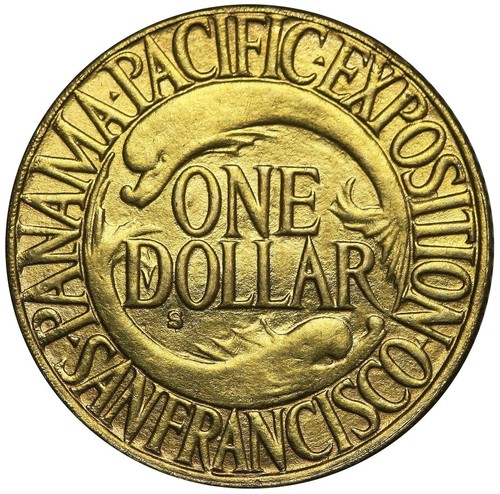
Panama-Pacific Exposition Dollar
An 1915 U.S. gold dollar struck for the Panama-Pacific International Exposition, showing a canal laborer and two dolphins encircling the denomination.
Classic Commemorative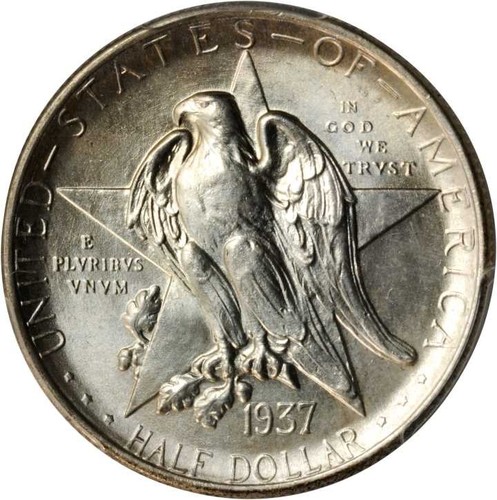
Texas Centennial Half Dollar
A U.S. silver commemorative half dollar (1934–1938) marking a century of Texas independence, with a spread-winged eagle over a large star on the obverse.
Classic Commemorative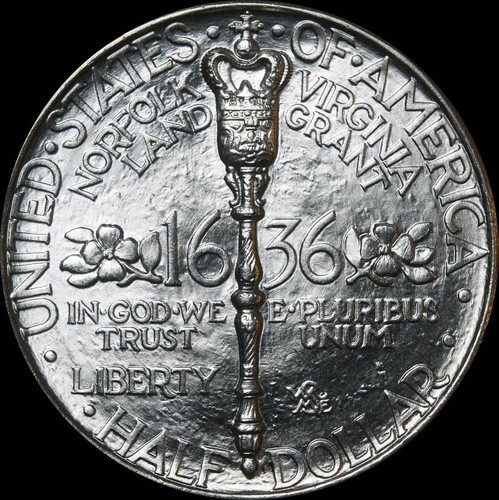
Norfolk Bicentennial Half Dollar
A 1936 U.S. silver half dollar honoring Norfolk, Virginia, with the city's Royal Mace on the reverse and dates 1636-1936; a low-mintage classic commemorative.
Classic Commemorative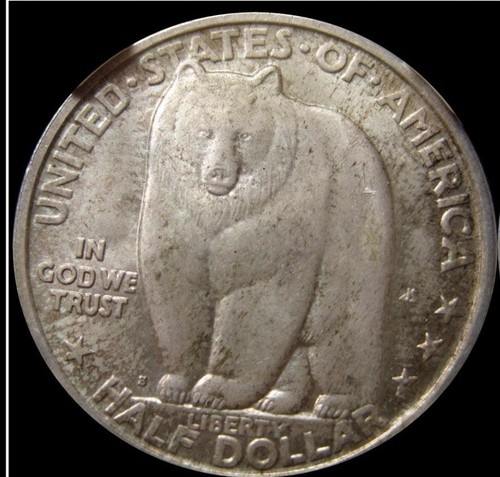
San Francisco-Oakland Bay Bridge Half Dollar
A 1936 U.S. silver commemorative half dollar celebrating the opening of the San Francisco-Oakland Bay Bridge, with a bridge span and a California grizzly bear.
Classic Commemorative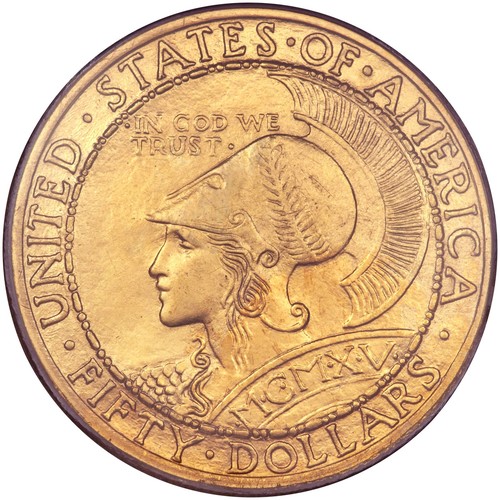
Panama-Pacific Exposition $50 (Octagonal)
An eight-sided $50 gold commemorative struck for San Francisco's 1915 world's fair, showing Minerva and her owl — the largest U.S. coin of its era.
Classic Commemorative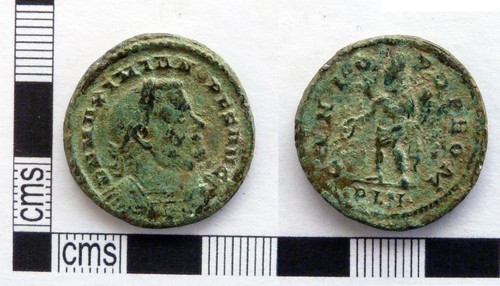
Roman Follis (AE3)
A small late Roman bronze follis of the Constantine I era (AD 320-330), with an emperor's profile obverse and a Victory or vota-in-wreath commemorative reverse.
Ancient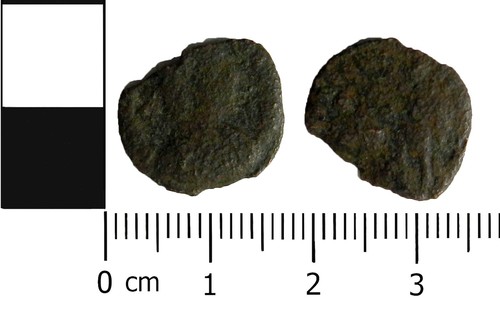
Roman Centenionalis
A small fourth-century Roman bronze coin, part of the reformed low-value currency struck across the empire's mints during a period of frequent monetary change.
Ancient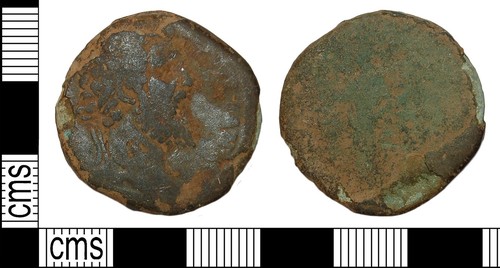
Sestertius of Didius Julianus
A large bronze/orichalcum sestertius of Didius Julianus, the emperor who reigned only weeks in 193 AD — rare, historically charged, and much sought after.
Ancient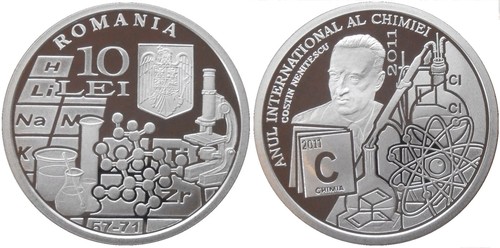
Romania International Year of Chemistry Commemorative
Romanian silver 10 lei commemorative dated 2011, issued for the International Year of Chemistry with molecular, laboratory and scientist imagery.
Commemorative
1 Rouble (1834)
An Imperial Russian silver 1 Rouble dated 1834, showing a right-facing imperial portrait with the Cyrillic ИМПЕРАТОРЪ legend and a crowned double-headed eagle.
Modern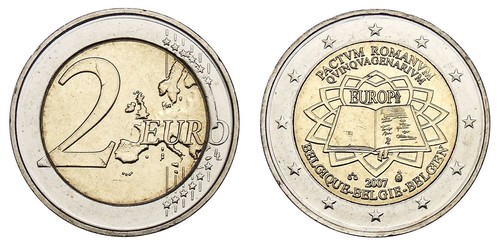
2 Euro (150 Years PSP)
Portugal's 2018 bi-metallic 2 euro commemorating 150 years of the PSP police force, with two female profiles and the legend DIREITOS LIBERDADES GARANTIAS.
Commemorative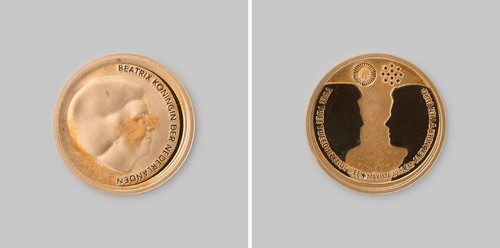
10 Euro (Royal Marriage)
A 2002 Netherlands gold 10 Euro commemorating the royal wedding, with Queen Beatrix on the obverse and the dual profiles of Willem-Alexander and Maxima on the reverse.
Commemorative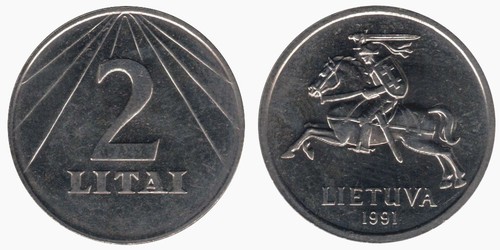
2 Litai
A white base-metal 2 litai of newly independent Lithuania, dated 1991, showing the value in a radiating sunburst on one side and the Vytis mounted knight on the other.
Modern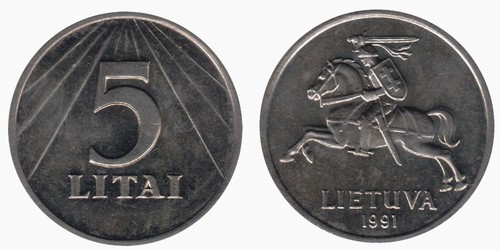
5 Litai
A nickel-alloy 5 litai of newly independent Lithuania dated 1991, showing the value with radiating lines on one side and the armored knight Vytis on horseback on the other.
Modern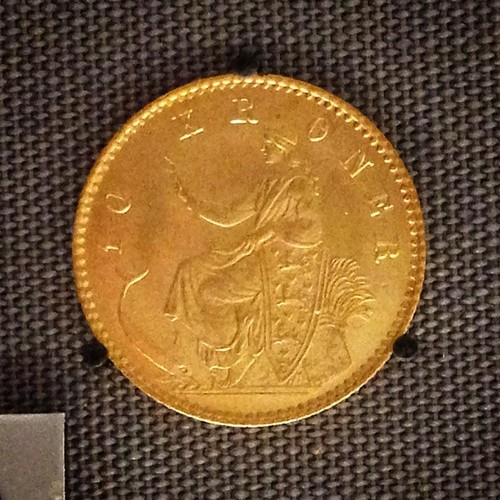
10 Kroner
A small Danish gold 10 kroner dated 1873, the first year of the type, with the bearded profile of King Christian IX and a seated allegorical figure of Denmark on the reverse.
Modern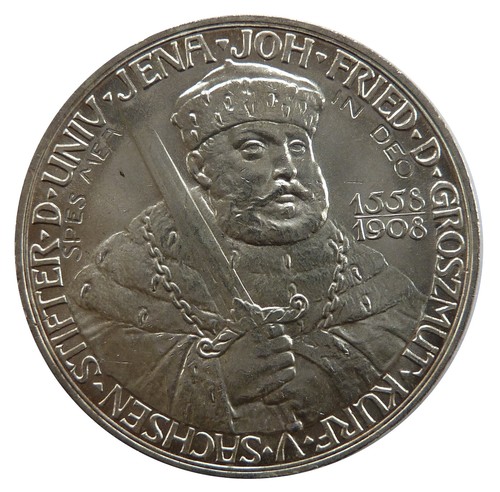
Sachsen-Weimar-Eisenach 5 Mark Commemorative
An 1908 German Empire 5 Mark silver commemorative of Saxe-Weimar-Eisenach marking the University of Jena's jubilee, with the founder's capped portrait.
Commemorative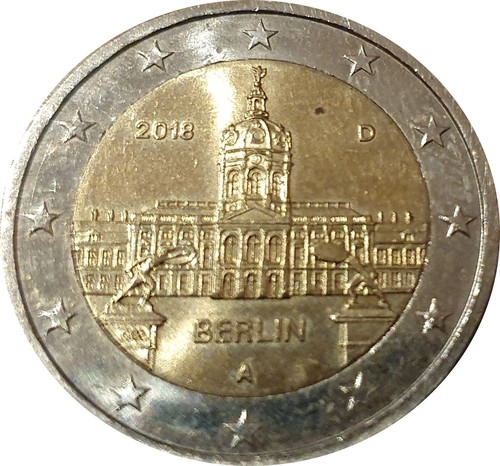
Germany 2 Euro Berlin 2018 Commemorative
Germany's 2018 bi-metallic 2 euro from the Federal States series honouring Berlin, showing a monumental Berlin building paired with the shared European reverse.
Commemorative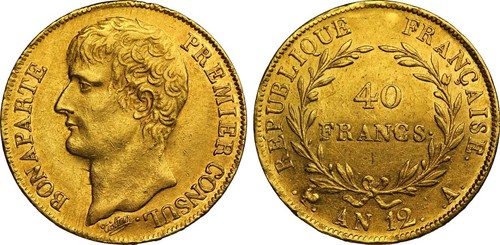
French 40 Francs Gold (Napoleon I)
A large early French gold coin showing Napoleon Bonaparte's left-facing profile and a wreathed reverse, struck in the opening years of his rule.
Bullion/gold