
Coin Encyclopedia
Search and identify coins from around the world — with country, denomination, metal, mint, history, and how to tell them apart.
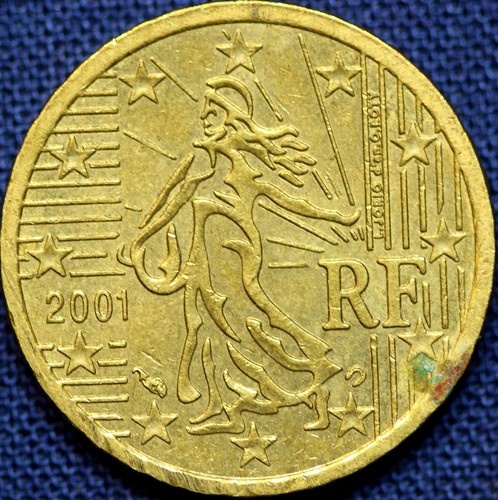
France 10 Cent Euro
France's gold-coloured 10 euro cent: the striding Sower for the French Republic on one side, a European map and the value 10 on the other.
Circulation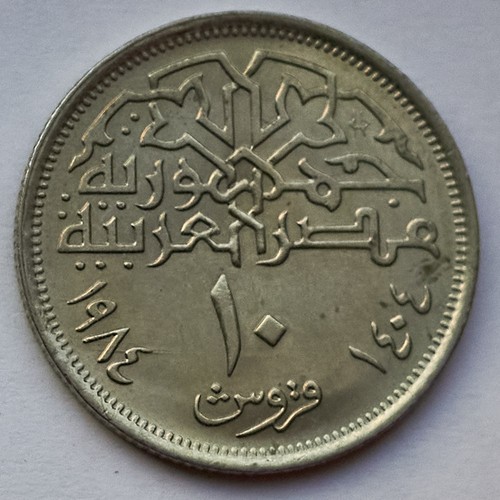
Egyptian 10 Piastres Commemorative
A cupro-nickel Egyptian 10 piastres commemorative dated 1984, showing a domed mosque on one face and Arabic legends throughout.
World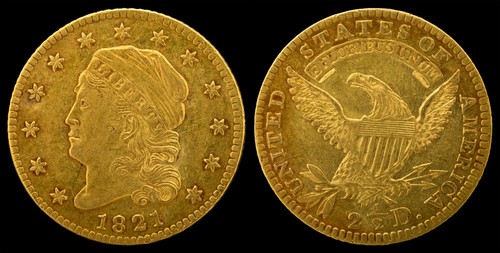
Capped Head Quarter Eagle
A rare early U.S. $2.50 gold coin struck 1821–1834, showing a left-facing capped Liberty head amid stars and a heraldic eagle with shield and E PLURIBUS UNUM.
United States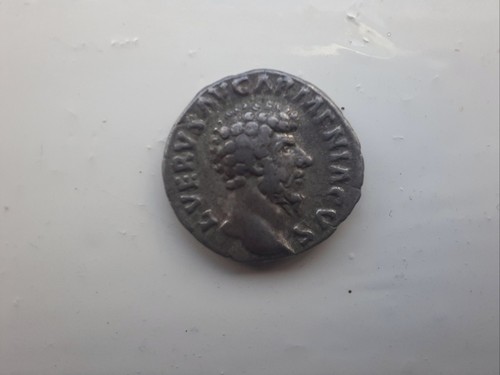
Denarius of Lucius Verus
A silver Roman denarius of the emperor Lucius Verus (161–169 AD), showing his curly-haired, bearded portrait facing right with a Latin legend.
Ancient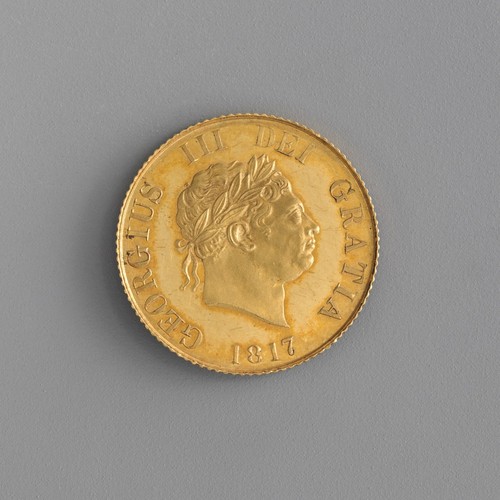
Half Sovereign of George III
British 22-carat gold half sovereign of George III, introduced in 1817 with a laureate bust and a crowned shield of arms; face value ten shillings.
Milled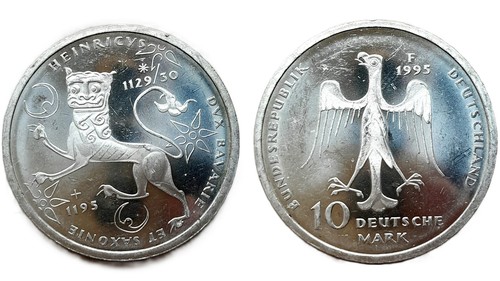
German 10 Deutsche Mark Commemorative
A West/unified German silver 10 Deutsche Mark commemorative; this 1995 issue honors Heinrich der Loewe (Henry the Lion) with the Federal Eagle reverse.
Commemorative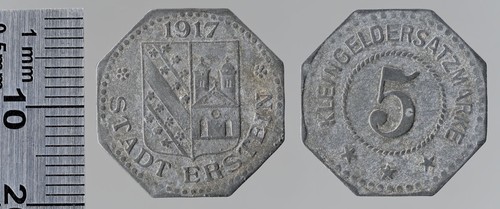
Erstein Notgeld 5 Pfennigs
A World War I emergency small-change coin issued by the town of Erstein in 1917, with the civic coat of arms on one side and a large 5 on the other.
Token/notgeld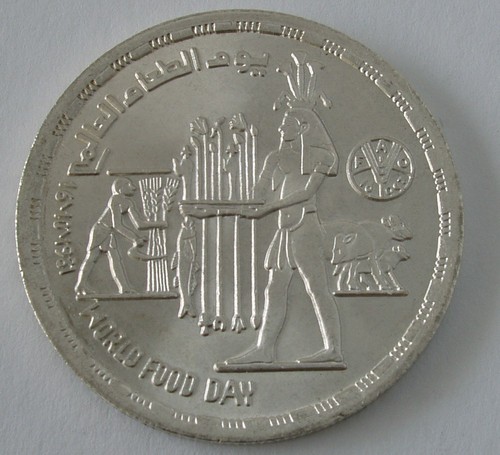
Egyptian 1 Pound
An Egyptian cupro-nickel 1 Pound commemorative marking World Food Day 1981, its reverse showing standing figures with wheat sheaves.
World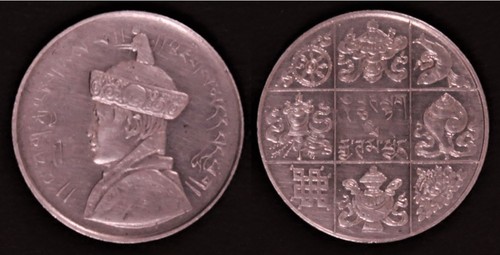
India Half Rupee (Copper)
Copper coin bearing a lion design with the English legend 'HALF RUPEE INDIA' and the date 1947, dated to the year of Indian independence.
Modern India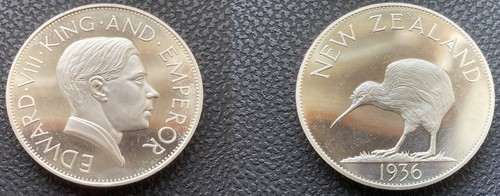
Edward VIII New Zealand Crown
A 1936-dated crown-sized piece pairing an Edward VIII profile with a New Zealand kiwi; a fantasy/novelty issue, not an officially circulated coin.
World Coins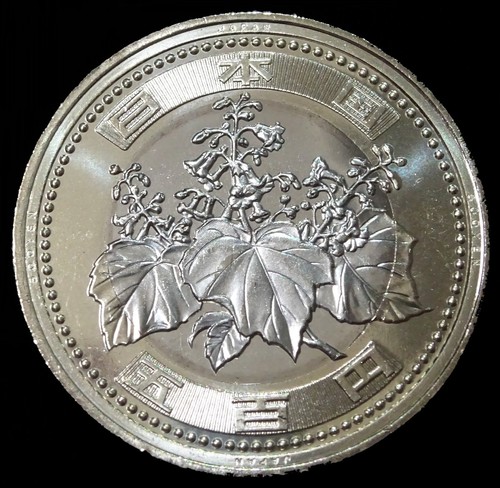
500 Yen Bicolor Clad
Japan's large two-tone 500 yen circulation coin, with a floral blossom design and pearl-like beading on one face and bold value numerals on the other.
Circulation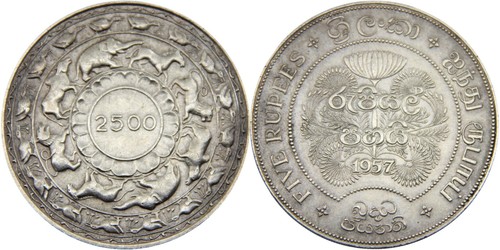
Ceylon 5 Rupees Buddhism Anniversary
Ceylon's 1957 silver five rupees marking 2,500 years of Buddhism, with an ornate 2500 device amid mythological creatures and a scrolled RUPEES reverse.
South Asia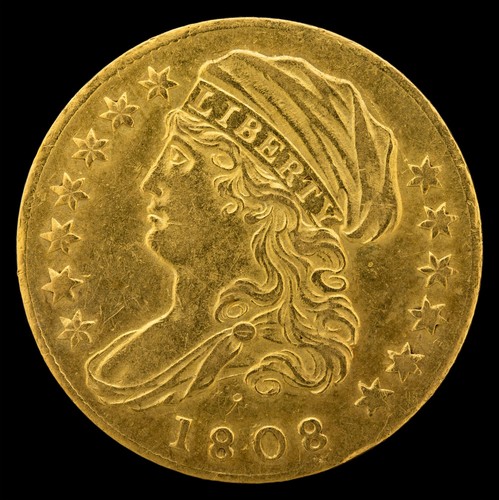
Capped Bust Quarter Eagle
A one-year U.S. gold $2.50 piece struck only in 1808, with John Reich's capped Liberty obverse and a heraldic eagle reverse. A classic rarity.
Quarter Eagle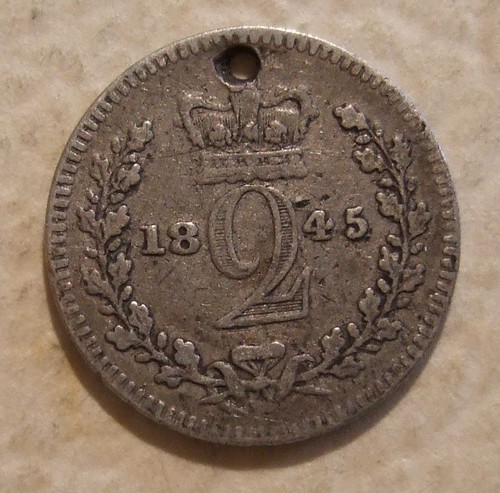
Victoria Maundy Twopence
A tiny sterling-silver ceremonial coin from a Royal Maundy set. This 1845 example shows Victoria's young head and a crowned 2 in a wreath.
British Isles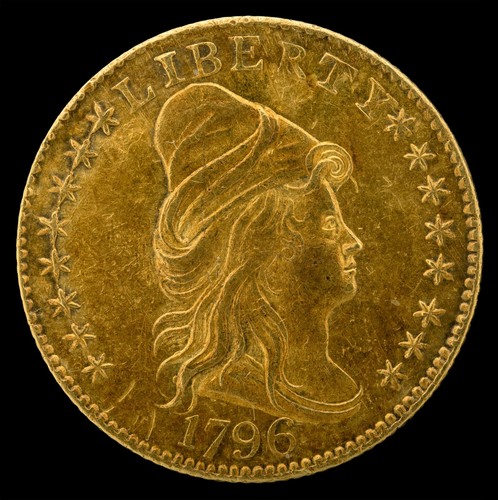
Turban Head Quarter Eagle
First U.S. $2.50 gold coin (1796), designed by Robert Scot; Liberty in a soft cap facing right with a heraldic eagle reverse. Extremely rare.
United States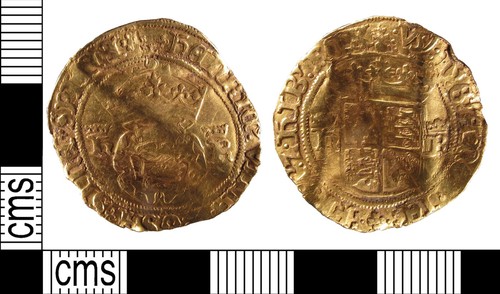
Gold Crown of Henry VIII (Third Coinage)
A hammered Tudor gold crown of five shillings struck during Henry VIII's Third Coinage, the debased issue that earned him the nickname "Old Coppernose."
Hammered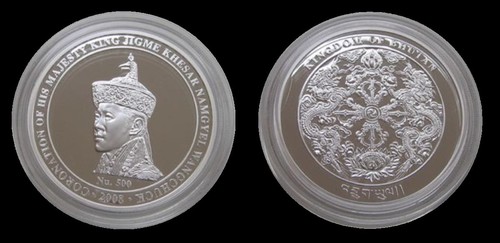
Bhutan 500 Ngultrum Commemorative
Modern Bhutanese silver commemorative dated 2008, with a portrait of King Jigme Khesar Namgyel Wangchuck and an ornate dragon-and-mythical-creature reverse.
Himalayan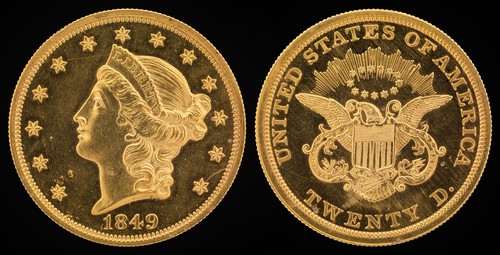
Liberty Head Double Eagle
U.S. $20 gold coin struck 1850–1907, showing a coroneted Liberty head left and a heraldic eagle with shield; the 1869 is a with-motto Type 2.
Double Eagle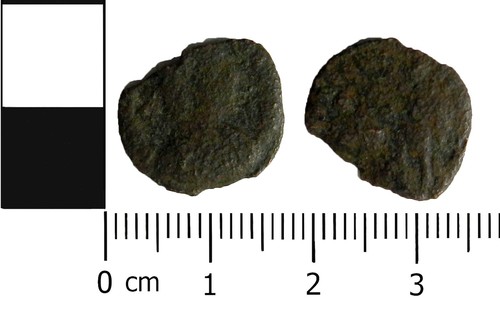
Roman Centenionalis
A small fourth-century Roman bronze coin, part of the reformed low-value currency struck across the empire's mints during a period of frequent monetary change.
Ancient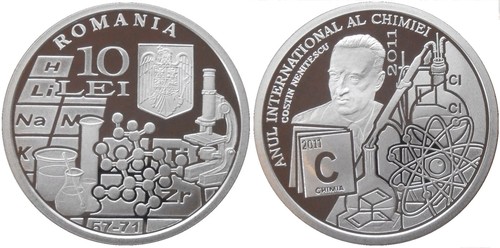
Romania International Year of Chemistry Commemorative
Romanian silver 10 lei commemorative dated 2011, issued for the International Year of Chemistry with molecular, laboratory and scientist imagery.
Commemorative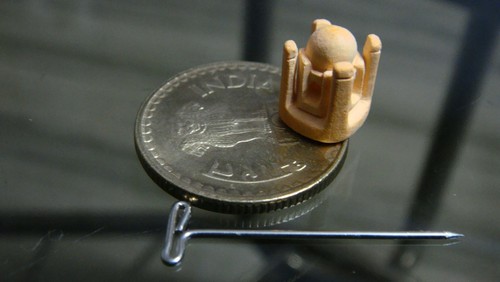
India 1 Rupee Commemorative
Copper-nickel Republic of India one rupee showing the Ashoka Lion Capital emblem, with the value and Devanagari legends on the reverse, from the late 20th century.
Modern India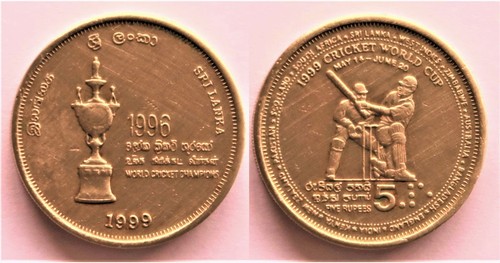
Sri Lanka 5 Rupees
Sri Lanka's 1999 copper-nickel five rupees marking the Cricket World Cup, showing the tournament trophy on one face and a batsman at the crease on the other.
South Asia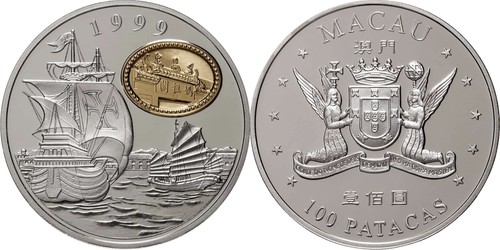
Macao 100 Patacas Return to China Commemorative
A 1999 Macao 100 patacas commemorative marking the return to China: a Portuguese ship with a gold center on one side, the Macao coat of arms on the other.
Commemorative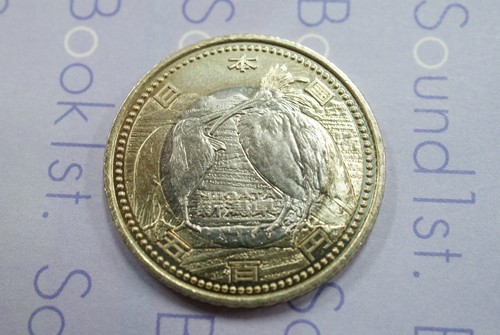
500 Yen Niigata Prefecture Commemorative
A modern Japanese 500 Yen commemorative for Niigata Prefecture, showing a traditional ship that celebrates the region's maritime and port heritage.
Commemorative