
Coin Encyclopedia
Search and identify coins from around the world — with country, denomination, metal, mint, history, and how to tell them apart.
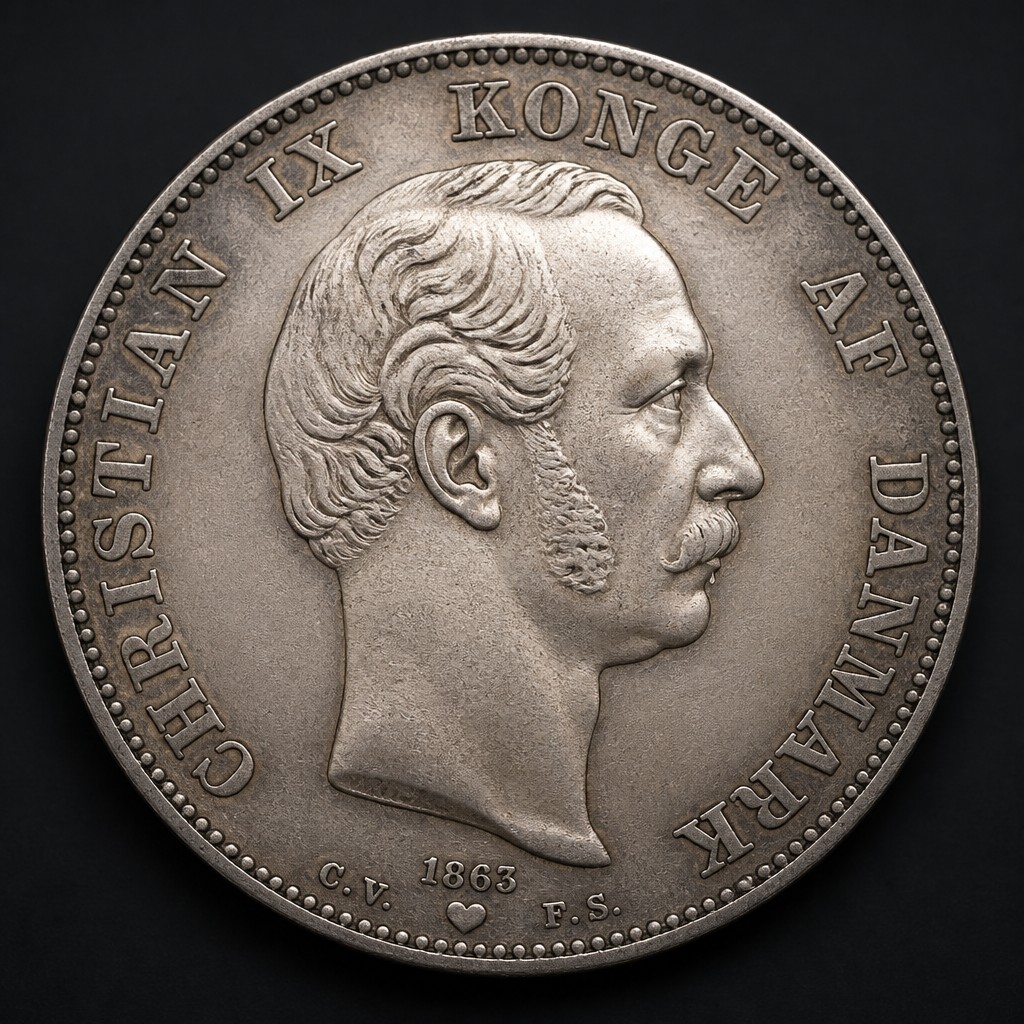
Danish 2 Rigsdaler
A large silver crown of the Kingdom of Denmark, double the standard rigsdaler denomination, often struck to commemorate specific royal events before Denmark adopted the krone in 1873.
European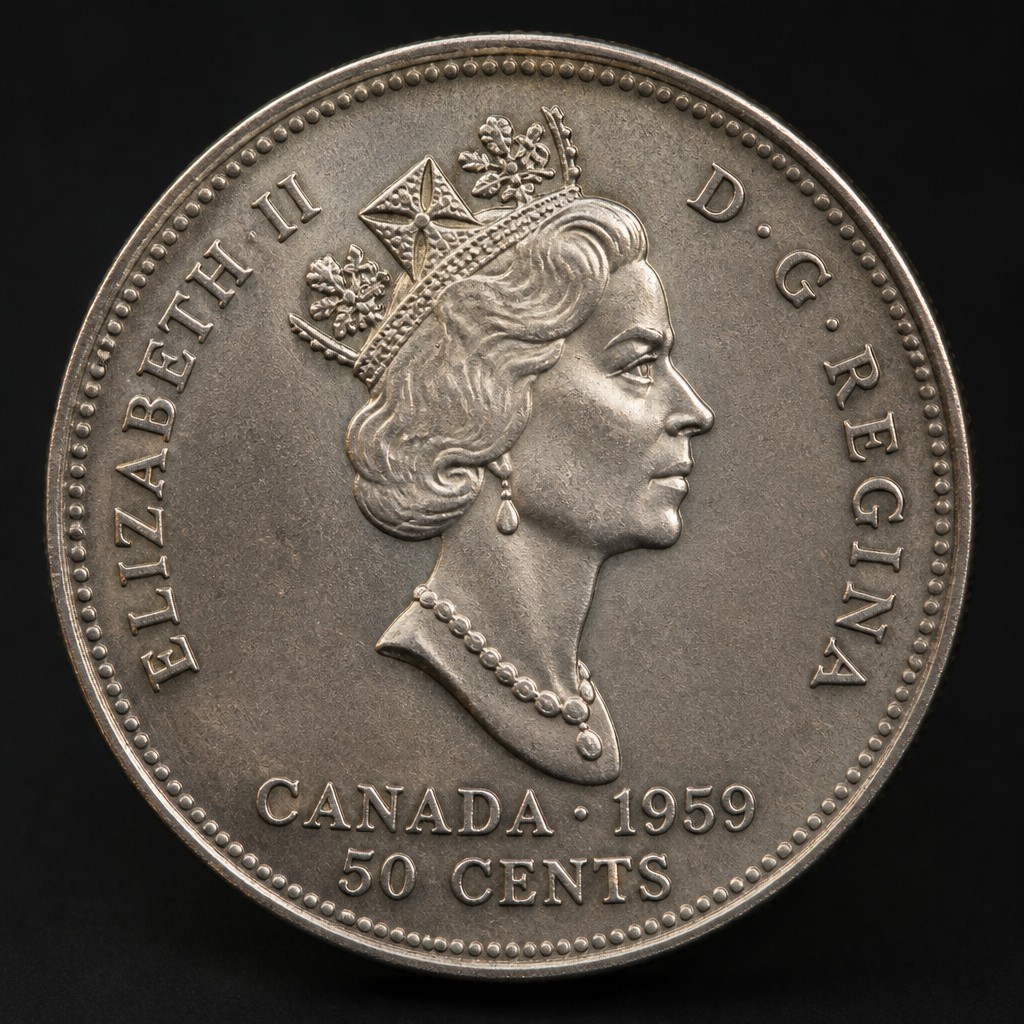
Coat of Arms Fifty Cents (Elizabeth II)
Canada's modern fifty-cent piece, showing the Canadian coat of arms on the reverse since 1959 under successive obverse portraits of Queen Elizabeth II and, later, King Charles III.
Canadian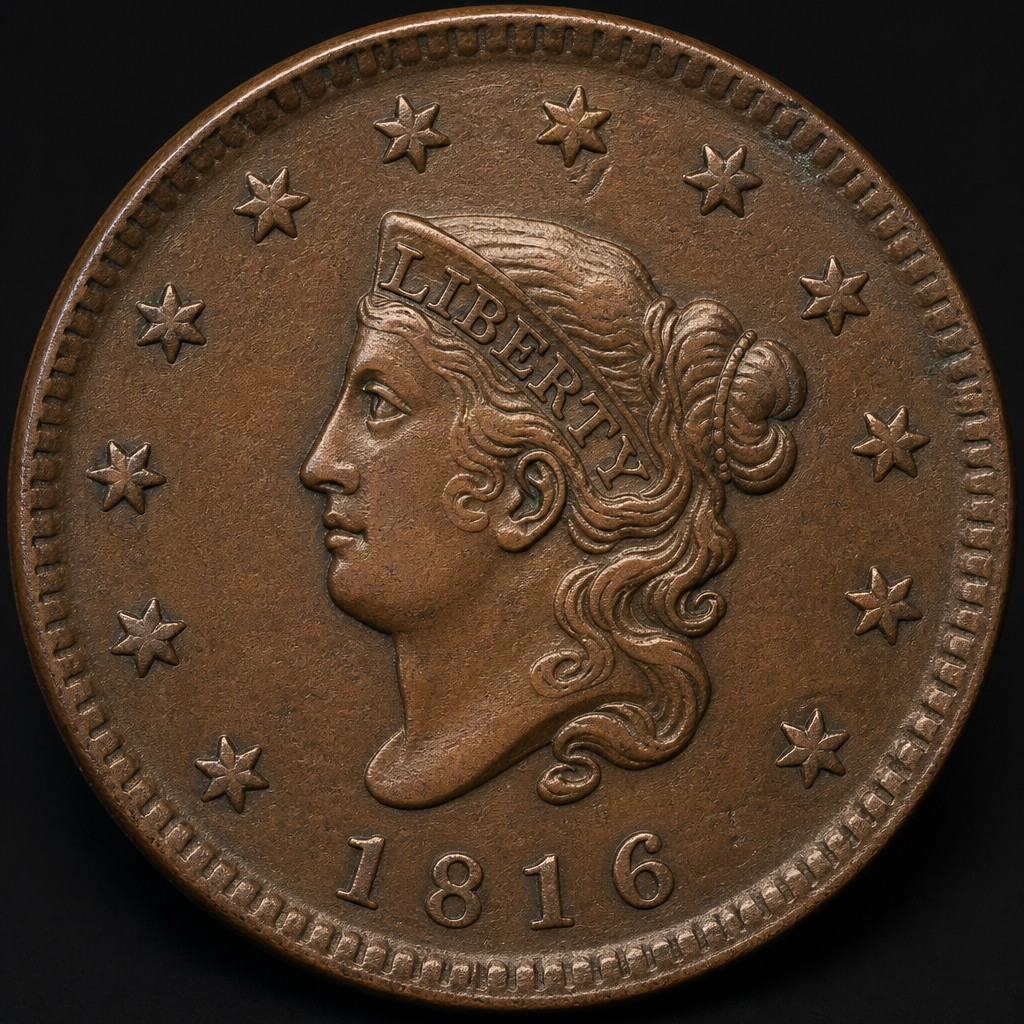
Coronet Large Cent
A large copper cent series featuring Liberty wearing a coronet, produced through the "Matron Head" and "Young Head" phases before the Braided Hair design took over.
United States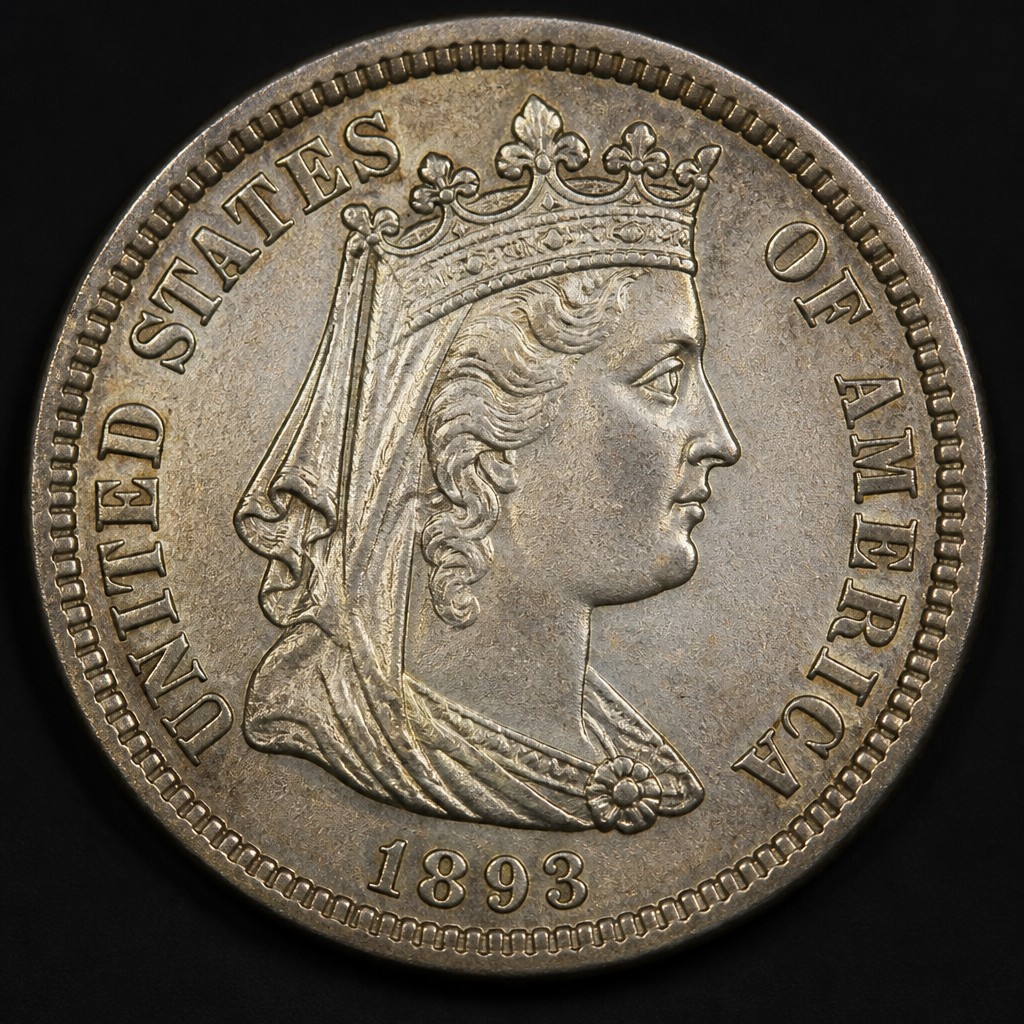
Isabella Quarter
The only U.S. commemorative quarter dollar, struck for the 1893 World's Columbian Exposition and featuring Queen Isabella I of Spain, sponsor of Columbus's voyage.
Commemorative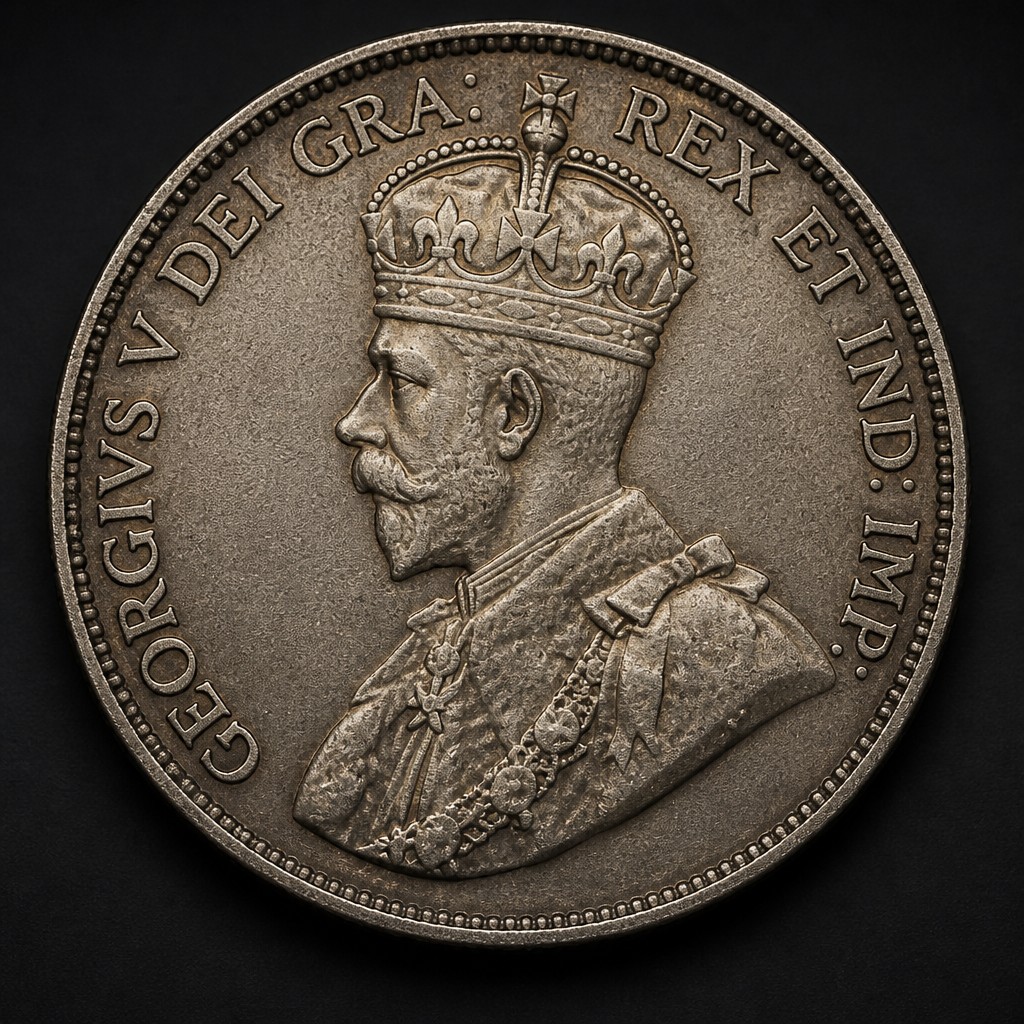
George V Twenty-Five Cents (silver)
Canada's silver twenty-five-cent coin struck under King George V, a series notable for its famous 1921 key date and a rare 1936 emergency dot variety.
Canadian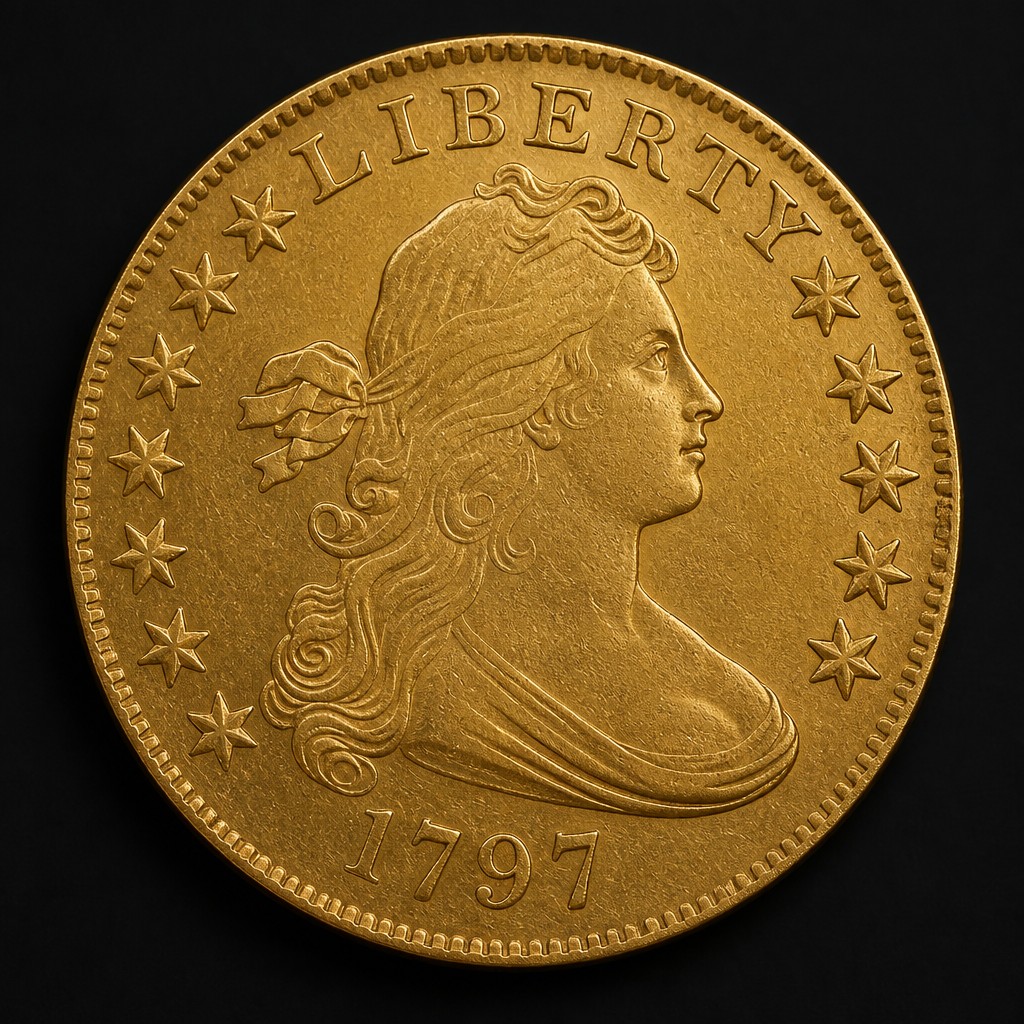
Draped Bust Eagle
The formal catalog name for the first U.S. ten-dollar gold coin once it adopted a bold heraldic eagle reverse in 1797, the same coin popularly nicknamed the 'Turban Head' eagle.
United States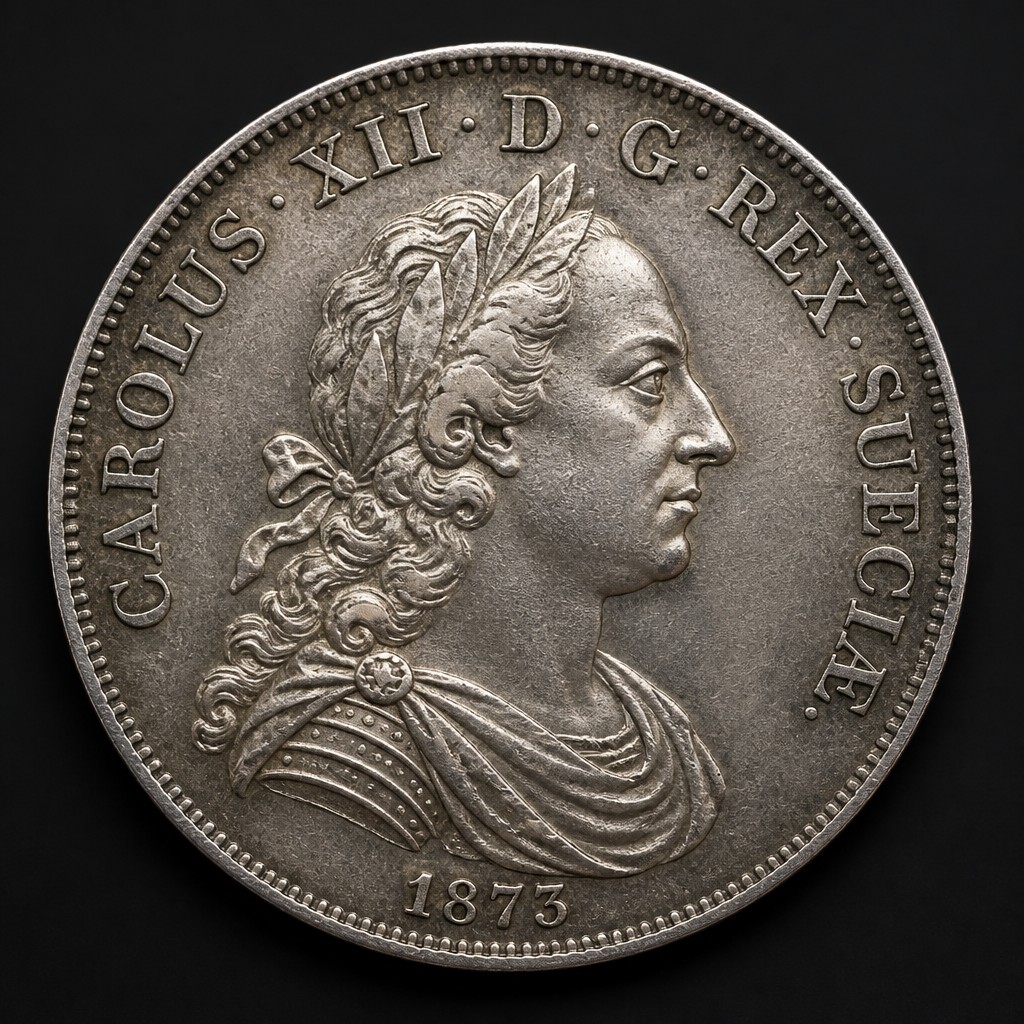
Swedish Riksdaler
Sweden's traditional silver dollar denomination, used for roughly two centuries before being replaced by the krona in the 1870s currency reform.
European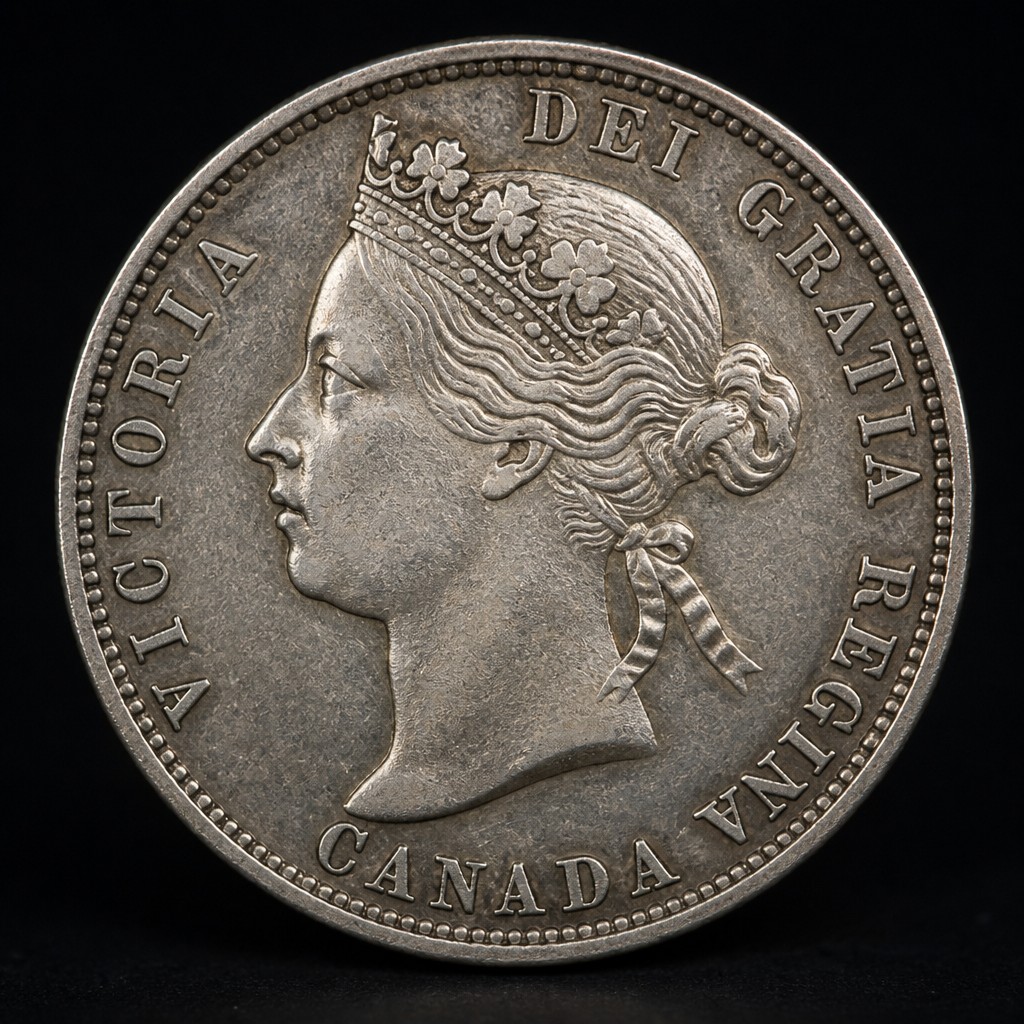
Victorian Silver Five Cents
The small sterling silver five-cent coin struck under Queen Victoria for the Province of Canada and later the Dominion of Canada, issued intermittently from 1858 to 1901.
Canadian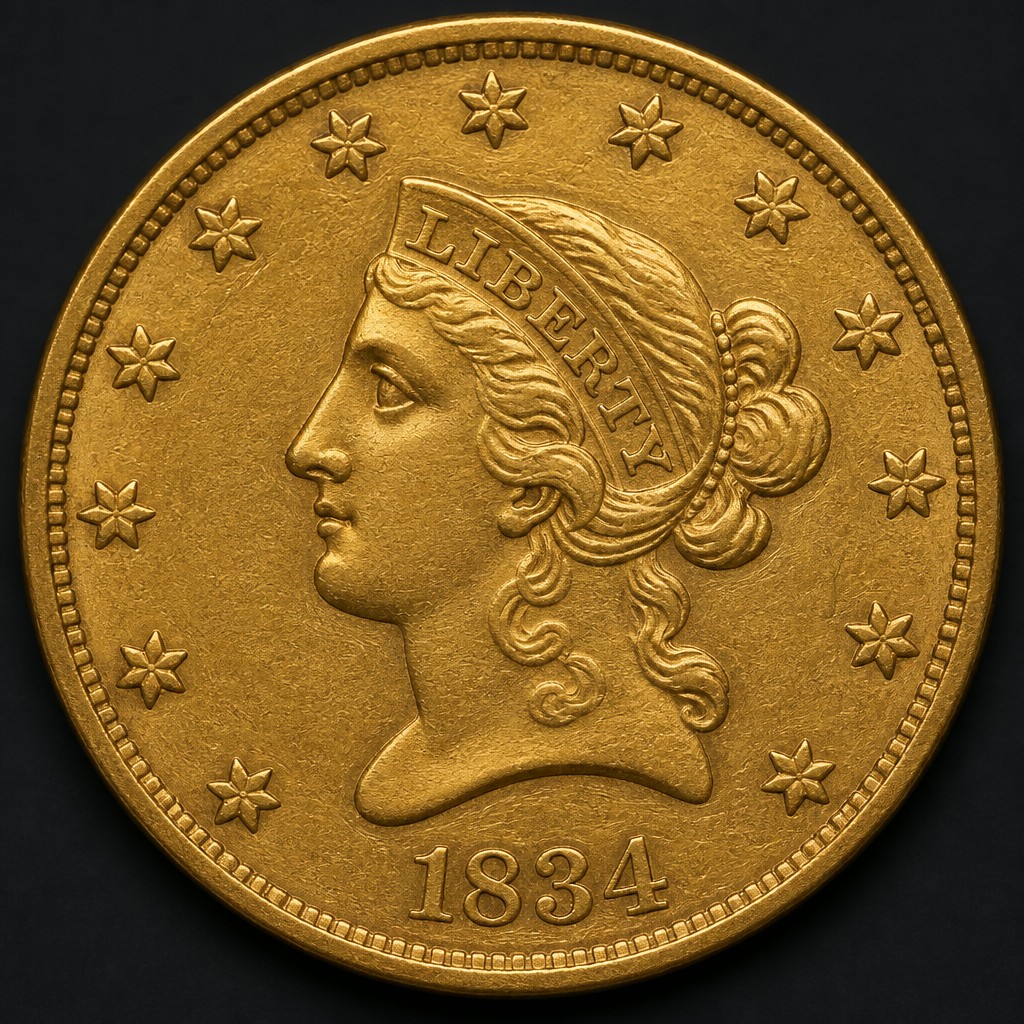
Classic Head Half Eagle ($5)
A short-lived early American gold five-dollar coin created after the Coinage Act of 1834 reduced gold coin weight to keep coins in circulation rather than being melted.
United States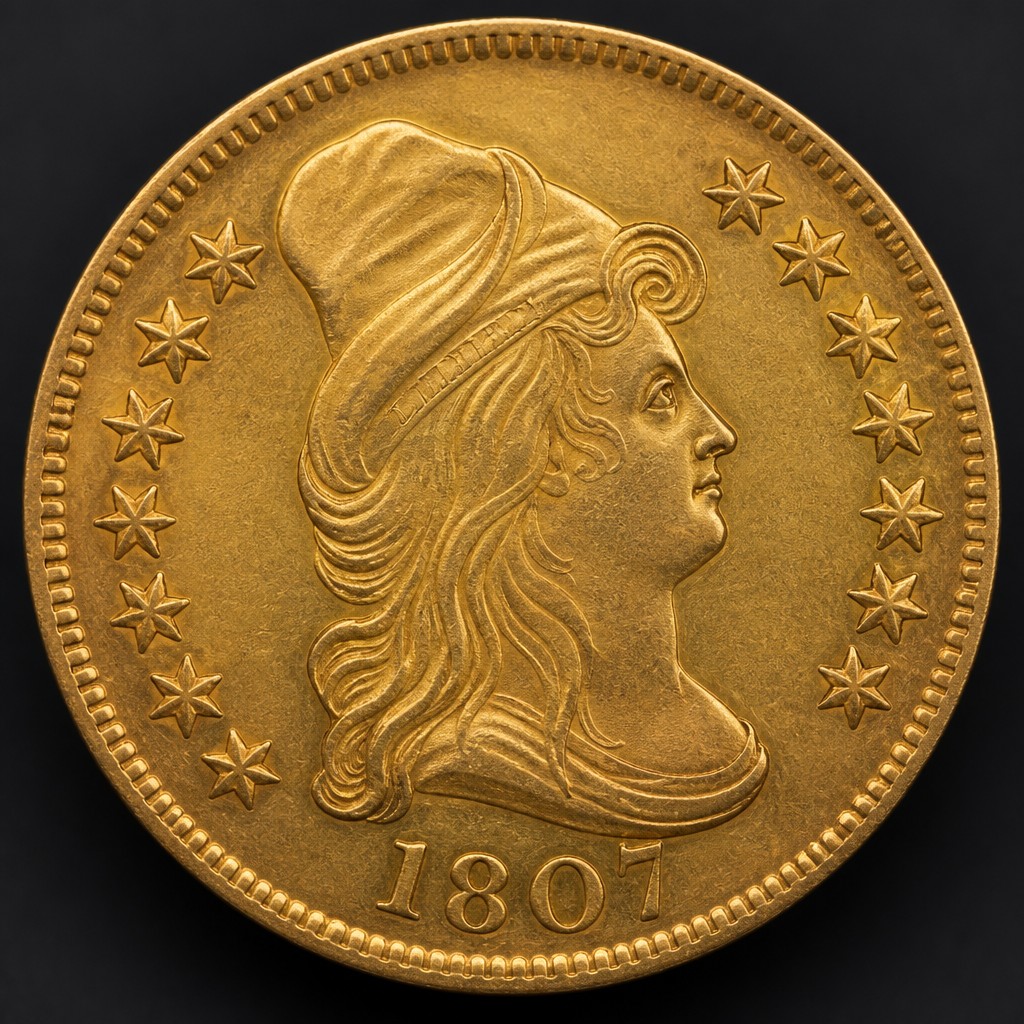
Capped Bust Right Half Eagle
America's first five-dollar gold coin, struck 1795-1807 with Liberty facing right under a soft cap, first paired with a small perched eagle reverse and later a bold heraldic eagle.
United States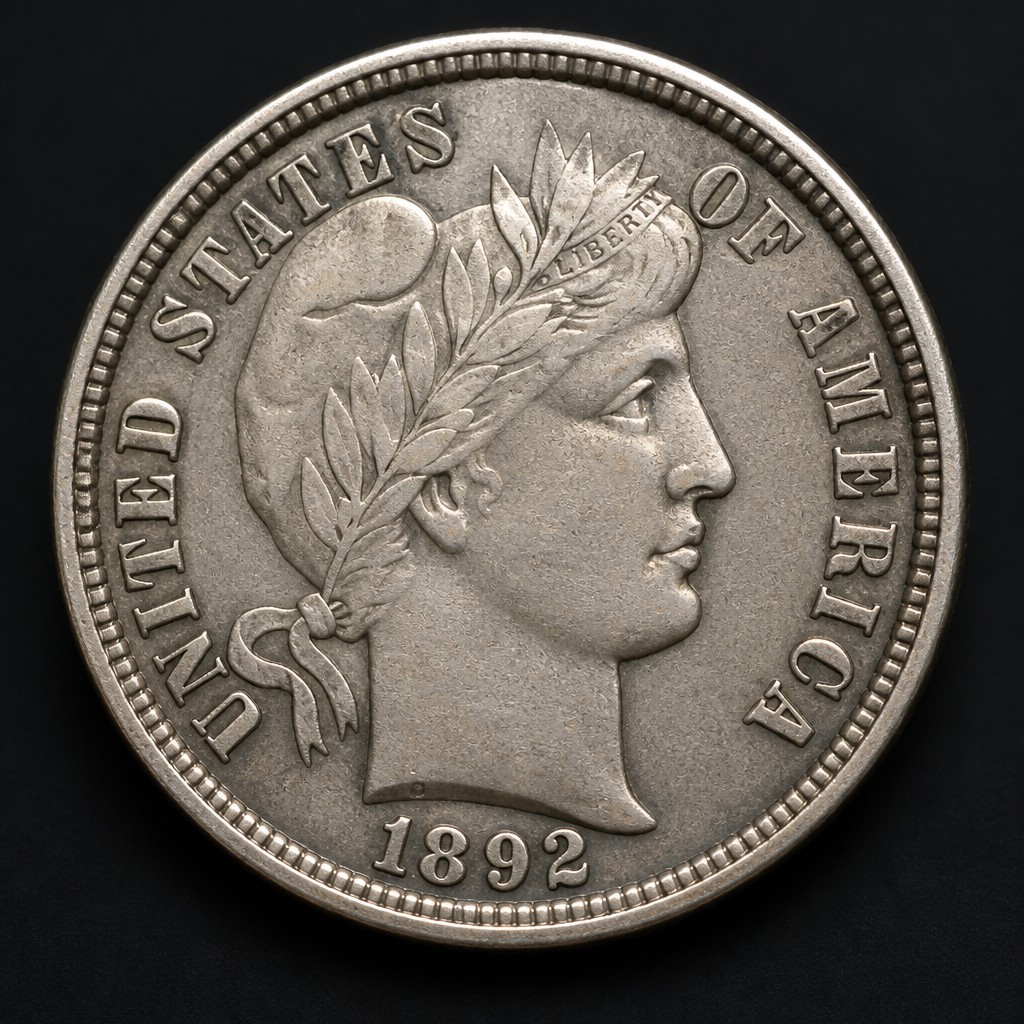
Barber Dime
A late-19th and early-20th century silver dime designed by Charles E. Barber, featuring a classical Liberty head, part of a matching set with the Barber quarter and half dollar.
United States
Venetian Ducat
Gold coin first struck by the Republic of Venice in 1284, prized for its remarkably consistent weight and purity, which made it a dominant trade coin across medieval and Renaissance Europe.
European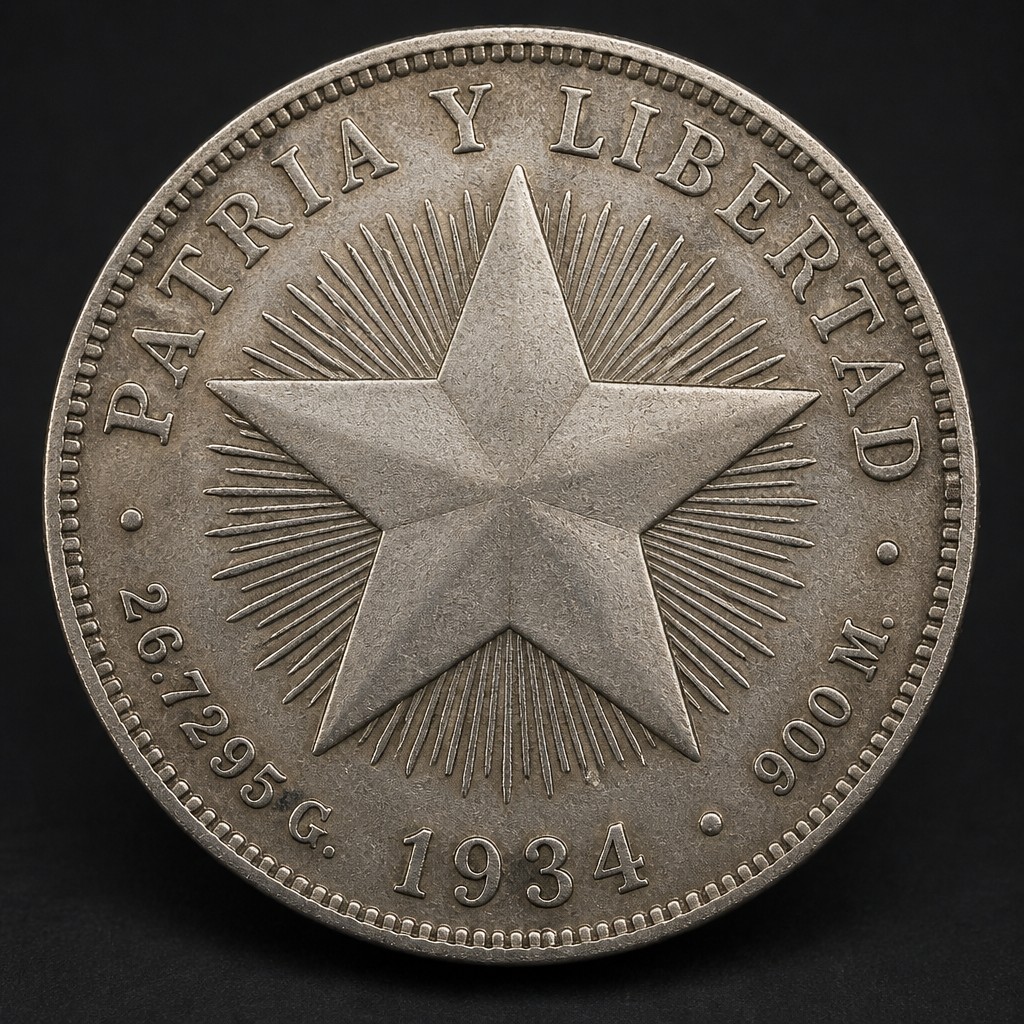
Cuba Peso 'Star' Silver (ABC Peso)
A silver dollar-sized Cuban peso featuring a prominent five-pointed star, popularly nicknamed the 'ABC Peso' and widely used interchangeably with the US silver dollar in the 1930s.
Latin American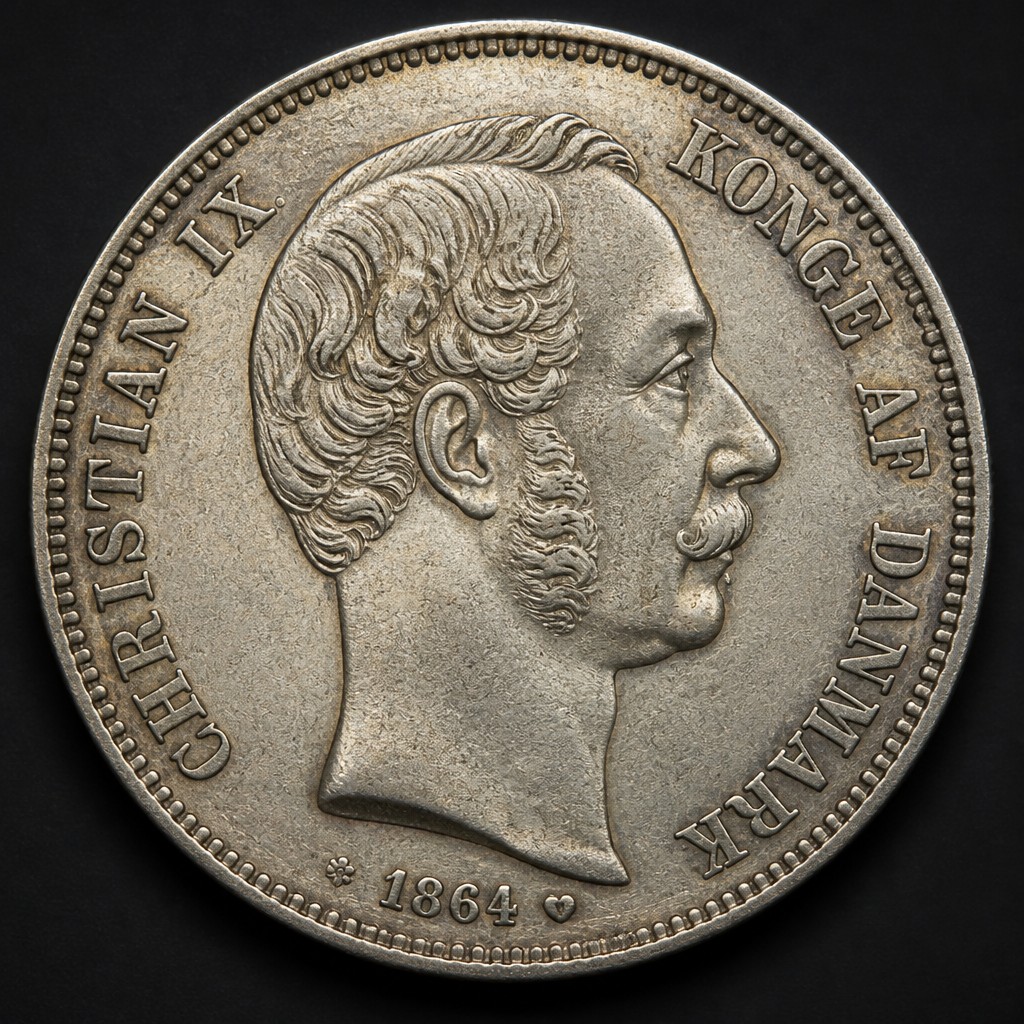
Danish Speciedaler
Denmark's large silver 'species dollar,' the principal high-value coin of the Danish monetary system before the krone replaced it in 1873–75.
European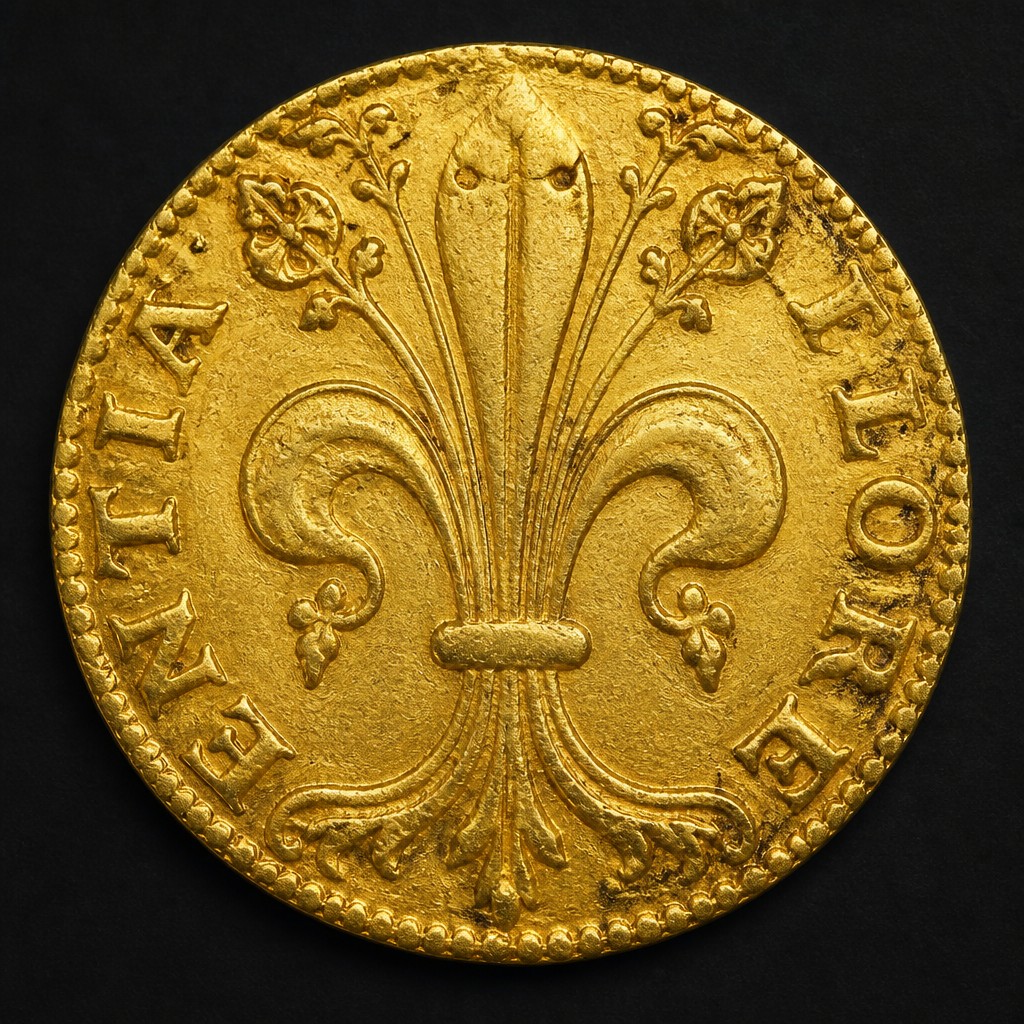
Florentine Florin
Introduced in 1252, the gold florin of Florence became medieval Europe's leading trade coin, its lily emblem and fixed gold standard copied by dozens of other mints.
European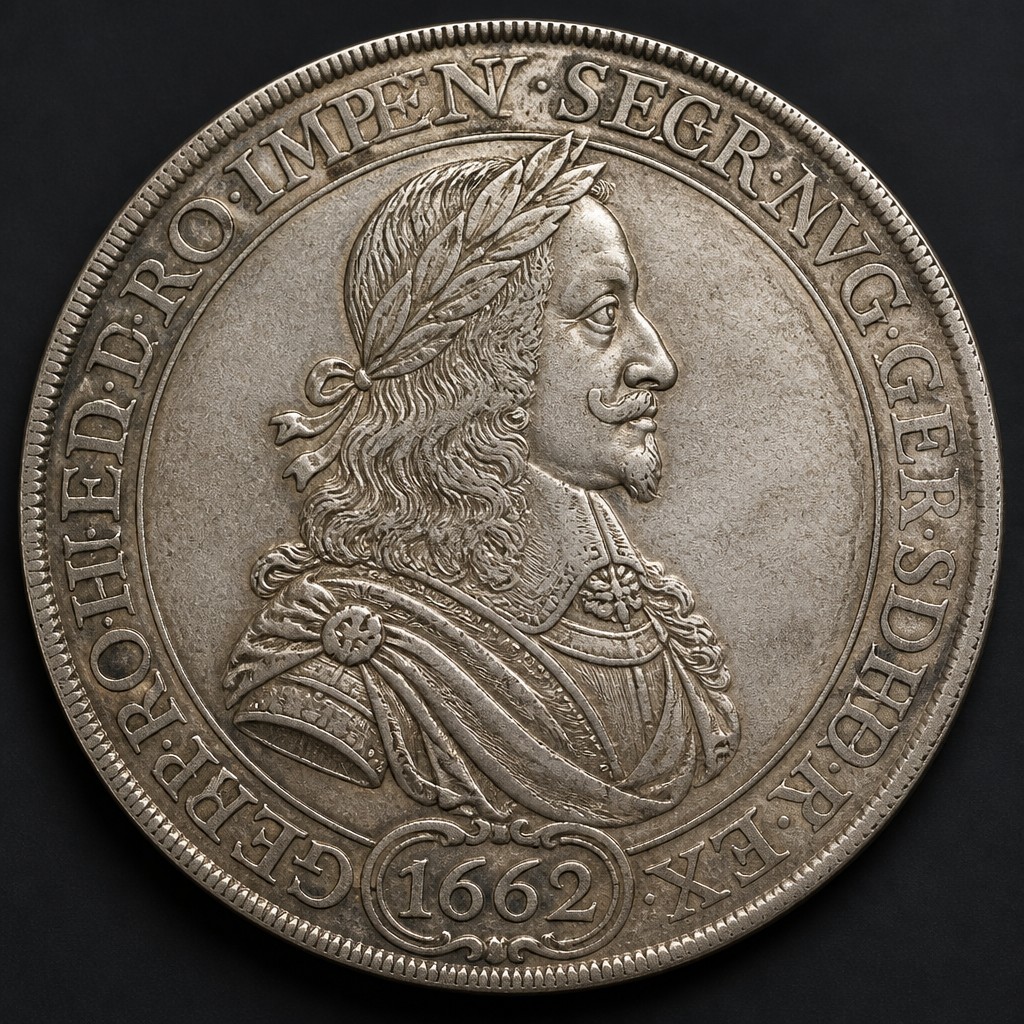
Reichsthaler
The standard large silver coin of the Holy Roman Empire and its constituent German states from the 16th century onward, whose name is the direct linguistic ancestor of the word 'dollar.'
European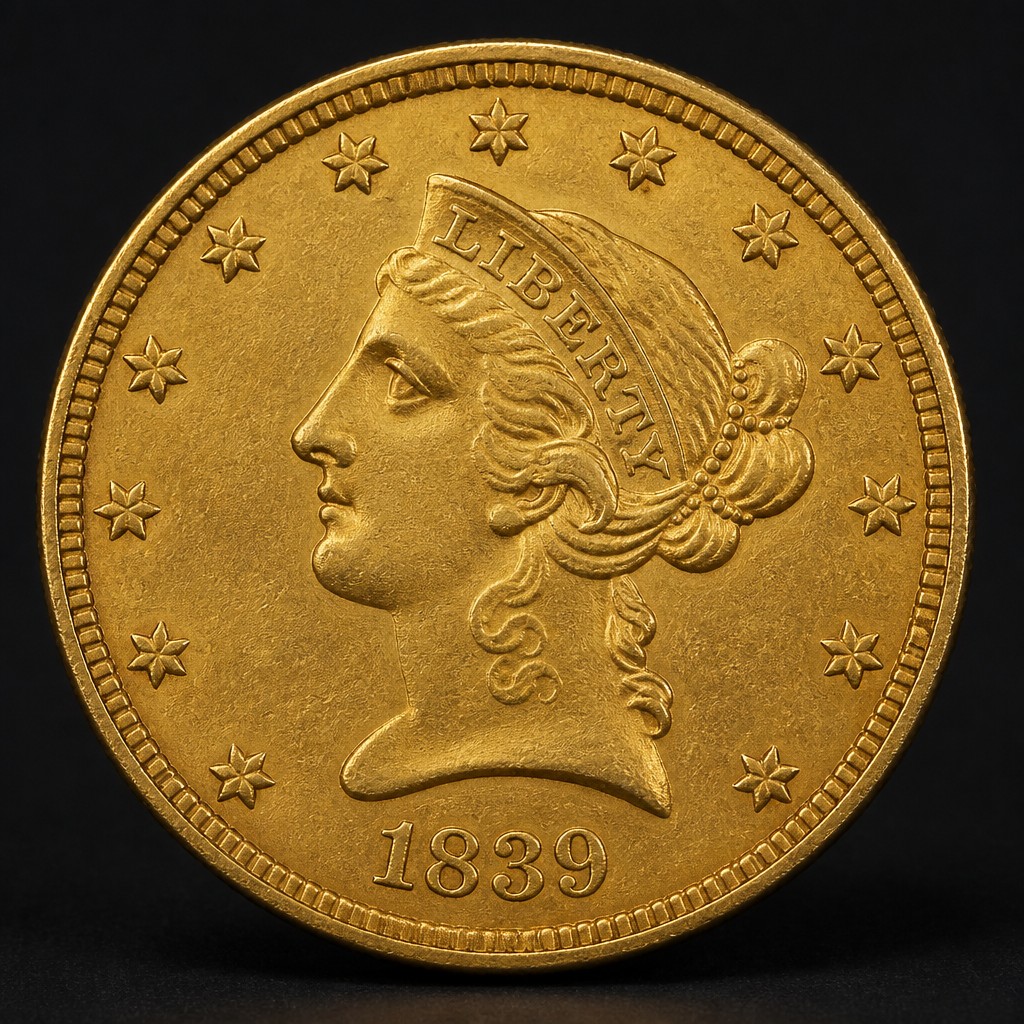
Liberty Head Half Eagle ($5)
A widely produced 19th-century gold five-dollar coin bearing Christian Gobrecht's Coronet Head design, struck across nearly every major American branch mint of the era.
United States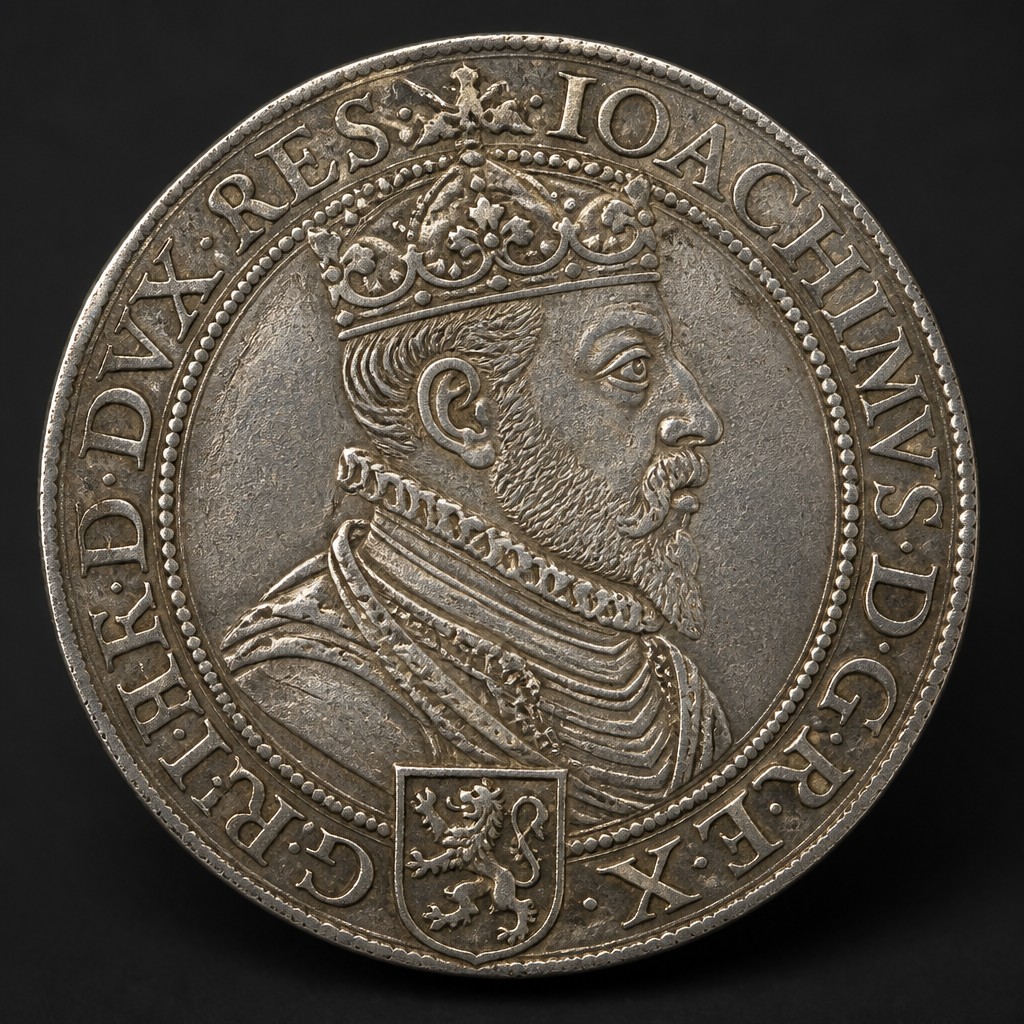
Joachimsthaler
Struck beginning in 1520 in the Bohemian silver-mining town of Joachimsthal, this large silver coin gave its name, shortened to 'thaler' and later 'dollar,' to countless currencies around the world.
European