
Coin Encyclopedia
Search and identify coins from around the world — with country, denomination, metal, mint, history, and how to tell them apart.
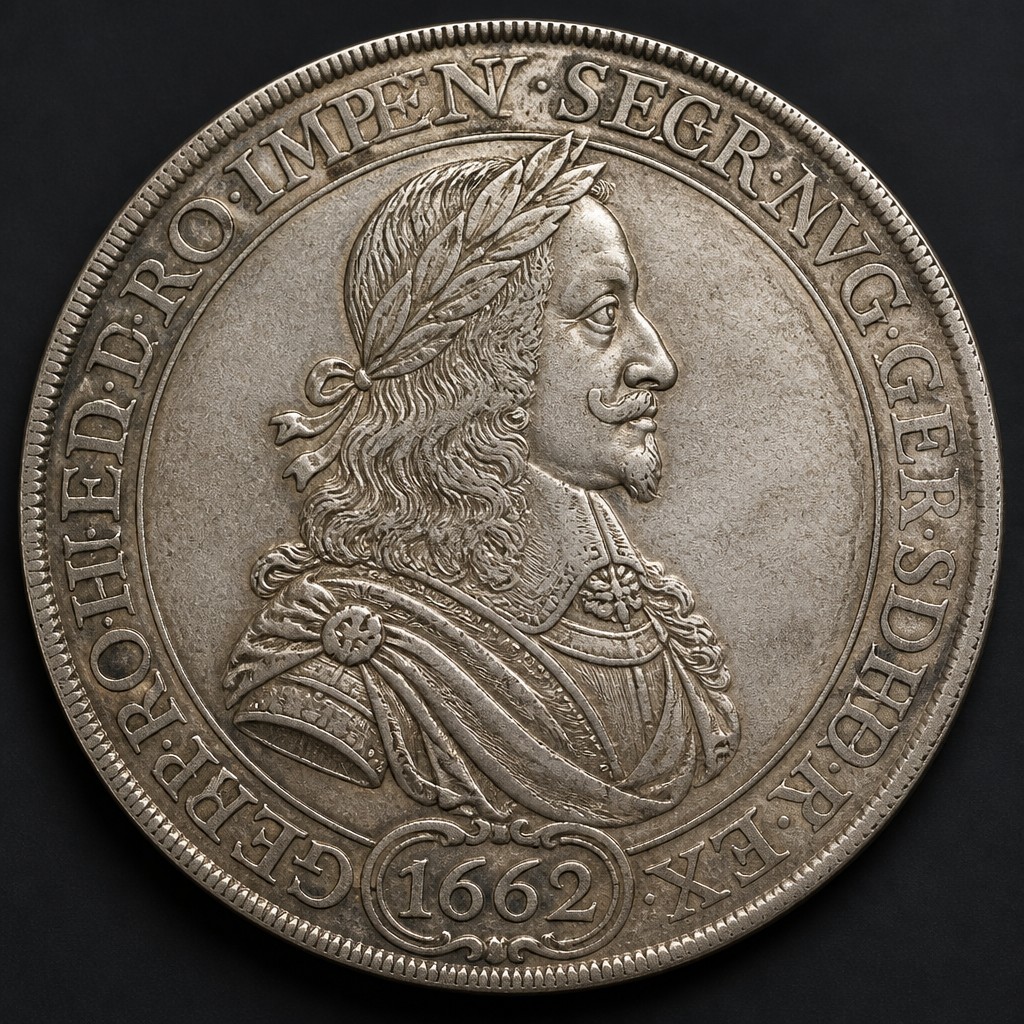
Reichsthaler
The standard large silver coin of the Holy Roman Empire and its constituent German states from the 16th century onward, whose name is the direct linguistic ancestor of the word 'dollar.'
European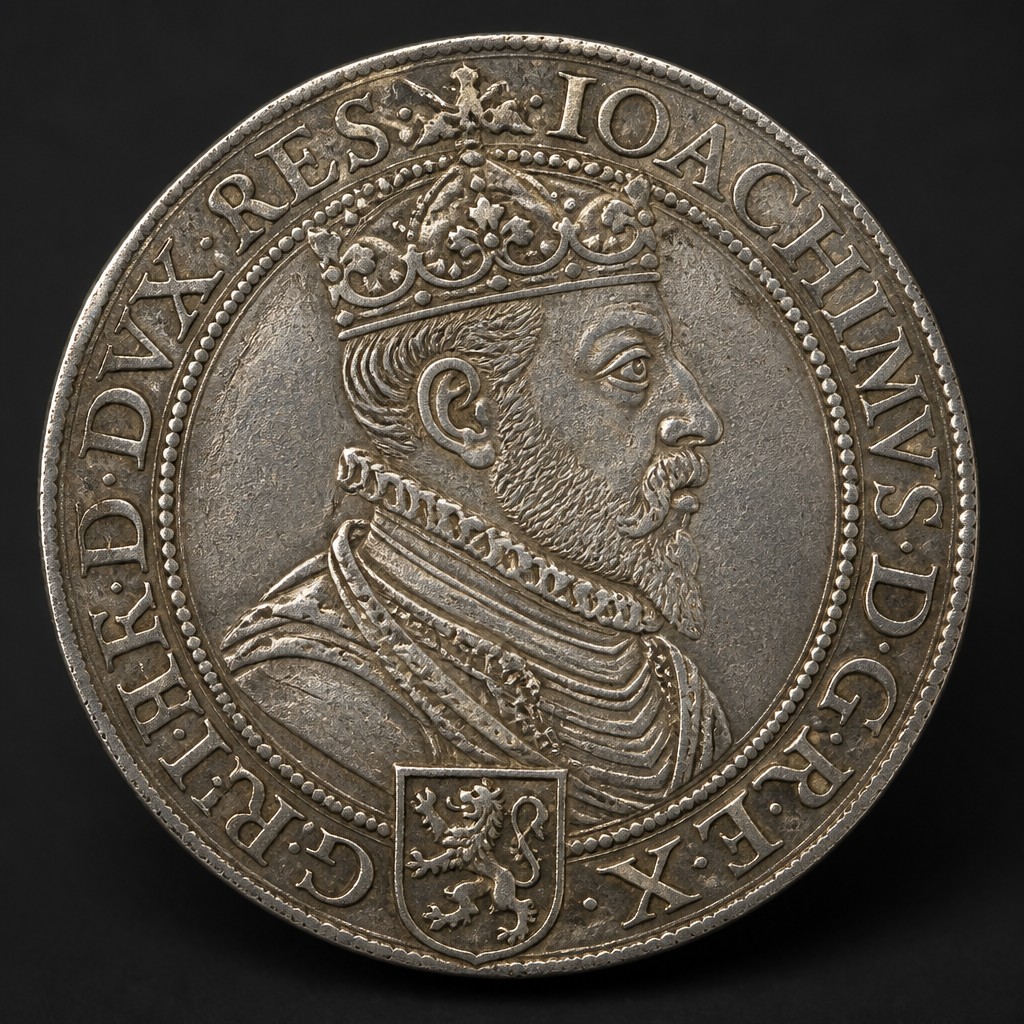
Joachimsthaler
Struck beginning in 1520 in the Bohemian silver-mining town of Joachimsthal, this large silver coin gave its name, shortened to 'thaler' and later 'dollar,' to countless currencies around the world.
European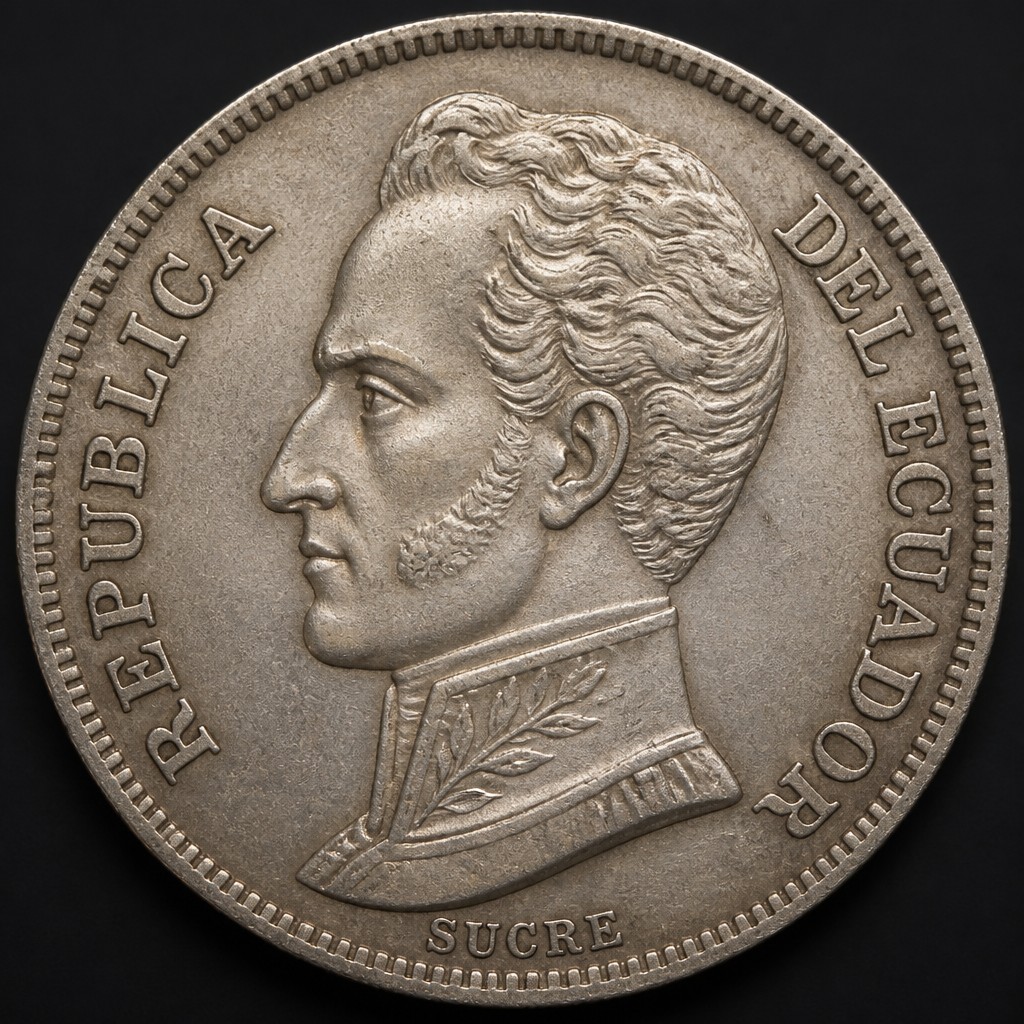
Ecuador Sucre Silver
Ecuador's historic silver one-sucre coin, named after independence hero Antonio Jose de Sucre, circulated for decades before Ecuador's currency was eventually replaced by the US dollar.
Latin American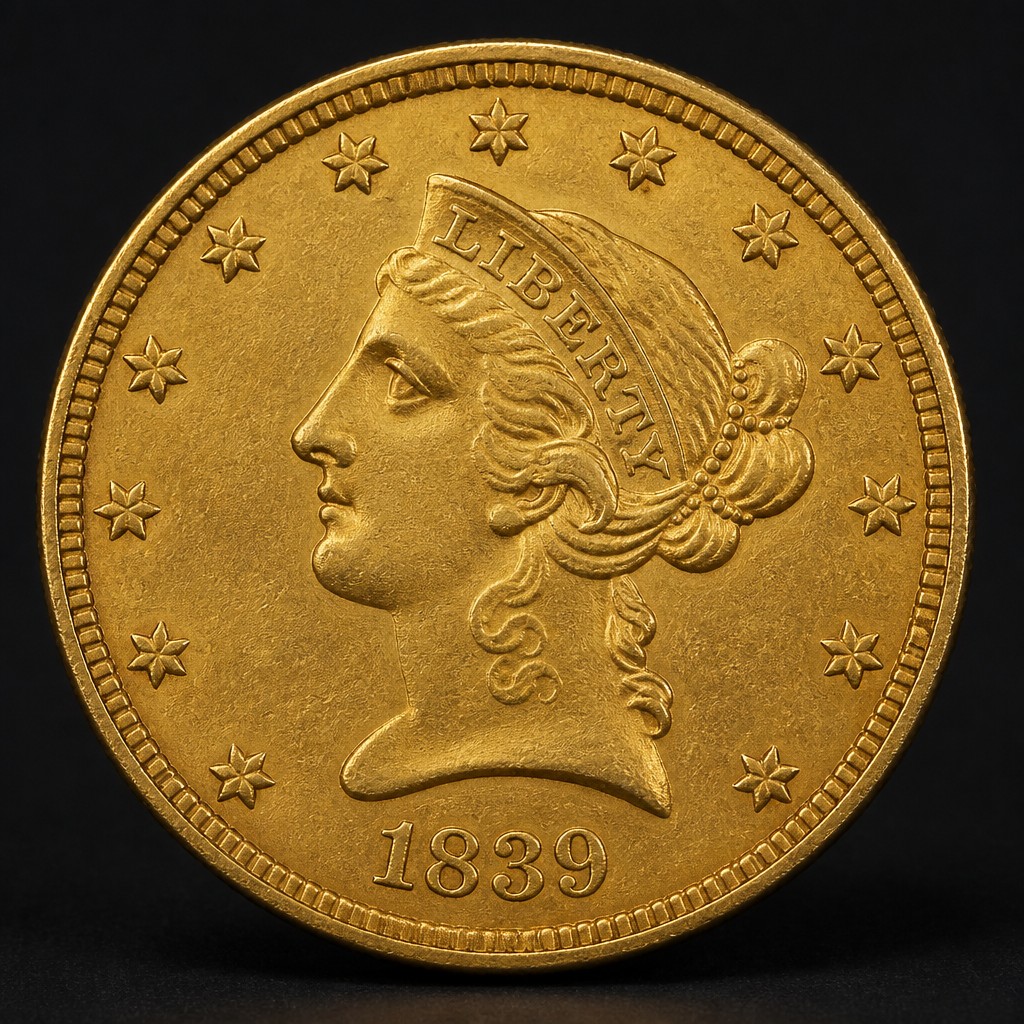
Liberty Head Half Eagle ($5)
A widely produced 19th-century gold five-dollar coin bearing Christian Gobrecht's Coronet Head design, struck across nearly every major American branch mint of the era.
United States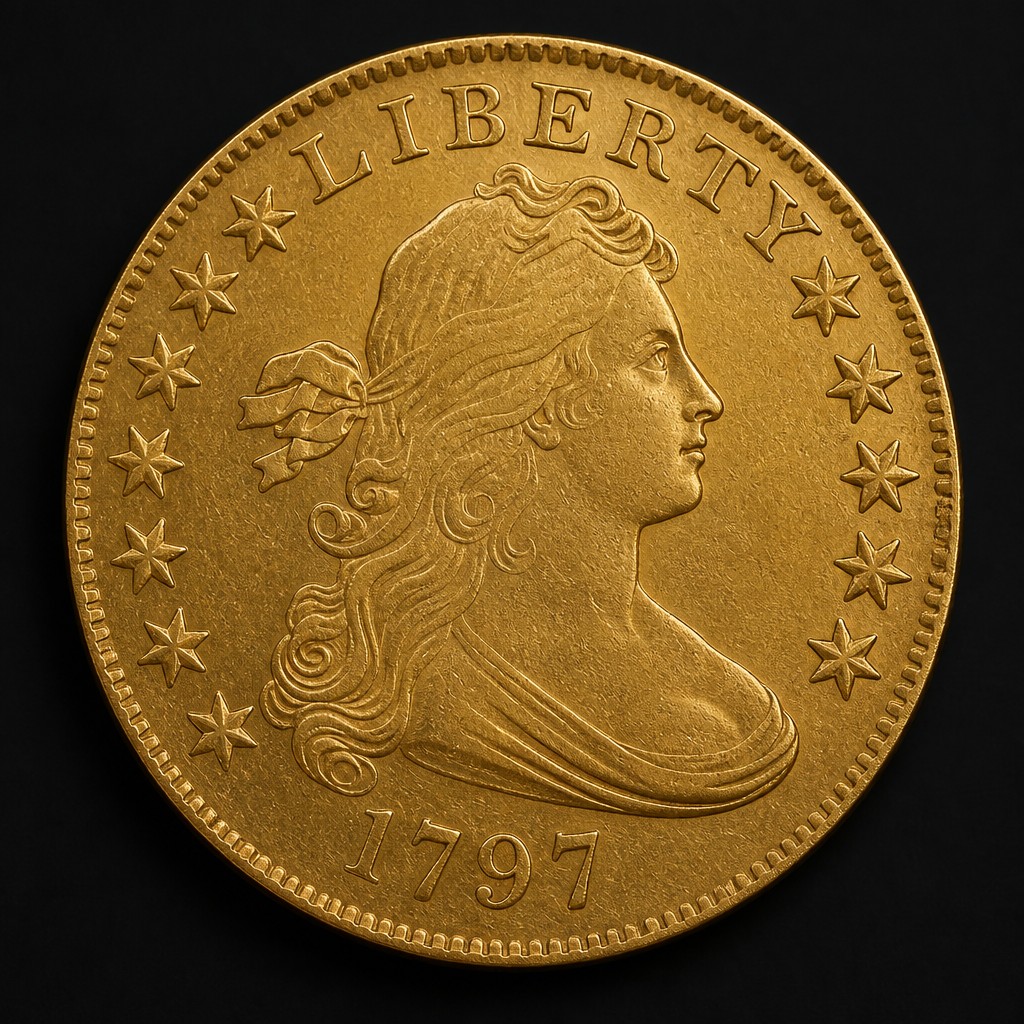
Draped Bust Eagle
The formal catalog name for the first U.S. ten-dollar gold coin once it adopted a bold heraldic eagle reverse in 1797, the same coin popularly nicknamed the 'Turban Head' eagle.
United States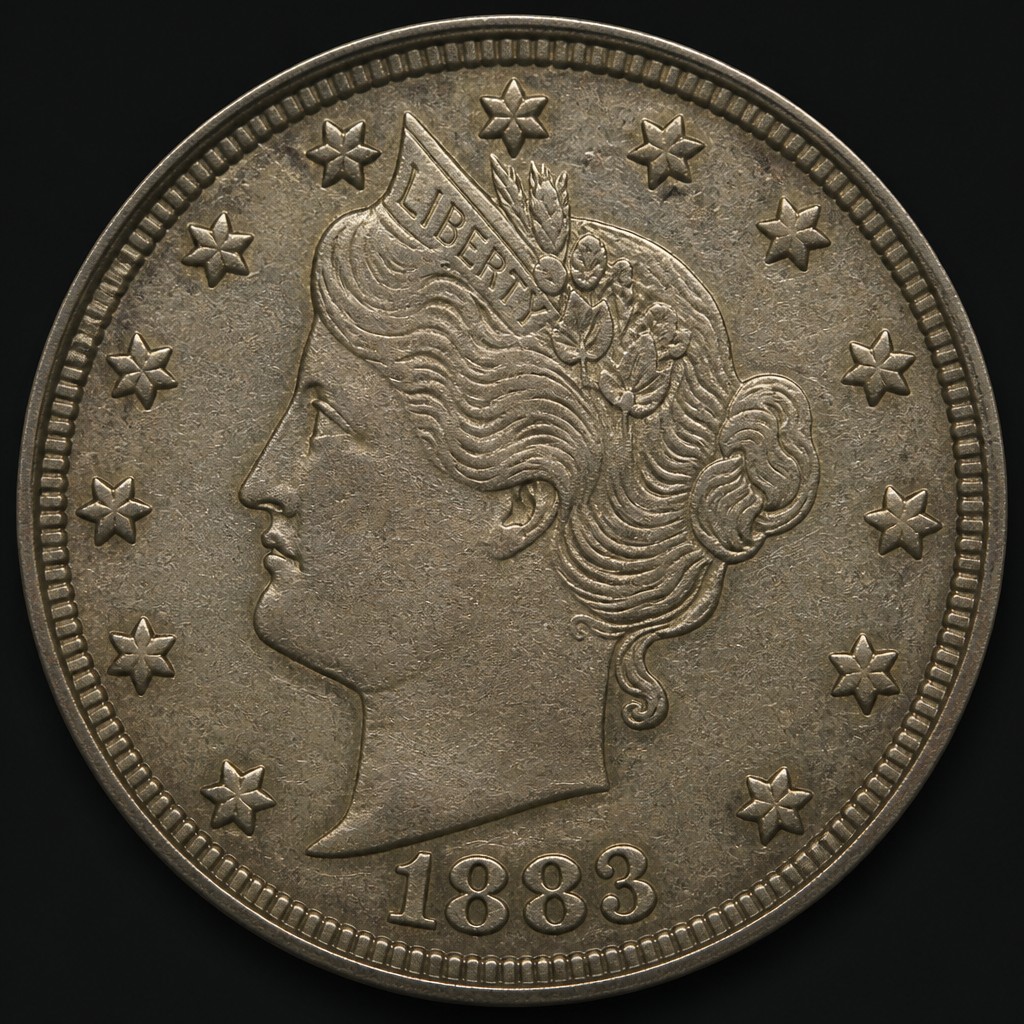
1883 No Cents Liberty Head Nickel
The first-year Liberty Head Nickel design that omitted the word CENTS from the reverse, later infamous as the 'Racketeer Nickel' after being gold-plated and passed off as a five-dollar coin.
United States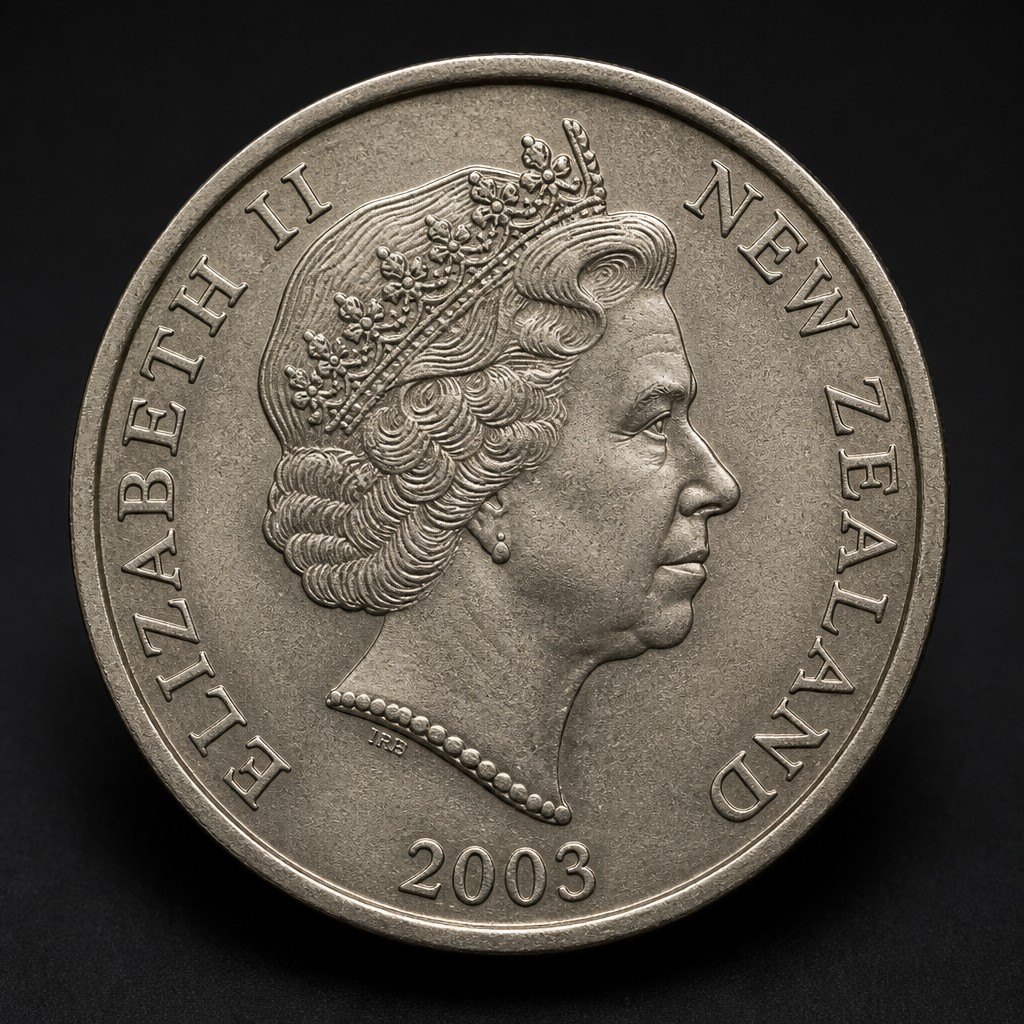
New Zealand Lord of the Rings Coins (2003)
New Zealand issued legal-tender coins featuring characters and scenes from Peter Jackson's Lord of the Rings film trilogy, celebrating the films' production in the country with both a circulating dollar and premium collector coins.
Commemorative
Shilling
One of Britain's oldest circulating silver denominations, nicknamed the 'bob,' equal to twelve pence and struck for over four centuries before decimalisation.
British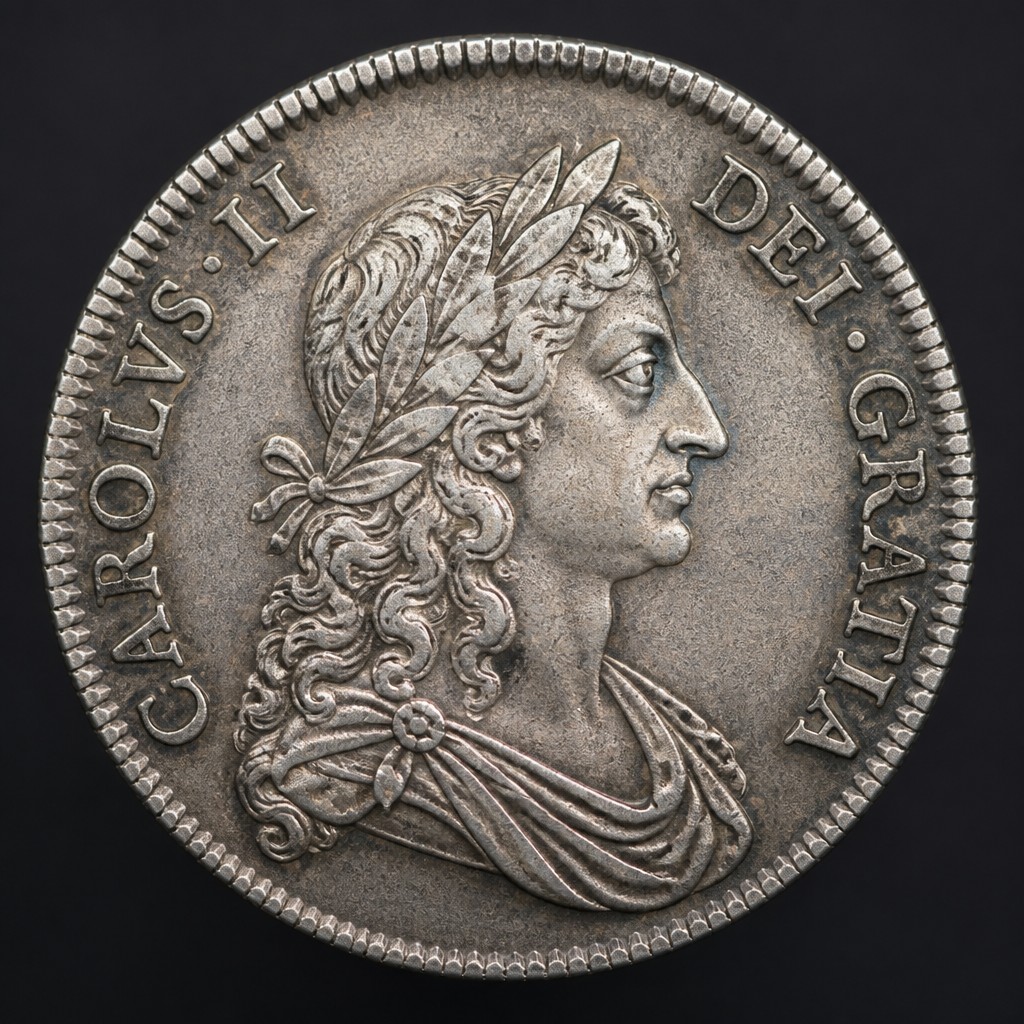
Maundy Threepence
The third denomination of the Royal Maundy set, a small silver threepence given out in the monarch's annual pre-Easter alms ceremony, distinct from Britain's separate everyday circulating threepence.
British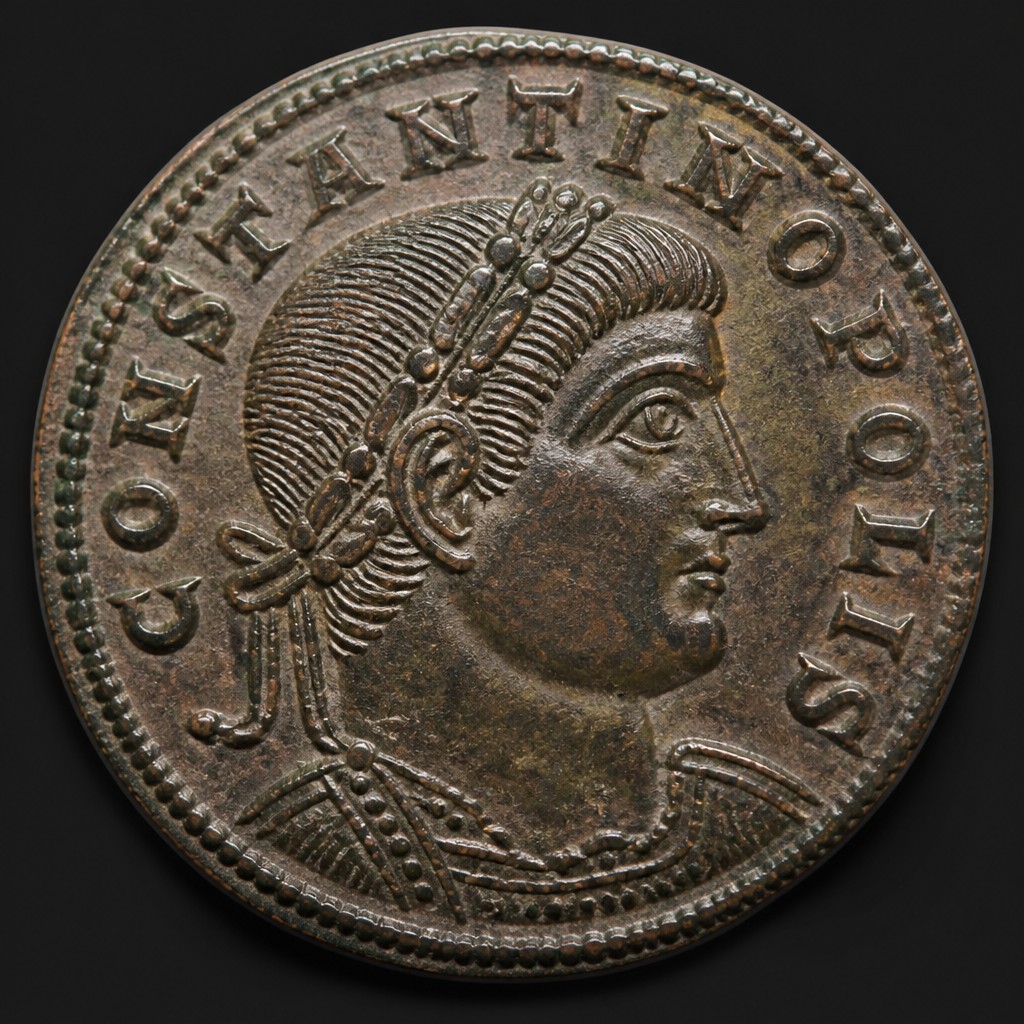
Constantine CONSTANTINOPOLIS Commemorative
A small bronze commemorative celebrating the founding of Constantinople, showing Victory standing on a ship's prow on the reverse.
Ancient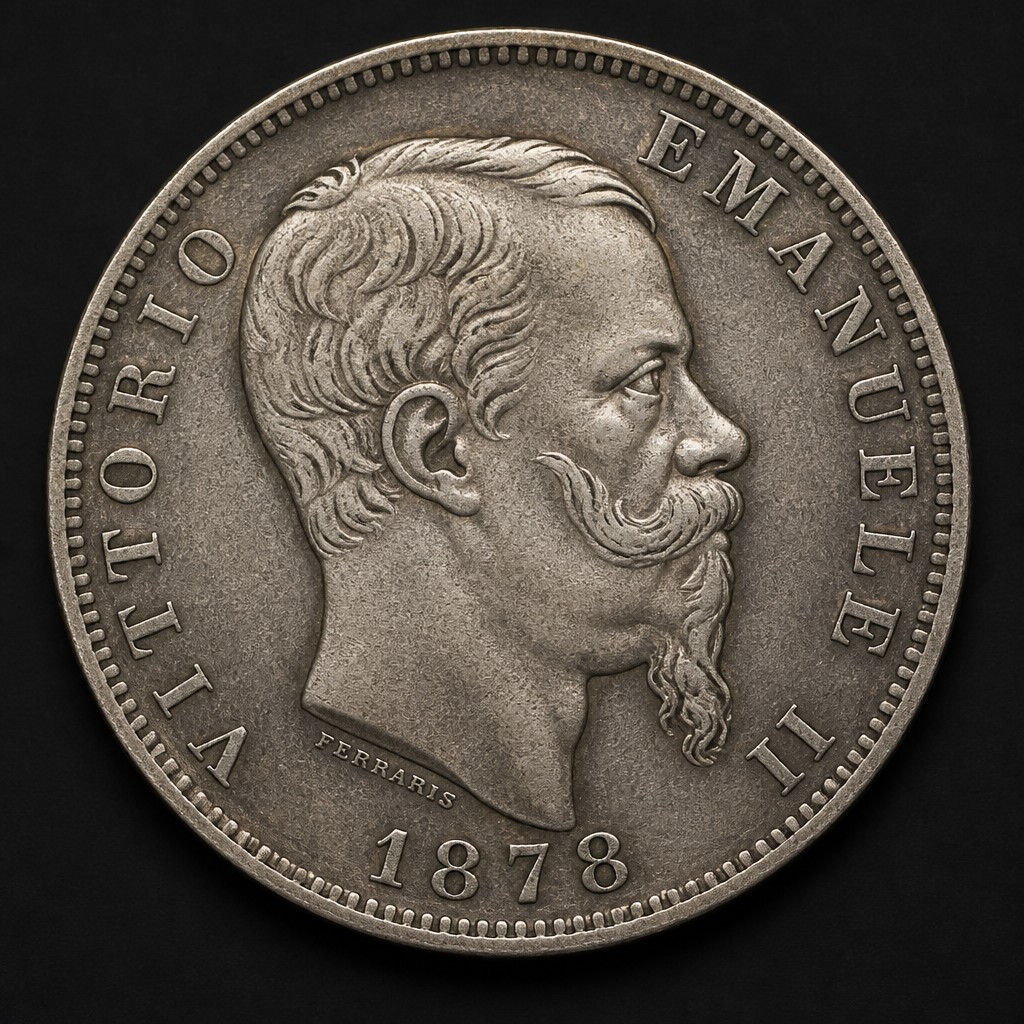
Italian 5 Lire
A large silver crown of the newly unified Kingdom of Italy, bearing the portrait of the reigning king and marking Italy's emergence as a single national currency after centuries of regional coinages.
European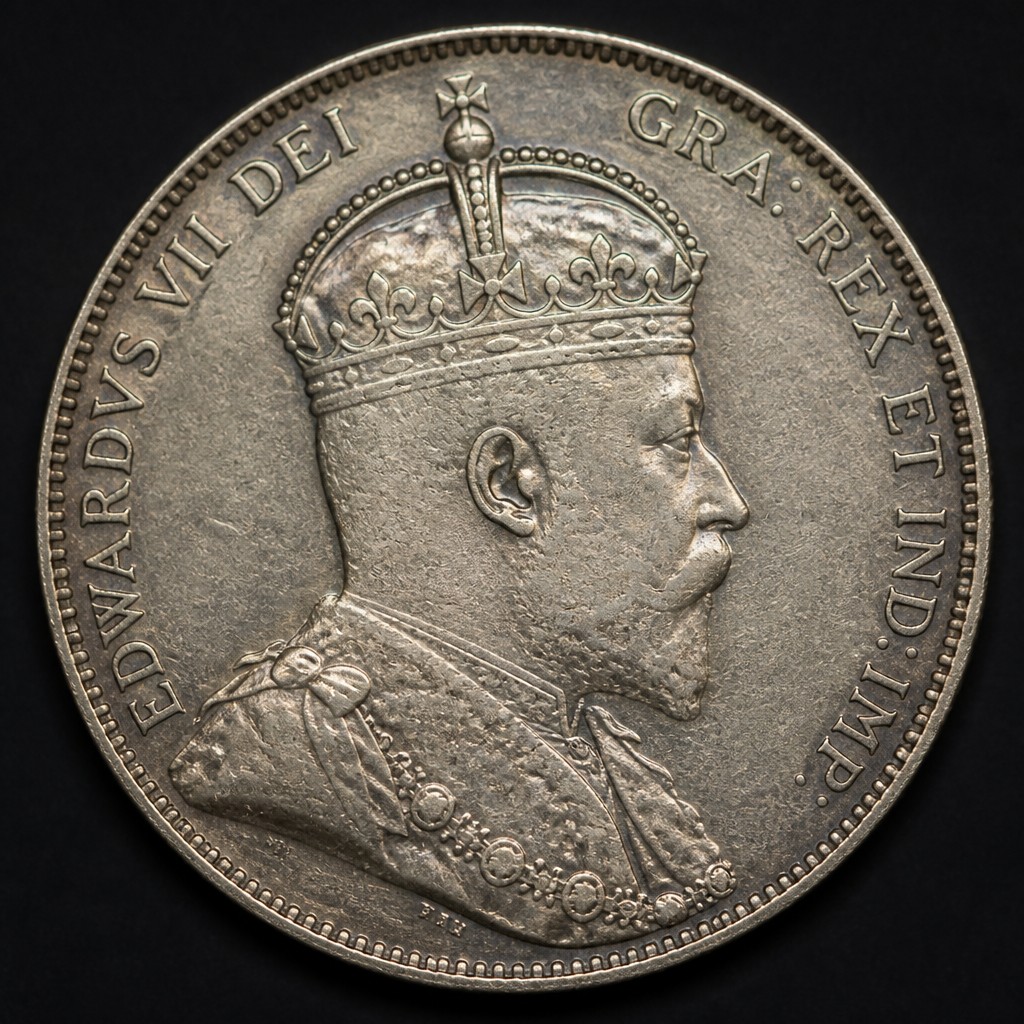
Edward VII Ten Cents
Canada's silver ten-cent coin struck during the brief reign of King Edward VII, bridging the Victorian and Georgian eras of Canadian coinage design.
Canadian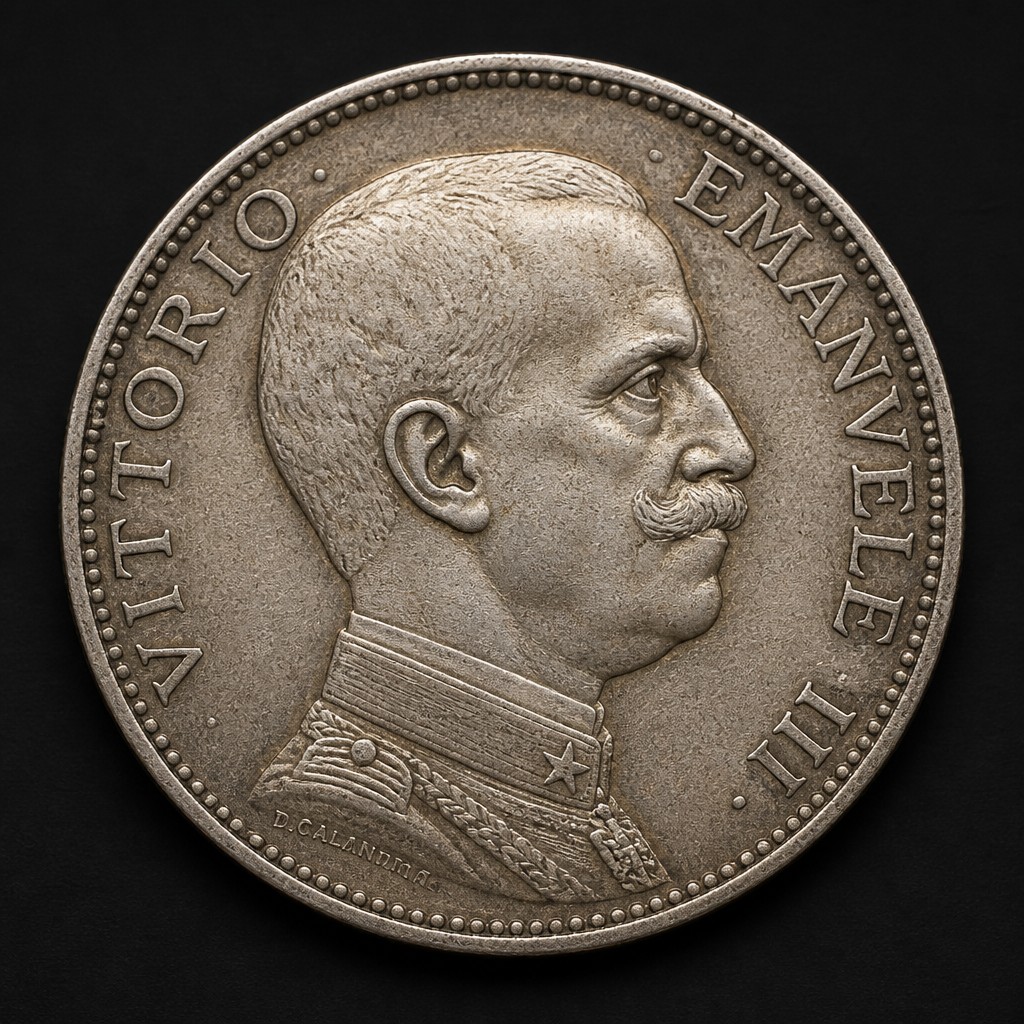
Italian 10 Lire (Silver)
Kingdom of Italy silver 10 Lire coin, best known for the 1926–1930 'Biga' type showing a two-horse chariot, struck under Vittorio Emanuele III.
European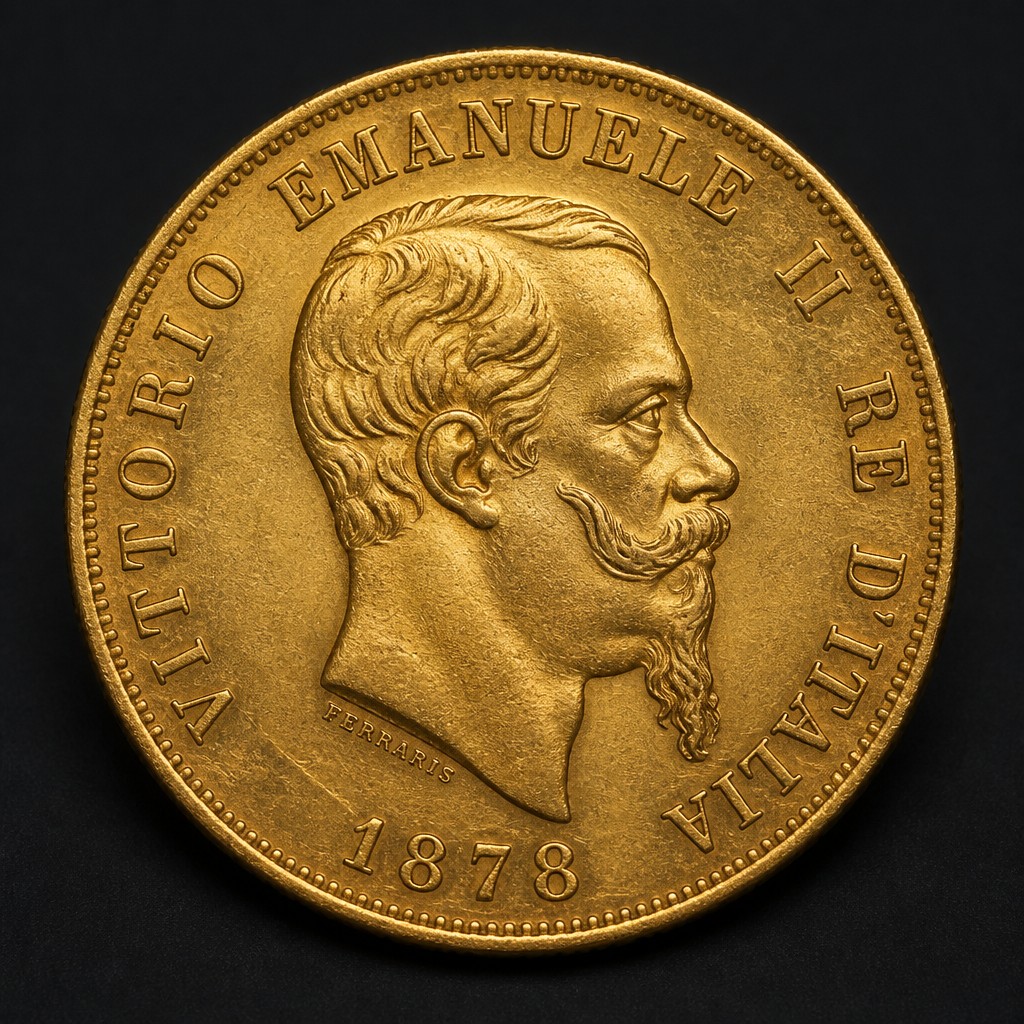
Italian 100 Lire Gold
The largest gold denomination of the Kingdom of Italy's Latin Monetary Union coinage, struck under Vittorio Emanuele II and Umberto I in relatively limited numbers.
European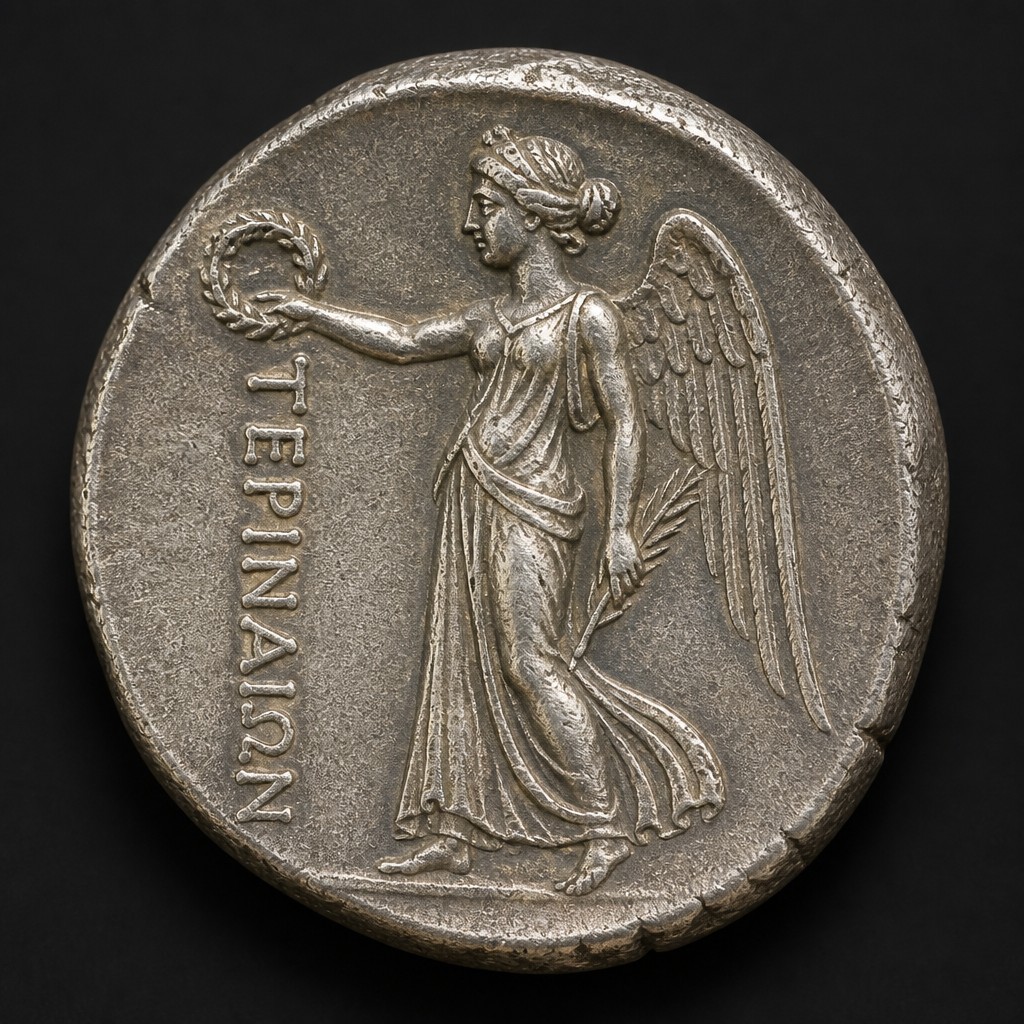
Terina Nike Nomos
A silver nomos from the South Italian city of Terina, celebrated among collectors for its graceful depictions of Nike, the winged goddess of victory, on the reverse.
Ancient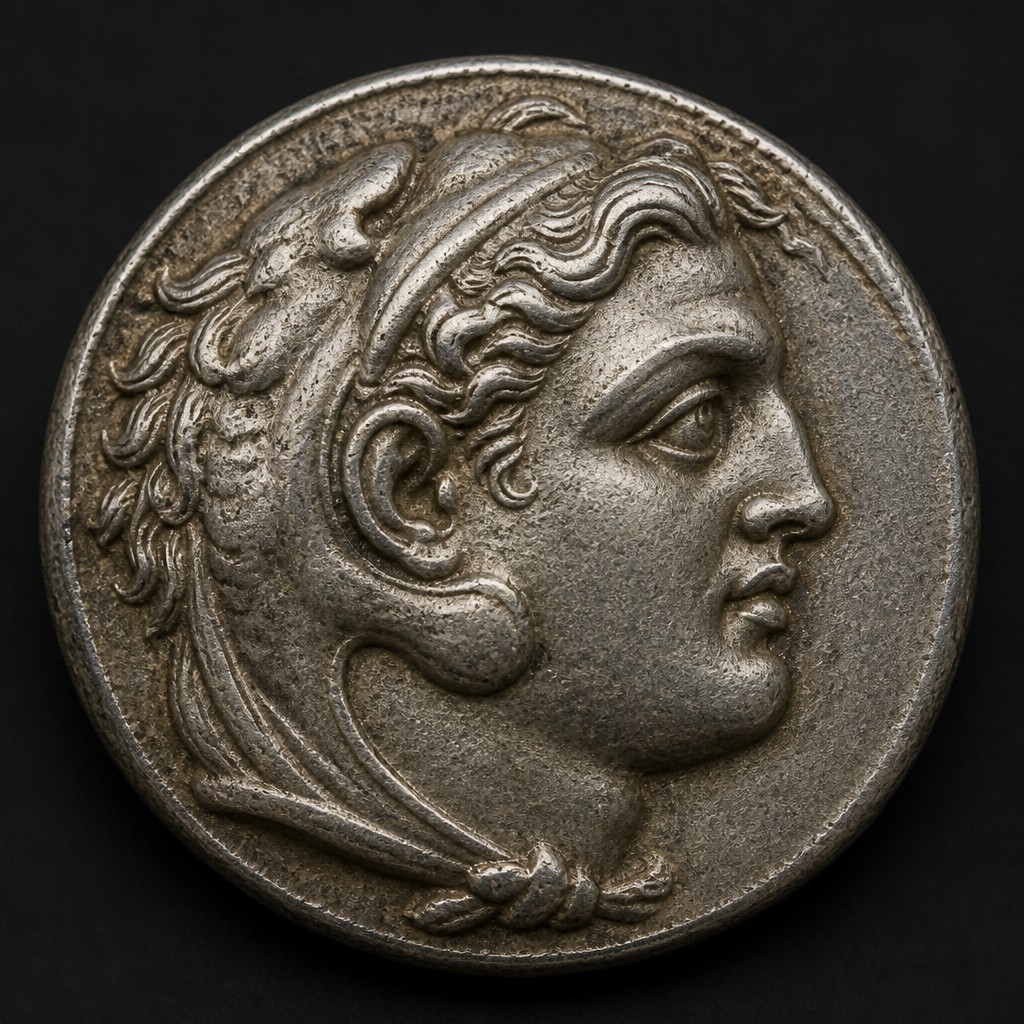
Demetrios Poliorketes Nike Tetradrachm
A Hellenistic silver tetradrachm of Demetrios I of Macedon, celebrated for its obverse image of Nike standing on a ship's prow, commemorating his naval victory at Salamis in Cyprus.
Ancient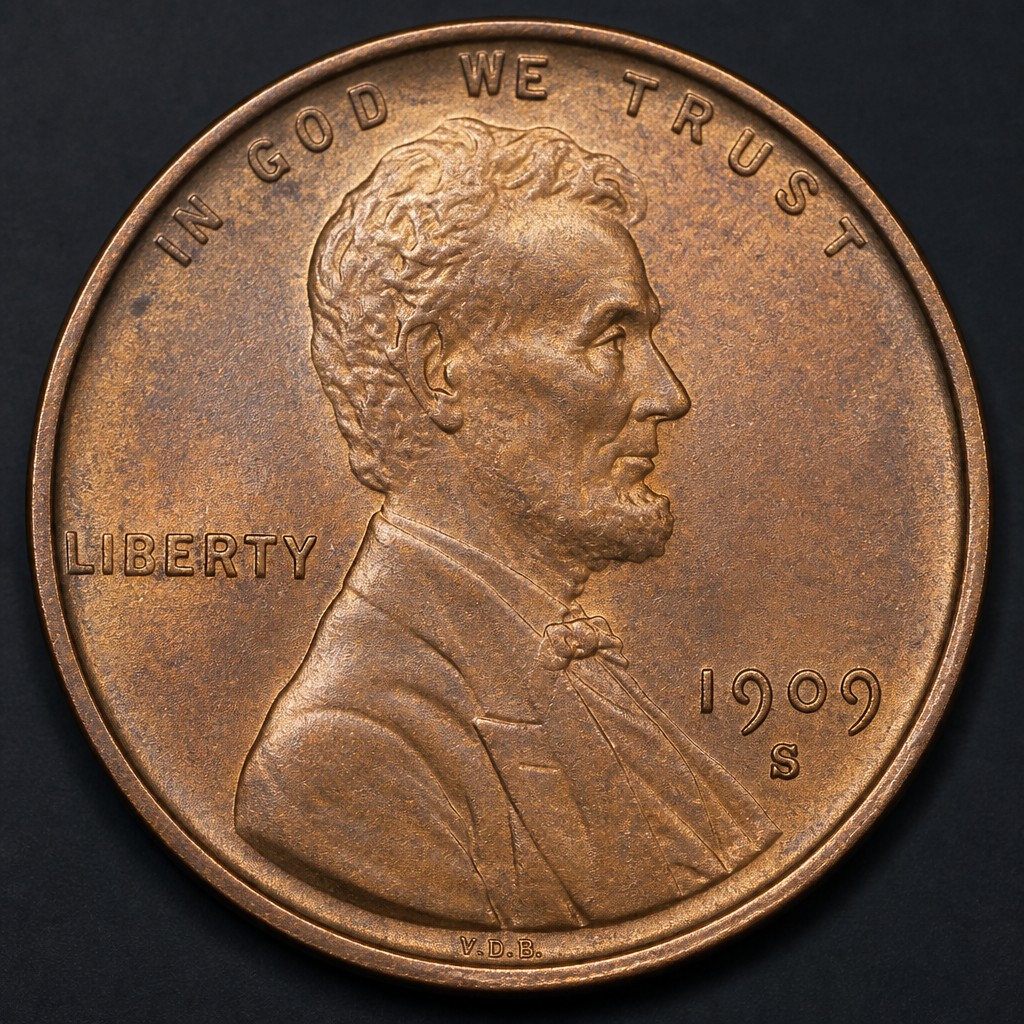
1909-S VDB Lincoln Cent
The most famous key date in the Lincoln cent series, struck only briefly at the San Francisco Mint with designer Victor D. Brenner's initials on the reverse.
United States