
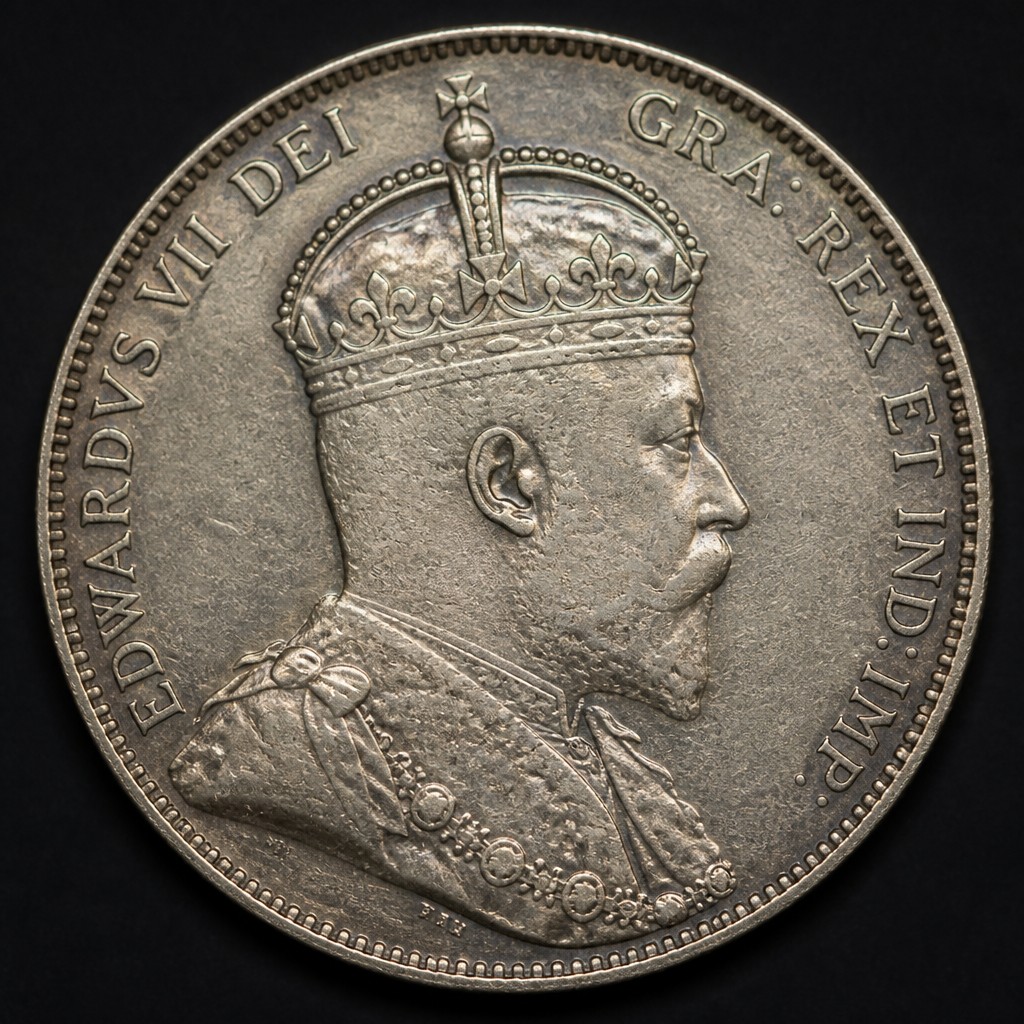
Edward VII Ten Cents
Canada's silver ten-cent coin struck during the brief reign of King Edward VII, bridging the Victorian and Georgian eras of Canadian coinage design.
- Country
- Canada
- Denomination
- Ten Cents
- Metal
- 92.5% Silver (sterling)
Got a coin like this?
Identify any coin from a photo, free.
Overview
The Edward VII ten-cent piece covers a relatively short span of Canadian coinage history, corresponding to the King's reign from 1901 to 1910. Though the reign was brief, the series is notable for including the transition to domestic Canadian minting with the opening of the Ottawa mint in 1908.
Collectors appreciate the series as a compact, achievable date run bridging the earlier Victorian coinage and the subsequent long run of George V issues.
History & Background
Following Queen Victoria's death in January 1901, her son Edward VII's portrait began appearing on Canadian coinage, including the ten-cent piece, starting with coins dated 1902. Production initially continued at the Royal Mint in London, consistent with earlier Canadian practice.
A major change occurred in 1908 with the opening of the Ottawa branch of the Royal Mint (later renamed the Royal Canadian Mint), which allowed Canada to strike its own coinage domestically for the first time. Ten-cent pieces from 1908 onward under Edward VII were produced at this new Canadian facility.
The series concluded with Edward VII's death in 1910, after which his son George V's portrait replaced his on Canadian coinage starting the following year.
How to Identify
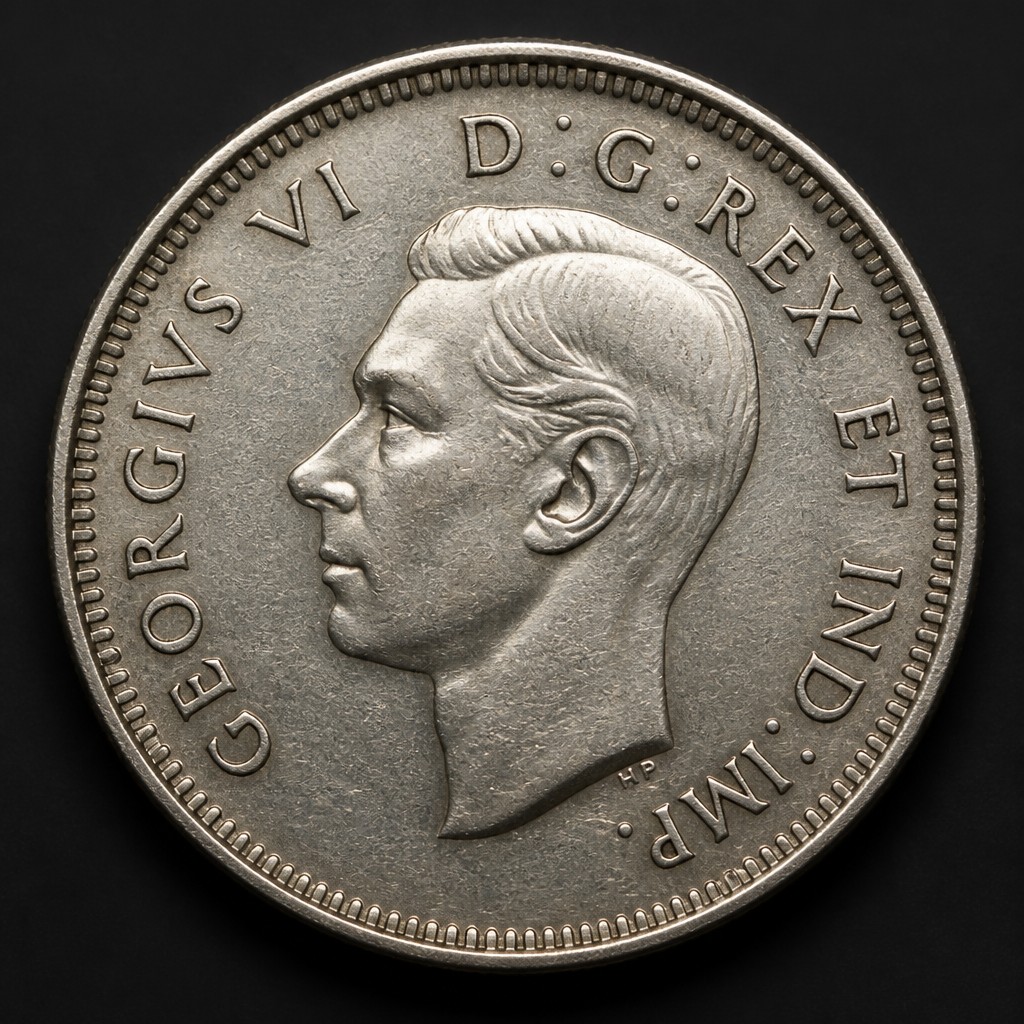
The obverse shows King Edward VII in profile, bearded and crowned, with the Latin legend EDWARDVS VII DEI GRATIA REX IMPERATOR. The reverse continues the familiar Canadian ten-cent format, showing 10 CENTS within a wreath with the date below.
The coin remains small and thin, consistent with the size established for Canadian ten-cent pieces since 1858. Coins struck after 1908 at the new Ottawa mint generally show no distinguishing mint mark from the earlier London issues, as Canadian coinage of this era did not typically use mint marks to distinguish domestic from London production.
Collectors distinguish this short series primarily by the obverse portrait of Edward VII, easily differentiated from both the preceding Victoria and following George V designs.
Value & Collectibility
Most dates in this brief series are reasonably available in circulated grades, making it an approachable series for collectors assembling a short date run. As with other early Canadian silver, well-preserved uncirculated examples are notably scarcer and command meaningful premiums over typical circulated coins.
A few lower-mintage dates within the series are modestly scarcer than the rest and see somewhat stronger collector demand, though none reach the legendary status of some later 20th-century Canadian silver rarities.
Frequently asked questions
How long was Edward VII on Canadian coinage?
His portrait appeared on Canadian ten-cent coins from 1902 through 1910, the length of his reign.
What changed in 1908 for this series?
The Ottawa mint opened that year, allowing Canada to strike its own coinage domestically rather than relying solely on the Royal Mint in London.
Is this series hard to complete?
It is a short, generally accessible run, though a few dates are modestly scarcer than others.
What is the coin's composition?
It is sterling silver, about 92.5 percent fine.
Who succeeded Edward VII on Canadian coins?
His son, George V, whose portrait began appearing on Canadian coinage in 1911.
Other coins you may enjoy
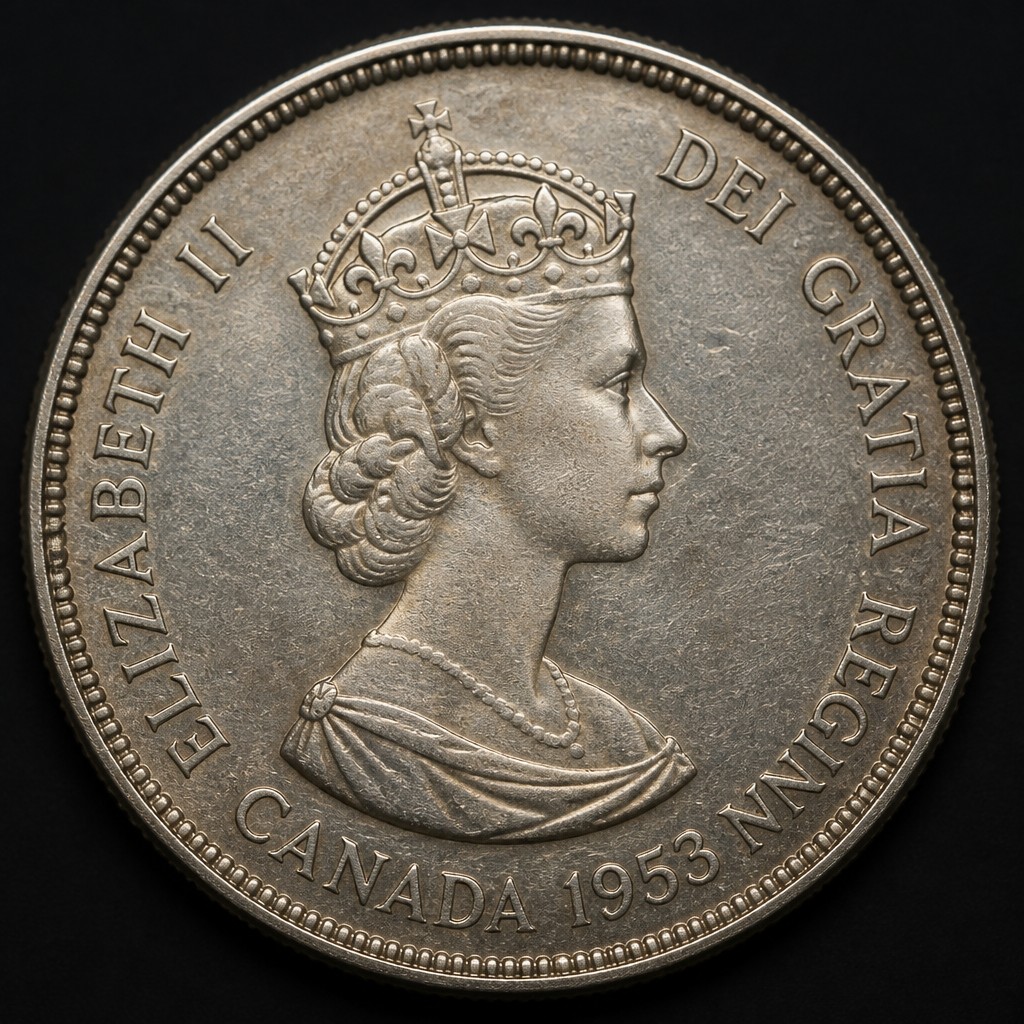
1953 Coronation Voyageur Dollar
1953
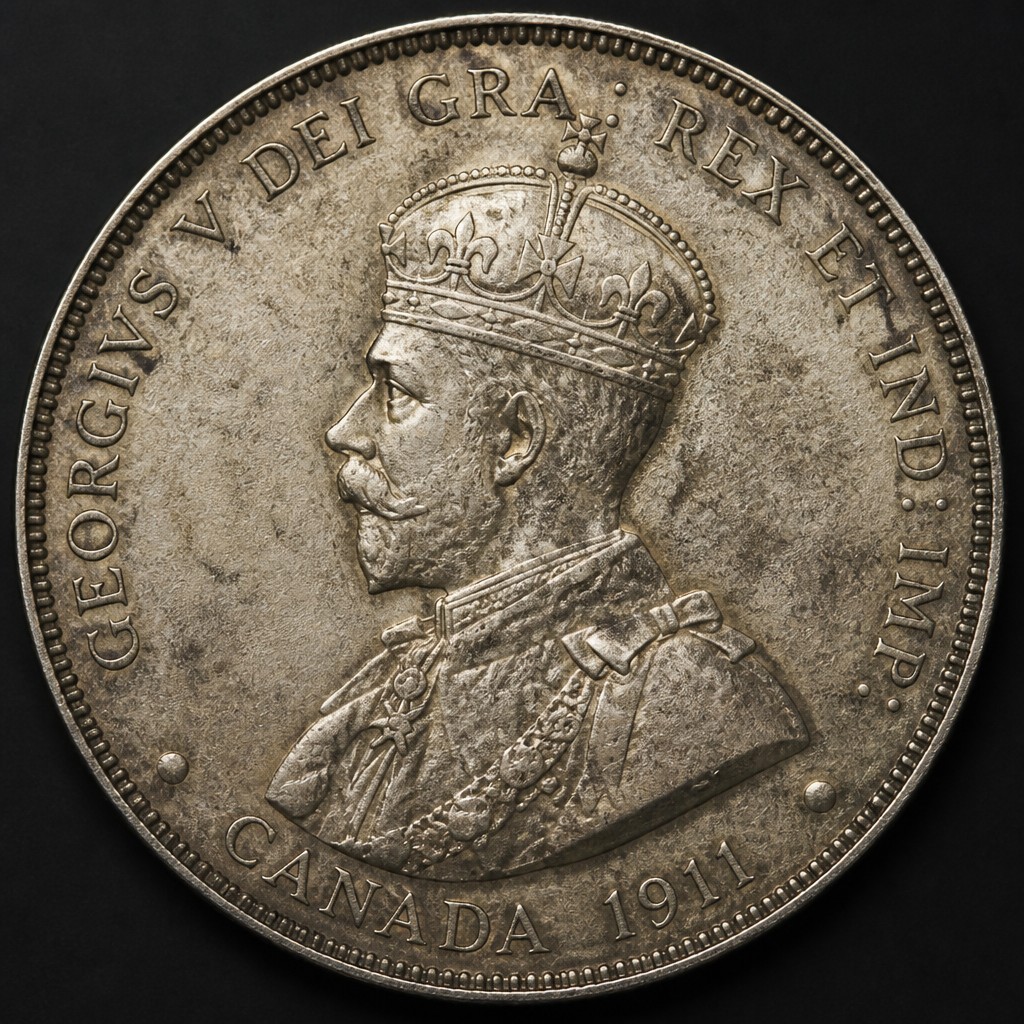
1911 Canadian Silver Dollar (Pattern)
1911
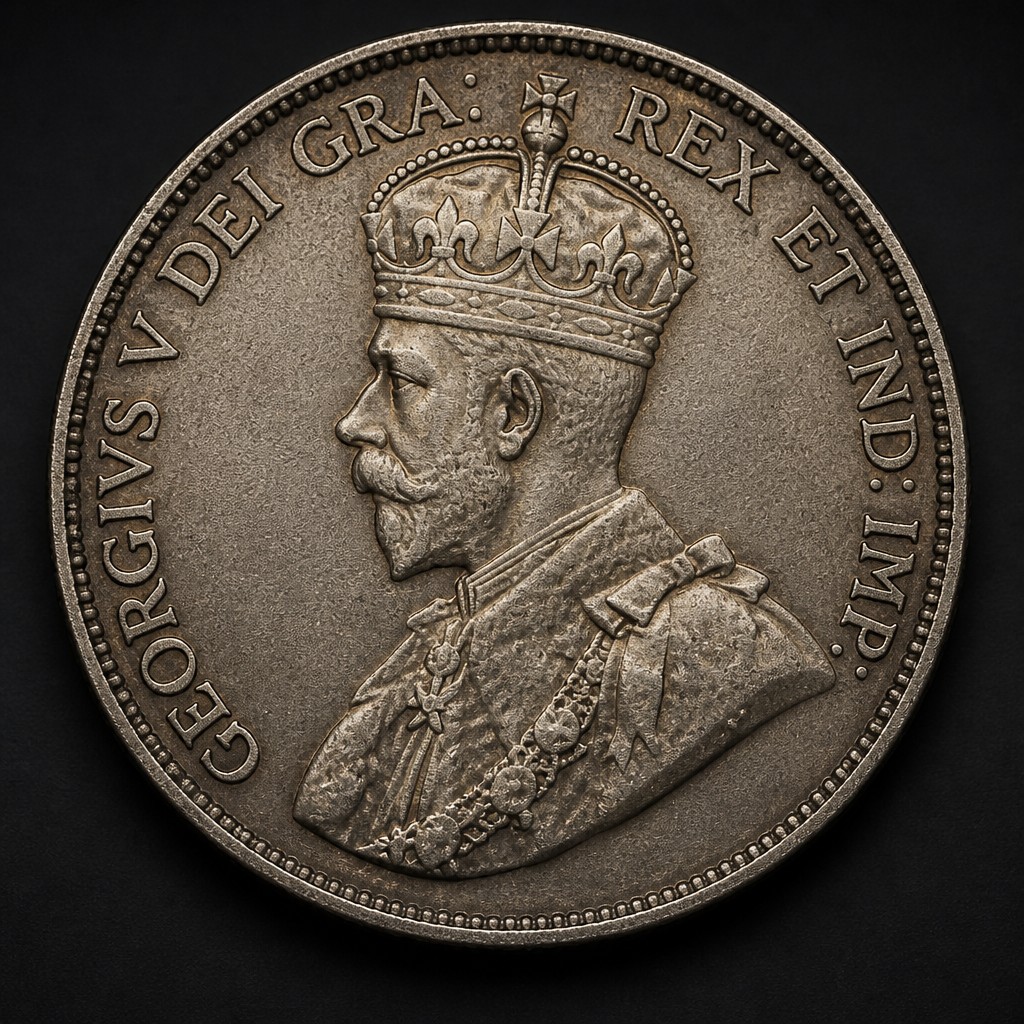
George V Twenty-Five Cents (silver)
1911–1936
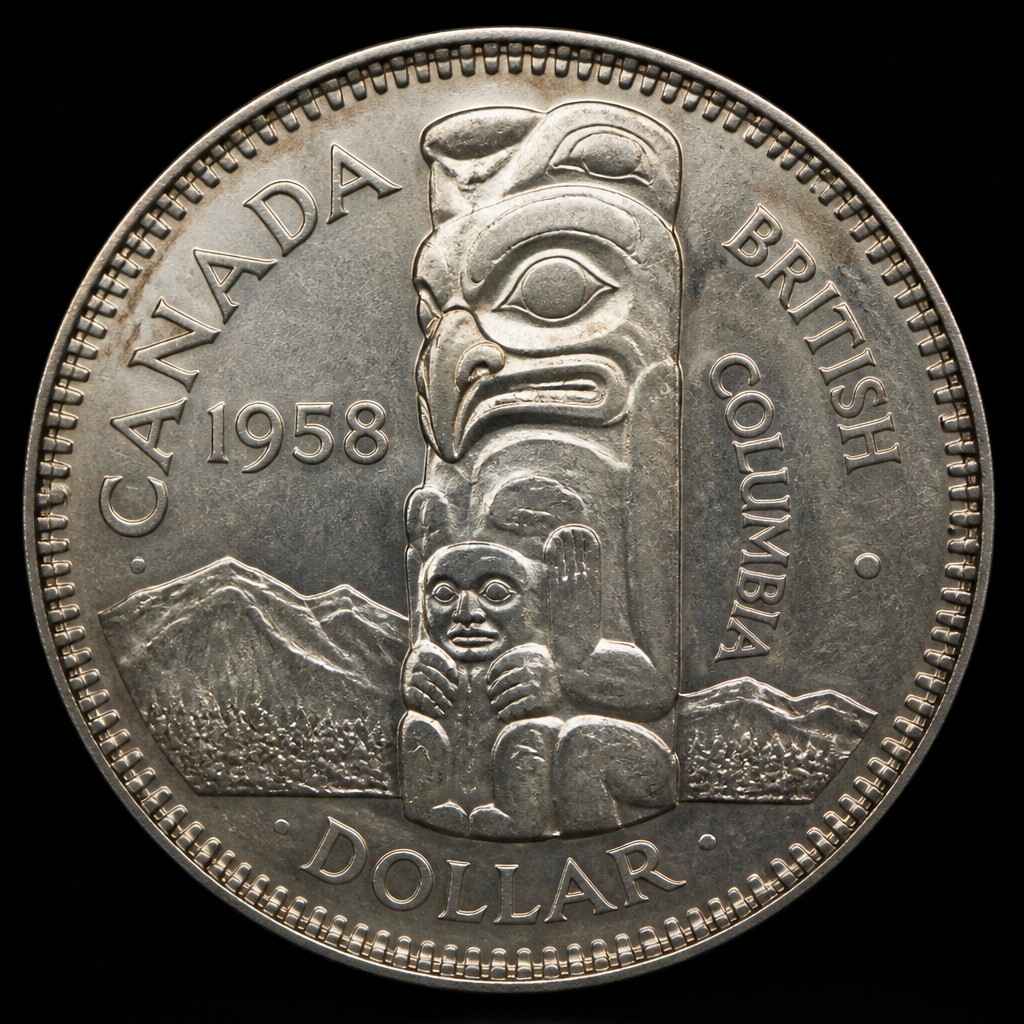
1958 British Columbia Totem Pole Dollar
1958
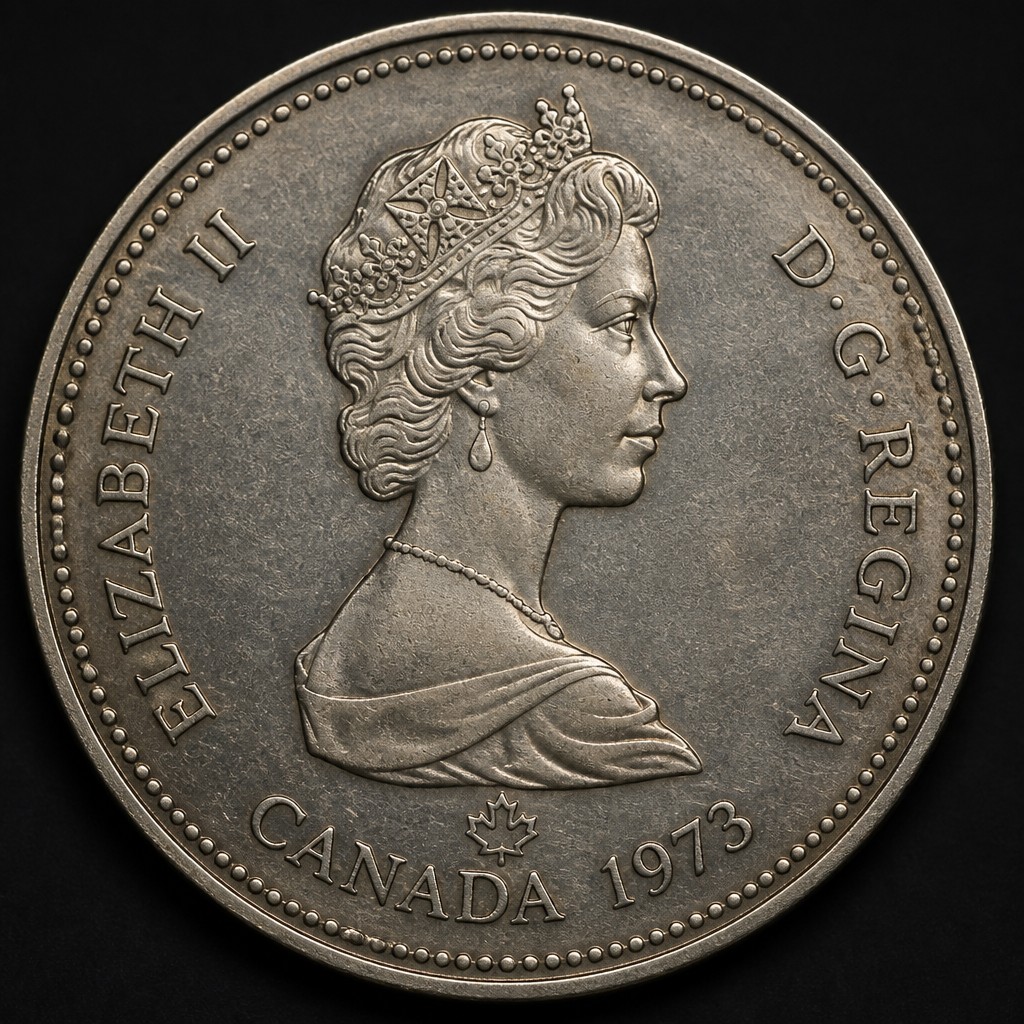
1973 RCMP Centennial Dollar
1973
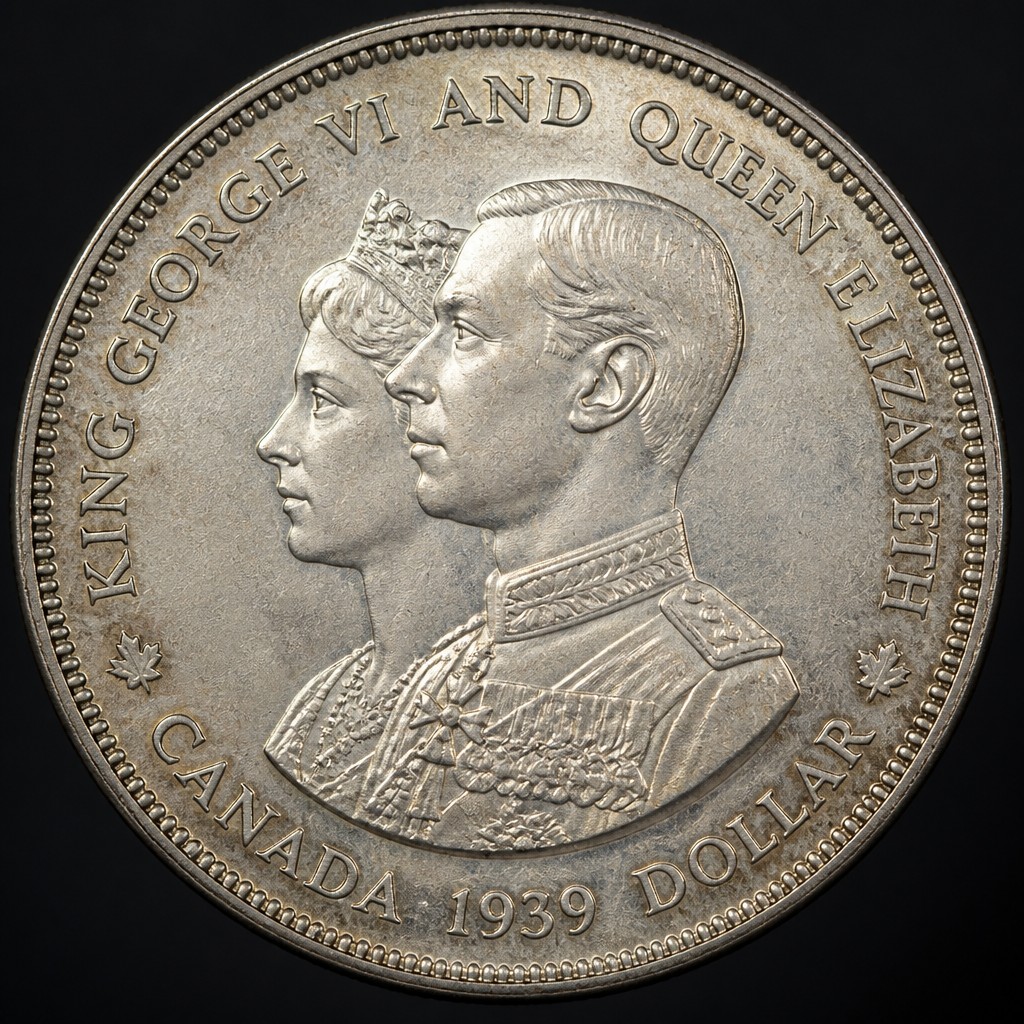
1939 Royal Visit Silver Dollar (Parliament)
1939
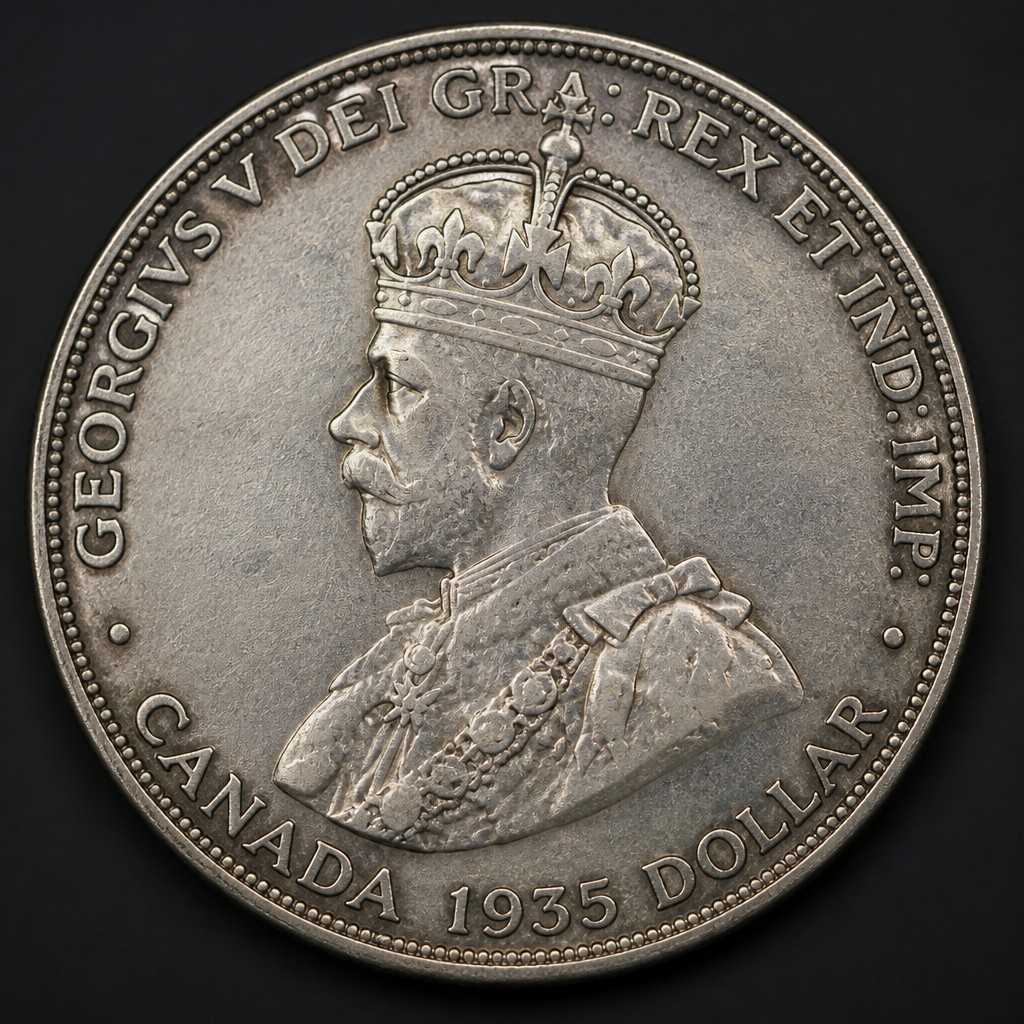
1935 George V Silver Jubilee Dollar (Voyageur)
1935
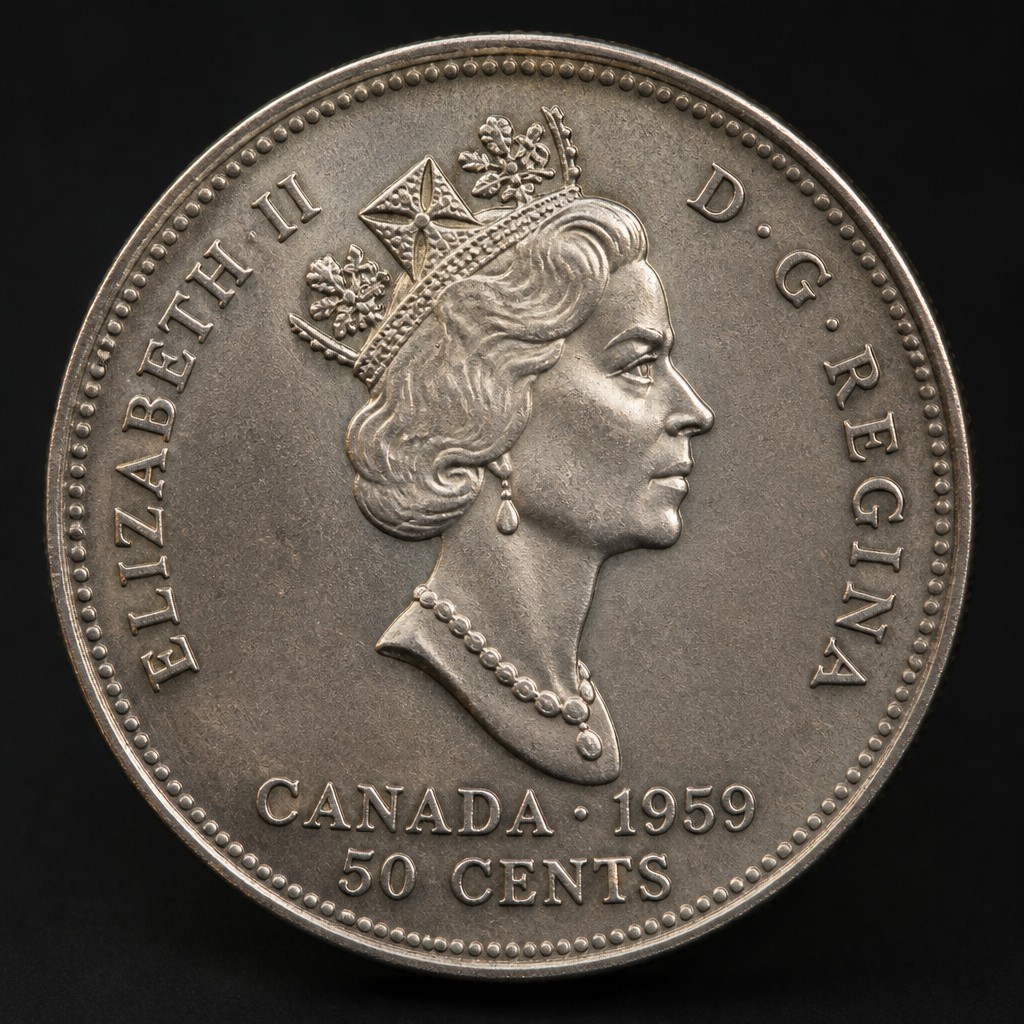
Coat of Arms Fifty Cents (Elizabeth II)
1959–present
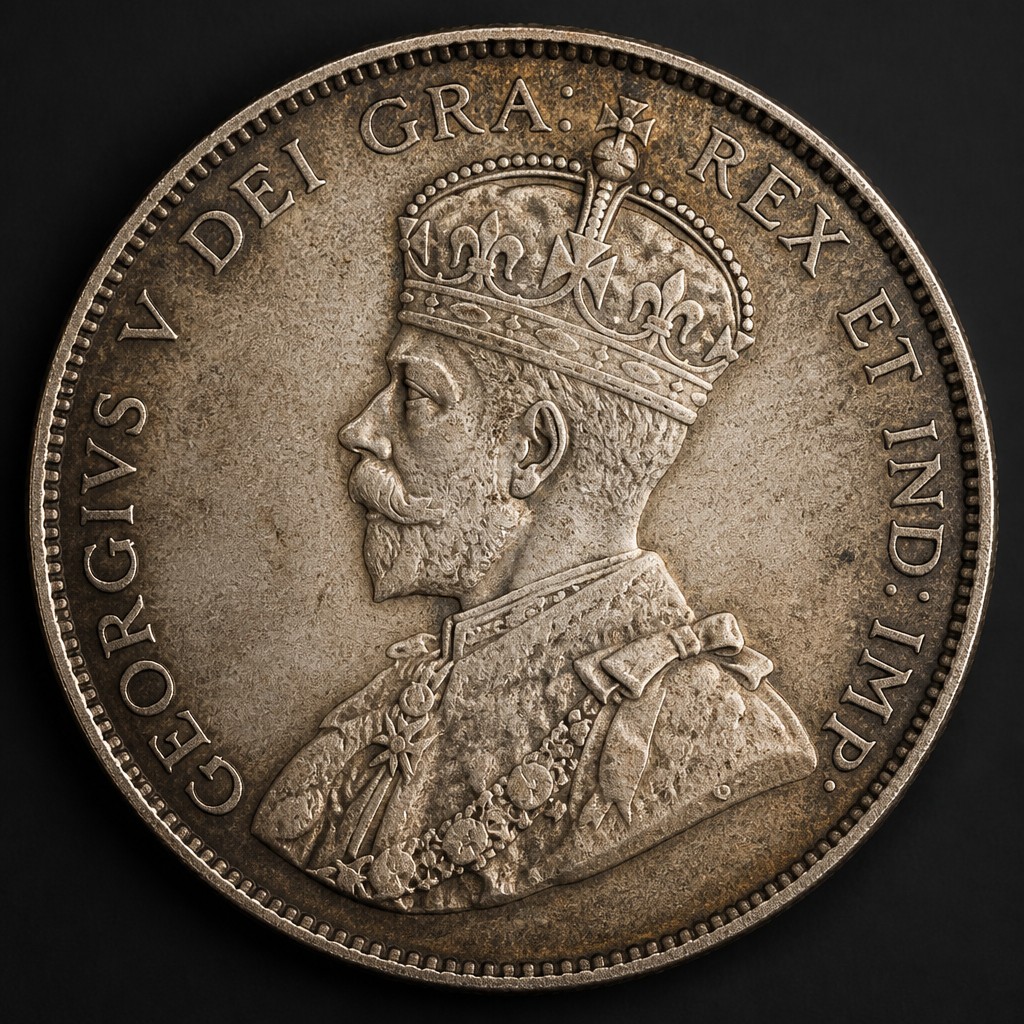
1921 Fifty Cents (King of Canadian Coins)
1921
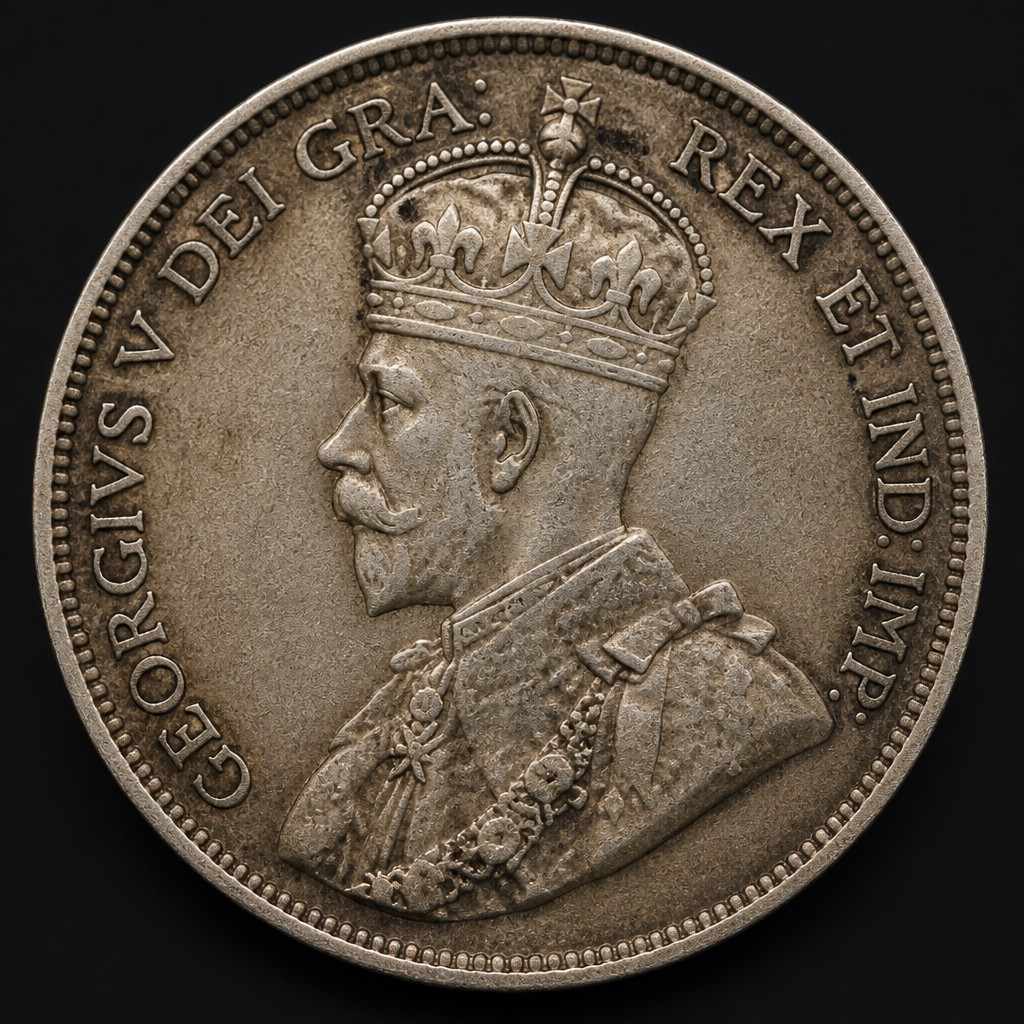
George V Fifty Cents
1911–1936
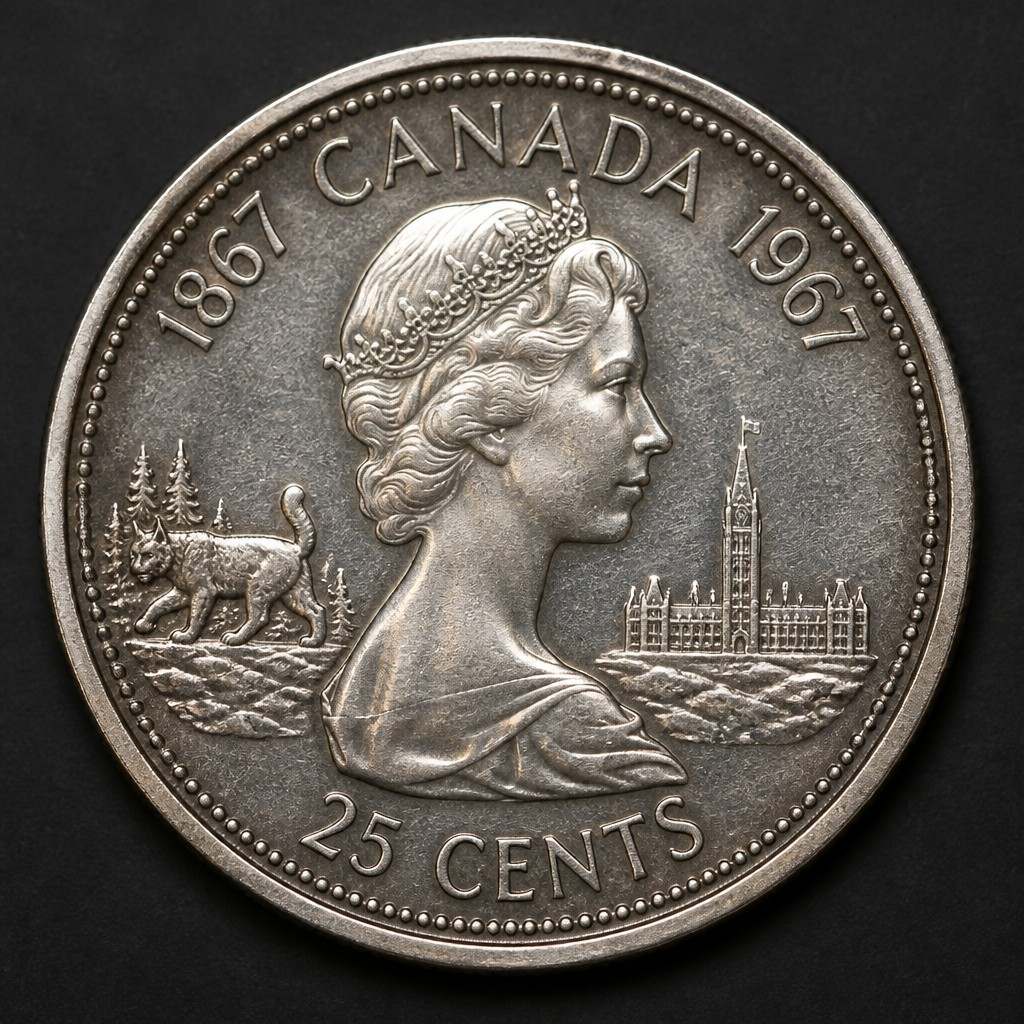
1967 Bobcat Centennial Quarter
1967
Caribou Twenty-Five Cents (quarter)
1937–present