
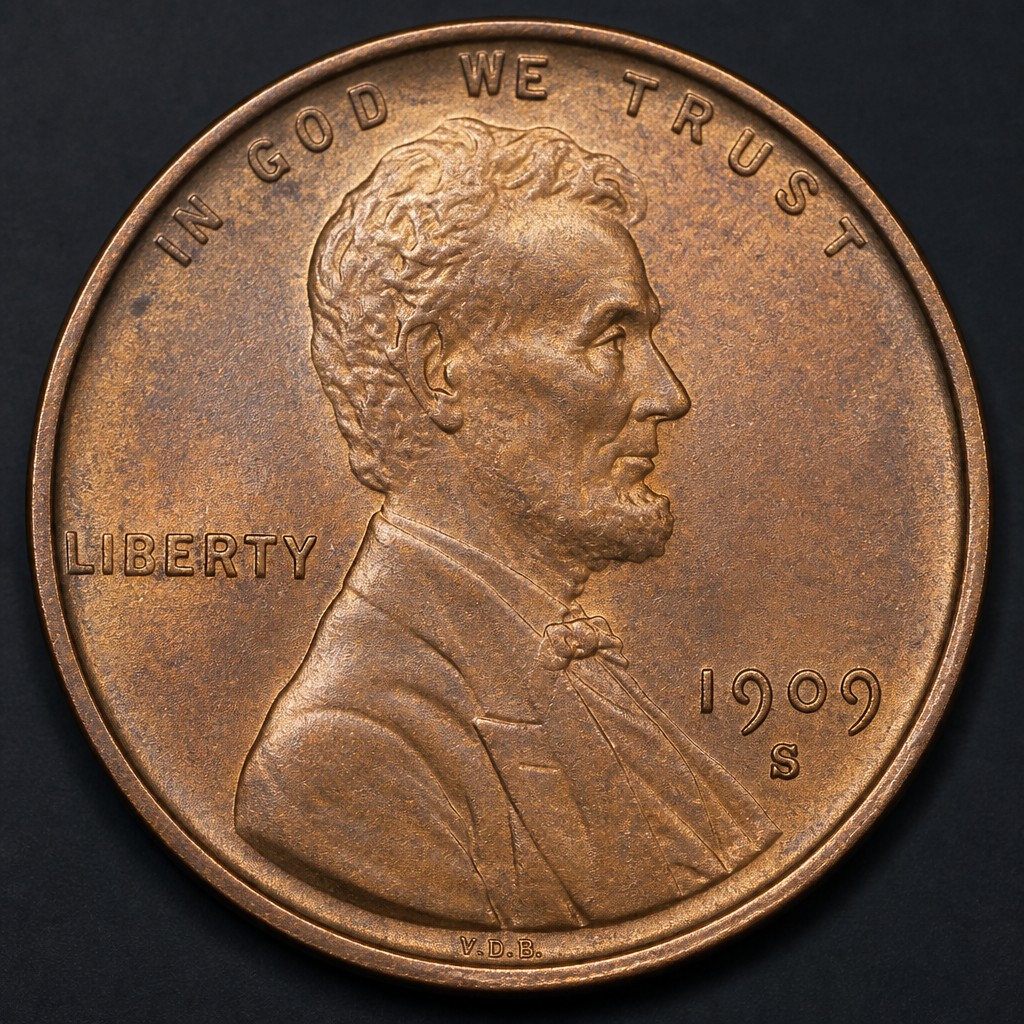
1909-S VDB Lincoln Cent
The most famous key date in the Lincoln cent series, struck only briefly at the San Francisco Mint with designer Victor D. Brenner's initials on the reverse.
- Country
- United States
- Denomination
- One Cent
- Metal
- 95% Copper, 5% Tin and Zinc
Got a coin like this?
Identify any coin from a photo, free.
Overview
The 1909-S VDB is the single most celebrated coin in the Lincoln cent series and one of the most requested key dates in all of United States coinage. It marks the first year of the Lincoln cent, the first U.S. circulating coin to feature a real person, and it carries the initials of its designer, Victor David Brenner, prominently on the reverse.
Because the San Francisco Mint produced a comparatively small number of these coins before the initials were removed amid public controversy, the 1909-S VDB has long been considered the cornerstone of a complete Lincoln cent set. Its combination of low mintage, first-year status, and design controversy gives it outsized popularity relative to its size and metal value.
History & Background
In 1909, the U.S. Mint introduced the Lincoln cent to mark the 100th anniversary of Abraham Lincoln's birth, replacing the Indian Head cent. Sculptor Victor David Brenner designed the coin and, following common period practice, placed his initials, V.D.B., in small letters at the base of the reverse wheat stalks.
Some officials and members of the public objected to the initials as too prominent an advertisement for the designer, and the Mint quickly discontinued the VDB reverse, resuming production later that year without the initials. Because the San Francisco facility struck cents for a much shorter period and in far smaller numbers than Philadelphia, the 1909-S VDB became instantly scarce relative to demand.
Brenner's initials were later restored, in much smaller form, on Lincoln's shoulder starting in 1918, where they remain today on modern Lincoln cents.
How to Identify
The obverse shows Abraham Lincoln's portrait facing right, with LIBERTY to the left, the date below, and IN GOD WE TRUST above. The reverse features two wheat ears flanking ONE CENT and UNITED STATES OF AMERICA, with the tiny V.D.B. initials at the very bottom center, between the wheat stalks.
The key identifying feature is the small S mint mark beneath the date on the obverse, combined with the VDB initials on the reverse; both must be present and genuine for the coin to be the true 1909-S VDB. Collectors should be alert to added or altered mint marks and to VDB initials that have been tooled onto ordinary 1909 cents, so certification by a reputable grading service is common for this date.
Value & Collectibility
Even in heavily worn condition, a genuine 1909-S VDB commands a substantial premium over common wheat cents, with well-worn examples typically trading in the low hundreds of dollars and problem-free circulated pieces often higher. Mint State examples can reach into the thousands of dollars, with exceptional gem specimens realizing tens of thousands at auction.
Condition, natural color, and the absence of cleaning or damage all strongly influence price, and because the date is so frequently counterfeited or altered, third-party authentication significantly affects marketability and value.
Frequently asked questions
Why is the 1909-S VDB so valuable?
It combines the first year of the Lincoln cent design with a low San Francisco mintage and a short-lived designer's-initials reverse that was quickly discontinued, making it the key date of the series.
How can I tell a real 1909-S VDB from a fake?
Check for a genuine S mint mark under the date and genuine VDB initials on the reverse; because both are commonly faked, having the coin authenticated by a professional grading service is recommended.
What is the difference between a 1909 VDB and a 1909-S VDB?
The 1909 VDB (no mint mark) was struck in Philadelphia in much larger numbers and is common; the 1909-S VDB was struck in San Francisco in far fewer numbers and is the scarce, valuable version.
Is every 1909-S cent valuable?
Plain 1909-S cents without VDB initials are also scarce and valuable in their own right, though generally less so than the 1909-S VDB variety.
Other coins you may enjoy
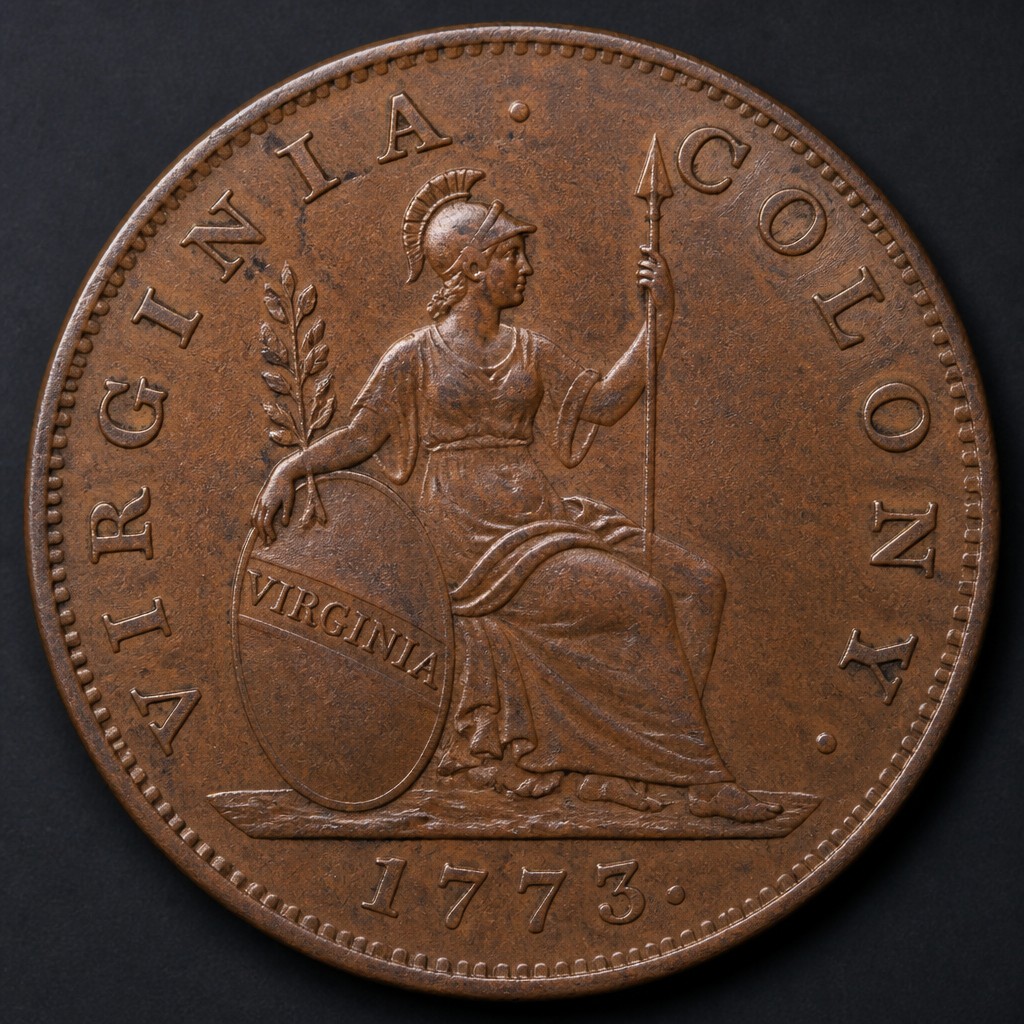
Virginia Halfpenny
1773
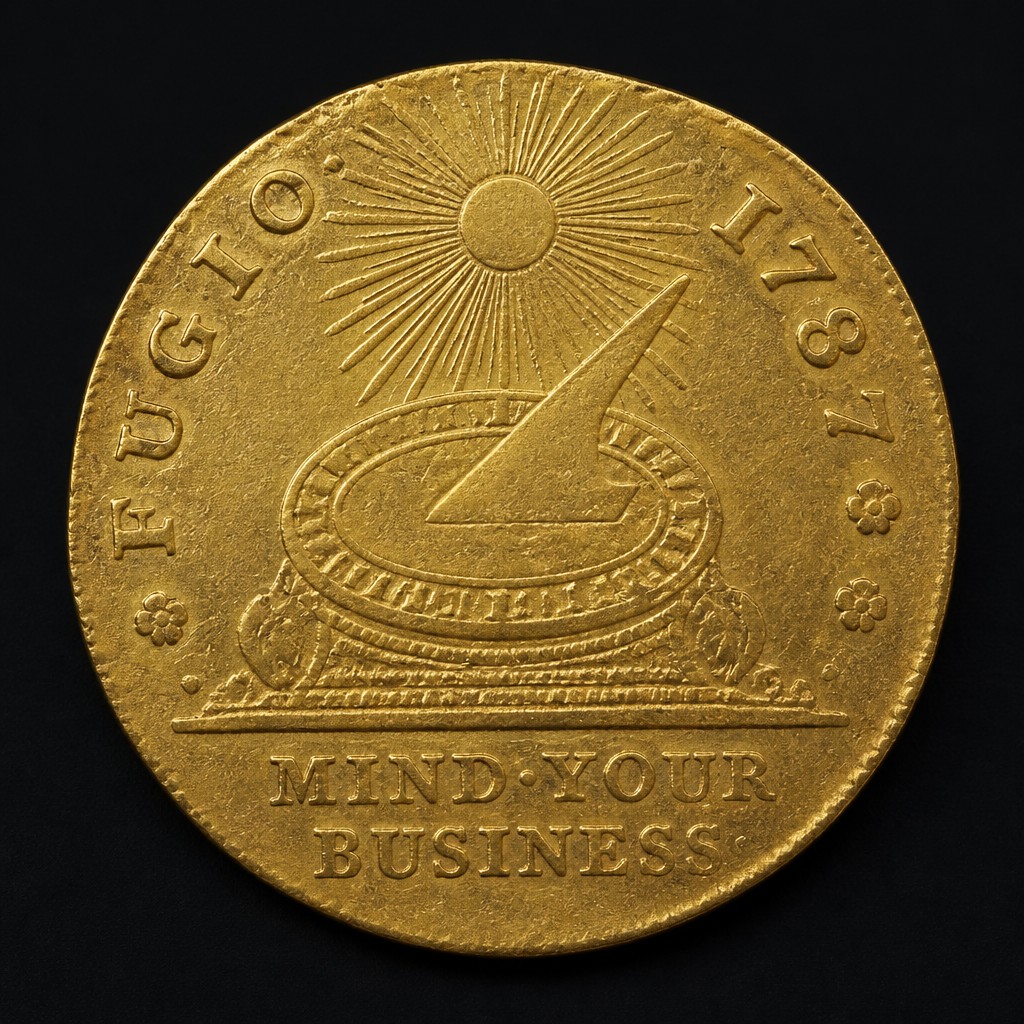
Brasher Doubloon
1787
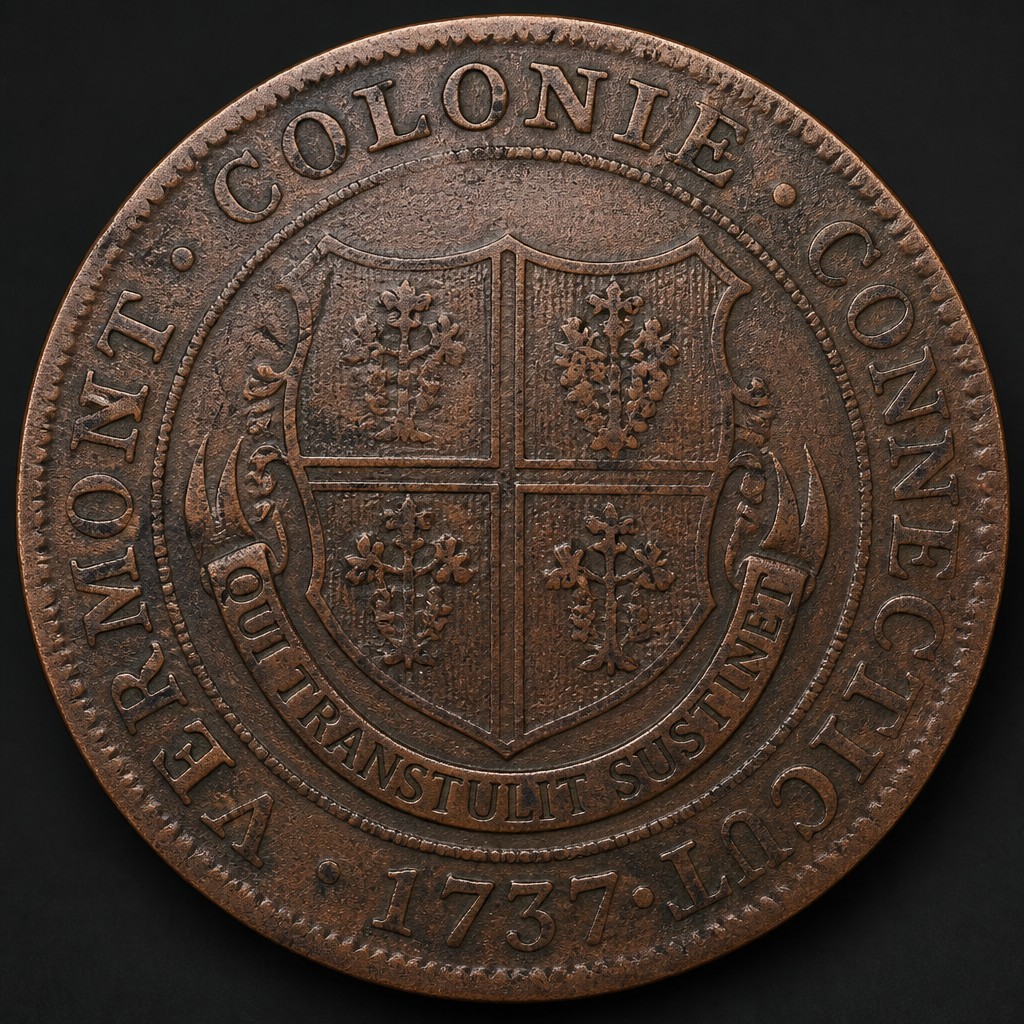
Higley Copper
1737–1739
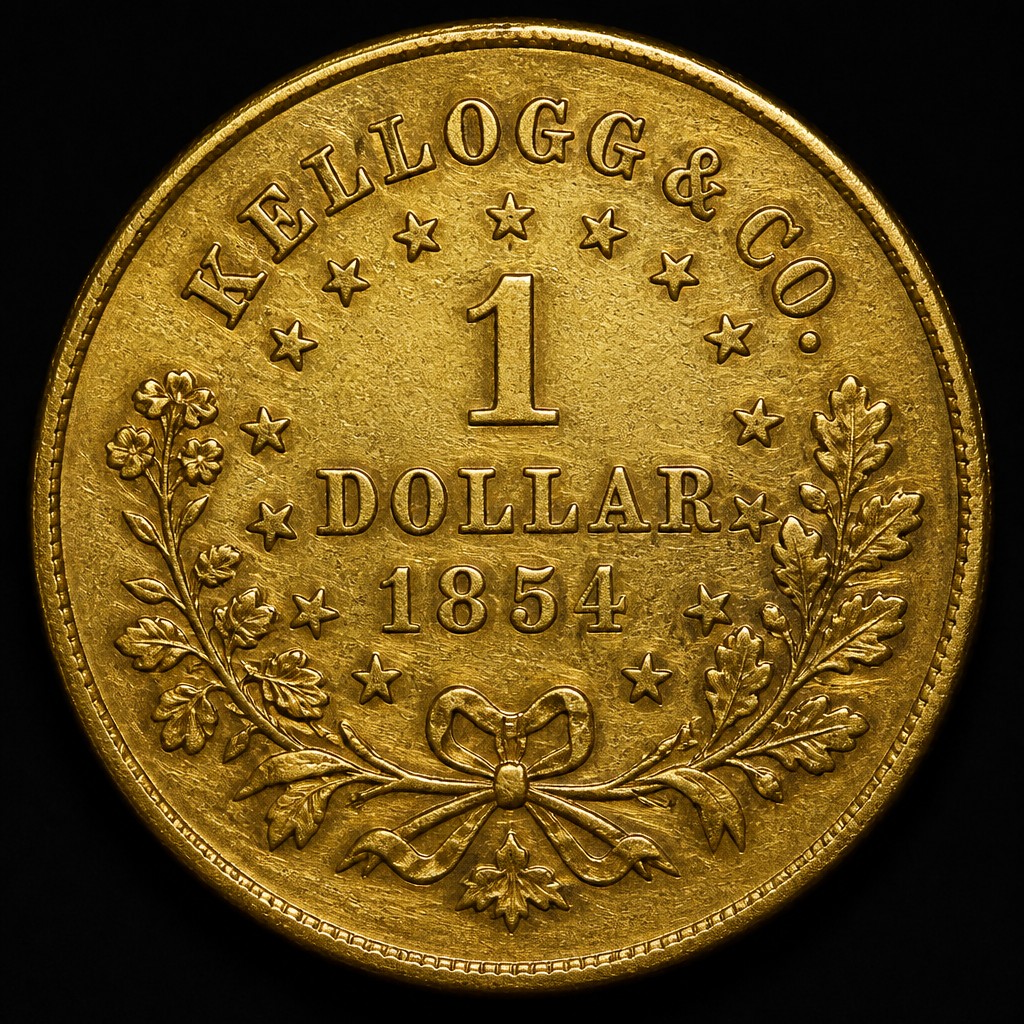
Kellogg & Co. Gold Piece
1854–1855
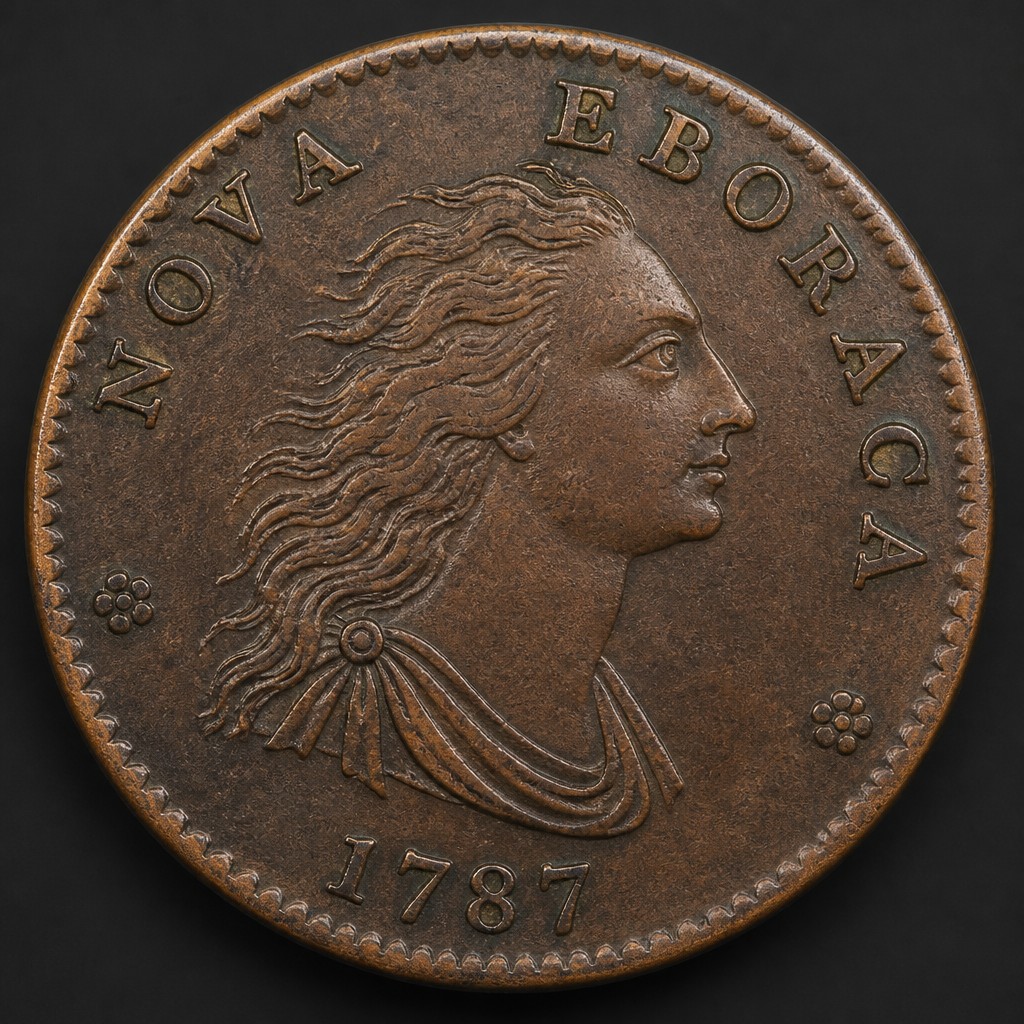
Nova Eborac Copper
1787
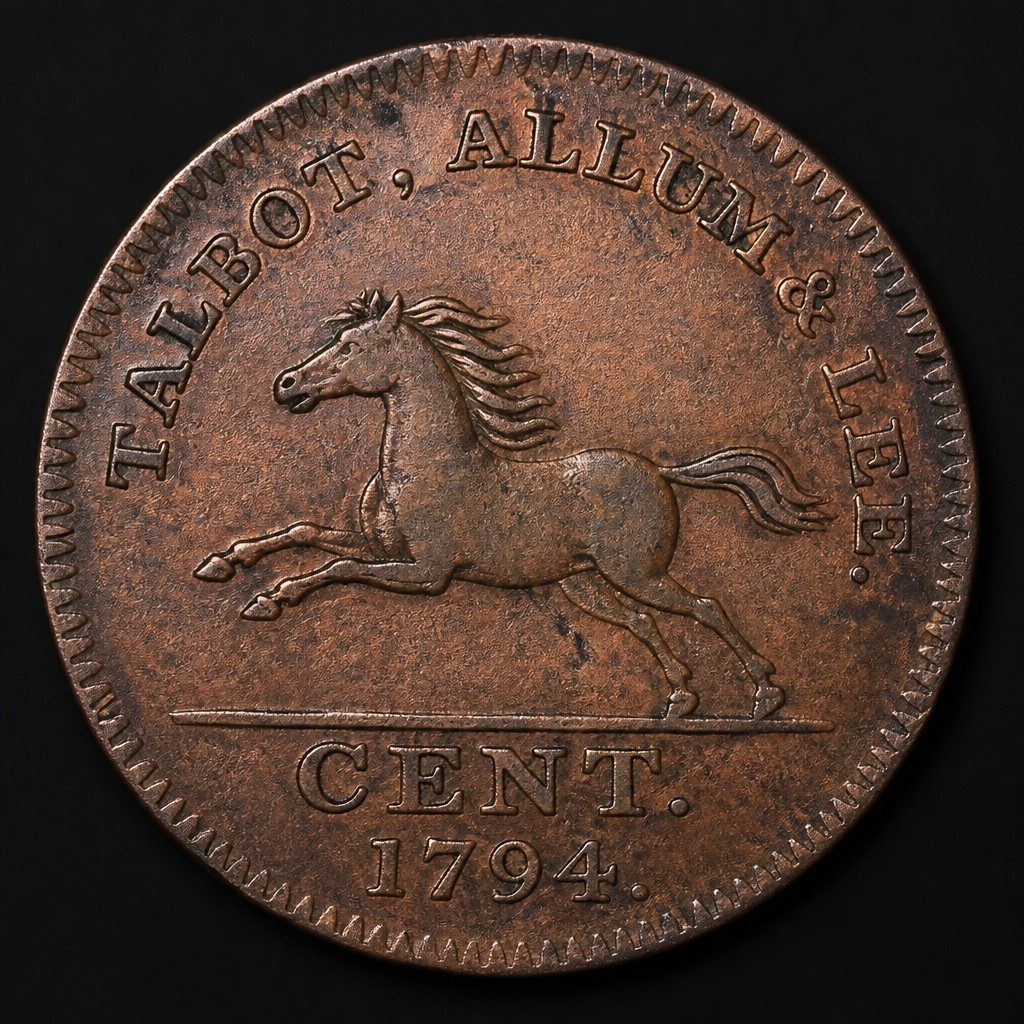
Talbot, Allum & Lee Cent
1794–1795
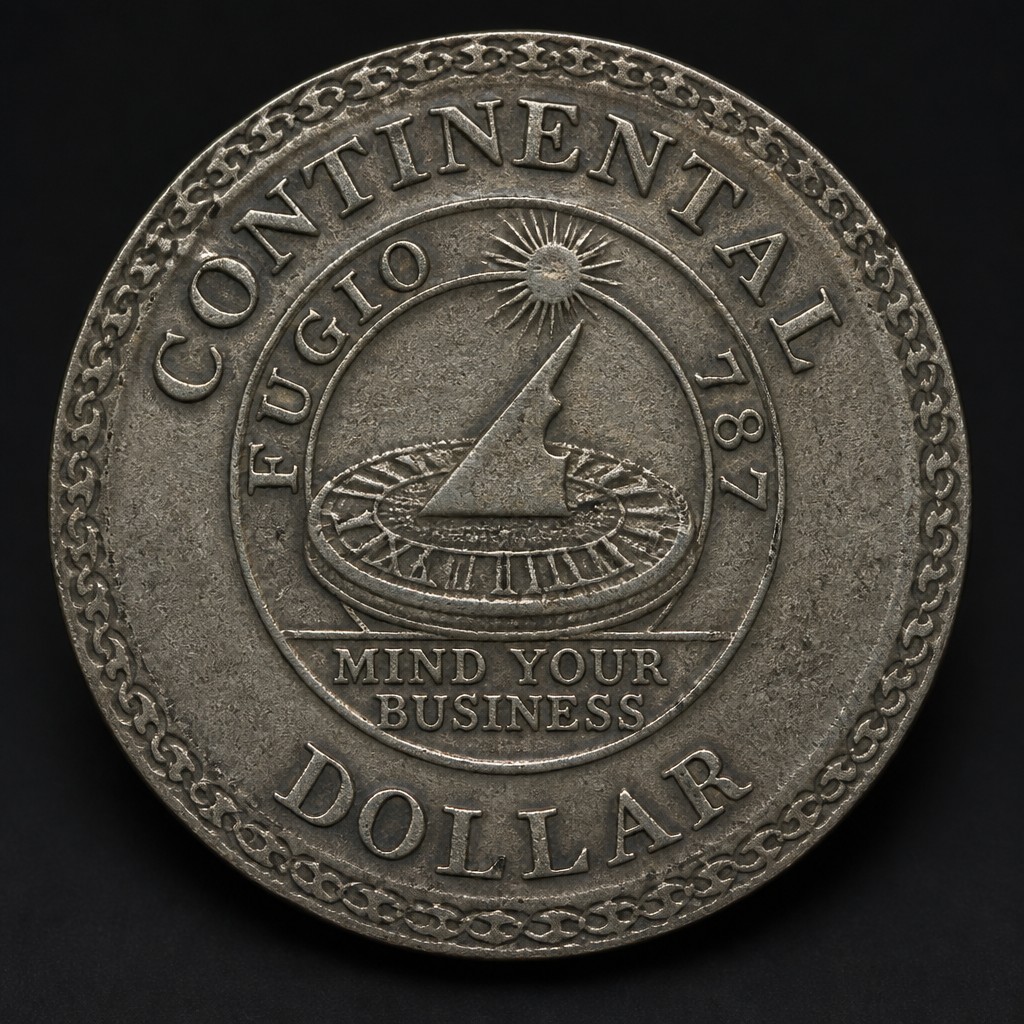
Continental Dollar
1776
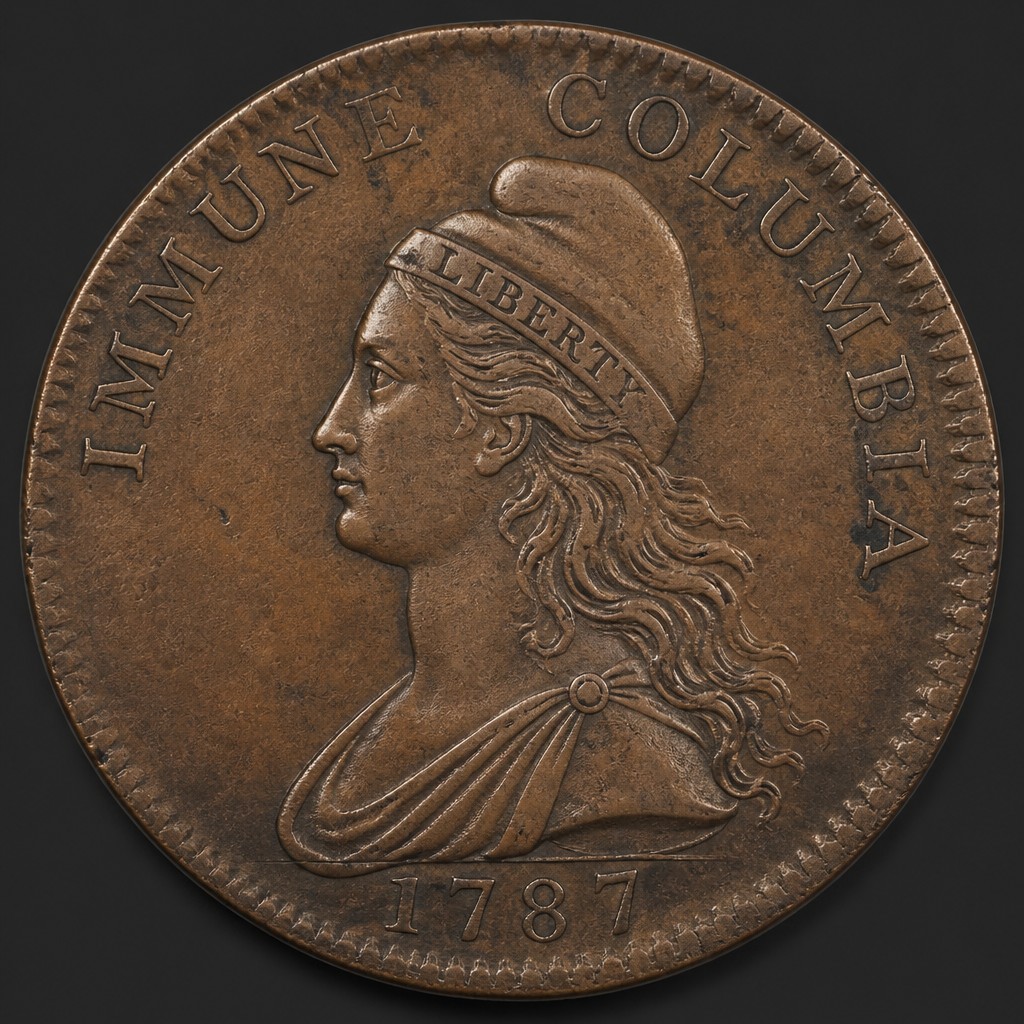
Immune Columbia Copper
circa 1785–1787
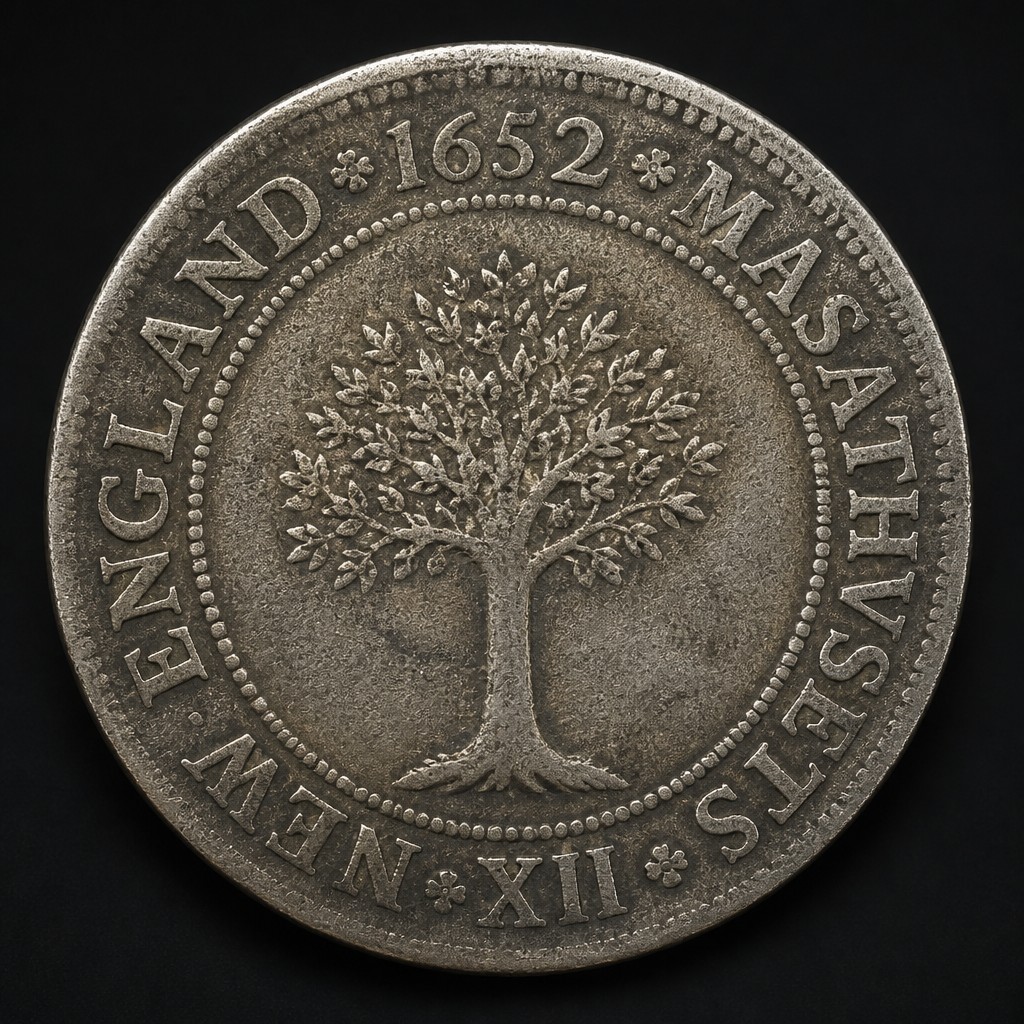
Massachusetts Oak Tree Shilling
Dated 1652, struck circa 1660–1667
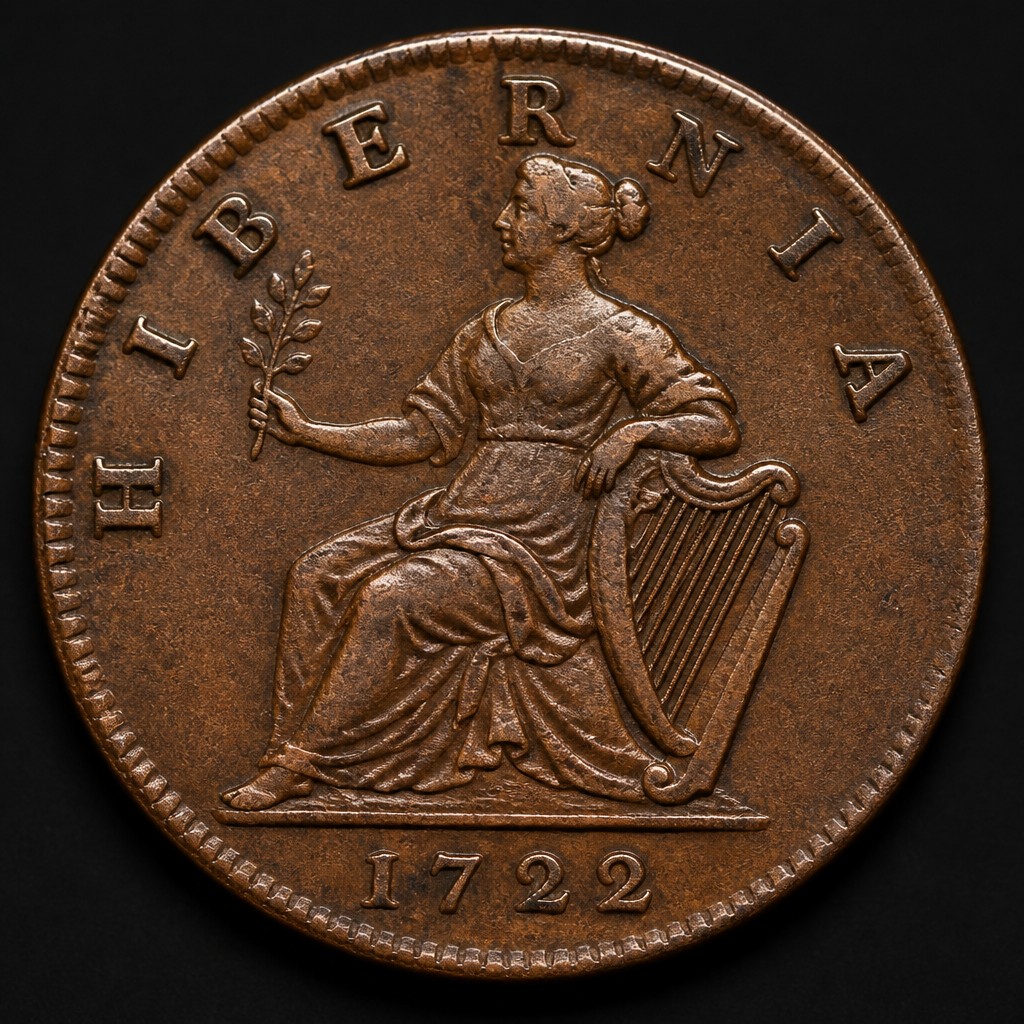
Wood's Hibernia Halfpenny
1722–1724
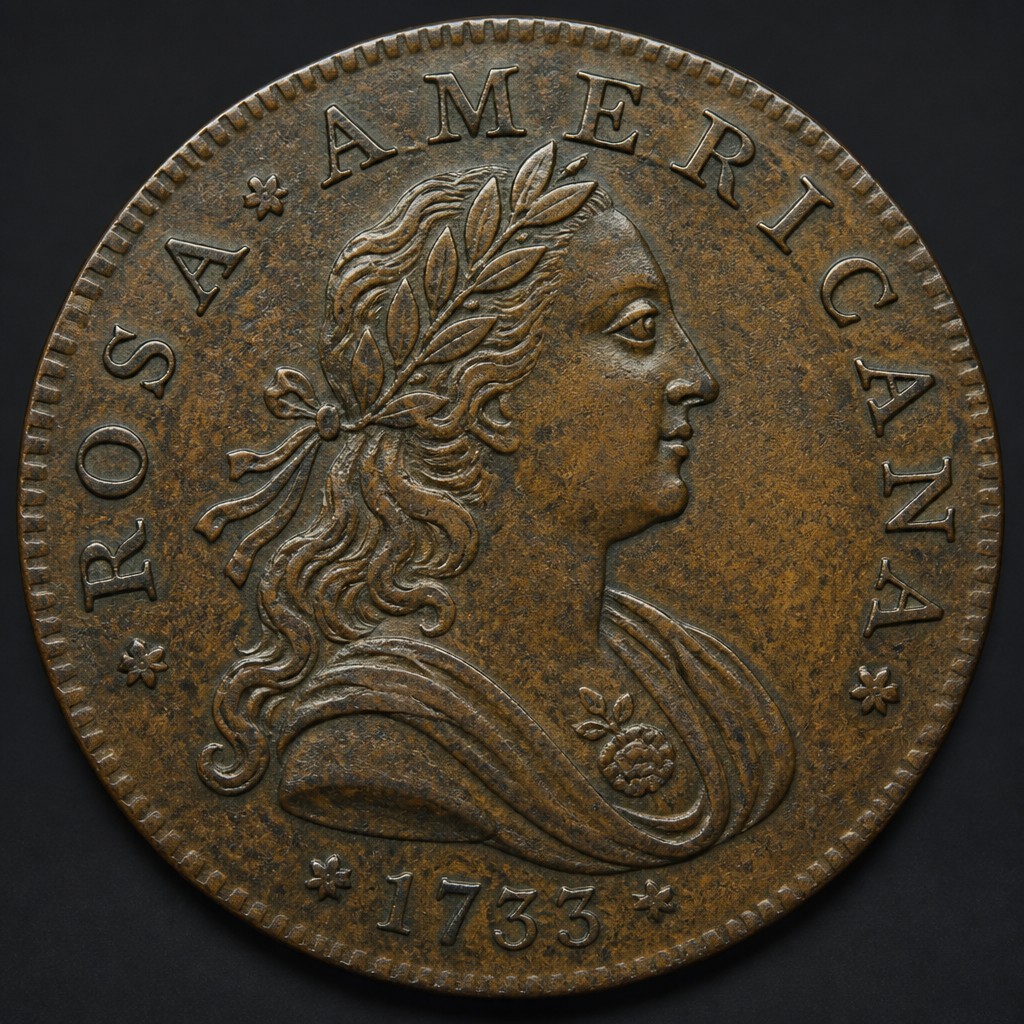
Rosa Americana Coinage
1722–1724 (with pattern issues dated 1733)
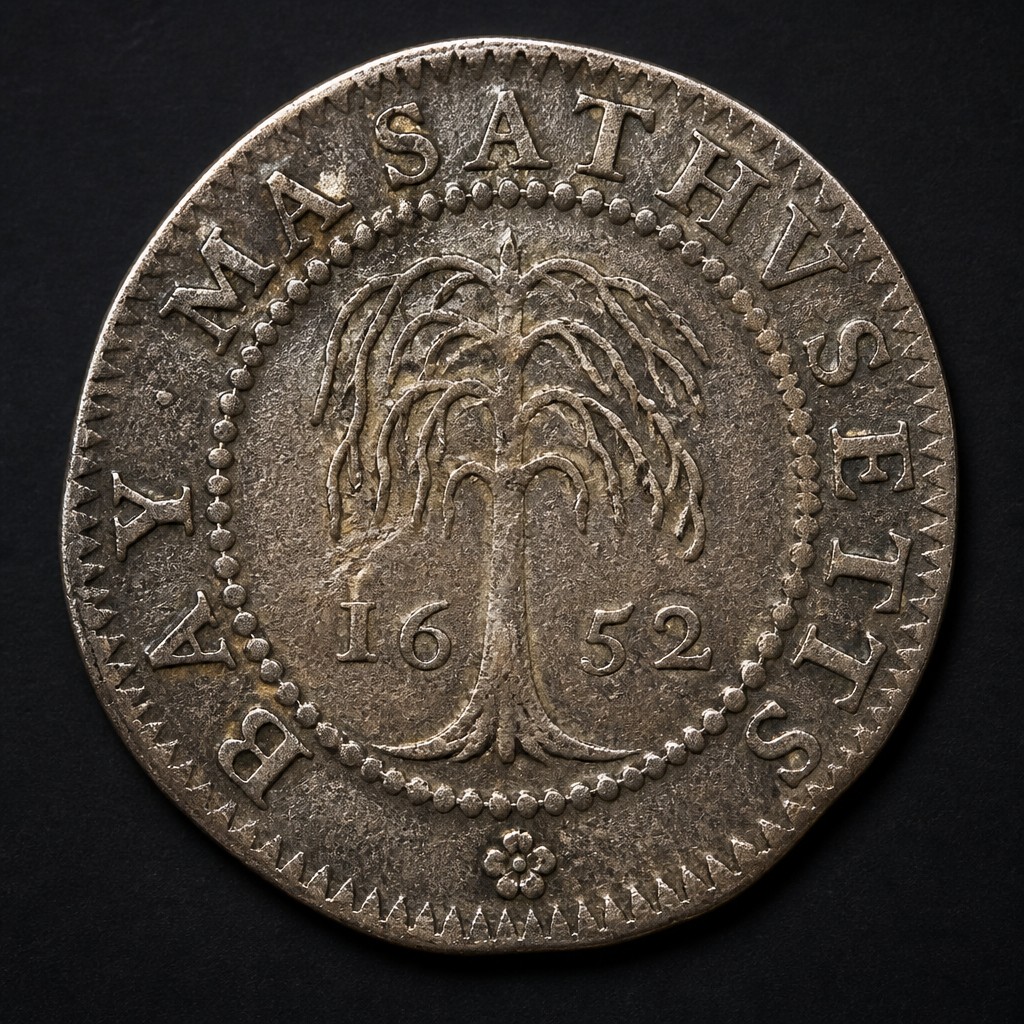
Massachusetts Willow Tree Shilling
Dated 1652, struck circa 1653–1660