
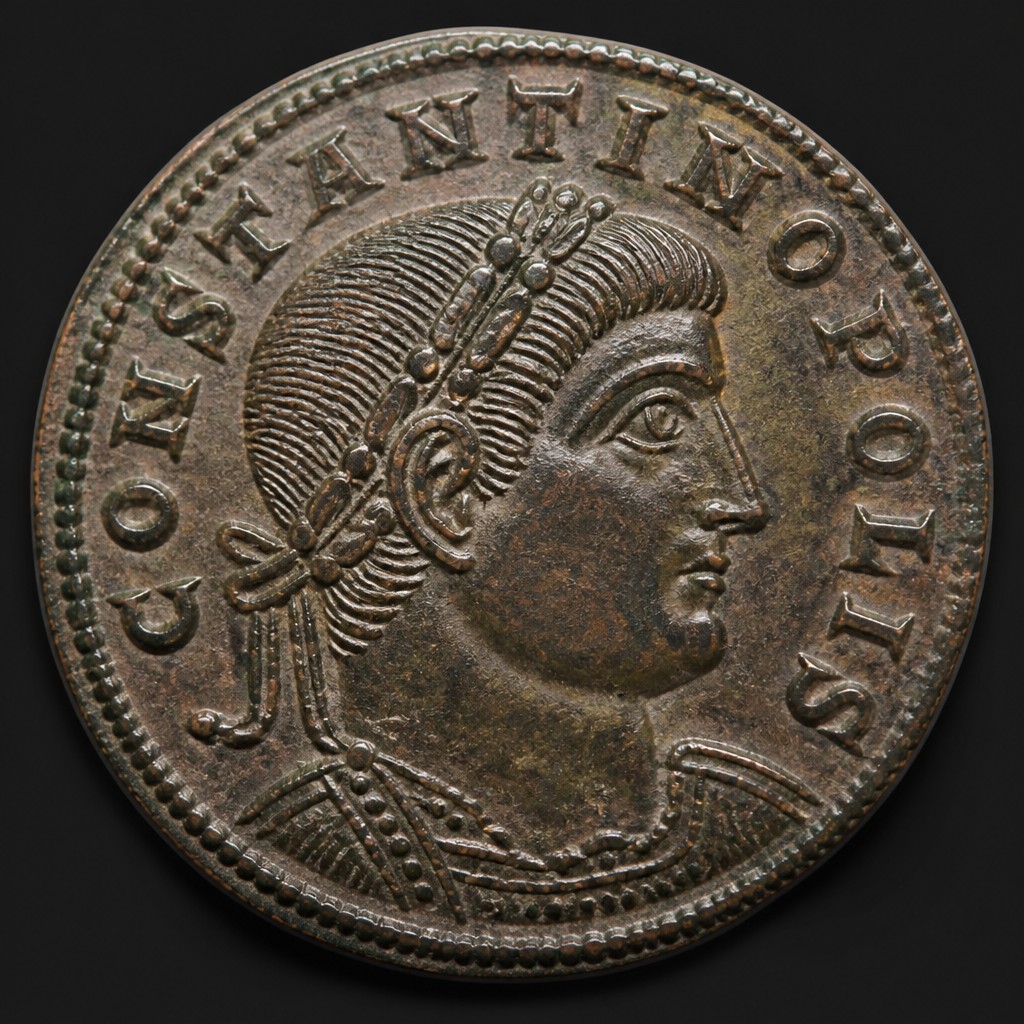
Constantine CONSTANTINOPOLIS Commemorative
A small bronze commemorative celebrating the founding of Constantinople, showing Victory standing on a ship's prow on the reverse.
- Country
- Ancient Rome
- Denomination
- Follis (AE3/AE4 commemorative)
- Metal
- Bronze
Got a coin like this?
Identify any coin from a photo, free.
Overview
Struck as the companion piece to the URBS ROMA commemorative, this small bronze coin honors Constantinople, the new capital that Constantine dedicated in 330 AD on the site of ancient Byzantium. Its reverse shows Victory standing on the prow of a ship, a design meant to evoke the city's strategic maritime position and its bright future under Constantine's dynasty.
Collectors value the coin both for its role marking one of the most consequential political decisions in Roman history and for its attractive, easily recognizable design. Along with the URBS ROMA type, it is among the most widely collected ancient bronzes.
History & Background
In 330 AD, Constantine formally dedicated Constantinople as his new imperial capital, transforming the old Greek city of Byzantium into a grand new political and religious center for the empire. To mark this event and promote the new city's prestige, mints across the empire struck this commemorative type alongside the parallel URBS ROMA issue honoring old Rome.
Production continued for roughly fifteen years, spanning the end of Constantine's reign and into that of his sons, before the commemorative series was retired. The choice to depict Victory on a ship's prow, rather than a portrait of Constantine himself, framed the new capital's founding as a triumph belonging to the Roman state as a whole.
How to Identify
The obverse shows a helmeted, draped bust personifying the city of Constantinople, facing left, with the legend CONSTANTINOPOLIS and no emperor's name. The reverse depicts Victory standing left on the prow of a galley, holding a scepter or spear and resting one foot forward, with a mintmark in the exergue below.
Like its companion type, this is a small bronze coin, typically 15–19mm, from the later, reduced-size phase of Roman bronze coinage. It is easily distinguished from URBS ROMA by its reverse (Victory on a ship's prow rather than the she-wolf and twins), while the obverse city personifications can look similar at a glance but differ in headgear style and legend.
Value & Collectibility
Like the URBS ROMA type, this commemorative was struck in vast numbers and remains widely available and inexpensive in worn to average grades. Value increases for coins with sharp, well-centered strikes that clearly show Victory's figure and drapery, and for certain scarcer mint or officina combinations sought by specialists.
Its historical connection to the founding of Constantinople, one of the most important cities in world history, adds to its appeal well beyond its modest market price. It remains a popular, affordable entry point into collecting Late Roman bronze coinage.
Frequently asked questions
What event does this coin commemorate?
It commemorates Constantine's dedication of Constantinople as the new imperial capital in 330 AD, built on the site of the older city of Byzantium.
Who is depicted on the reverse?
The reverse shows the goddess Victory standing on the prow of a ship, symbolizing triumph and the city's importance as a maritime power.
Is this coin rare or valuable?
It was struck in huge quantities across many mints, so most examples are common and inexpensive, though sharp, well-struck pieces bring more.
How do I tell it apart from the Urbs Roma type?
Check the reverse: this coin shows Victory on a ship's prow, while the Urbs Roma type shows the she-wolf suckling Romulus and Remus.
Other coins you may enjoy
Theodosius I Solidus
379–395 AD
Republican Victoriatus
c. 211–170 BC
Islamic Gold Dinar (Umayyad)
c. 696–750 AD
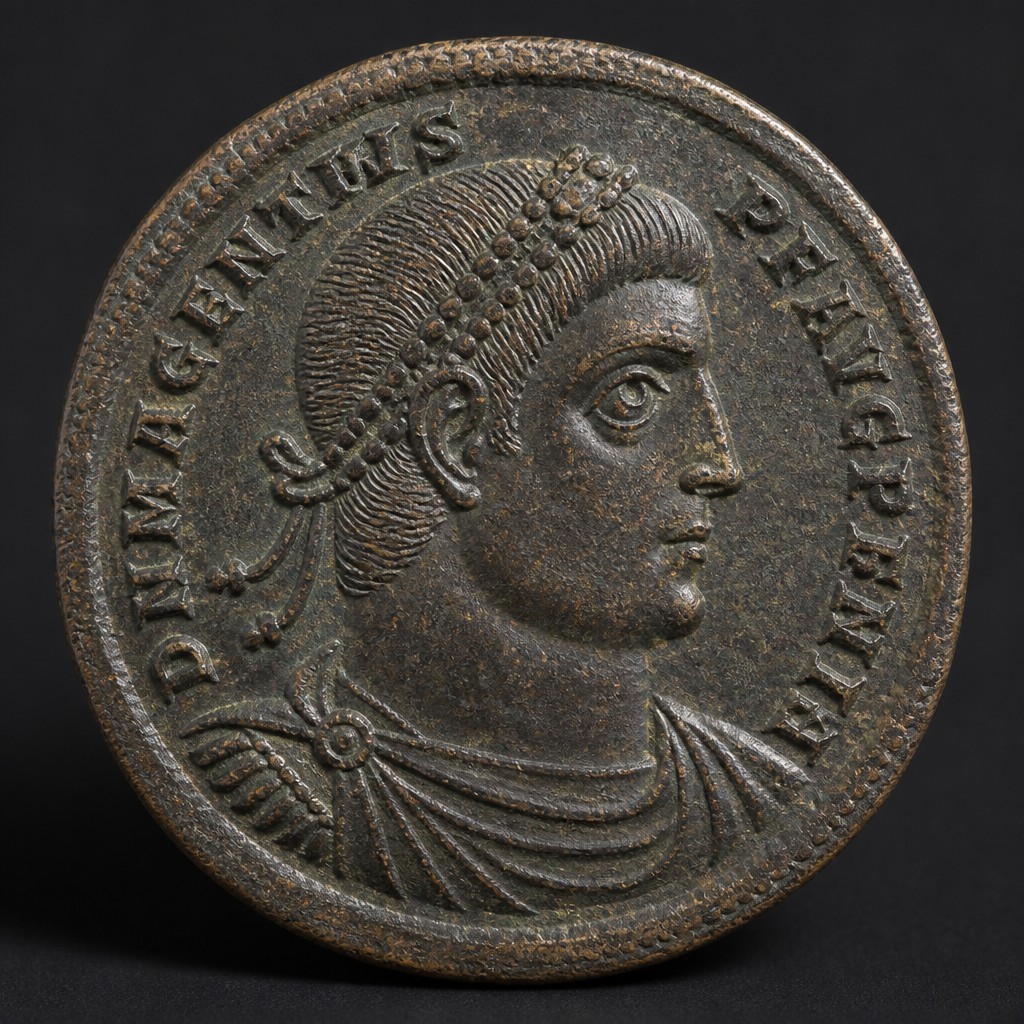
Magnentius Double Centenionalis
350–353 AD
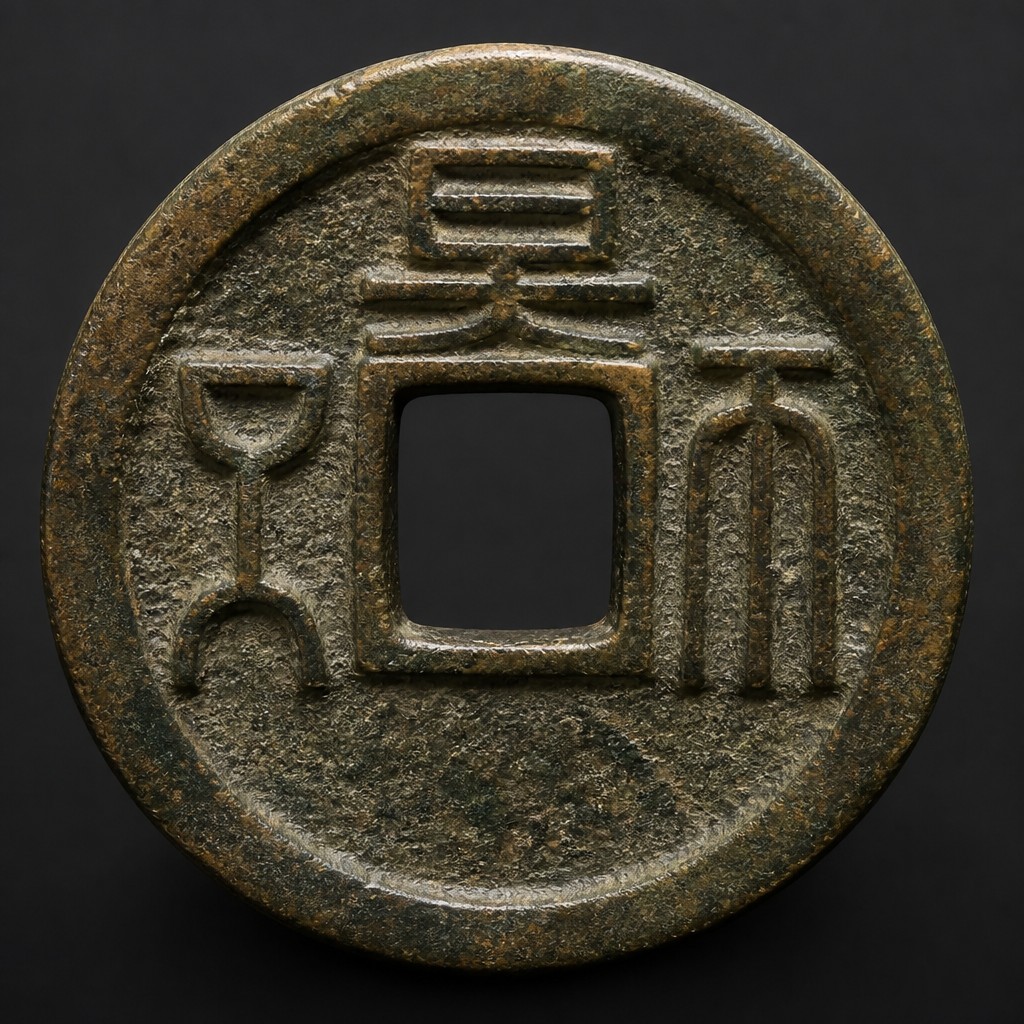
Chinese Wu Zhu Cash
118 BC – 618 AD
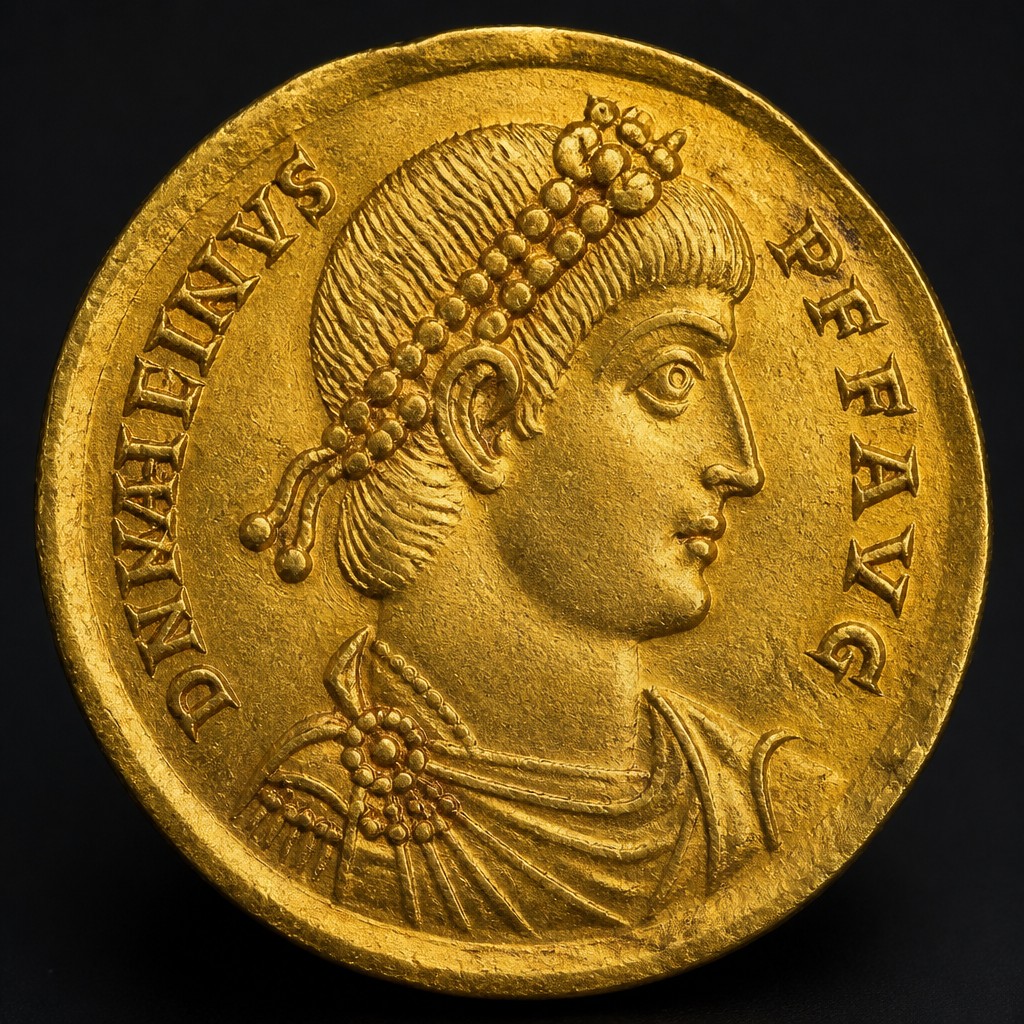
Valentinian I Solidus
364–375 AD
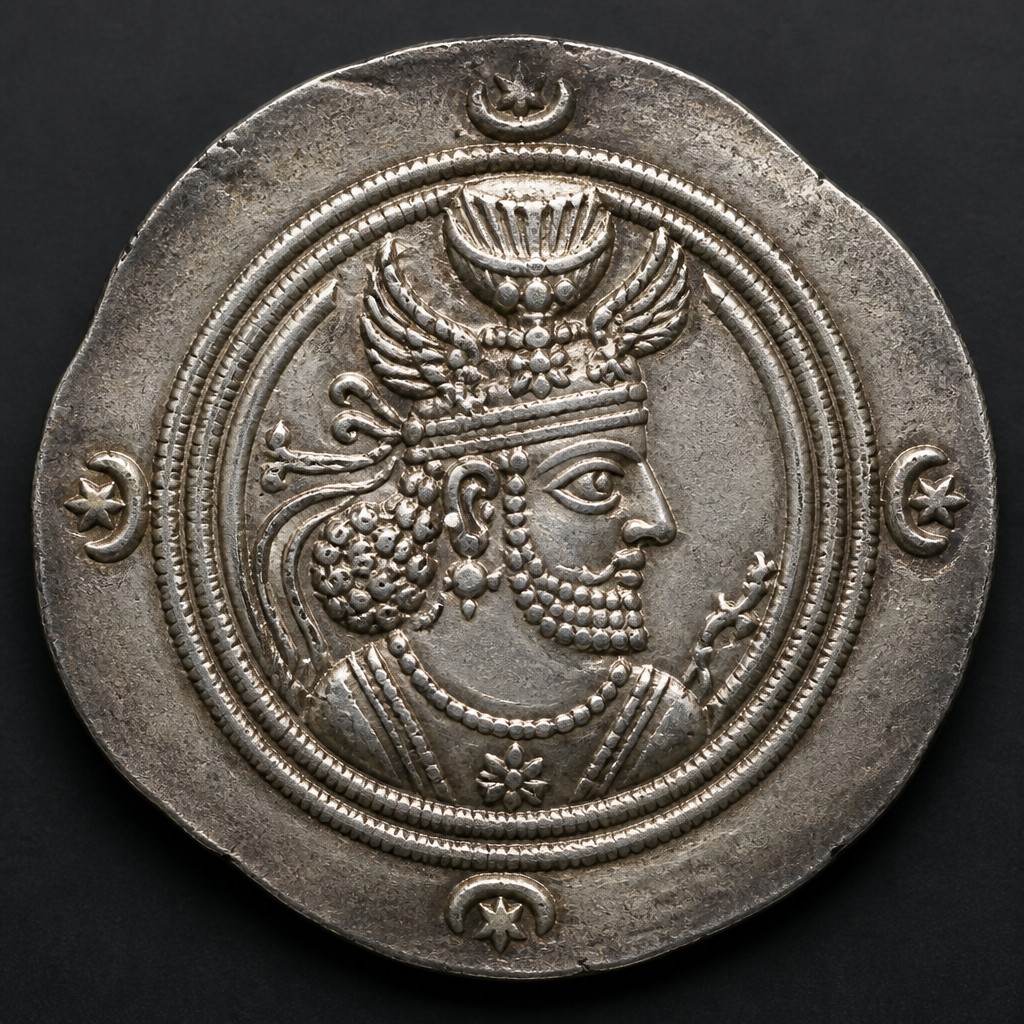
Sassanian Silver Drachm
c. 224–651 AD
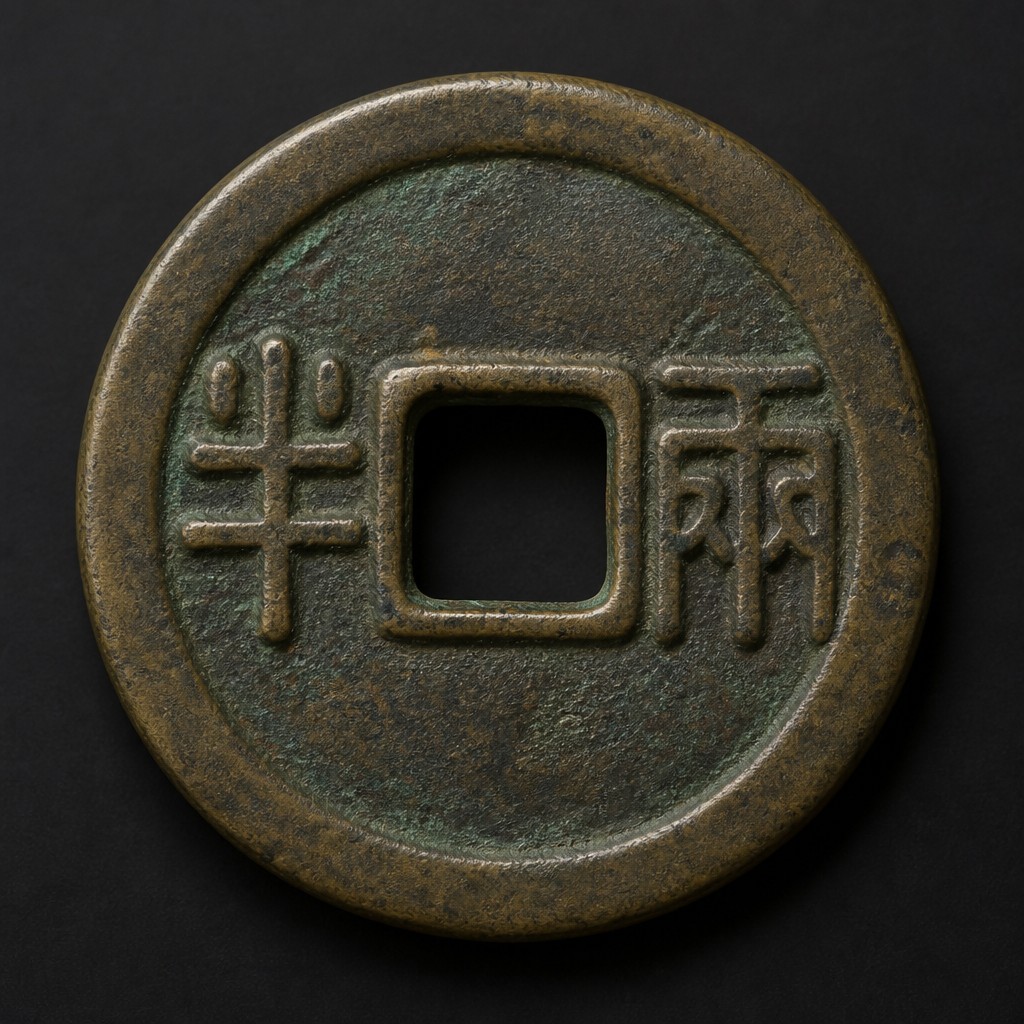
Chinese Ban Liang Cash
c. 221–118 BC
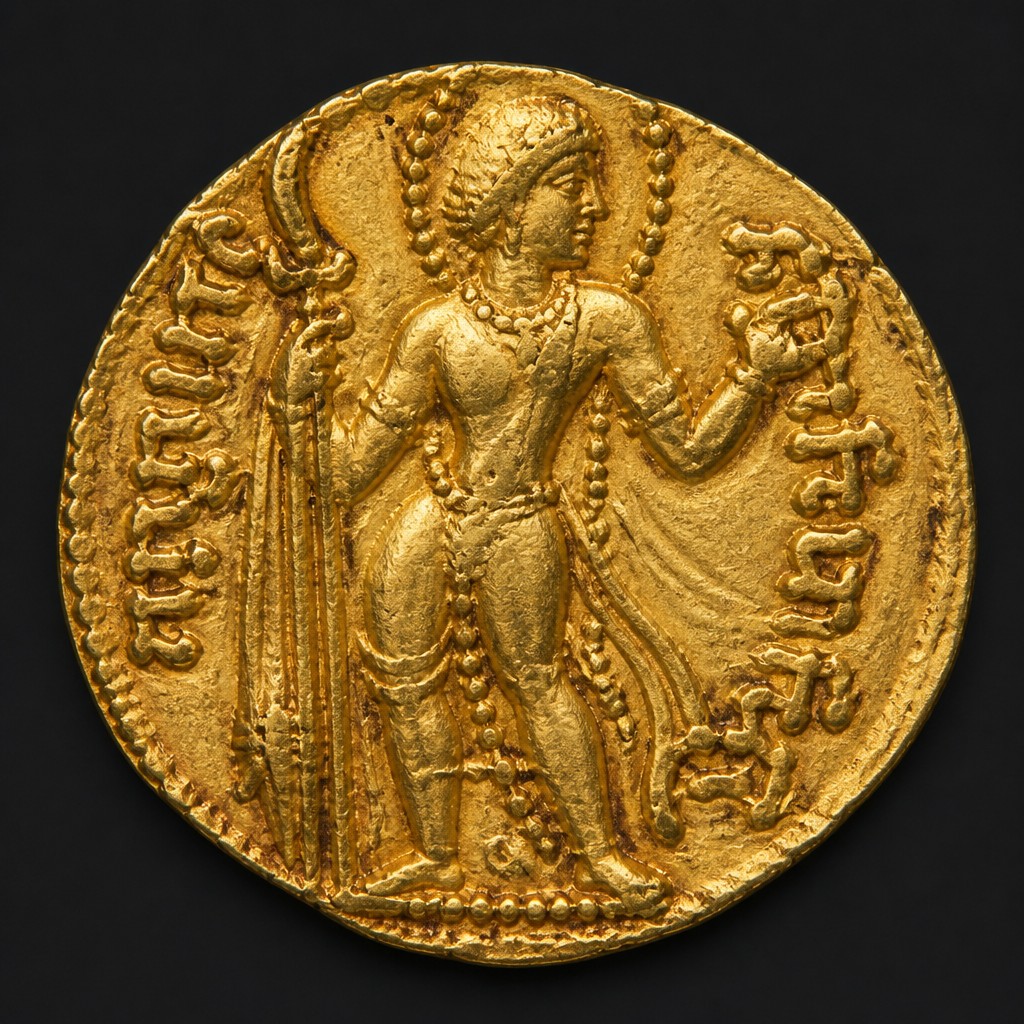
Gupta Empire Gold Dinar
c. 320–550 AD
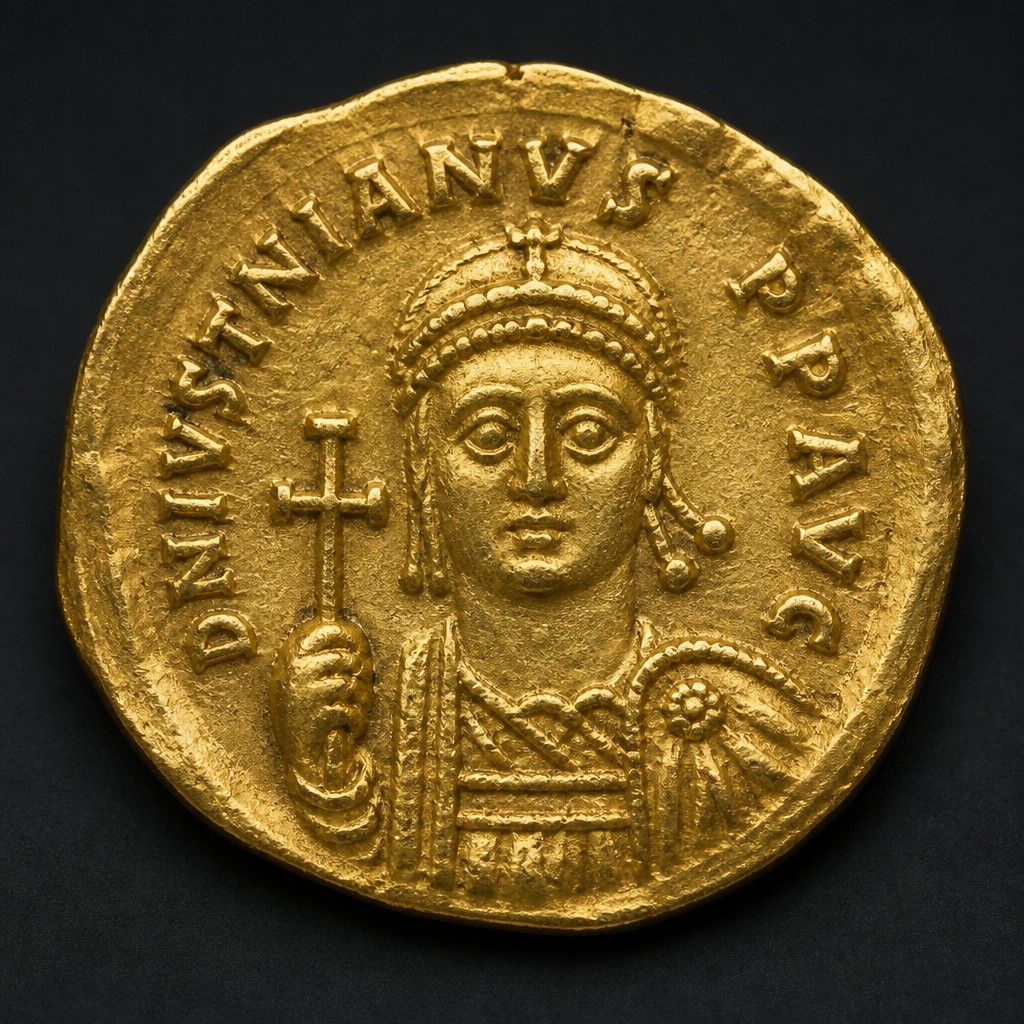
Byzantine Gold Tremissis
c. 4th–7th century AD
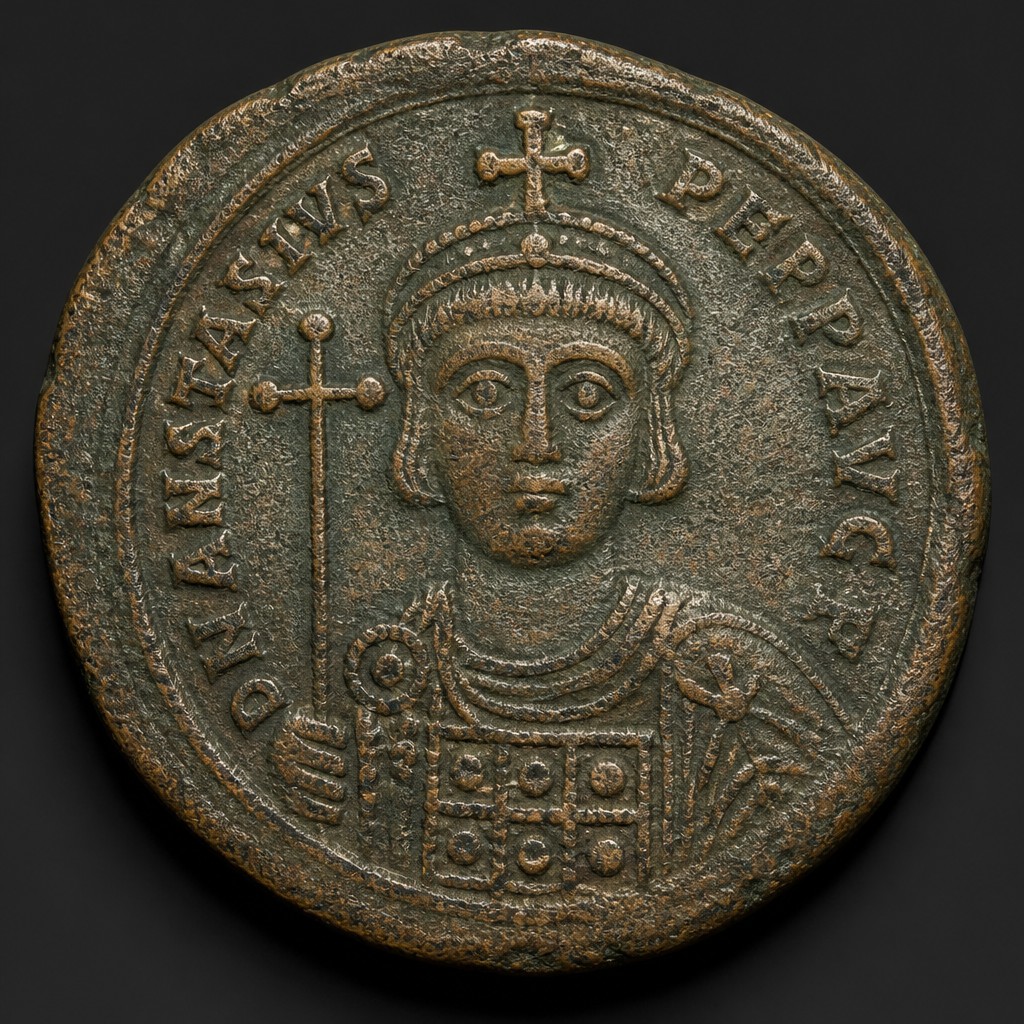
Byzantine Follis
498–c. 11th century AD
Celtic Gold Stater
c. 3rd century BC – 1st century AD