
Coin Encyclopedia
Search and identify coins from around the world — with country, denomination, metal, mint, history, and how to tell them apart.
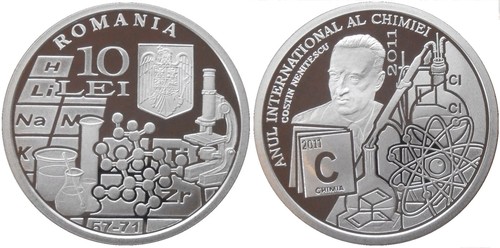
Romania International Year of Chemistry Commemorative
Romanian silver 10 lei commemorative dated 2011, issued for the International Year of Chemistry with molecular, laboratory and scientist imagery.
Commemorative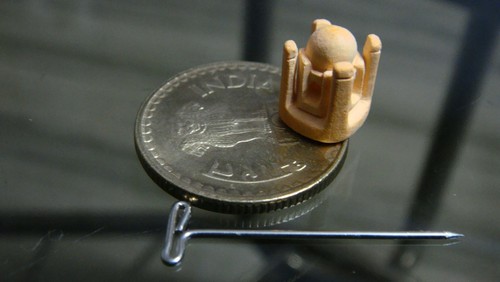
India 1 Rupee Commemorative
Copper-nickel Republic of India one rupee showing the Ashoka Lion Capital emblem, with the value and Devanagari legends on the reverse, from the late 20th century.
Modern India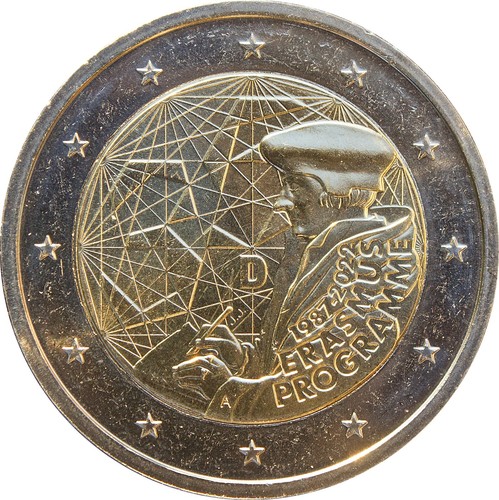
Germany 2 Euro Erasmus Programme Commemorative
A German 2 Euro commemorative dated 2022 marking the Erasmus Programme, its obverse showing a student figure with a globe and the reverse the ring of European stars.
Commemorative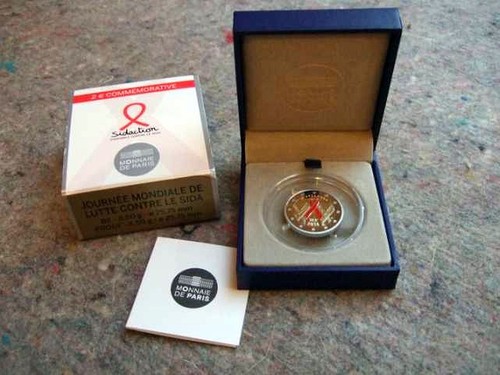
France 2 Euro Sidaction Commemorative
France's 2014 bi-metallic 2 euro commemorative honouring Sidaction, shown with a red AIDS-awareness ribbon and paired with the shared European reverse.
Commemorative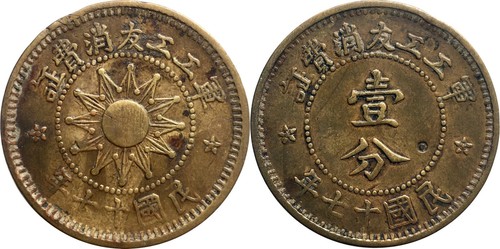
Shansi Arsenal 1 Fen
A holed copper 1 Fen struck by the Shansi Arsenal in 1928, with Chinese inscriptions and numeral '1' around a central square hole.
Circulation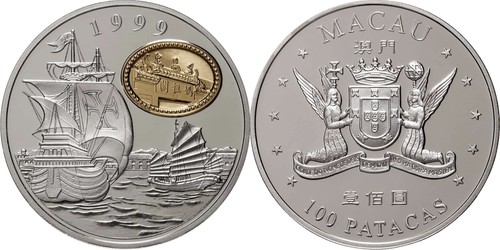
Macao 100 Patacas Return to China Commemorative
A 1999 Macao 100 patacas commemorative marking the return to China: a Portuguese ship with a gold center on one side, the Macao coat of arms on the other.
Commemorative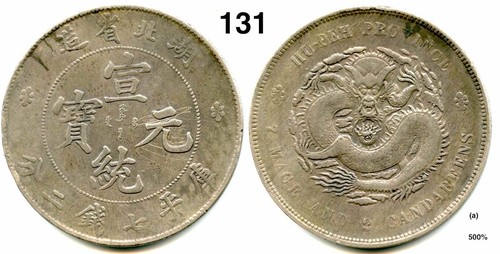
Xuantong Yuanbao 7 Mace 2 Candareens
A late Qing silver dollar-size coin of the Xuantong era (1909-1911), reading 宣統元寶 on the obverse with a Chinese dragon on the reverse.
Circulation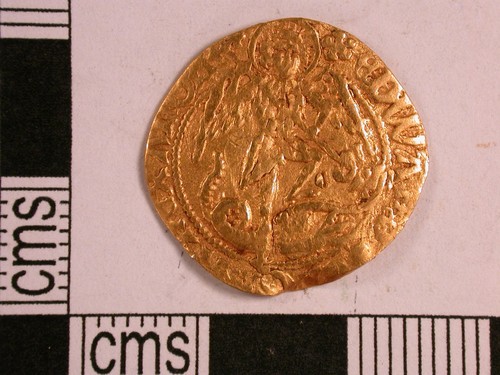
Edward IV Half Angel
Medieval English gold coin of King Edward IV, half the value of the angel, showing Saint Michael slaying a dragon with a spear and shield.
Medieval Coins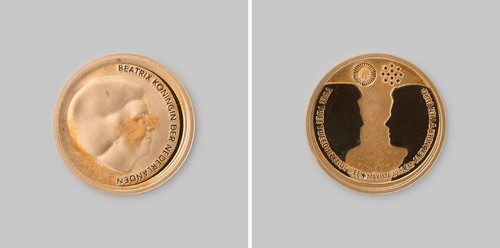
10 Euro (Royal Marriage)
A 2002 Netherlands gold 10 Euro commemorating the royal wedding, with Queen Beatrix on the obverse and the dual profiles of Willem-Alexander and Maxima on the reverse.
Commemorative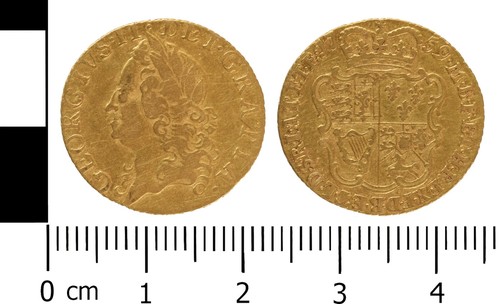
Half Guinea of George II
A small British gold coin of the reign of George II, worth half a guinea, with the king's left-facing bust and a crowned heraldic shield reverse.
Milled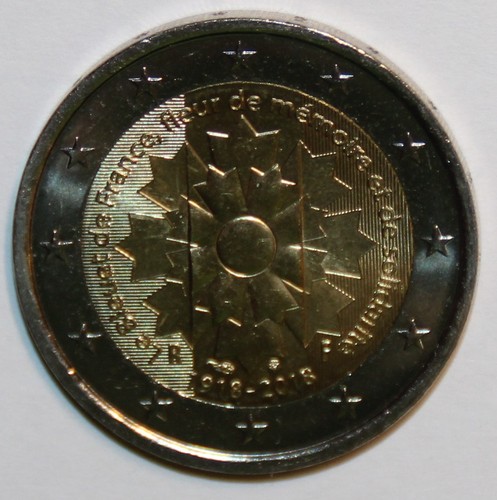
France 2 Euro Bleuet de France Commemorative
A French bi-metallic 2 euro commemorative showing the Bleuet de France cornflower, France's remembrance flower, paired with the shared European 2 euro side.
Commemorative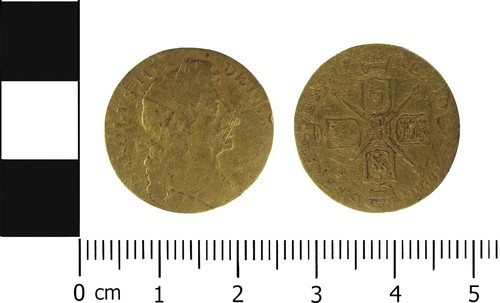
Charles II Half Guinea
A small milled gold coin of Charles II showing the king's laureate profile and a cruciform arrangement of crowned shields on the reverse.
Milled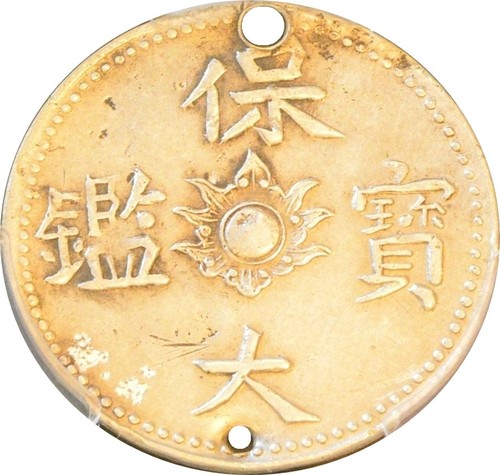
Vietnam 2 Tien - Bao Dai
A gold 2 Tien of Vietnam's last emperor, Bao Dai (1926-1945), its face bearing a radiant sun motif and Chinese-Vietnamese court inscriptions.
Southeast Asia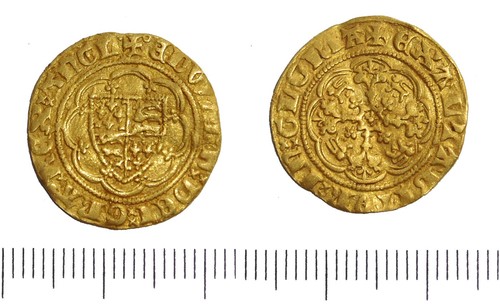
Edward III Quarter Noble
Small medieval English gold coin of Edward III, showing a crowned shield of arms on the obverse and an ornate floral cross design on the reverse.
Medieval Coins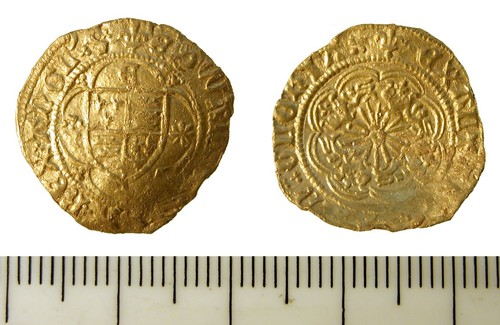
Edward IV Quarter Ryal
Small English medieval gold coin of Edward IV, bearing the crowned royal arms and an ornate radiate cross with a rose-on-sun at its center.
Medieval Coins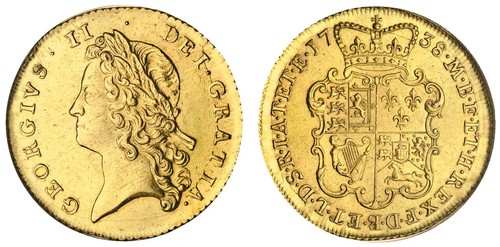
Two Guineas of George II
A large milled gold two-guinea piece of George II, with his left-facing laureate head and a crowned garnished shield of the royal arms; the pictured coin is dated 1738.
Milled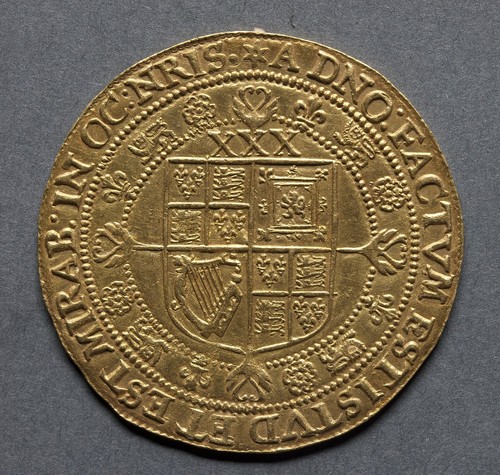
Edward IV Ryal
English medieval gold coin of Edward IV showing the king armored in a ship with a shield, and a radiant rose-on-sun design on the reverse.
Medieval Coins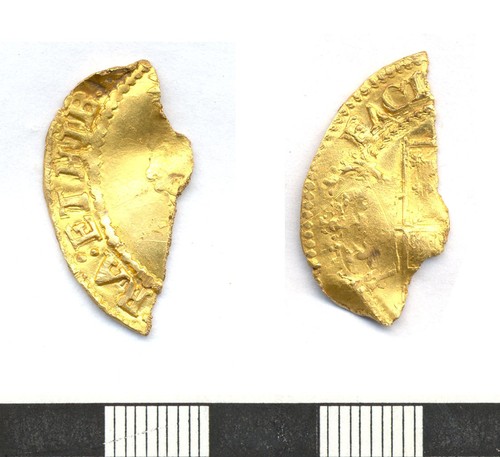
Laurel
A hammered English gold coin of James I worth twenty shillings, named for the king's laurel-wreathed profile, struck 1619-1625.
Hammered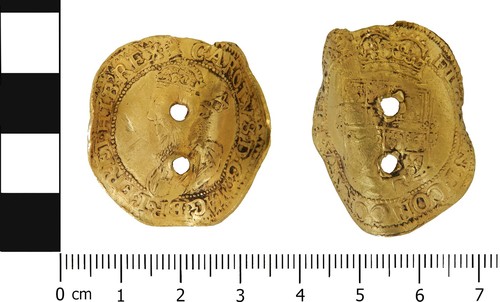
Charles I Unite
A large hammered gold coin of Charles I worth twenty shillings, showing his crowned profile and a crowned quartered shield of lions and fleur-de-lis.
Hammered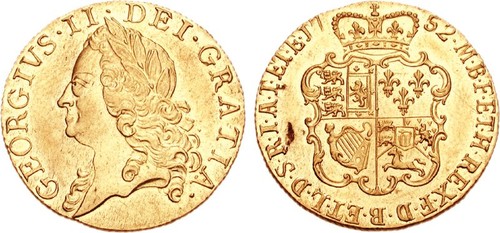
Guinea of George II
A milled gold guinea of Great Britain struck during the reign of George II, with a left-facing royal bust and a crowned heraldic shield reverse.
Milled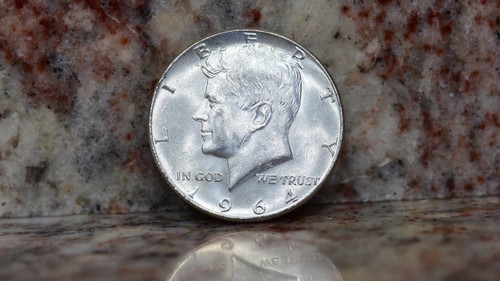
Kennedy Half Dollar
U.S. fifty-cent piece introduced in 1964 to honor President John F. Kennedy; the first-year 1964 coins were struck in 90% silver.
United States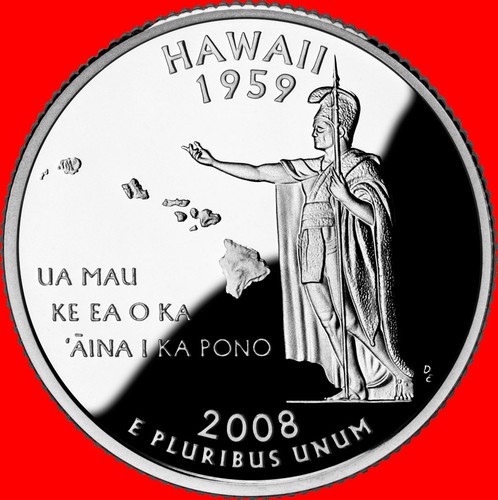
Hawaii State Quarter
The 2008 Hawaii State Quarter, final coin in the 50 State Quarters series, showing King Kamehameha I reaching over the islands.
Quarter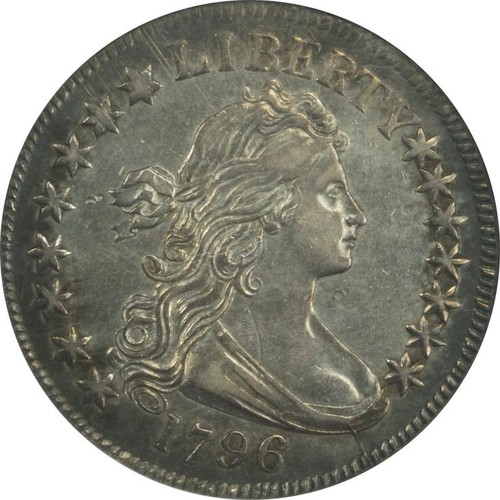
Draped Bust Half Dollar
Early U.S. silver fifty-cent piece of 1796–1807. The pictured 1796 Small Eagle with 15 stars is among the rarest of all American coins.
Half Dollar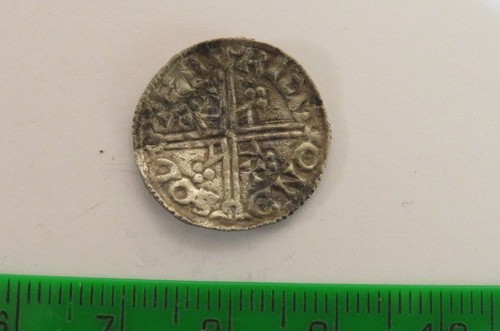
Medieval Penny
England's standard medieval coin: a small hammered silver penny with a crowned royal head on one side and a cross on the other, struck by hand across many reigns.
Medieval Coins