Coin Identifier
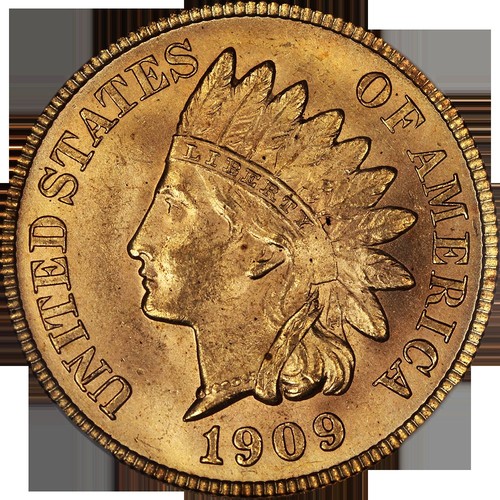
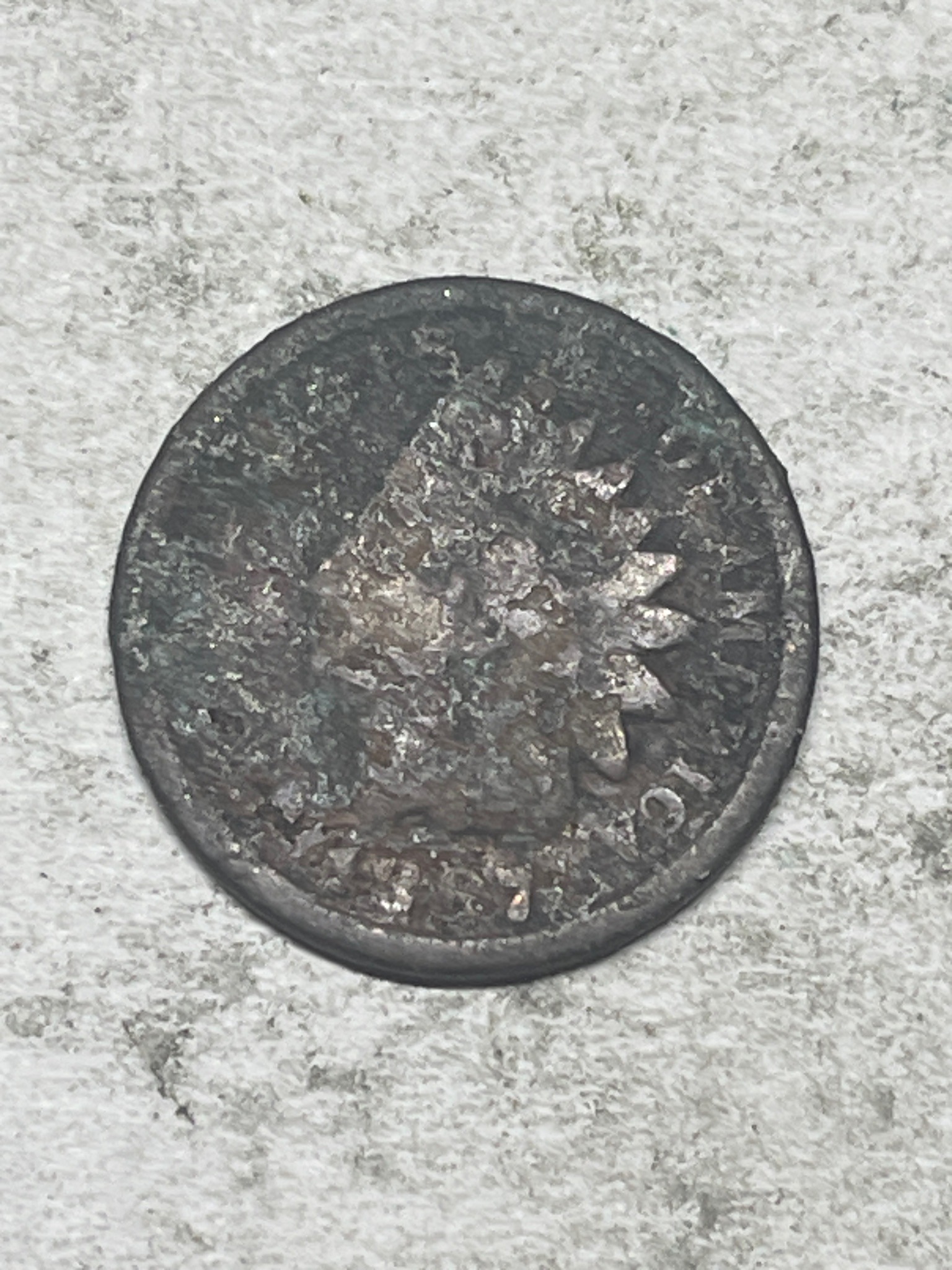
Indian Head Cent — obverse
Obverse
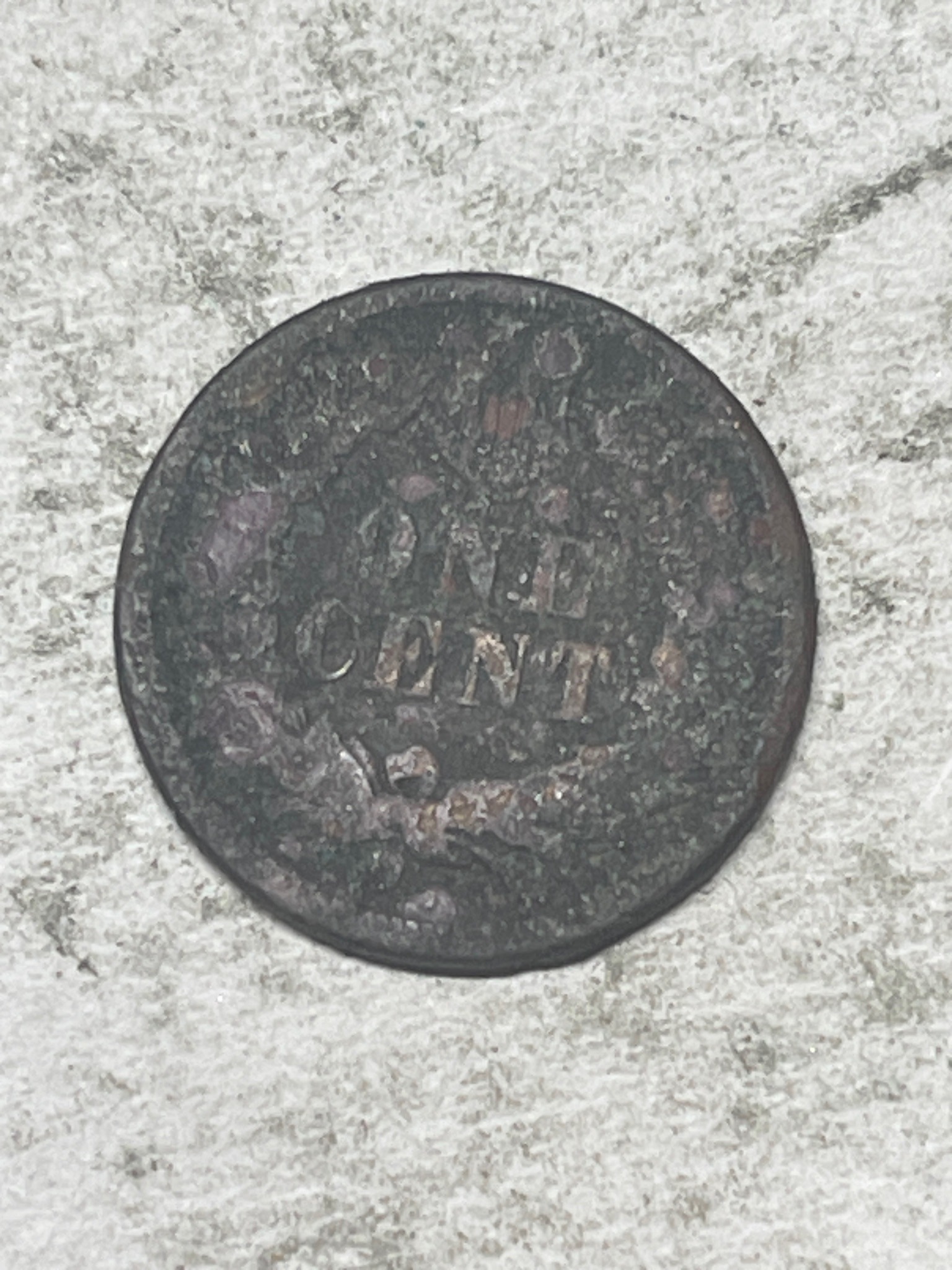
Indian Head Cent — reverse
Reverse
1 Cent

Indian Head Cent

United States · 1859-1909

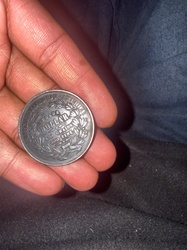
A heavily circulated and environmentally damaged US cent showing a portrait of Liberty wearing a Native American headdress on the obverse and 'ONE CENT' inside a wreath on the reverse.

Country
United States
Year
1859-1909
Denomination
1 Cent
Metal
88% copper, 12% nickel (1859-1864) or 95% copper, 5% tin and zinc (1864-1909)

This report is AI-generated and can be wrong. Always verify grade, authenticity, and value with a qualified dealer or certified grading service before buying, selling, or insuring.

Identified More united states coins →
Explore Indian Head Cent in the encyclopedia →

Identify your own coins.

Get a report just like this from any photo, free.

Overview

A heavily circulated and environmentally damaged US cent showing a portrait of Liberty wearing a Native American headdress on the obverse and 'ONE CENT' inside a wreath on the reverse.

Historical significance

Designed by James B. Longacre and introduced in 1859 to replace the large cent and the nickel-heavy Flying Eagle cent, the Indian Head Cent became one of the most beloved and widely collected series in American numismatics.

Obverse (front)

A profile of Liberty facing left, wearing a traditional Native American feathered headdress. The headband is inscribed with 'LIBERTY', surrounded by 'UNITED STATES OF AMERICA' and the year of issue at the bottom.

Reverse (back)

The denomination 'ONE CENT' centered within an oak wreath, tied with a ribbon at the base, and surmounted by a shield (for issues 1860 and later).

Estimated value

$1-$3 in heavily corroded or Poor-Fair condition, $15-$50 in Fine-Very Fine for common dates, and significantly more for key dates (1877, 1909-S) or high-grade uncirculated specimens.

What drives this coin's value

Condition/grade, exact year/date (key dates like 1877 and 1909-S command massive premiums), and presence of corrosion or environmental damage.

Grade assessment

Poor (P-1) to Fair (FA-2) due to heavy environmental corrosion, pitting, and worn-down details where major design elements are flattened or obscured.

Mintage & rarity

Varies drastically by year; most dates from the 1880s and 1900s are very common with tens of millions minted, while the 1877 is a notorious key date with a mintage of only 852,500.

Authenticity & counterfeit red flags

Counterfeits are rare for common date circulated Indian Head Cents because their low face value usually makes faking them unprofitable, but rare dates should be authenticated by a professional grading service (PCGS, NGC).

Notable varieties & errors

1869 over 69, 1873 double lib, 1888 over 7, and various repunched mint marks on the scarce 1909-S.

Similar coins

Flying Eagle Cent (earlier small cent design) and Lincoln Wheat Cent (succeeding design starting in 1909).

Care & preservation

Store in a cool, dry place in archival-safe 2x2 flips or holders. Do not attempt to clean, scrub, or polish the coin, as harsh cleaning destroys any remaining original surfaces and severely reduces its numismatic value.