
Coin Encyclopedia
Search and identify coins from around the world — with country, denomination, metal, mint, history, and how to tell them apart.
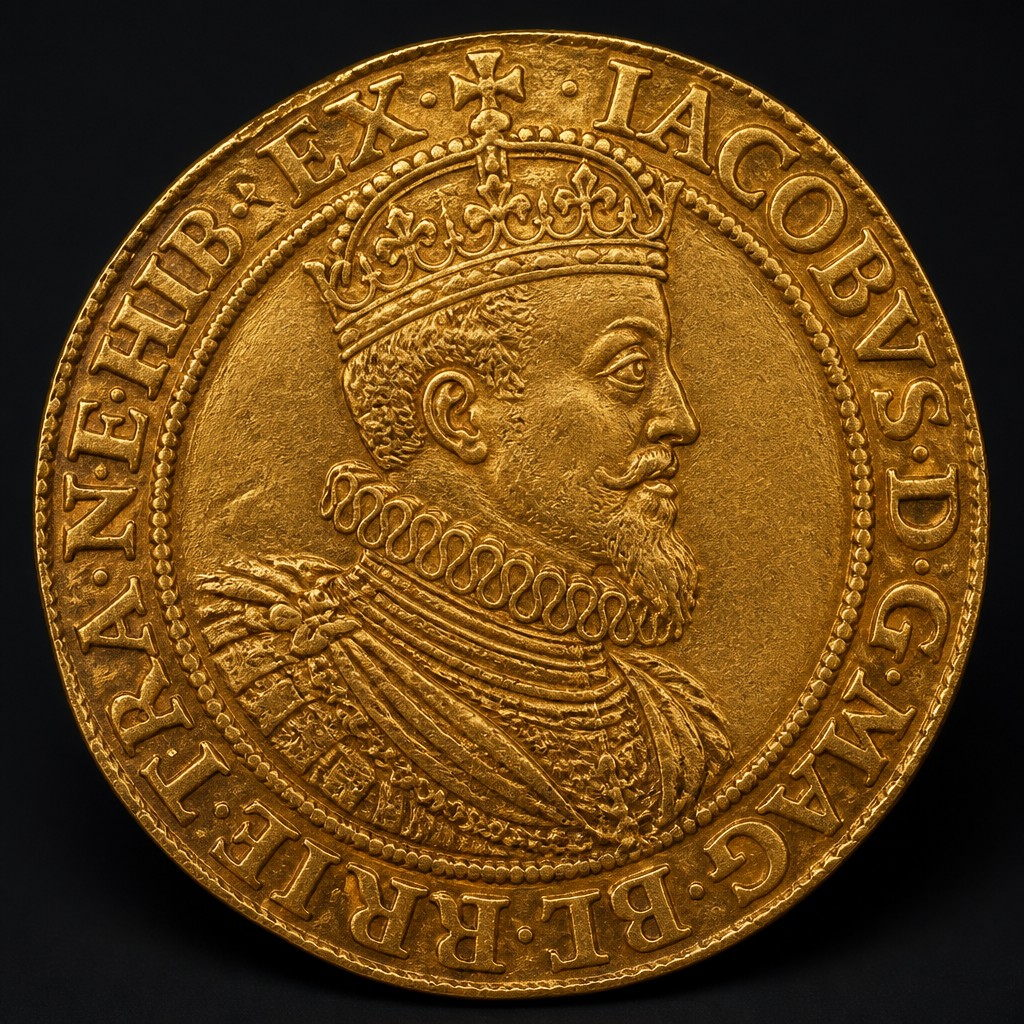
Half Crown Gold
A small gold coin worth half a gold crown, struck from the reign of Henry VIII through the English Civil War, distinct from the far more familiar silver half crown that circulated for centuries afterward.
British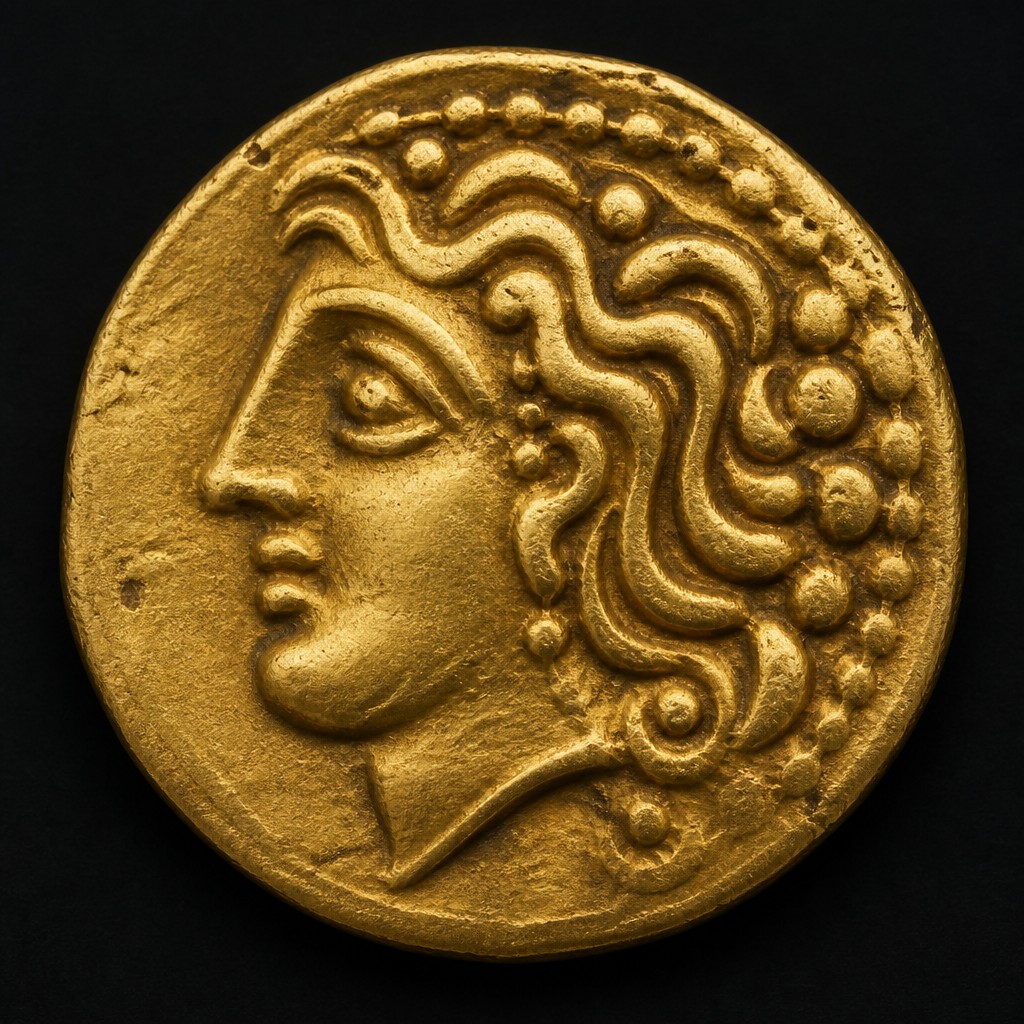
Celtic Gold Stater
Iron Age gold coins struck by Celtic tribes across Gaul and Britain, evolving from close imitations of Macedonian staters into strikingly abstract, stylized designs.
Ancient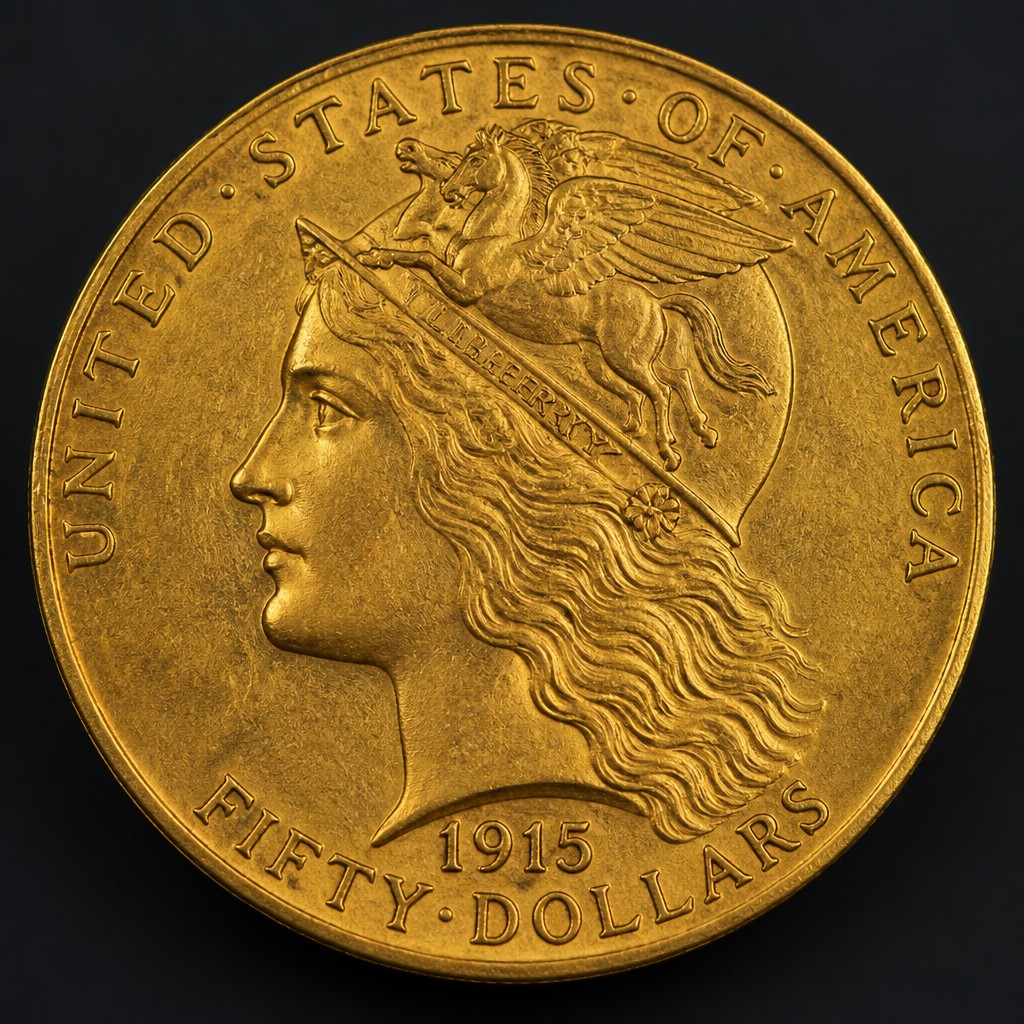
Panama-Pacific $50 Gold (Round)
A massive round commemorative gold piece struck for the 1915 Panama-Pacific International Exposition, one of the rarest and most valuable U.S. commemorative coins ever issued.
Commemorative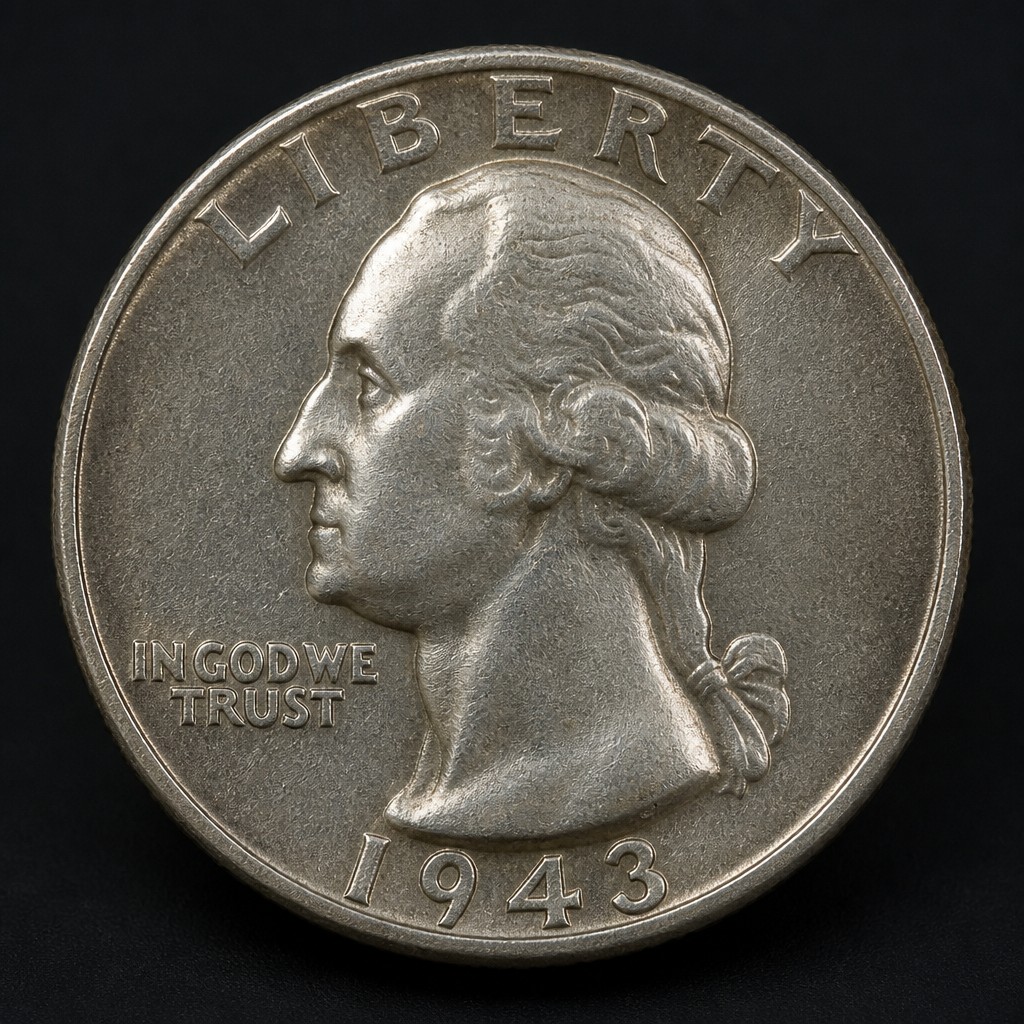
1943 Washington Quarter Doubled Die Obverse
A wartime-era doubled die variety of the Washington quarter showing clear doubling on obverse design elements, popular among collectors of Mint error and variety coins.
Errors & Varieties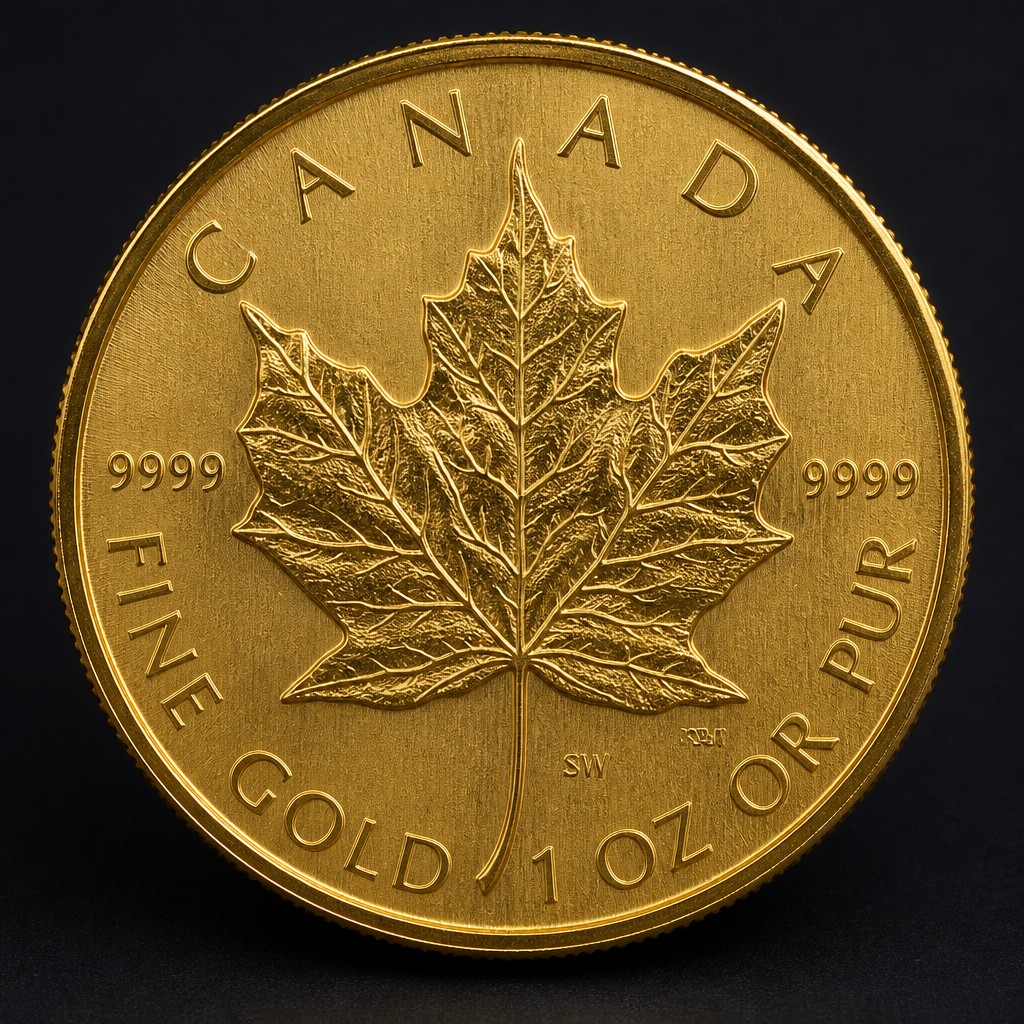
Canadian Maple Leaf (Gold)
Introduced in 1979, the Canadian Gold Maple Leaf was one of the first .9999 pure gold bullion coins in the world and remains a benchmark product of the Royal Canadian Mint.
Bullion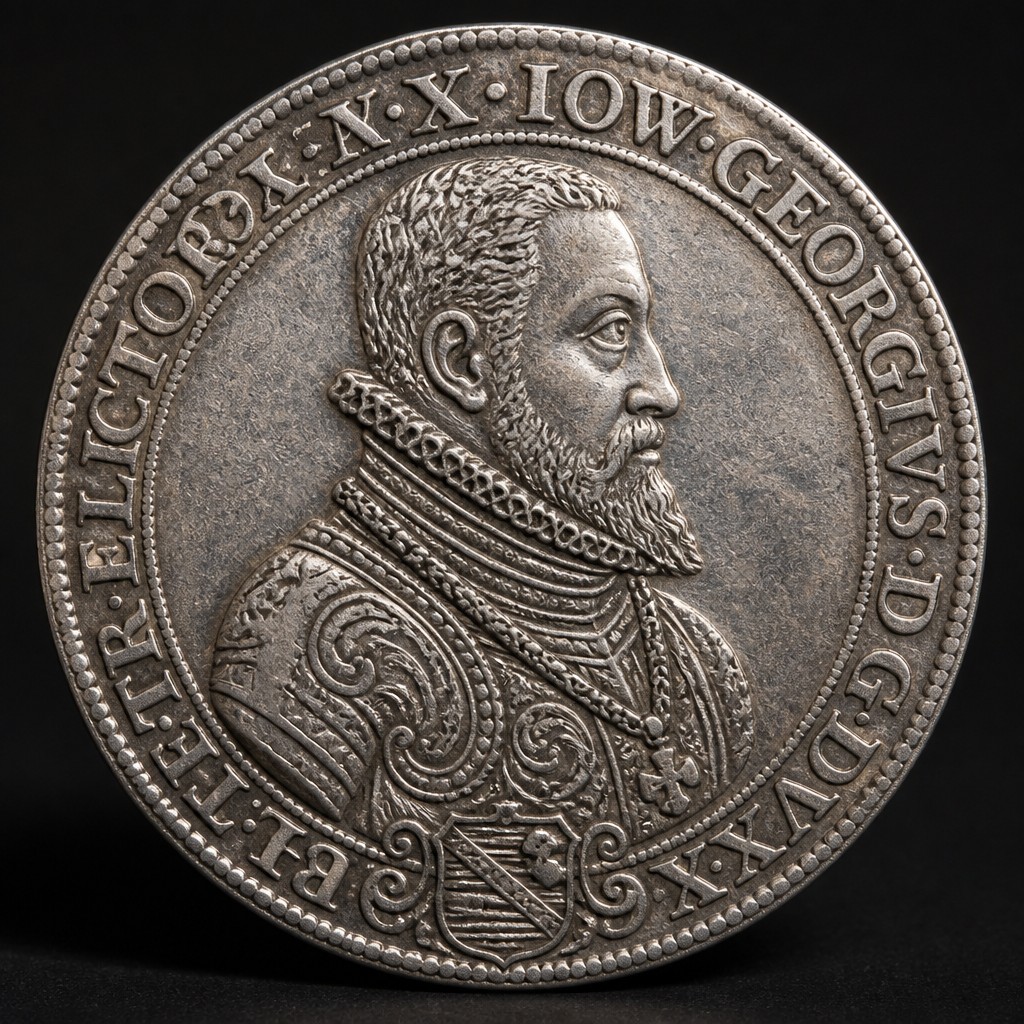
Saxony Thaler
Saxony was one of the earliest and most prolific issuers of thalers, with the electorate and later kingdom producing large silver coins from the 16th century until German unification.
European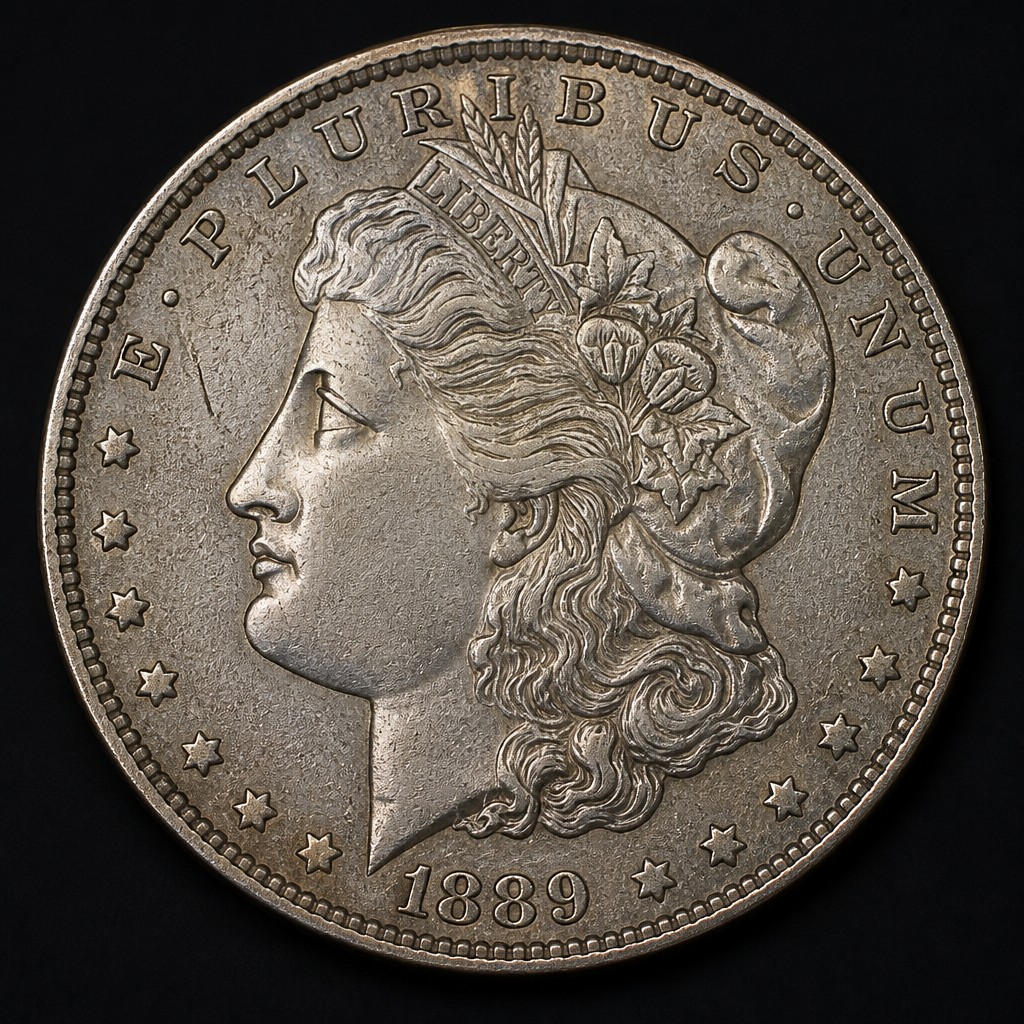
1889-CC Morgan Dollar
A major key date among Carson City Morgan dollars, with a low mintage of roughly 350,000 coins, making it one of the toughest CC-mint issues to find.
United States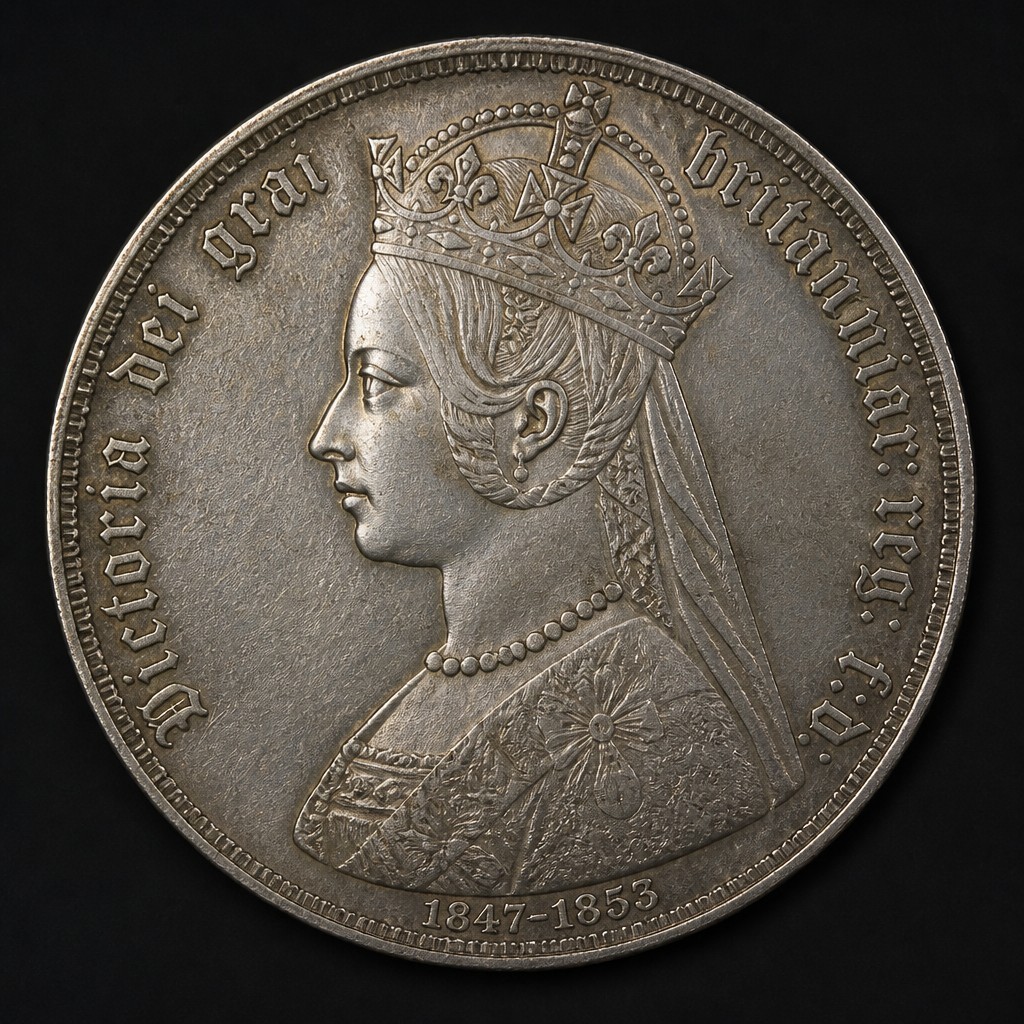
Gothic Crown
An ornate Victorian silver crown featuring a young Queen Victoria in Gothic-script lettering, widely admired as one of the most artistically accomplished coins in British history.
British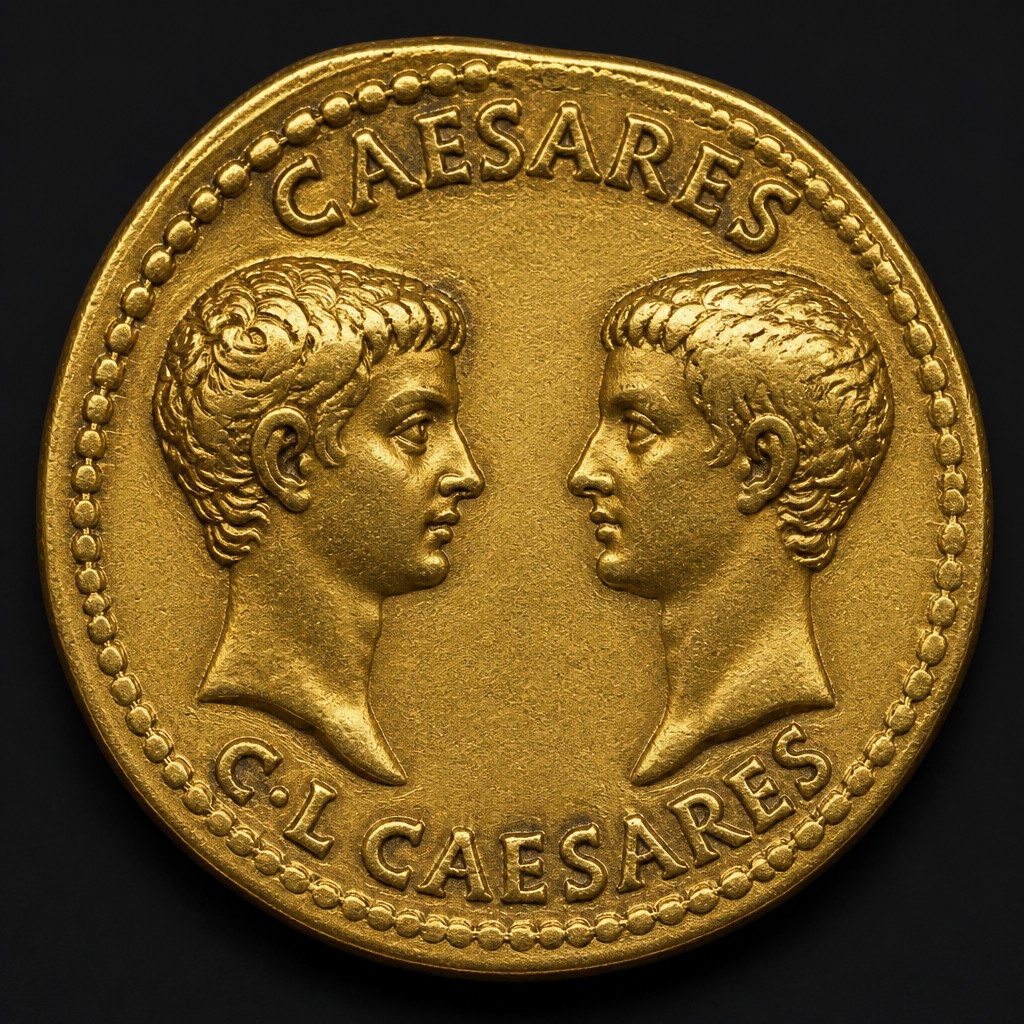
Augustus Aureus Gaius and Lucius Caesar
One of the most common ancient gold coins, an Augustus aureus honoring his grandsons and intended heirs Gaius and Lucius Caesar, both of whom died young.
Ancient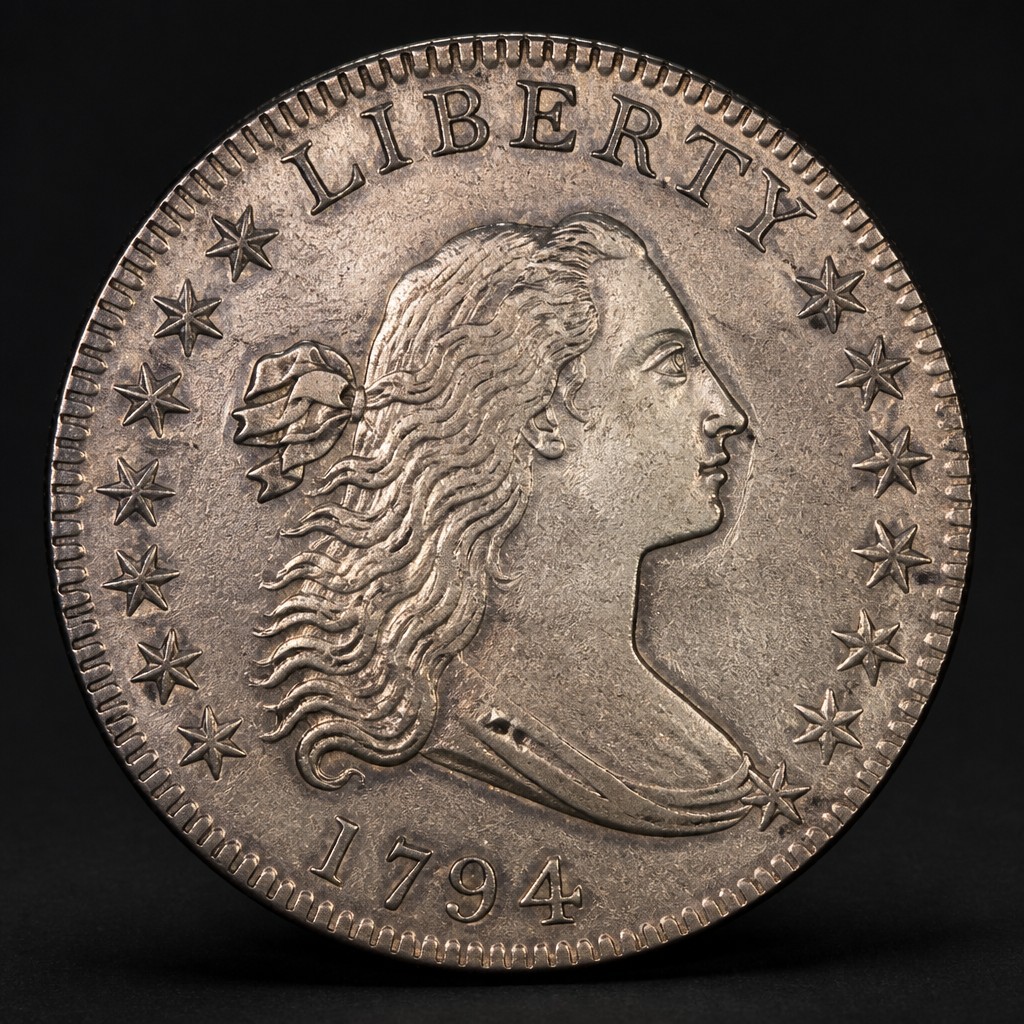
Flowing Hair Half Dime
One of the earliest United States silver coins, the Flowing Hair Half Dime was struck only in 1794 and 1795 and is a landmark rarity for early American coinage collectors.
United States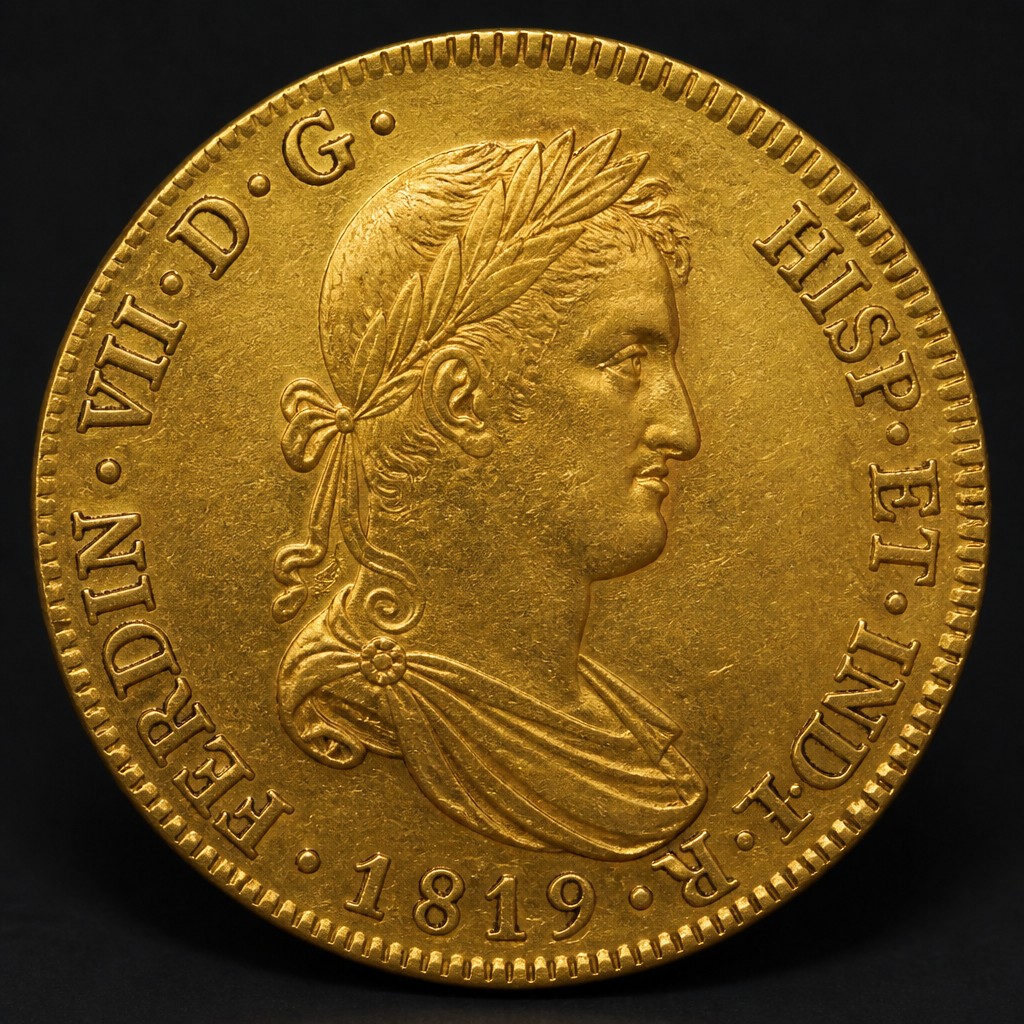
Colombian 8 Escudos Gold (Popayán)
A large colonial gold doubloon struck at the historic Popayán mint in present-day Colombia, prized by collectors as one of the classic Spanish colonial gold coins of South America.
Latin American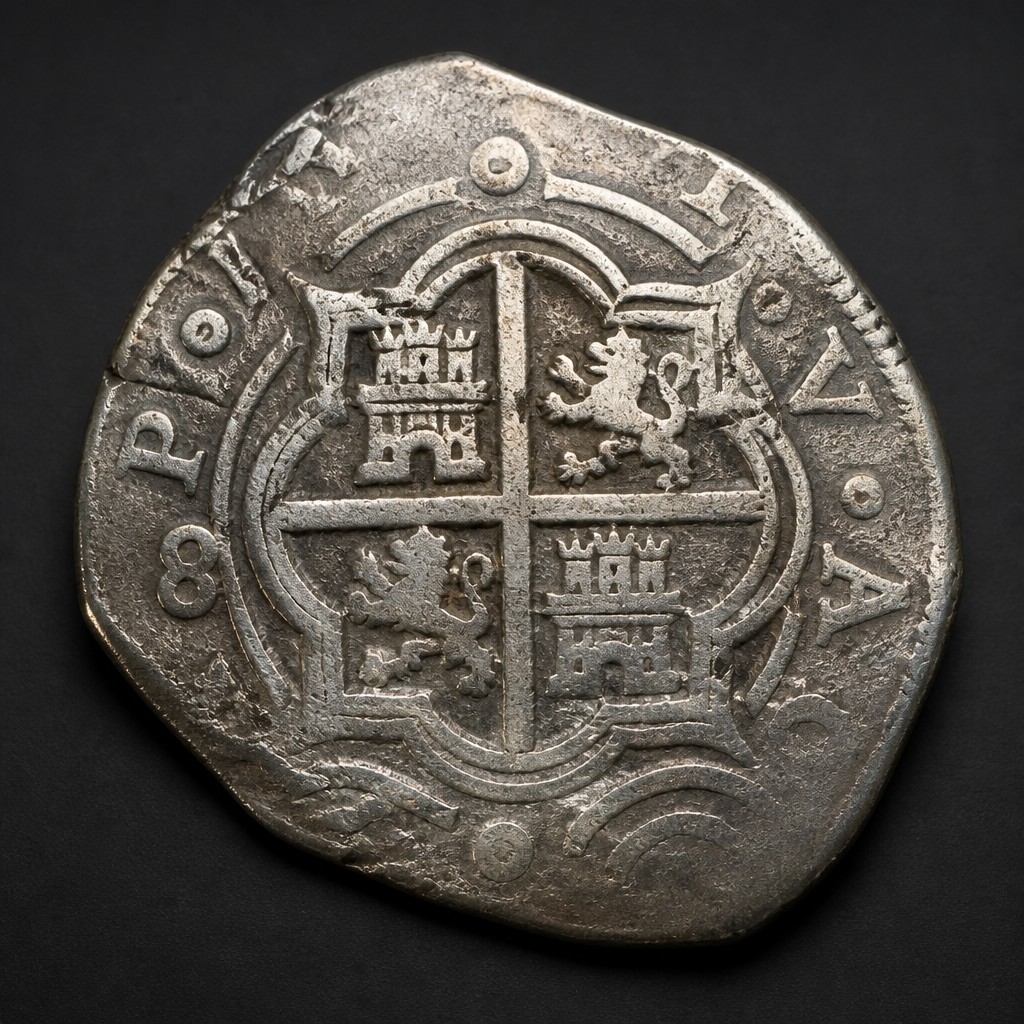
Spanish Colonial Cob (Macuquina)
Crude, irregularly shaped hand-struck coins produced at Spanish colonial mints in the Americas for over two centuries, forming the basis of the famous 'pieces of eight' that circulated worldwide.
Latin American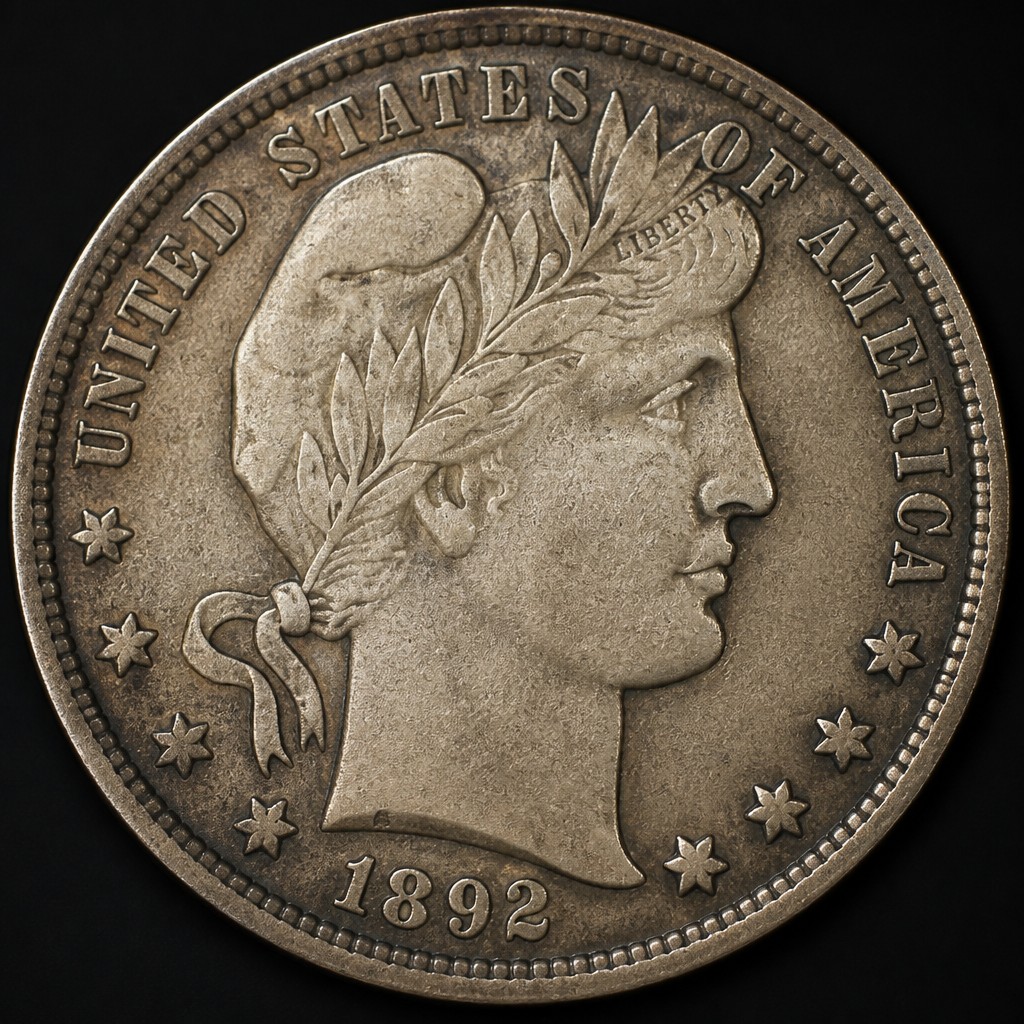
1892 Barber Half Dollar
First-year issue of Charles Barber's Liberty Head half dollar, with the 1892-O and 1892-S branch mint coins notably scarcer than the Philadelphia strike.
United States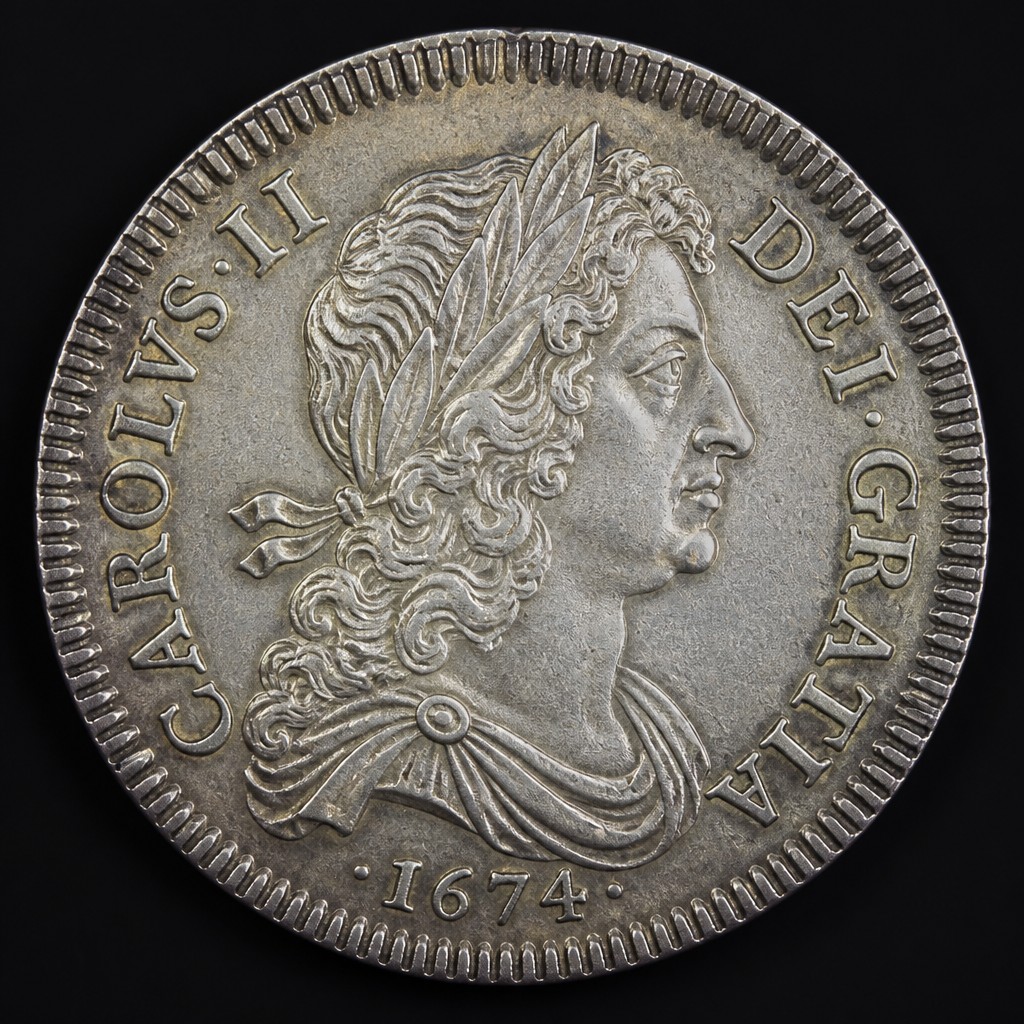
Maundy Fourpence
The largest of the four Royal Maundy coins, a small silver fourpence descended in value from the medieval groat, struck annually for the monarch's ceremonial Maundy Thursday alms distribution.
British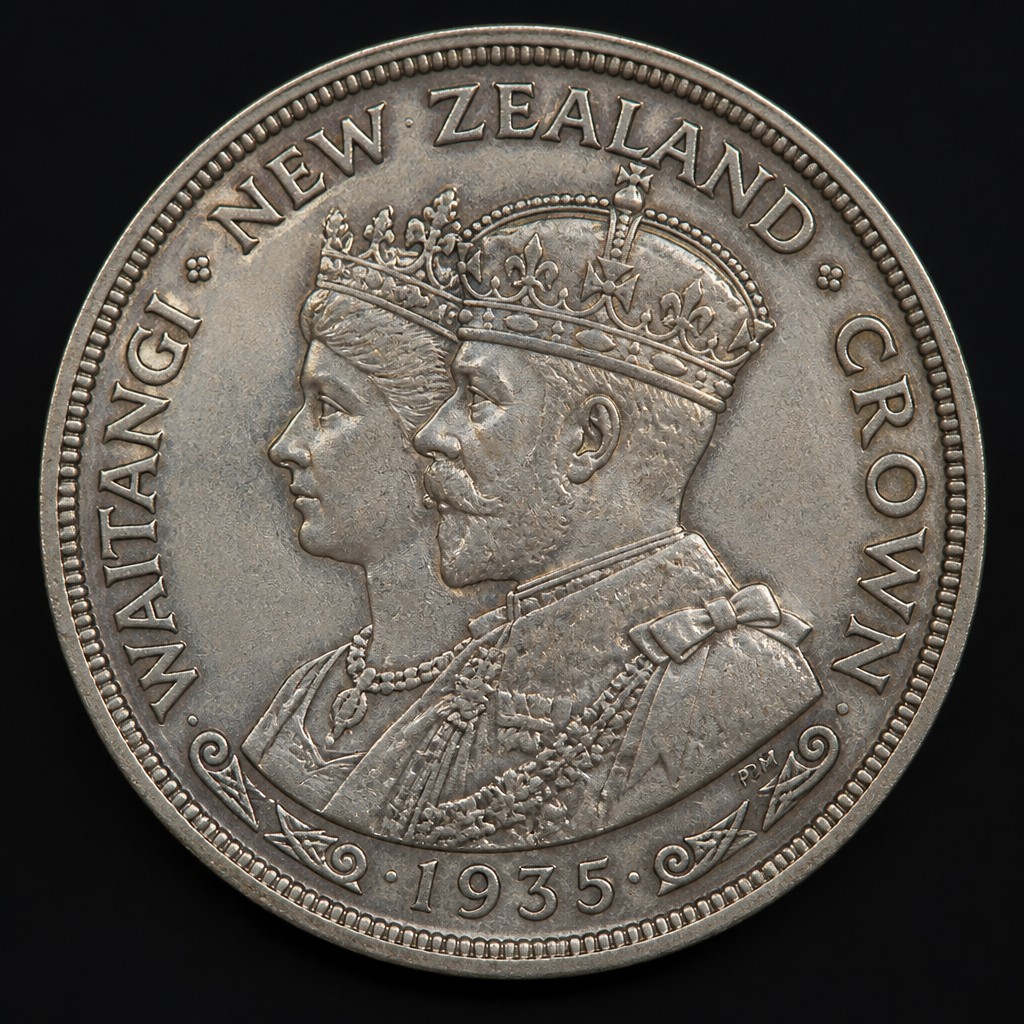
New Zealand Waitangi Crown (1935)
Rare 1935 New Zealand silver crown depicting the meeting between Governor Hobson and Maori chiefs, one of the most valuable coins in British Commonwealth crown collecting.
Africa & Oceania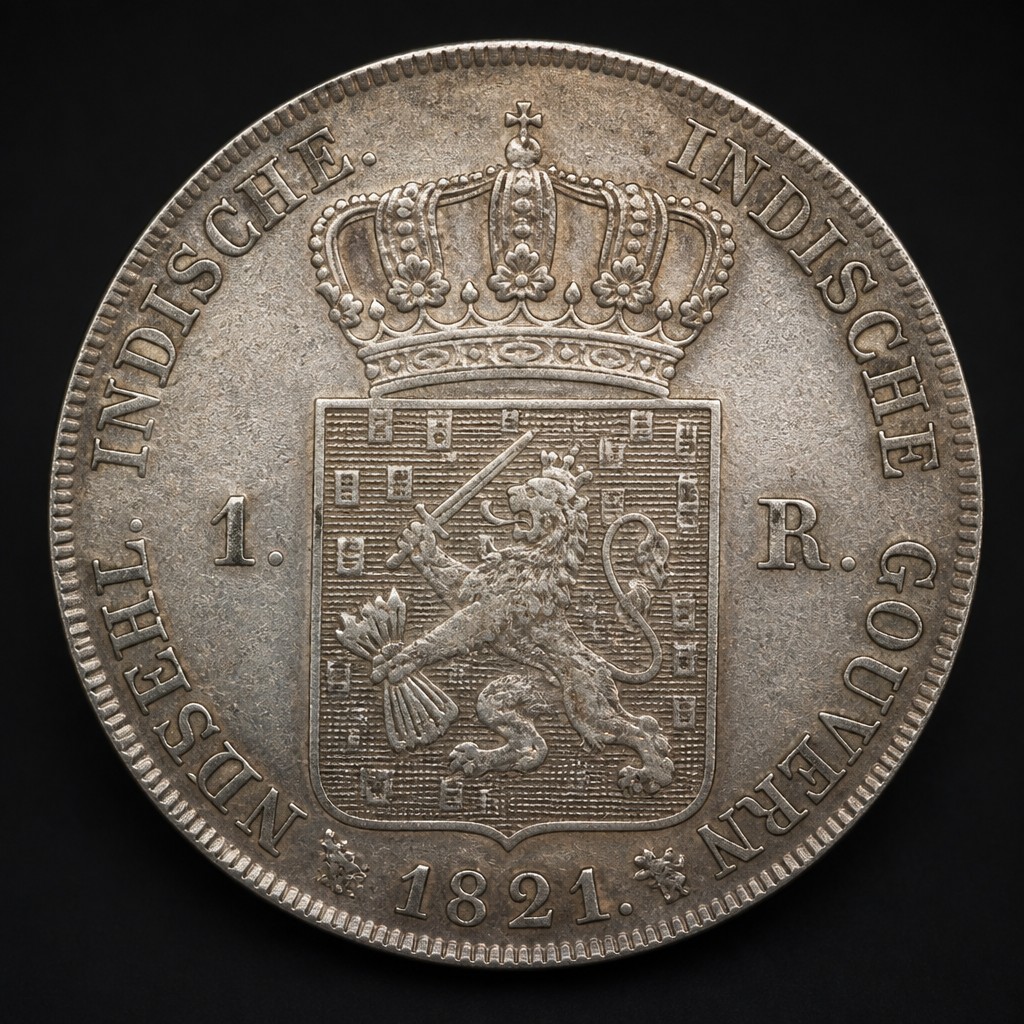
Netherlands East Indies Java Rupee
A Dutch colonial silver rupee struck specifically for the island of Java, issued to standardize local currency amid the many foreign trade coins circulating in the Dutch East Indies.
Asian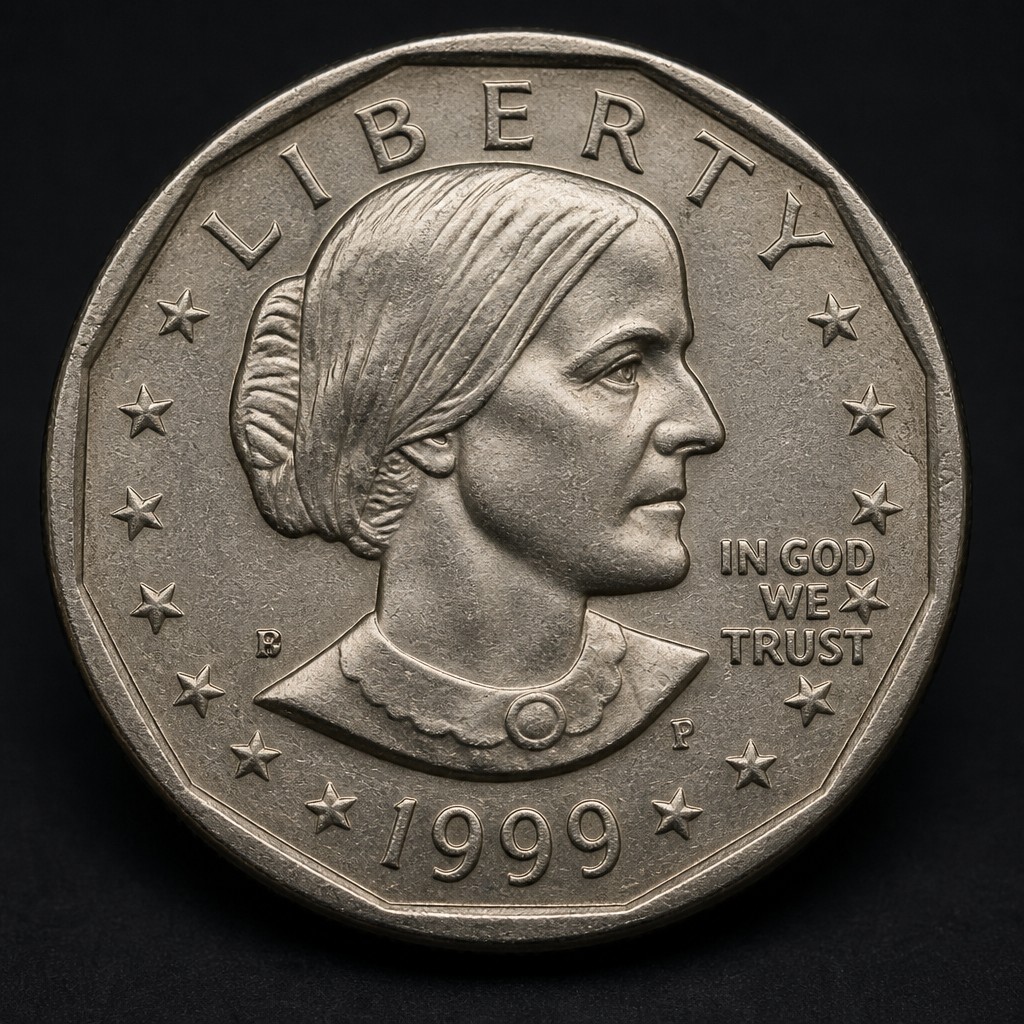
1999 Susan B. Anthony Dollar
A one-year revival of the Susan B. Anthony dollar, struck in 1999 to meet demand for dollar coins in vending and transit use before the Sacagawea dollar's launch the following year.
United States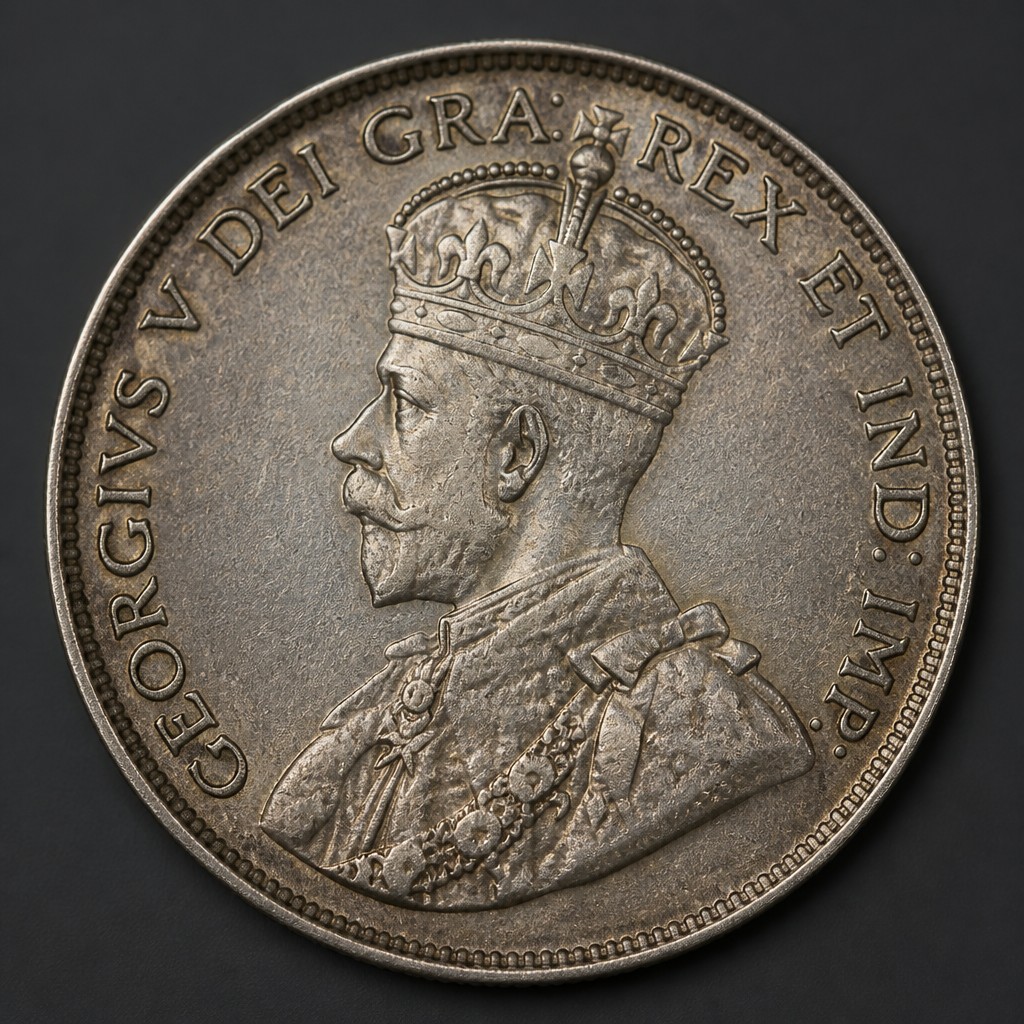
George V Five Cents (silver)
The last era of Canadian silver five-cent coins, struck under King George V until nickel replaced silver in 1922, including the legendary rarity of the 1921 date.
Canadian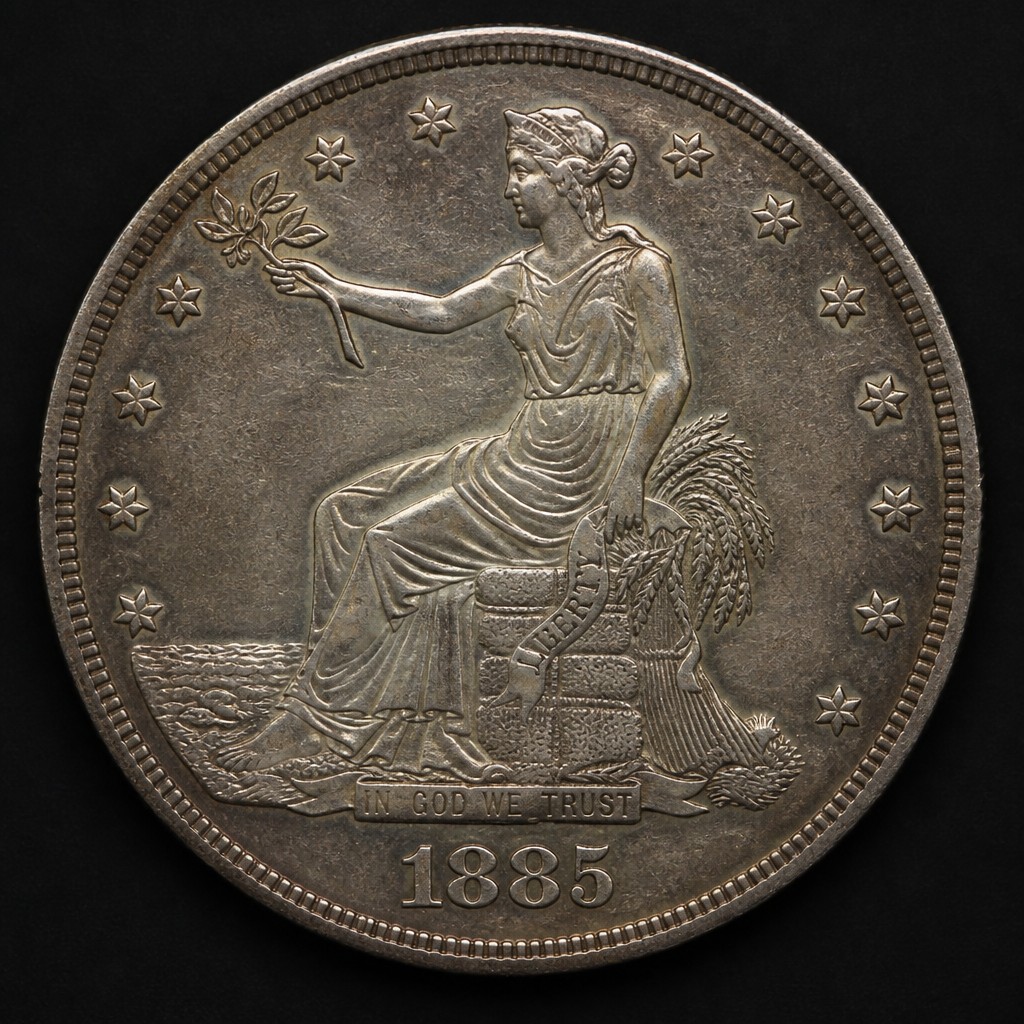
1885 Trade Dollar
One of the rarest official United States coins, a proof-only issue struck years after the Trade dollar series had officially ended, with only a handful of examples known.
United States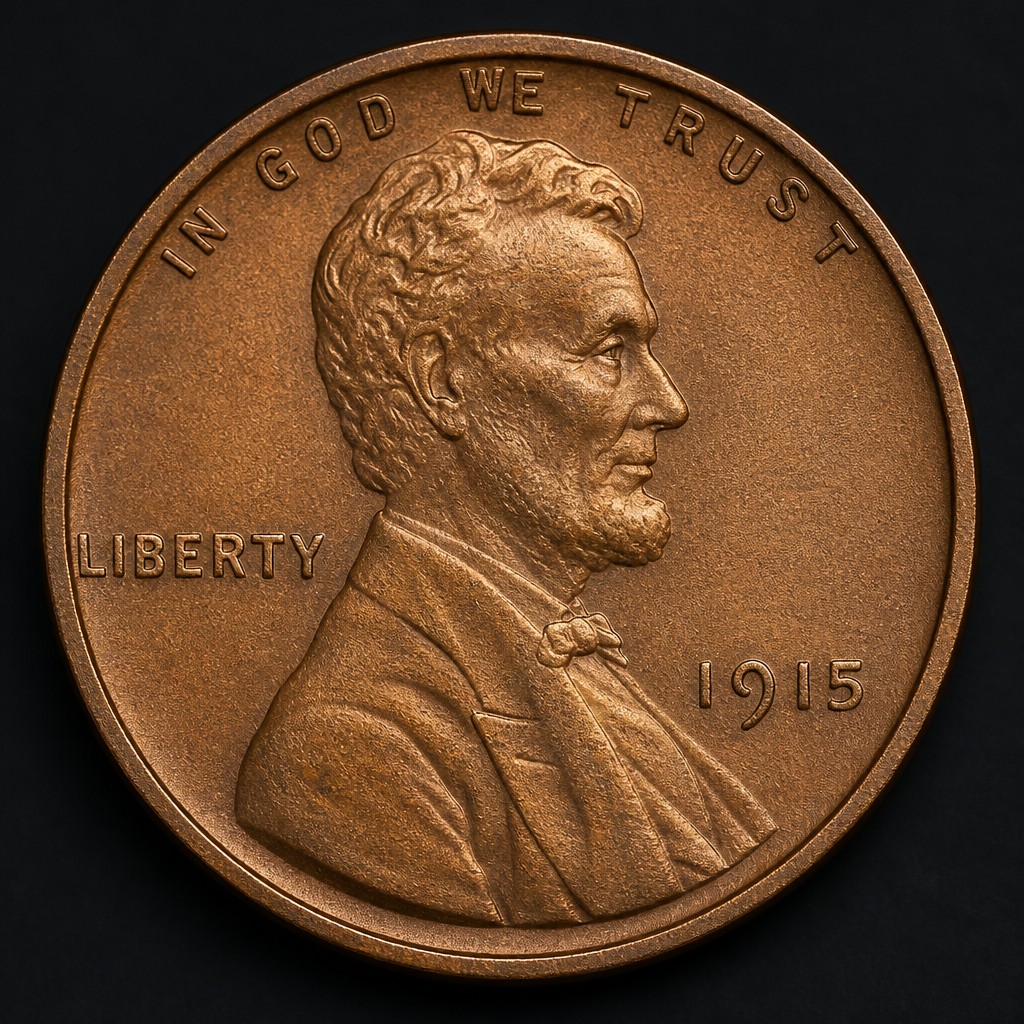
Matte Proof Lincoln Cent
A special proof finish used on Lincoln cents from 1909 to 1916, featuring a fine, sandy, non-reflective surface instead of the mirror-like brilliance of earlier proof coins.
United States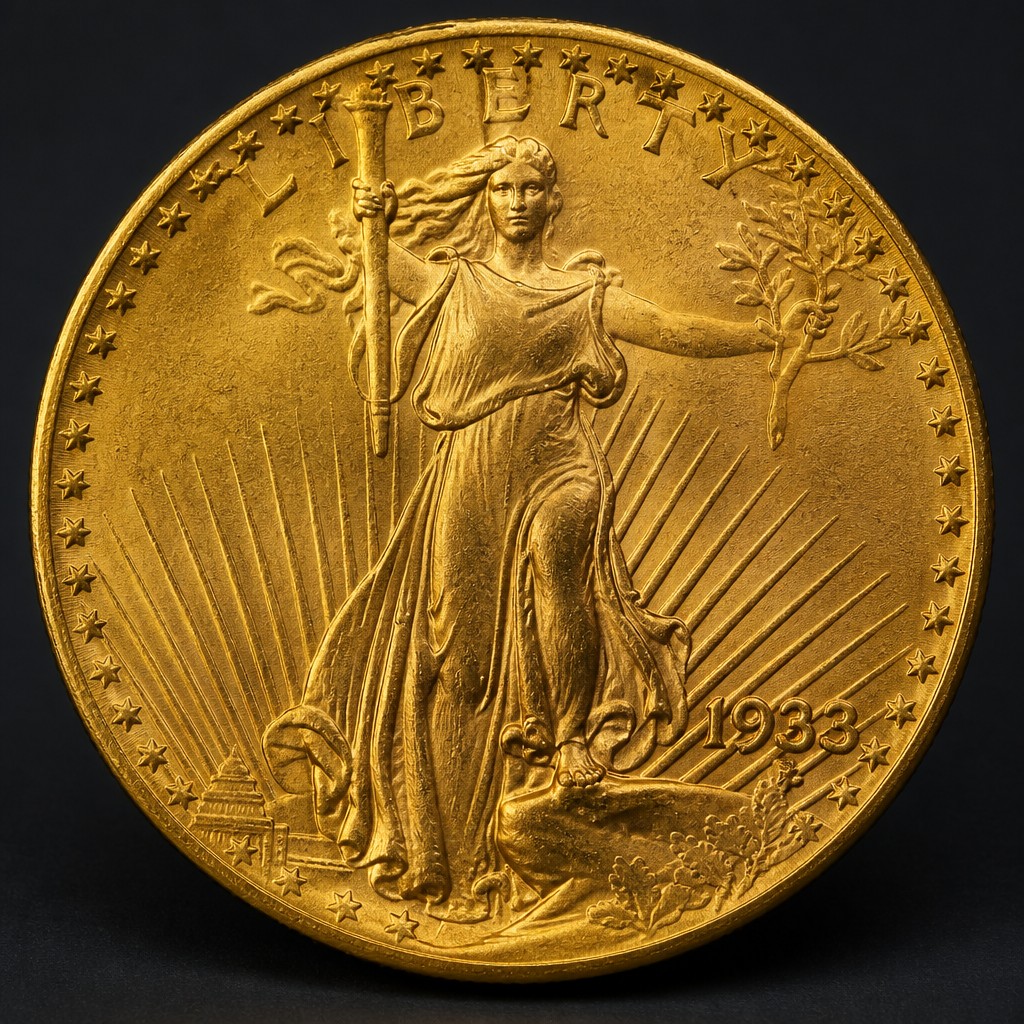
1933 Double Eagle
One of the rarest and most legally contested U.S. coins, struck but never officially released for circulation after the nation left the gold standard; a single example sold for over $18 million.
United States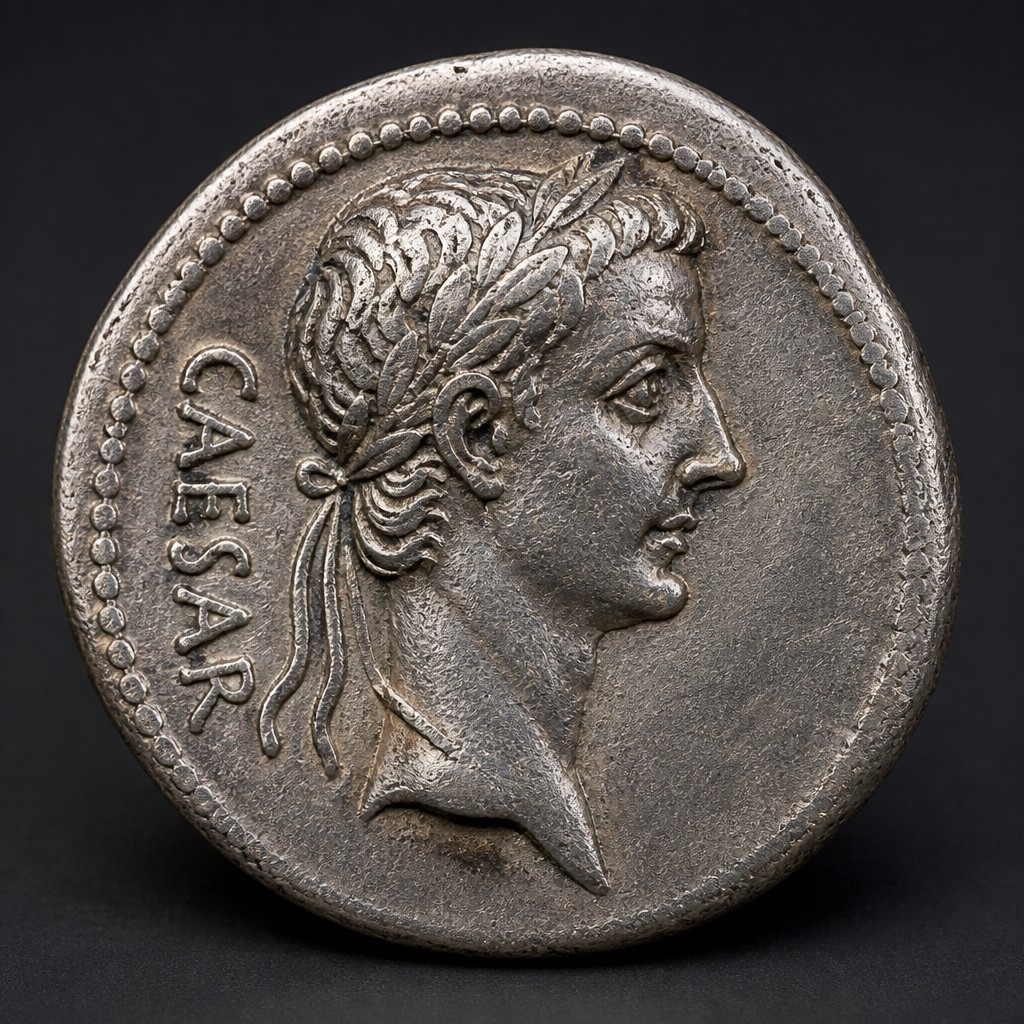
Julius Caesar Elephant Denarius
One of the most widely recognized ancient Roman coins, struck under Julius Caesar's authority and depicting an elephant trampling a serpent, likely a symbolic image tied to Caesar's political struggles.
Ancient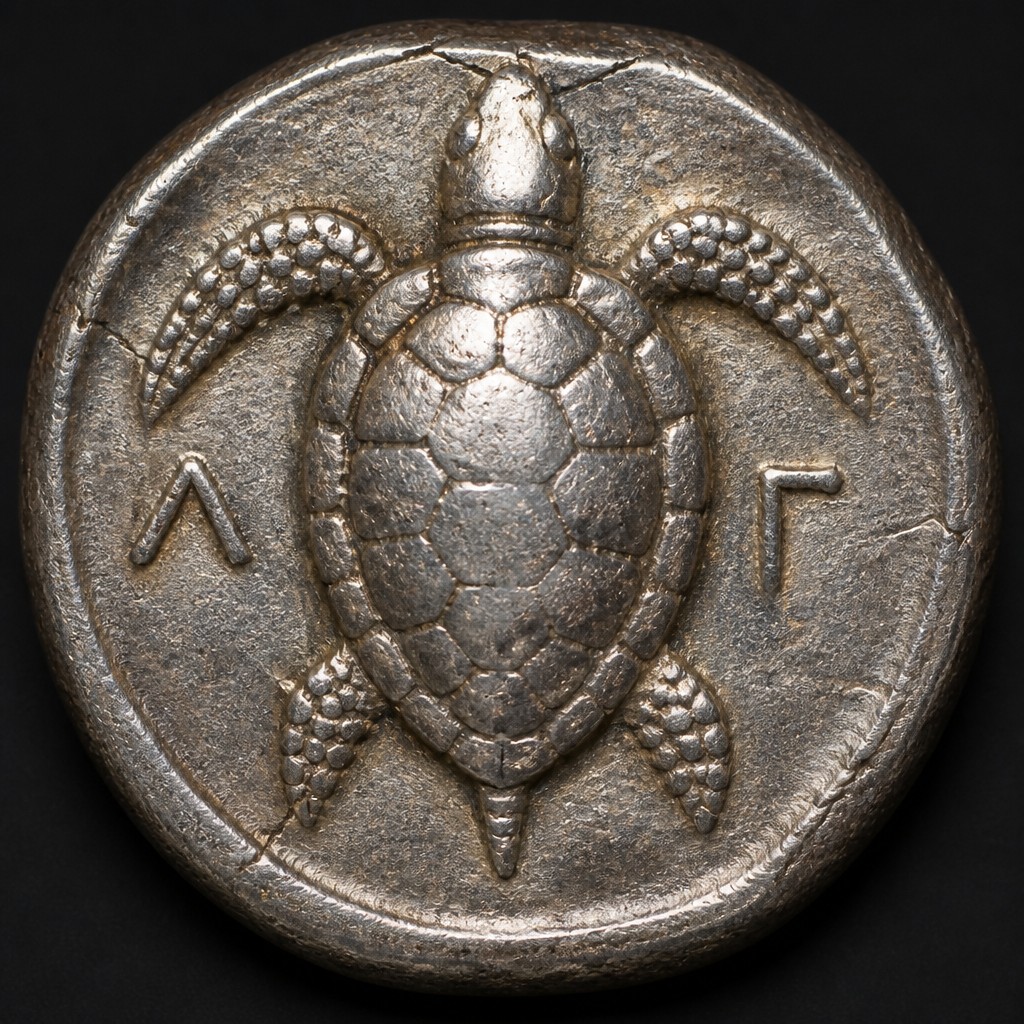
Aegina Sea Turtle Stater
One of the earliest widely circulated Greek silver coins, struck by the island city-state of Aegina, featuring a sea turtle and later a land tortoise, and nicknamed simply 'turtles' by ancient traders.
Ancient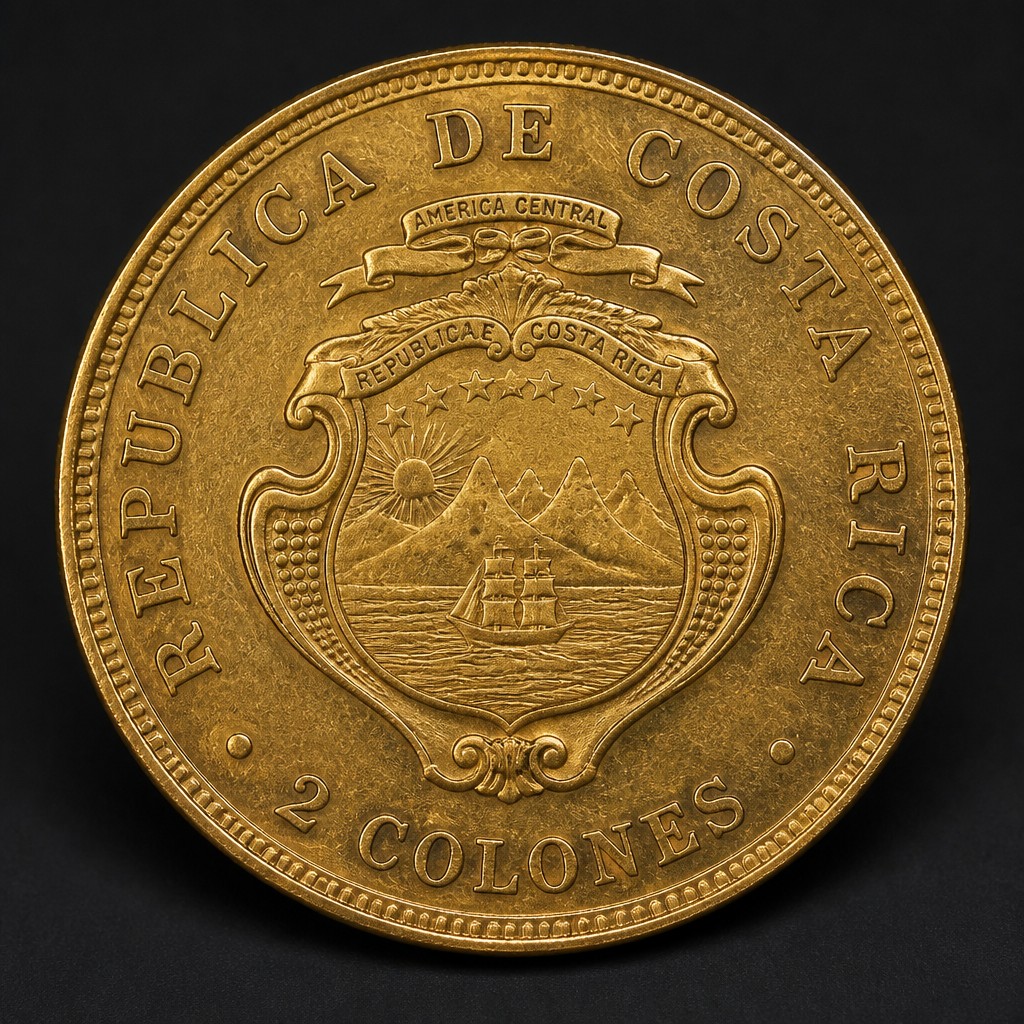
Costa Rica 2 Colones Gold
A small gold denomination from Costa Rica's early colon-era coinage, part of a family of gold coins (2, 5, 10, and 20 colones) struck around the turn of the twentieth century.
Latin American