
Coin Encyclopedia
Search and identify coins from around the world — with country, denomination, metal, mint, history, and how to tell them apart.
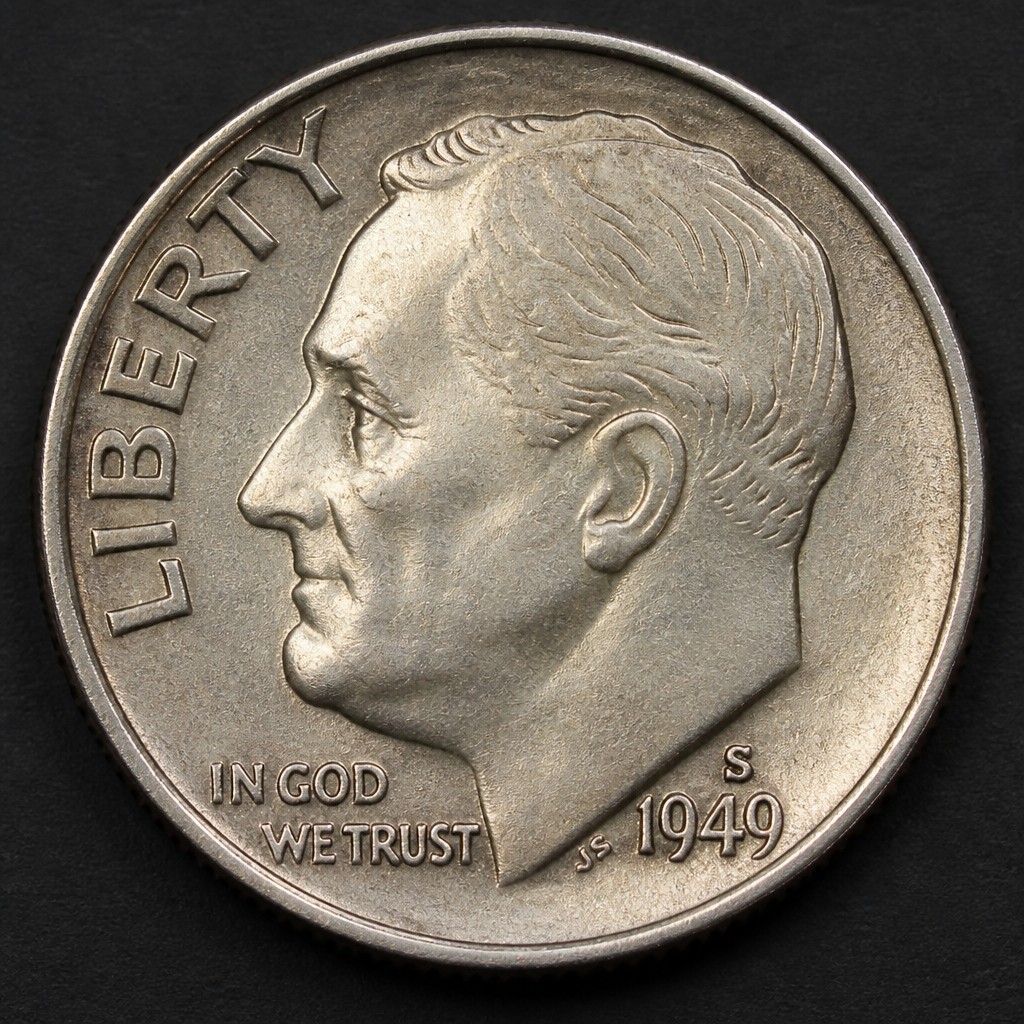
1949-S Roosevelt Dime
A relatively low-mintage early Roosevelt dime from San Francisco, considered a semi-key date that is scarce in fully struck mint condition.
United States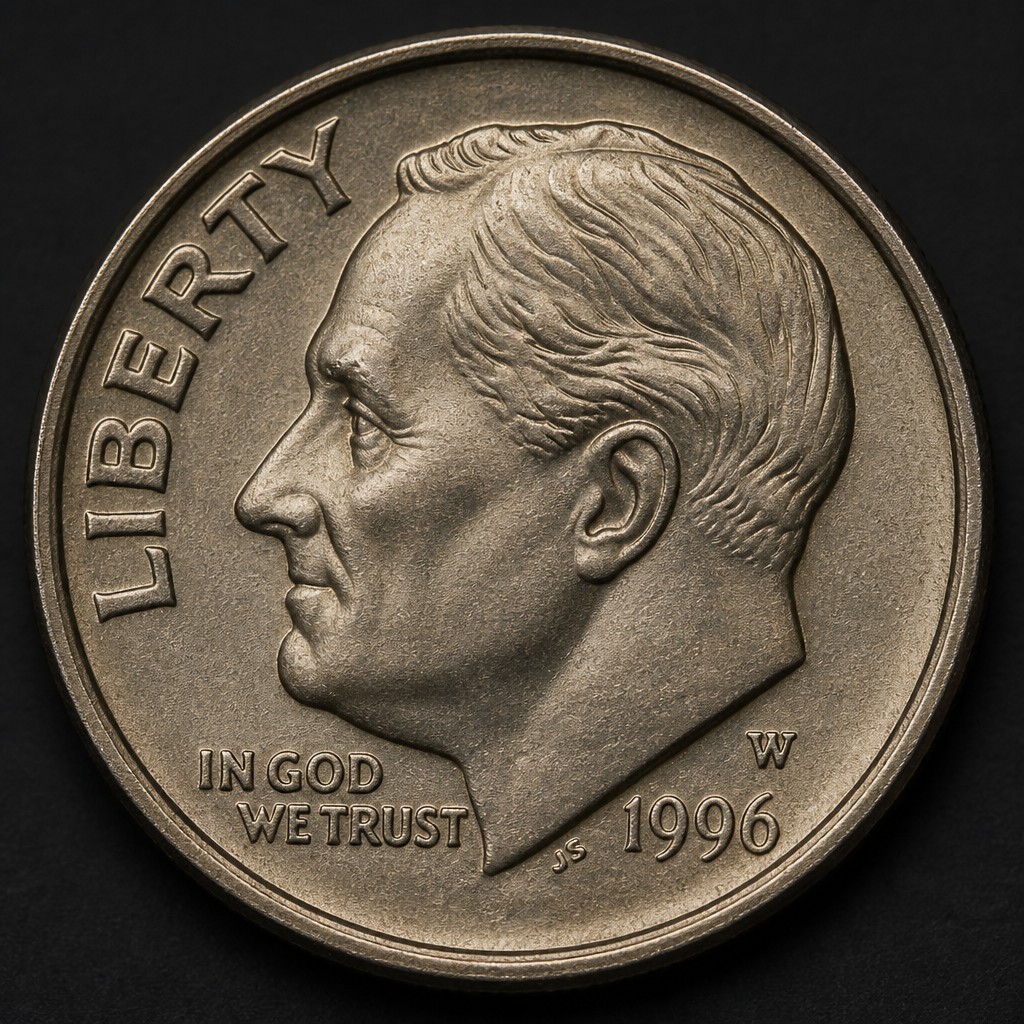
1996-W Roosevelt Dime
A special anniversary-issue dime struck at West Point and included only in 1996 Uncirculated Mint Sets, never released for general circulation.
United States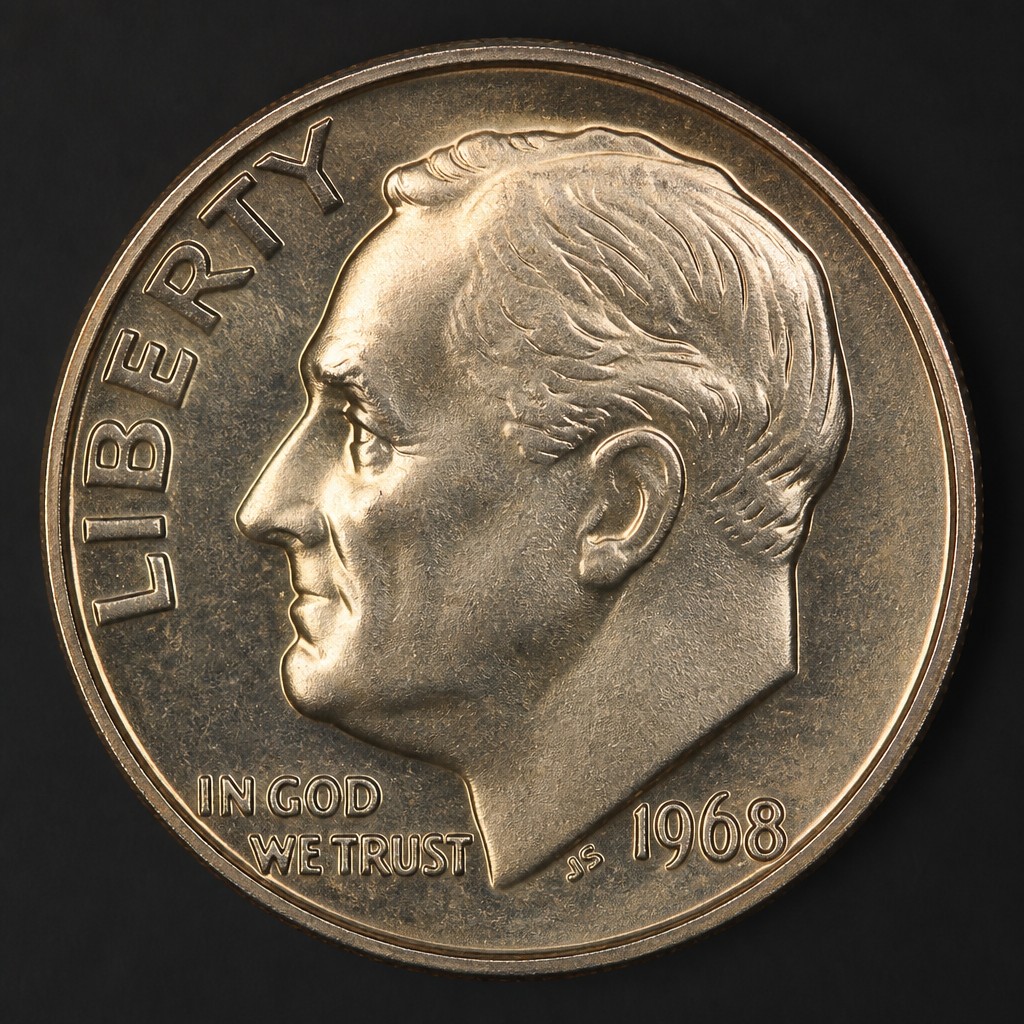
1968 No S Proof Roosevelt Dime
The first of the famous 'No S' proof Roosevelt dime errors, struck at San Francisco without its mintmark; scarce but more available than later No S dimes.
Errors & Varieties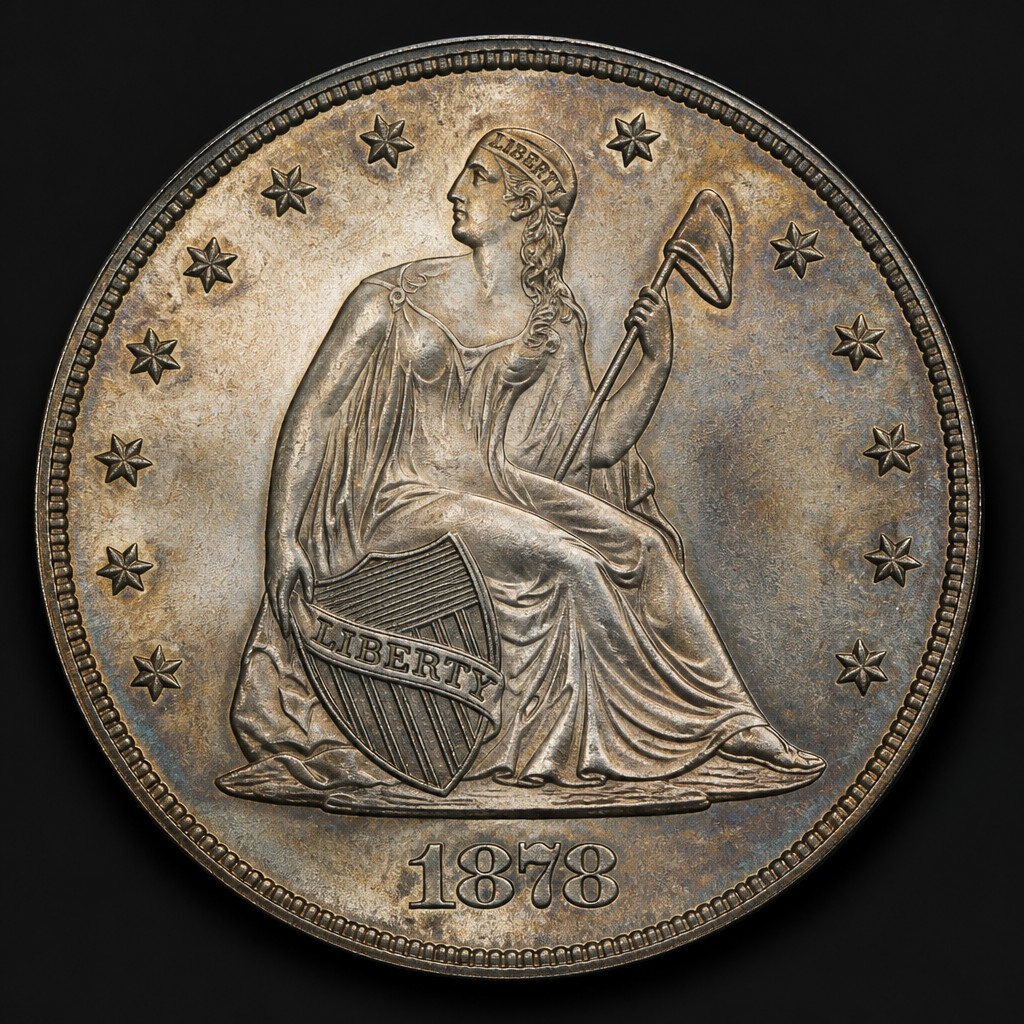
1878 Twenty-Cent Piece (Proof)
The final-year proof-only issue of the US twenty-cent piece, struck for collectors just before Congress formally ended the short-lived denomination.
United States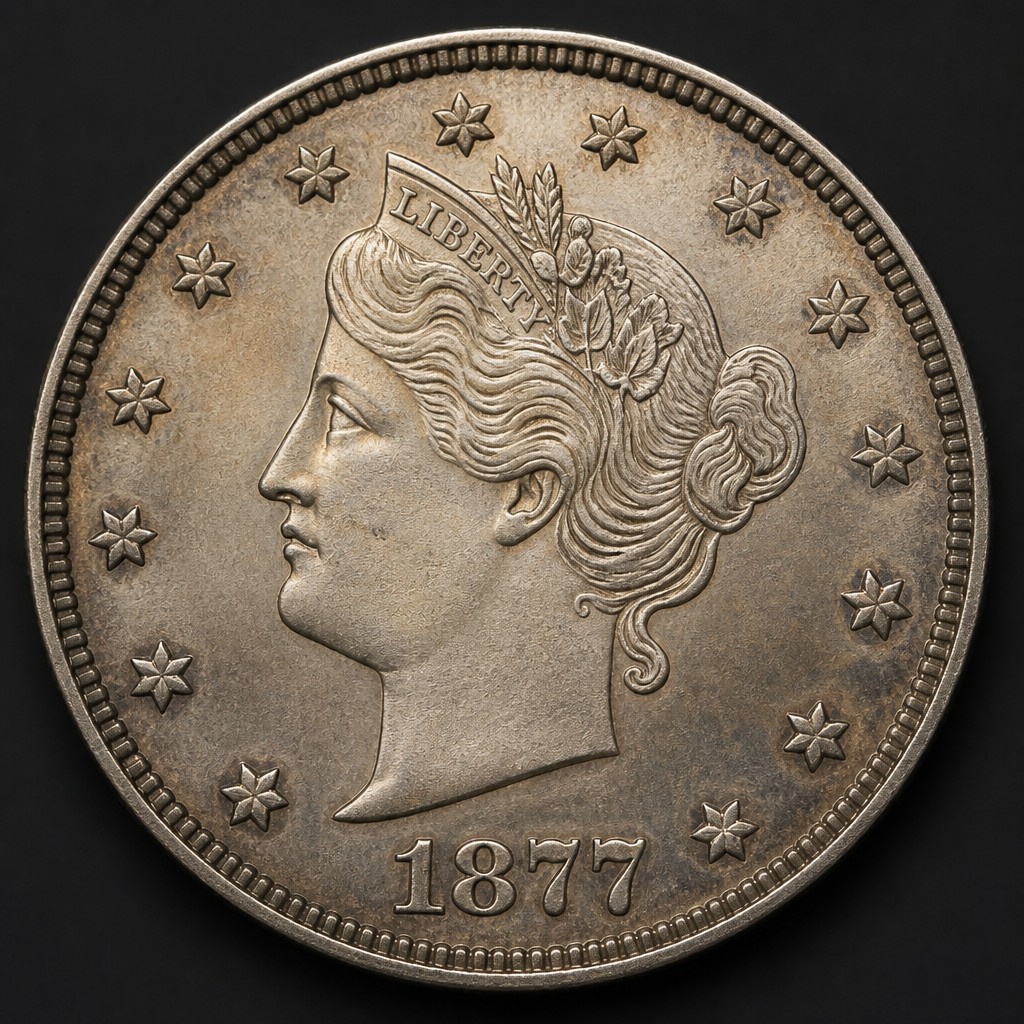
1877 Twenty-Cent Piece (Proof)
A proof-only issue of the twenty-cent piece, struck for collectors after the denomination had already been abandoned for regular circulation.
United States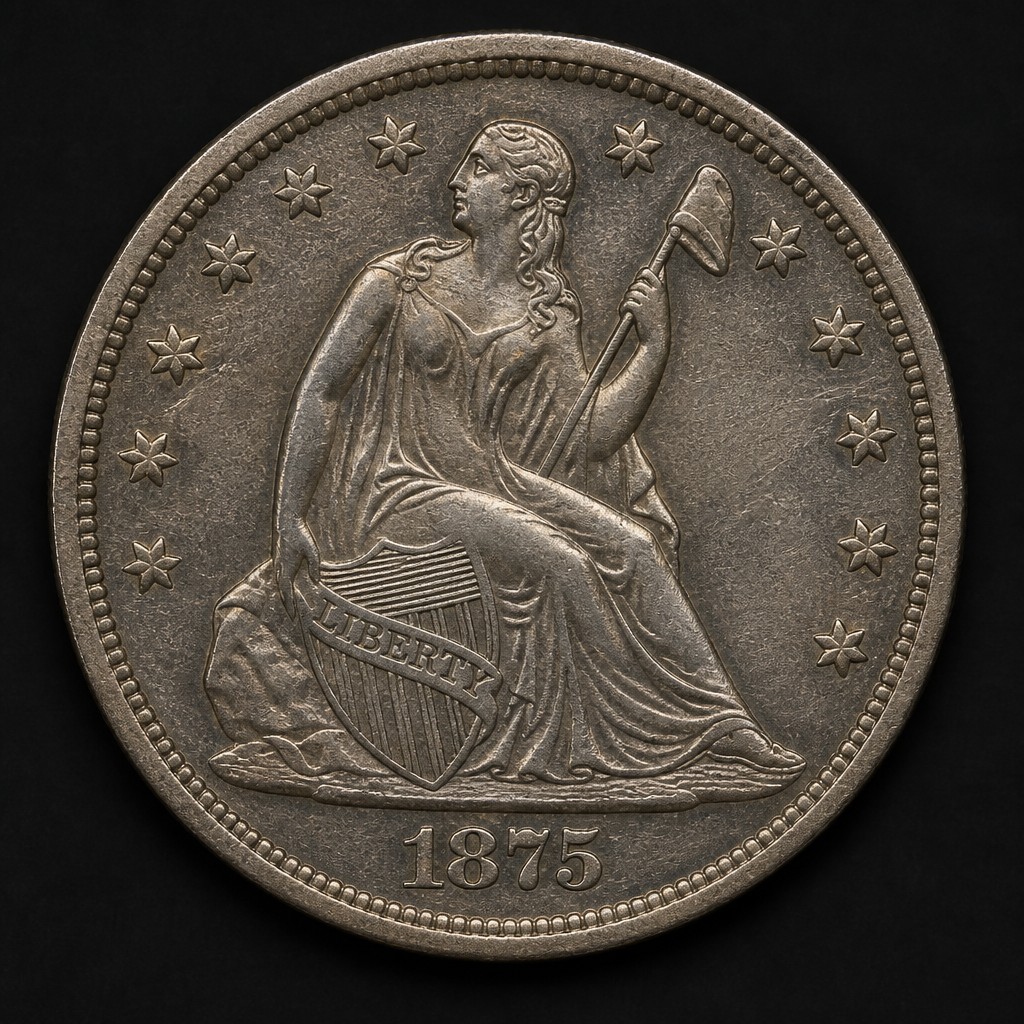
1875-CC Twenty-Cent Piece
A Carson City strike of the short-lived US twenty-cent piece, valued both for its unusual denomination and its Wild West mint origin.
United States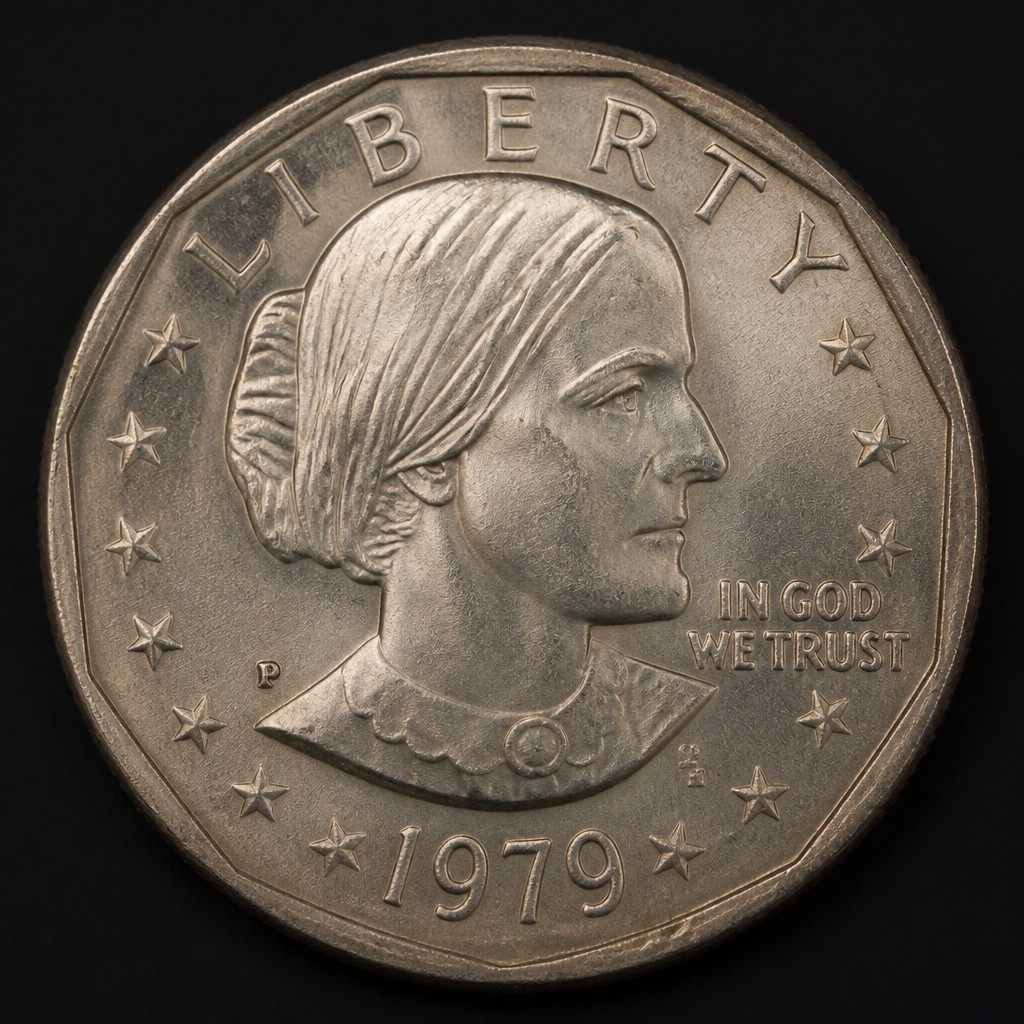
Susan B. Anthony Dollar
A small-size dollar coin honoring women's suffrage leader Susan B. Anthony, notable as the first U.S. coin to depict a specific historical American woman.
United States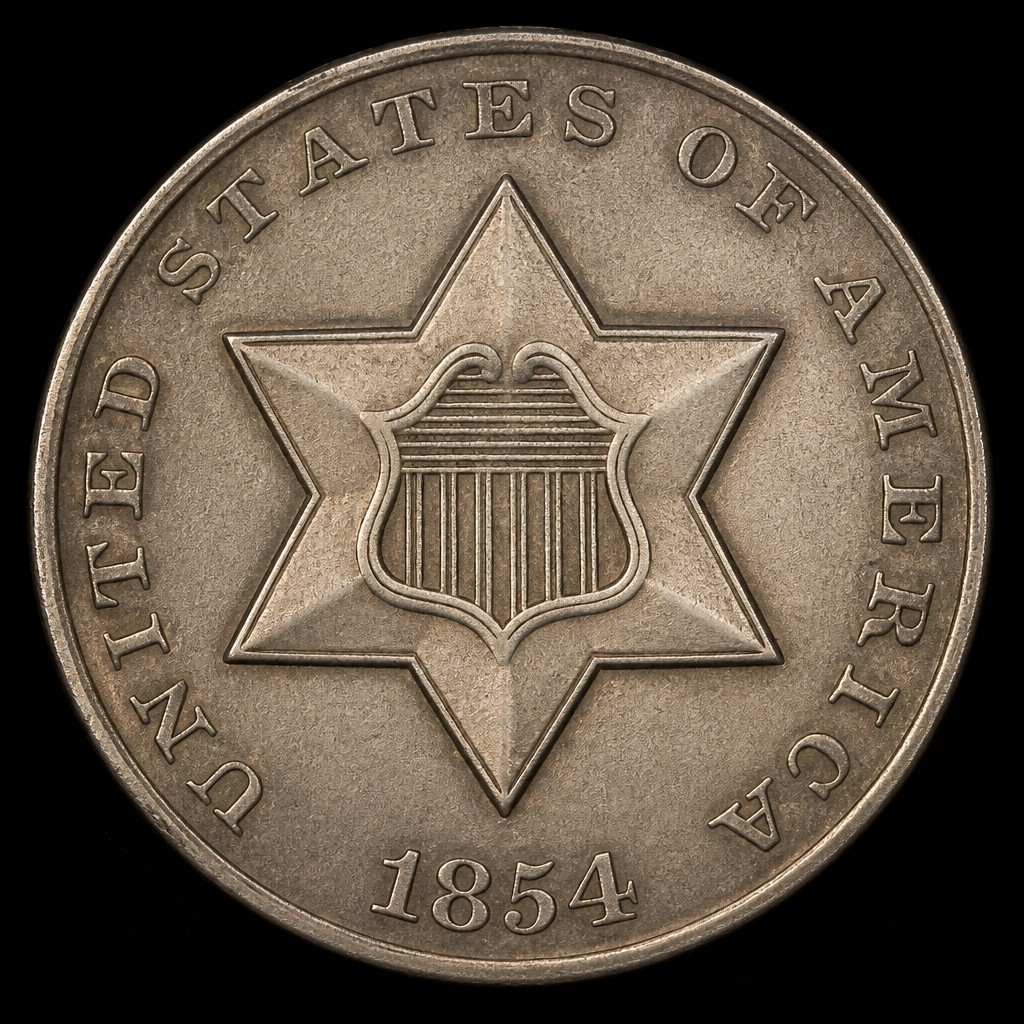
Type II Silver Three-Cent Piece
A short-lived redesign of the silver three-cent piece with heavier silver content and an outlined star, known for weak strikes and generally low mintages.
United States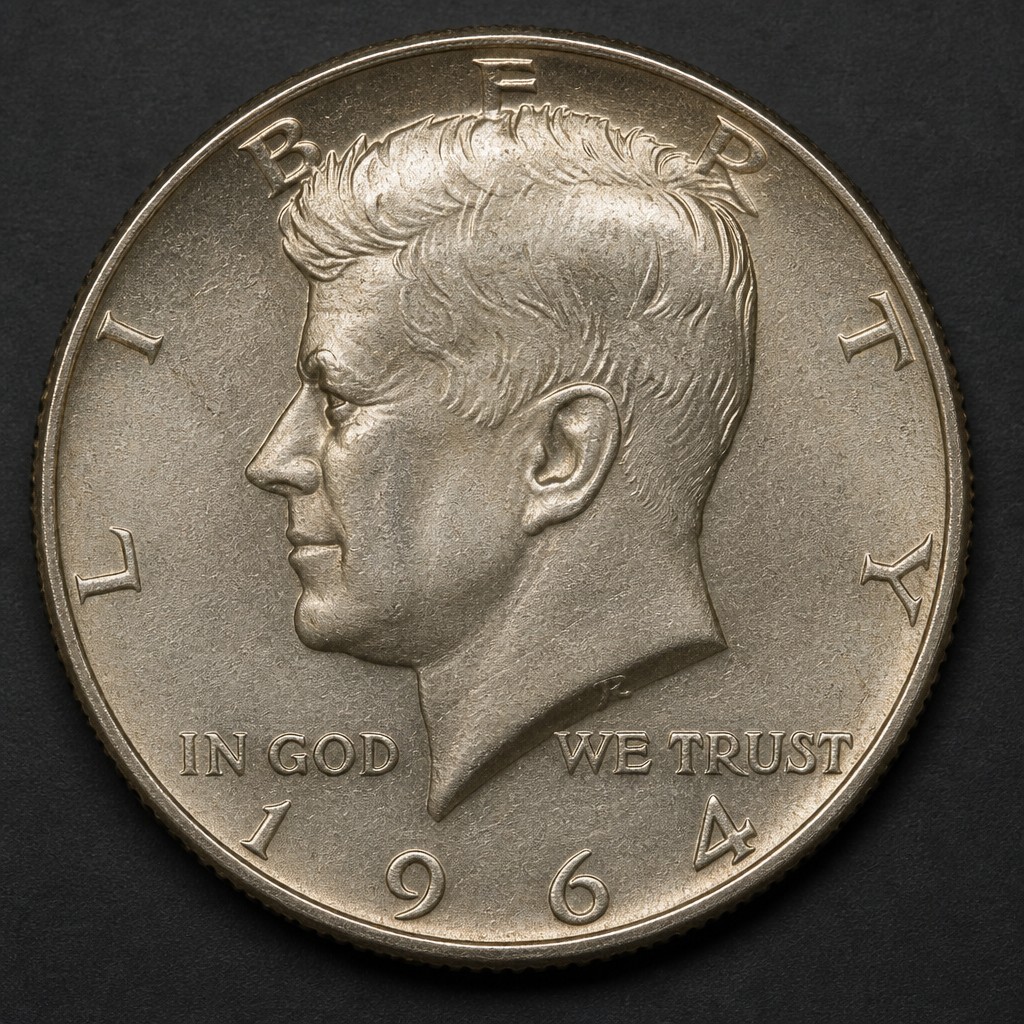
Kennedy Half Dollar
A half dollar issued starting in 1964 to honor assassinated President John F. Kennedy, quickly becoming a widely saved and collected commemorative-style circulating coin.
United States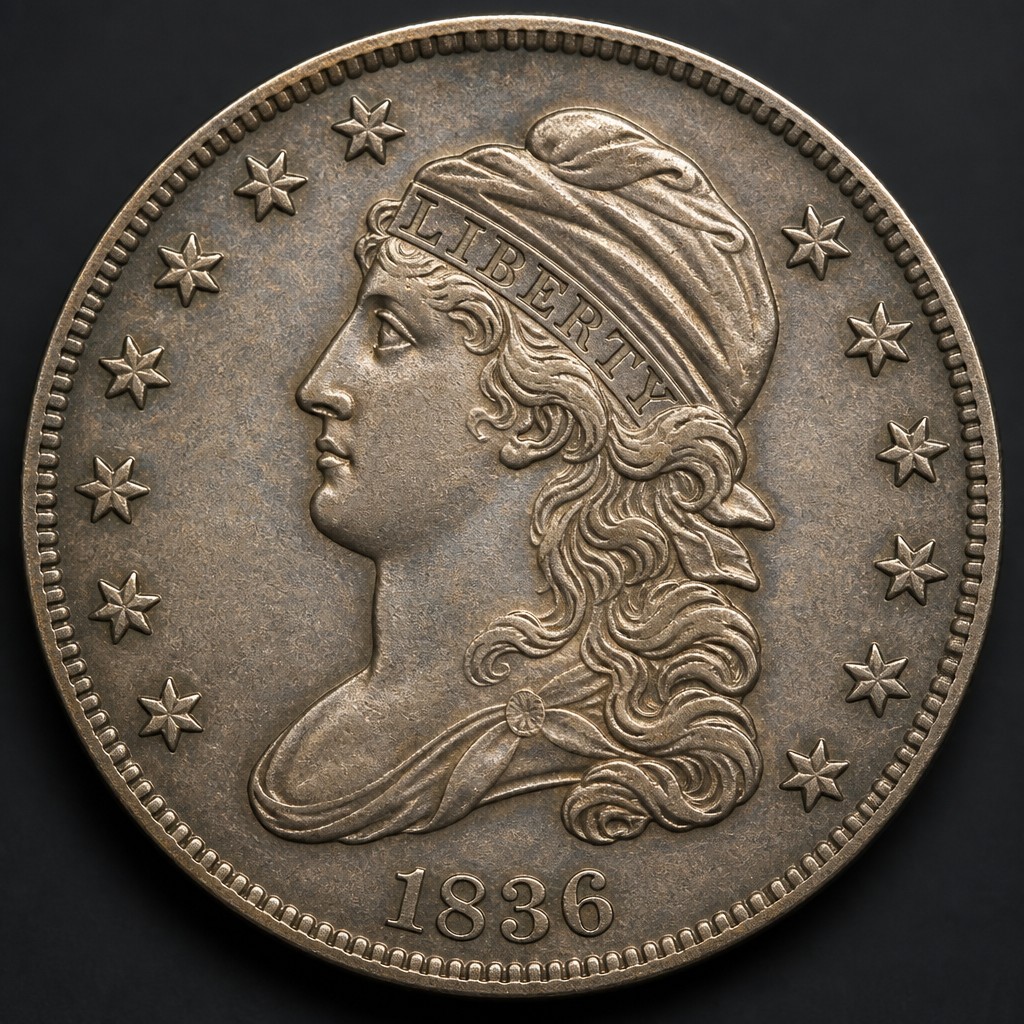
Gobrecht Dollar
A transitional silver dollar designed by Christian Gobrecht featuring a seated Liberty obverse and a flying eagle reverse, bridging older and newer designs in U.S. coinage.
United States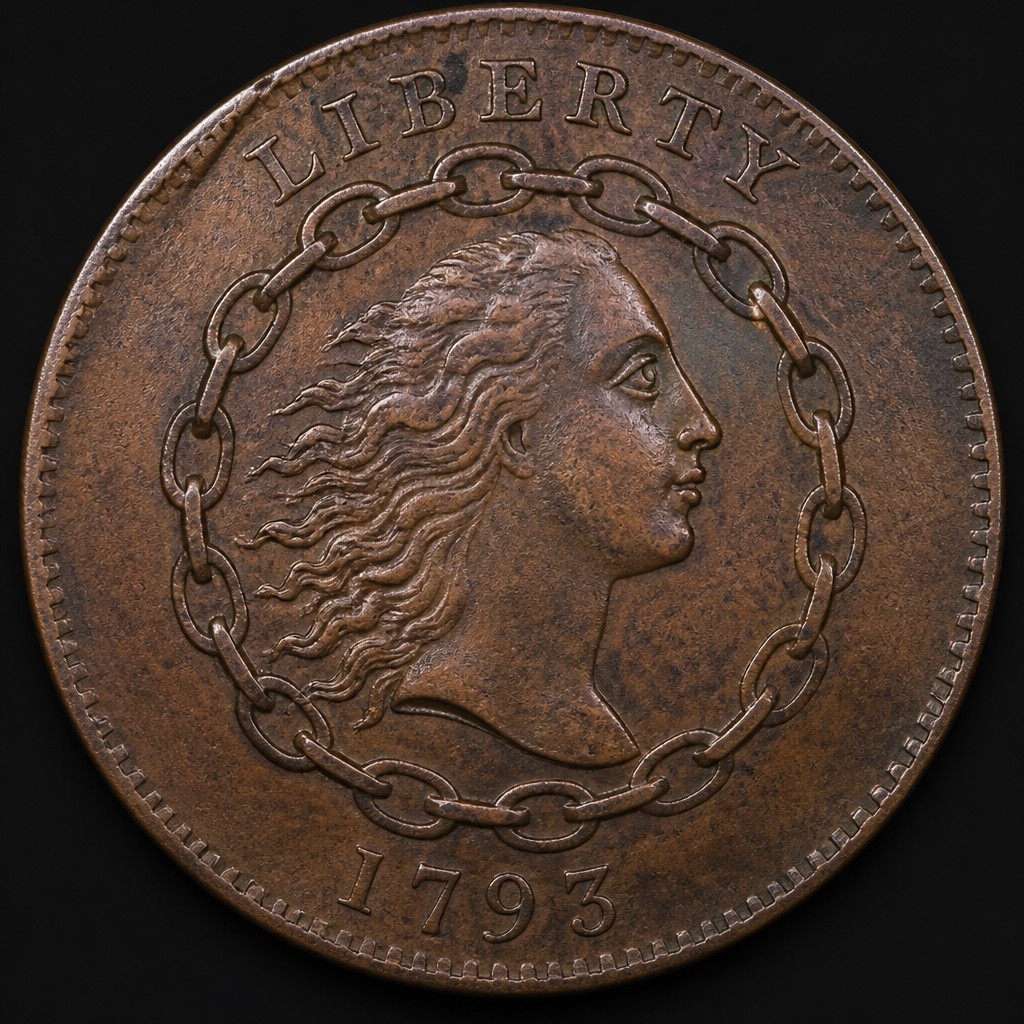
1793 Chain Cent
The very first cent struck for circulation by the U.S. Mint, dated 1793, famous for its short-lived and controversial 15-link chain reverse.
United States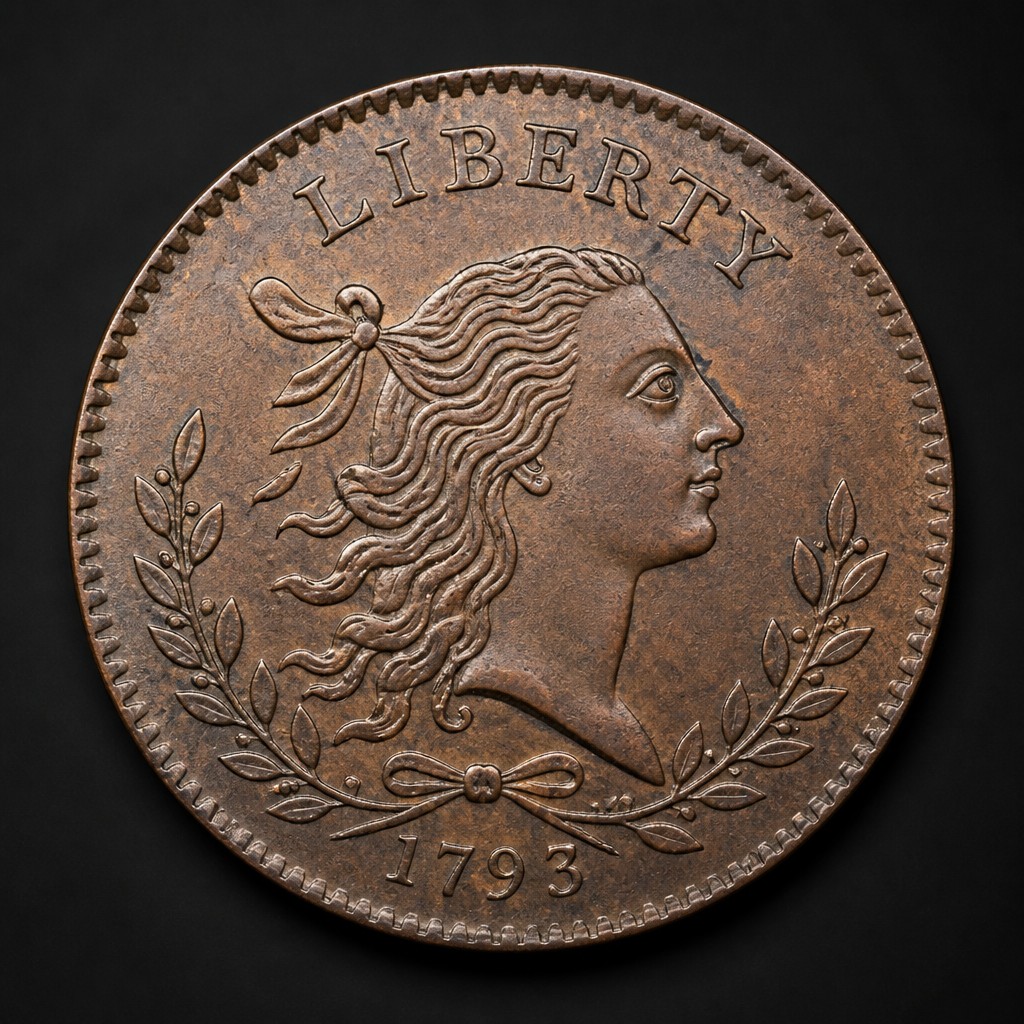
Flowing Hair Wreath Cent
The replacement for the controversial Chain cent, struck for just a few months in 1793 with a simple wreath reverse instead of a chain.
United States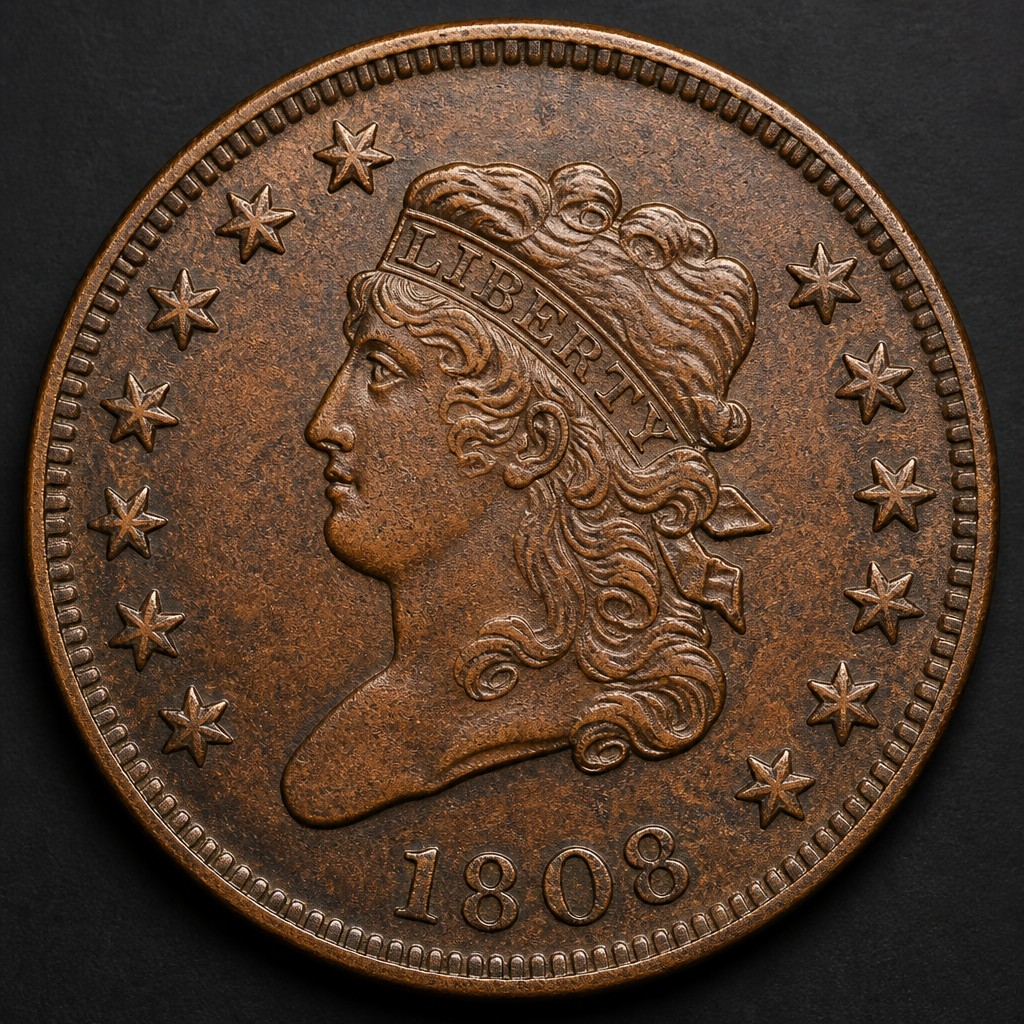
Classic Head Large Cent
A short-lived early copper cent design with Liberty wearing a simple fillet, struck during the years surrounding the War of 1812.
United States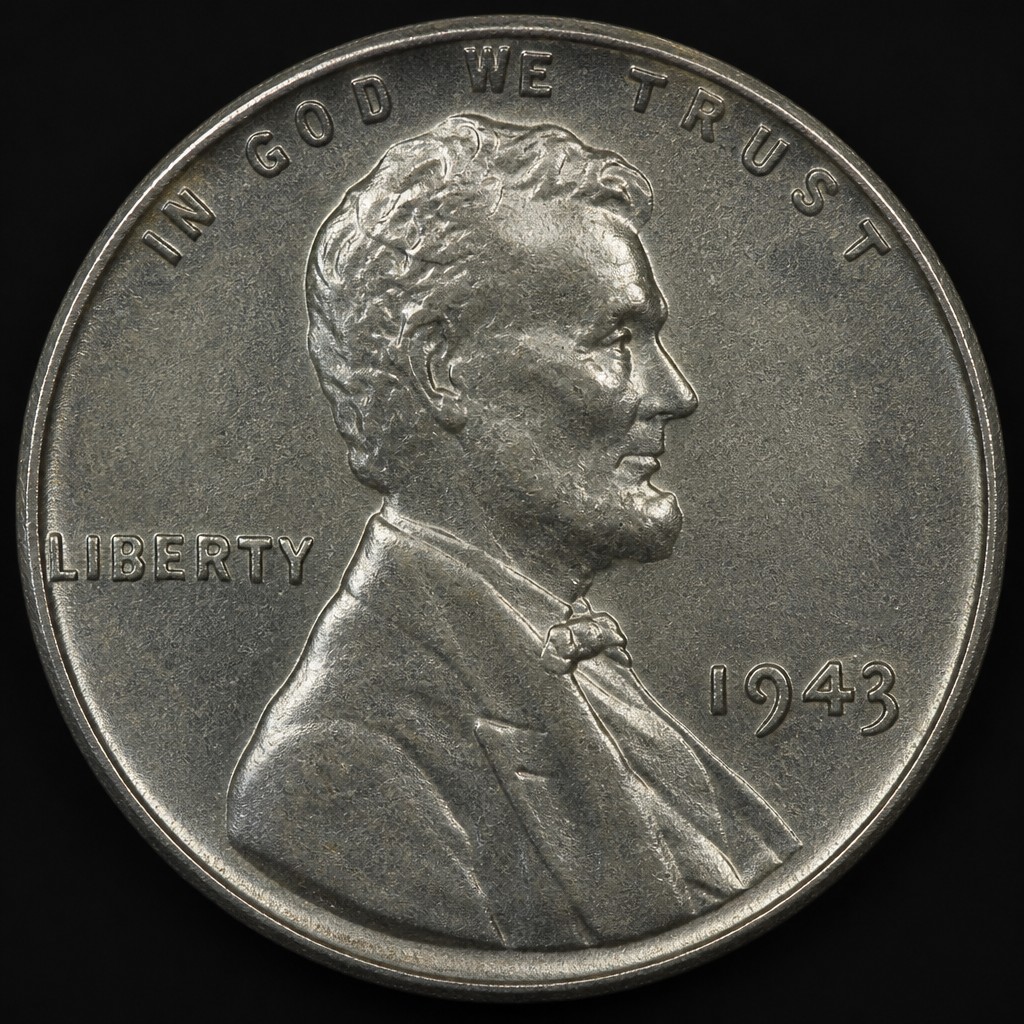
1943 Steel Cent
A one-year-only zinc-coated steel cent struck to conserve copper for World War II ammunition and equipment production, easily recognized by its silvery color.
United States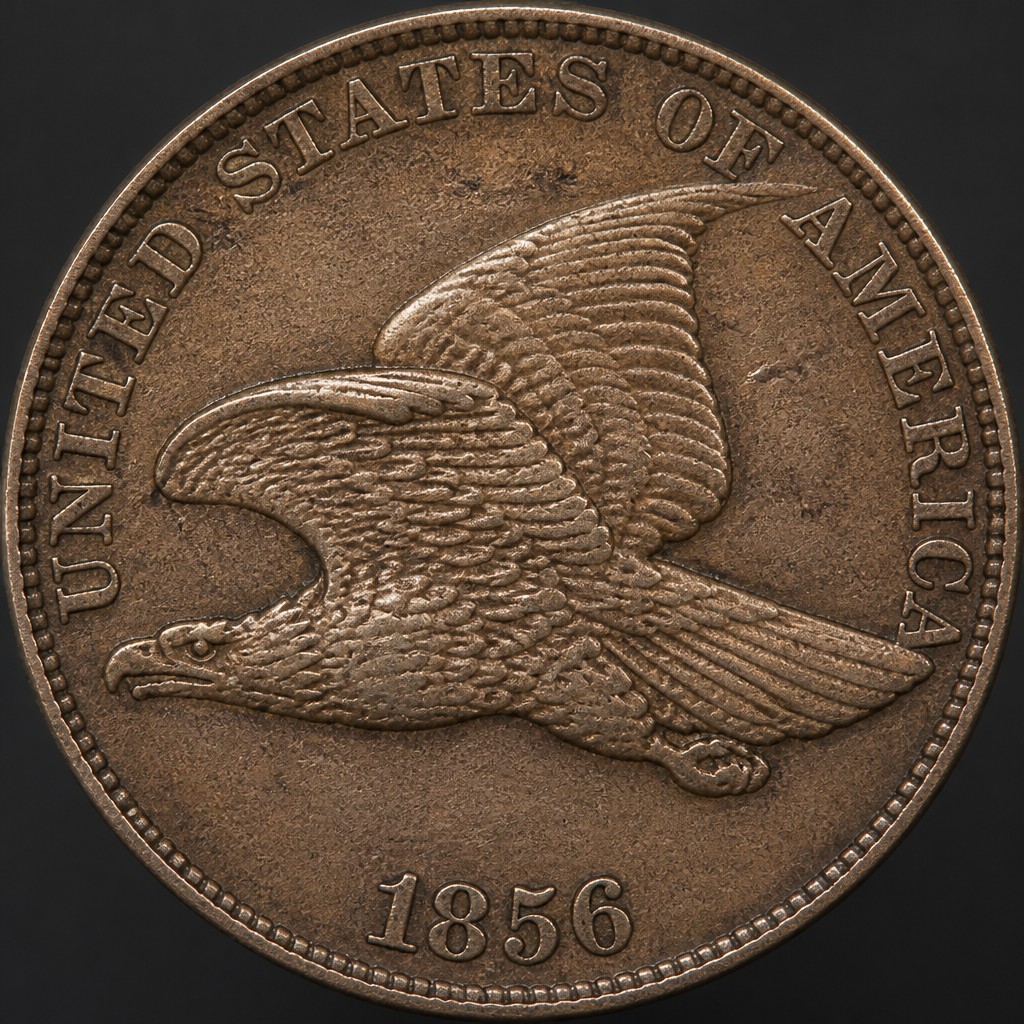
Flying Eagle Cent
The first small-size U.S. cent, introduced in 1856 to replace the large copper cent, featuring a flying eagle obverse designed by James B. Longacre.
United States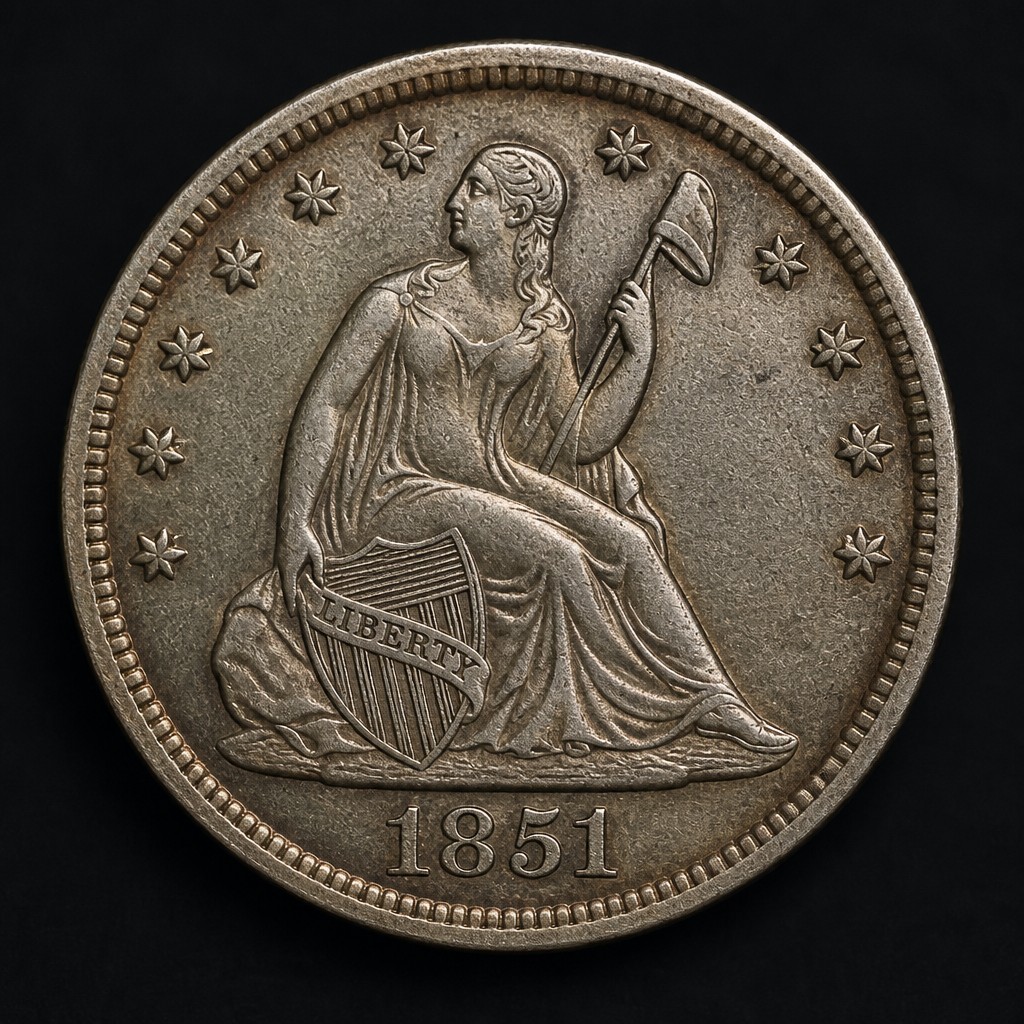
1851 Silver Three-Cent Piece
The first-year issue of the tiny Type I silver three-cent piece, nicknamed the trime, created to ease a national shortage of small change and postage-stamp coinage.
United States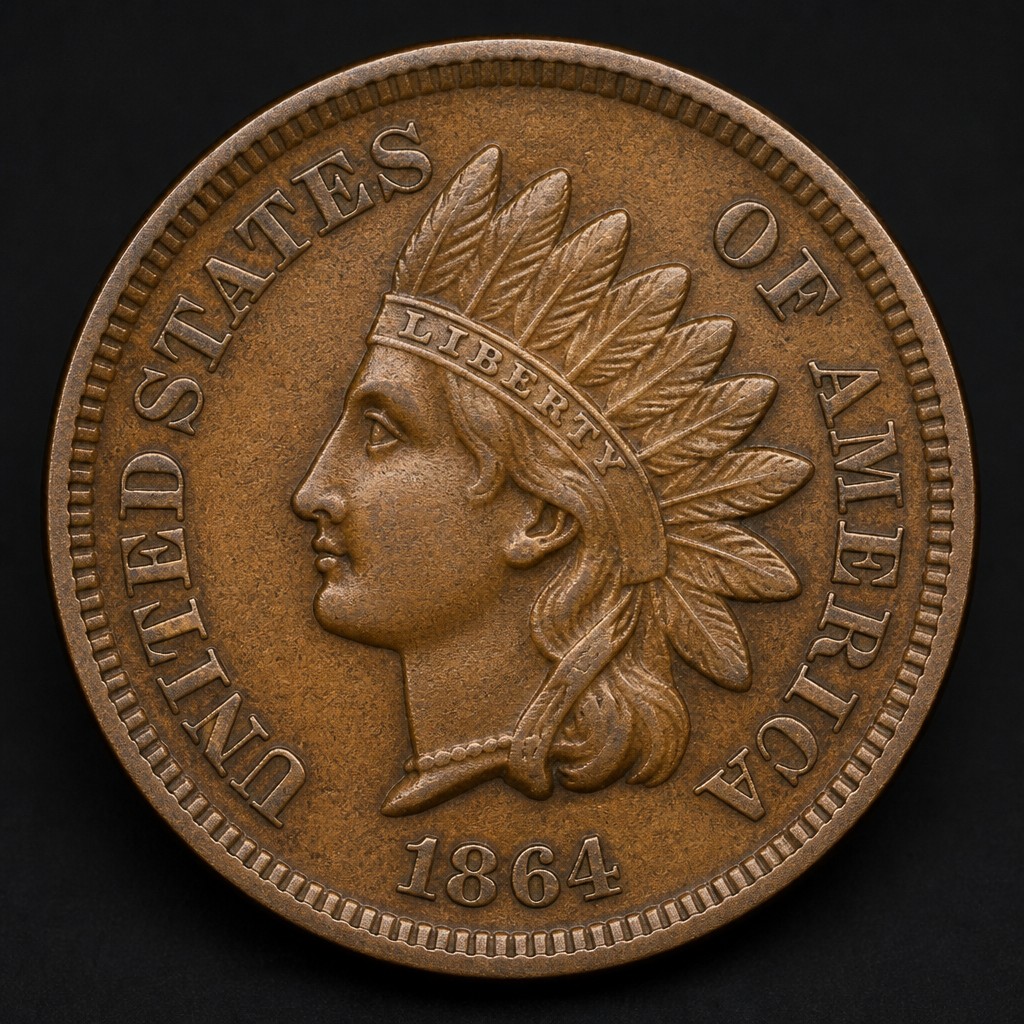
1864 L Indian Head Cent
A famous variety of the 1864 bronze Indian Head cent bearing a tiny L on Liberty's ribbon for designer James Longacre, one of the most recognized key varieties in the series.
United States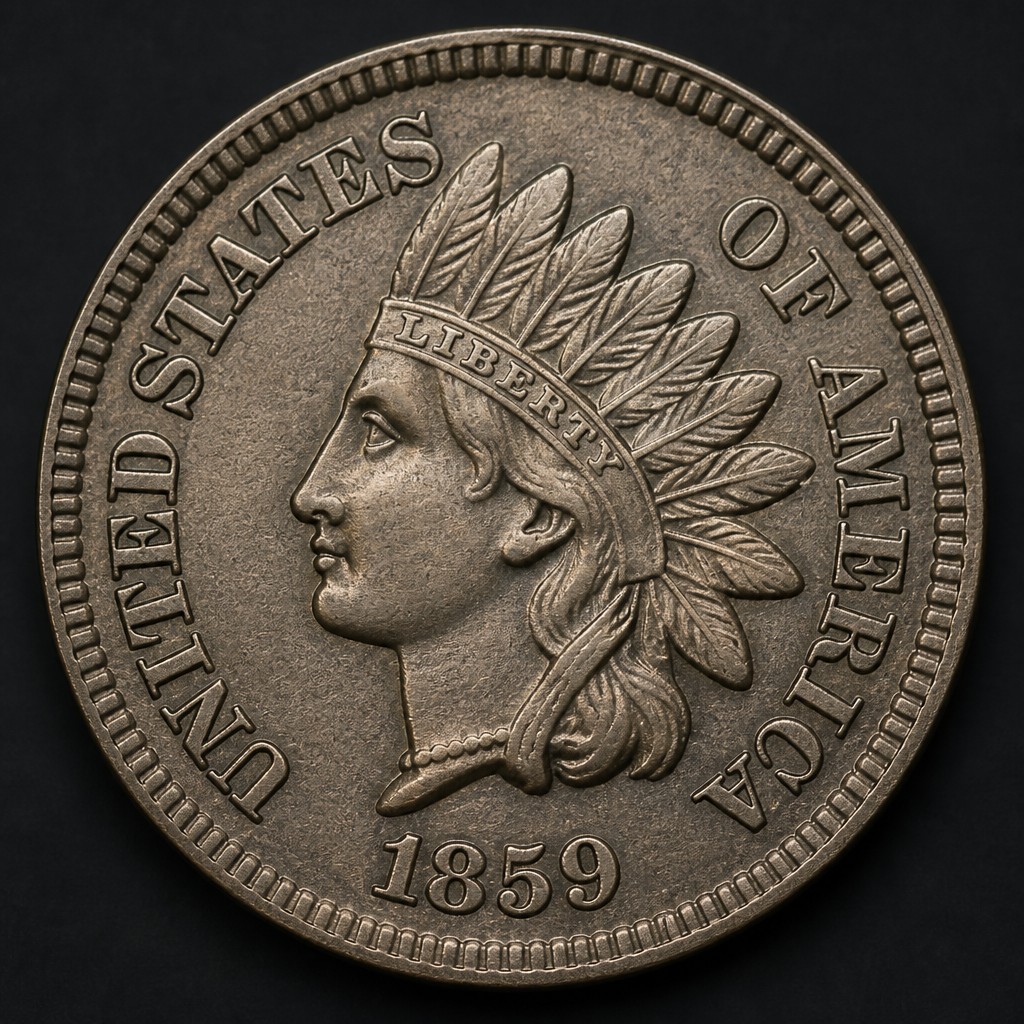
Copper-Nickel Indian Head Cent
The earliest Indian Head cents, struck in copper-nickel from 1859 to 1864 before the Mint switched to a thinner bronze alloy, nicknamed 'white cents' for their pale color.
United States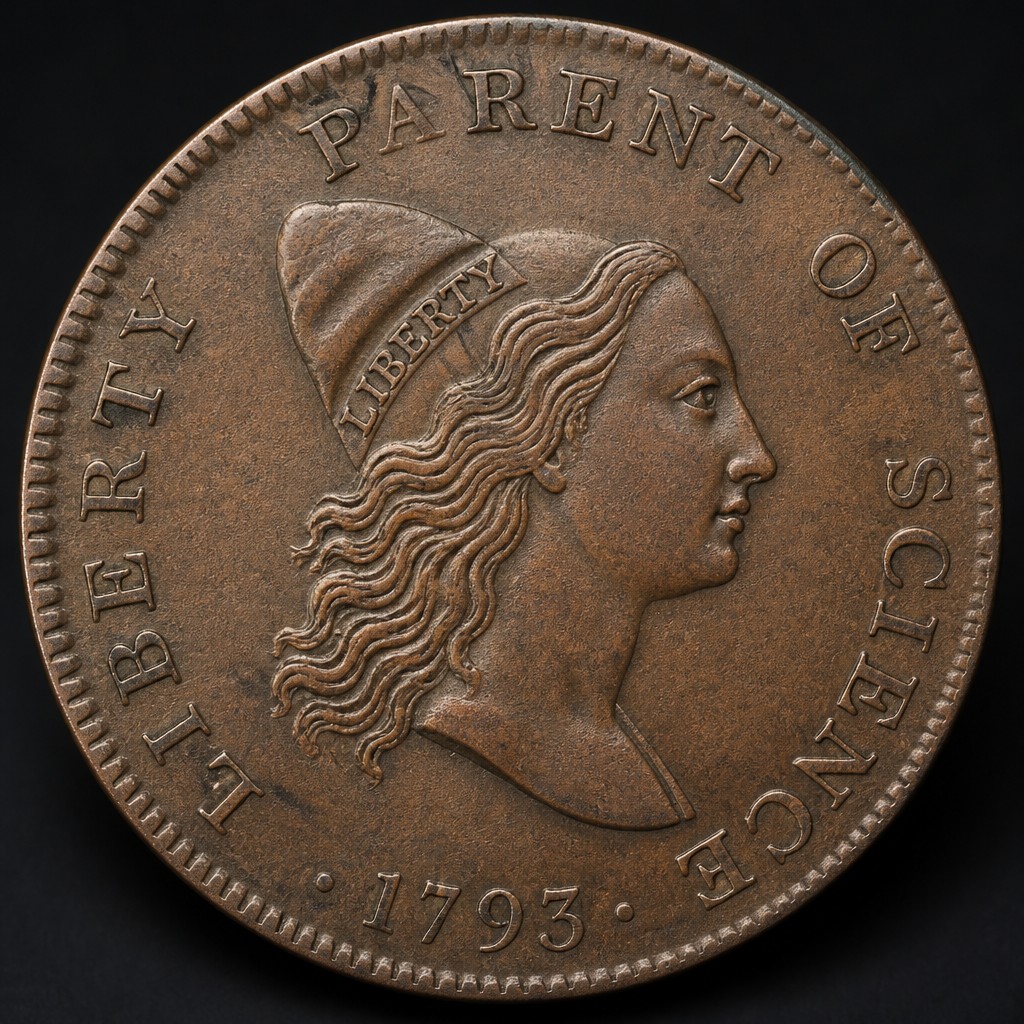
1793 Liberty Cap Half Cent
The first-year half cent, struck in 1793 with a distinctive 'Head Facing Left' Liberty Cap design used only that single year before the design was revised.
United States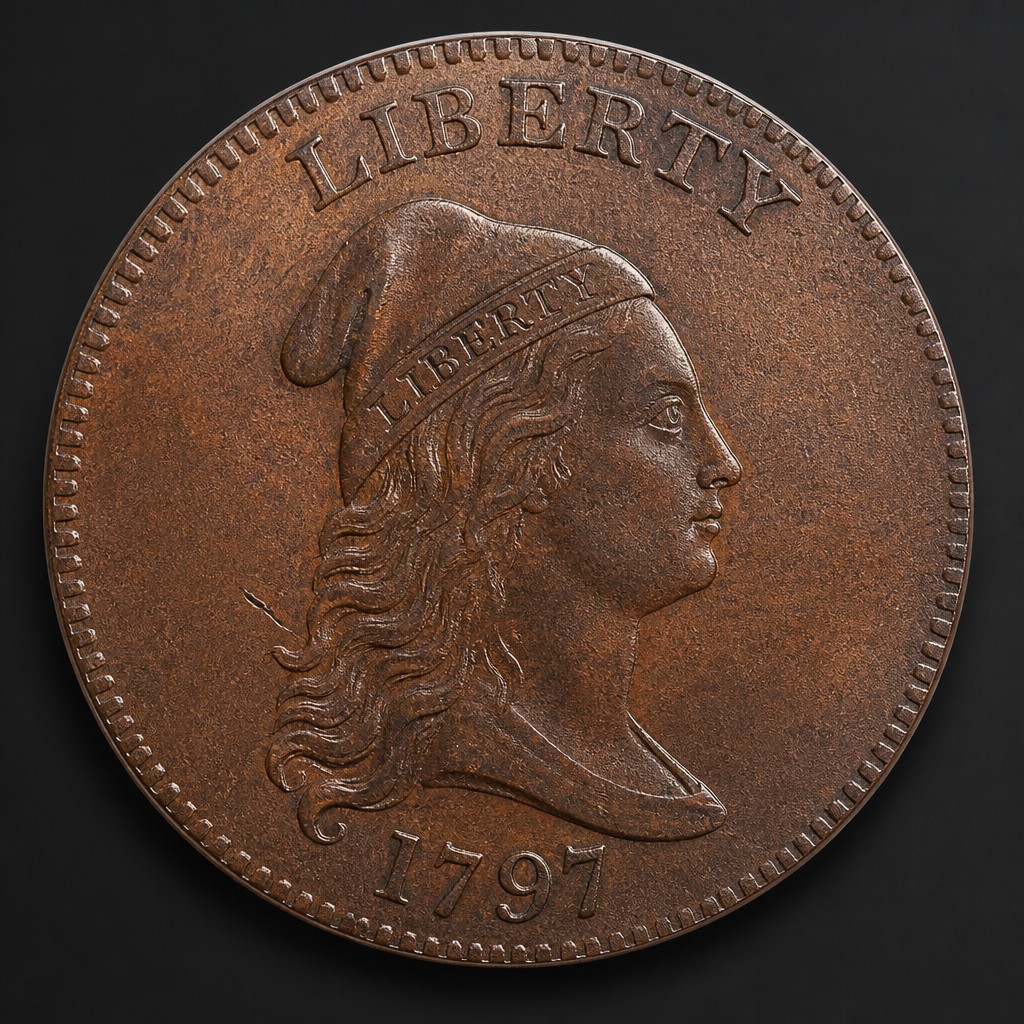
Liberty Cap Half Cent
The first design used on the U.S. half cent, struck from 1793 to 1797, showing Liberty wearing a soft cap on the obverse and a wreath on the reverse.
United States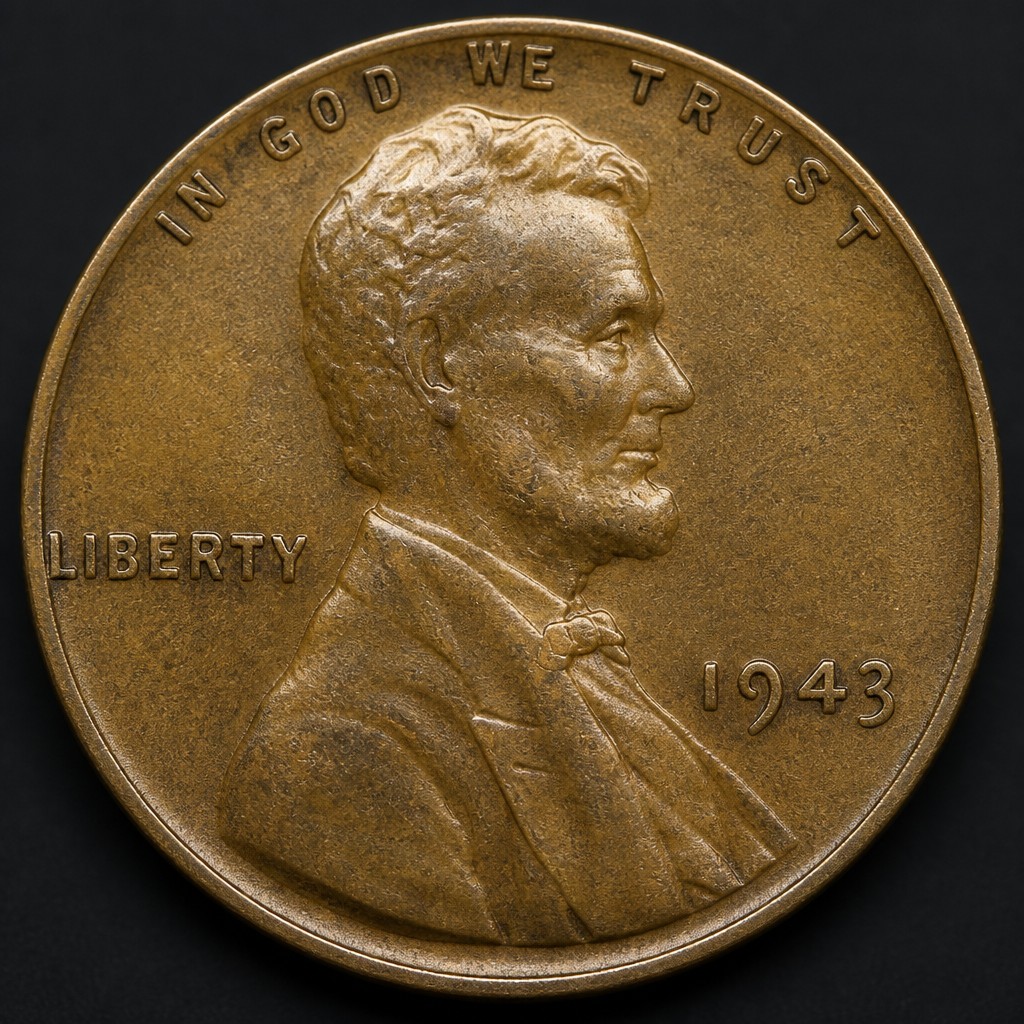
1943 Bronze Cent
An extremely rare Lincoln cent mistakenly struck in leftover bronze planchets in 1943, a year when cents were officially made of zinc-coated steel to save copper for World War II.
Errors & Varieties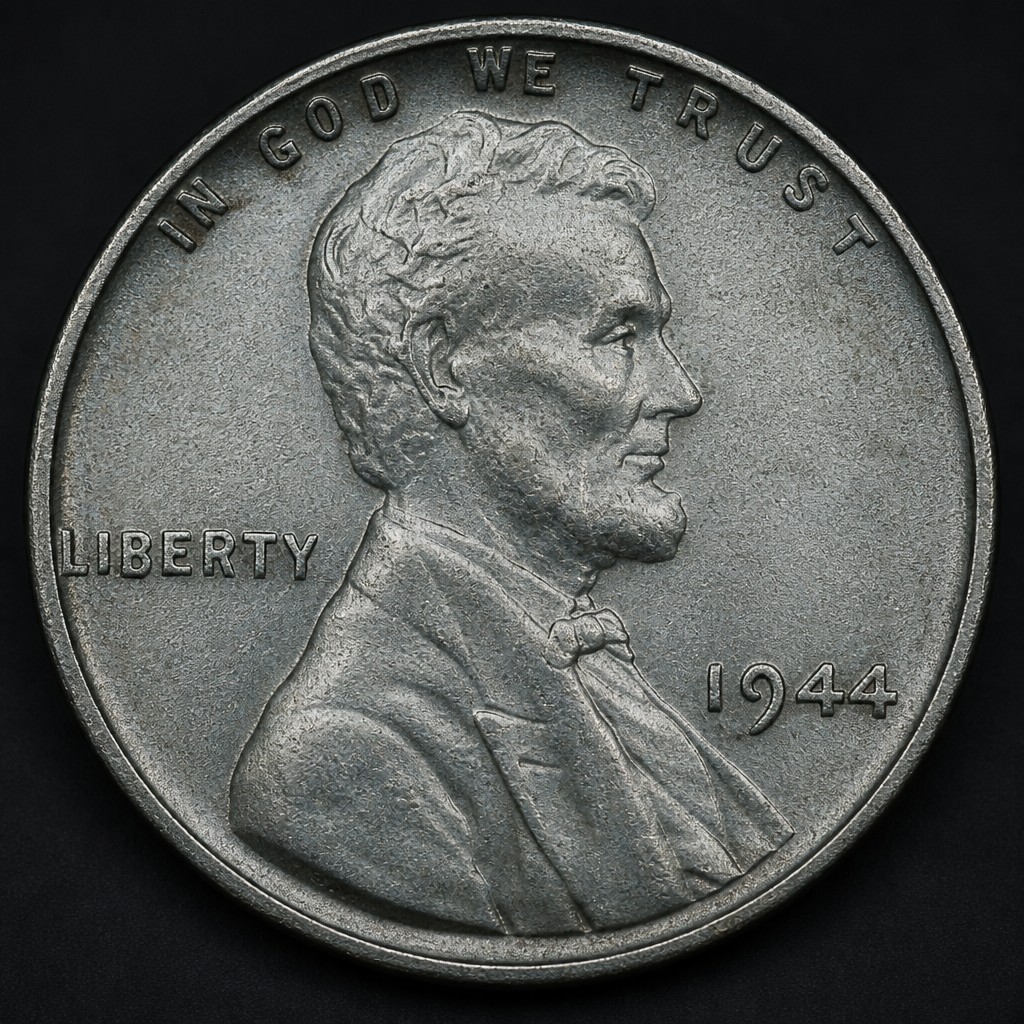
1944 Steel Cent
A rare Lincoln cent mistakenly struck on leftover steel planchets in 1944, the reverse counterpart to the famous 1943 bronze cent error.
Errors & Varieties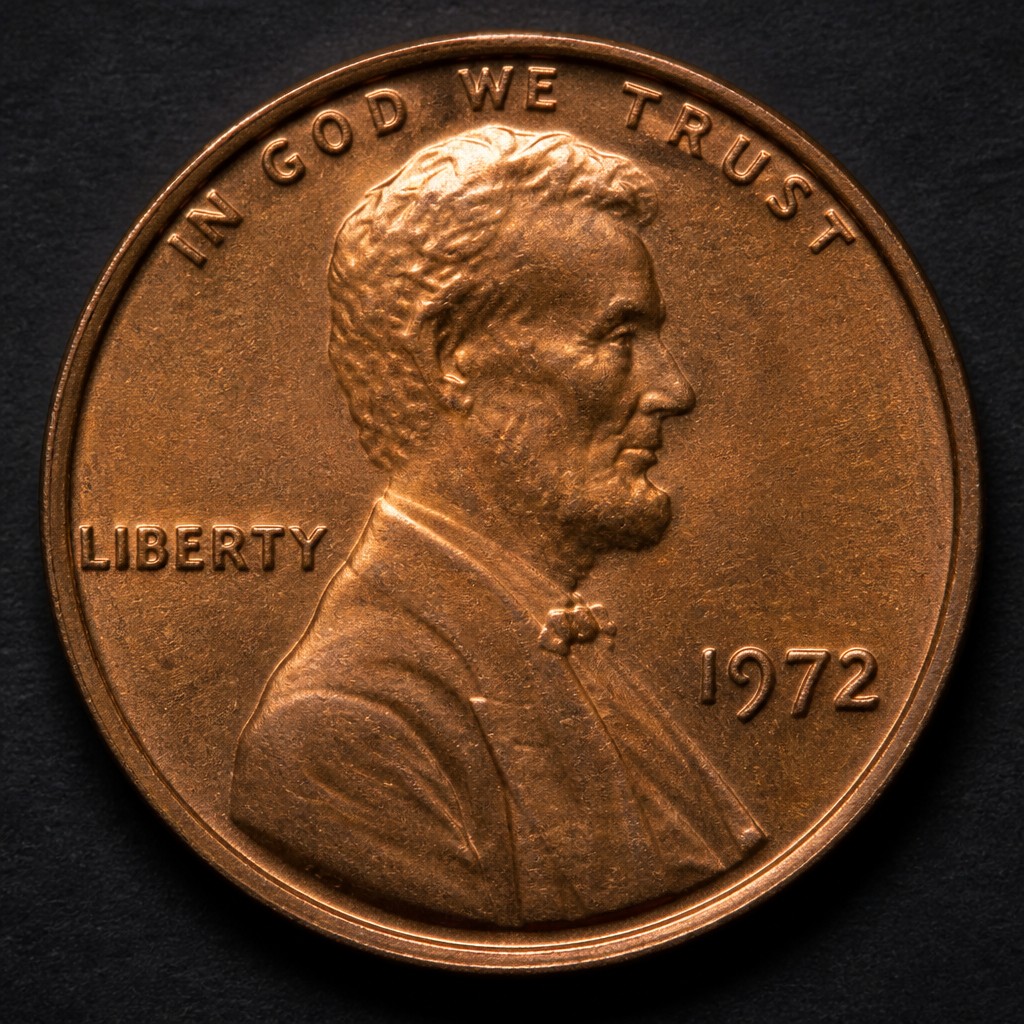
1972 Doubled Die Lincoln Cent
A famous Lincoln cent error showing strong doubling on the obverse date and lettering, caused by a misaligned die hub during production at the Philadelphia Mint.
Errors & Varieties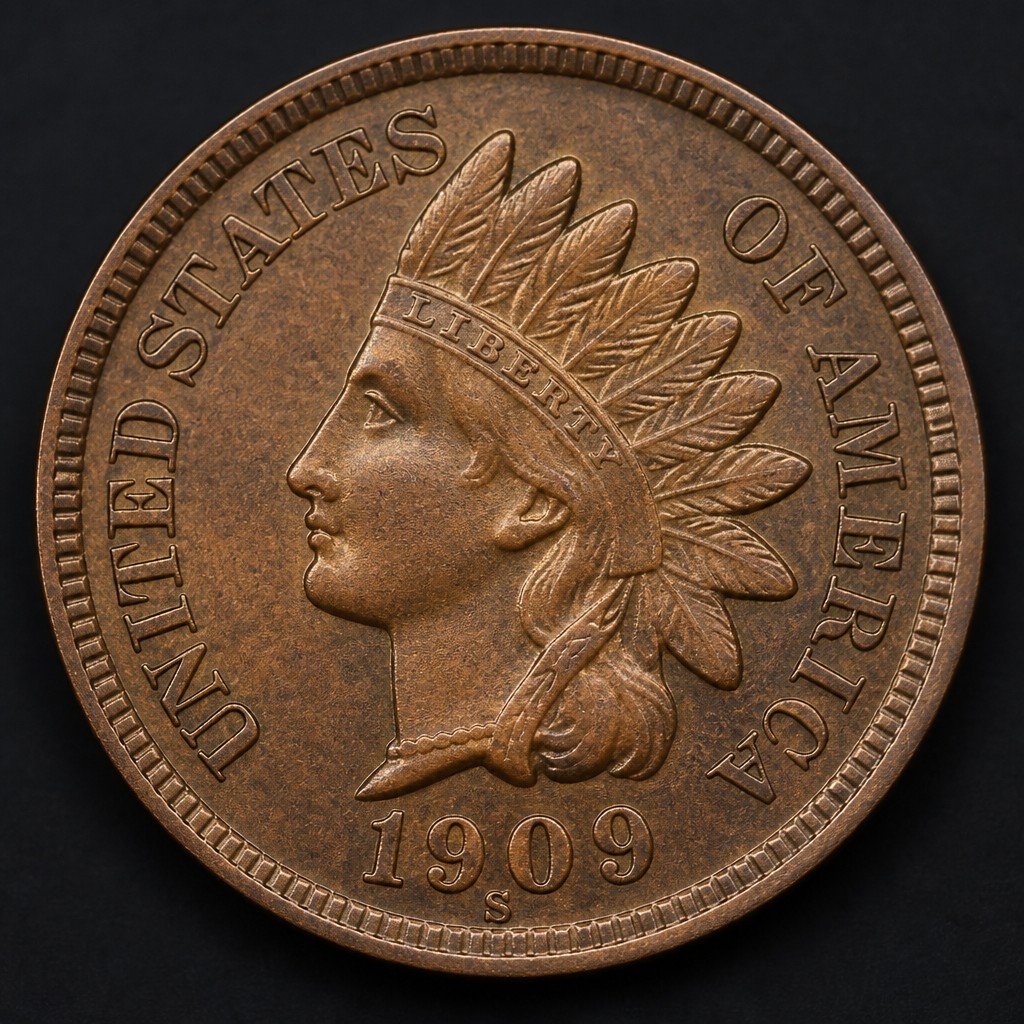
1909-S Indian Head Cent
The final and lowest-mintage Indian Head cent, struck at the San Francisco Mint in the series' last year before the Lincoln cent debuted.
United States