
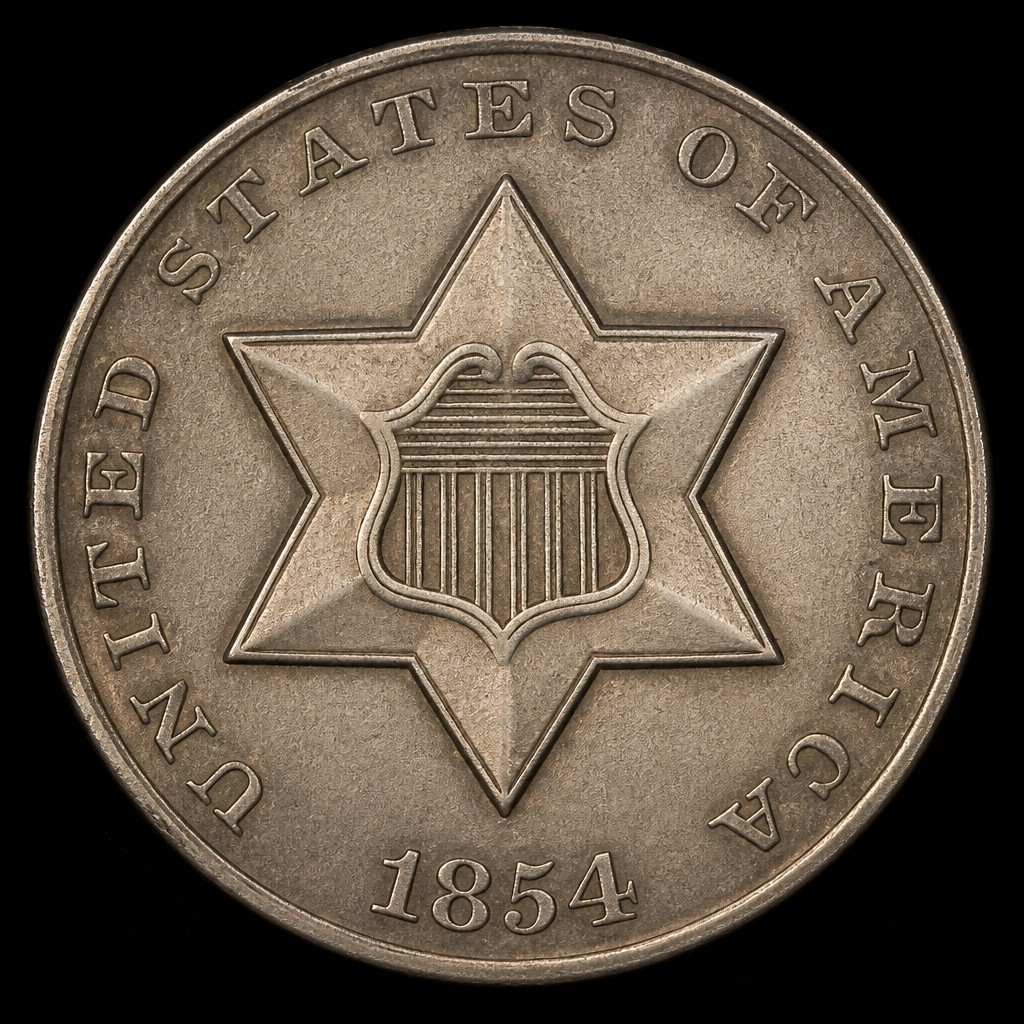
Type II Silver Three-Cent Piece
A short-lived redesign of the silver three-cent piece with heavier silver content and an outlined star, known for weak strikes and generally low mintages.
- Country
- United States
- Denomination
- Three Cents
- Metal
- Silver (.900 fine)
Got a coin like this?
Identify any coin from a photo, free.
Overview
The Type II Silver Three-Cent Piece was produced from 1854 through 1858 as a refinement of the original 1851-1853 Type I trime. Congress raised the coin's silver fineness to the standard .900 used in other US silver coins, and the Mint added design elements meant to help the coin strike up more fully and be harder to counterfeit.
Collectors regard this brief five-year type as more challenging than the Type I series, both because of generally lower mintages and because Type II coins are notoriously difficult to find with a full, sharp strike, making high-grade examples disproportionately scarce.
History & Background
After three years of the original trime design, Congress passed legislation in 1853 increasing the coin's silver fineness to .900 to bring it in line with other silver denominations, while also slightly reducing its weight. To distinguish the new alloy visually and add security features, the Mint's engravers modified the design starting in 1854, adding a triple outline around the obverse star and additional lines around the reverse numeral III.
Despite the improvements, the new design proved difficult to strike properly on the coin's small, thin planchets, and many surviving examples show weakness in the design's finer details even when otherwise lightly worn. Mintages during this span were generally modest, and the design was revised again in 1859 into the Type III trime, which simplified the star outline back down.
How to Identify
Like other trimes, the Type II coin shows a six-pointed star on the obverse with a shield at its center, but the star now has three parallel outlines rather than the plain star of the Type I design. The reverse retains the Roman numeral III within an ornamental C, but with additional lines bordering it compared to the earlier type.
Because striking difficulties were common, look carefully at the obverse star's outlines and shield detail, and the reverse numeral's lines, as these areas are often the first to show weakness even on coins with little actual wear. All Type II trimes were struck at the Philadelphia mint and carry no mintmark.
Comparing the star border is the quickest way to separate Type II from Type I (plain star) and Type III (only two outlines instead of three) trimes.
Value & Collectibility
Type II trimes as a group are scarcer and pricier than Type I coins across most grades, reflecting their lower mintages and the difficulty of finding sharply struck examples. Because weak strikes are the norm, coins that show full, crisp detail on the star and numeral bring a notable premium over typical examples in the same numerical grade.
Certain individual dates within this short type, particularly those with especially low mintages, are considered better dates within the broader three-cent silver series and are pursued by specialists building a complete set by date and type.
Frequently asked questions
What changed between Type I and Type II trimes?
The silver fineness was raised to .900 and the design added a triple outline around the obverse star and extra lines around the reverse numeral.
Why are Type II trimes often weakly struck?
The added design details and thin, small planchets made the coin difficult for the mint's presses to strike up fully, so soft details are common even on lightly worn coins.
How can I tell a Type II from a Type III trime?
Type II has three outlines around the star, while Type III (from 1859 onward) has only two outlines, making the star appear simpler.
Were Type II trimes struck anywhere besides Philadelphia?
No, all Type II three-cent silver pieces were struck at the Philadelphia mint.
Other coins you may enjoy
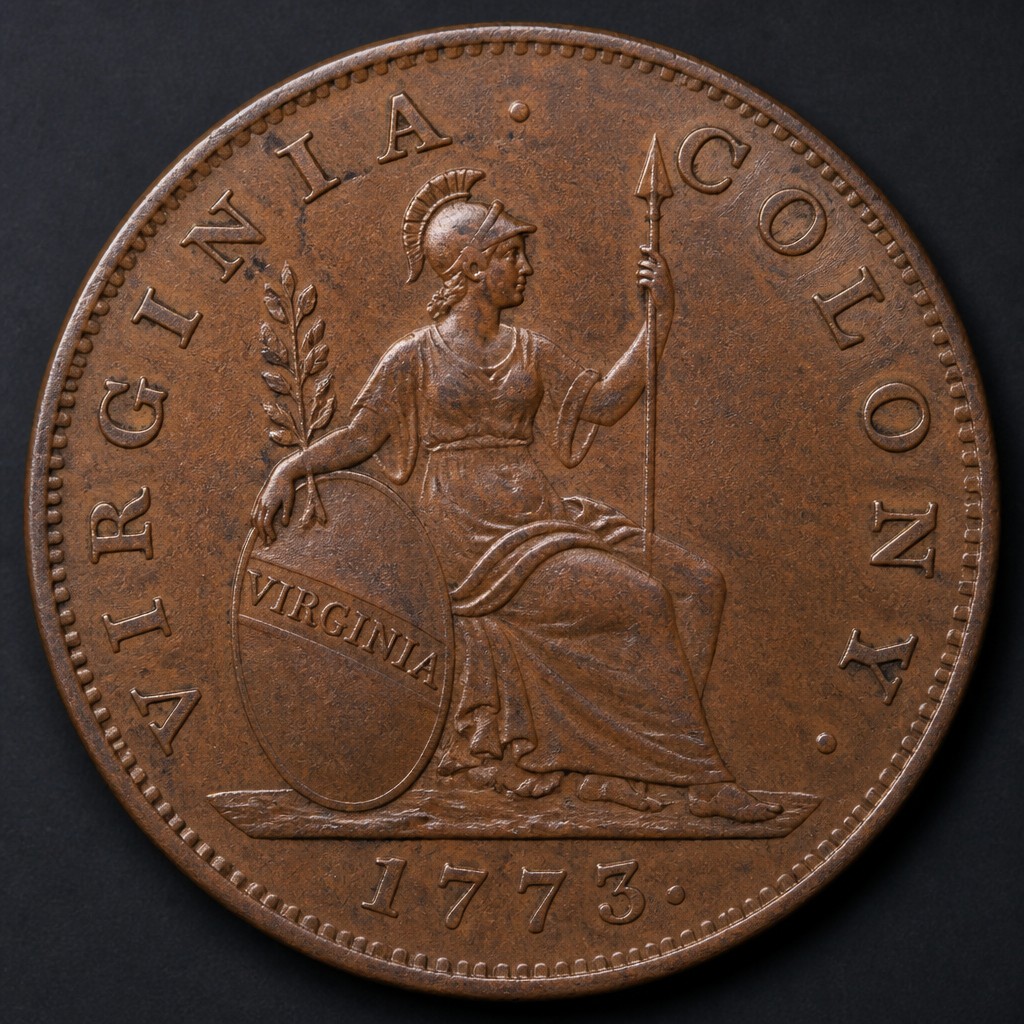
Virginia Halfpenny
1773
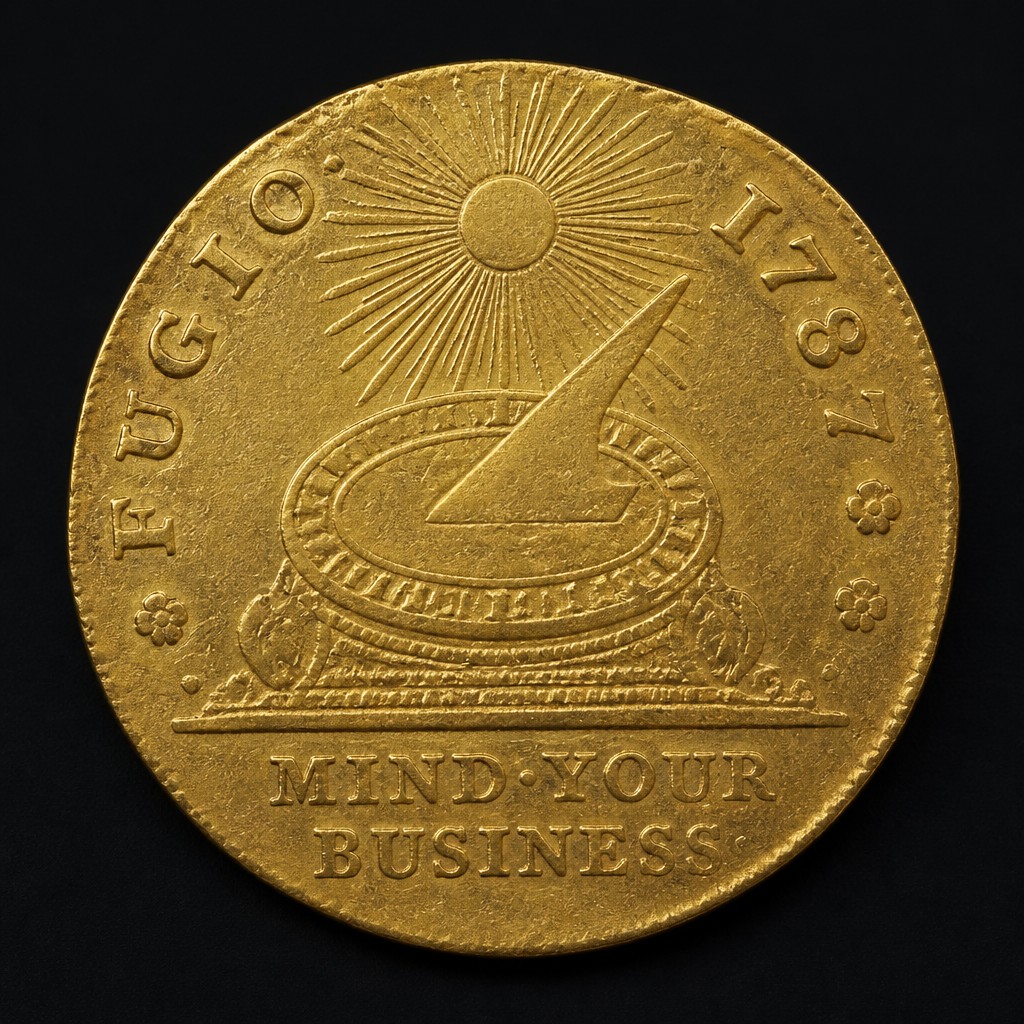
Brasher Doubloon
1787
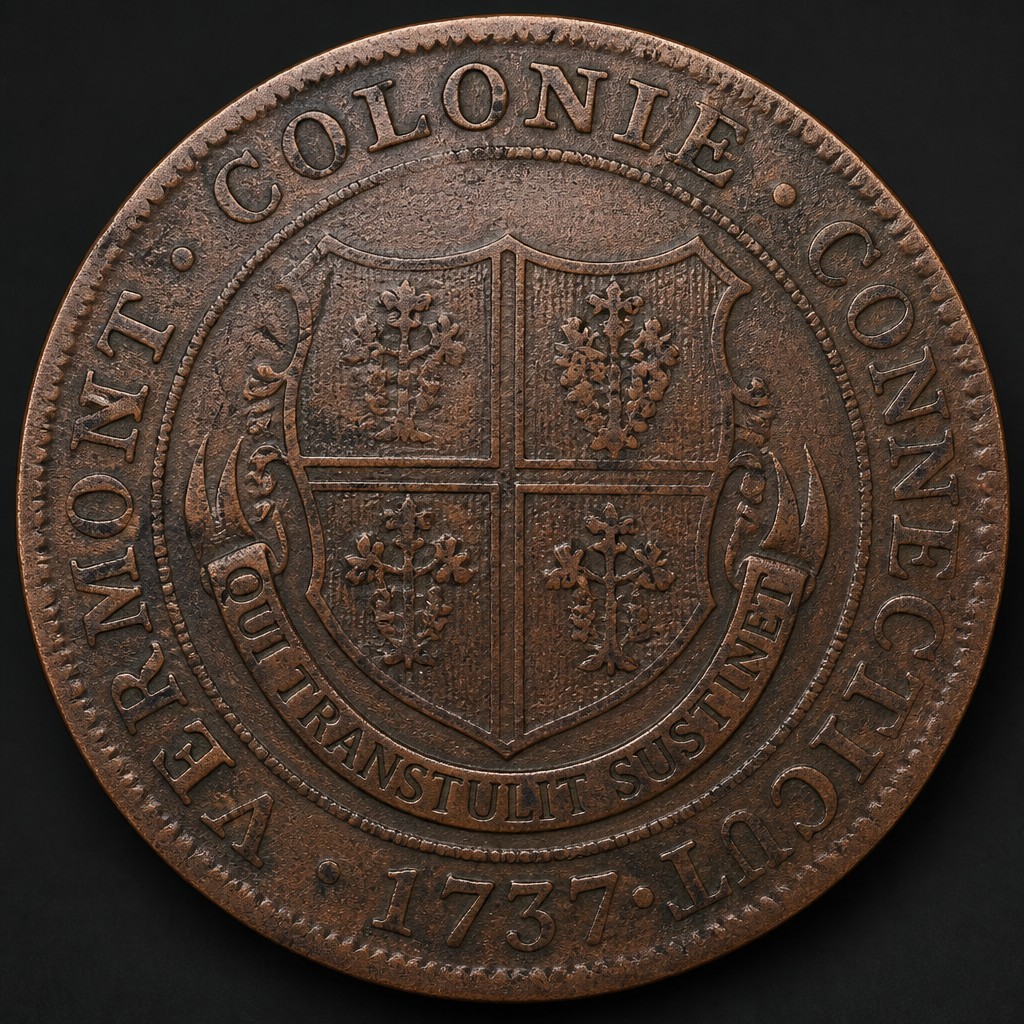
Higley Copper
1737–1739
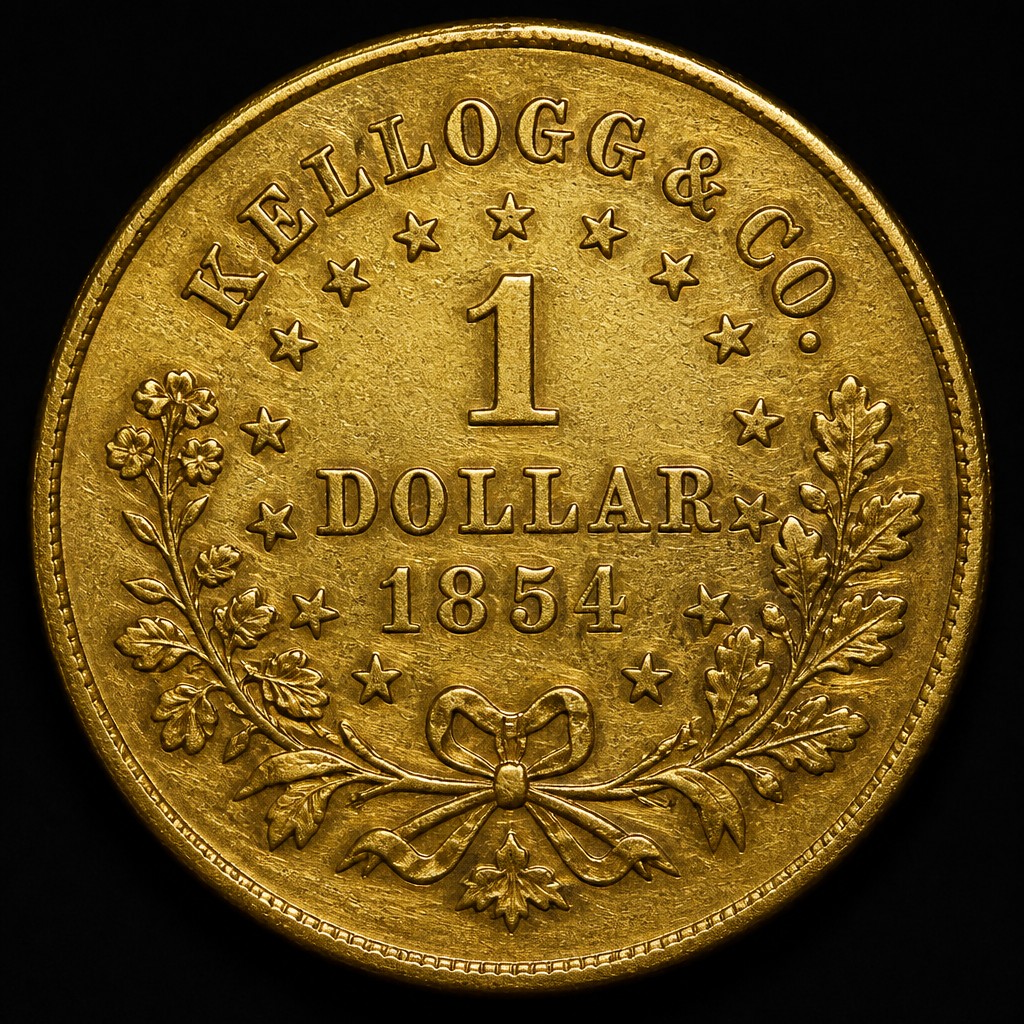
Kellogg & Co. Gold Piece
1854–1855
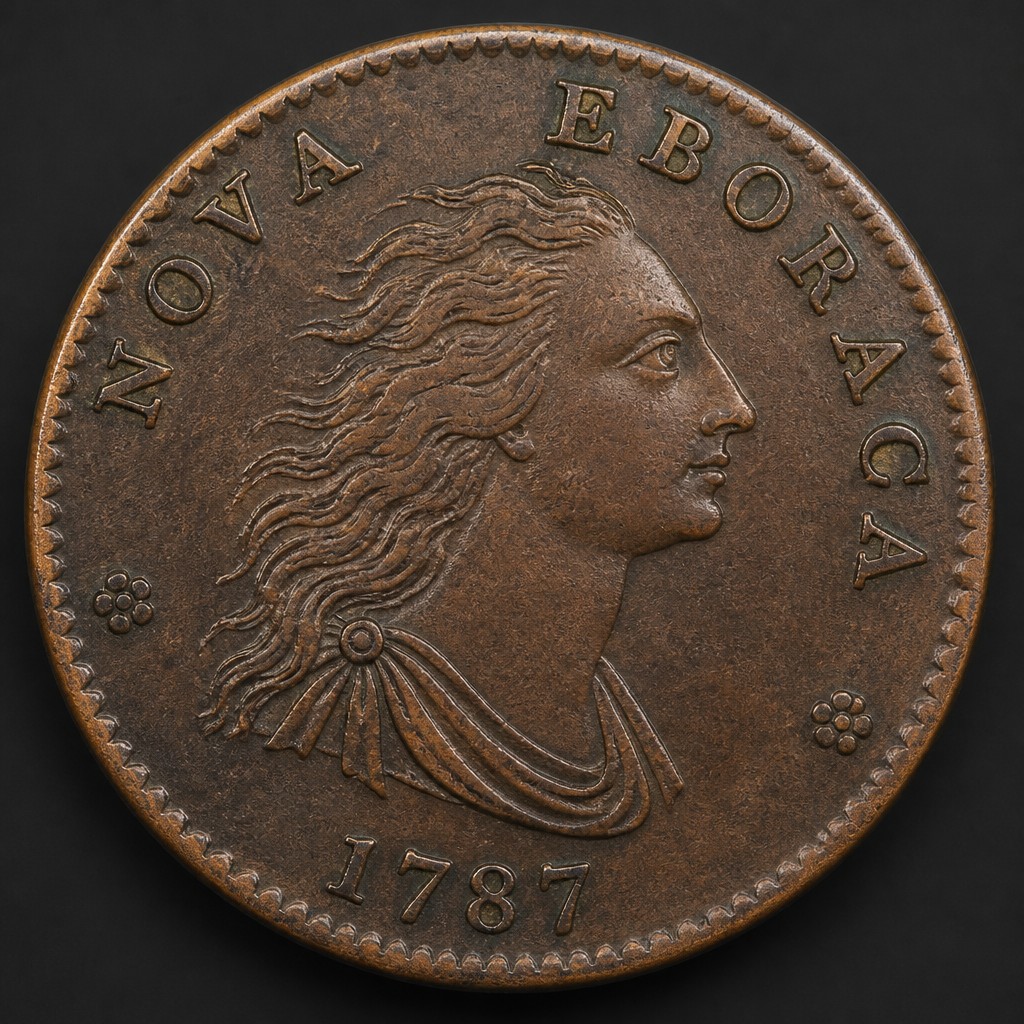
Nova Eborac Copper
1787
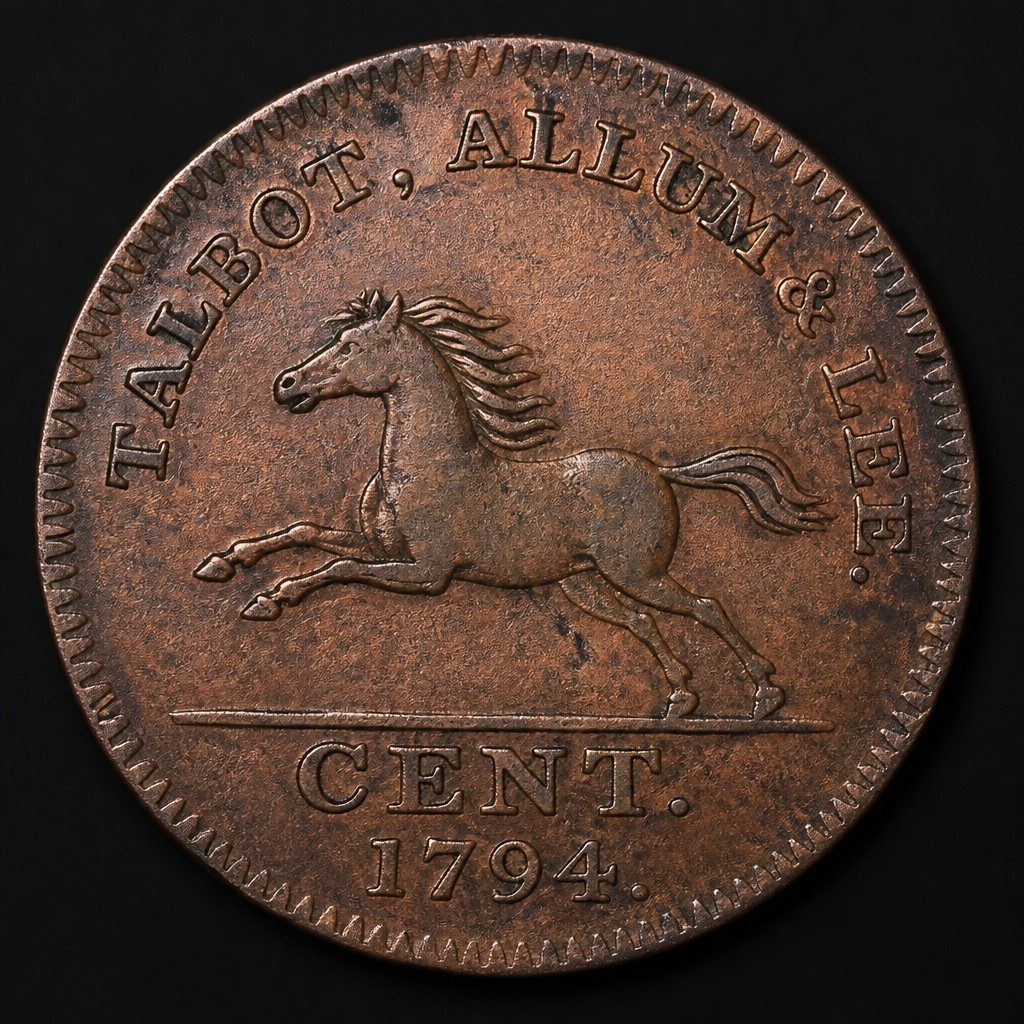
Talbot, Allum & Lee Cent
1794–1795
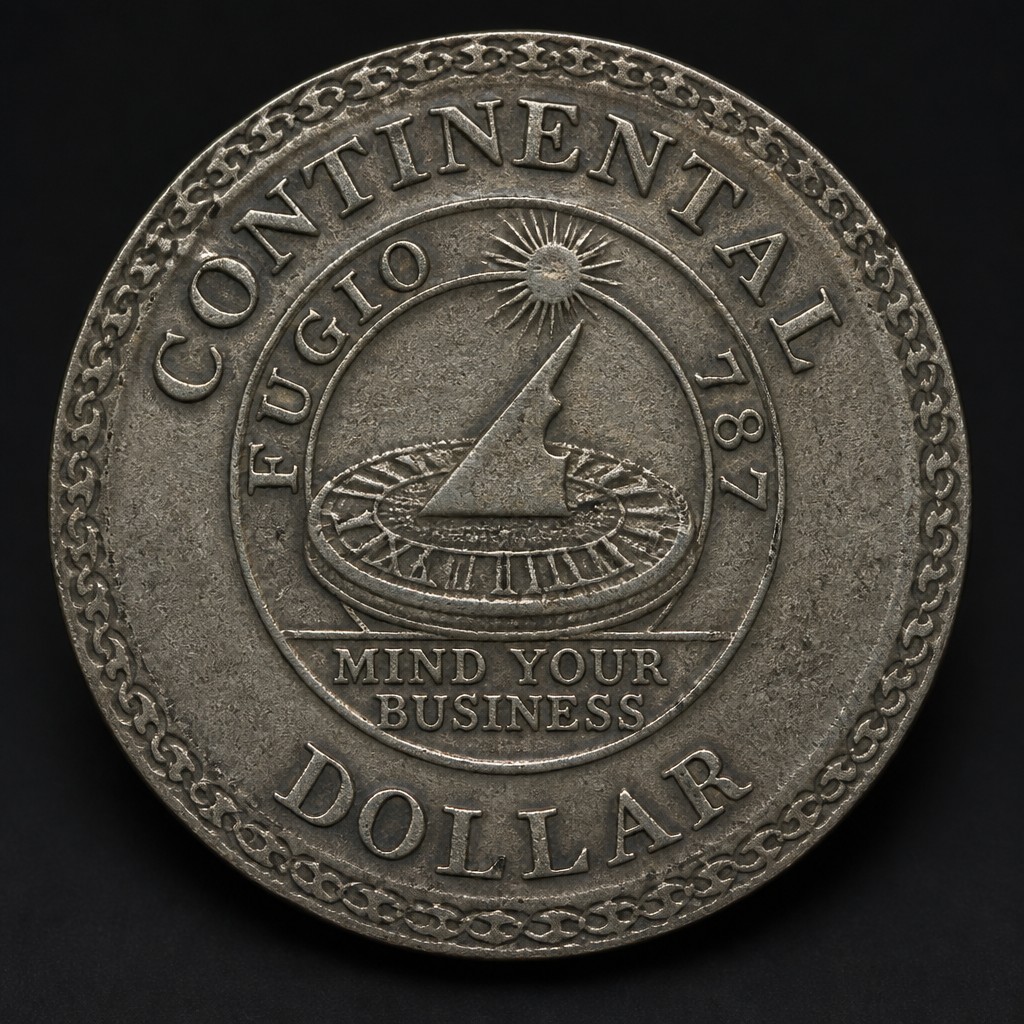
Continental Dollar
1776
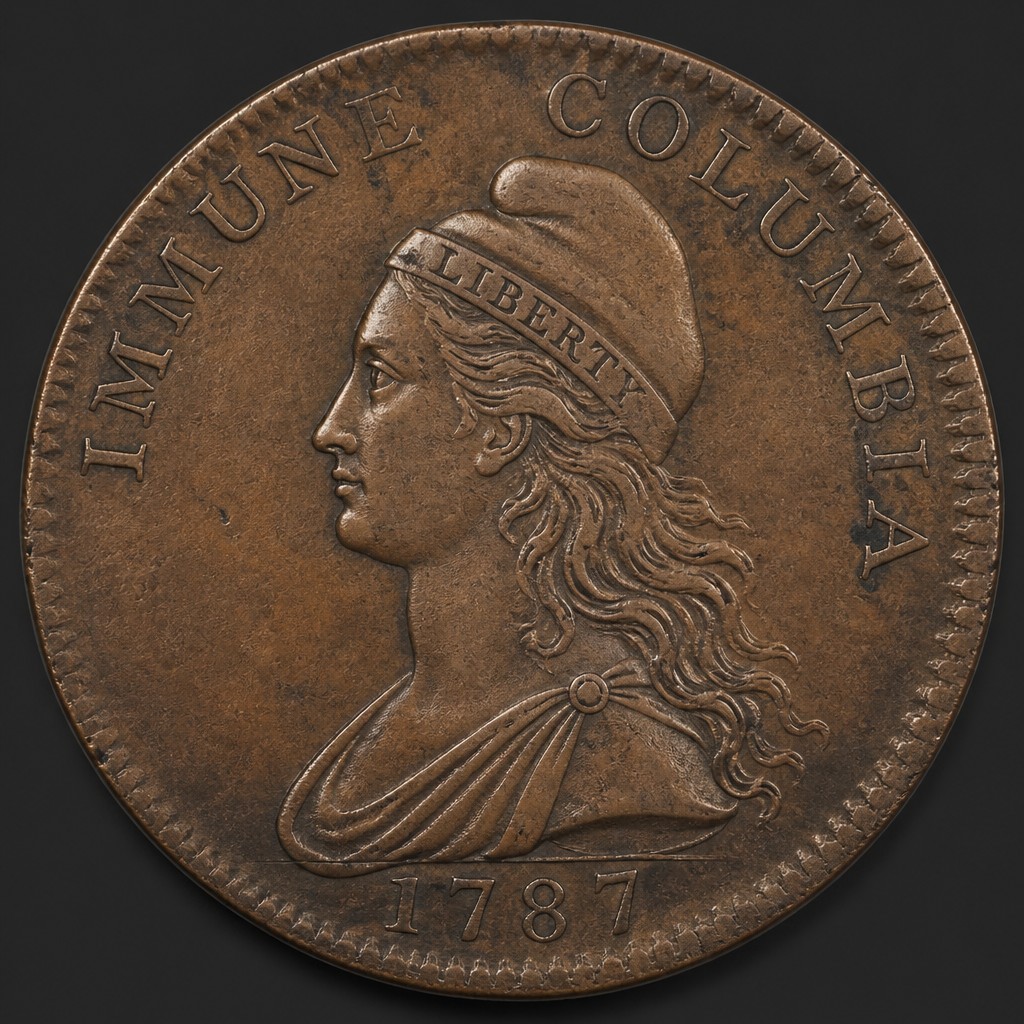
Immune Columbia Copper
circa 1785–1787
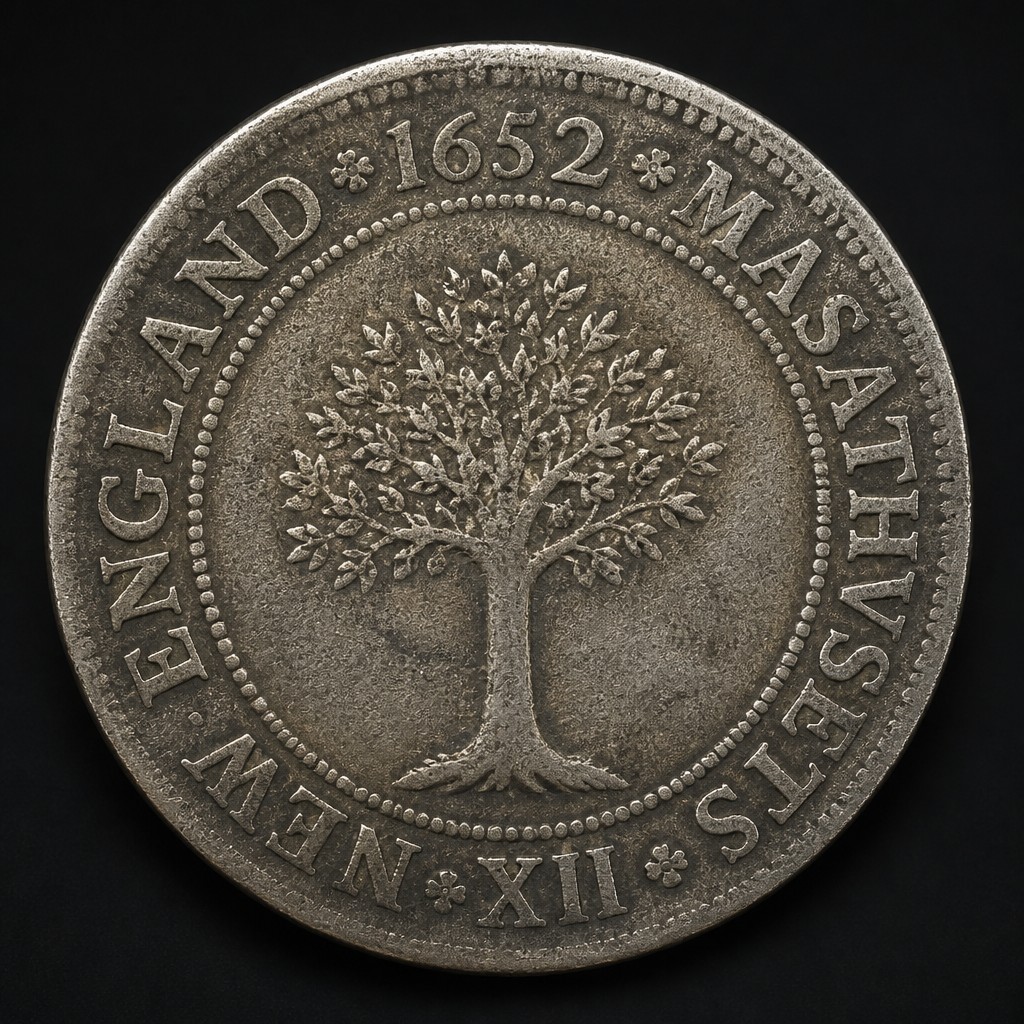
Massachusetts Oak Tree Shilling
Dated 1652, struck circa 1660–1667
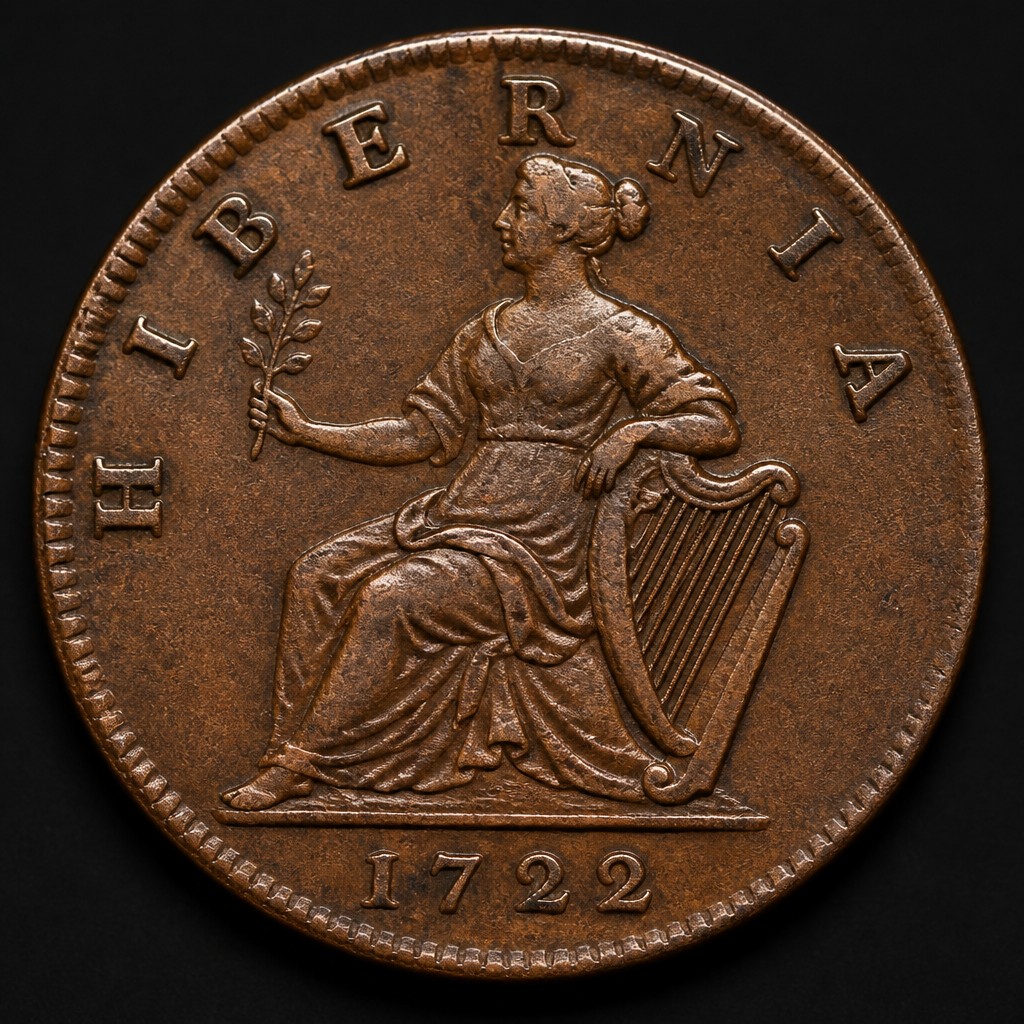
Wood's Hibernia Halfpenny
1722–1724
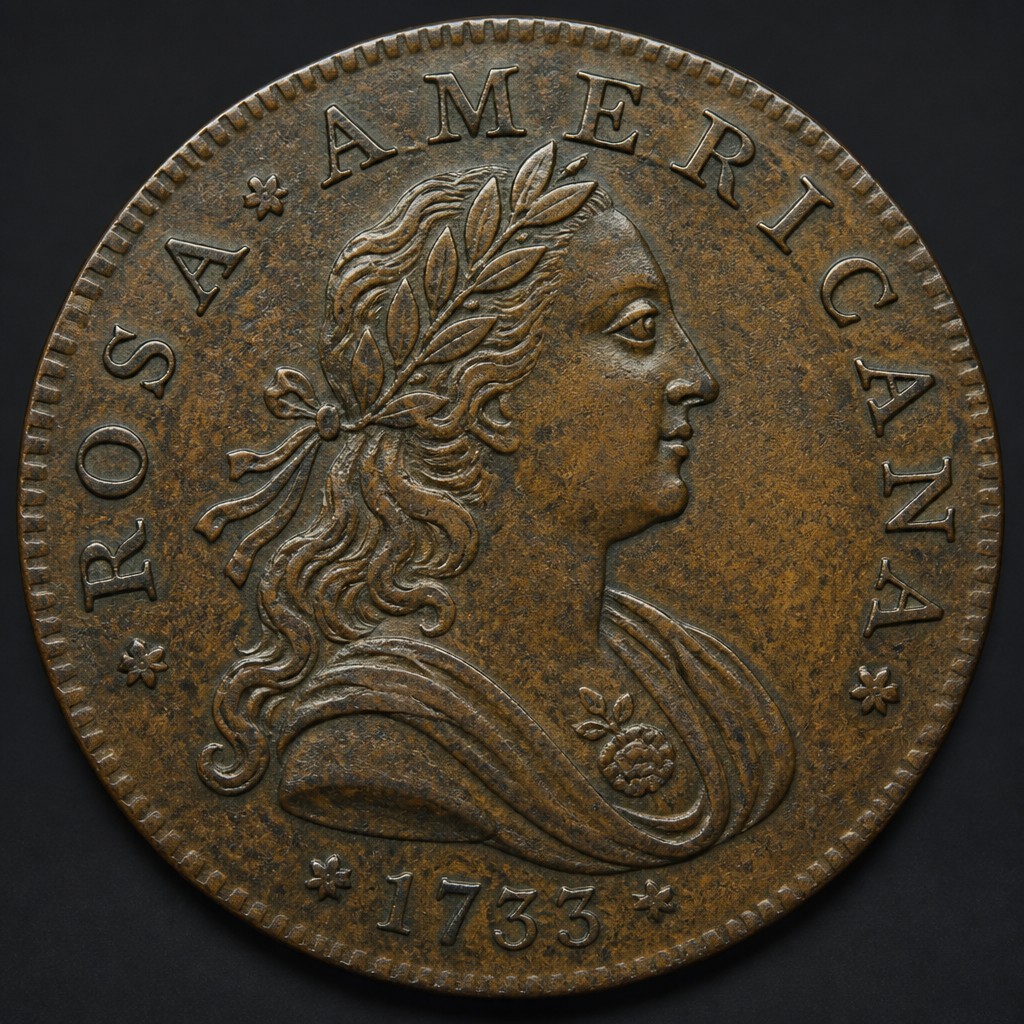
Rosa Americana Coinage
1722–1724 (with pattern issues dated 1733)
Massachusetts Willow Tree Shilling
Dated 1652, struck circa 1653–1660