
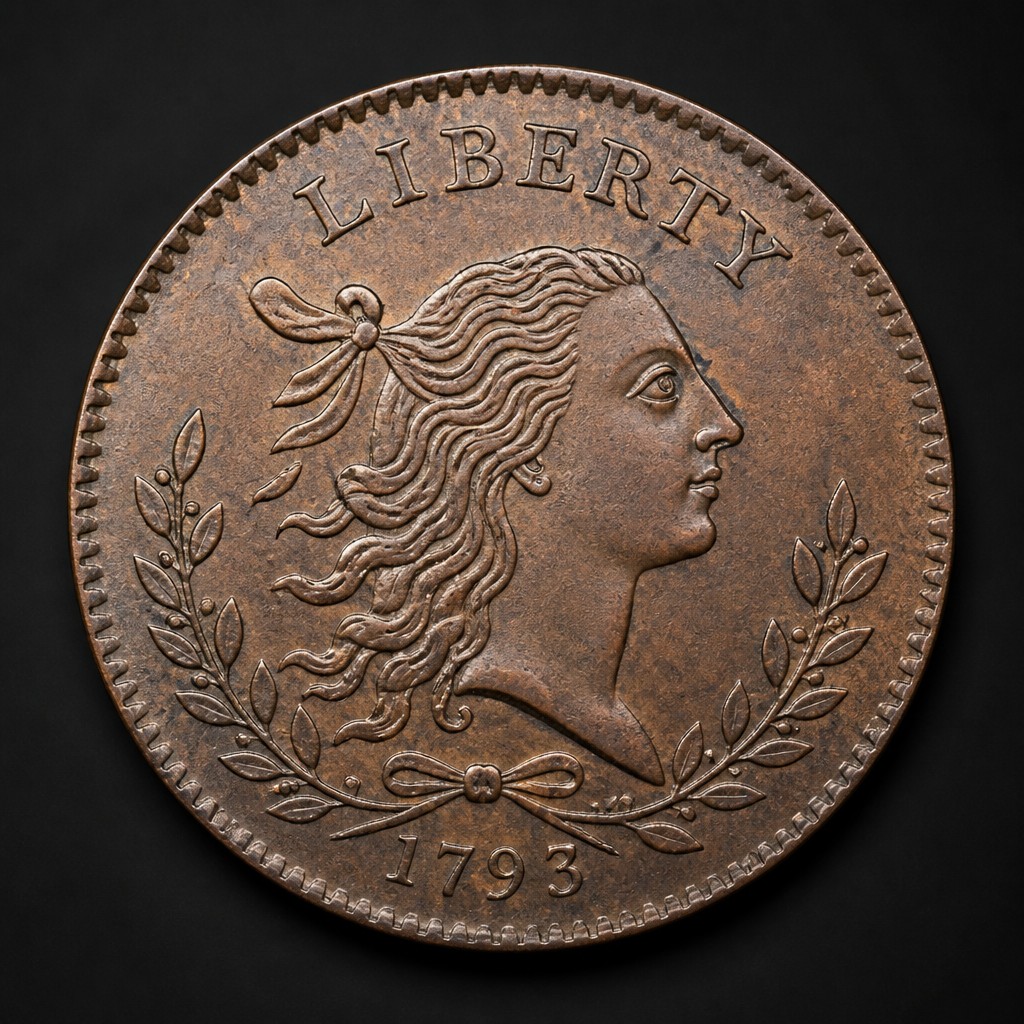
Flowing Hair Wreath Cent
The replacement for the controversial Chain cent, struck for just a few months in 1793 with a simple wreath reverse instead of a chain.
- Country
- United States
- Denomination
- One Cent
- Metal
- 100% Copper
Got a coin like this?
Identify any coin from a photo, free.
Overview
After public criticism forced the Mint to abandon the Chain cent's reverse design, the Flowing Hair Wreath cent took over in 1793, replacing the chain with a more conventional wreath. It remained in production only briefly before yet another redesign, the Liberty Cap cent, arrived later that year.
As one of the first three cent designs issued in the Mint's inaugural year, it is a cornerstone coin for early American type collectors and remains historically significant despite its short production span.
History & Background
Following the outcry over the Chain cent's reverse, the Mint revised the design in mid-1793, keeping a similar Liberty portrait but replacing the chain with a laurel wreath, a more traditional and less controversial motif. The obverse was also slightly refined, with a small sprig of leaves added below Liberty's bust on most examples.
This Wreath type was itself short-lived, giving way later in 1793 to the Liberty Cap design as the Mint continued to experiment with cent imagery in its earliest years. Despite the brief run, more Wreath cents survive today than Chain cents, though the type remains scarce and historically important.
How to Identify
The obverse depicts Liberty facing right with flowing hair, similar in spirit to the Chain cent but usually paired with a small sprig beneath the bust; LIBERTY appears above and the date below. The reverse shows a wreath, often composed of vine and leaf elements, encircling ONE CENT and a fraction, with UNITED STATES OF AMERICA around the border.
Collectors distinguish varieties by edge type, including "Vine and Bars" edge and "Lettered Edge" (reading ONE HUNDRED FOR A DOLLAR) examples, and by minor differences in the wreath and lettering. The coin is a large copper piece consistent with other 1793-dated cents.
Because it was struck only in 1793 alongside the Chain and Liberty Cap types, context and edge inspection help confirm which of the three early cent designs a given coin represents.
Value & Collectibility
While more plentiful than the Chain cent, the Wreath cent remains a genuinely scarce and desirable early American rarity, with even well-worn examples carrying significant value due to their age and historical role as one of the Mint's first coin designs. Sharp, well-centered, high-grade pieces are considerably rarer and more valuable.
Edge variety affects desirability, with certain edge types considered scarcer than others among specialists. As with other coins of this era and importance, third-party authentication is strongly recommended given the prevalence of counterfeits and the coin's substantial value.
Frequently asked questions
How does this differ from the Chain cent?
It replaced the controversial chain reverse with a wreath design after public criticism of the earlier type.
What are the edge varieties?
Known edge types include a vine-and-bars pattern and a lettered edge reading ONE HUNDRED FOR A DOLLAR.
Is it rarer than the Chain cent?
No, more Wreath cents survive than Chain cents, though it is still a scarce and historically important coin.
What came after the Wreath cent?
The Liberty Cap large cent replaced it later in 1793.
Should these be authenticated before purchase?
Yes, given their age, value, and the existence of counterfeits, professional authentication is advisable.
Other coins you may enjoy
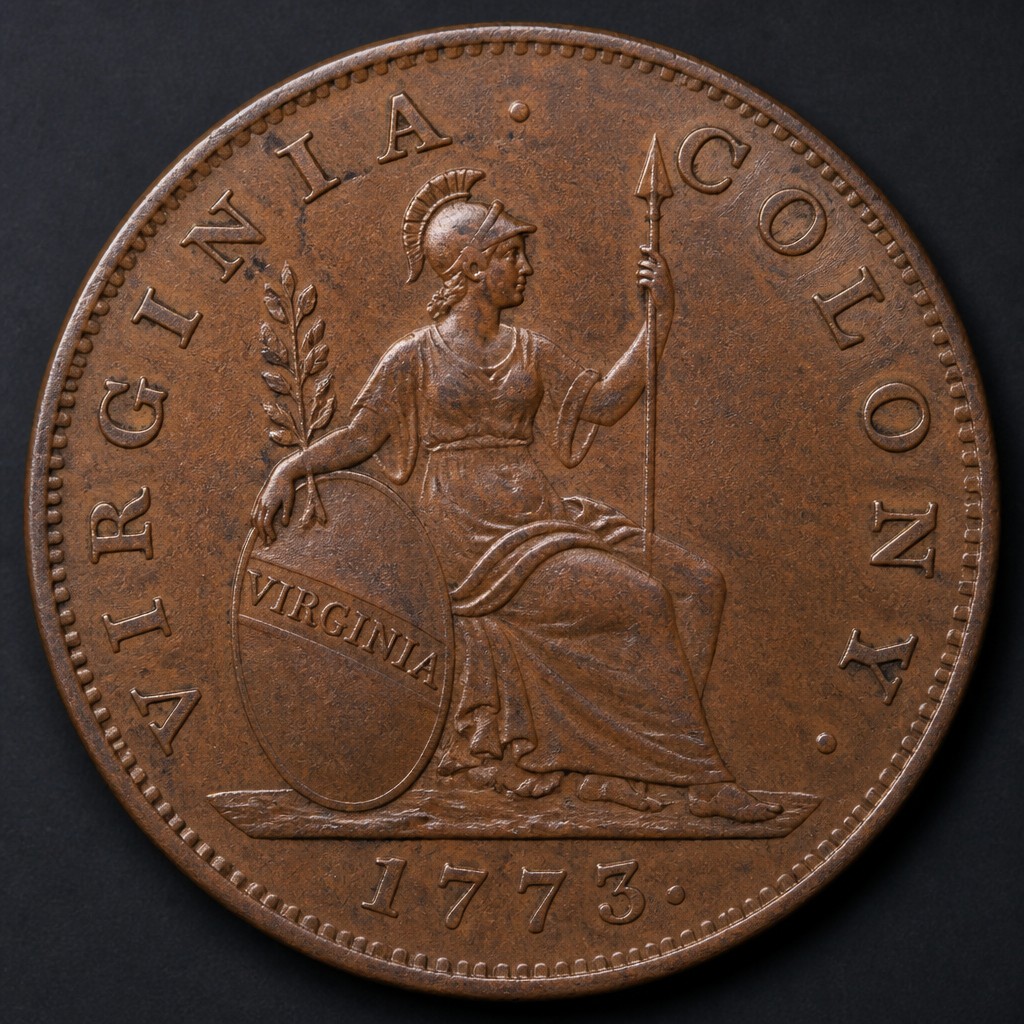
Virginia Halfpenny
1773
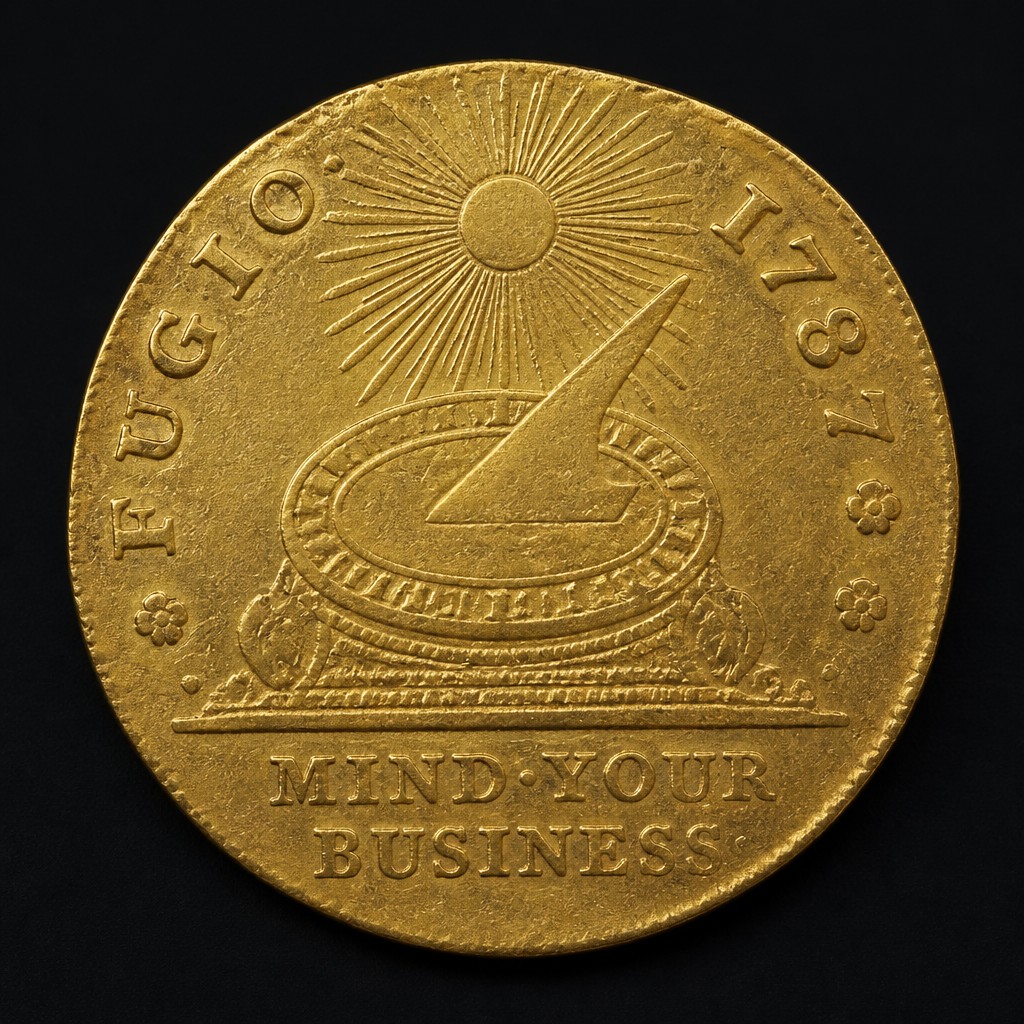
Brasher Doubloon
1787
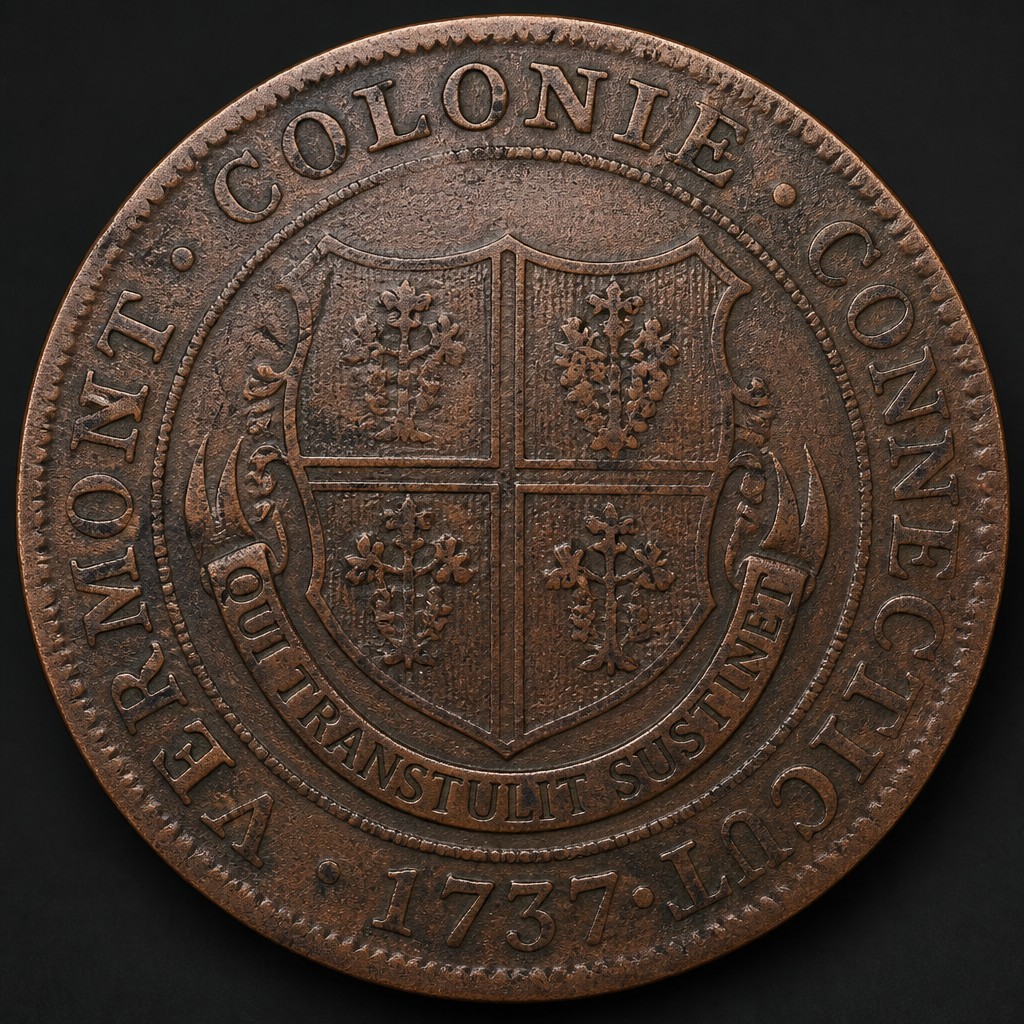
Higley Copper
1737–1739
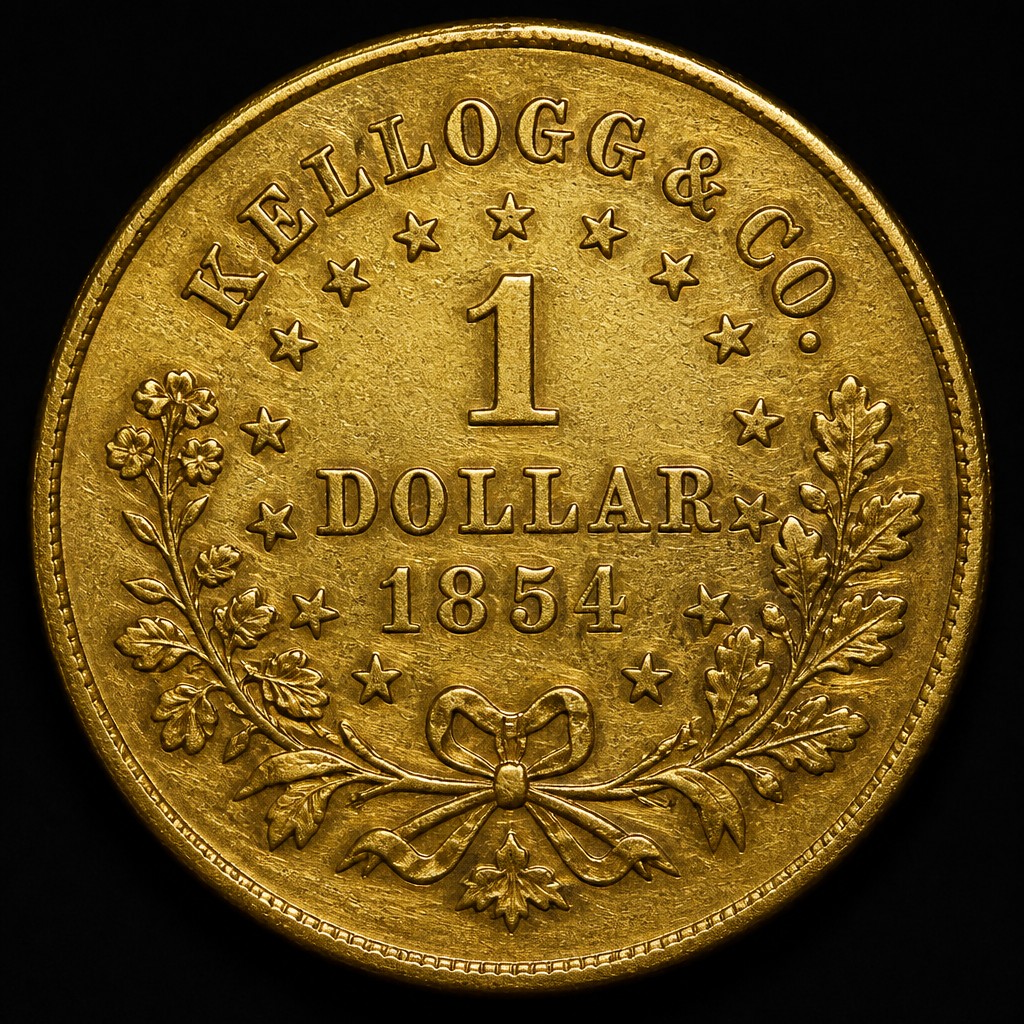
Kellogg & Co. Gold Piece
1854–1855
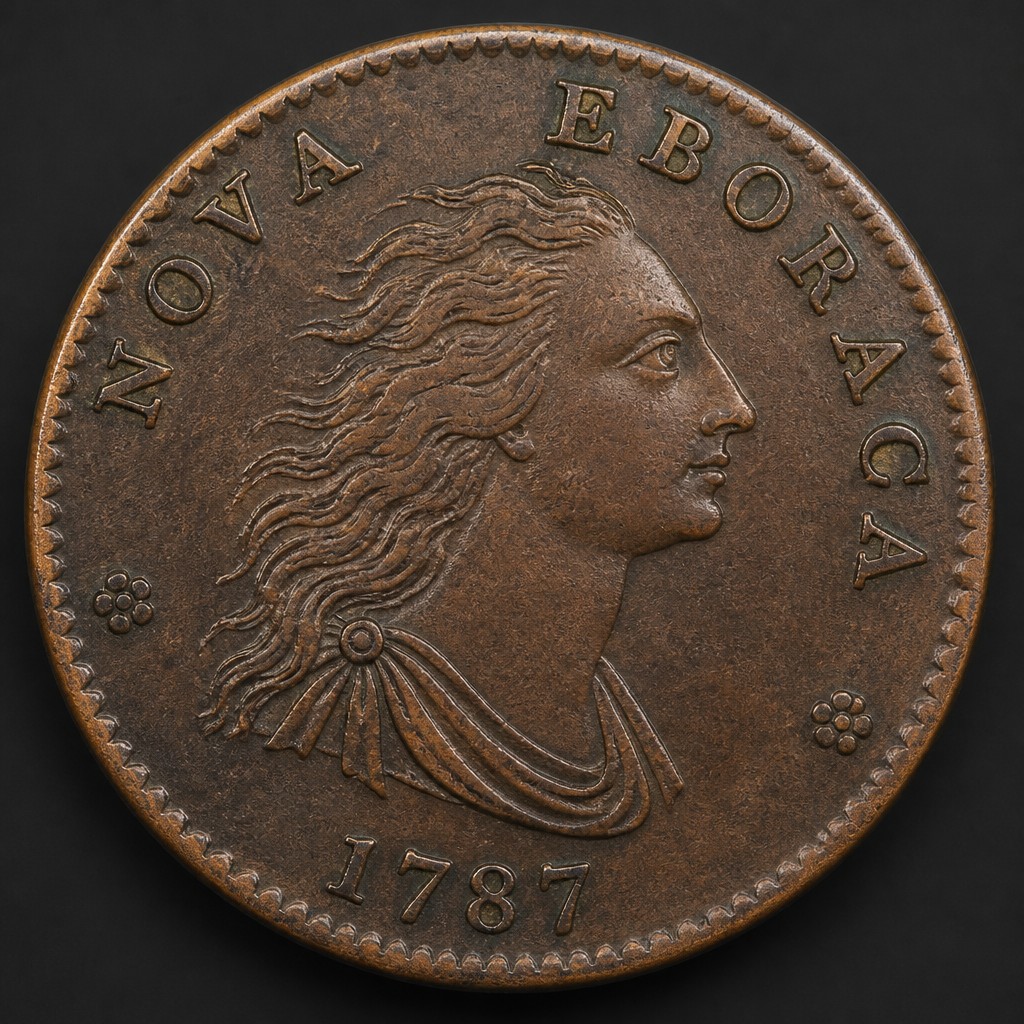
Nova Eborac Copper
1787
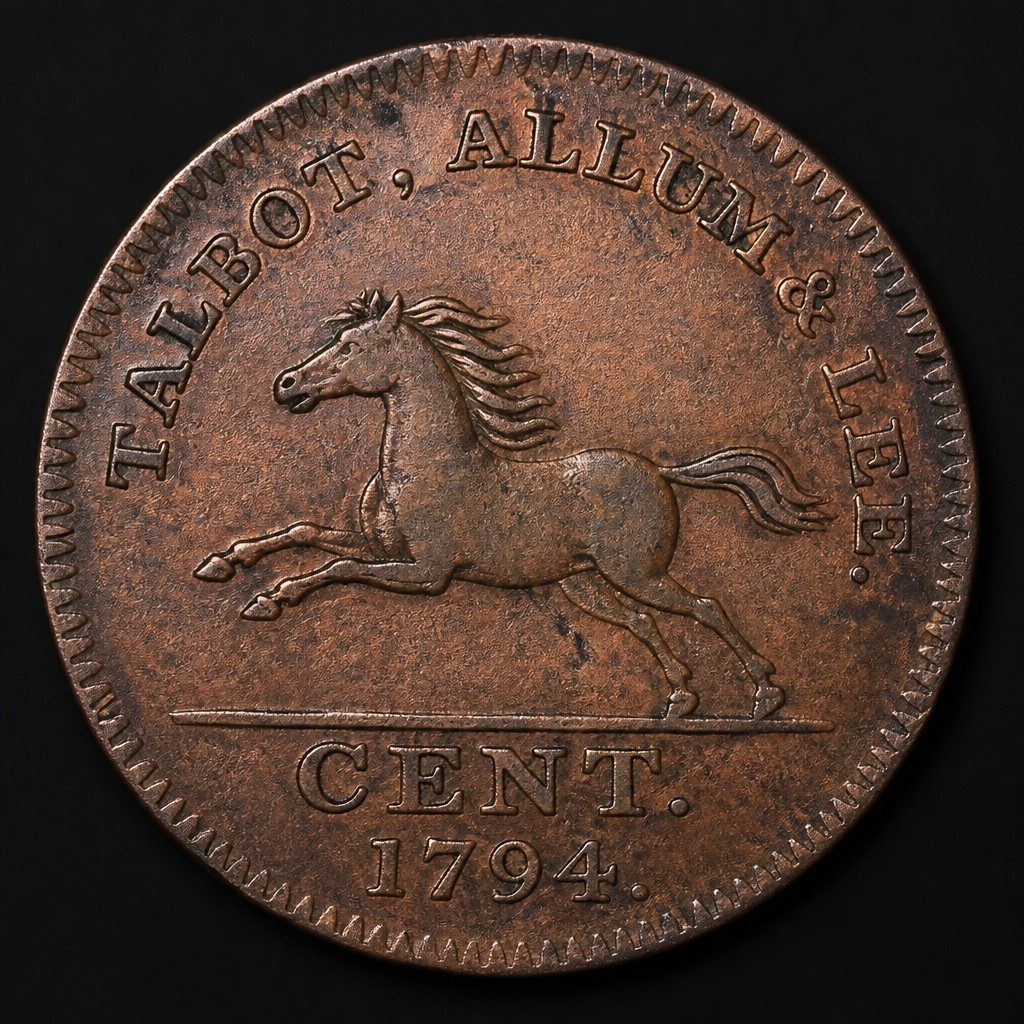
Talbot, Allum & Lee Cent
1794–1795
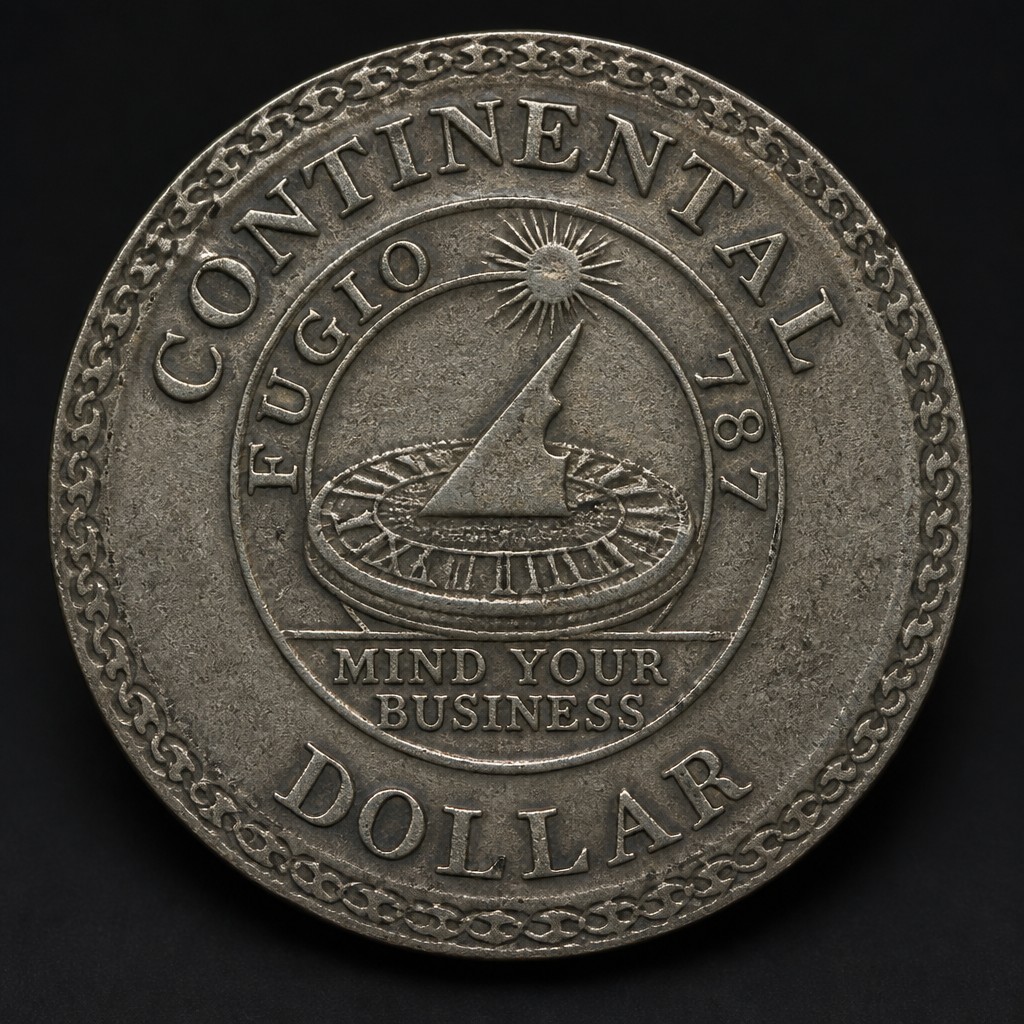
Continental Dollar
1776
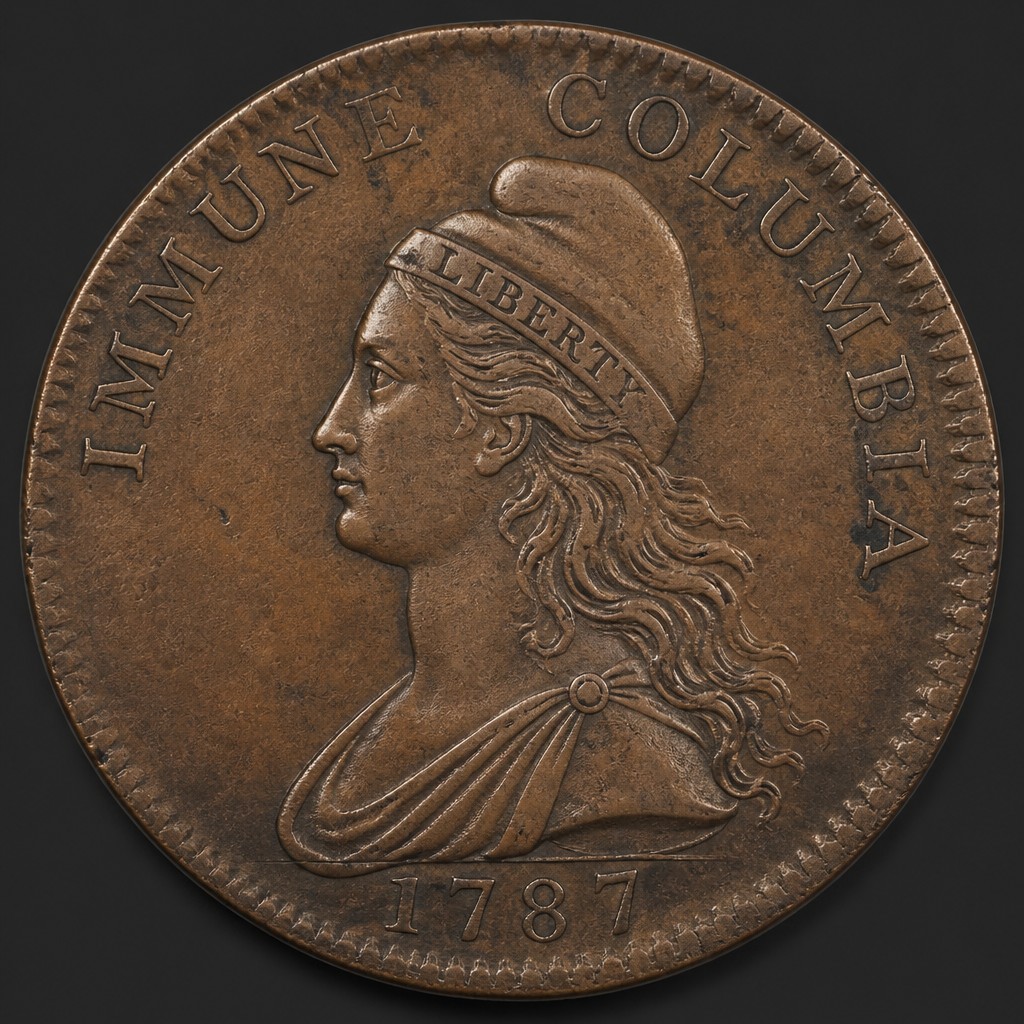
Immune Columbia Copper
circa 1785–1787
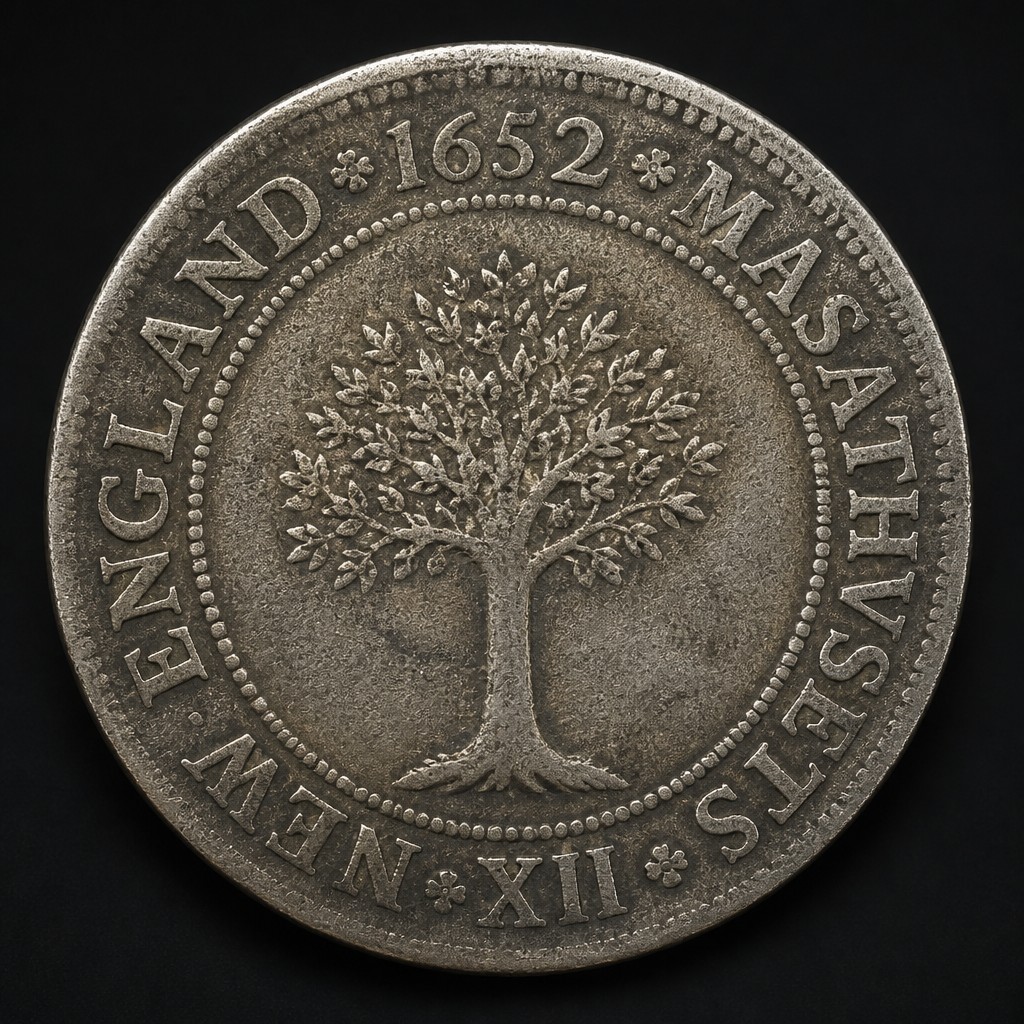
Massachusetts Oak Tree Shilling
Dated 1652, struck circa 1660–1667
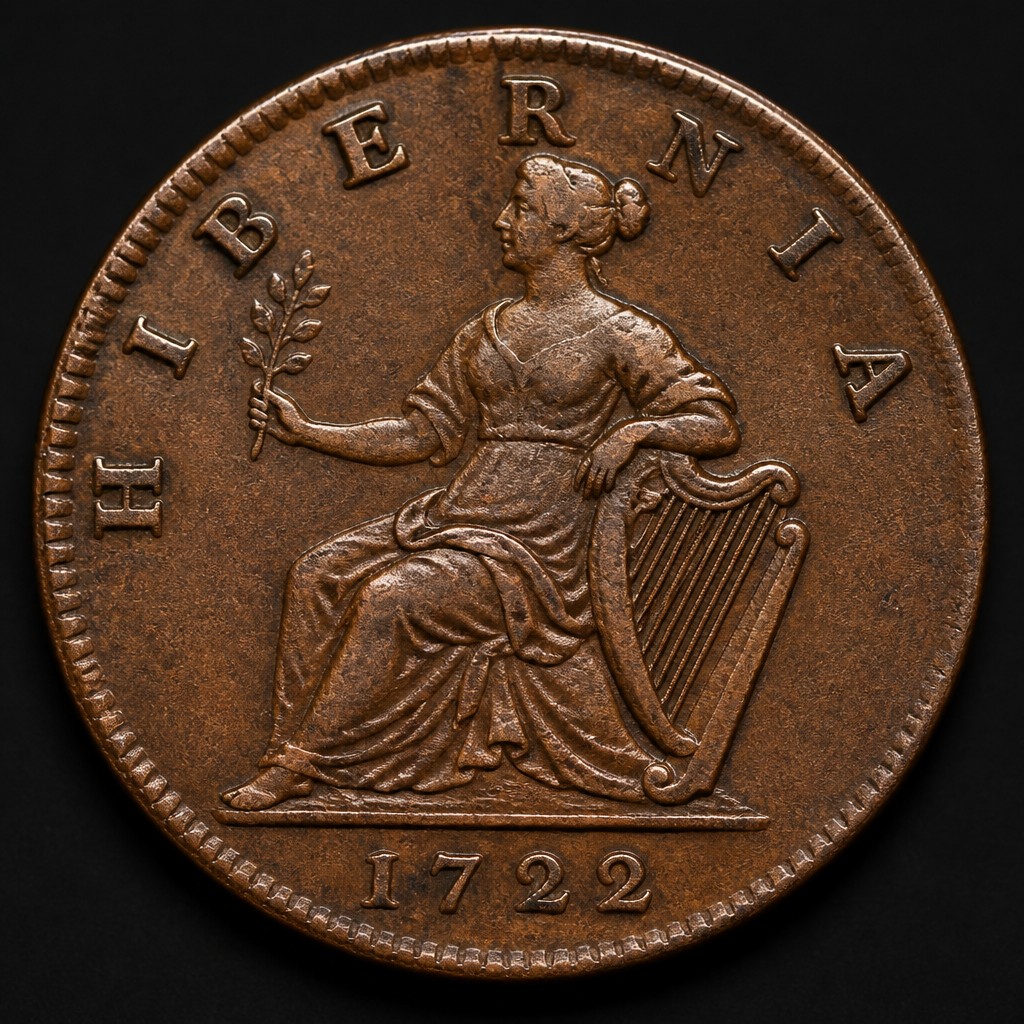
Wood's Hibernia Halfpenny
1722–1724
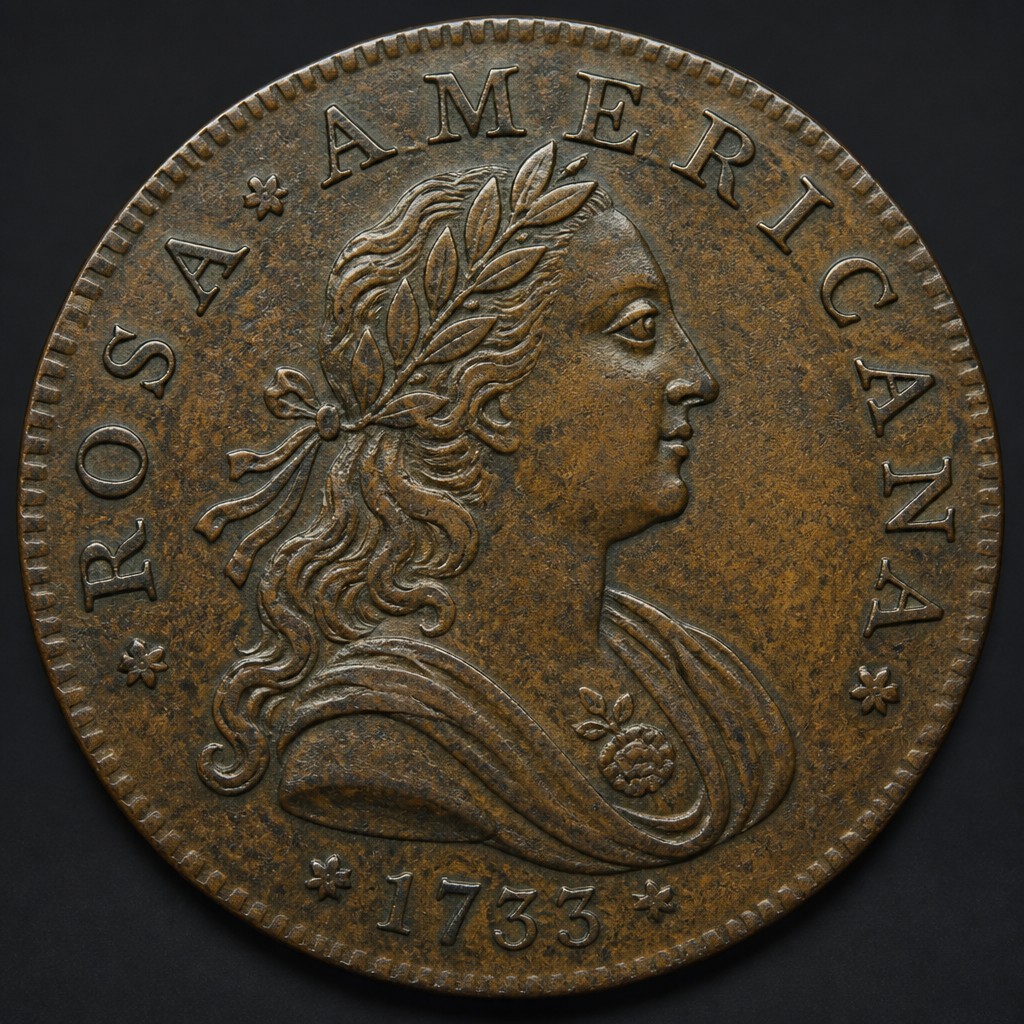
Rosa Americana Coinage
1722–1724 (with pattern issues dated 1733)
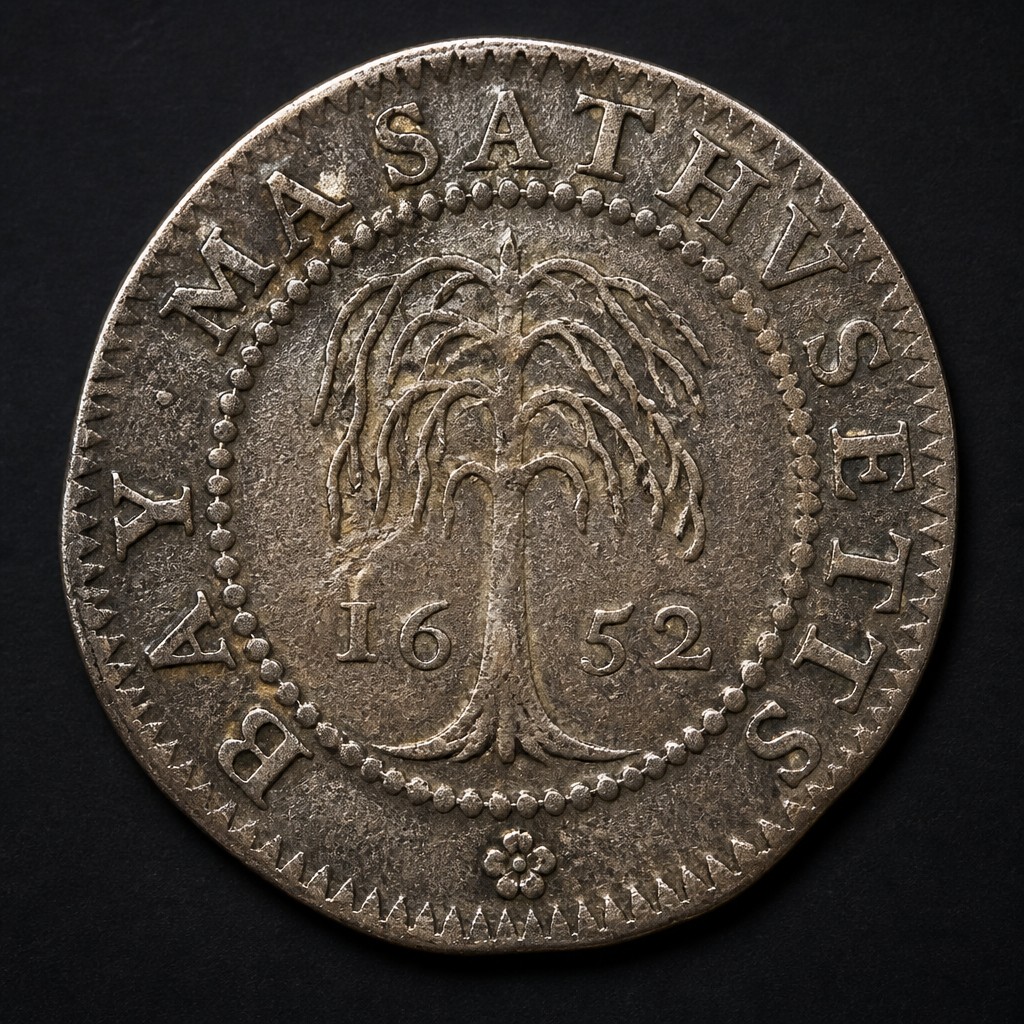
Massachusetts Willow Tree Shilling
Dated 1652, struck circa 1653–1660